
Destination / Business
Haïti : Héros de Vertières
The Heroes of Vertières are emblematic figures in the history of Haïti because of their role in the fight for the country’s independence. Their most famous action was the Battle of Vertières, which took place on November 18, 1803. It was during this battle that Haitian forces, under the command of General Jean-Jacques Dessalines, managed to defeat French troops. , thus marking the end of the French colonial yoke and the proclamation of the independence of Haïti on January 1, 1804. The Heroes of Vertières, of which Dessalines is one of the most important figures, are widely honored in Haïti for their role in the fight for independence and the creation of the first independent black republic in the world. Their status is celebrated every year on November 18 in Haïti during Vertières Heroes Day. This day commemorates the victory at Vertières and pays tribute to historical figures who played a crucial role in the liberation of Haiti.
Read moreHaïti : Fort Jacques
Fort Jacques, also known as Fort Jacques Dessalines, is an ancient fortification located in Haiti. It lies in the hills east of the capital, Port-au-Prince. The fort is important for its role in Haitian history, particularly during the Haitian Revolution and the struggle for independence from French colonial rule. The fort is named for Jean-Jacques Dessalines, a key figure in the Haitian Revolution and the first leader of independent Haiti. It was at Fort Jacques that Dessalines, alongside other revolutionary leaders such as Alexandre Pétion and Henri Christophe, strategized and launched military operations against the French and their local allies. Today, Fort Jacques is a historic site and a popular tourist destination. Visitors can explore the well-preserved fortifications, including stone walls, cannons and other remnants of the past. The site offers panoramic views of the surrounding countryside and the city below, making it a picturesque location for both history buffs and those interested in Haiti’s natural beauty. It is also a place to reflect on the importance of the Haitian Revolution and the country’s struggle for freedom and independence.
Read moreHaiti: Discovering Fort Picolet
Haiti, with its rich historical heritage, is home to several gems that bear witness to the country’s fascinating past. Among these is Fort Picolet, a vital part of the French colonial defensive system, which stands majestically on the coast. This site, steeped in history, offers visitors a captivating dive into the island’s tumultuous past. Fort Picolet was designed as a strategic fortress, composed of two superimposed batteries, a parapet walk and a wall that runs along the coast. Construction work began in 1736 under the direction of M. de Larnage and was completed in 1741 by the engineer M. du Coudreau. This imposing structure bears witness to the architectural know-how of the French colonial era. The fort played a crucial role during the French expedition of February 1802, under the command of General Henry Christophe. Controlling the passage of large tonnage boats between Pointe Picolet and the Grand-Mouton reefs, Fort Picolet temporarily blocked access to the port of Cape Town for the squadron led by Captain General Leclerc. This historic episode marked the beginning of fierce resistance, with General Christophe proclaiming from the ramparts of the fort his famous words: "If you have the force with which you threaten me, I will lend you all the resistance that characterizes a general". Unfortunately, part of the surrounding wall was destroyed during the explosion of the powder magazine. Despite this incident, Fort Picolet has survived over the centuries, testifying to the resilience of its architecture and its historical importance. Today, Fort Picolet stands out as an essential tourist destination in Haiti. Visitors can stroll through its historic corridors, soak up its history-filled atmosphere and admire the panoramic views of the Caribbean Sea. Preservation efforts have been made to restore parts of the fort, providing visitors with an immersive experience into the nation’s past.
Read moreHaïti : Labadee
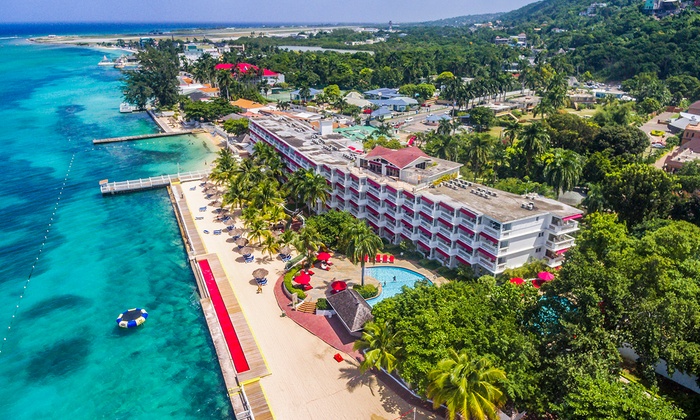
Labadee is a private resort located on the northern coast of Haiti. It is a scenic destination owned by the cruise line Royal Caribbean International and is used exclusively by their cruise ships. Labadee offers visitors a beautiful tropical setting with stunning beaches, lush vegetation and a range of activities and amenities. Here are some of the things you can enjoy in Labadee: Beaches: Labadee offers several beautiful beaches where you can relax and soak up the sun. These beaches are famous for their clear waters and peaceful environment. Water Sports: Visitors can indulge in various water activities such as snorkeling, jet skiing, and kayaking. The area’s warm waters make it an excellent place for aquatic adventures. Zipline: One of the most popular attractions in Labadee is the Dragon’s Breath Zipline, one of the longest ziplines over water in the world. It offers breathtaking views of the surrounding landscape. Water Park: There is a water park with floating water slides and play areas for children and adults. This is a fun option for families. Cultural Experiences: Labadee offers opportunities to explore Haiti’s local culture and art, with artisans and merchants selling their handcrafted goods. Private Cabanas: If you’re looking for a more exclusive and relaxing experience, Labadee offers private cabanas for rent. These cabanas offer various amenities, including a personal butler. Lunch: Royal Caribbean offers a buffet-style lunch for visitors, which is included in the cruise package.
Read moreHaïti : Bassin Bleu
Bassin Bleu is a popular tourist destination in Haiti, located in the Jacmel region, in the Sud-Est department. It is a set of three natural pools of blue water surrounded by lush vegetation and spectacular rock formations. These pools get their name from the deep blue color of the water. Bassin Bleu’s three pools are fed by streams and waterfalls that create a refreshing and picturesque experience. Visitors can swim in natural pools, jump from rocks into the water, or simply enjoy the natural beauty of the place. Adventurous travelers can also hike to reach Bassin Bleu, which adds an extra dimension to the experience.
Read moreHaïti : Citadelle la Ferrière
Citadelle La Ferrière, also known as Citadelle Henry, is one of Haiti’s most iconic structures. It is located in the mountains in the north of the country, near the town of Milot. The Citadel was built in the early 19th century during the reign of Henri Christophe, a former slave who became an important military and political leader after the Haitian Revolution, which resulted in Haiti’s independence in 1804. The Citadelle La Ferrière was built to serve as a military fortification and refuge in the event of foreign invasion. It is a massive structure, with thick walls, cannons and watchtowers. The Citadel is perched on a mountain, making it a strategic location for defense. The architecture of the Citadel is impressive, and it is a UNESCO World Heritage Site due to its historical importance and unique architecture. Visitors today can explore the Citadel and enjoy panoramic views of the surrounding countryside. It is one of the most popular tourist attractions in Haiti, offering visitors a glimpse into the nation’s fascinating history and cultural heritage.
Read moreHaïti : Parc Historique de la Canne à Sucre
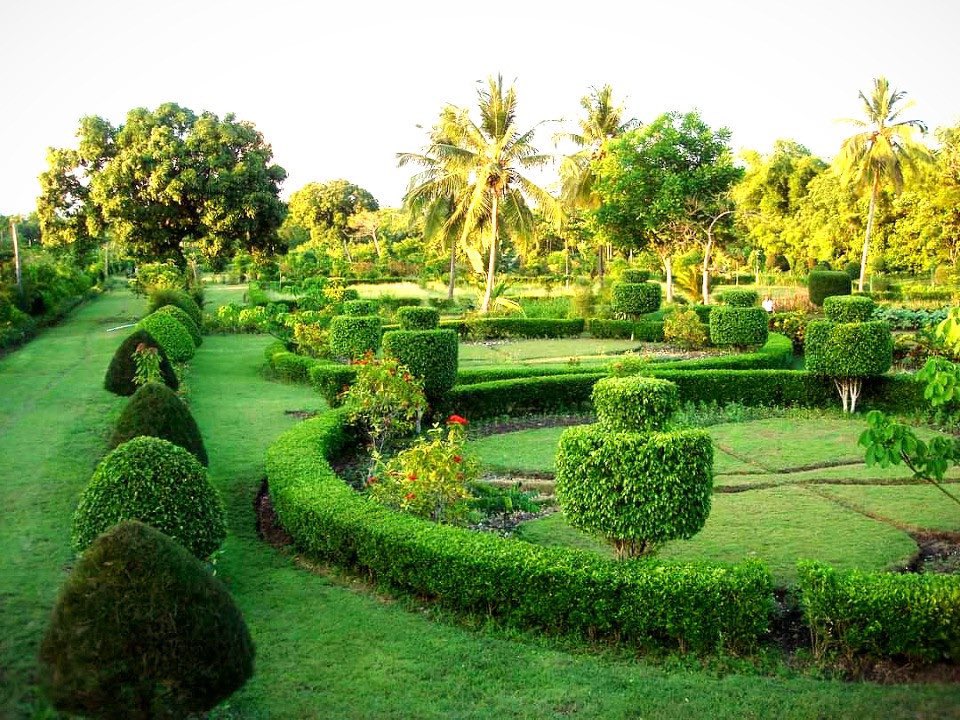
The Sugar Cane Historical Park (PHCS) is a tourist site located in Haiti. It is located in the town of Tabarre, near the capital Port-au-Prince. The park aims to preserve and highlight the history and culture of sugar cane in Haiti, as well as the importance of this crop for the country’s economy. The site includes sugar plantations, historic sugar mills, museums and interactive exhibits. In addition to its historical aspect, the Canne à Sucre Historical Park also offers cultural activities, craft demonstrations, traditional Haitian shows, and restaurants serving local dishes. It is a place that allows visitors to better understand the history of agriculture and the sugar industry in Haiti, as well as the importance of these traditions to Haitian culture.
Read moreHaïti : Chic Chateau
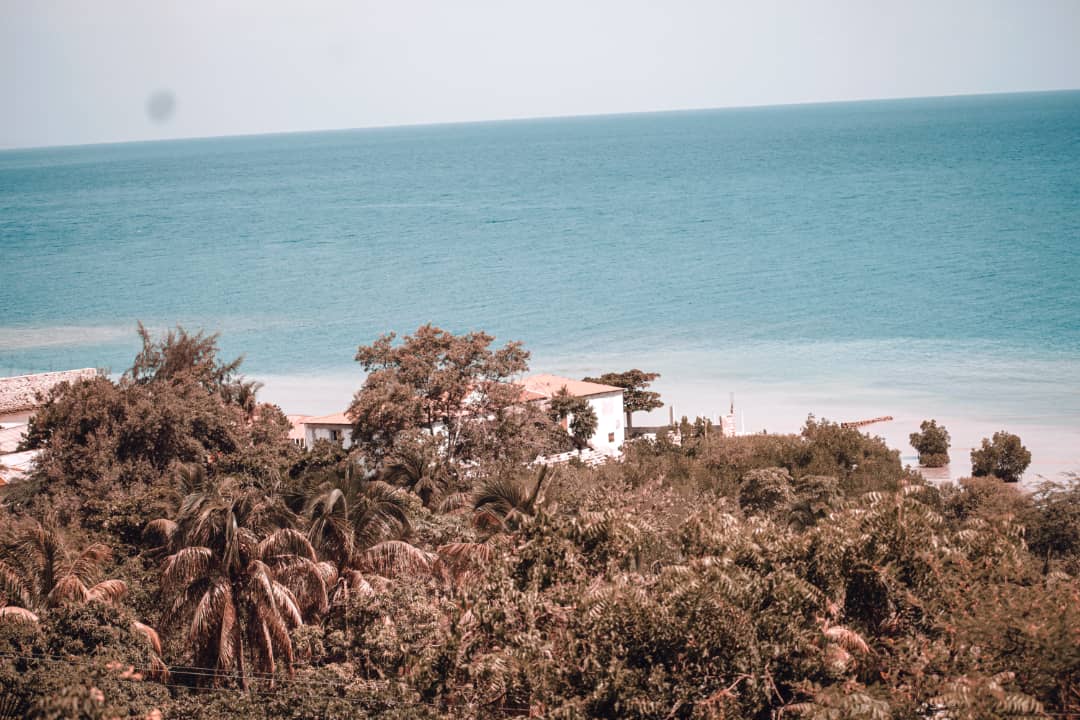
Chic Chateau, located at 10 Rue Petavi, Cayes-de-Jacmel 9130, Haiti, is a retreat of private elegance with rustic charm, nestled in the heart of a breathtaking landscape with breathtaking sea views. is a little corner of paradise where you can relax and recharge your batteries in a sumptuous setting. At Chic Chateau, the combination of elegance, comfort and nature promises you an exceptional stay. Whether you are looking for relaxation, adventure or cultural discovery, Chic Chateau offers a unique experience for all travelers seeking serenity and beauty by the sea.
Read more
History
First black nation to free itself from slavery and gain independence from France in 1804 and influenced other liberation movements around the world, inspiring struggles for freedom and equality.

Natural beauty
Haïti is blessed with spectacular natural landscapes, including white sand beaches, mountains and rich biodiversity.

Heritage
Haïti has a rich historical heritage, including sites like the Citadelle Laferrière and the Sans-Souci Palace, listed as UNESCO World Heritage Sites.

Culture
Haïti has a rich and diverse culture, influenced by African, European and indigenous elements. Haitian music, dance, art and cuisine are celebrated around the world.
- +
Post