contact@haitiwonderland.com+509 36184317

Discover

Shopping Cart

Discover the cultural richness of Haiti

Discover the cultural richness of Haiti

Haiti, often nicknamed "the Pearl of the Antilles", is a Caribbean island nation that shines with its cultural wealth. This richness is the result of a unique blend of African, French, Spanish and indigenous influences, shaped by a tumultuous history and remarkable resilience. Let’s explore together the varied facets of this vibrant and profound culture.

Haïti
Haïti
Haïti

History and Influences

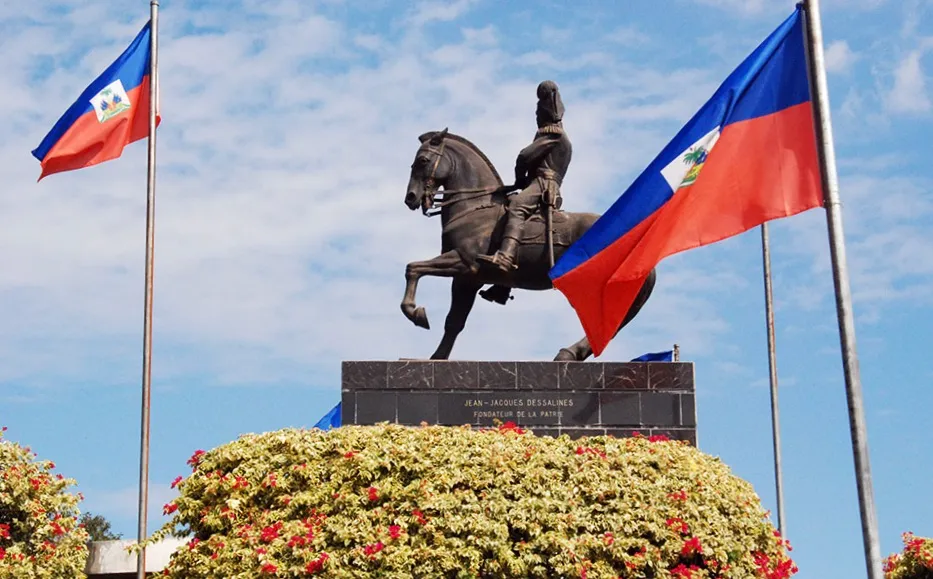
Haïti is the first independent black nation, having gained independence from France in 1804 after a revolution led by slaves. This historic victory not only marked a turning point for the nation, but also imbued its culture with a deep sense of pride and resistance.

African influence is predominant in Haiti, visible in music, dance, religion and cuisine. The traditions of the Yoruba, Congo and Dahomey peoples crossed the Atlantic and mixed with European influences to create a unique culture.

Haïti
Haïti
Haïti

Language and Literature

Haitian Creole, a language resulting from contact between French colonists and African slaves, is spoken by almost the entire population. This language is a symbol of Haitian identity and its cultural resilience. French, the official language, also plays an important role, particularly in education and literature.

Haïti is the birthplace of many renowned writers such as Jacques Roumain, René Depestre and Dany Laferrière. Their works explore themes of struggle, identity and beauty, reflecting the complex realities of Haitian society.

Haïti
Haïti
Haïti

Music and dance

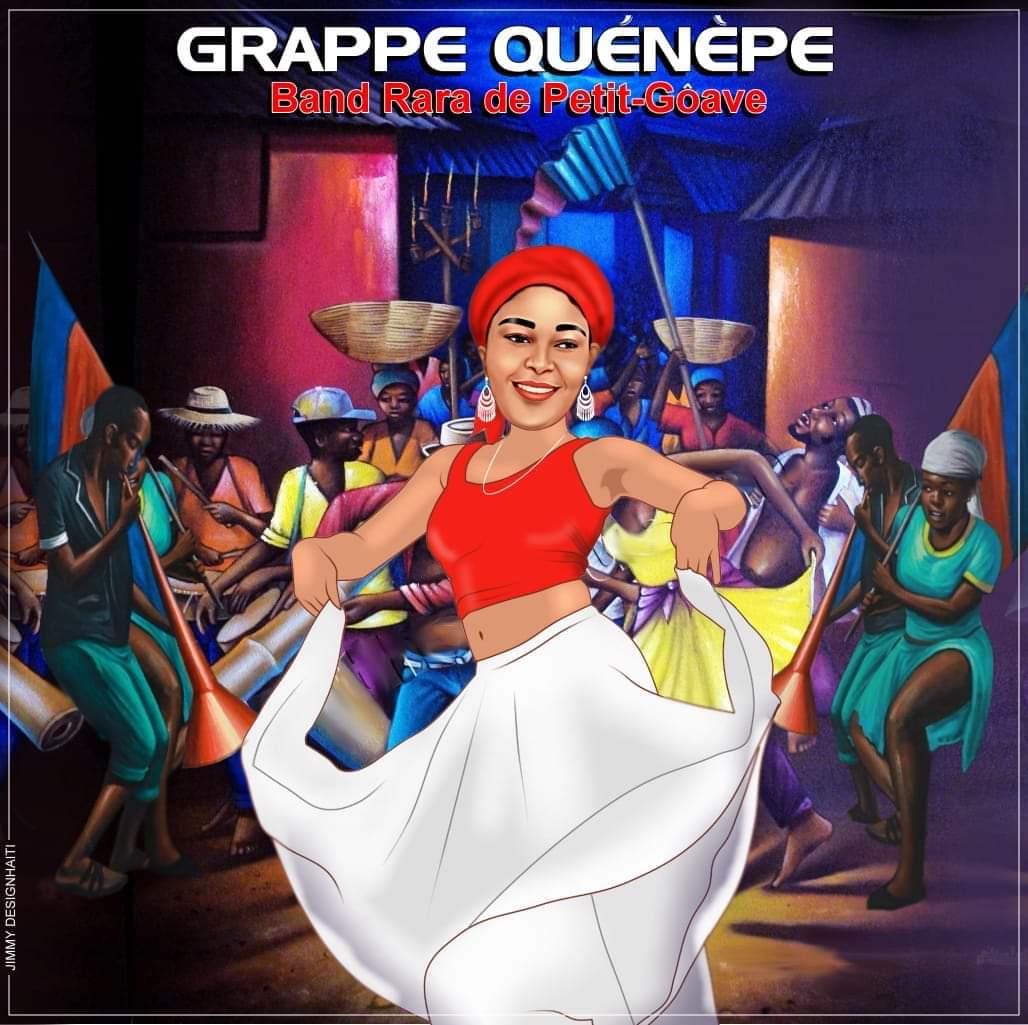
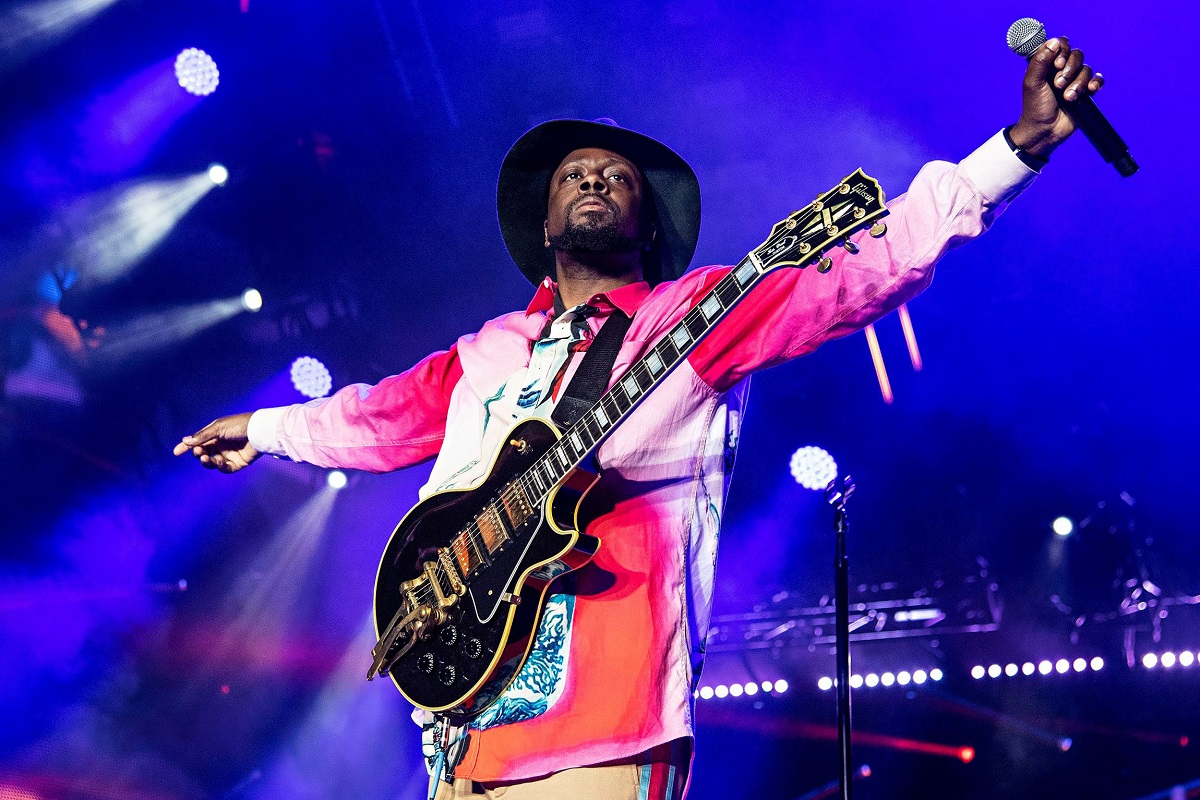
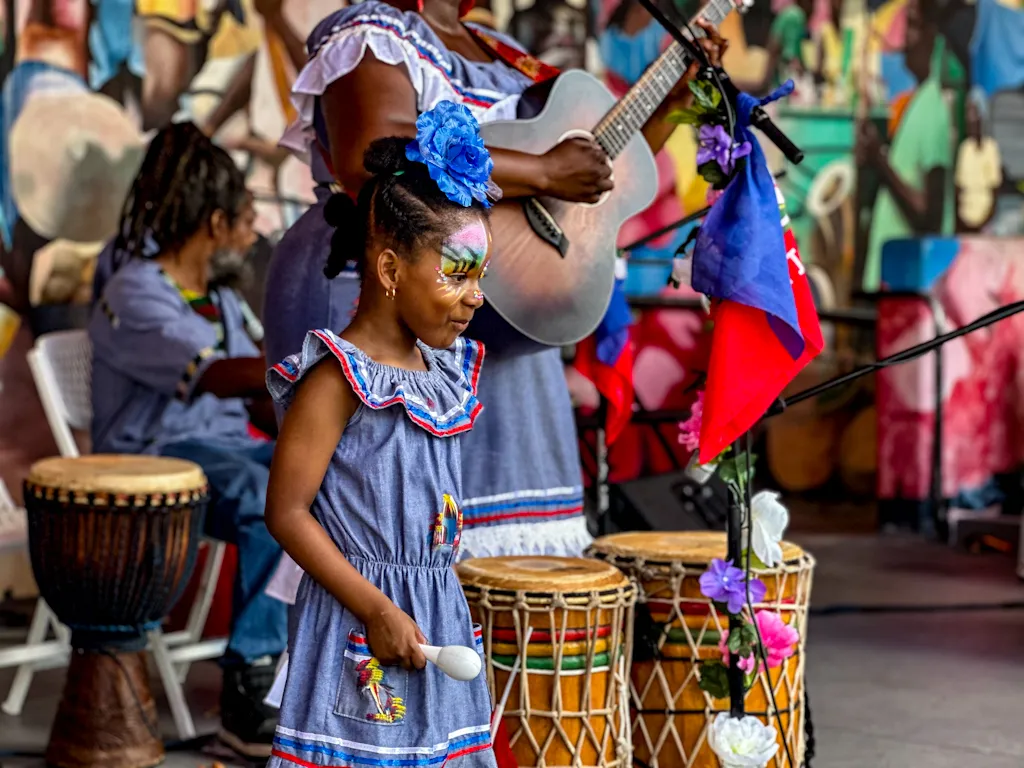
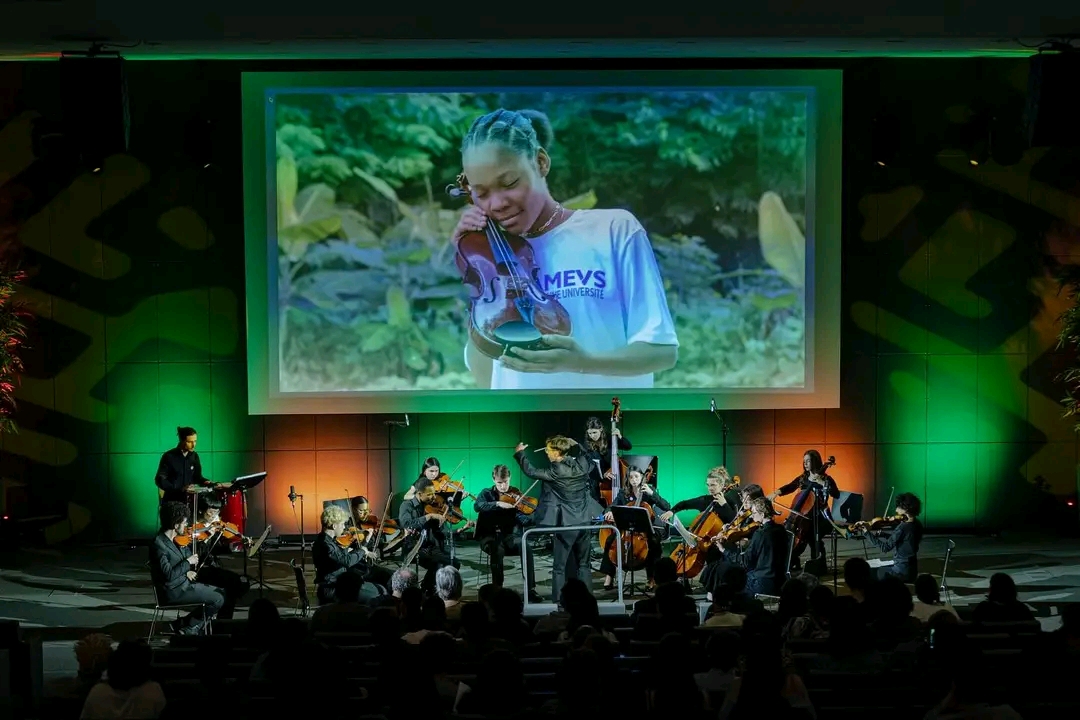
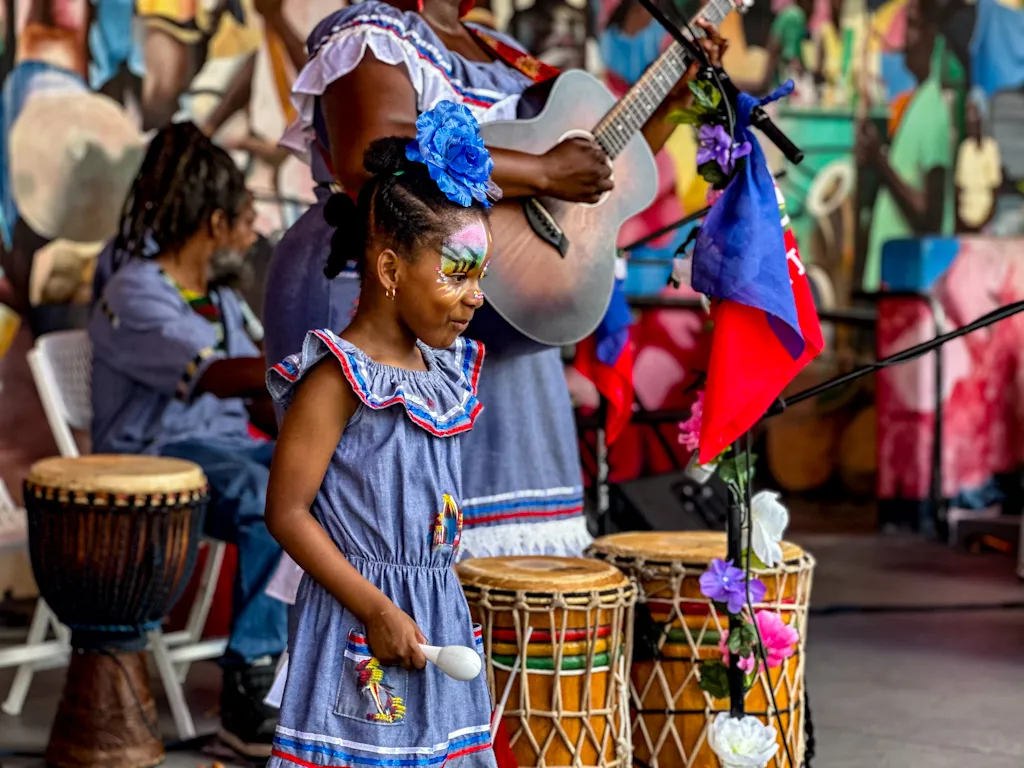
Haitian music is a vibrant mix of African rhythms and European melodies. The compass, a musical genre invented by Nemours Jean-Baptiste in the 1950s, is extremely popular. Roots music, a genre that draws from Vodou and African traditions, is also very influential.

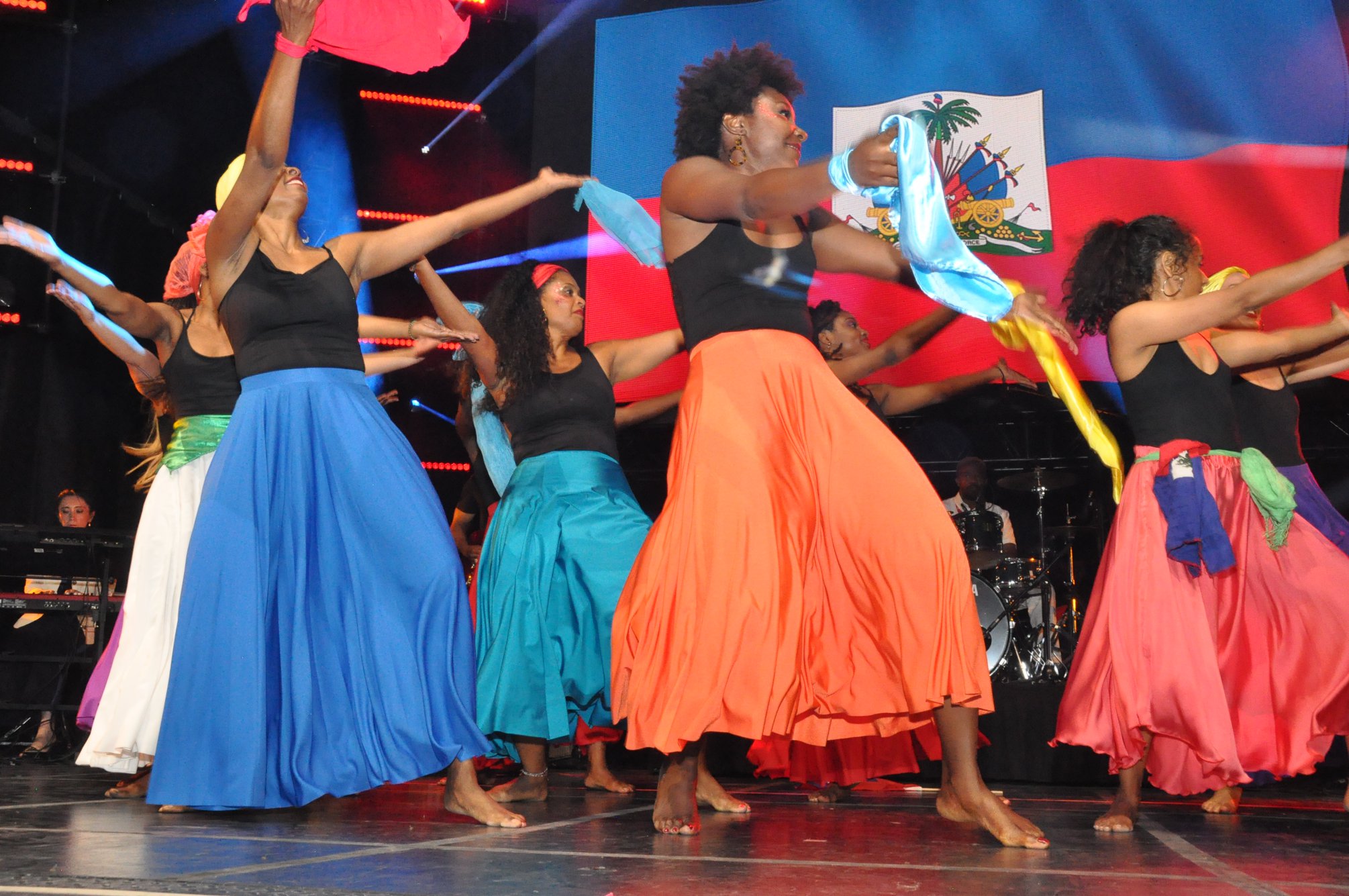
Dance plays a central role in Haitian culture. Merengue, Haitian meringue and traditional dances such as yanvalou and ibo are performed during religious festivals and ceremonies, illustrating the joie de vivre and spirituality of Haitians.

Haïti
Haïti
Haïti

Religion and Spirituality

Religion in Haïti is a complex mix of Catholicism and Vodou. Vodou, often misunderstood and stigmatized, is a religion deeply rooted in Haitian culture. It is based on respect for spirits and ancestors, and its practices include ceremonies with dancing, singing and drumming.

Catholicism, introduced by French settlers, is the majority religion, but often the religious practices of Haitians integrate elements of both traditions, creating a unique spirituality.

Haïti
Haïti
Haïti

Craftsmanship

Haitian art is famous for its liveliness and expressiveness. Haitian paintings are often colorful, depicting scenes of daily life, lush landscapes and spiritual figures. Artists like Hector Hyppolite and Préfète Duffaut are known for their iconic works.

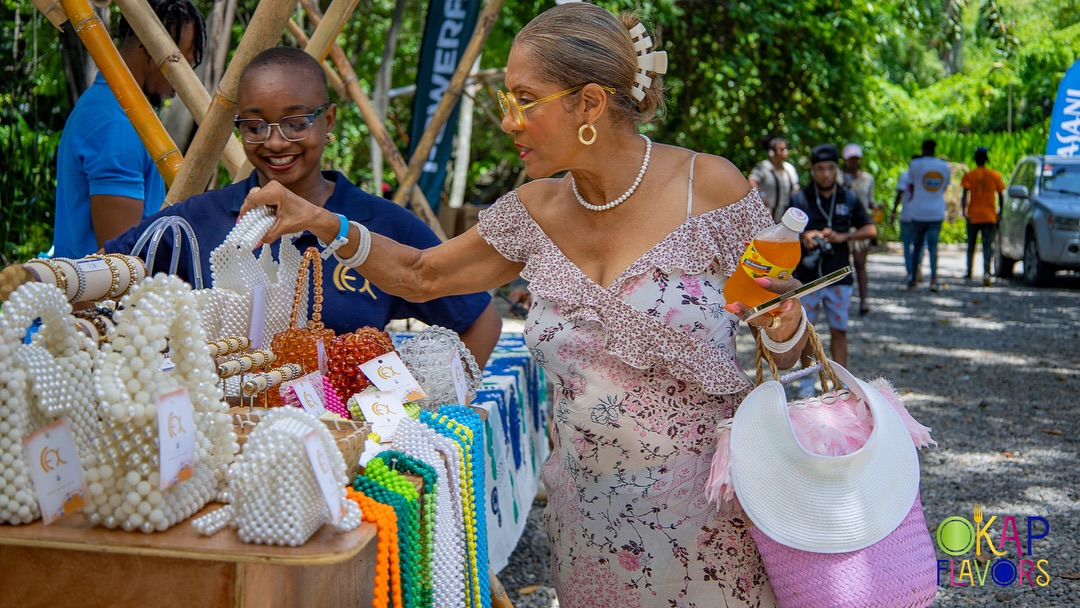
Crafts are also a key element of Haitian culture. The wrought iron work, particularly the sculptures made from recycled metal cans, is particularly remarkable. Haitian artisans also create wooden objects, jewelry, textiles and pottery, often decorated with traditional motifs.

Le Makaya, histoire et pratiques vaudouesques en haïti

Le Makaya, histoire et pratiques vaudouesques en haïti

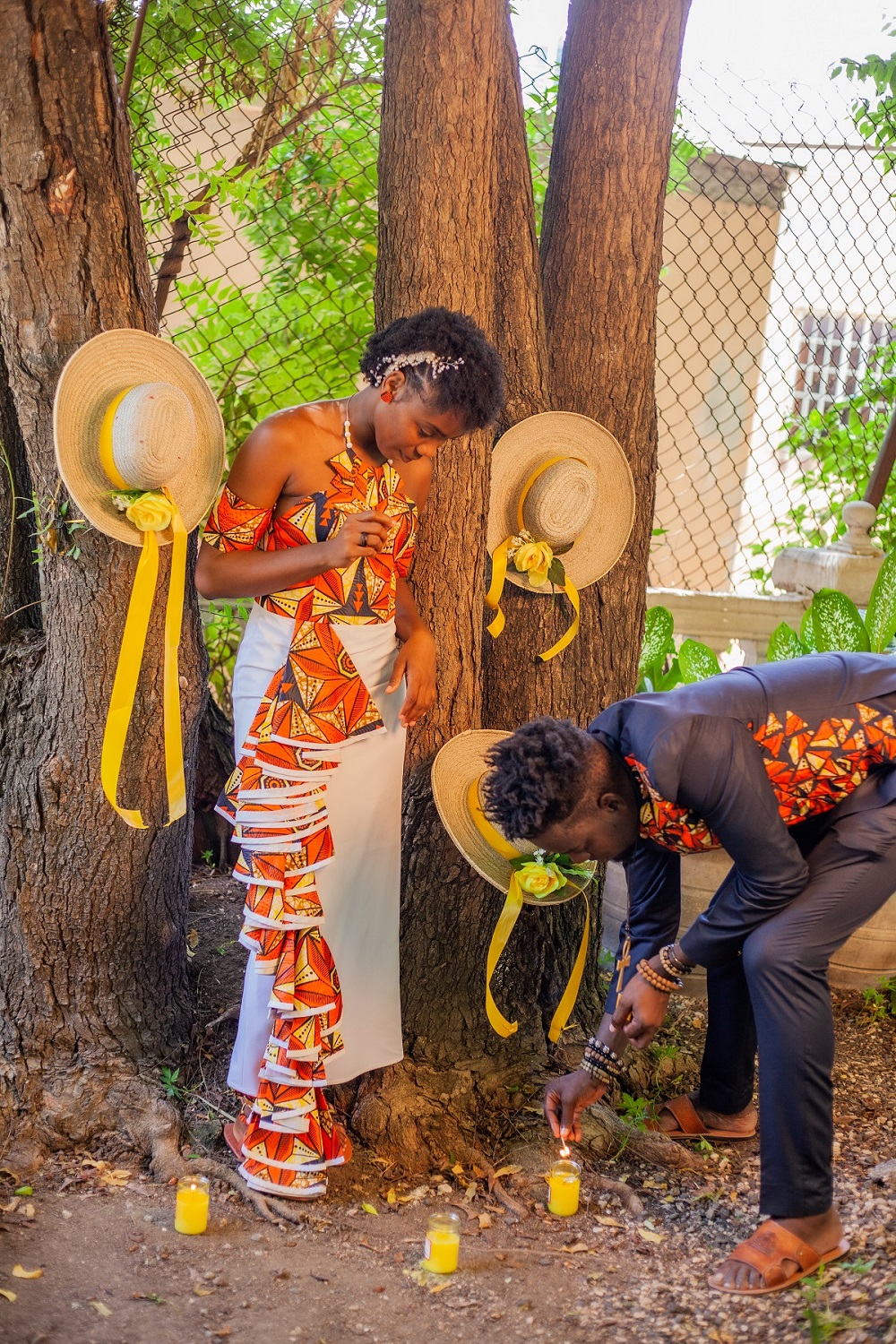
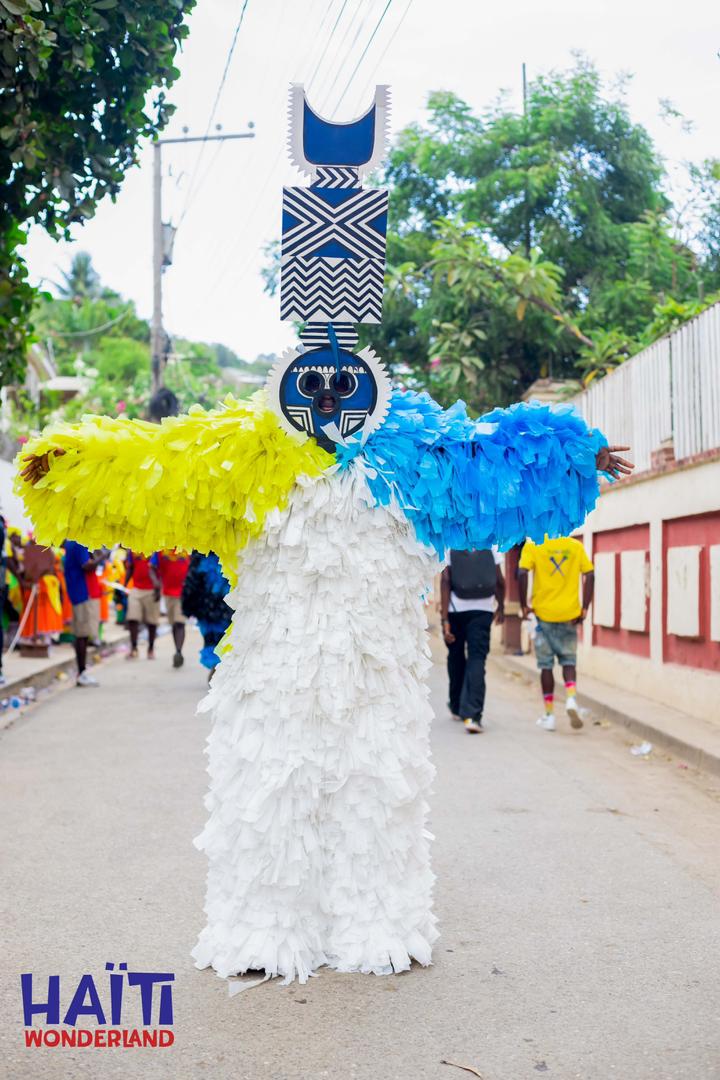
Le Makaya est bien plus qu’une simple fête ; il est un pilier spirituel du vaudou haïtien, une tradition vivante qui lie les croyances ancestrales aux rituels de purification, de guérison et de renouveau. Célébré principalement à la fin du mois de décembre, le Makaya tire ses racines de l’Afrique, en particulier des civilisations bantoues, et se déroule dans un contexte profondément spirituel où les liens avec les ancêtres et les forces naturelles sont essentiels. Le terme "Makaya", qui signifie "feuilles" en Kikongo, est intrinsèquement lié à la nature et aux plantes, éléments essentiels du vaudou. Ce lien direct avec la nature fait du Makaya un moment de purification, où les croyants se connectent à la terre et aux esprits par l’intermédiaire des végétaux. La tradition du Makaya vient des peuples Bantous, principalement du Congo, et de leurs pratiques spirituelles qui ont été transposées, adaptées et enrichies par la diaspora haïtienne pendant la période de l’esclavage. La période du Makaya commence le 21 décembre, lors du solstice d’hiver, une date symbolique marquant la victoire de la lumière sur les ténèbres, le commencement du renouveau solaire. Dans le vaudou, cette époque est perçue comme un moment d’introspection où la nuit la plus longue de l’année se transforme lentement en jour, apportant avec elle des forces purificatrices et régénératrices.

Haïti
Haïti
Haïti

Gastronomy

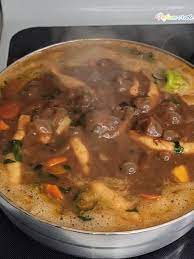
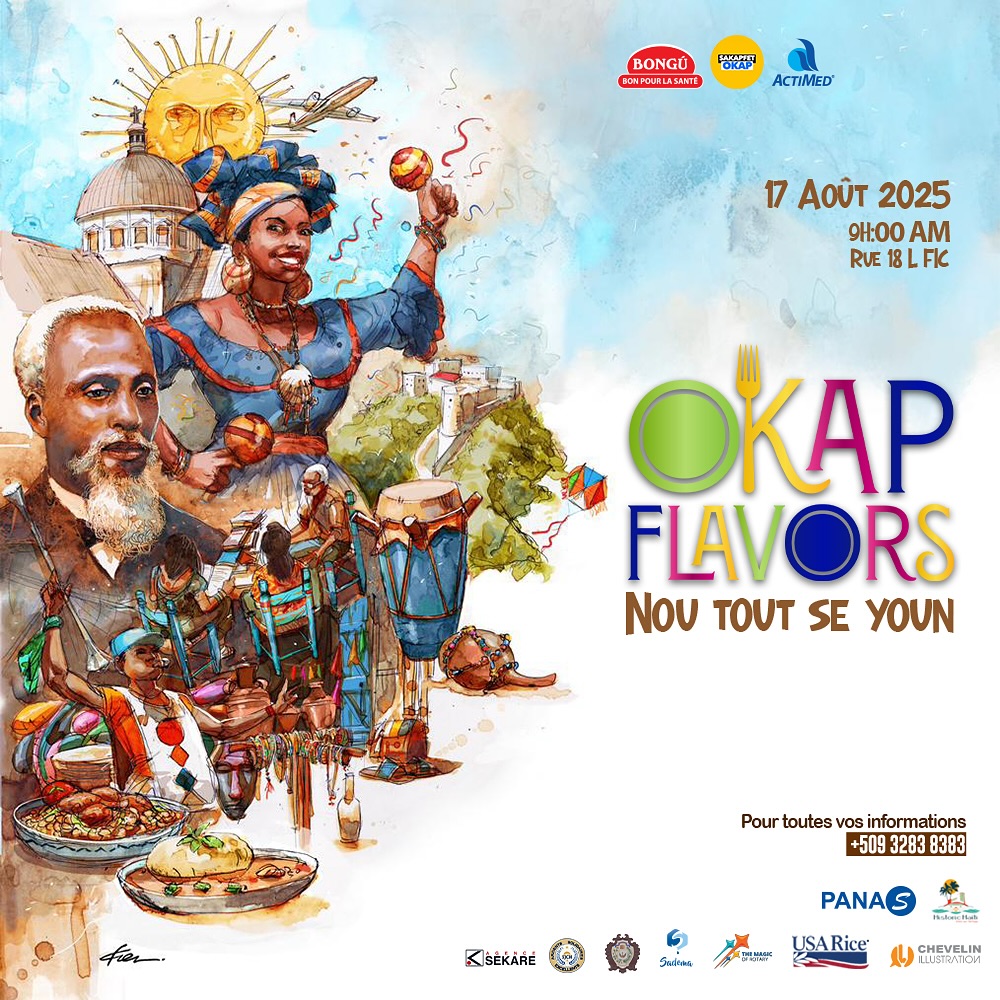
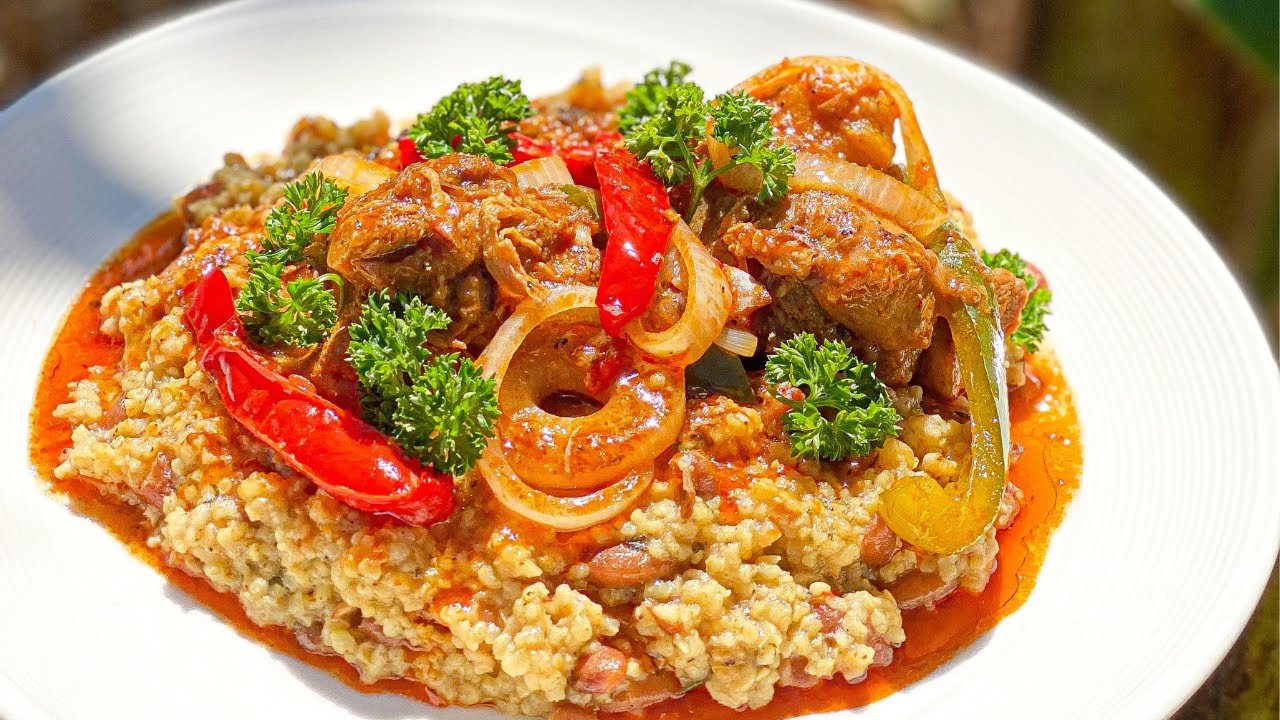
Haitian cuisine is a delight for the senses, blending African, French, Spanish and indigenous flavors. Dishes like griot, acra and diri ak djon djon (rice with black mushrooms) illustrate the diversity and richness of local flavors. Spices play a crucial role, bringing unique warmth and depth to each dish.

Haiti’s cultural richness is a testament to its history, resilience and creative spirit. Every aspect of this culture, whether it is language, music, dance, religion, art or cuisine, tells a story of fusion and transformation. By celebrating this wealth, we pay homage to the strength and beauty of the Haitian people.

Share
About the Author
Haïti Wonderland
Haïti Wonderland
Bill W

Much Respect Guys ! Congratulations .. i started building a similar website , but seeing yours made me do not wanna continue .. i love your website , you guys are the best. if you need my help in the technical support , i can definitely help .

Anpil respe a tout moun ki rann Website sa posib. nou se Patriyot tout bon vre, epi nou se yon pilye nan entelijansya peyi Dayiti . m renmen travay nou fe a, m se yon pwofesyonel nan konstwi sit wen tou, men travay nou an epate m. anpil respe , anpil lanmou...

Bill W
thepiwo@gmail.com

June 04, 2024 - 10:59:11 PM
Leave a comment

Recently Posted

Christmas in Haiti: Between Magic, Discoveries and Delicacies

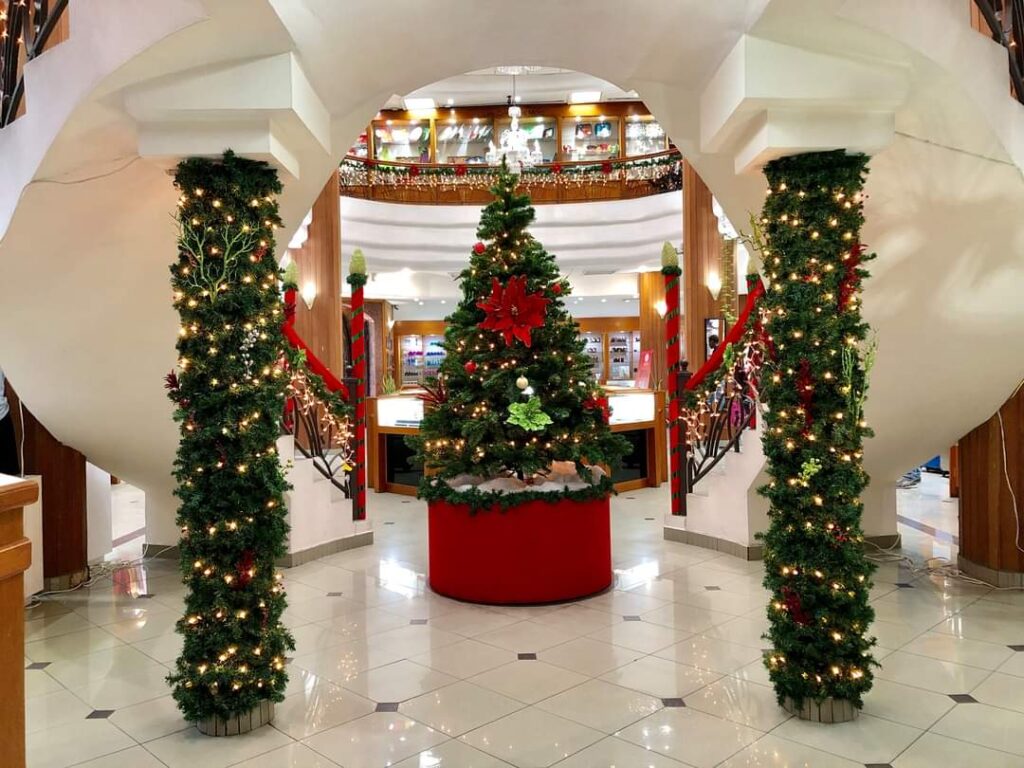
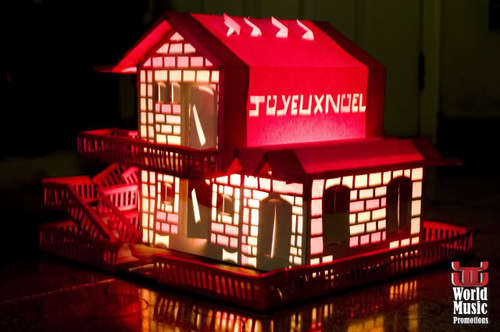
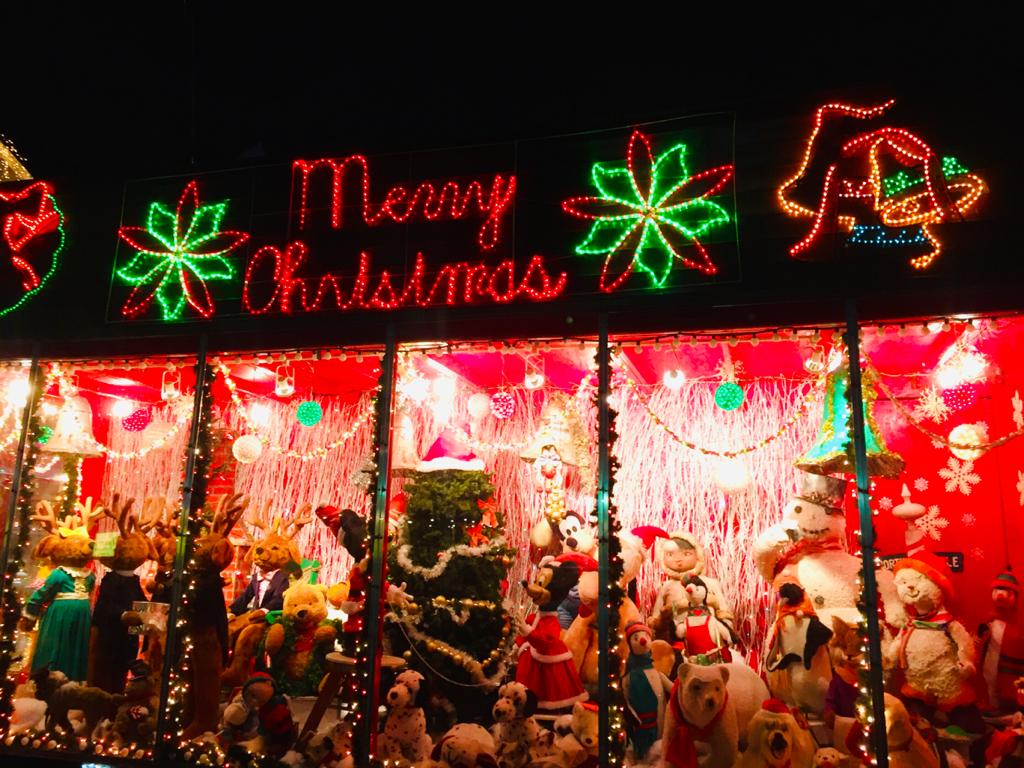
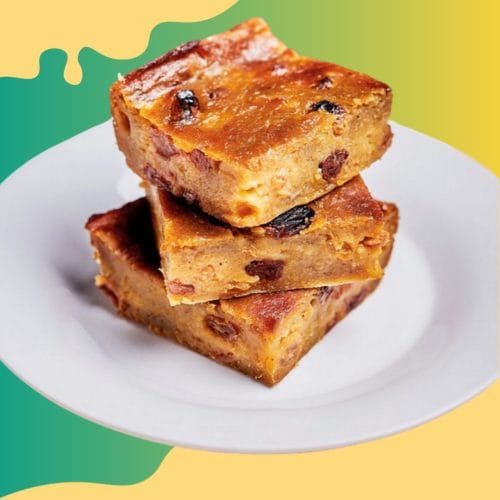
The joyful ringing of bells echoes through the streets of Haïti as the holiday season approaches. Christmas is a magical time when the streets light up, families gather and a warm atmosphere invades the island. Between traditions, cultural discoveries and gourmet feasts, Christmas in Haïti promises a unique experience. b~The Magic of Lights and Decorations~b From the beginning of December, Haïti is adorned with sparkling lights and festive decorations. The markets come alive with shimmering garlands, twinkling stars and ornate fir trees. The streets of Port-au-Prince in Jacmel shine with a special magic, inviting locals and visitors to immerse themselves in the festive spirit. b~Haitian Traditions at Christmas~b Christmas in Haïti is celebrated with a unique combination of religious traditions and local customs. Midnight Mass is a deeply rooted tradition, drawing worshipers to churches to celebrate the birth of Jesus in a vibrant atmosphere of song and prayer. A popular tradition is the "Dawn Mass" which takes place at dawn on December 25. The faithful gather to welcome Christmas Day with special fervor, testifying to the deep spirituality that permeates the festivities. The festivities are not limited to churches. Street parades, folk dances and concerts are commonplace, creating a joyful atmosphere throughout the country. Traditional Haitian music, such as direct compass and voodoo, adds a special dimension to these celebrations. b~Cultural Discoveries: Haitian Crafts~b Christmas is also an ideal opportunity to discover unique Haitian crafts. Christmas markets offer a variety of handicrafts, such as wooden sculptures, vivid paintings, wrought iron items and traditional jewelry. These works of art reflect the artistic talent of the Haitian people and provide unique and meaningful gifts. Local markets, such as the Ferrier market in Cap-Haitien and the Jacmel market, are essential places to discover the authenticity of Haitian crafts. These purchases also help support local artists and the community economy. b~Gourmet Feasts: Christmas Cuisine~b Christmas in Haïti is also a gastronomic celebration. Families gather around festive tables laden with traditional culinary delights. “Joumou soup”, a pumpkin soup, is an essential specialty of the holiday season. Pork, lamb and chicken dishes are also common, accompanied by rice and local vegetables. Traditional desserts, such as “Pen patat” and “Tablèt Pistach,” add a sweet touch to the celebration. Tropical fruits, such as mangoes and bananas, are also often present on Christmas tables, recalling the richness of Haitian biodiversity. Christmas in Haïti is a vibrant celebration that blends the magic of lights, religious traditions, local crafts and delicious cuisine. It is a time when joy and generosity are in the spotlight, and when Haitians open their hearts to share the magic of the season with the world.

Newsletter

Subscribe to our newsletter to stay informed of all our activities and news on Haiti.

Recently Posted

History

History

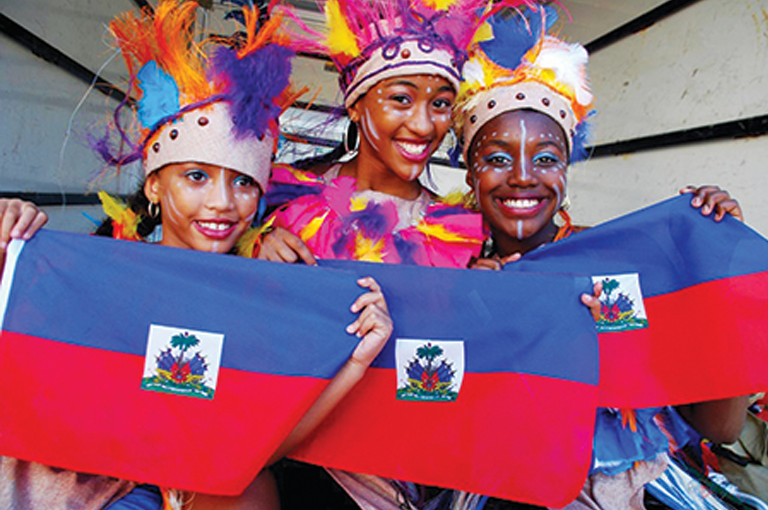
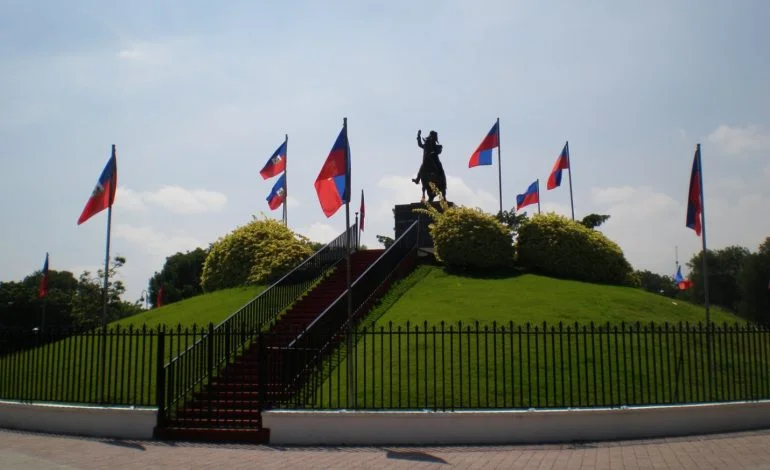
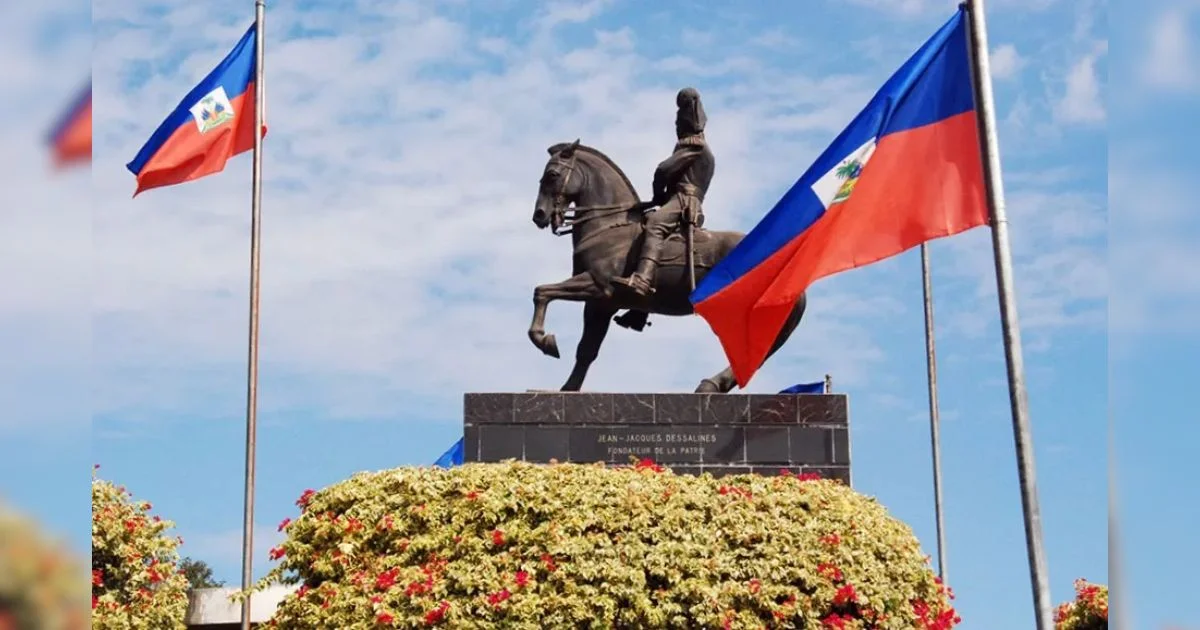
First black nation to free itself from slavery and gain independence from France in 1804 and influenced other liberation movements around the world, inspiring struggles for freedom and equality.

Natural beauty

Natural beauty

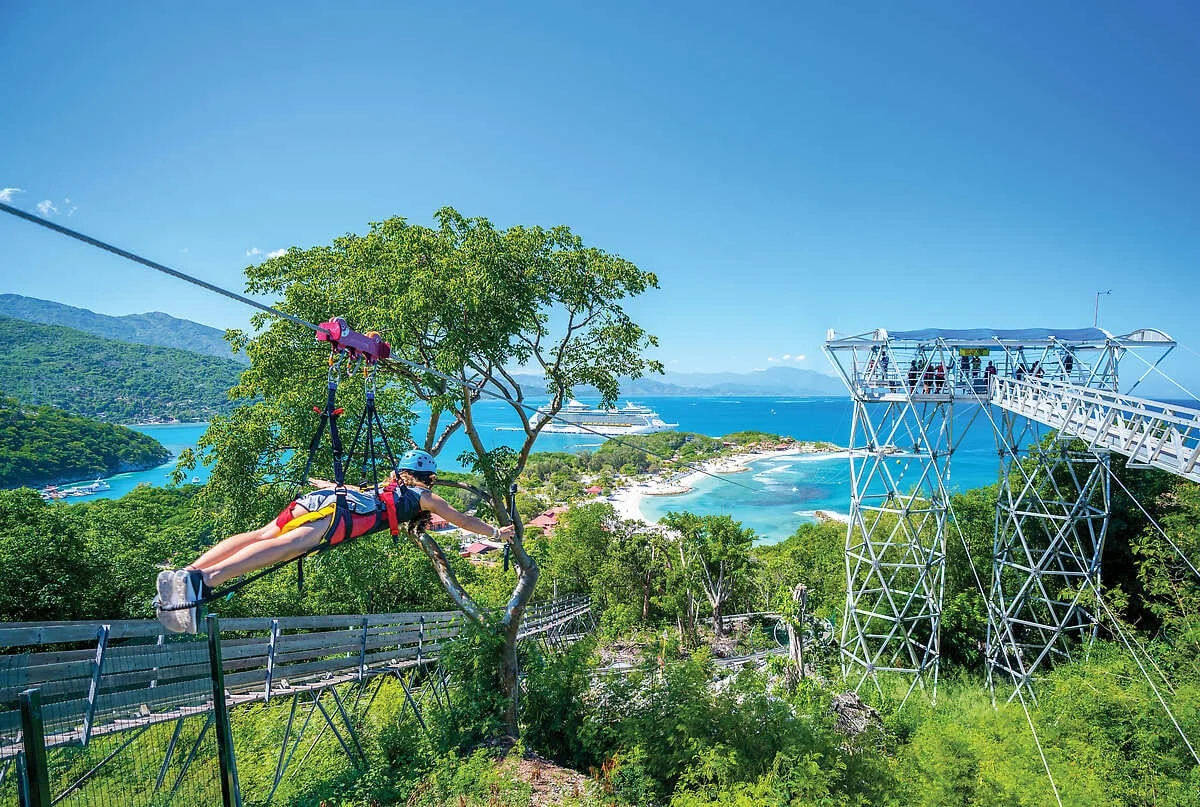
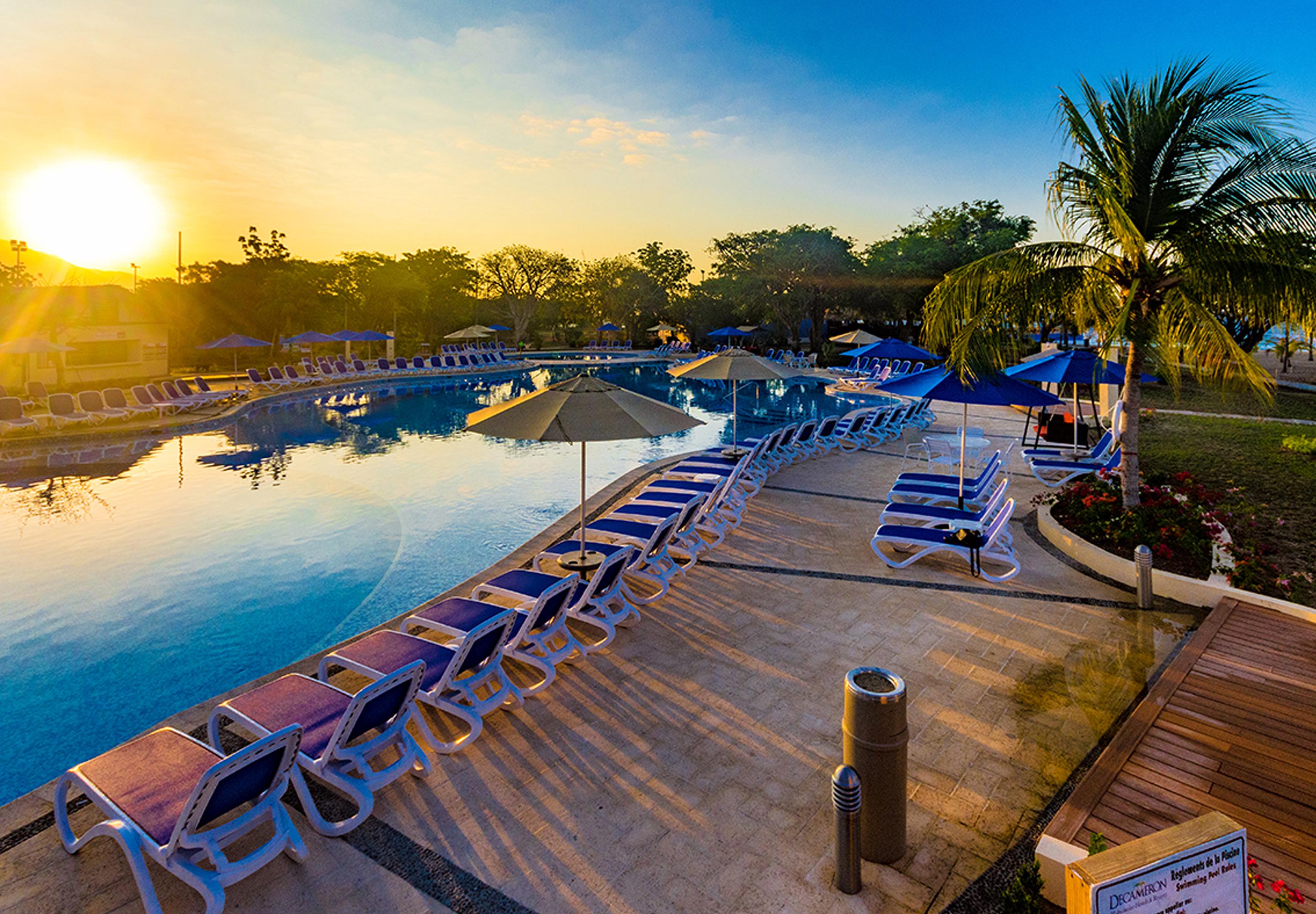
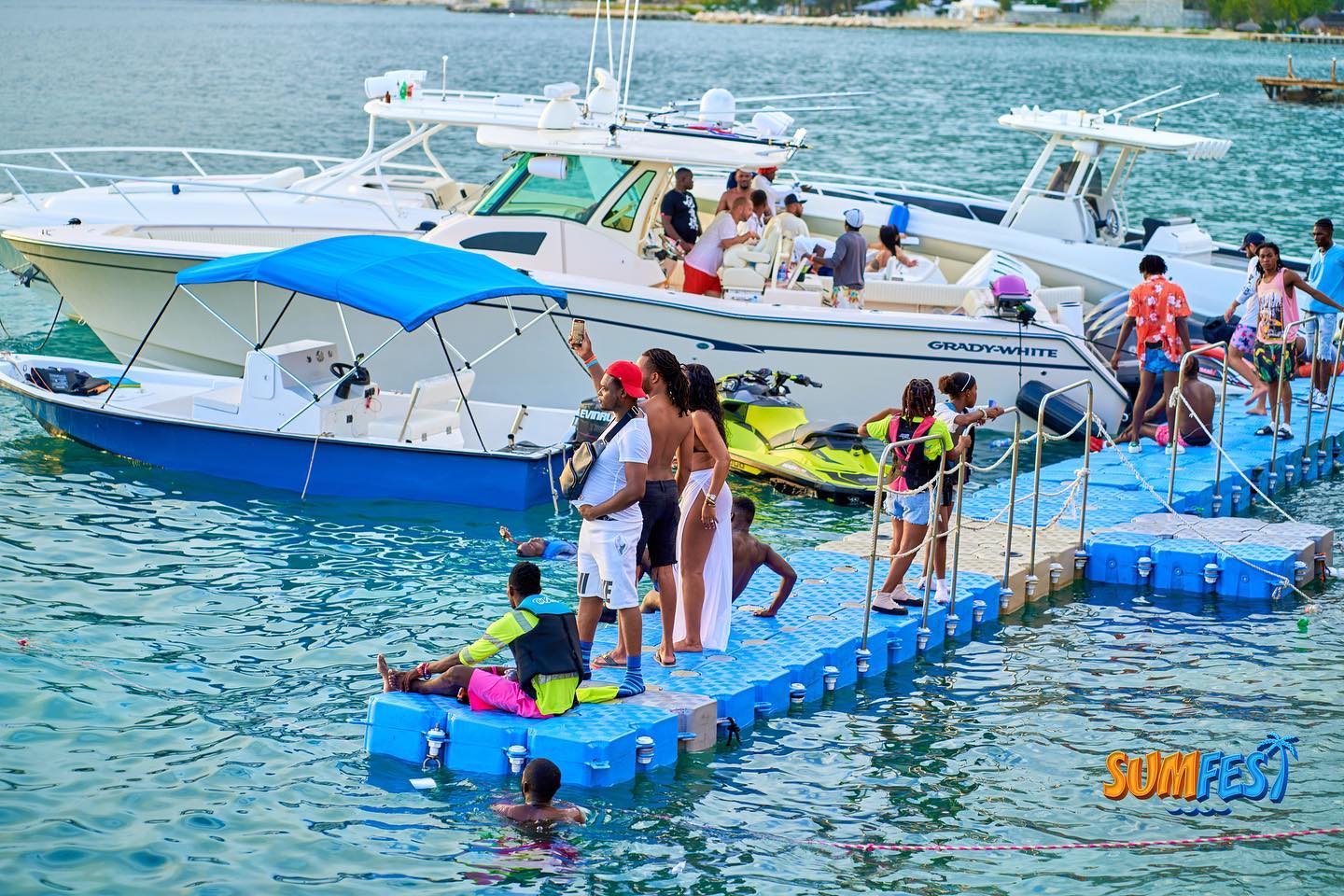
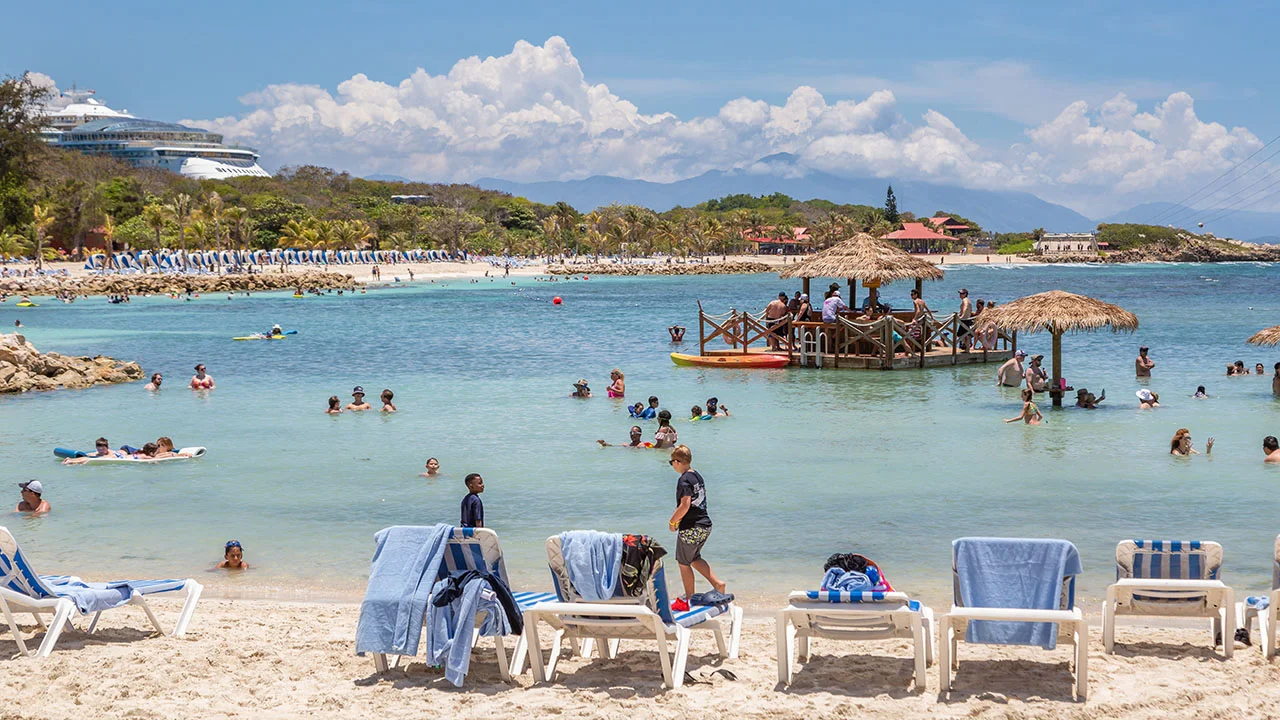
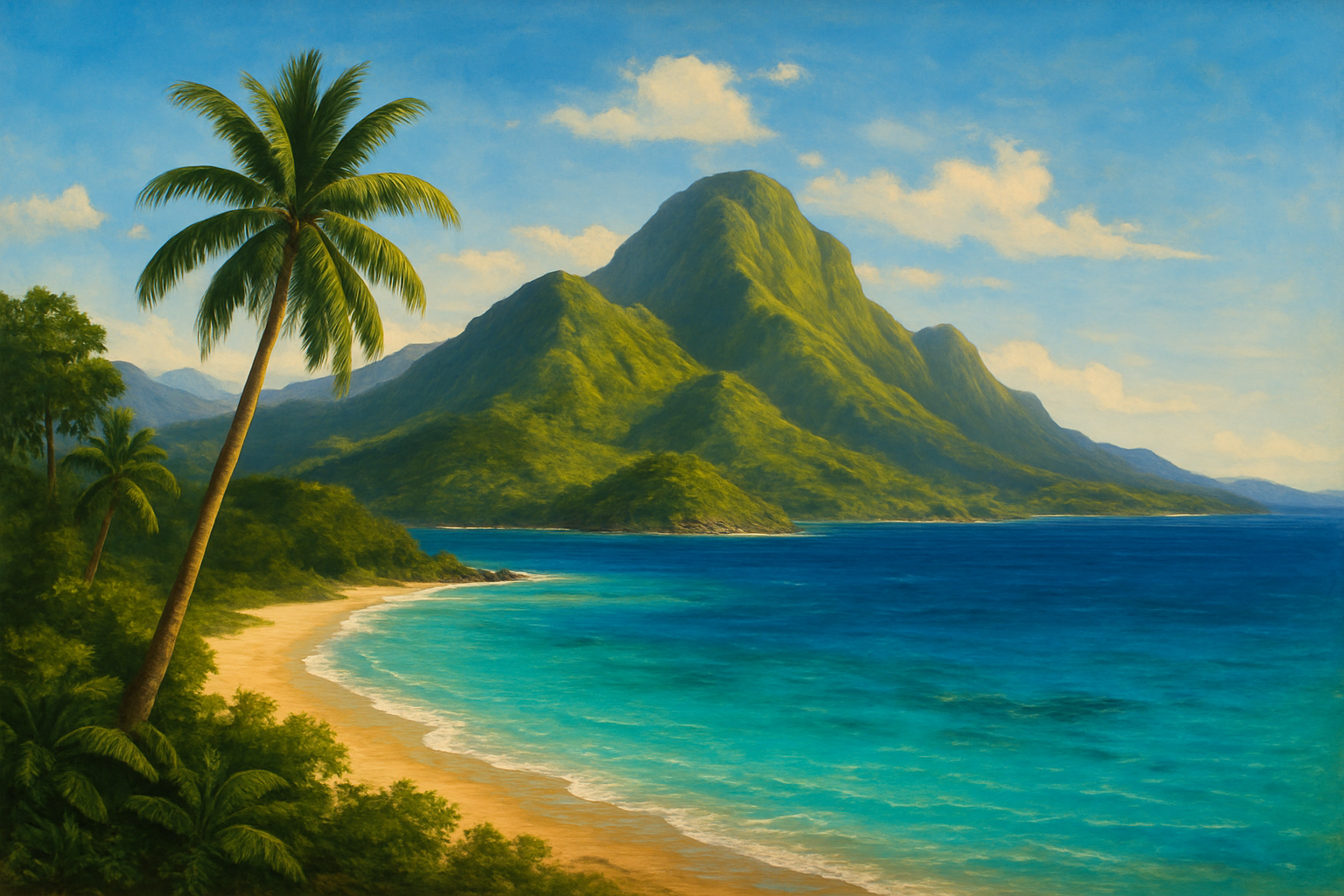
Haïti is blessed with spectacular natural landscapes, including white sand beaches, mountains and rich biodiversity.

Heritage

Heritage

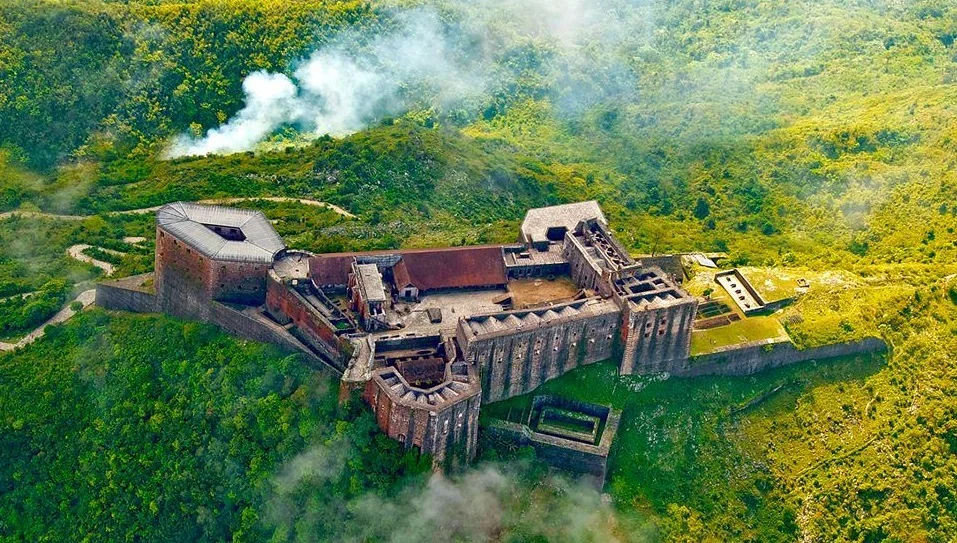
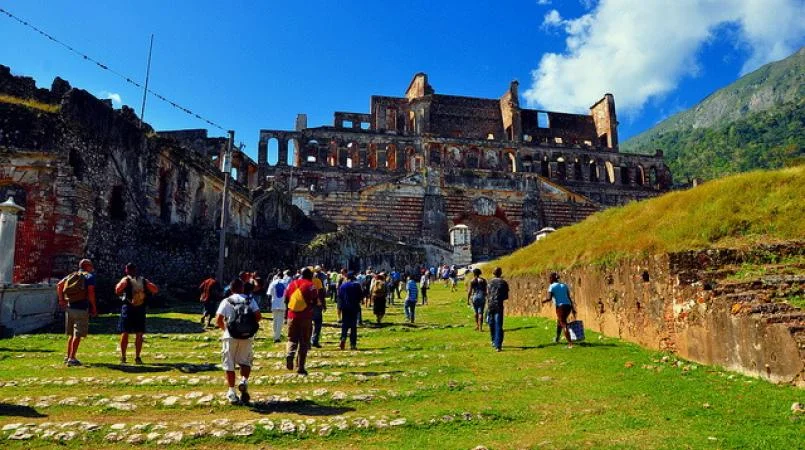
Haïti has a rich historical heritage, including sites like the Citadelle Laferrière and the Sans-Souci Palace, listed as UNESCO World Heritage Sites.

Culture

Culture

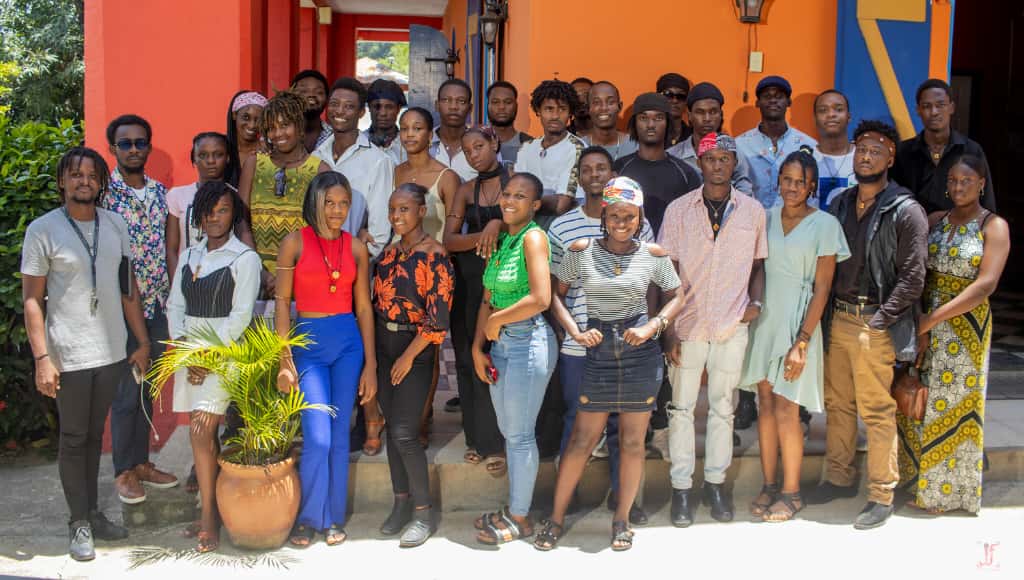
Haïti has a rich and diverse culture, influenced by African, European and indigenous elements. Haitian music, dance, art and cuisine are celebrated around the world.

  • +
    • Post