
5 Haitian Breakfast Ideas for a Vegetarian
If you’re looking for light Haitian options to start the day off right, here are some simple and nutritious ideas:

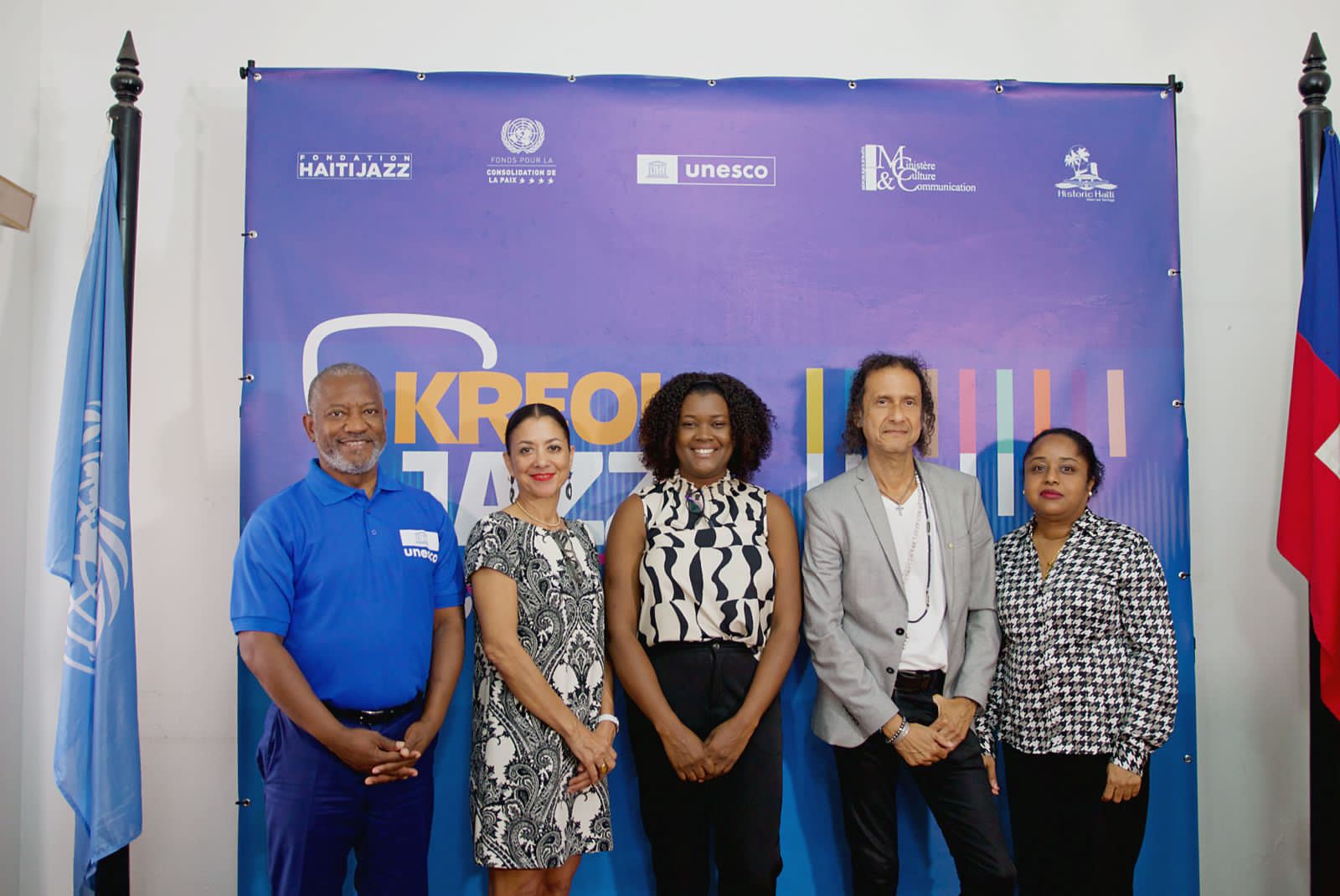
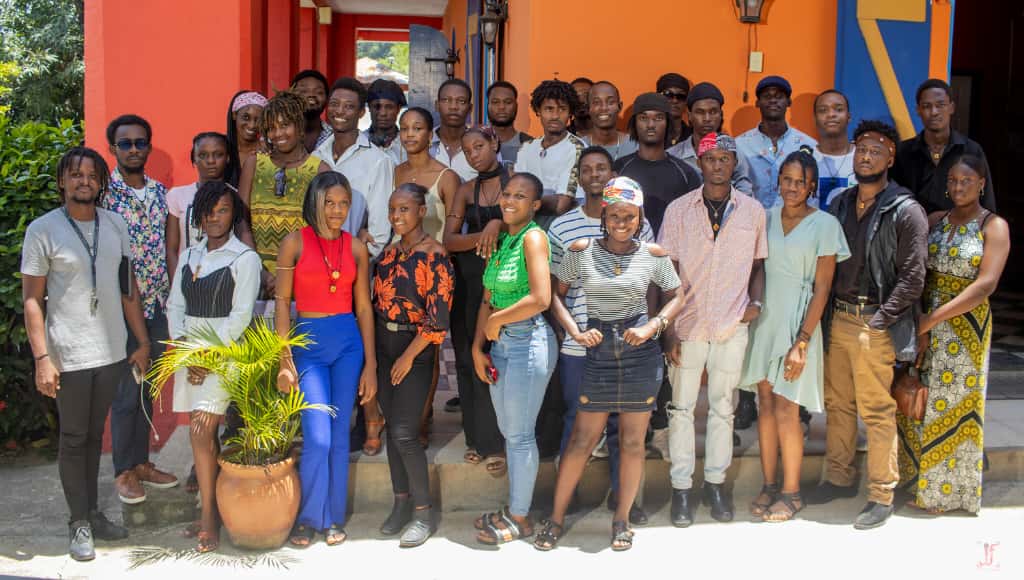
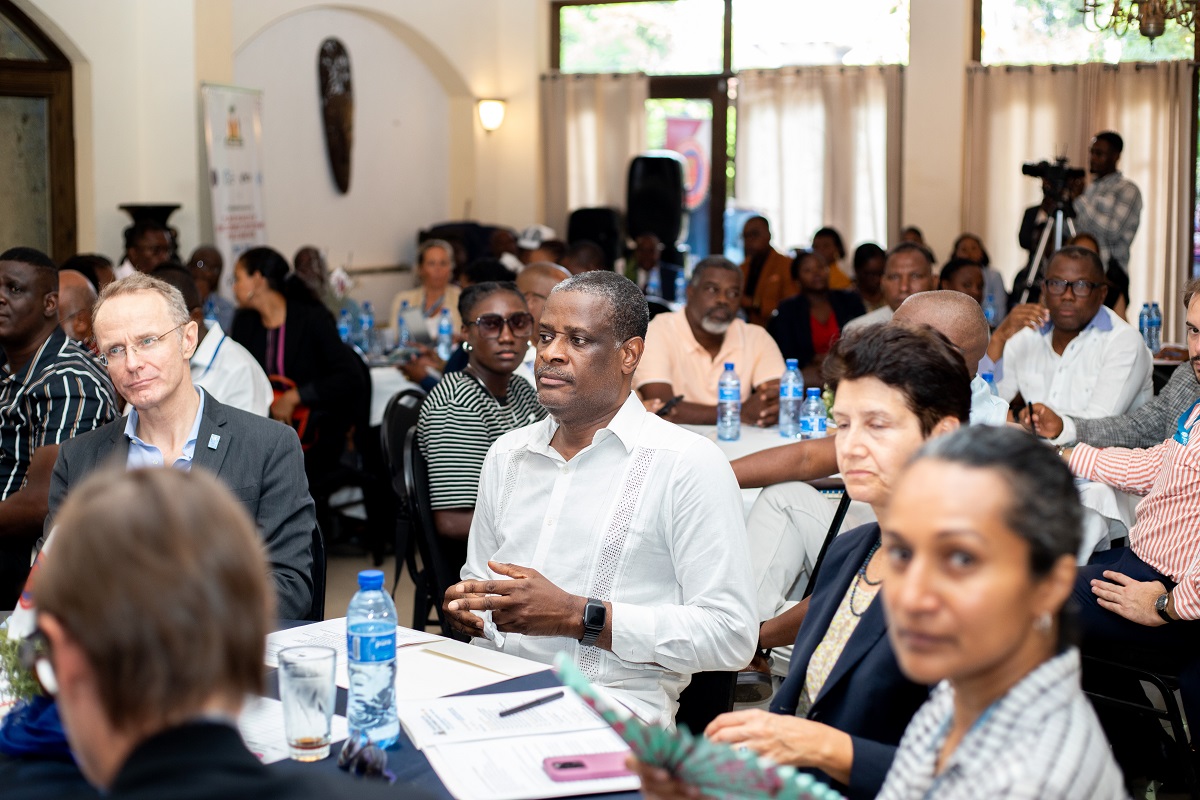
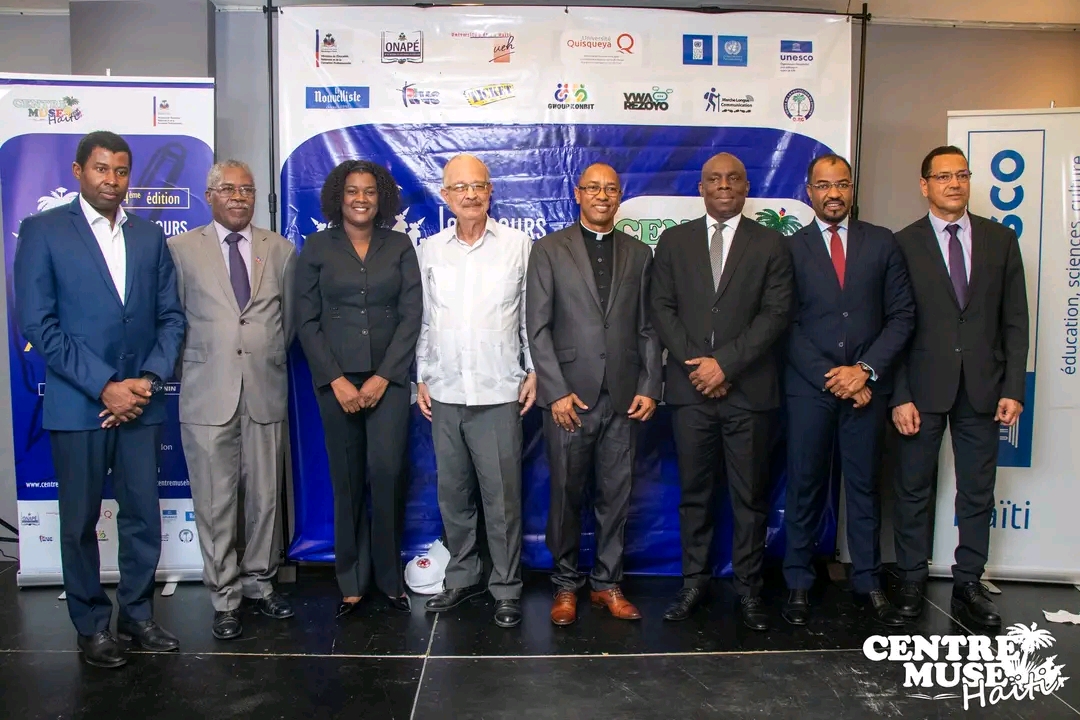
On Thursday, May 15, 2025, the Karibe Hotel hosted the launch conference of the 4th edition of the national essay contest organized by Centre Muse Haïti. The event was attended by members of the Centre, including Father Gilbert Peltrop, contest coordinator, Mr. Arnold Antonin, special guest of this edition, as well as representatives from institutions such as the Ministry of National Education, represented by Emmanuel Bernard speaking on behalf of Minister Antoine Augustin; the OPC; the State University of Haiti, represented by Rector Dieuseul Prédélus; LONAPÉ, represented by Mr. Hervé Boursiquot; the Ombudsman Me Wilner Morin; and representatives of the UNDP, BINUH, and UNESCO, represented respectively by Mr. Xavier Michon, Armor BouBarkri (on behalf of Ms. Maria Isabel Salvador), and Ms. Erica Francillon Célestin (on behalf of Mr. Éric Voli Bi), partners of Centre Muse in this initiative. Members of the press were also present.
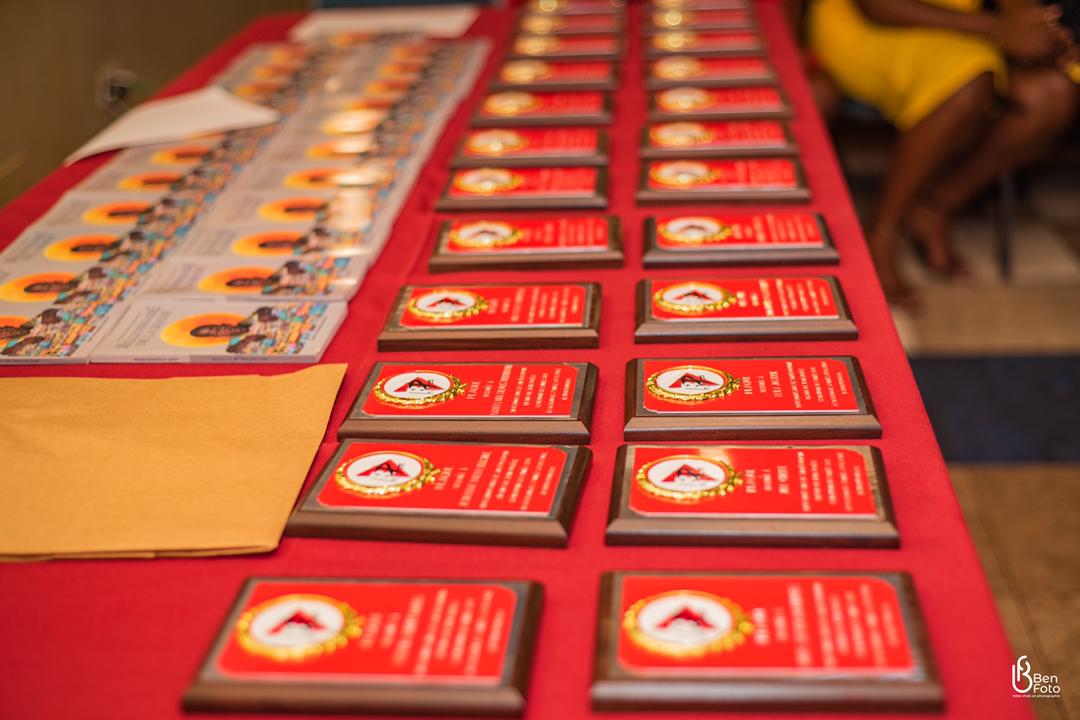
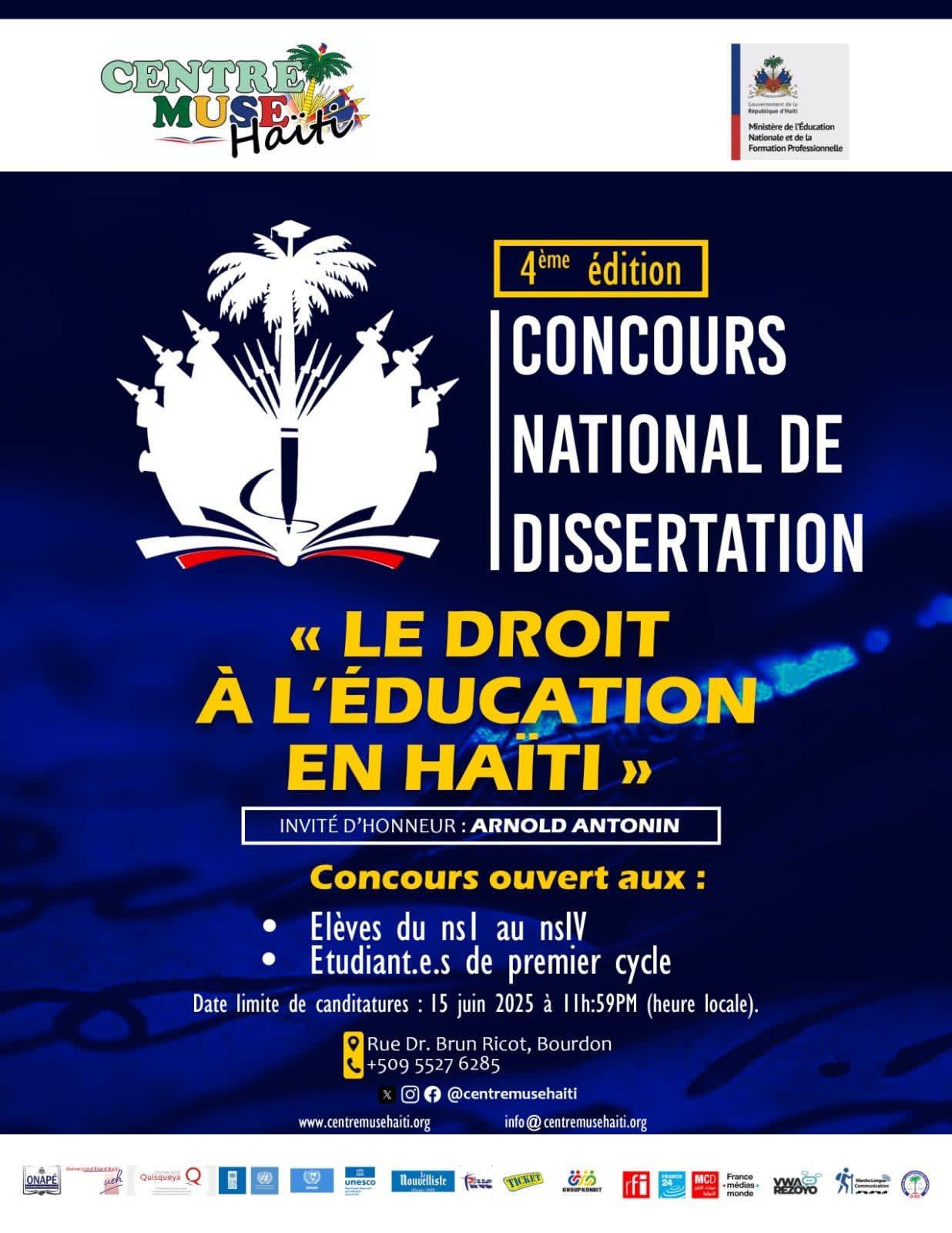
The Muse Haïti Center, in partnership with the Ministry of National Education and Vocational Training (MENFP), alongside several other national and international institutions, has officially launched the 4th edition of its National Essay Competition. This annual initiative, which aims to encourage young people to engage in critical and civic thinking, focuses this year on a highly topical theme: "The Right to Education in Haiti." Through this edition, the Muse Center aims to encourage engaged thinking among Haitian students, capable of questioning the realities of the national education system. To this end, seven carefully selected essay topics have been unveiled, each addressing an essential or controversial aspect of the right to education in the current Haitian context.
PAQÉMO, short for "Projet Artistique de Quartiers et Éducatif Musical en Orchestre" (Neighborhood Artistic and Educational Orchestral Music Project), is an ambitious initiative launched in 2022 by the Association Musicale et Éducative à Vocation Sociale (AMEVS), co-founded by Jéricho Pierre-Noël and Cecilia Madolena Clénard, Haitian students at Sorbonne University. Today, the project includes other names such as Sargine Any Melissa Bernard, Mohamed Etamine, Ege Tarik Eken, Youssef Naccache, and Sohann List Massaregli, all Sorbonne students dedicated to promoting access to musical education in Haiti—particularly classical music—as a tool for holistic development. The goal of PAQÉMO’s founders is to use music as a means of education, inclusion, and social transformation, integrated alongside the traditional Haitian school curriculum.
Christmas in Haïti is not limited to festivities and traditional songs. It is also an explosion of flavors, with typical desserts and drinks that delight the taste buds and add a unique touch to the celebrations. Discover 10 must-haves of Haitian gastronomy for an authentic and gourmet Christmas.
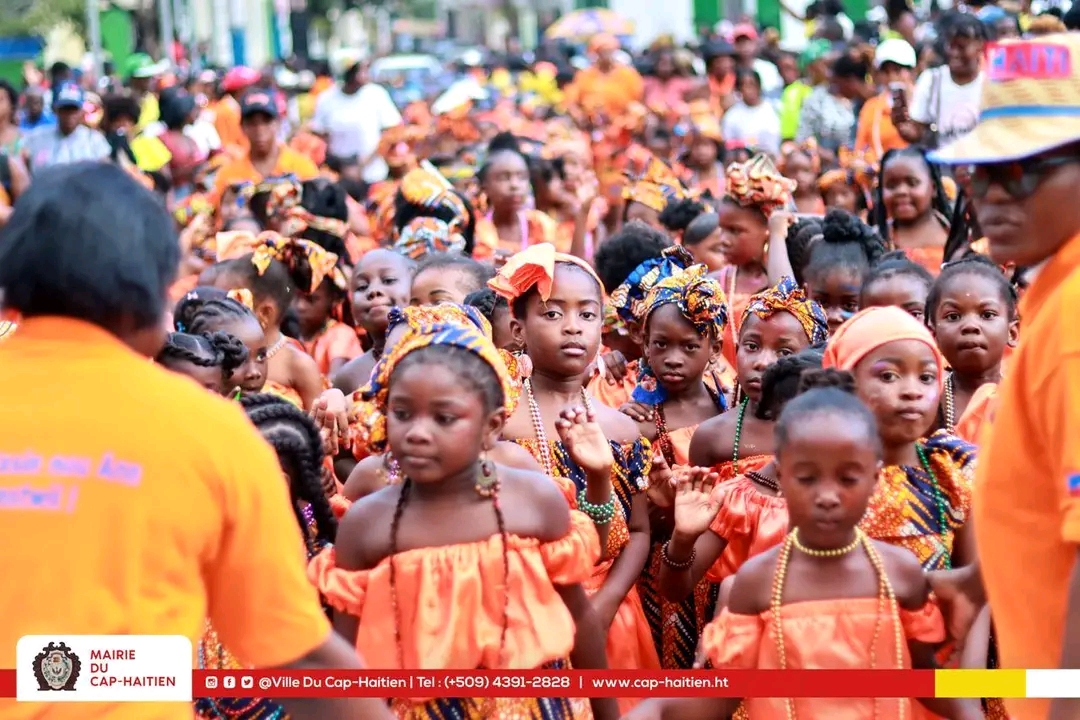
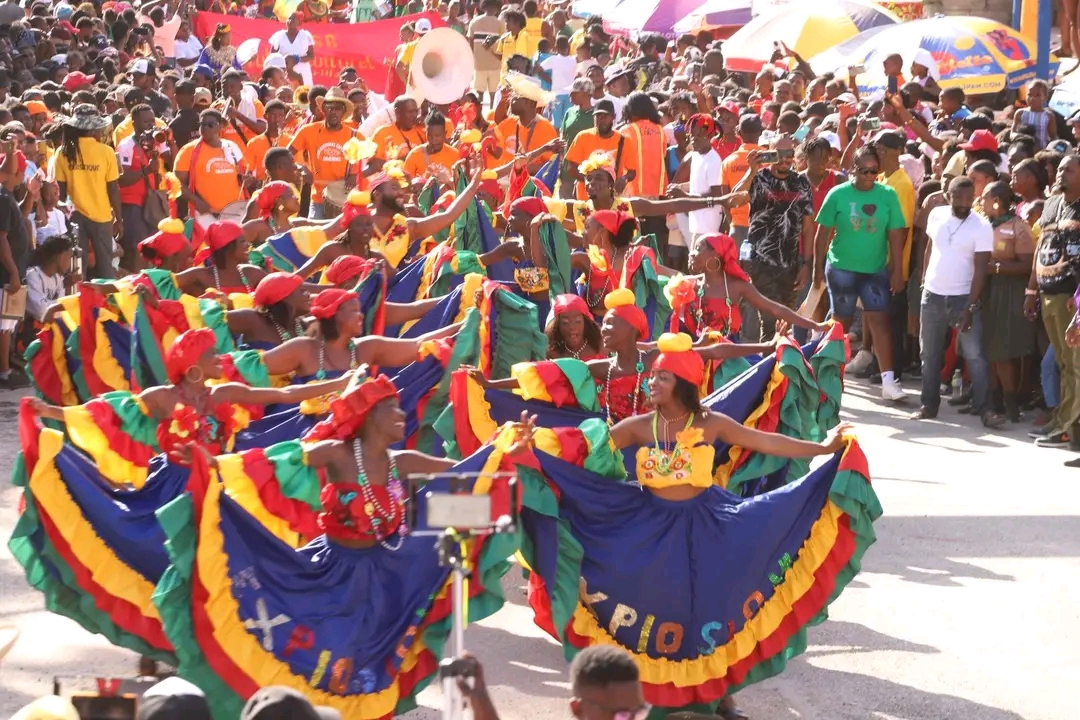
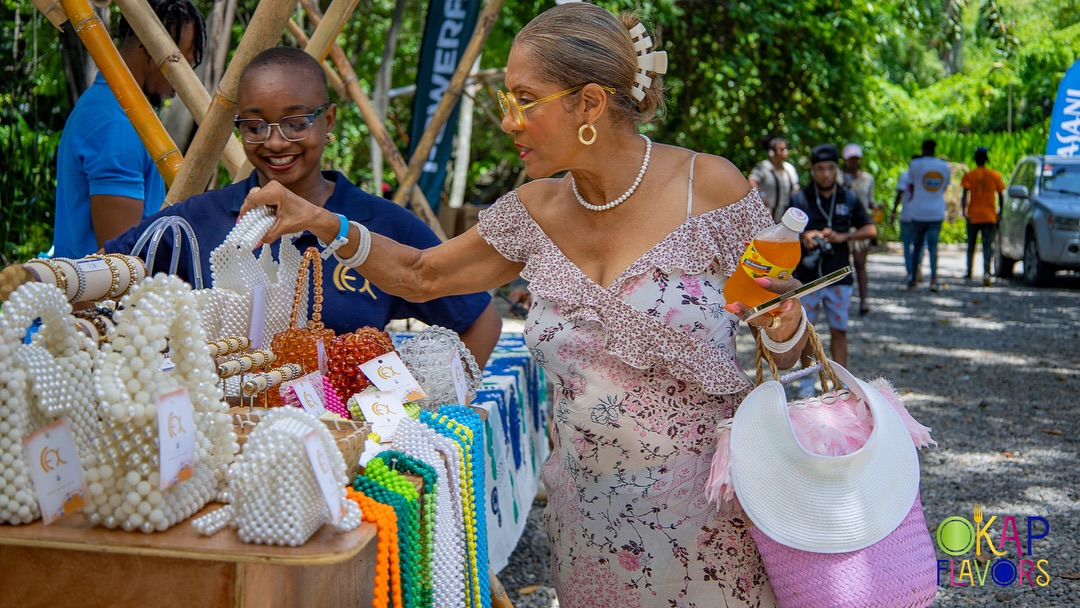
On Friday, August 16, 2024, the historic city of Cap-Haïtien was the scene of a new edition of the OKAP ANN PEDALE event, marking the launch of the fifth edition of SUMMER STREET. This annual event, now unmissable, was distinguished by an effervescent atmosphere and a strong message aimed at promoting the Northern region of Haiti.
The Haitian Creole language, or Kreyòl Ayisyen, is one of the most remarkable features of Haitian culture. Speaking Creole is not only about communicating, but also about asserting an identity, a heritage, and a history of resilience in the face of adversity. But where does this unique language come from? What is its origin and how did it become a symbol of Haitian culture? Let’s dive into the fascinating history of the Haitian Creole language.
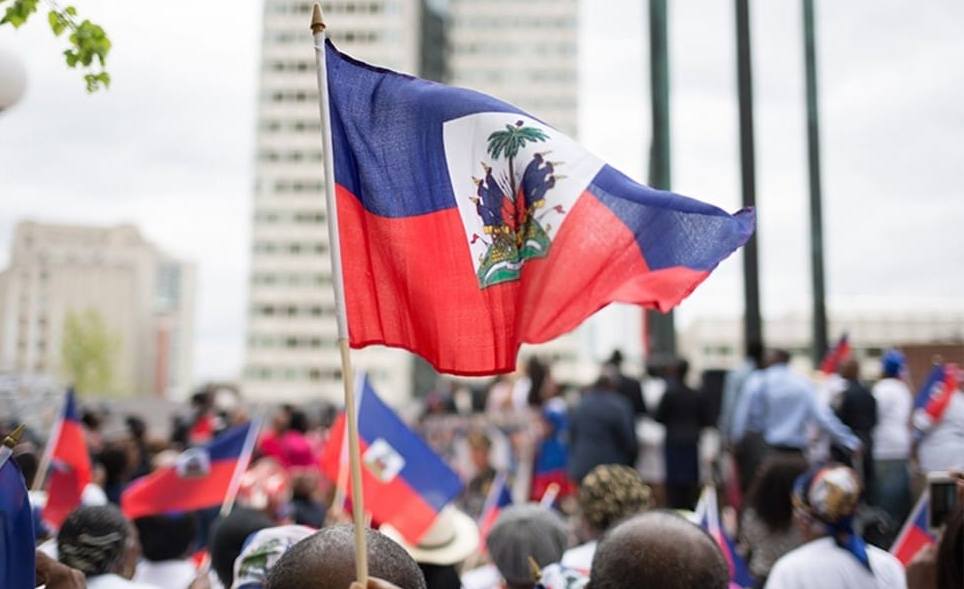
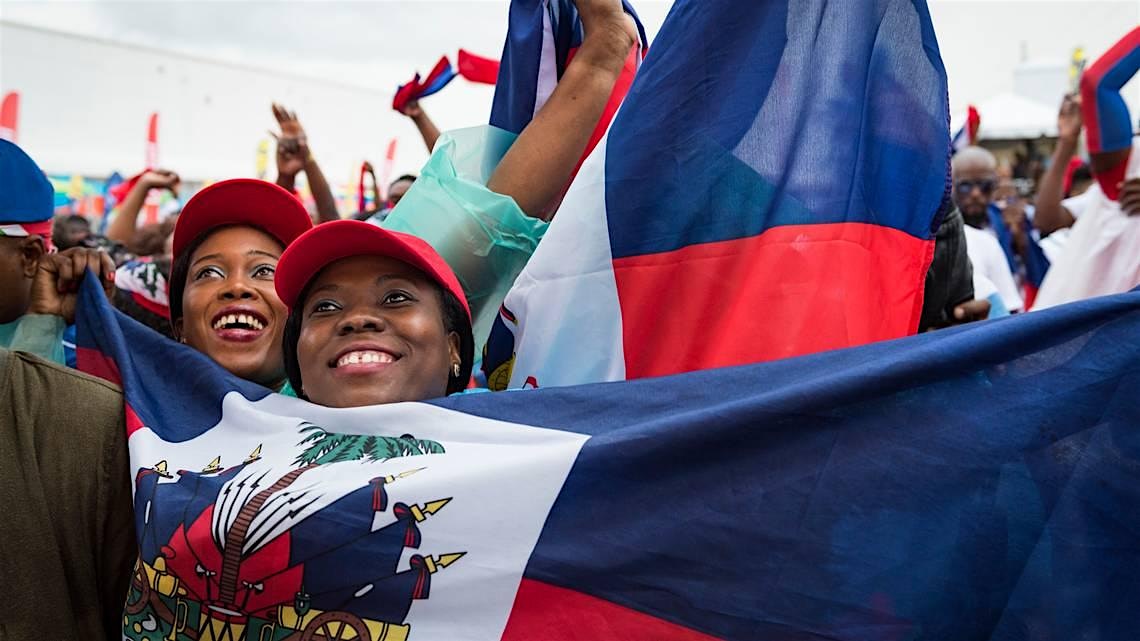
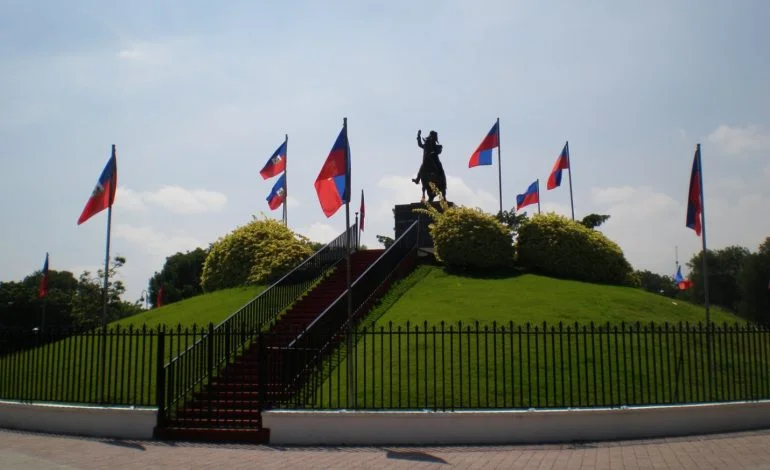
May 18 is an emblematic date in Haiti, marked by the celebration of the Flag and University Days. This day commemorates the creation of the Haitian flag and highlights the importance of education and universities in the country. The history and meaning of this day are deeply rooted in Haitian national identity.

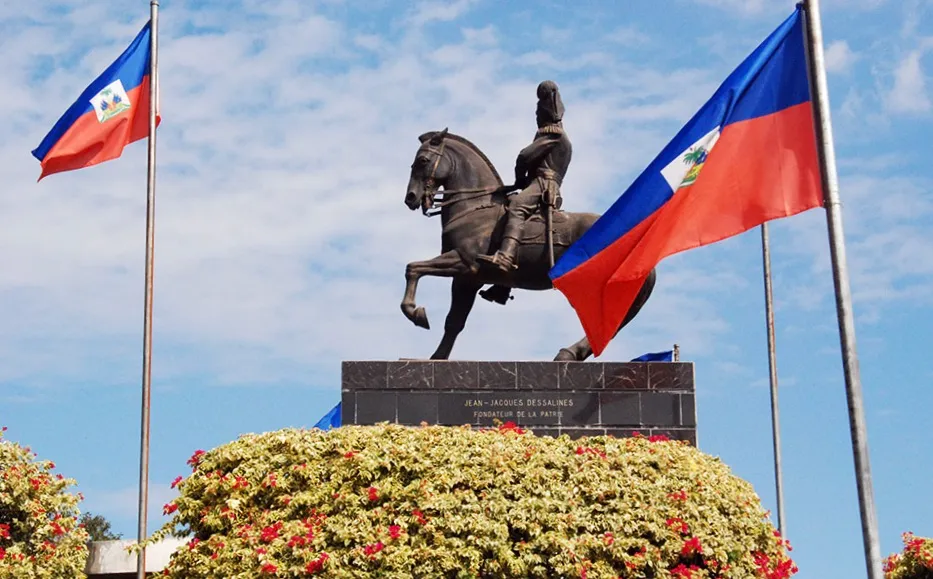
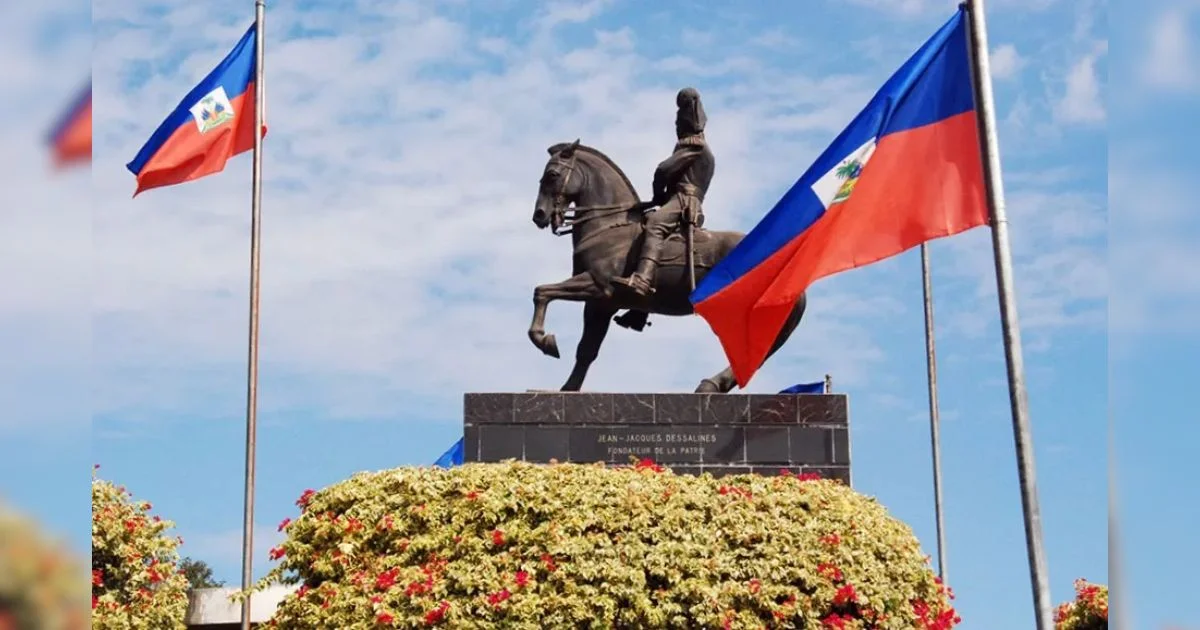
First black nation to free itself from slavery and gain independence from France in 1804 and influenced other liberation movements around the world, inspiring struggles for freedom and equality.

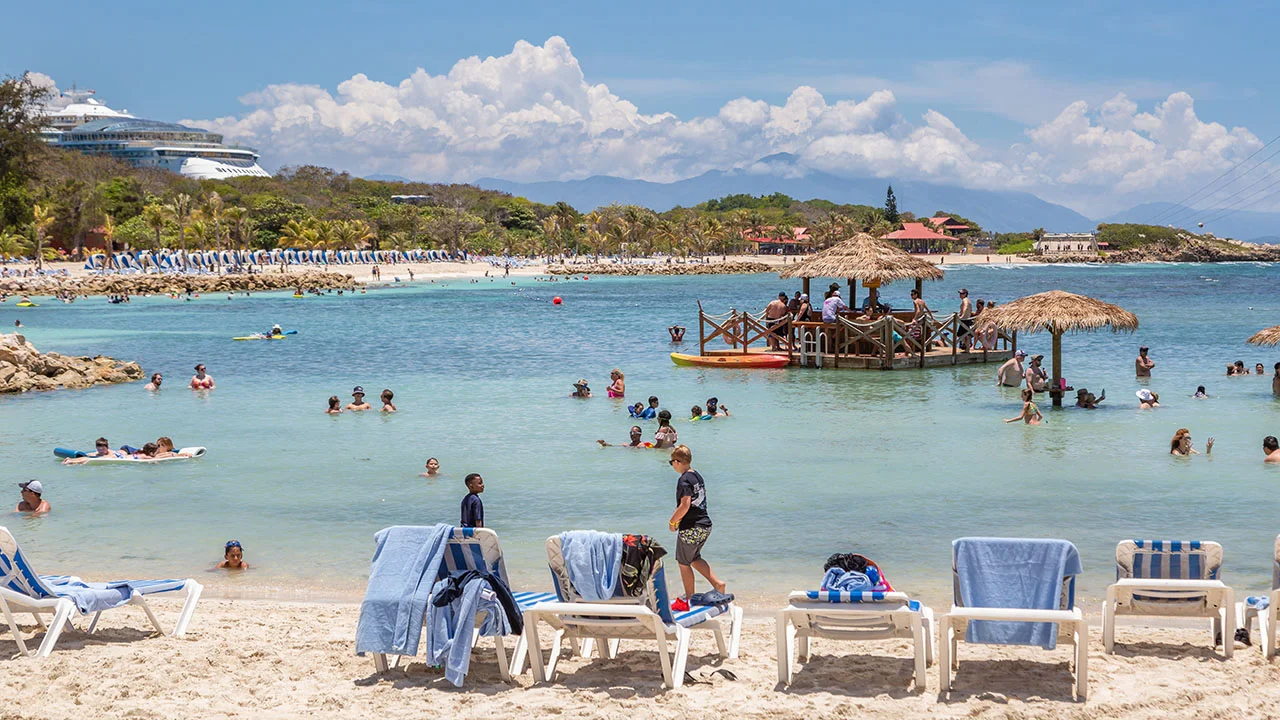
Haïti is blessed with spectacular natural landscapes, including white sand beaches, mountains and rich biodiversity.

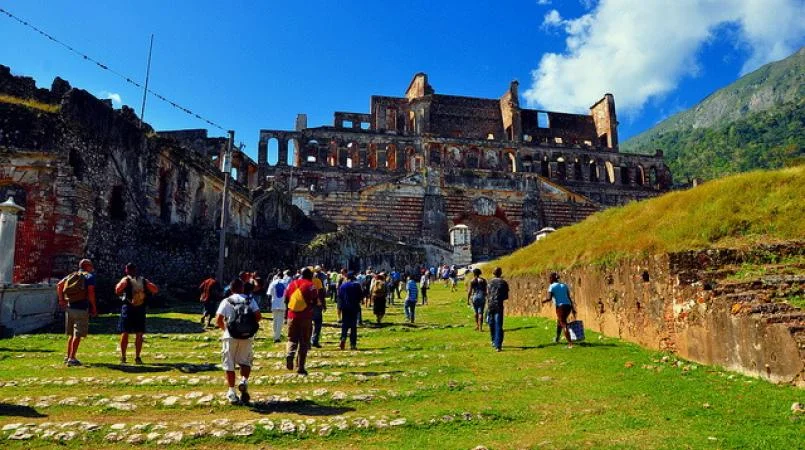
Haïti has a rich historical heritage, including sites like the Citadelle Laferrière and the Sans-Souci Palace, listed as UNESCO World Heritage Sites.

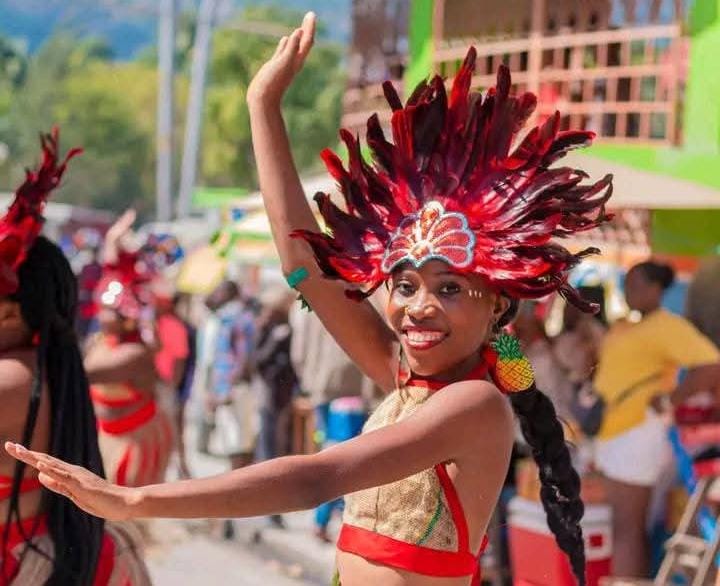
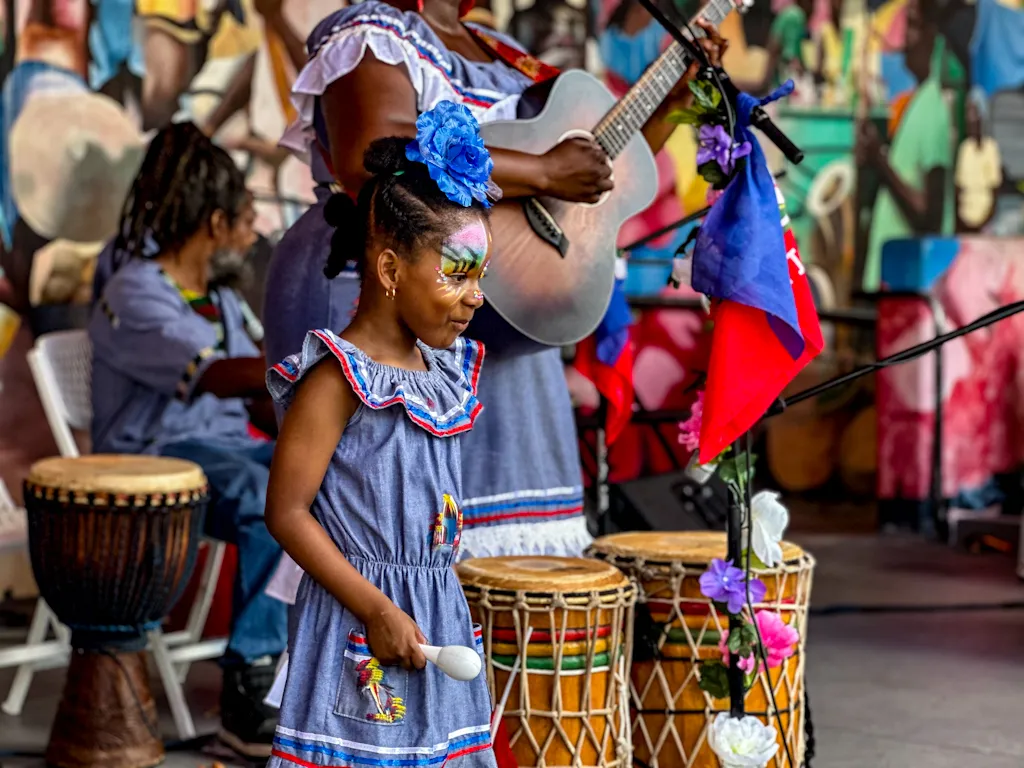
Haïti has a rich and diverse culture, influenced by African, European and indigenous elements. Haitian music, dance, art and cuisine are celebrated around the world.