contact@haitiwonderland.com+509 36184317

Discover

Shopping Cart

Haïti : Citadelle la FerrièreHaïti : Citadelle la Ferrière

News / Appolon Guy Alain / View Recent Posts

Culture November 25, 2023

Haitian traditions

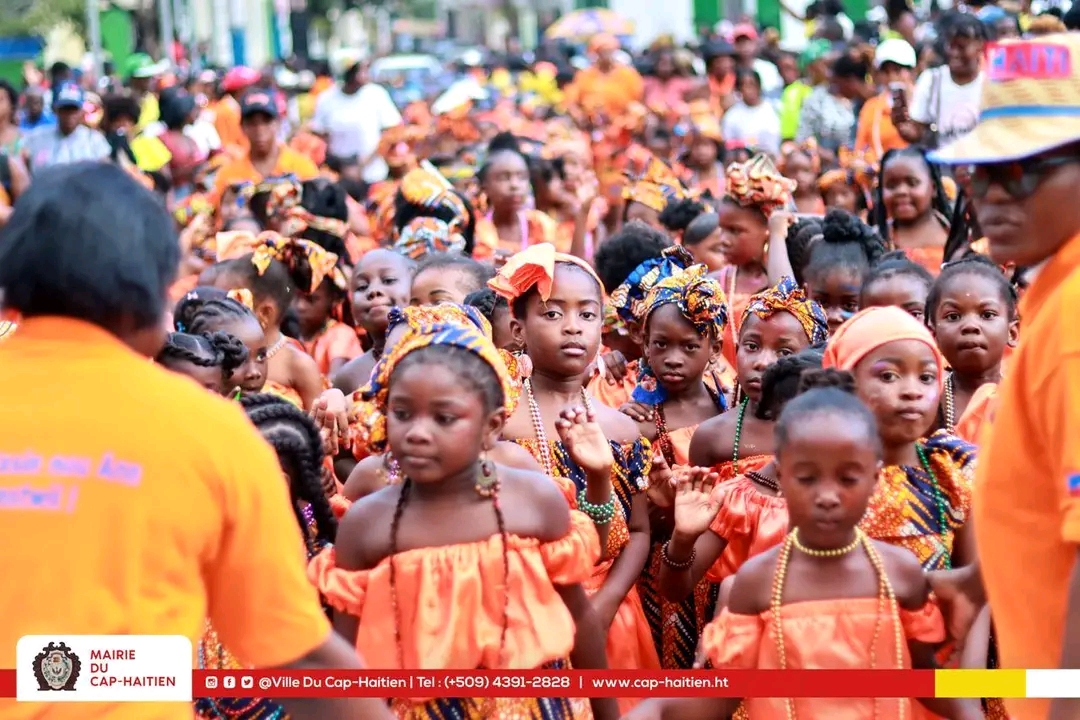
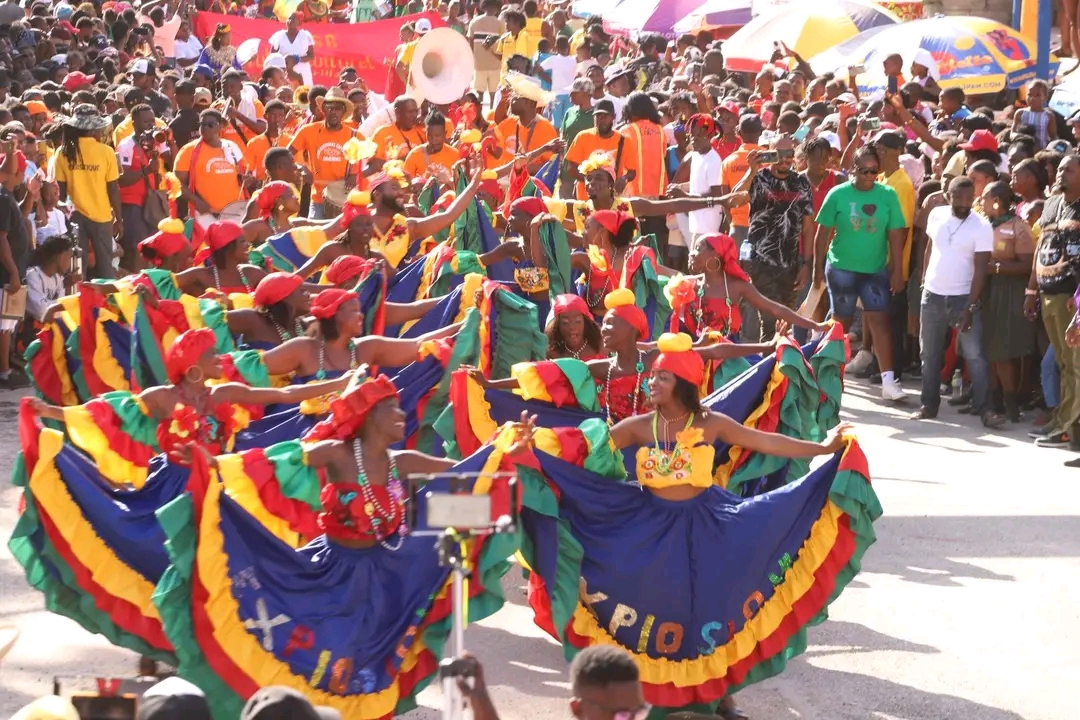
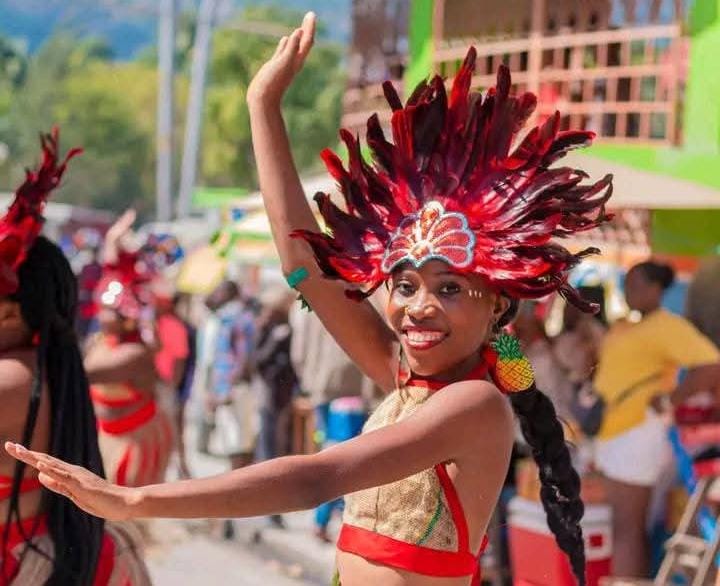
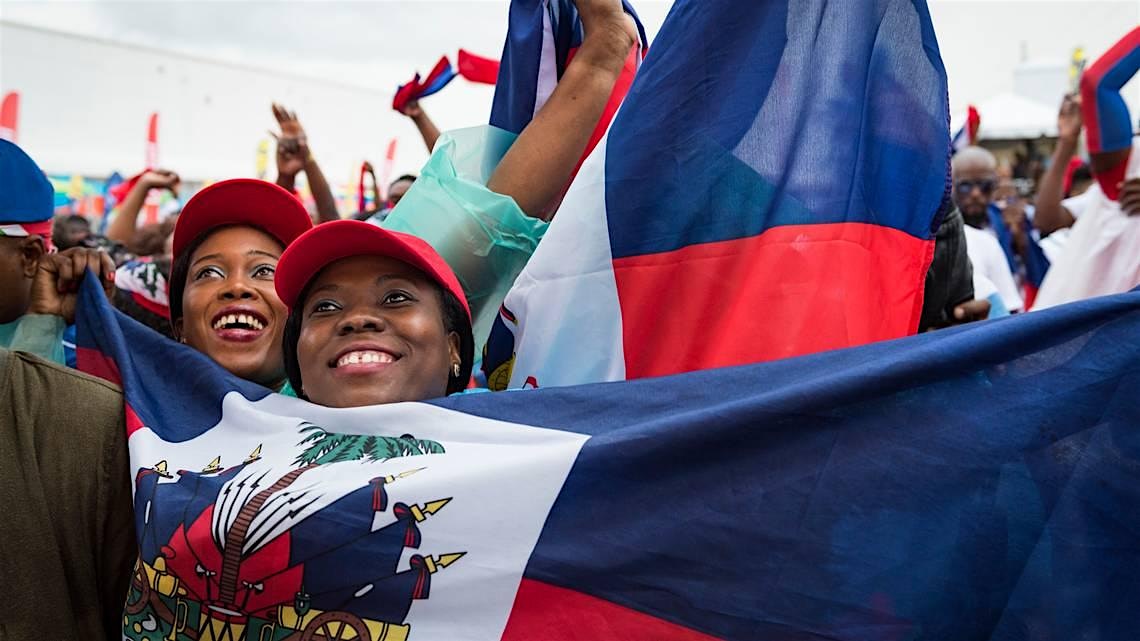
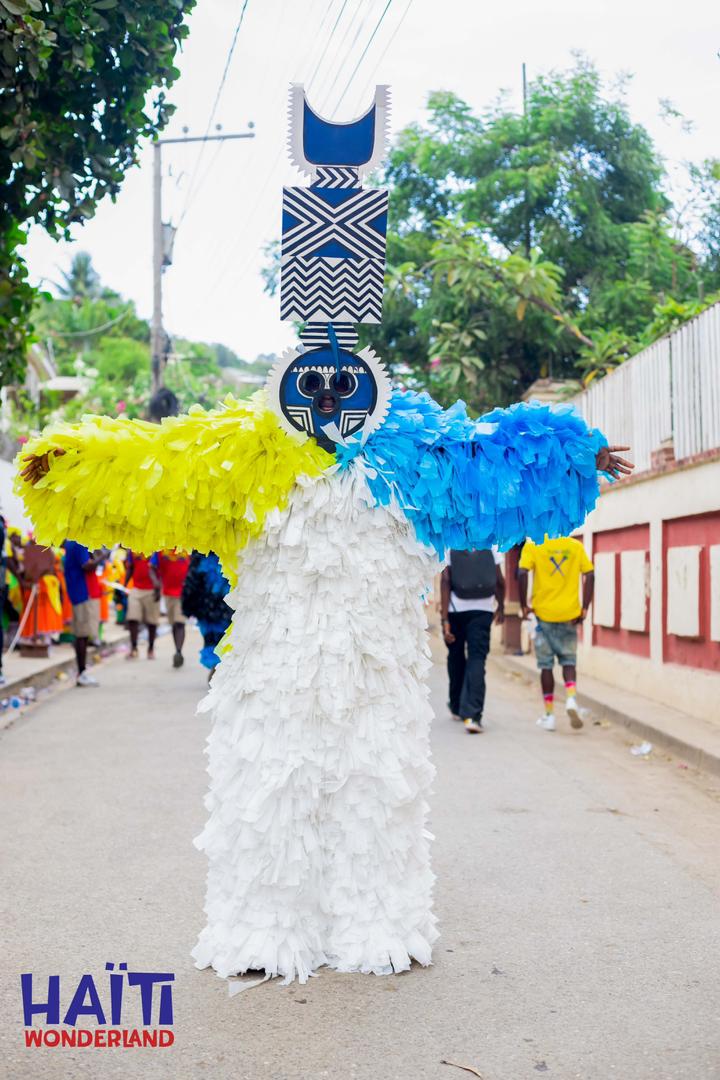
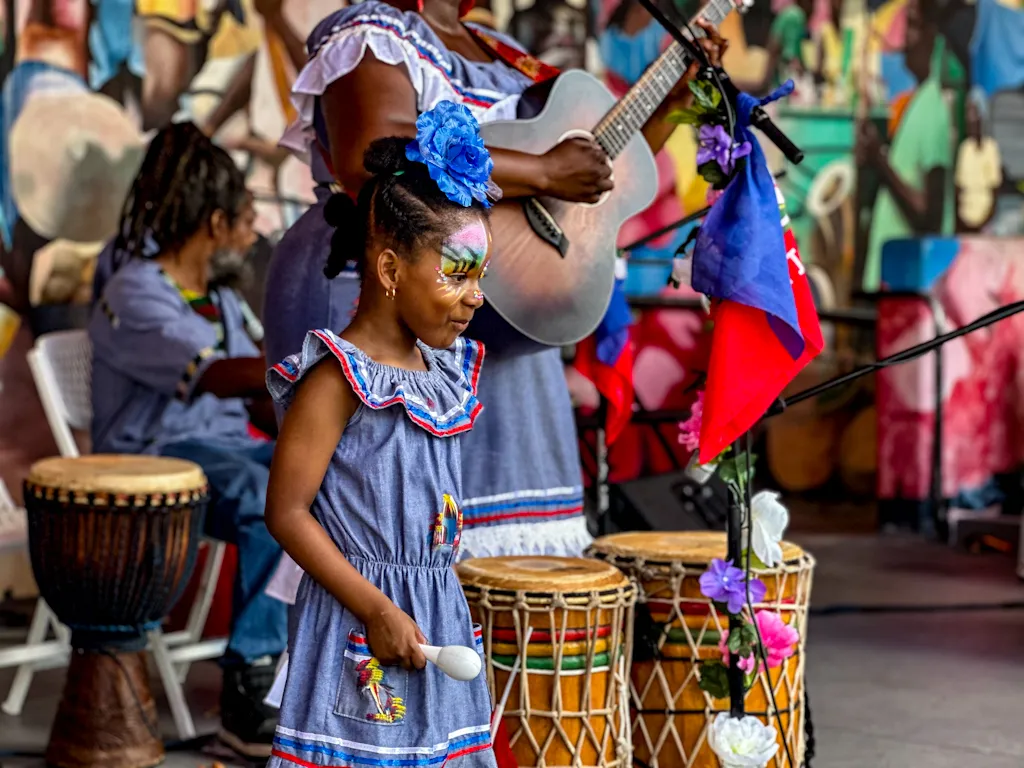
Haiti, the pearl of the Antilles, is a country rich in history and traditions. Its vibrant and diverse culture is reflected through its national holidays, cultural festivities, traditional foods, religious beliefs, folk tales, and traditional games. Let’s immerse ourselves in the social fabric of Haïti to discover the beauty of its traditions. b~National Holidays:~b National holidays in Haïti are moments of pride and national unity as January 1, Independence Day, commemorates the victory of Haitian slaves over French colonial forces in 1804, making Haïti the first independent country in Haiti. Latin America and the Caribbean or the commemoration of the Battle of Vertières on November 18. The Battle of Vertières was one of the last great battles of the revolution. It took place in Vertières, near the town of Cap-Haitien. b~Cultural Festivities:~b Haïti is also famous for its cultural festivities, particularly Carnival, which is an explosion of color, dance, and music. Artistic and craft events, such as the Rara festival, are an opportunity for artists to showcase their talent. The Rara, a musical parade, combines folklore and spirituality, creating a unique experience. b~Traditional Foods:~b Haitian cuisine is a delight for the taste buds. Dishes like griot (fried pork), diri djon djon (rice with black mushrooms), and the legendary joumou (joumou soup) are an integral part of Haitian culinary tradition. Bold flavors, spices and cooking methods inherited from African and French tradition make Haitian cuisine unforgettable. b~Vodou:~b Vodou, often misunderstood, is a synchretic religion that incorporates elements of Catholicism, African animism, and indigenous beliefs. It plays a significant role in the daily lives of Haitians, influencing music, dance, and religious rites. Vodou is a profound expression of Haitian spirituality. The Tales (Krik Krak, Tim Tim, Bwa Sèch): Haitian folk tales, passed down from generation to generation, are rich in morality and wisdom. b~Konbit :~b The concept of Konbit represents community solidarity. Haitians come together to perform community tasks, whether in agricultural fields or for construction projects. It is a living example of the collective spirit that permeates Haitian society. The most recent major project to date concerns the construction of the canal from the Massacre River to Ouanaminthe, which took place between September and December 2023. Thousands of inhabitants of the north of the country mobilized all their forces to erect a canal allowing to collect water intended for irrigation of their plantations, with the aim of obtaining better harvests. Despite their modest means, they were motivated by the slogan "KPK" (Kanal la pap kanpe), a direct response to Dominican President Luis Abinader who warned them and did everything in his power to stop the construction of the canal. This channel represents the deep solidarity of Haitians and reaffirms national pride. Despite economic challenges, the people of northern Haïti have demonstrated exceptional determination to work together for a common goal. The slogan “Kanal la pap kanpe” embodies their resilience in the face of external pressures and demonstrates their unwavering will to continue the construction of the canal. b~Traditional Games:~b Traditional games are an essential part of daily life in Haiti. Games like lido, sote kòd, Yoyo, Ralba, Marèl, TiTaTo, Kay, lago kache, Monte kap, teke mab, woule sèk, twa fwa se manbo, and domino bring people together, promoting camaraderie and fun. Haitian traditions are a harmonious blend of spirituality, community, and cultural diversity. Every aspect, from national holidays to traditional games, helps weave the rich cultural tapestry that makes Haïti proud. These traditions are the beating heart of the nation, a precious heritage that continues to be passed down from generation to generation.
Par Appolon Guy Alain | 1
Learn more

Recently Posted

Carrefour: Kay Jèn Yo s’ouvre aux enfants

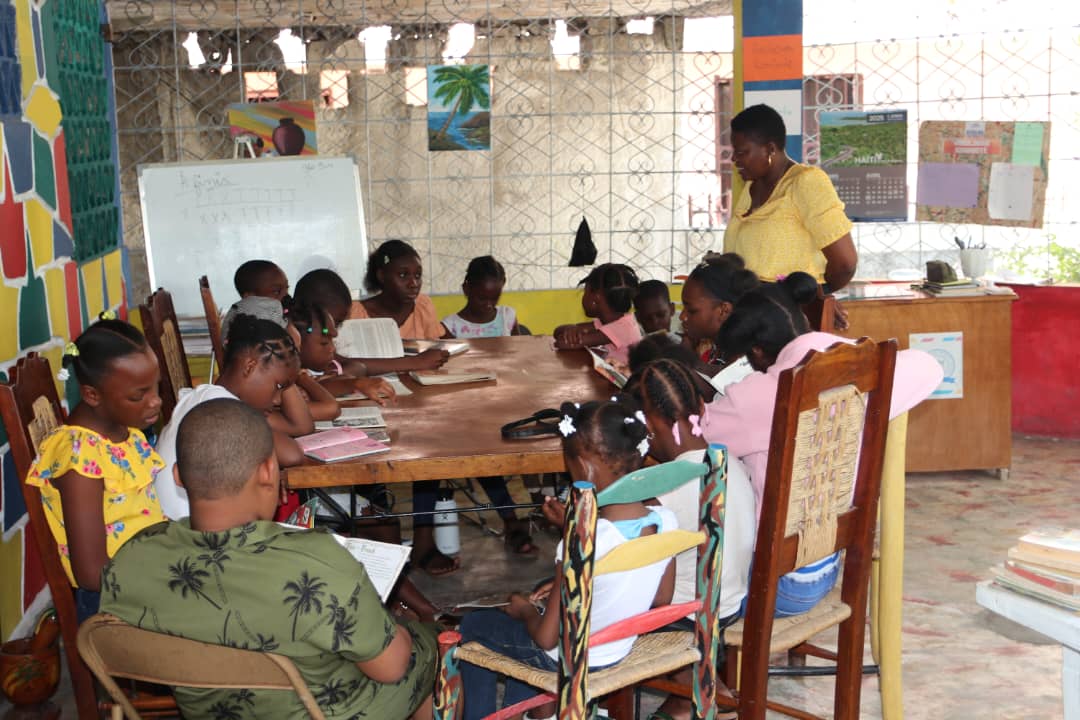
Dans le cadre du programme de promotion des droits et de l’épanouissement de l’enfant "Timoun se moun" piloté par l’organisation Action Communautaire de Transformation et d’Intégration Formelle (ACTIF), Kay Jèn Yo organise, du 18 au 24 août 2025 (9h am - 1h pm), "Espas Lajwa", un camp d’été qui cible trente (30) enfants de 7 à 15 ans. Une grande panoplie d’activités éducatives, créatives et ludiques sont programmées pour le plus grand bien des enfants. Ils auront droit à des ateliers de : peinture, crochet, macramé, langue des signes, théãtre, lecture, échec, etc. Dans un contexte aussi traumatogène où la violence est monnaie courante, de telles initiaves sont d’une importance capitale. " Les enfants ne sont pas imperméables au stress et autres pathologies que peut provoquer la situation morbide qui sévit dans le pays actuellement", souligne Blondy Wolf Leblanc (Gabynho) DG a.i de ACTIF. "Espace Lajwa se veut donc, un refuge, un lieu où les enfants peuvent s’exprimer en toute sécurité, un espace sécurisant où ils peuvent exprimer leurs émotions à travers plusieurs médiums", précise-t-il. Plus loin, l’animateur socioculturel encourage d’autres structures à travers le pays à prendre des initiatives de ce genre au bénéfice de la santé mentale des enfants. Espas Lajwa est quasiment gratuit. Un frais de participation de 150 gourdes est requis pour la semaine. Quid Kay Jèn Yo Issu du projet "Pran Swen Tèt ou", Kay Jèn Yo est un projet de l’organisation ACTIF supporté par La Perfection École de Haute Couture visant à combattre la violence par l’engagement communautaire à travers des programmes de formation professionnelle et artistique. Situé au numéro 18, imp. Thoby, rue Desdunes, Mahotière 79, Kay Jèn Yo est ouvert du lundi au dimanche (9h am - 6h pm). Sebastien Jean Michel

The Republic of the Stateless?

Haïti is making headlines all over the world. And it’s not good news. The exploits of Haitians rarely generate so much interest, but we always tend to point out the excesses, spill ink to stir up thorns in the side, broadcast on loop to relay the chaos that is raging. There is hardly any media to make amends for the resilience of this cornered people. No one to highlight the fierce resistance that serves as fuel for this people hanging in the gorges of death. And what if it was to a certain extent the only way to talk about this country to finally attract attention? It is July 26, 2024. The Olympic Games have just started in France. The 33rd Olympiad of modern times. Without realizing it, according to Forbes Magazine, Haïti ranks among the ten nations with the best costume, proudly pointing to third place. At the same time, miles away from France, on “The Island of Skillfully Orchestrated Chaos,” Haitians do not even realize how much this recognition borders on irony. A paradox whose unpopular evocation is likely to greatly displease. An aerial image shows the city of Paris in all its splendor, illuminated like the gates of paradise, reflecting all the grandeur of France, all the magnificence it has acquired over the centuries, without forgetting the contribution of the blood shed by the horrible machine of colonization. I close my eyes, I go back in time, I see again this boy left to his own devices, lost without even knowing it, doomed to failure without even understanding it. And then there are the others. Boys in the same situation, or worse. Banished from society, they do not know what life has in store for them. They form the elegant class of the marginalized, in their quality of scoundrels, good-for-nothings, and thugs who spoil the splendor of society. This contrast challenges me, and I wonder for a moment if those who live the chaos from the outside grasp the stakes and the reality of the situation. Moreover, it seems to me that even the majority of Haitians living in the territory have no notion of the fundamental and essential aspects of the situation.

There are several reasons why a foreign national might be interested in visiting Haiti

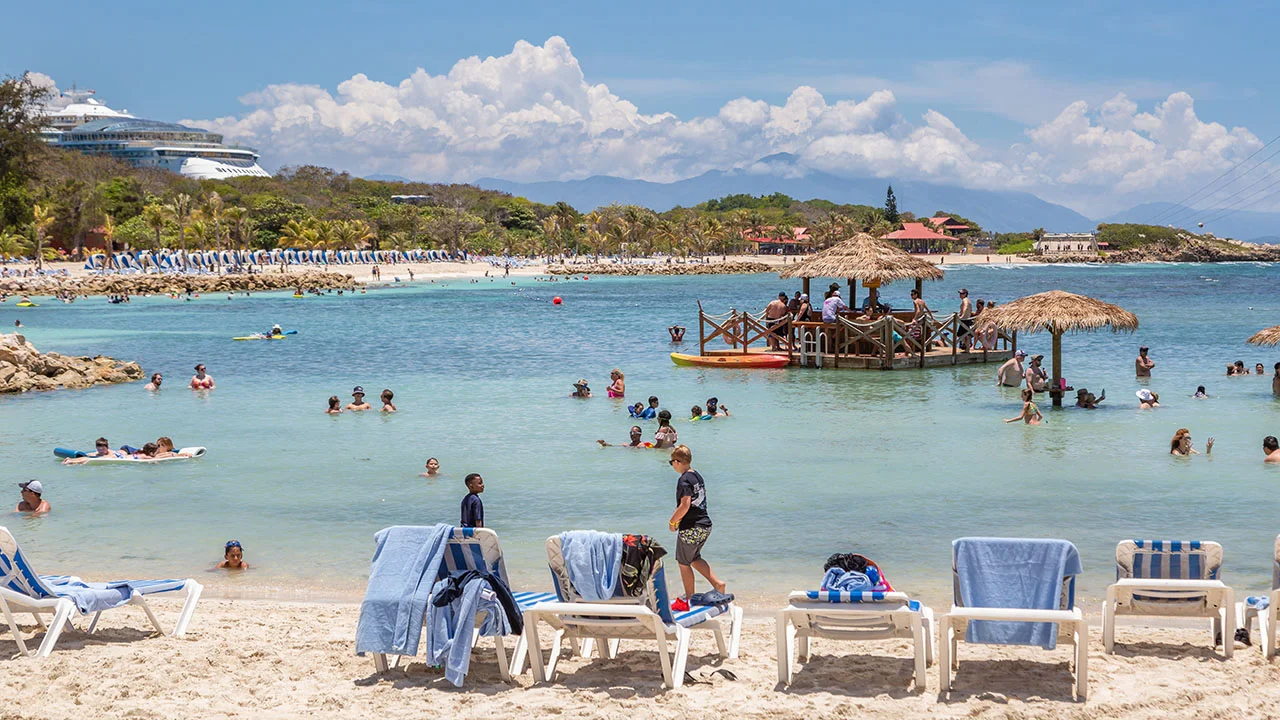
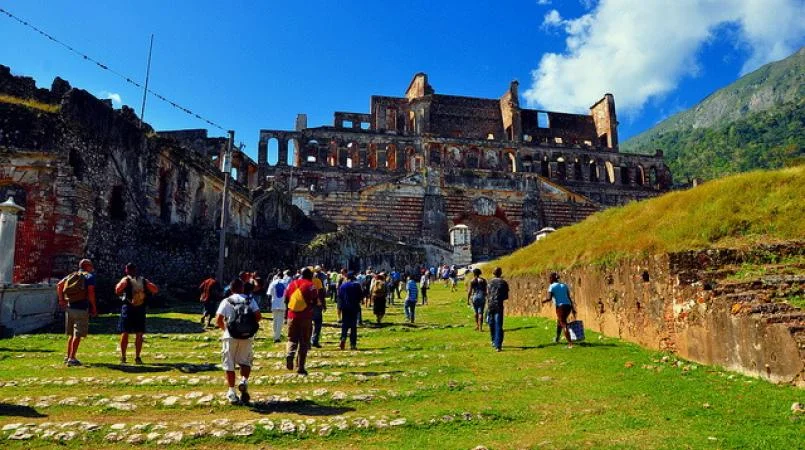
There are several reasons why a foreign national might be interested in visiting Haiti: Rich and diverse culture: Haïti has a unique culture resulting from a mixture of African, European (particularly French) and Caribbean influences. This is reflected in its music, cuisine, art and traditions. Fascinating history: Haïti was the first country in Latin America and the Caribbean to gain independence in 1804 after a successful slave revolt. Its history is rich in significant events and important historical figures. Magnificent natural landscapes: The island of Haïti offers a variety of breathtaking landscapes, from white sandy beaches to lush green mountains, picturesque waterfalls and isolated islands. Hospitality of the locals: Haitians are known for their warmth and hospitality towards foreign visitors, making the travel experience very pleasant and enriching on a human level. Opportunities for Sustainable Tourism: Haïti offers opportunities for sustainable tourism, including encouraging visits that directly benefit local communities and environmental conservation. Exploring historic sites: Historic sites such as the UNESCO-listed Citadelle Laferrière offer visitors a chance to discover colonial architecture and remains from pre-Columbian times. Vibrant cultural celebrations: Haïti is famous for its colorful festivals and cultural celebrations throughout the year, such as Carnival, where music, dance and traditional costumes are in the spotlight. In summary, visiting Haïti can offer a deep and authentic cultural experience, as well as an exploration of the unique natural and historical beauties of this Caribbean nation.

Recently Posted

History

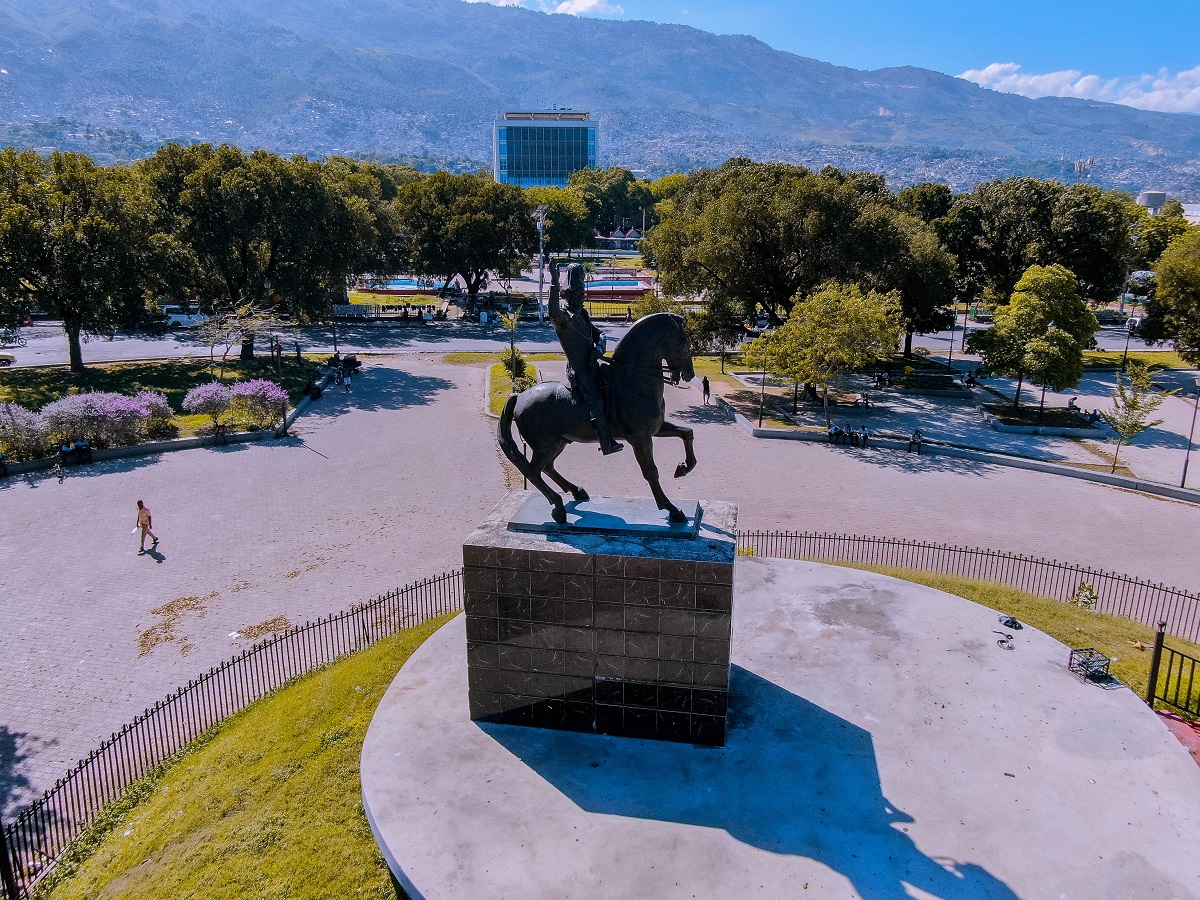
History

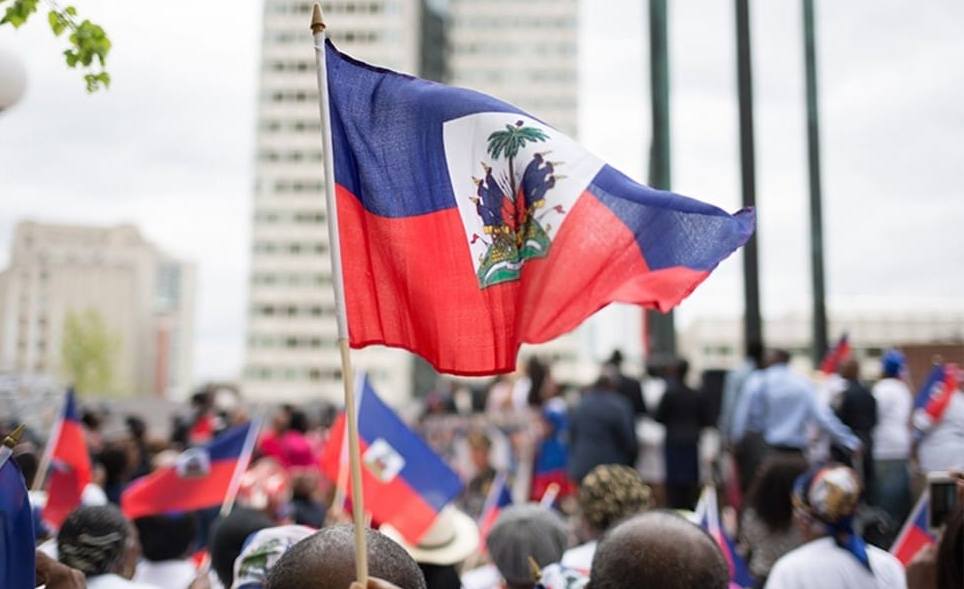
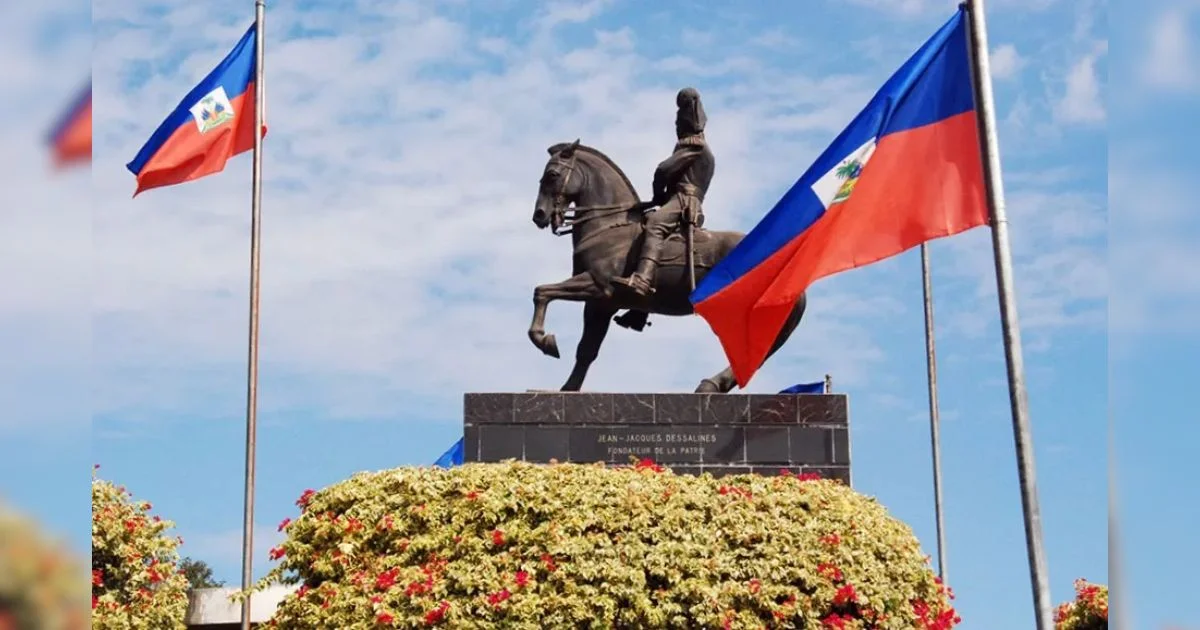
First black nation to free itself from slavery and gain independence from France in 1804 and influenced other liberation movements around the world, inspiring struggles for freedom and equality.

Natural beauty

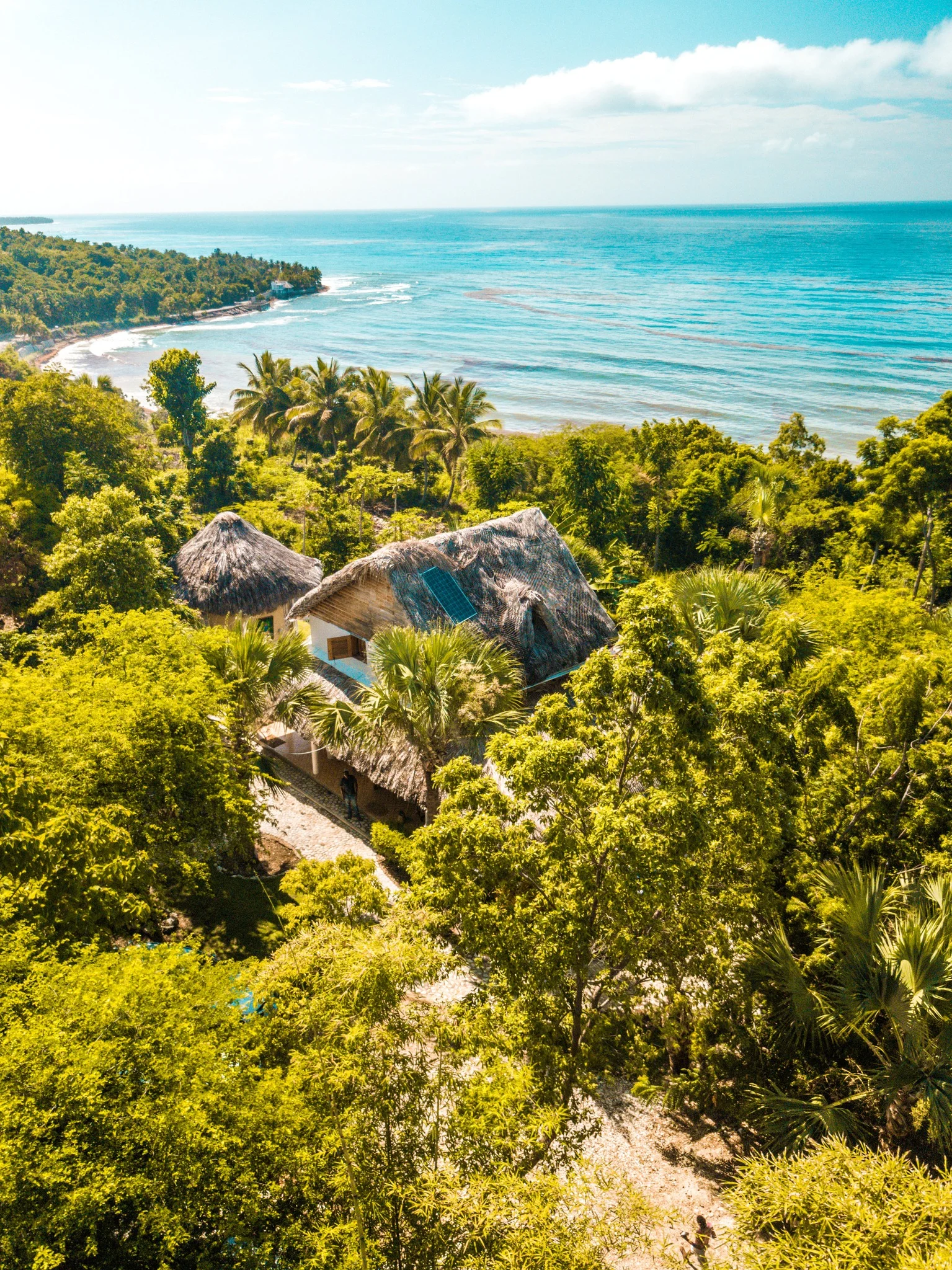
Natural beauty

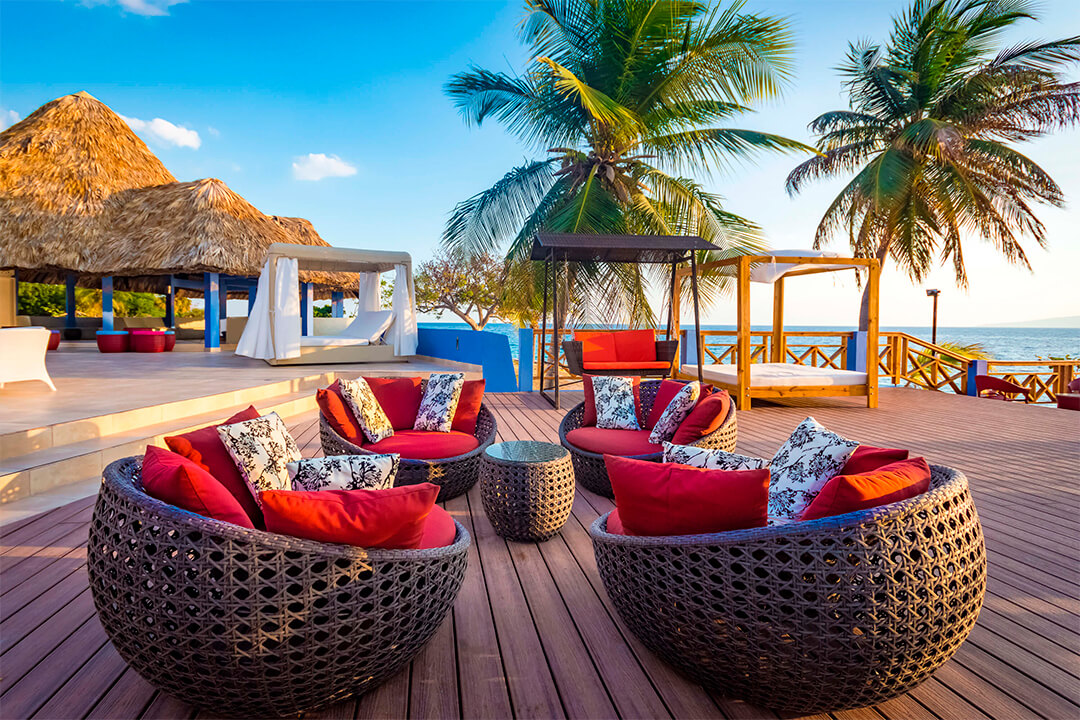
Haïti is blessed with spectacular natural landscapes, including white sand beaches, mountains and rich biodiversity.

Heritage

Heritage

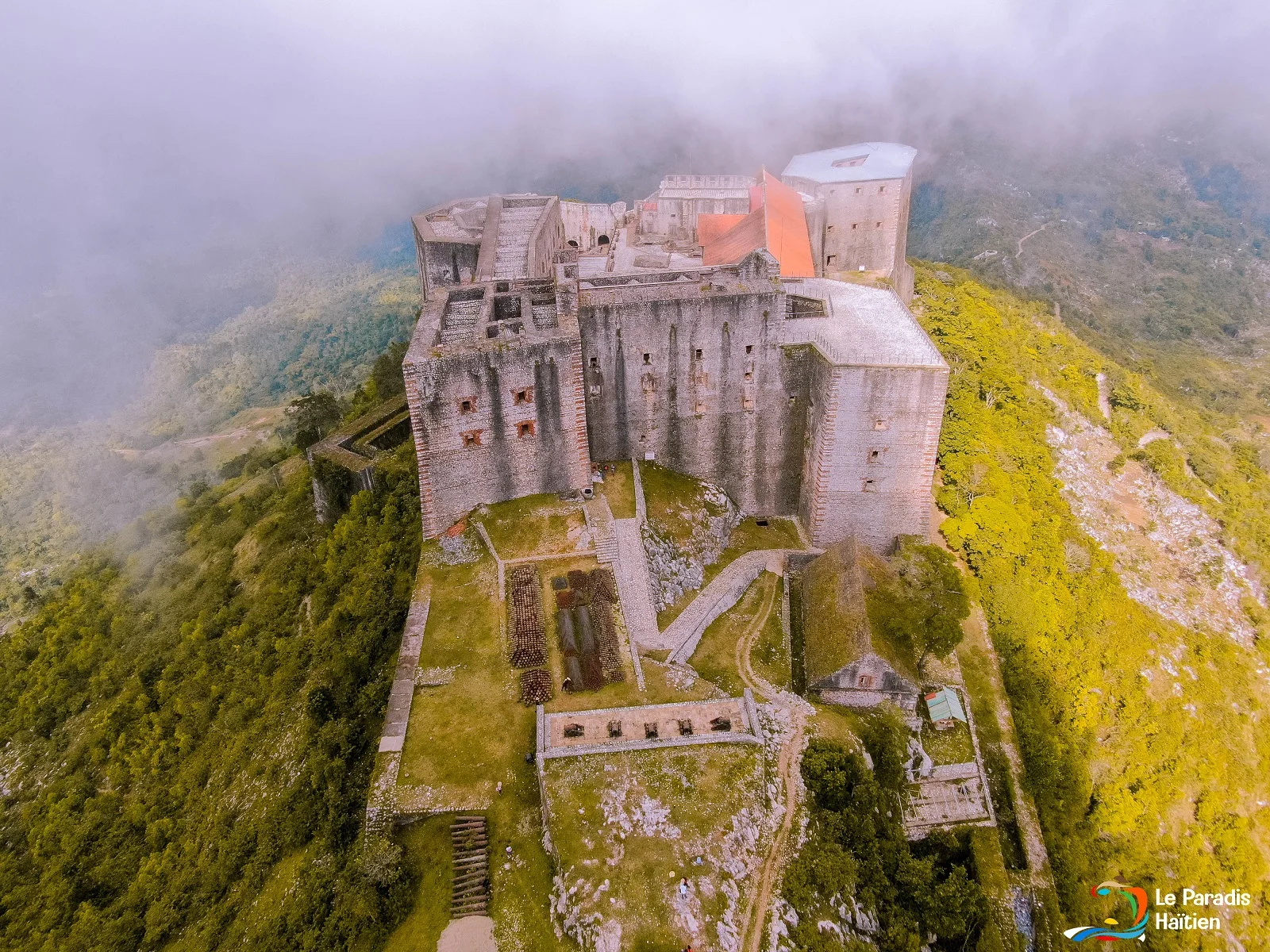
Haïti has a rich historical heritage, including sites like the Citadelle Laferrière and the Sans-Souci Palace, listed as UNESCO World Heritage Sites.

Culture

Culture

Haïti has a rich and diverse culture, influenced by African, European and indigenous elements. Haitian music, dance, art and cuisine are celebrated around the world.

  • +
    • Post