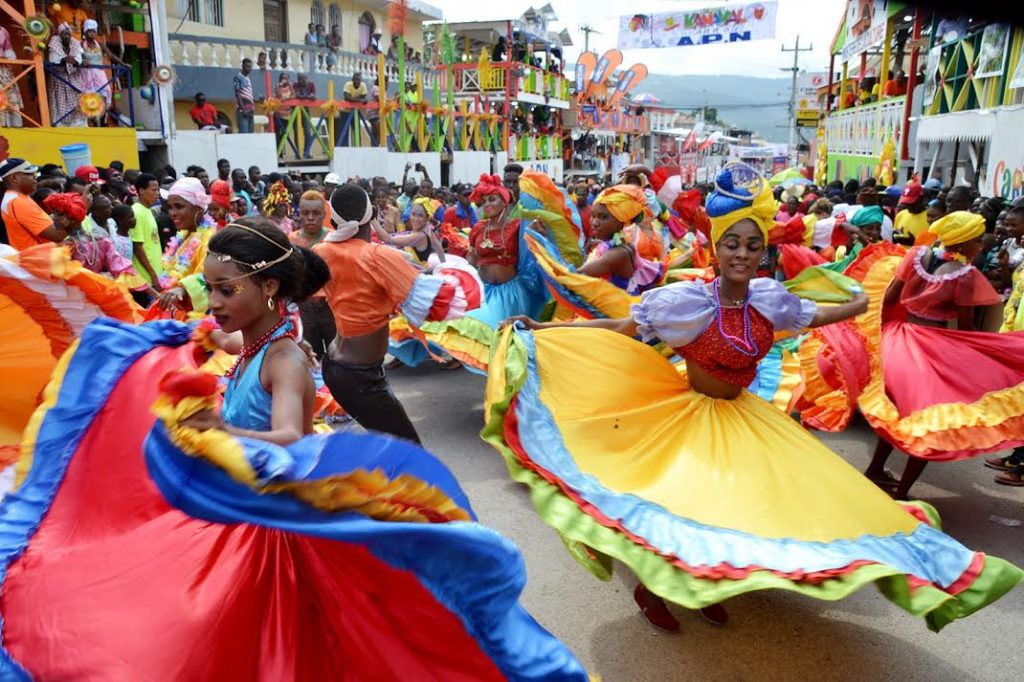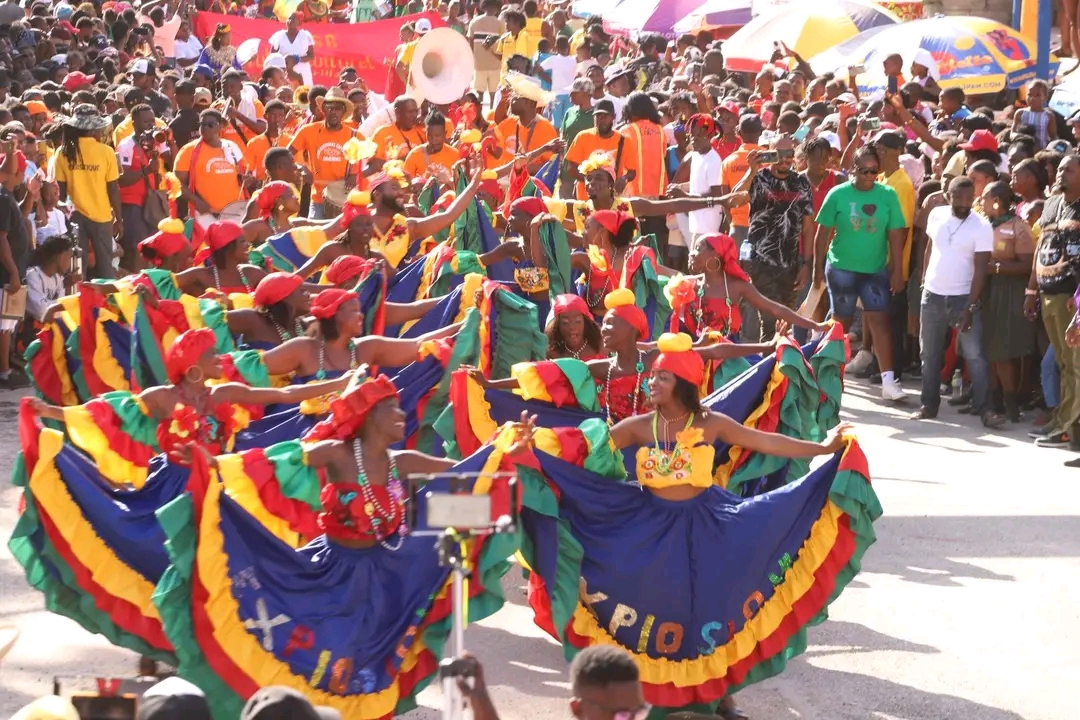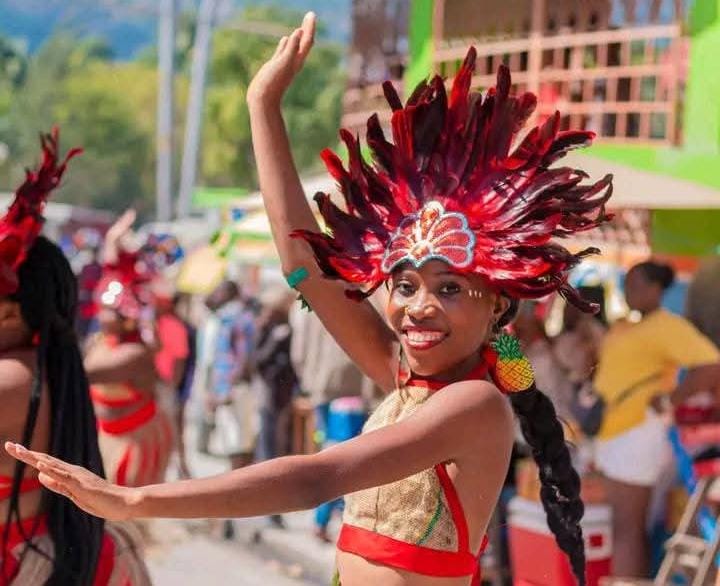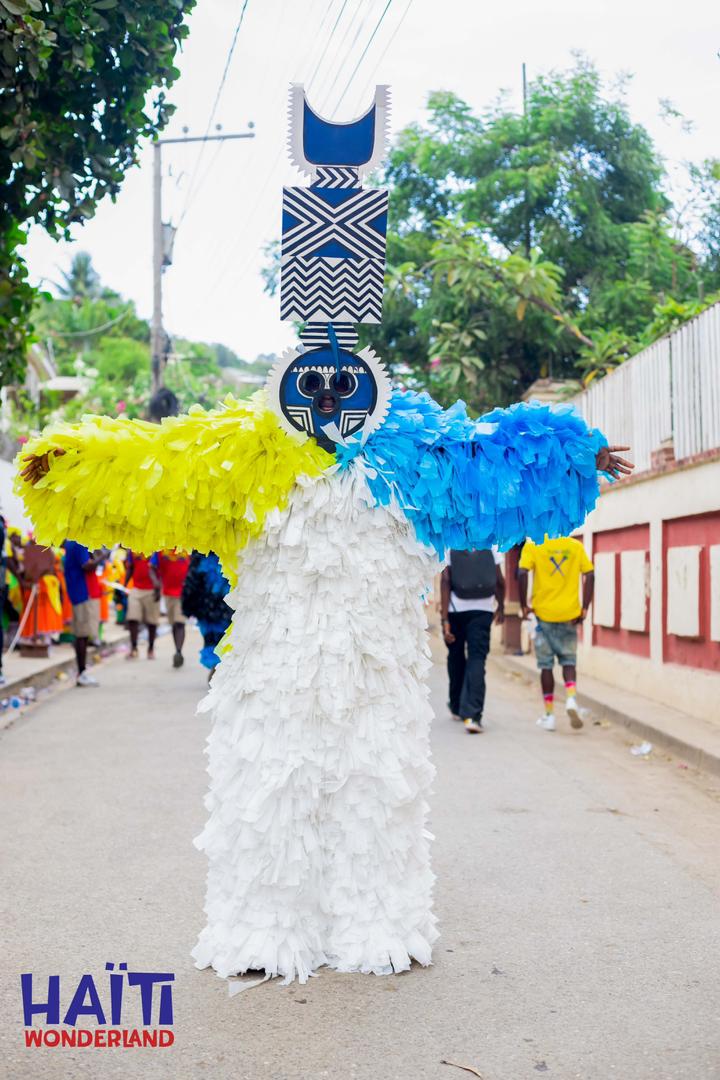







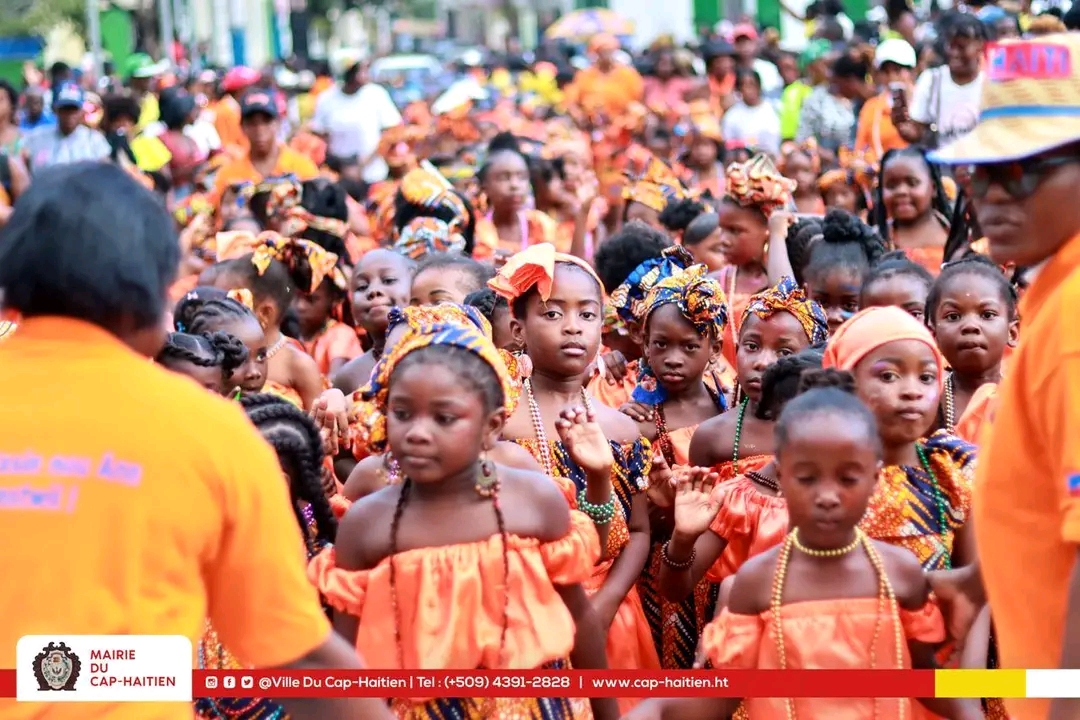
Children’s Carnival in Cap-Haïtien: A festive atmosphere in the heart of the city
Discover the Children's Carnival in Cap-Haïtien, a joyful celebration full of color and Haitian traditions!
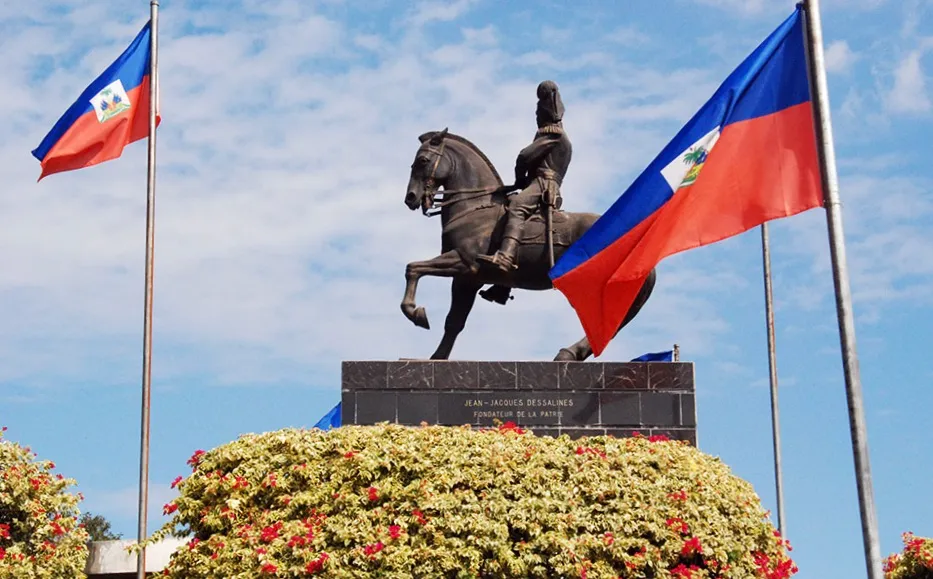
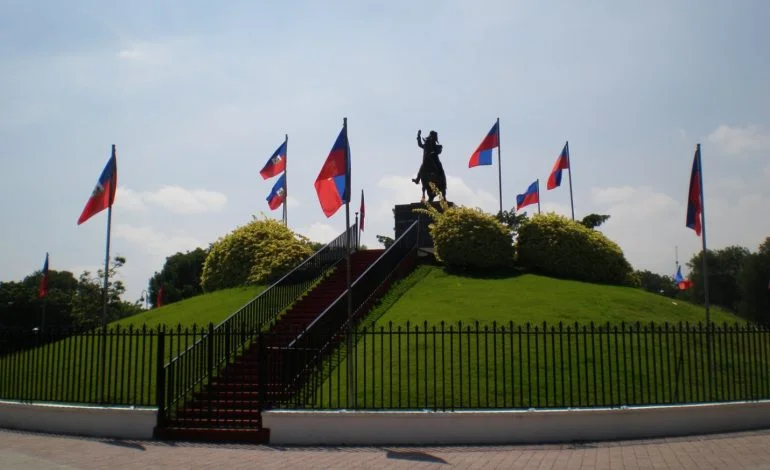
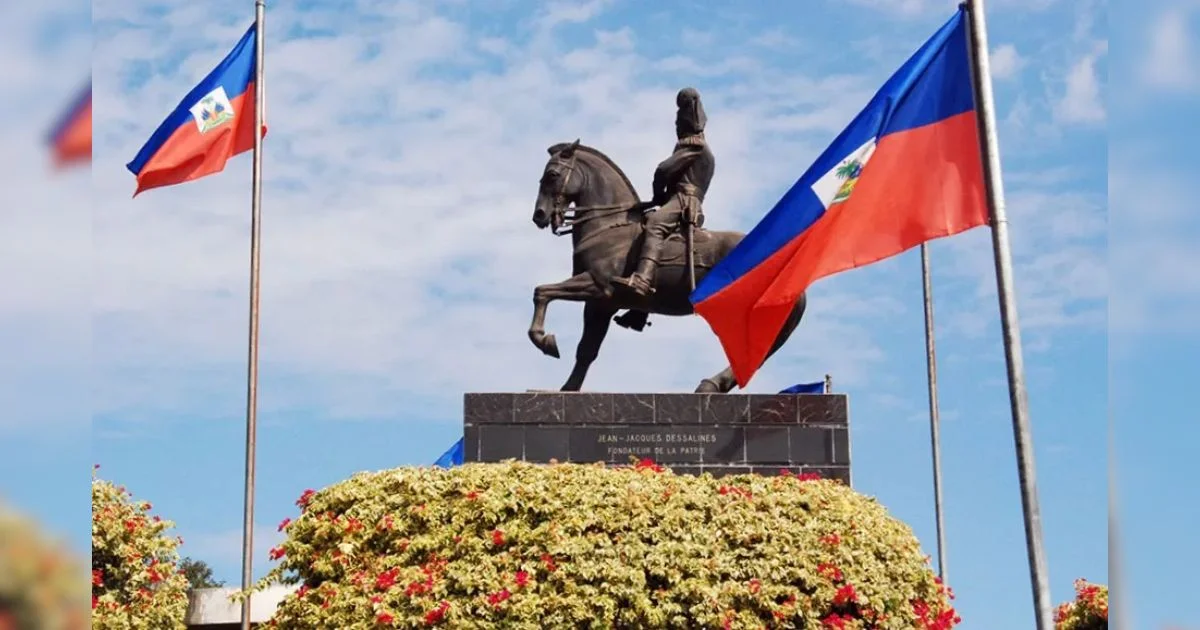
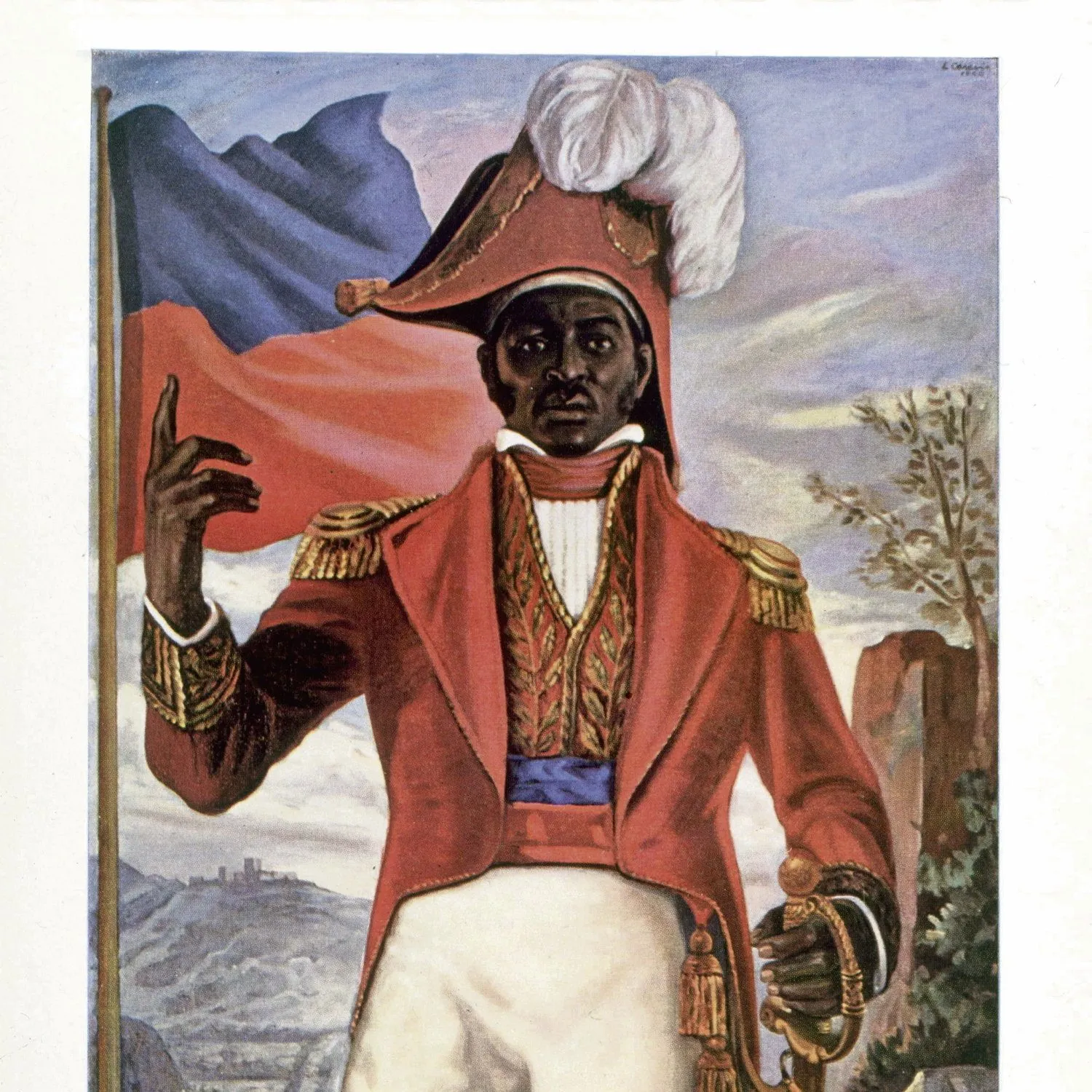
Jean-Jacques Dessalines is an emblematic figure in modern world history for his fruitful involvement in the fight against the slave system. Through his dedication and courage, he embodied the indomitable spirit of an entire black people forcibly deported from the African continent, implanted by this same violent mechanism, in America to suffer, but determined to free themselves from oppression by forging their own destiny despite all the risks and difficulties. Dessalines’ entire life, his entire journey bears the mark of a life inscribed in the fight to free his loved ones. His unfailing determination and passion for freedom made him a living symbol of resistance for all the oppressed nations of the earth, more than two centuries after his death. We wrongly associate the image of Jean-Jacques Dessalines with chaos. The sole aim is to discredit his immense legacy before the eyes of history. “Koupe tèt, boule Kay” is the preferred expression to use for such purposes against his character, along the way, expressly forgetting the historical context hidden in the back of the “koupe tèt boule Kay” in question, also refusing to register this approach historical in the logic of a just and courageous stand, in the face of a barbaric, slavery system, devoid of morality and humanity.
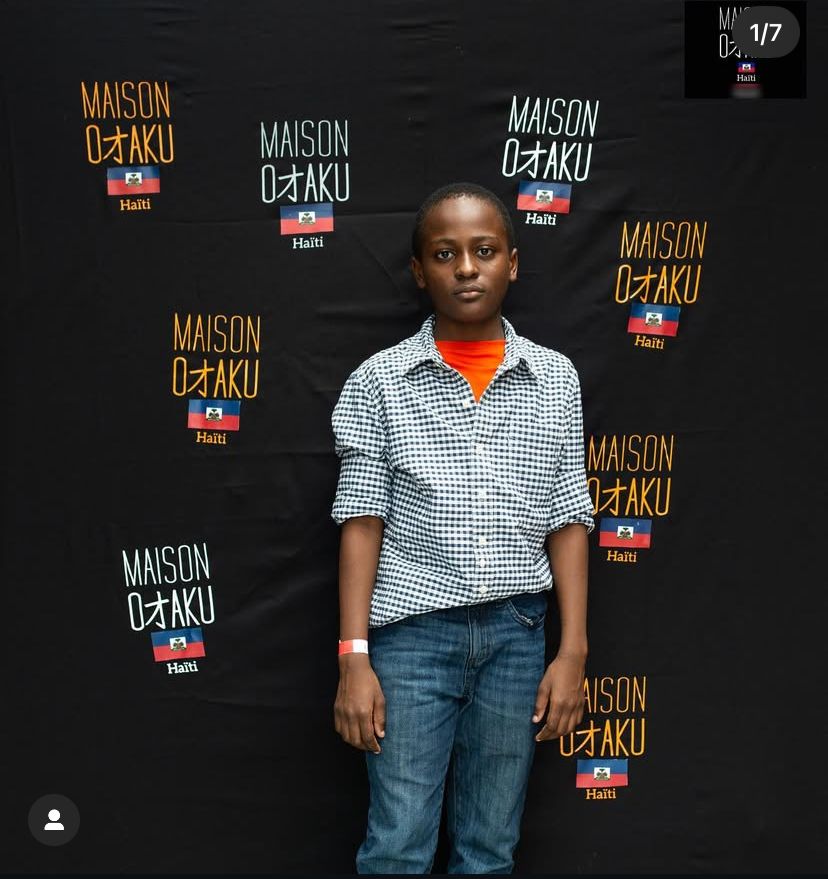
Schneider Léon Hilaire is a young Haitian painter endowed with exceptional talent, trained at the prestigious Centre d’Art in Port-au-Prince. From the very beginning, he captured the hearts of art lovers throughout the Haitian capital, quickly making a positive impression on the local art scene. His talent, nourished by the rich and diverse Haitian culture, has not been confined to the borders of Haiti. Indeed, after a successful exhibition in Paris last year, Schneider Léon Hilaire’s work has found a new place to spread its wings, continuing to captivate beyond the oceans.
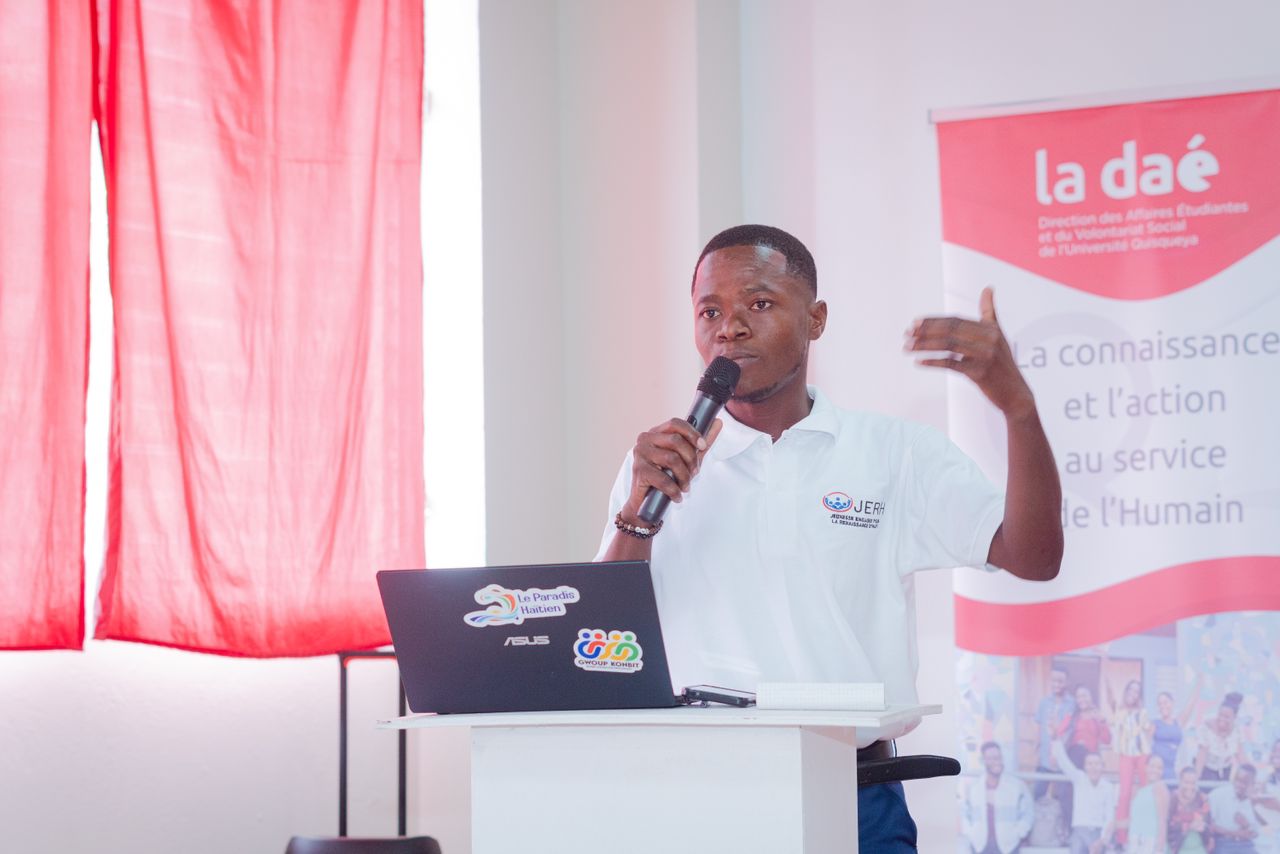
The Rassemblement pour une Entente Nationale (REN) is a Haitian civil society organization that actively works for a more just, inclusive, and prosperous Haiti. It firmly believes that the transformation of the country depends on the involvement of its citizens, particularly youth and women, who are the pillars of tomorrow, especially given their significant demographic weight in the Haitian population. Guided by this vision, REN focuses its efforts on training, raising awareness, and mobilizing these key groups to help them realize their strength and their ability to drive real change for Haiti’s development.
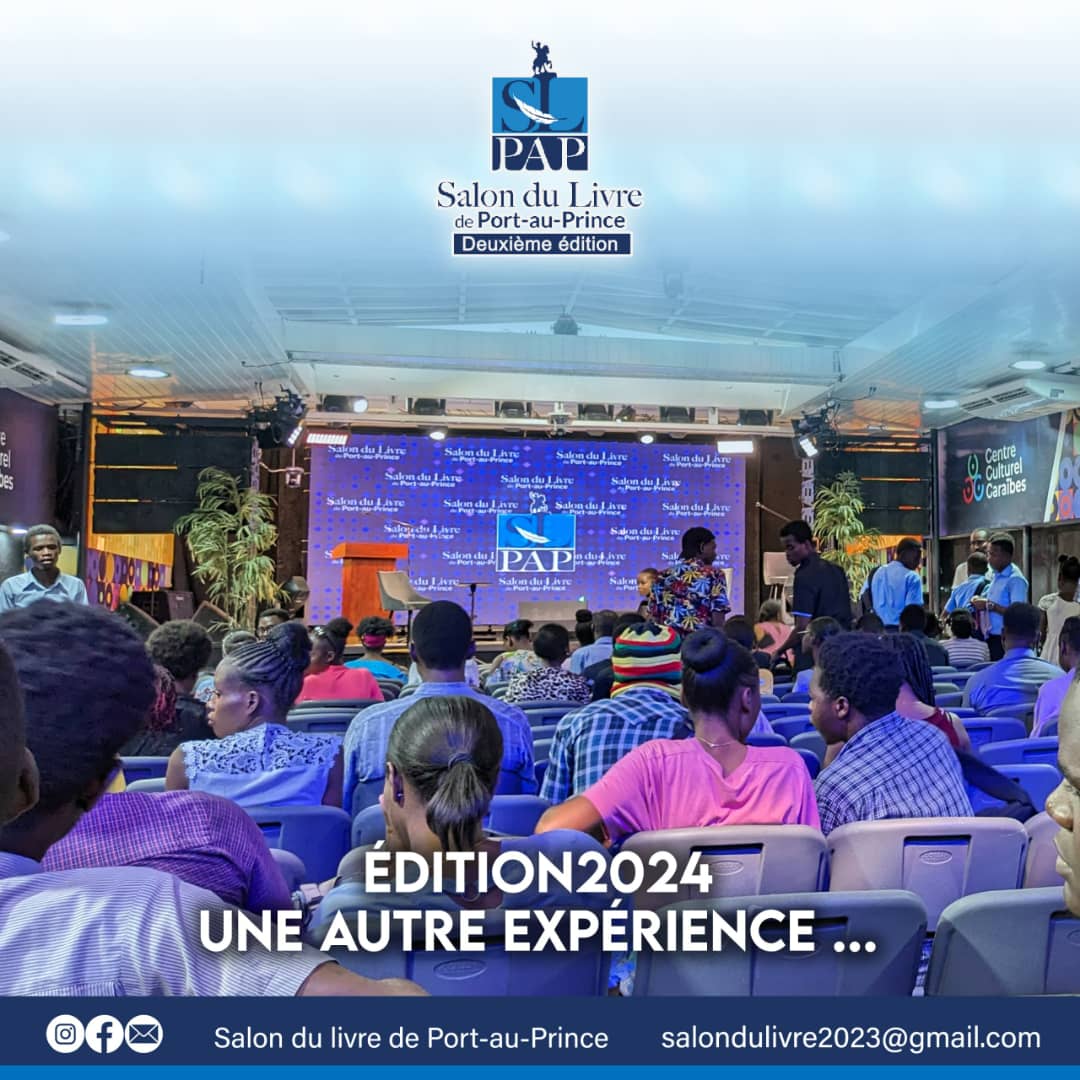
The Port-au-Prince Book Fair is a literary initiative of the cultural organization Port-au-Prince Book Fair (OCSLP), based on the desire to promote Haitian culture in general, with a particular focus on literature. The organizers of the event have just announced the registration of authors, who will number 20, and those of publishing houses, who will number 5 for the second edition, which will take place on Friday, December 13, 2024, in the premises of the French Institute in Haiti. The registration deadline is Thursday, October 10 of this year. Please note that the first to arrive who have met the required criteria will be eligible to take part in this second edition of the event, according to the organizers’ admission. This rigorous and restricted selection of only 20 authors aims to guarantee an enriching experience for authors and the public, thus promoting authentic exchanges around the works presented. Independent authors and publishing houses interested in registering their authors to participate in this second edition of the fair are invited to submit their application via this link: https://form.jotform.com/louirardjohn8/salon-du-livre-de-port-au-prince. For publishing and distribution houses planning to exhibit on the day of the event, you can register by clicking on this link: https://form.jotform.com/242596699603068. You are requested to contact them at the following address: salondulivre2023@gmail.com in case of difficulties. The Port-au-Prince Book Fair remains faithful to its philosophy, which is to offer a platform to young authors and to promote the richness of Haitian literary production, by supporting new authors who contribute to its growth. This event is a continuation of the first edition, aimed at allowing the emergence of an environment conducive to exchanges, where young authors can meet, share their experiences and engage in dialogue with readers and book professionals. According to the organizers of the event, your participation as a young author will be essential to enrich the fair and offer a diverse experience to visitors. The invitation to join this noble initiative is extended to young authors who have not yet published 5 books. You who are concerned, the ball is now in your court. Do not hesitate to go and make this day, December 13, 2024, an unforgettable day for all book lovers.
Emeline Michel was born on March 21, 1966 in Dubedou, a small town located in the 5th communal section of Gonaïves, the city of Haitian independence. Both a singer and composer, today her influence transcends and goes beyond the borders of Haïti and the French-speaking world. After starting secondary studies at the Lycée Louis Diaquoi commonly known as the Lycée de jeunes filles des Gonaïves, she entered Port-au-Prince, at one point, to continue her studies at the Collège St Pierre de Port-au-Prince. It was in the Haitian capital, more precisely at the Baptiste de Bolosse church, that her talent was discovered and supported by religious leaders, who offered her scholarships to study music. It is his steps that will be the basis of his exceptional musical career, placing his name among the proudest Haitians and alongside the greatest names in Haitian music, such as Lionel Benjamin, Beethova Obas and Yole Dérose his mentor.
René Depestre had his very first encounter with the Haitian sun on August 29, 1926 in Jacmel, a large coastal city in the southeast of Haïti that welcomed his birth. He completed his primary studies with the Brothers of Christian Instruction in Jacmel. After his father’s death in 1936, he left his mother and brothers and sisters to live with his maternal grandmother. He completed his secondary studies at the Alexandre Pétion high school in Port-au-Prince in 1944. Today, he resides in France, his country of naturalization for several decades, and remains an immense creative, intellectual spirit and great witness to a very important era in the history of men.
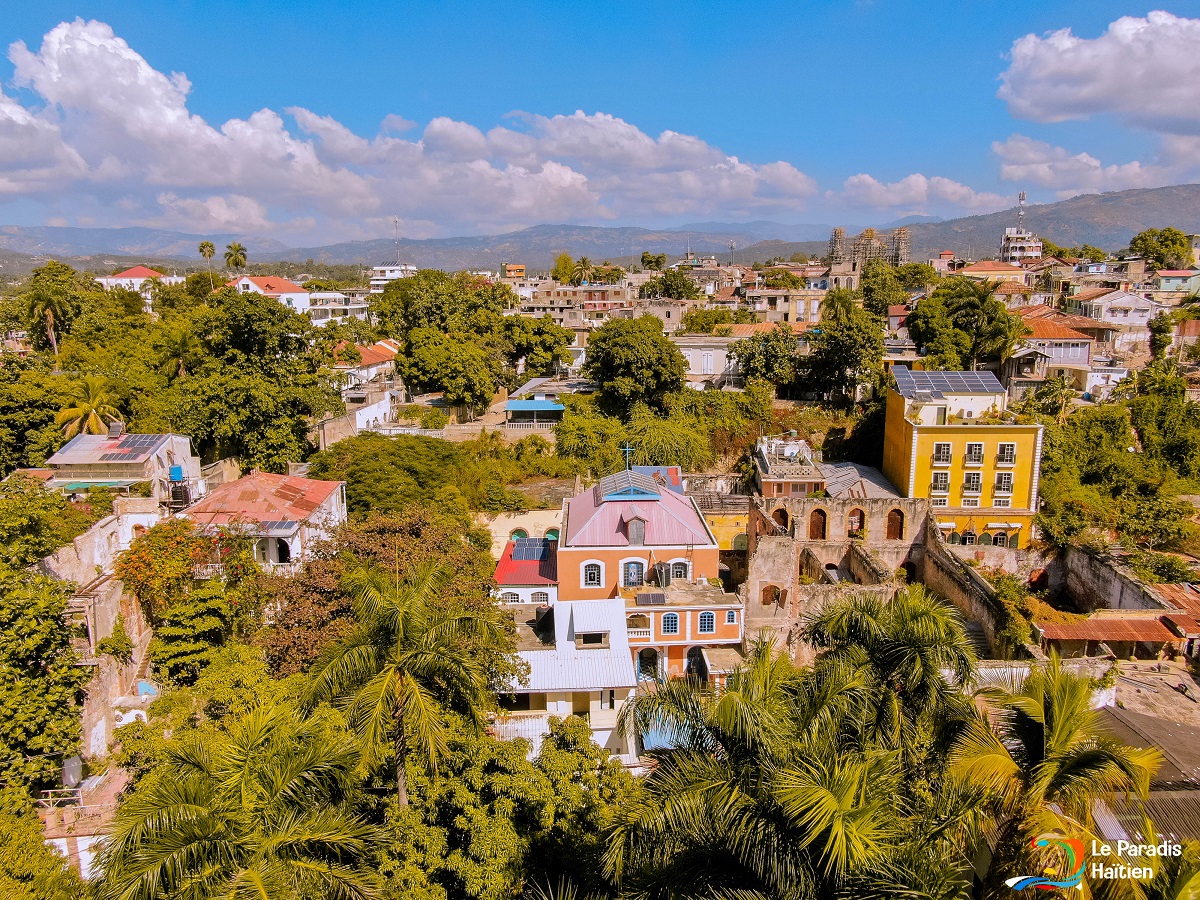
The Southeast region of Haïti is a true treasure trove of landscapes and culture, where the cities of Jacmel and Cayes-Jacmel occupy a central place. Although they are geographically close and share many similarities, these two cities have distinct characteristics that make them unique. Discover in this article the main differences between Jacmel and Cayes-Jacmel, two must-see destinations to explore during your stay in Haiti.
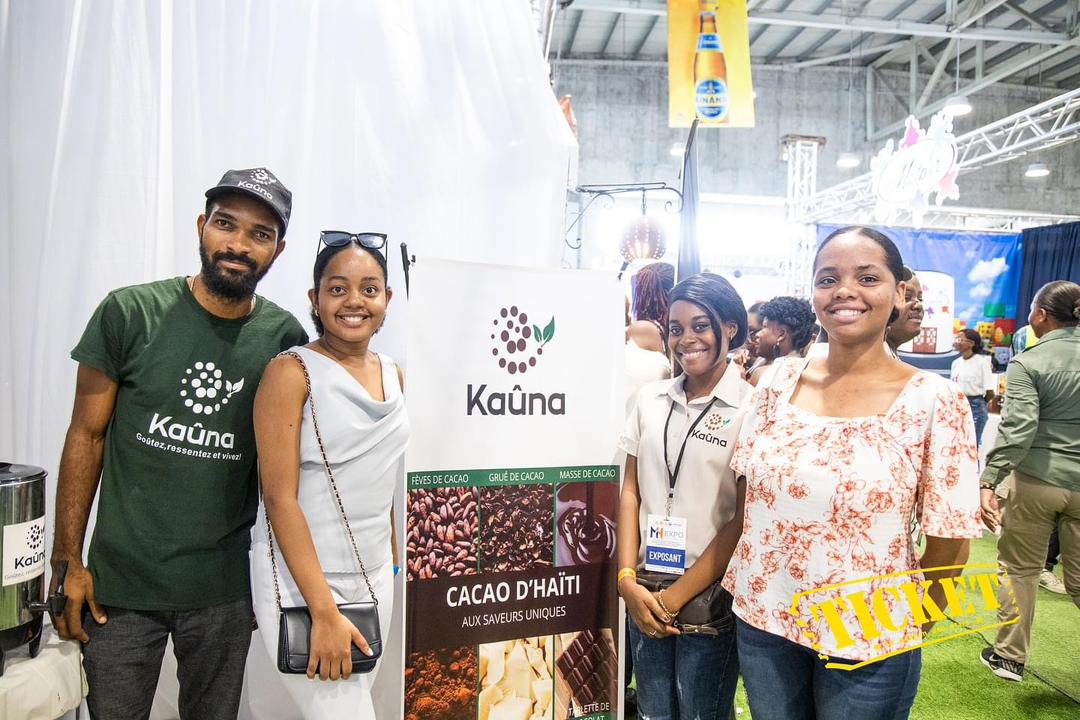
On Saturday, July 13, 2024, the El Rancho Convention Center hosted the Made in Haïti Expo (MIH Expo), a major event aimed at promoting Haitian know-how and local industries. Organized in partnership with the Ministry of Commerce and Industry, the Association of Industries in Haïti (ADIH) and various other companies, this exhibition highlighted the richness and diversity of Haitian products.
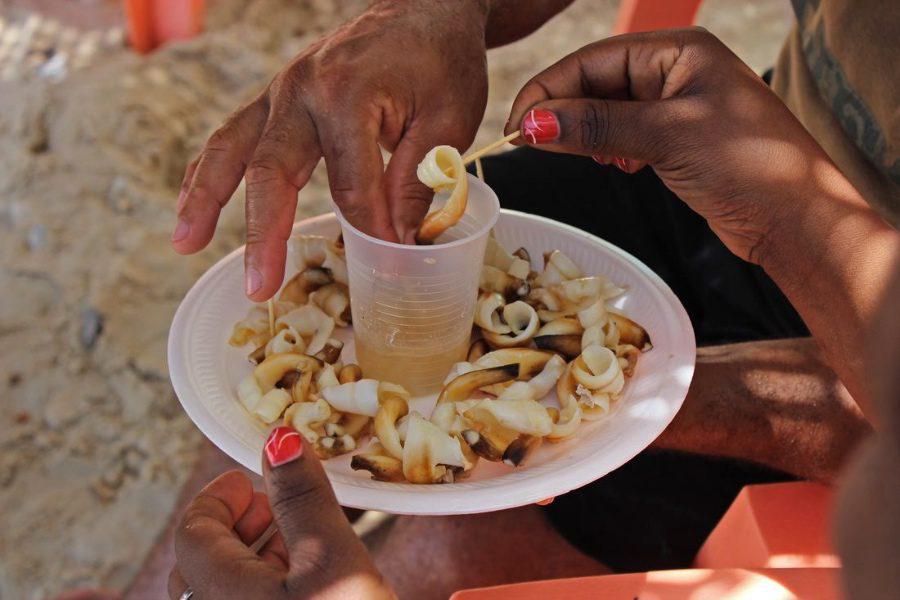
Welcome to Haiti, land of contrasts and captivating flavors. Among the culinary treasures to discover during your trip is lambi kòk, a delicious and nourishing dish that also offers benefits for your endurance. In this article, immerse yourself in the world of lambi kòk and let yourself be seduced by its exquisite flavors and invigorating properties. The queen conch, also known as the "queen conch", is an emblematic marine mollusk of Haiti. Its tender and tasty flesh makes it a true culinary delight. Imagine enjoying grilled conch, drizzled with fresh lemon juice, on a sunny Haitian beach, an experience that awakens all your senses and transports you to a world of gastronomic pleasures.
The Paris 2024 Olympic Games mark a time of pride and hope for Haiti, a nation rich in culture and resilience. This year, Haïti is represented by an exceptional team of athletes, each bringing their talent, determination, and dreams of victory on the world stage. Here’s a look at the stars lighting up our Olympic horizon.
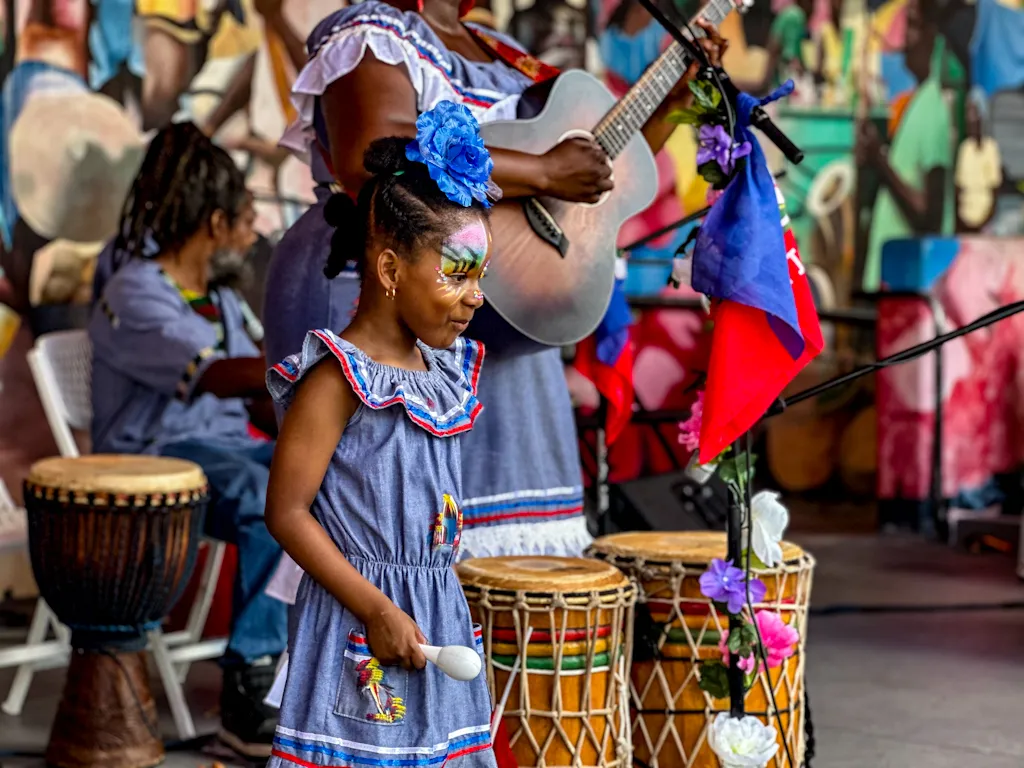
The Haitian carnival, an emblematic and essential celebration of the country’s festive calendar, is much more than a simple party. It embodies the very essence of Haitian culture, joyfully blending ancestral traditions, intoxicating music and a deep sense of community. Each year, this vibrant celebration transforms the streets into a vibrant and colorful spectacle, attracting thousands of participants and spectators eager to take part in this one-of-a-kind celebration. Haitian carnival has deep roots in the country’s history, dating back to colonial times. It has evolved over the centuries, incorporating elements of African, French and Creole culture to create a distinct and captivating celebration. The carnival period in Haïti traditionally begins in January and culminates with extravagant festivities that take place over several days. One of the most striking features of the Haitian carnival is the profusion of colors. Traditional costumes, called "masks", are elaborate and beautifully designed. They feature vivid patterns and vibrant decorations, creating a vivid picture of Haitian cultural identity. Participants, dressed in these elaborate costumes, parade through the streets to the sound of lively music, creating an electric atmosphere. Music is at the heart of the Haitian carnival. The captivating rhythms of compass, rasin, rara and other local musical genres resonate throughout the city, inviting people to dance to the rhythm of the party. Orchestras parade through the streets, accompanying the dancers and creating a unique symbiosis between the music and the graceful movements of the participants. The Haitian carnival parade is not just about the music and costumes; it also celebrates the richness of street arts. Talented artists create giant sculptures, art installations and theatrical performances that tell deep stories of Haitian history and culture. These artistic expressions contribute to the transmission of values and stories that shape the identity of the Haitian people.

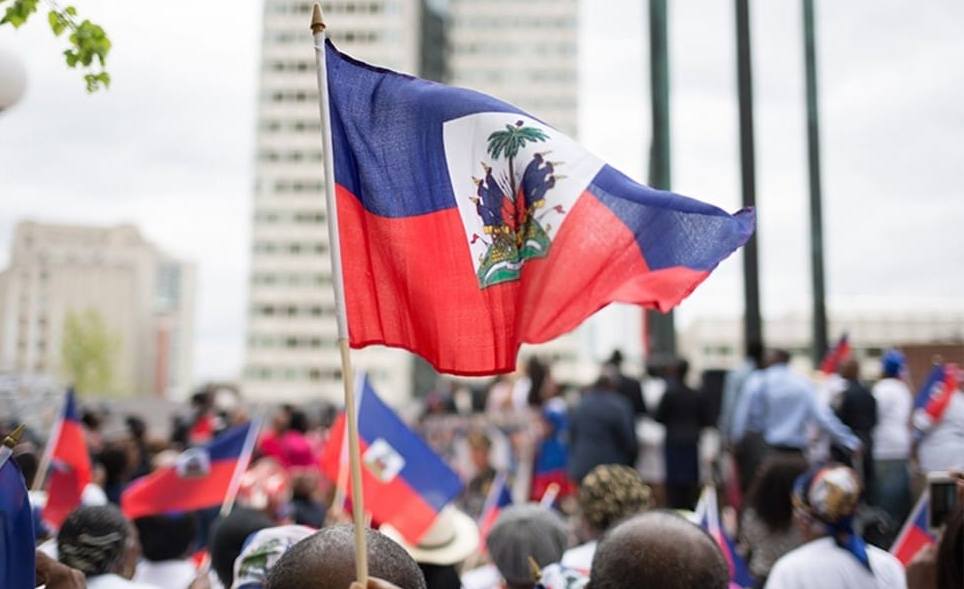
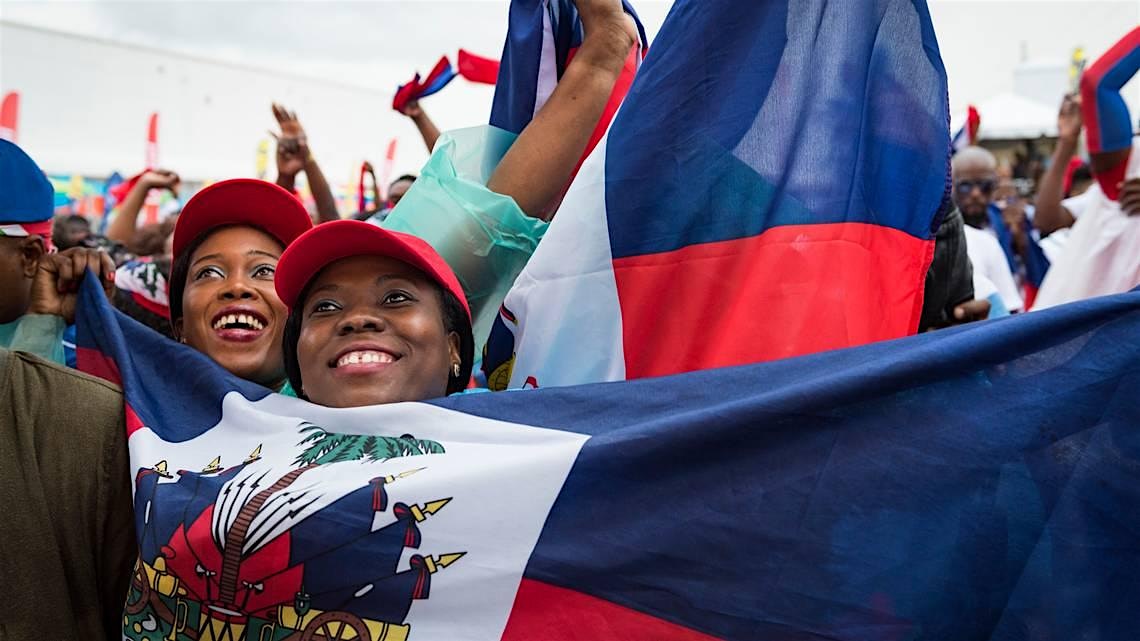
First black nation to free itself from slavery and gain independence from France in 1804 and influenced other liberation movements around the world, inspiring struggles for freedom and equality.

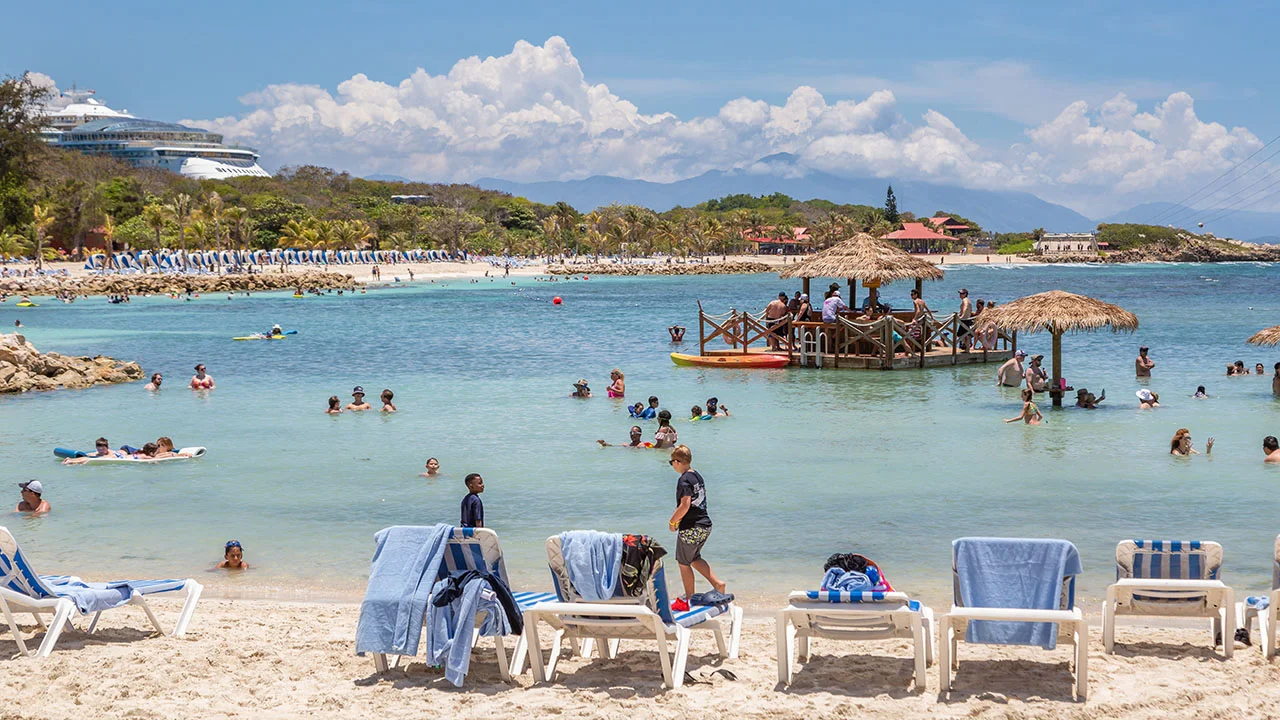
Haïti is blessed with spectacular natural landscapes, including white sand beaches, mountains and rich biodiversity.

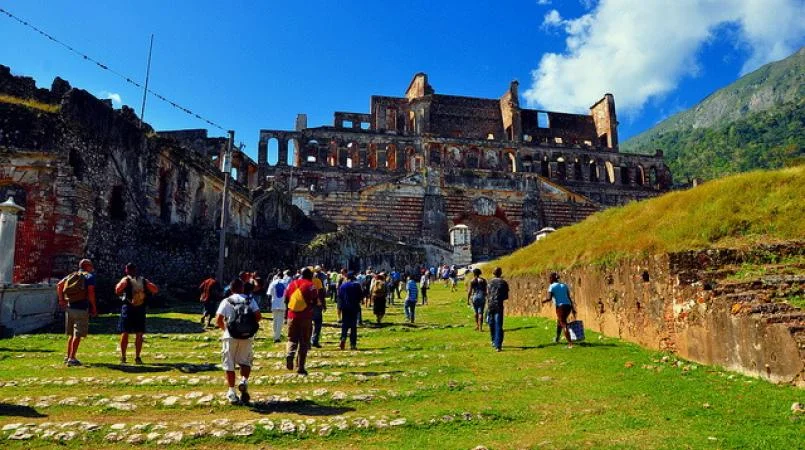
Haïti has a rich historical heritage, including sites like the Citadelle Laferrière and the Sans-Souci Palace, listed as UNESCO World Heritage Sites.

Haïti has a rich and diverse culture, influenced by African, European and indigenous elements. Haitian music, dance, art and cuisine are celebrated around the world.