


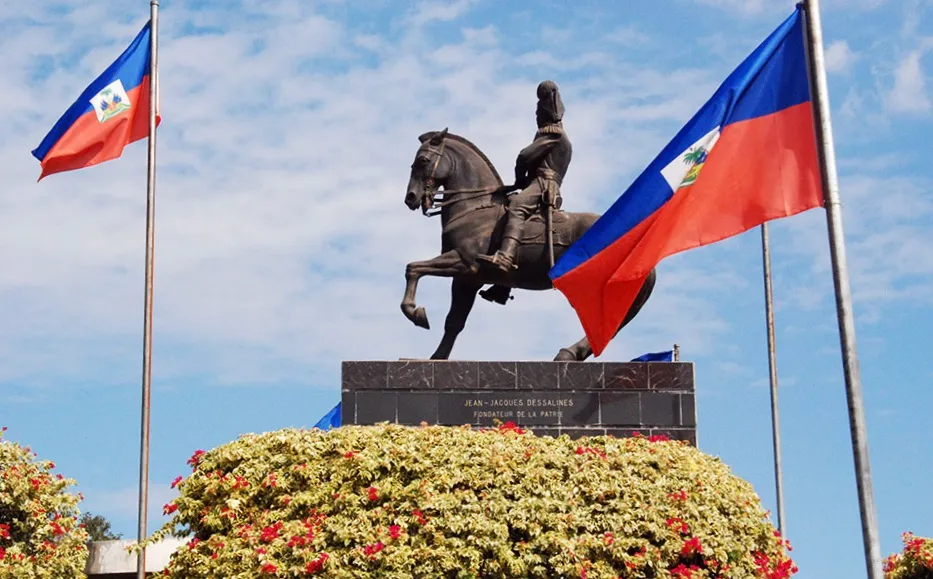
What does October 17th represent for Haiti?
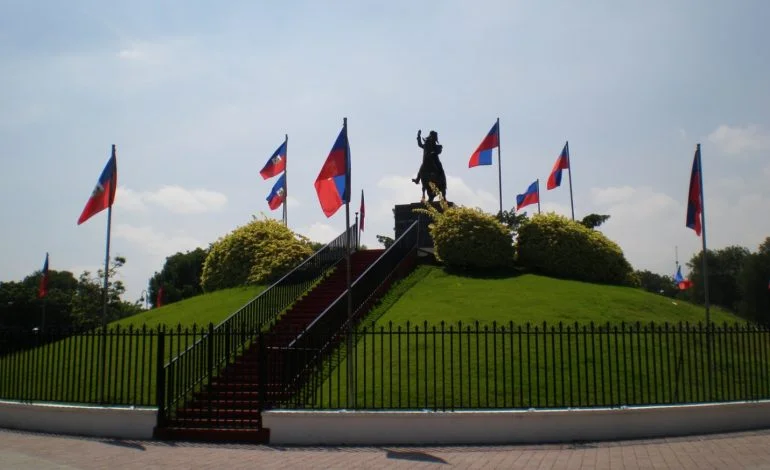
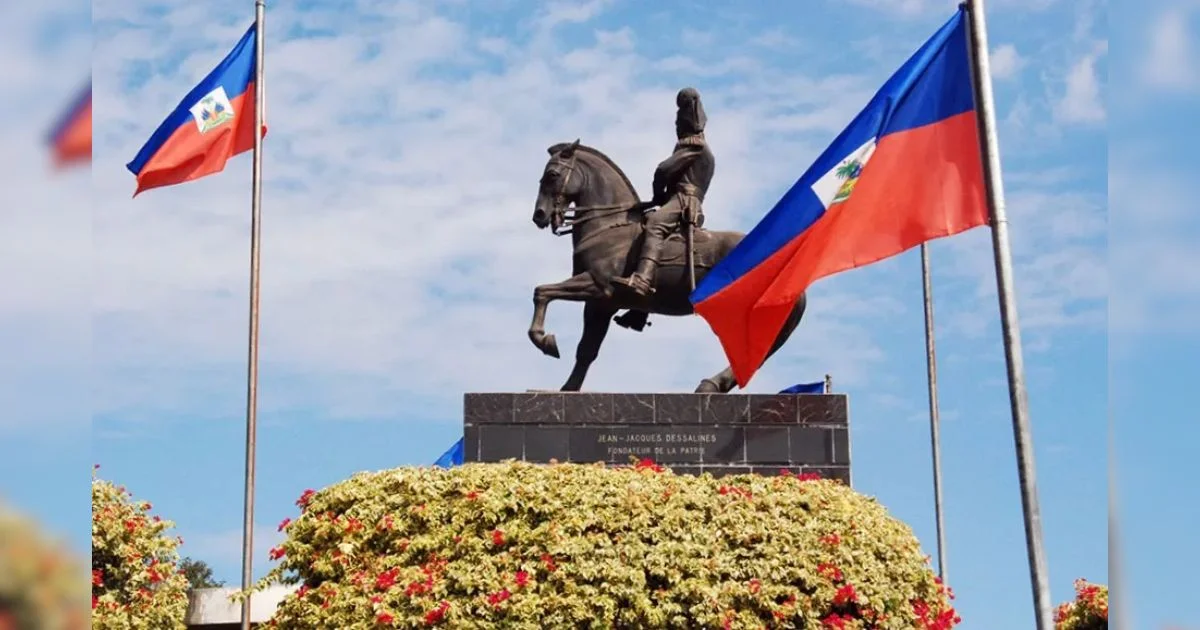
Why is October 17th etched in the hearts of Haitians? The brutal assassination of Jean-Jacques Dessalines reveals the dark secrets of the young republic. The story you need to know.
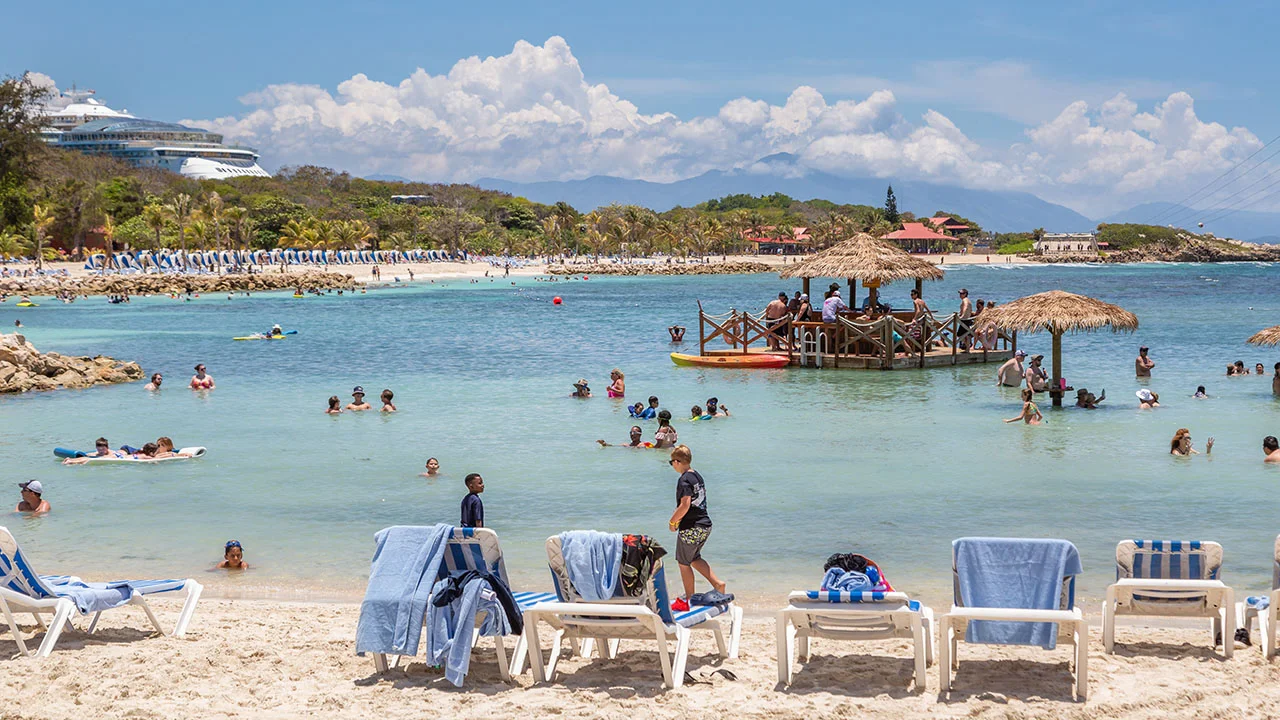
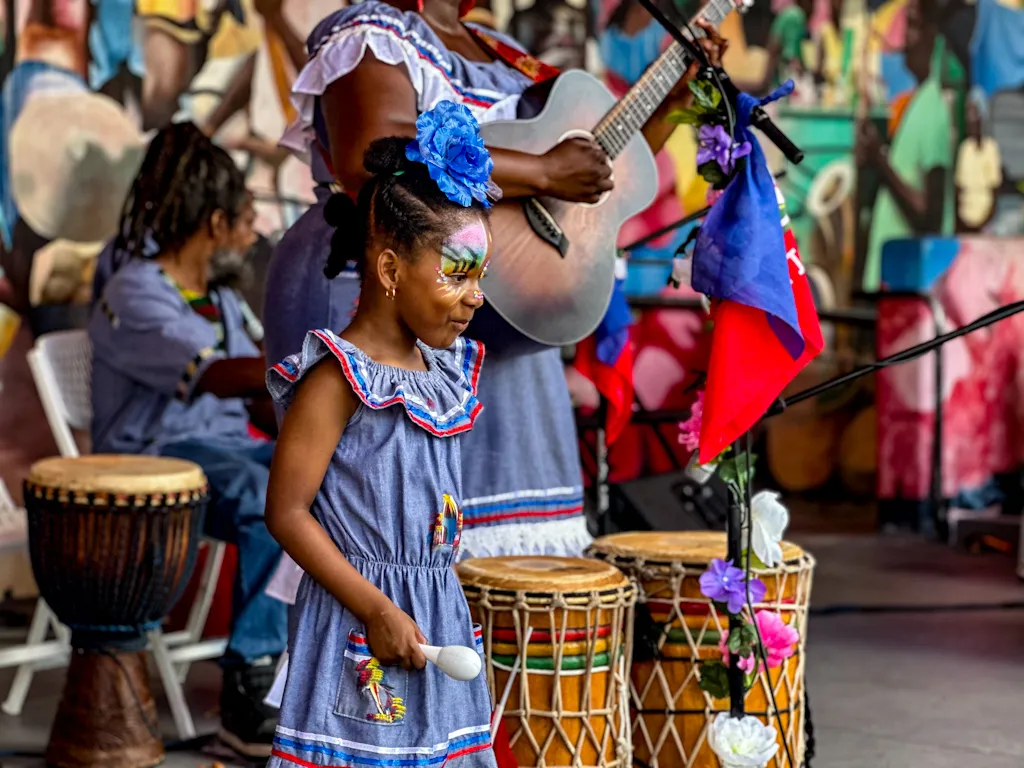
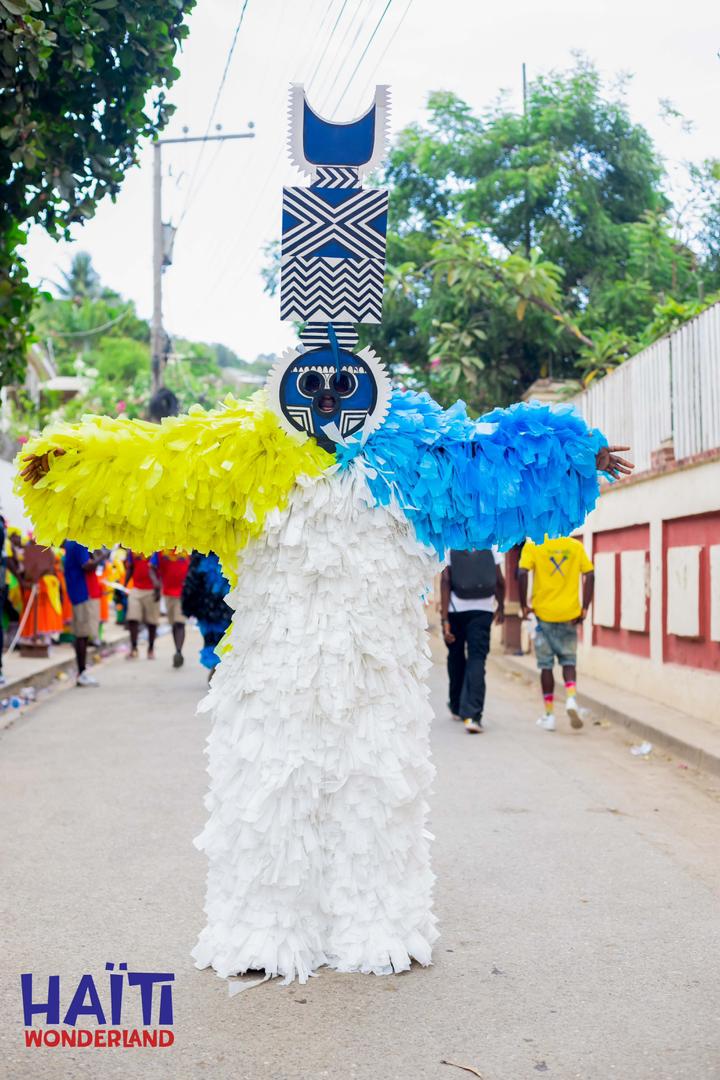
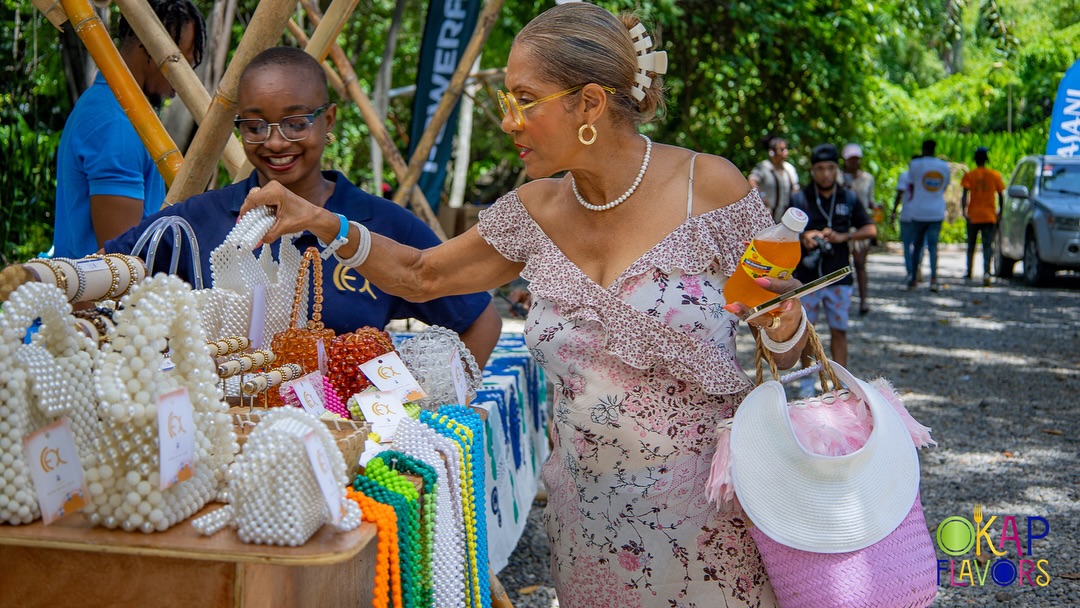
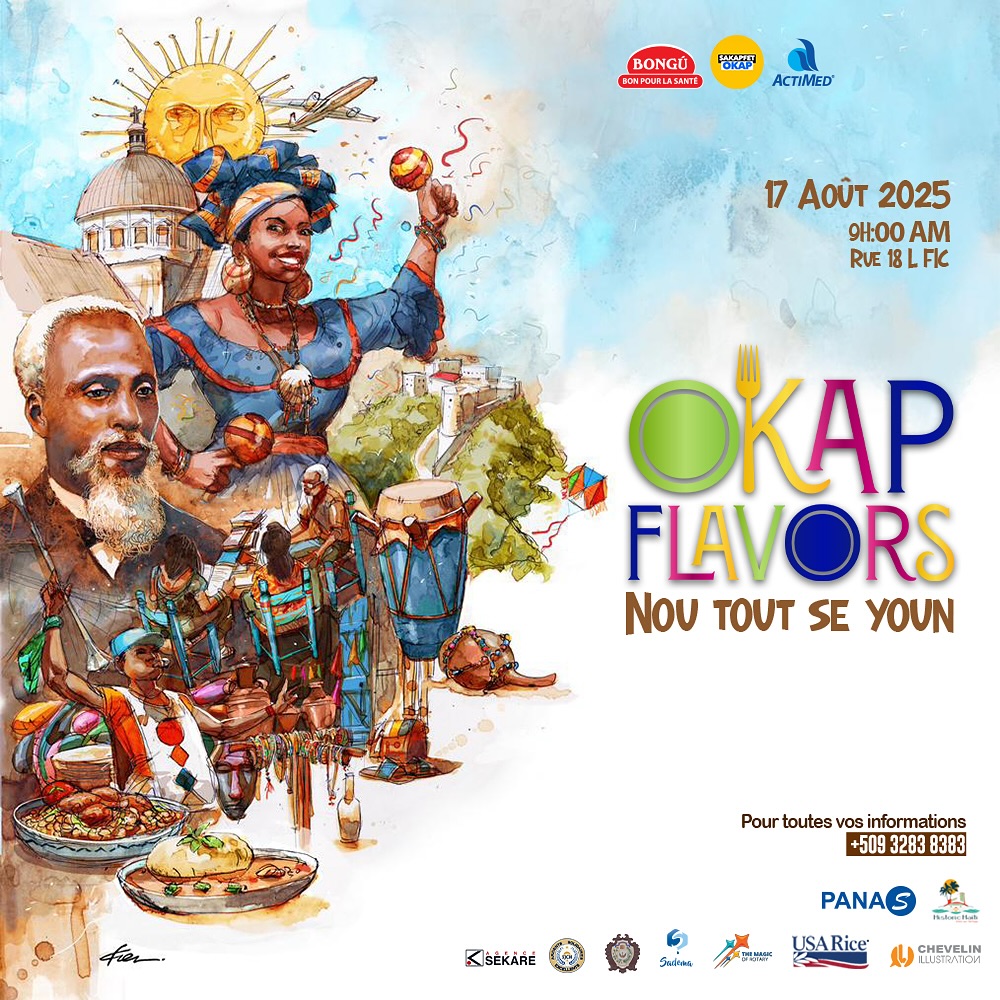
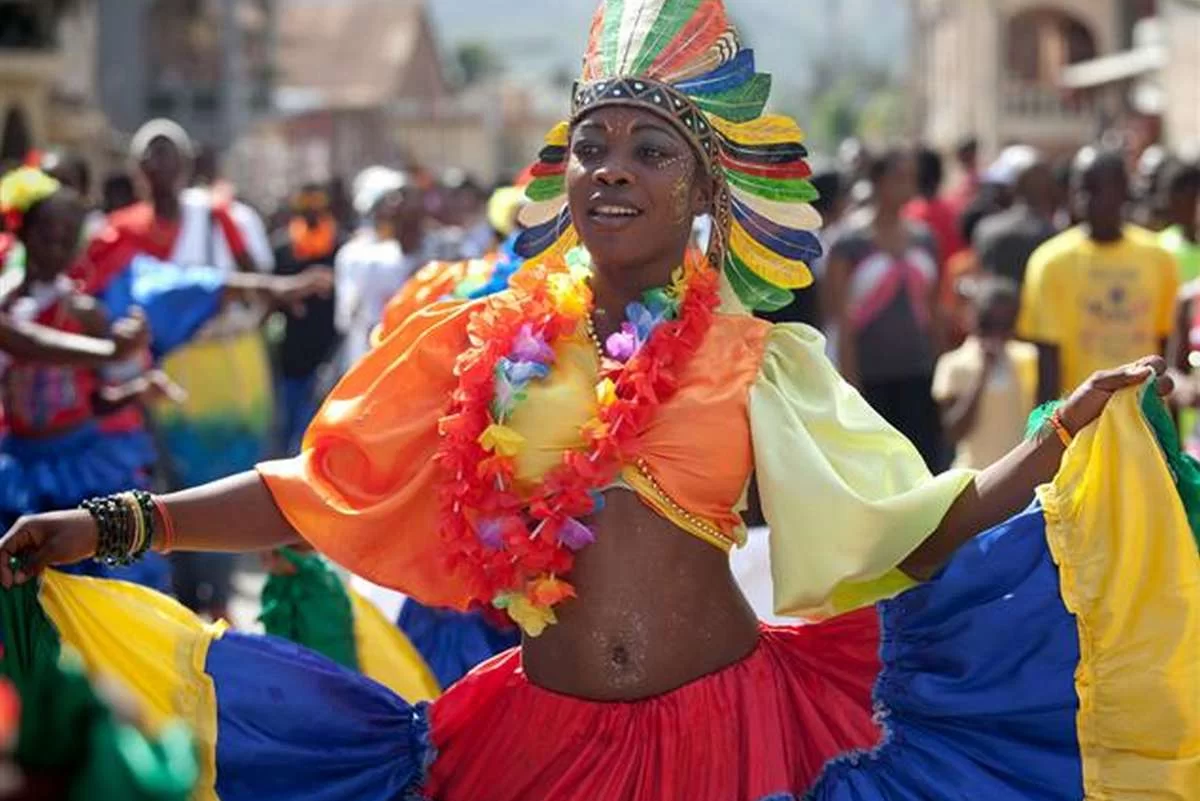
Haiti, the pearl of the Caribbean, is much more than its white sand beaches and turquoise waters. It is a country rich in culture, traditions and history. Among the many facets of Haitian culture, its festivals, its gastronomy and its art stand out for their diversity and authenticity.
Subscribe to our newsletter to stay informed of all our activities and news on Haiti.
Haiti, often referred to as the "Pearl of the Antilles", is a true cultural and historical gem, ready to amaze travelers from around the world. The first independent black country, a land of creativity and resilience, Haïti is full of unique tourist attractions: monuments classified as world heritage, breathtaking natural landscapes, and a vibrant culture that leaves no one indifferent. Haïti is positioning itself as a must-see destination in the Caribbean. This sector represents a key opportunity to generate sustainable revenues and promote the country’s unique identity.
Haiti, this jewel of the Caribbean, is known for its revolutionary history, vibrant culture, and breathtaking landscapes. But how many people call this land rich in tradition and diversity home? This article explores Haiti’s current population and how it has changed over time, while providing an overview of the challenges and opportunities related to its demographics.
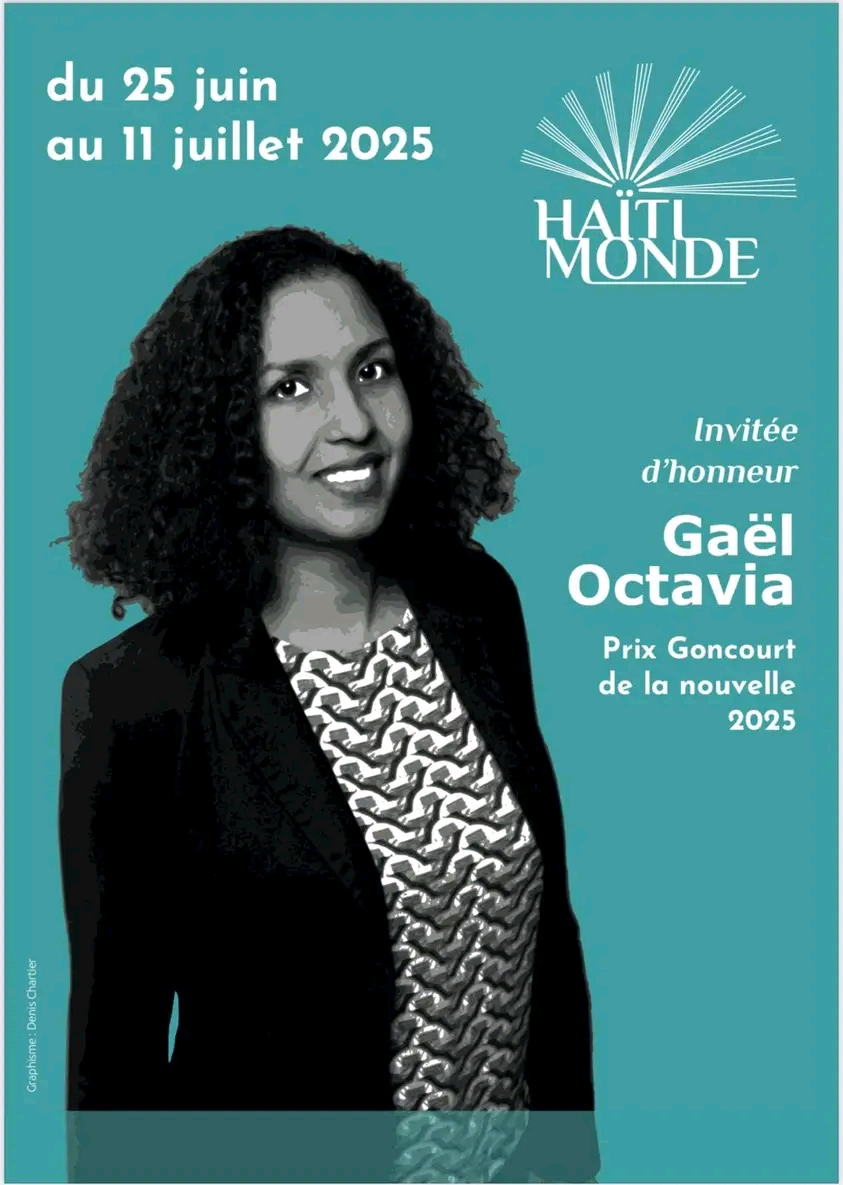
Haïti is a true powerhouse in today’s literary world. For centuries, the country has been endowed with remarkable intellectual wealth that has led to exceptional achievements. Today, with more than 20 major active writers, whose works resonate far beyond Haitian borders, Haïti is one of the countries with the highest number of writers per capita. Among these writers, we can mention Edwige Danticat, Pulitzer Prize winner; Louis-Philippe d’Alambert, Goncourt Prize for Poetry in 2024; René Depestre, Goncourt Prize for Novels in 1982; Dany Laferrière, Renaudot Prize winner and member of the French Academy; Lyonel Trouillot and Frankétienne, globally known for their works; not to forget the current star of Haitian literature, finalist of the 2022 Goncourt Prize with his masterpiece Une somme humaine, referring to Makenzy Orcel. These names stand alongside legendary figures such as Jacques Roumain, Anténor Firmin, Jacques Stéphen Alexis, and Oswald Durant, forming significant marks on world culture through their writings. Today, this literary tradition continues to nourish new talents, but one problem persists: the absence of serious and well-structured Haitian publishing houses in sufficient quantity to support these young authors.
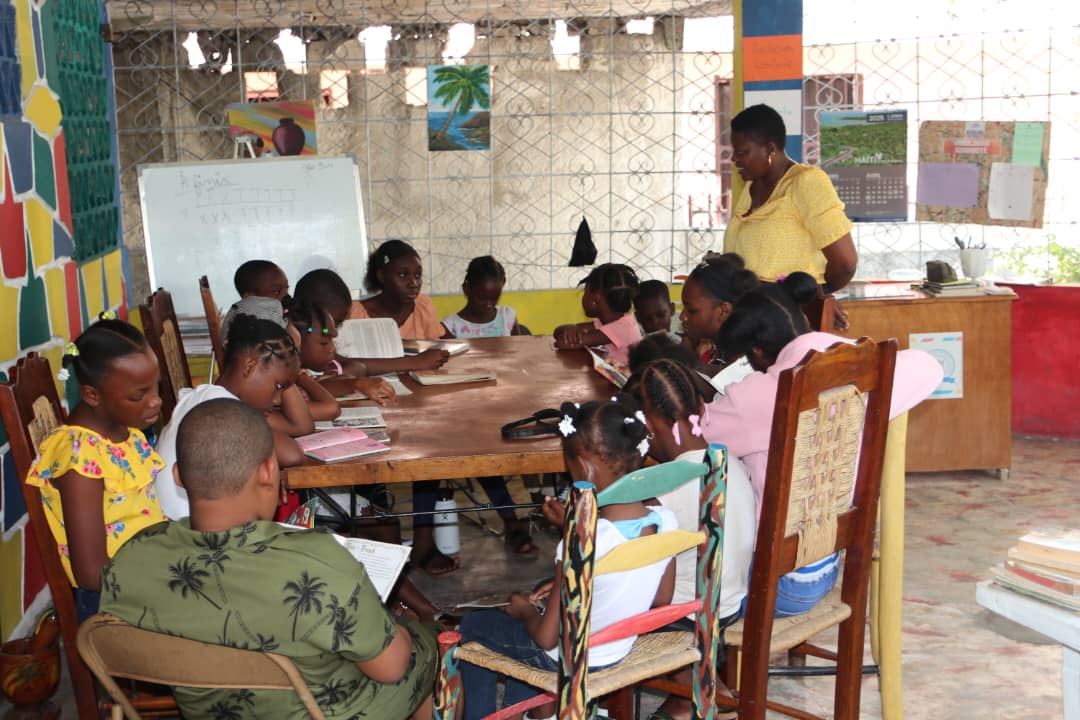
In Haiti, Christmas is a magical time for children, where traditions and festivities blend to create unforgettable memories. Two dates, in particular, mark this season: December 24, Christmas Eve, and December 31, which heralds the New Year. These moments are rich in activities and emotions, putting the youngest at the heart of the celebrations. This article explores why these two days are so special for children in Haiti.

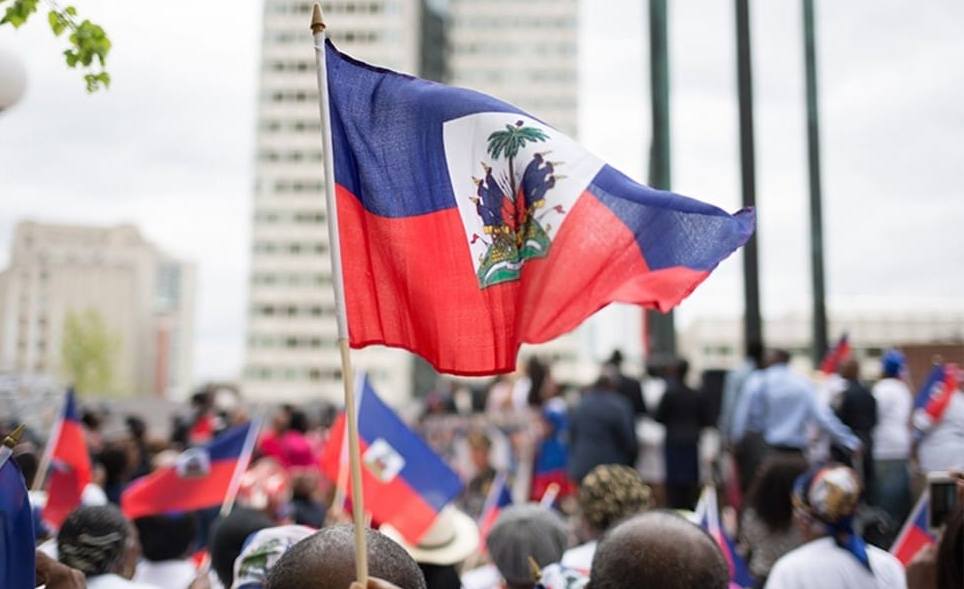
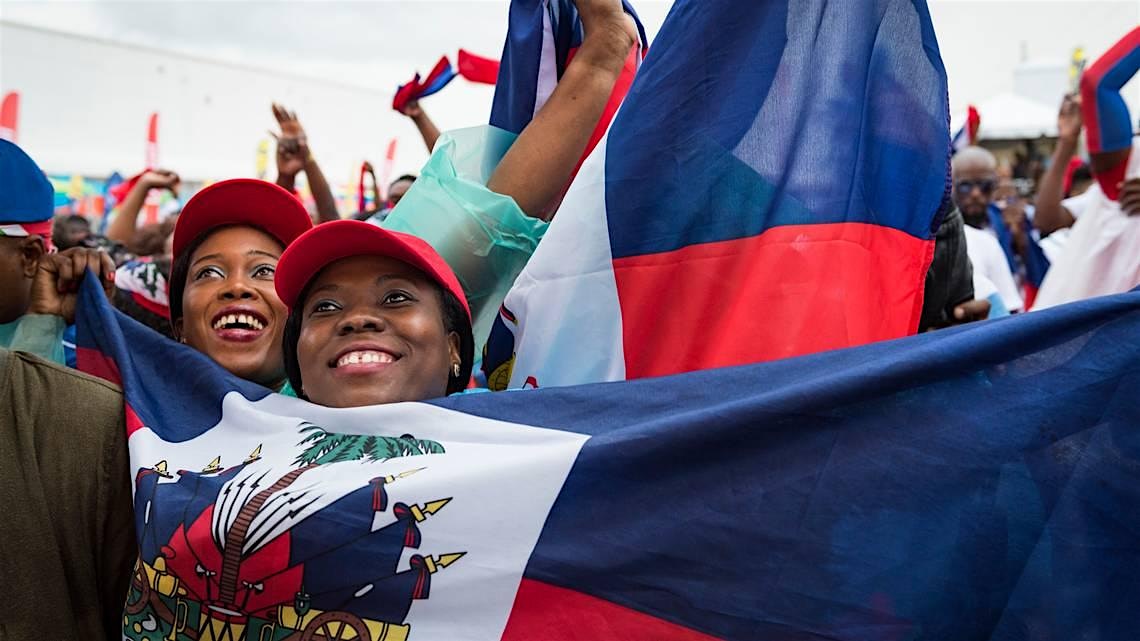
First black nation to free itself from slavery and gain independence from France in 1804 and influenced other liberation movements around the world, inspiring struggles for freedom and equality.

Haïti is blessed with spectacular natural landscapes, including white sand beaches, mountains and rich biodiversity.

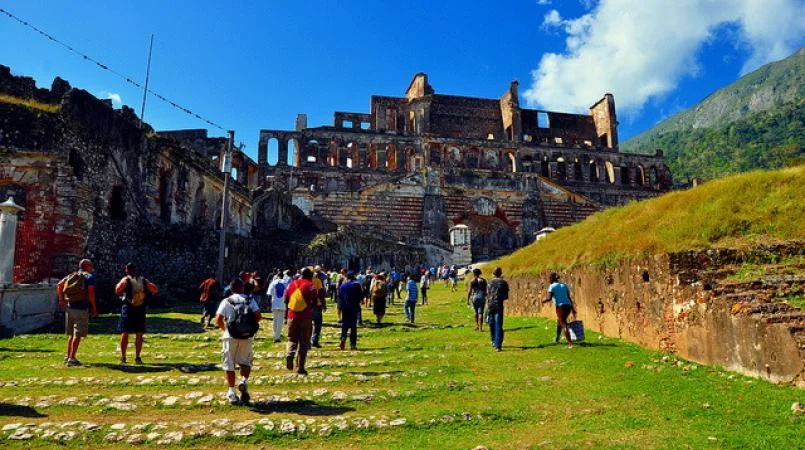
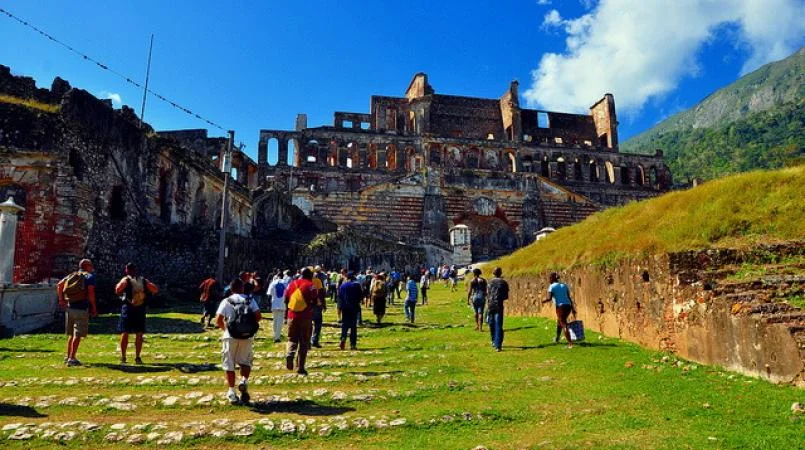
Haïti has a rich historical heritage, including sites like the Citadelle Laferrière and the Sans-Souci Palace, listed as UNESCO World Heritage Sites.

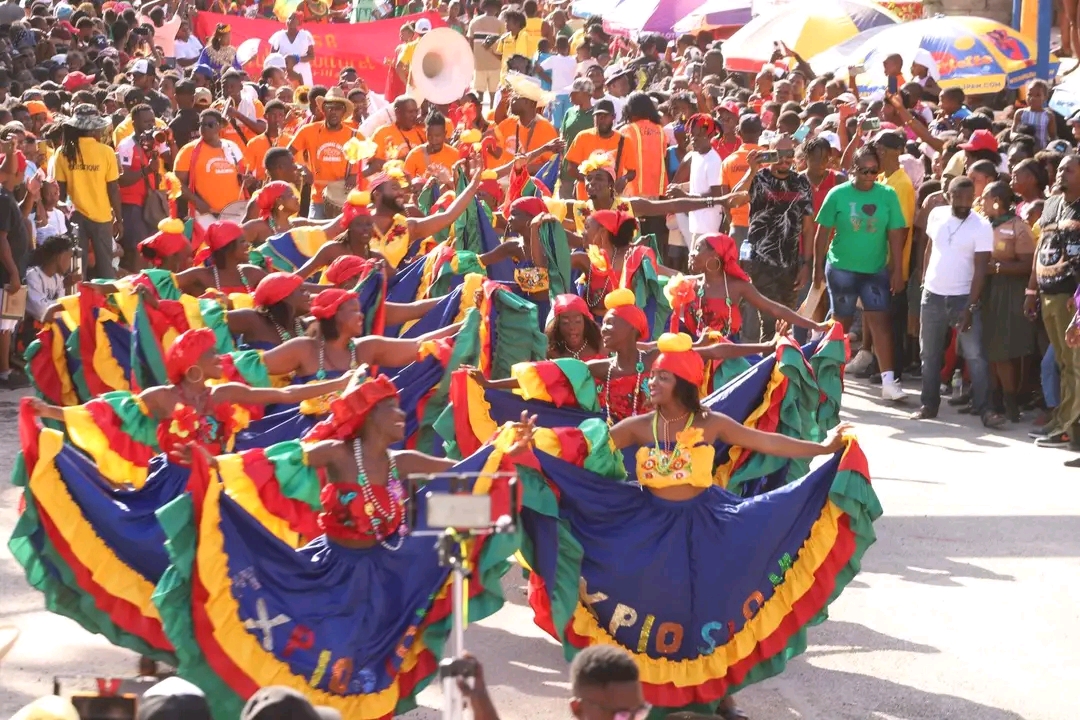
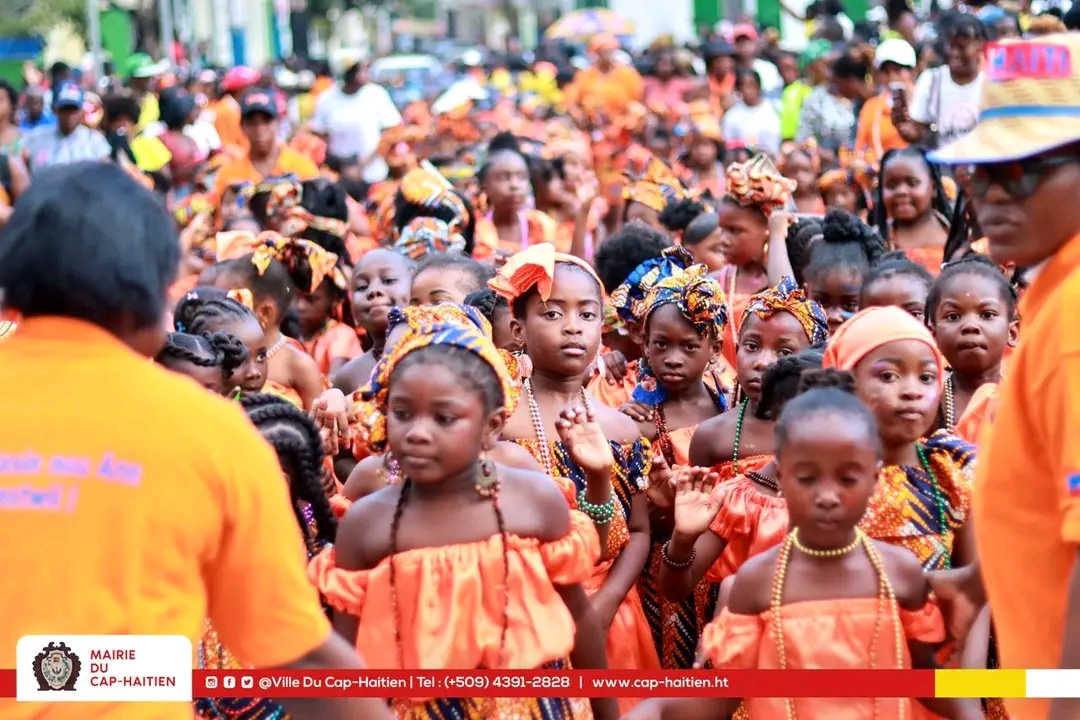
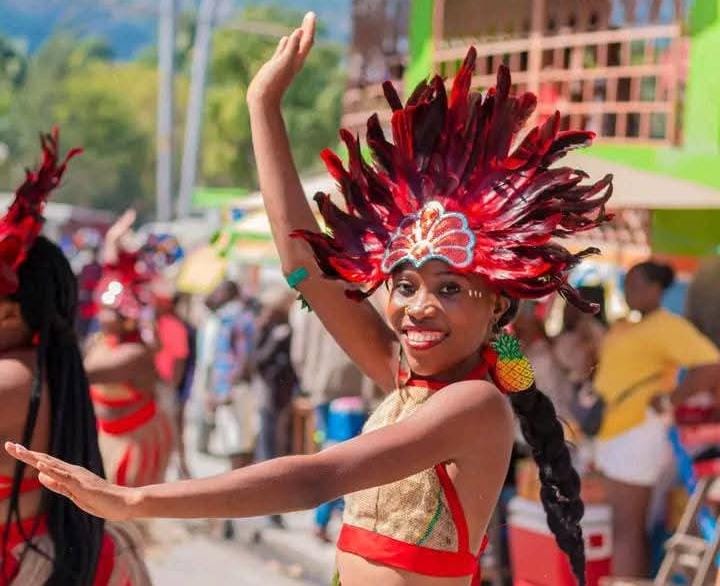
Haïti has a rich and diverse culture, influenced by African, European and indigenous elements. Haitian music, dance, art and cuisine are celebrated around the world.