
contact@haitiwonderland.com+509 36184317

Discover

Shopping Cart

Haiti, the Caribbean country with a rich and unmatched history

Haiti, the Caribbean country with a rich and unmatched history

Haïti is this small Caribbean country whose almost entire history is made up of great atrocities and a more than fabulous feat that a group of men had to accomplish for their own survival. The country was born at the heart of a story of resistance, of great importance and unparalleled in certain aspects, which can be proudly told to the rest of the world.

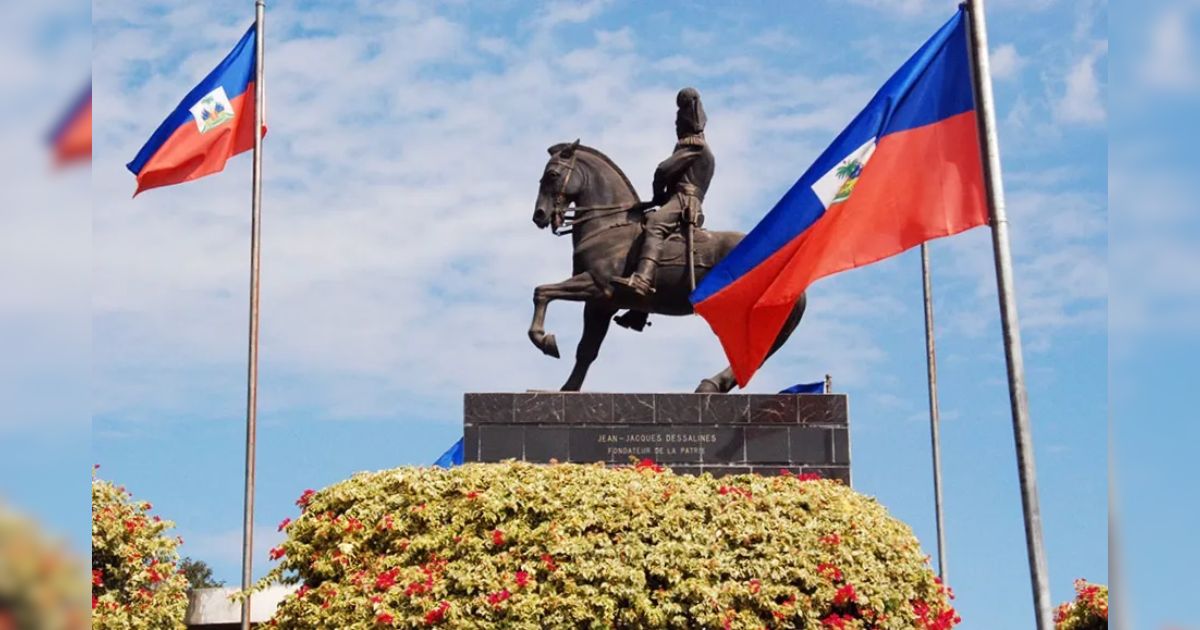
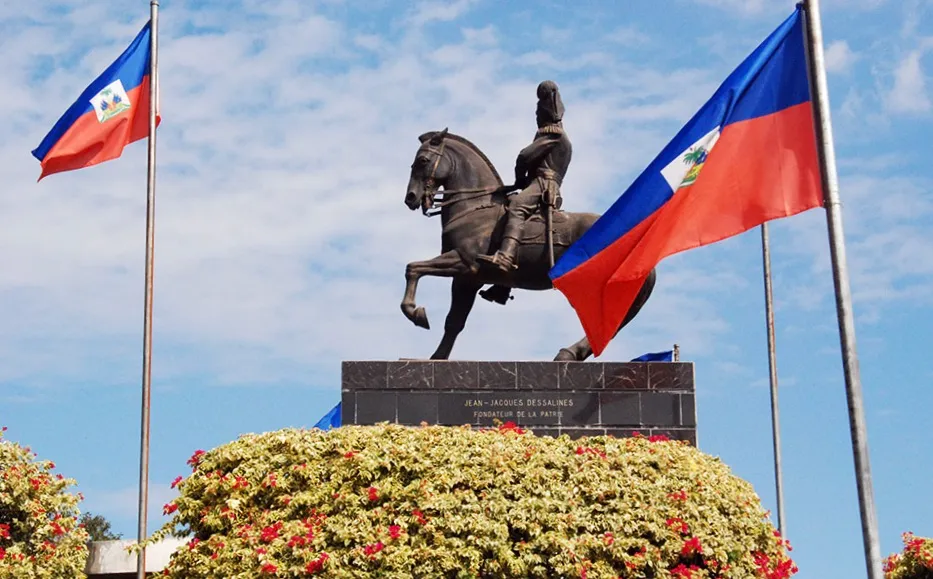
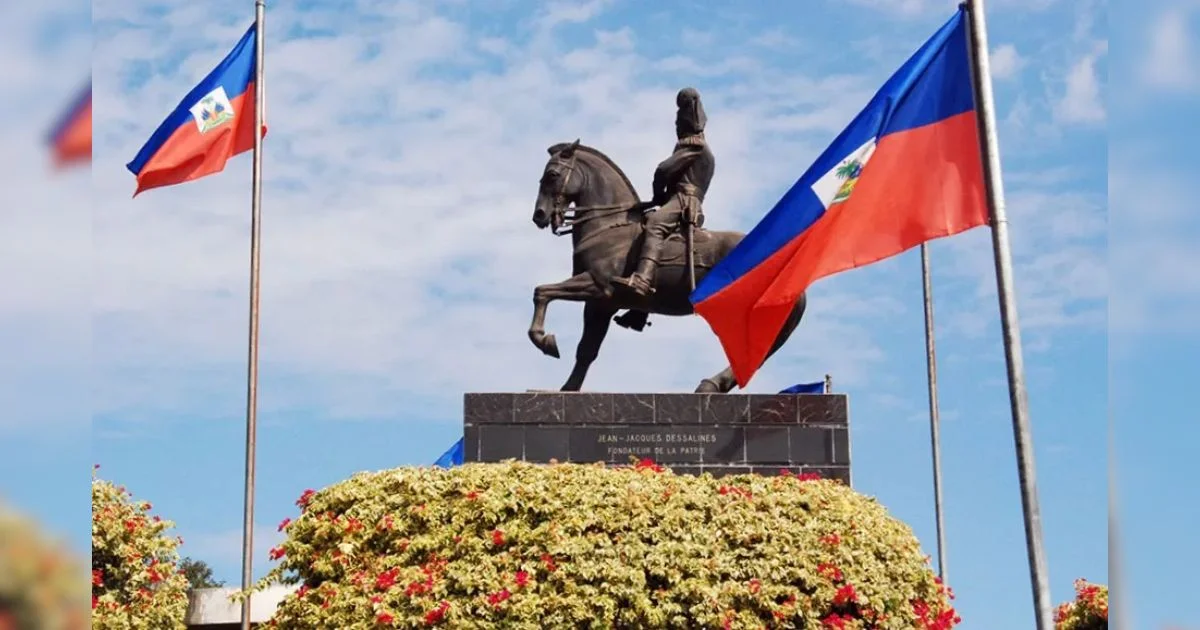
Haiti’s history is capable of awakening in any man, strong feelings against any form of injustice, with the power to inspire the revolt of the weakest against any criminal tendency of injustice. In this regard, it would be appropriate to consider Haïti as a great country, given the richness of its history. Although the country has gone through difficult times at certain points in its past and has a present with dark spots in some of its areas, it remains, nonetheless, the country of Toussaint Louverture, Jean-Jacques Dessalines, Henri Christophe, and Alexandre Pétion (father of Pan-Americanism). And above all, a country with a rich history, capable of competing with the richest histories of the world.

Haïti
Haïti
Haïti

The arrival of Christopher Columbus

The arrival of Christopher Columbus on the island of Hispaniola coincided with the landing of barbarism and genocide in the lives of the essentially peaceful indigenous peoples who populated the American continent before 1492. The brutal reign of the French colonists, after the Treaty of Ryswick in 1697, which ceded the western part of Hispaniola to them, is a notable black mark in this part of Haiti’s history. For the French colonists are largely responsible for the transatlantic slave trade. They were the first to decide to go to Africa, seize the Blacks, and bring them to the slave fields of Saint-Domingue. These fields, places of torment for the minds of the Blacks of that era, were where the most abominable atrocities prevailed everywhere, in everything. It is also important to note that the indigenous peoples, unable to withstand the inhuman barbarism of slavery, were the first victims of this evil system. It was to replace them that the Blacks were brought to the American continent, as they had suffered a genocide perpetrated by the European colonists.

Haïti
Haïti
Haïti

The resistance of Toussaint and the triumph of Dessalines

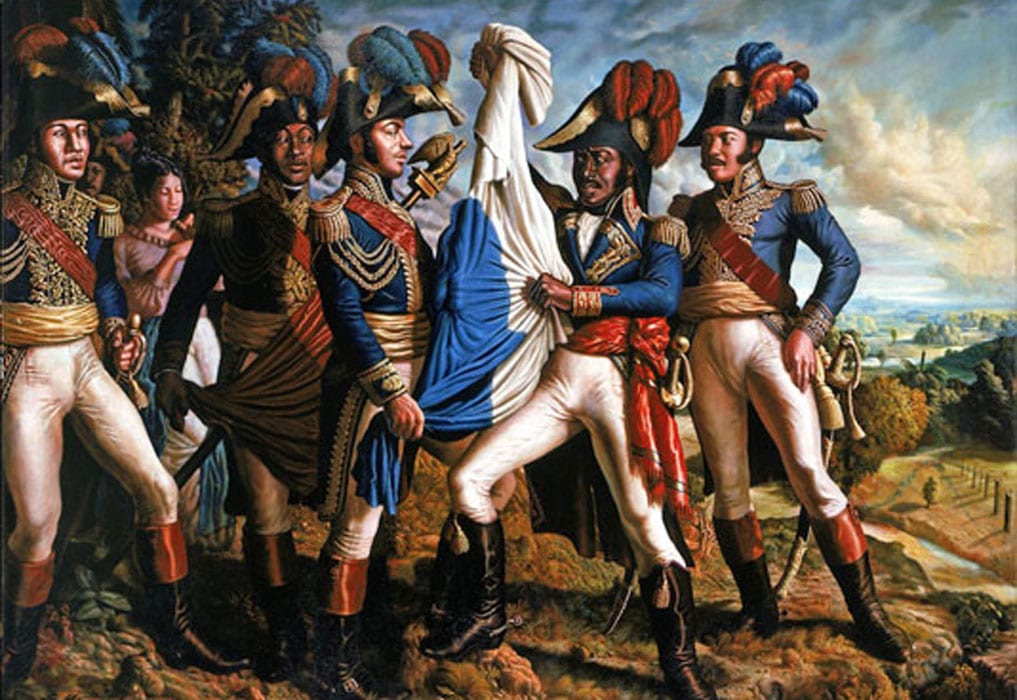
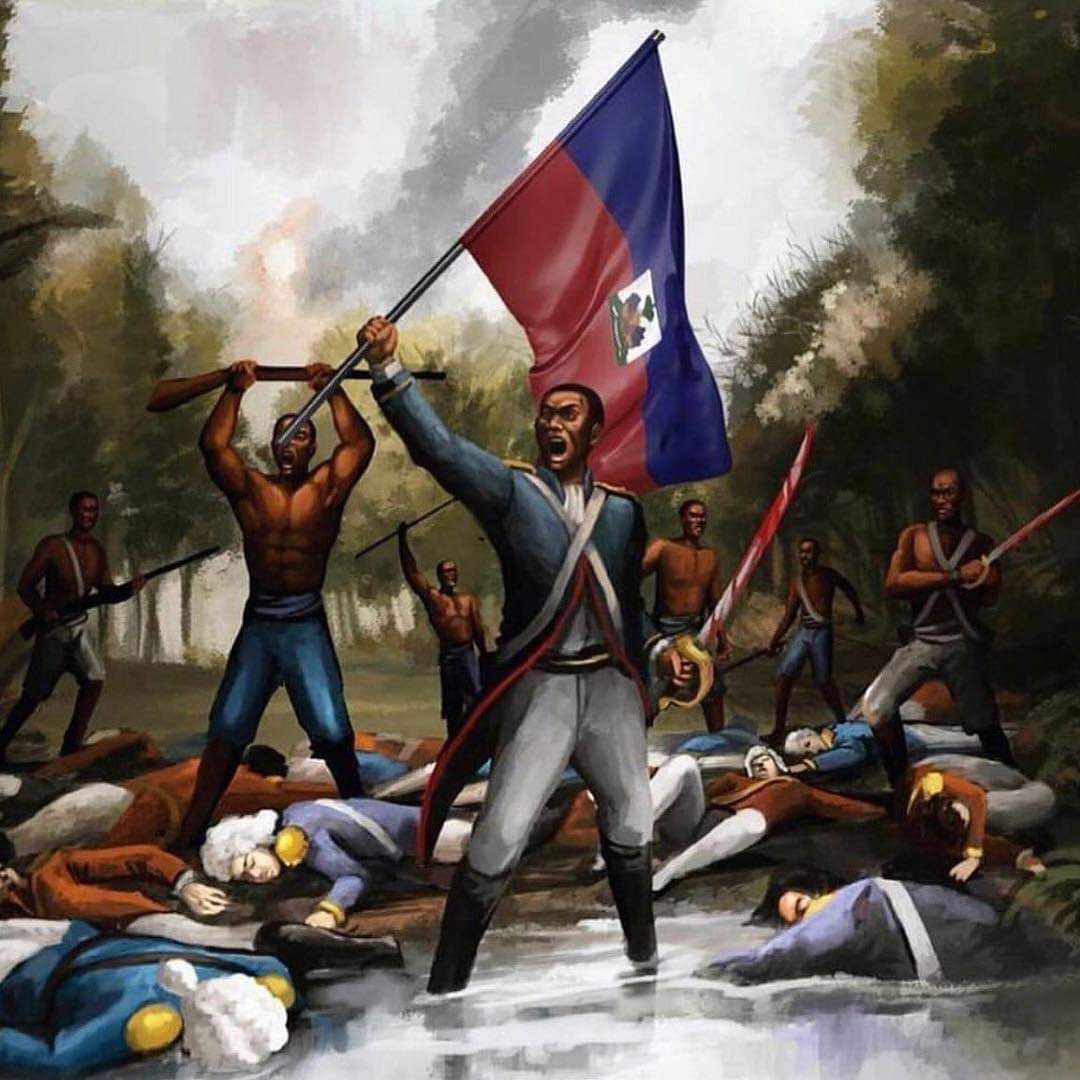
The Haitian Revolution, culminating in the glorious victory of 1804, saw important leaders at its helm. Among them, we can mention Makandal and Bookman. But the genius of Toussaint Louverture, combined with the success of Dessalines, crowned these great names in the most beautiful way. Indeed, although Toussaint Louverture died in France before the Haitian victory of 1804, he was the precursor of the Haitian Revolution, remaining a name the world associates with military genius. Dessalines, for his part, completed Toussaint’s legacy with his charisma, leadership, and pragmatism, leading the triumph of freedom and life in Saint-Domingue. He carried the flame of liberty to lands where the blood of the Blacks had historically flowed, where barbarism and the dirtiest depravity humanity had ever known over such a long period took root. This refers to the 400 years of slavery perpetrated by a race of men at the expense of another part of humanity, which resembles it despite some small nuances of difference.
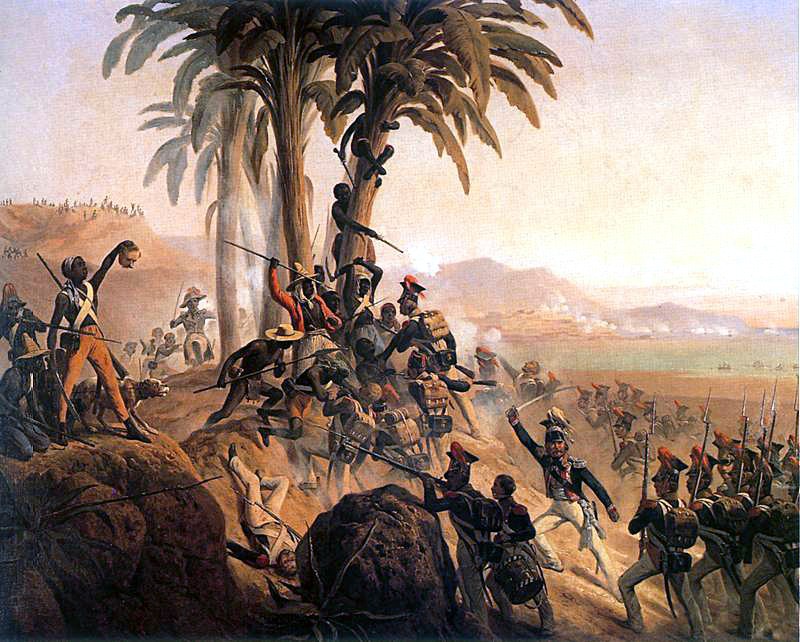
The celebration of January 1, 1804

On the heels of the great triumph of Vertières, after decades of struggle, the enslaved masses, heavily trampled by the heavily armed chains that framed the barbarism of slavery, finally triumphed and freed themselves from their unparalleled suffering. Moreover, Dessalines, at their head, agreed to lend a hand to other countries in the region in their struggle for freedom. The help given by the first Haitian emperor to Miranda can testify to this. Furthermore, the Haitian Revolution remains the most complete of its time. It was the only one to be both anti-colonial, anti-racist, and bitterly opposed to the muddy shame of slavery. Not to mention the fact that Dessalines officially declared free every human being subjected to slavery who reached Haitian shores.

Share
About the Author
Moise Francois
Moise Francois
Moise Francois

Journalist editor, poet and apprentice lawyer.

See other articles from Moise Francois
Leave a comment

Recently Posted

Newsletter

Subscribe to our newsletter to stay informed of all our activities and news on Haiti.

Timoun se Moun: A poetry competition to promote children’s rights in Haiti

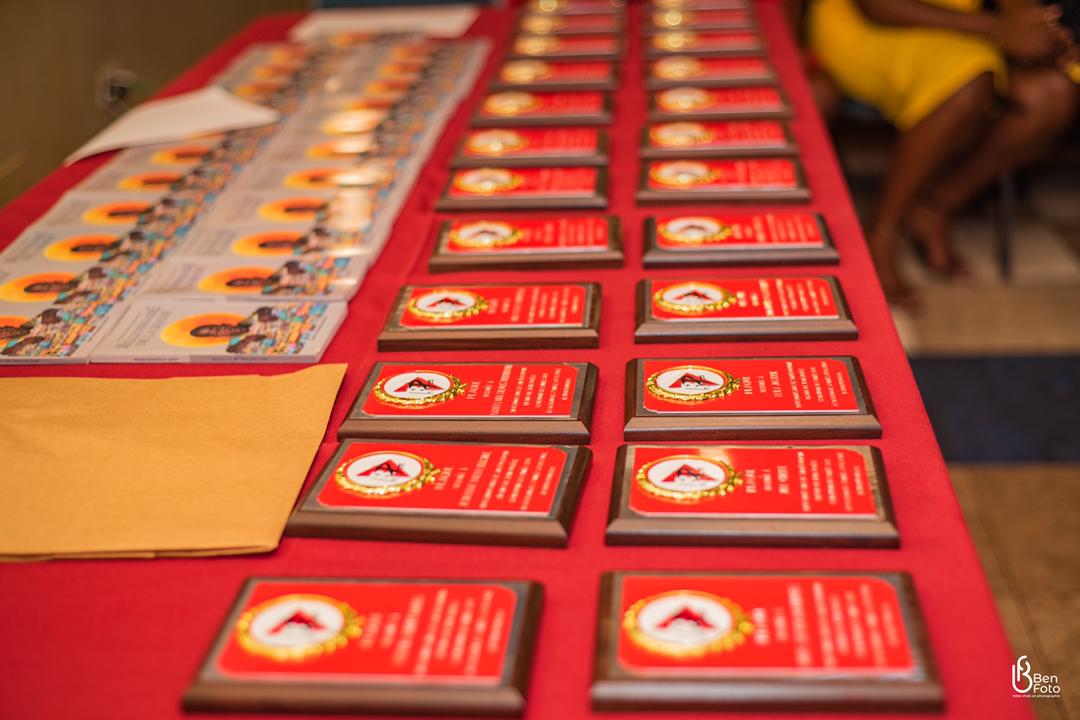
A wounded country. Bent under the weight of a multidimensional crisis. Widespread violence. Hope slammed shut. A sacrificed generation. Children are increasingly threatened. They are increasingly confronted with all forms of vulnerability that hinder their overall development. ACTIF is launching the second edition of the "Timoun se Moun" poetry competition. A citizen initiative in which the organization uses writing as a springboard to build what life deprives Haitian children of. Pain can be turned into gold. For ACTIF (Community Action for Transformation and Formal Integration), poetry is a philosopher’s stone. Not only for this organization, but also for all those who believe that writing can help rekindle the stars. Faced with this urgent need for action, this is "an initiative to raise awareness, denounce, and affirm loud and clear that every child matters, every child deserves protection, hope, and a future," reads the competition’s descriptive document. So what do you intend to do with your human light? Through this competition, participants have the opportunity to engage in an act of resistance, like a cry of conscience to raise the voice of broken childhoods. Open from May 18 to June 18, "Timoun se Moun" is open to all Haitians living in the country and aged 18 and over. Texts must be submitted in Creole. Behind this initiative, ACTIF intends, on the one hand, to affirm our cultural and linguistic identity, and on the other, to enrich our Creole literature, promote it, and encourage creativity in our vernacular. The text must not exceed 500 words. The format chosen is PDF, Times New Roman font, size 12, and 1.5 line spacing. This competition aims to offer a touch of affection to these children who are the first victims of the country’s descent into hell. To evaluate the literary quality and essence of the submitted texts, a jury is composed of Ruthza Paul, Douglas Zamor, and Darly Renois. The former is a physician and winner of the first edition of this competition. The other two work in the fields of sociology, psychology, and literature. In addition to the "Jury Prize: 15,000 HTG + books + certificate" and "Audience Prize: 5,000 HTG + certificate + books" prizes, the best texts will be included in an anthology to be published by Éditions Répérages. It should be noted that there will be one winner for each prize. This initiative reflects ACTIF’s commitment to honoring authors who embrace the cause of underprivileged children while enriching Haiti’s literary heritage. This competition extends a helping hand to all those who believe that through poetry, one can transform one’s life into a masterpiece. At the same time, it offers the opportunity to contribute to ACTIF’s child protection program. Each participant may submit a single text. It must be sent by email to the following address: actifkonkoupwezi@gmail.com. The partial results will be published on June 30, 2025, and the final results on July 18, 2025. For more information, visit ACTIF at the following address: 18 Rue Desdunes, Imp. Thoby, Mahotière 79, Carrefour, Haiti, or contact the organization at the following number: (+509) 38 44 57 57. More than just a contest, ACTIF invites you to say No. No to forgetting. No to passivity. No to violence against children and the violation of their rights.
Haiti: Discovering Lake Péligre

At the heart of the majestic Haitian topography, lies a natural gem of breathtaking beauty: Lake Péligre. Nestled in the mountains of Haiti’s central region, this artificial lake is a wonder for local residents and amazed visitors alike. From its historical creation to its contemporary ecological importance, let’s explore together the riches of Lake Péligre. Origin and History: Lac de Péligre is the result of an ambitious engineering project undertaken in the 1950s. At that time, the Haitian government, in collaboration with international partners, undertook the construction of the Péligre Dam on the Artibonite River. The main goal was to provide large-scale electricity to Haïti while regulating river flooding to protect agricultural land downstream. Ecology and Biodiversity: Beyond its usefulness as a source of hydraulic energy, Lake Péligre is home to rich ecological diversity. The calm waters of the lake provide vital habitat for a variety of native fish species, supporting local fishing communities. In addition, the surrounding forests and hills that border the lake are home to diverse flora and fauna, contributing to the preservation of the regional ecosystem. Tourism and Leisure: For outdoor enthusiasts and nature enthusiasts, Lake Péligre offers a multitude of leisure opportunities. Visitors can enjoy peaceful boat rides on the tranquil waters of the lake, offering panoramic views of the surrounding mountains. Additionally, hiking trails winding through lush forests allow hikers to explore the area’s natural beauty. Lake Péligre represents much more than a simple artificial body of water. It is a living testament to human ingenuity and the natural beauty of Haiti. As an emerging tourism destination, it offers visitors an immersive experience in nature, while highlighting the crucial importance of environmental conservation. By preserving this natural treasure, we also preserve the sustainable future of our planet.
Recently Posted

History

History

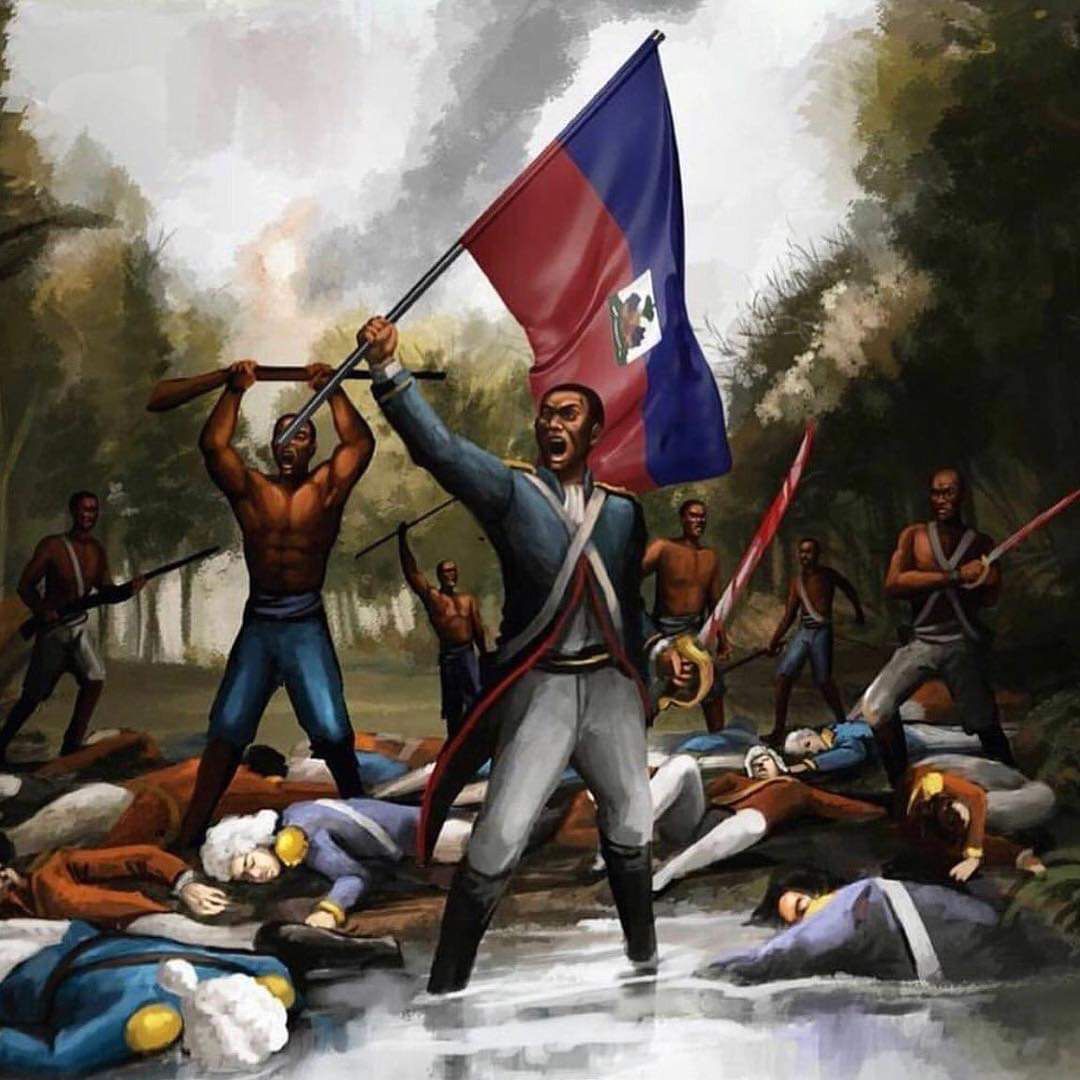
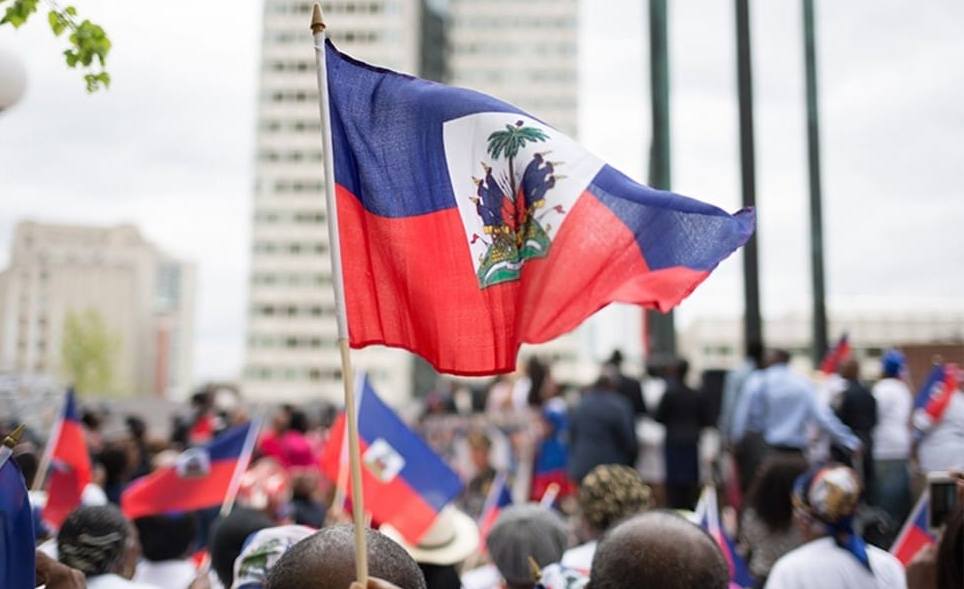
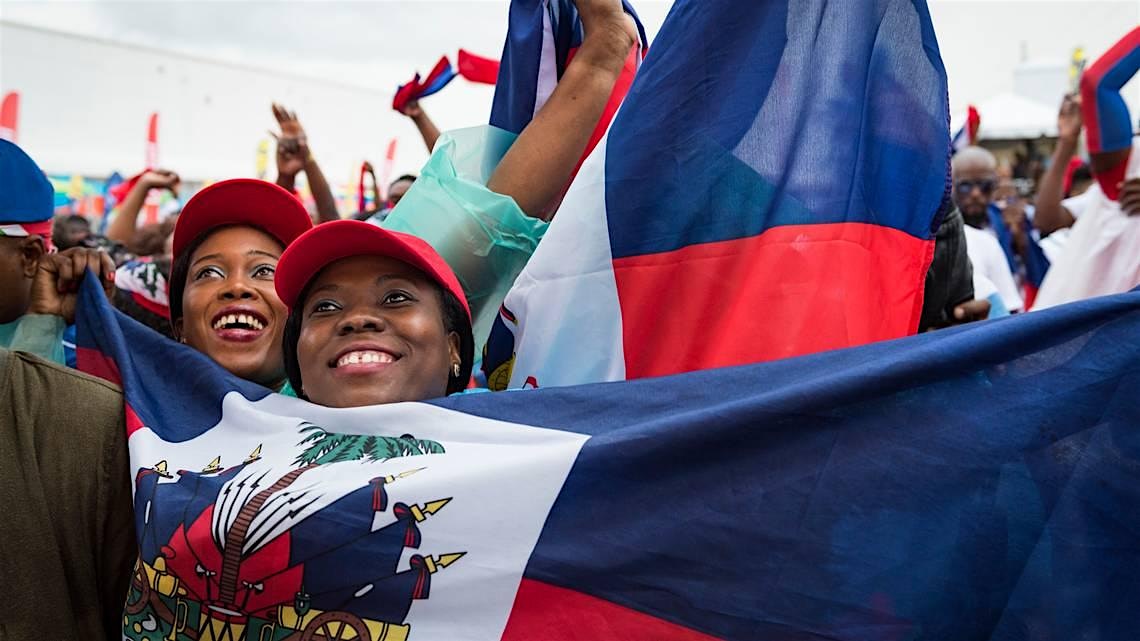
First black nation to free itself from slavery and gain independence from France in 1804 and influenced other liberation movements around the world, inspiring struggles for freedom and equality.

Natural beauty

Natural beauty

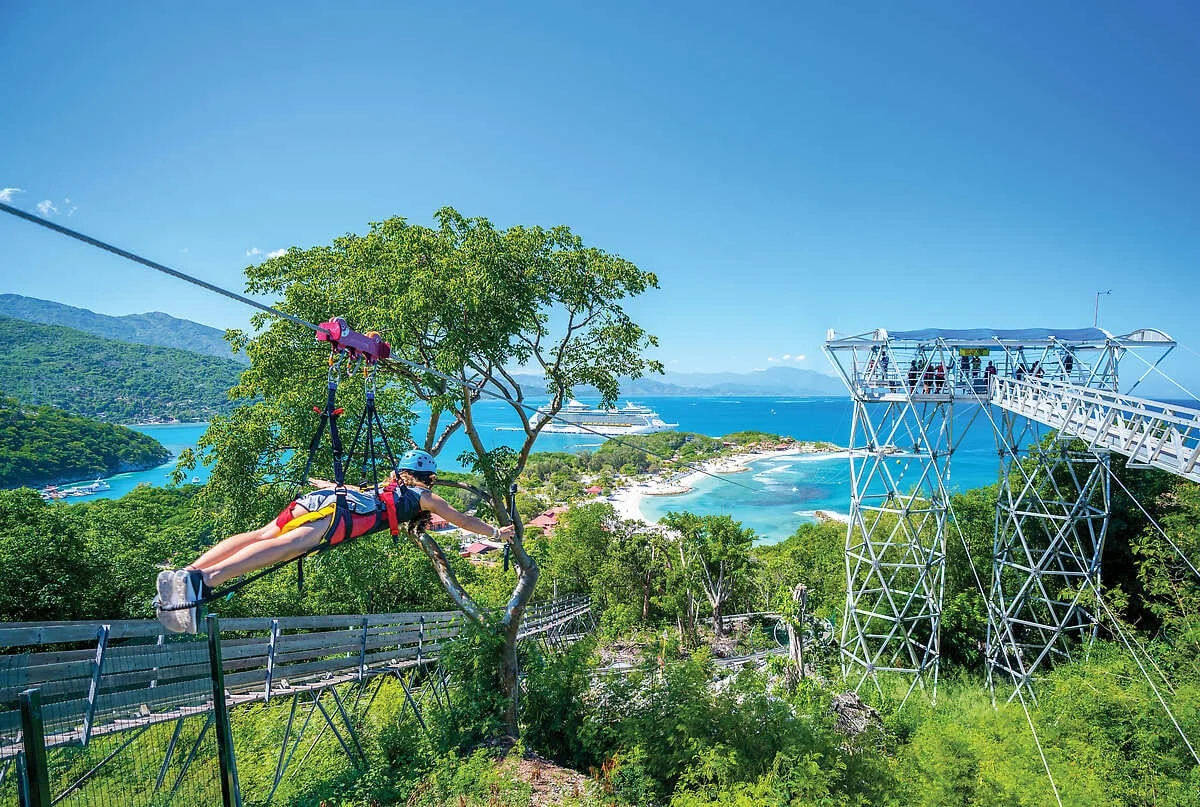
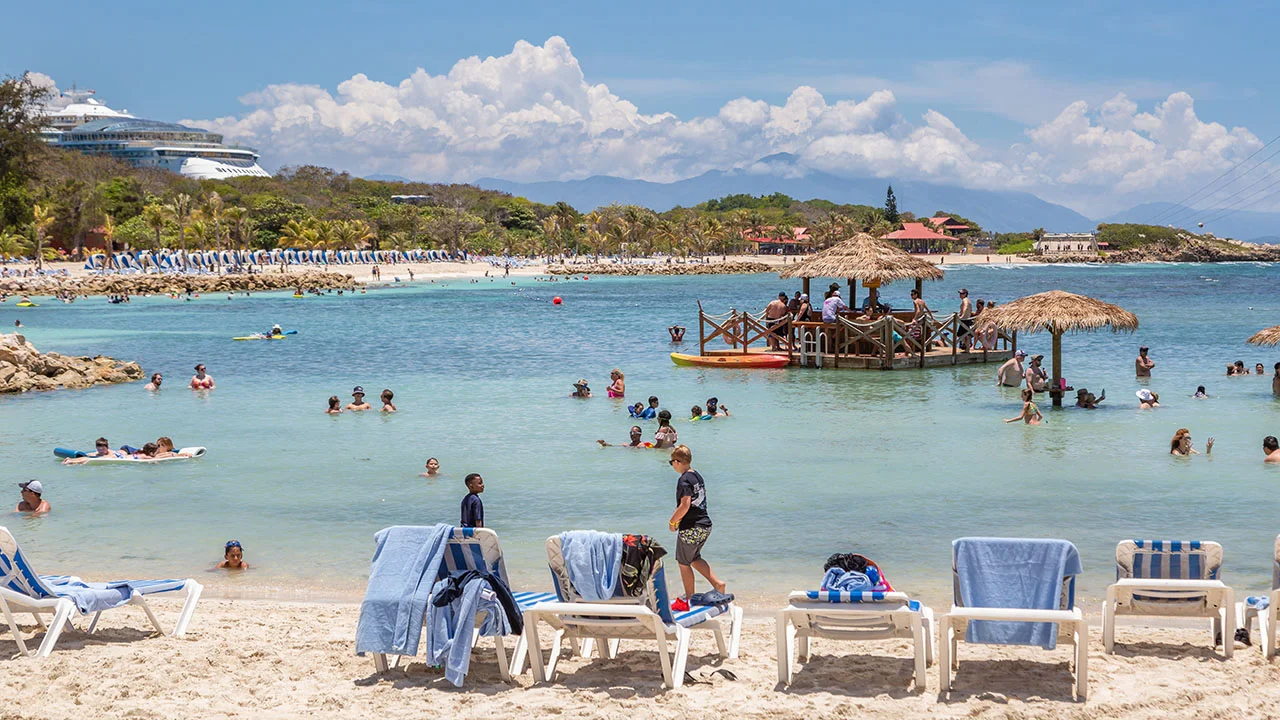
Haïti is blessed with spectacular natural landscapes, including white sand beaches, mountains and rich biodiversity.

Heritage

Heritage

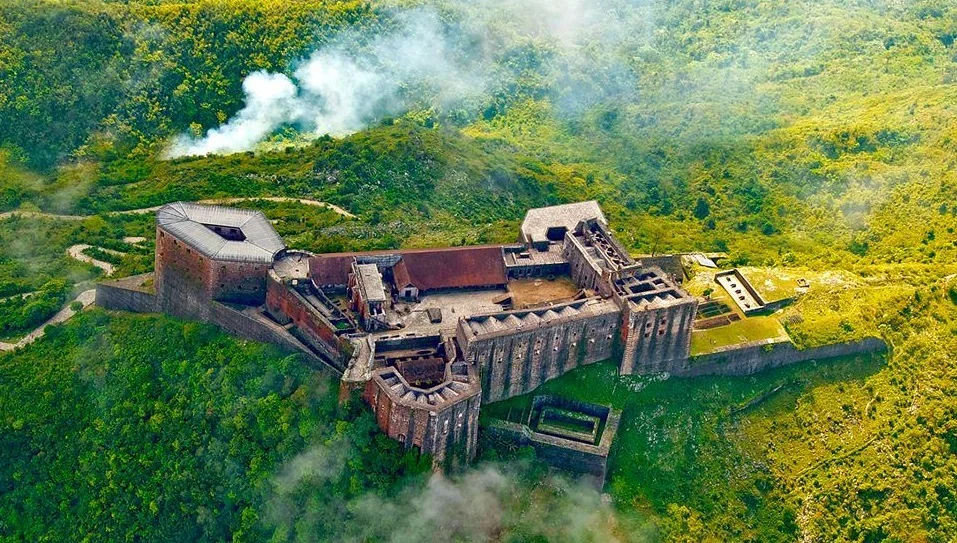
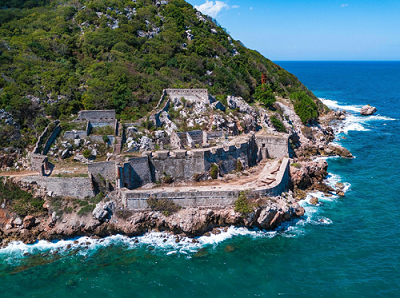
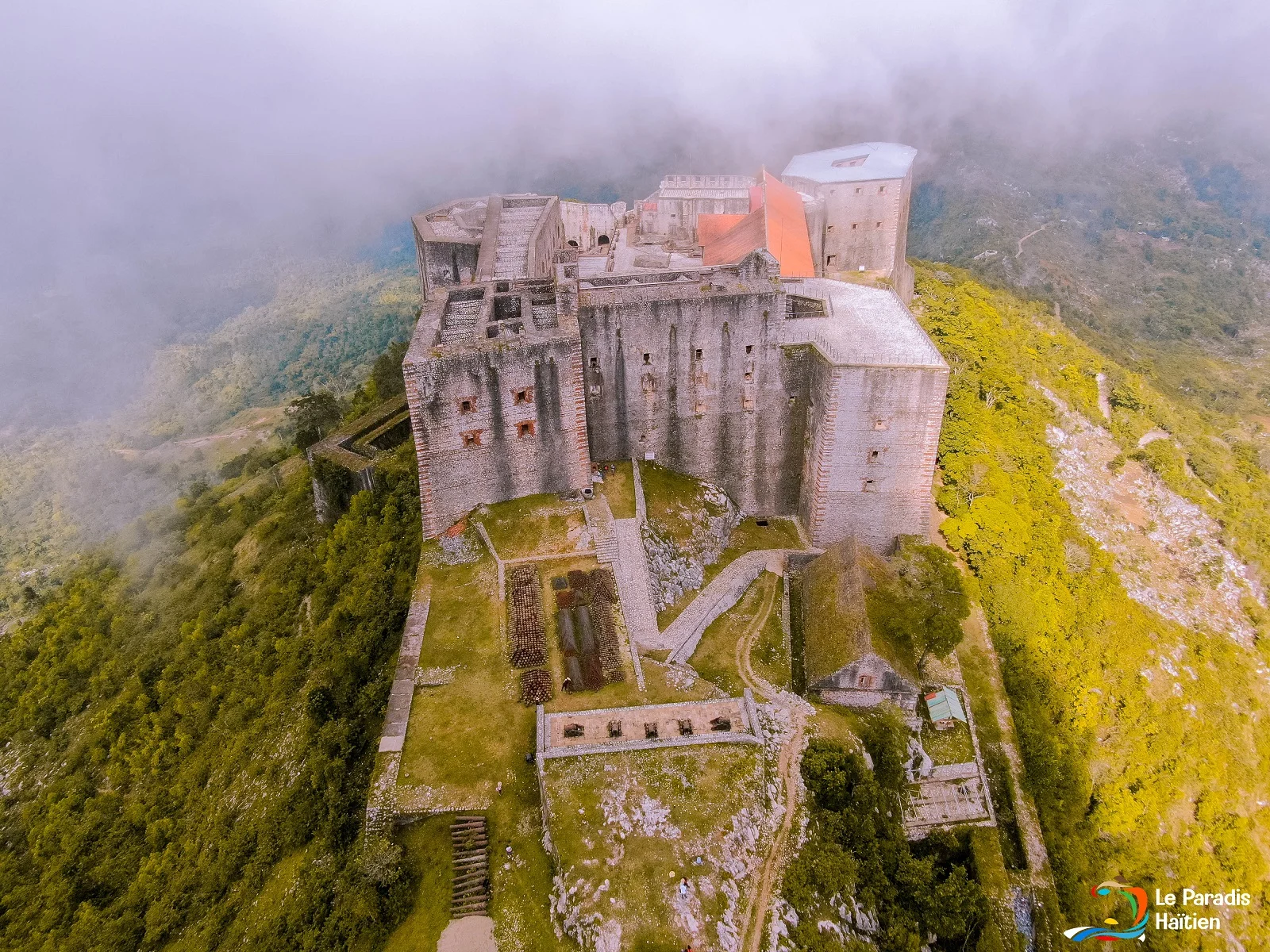
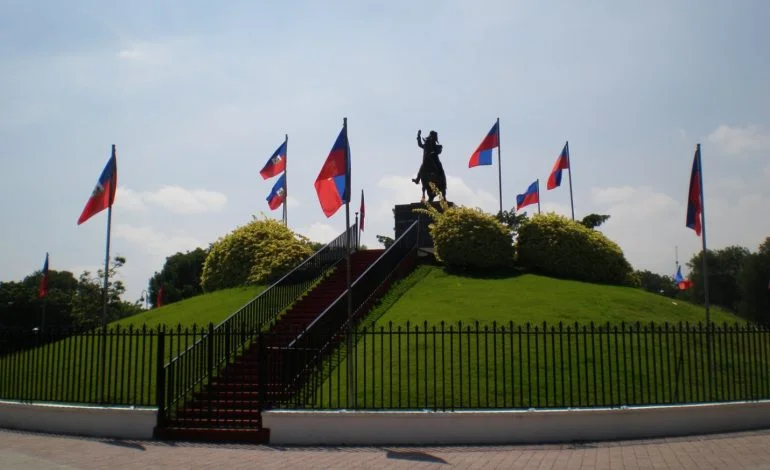
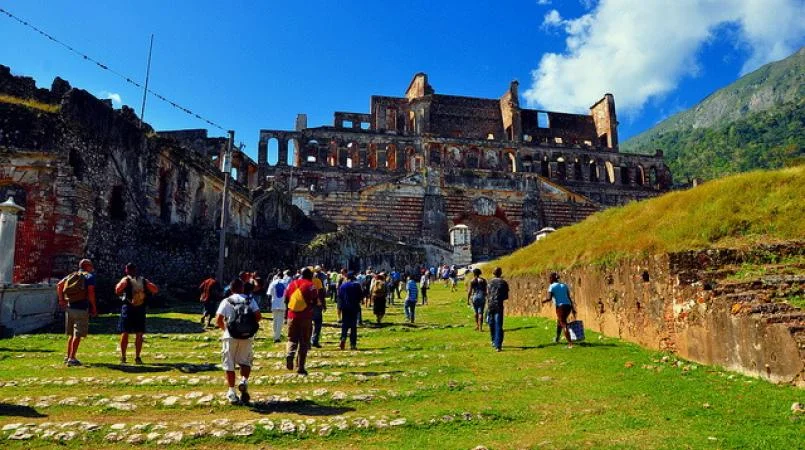
Haïti has a rich historical heritage, including sites like the Citadelle Laferrière and the Sans-Souci Palace, listed as UNESCO World Heritage Sites.

Culture

Culture

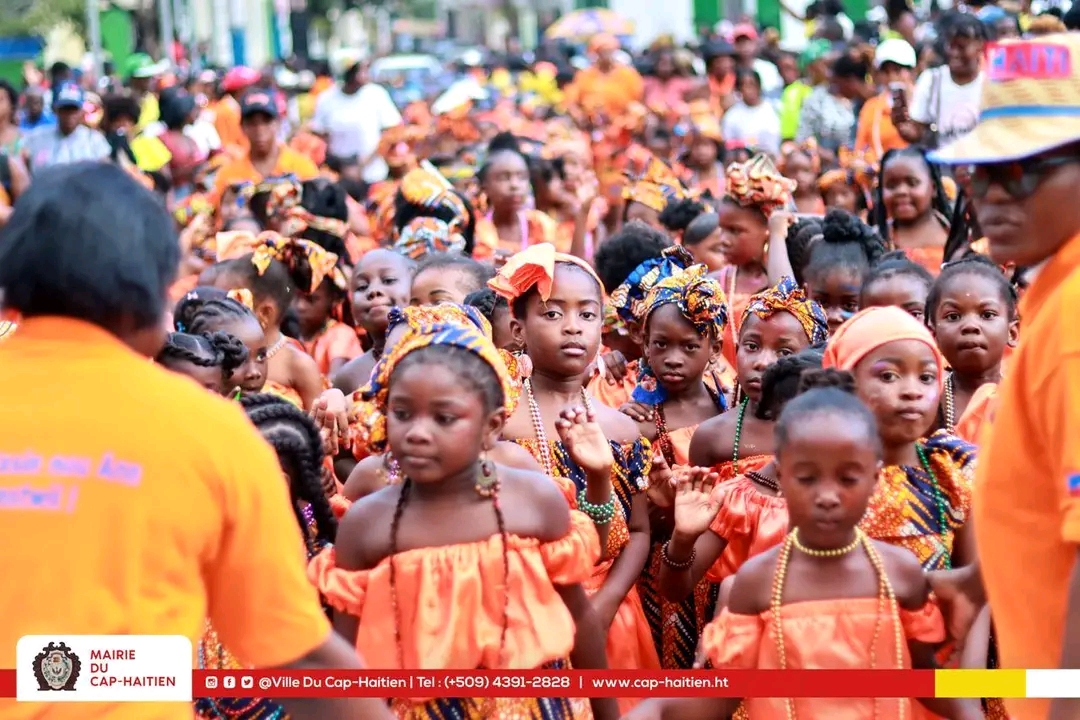
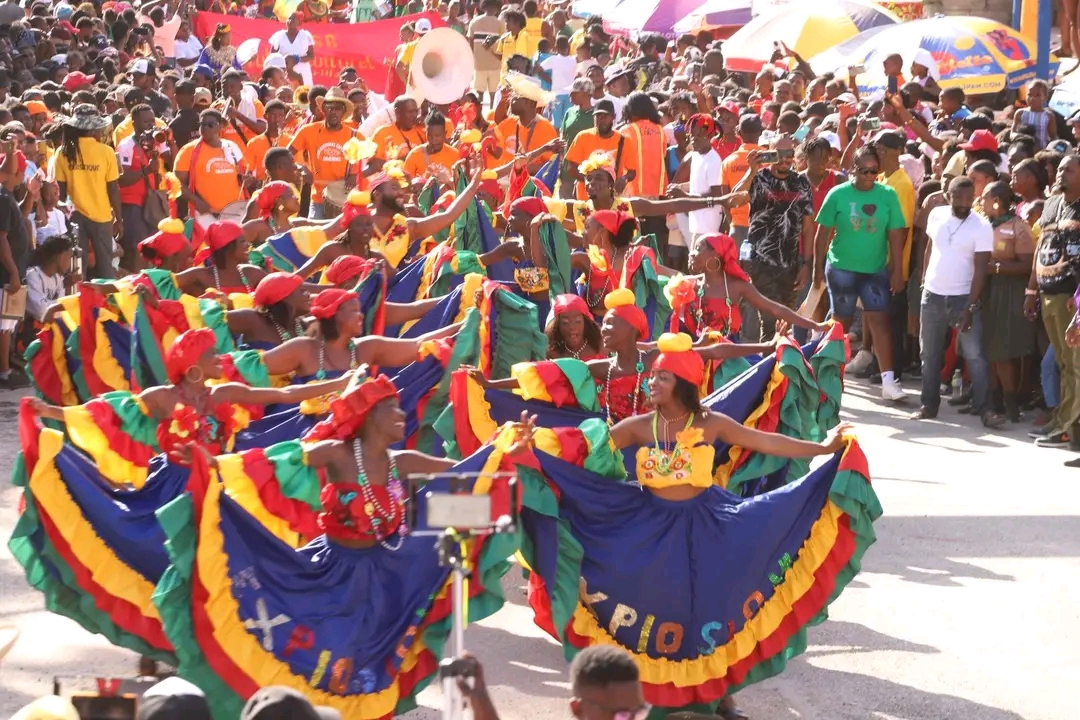
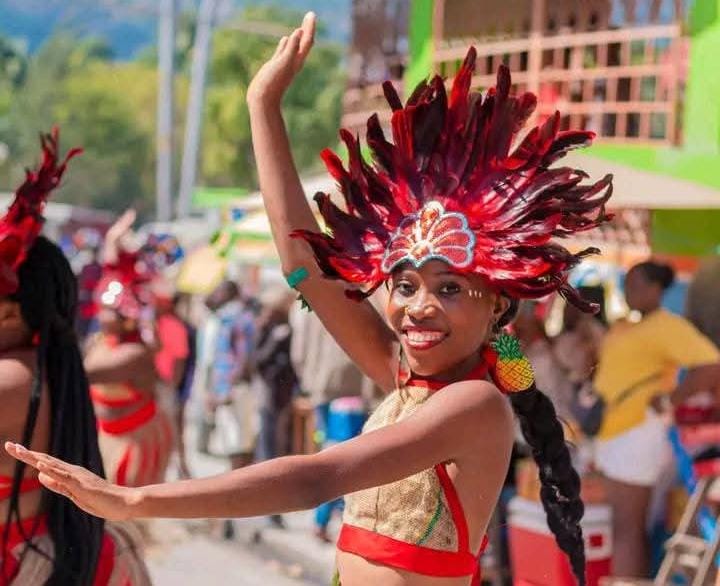
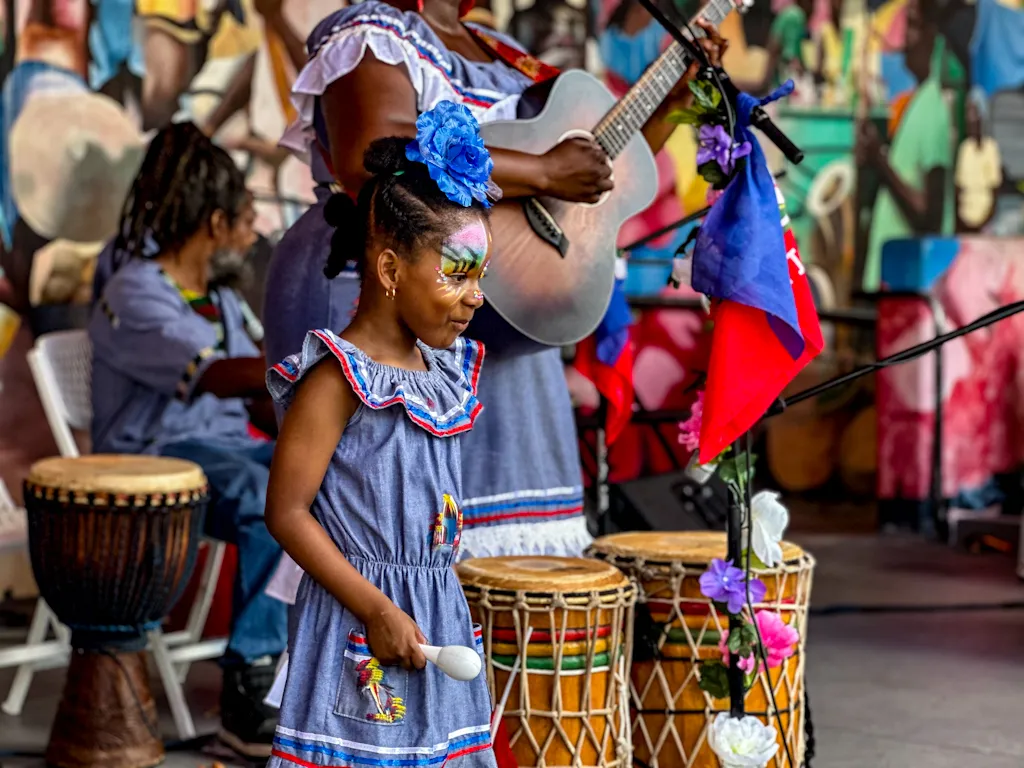
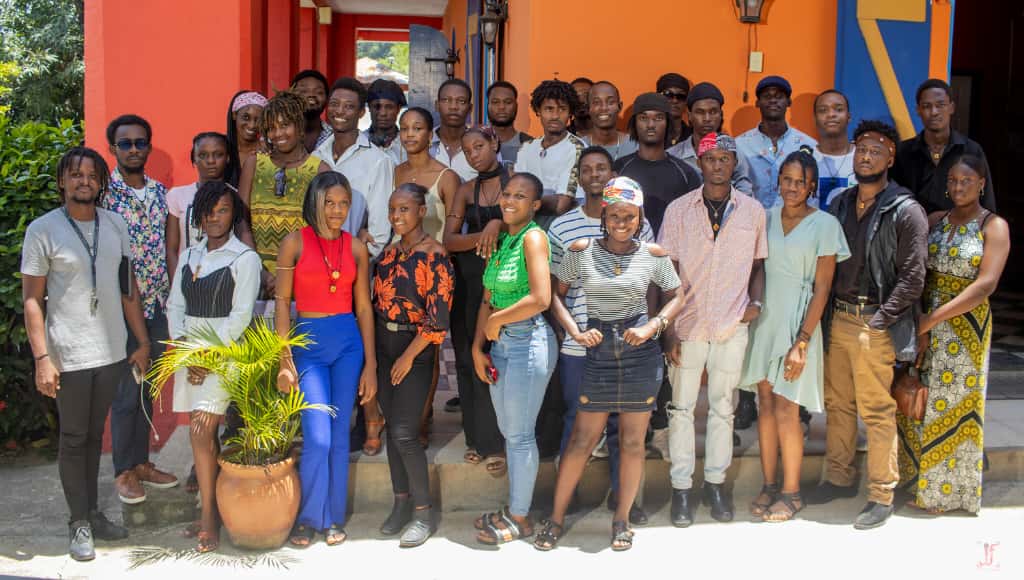
Haïti has a rich and diverse culture, influenced by African, European and indigenous elements. Haitian music, dance, art and cuisine are celebrated around the world.

  • +
    • Post