contact@haitiwonderland.com+509 36184317

Discover

Shopping Cart

False Rumor of Animal Consumption by Haitians in Ohio

False Rumor of Animal Consumption by Haitians in Ohio

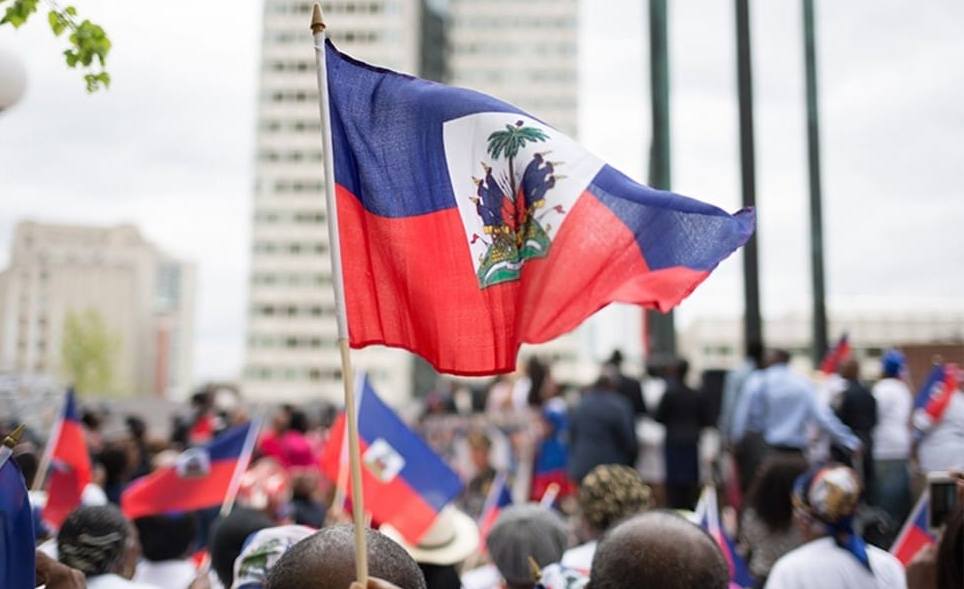
Since the beginning of the week, an unfounded rumor has been circulating in the United States, particularly in the state of Ohio, accusing Haitians in the diaspora of killing and consuming pets, as well as ducks in public ponds. These allegations, widely relayed by certain public and political figures, have been formally denied by local authorities and the police in Springfield, the city where these alleged events allegedly took place. Despite these denials, the rumor continues to thrive, fueling stigmatization against Haitian migrants.

Local Authorities Clarify

According to the mayor of Springfield, the story of a cat being killed and eaten that fueled this rumor does not actually originate from his city. He clarified that it actually involved a mentally ill African-American woman who was arrested last month for animal cruelty. The mayor also confirmed that no incidents involving immigrants in illegal activities have been verified in Springfield. These clarifications make the misinformation surrounding this case even more blatant and underscore the fallacious nature of the accusations targeting the Haitian community.

The Haitian government’s response

The Haitian government, through the Ministry of Haitians Living Abroad (MHAVE), reacted vigorously to this disinformation campaign. In a statement published on September 10, 2024, the MHAVE expressed its indignation and concern over these remarks described as “discriminatory” and “dehumanizing.” The ministry, headed by Ms. Dominique Dupuy, was keen to emphasize the risks that such accusations could pose to the safety and dignity of Haitians living in the United States, particularly in Springfield, Ohio, where the Haitian community is targeted.

In this statement, available on their X account (formerly Twitter), the MHAVE recalled that this stigmatization was not a new phenomenon, Haitians being regularly victims of smear campaigns for political reasons. This time again, the Haitian community is being attacked to serve electoral interests, a few months before the American presidential elections.

Solidarity of the Haitian Government

Minister Dominique Dupuy brought together on Tuesday, September 10, 2024, more than fifty community and religious leaders, as well as representatives of organizations working in the United States, to discuss the situation. Also among the participants was Dr. Nikita Séjour, Advisor to the Haitian Prime Minister. The objective of this virtual meeting was twofold: to demonstrate the solidarity of the Haitian government with its nationals and to define appropriate responses to these attacks.

We want not only to express our solidarity, but also to send a clear signal of refusal. We firmly reject these remarks that undermine the dignity of our compatriots and that could endanger their lives

, declared Dominique Dupuy.

The ministry is currently working in collaboration with diaspora organizations to explore strategies to allow victims of intimidation or discrimination to obtain adequate protection. MHAVE also encourages legal initiatives taken by associations defending the rights of Haitian migrants.

A false rumor amplified by influential figures

Although the Springfield police, local authorities, and even the city’s mayor have all denied the existence of such acts, the rumor has taken on national proportions. The Republican presidential candidate even mentioned these accusations during a televised debate against his Democratic rival Kamala Harris on Tuesday evening, in front of millions of viewers.

Before him, the owner of the social network X, Elon Musk, had also played an important role in spreading this false information. Musk, followed by millions of users, gave a sounding board to these unfounded theories, which have spread like wildfire in a country where more than two-thirds of households own a pet.

The Haitian government, through its diplomatic and consular missions, has promised to strengthen its support for the diaspora by deploying a support and protection system. The priority is to combat this disinformation campaign that not only tarnishes the image of Haitians in the United States, but could also have dramatic consequences for their security.

Baseless Accusations

These baseless accusations targeting the Haitian community in Springfield, Ohio, reveal once again the extent of misinformation and xenophobia that can manifest in tense electoral contexts. MHAVE, in collaboration with diaspora organizations, remains committed to protecting the dignity and safety of Haitians living abroad, while firmly rejecting the discriminatory and defamatory remarks propagated against them.

Share
About the Author
Appolon Guy Alain
Appolon Guy Alain
Appolon Guy Alain

Full Stack Developer, Créatif, expérimenté, passionné des nouvelles technologies et de l’art.
See other articles from Appolon Guy Alain
Leave a comment

Recently Posted

Newsletter

Subscribe to our newsletter to stay informed of all our activities and news on Haiti.

Jacmel: the Haitian city whose history is linked to the liberation of Latin America

Jacmel is a city located on the southern coast of Haiti, specifically in the southeastern department. To this day, the city is known for its well-preserved colonial architecture and rich historical heritage, as well as its carnival, one of the most famous in the Caribbean. Jacmel is one of the oldest cities in Haiti. Its origins, according to some historians, trace back to the time of the Taíno people, the island’s first inhabitants, who lived here long before the arrival of Christopher Columbus and his settlers in 1492. Long before it became Jacmel, this city in southeastern Haïti was called Yakimel. The renaming of Jacmel was carried out by the French during their colonization of the western part of the island of Hispaniola. Over the years, Jacmel has transformed into a city where living well blends with the beauty of the sea, in the hearts of its visitors. Nature is fully embraced here, and the sea remains a source of joy throughout the day. Jacmel offers all of this, in addition to its glorious past, which anchors it as a major location in Haiti’s grand history. With its unique charm, Jacmel is among the Haitian cities that can leave a lasting impression. In the 1950s and 60s, until the early 1980s, Jacmel was one of the most popular tourist destinations in the Caribbean due to its reputation as a city with unmatched natural beauty and grace. During this time, the Jacmel coastline warmly welcomed cruise ships filled with tourists from all corners of the world. It was also during this period that Jacmel was one of the most commercially active cities in Haiti, among the country’s most economically flourishing, thanks to the significant influx of tourists.

Cultural exploration: Discovering the Haitian soul

Cultural exploration offers a fascinating window into the richness and diversity of world heritage. Among destinations that captivate with their history, art and unique identity, Haïti stands out as a cultural gem worth discovering. b~Historical heritage:~b The history of Haïti is marked by the resilience of the Haitian people in the face of slavery, colonization and political challenges. It is the first independent state in Latin America and the only one founded by a successful slave revolt. Haiti’s historical heritage is reflected in its art, music, dance and beliefs. b~Art and Crafts:~b Haitian artistic expression is vibrant and powerful. Naive painting, famous for its bright colors and narrative themes, has its roots in Vodou traditions and local folklore. Haitian artists have gained international fame by capturing the mystical spirit and daily life of the country. b~Music, rhythm of the Haitian soul:~b Music is the pulsating soul of Haiti. From direct compass to voodoo to jazz to rasin, each musical genre has a deeply rooted history in Haitian culture. The iconic band, Boukman Eksperyans, fuses traditional rhythms with modern influences, creating a unique sonic experience that transcends boundaries. b~Dance and movements:~b Dance in Haïti is a celebration of life and spirituality. Voodoo dances, such as Yanvalou and Banda, embody sacred rituals while preserving African heritage. The graceful movements and colorful costumes tell stories from Haitian history, creating a deep connection between past and present. b~Spirituality and Voodoo:~b Vodou, often misunderstood, is an essential component of Haitian culture. It is a syncretic religion that combines African, Native American and Catholic elements. Vodou ceremonies, with their intoxicating dances and mystical rituals, are powerful expressions of Haitian spirituality and are rooted in the quest for connection with ancestors and deities. Exploring the Haitian soul means delving into a world where history, art, music and spirituality intertwine to form a unique cultural web. Haiti, with its diversity and resilience, offers an experience rich in emotions and discoveries. Whether through the bustling streets of Port-au-Prince, the vibrant art galleries or the captivating rhythms, every corner of this Caribbean country reveals a captivating facet of its deep and living soul.

Recently Posted

History

History

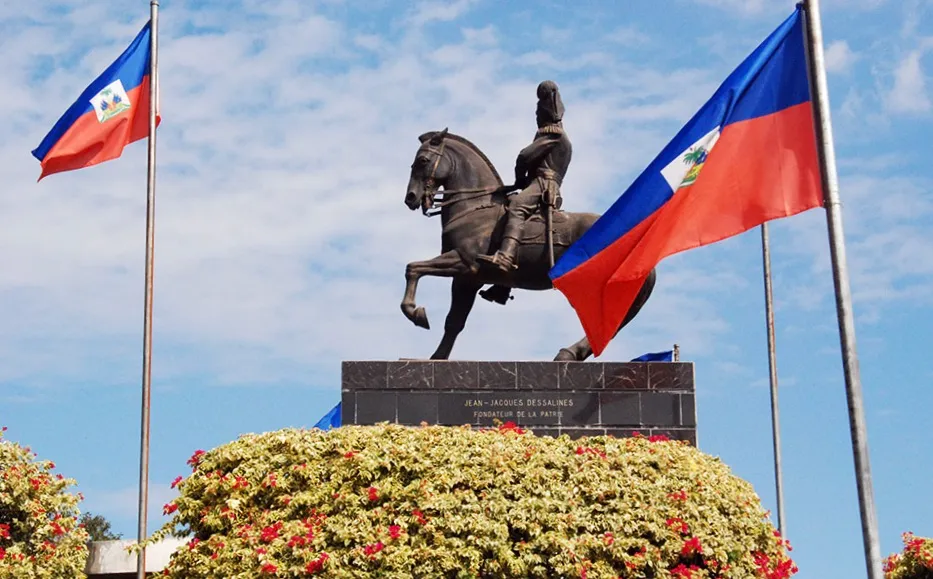
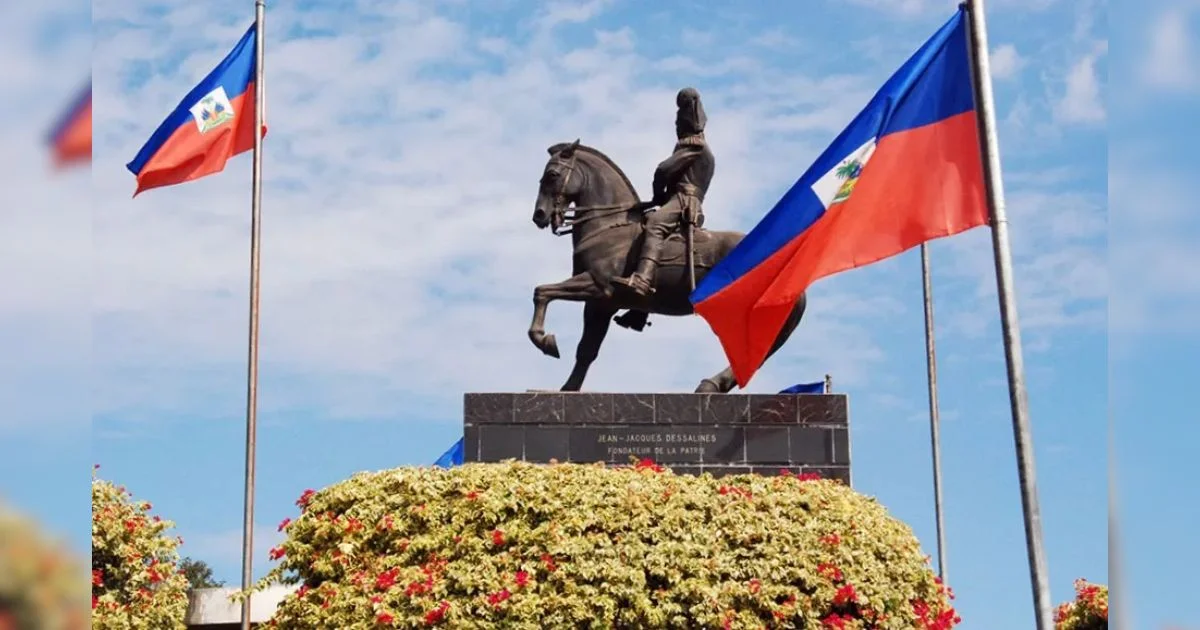
First black nation to free itself from slavery and gain independence from France in 1804 and influenced other liberation movements around the world, inspiring struggles for freedom and equality.

Natural beauty

Natural beauty

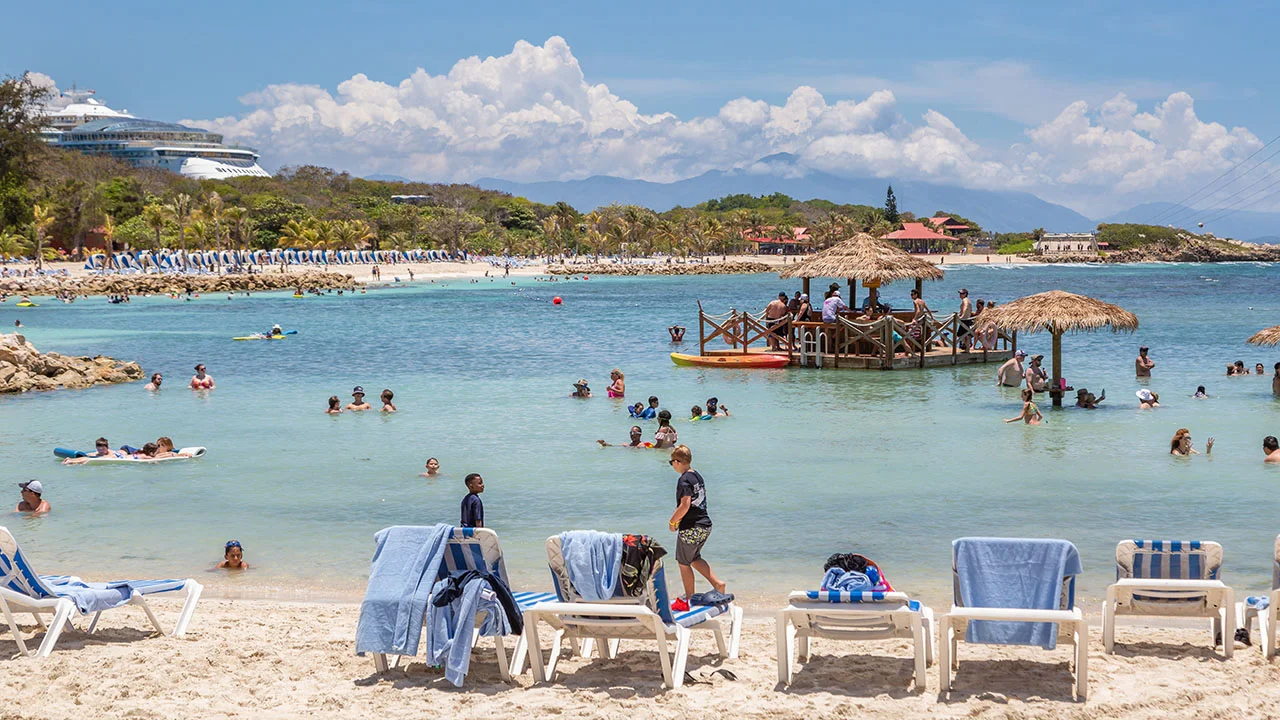
Haïti is blessed with spectacular natural landscapes, including white sand beaches, mountains and rich biodiversity.

Heritage

Heritage

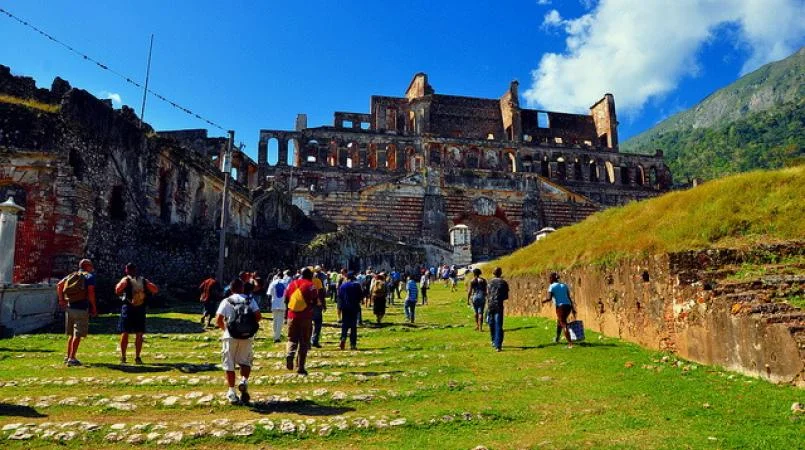
Haïti has a rich historical heritage, including sites like the Citadelle Laferrière and the Sans-Souci Palace, listed as UNESCO World Heritage Sites.

Culture

Culture

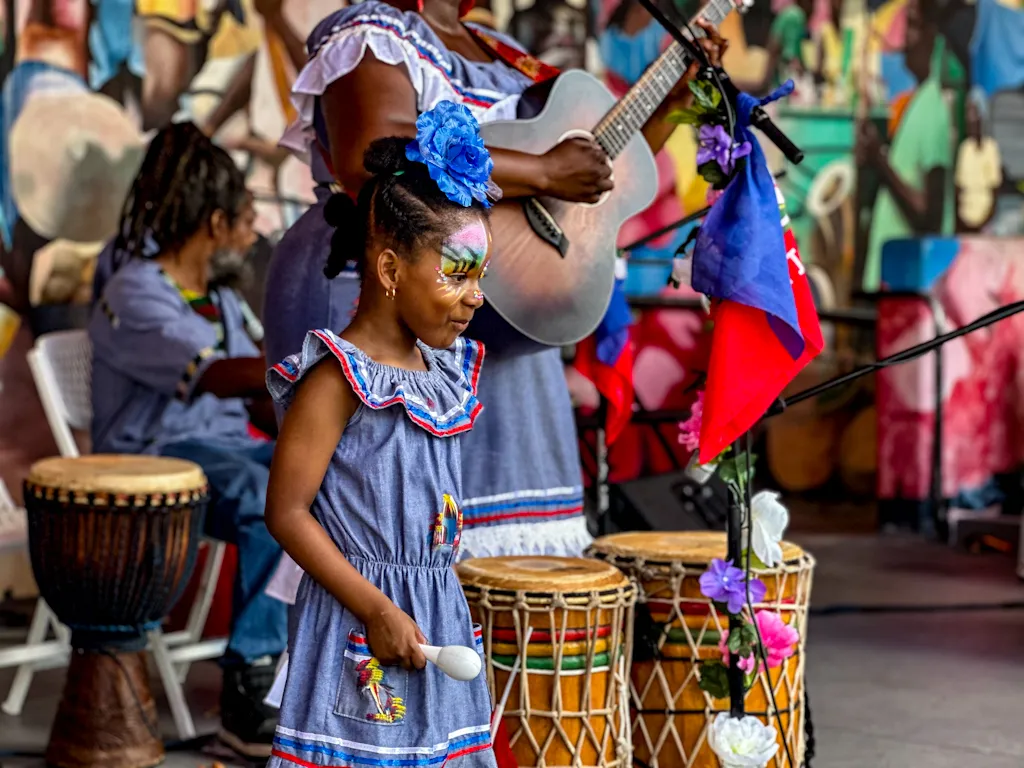
Haïti has a rich and diverse culture, influenced by African, European and indigenous elements. Haitian music, dance, art and cuisine are celebrated around the world.

  • +
    • Post