contact@haitiwonderland.com+509 36184317

Discover

Shopping Cart

Melchie Daëlle Dumornay: the Haitian nugget in the running for the title of best CONCACAF player

Melchie Daëlle Dumornay: the Haitian nugget in the running for the title of best CONCACAF player

Haiti, a country often associated with its socio-economic challenges, also has an incredible wealth of talent and potential in various fields, including sports. One of the brightest jewels in this treasure is Melchie Dumornay, a young footballer who has just been voted CONCACAF MVP. This prestigious title highlights not only her exceptional abilities, but also the enormous potential that Haïti has to impress the world.

Haïti : Melchie Daëlle Dumornay

An Incomparable Talent

Born on August 17, 2003 in Mirebalais, Melchie Dumornay, nicknamed "Corventina", quickly showed a natural aptitude for football. From a young age, she demonstrated an extraordinary technique, an impressive vision of the game and a remarkable agility that captured the attention of scouts and football fans around the world. Her ability to dribble, pass and score goals made her a feared and respected player on the field.

See as well

Haïti : Melchie Daëlle Dumornay

Brilliant Career

Melchie began her professional career with the Haitian club AS Tigresses, where she quickly got noticed. Her talent propelled her onto the international scene, and she had the opportunity to play for Stade de Reims in France, where she continues to shine. Her journey is an inspiring example for many young Haitians who dream of following in her footsteps and making a career in sports.
Haïti : Melchie Daëlle Dumornay

International Recognition

Voted CONCACAF’s best player, Melchie Dumornay has received well-deserved recognition for her exceptional performances. This title is further proof of her immense talent and contribution to women’s football. It also highlights Haiti’s ability to produce world-class athletes, capable of competing at the highest level.

Haïti : Melchie Daëlle Dumornay

An Ambassador of Dreams and Hopes

Beyond her skills on the field, Melchie is an extraordinary ambassador for Haiti. She embodies hope and inspiration for a new generation of athletes. Her success shows that, despite the difficulties, it is possible to achieve your dreams with talent, determination and hard work. She represents a positive image of Haitian youth, capable of conquering the world by their own means.

Haïti : Melchie Daëlle Dumornay

A Positive Message for the Future

Melchie Dumornay’s success sends a powerful message: Haïti has much to offer the world. Whether it is athletic, artistic, cultural or intellectual talent, the country is full of young people ready to excel on the international stage. Melchie’s recognition by CONCACAF is just the beginning. More will follow, proving that Haiti’s potential is immense and inexhaustible.

In celebrating Melchie Dumornay, we also celebrate the resilience, passion and talent of a country that, despite its challenges, continues to amaze and inspire. May his journey be a constant reminder of Haiti’s hidden treasures and a source of pride for all his compatriots.

Share
About the Author
Grégory Henderson LEFRUIT
Leave a comment

Recently Posted

Jean-Jacques Dessalines, leader of the Haitian Revolution

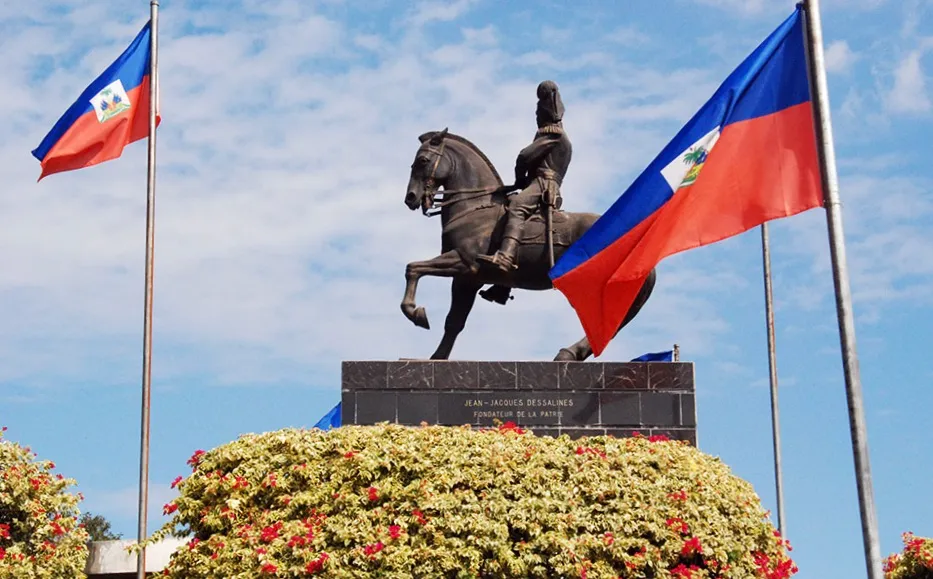
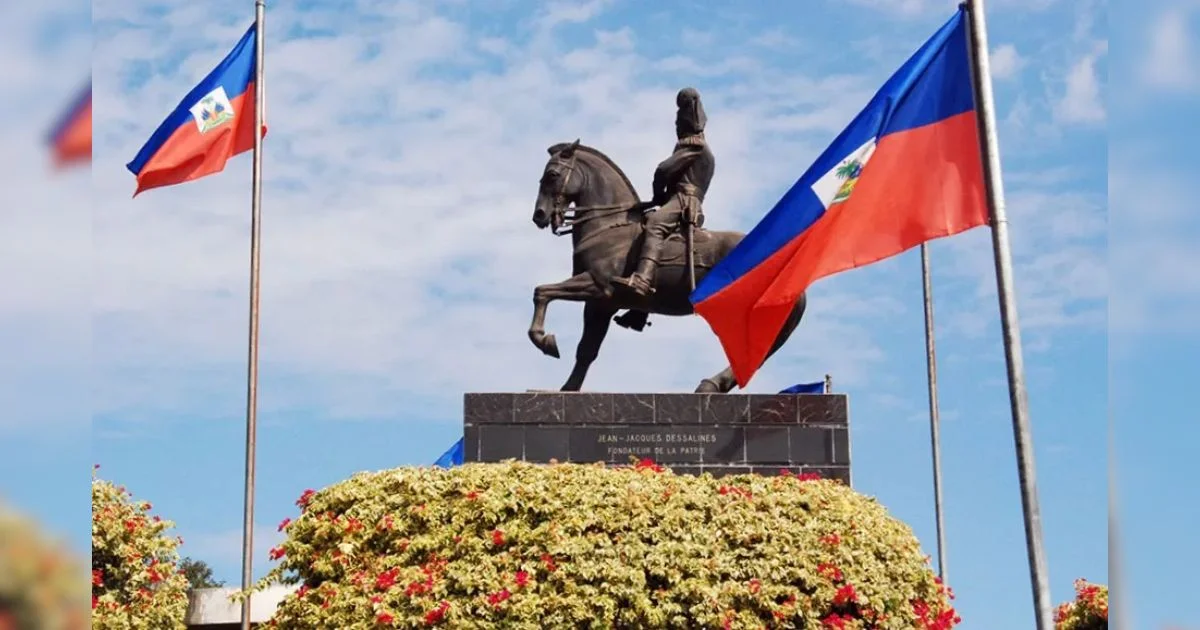
In the annals of the history of Haiti, an island located in the Caribbean at the entrance to the Gulf of Mexico and shared with the Dominican Republic, Jean-Jacques Dessalines emerges like a phoenix from the ashes of oppression. Born a slave on September 20, 1758 in the home of Henri Duclos, in Cormier (Grande-Rivière-du-Nord), in the French colony of Saint-Domingue, Dessalines was a Creole of African (Afro-Caribbean) origin. Freed during the 1794 abolition achieved through slave revolts, actually served as an officer in the French army during the French Revolution. At that time, the ideas of freedom and equality were at the heart of the concerns of the inhabitants of the colonies. Dessalines actively participated in the fighting against the Spanish and British forces, alongside the French, in Santo Domingo. Having risen to the rank of Lieutenant General, Jean-Jacques Dessalines turned against the French during the Leclerc expedition, sent to Saint-Domingue by Bonaparte to reestablish colonial authority and slavery during the Haitian Revolution. After the capture and deportation of Toussaint Louverture to France on June 7, 1802, Dessalines assumed a leading role in continuing the struggle for independence. He led numerous battles, including the battle of Crête-à-Pierrot in March 1802, where he galvanized his soldiers with his famous declaration: “Let those who want to remain slaves of the French leave the fort, let those, on the contrary, who want to die as free men, line up around me.” On January 1, 1804, Jean-Jacques Dessalines achieved the long-awaited goal of independence by proclaiming Haïti as a sovereign nation, becoming the second country in the Americas to gain independence from a colonial power. He became the first leader of the newly formed nation and was named Emperor under the name James I. However, his imperial reign was marked by authoritarian and brutal policies, including the massacre of many white settlers and the redistribution of land to peasants that was in the hands of the generals of the independence army. In addition, he organized the hunt for delinquents in the city while implementing rigorous agrarian policies, considering that they represented a threat to the stability of the nation, these controversial actions caused divisions within Haitian society. Dessalines was assassinated on October 17, 1806 following a plot organized by some of his generals in the Haitian army. His death marked the end of his brief but influential period in power. Despite the controversies surrounding his methods, he is recognized as the main architect of Haiti’s independence and his name was honored in 1903 by being attributed to the Haitian national anthem, La Dessalinienne, composed by Justin Lhérisson.Finally, the great visionary man Jean Jacques Dessalines remains an emblematic figure in the history of Haiti, recognized for his role in the fight for independence and the end of slavery in the region.

Newsletter

Subscribe to our newsletter to stay informed of all our activities and news on Haiti.

Vertières, Fort Mazi: Beyond historical truth;

If you look up the word vertière in a French dictionary, you will not find it for fear that the world does not know this place represents the Achilles heels of the most powerful European army. What’s more, this one had just successfully won the eastern campaign. French historians of the time erased this geographical location from the radar of history because they did not want to tell the story as it is in the sense of explaining the first great humiliation of the expeditionary army French by bands of slaves who were totally ignorant in the art of waging war, much less in the handling of weapons. However, these illiterate wars routed the Napoleonic army, the most powerful at that time, using the means at hand. This expeditionary army, after having brought Europe to its knees, would experience its first rout by slaves in this geographical location, located in the Northern department of Haiti. Funny story, this city is not on the list of French words even though given its historical importance, it should be at the heart of universal history, far from putting an end to the invincibility of the undefeated army army. So as not to offend the white masters, no political leader has ever asked why vertière does not appear in any French dictionary? However, they celebrate this battle with great fanfare every November 18. What historic hypocrisy among our leaders! After Vertière many other historical places are strangled by historians in order to hide the extremes of atrocities of the French colonists on the slaves. It is in this context of historical strangulation that “Fort Mazi” is not mentioned in school history textbooks. This is located in Petit-Goave, 2nd municipal section, Arnoux locality. We came across this mega fort, during a mobile clinic entirely financed by the Ernest Junior foundation, a charitable foundation which works in the social sector, particularly in the field of art and music. According to residents , the oldest in this locality, this fort was built on at least 20 squares of earth by the settlers. It was a huge military complex divided into compartments, outposts, turtle rooms, rooms for treating colonists, a large Catholic church, and a cemetery. However, we never talk about this fort so much so that it is ignored by history teachers in the town of Petit-Goave. Certainly, the desired disappearance of this fort under the radar of history buries the atrocities, the barbarities, the most inhumane punishments of the colonists on the slaves. Looking closely at reality, everything seems true that it is the largest fort ever built during the period of colonization. Moreover, it probably seems the most fortified in relation to its importance. Remember that Vertière only exists in Haitian school history textbooks while Fort Mazi does not appear, much less in French dictionaries or history books. This explains why this fort was a secret place in which the settlers practiced crimes and atrocities that went beyond human understanding. Is it not a clear desire of historians to hide what this immense fort built on at least 20 tiles of earth really was? Discover the history of Haiti: A fascinating story to explore! : https://haitiwonderland.com/haiti/histoire/decouvrez-l-histoire-d-haiti--un-recit-fascinant-a-explorer/81

Recently Posted

History

History

First black nation to free itself from slavery and gain independence from France in 1804 and influenced other liberation movements around the world, inspiring struggles for freedom and equality.

Natural beauty

Natural beauty

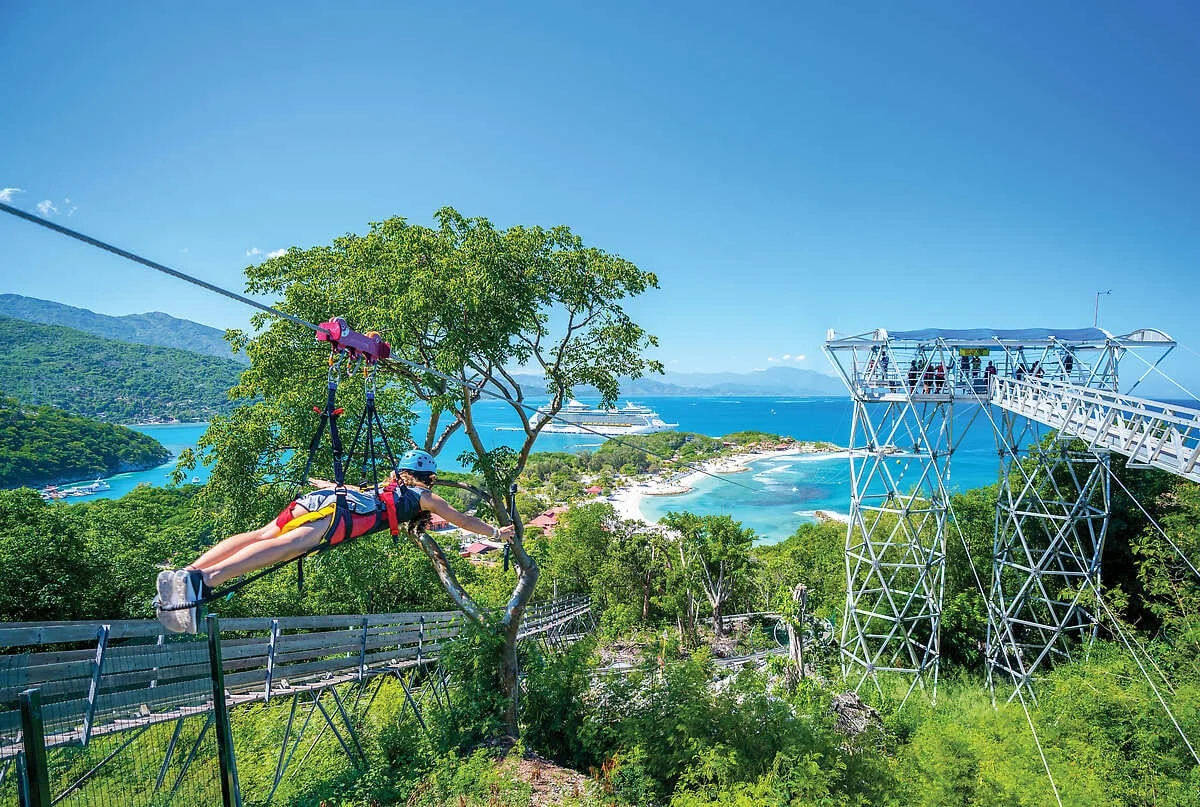
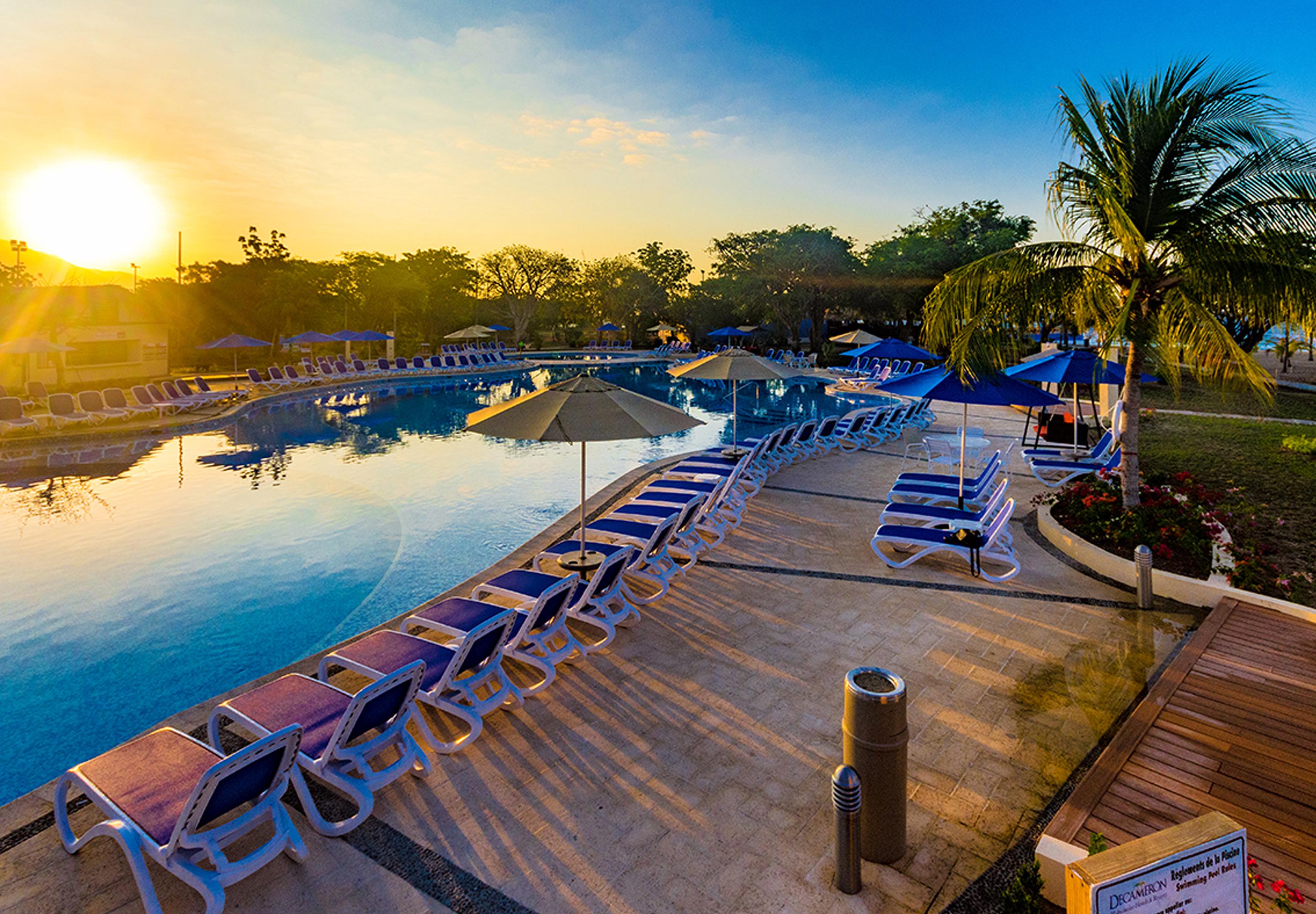
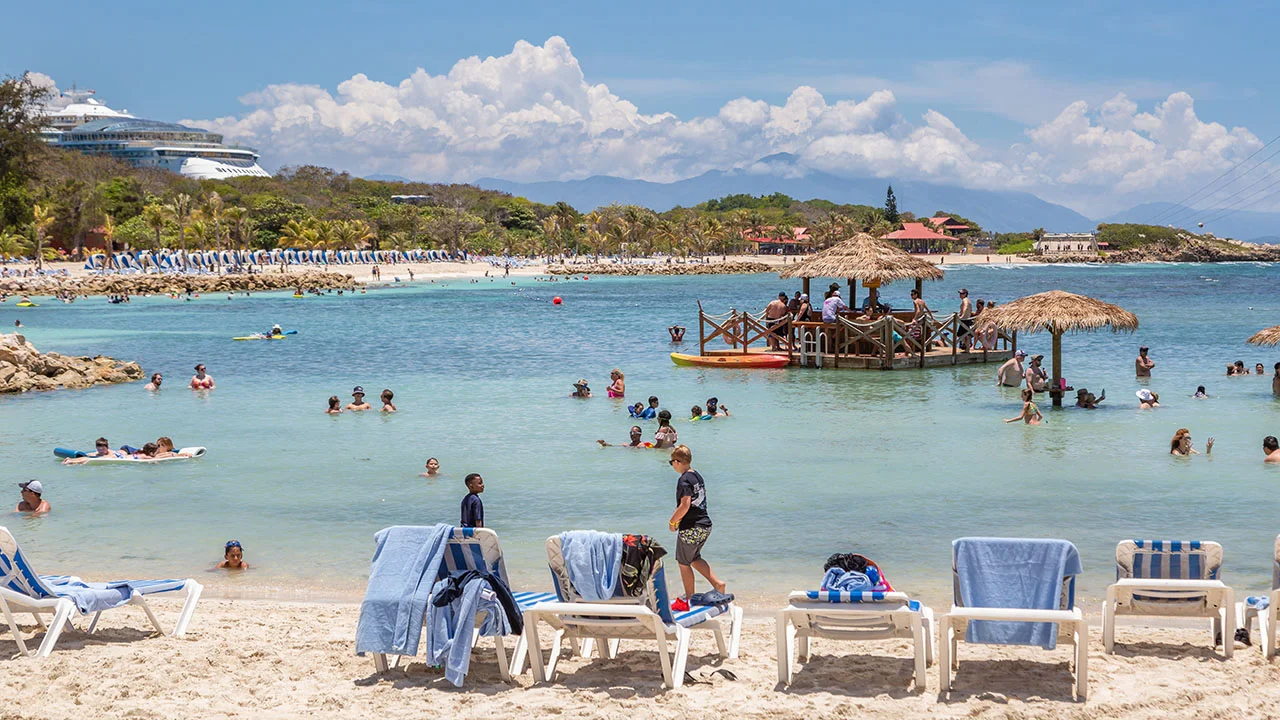
Haïti is blessed with spectacular natural landscapes, including white sand beaches, mountains and rich biodiversity.

Heritage

Heritage

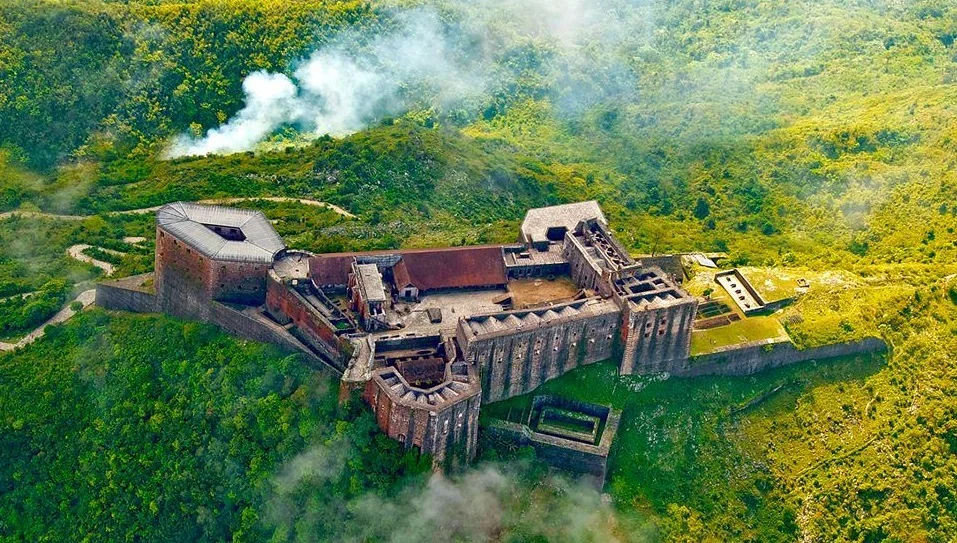
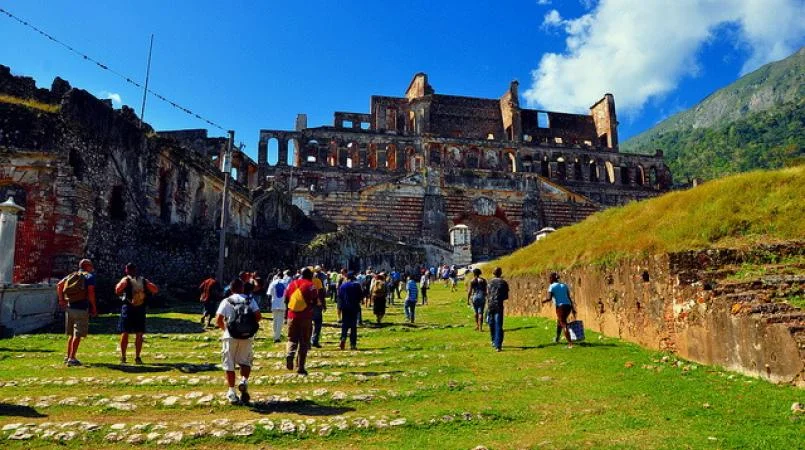
Haïti has a rich historical heritage, including sites like the Citadelle Laferrière and the Sans-Souci Palace, listed as UNESCO World Heritage Sites.

Culture

Culture

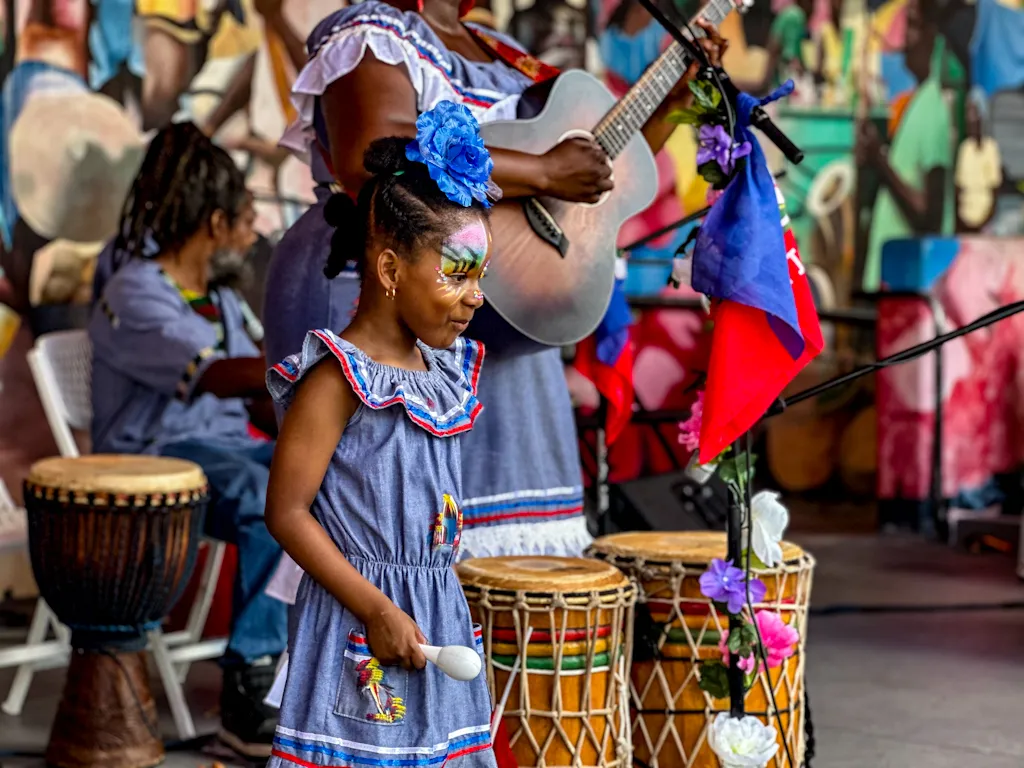
Haïti has a rich and diverse culture, influenced by African, European and indigenous elements. Haitian music, dance, art and cuisine are celebrated around the world.

  • +
    • Post