Moïse François: A young Haitian journalist committed to literature and social developmentMoïse François: A young Haitian journalist committed to literature and social development
Moïse François: A young Haitian journalist committed to literature and social development
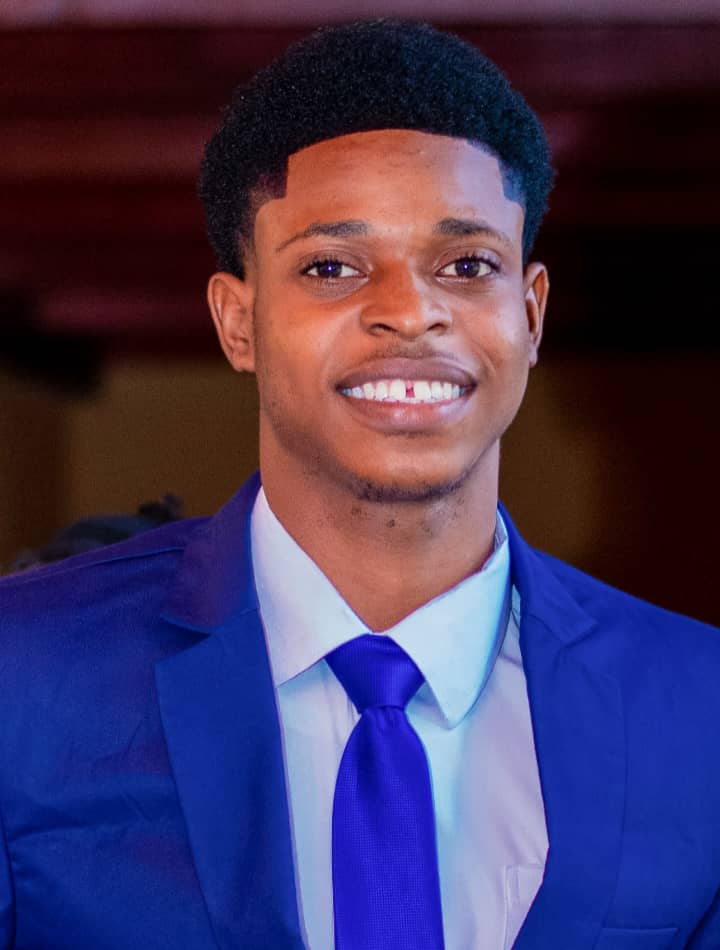
Moïse François is a young Haitian journalist, poet and law student at the State University of Haiti. He was born on November 13, 1999 in Port-au-Prince and is the eldest of a family of three children. He grew up between his hometown and Camp-Perrin, a small town in southern Haiti.
Moïse François is a young Haitian with a remarkable academic and professional background, showing a deep passion for literature, journalism, social commitment and justice. He embodies this type of dynamic young person that the thirst of any great human society demands.
Moïse claims above all to be a surveyor of the countries of his read books. "Literature, the kind that sets free, is my first home. I frequented Prague under the Soviet occupation of Milan Kundera, thanks to its literature, much better than some corners of Port-au-Prince, my hometown, largely plunged into horror and constant fear," he says. His great literary culture has largely contributed to his open-mindedness, his survival in this country and his impressive creativity.
Moïse François completed his primary studies at the Eben-Ezer school in Guichard, a small town in the commune of Camp-Perrin where he took refuge after the severe earthquake of January 12, 2010. This deadly earthquake, estimated at more than 250,000 deaths by the UN, struck the capital and devastated more than 90% of the city. A few years later, back in the Haitian capital, he continued his studies at the Anténor Firmin high school, before turning to the study of journalism at ISNAC, where he enriched his knowledge in this fascinating field and thanks to which he is today one of the most talented young Haitians in journalistic writing. Always seeking to improve in this profession, he followed specialized training at the media school and at the Pen Haïti Center.
Today, some of his articles are published in famous media such as Le Nouvelliste, Le National, H5Post, and at Impulse Web Media, where he recently completed an internship. He has also been an editor for the Haitian blogger collective called Jeunes Influenceurs for more than two years.
Currently, he is pursuing studies in legal sciences at the Faculty of Law and Economics of the State University of Haiti. He is also an assistant researcher at the Monferrier Dorval Chair of Constitutional Law at the same university, the most prestigious in Haiti.
His love for writing and literature remains and continues to be an unlimited atmosphere. Moïse François is a young poet who leads his life in the face of the few offers in Port-au-Prince. He has just published his first collection of poems entitled Manifestes des Mains Nues at Csimon Publishing, a publishing house based in Virginia, United States. Manifestes des Mains Nues (French Edition) https://a.co/d/8ER3tbH.
According to him, this poem is a testimony to the sacred value found in humans, but it is also an act of denunciation, which criticizes the urgency that characterizes the depths of our time. "Man is in constant excess in my time, and it seems serious to me. He has his face measured by the extent of his most burning wounds. There is an incomparable betrayal in man, a deep sadness, when he sees his helplessness in the face of certain aspects of life, and I call that the nudity of the hands," he told us.
This collection, recently published, is also a collection whose manuscript had already been a finalist for the 2023 René Depestre Prize, organized by Millot Éditions, a Franco-Haitian publishing house located in Paris. In 2024, he was again a finalist in the Capitaine Coluch poetry competition and contributed to the anthology that was published in France. He is also an active member of the cultural organization Salon du Livre de Port-au-Prince, where he contributes to enriching Haiti’s literary life beyond Haitian challenges. He continues to invest in the literary enrichment of his country, through his blog known as DeuxBoutsPourETrePoète, where he shares some of his poems, while giving the opportunity to other young poets of his generation, including Carl Henry Burrin, Smeev Jerry, Youven Beaubrun the slam poet, Malaba Pitit Plim, to do the same.
A citizen committed to his country and his generation
Moïse François is much more than just a young man devoted and passionate about literature: he uses his pen and his commitment to defend the causes that are dear to him, those that affect humanity, such as respect for human rights and the integrity of human dignity. Last November, he wrote a column in Le National https://lenational.org/post_article.php?tri=1987 (Haiti’s major daily newspaper), in which he took the time to denounce out loud the dark world that surrounds the face of his country, and which demonstrates his concern to promote a better Haitian society where every Haitian citizen will know that he has a duty to shine and that he has every right to the sun. His commitment is also visible in his active involvement in several youth structures and organizations, which work for the development of young people and the promotion of human rights.
He also defines himself as an environmentalist and humanist, drawing inspiration from great literary and philosophical figures of human history, such as Louis-Philippe D’Alembert, Great Poet of Haiti, Dany Laferrière, René Depestre, Albert Camus, Romain Gary, Lyonel Trouillot, Frantz Kafka, to name a few. He also admires authors such as Gabriel García Márquez, Marguerite Duras and Toni Morrison, whom he considers to be models of important reflection and creativity, who bring man closer to the sacred threshold.
Art, for Moïse François, is a way to immortalize the human and to bear witness to the complexities of life. Whether through literature or music, he finds in the works of Bob Marley, Coupé Cloué, Kendrick Lamar, Damso and those of the young star rapper of French rap Tiakola a source of inspiration and constant comfort. According to him, it is artistic richness that confers immortality to those who create.
A diversified professional career
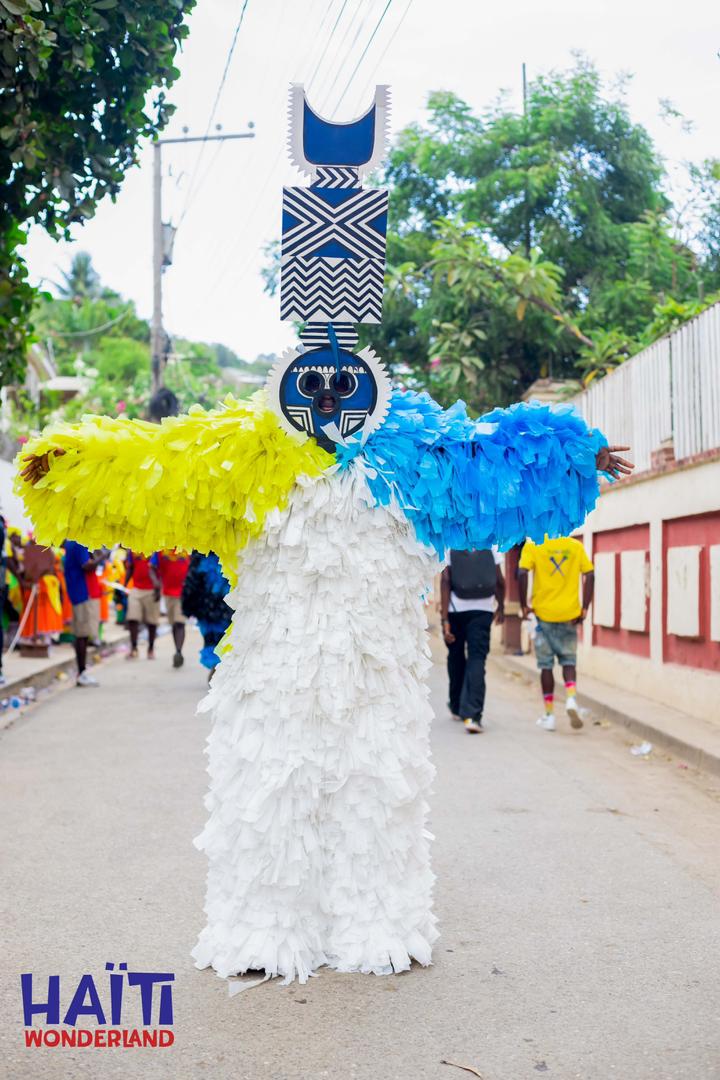
In addition to his literary activities, Moïse François has considerable experience in certain Haitian media. He is an editor for several publications, such as Haïti Wonderland, a media dedicated to the popularization of Haitian heritage, and he has also worked as an editor for Haïti Viral. His role as an intern editor for Impulse Web Media, directed by Lovelie Stanley Numa, and his various collaborations in the field of communication testify to his versatility and expertise in this field.
He has also held positions of responsibility, including as communications manager for Bèl-enèji, a communications agency dedicated to promoting young businesses and mentoring young artists. He is currently the communications manager for LAED Diplomatique, an association bringing together lawyers and diplomats who work in the field of diplomacy. He was general coordinator of the magazine YDA’S (Young Development Actors), a magazine that promotes the skills of young talents. Moïse François was also a member of the jury in the New Year’s text competition organized by Le Témoin Haïti radio in 2024 and is currently president of the jury for the text competition entitled Lettre à mon auteur favoris, organized by the Salon du Livre de Port-au-Prince with Csimon Publishing.
Beyond his professional commitments, Moïse François is also a diligent volunteer. He was part of the literary club committee of the Pyepoudré library in Bourdon and is a member of the association Pour une Génération Inspirée et Responsable (AGIR), which aims in particular to instill a sense of patriotism in Haitian children, in order to encourage them to take part in the future development of their country. Moïse François is also actively involved in many other initiatives of this kind, aimed at raising awareness and mobilizing Haitian youth around values essential for the future of the country.
In short, Moïse François embodies the dynamic, committed and passionate Haitian youth who refuse to sink into the darkness that surrounds their country, to the point of imposing their mark. Through his exceptional career, this young man has been able to combine his academic, literary and professional skills to actively contribute to offering a minimum of life in the overloaded veins of Haitian society. Faithful to his ideals of justice, promotion of his culture and progress, his life is an example of perseverance, commitment and passion for literature and the arts. He carries within him a voice armed with gestures of capital importance to awaken his beautiful country and is called upon to leave his mark on a whole section of his time, with his current works and those that will soon arrive. This is truly the kind of young person that every society dreams of having: a young person firmly committed to commitment and who offers a model to the generation
Share
About the Author
Appolon Guy Alain
Appolon Guy Alain
Full Stack Developer, Créatif, expérimenté, passionné des nouvelles technologies et de l’art.
que savez vous de s rapport et HAITI et le château de Versailles voire la Tour eiffel
Merci je suis senegalo francais mais haiti est un pays qui' m'intéresse bcp
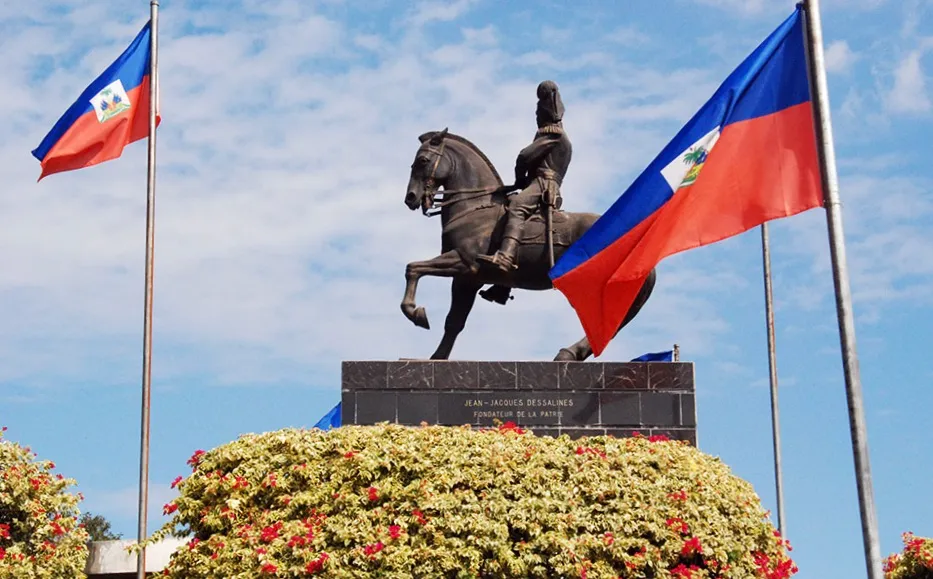
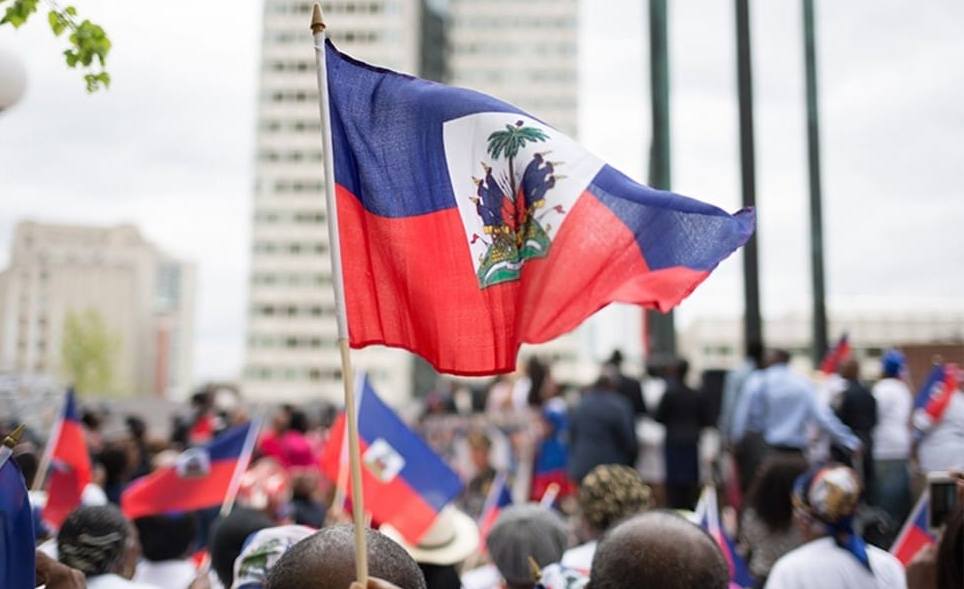
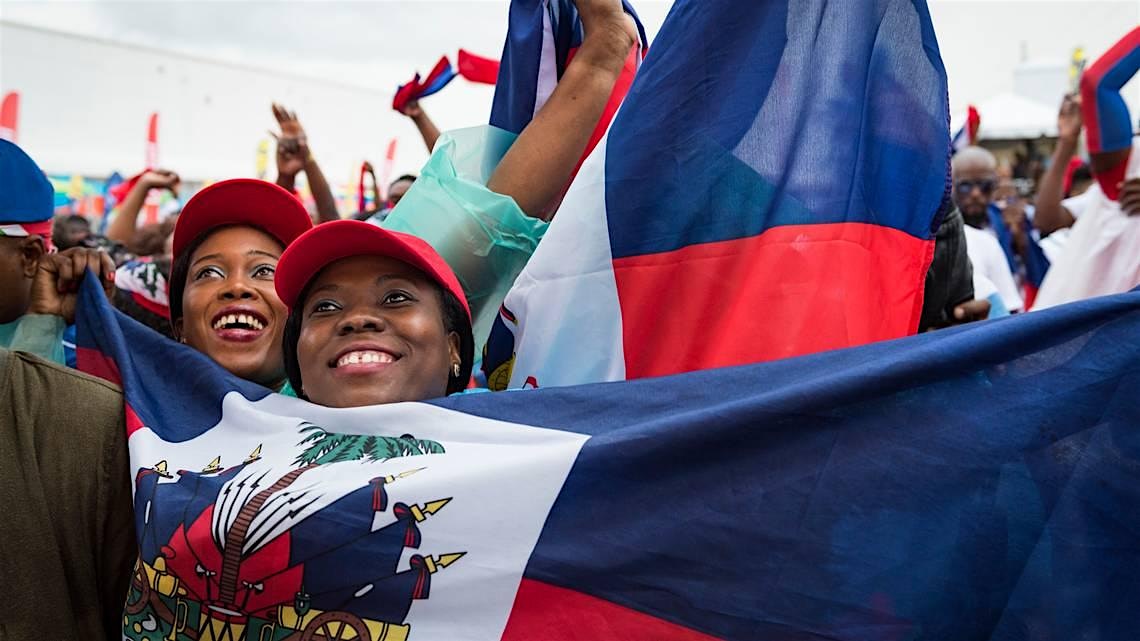
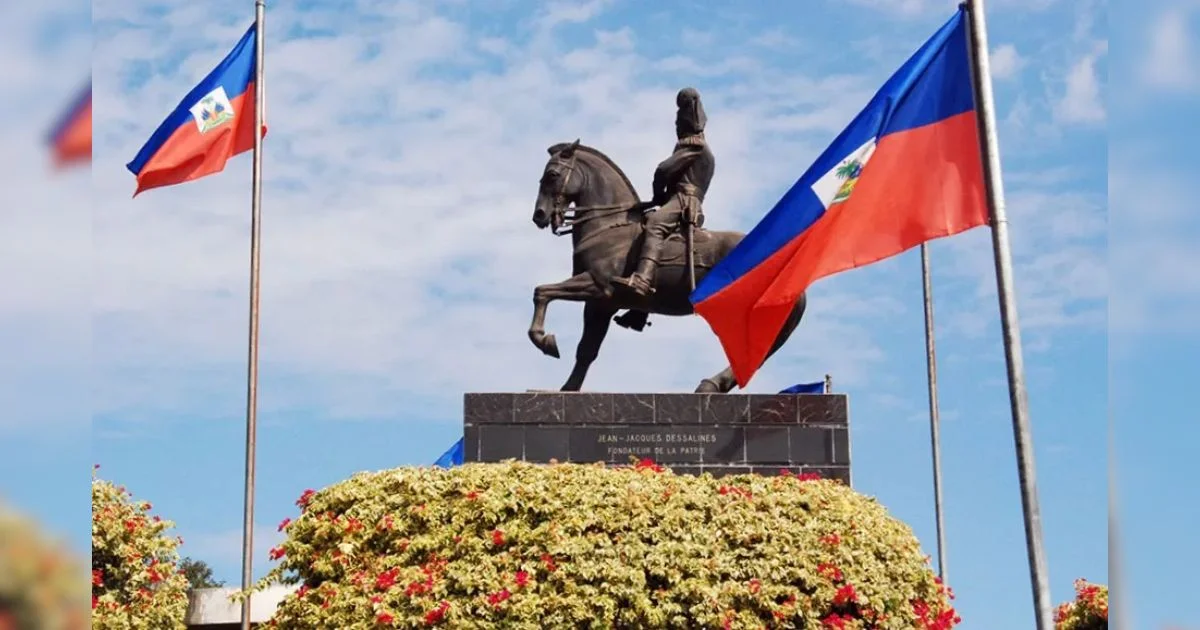
First black nation to free itself from slavery and gain independence from France in 1804 and influenced other liberation movements around the world, inspiring struggles for freedom and equality.
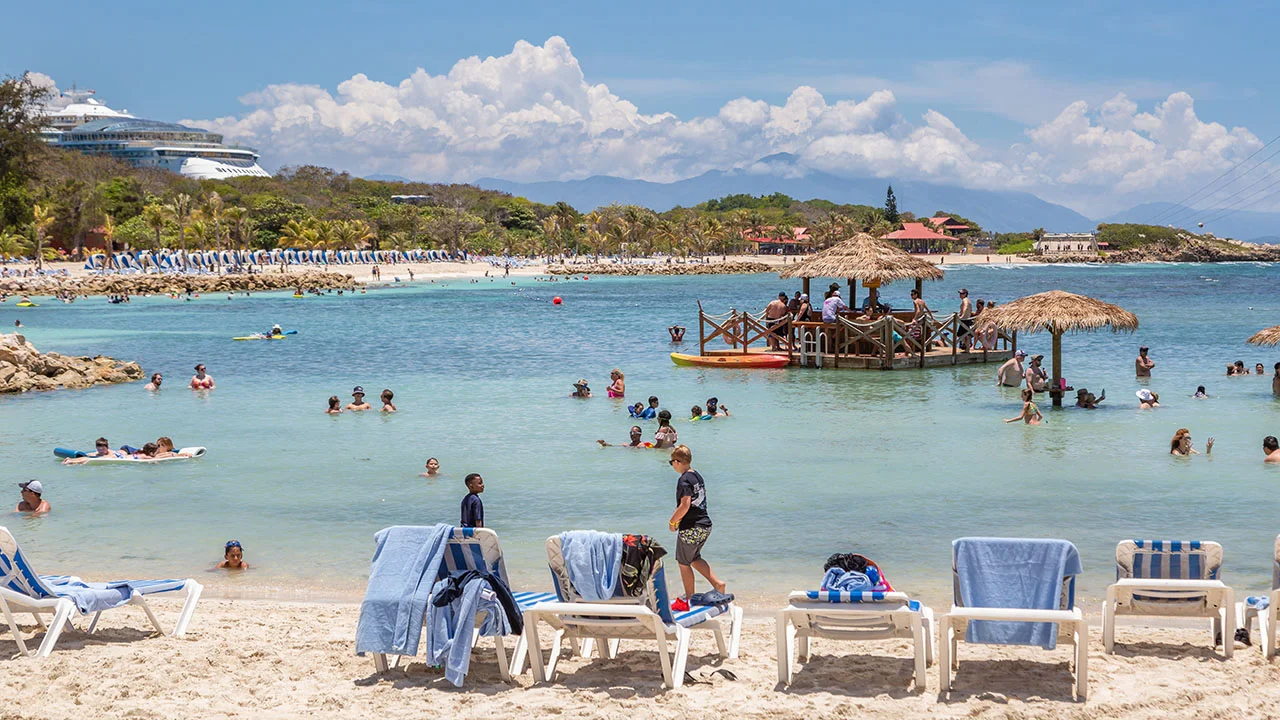
Natural beauty
Haïti is blessed with spectacular natural landscapes, including white sand beaches, mountains and rich biodiversity.
Heritage
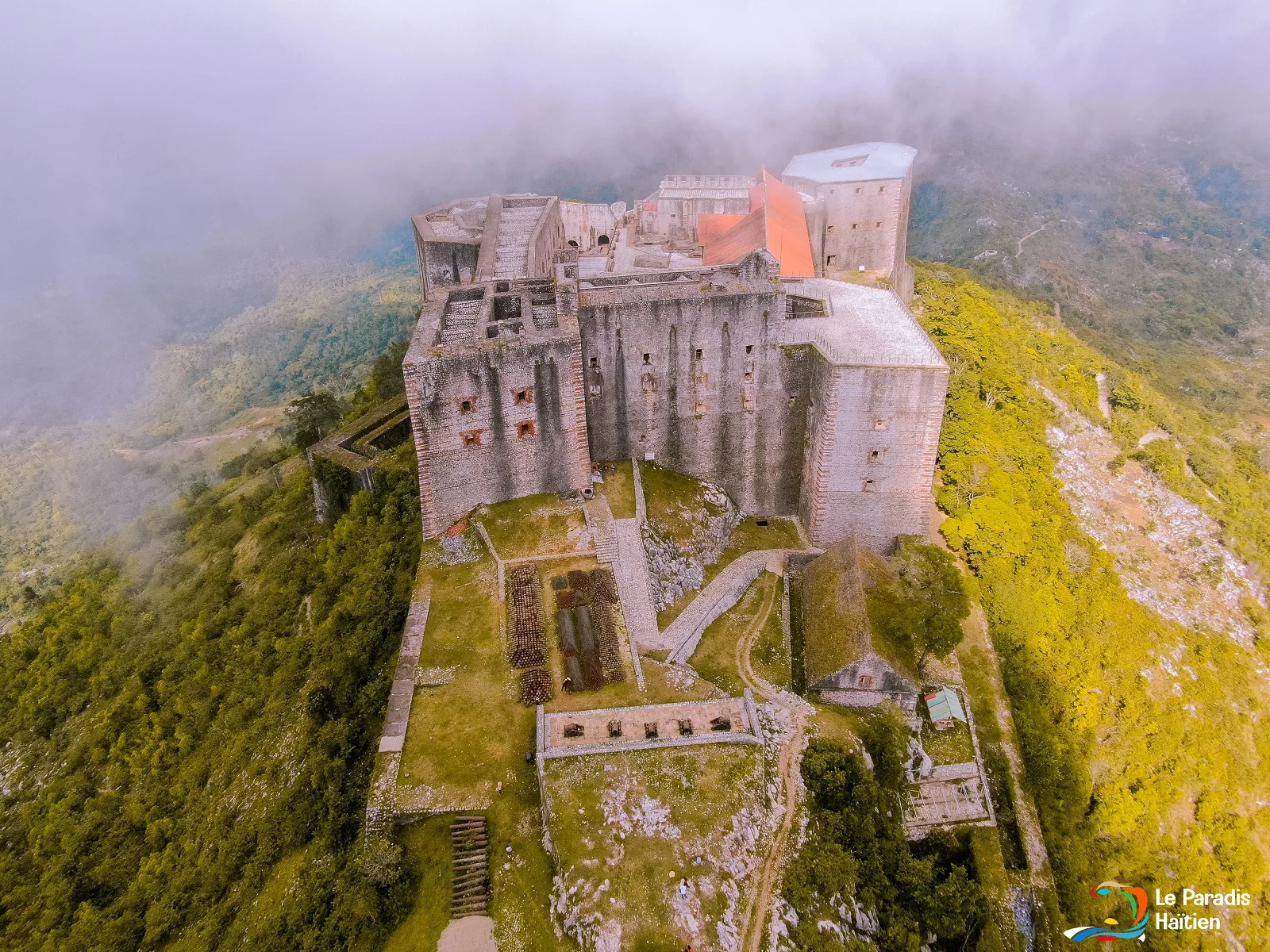
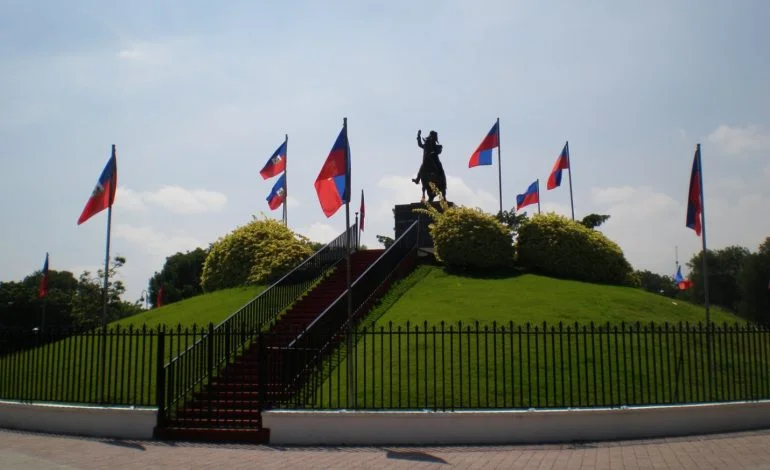
Haïti has a rich historical heritage, including sites like the Citadelle Laferrière and the Sans-Souci Palace, listed as UNESCO World Heritage Sites.
Culture
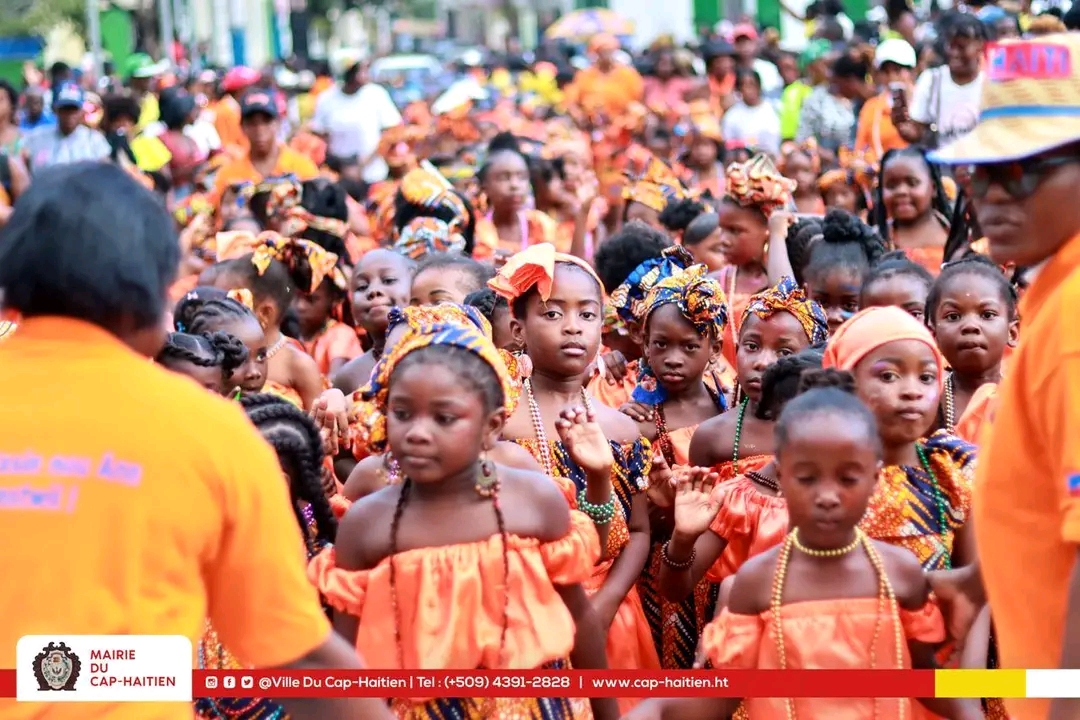
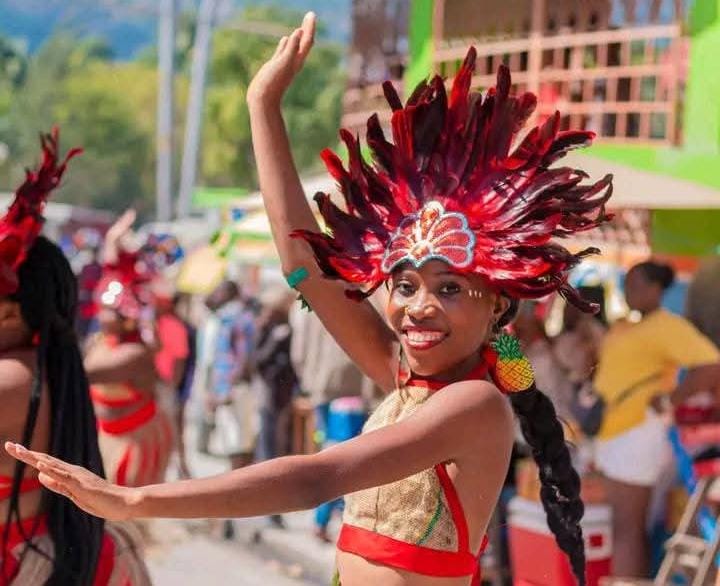
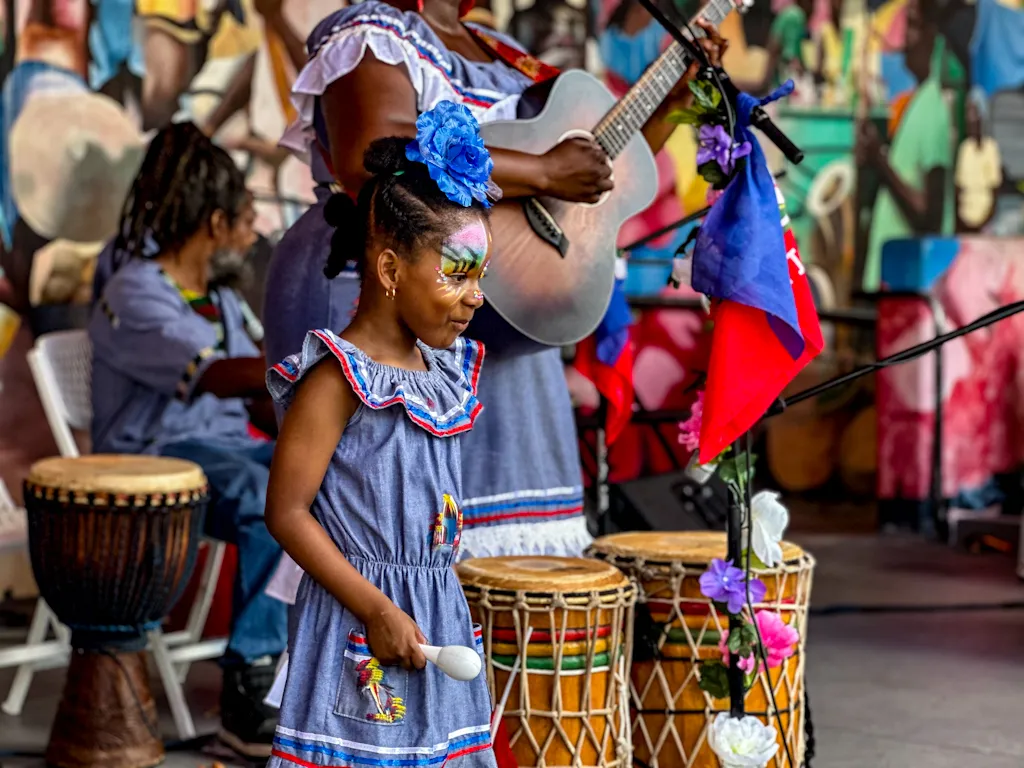
Haïti has a rich and diverse culture, influenced by African, European and indigenous elements. Haitian music, dance, art and cuisine are celebrated around the world.










































que savez vous de s rapport et HAITI et le château de Versailles voire la Tour eiffel
13 Me 2025 | 05:05:39 AMMerci je suis senegalo francais mais haiti est un pays qui' m'intéresse bcp