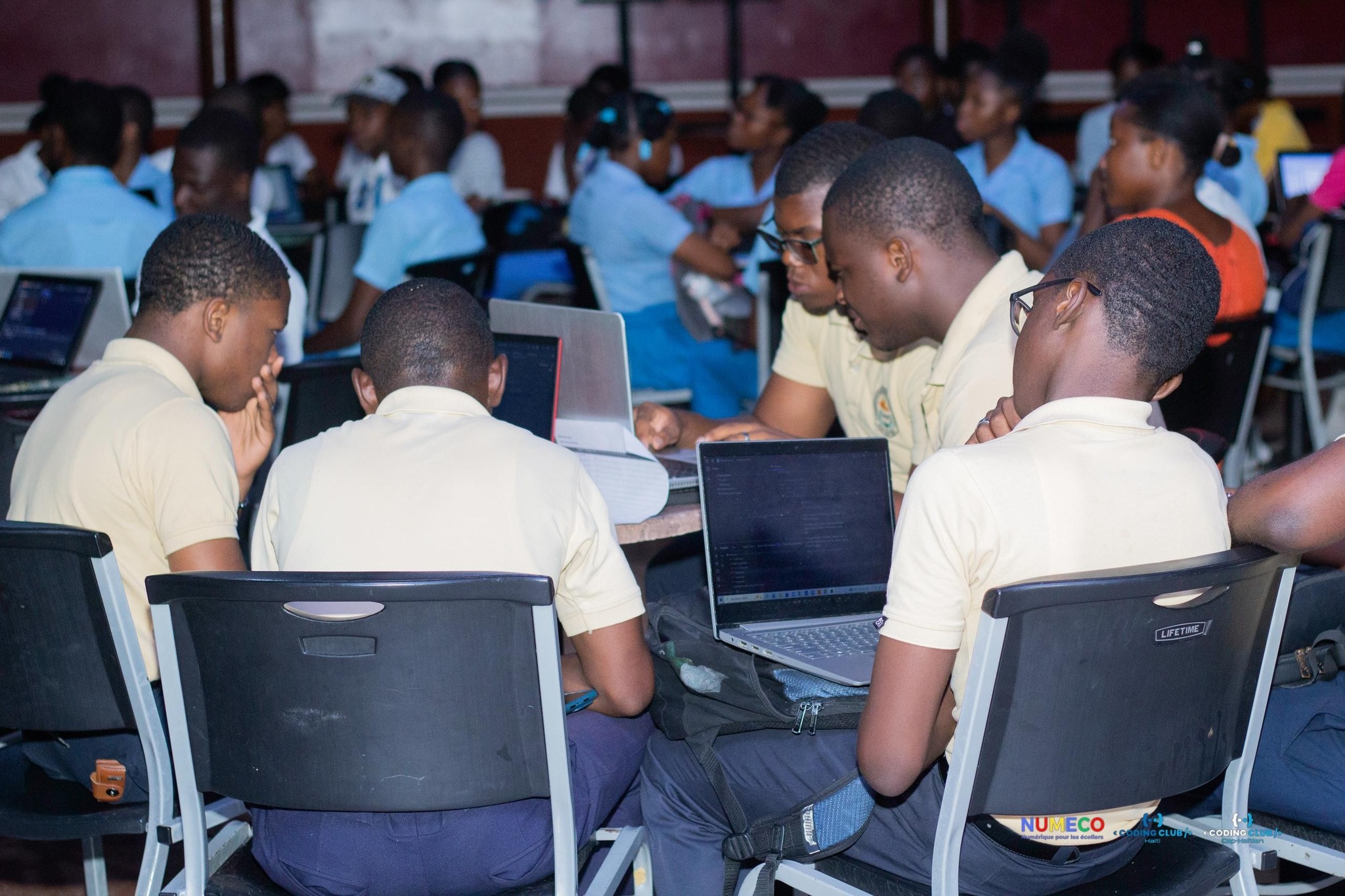
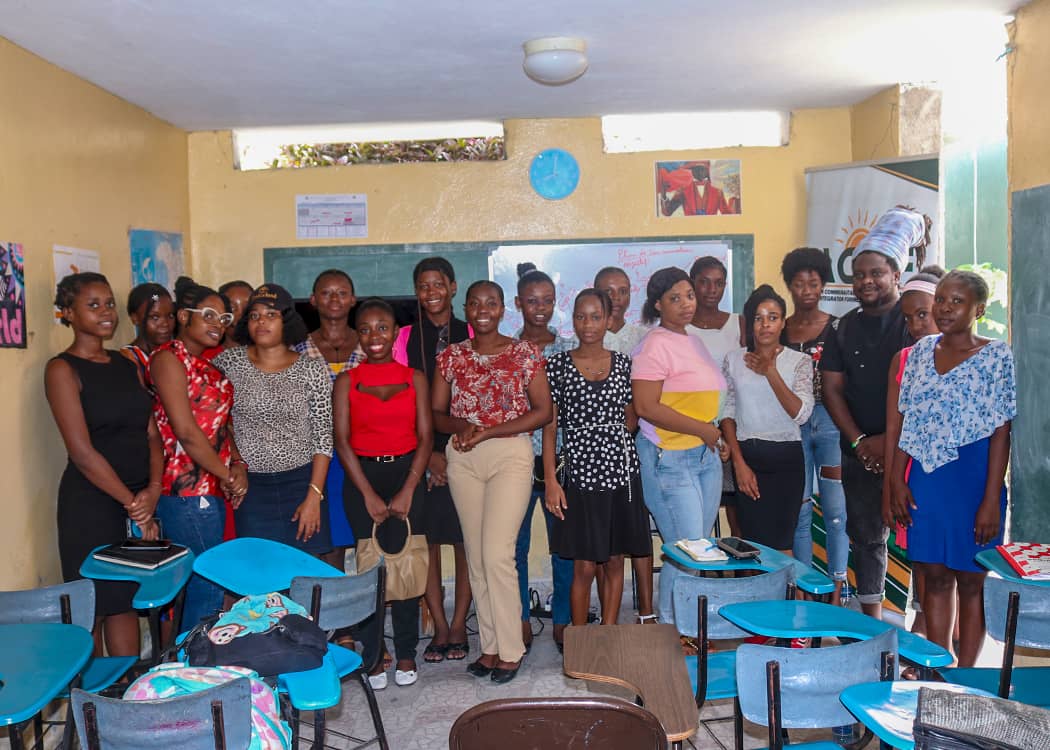
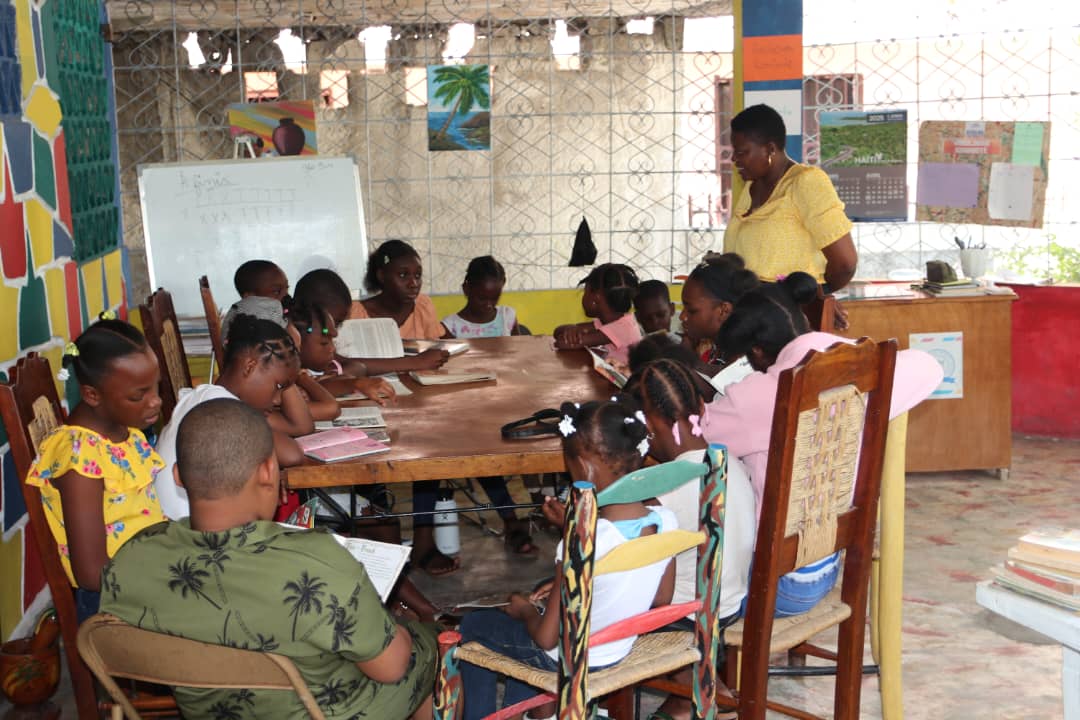
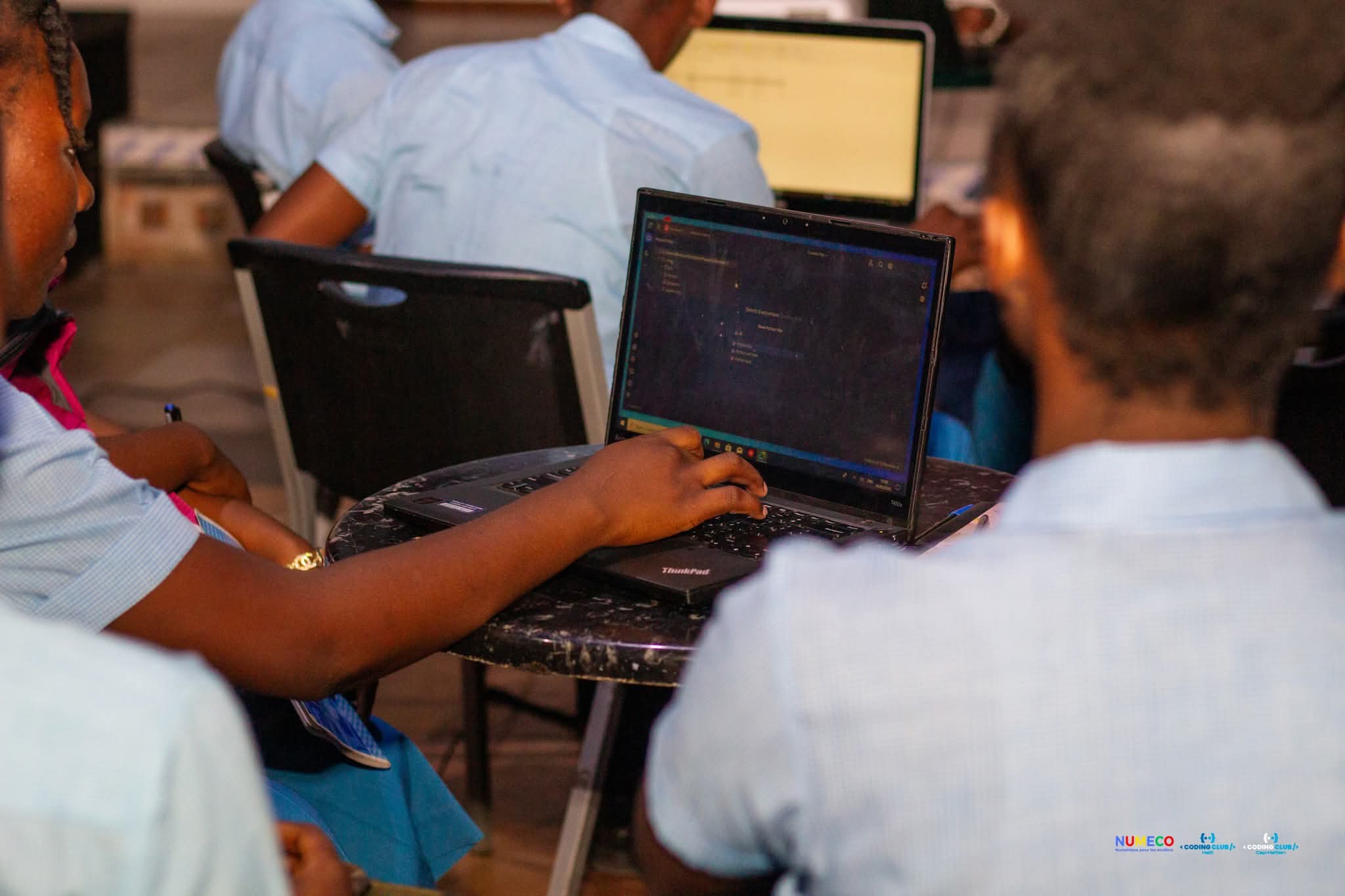
Cap-Haïtien: 70 Schoolchildren Learn Programming Thanks to Coding Club Haiti
From Python to JavaScript: How 70 young people from Cap-Haïtien are becoming Haiti's future developers with the NUMECO program.

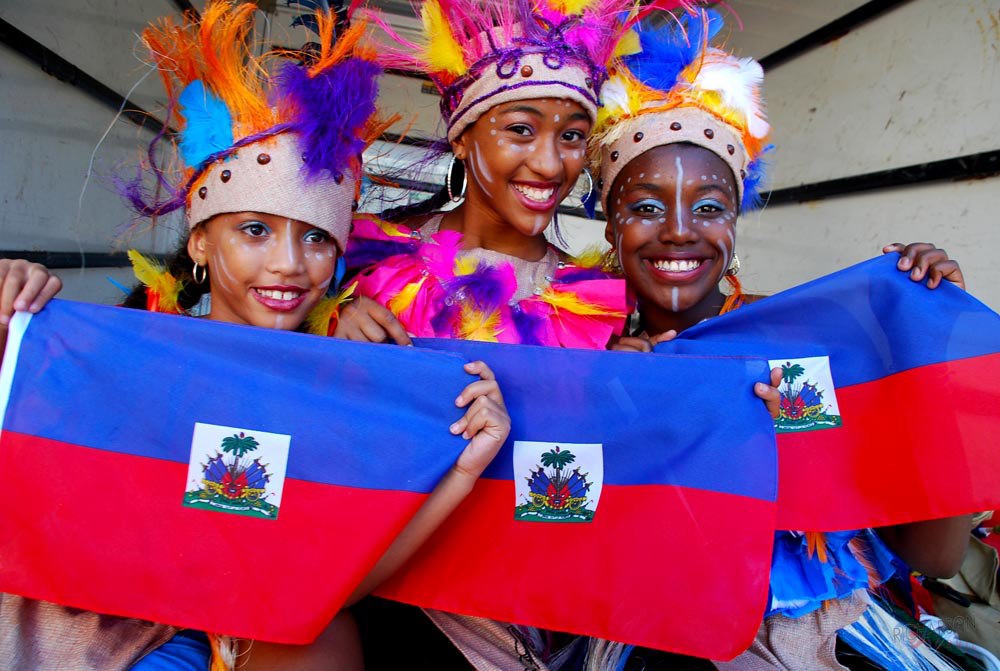
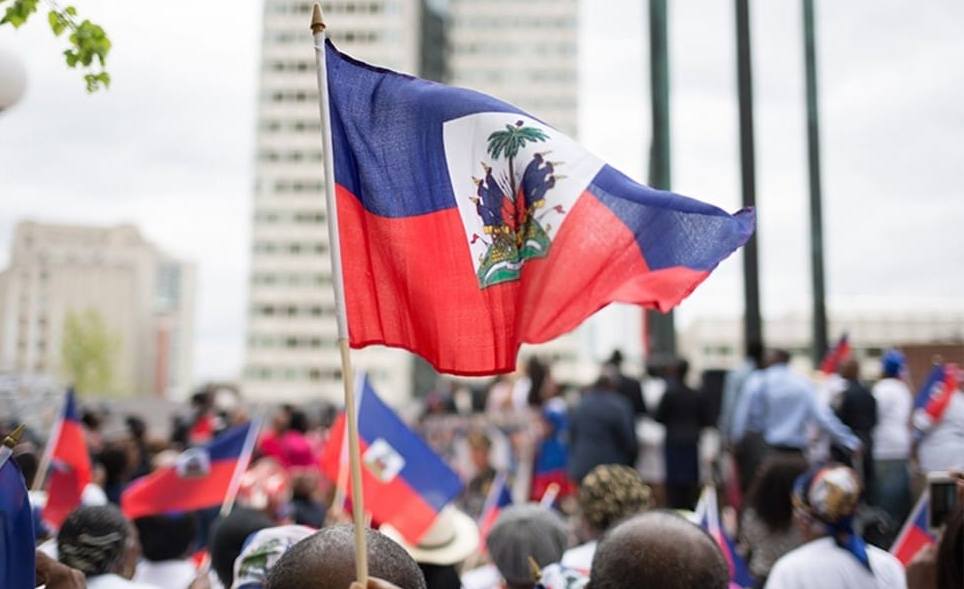
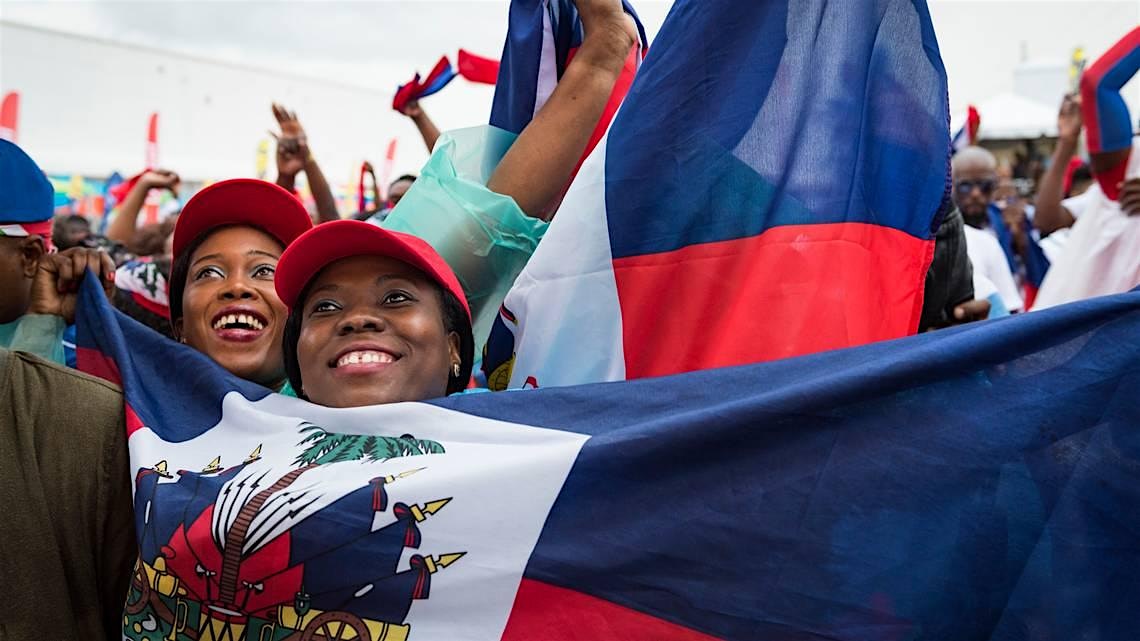
A simple Google search for "Haïti" will leave you with a bitter taste, as you will mostly discover degrading images that fail to pay homage to Haïti’s natural beauty, rich history, and vibrant culture. This reality stems from a multitude of online media outlets that, in their relentless quest for visibility and profit, disseminate images that do not reflect the true essence of Haïti. It is time to challenge this trend and raise awareness among Haïtian online media of the profound impact of their editorial choices on the image of their own country. b~The Consequences of the Dissemination of Degrading Images:~b Sharing degrading images of Haïti contributes to perpetuating prejudices and reinforcing negative stereotypes associated with the country. This can have serious consequences for tourism, foreign investment, and even the national pride of Haïtians. Furthermore, it creates a distortion of reality, masking the many positive and inspiring aspects of Haïti. b~A Call for Editorial Responsibility:~b It is imperative that Haïtian online media take editorial responsibility in ensuring that the images and stories they broadcast reflect the diversity and richness of Haïti. Rather than focusing only on the negative aspects, they should highlight the successes, positive initiatives, and exceptional contributions of Haïtians to global society. b~Promote a Balanced Image:~b Haïti’s diversity, both culturally and socially, deserves to be celebrated. Haïtian online media have the opportunity to play a key role in promoting a more balanced image of the country by highlighting its successes, its innovations and its rich history. This will not only help educate the global public, but also inspire pride and confidence in Haïtians themselves. It is time for Haïtian online media to realize their power as opinion shapers and actively contribute to transforming Haïti’s image. By choosing to share balanced and positive stories, they can play a vital role in building a more accurate and respectful perception of this remarkable country. It is a call for editorial responsibility, sensitivity and national pride, in order to restore Haïti to its rightful place on the world stage.
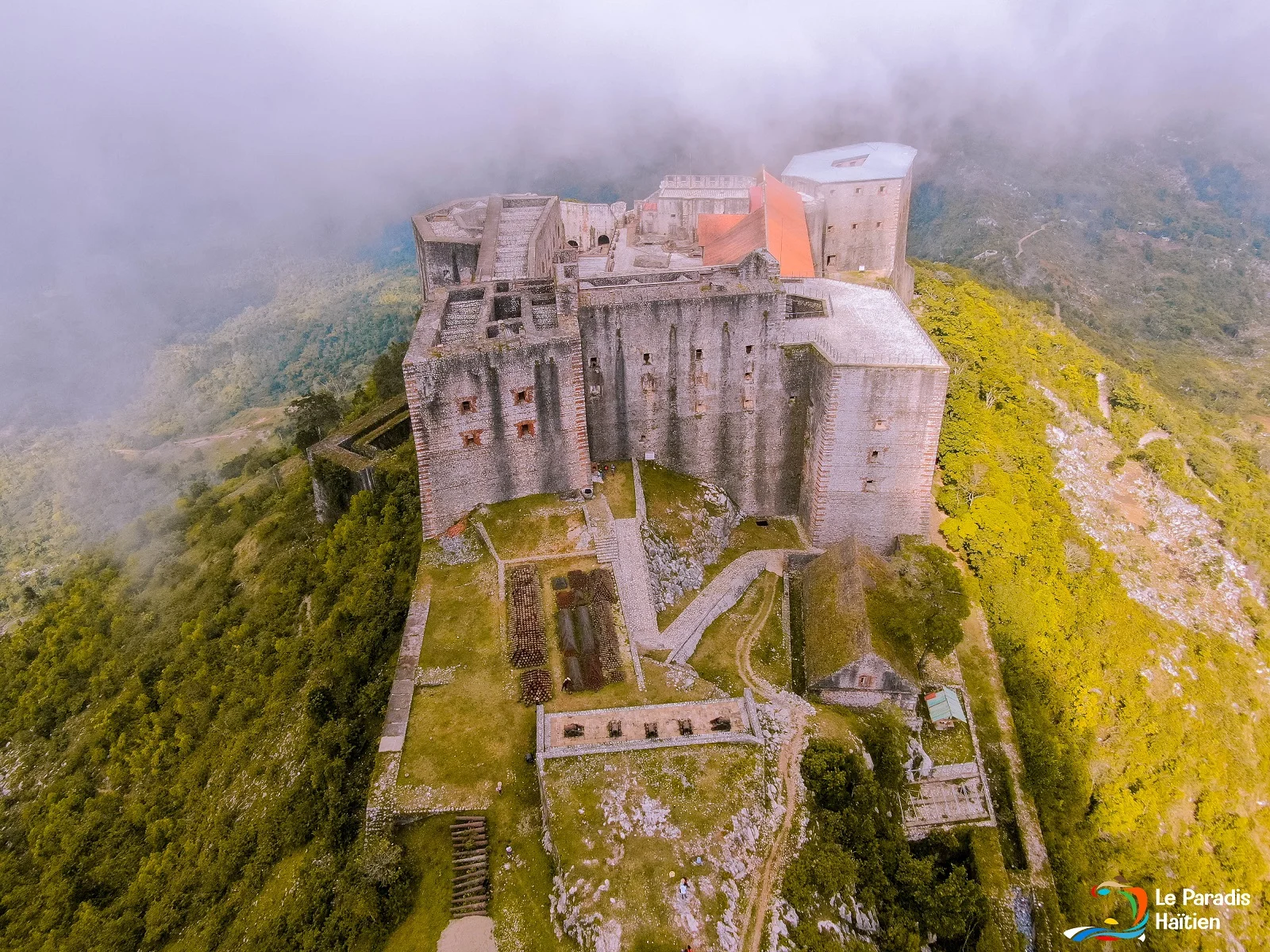
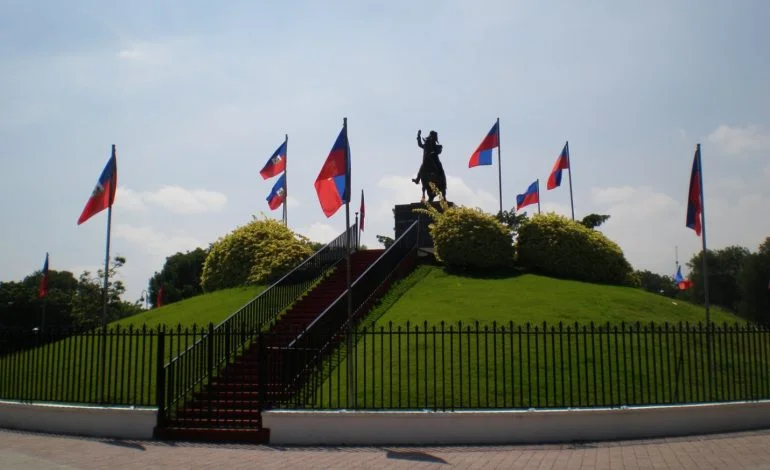
Haiti, a country located in the Caribbean, is an exceptional destination offering rich history, vibrant culture and magnificent landscapes. Here is a list of historical monuments and beautiful places to visit in Haïti to immerse yourself in this land full of treasures.
Haiti, a country steeped in history and culture, is a Caribbean nation whose geographical location is both strategic and fascinating. But where exactly is Haïti on the world map? Discover its unique position and what makes it such a special place.
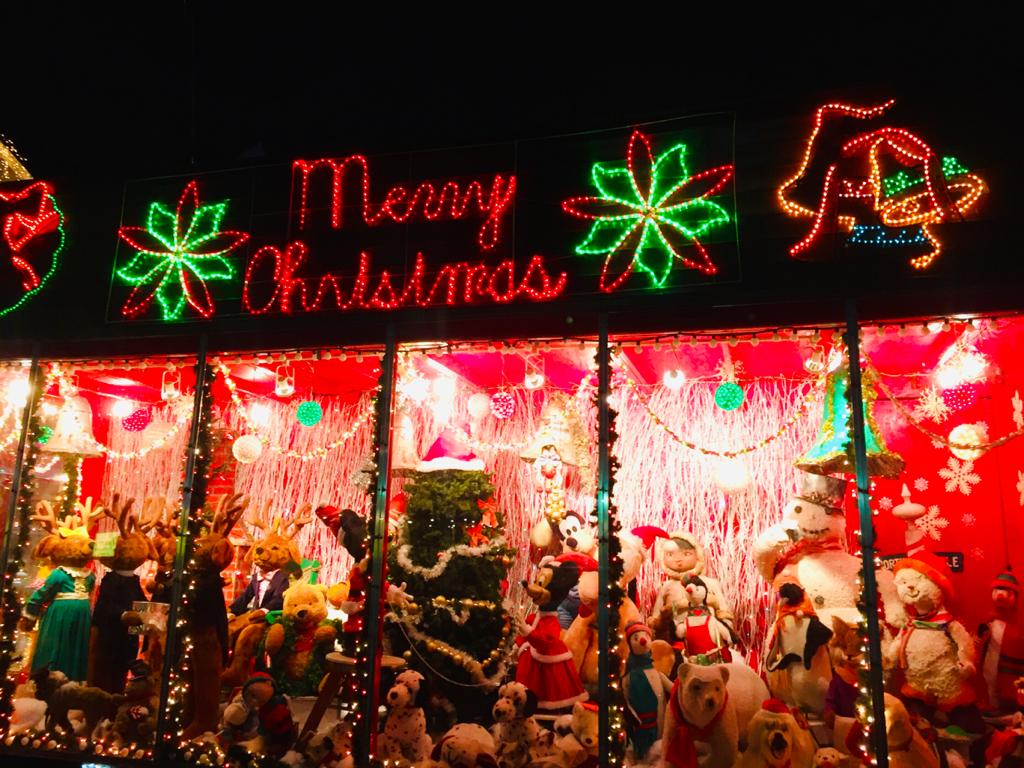
Christmas in Haïti is a holiday full of traditions, spirituality and moments of conviviality. Marked by religious celebrations, family feasts and unique cultural expressions, Haitian Christmas is a magical time that reflects the generous and festive soul of the Haitian people. This article takes you to the heart of Christmas traditions in Haiti.
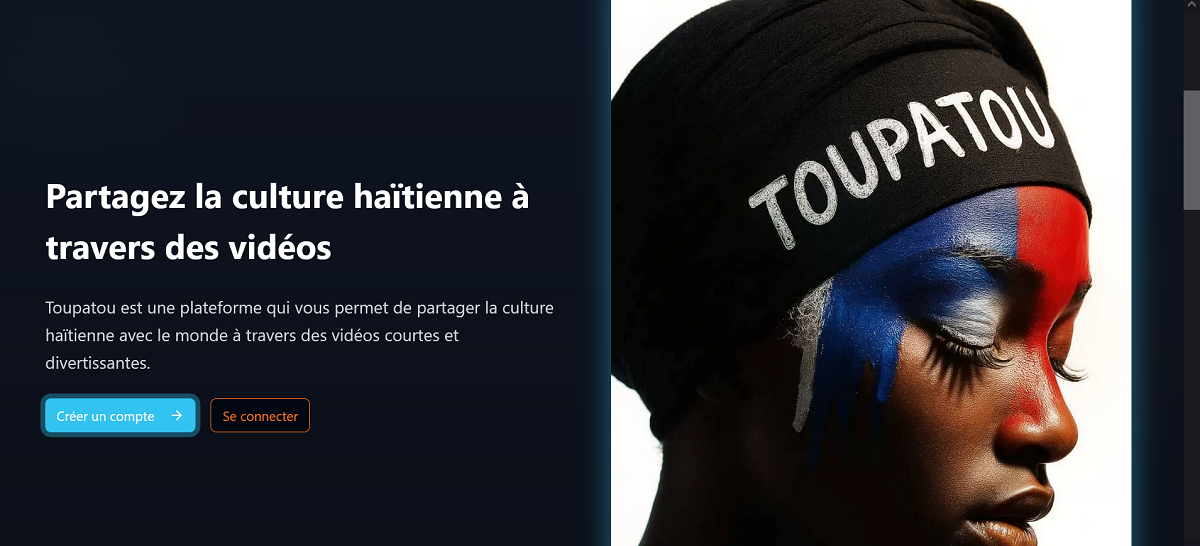
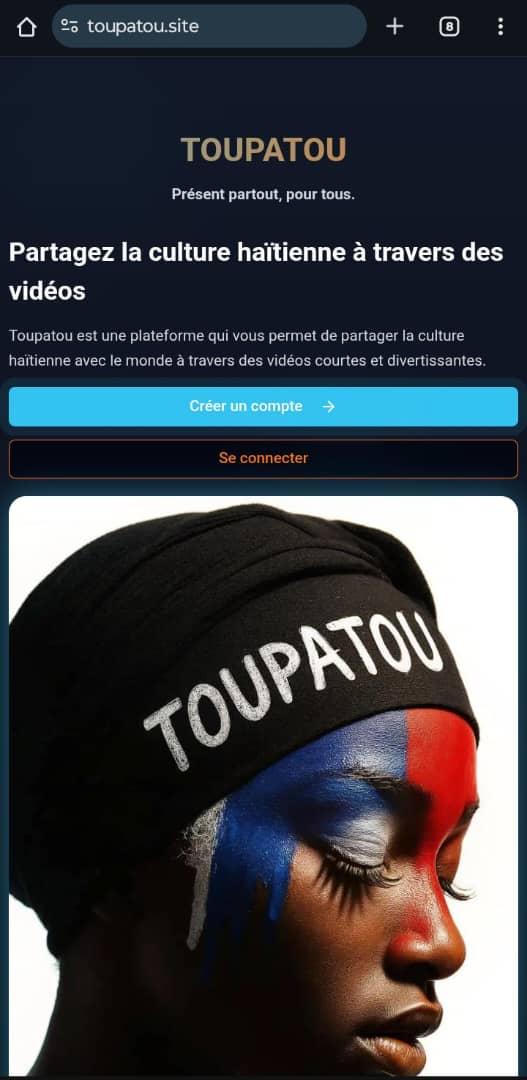
In a world dominated by digital giants (Facebook, TikTok, Instagram, and others), Toupatou stands out as a beacon of hope and local innovation. Developed by the dynamic RTH team, under the leadership of Jean Mary Revolus, current manager of the Manoir Adriana Hotel, Toupatou stands out as one of the first Haitian social networks, designed by and for Haitians.
The holiday season in Haïti is full of magic, and Christmas songs play an essential role in this warm and festive atmosphere. Between traditions, wild rhythms and nostalgic melodies, Christmas music in Haïti reflects the cultural richness of the country. Here is a selection of 10 unforgettable Haitian Christmas songs, which continue to make hearts vibrate and leave a mark on minds.
In Haiti, Christmas meals occupy an essential place in the end-of-year celebrations. They are not only an opportunity to enjoy delicious dishes, but also to bring families and friends together around a table, in a warm and festive atmosphere. This article explores the culinary traditions, the importance of sharing and the spirit of conviviality that make Christmas meals in Haïti a memorable event.
Haiti, a nation rich in history and culture, occupies a special position in the Caribbean region. But where exactly is Haïti located in this tropical archipelago? Discover its geographical location and what makes this country stand out among its island neighbors.
The Haitian Creole, born in the 17th century during the French colonization on the island of Hispaniola, is not only a communication tool; it is an essential part of the Haitian identity. Despite being recognized as an official language in 1987, French is still considered an elite language, creating a social divide. In the educational system, where French is the language of instruction, Creole is often neglected, which affects the ability of students to understand what they are learning, especially for children from rural areas. It has a unique grammatical structure that facilitates learning, and serves as a means of cultural expression in literature, music, and other arts. The advancement of technology will allow Creole to gain more visibility in social media, but the stigmatization of the language still exists. Therefore, it is important for Creole to be valued in education and other sectors, to allow the new generation to grow up with pride for their heritage. The Haitian Creole language, which is the first language for the majority of people in Haiti, is not only a means of communication, but it is also a reflection of the cultural wealth and history of the people. In a country full of diversity, Creole and its origin, its evolution and its place in society, is a testimony of resistance and adaptation.
In Haiti, rice is often preferred to wheat, corn, or other grains. However, today, we’re going to make an exception and enjoy a delicious red bean and wheat dish. To begin, boil the red peas. Meanwhile, heat the oil in a large saucepan over medium heat. Add the onion and garlic, sautéing until golden. Then, stir in the tomato paste and cook for a few minutes, stirring constantly. Next, add the drained red peas, chicken or vegetable broth, salt, and pepper. Mix everything well. Pour the water into the saucepan and bring to a boil. Once the water boils, add the wheat and simmer until tender and the water is absorbed. Finally, reduce the heat and stir occasionally to prevent the mixture from sticking to the bottom of the pan. Once cooked, adjust the seasoning to your taste and serve hot.
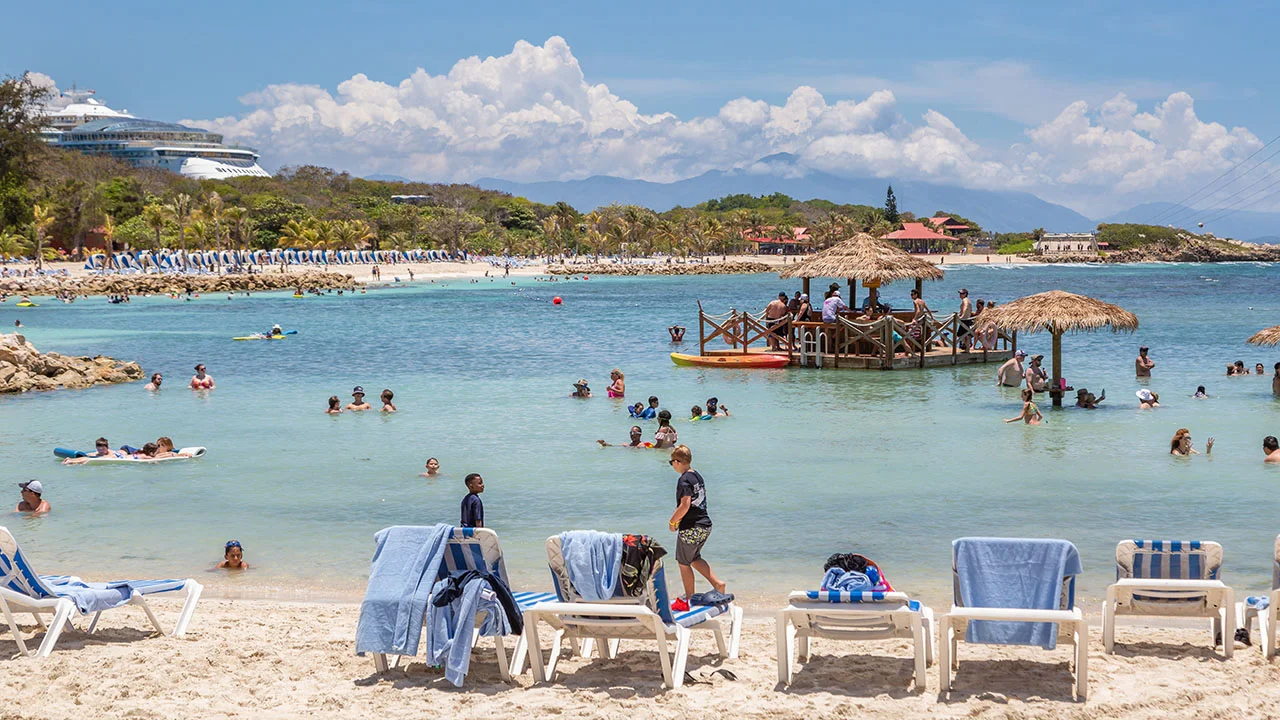
The beaches of Petit-Goâve are true coastal escapes in Haiti. Nestled along the southwest coast of the island, in the West department of the Republic of Haiti, the town of Petit-Goâve is home to natural treasures that are often overlooked: its magnificent beaches. These coastal gems offer locals and visitors spaces for relaxation and leisure where fine sand meets the crystal clear waters of the sea.
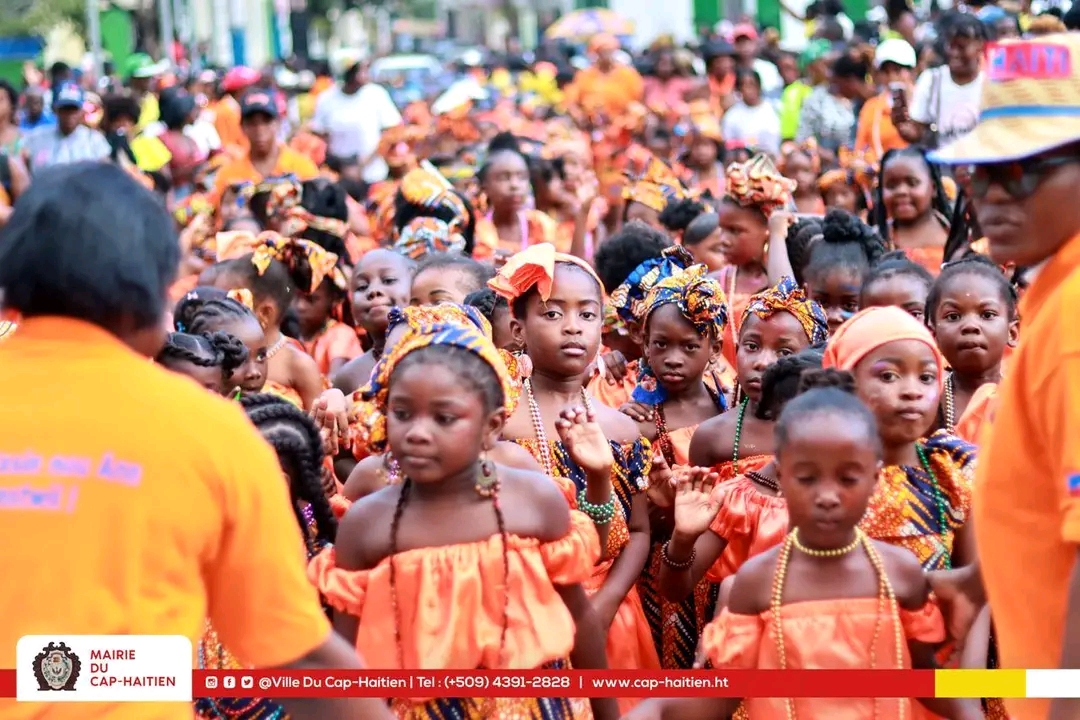
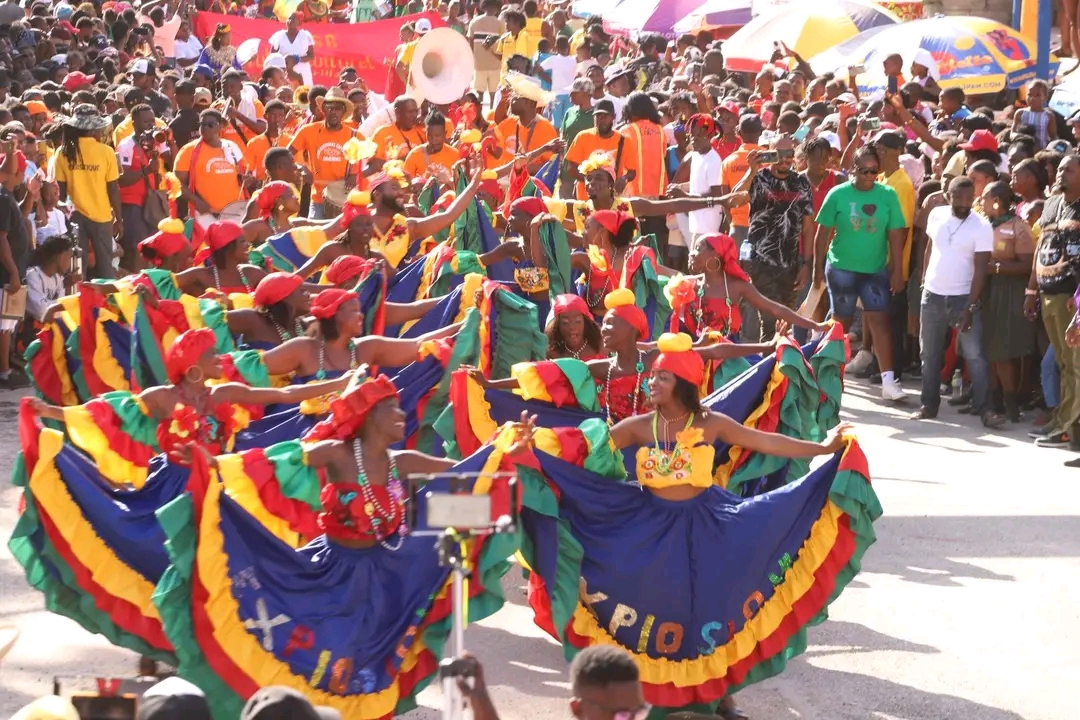
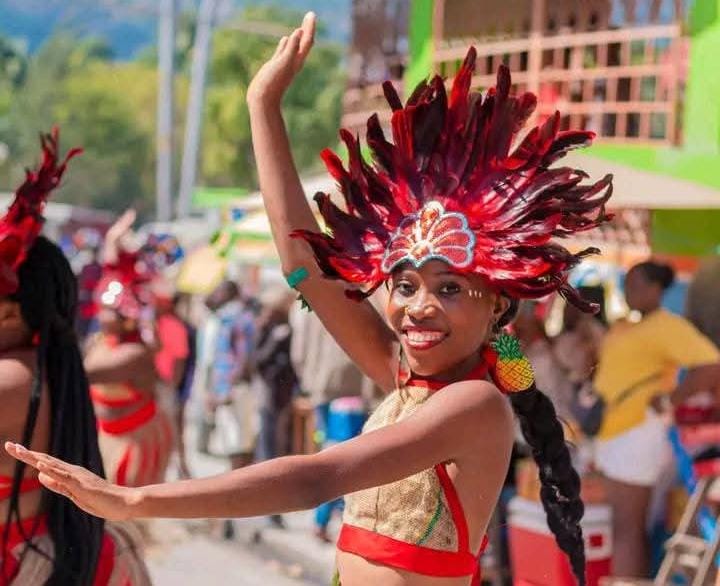
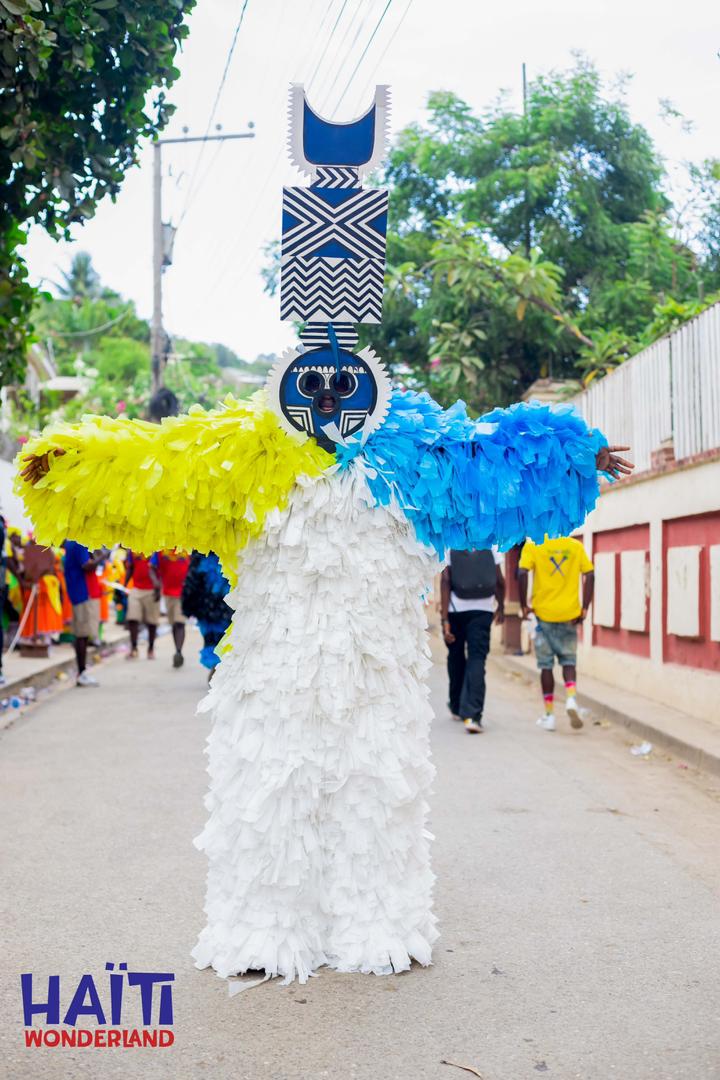
The Haitian carnival, an emblematic and essential celebration of the country’s festive calendar, is much more than a simple party. It embodies the very essence of Haitian culture, joyfully blending ancestral traditions, intoxicating music and a deep sense of community. Each year, this vibrant celebration transforms the streets into a vibrant and colorful spectacle, attracting thousands of participants and spectators eager to take part in this one-of-a-kind celebration. Haitian carnival has deep roots in the country’s history, dating back to colonial times. It has evolved over the centuries, incorporating elements of African, French and Creole culture to create a distinct and captivating celebration. The carnival period in Haïti traditionally begins in January and culminates with extravagant festivities that take place over several days. One of the most striking features of the Haitian carnival is the profusion of colors. Traditional costumes, called "masks", are elaborate and beautifully designed. They feature vivid patterns and vibrant decorations, creating a vivid picture of Haitian cultural identity. Participants, dressed in these elaborate costumes, parade through the streets to the sound of lively music, creating an electric atmosphere. Music is at the heart of the Haitian carnival. The captivating rhythms of compass, rasin, rara and other local musical genres resonate throughout the city, inviting people to dance to the rhythm of the party. Orchestras parade through the streets, accompanying the dancers and creating a unique symbiosis between the music and the graceful movements of the participants. The Haitian carnival parade is not just about the music and costumes; it also celebrates the richness of street arts. Talented artists create giant sculptures, art installations and theatrical performances that tell deep stories of Haitian history and culture. These artistic expressions contribute to the transmission of values and stories that shape the identity of the Haitian people.

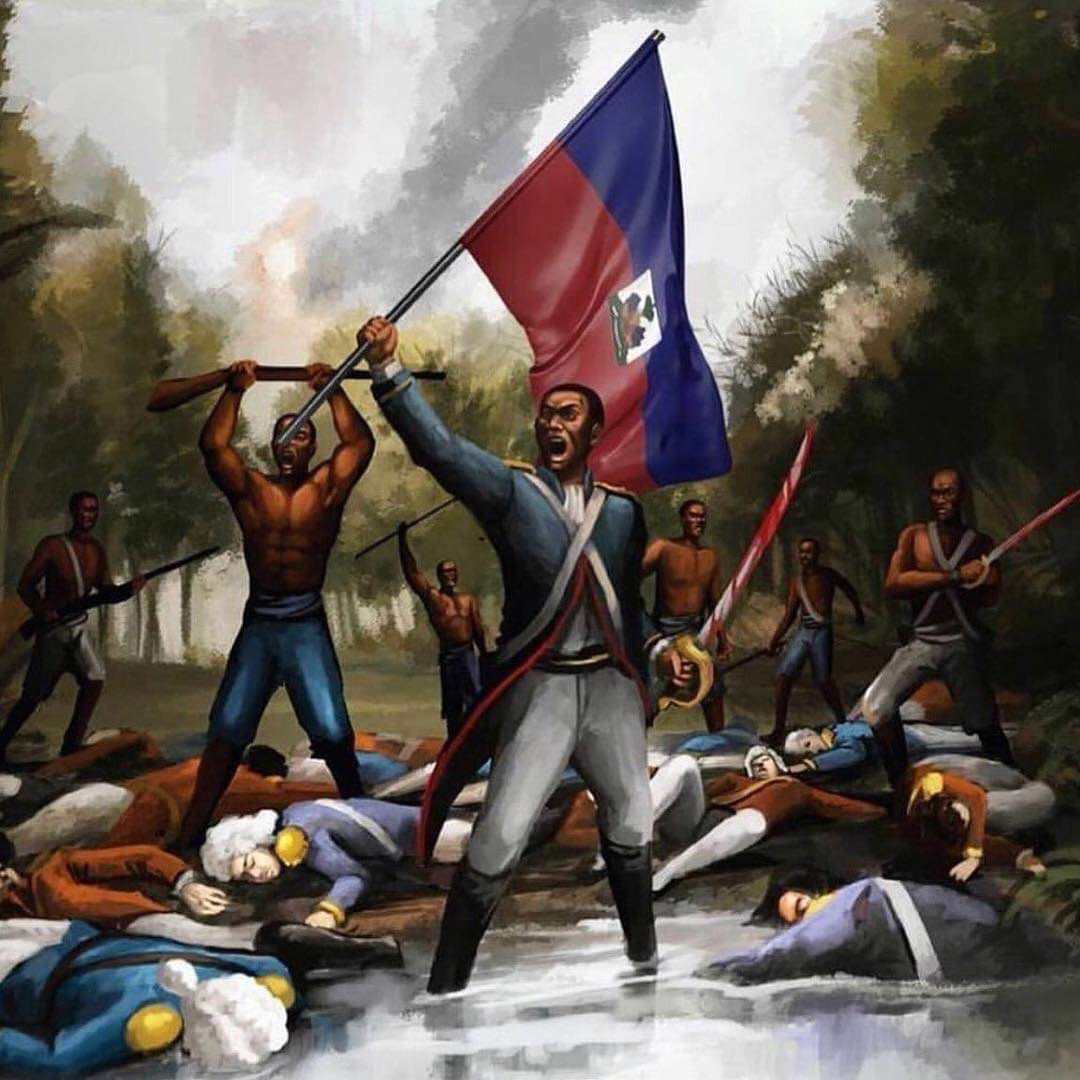
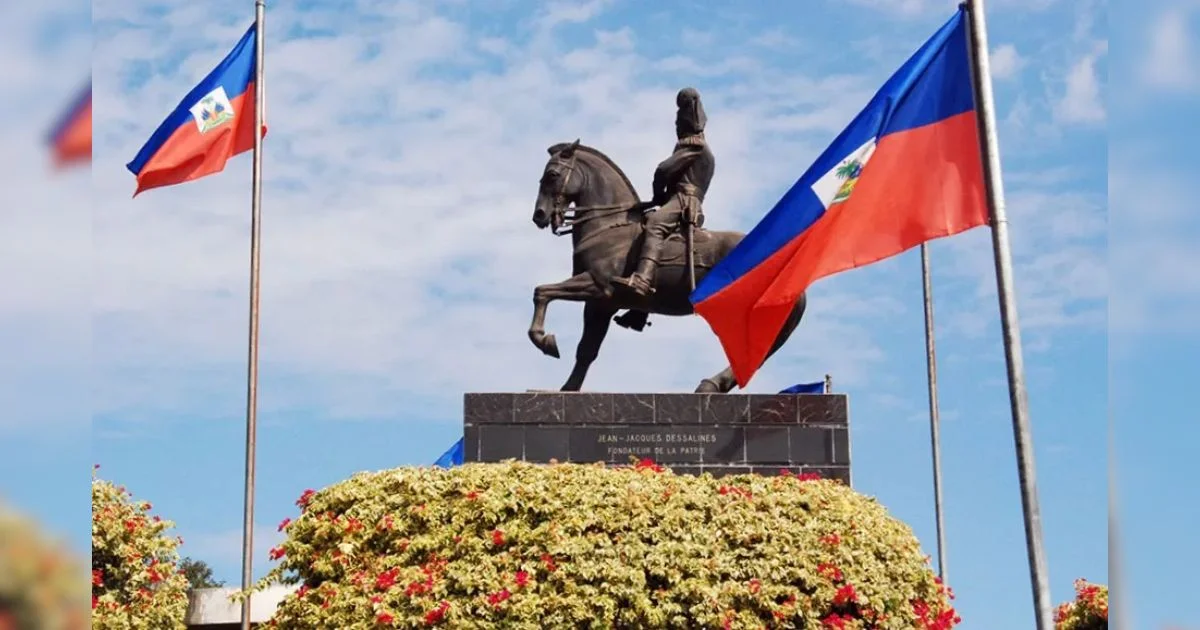
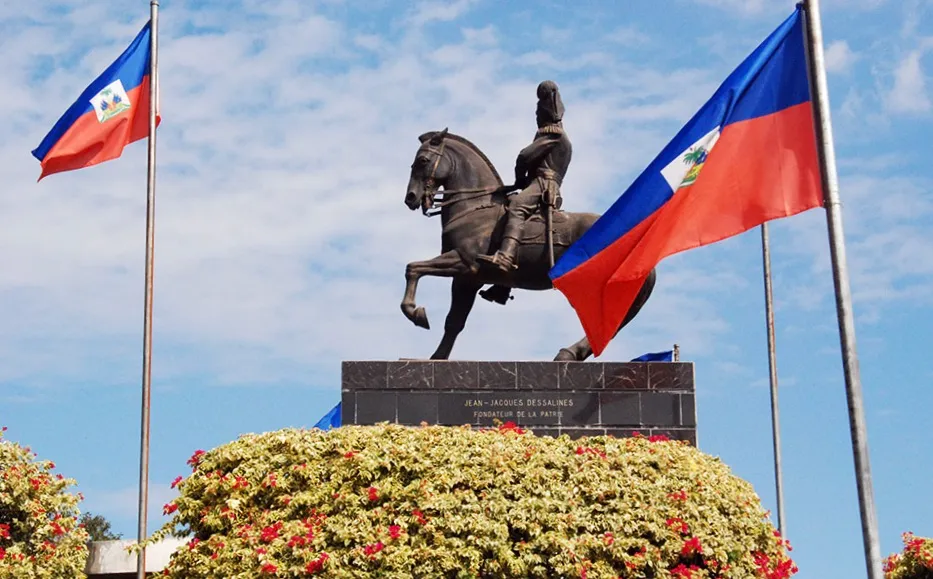
First black nation to free itself from slavery and gain independence from France in 1804 and influenced other liberation movements around the world, inspiring struggles for freedom and equality.

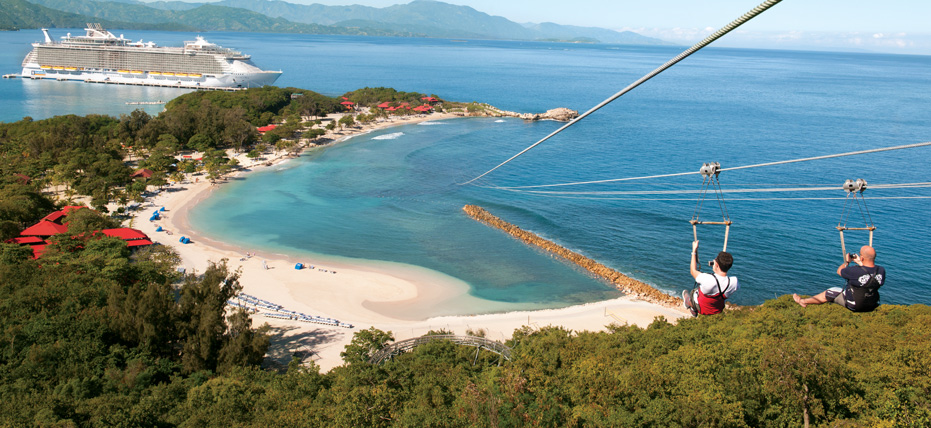
Haïti is blessed with spectacular natural landscapes, including white sand beaches, mountains and rich biodiversity.

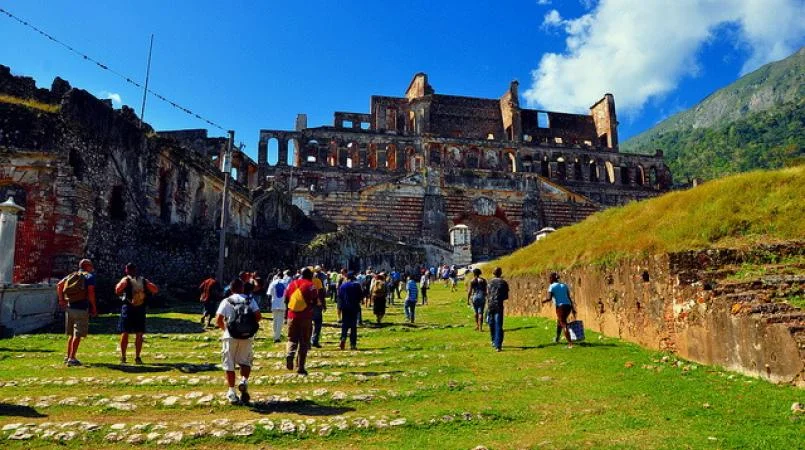
Haïti has a rich historical heritage, including sites like the Citadelle Laferrière and the Sans-Souci Palace, listed as UNESCO World Heritage Sites.

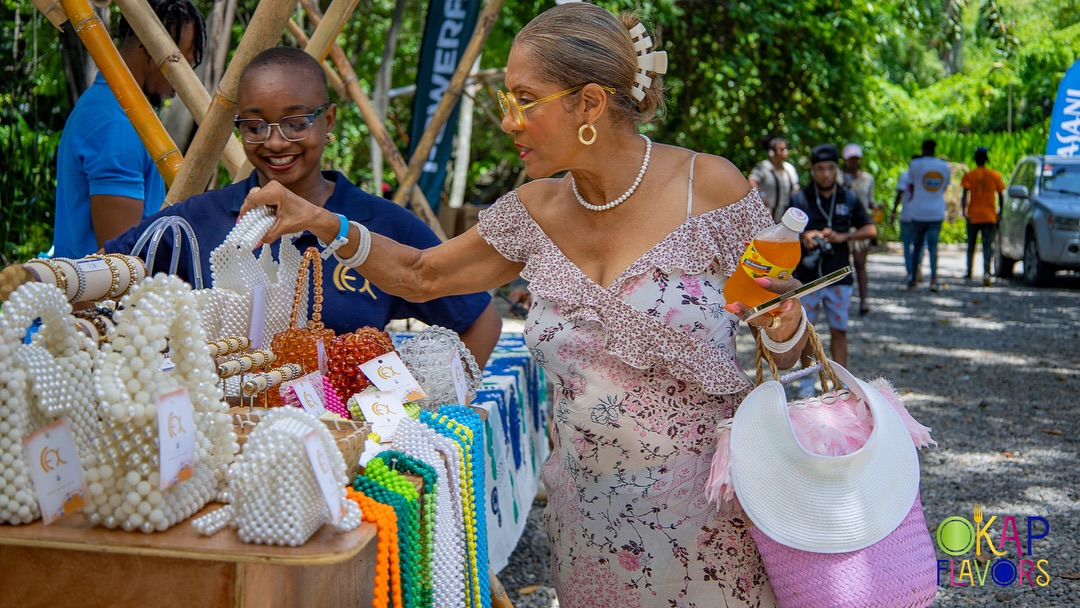
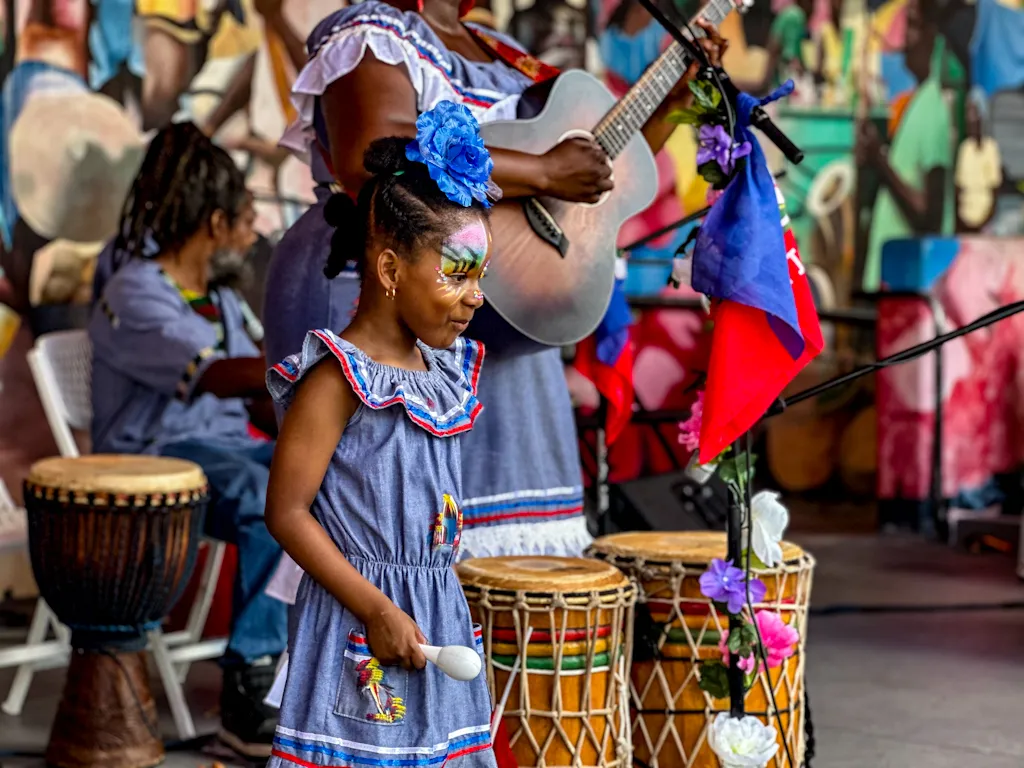
Haïti has a rich and diverse culture, influenced by African, European and indigenous elements. Haitian music, dance, art and cuisine are celebrated around the world.