What Continent is Haïti on? A Geographical Exploration of This Caribbean IslandWhat Continent is Haïti on? A Geographical Exploration of This Caribbean Island
What Continent is Haïti on? A Geographical Exploration of This Caribbean Island
Haïti is a small country located in the Caribbean, but what continent is it actually on? Although Haïti is often associated with tropical islands and paradise vacation destinations, its geographical location makes it a key part of the American continent. Let’s explore Haiti’s geographical location and its relationships with other nations in the Americas.
Haïti is an island country located in the Caribbean, a region of the Atlantic Ocean. The country occupies the western part of the island of Hispaniola, which it shares with the Dominican Republic. The island of Hispaniola is part of the Greater Antilles, a group of islands located in the Caribbean Sea, south of the Bahamas archipelago and north of South America.
Thus, although Haïti is an island, it is located on the American continent, more precisely in the Caribbean region of Central America and the Antilles. The island of Hispaniola, which is part of the Greater Antilles arc, is one of the key elements of the Insular America.
Haïti is also a member of the Caribbean Community (CARICOM), a regional organization that brings together several Caribbean nations, including Jamaica, Trinidad and Tobago, and Barbados, among others. In addition, the country is part of the Organization of American States (OAS), which brings together all the nations of the Americas, from Alaska to Tierra del Fuego.
Although Haïti is an island located in the Caribbean, it is therefore indisputably an American nation by its geographical position. Its interactions with other nations in the region, whether English-speaking, Spanish-speaking or Creole-speaking, are at the heart of its identity.
Haiti, an island in the heart of the American continent
In short, Haïti is located on the island of Hispaniola, which is part of the Caribbean. Although it is an island country, it is undeniably part of the American continent, located to the southeast of North America and to the north of South America. Haïti is a point of convergence between varied cultural, geographical and political influences, thus representing a unique link between the different regions of the American continent.
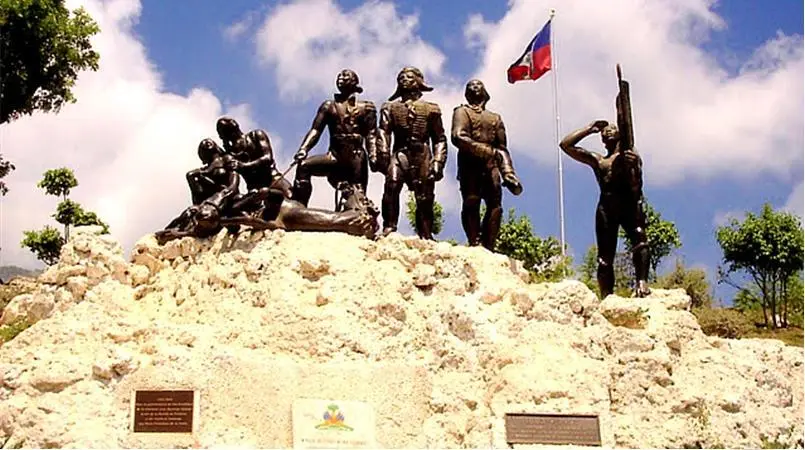
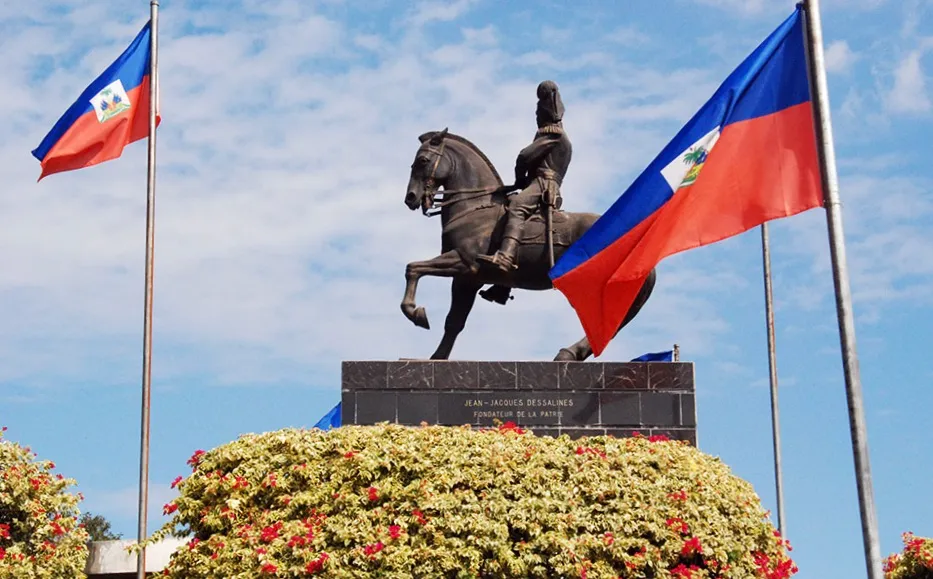
First black nation to free itself from slavery and gain independence from France in 1804 and influenced other liberation movements around the world, inspiring struggles for freedom and equality.
Natural beauty
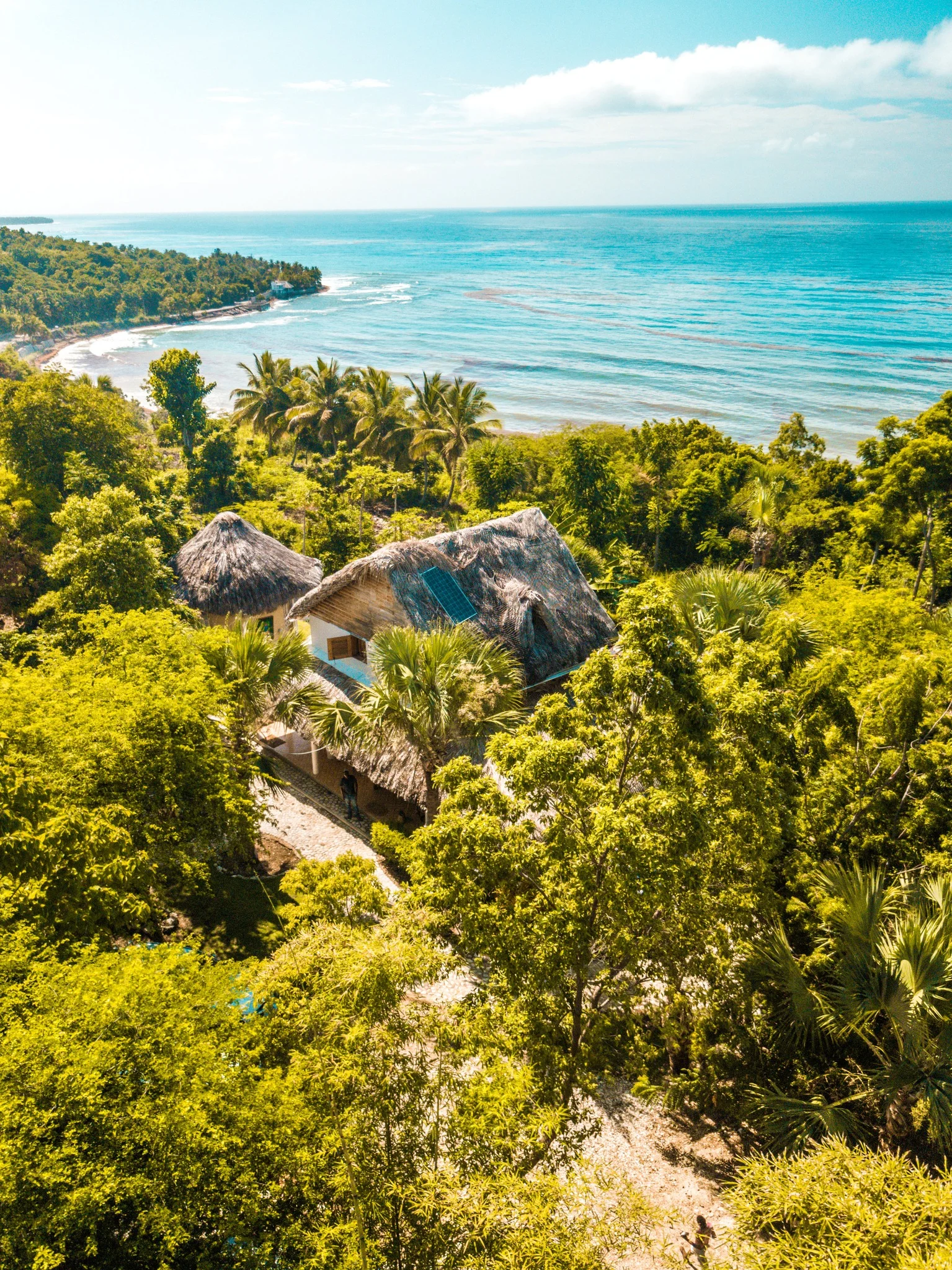
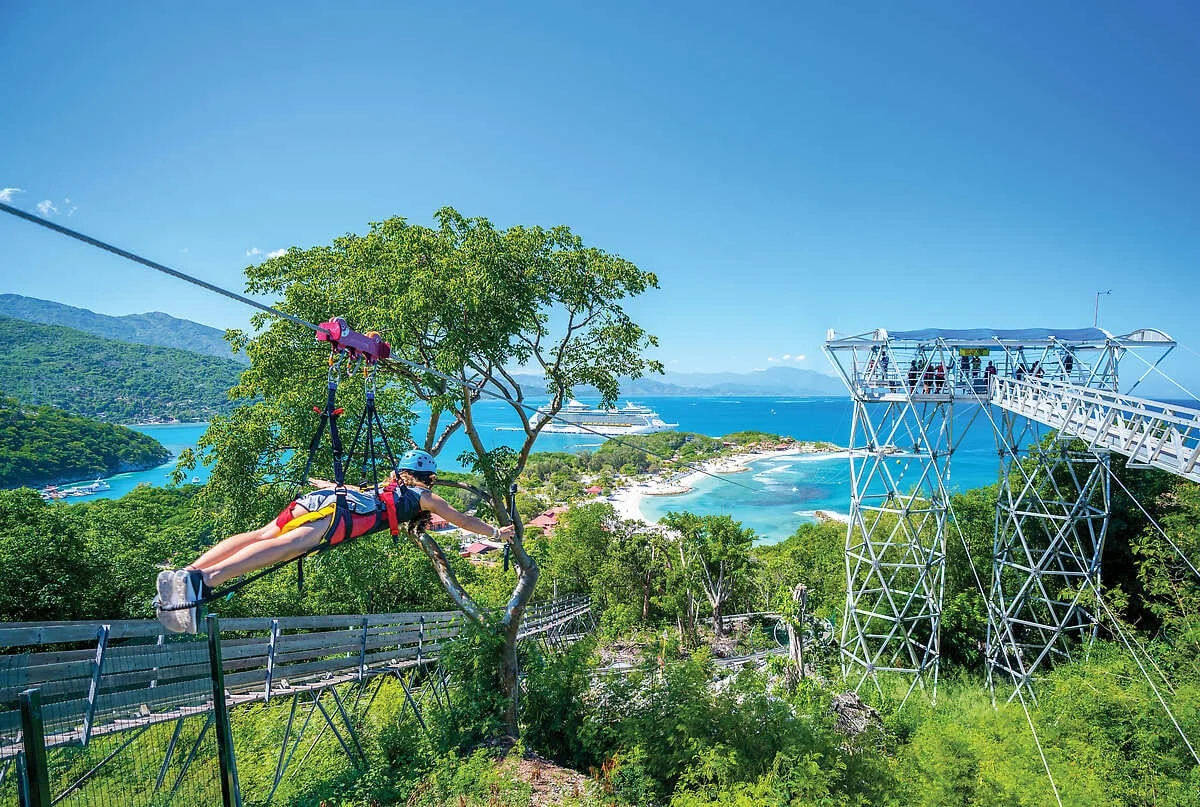
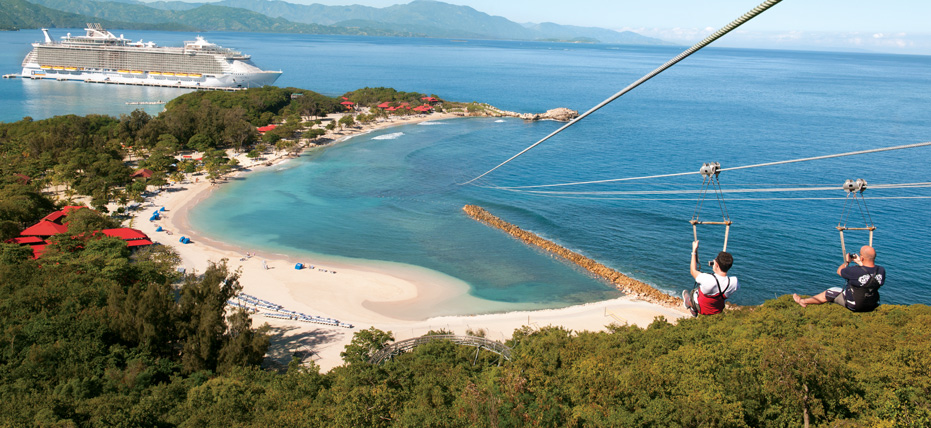
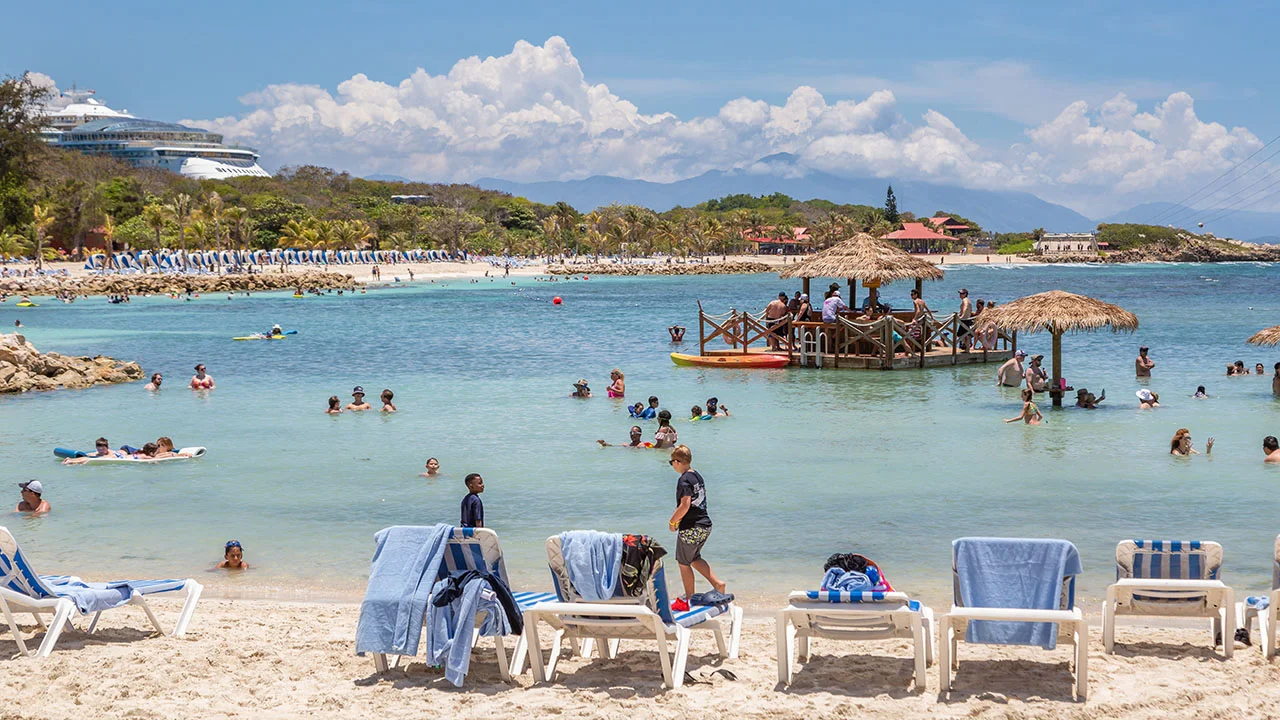
Haïti is blessed with spectacular natural landscapes, including white sand beaches, mountains and rich biodiversity.
Heritage
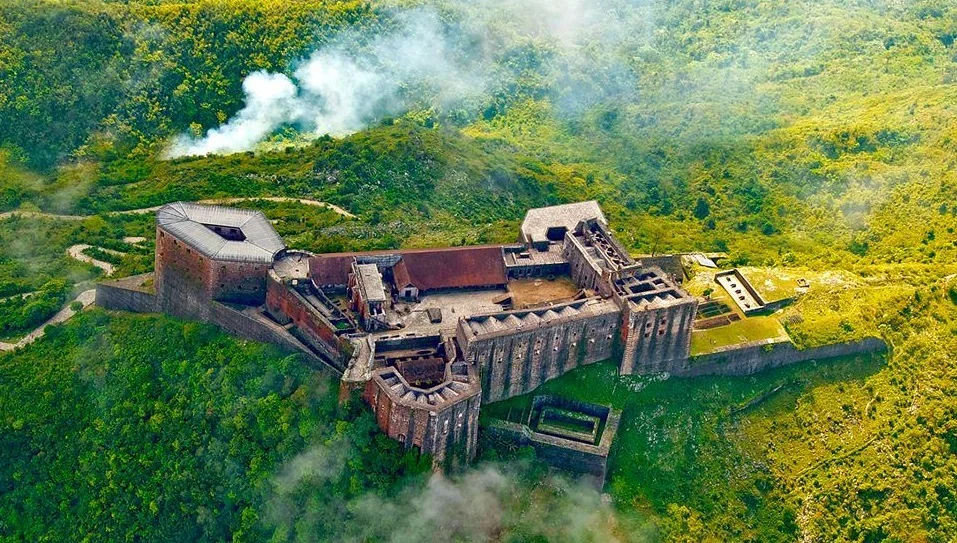
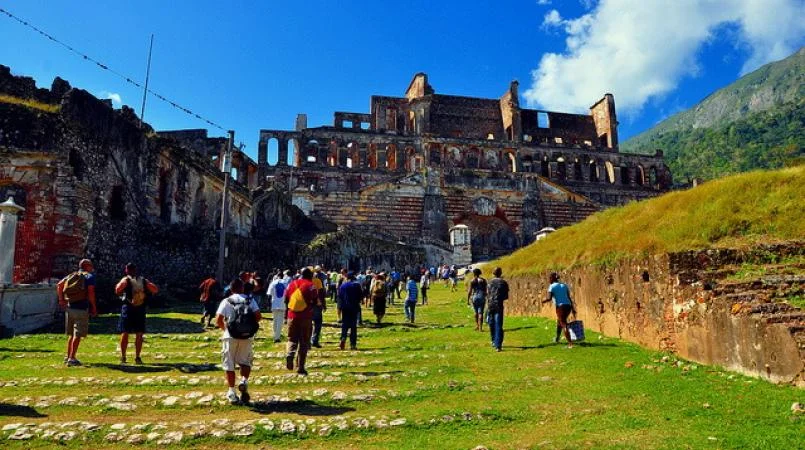
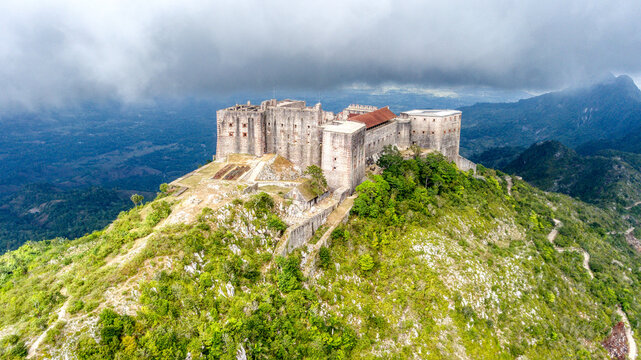
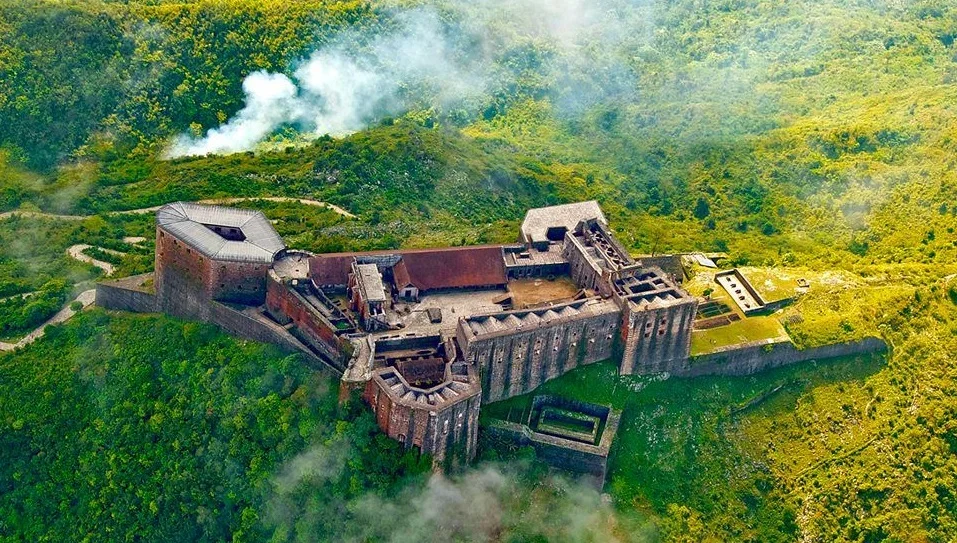
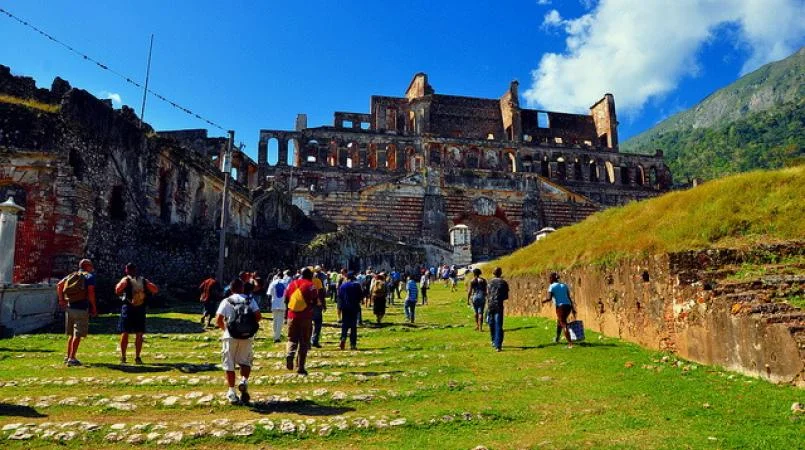
Haïti has a rich historical heritage, including sites like the Citadelle Laferrière and the Sans-Souci Palace, listed as UNESCO World Heritage Sites.
Culture
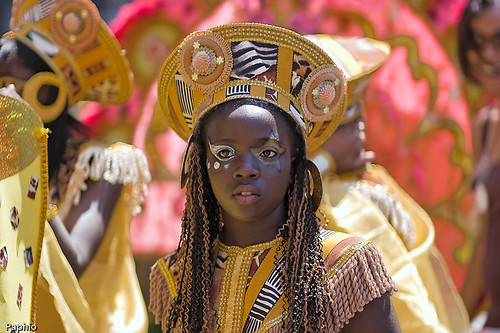
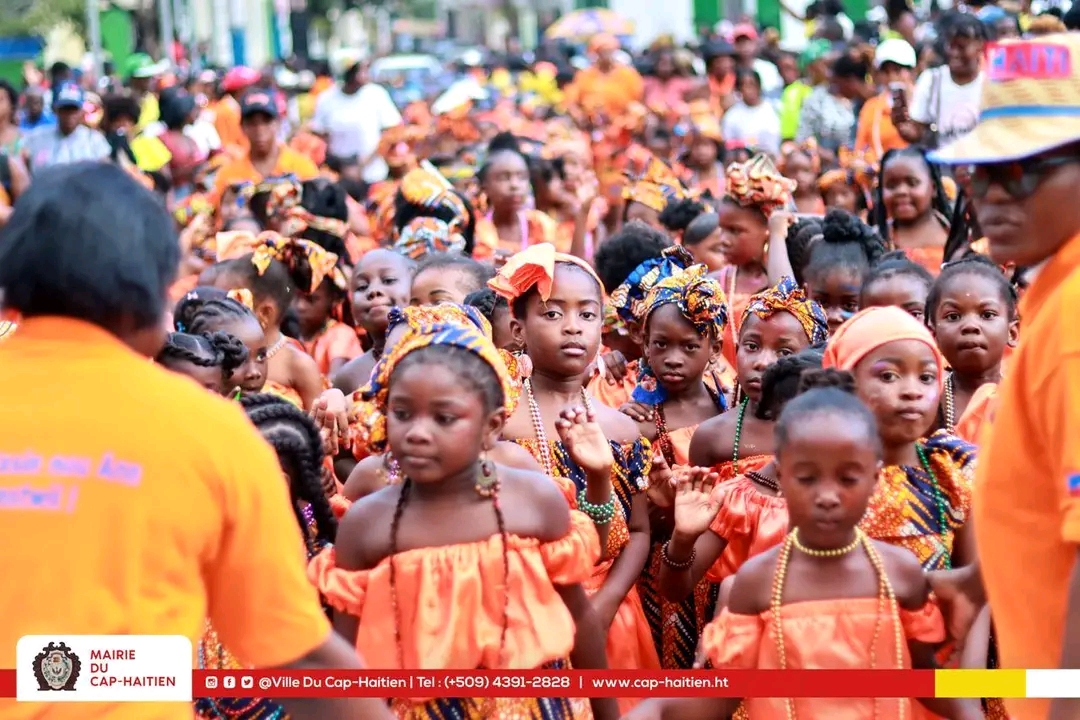
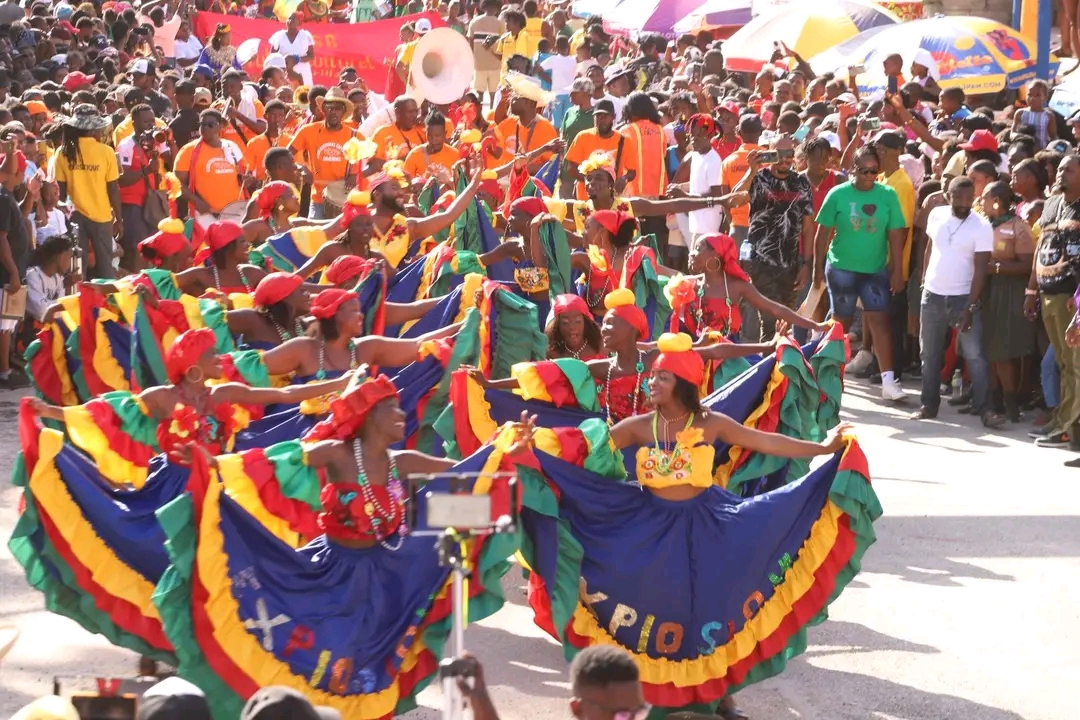
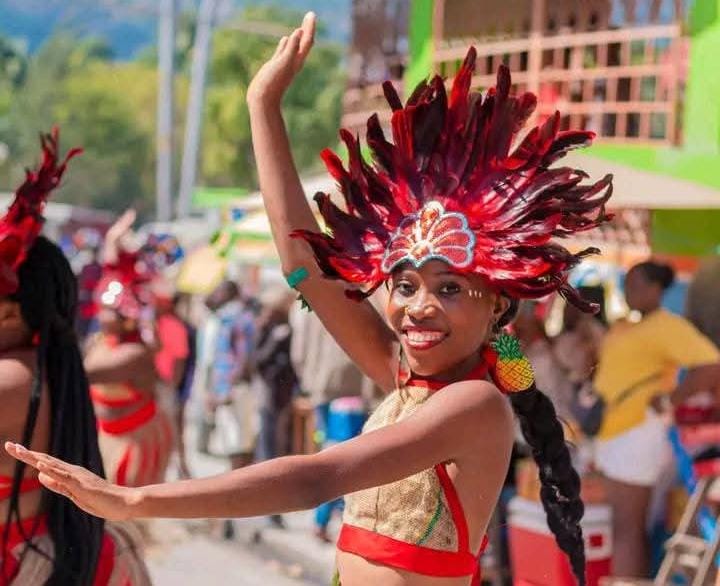
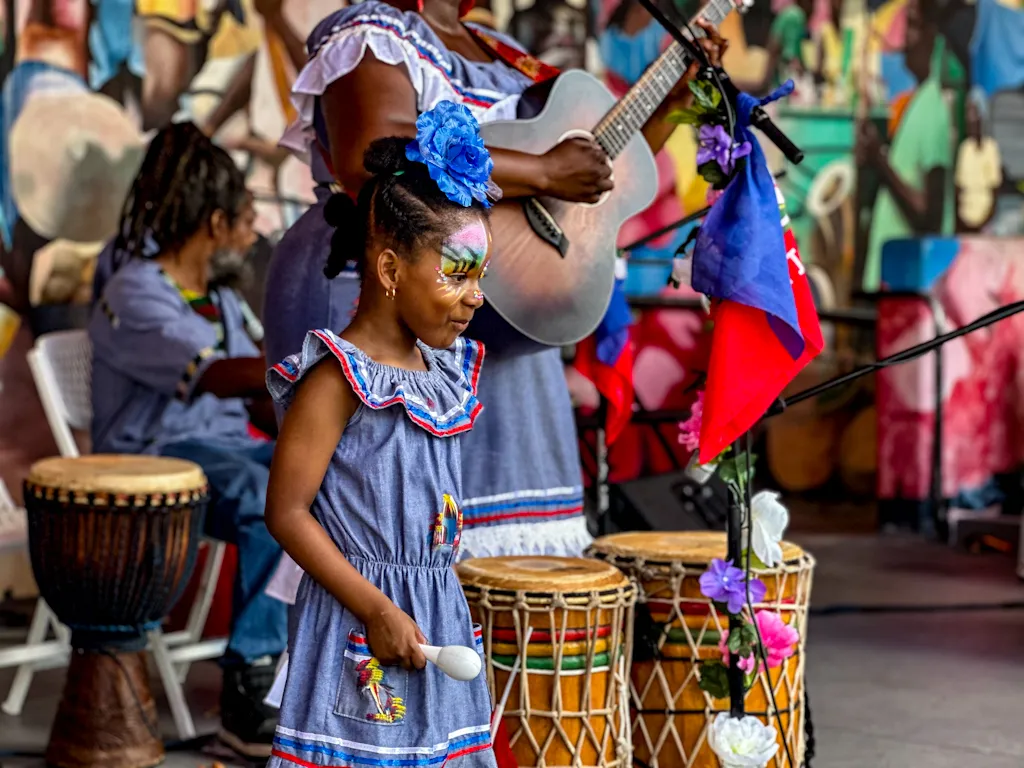
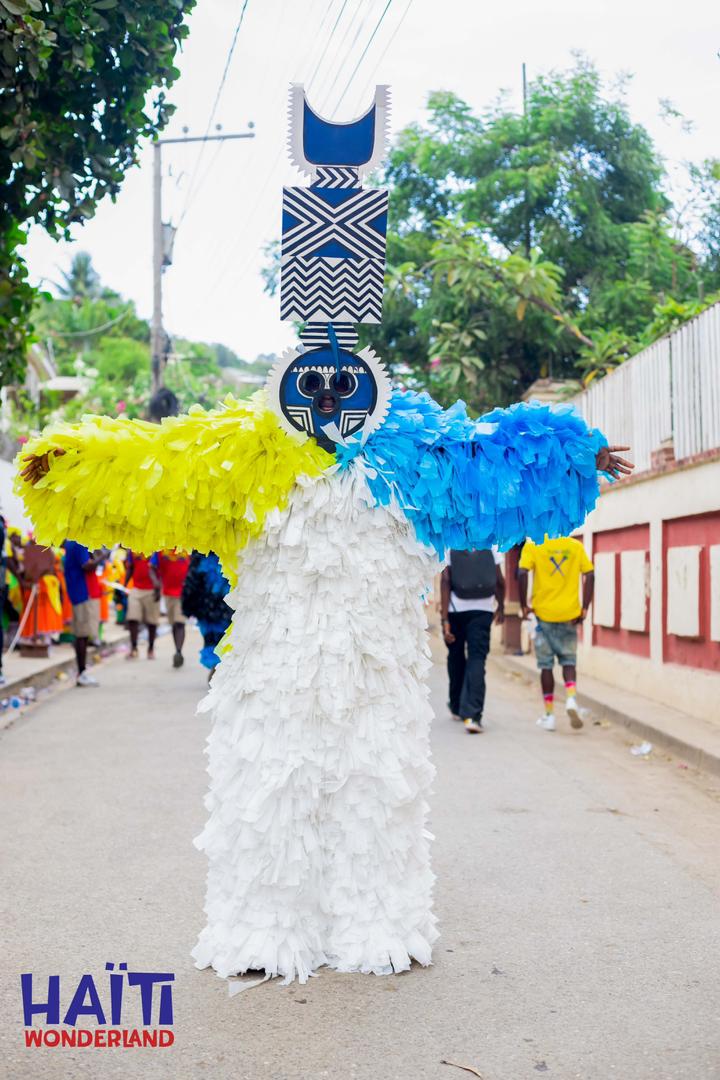
Haïti has a rich and diverse culture, influenced by African, European and indigenous elements. Haitian music, dance, art and cuisine are celebrated around the world.