contact@haitiwonderland.com+509 36184317

Discover

Shopping Cart

10 Typical Haitian Drinks and Desserts to Absolutely Savor

10 Typical Haitian Drinks and Desserts to Absolutely Savor

Haitian cuisine is full of unique flavors that reflect the authenticity and cultural richness of the country. Whether to celebrate a special occasion or simply for pleasure, Haitian drinks and desserts are a must. Discover 10 typical dishes that embody the culinary soul of Haiti.

Haïti
Haïti
Haïti

1. Dous Makòs

Originally from Petit-Goâve, dous makòs is a tricolor fudge that seduces with its melting texture and unique sweet taste. Prepared with condensed milk, sugar and spices, it is one of the most popular confections in Haiti.

This artisanal dessert is often enjoyed with family or offered as a gift, symbolizing the Haitian sweetness of life.

Haïti
Haïti
Haïti

2. Pain Patate

Pain patate is a rich and moist cake, prepared with sweet potatoes, coconut milk, spices like cinnamon, and sometimes raisins. This traditional dessert is a real delight, appreciated for its velvety texture and comforting aromas.

Perfect to accompany a coffee or a cup of tea, it is a must-have on Haitian tables.

Haïti
Haïti
Haïti

3. Bonbon Syrup

Bonbon syrup is a treat made from molasses, ginger and spices. Its slightly crunchy texture and intense taste make it an irresistible sweet.

This dessert is often associated with childhood memories and embodies the simplicity and authenticity of Haitian cuisine.

Haïti
Haïti
Haïti

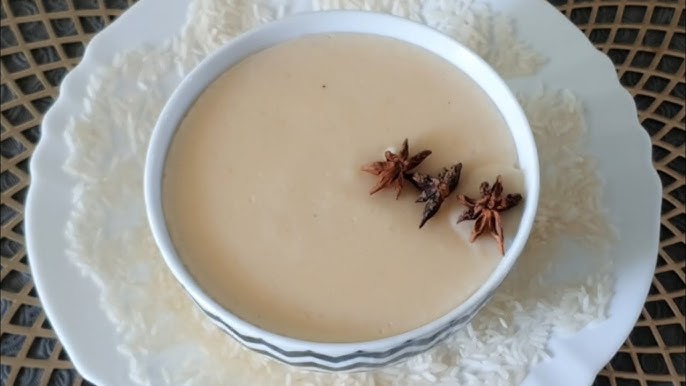
4. Akasan

A hot and creamy drink, akasan is prepared with corn flour, milk, cinnamon and nutmeg. Comforting and slightly sweet, it is ideal for cool mornings or relaxed evenings.

This drink is a symbol of conviviality and tradition, often shared with family.

Haïti
Haïti
Haïti

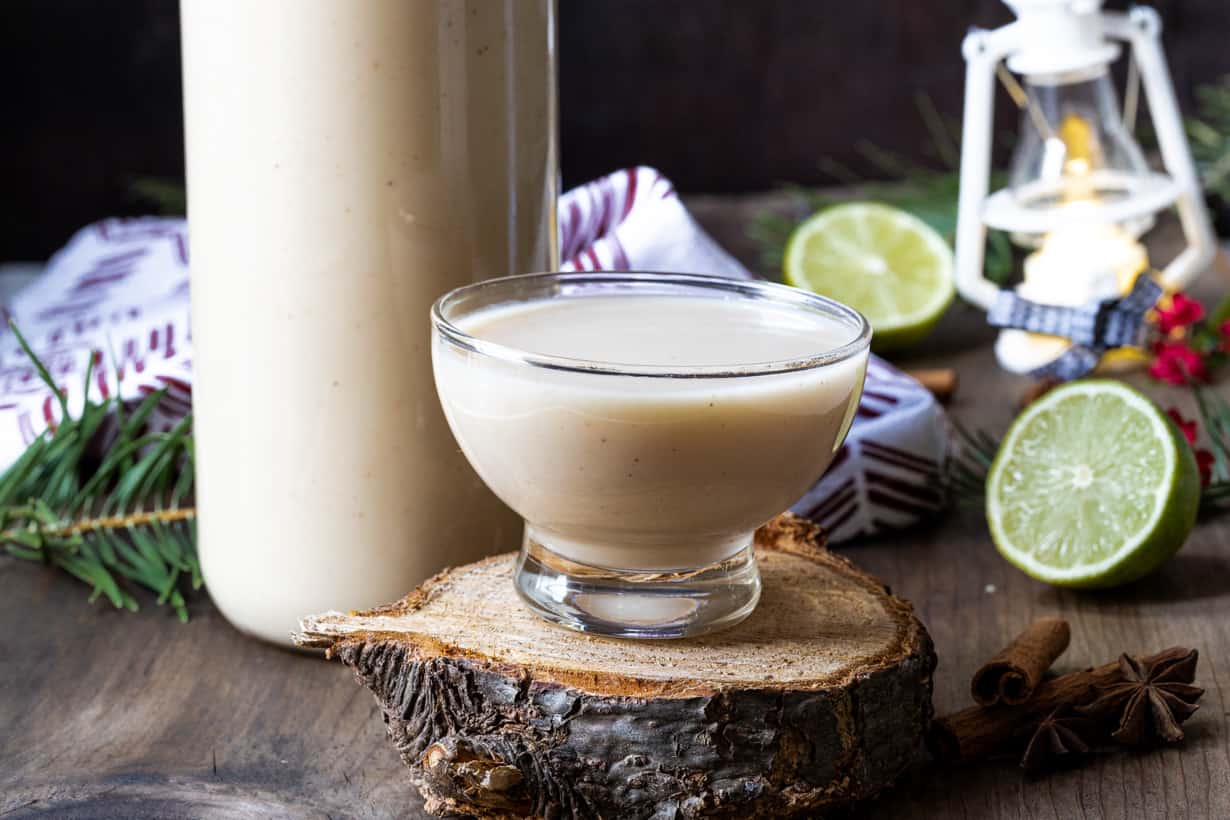
5. Kremas

Kremas is an essential festive drink, prepared with condensed milk, coconut milk, rum and spices. Soft and velvety, it is often served during parties or special celebrations.

With its rich taste and unique character, it is appreciated by all generations.

Haïti
Haïti
Haïti

6. Konparèt

Originally from the South of Haiti, konparèt is a dense and fragrant pastry, made with coconut, ginger and flour. This spicy dessert is perfect to accompany a coffee or simply to treat yourself.

Its traditional recipe is a culinary heritage that reflects the know-how of Haitian artisans.

Haïti
Haïti
Haïti

7. Tablèt Cocoye

The tablèt cocoye is a treat made from grated coconut and sugar, sometimes flavored with vanilla or spices. This crunchy dessert is simple but incredibly tasty.

It is often enjoyed during parties or moments of relaxation, recalling the importance of local products in Haitian gastronomy.

Haïti
Haïti
Haïti

8. Tablèt Pistach

Similar to the tablèt cocoye, but made with peanuts, the tablèt pistach is a sweet treat that combines the crunch of peanuts and caramel. It is perfect to satisfy small hunger pangs or to accompany a hot drink.

Easy to take away, it is one of Haitians’ favorite sweets.

Haïti
Haïti
Haïti

9. Confiture Chadeque

Made from Haitian grapefruit, chadeque jam is both sweet and slightly bitter. Spread on bread or eaten with a spoon, it brings a refined touch to any meal.

Its artisanal preparation makes it a true culinary treasure.

Haïti
Haïti
Haïti

10. Bonbon Amidon

The bonbon amidon is a delicate dessert made with corn starch, milk and sugar. Its soft and melting texture makes it an ideal sweet to end a meal or to accompany a moment of relaxation.

This traditional dessert is a true classic, appreciated for its simplicity and authenticity.

A Taste Journey Through Haiti

These 10 typical drinks and desserts illustrate the richness and diversity of Haitian cuisine. Each recipe tells a story, reflects a tradition and invites you to discover the soul of Haïti through its unique flavors.

For a memorable culinary journey, indulge in these Haitian delights and savor the authenticity of a culture deeply attached to its roots.

Share
About the Author
Appolon Guy Alain
Appolon Guy Alain
Appolon Guy Alain

Full Stack Developer, Créatif, expérimenté, passionné des nouvelles technologies et de l’art.

See other articles from Appolon Guy Alain
Samuel

Ce sont les plus bonnes choses que j'ai mangé durant toute ma vie. Et oui je confirme que vous allez les adorer !!

March 16, 2026 - 11:41:43 AM
Leave a comment

Recently Posted

Holidays in Haiti

Haiti, the pearl of the Antilles, is a country rich in history and culture. Its public holidays are moments of celebration, commemoration and reflection on its glorious past. Each date has a special meaning, plunging Haitians into a festive and memorable atmosphere. b~January 1: National Independence Day and New Year~b January 1st is a doubly special day in Haiti. On the one hand, it is National Independence Day, commemorating the victory of Haitian slaves over French colonial forces in 1804. On the other hand, it is New Year’s Eve, marking the start of a new year full of promises and hopes. b~January 2: Feast of the Forefathers~b January 2 is dedicated to the memory of ancestors. It is an opportunity for Haitians to remember their roots, to celebrate the cultural heritage passed down from generation to generation. b~February: Carnival, Shrove Monday, Fat Tuesday, Ash Wednesday~b The month of February is marked by Carnival, one of the most colorful and dynamic festivities in Haiti. The streets fill with parades, lively music and wild dancing. Mardi Gras is the culmination of Carnival, followed by Ash Wednesday, marking the start of Lent. b~April: Easter, Maundy Thursday, Good Friday~b Easter celebrations in Haïti include the religious traditions of Maundy Thursday and Good Friday. It is a time of prayer and reflection for many Haitians. b~May 1: Agriculture and Labor Day~b May 1 is dedicated to celebrating the work and importance of agriculture in the life of the country. It is an opportunity to recognize the efforts of workers and to highlight the agricultural sector. b~May 18: Flag Festival~b Flag Day celebrates the Haitian flag, a symbol of independence and national pride. Haitians honor their colors and remember the courage of their ancestors in the fight for freedom. b~May 23: National Sovereignty Day~b This day commemorates the recognition of Haitian sovereignty by France in 1805. It is a moment of national pride and reaffirmation of independence. b~May - August: Ascension~b The Ascension is celebrated between May and August, a religious festival marking the ascension of Jesus Christ into heaven. b~June: Fête-Dieu~b Fête-Dieu, also known as the Feast of the Body and Blood of Christ, is an important religious celebration in June. b~August 15: Assumption of Mary~b The Assumption of Mary is a Christian holiday marking the ascension of the Virgin Mary into heaven. It is celebrated with fervor in Haiti. b~September 20: Birth Anniversary of Jean-Jacques Dessalines~b This date commemorates the birth of Jean-Jacques Dessalines, one of the founding fathers of Haïti and a key leader in the struggle for independence. b~October 17: Death of Dessalines~b October 17 is a day of commemoration of the death of Jean-Jacques Dessalines, recalling his impact on Haitian history. b~November 1: All Saints’ Day~b All Saints’ Day is a religious holiday honoring all saints, celebrated with prayers and visits to cemeteries. b~November 2: Day of the Dead~b All Souls’ Day is an opportunity to pay homage to the deceased by decorating graves and participating in religious ceremonies. b~November 18: Commemoration of the Battle of Vertières~b This day honors the decisive Haitian victory at the Battle of Vertières in 1803, marking the end of the French occupation. b~December 5: Discovery Day~b December 5 celebrates the discovery of the island by Christopher Columbus in 1492. b~December 25: Christmas~b Christmas celebrations in Haïti are marked by family reunions, festive meals and religious traditions. Public holidays in Haïti are much more than breaks from everyday life; these are moments that embody the soul and resilience of a people. Each celebration provides an opportunity to come together, remember the past and look to the future with hope and determination.

Newsletter

Subscribe to our newsletter to stay informed of all our activities and news on Haiti.

Jean-Jacques Dessalines, leader of the Haitian Revolution

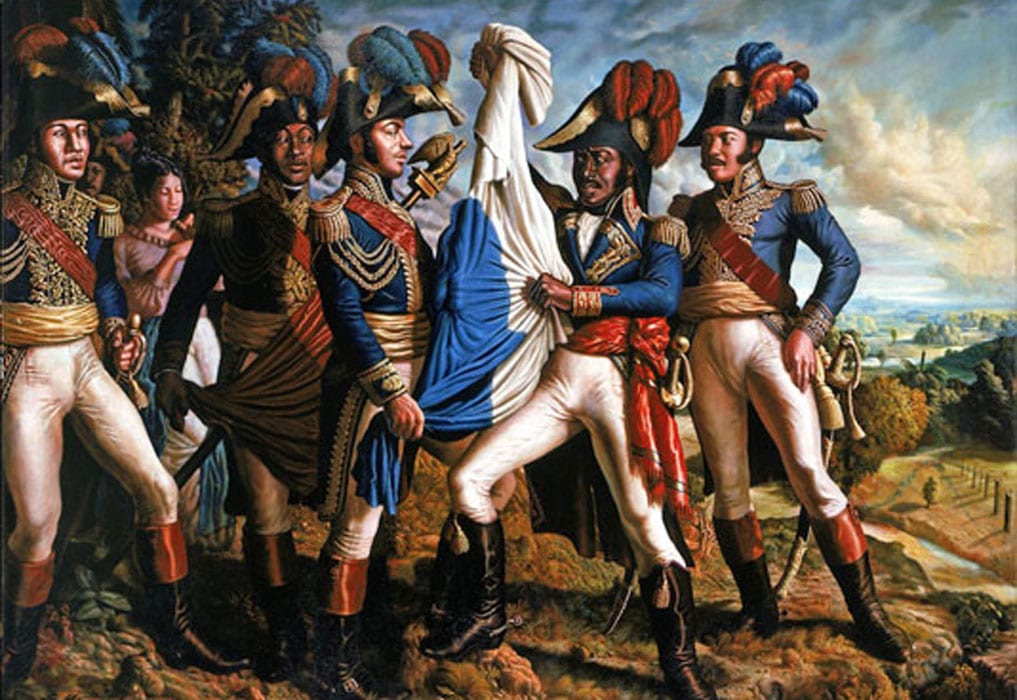
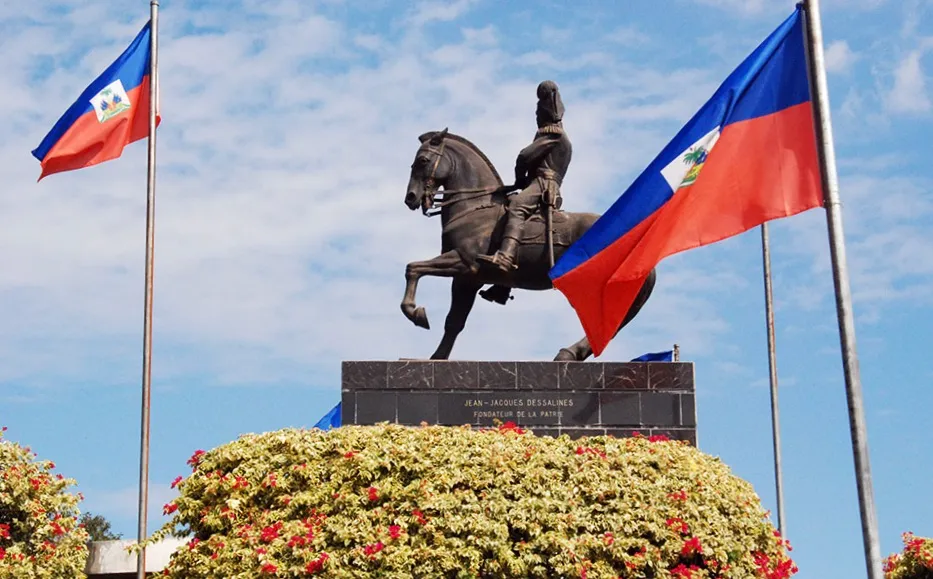
In the annals of the history of Haiti, an island located in the Caribbean at the entrance to the Gulf of Mexico and shared with the Dominican Republic, Jean-Jacques Dessalines emerges like a phoenix from the ashes of oppression. Born a slave on September 20, 1758 in the home of Henri Duclos, in Cormier (Grande-Rivière-du-Nord), in the French colony of Saint-Domingue, Dessalines was a Creole of African (Afro-Caribbean) origin. Freed during the 1794 abolition achieved through slave revolts, actually served as an officer in the French army during the French Revolution. At that time, the ideas of freedom and equality were at the heart of the concerns of the inhabitants of the colonies. Dessalines actively participated in the fighting against the Spanish and British forces, alongside the French, in Santo Domingo. Having risen to the rank of Lieutenant General, Jean-Jacques Dessalines turned against the French during the Leclerc expedition, sent to Saint-Domingue by Bonaparte to reestablish colonial authority and slavery during the Haitian Revolution. After the capture and deportation of Toussaint Louverture to France on June 7, 1802, Dessalines assumed a leading role in continuing the struggle for independence. He led numerous battles, including the battle of Crête-à-Pierrot in March 1802, where he galvanized his soldiers with his famous declaration: “Let those who want to remain slaves of the French leave the fort, let those, on the contrary, who want to die as free men, line up around me.” On January 1, 1804, Jean-Jacques Dessalines achieved the long-awaited goal of independence by proclaiming Haïti as a sovereign nation, becoming the second country in the Americas to gain independence from a colonial power. He became the first leader of the newly formed nation and was named Emperor under the name James I. However, his imperial reign was marked by authoritarian and brutal policies, including the massacre of many white settlers and the redistribution of land to peasants that was in the hands of the generals of the independence army. In addition, he organized the hunt for delinquents in the city while implementing rigorous agrarian policies, considering that they represented a threat to the stability of the nation, these controversial actions caused divisions within Haitian society. Dessalines was assassinated on October 17, 1806 following a plot organized by some of his generals in the Haitian army. His death marked the end of his brief but influential period in power. Despite the controversies surrounding his methods, he is recognized as the main architect of Haiti’s independence and his name was honored in 1903 by being attributed to the Haitian national anthem, La Dessalinienne, composed by Justin Lhérisson.Finally, the great visionary man Jean Jacques Dessalines remains an emblematic figure in the history of Haiti, recognized for his role in the fight for independence and the end of slavery in the region.

Haiti: Discover the Magic of the Pichon Waterfall in Belle-Anse: A Natural Treasure to Explore

Located in the heart of southeastern Haiti, the Pichon Waterfall emerges as a natural gem, providing a breathtaking experience for visitors seeking adventure and natural beauty. Nestled in the lush greenery of the Belle-Anse region, this majestic waterfall amazes with its imposing height and its crystal clear waters which cascade down the rocks with grace. The Pichon waterfall is much more than just a natural wonder; it is a place steeped in history and legends, captivating visitors with its mystical ambiance. According to local tradition, it would have been a gathering place for indigenous communities, testifying to the cultural richness of the region. For outdoor enthusiasts and adventure-seeking travelers, Pichon Waterfall offers a myriad of exciting activities. Scenic hikes through the surrounding jungle lead to spectacular viewpoints of the waterfall, offering unforgettable opportunities to take stunning photos. Additionally, travelers can refresh themselves in the crystal clear waters of the waterfall, letting themselves be enveloped by the revitalizing freshness of nature. The more adventurous can even venture to swim in the natural pools formed by the waterfall, creating lasting memories of their visit to Belle-Anse. As an emerging tourist destination, Pichon Waterfall also offers a unique opportunity to experience local culture and support surrounding communities. Visitors can explore the nearby picturesque villages, discover local crafts and taste delicious traditional Haitian cuisine. Whether you are a nature enthusiast, an adventure lover or simply in search of tranquility and beauty, the Pichon waterfall in Belle-Anse invites you to immerse yourself in a world of natural wonders and unforgettable discoveries. Come discover this hidden treasure and let yourself be seduced by the magic of the Pichon waterfall, an unforgettable experience in the heart of Haiti.

Recently Posted

History

History

First black nation to free itself from slavery and gain independence from France in 1804 and influenced other liberation movements around the world, inspiring struggles for freedom and equality.

Natural beauty

Natural beauty

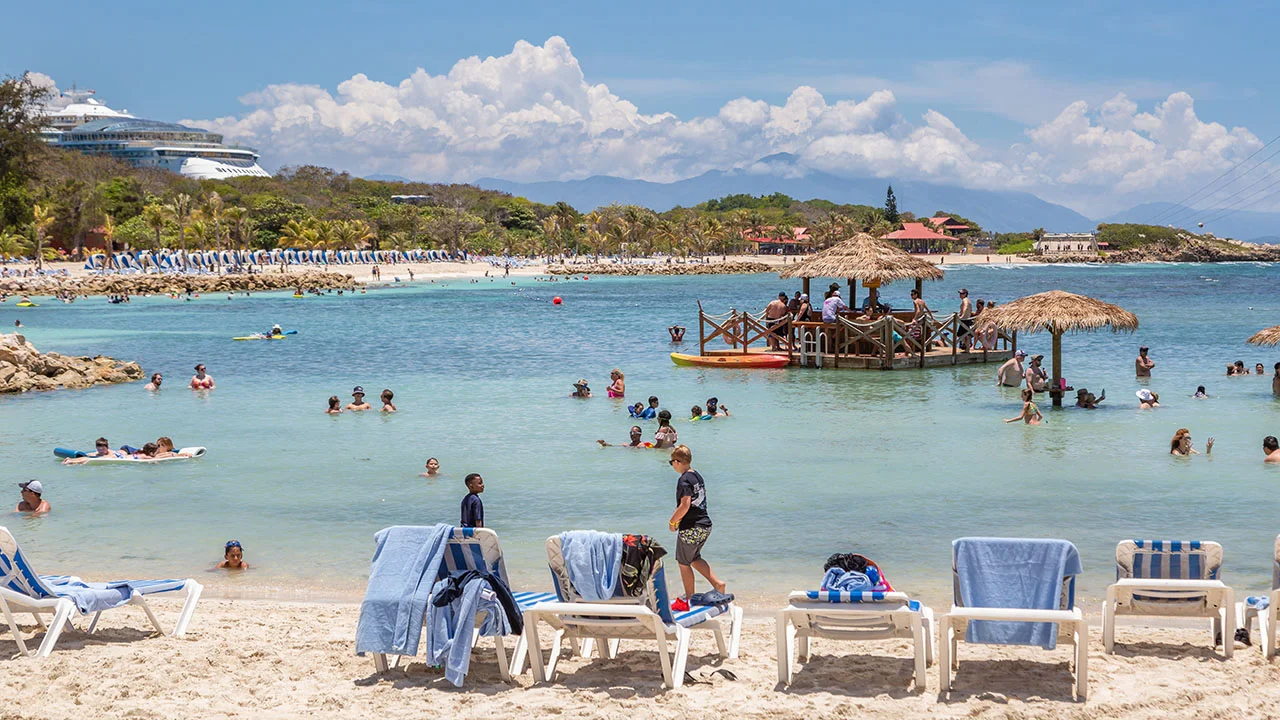
Haïti is blessed with spectacular natural landscapes, including white sand beaches, mountains and rich biodiversity.

Heritage

Heritage

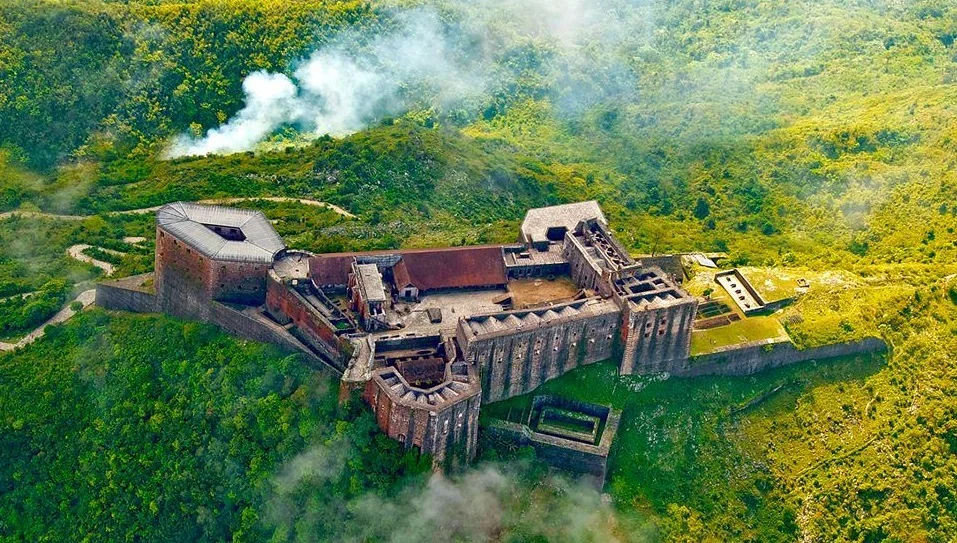
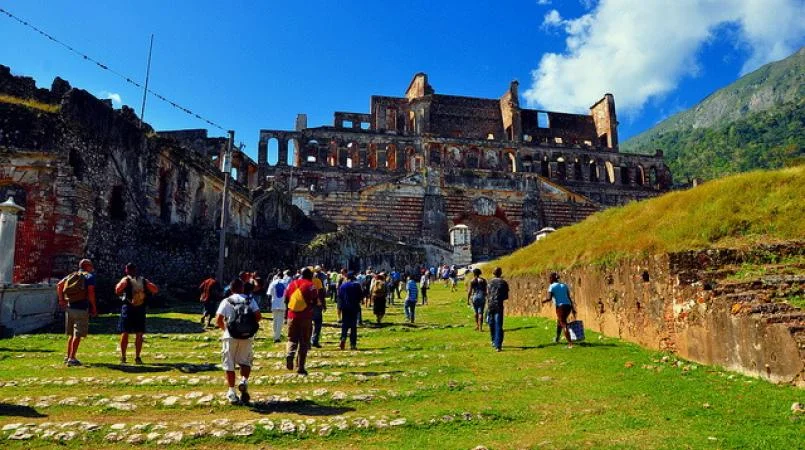
Haïti has a rich historical heritage, including sites like the Citadelle Laferrière and the Sans-Souci Palace, listed as UNESCO World Heritage Sites.

Culture

Culture

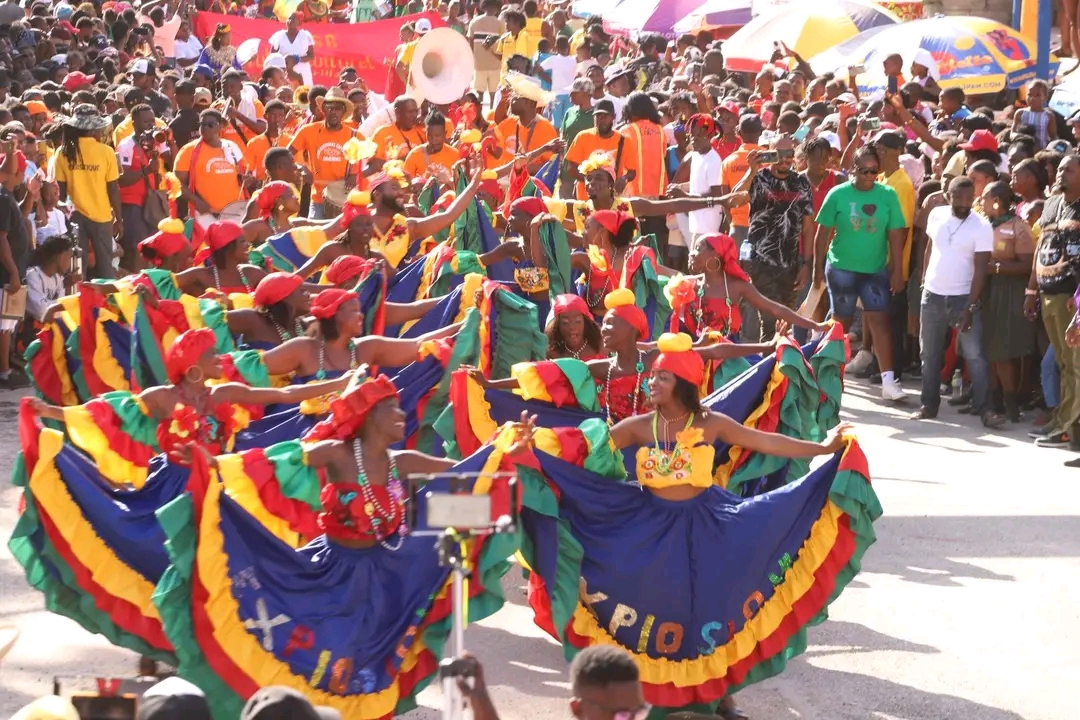
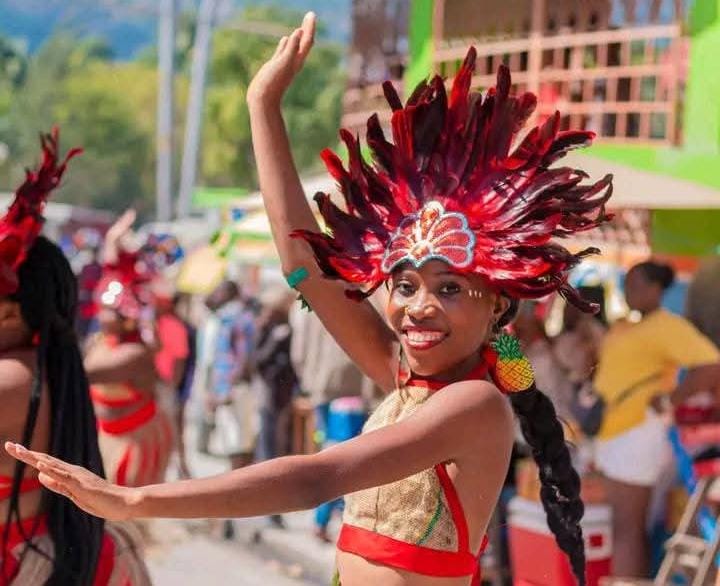
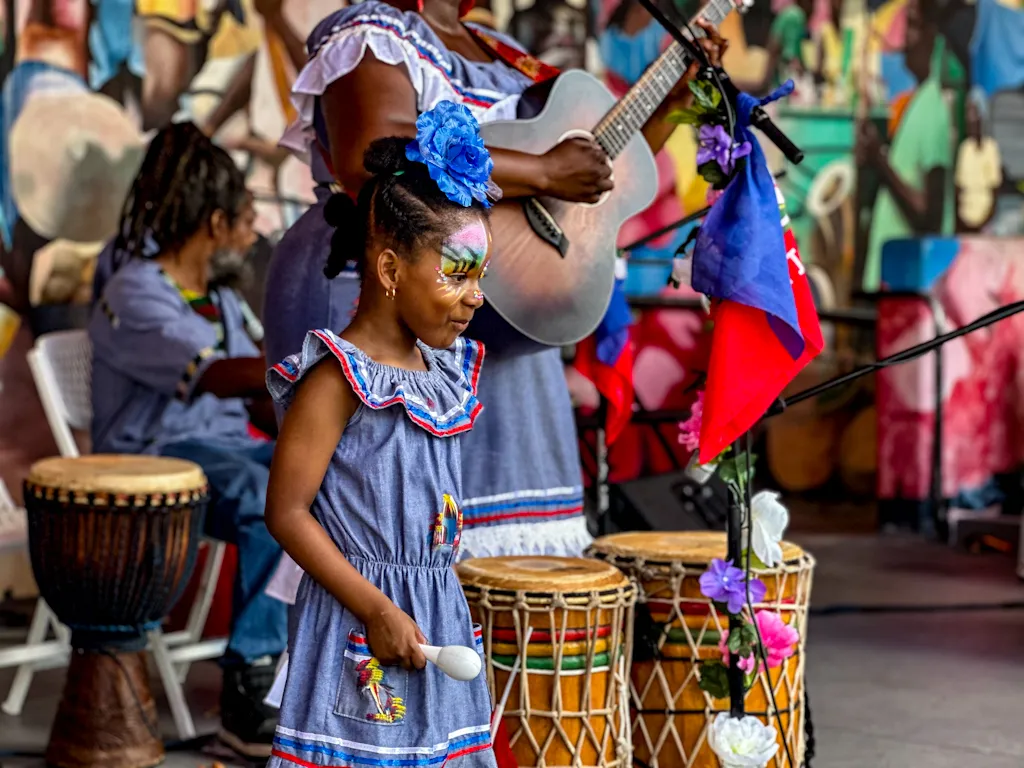
Haïti has a rich and diverse culture, influenced by African, European and indigenous elements. Haitian music, dance, art and cuisine are celebrated around the world.

  • +
    • Post