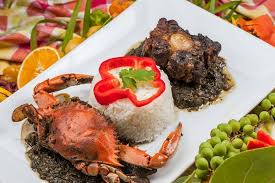




Ingredients:
500 g smoked herring
1 onion, 1 bell pepper, 1 carrot (finely chopped)
2 garlic cloves, 1 chili pepper (optional)
100 ml white vinegar, 50 ml vegetable oil
Black pepper, fresh parsley, lemon juice (optional)
Smoked herring chiquetaille, or chiktay aransò, is perfect as a starter or side dish with bread or cassava.
Read the article in :
500 g smoked herring
1 onion, 1 bell pepper, 1 carrot (finely chopped)
2 garlic cloves, 1 chili pepper (optional)
100 ml white vinegar, 50 ml vegetable oil
Black pepper, fresh parsley, lemon juice (optional)
1. Desalinate the herring: Boil for 1 minute, soak for 10 minutes, drain, and flake.
2. Mix: Add the onion, bell pepper, carrot, garlic, and chili pepper. 3. Season: Stir in the vinegar, oil, and pepper.
4. Let marinate: Refrigerate for at least 2 hours.
5. Serve: Sprinkle with parsley and serve with bread or cassava.

Facebook : https://www.facebook.com/haitiwonderland
Youtube : https://www.youtube.com/@haitiwonderland
Instagram : https://www.instagram.com/haitiwonderland/
Twitter : https://twitter.com/haitiwonderland
Linkedin : https://www.linkedin.com/in/haitiwonderland/
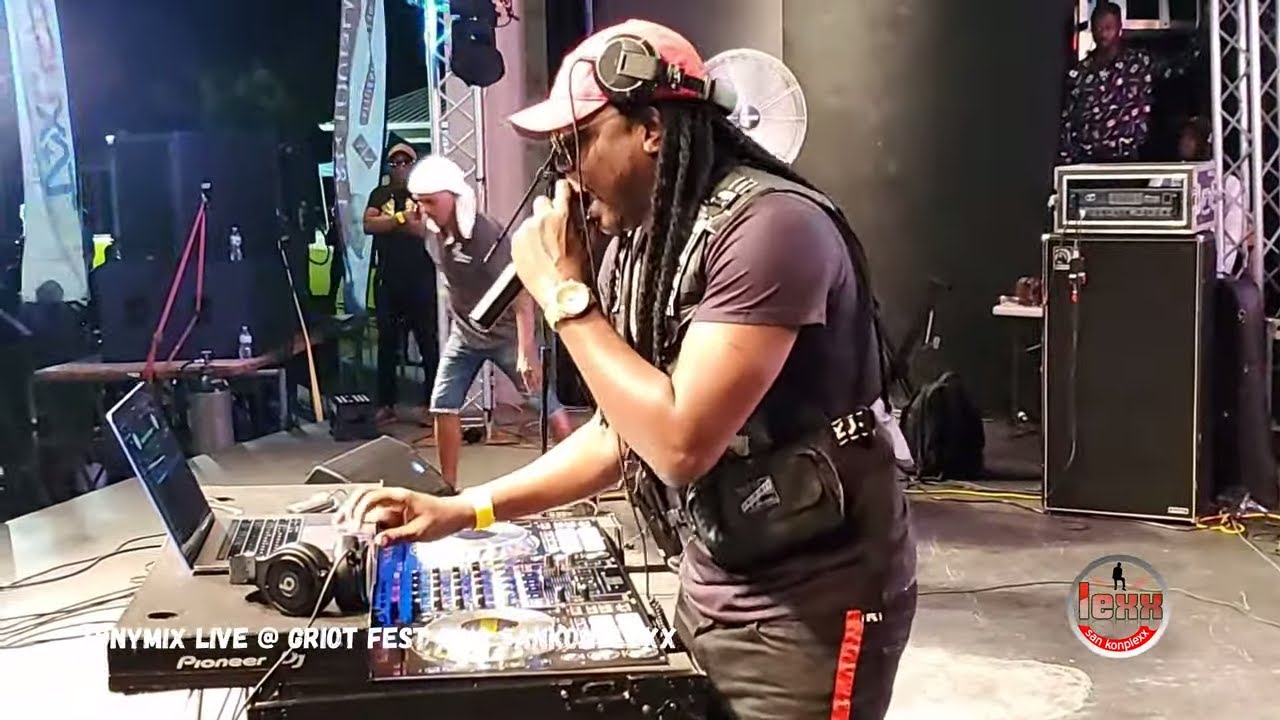
Music has always been an essential part of Haïtian culture, and among the many genres that have emerged from this Caribbean island, Compas holds a special place. It is a musical style that carries with it the history, cultural diversity and vibrant energy of Haïti. b~Origins and Evolution~b The Compas Haïtien, also known as Kompa, has deep roots in Haïtian and African musical traditions. Its development was influenced by genres such as Dominican merengue, Cuban salsa, jazz and even rock. This fusion of styles has resulted in a distinctive sound that embodies the cultural richness and diversity of Haïti. The Haïtian Compass has evolved over the decades, moving from a more traditional style to more modern and sophisticated forms. Iconic artists such as Nemours Jean-Baptiste and Tabou Combo helped shape the genre and propel it onto the international music scene. b~The Characteristics of the Compass~b Le Compas Haïtien is characterized by its intoxicating rhythm and complex arrangements. Traditional instruments such as guitar, saxophone, drums, and of course, bass, play a crucial role in creating this catchy music. The lyrics, often sung in Haïtian Creole, address varied themes, from love and joy to social and political issues. Dance is an inseparable component of the Haïtian Compass. The irresistible rhythms encourage the dancers to sway to the music. Traditional dance moves, such as "Kompa Direk" and "Kompa Love," reflect the joyful expression and sensuality that characterize this musical genre. b~Global Influence~b Over the years, the Haïtian Compas has transcended the borders of Haïti to conquer the international stages. Haïtian artists helped popularize the genre around the world, bringing with them the warmth and vitality of Haïtian culture. Music festivals dedicated to Compas attract fans from around the world, providing an immersive experience of this catchy music. The Haïtian Compass is much more than a musical genre; it is a standard bearer of Haïtian culture, a mirror reflecting the history, diversity and resilience of the Haïtian people. Discovering the Haïtian Compas means diving into a world of captivating rhythms, passionate dances and captivating stories, while celebrating Haïti’s unique musical heritage. Whether you are a world music lover or simply curious about new experiences, the Compas Haïtien is an invitation to an unforgettable sound journey.
The Center department, commonly called Plateau Central, is one of the ten (10) departments of Haïti most robust in the face of certain natural phenomena. Before becoming one of the ten (10) departments of Haiti, the Center department was part of the Great North. It is renowned for its natural landscapes, its biosphere climate and its resistance to certain natural phenomena. In addition to its natural productions such as corn, millet and livestock, the Center department is also known for its high mountains which constitute a robust defense against certain natural phenomena such as earthquakes and floods. Composed mainly of high mountains, the department of Charlemagne Peralte and Benoît Batravil is the only one of the ten (10) not to have an outlet to the sea. However, its inhabitants take advantage of the vast rivers, rivers and lakes which cross it . With an area of 3,487 km², the population of the Center department is estimated at 678,626 according to a study carried out in 2009. On this same area, the department is divided into four (4) districts and twelve (12) communes. Bordered to the east by the Dominican Republic, the Center department connects other departments of the country such as Nord and Artibonite, and connects the two countries of the island through border areas like Balladère, Hinche and Cerca Carvajal. In the Center department, there are sites that could attract tourists for their natural beauty. In Saut d’Eau, there is the Saut d’Eau waterfall, in Hinche we find the Zim basin, the Péligre lake, the Péligre hydroelectric dam, the Artibonite river, and the Deux river (2 ) Rooms in Thomonde, more precisely in "El Manni", not far from the communal section of Caille-Epin. Thanks to its strong mountains and its natural climate, the Center department remains one of the most resistant departments in the event of an earthquake in Haiti.
Subscribe to our newsletter to stay informed of all our activities and news on Haiti.
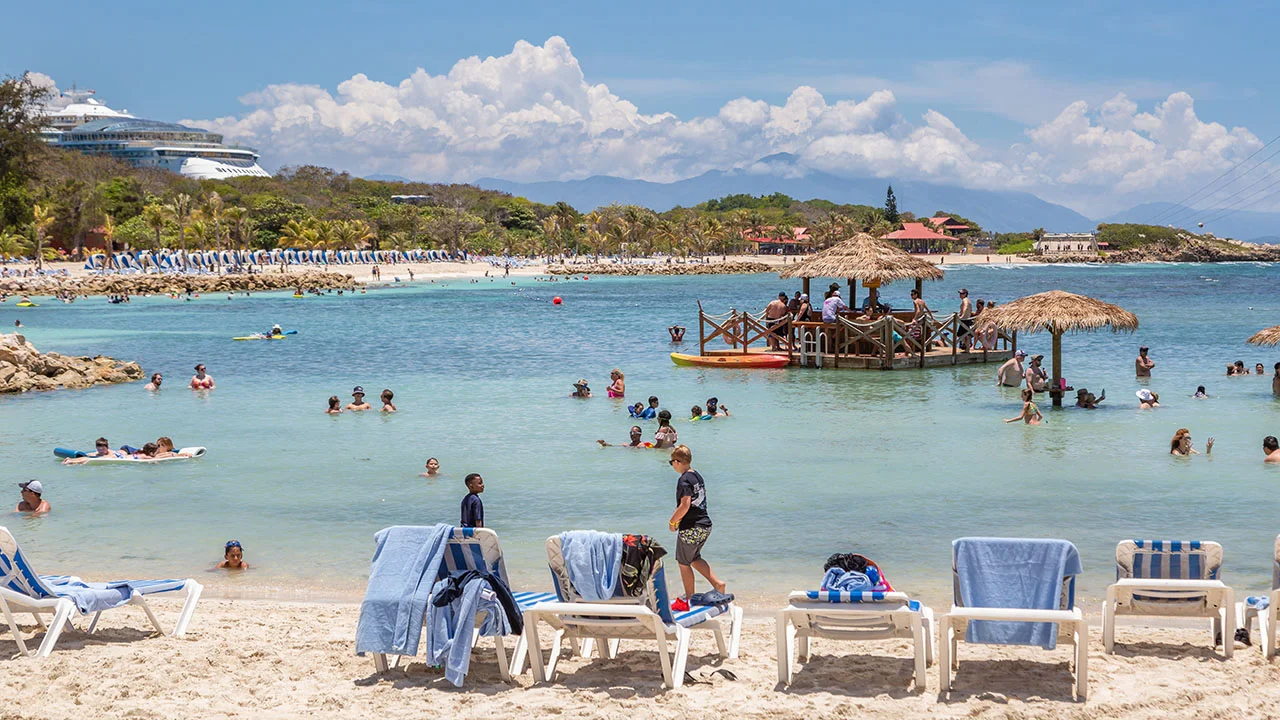
Summer in Haiti, a vibrant and sunny time, is much more than just a season. It is a celebration of life, culture and nature in this Caribbean country. Let me take you on a journey through the different facets of the Haitian summer, where the sun shines brightly, music resonates and nature flourishes.
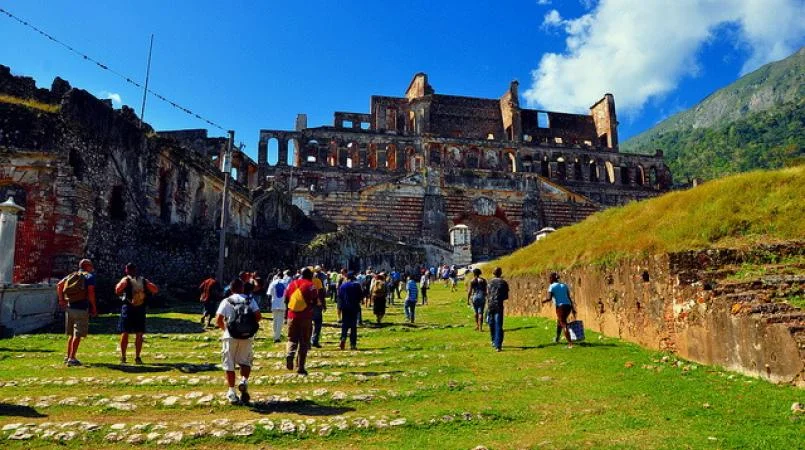
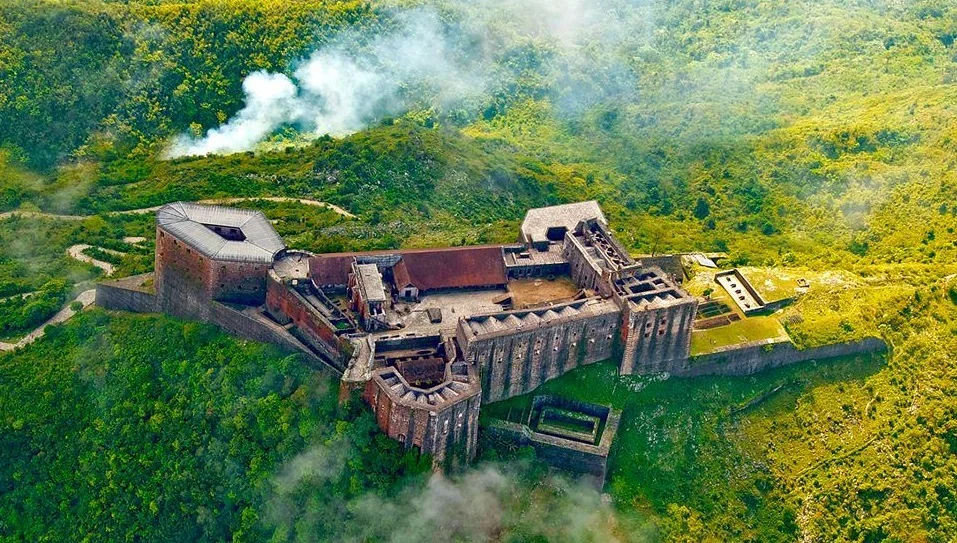
Among the world’s architectural and historical treasures, the Citadelle Laferrière, perched high in the north of Haiti, occupies a unique place. Dubbed by some the “Eighth Wonder of the World,” this colossal fortress is much more than a feat of engineering: it is a powerful symbol of freedom, resilience, and national pride. Discover why this impressive site continues to captivate visitors from around the world and deserves this honorary distinction.
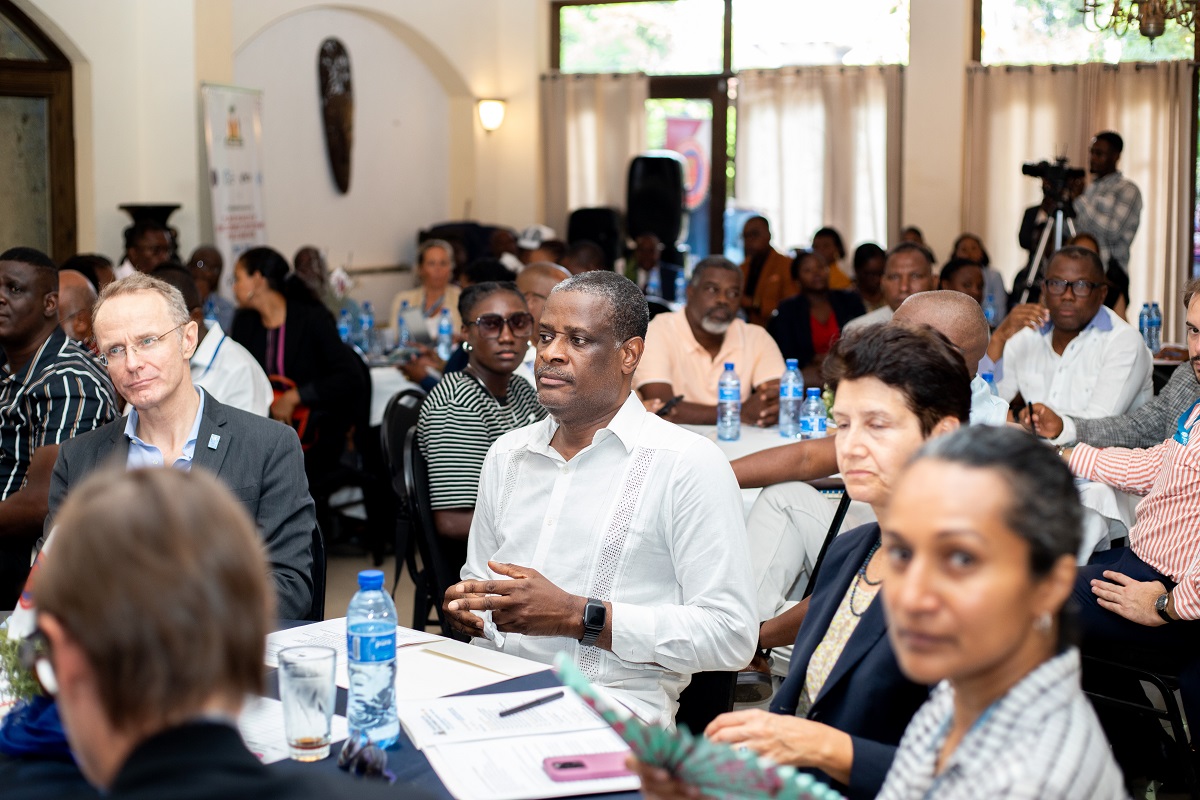
The second edition of the Port-au-Prince Book Fair is scheduled for Friday, December 13, 2024, at the premises of the French Institute in Haiti, from 9 a.m. to 3 p.m. "Politics, dictatorship and literature in Haiti" is the theme chosen for this second edition. "We chose this theme because of the senior authors who should be with us for this edition. These themes are very present through their works," Emmanuel Pacorme, general coordinator of the organization behind the fair, told us. Indeed, this great literary celebration, which is mainly for the benefit of young authors, will be delighted with the presence of three of the greatest contemporary Haitian writers, a reference to the immortals Marc Exavier, Évelyne Trouillot and Dédé Dorcely.
Originally from Bainet and raised in Petit-Goâve, Haiti, Emmanuel Joseph embodies one of the rising figures of the Haitian intelligentsia. A jurist, ethicist, and Ph.D. candidate in philosophy at the University of Sherbrooke (Canada), his journey reflects a rigorous commitment to justice, human rights, and critical thinking. Local Roots, Global Outlook Educated in Haiti’s public and religious schools, Emmanuel Joseph began his intellectual path at the Apostolic School of Petit-Goâve, then excelled at the Lycée Faustin Soulouque. His grades, consistently between 8 and 9 out of 10, demonstrated remarkable discipline and rigor from an early age. His university education began at the Faculty of Ethnology (FE) and the Faculty of Law and Economics (FDSE) of the State University of Haiti, where he earned his bachelor’s degree in November 2013. His academic profile sharpened in Canada, especially at the University of Quebec in Rimouski (UQAR), where he completed a master’s degree in philosophy/ethics in 2020, before pursuing a Ph.D. at the University of Sherbrooke, focusing on a broad yet fundamental theme: humanitarian action as experience.

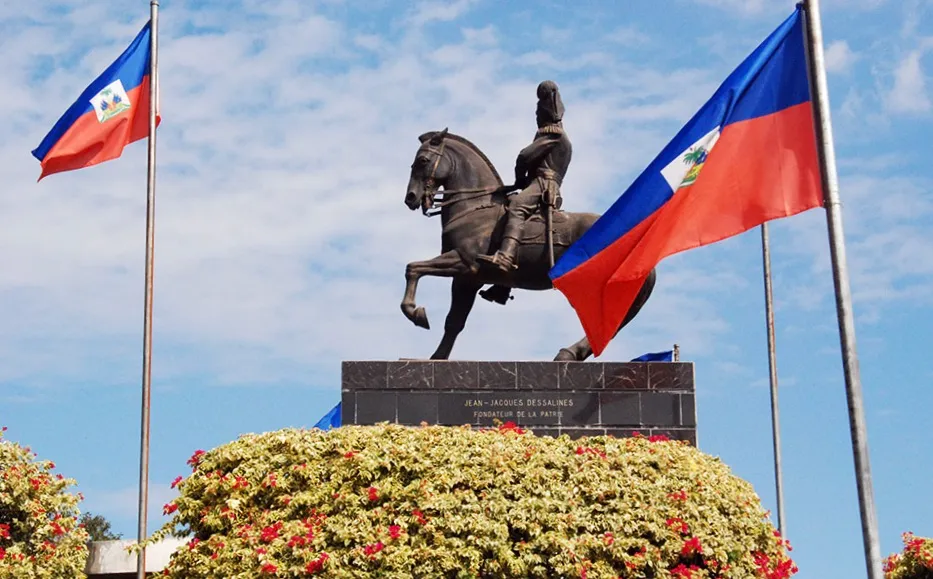
First black nation to free itself from slavery and gain independence from France in 1804 and influenced other liberation movements around the world, inspiring struggles for freedom and equality.

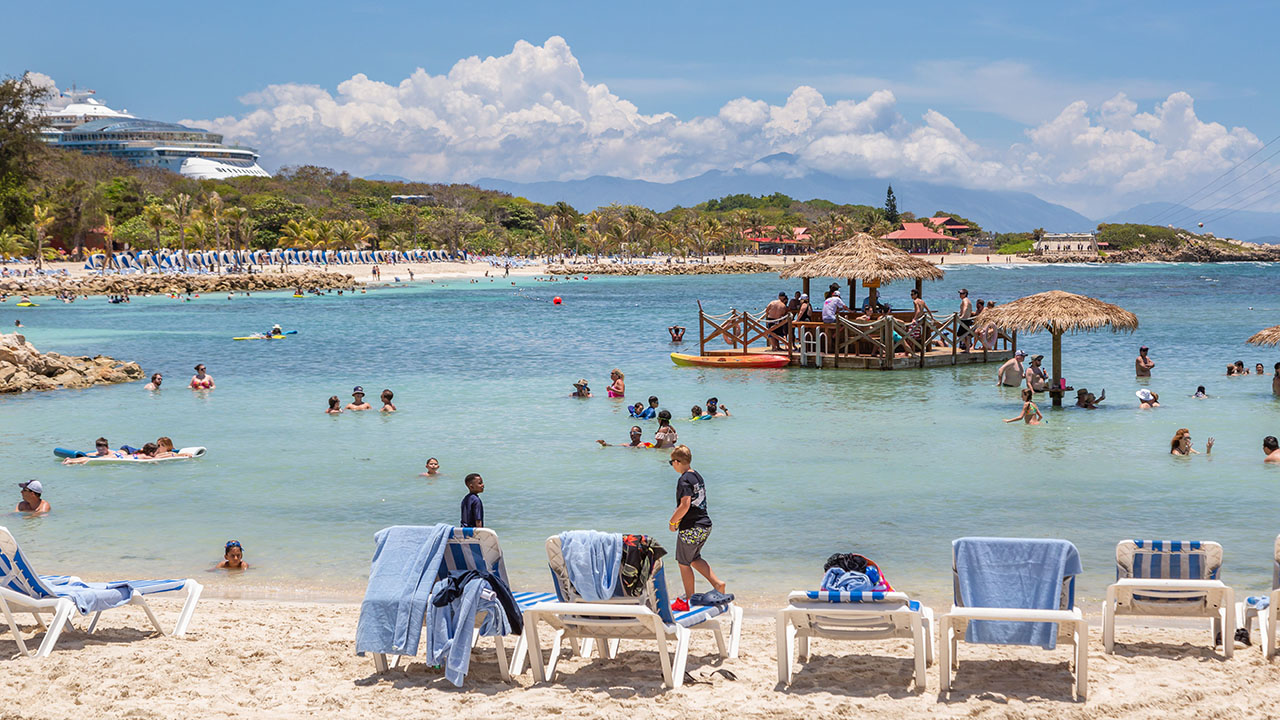
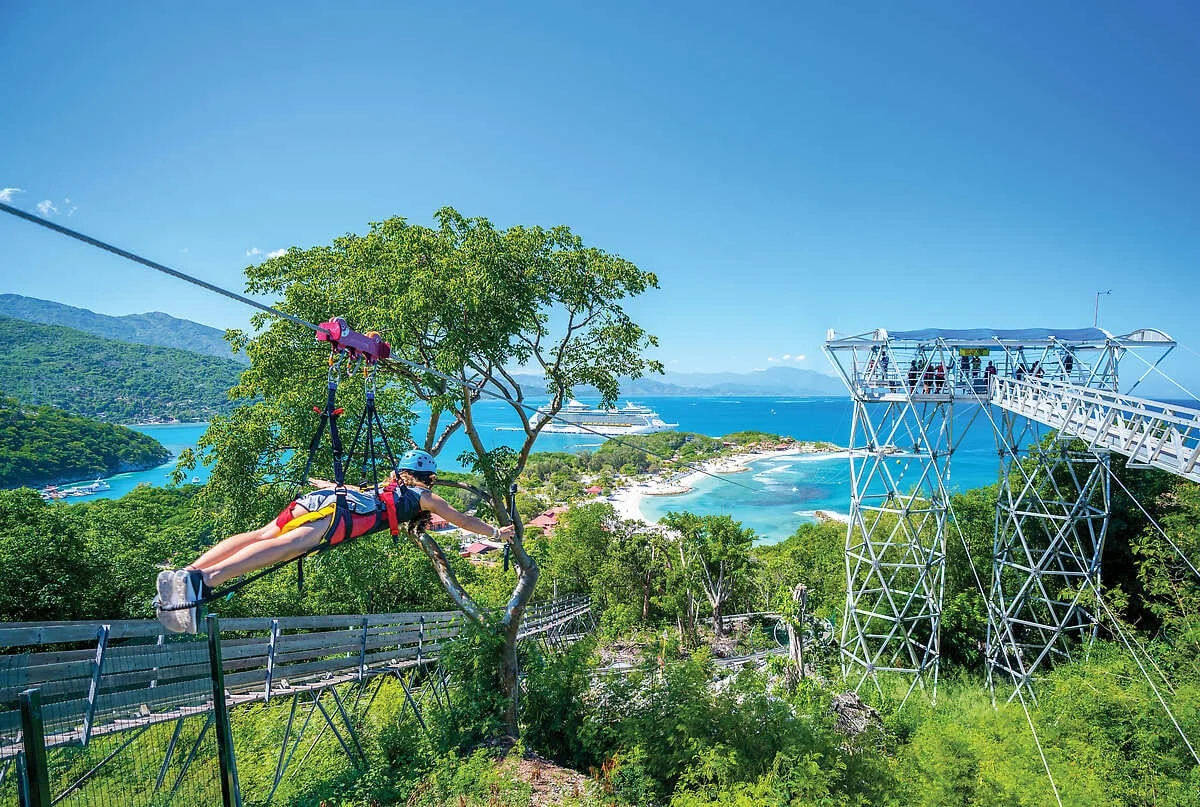
Haïti is blessed with spectacular natural landscapes, including white sand beaches, mountains and rich biodiversity.

Haïti has a rich historical heritage, including sites like the Citadelle Laferrière and the Sans-Souci Palace, listed as UNESCO World Heritage Sites.

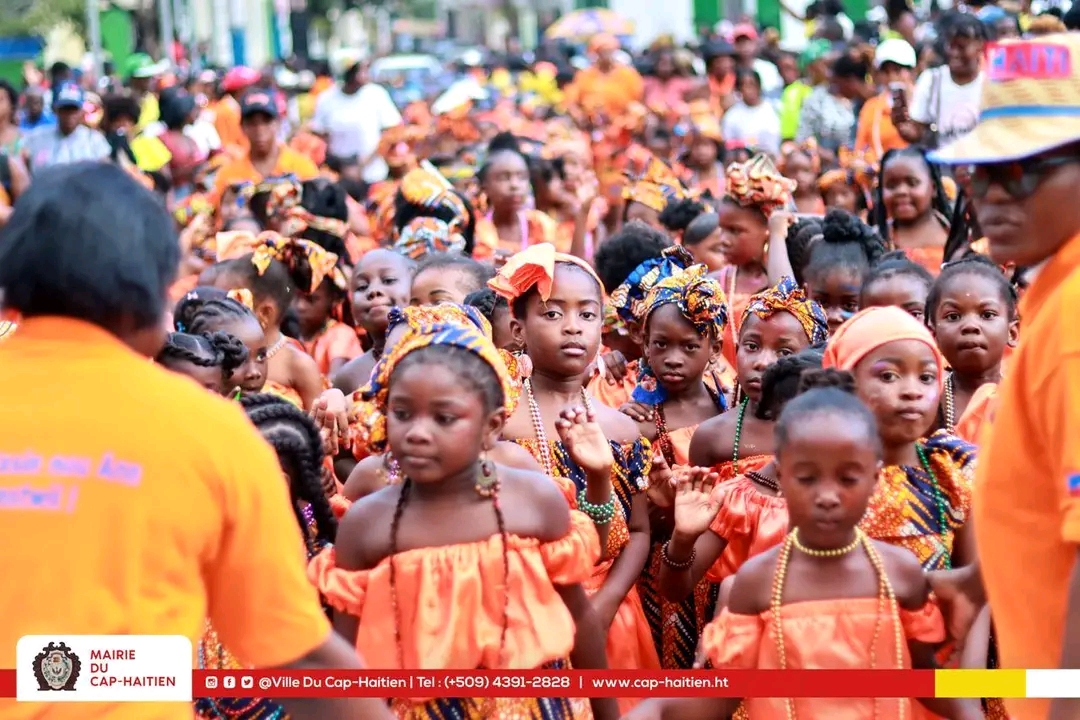
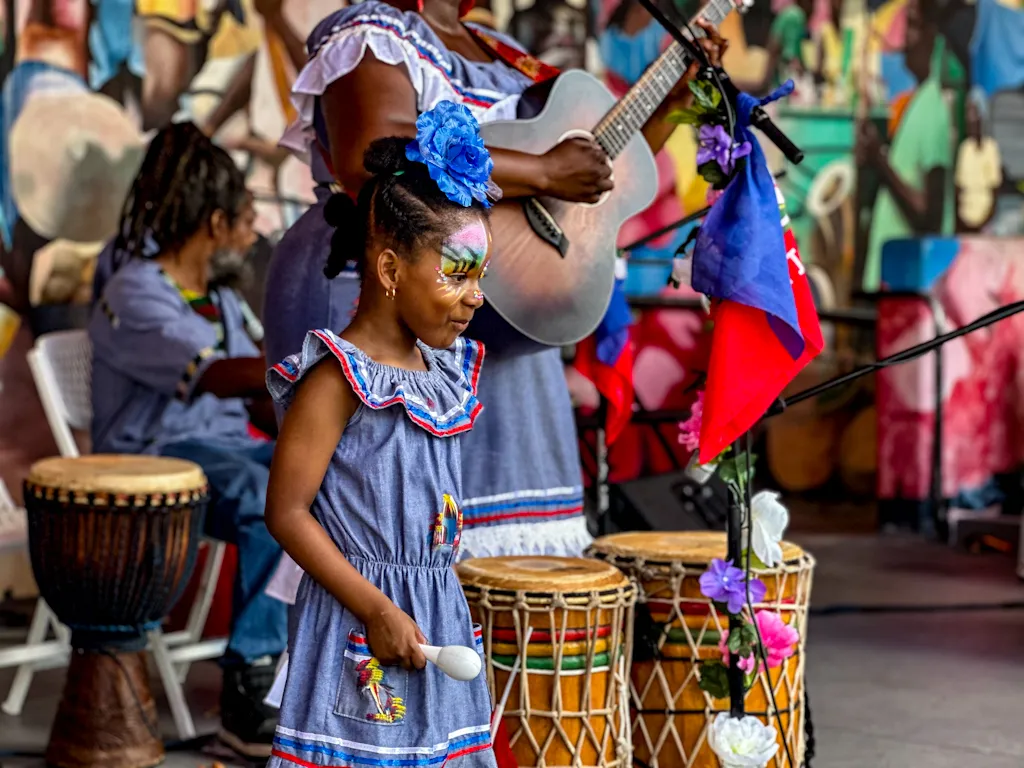
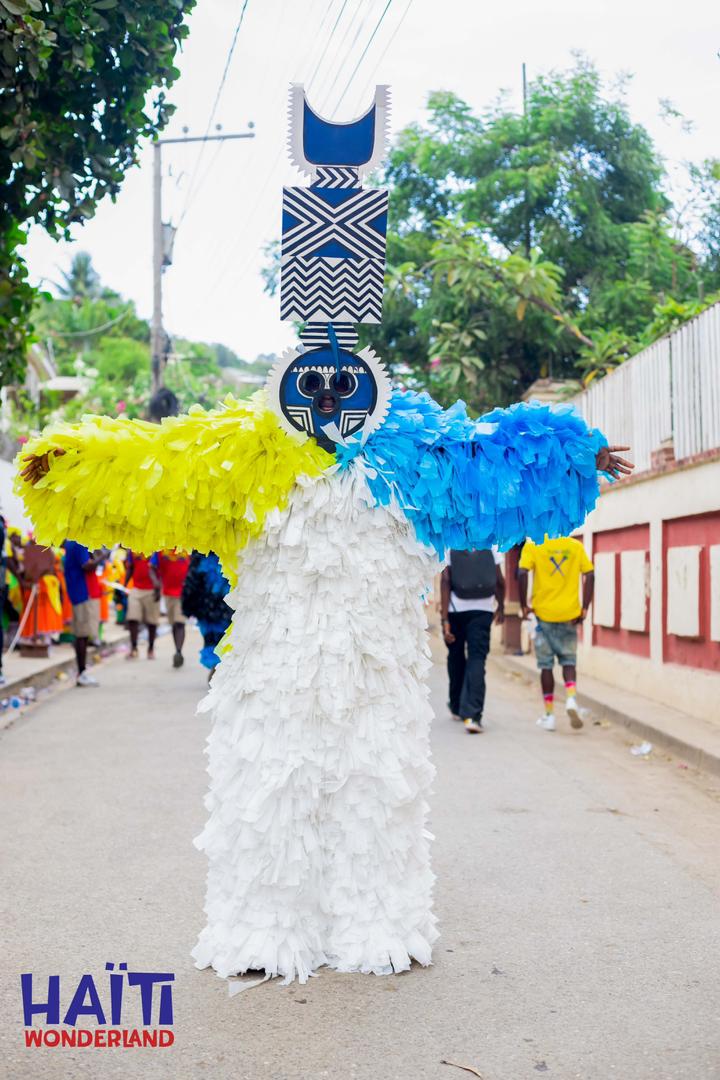
Haïti has a rich and diverse culture, influenced by African, European and indigenous elements. Haitian music, dance, art and cuisine are celebrated around the world.