contact@haitiwonderland.com+509 36184317

Discover

Shopping Cart

Is Haïti part of Africa?

Is Haïti part of Africa?

Haiti, an island located in the Caribbean, is not geographically or politically attached to Africa. However, despite the distance and geographical differences, Haïti and Africa share an extremely strong historical, cultural and spiritual bond, forged by centuries of shared history, including the slave trade, colonization and the struggle for freedom. So, is Haïti part of Africa? Let’s explore this question from different angles, highlighting the African roots that shape Haïti to this day.

Haïti
Haïti
Haïti

A Shared History: The Legacy of the Slave Trade

Haiti, formerly known as Saint-Domingue, was a French colony that thrived on sugarcane and coffee plantations. However, the island’s economic growth was largely based on the exploitation of millions of African slaves who were deported to the Americas during the transatlantic slave trade. Between the 17th and 19th centuries, these slaves, who came from various regions of West and Central Africa, were forced to work in appalling conditions on the plantations of Saint-Domingue.

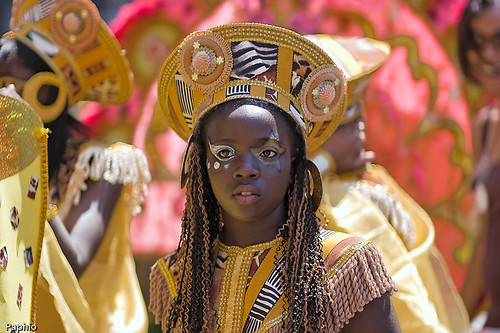
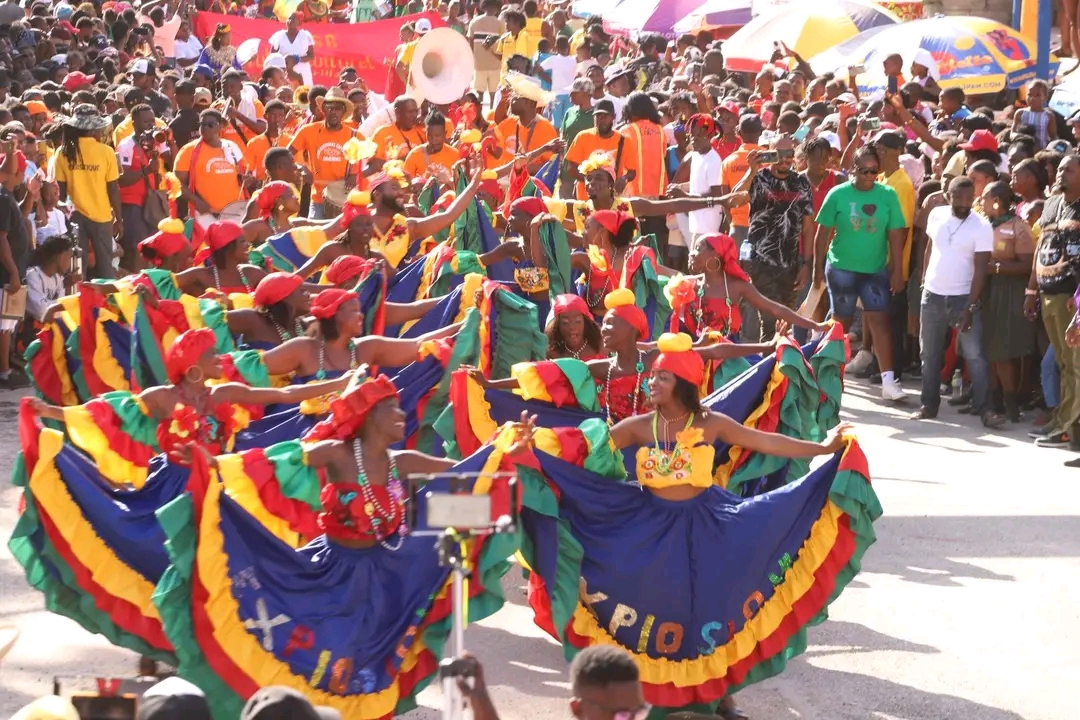
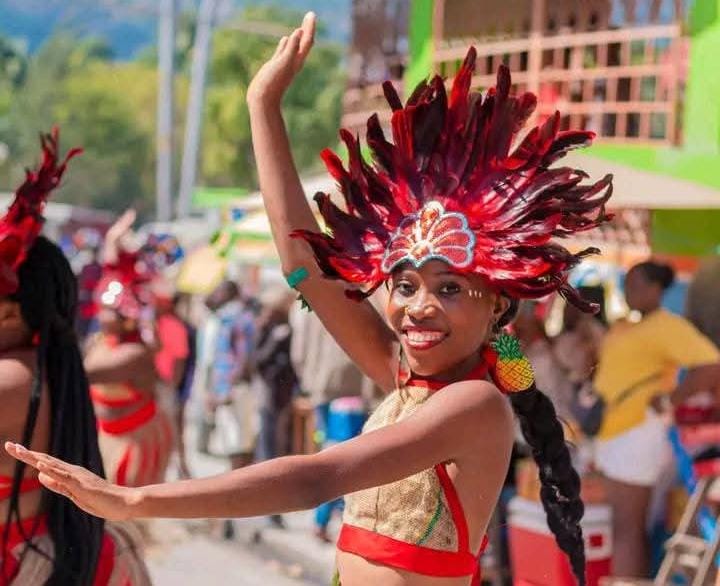
Modern Haitian culture, particularly its religious beliefs, musical traditions, dances, and rituals, has its roots in African cultures. Although Africans were reduced to the status of slaves, they resisted by maintaining many practices and beliefs that have survived through the centuries, becoming fundamental elements of Haitian identity.

Haïti
Haïti
Haïti

Haïti and Africa: A Common Struggle for Freedom

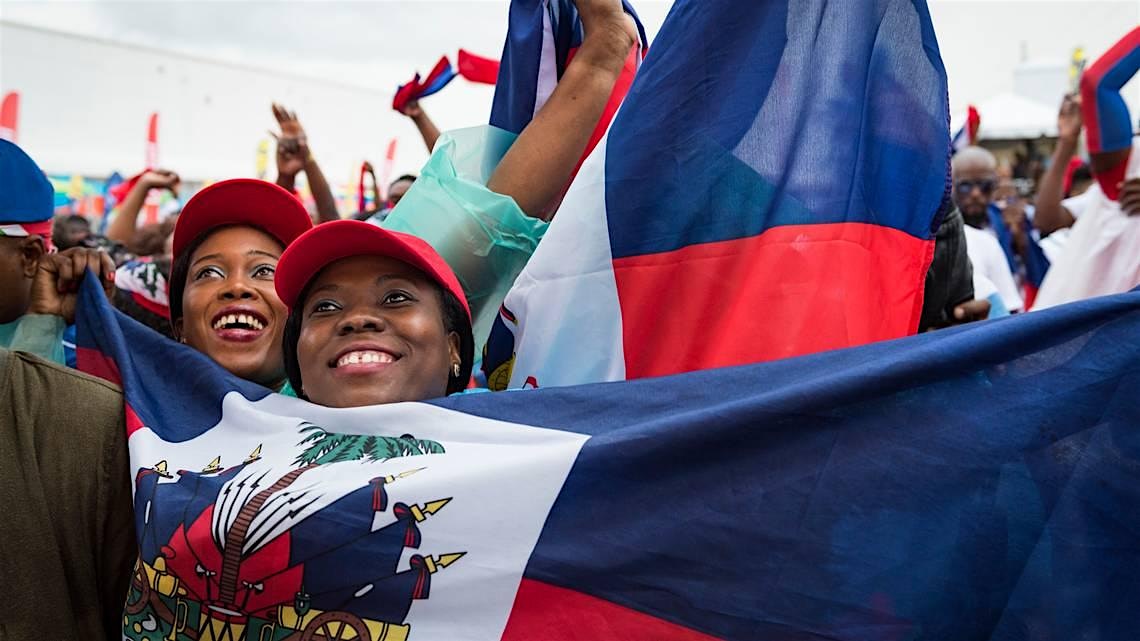
One of the most significant aspects of the relationship between Haïti and Africa is the history of the Haitian Revolution, the only successful slave revolt that resulted in the creation of an independent republic. In 1804, Haïti became the first independent country in Latin America and the Caribbean and the first black republic in the world after a successful revolt against French colonizers. This symbolic victory resonated beyond Haiti’s borders, particularly in Africa, where oppressed peoples saw in this revolution an example of the possibility of achieving freedom and independence.

The ideals of equality, liberty and fraternity that inspired the Haitian Revolution had a particular resonance among African nations, then under colonial domination. Haïti became a symbol of resistance and struggle for many African populations during the decolonization movements of the 20th century. Thus, Haïti has always been seen as a moral and historical reference for many African peoples in their quest for independence and social justice.

Haïti
Haïti
Haïti

Vodou: A Spiritual Bridge Between Haïti and Africa

Vodou is one of Haiti’s most iconic cultural and religious traditions, with deep roots in Africa, including the beliefs of the people of Benin, Togo, Congo, and other parts of West Africa. When African slaves were deported to Haiti, they brought their religious practices with them, merging them with elements of the Catholicism imposed by the colonists, creating a unique and vibrant religion: Vodou.

The deities of Vodou (known as lwa) are similar to the spirits and deities of traditional African beliefs. Additionally, the rituals, songs, and dances of the Haitian Vodou religion are infused with African influences. The practice of Vodou continues to be a vital part of Haitian culture, illustrating the spiritual connection between Haïti and Africa.

Diplomatic Relations: A Mutual Support

Beyond the historical and cultural heritage, Haïti and Africa also maintain strong diplomatic relations. The Haitian country was one of the first to support decolonization movements across the African continent. For example, Haïti supported the struggles for independence of countries such as Algeria, Congo, and other African nations, offering political and moral aid.

In addition, Haïti actively participates in international events where Africa is present, such as the Africa-Caribbean-Pacific Summit, and maintains close relations with African countries such as Benin, Senegal, and Togo. These relations are also manifested through cultural, educational, and economic exchanges.

Haïti
Haïti
Haïti

Haiti, an island with deep African roots

Although Haïti is not part of Africa geographically or politically, the historical, cultural, religious, and diplomatic ties that unite this country with Africa are undeniable. Haïti carries within it the heritage of its African ancestors and continues to promote the ideals of freedom and independence dear to Africa.

Haiti’s African roots are found in every aspect of Haitian culture, from music to religion, Creole language to culinary traditions. This unbreakable bond between Haïti and Africa is a testament to the resilience of Black people, a bridge that continues to connect these two regions of the world despite the geographical distance.

Share
About the Author
Appolon Guy Alain
Appolon Guy Alain
Appolon Guy Alain

Full Stack Developer, Créatif, expérimenté, passionné des nouvelles technologies et de l’art.

See other articles from Appolon Guy Alain
Leave a comment

Recently Posted

Belle-Anse, a village between tradition, nature and tourist potential

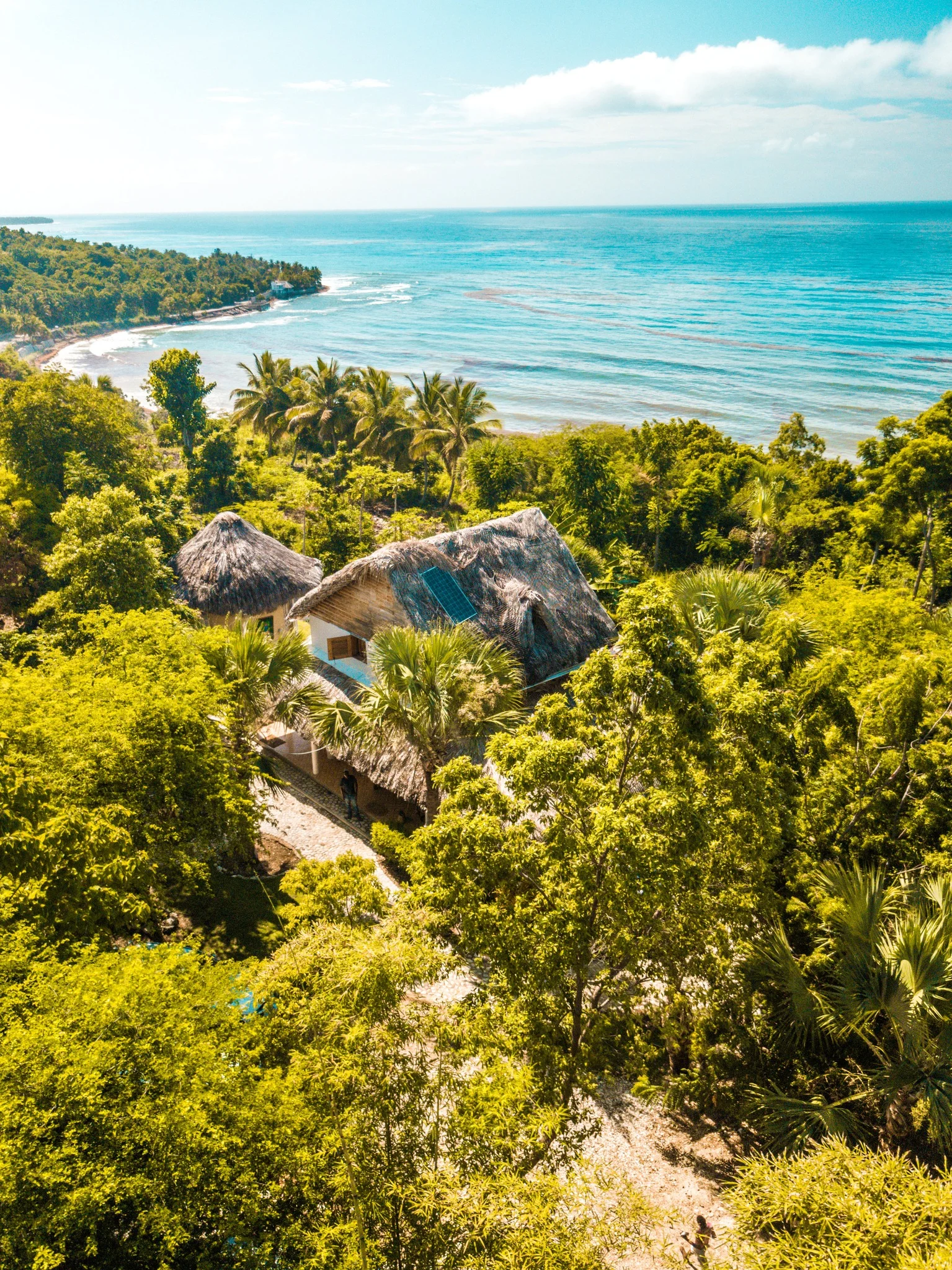
Nestled in the southeast of Haiti, Belle-Anse is a destination that fascinates with its natural beauty and rich history. This small town, still often ignored by major tourist routes, is full of treasures that deserve to be discovered. Its wild beaches, its imposing mountains and its unique historical heritage make Belle-Anse a hidden pearl, ready to seduce travelers in search of authenticity and tranquility. Belle-Anse, founded in the 18th century, still bears the traces of its past. Its history, marked by changes of names and identity, bears witness to the political and social upheavals that have given the region. From the colonial era to the birth of the Republic, each corner of the city tells a part of the history of Haiti. This rich past is combined with a vibrant cultural life, where local festivals, such as the celebration of the Patron Saint every December 10, offer an authentic glimpse into the lives of the inhabitants. The historical remains scattered throughout the city are not only a reminder of the era of colonization, but also of the struggles for independence. These witnesses of the past, combined with a calm and preserved atmosphere, make Belle-Anse a place where history and nature intertwine harmoniously. What distinguishes Belle-Anse is undoubtedly its spectacular natural environment. Ultimately, these beaches before the deserts invite you to relax. Lagan Beach, lined with palm trees and crystal clear waters, offers an idyllic setting for lovers of wild nature, far from the crowds of more frequent tourist destinations. The nearby Bay of Jacmel is a true natural bliss, promising moments of calm and escape. The city is also surrounded by majestic mountains, ideal for those who wish to explore the Haitian landscapes on foot, while discovering a unique biodiversity. While Belle-Anse’s natural resources are rich, they are also fragile, and preserving these areas remains an important issue for the future of the region.

Newsletter

Subscribe to our newsletter to stay informed of all our activities and news on Haiti.

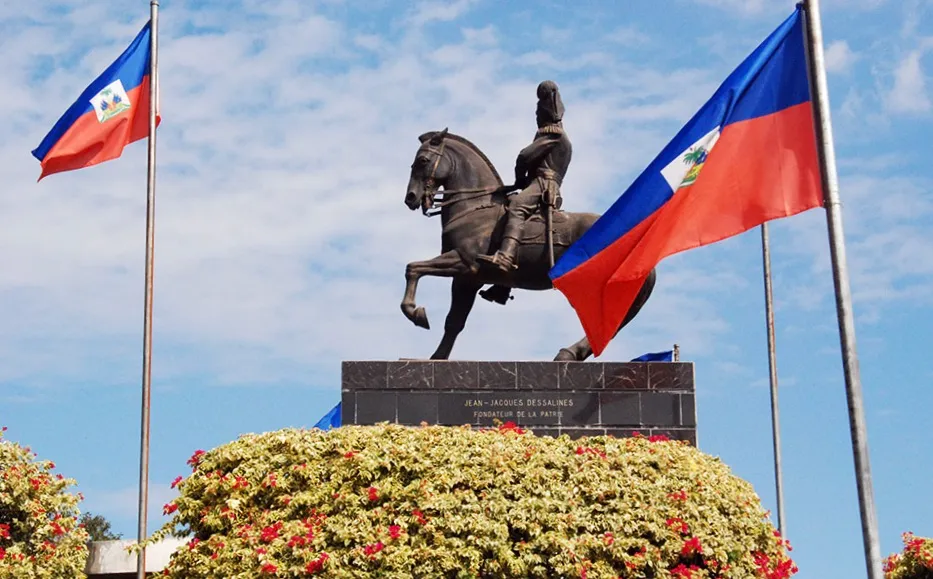
Jean-Jacques Dessalines, leader of the Haitian Revolution

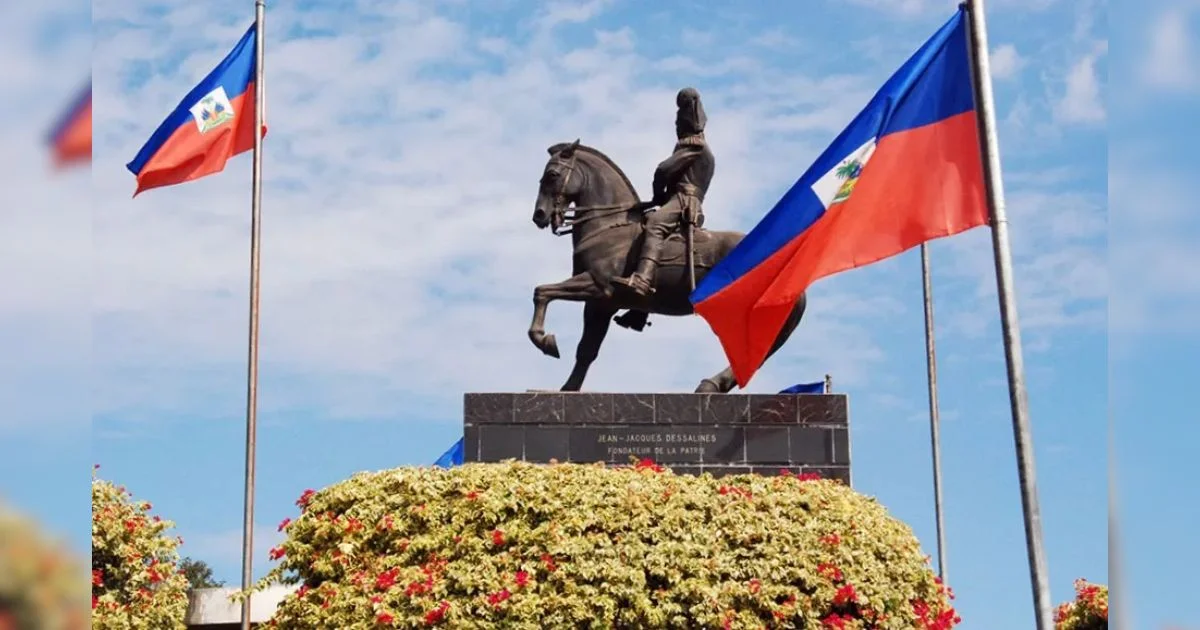
In the annals of the history of Haiti, an island located in the Caribbean at the entrance to the Gulf of Mexico and shared with the Dominican Republic, Jean-Jacques Dessalines emerges like a phoenix from the ashes of oppression. Born a slave on September 20, 1758 in the home of Henri Duclos, in Cormier (Grande-Rivière-du-Nord), in the French colony of Saint-Domingue, Dessalines was a Creole of African (Afro-Caribbean) origin. Freed during the 1794 abolition achieved through slave revolts, actually served as an officer in the French army during the French Revolution. At that time, the ideas of freedom and equality were at the heart of the concerns of the inhabitants of the colonies. Dessalines actively participated in the fighting against the Spanish and British forces, alongside the French, in Santo Domingo. Having risen to the rank of Lieutenant General, Jean-Jacques Dessalines turned against the French during the Leclerc expedition, sent to Saint-Domingue by Bonaparte to reestablish colonial authority and slavery during the Haitian Revolution. After the capture and deportation of Toussaint Louverture to France on June 7, 1802, Dessalines assumed a leading role in continuing the struggle for independence. He led numerous battles, including the battle of Crête-à-Pierrot in March 1802, where he galvanized his soldiers with his famous declaration: “Let those who want to remain slaves of the French leave the fort, let those, on the contrary, who want to die as free men, line up around me.” On January 1, 1804, Jean-Jacques Dessalines achieved the long-awaited goal of independence by proclaiming Haïti as a sovereign nation, becoming the second country in the Americas to gain independence from a colonial power. He became the first leader of the newly formed nation and was named Emperor under the name James I. However, his imperial reign was marked by authoritarian and brutal policies, including the massacre of many white settlers and the redistribution of land to peasants that was in the hands of the generals of the independence army. In addition, he organized the hunt for delinquents in the city while implementing rigorous agrarian policies, considering that they represented a threat to the stability of the nation, these controversial actions caused divisions within Haitian society. Dessalines was assassinated on October 17, 1806 following a plot organized by some of his generals in the Haitian army. His death marked the end of his brief but influential period in power. Despite the controversies surrounding his methods, he is recognized as the main architect of Haiti’s independence and his name was honored in 1903 by being attributed to the Haitian national anthem, La Dessalinienne, composed by Justin Lhérisson.Finally, the great visionary man Jean Jacques Dessalines remains an emblematic figure in the history of Haiti, recognized for his role in the fight for independence and the end of slavery in the region.

Haïti : Boukanye

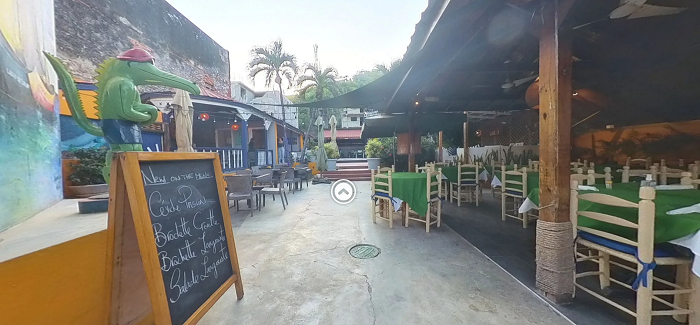
In the picturesque landscape of Cap Haïtien, stands a place that embodies the very essence of Haitian art and cuisine: Boukanye. This pirate house, founded in July 2016, has quickly become a must-see gem among area restaurants, attracting visitors from around the world for its rustic atmosphere and innovative menu. Located on the boulevard, Boukanye is much more than just a restaurant; it’s an experience in its own right. As soon as you walk through its doors, you are greeted by decor that celebrates local craftsmanship and the history of the pirates who once sailed these waters. Walls adorned with vibrant paintings and sculptures demonstrate the venue’s commitment to Haitian art, creating a warm and authentic ambiance. But Boukanye is not content to seduce with its aesthetic; its cuisine is just as captivating. Inspired by local flavors, the restaurant offers an inventive fusion of traditional Haitian dishes and contemporary culinary techniques. Whether for breakfast, lunch or dinner, Boukanye’s menu offers a tantalizing variety of seasonal dishes, accompanied by exquisite cocktails that celebrate local ingredients. What also sets Boukanye apart is his commitment to innovation. By launching a virtual tour accessible via smartphone or virtual reality headset, the restaurant has pushed the boundaries of the culinary experience. Thanks to this immersive technology, visitors from around the world can now explore the charms of Boukanye from home, immersing themselves in its captivating atmosphere and discovering its unique culinary delights. https://haitiwonderland.com/haiti-virtual-reality-ht/bar--restaurant/haiti--boukanye--visite-virtuelle/7 Whether you are a resident of Cap Haïtien or a traveler eager for authentic experiences, Boukanye offers an unforgettable getaway into the very heart of Haitian culture. By combining art, cuisine and innovation, this restaurant perfectly embodies the vibrant and dynamic spirit of Haiti, inviting everyone to embark on an unparalleled sensory journey.

Recently Posted

History

History

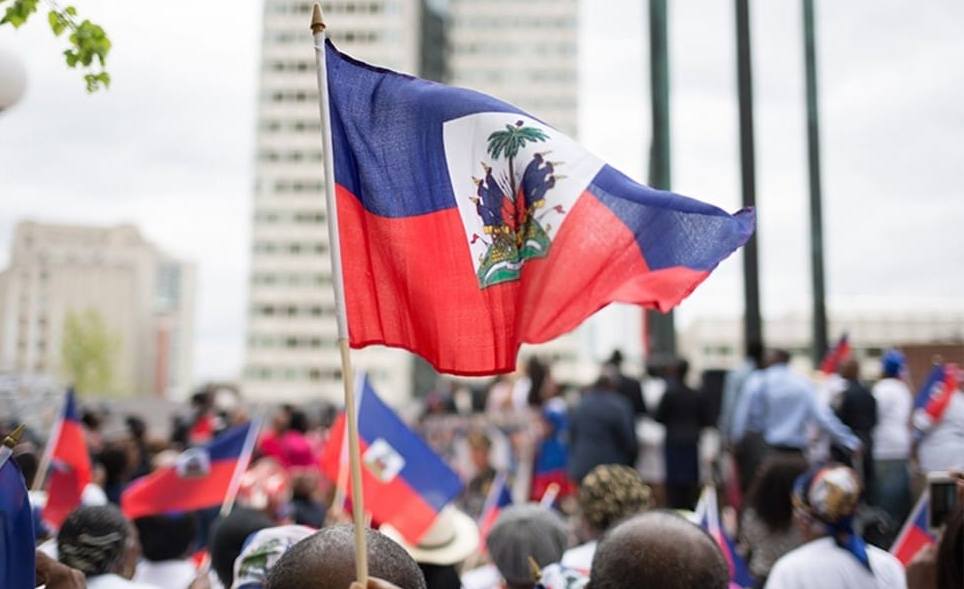
First black nation to free itself from slavery and gain independence from France in 1804 and influenced other liberation movements around the world, inspiring struggles for freedom and equality.

Natural beauty

Natural beauty

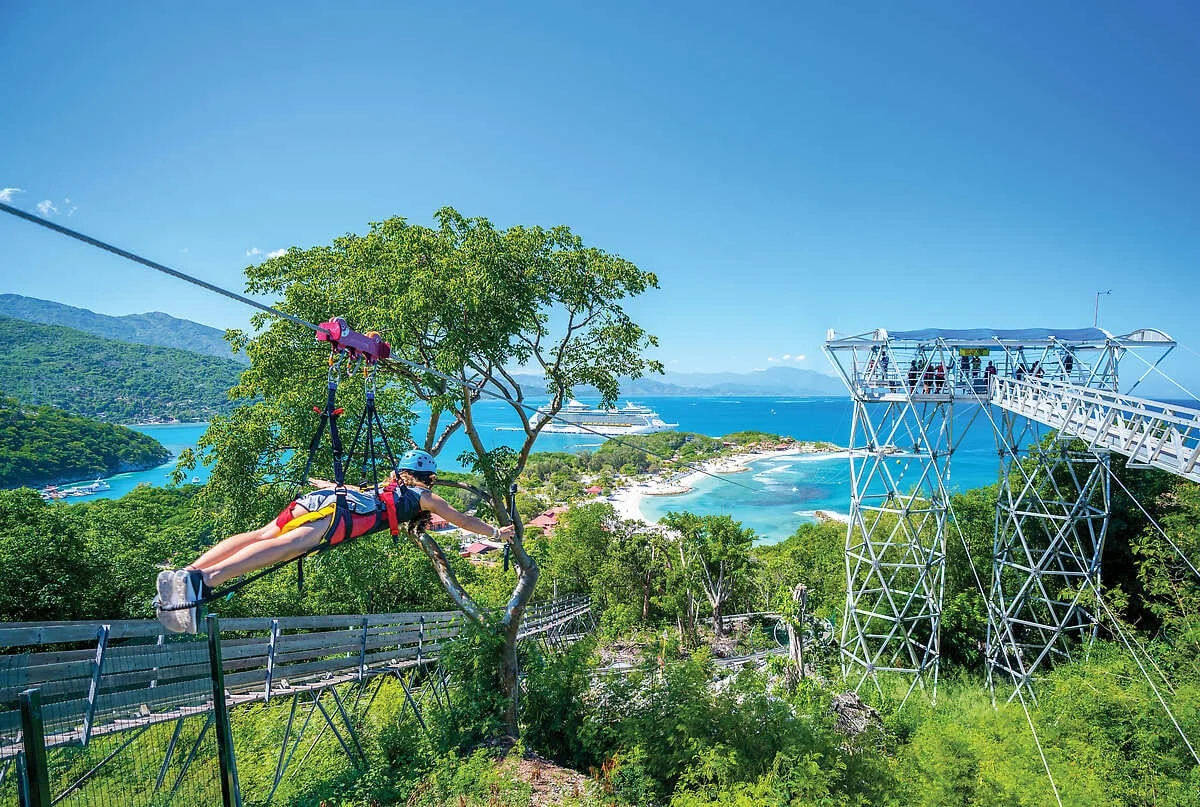
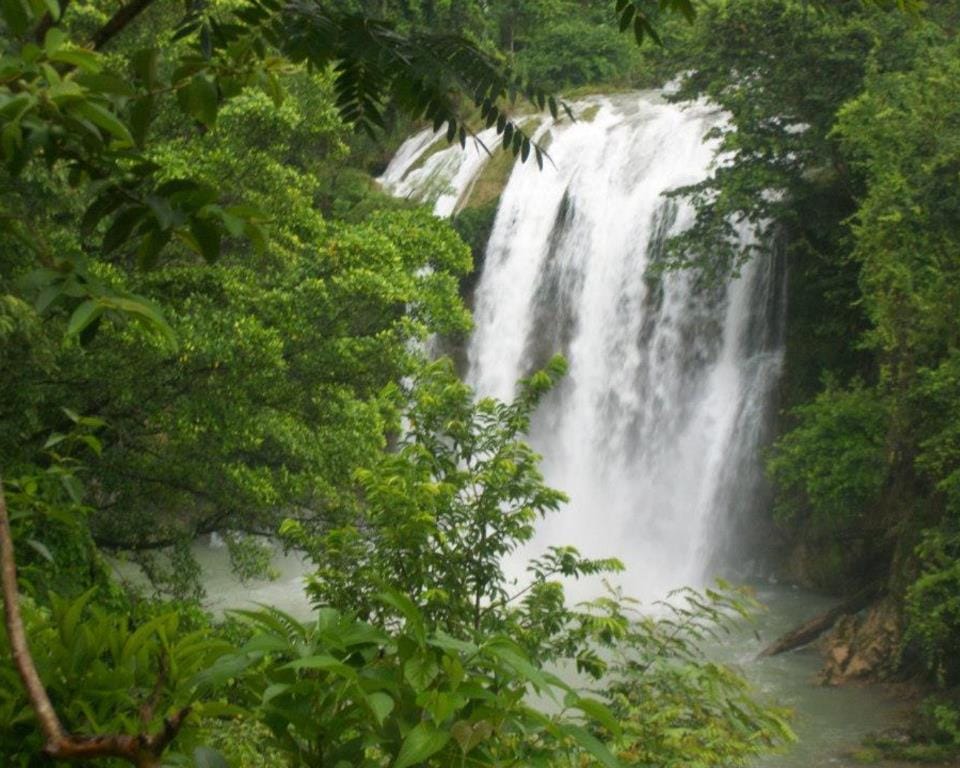
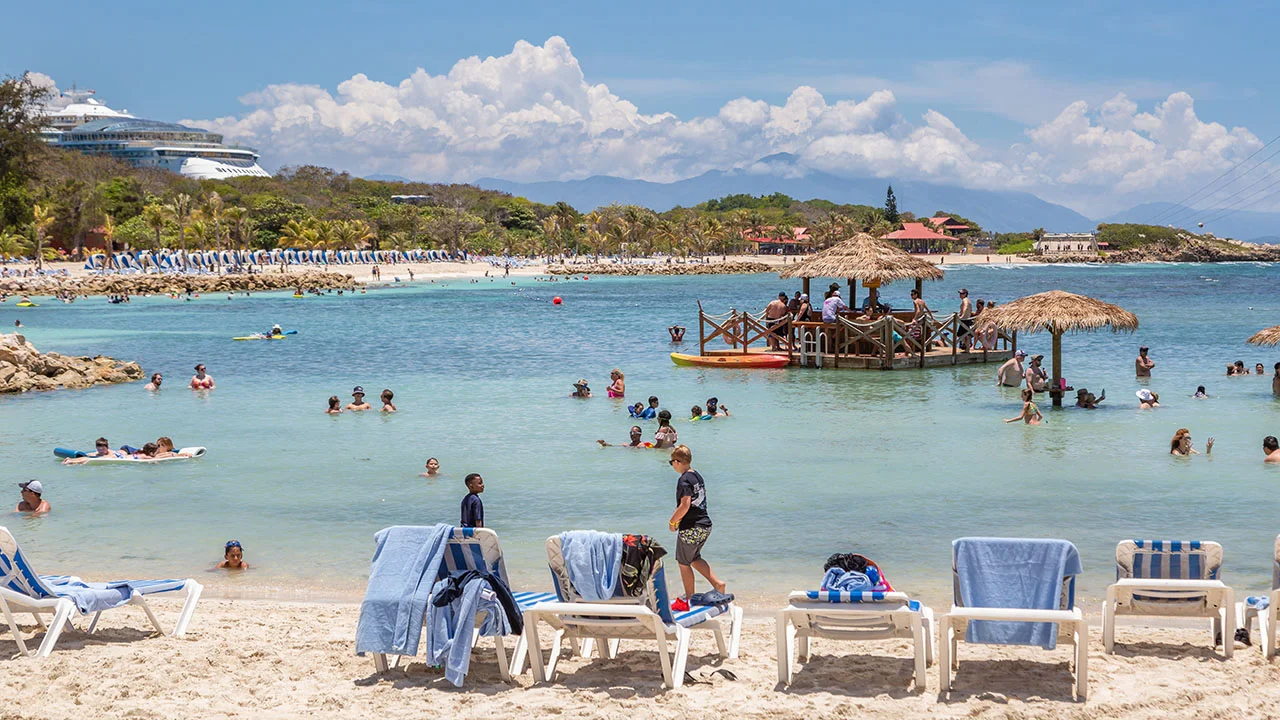
Haïti is blessed with spectacular natural landscapes, including white sand beaches, mountains and rich biodiversity.

Heritage

Heritage

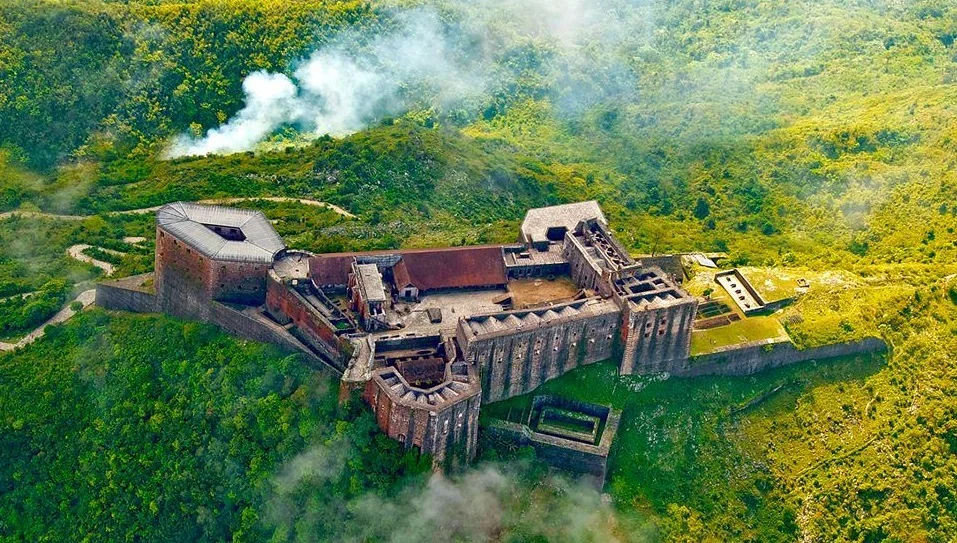
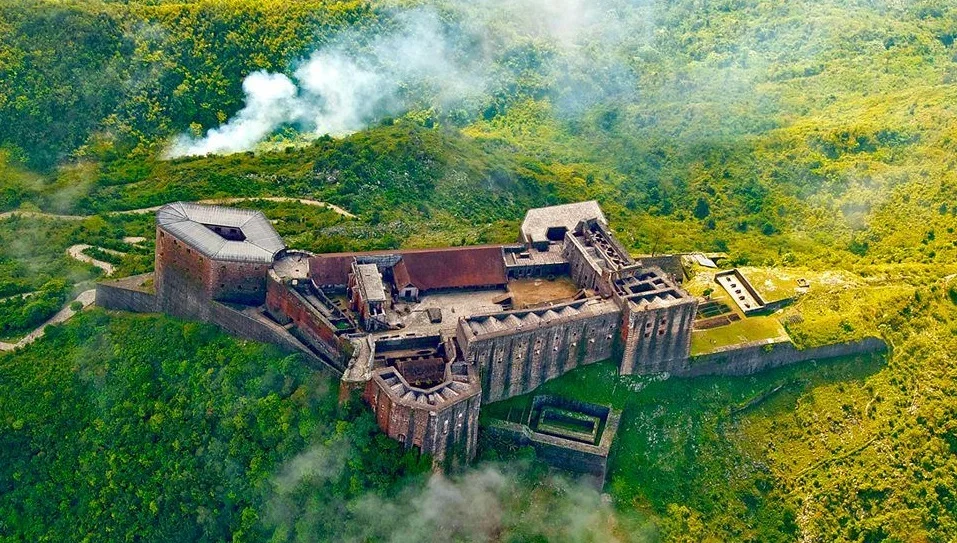
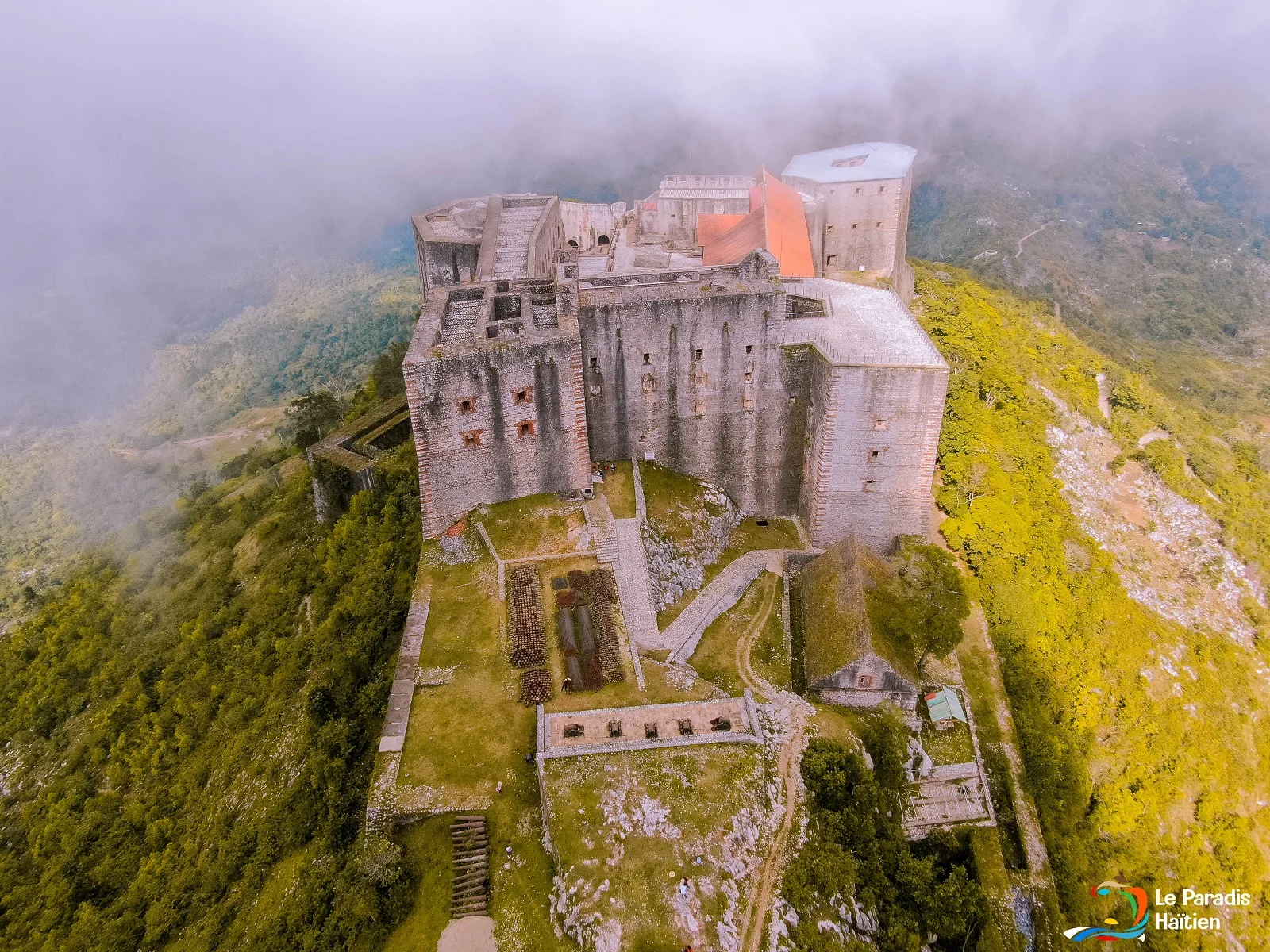
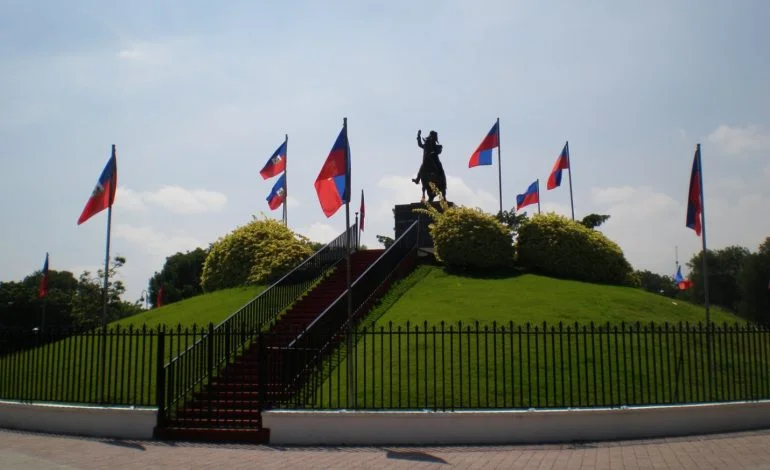
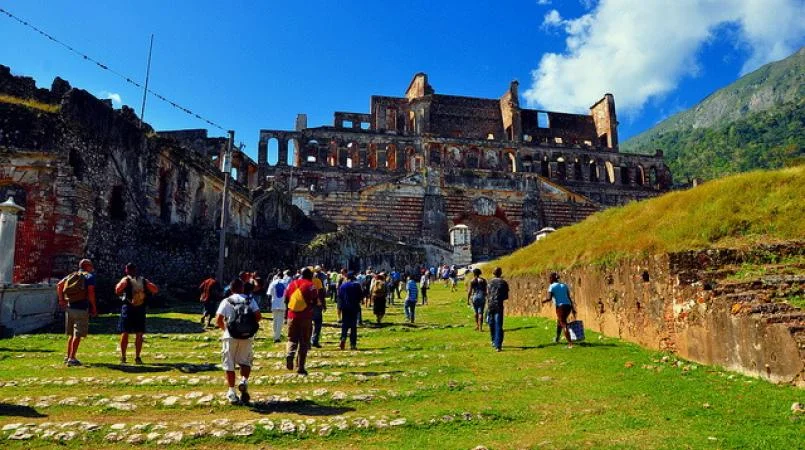
Haïti has a rich historical heritage, including sites like the Citadelle Laferrière and the Sans-Souci Palace, listed as UNESCO World Heritage Sites.

Culture

Culture

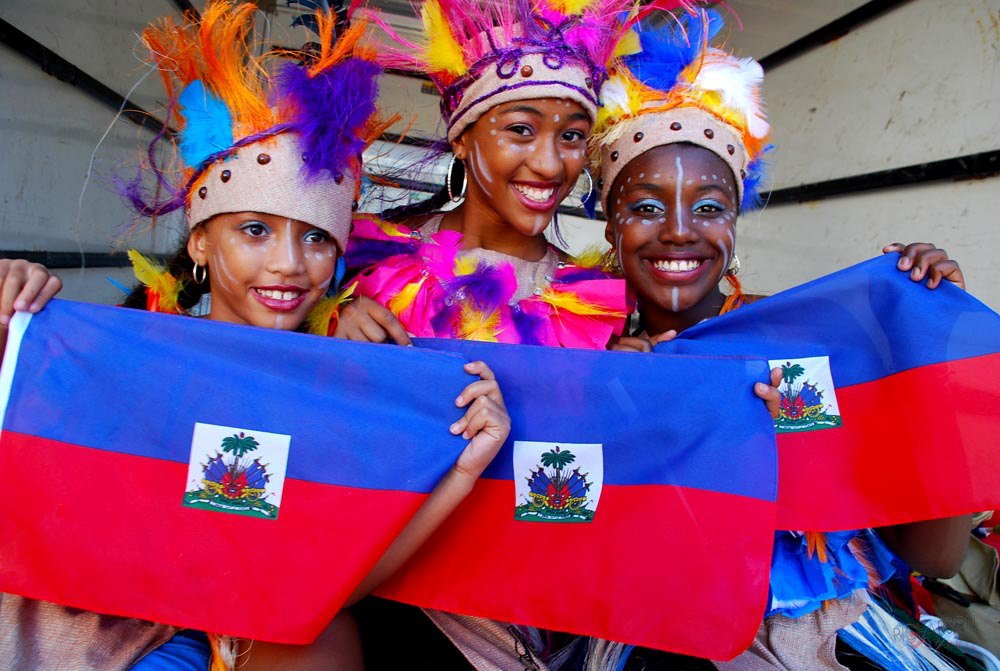
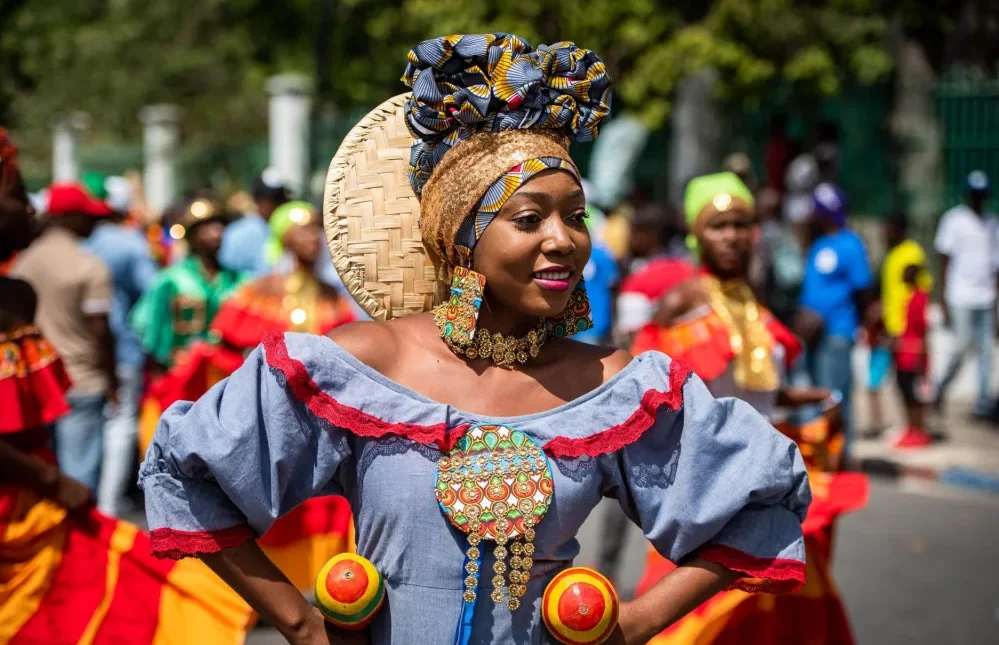
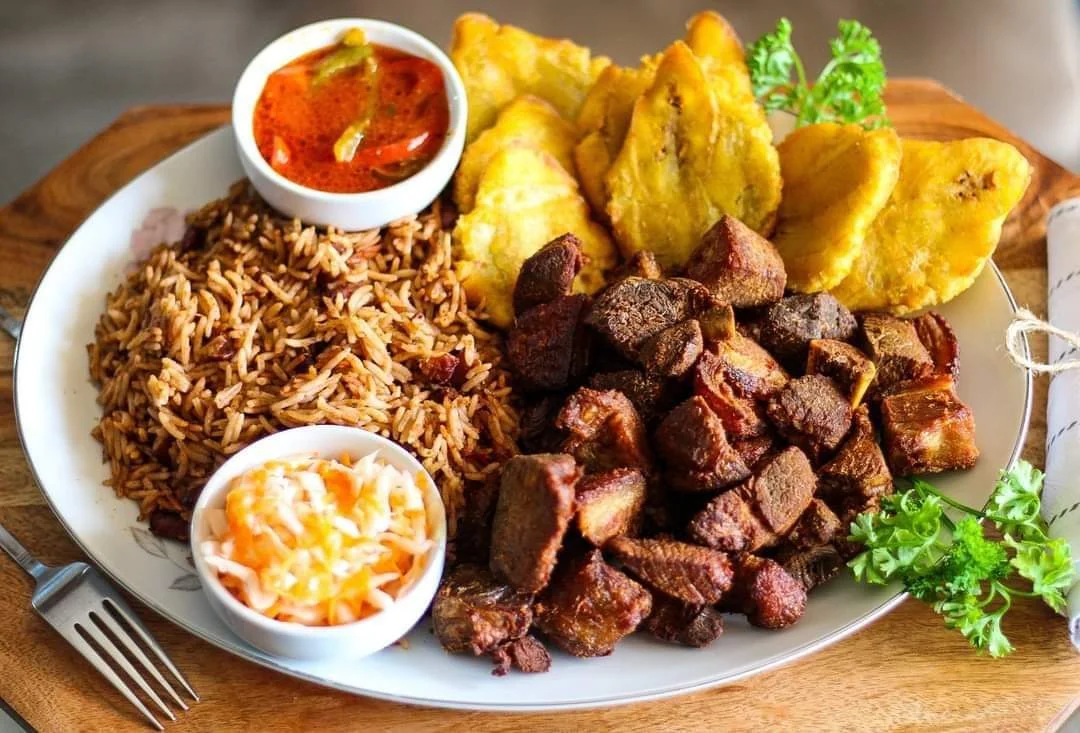
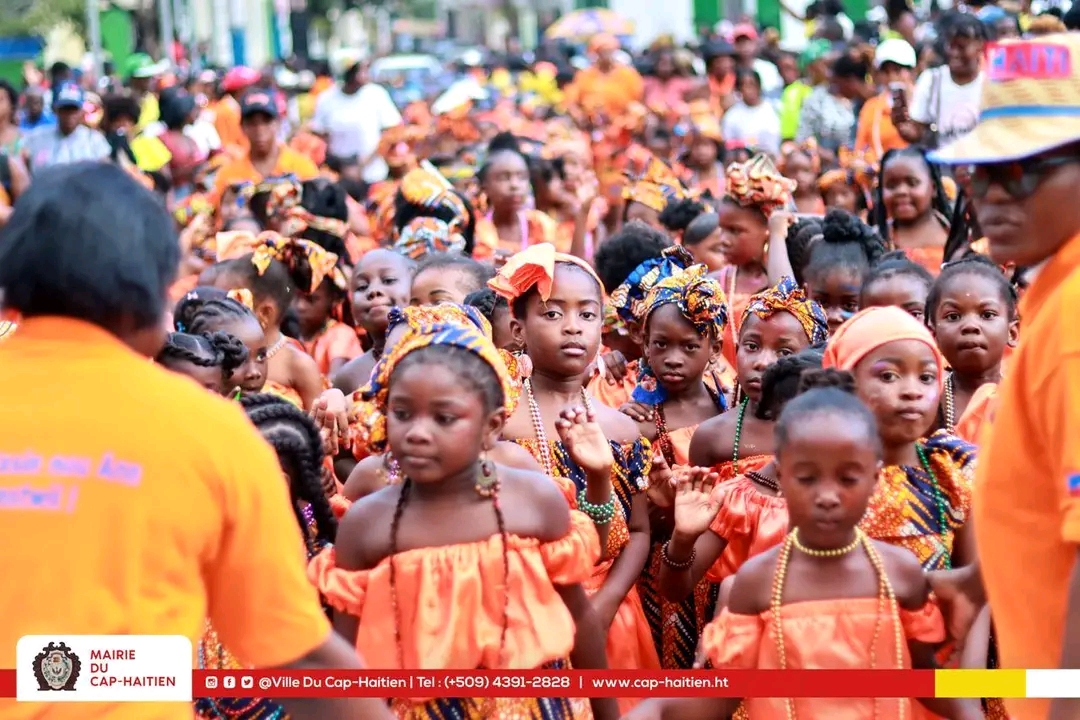
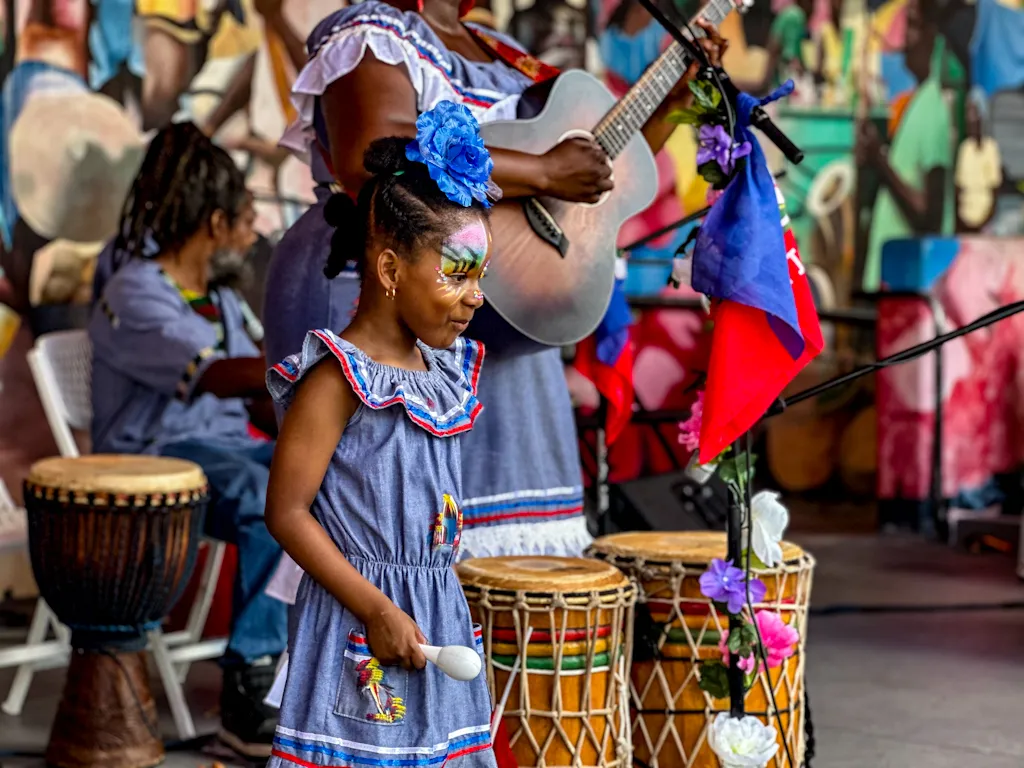
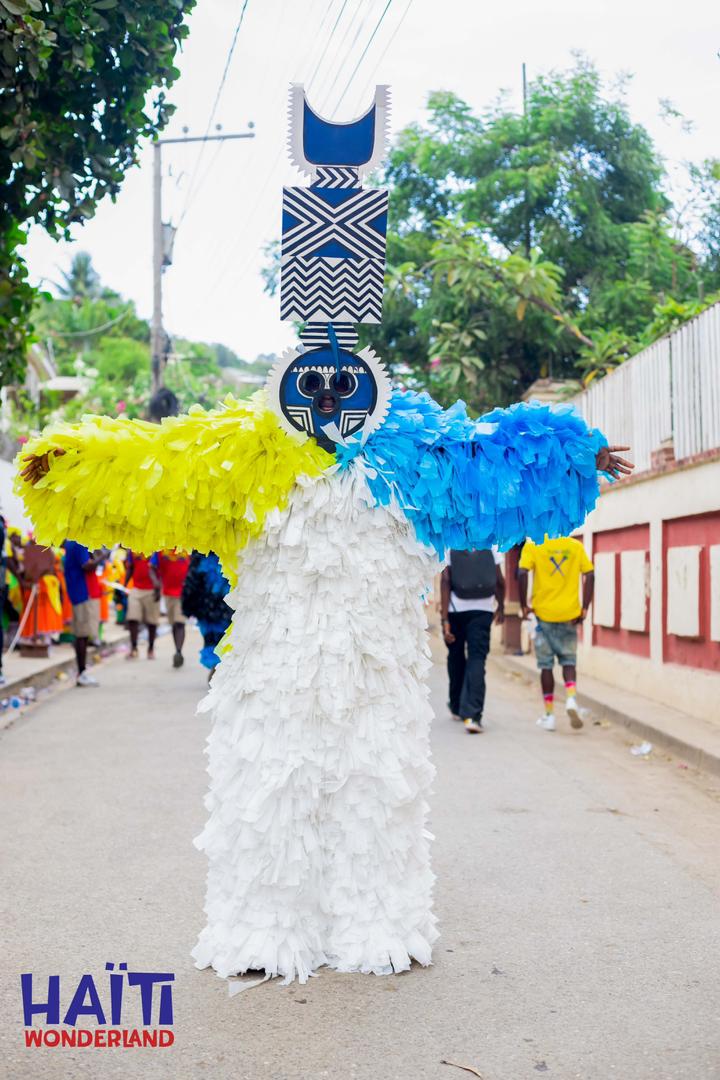
Haïti has a rich and diverse culture, influenced by African, European and indigenous elements. Haitian music, dance, art and cuisine are celebrated around the world.

  • +
    • Post