
contact@haitiwonderland.com+509 36184317

Discover

Shopping Cart

Who were the first inhabitants of Haiti? History of the Tainos

Who were the first inhabitants of Haiti? History of the Tainos

Before the arrival of Christopher Columbus in 1492, Haïti was already inhabited by a people who had a deep relationship with the land and nature: the Tainos. These first inhabitants left a cultural and spiritual legacy that continues to influence Haitian identity. Let’s discover who the Tainos were, their way of life, and what they brought to the history of Haiti.

The origins of the Tainos

The Tainos were members of the great family of the Arawaks, a people originally from the Amazon who migrated to the Caribbean several thousand years ago.

- An expansion in the islands: The Tainos settled on several Caribbean islands, including Haiti, the Dominican Republic, Cuba, and Puerto Rico.
- An evocative name: They called Haïti “Ayiti,” which means “land of high mountains,” in homage to the island’s majestic landscapes.

The Tainos built a prosperous society, marked by a rich social organization and culture.

A way of life in harmony with nature

The Tainos lived from agriculture, fishing, and hunting, and had a deep respect for their environment.

- Main crops: Cassava, corn, sweet potatoes, and cotton were among their main crops.
- Ingenious tools: They used agricultural techniques adapted to local conditions, such as crop rotation to preserve soil fertility.
- Crafts: The Tainos were skilled in pottery, weaving, and wood carving.

Their society was based on values ​​of sharing and solidarity, with leaders called caciques who governed their villages.

A deep spirituality

The life of the Taino was imbued with spirituality and mythology.

- The role of the zémis: The zémis, spiritual representations carved in wood or stone, were venerated as protective spirits.
- Ritual ceremonies: The Taino practiced religious ceremonies to honor their gods, agricultural cycles, and natural events.
- A cyclical vision of life: For the Taino, each element of nature had a soul, and life was perceived as a cycle of interdependence between man and his environment.

This spirituality, although transformed by external influences, is still present in certain Haitian traditions.

The meeting with Christopher Columbus

The arrival of Christopher Columbus in 1492 marked the beginning of a tragic era for the Taino.

- A culture shock: The Spanish imposed their domination, introducing diseases and forced labor conditions that decimated the population.
- A rapid decline: In less than 50 years, the Taíno population was almost entirely exterminated, going from several hundred thousand to a few survivors.
- A memory erased: Although few direct traces of the Taínos remain, their influence persists in Haitian culture, notably in place names and certain agricultural practices.

This tragic disappearance remains a poignant reminder of the impacts of colonization.

The legacy of the Taínos in Haiti

Despite their disappearance, the Taínos have left a lasting mark on Haiti.

- Taíno words in the vocabulary: Terms like “hammock” (hammock) and “tobacco” (tobacco) come directly from their language.
- A respect for nature: The importance given to the environment in some Haitian rural traditions reflects the values ​​of the Taino.
- A symbol of resistance: The Taino are today seen as a symbol of resilience in the face of oppression.

Haiti, with its very name inspired by “Ayiti”, still bears the imprint of its first inhabitants.

A past that inspires the present

The history of the Taino recalls the importance of preserving cultures and traditions in the face of modern challenges. Their harmony with nature and their community spirit remain examples for current generations.

By exploring the heritage of the Taino, we rediscover the deep roots of Haïti and the fascinating history of this people who gave their first name to the land of the high mountains.

And you, what did you know about the Taino before reading this article? Share your thoughts and let’s pay tribute to these first inhabitants who gave so much to the history of our island.

Share
About the Author
Appolon Guy Alain
Appolon Guy Alain
Appolon Guy Alain

Full Stack Developer, Créatif, expérimenté, passionné des nouvelles technologies et de l’art.

See other articles from Appolon Guy Alain
Leave a comment

Recently Posted

Newsletter

Subscribe to our newsletter to stay informed of all our activities and news on Haiti.

Haïti: The Pearl of the Antilles

Located in the Caribbean Sea, Haïti is often nicknamed "The Pearl of the Antilles". This laudatory title not only reflects the beauty of its idyllic beaches, but also the history, culture and natural wealth of this island nation. Throughout the centuries, Haïti has acquired this prestigious reputation for various reasons, which go beyond its picturesque landscapes. b~Natural Beauty:~b Haïti is blessed with an abundance of natural beauty. Its sandy beaches, crystal clear waters, majestic mountains and lush valleys make it a dream destination for travelers from all over the world. Generous nature has endowed Haïti with impressive ecological diversity, which has helped shape its image as the pearl of the Antilles. b~Cultural Wealth:~b Beyond its landscapes, it is the richness of Haïtian culture which contributes to its reputation as a pearl. Haïti has a fascinating history, blending influences from indigenous Taino people, European settlers and African slaves. This cultural fusion gave rise to a unique artistic and musical tradition, embodied in expressions such as voodoo, naive painting and compass music. b~Historical Heritage:~b Haïti has played a central role in the history of the struggle for freedom and equality. In 1804, it became the first independent republic in Latin America and the Caribbean, after a revolution led by freed slaves. This courageous act of independence established Haïti as a symbol of resistance and determination, adding a historic dimension to its status as the pearl of the Antilles. b~Natural Resources~b Haïti is abundant in valuable natural resources, which has contributed to its nickname as the Pearl. Mineral-rich mountains, fertile soils and abundant water reserves have made Haïti a land of opportunity. Haïti, the pearl of the Antilles, is much more than just a tourist destination. It is a country whose natural beauty, cultural richness, historical heritage and natural resources contribute to a unique identity. It remains a jewel in the crown of the Caribbean, reminding the world of the strength and resilience of the Haïtian people.

Recently Posted

History

History

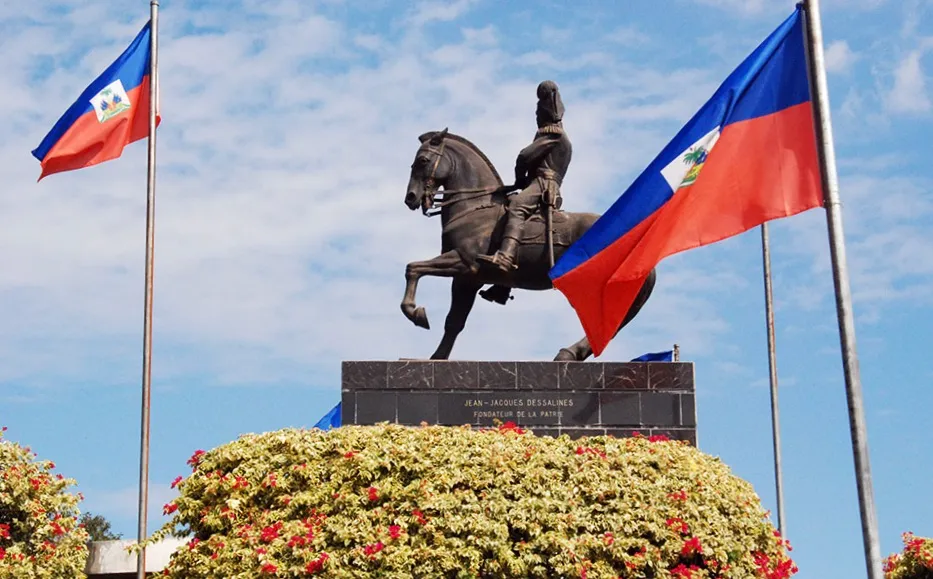
First black nation to free itself from slavery and gain independence from France in 1804 and influenced other liberation movements around the world, inspiring struggles for freedom and equality.

Natural beauty

Natural beauty

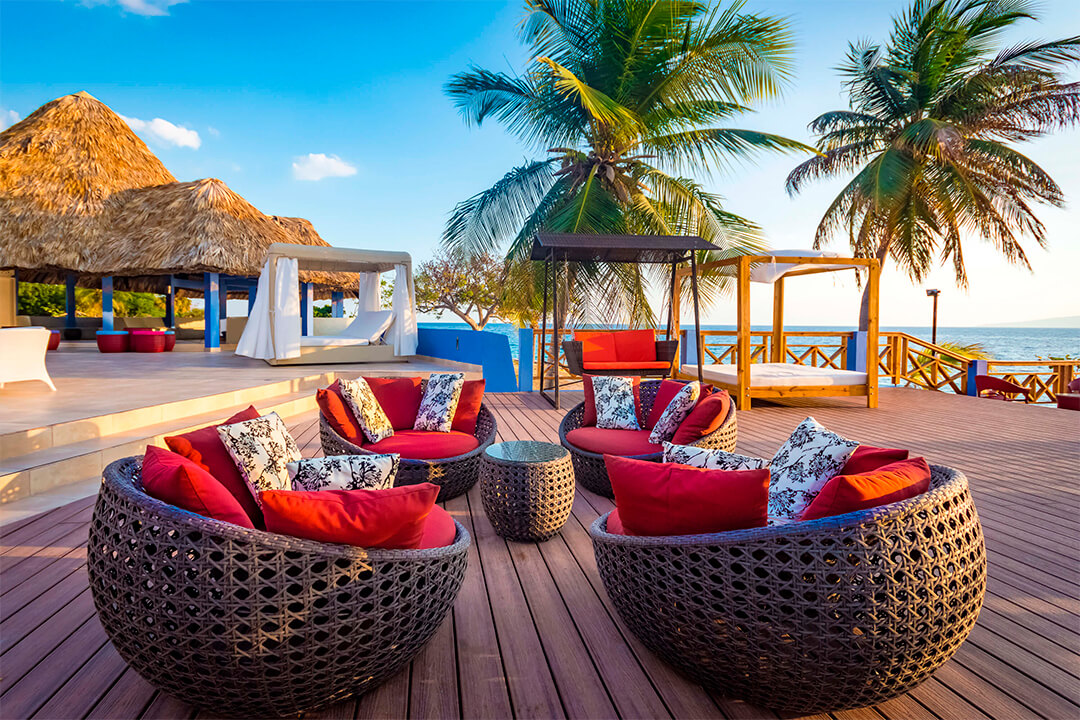
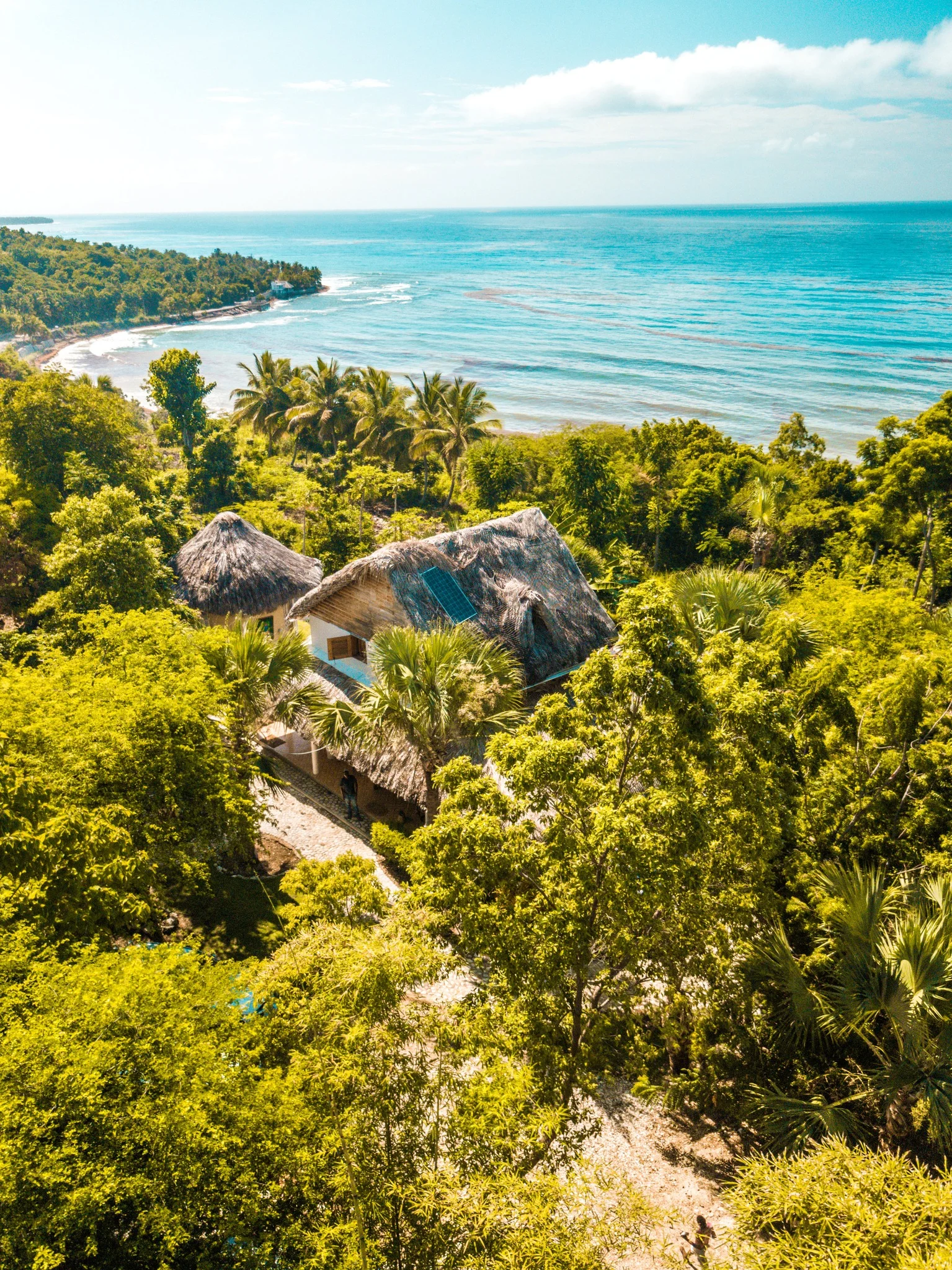
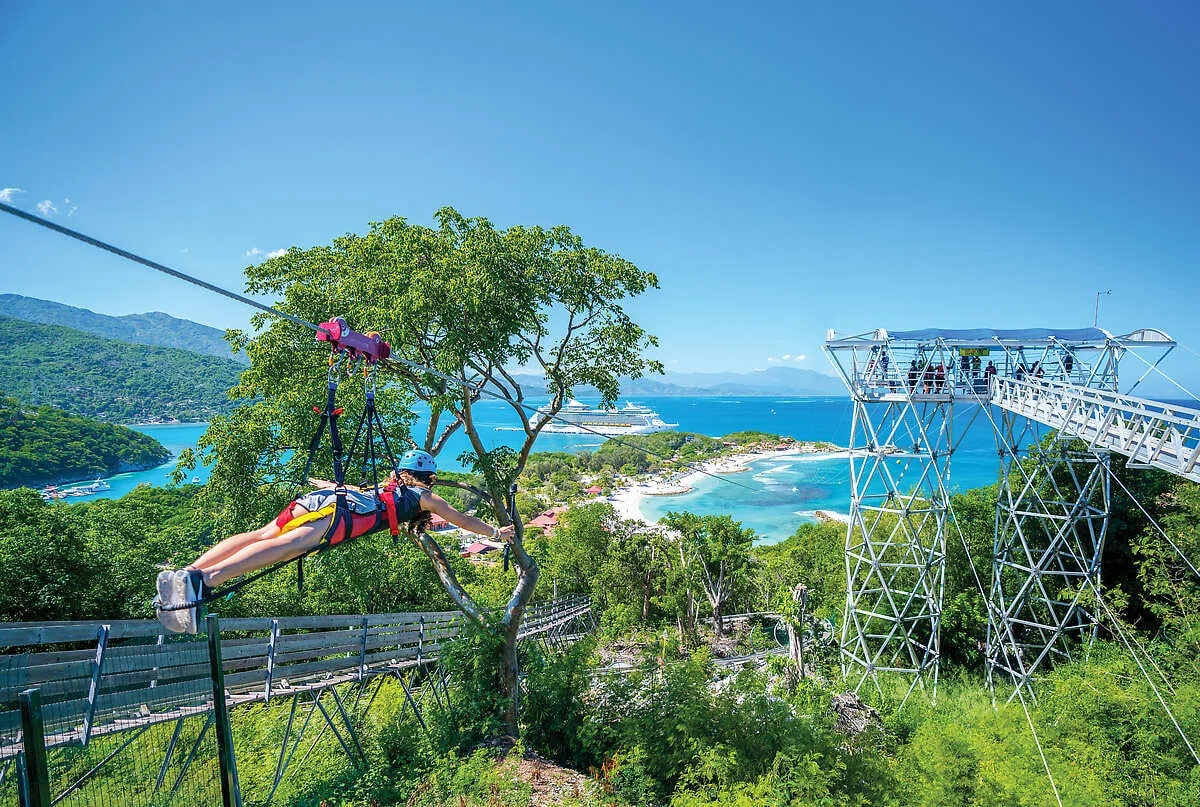
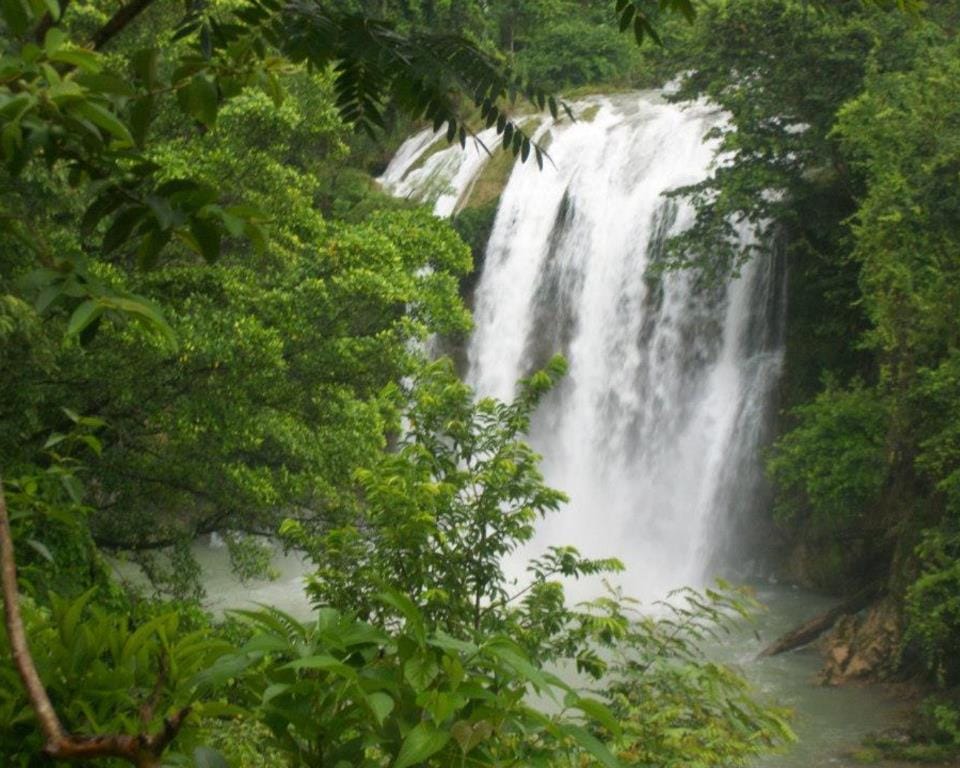
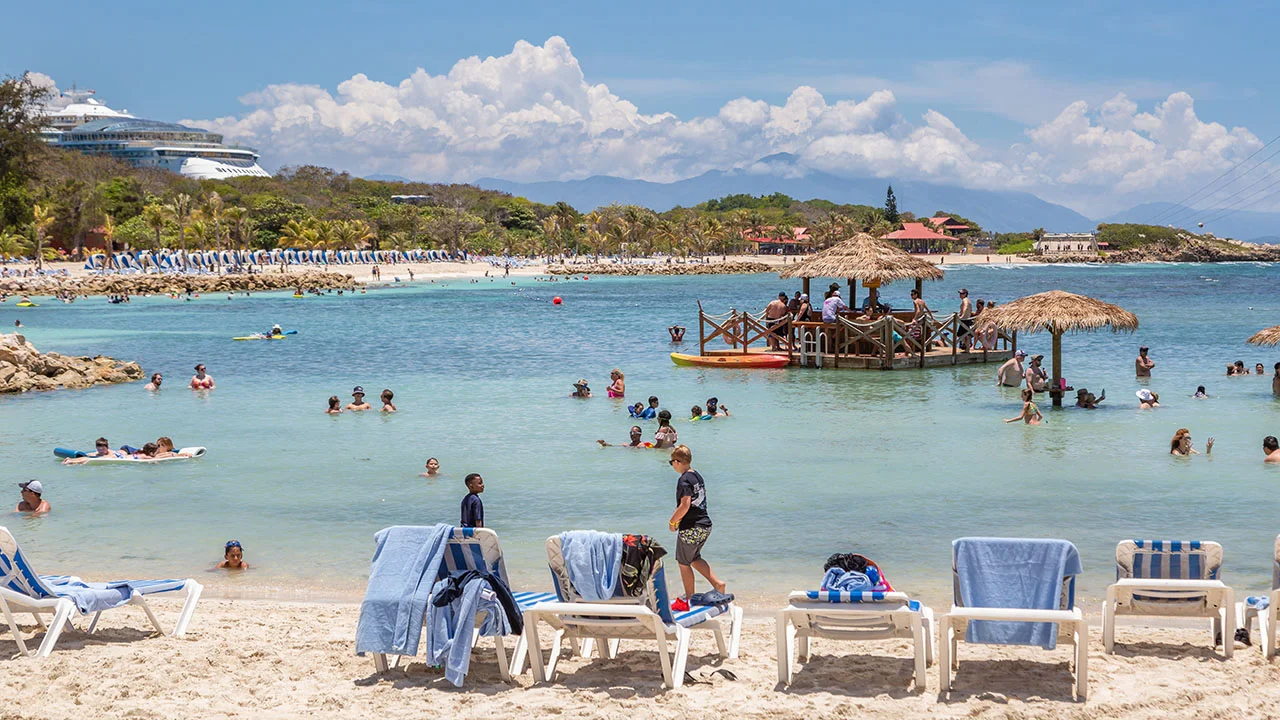
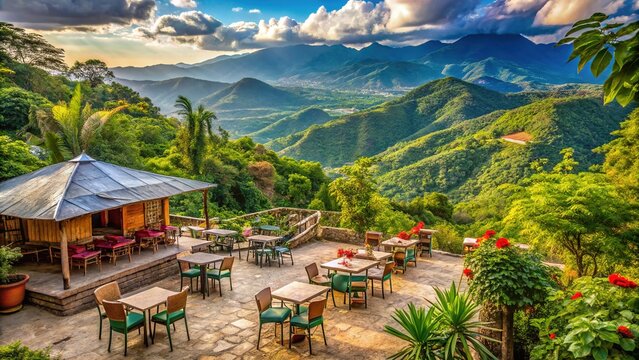
Haïti is blessed with spectacular natural landscapes, including white sand beaches, mountains and rich biodiversity.

Heritage

Heritage

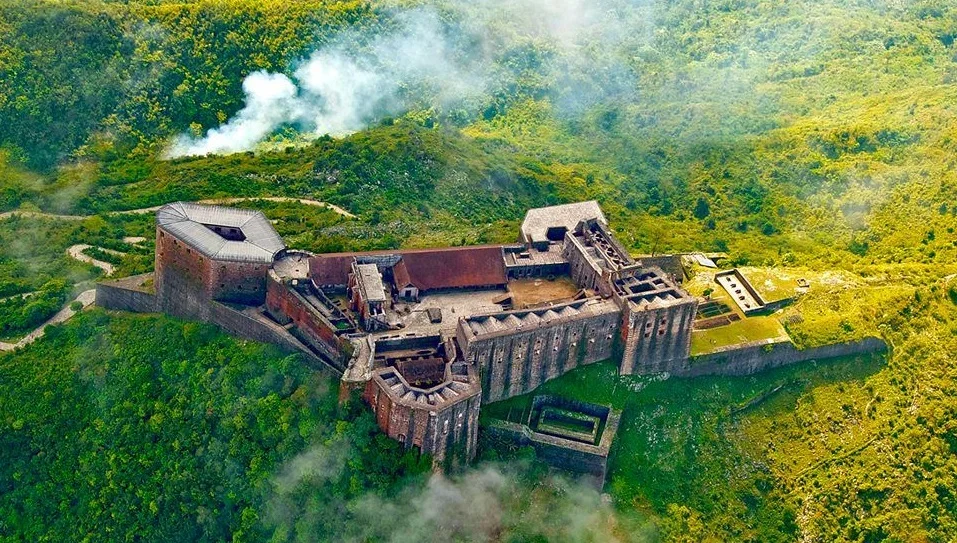
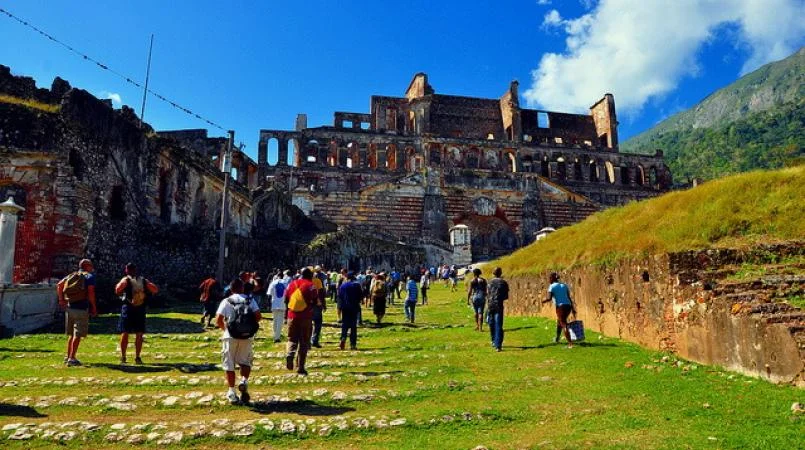
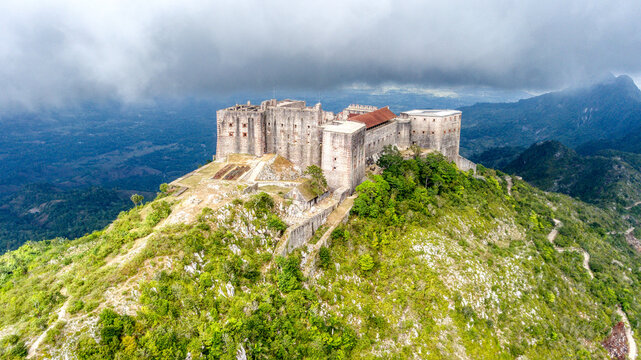
Haïti has a rich historical heritage, including sites like the Citadelle Laferrière and the Sans-Souci Palace, listed as UNESCO World Heritage Sites.

Culture

Culture

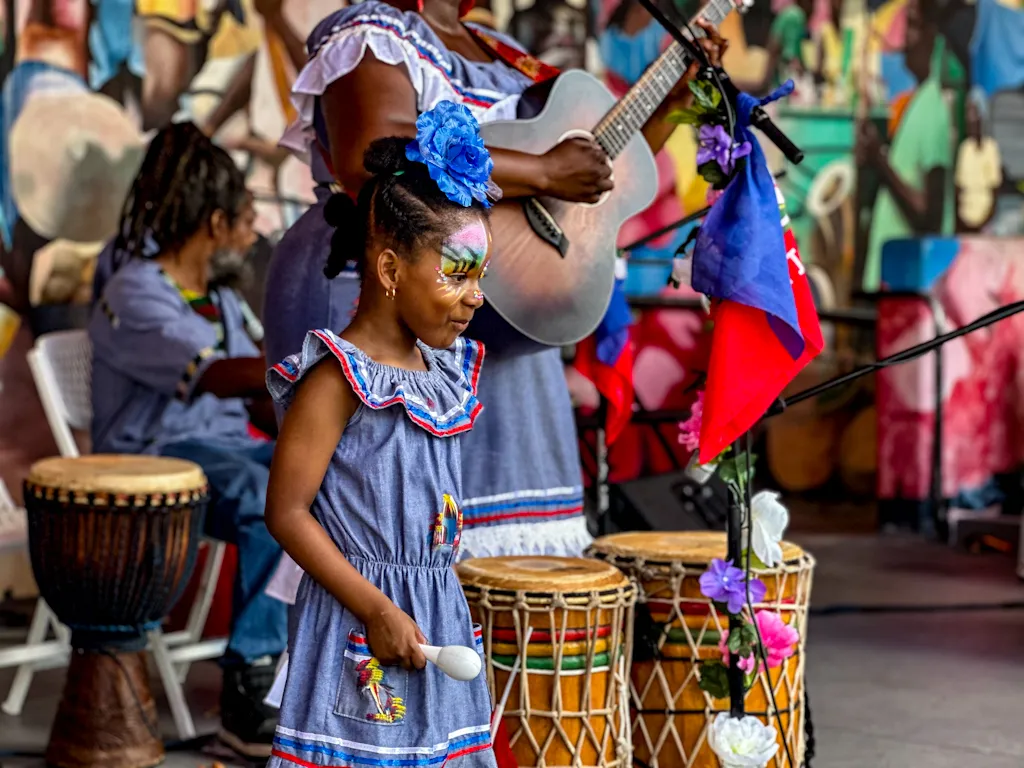
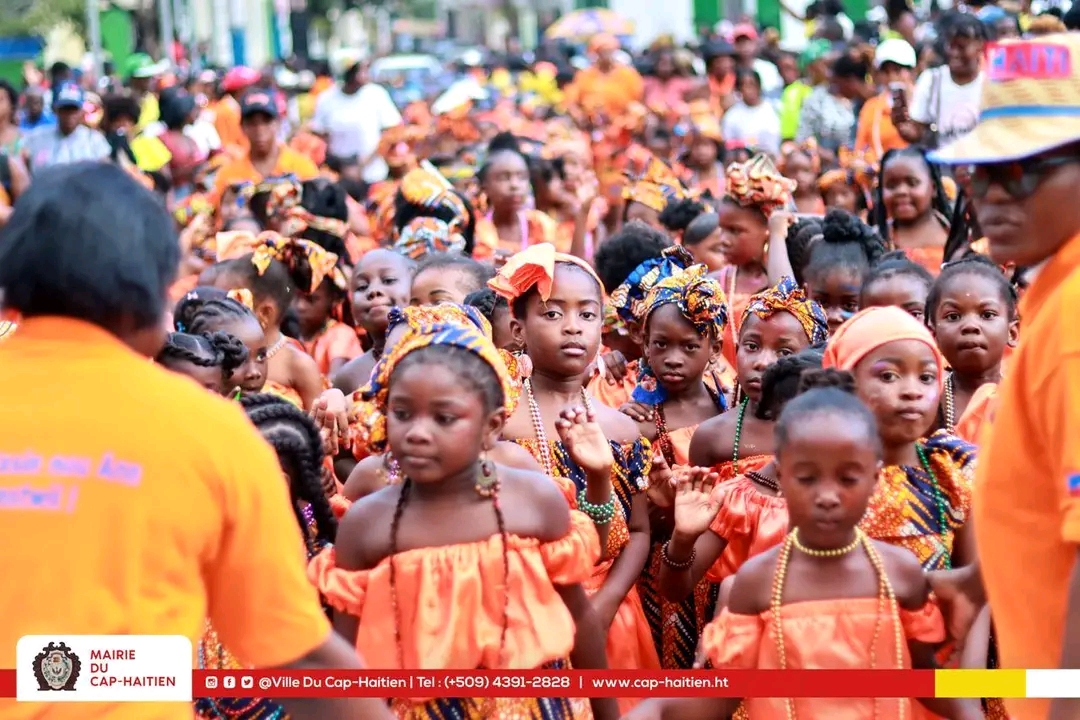
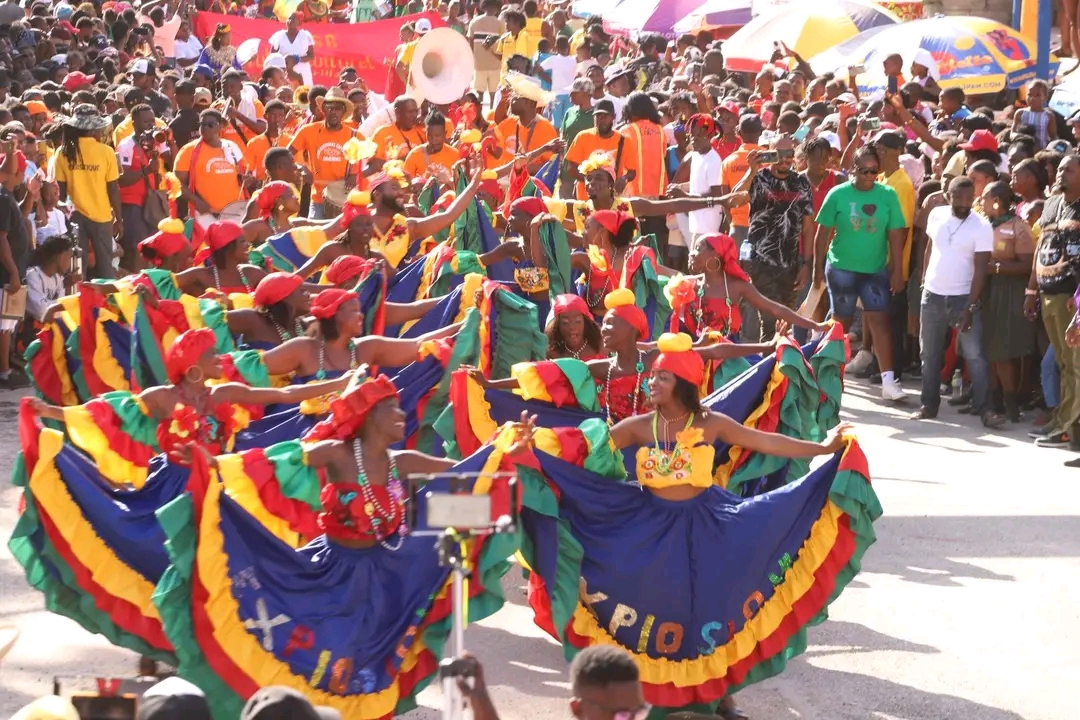
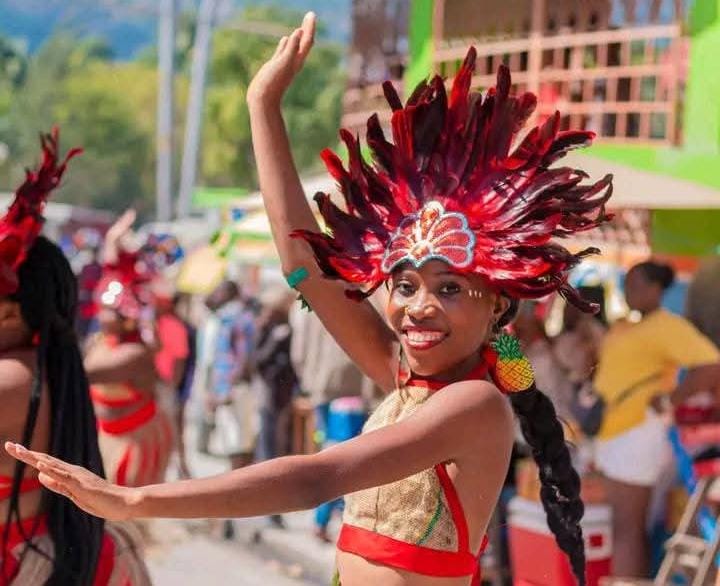
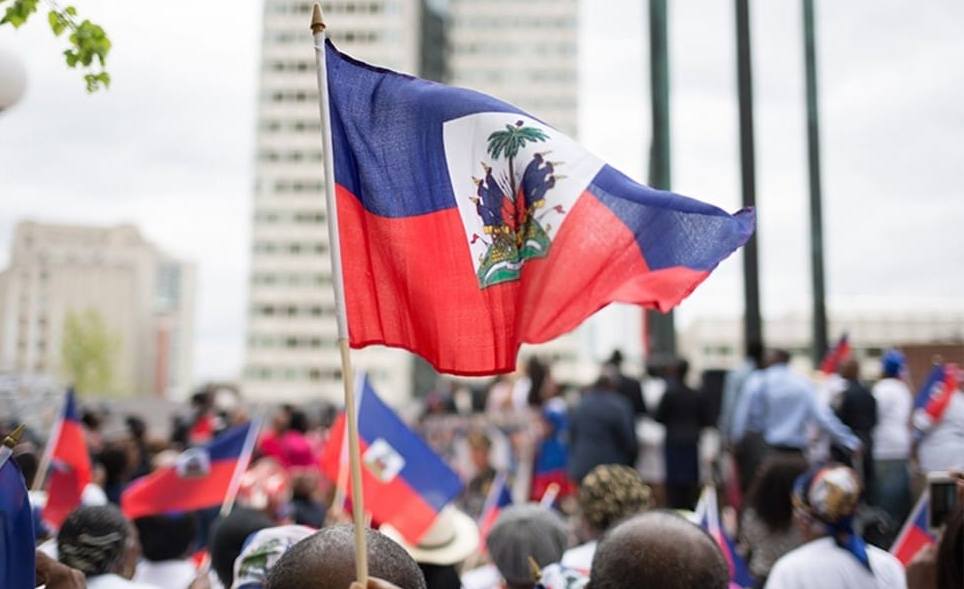
Haïti has a rich and diverse culture, influenced by African, European and indigenous elements. Haitian music, dance, art and cuisine are celebrated around the world.

  • +
    • Post