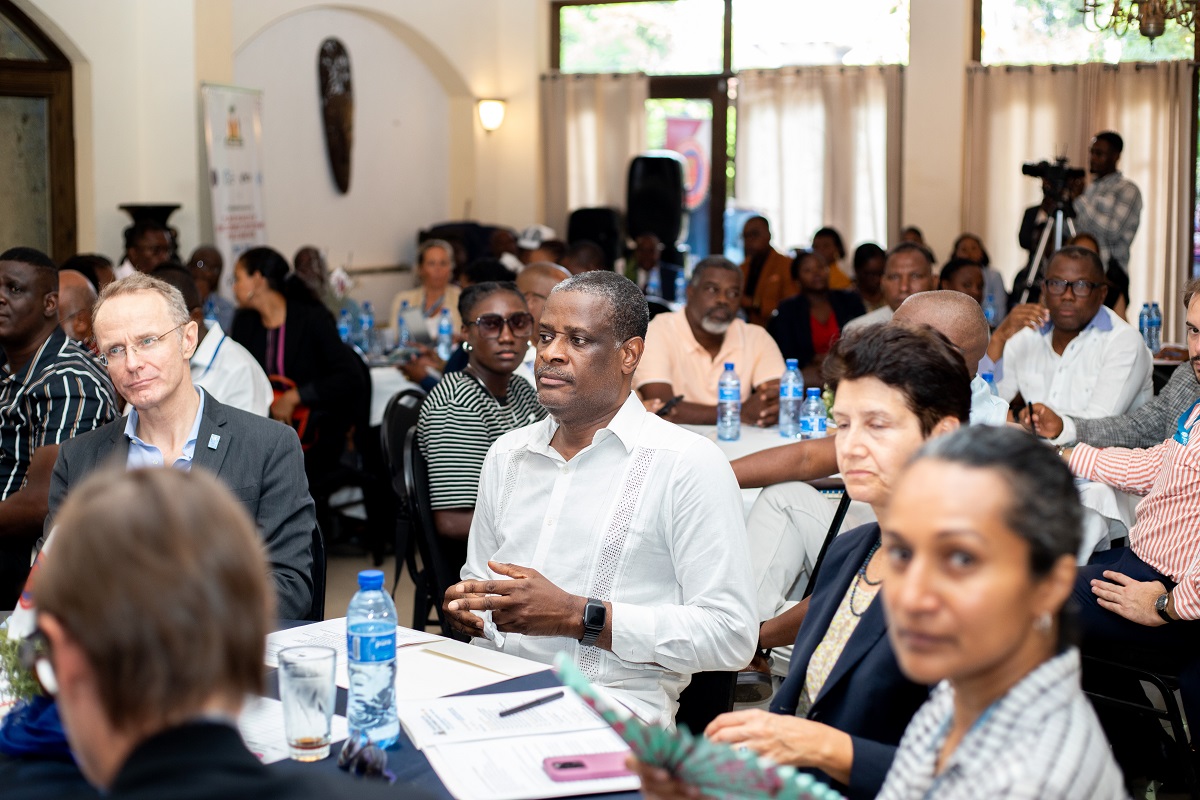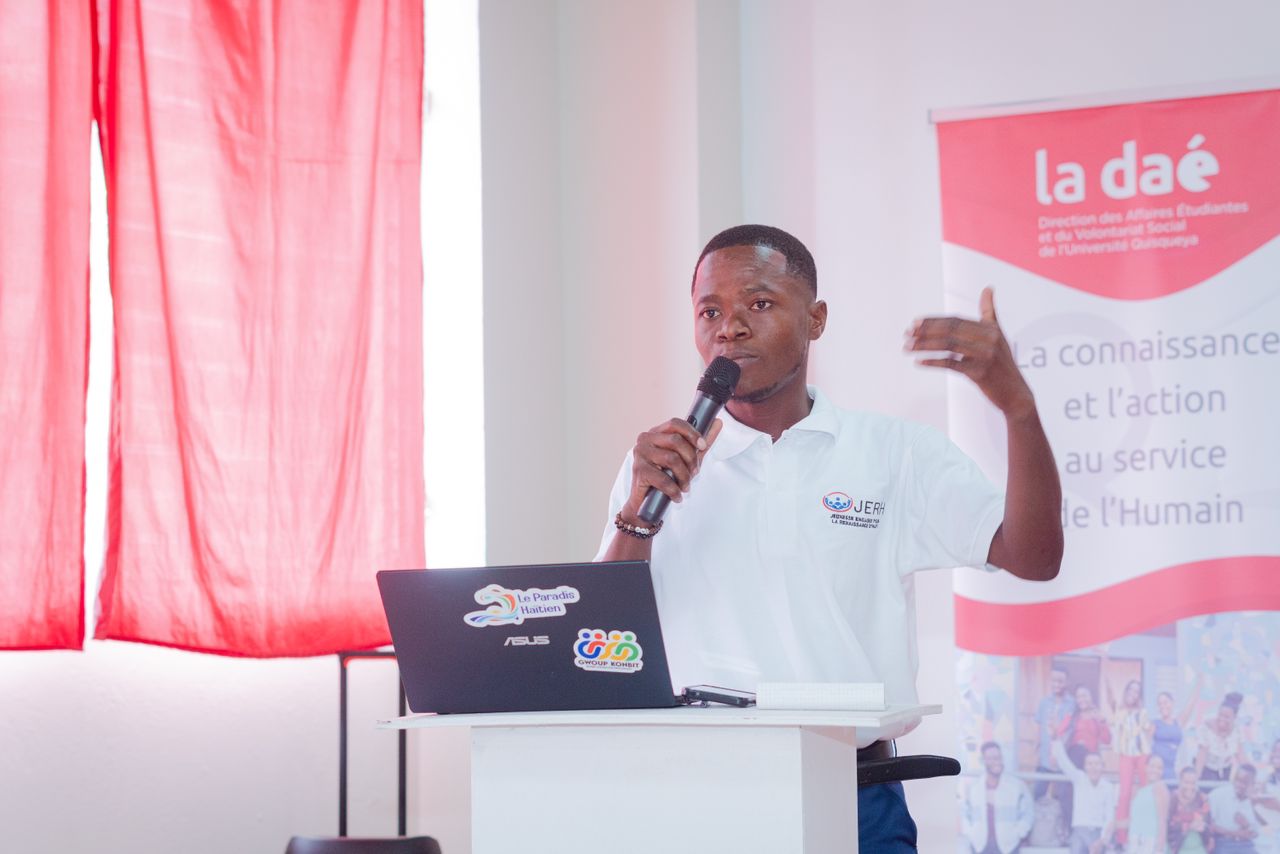


Haiti: The Rendez-Vous Christ Church inspires youth at a major conference
Discover how the Rendez-Vous Christ Church inspires Haitian youth at an unforgettable conference. An event not to be missed! #Haiti #Inspiration

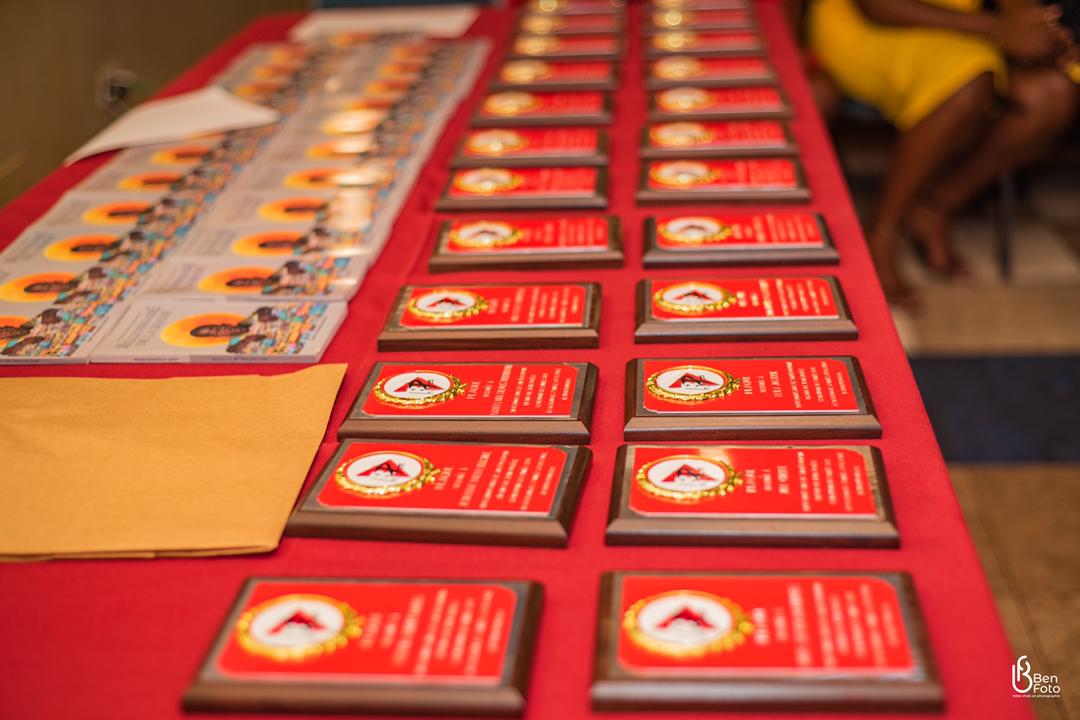
The "Letter to My Favorite Author" contest is a joint initiative by CSmon Publishing, a publishing house based in Virginia, USA, and the Port-au-Prince Book Fair. The contest aims to create a platform where young literature enthusiasts can express their affection and admiration for the authors who have impacted their lives through a letter dedicated to them. This letter can be written in Haitian Creole or French by any young person aged 18 to 30 living in Haiti. The author to whom the letter is addressed can be Haitian or foreign, and even from the medieval period. The contest began on January 27, with registration closing on that date, and will continue until April 15, when the prizes will be awarded. The awards, which are 75,000 gourdes for the winner, 50,000 gourdes for the second place, and 25,000 gourdes for third place, will be presented during the event "Living in Prose and Poetry," organized annually by the Port-au-Prince Book Fair, to be held in 2025 at the French Institute in Haiti.
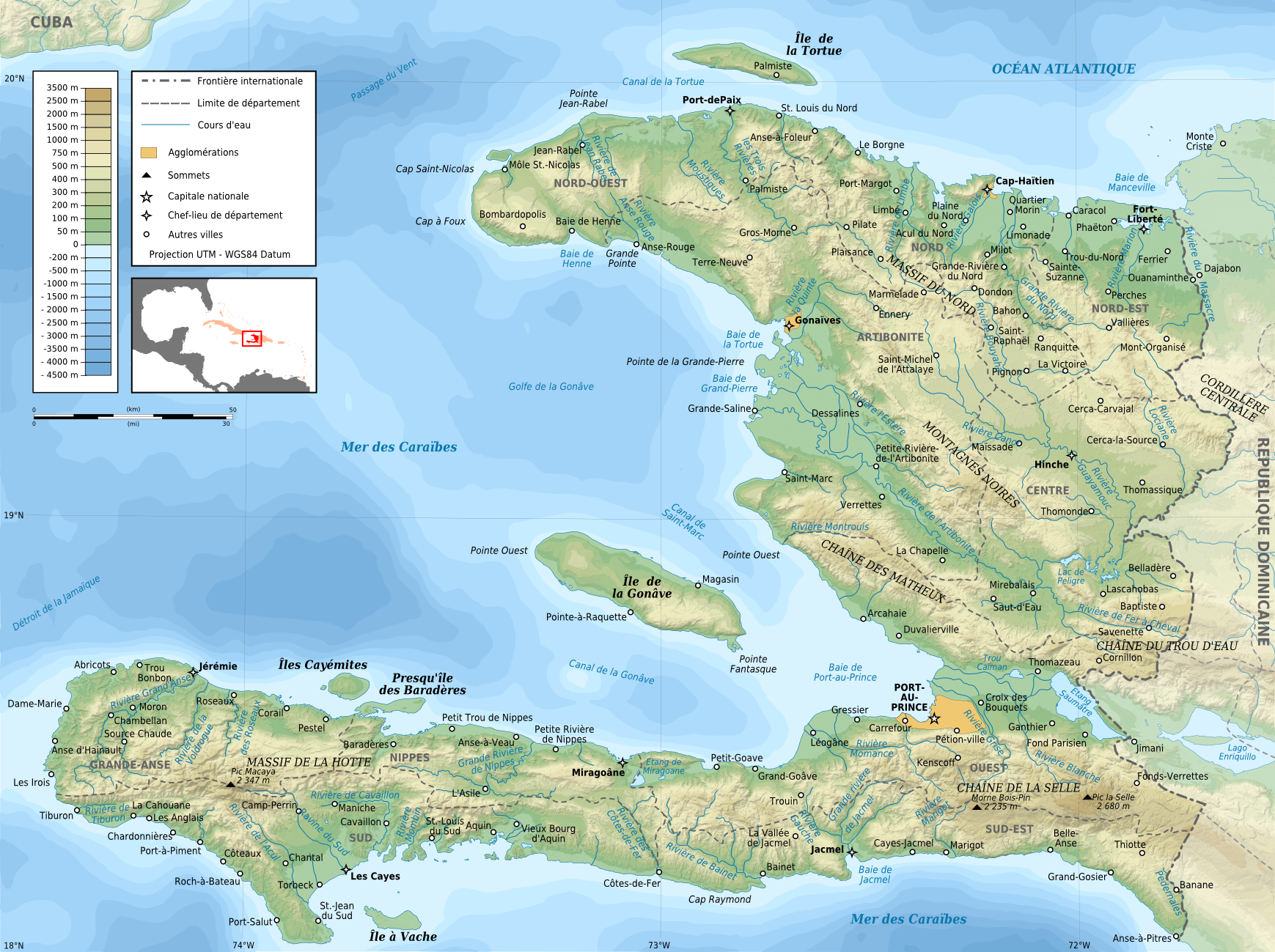
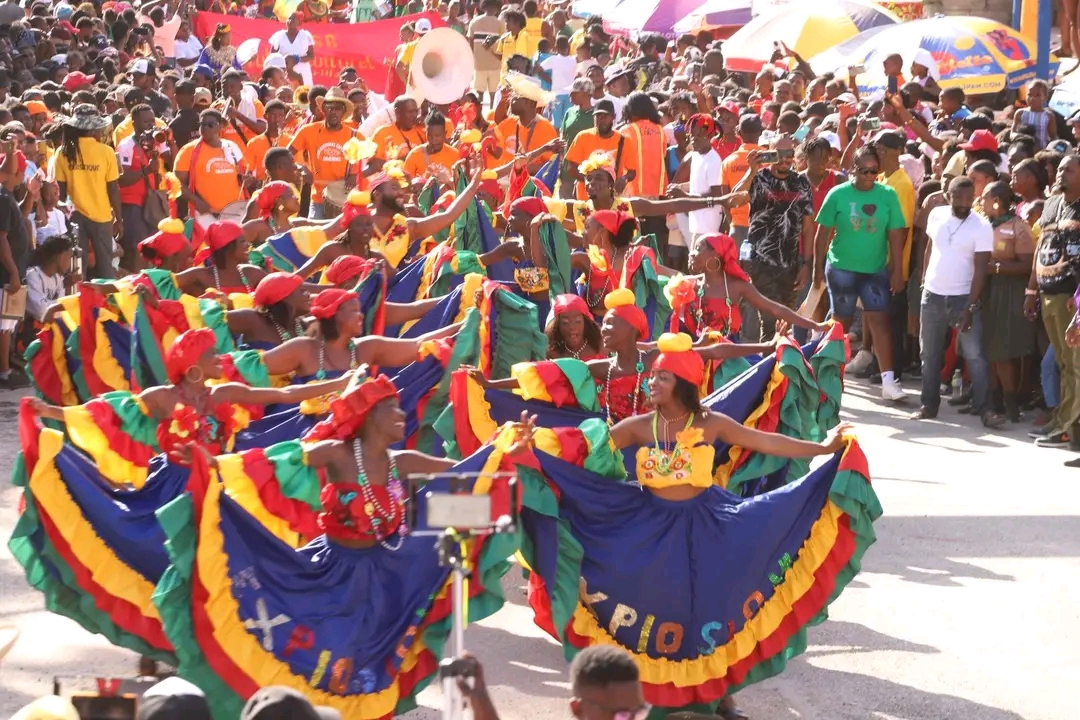
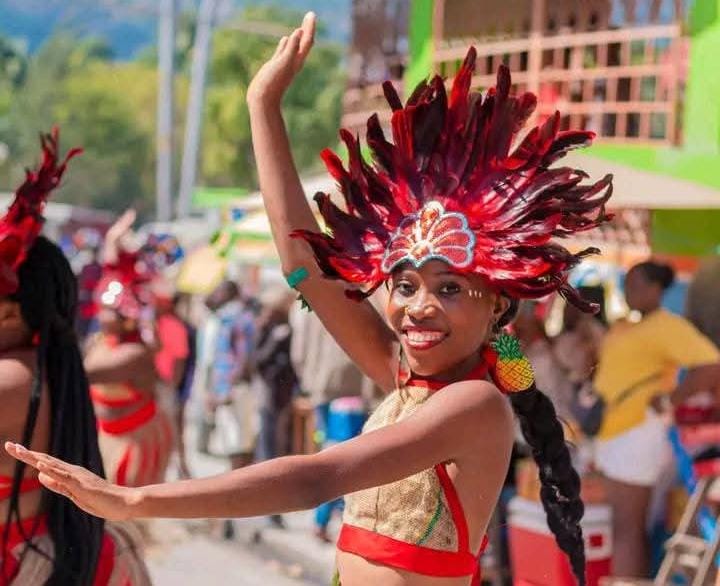
Haiti, an unknown pearl of the Caribbean, seduces with its cultural richness and breathtaking landscapes. Cradle of a fascinating history and a vibrant cultural identity, this country offers visitors an authentic experience, far from the beaten track.
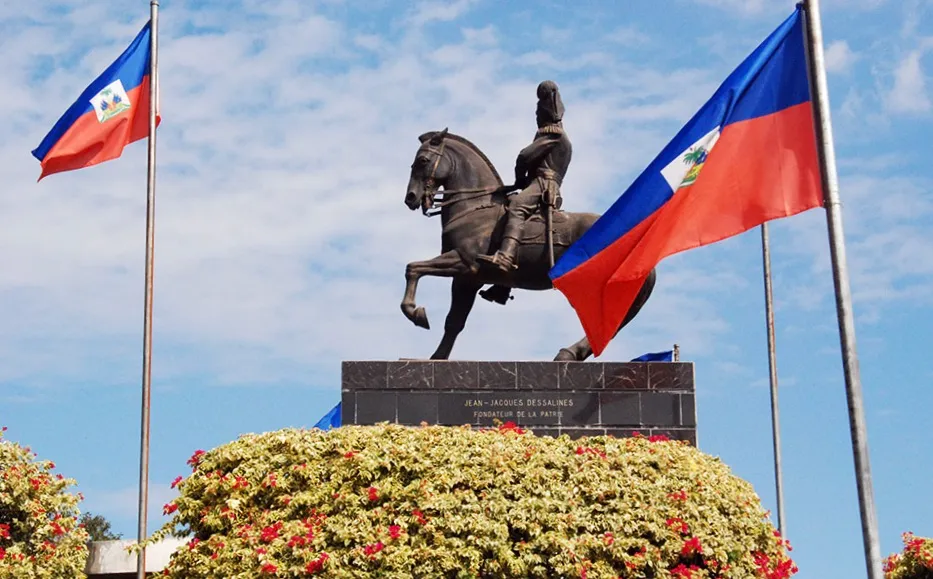
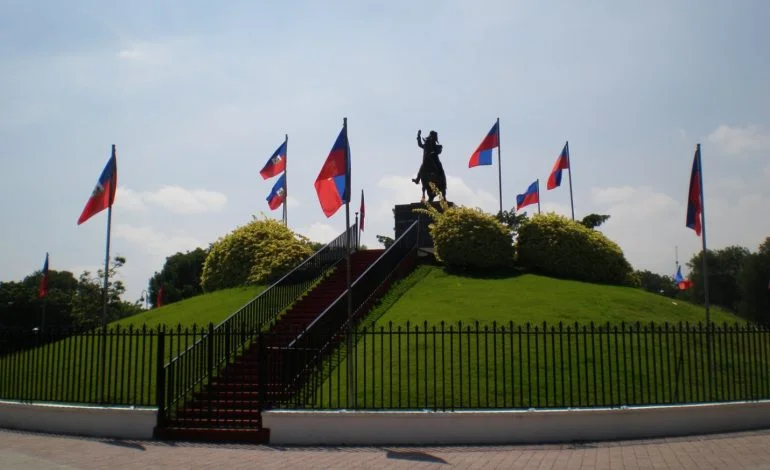
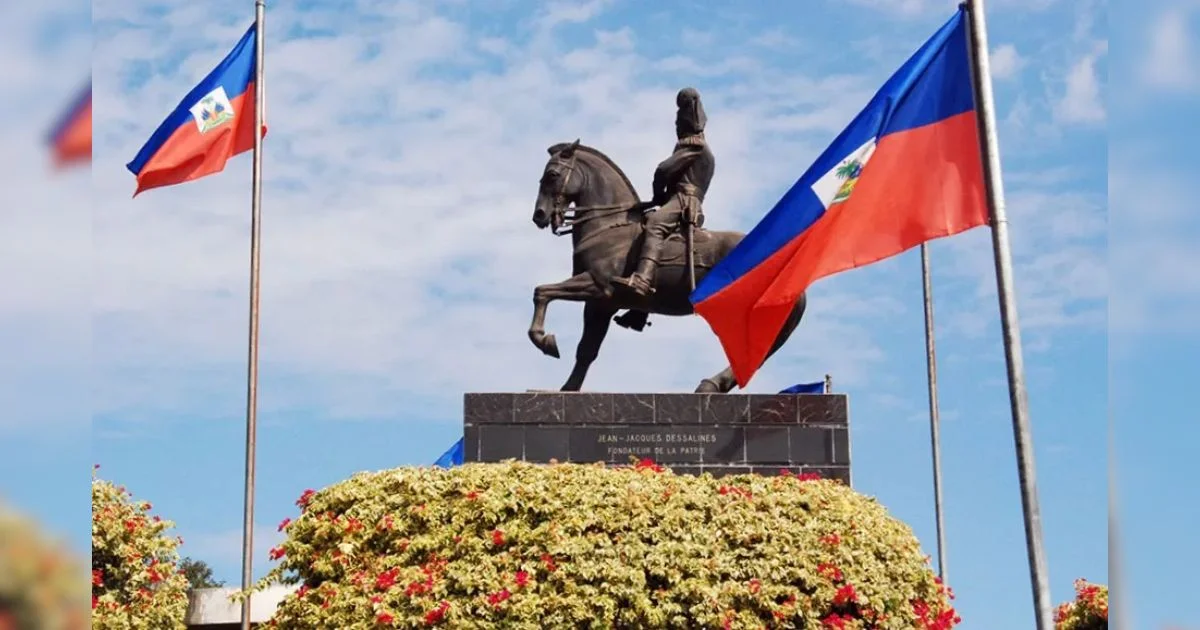
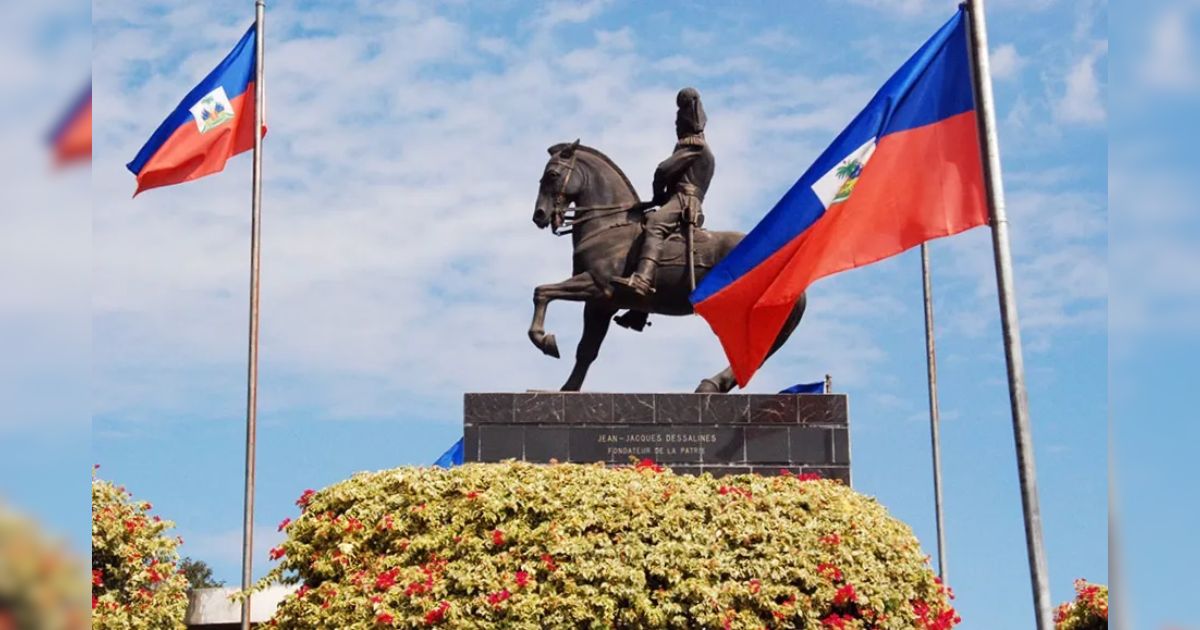
Jean-Jacques Dessalines is an emblematic figure in modern world history for his fruitful involvement in the fight against the slave system. Through his dedication and courage, he embodied the indomitable spirit of an entire black people forcibly deported from the African continent, implanted by this same violent mechanism, in America to suffer, but determined to free themselves from oppression by forging their own destiny despite all the risks and difficulties. Dessalines’ entire life, his entire journey bears the mark of a life inscribed in the fight to free his loved ones. His unfailing determination and passion for freedom made him a living symbol of resistance for all the oppressed nations of the earth, more than two centuries after his death. We wrongly associate the image of Jean-Jacques Dessalines with chaos. The sole aim is to discredit his immense legacy before the eyes of history. “Koupe tèt, boule Kay” is the preferred expression to use for such purposes against his character, along the way, expressly forgetting the historical context hidden in the back of the “koupe tèt boule Kay” in question, also refusing to register this approach historical in the logic of a just and courageous stand, in the face of a barbaric, slavery system, devoid of morality and humanity.
After "No to violence", the theme of the previous edition, "I read, I grow" is the theme around which the 18th edition of Week-end Poétique will take place, scheduled for January 31, 2025 at Carrefour. As a special guest, this edition will welcome Jean-Rony Charles, author of Pitié, a short story that, in its depth, focuses on the human condition, in particular the precarious life situations that many people face on a daily basis. Exhibitions, workshops, performances and book signings are among the various activities on the program for this 18th edition. The Week-end Poétique is not only a relaxing activity, but a real space for engagement, offering activities that have a direct impact on the Carrefour community. Events of a social, cultural, artistic, literary, etc. nature constitute its heart and contribute to enriching local life.
Tourism is a vital sector for the economic and cultural development of a country, and Haïti is no exception. With a rich historical heritage, breathtaking landscapes, and a vibrant culture, Haïti has a unique tourism potential that can play a crucial role in its development. Let’s find out why tourism is so important to Haïti and how it can transform the country.
Several centuries ago, in the heart of the Atlantic Ocean, an island of captivating beauty and incredible wealth, called Hispaniola, attracted the attention of the world’s powerful. Discovered by Christopher Columbus in 1492, the island became the center of covetousness. But the colonial powers did not yet know that the island concealed within it an indomitable people. The Tainos, the first inhabitants, resisted the invader with the spirit of freedom. They were crushed, but their untamed spirits persisted in the wind, in the earth, and, much later, in the dreams of the African slaves who would come. Centuries pass and, under the merciless yoke of the French colonists, the island is transformed into a vast field of sugar cane, cultivated by the hands of slaves from Africa. These men and women, deported against their will, carry within them the hope of one day freeing themselves, of breaking the chains of oppression. And it is this dream, this sacred fire, which will burst forth in a revolt so great that it will mark the history of the world forever.
Sweet potatoes, often considered a superfood, are not only delicious but also rich in nutrients. In addition to their versatility, sweet potatoes can be prepared in a multitude of ways, making them a popular ingredient in many cuisines.
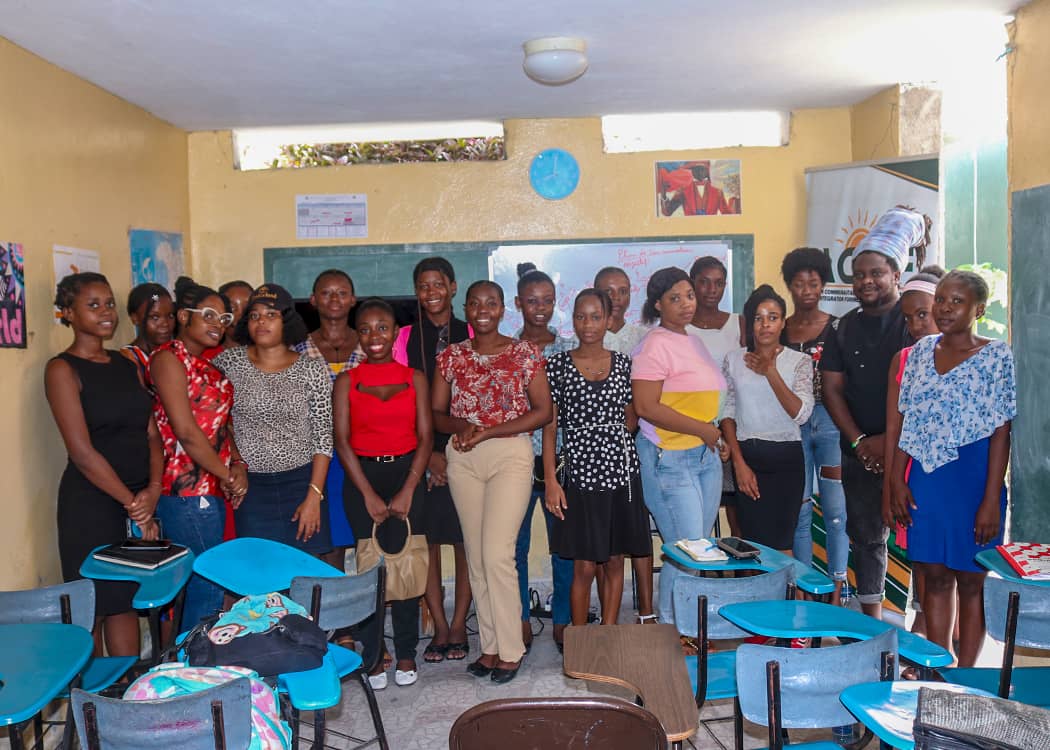
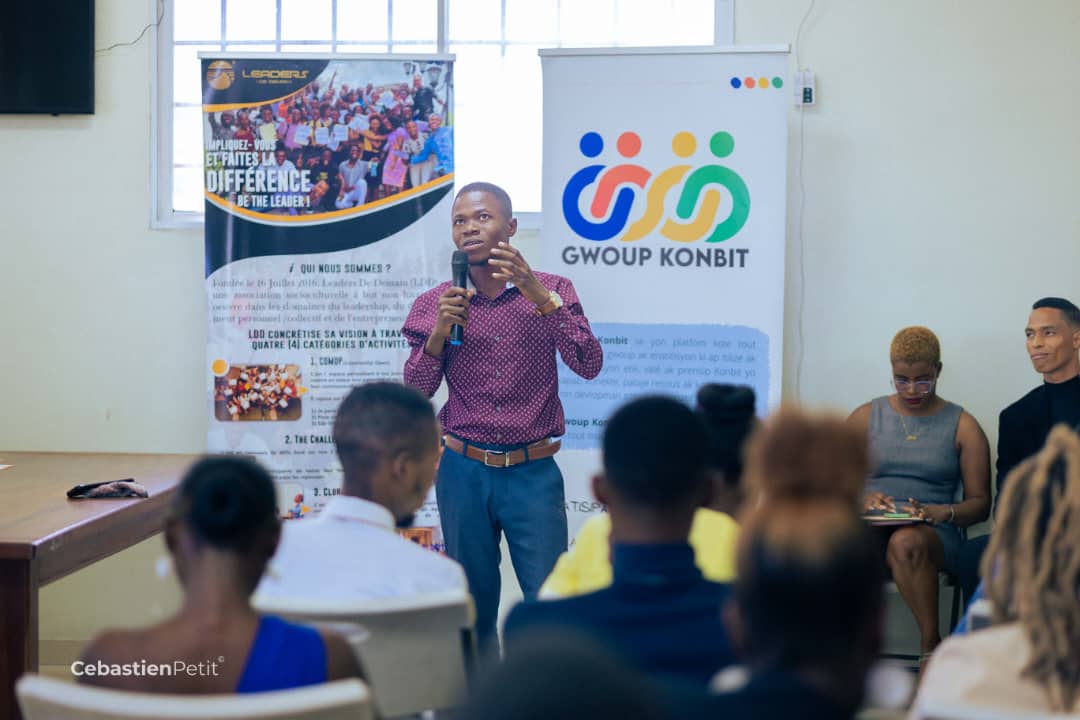
The LEGACY LEADERSHIP AWARD 2025, organized by LEAD-ACADEMY, honored the committed youth of the commune of Carrefour. This prestigious event brought together nearly 200 young people and many local actors to celebrate exemplary leadership in a region facing many challenges.
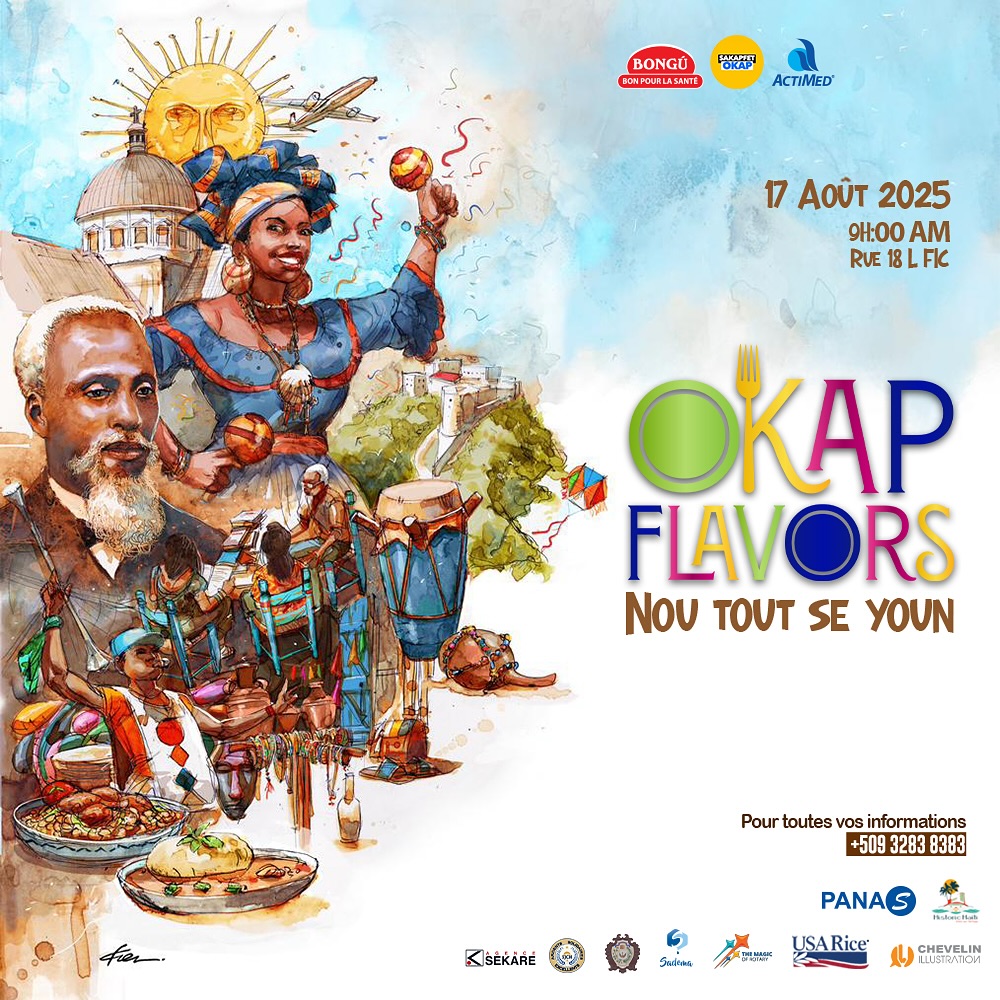
Haiti, pearl of the Caribbean, never ceases to amaze with its cultural richness, its captivating landscapes and, above all, its authentic cuisine. Each dish tells a story, a heritage passed down from generation to generation, where exotic flavors and culinary traditions blend to create an unforgettable experience. Here is a selection of the 25 best Haitian dishes in 2025, to be savored absolutely during your next visit to Haiti!
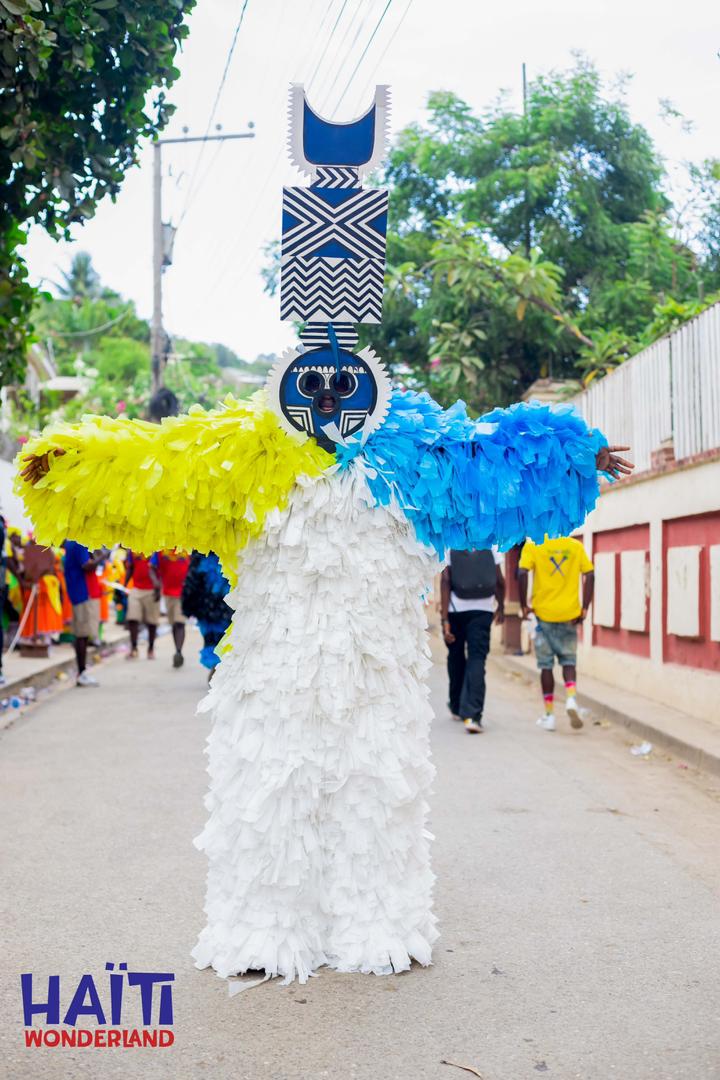
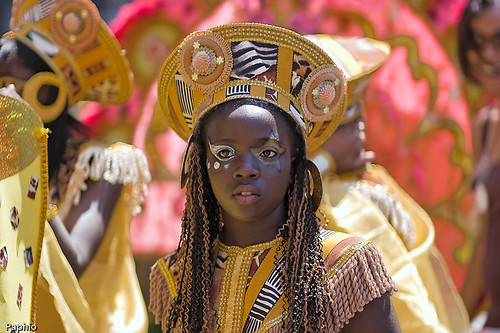
Every November 1st and 2nd, Haïti comes alive with the colors black and purple to celebrate the Guédés, spirits venerated in the voodoo religion, symbols of a powerful bond between the living and the dead. Fascinating, indomitable and provocative, the Guédés form a true family in the pantheon of Haitian voodoo, where they are respected for their role as spiritual guides of the deceased to the afterlife. Led by iconic figures such as the legendary Baron Samedi and his companion Grann Brigitte, the Guédés embody the paradoxes of life and death. Each Baron has a unique personality: Baron Cimetière, Baron Kriminel, and Baron La Croix are the guardians of the souls that wander on the borders of the world of the dead. Together, they form a powerful and somewhat frightening presence, but one that is deeply rooted in Haitian culture. The Guédés are not like other voodoo spirits; they demonstrate their fearlessness in a spectacular way. Accustomed to death, they are fearless and are provocative: they eat glass, raw peppers, and coat their sensitive parts with rum and pepper. These gestures mark their indifference to danger and remind us that they have already known earthly life. They are thus psychopomps – these beings who lead the souls of the dead – and act as bridges between the world of the living and that of the dead. Some Guédés, like Guédé Nibo, wear black, purple, and white clothing, each with unique characteristics. They are many and varied: Guédé Fouillé, Guédé Loraj, Papa Guédé, and many others. These are the spirits who, each year, remind Haitians of the importance of remembering and honoring the deceased. The cult of the Guédés is not only religious; it is also cultural and historical. According to tradition, their spiritual territory, or “Fètomè” – nicknamed the “Country without Hats” – is a place where the souls of ancestors reside. According to stories, the origins of this cult go back to the Abomey plateau, the ancient capital of the kingdom of Dahomey, in Africa, where death and life coexist in a form of symbiosis. This celebration in Haïti even finds echoes in ancient history. The Romans also honored their dead with the “Fête des Lémuria”, which took place in February, to ward off spirits and restore peace between the world of the living and that of the deceased. For Haitians, honoring the Guédés is about accepting death as a part of life and celebrating the invisible bonds that unite us with those who have left us. It is also a way of resisting, because life, despite its challenges, must be celebrated in all its complexity and depth.
Haiti, a Caribbean island, carries within it an extraordinary history that resonates through the ages. Best known for being the scene of the first successful slave revolt in modern history, this nation has left an indelible mark on the course of humanity. Haiti’s history is notable not only for its revolutionary independence, but also for its impact on liberation movements and struggles for social justice around the world.
The holiday season in Haïti is full of magic, and Christmas songs play an essential role in this warm and festive atmosphere. Between traditions, wild rhythms and nostalgic melodies, Christmas music in Haïti reflects the cultural richness of the country. Here is a selection of 10 unforgettable Haitian Christmas songs, which continue to make hearts vibrate and leave a mark on minds.
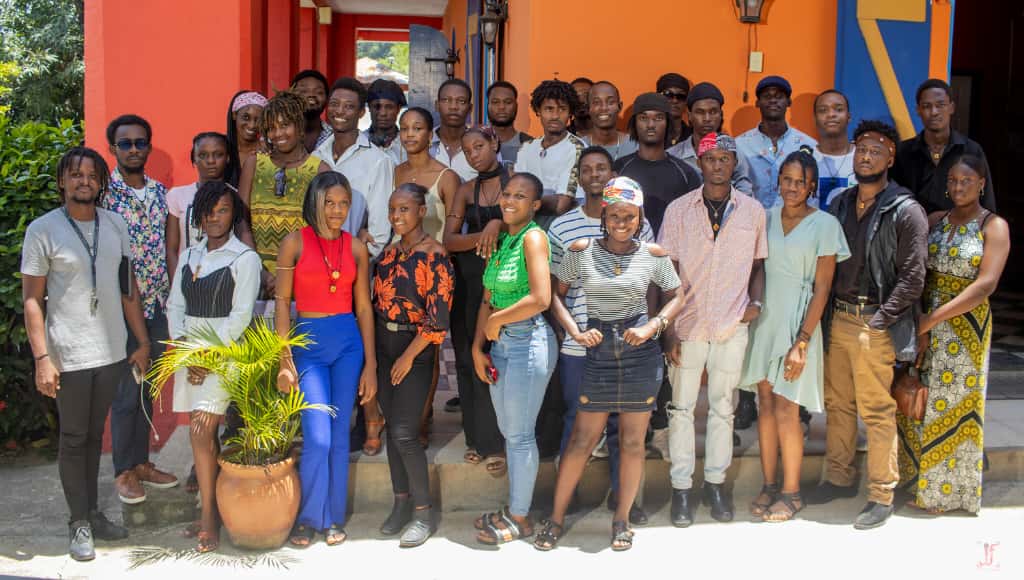
First black nation to free itself from slavery and gain independence from France in 1804 and influenced other liberation movements around the world, inspiring struggles for freedom and equality.
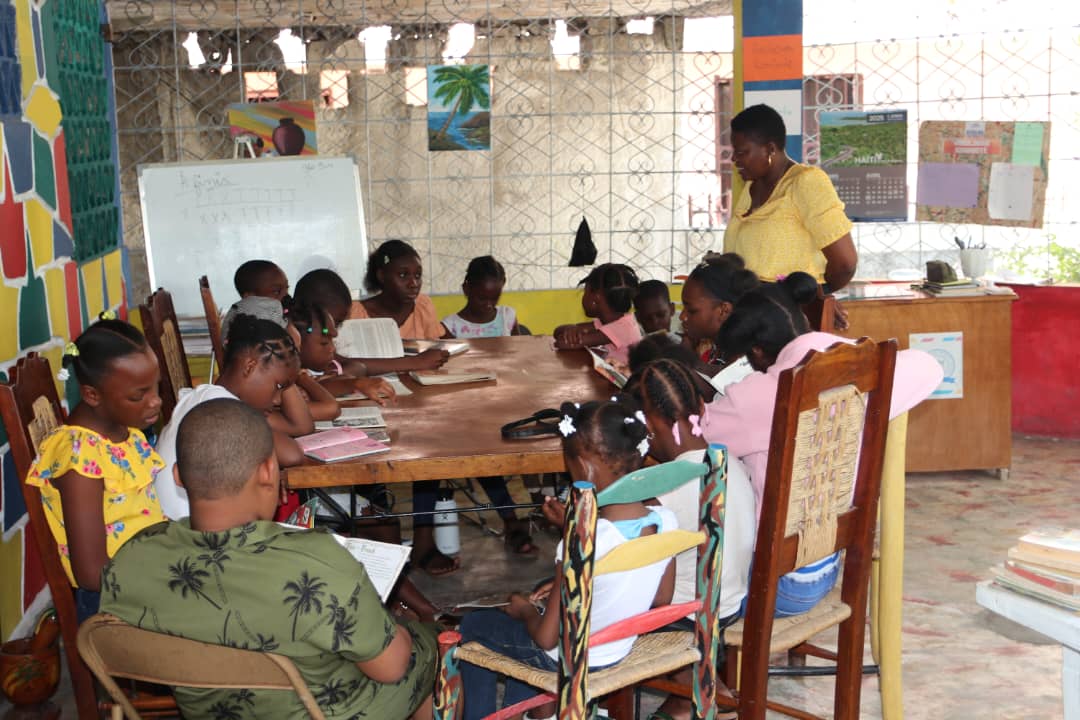
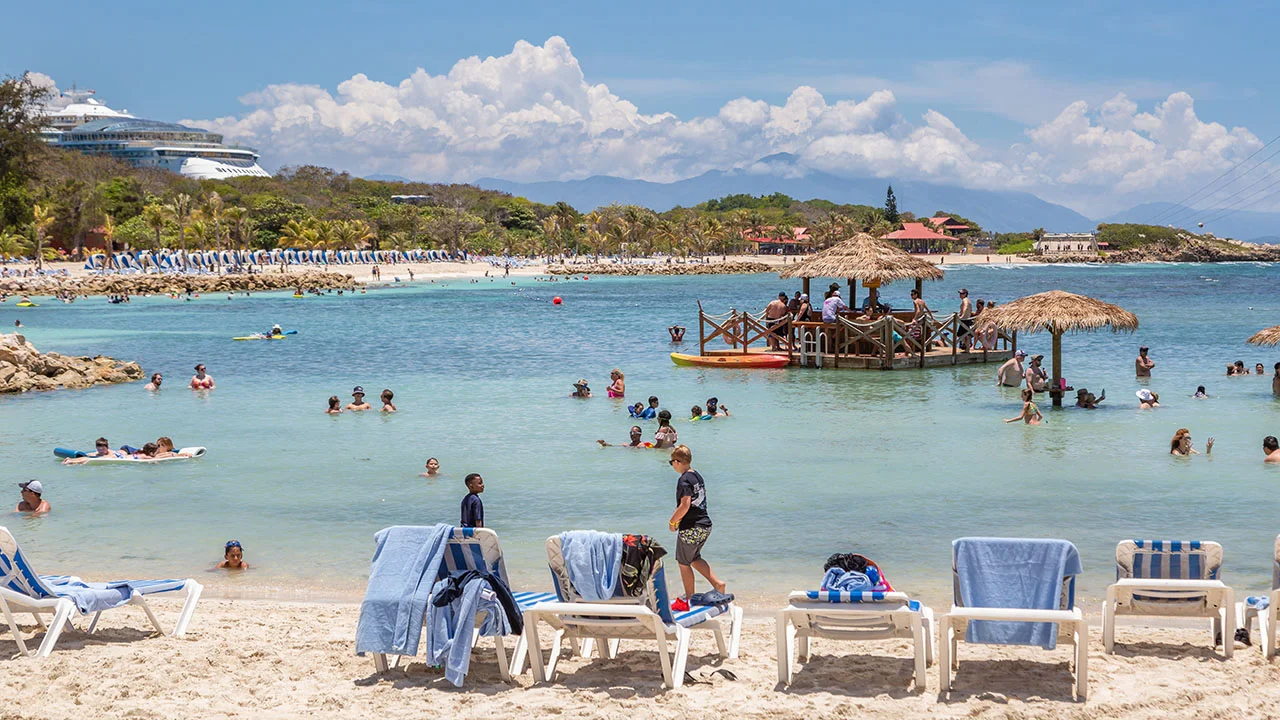
Haïti is blessed with spectacular natural landscapes, including white sand beaches, mountains and rich biodiversity.
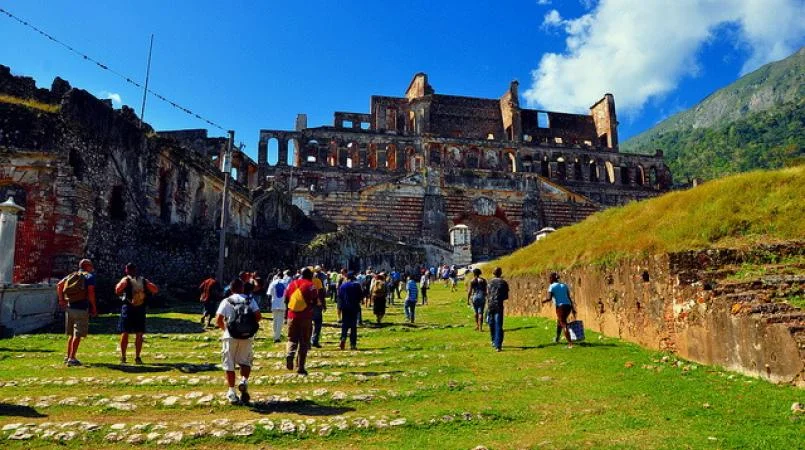
Haïti has a rich historical heritage, including sites like the Citadelle Laferrière and the Sans-Souci Palace, listed as UNESCO World Heritage Sites.

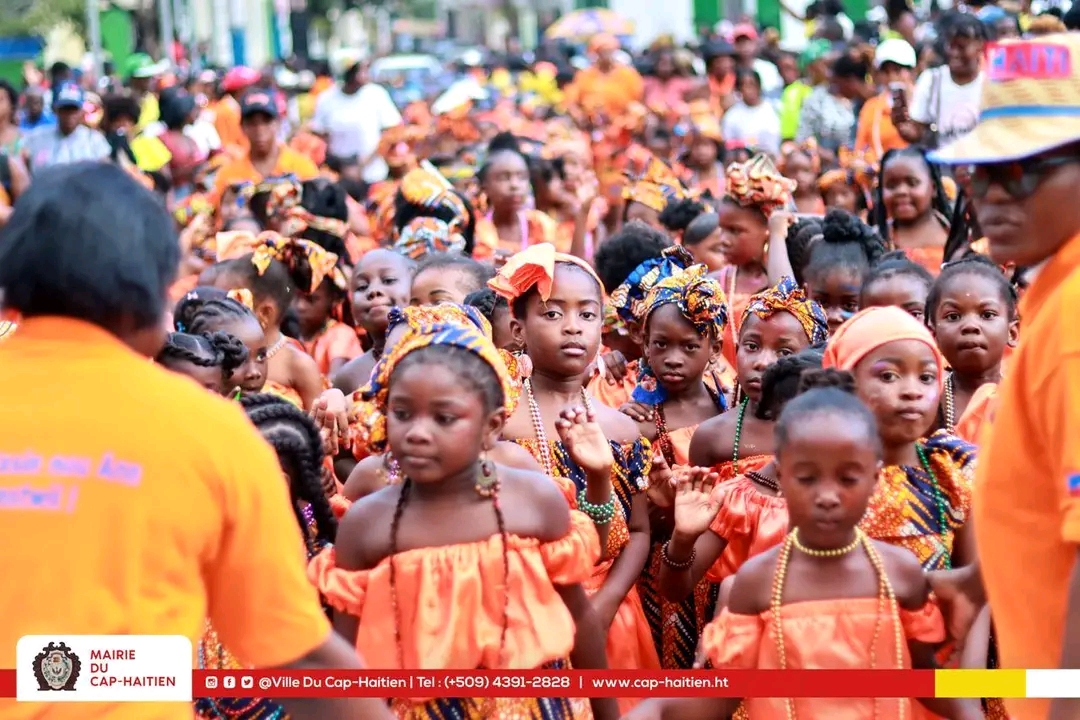
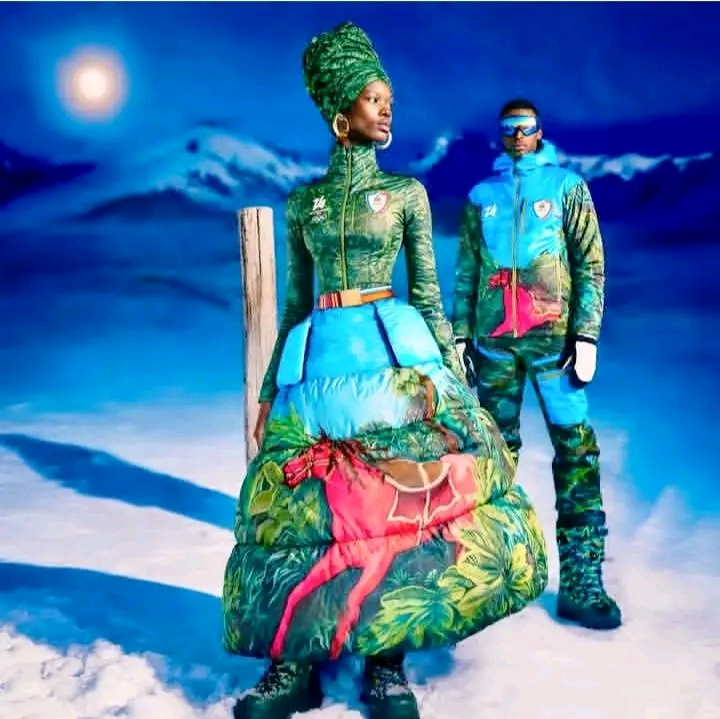
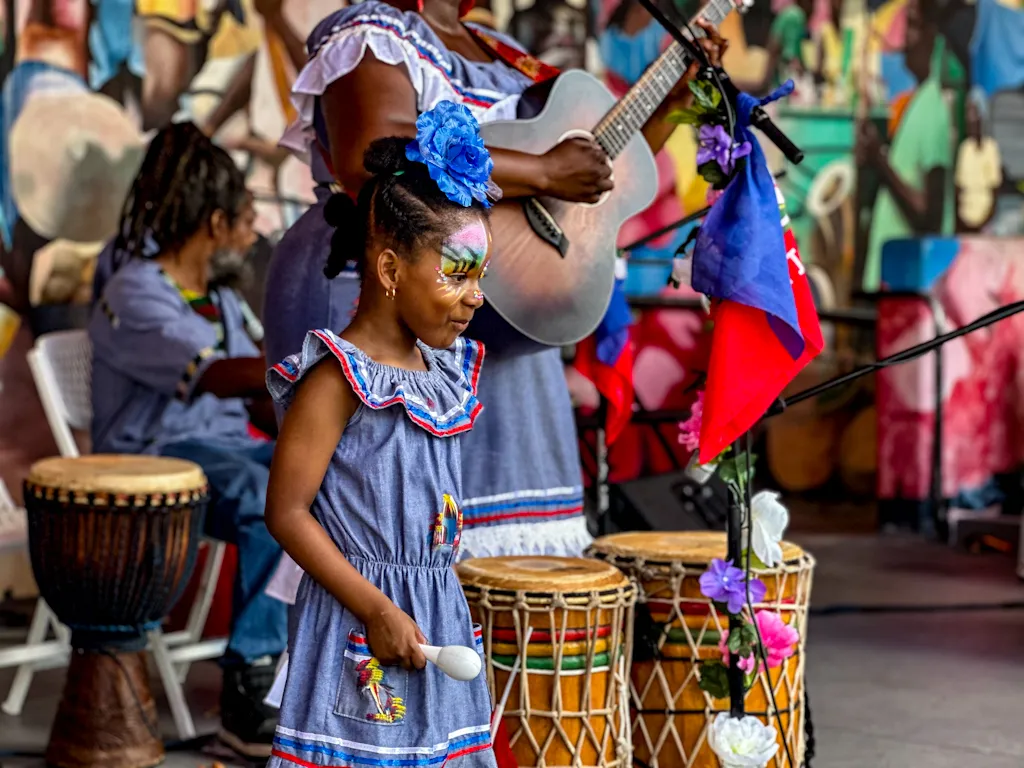
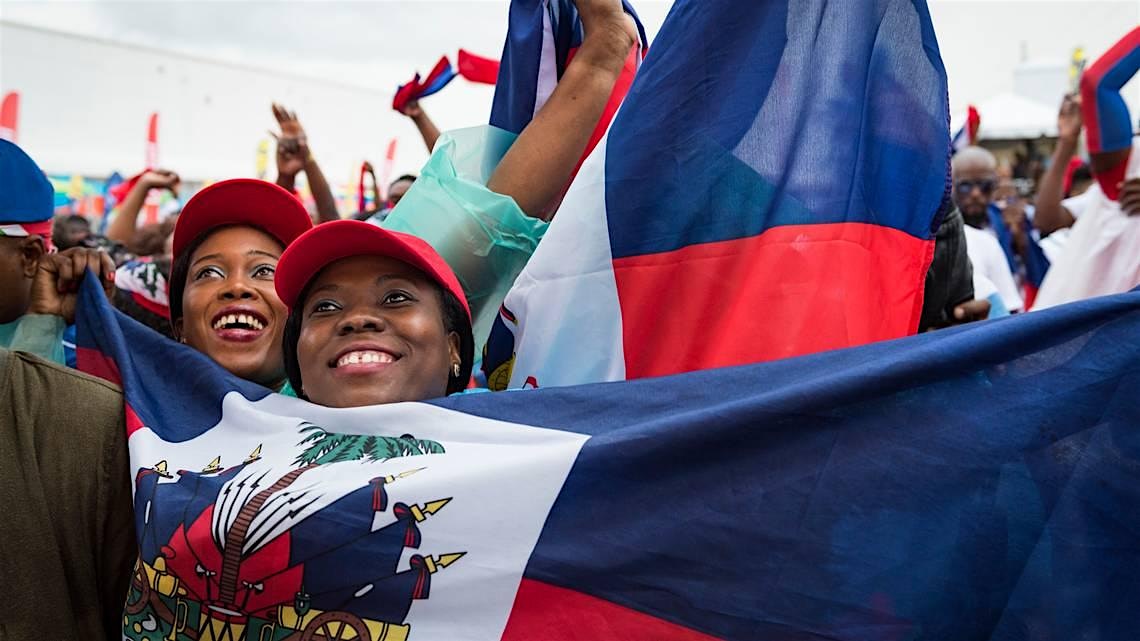
Haïti has a rich and diverse culture, influenced by African, European and indigenous elements. Haitian music, dance, art and cuisine are celebrated around the world.