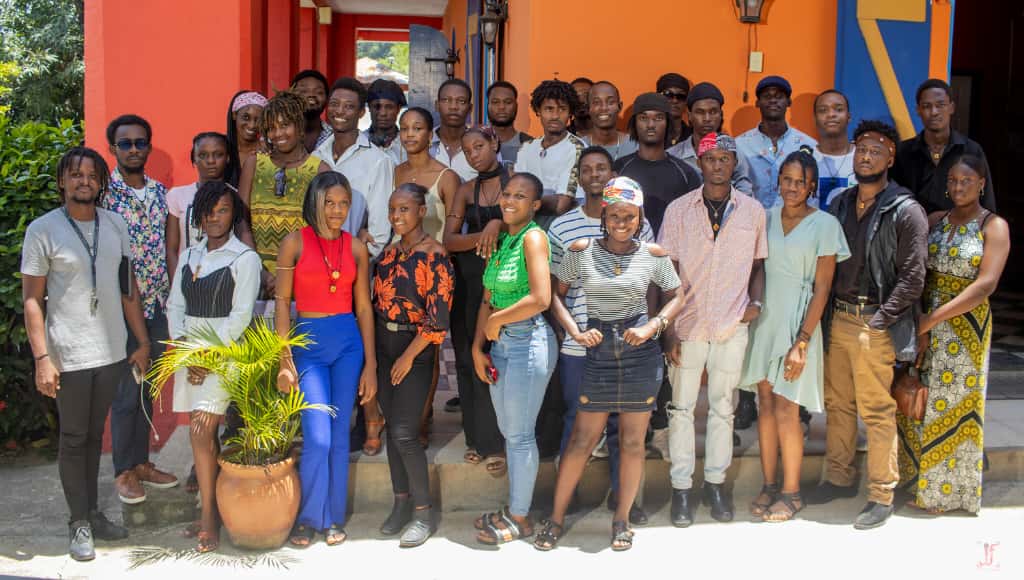


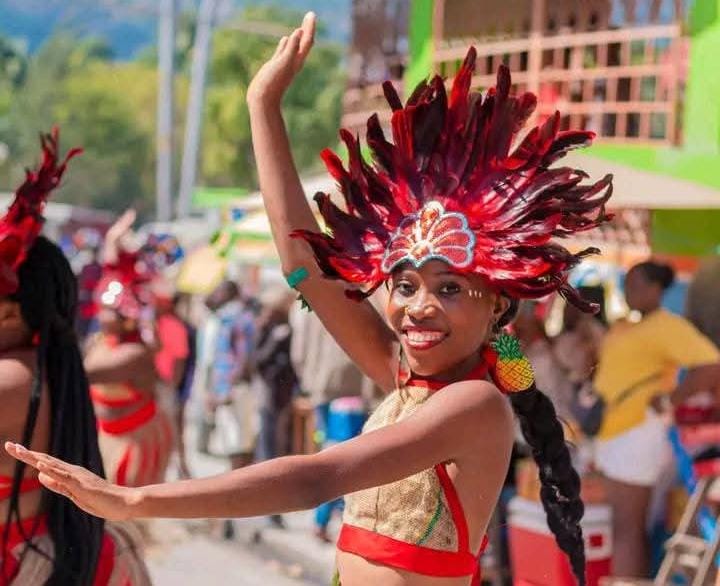
Haitian Otaku Party: A Celebration of Japanese Culture in Port-au-Prince
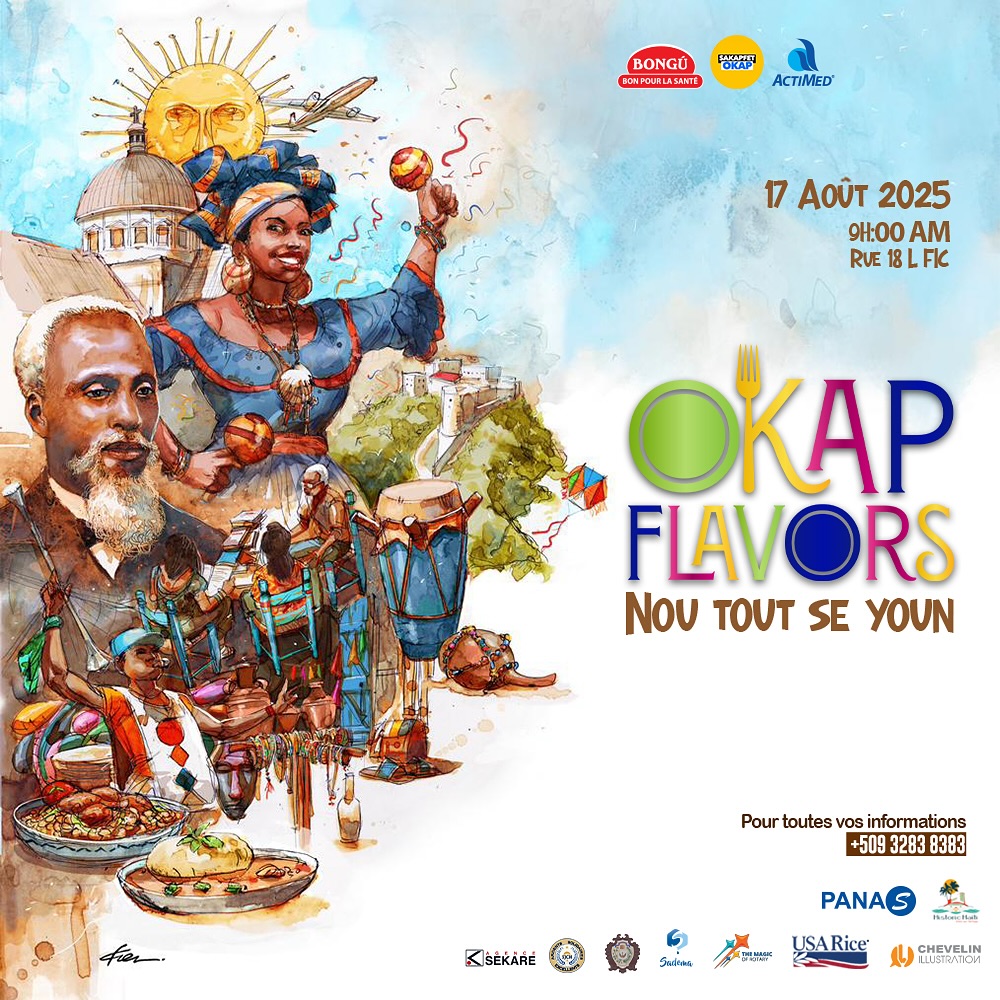
Le Haitian Otaku Party célèbre la culture japonaise à Port-au-Prince, offrant un espace créatif à la jeunesse haïtienne passionnée d’otaku.

The Battle of Savannah, which took place in October 1779, is recognized as a crucial turning point in the American Revolution. This major conflict, where American and French forces fought against the British, was also marked by the remarkable participation of Haitian soldiers. Among them, the future king of the northern part of Haiti, Henri Christophe, who was wounded by a bullet during this battle. Their contribution was decisive, highlighting the international solidarity in the quest for freedom and independence that characterized this era.
The Haitian Creole language, spoken by nearly 12 million people, is much more than just a means of communication. It embodies the history, culture, and identity of Haiti. But where does this unique language come from? This article explores its origins, evolution, and central role in Haitian society.
Haiti, a country rich in history and culture, is located in the heart of the Caribbean region. Known for its idyllic beaches, majestic mountains and welcoming people, Haïti is a true gem in this tropical region. But where exactly is Haïti located in the Caribbean, and what are the geographical features that define this fascinating country?
May 1st is a day dedicated to the celebration of work and agriculture. It’s an opportunity to showcase the produce of the land and savor the authentic flavors of our land. Haïti Wonderland offers a traditional recipe that highlights an emblematic fruit of Haitian cuisine: breadfruit. Discover how to prepare the delicious "Tonm-Tonm," a perfect accompaniment to celebrate Kouzen Zaka.
Nestled in the enchanting embrace of Haiti’s North East department lies a true marvel – Caracol. This picturesque area is more than just a destination; it’s a sanctuary where tranquility dances in harmony with the gentle whispers of nature. From the chirping of content birds to the warm smiles of its inhabitants, Caracol is a true wonderland waiting to be explored. One of the most captivating aspects of Caracol is its serene ambiance. Here, peace isn’t just a concept; it’s a way of life. Even the birds seem to sing with an extra ounce of joy, as if they’ve found their own slice of paradise amidst the lush greenery. Stepping into Caracol feels like entering a world where time slows down, allowing you to embrace the simple pleasures of life. But what truly sets Caracol apart is its people – kind-hearted souls who find solace in the simplicity of their daily lives. Engaged in activities like fishing and gardening, they embody a deep connection to the land that sustains them. And amidst it all, the industrious spirit of Caracol shines through, with the industrial parc serving as a beacon of progress and opportunity for the community. Yet, amidst the tranquil rhythm of everyday life, Caracol pulsates with the vibrant energy of Haitian culture. Voodoo, an integral part of local life, weaves its mystical threads into the fabric of daily rituals and traditions. And come July, the entire community comes alive with patronal celebrations that draw Haitian diaspora from every corner of the globe. It’s a time of joyous reunions, where cultural immersion meets spirited competitions, from exhilarating running races to thrilling boat races on the sparkling waters. As the sun sets on another day in Caracol, the excitement doesn’t end – it transforms. Carnival season, known as "mardi gras," casts its spell over the land, igniting the imaginations of children who eagerly don disguises and wield whips to make merry mischief. Laughter fills the air as they chase each other, their gleeful shrieks echoing through the streets, creating memories that will last a lifetime. In Caracol, every moment is a celebration, every day a testament to the resilience and warmth of its people. So, whether you’re seeking a tranquil retreat or a cultural adventure, Caracol invites you to discover its hidden wonders and experience the magic for yourself. After all, in this captivating corner of Haiti, every day is a journey into the heart of paradise.

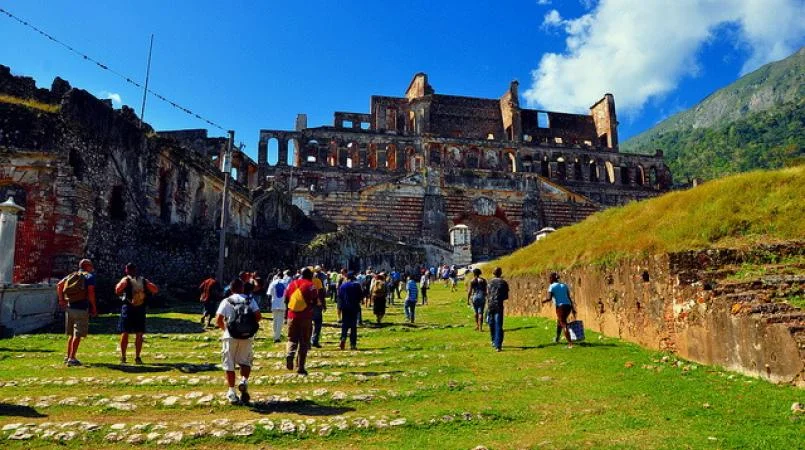
Haiti, the pearl of the Antilles, is attracting more and more attention from travelers looking for unique and authentic experiences. This Caribbean jewel is full of cultural, historical and natural riches that make it an unmissable tourist destination. So why choose Haïti among so many other destinations? b~The Fascinating History~b Haïti has a rich history, marked by the Haitian Revolution of 1804, which led to the country’s independence and made Haïti the first independent black republic. Historical sites such as the Citadelle Laferrière, listed as a UNESCO world heritage site, bear witness to this glorious past. History lovers will be delighted by the colonial remains, museums and monuments that dot the country. b~An Exuberant Nature~b The natural landscapes of Haïti are breathtaking. From white sand beaches to lush mountains and picturesque waterfalls, the country offers a diversity of vistas to explore. La Visite National Park and the Bassin Bleu are must-sees for nature lovers and adventurers in search of discoveries. b~Cultural Wealth~b Haïti is the birthplace of Voodoo, an Afro-Caribbean religion that has deeply influenced Haitian culture. Visitors have the opportunity to experience voodoo ceremonies, traditional dances and captivating music. Colorful markets, lively festivals and local artisans offer total immersion into daily Haitian life. b~A Living Art~b The Haitian art scene is vibrant and unique. Painting, sculpture and traditional crafts reflect the boundless creativity of the Haitian people. Local art galleries and markets are full of colorful and expressive works, offering visitors the opportunity to acquire unique pieces as souvenirs of their trip. b~Haitian Hospitality~b Haitians are renowned for their warmth and exceptional hospitality. Visitors are greeted with a genuine smile and remarkable kindness. Hospitality traditions are deeply rooted in Haitian culture, creating a warm and friendly atmosphere that makes each stay memorable. Haïti stands out for its captivating blend of culture, history, nature and hospitality. Choosing Haïti as a tourist destination means opting for an authentic adventure in the heart of the Caribbean, where each corner of the island reveals a new facet of its beauty and wealth. So, let yourself be seduced by the Haitian magic and set off to discover this unique Caribbean treasure.

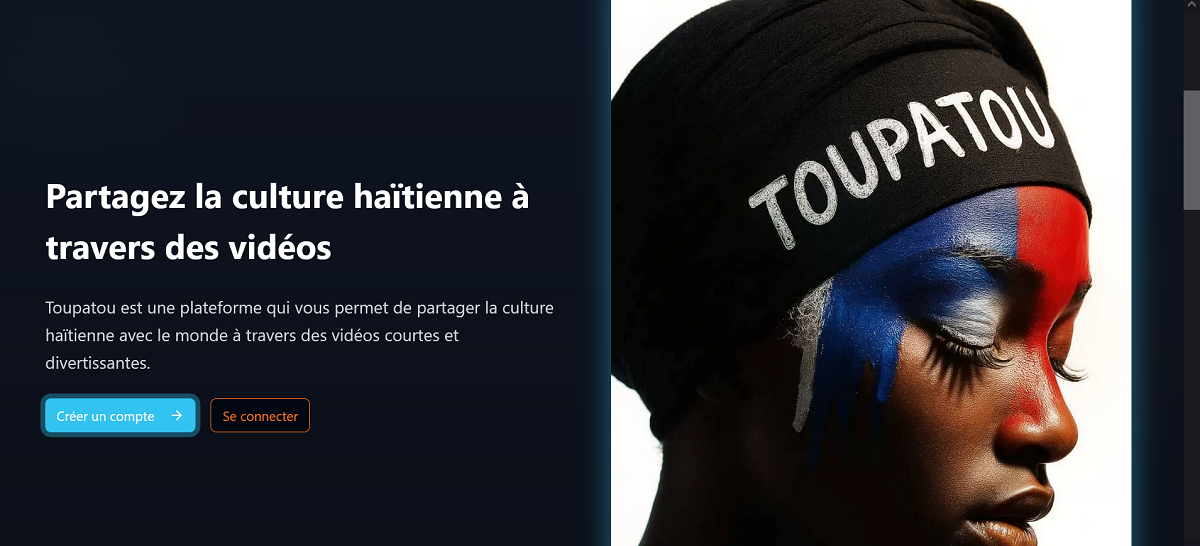
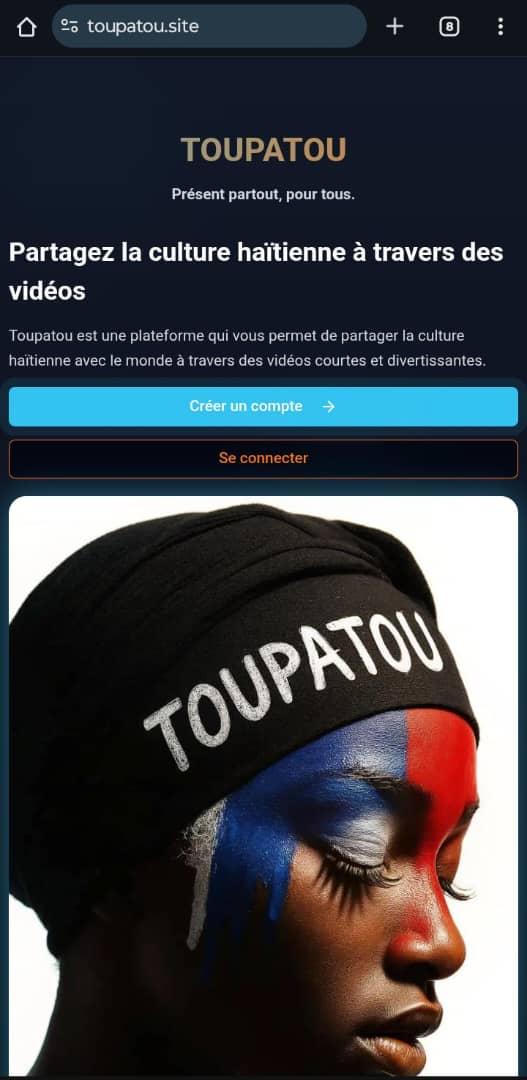
In a world dominated by digital giants (Facebook, TikTok, Instagram, and others), Toupatou stands out as a beacon of hope and local innovation. Developed by the dynamic RTH team, under the leadership of Jean Mary Revolus, current manager of the Manoir Adriana Hotel, Toupatou stands out as one of the first Haitian social networks, designed by and for Haitians.
The Haitian Creole language, or Kreyòl Ayisyen, is one of the most remarkable features of Haitian culture. Speaking Creole is not only about communicating, but also about asserting an identity, a heritage, and a history of resilience in the face of adversity. But where does this unique language come from? What is its origin and how did it become a symbol of Haitian culture? Let’s dive into the fascinating history of the Haitian Creole language.
Haiti, the "Pearl of the Antilles," is much more than just a beach destination. This country is full of unique historical, natural and cultural sites that bear witness to its rich past and exceptional biodiversity. Here is a selection of 7 must-see places that will immerse you in the history, culture and beauty of Haiti.
Are you a parent? Are your children already going to school? Don’t say anything, I know! Every morning, it’s the same question: "What’s in their lunch today?" You want it to be tasty, balanced, and, above all, for your child to enjoy what they’re eating. Here are 5 simple and delicious ideas to treat your child at school.
When we talk about the Caribbean, images of white sand beaches, turquoise waters and luxurious resorts often come to mind. But Haïti offers much more than a classic postcard. With its fascinating history, vibrant culture and breathtaking natural landscapes, Haïti stands out as a unique destination. Whether you are a culture vulture, nature enthusiast or curious foodie, Haïti is a treasure trove to explore. Discover why this country deserves a top spot on your travel list.
December 1 marked an exceptional moment for the Haitian community and beer lovers around the world, with the official launch of “Ewo” beer by Haitian entrepreneur Jhonson Napoléon. After the success of “Kola Choucoune”, already present in several countries, including the United States and Canada, it is the turn of “Ewo” beer to take the American market by storm. Available in several cities in the United States, this beer embodies the perfect marriage between tradition and innovation, offering consumers a unique taste experience. “Ewo” beer is much more than just an alcoholic beverage. It is a delight that skillfully blends the authentic flavors of Haitian culture with a touch of innovation. In a country where Prestige beer and Barbancourt rum have already conquered palates around the world, “Ewo” beer is proudly added to the list of Haitian taste treasures. Jhonson Napoléon, the man behind this new creation, continues to fly the colors of Haïti across the globe. His commitment to promoting quality Haitian products continues to strengthen the reputation of his country of origin. “Ewo” beer is not just a drink, it is a symbol of Haitian creativity and perseverance that transcends borders. This new step demonstrates the country’s ability to be part of the global trend for quality craft beers. “Ewo” beer is not only a leading local product, but it also stands out on the international scene as the representative of a rich and dynamic culture. The pride that Haitians feel for the success of Jhonson Napoléon and the growing fame of “Ewo” beer is palpable. It is a success story that transcends geographic boundaries and embodies the strength of the Haitian entrepreneurial spirit.
The history of Haïti is closely linked to the different names that this land has had over the centuries. These names reflect the eras and influences that have marked the island, from the time of the indigenous peoples to independence. Let’s explore the old names of Haïti and their historical significance.
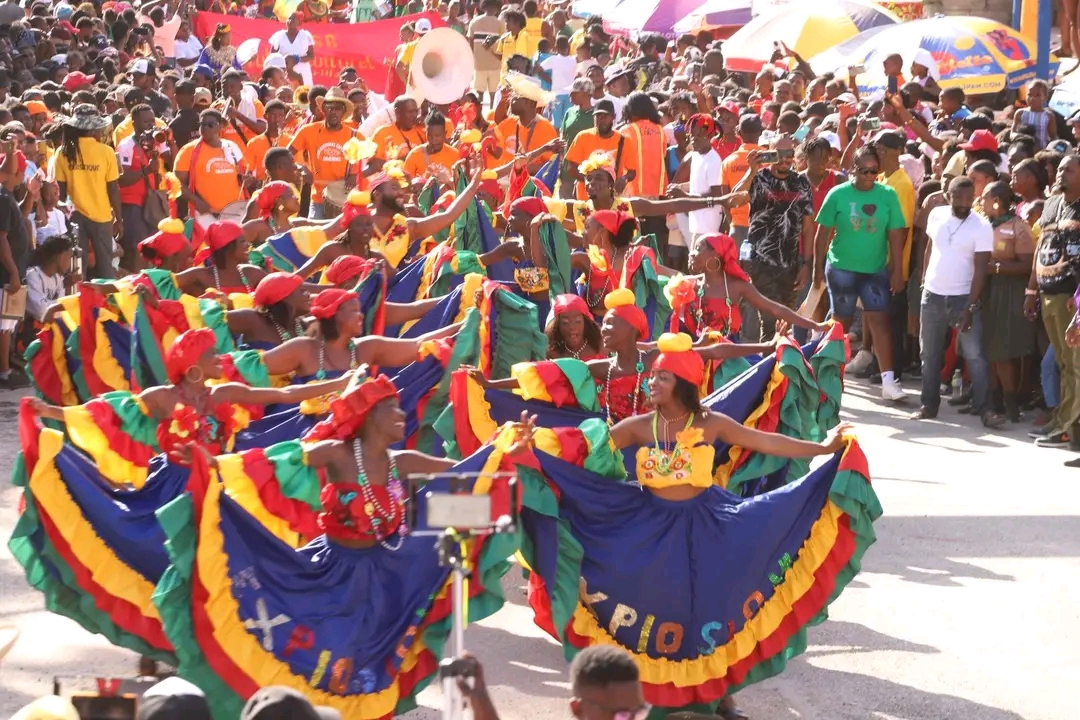
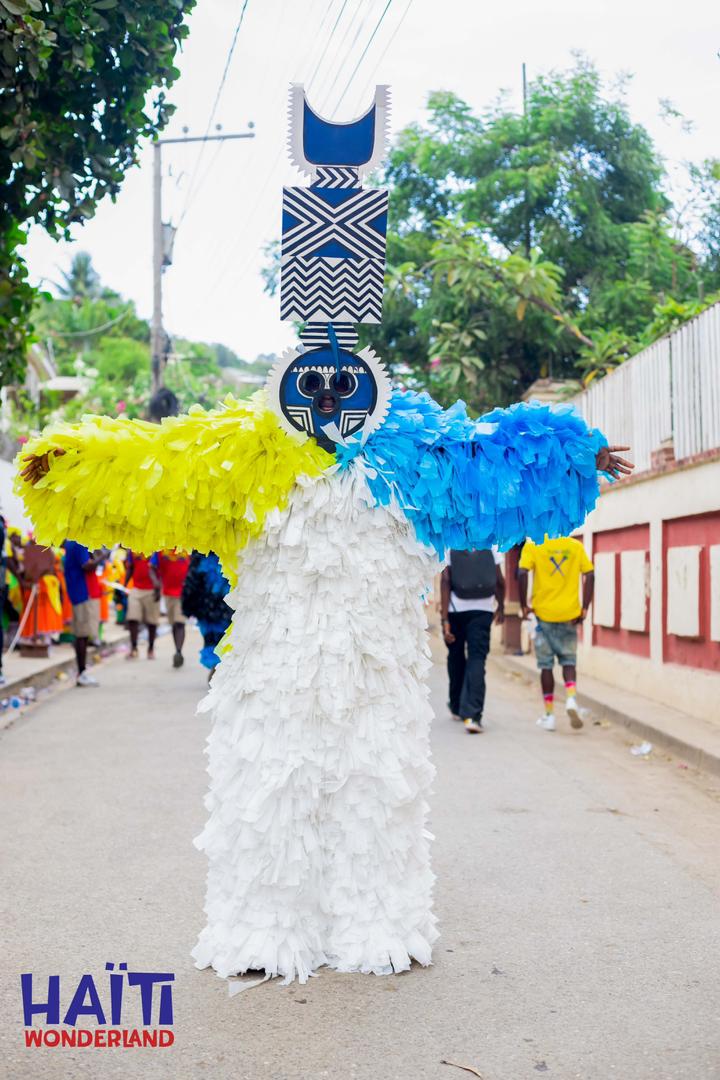
There are several reasons why a foreign national might be interested in visiting Haiti: Rich and diverse culture: Haïti has a unique culture resulting from a mixture of African, European (particularly French) and Caribbean influences. This is reflected in its music, cuisine, art and traditions. Fascinating history: Haïti was the first country in Latin America and the Caribbean to gain independence in 1804 after a successful slave revolt. Its history is rich in significant events and important historical figures. Magnificent natural landscapes: The island of Haïti offers a variety of breathtaking landscapes, from white sandy beaches to lush green mountains, picturesque waterfalls and isolated islands. Hospitality of the locals: Haitians are known for their warmth and hospitality towards foreign visitors, making the travel experience very pleasant and enriching on a human level. Opportunities for Sustainable Tourism: Haïti offers opportunities for sustainable tourism, including encouraging visits that directly benefit local communities and environmental conservation. Exploring historic sites: Historic sites such as the UNESCO-listed Citadelle Laferrière offer visitors a chance to discover colonial architecture and remains from pre-Columbian times. Vibrant cultural celebrations: Haïti is famous for its colorful festivals and cultural celebrations throughout the year, such as Carnival, where music, dance and traditional costumes are in the spotlight. In summary, visiting Haïti can offer a deep and authentic cultural experience, as well as an exploration of the unique natural and historical beauties of this Caribbean nation.

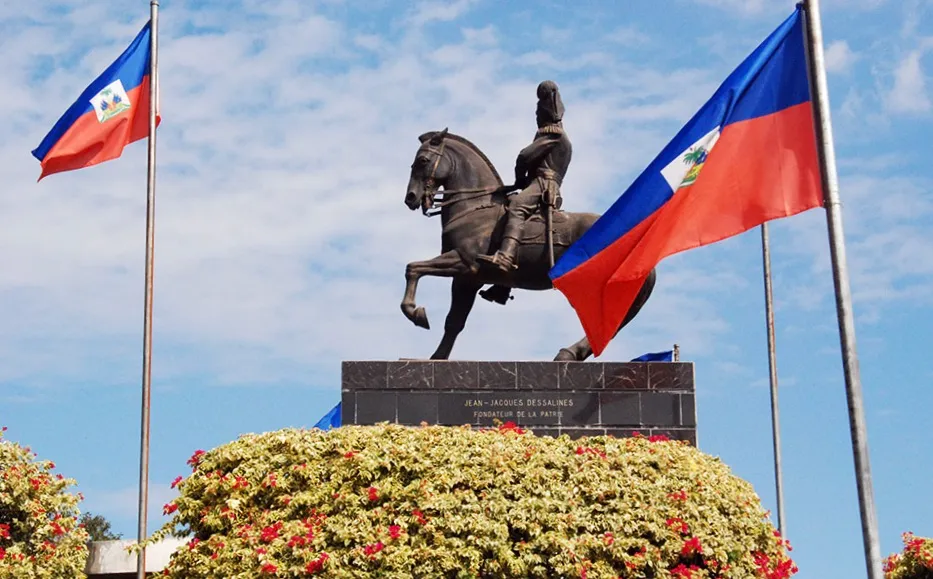
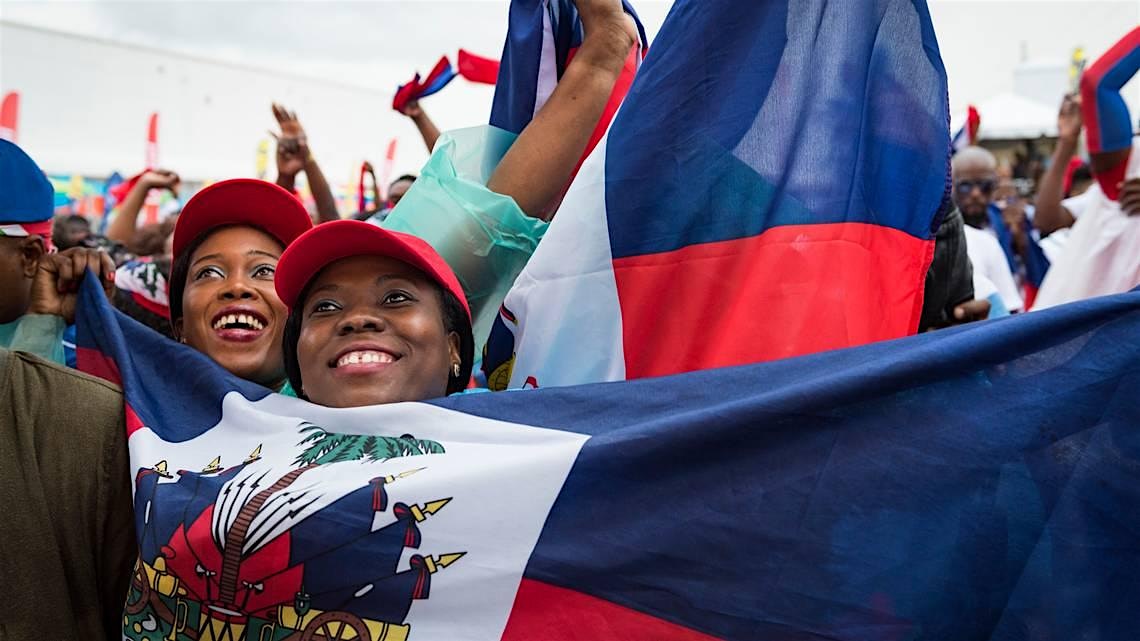
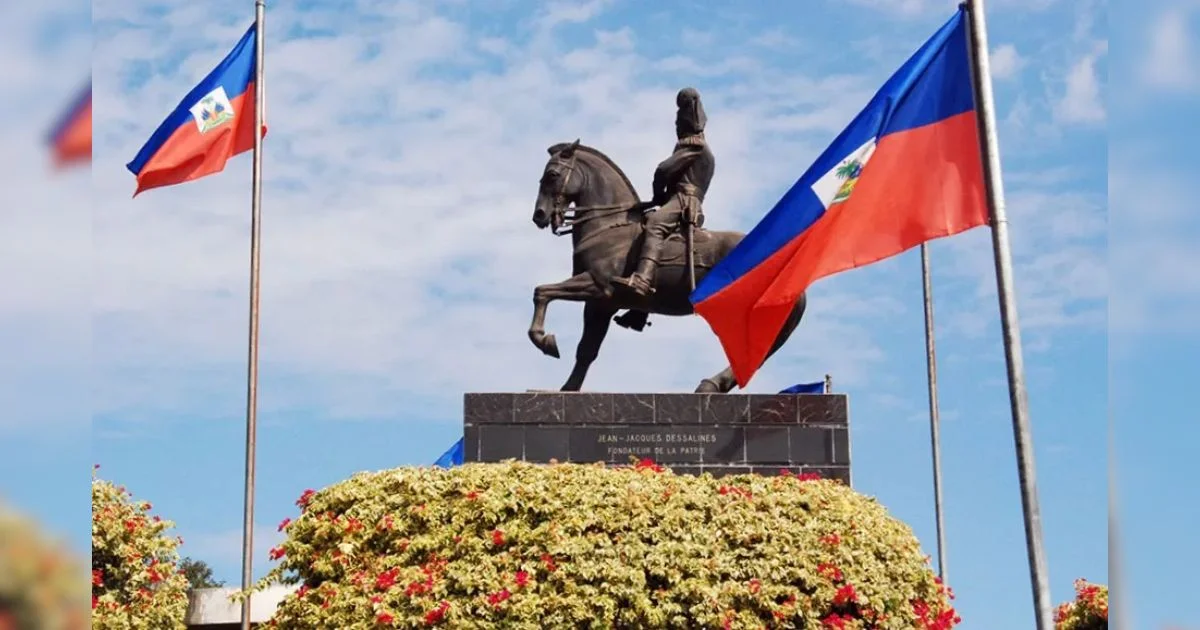
First black nation to free itself from slavery and gain independence from France in 1804 and influenced other liberation movements around the world, inspiring struggles for freedom and equality.

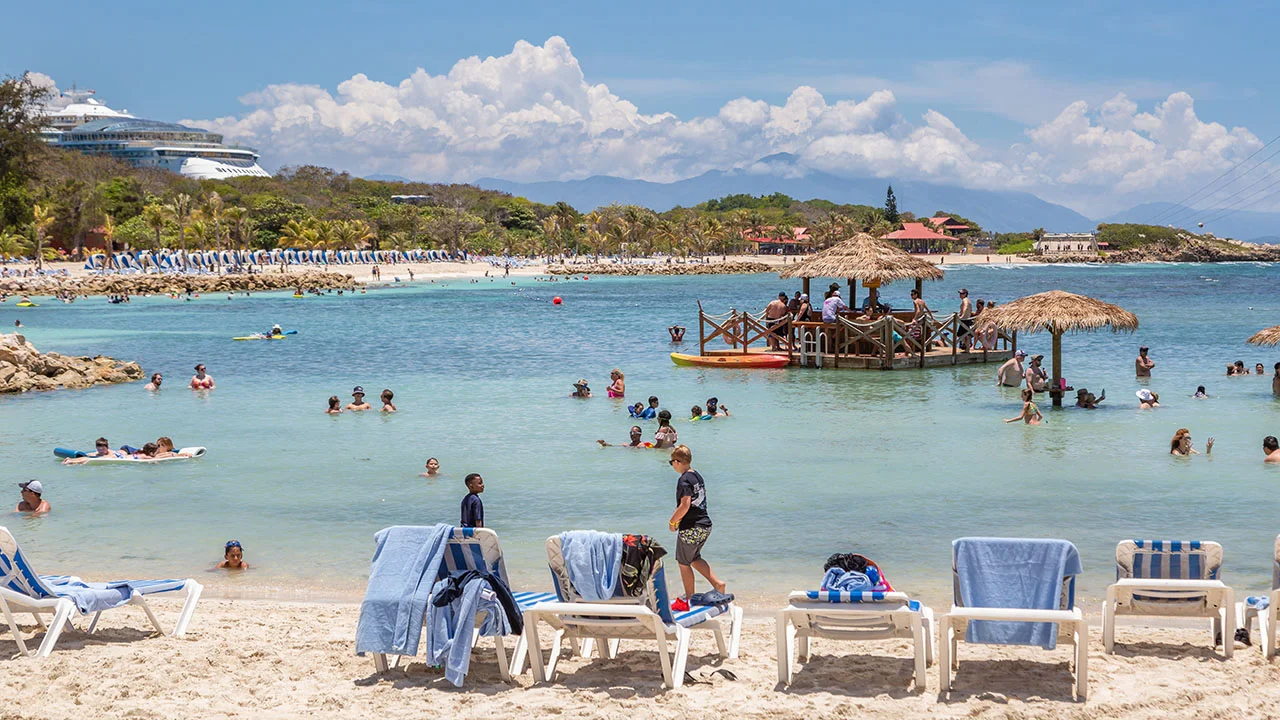
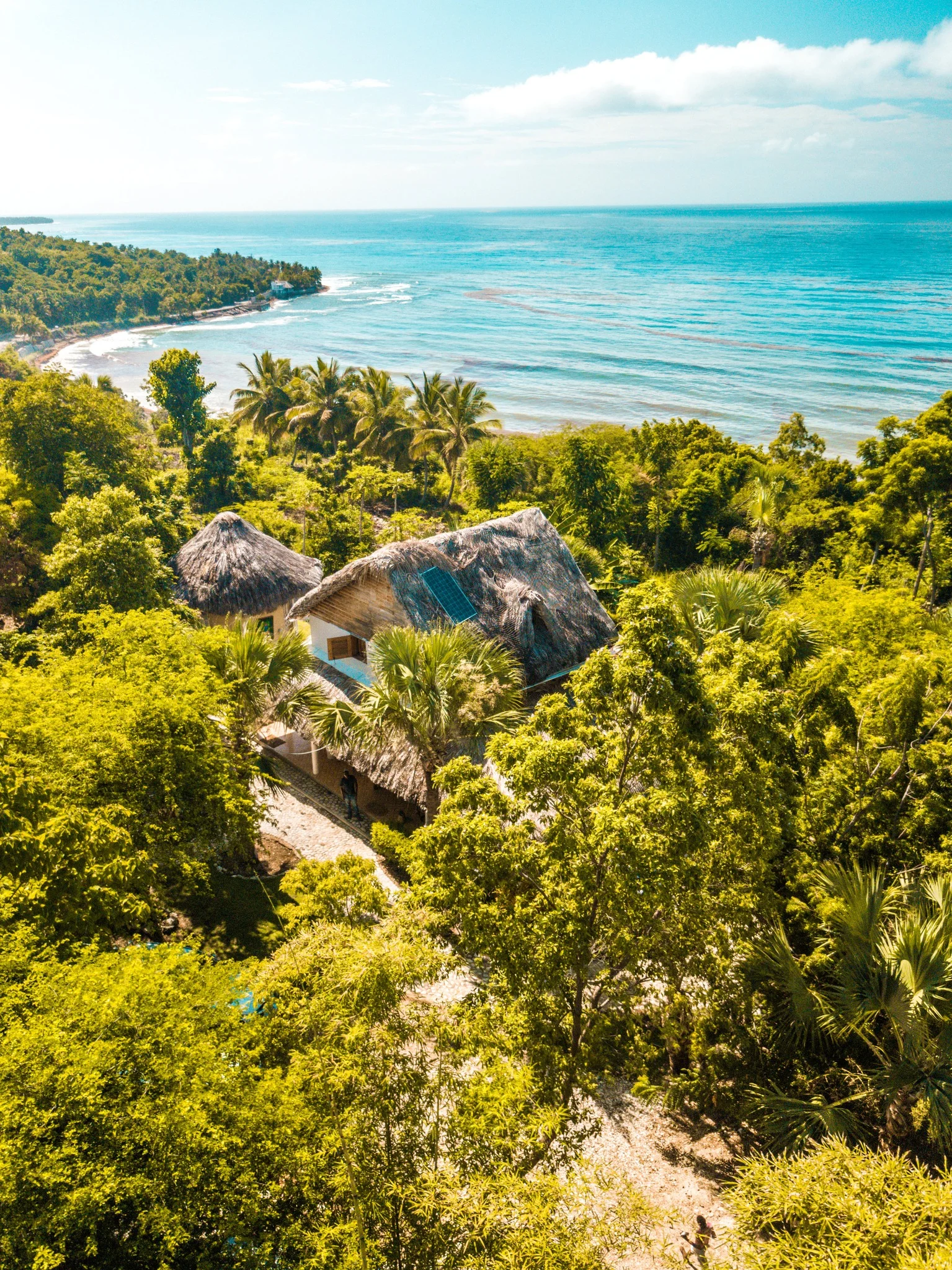
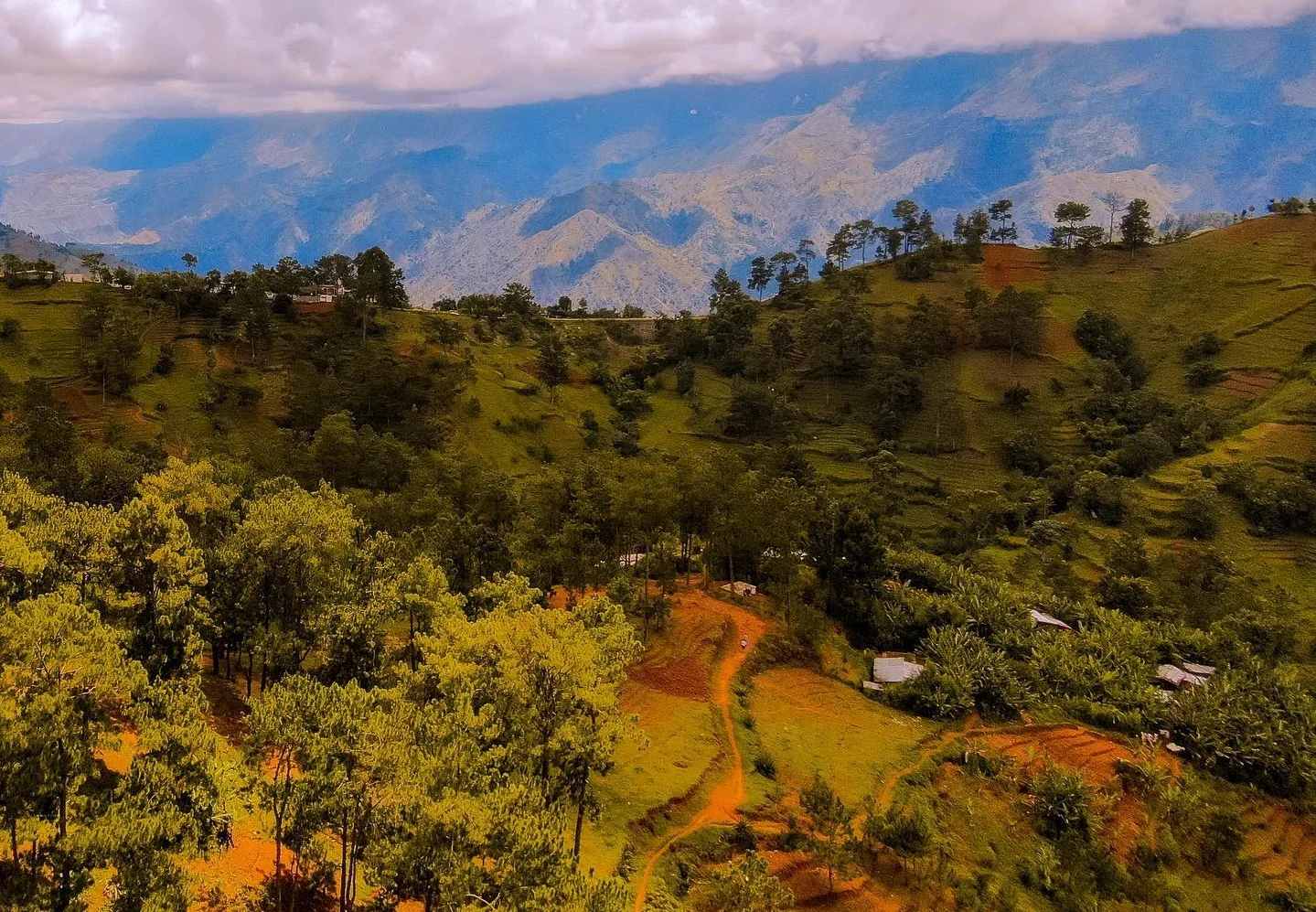
Haïti is blessed with spectacular natural landscapes, including white sand beaches, mountains and rich biodiversity.

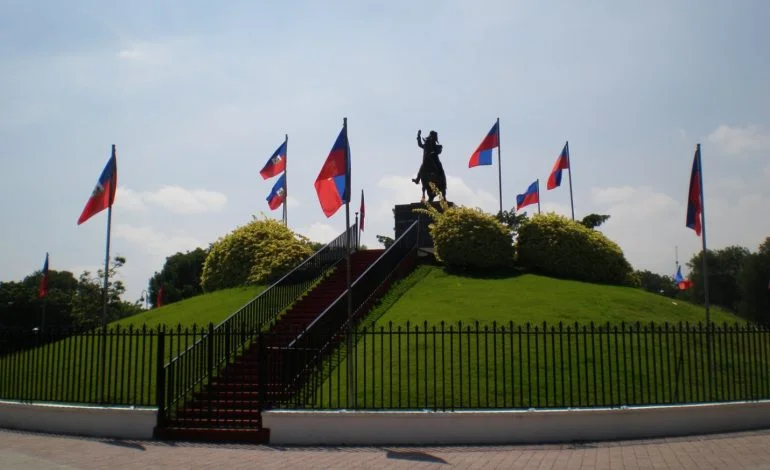
Haïti has a rich historical heritage, including sites like the Citadelle Laferrière and the Sans-Souci Palace, listed as UNESCO World Heritage Sites.

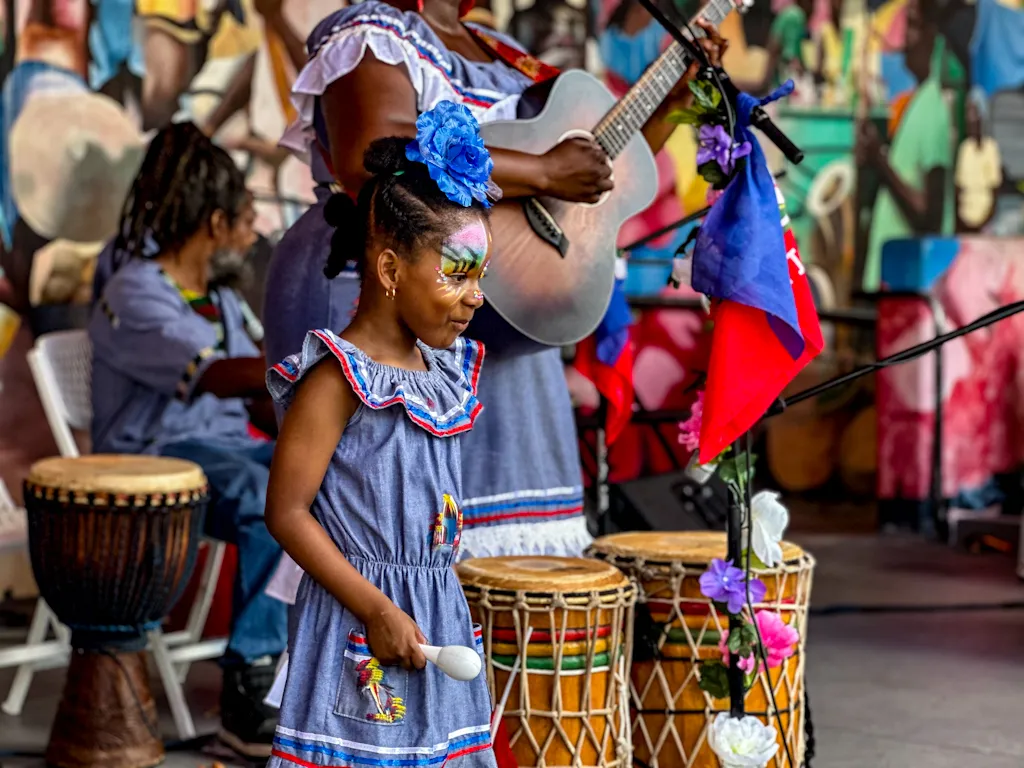
Haïti has a rich and diverse culture, influenced by African, European and indigenous elements. Haitian music, dance, art and cuisine are celebrated around the world.