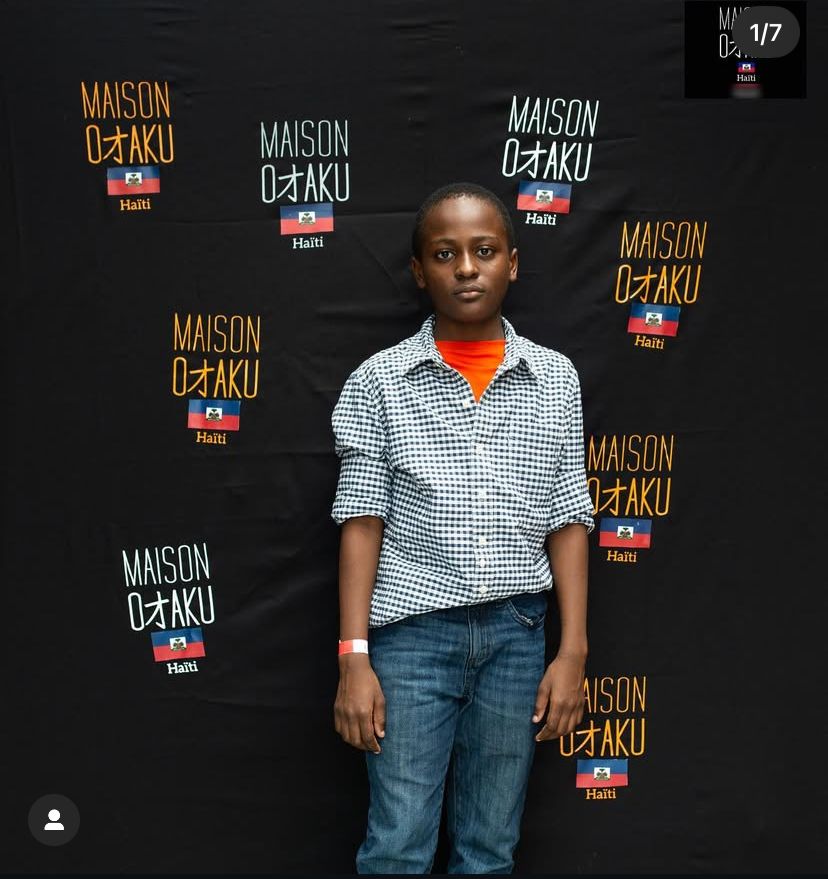
Haitian Otaku Party: A Celebration of Japanese Culture in Port-au-Prince
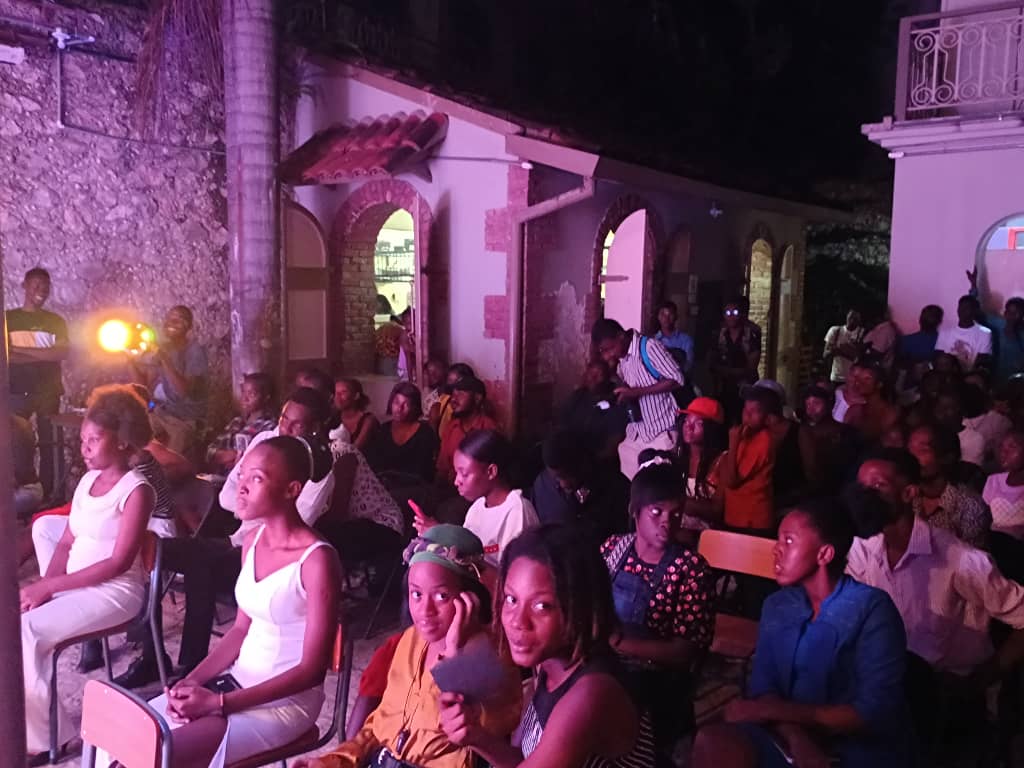
Le Haitian Otaku Party célèbre la culture japonaise à Port-au-Prince, offrant un espace créatif à la jeunesse haïtienne passionnée d’otaku.

Haiti, pearl of the Caribbean, is surrounded by turquoise waters that enrich its landscape and maritime culture. But what sea bathes this island country? Let’s discover together the sea that borders Haiti, its geographical importance and the activities it offers.
Are you Haitian? You are not Haitian but you have met them closely or from afar? Have you ever visited Haïti or do you have Haitian friends? No doubt! You have already eaten broth! Haitian broth is an emblematic dish of Haitian cuisine. This delicious broth is often prepared with a variety of meats, such as beef, pork or chicken, and is enhanced with fresh vegetables such as carrots, potatoes and celery. This mixture creates a harmony of flavors that reflects the richness of Haitian culture. The preparation of broth (bouyon) is a true culinary art. The ingredients are carefully selected and cooked slowly to allow the flavors to fully develop. Spices, such as thyme, garlic and chili pepper, add a touch of heat and depth to the dish. Traditionally, broth (bouyon) is served with rice or plantains, making it a complete and comforting meal. Broth is not just a dish, it is also a symbol of conviviality and sharing. It is often prepared during special occasions or family gatherings, strengthening the bonds between members of the community. If you feel like preparing broth one of these days, do not hesitate to ask for the recipe in the comments.
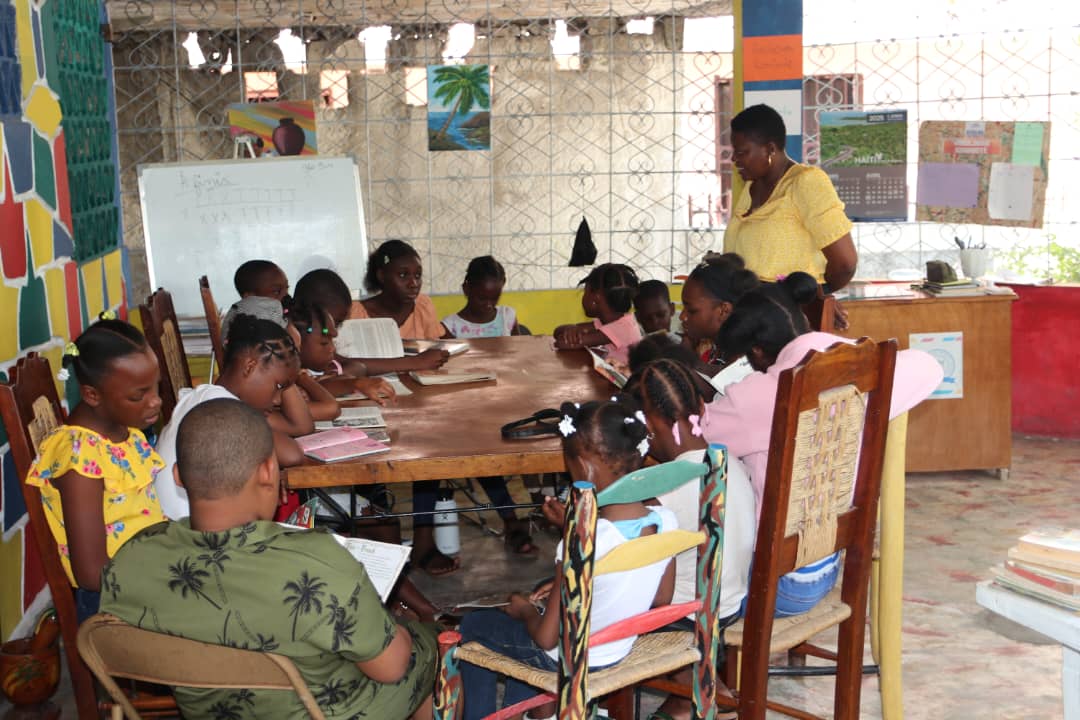
On August 29, 2025, Pierre Marc BAPTISTE, a young, committed leader from Belecourt, Cité Soleil, will celebrate eight years of social, educational, and leadership work in his community. On this occasion, he is launching an appeal for donations (money, books, educational materials) to support an ambitious project: the creation of the Duvivier High School Library.
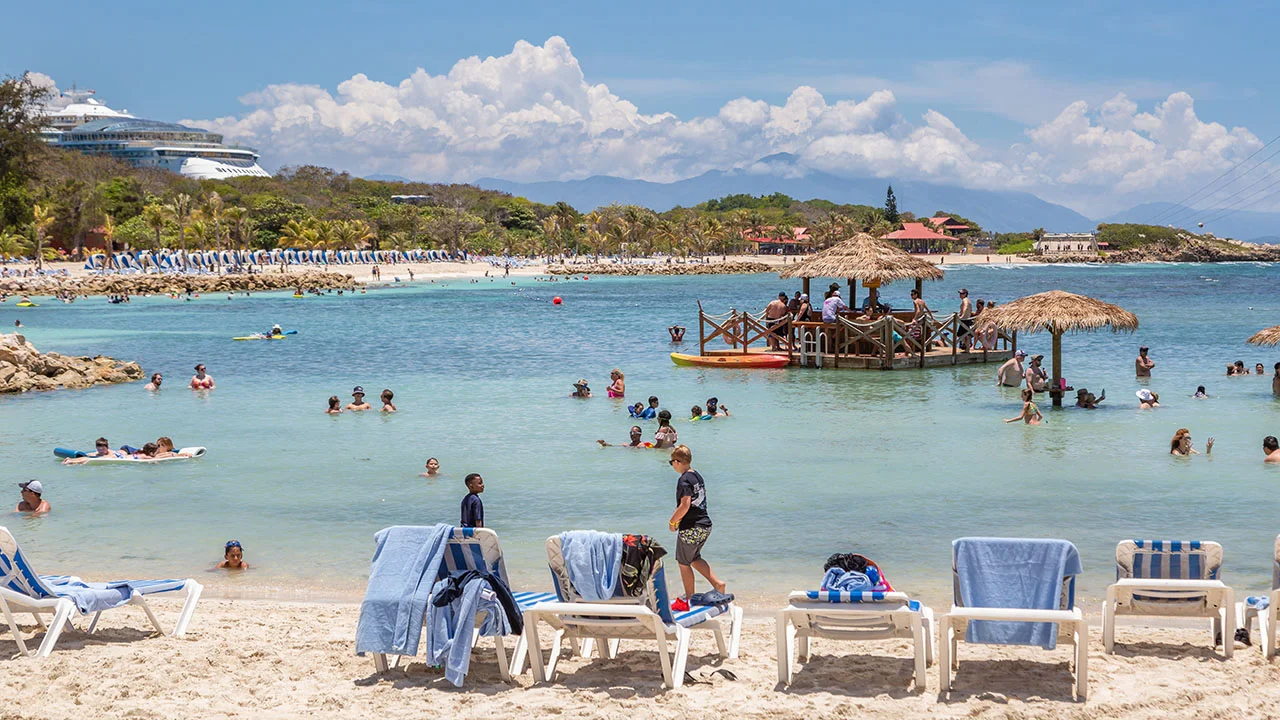
Tourism is a vital sector for the economic and cultural development of a country, and Haïti is no exception. With a rich historical heritage, breathtaking landscapes, and a vibrant culture, Haïti has a unique tourism potential that can play a crucial role in its development. Let’s find out why tourism is so important to Haïti and how it can transform the country.
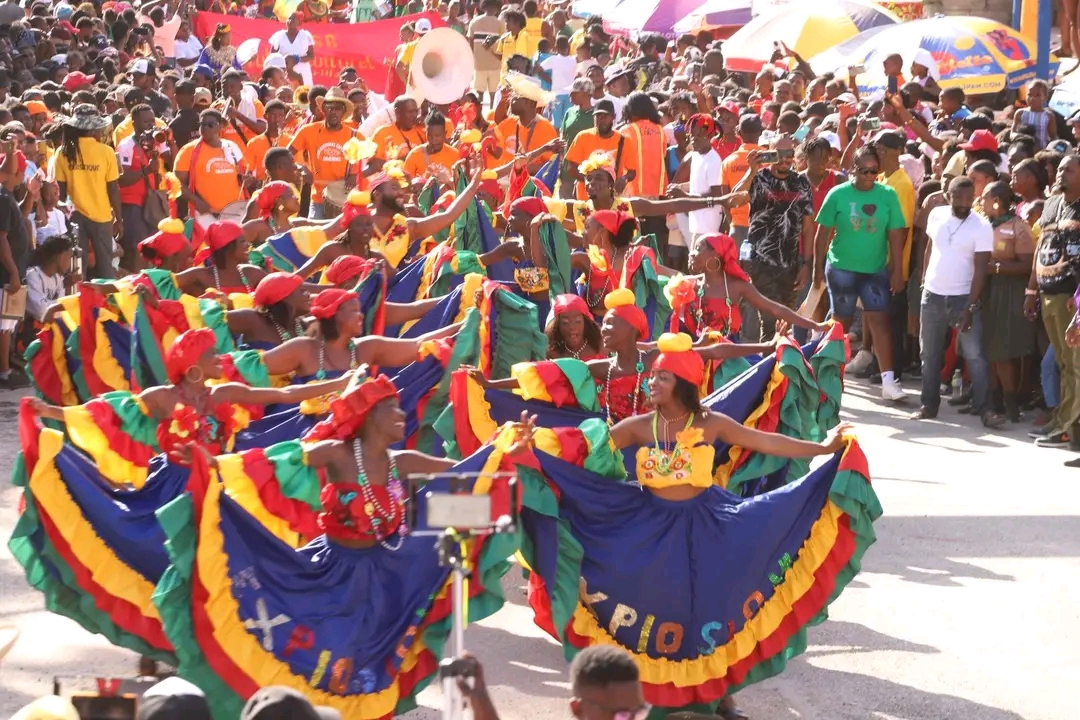
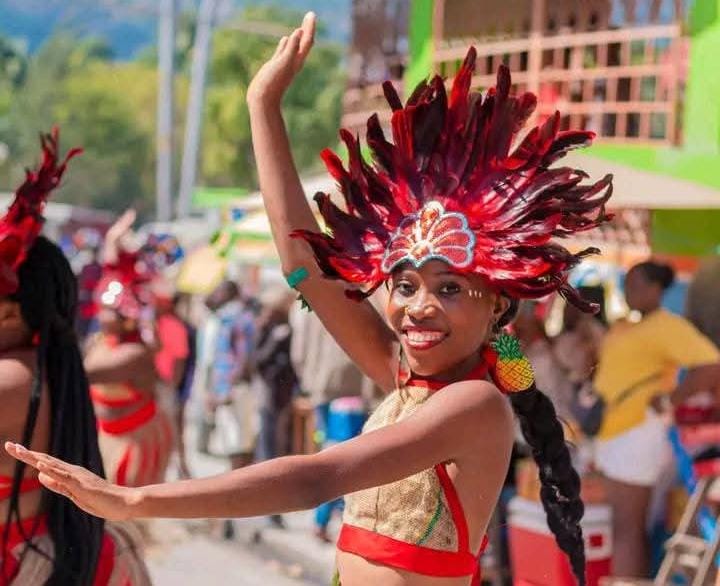
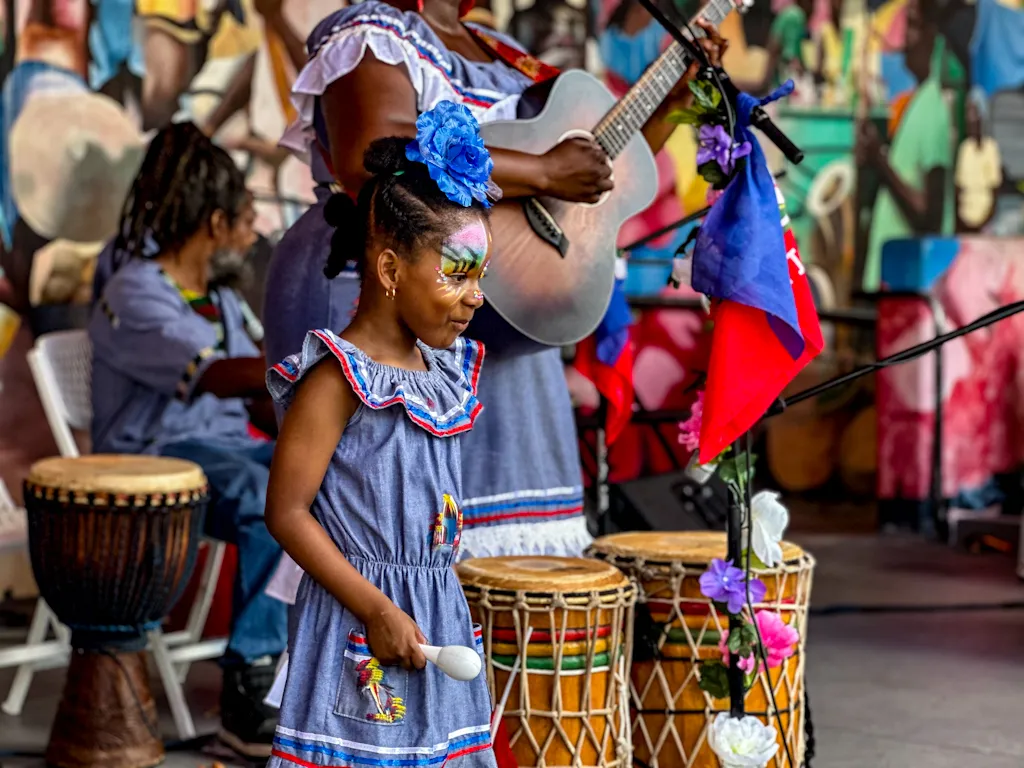
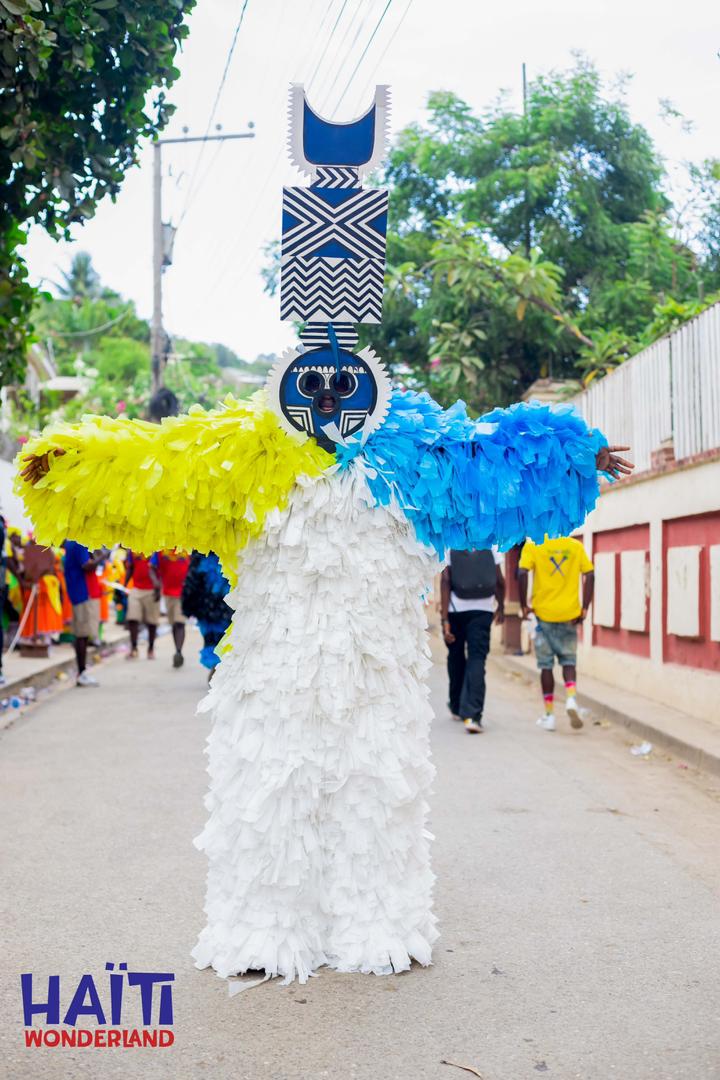
Haiti, a multifaceted island, is renowned for its picturesque landscapes, rich culture and vibrant festivals. Haitian festivals are much more than just celebrations; they represent the very soul of the nation, embodying its history, its traditions and its community spirit. Let’s dive into this journey, through some of Haiti’s most iconic festivals.
Religious diversity in Haïti is a key aspect of its cultural identity, but Christianity, and more specifically Catholicism, is the most popular religion in the country. With its roots deep in colonial history, Haitian spirituality is also enriched by unique cultural practices, such as Vodou, that coexist with Christian beliefs. In this article, we explore the history, practices, and key figures surrounding religion in Haiti.
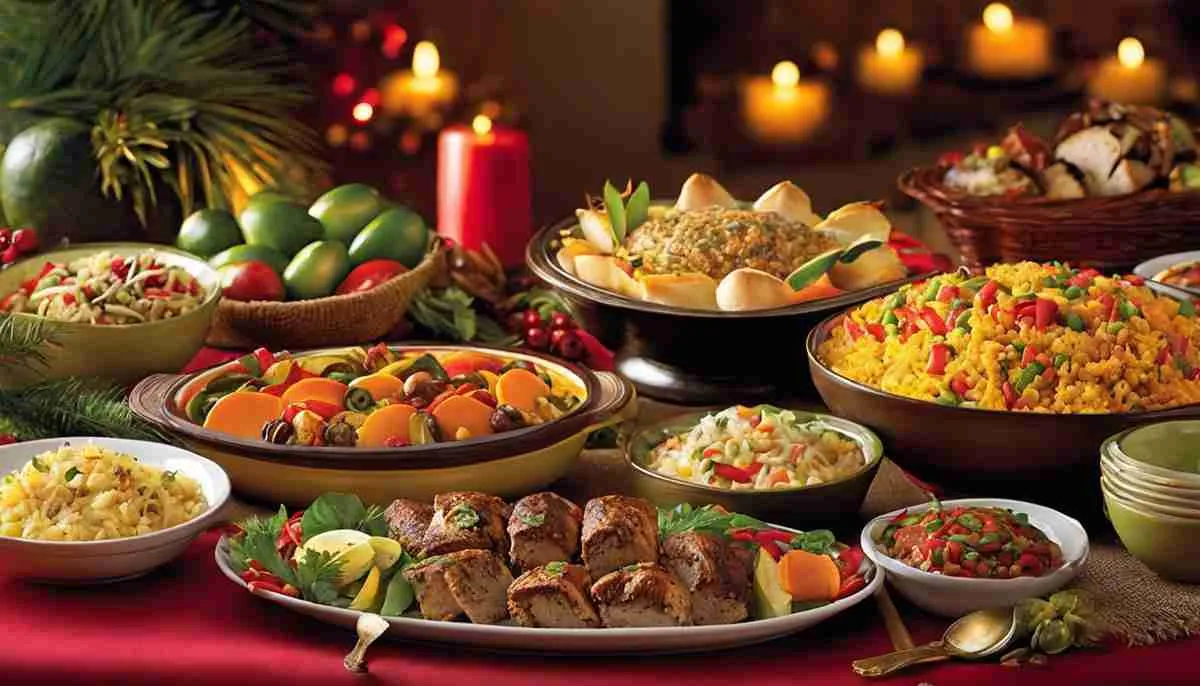
The joyful ringing of bells echoes through the streets of Haïti as the holiday season approaches. Christmas is a magical time when the streets light up, families gather and a warm atmosphere invades the island. Between traditions, cultural discoveries and gourmet feasts, Christmas in Haïti promises a unique experience. b~The Magic of Lights and Decorations~b From the beginning of December, Haïti is adorned with sparkling lights and festive decorations. The markets come alive with shimmering garlands, twinkling stars and ornate fir trees. The streets of Port-au-Prince in Jacmel shine with a special magic, inviting locals and visitors to immerse themselves in the festive spirit. b~Haitian Traditions at Christmas~b Christmas in Haïti is celebrated with a unique combination of religious traditions and local customs. Midnight Mass is a deeply rooted tradition, drawing worshipers to churches to celebrate the birth of Jesus in a vibrant atmosphere of song and prayer. A popular tradition is the "Dawn Mass" which takes place at dawn on December 25. The faithful gather to welcome Christmas Day with special fervor, testifying to the deep spirituality that permeates the festivities. The festivities are not limited to churches. Street parades, folk dances and concerts are commonplace, creating a joyful atmosphere throughout the country. Traditional Haitian music, such as direct compass and voodoo, adds a special dimension to these celebrations. b~Cultural Discoveries: Haitian Crafts~b Christmas is also an ideal opportunity to discover unique Haitian crafts. Christmas markets offer a variety of handicrafts, such as wooden sculptures, vivid paintings, wrought iron items and traditional jewelry. These works of art reflect the artistic talent of the Haitian people and provide unique and meaningful gifts. Local markets, such as the Ferrier market in Cap-Haitien and the Jacmel market, are essential places to discover the authenticity of Haitian crafts. These purchases also help support local artists and the community economy. b~Gourmet Feasts: Christmas Cuisine~b Christmas in Haïti is also a gastronomic celebration. Families gather around festive tables laden with traditional culinary delights. “Joumou soup”, a pumpkin soup, is an essential specialty of the holiday season. Pork, lamb and chicken dishes are also common, accompanied by rice and local vegetables. Traditional desserts, such as “Pen patat” and “Tablèt Pistach,” add a sweet touch to the celebration. Tropical fruits, such as mangoes and bananas, are also often present on Christmas tables, recalling the richness of Haitian biodiversity. Christmas in Haïti is a vibrant celebration that blends the magic of lights, religious traditions, local crafts and delicious cuisine. It is a time when joy and generosity are in the spotlight, and when Haitians open their hearts to share the magic of the season with the world.
Nestled in the heart of the Caribbean Sea, the Republic of Haïti reveals its unique charms, proudly blending its rich historical heritage with breathtaking tropical nature. This majestic island, cradle of the first independent black republic, continues today to embody the resilience and spirit of freedom that shaped its unique destiny.
Haitian cuisine is a veritable feast of flavors, where spices and aromas play a central role. Essential Haitian ingredients don’t just add flavor; they create a rich and complex aromatic profile that characterizes this vibrant cuisine. Among the most commonly used spices is chili pepper, which brings heat and intensity. Herbs such as thyme and parsley are often used fresh, adding a touch of freshness and depth. Garlic and ginger are also key elements, bringing spicy and earthy notes. Another iconic spice is clove, which is often used in marinades and stews. Saffron and turmeric are also present in Haitian cuisine, bringing not only color but also unique flavors. Lime zest and lemon juice are frequently used to enhance dishes, adding a refreshing acidity. Over time, our preferences evolve, and certain ingredients take up more or less space on our plates. Is there a spice you’ve abandoned or, on the contrary, rediscovered over time?
The Guédés Festival is a significant event in the Haitian Vodou religion. It takes place every November 1st and 2nd in Haiti, and it is dedicated to paying homage to the dead. Here are some elements to better understand this celebration: Meaning of Guedes: Guédés are spirits of death in the voodoo pantheon. They symbolize the transition between life and the afterlife. Different names are attributed to these spirits: Papa Guédé, Guédé Nibo, Guédé Masaka, Guédé fouillé, Guédé plumage. In the Voodoo concept, the Guédés maintain a harmonious relationship with the dead. Ritual of the Feast of the Gedes: Vodouists clean the graves and bring flowers to honor the memory of the deceased. They dance and sing to the rhythm of vodou and rara music. Vèvè (sacred symbols) are drawn to invoke the spirits. The color black, symbol of mourning, marks the beginning of life in the voodoo world. Purple mauve evokes transformation, and white symbolizes purity. Relationship with Protestants and Christians: Some Protestants reject the Feast of Geeds and organize days of prayer to chase away “evil spirits”. Christians do not pray for their dead, because their faith teaches them that the deceased are welcomed by the Lord. In short, the Guédés festival is a crucial moment for Vodouists, marking the temporary return of spirits to the world of Vodou. It shows respect for the dead and is an integral part of Haitian culture.
The Southeast region of Haïti is a true treasure trove of landscapes and culture, where the cities of Jacmel and Cayes-Jacmel occupy a central place. Although they are geographically close and share many similarities, these two cities have distinct characteristics that make them unique. Discover in this article the main differences between Jacmel and Cayes-Jacmel, two must-see destinations to explore during your stay in Haiti.
La cuisine haïtienne, riche et colorée, offre des plats savoureux comme le "Diri kole ak sòspwa" et le "Legim". Le Diri kole ak sòspwa, un mélange réconfortant de riz et de haricots rouges, est un pilier de l’alimentation haïtienne, souvent accompagné de viande ou de poisson. Le Legim, quant à lui, est un ragoût végétarien épicé fait de chou, de carottes, et d’épinards, épaissi avec de la purée d’aubergine et enrichi d’épices. Ces plats, profondément ancrés dans la tradition, symbolisent la fusion unique des influences africaines, françaises et taïno qui caractérise la cuisine haïtienne.
Haiti, a Caribbean island country, is much more than just a tourist destination. It embodies a symbol of resistance, freedom and the struggle for emancipation, a historical example for the whole world. In this article, we will explore why Haïti is considered a true symbol of freedom, by highlighting its history, culture and its essential role in the fight against oppression.
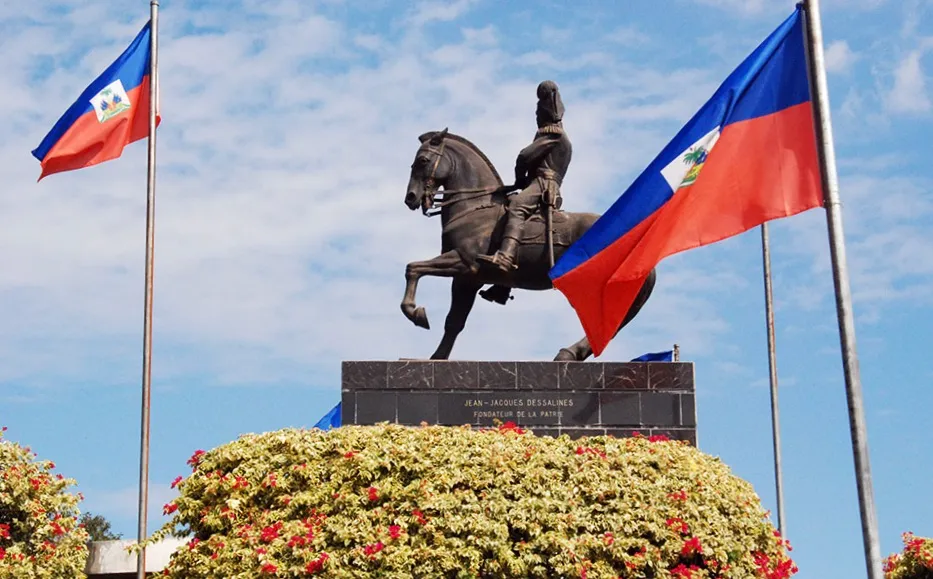
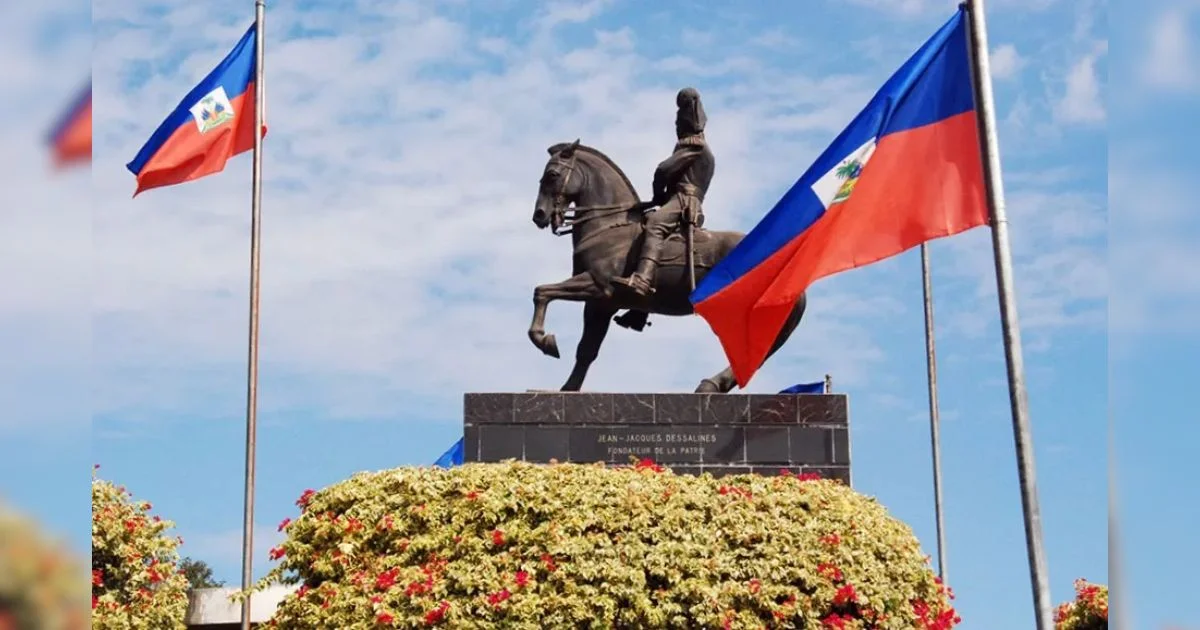
Between dream and Haitian reality: A call for unity and action Many men have dreamed big for Haiti. Toussaint Louverture and Jean Jacques Dessalines are examples. Although torn apart by invisible hands, the social fabric of the country had always been considered the greatest project to be set in motion by men of letters. Until then, the history of Haïti remains and remains for Haitians the most appropriate space to dream and propose full and complete freedom. Indeed, Toussaint Louverture had the dream of improving the lot of slaves. Dessalines, for his part, sacrificed himself for the independence of our island (Haiti-Saint-Domingue). After our liberation from the French, men of letters had to take other paths to safeguard the dignity of the country. This situation showed another form of revolution like poets of the patriotism school with supporters such as: Louis Joseph Janvier, Anténor Firmin, Demesvar Délorme and the Generation of the Round with Fernand Hibbert, Georges Sylvain also the indigenous school with Jean Price Mars, Jacques Stephen Alexis, Roussan Camille etc... who express their discontent by pouring ink. By describing or painting the situation of the country. Several years which were first conceived and then born the idea of giving the country its sovereignty, its own bicolor, its army, etc. it was not easy and did not continue like this. Haïti needs for the moment men of dreams, men who love their countries, but not the wealth of this country, men who love the happiness of their country, but not its misfortunes, men who have viable projects , but are not specialists in carnage who are only interested in their pockets, rather for the happiness of our two-tone, men who must fight against corruption, against waste, against the invisible hands of foreigners, against this form of public administration which targets only a small group of people in the country to the detriment of the population, this form of insecurity planned by the state, the so-called bourgeoisies, economic powers from abroad such as: France, USA, Canada, Brazil. q~Haïti in 1979 with full power. Maître Fevry is said to have declared: The dream of Haïti cannot support, nor accept improvised solutions ~q. The Haitian’s dream must always be a team effort. A team of men of skill, vision, good will, reflection and meditation. q~ Men who can place their personal and private interests over public interests. Men who want to make a new start to achieve the dream of Jean Jacques Dessalines and that of Henri Christophe who aimed that Haitians will not envy any other country in the world so that all Haitians can be happy in their own country, chanted Professor Lesly Saint Roc Manigat.~q Our dear Haiti, which was once the pearl of the Antilles, is no longer present today. For this we ask all Haitians: children, young people, adults and old people, let us unite our arms, our strength, our voices and all that we could do to liberate our dear homeland Haïti Chérie. Let’s change our reality together! Long live Haiti, long live freedom for the whole world.

First black nation to free itself from slavery and gain independence from France in 1804 and influenced other liberation movements around the world, inspiring struggles for freedom and equality.
Haïti is blessed with spectacular natural landscapes, including white sand beaches, mountains and rich biodiversity.
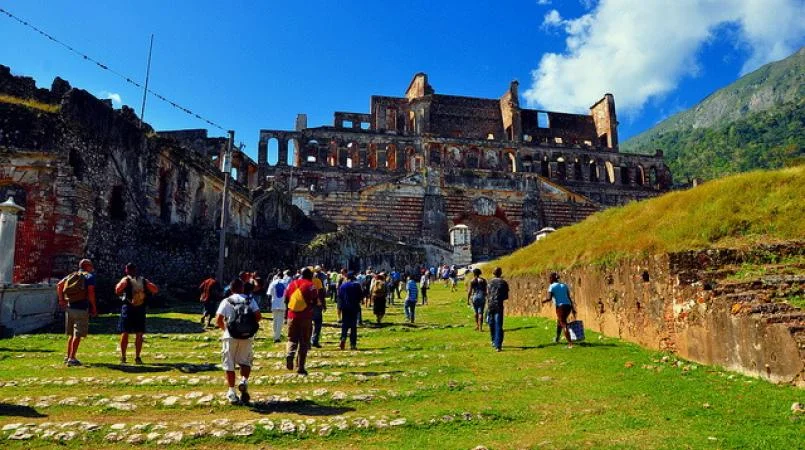
Haïti has a rich historical heritage, including sites like the Citadelle Laferrière and the Sans-Souci Palace, listed as UNESCO World Heritage Sites.

Haïti has a rich and diverse culture, influenced by African, European and indigenous elements. Haitian music, dance, art and cuisine are celebrated around the world.