






News / Little-known places / View Recent Posts

Tourism
Learn more
Haiti: Best tourist destination to spend the summer
When it comes to choosing the perfect destination to spend the summer, Haïti emerges as a hidden gem in the Caribbean. With its favorable climate, sunny beaches and dazzling natural beauty, this island offers a unique and memorable tourist experience.
Learn more 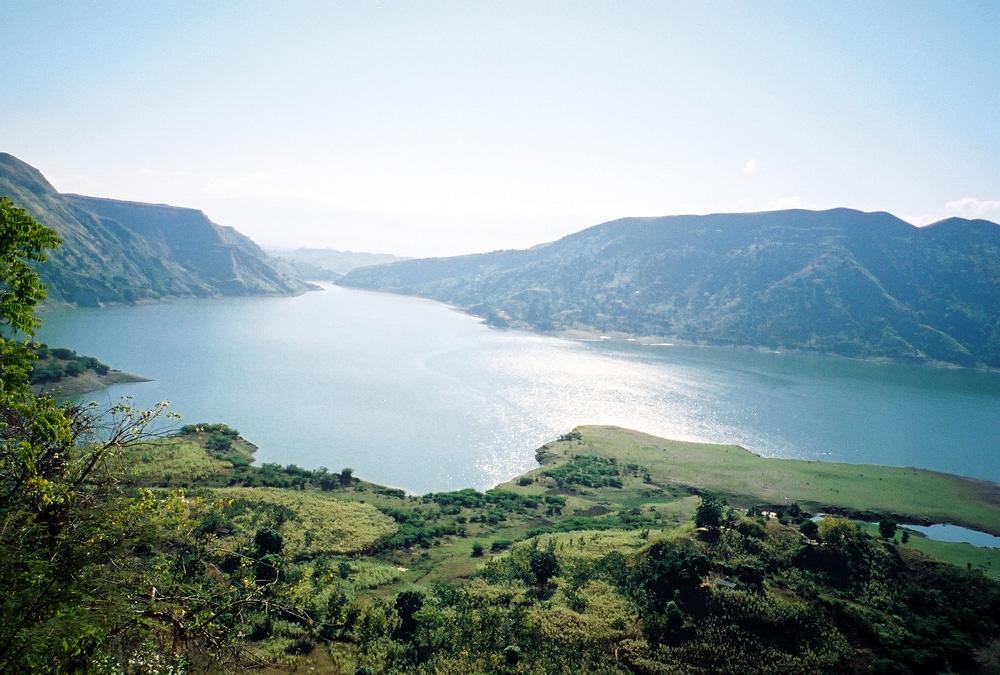
Heritage
Learn more
Haiti: Discovering Lake Péligre
At the heart of the majestic Haitian topography, lies a natural gem of breathtaking beauty: Lake Péligre. Nestled in the mountains of Haiti’s central region, this artificial lake is a wonder for local residents and amazed visitors alike. From its historical creation to its contemporary ecological importance, let’s explore together the riches of Lake Péligre. Origin and History: Lac de Péligre is the result of an ambitious engineering project undertaken in the 1950s. At that time, the Haitian government, in collaboration with international partners, undertook the construction of the Péligre Dam on the Artibonite River. The main goal was to provide large-scale electricity to Haïti while regulating river flooding to protect agricultural land downstream. Ecology and Biodiversity: Beyond its usefulness as a source of hydraulic energy, Lake Péligre is home to rich ecological diversity. The calm waters of the lake provide vital habitat for a variety of native fish species, supporting local fishing communities. In addition, the surrounding forests and hills that border the lake are home to diverse flora and fauna, contributing to the preservation of the regional ecosystem. Tourism and Leisure: For outdoor enthusiasts and nature enthusiasts, Lake Péligre offers a multitude of leisure opportunities. Visitors can enjoy peaceful boat rides on the tranquil waters of the lake, offering panoramic views of the surrounding mountains. Additionally, hiking trails winding through lush forests allow hikers to explore the area’s natural beauty. Lake Péligre represents much more than a simple artificial body of water. It is a living testament to human ingenuity and the natural beauty of Haiti. As an emerging tourism destination, it offers visitors an immersive experience in nature, while highlighting the crucial importance of environmental conservation. By preserving this natural treasure, we also preserve the sustainable future of our planet.
Learn more 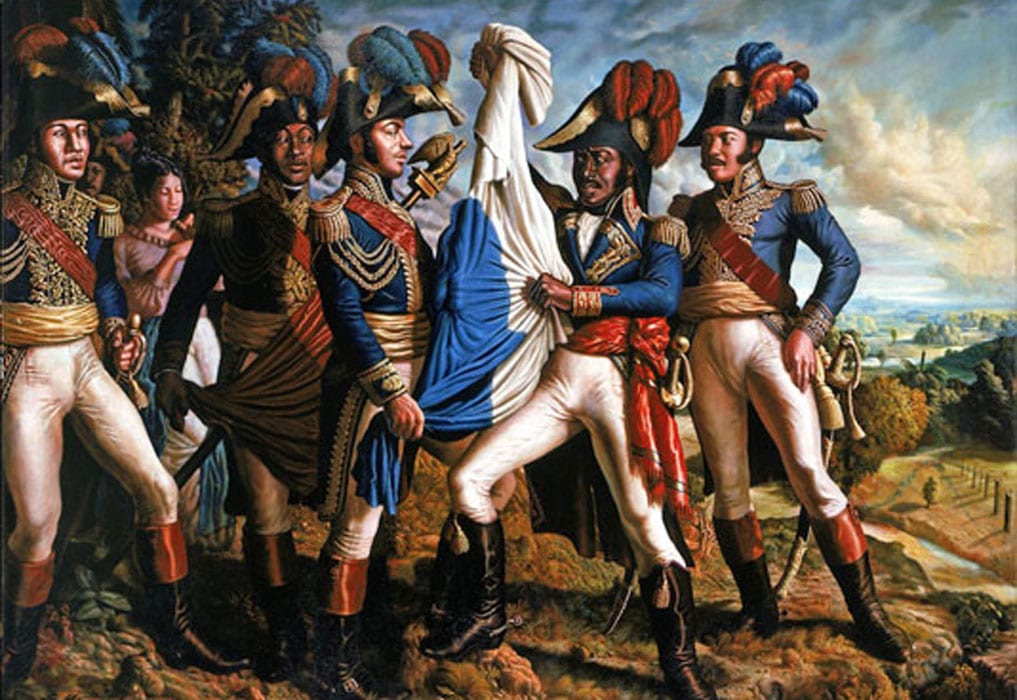
History
Learn more
Holidays in Haiti
Haiti, the pearl of the Antilles, is a country rich in history and culture. Its public holidays are moments of celebration, commemoration and reflection on its glorious past. Each date has a special meaning, plunging Haitians into a festive and memorable atmosphere. b~January 1: National Independence Day and New Year~b January 1st is a doubly special day in Haiti. On the one hand, it is National Independence Day, commemorating the victory of Haitian slaves over French colonial forces in 1804. On the other hand, it is New Year’s Eve, marking the start of a new year full of promises and hopes. b~January 2: Feast of the Forefathers~b January 2 is dedicated to the memory of ancestors. It is an opportunity for Haitians to remember their roots, to celebrate the cultural heritage passed down from generation to generation. b~February: Carnival, Shrove Monday, Fat Tuesday, Ash Wednesday~b The month of February is marked by Carnival, one of the most colorful and dynamic festivities in Haiti. The streets fill with parades, lively music and wild dancing. Mardi Gras is the culmination of Carnival, followed by Ash Wednesday, marking the start of Lent. b~April: Easter, Maundy Thursday, Good Friday~b Easter celebrations in Haïti include the religious traditions of Maundy Thursday and Good Friday. It is a time of prayer and reflection for many Haitians. b~May 1: Agriculture and Labor Day~b May 1 is dedicated to celebrating the work and importance of agriculture in the life of the country. It is an opportunity to recognize the efforts of workers and to highlight the agricultural sector. b~May 18: Flag Festival~b Flag Day celebrates the Haitian flag, a symbol of independence and national pride. Haitians honor their colors and remember the courage of their ancestors in the fight for freedom. b~May 23: National Sovereignty Day~b This day commemorates the recognition of Haitian sovereignty by France in 1805. It is a moment of national pride and reaffirmation of independence. b~May - August: Ascension~b The Ascension is celebrated between May and August, a religious festival marking the ascension of Jesus Christ into heaven. b~June: Fête-Dieu~b Fête-Dieu, also known as the Feast of the Body and Blood of Christ, is an important religious celebration in June. b~August 15: Assumption of Mary~b The Assumption of Mary is a Christian holiday marking the ascension of the Virgin Mary into heaven. It is celebrated with fervor in Haiti. b~September 20: Birth Anniversary of Jean-Jacques Dessalines~b This date commemorates the birth of Jean-Jacques Dessalines, one of the founding fathers of Haïti and a key leader in the struggle for independence. b~October 17: Death of Dessalines~b October 17 is a day of commemoration of the death of Jean-Jacques Dessalines, recalling his impact on Haitian history. b~November 1: All Saints’ Day~b All Saints’ Day is a religious holiday honoring all saints, celebrated with prayers and visits to cemeteries. b~November 2: Day of the Dead~b All Souls’ Day is an opportunity to pay homage to the deceased by decorating graves and participating in religious ceremonies. b~November 18: Commemoration of the Battle of Vertières~b This day honors the decisive Haitian victory at the Battle of Vertières in 1803, marking the end of the French occupation. b~December 5: Discovery Day~b December 5 celebrates the discovery of the island by Christopher Columbus in 1492. b~December 25: Christmas~b Christmas celebrations in Haïti are marked by family reunions, festive meals and religious traditions. Public holidays in Haïti are much more than breaks from everyday life; these are moments that embody the soul and resilience of a people. Each celebration provides an opportunity to come together, remember the past and look to the future with hope and determination.
Learn more 
Tourism
Learn more
Beyond the clichés: Discover the real Haiti
Haiti, pearl of the Caribbean, often overshadowed by stereotypes and negative images. But beyond these clichés lies a nation of stunning natural beauty, rich in natural resources, steeped in vibrant culture and blessed with a fascinating historical heritage. From its idyllic beaches and majestic mountains to its bustling cities and friendly people, Haïti offers a unique and unforgettable experience to those who take the time to discover it.
Learn more 
Events and Festivals
Learn more
The 50s parade in Cap-Haïtien for a historic anniversary
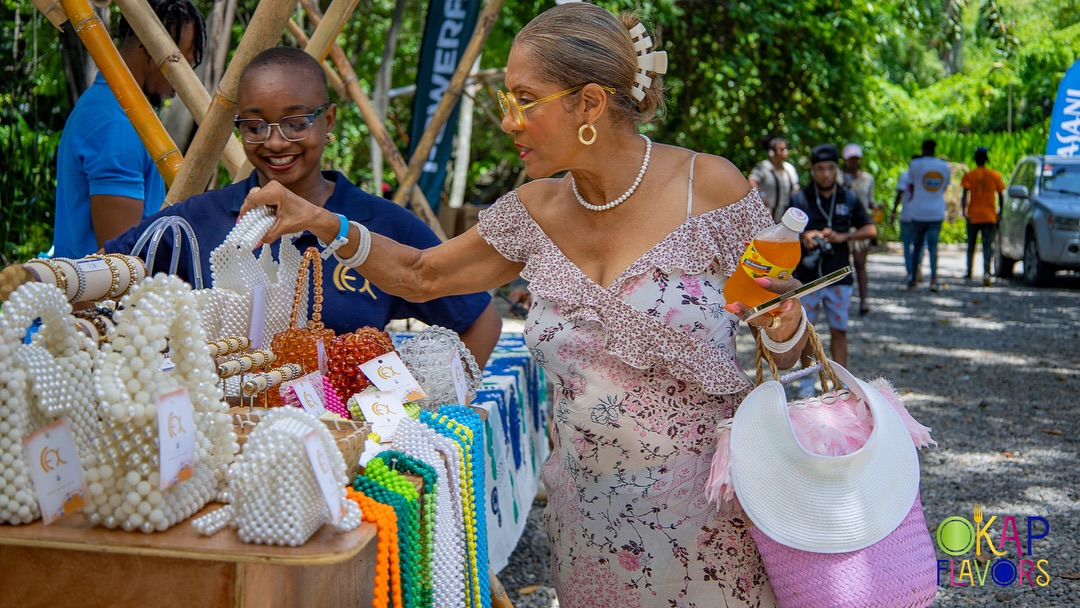
To mark the 345th anniversary of Cap-Haïtien, Okap Fashion Men is organizing an exceptional event: a fashion day dedicated to the 50s. This unique event immerses participants in the elegance of a bygone era, where sophistication and refinement were at the heart of fashion.
Learn more 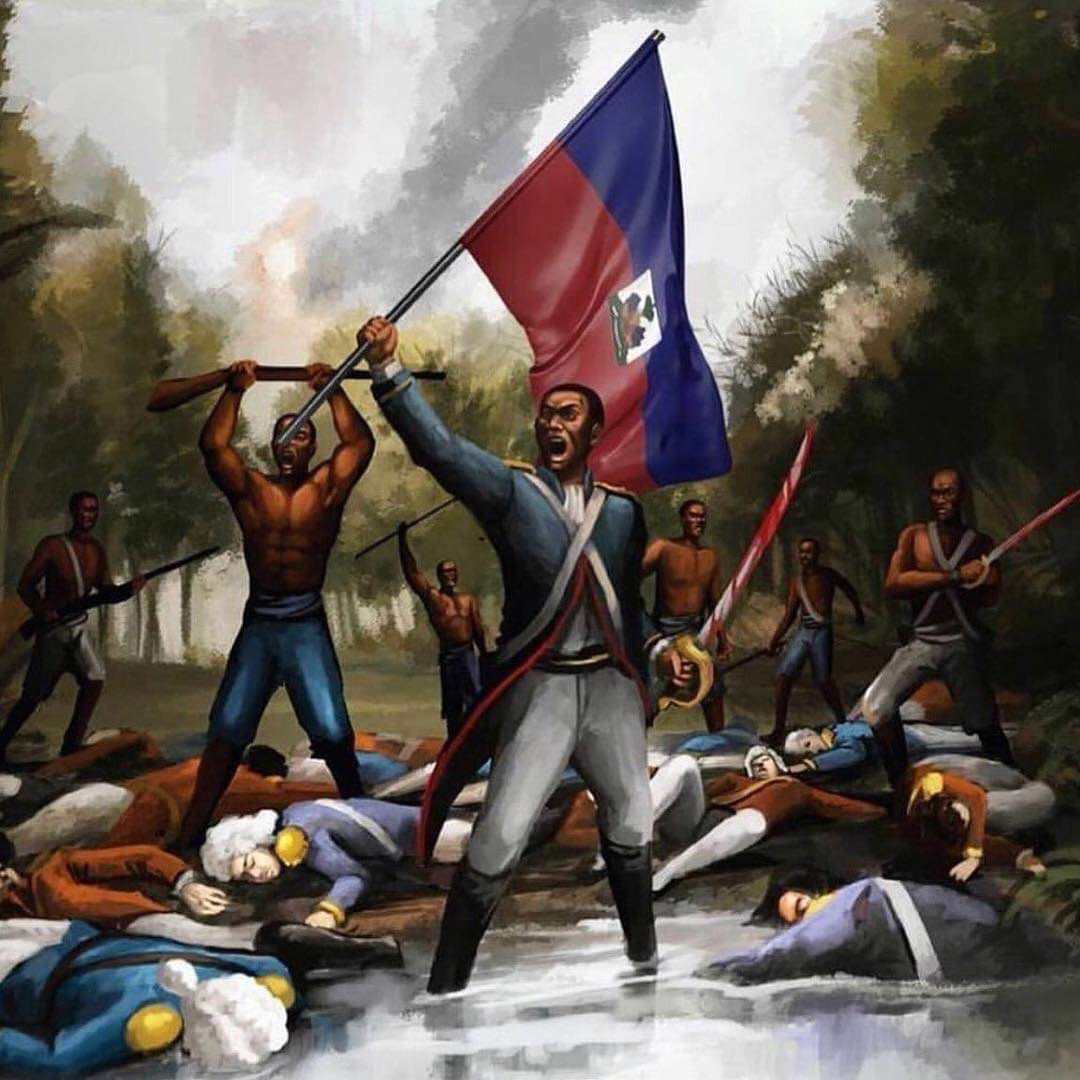
History
Learn more
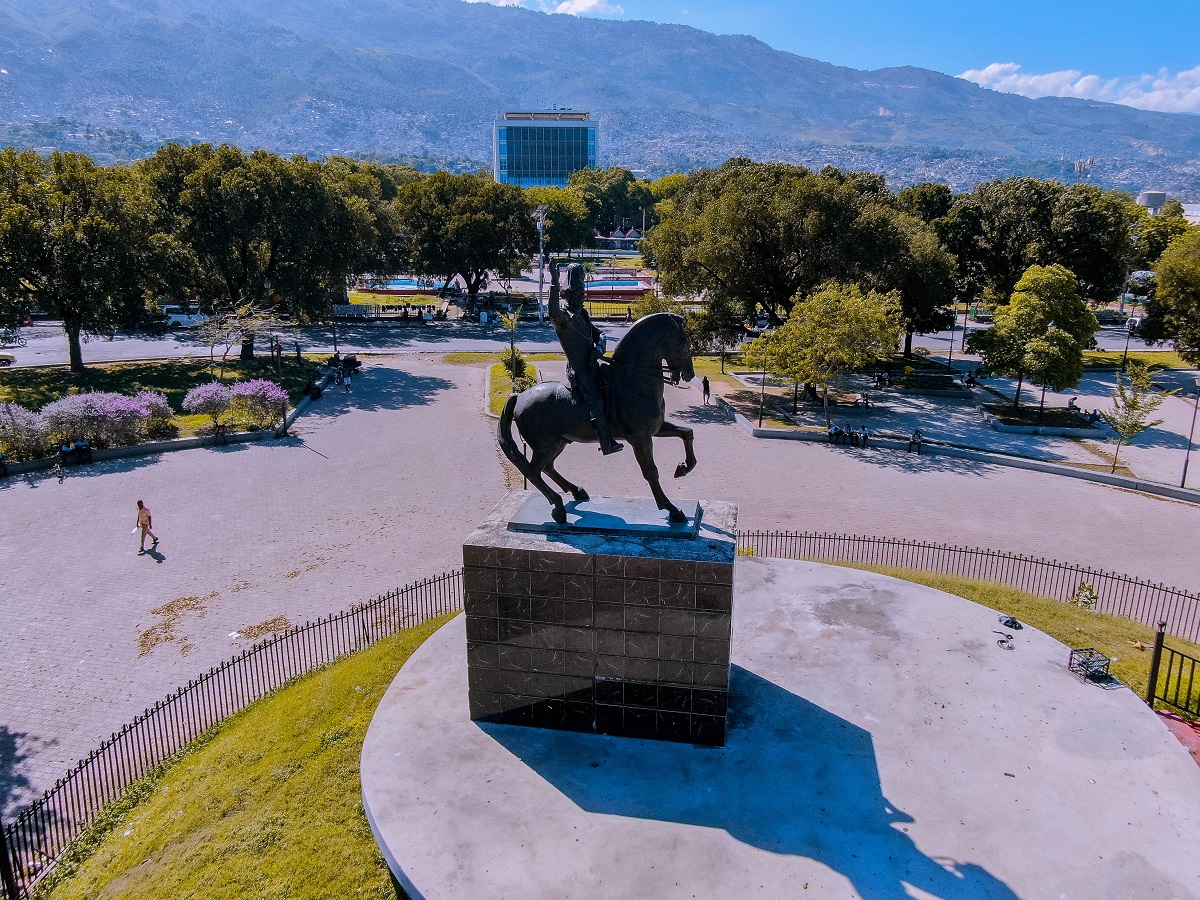
January 1, 1804: Proclamation of the Independence of Haiti
On January 1, 1804, a significant event in world history occurred: the proclamation of the independence of Haiti. On that day, Haïti became the first independent black country in the modern world, marking the end of more than a decade of bitter struggle against French colonial oppression and slavery.
Learn more 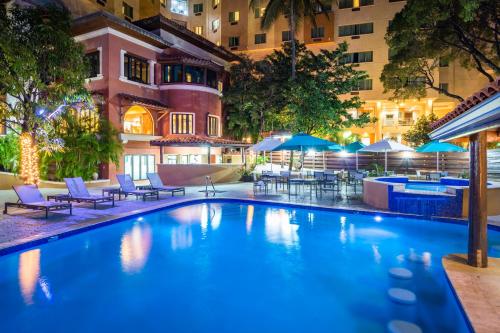
Tourism
Learn more
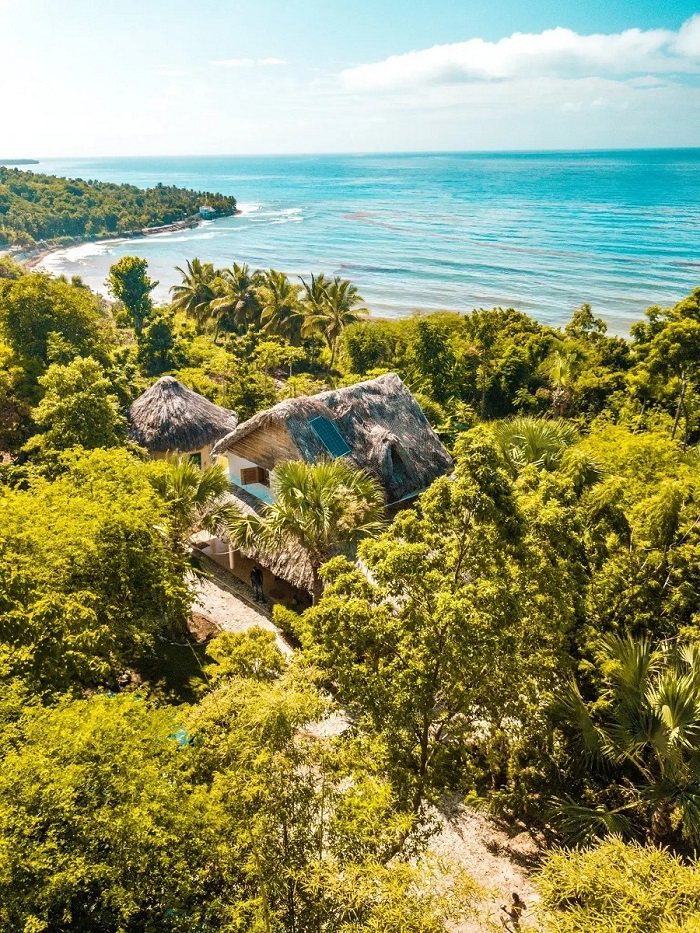
12 Must-See Hotels in Haiti
Welcome to Haiti, a hidden gem of the Caribbean, where warm hospitality, pristine beaches and rich culture await you. If you are planning to visit this heavenly country, we have compiled a list of 12 most notable hotels to make your stay unforgettable.
Learn more 
Good to know
Learn more
Constitution of the Republic of Haiti: 1987 Amended in 2011 (First part)
The Haitian People proclaim this Constitution: To guarantee their inalienable and imprescriptible rights to life, liberty and the pursuit of happiness; in accordance with their Act of Independence of 1804 and the Universal Declaration of Human Rights of 1948. To constitute a Haitian nation that is socially just, economically free and politically independent. To re-establish a stable and strong State, capable of protecting values, traditions, sovereignty, independence and national vision. To implement democracy that implies ideological pluralism and political alternation and affirm the inviolable rights of the Haitian People. To strengthen national unity, by eliminating all discrimination between urban and rural populations, by accepting the community of languages and culture and by recognizing the right to progress, information, education, health, work and leisure for all citizens. To ensure the separation and harmonious distribution of State Powers in the service of the fundamental and priority interests of the Nation. To establish a governmental regime based on fundamental freedoms and respect for human rights, social peace, economic equity, consultation and participation of the entire population in major decisions affecting national life, through effective decentralization.
Learn more Recently Posted

Haïti Wonderland Named Best Creole Website Using the .ht Domain in 2025
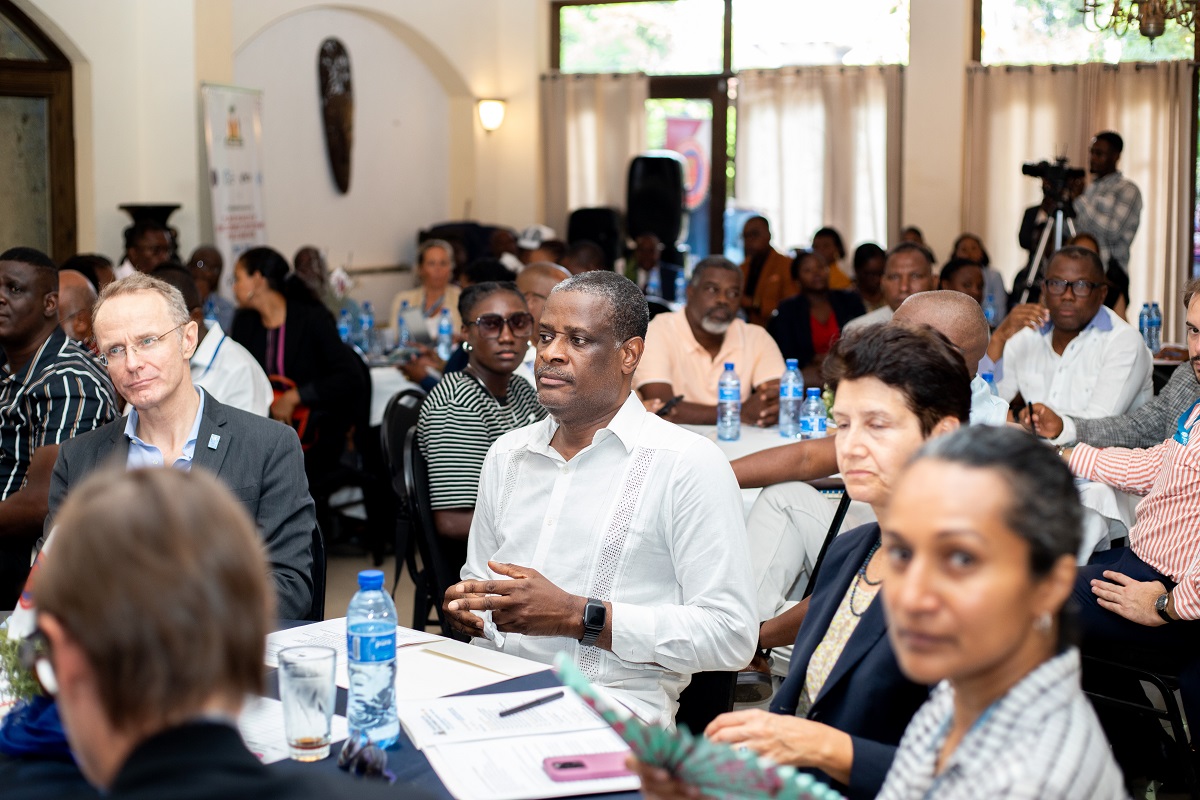
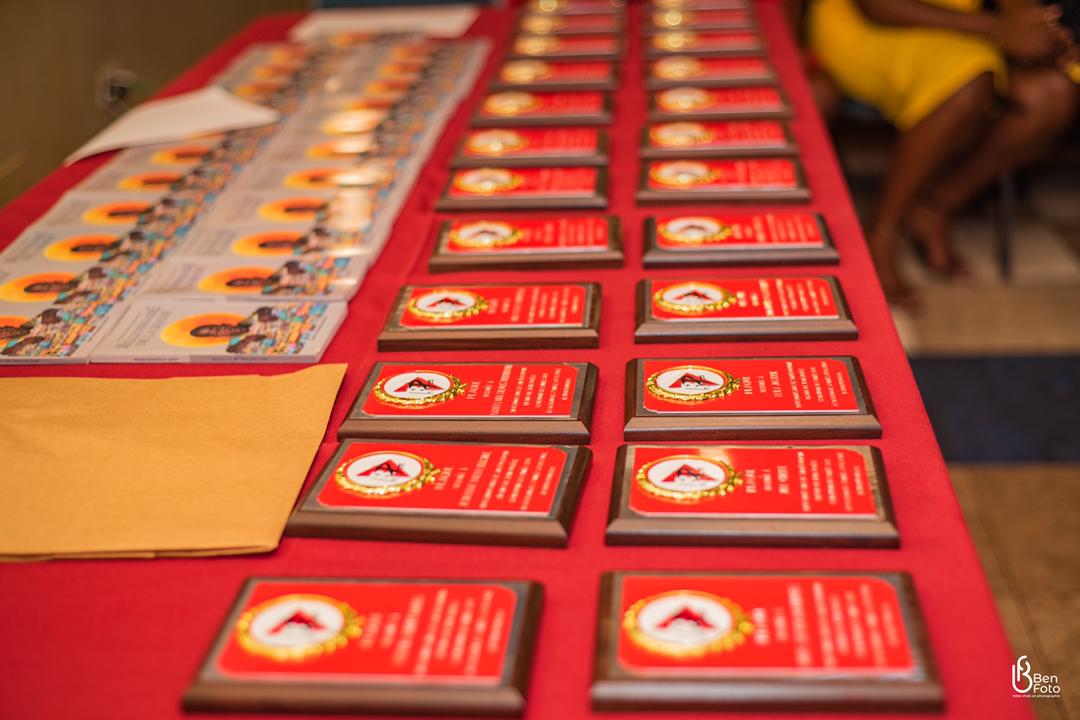
Port-au-Prince, June 26, 2025 - During a ceremony held at the El Rancho Hotel, the Haïti Wonderland website haitiwonderland.ht was named the best Creole website using the .ht national domain for 2025. This prestigious award was presented at the national competition "Pi bon sit an kreyòl ki sèvi ak domèn .ht," organized by ISOC Haïti (Internet Society) and the Fondation Rezo pou Devlopman Dirab Ayiti (FRDDH).

Haïti Beach: Discover the Most Beautiful Beaches in the Country
Haiti, with its spectacular coastline and enchanting landscapes, is a destination of choice for lovers of paradise beaches. The country, often overlooked for its natural treasures, is home to some of the most beautiful beaches in the Caribbean. From stretches of fine sand lined with coconut trees to secret and isolated coves, Haïti offers a diversity of beaches that will not fail to amaze you. Discover below a selection of the most beautiful beaches in the country, each offering a unique and unforgettable experience.

December 24 and 31: Two Important Dates for Children During Christmas in Haiti
In Haiti, Christmas is a magical time for children, where traditions and festivities blend to create unforgettable memories. Two dates, in particular, mark this season: December 24, Christmas Eve, and December 31, which heralds the New Year. These moments are rich in activities and emotions, putting the youngest at the heart of the celebrations. This article explores why these two days are so special for children in Haiti.

10 Must-See Beaches to visit in Haiti
Haiti, pearl of the Caribbean, is full of natural and cultural treasures that deserve to be explored. Among these treasures, the breathtakingly beautiful beaches occupy pride of place. Here is our selection of the 10 must-see beaches to visit in Haiti, offering unique and memorable seaside experiences.

Category
- Recent articles 100
- Heritage 2
- Kitchen 53
- Culture 35
- Music 16
- History 48
- Nature 13
- Beache 27
- Craftsmanship 3
- Literature 16
- Religion 4
- Movie 2
- Ecology 0
- Tourism 68
- Personality 13
- Languages 1
- Theater 0
- Games 2
- Other 2
- Community 5
- Entrepreneurship 4
- Technology 16
- Country 3
- City 8
- Business 3
- News 40
- Geography 4
- Scientific Research 0
- Education 2
- Production 3
- Diaspora 9
- Good to know 60
- Business and economy 1
- Events and Festivals 19
- Things To Do 1
- Little-known places 0
- Sponsored Articles 0
Recently Posted




























History
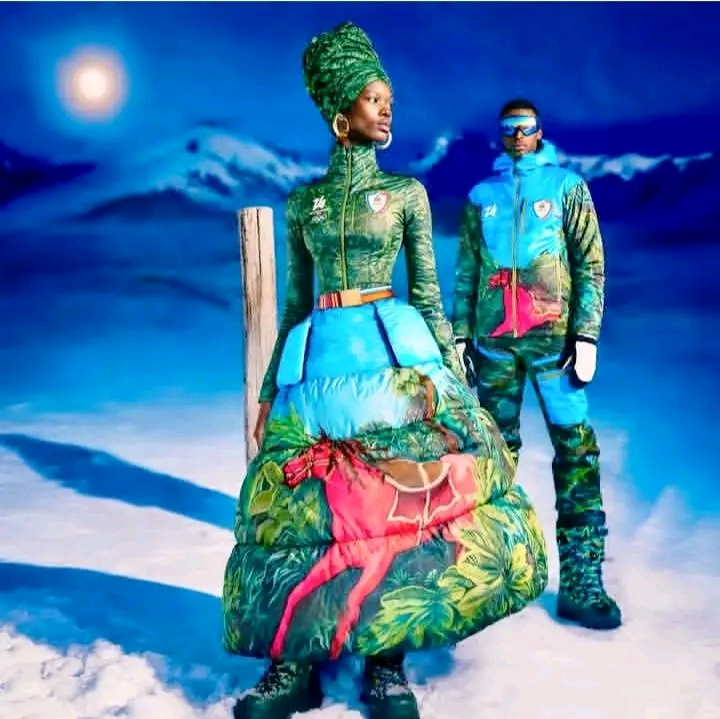
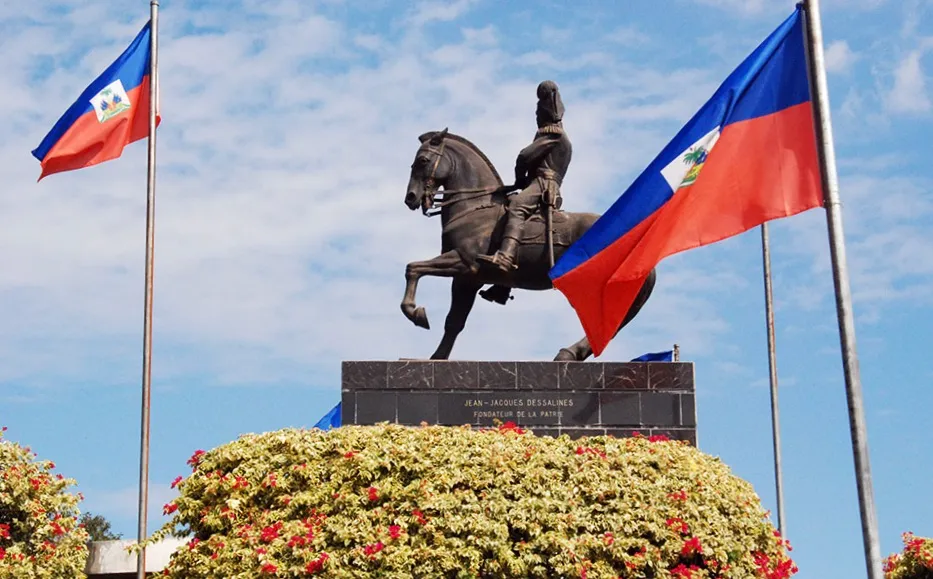
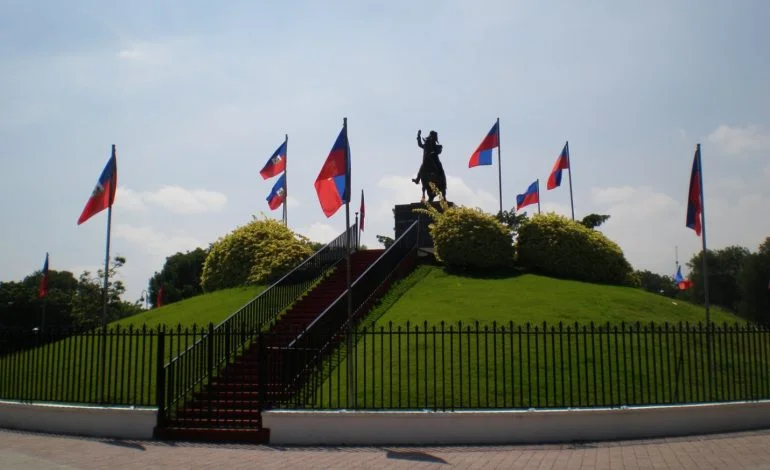
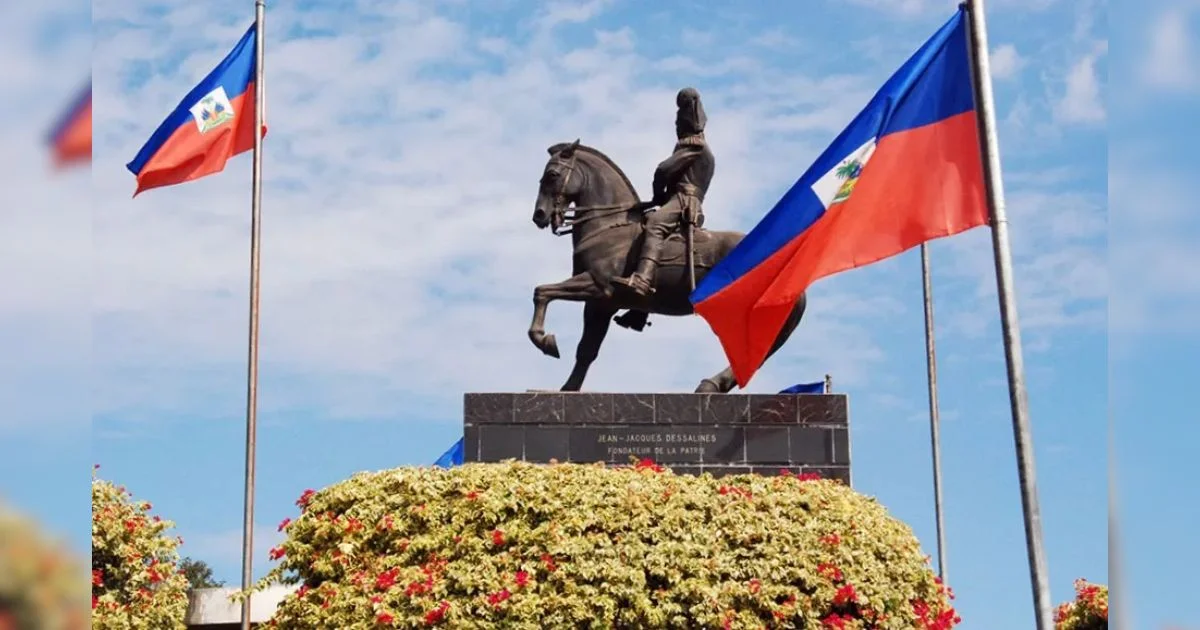
First black nation to free itself from slavery and gain independence from France in 1804 and influenced other liberation movements around the world, inspiring struggles for freedom and equality.

Natural beauty
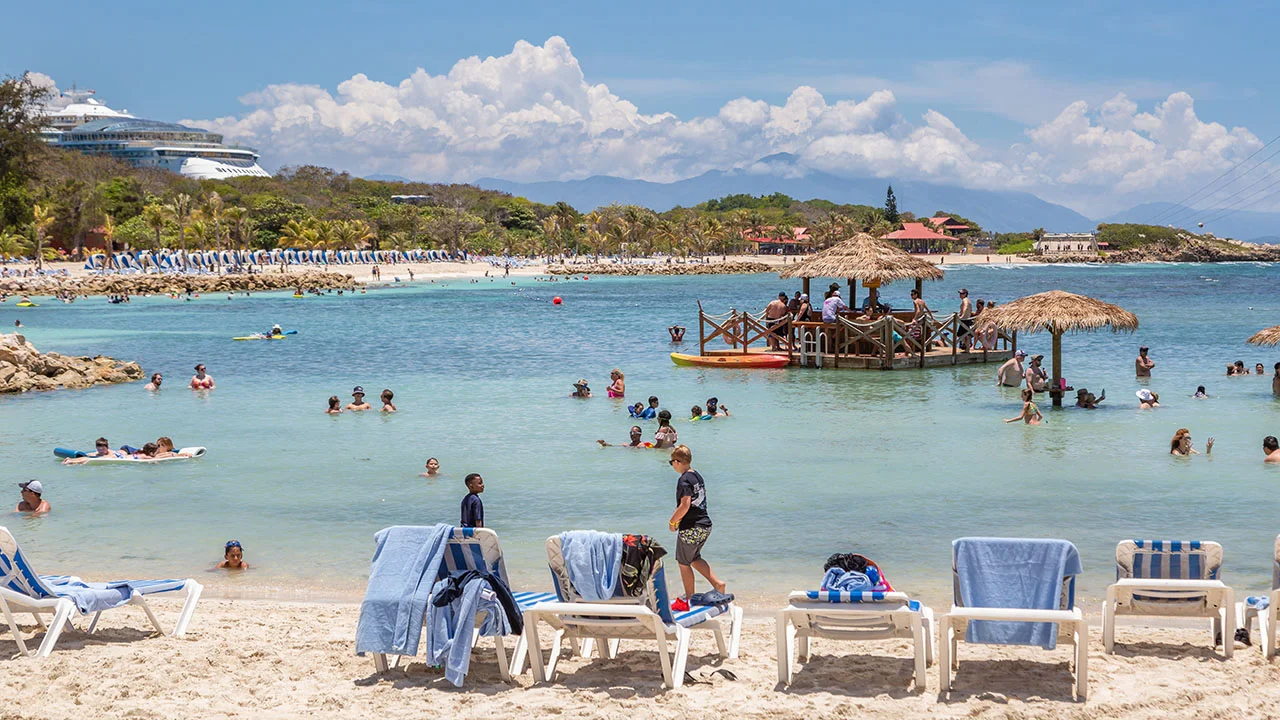
Haïti is blessed with spectacular natural landscapes, including white sand beaches, mountains and rich biodiversity.

Heritage
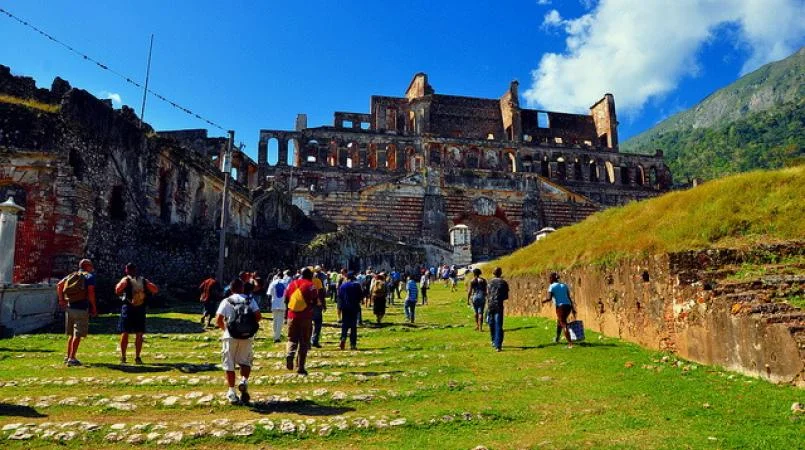
Haïti has a rich historical heritage, including sites like the Citadelle Laferrière and the Sans-Souci Palace, listed as UNESCO World Heritage Sites.

Culture
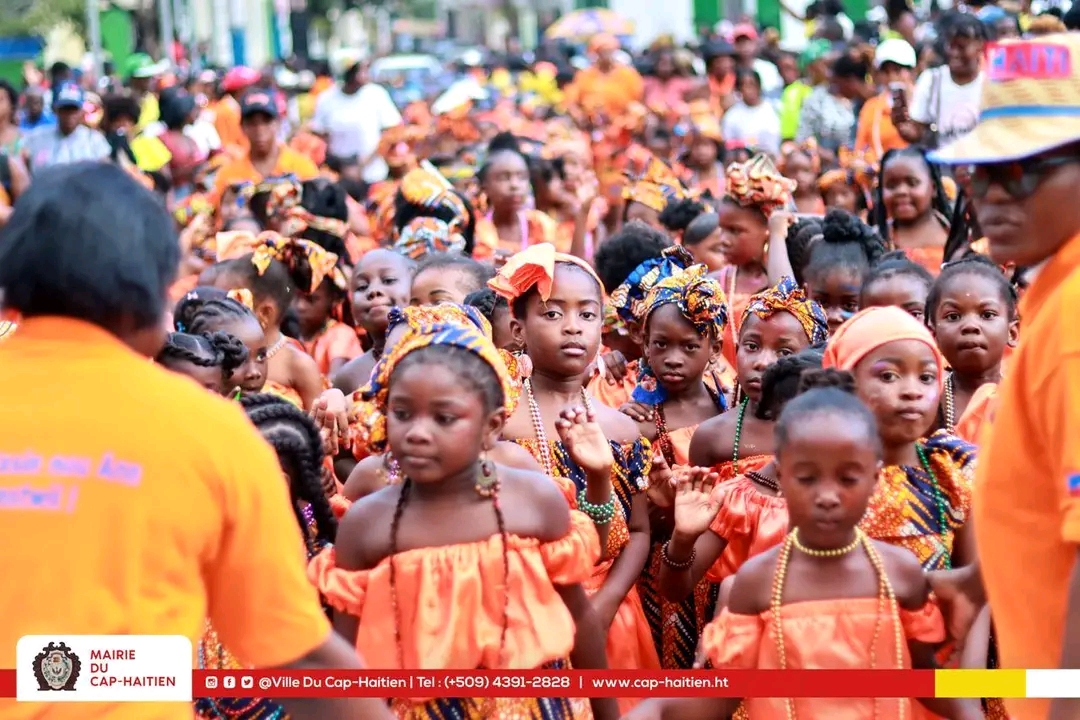
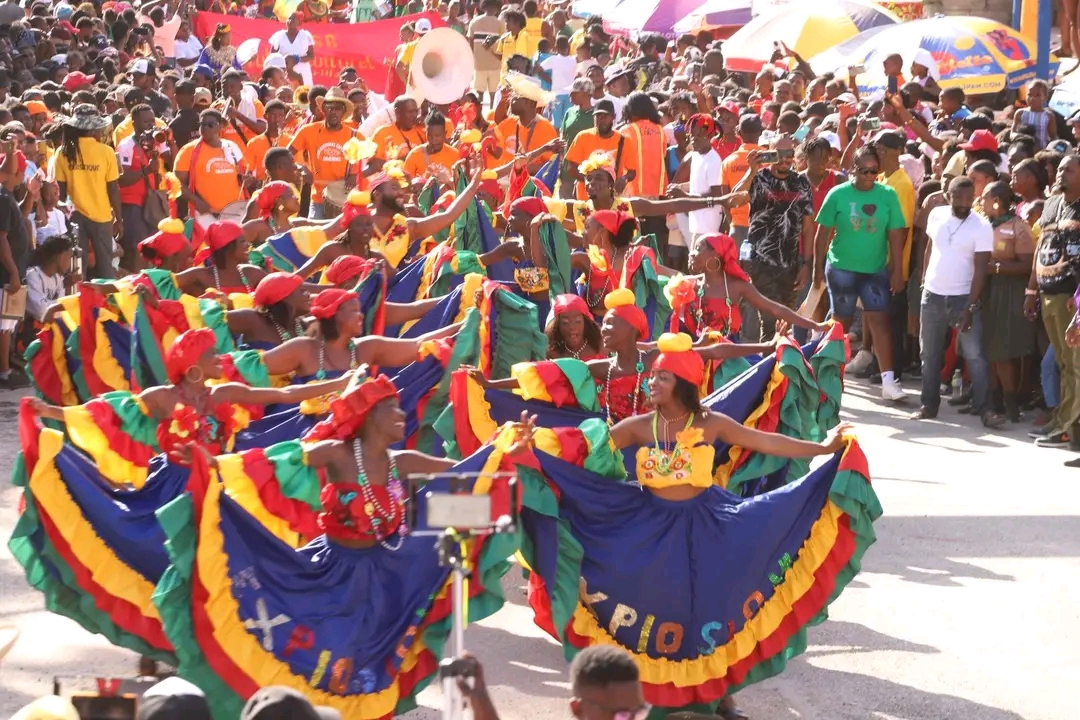
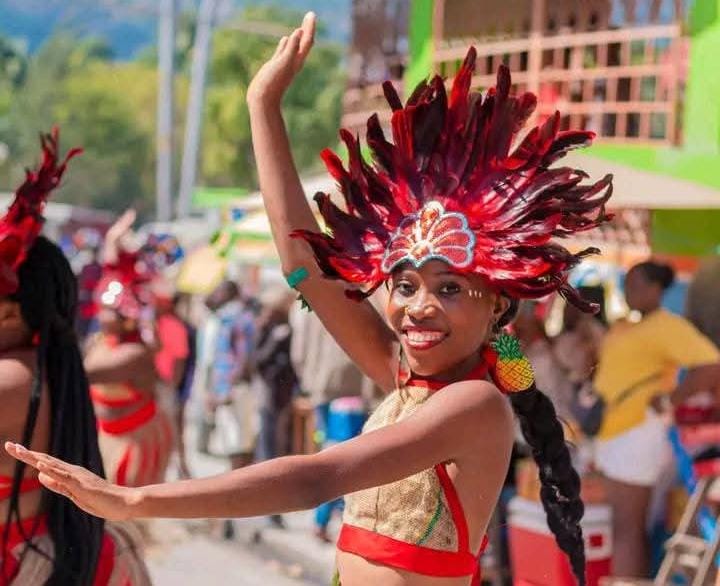
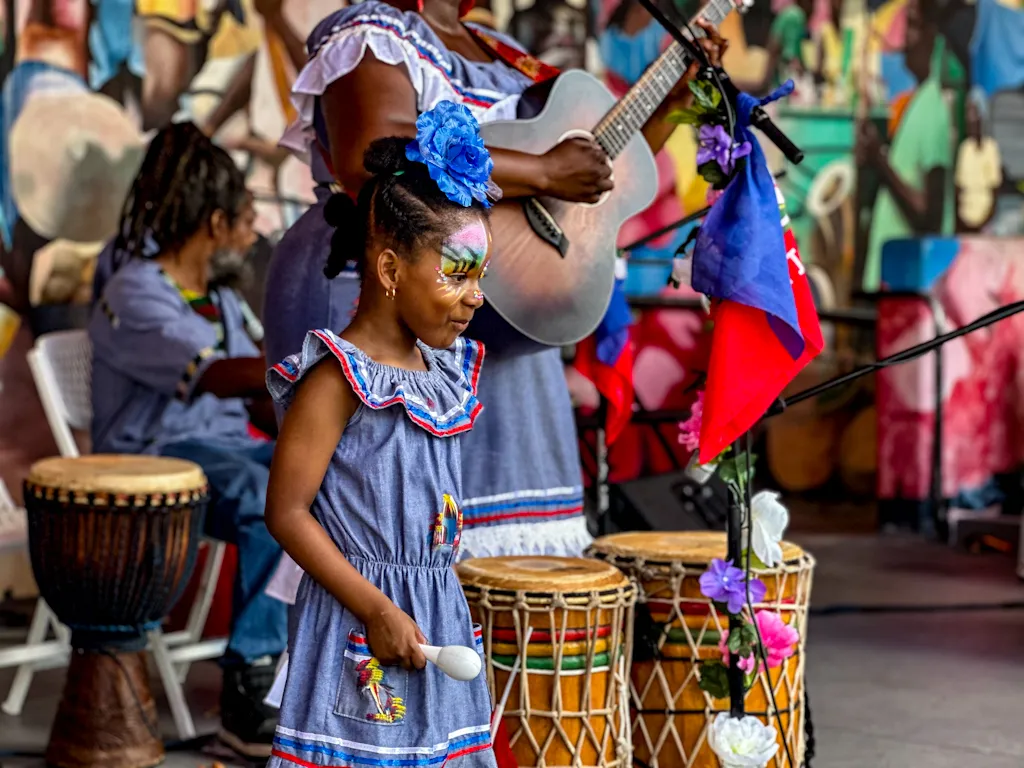
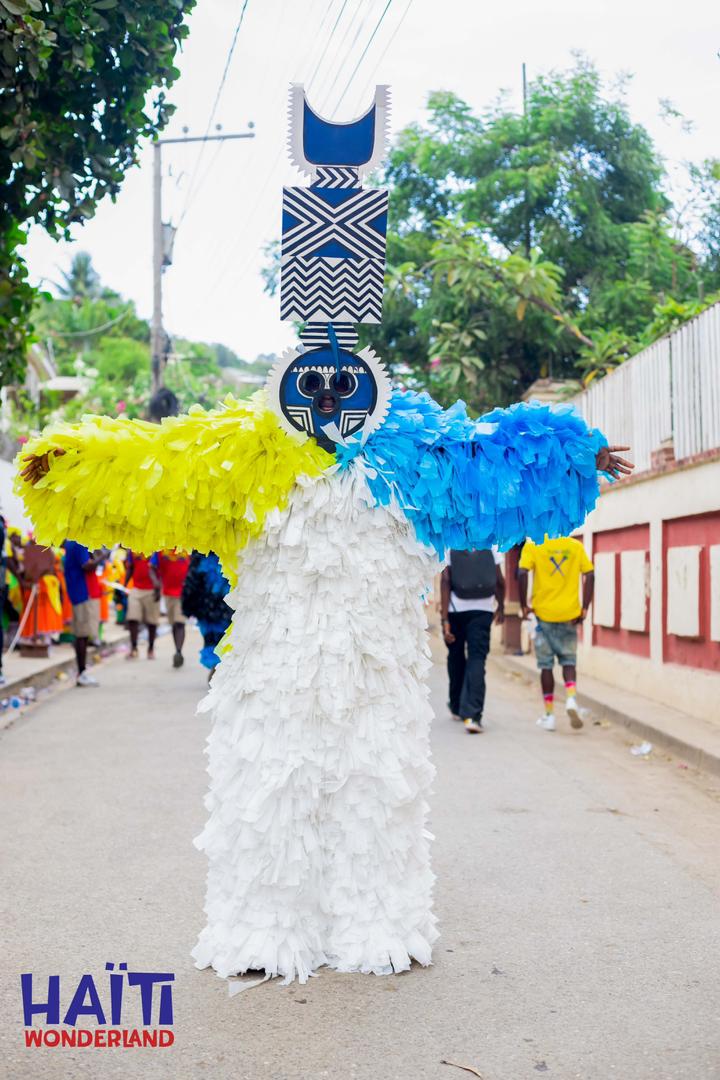
Haïti has a rich and diverse culture, influenced by African, European and indigenous elements. Haitian music, dance, art and cuisine are celebrated around the world.
- +
Post