


contact@haitiwonderland.com+509 36184317

Discover

Shopping Cart

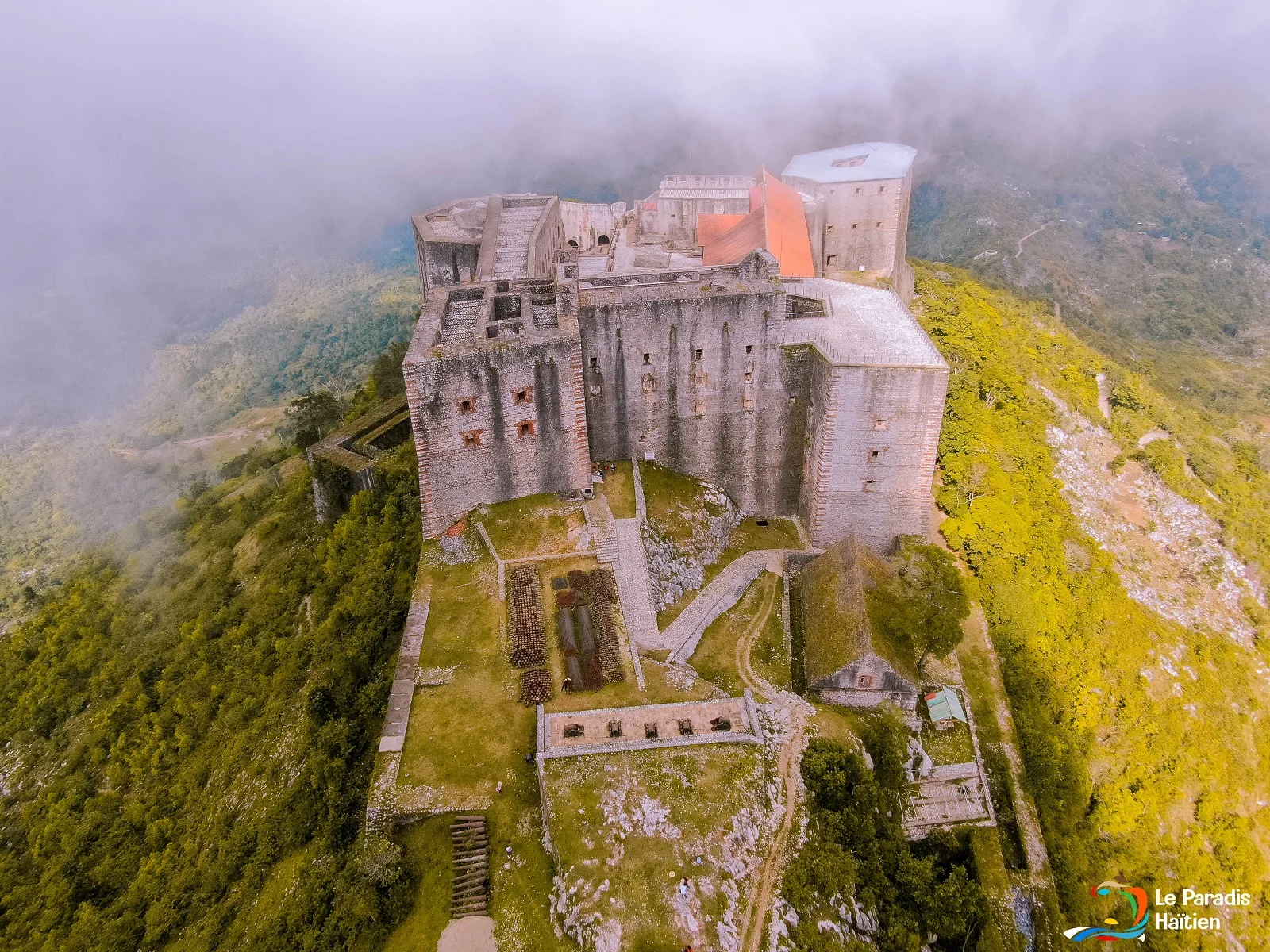
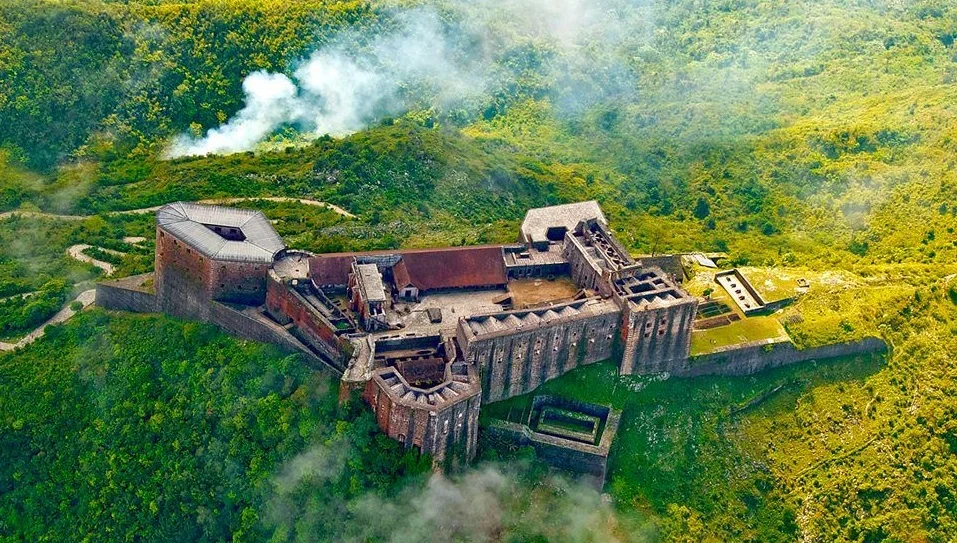
Haïti : Citadelle la FerrièreHaïti : Citadelle la Ferrière

News / Little-known places / View Recent Posts

News June 19, 2024

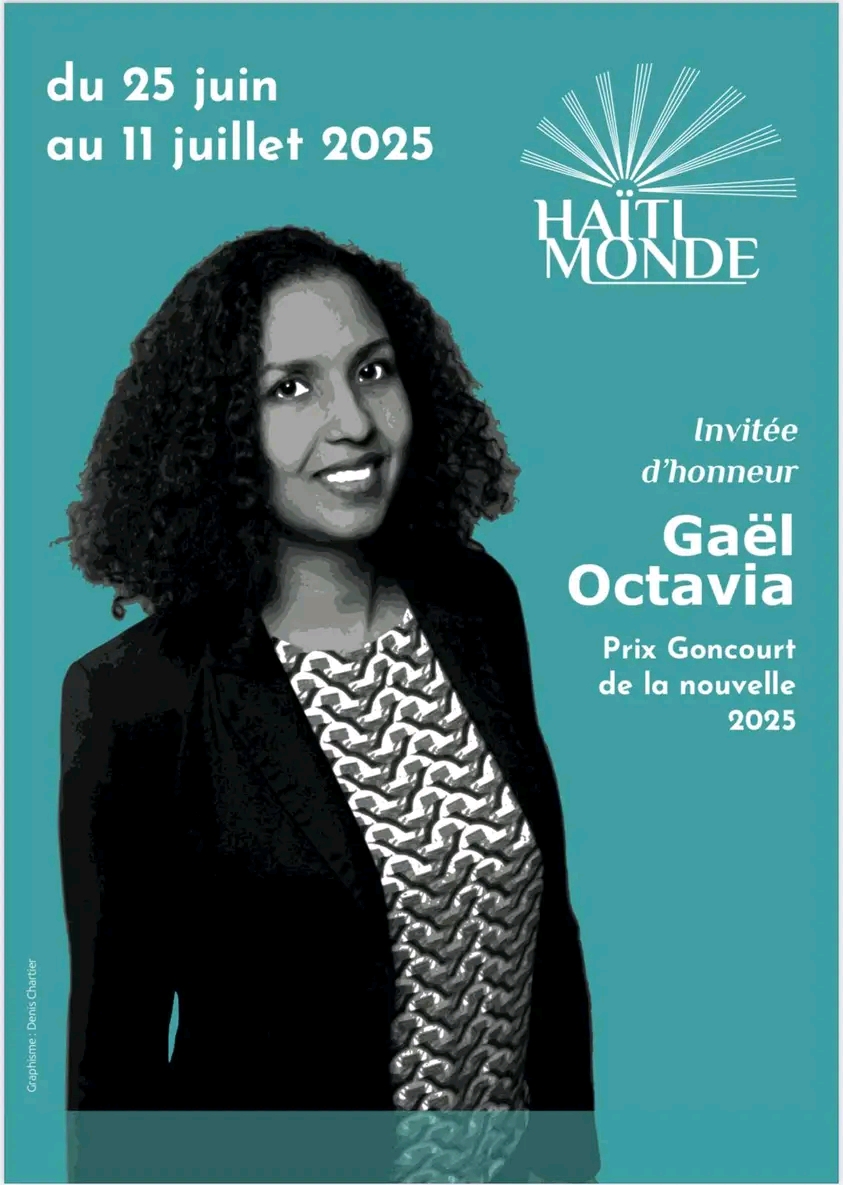
Living in Prose and Poetry: an unmissable summer event in Port-au-Prince.

Living in Prose and Poetry is an artistic and cultural event organized by the cultural organization Salon de Livre de Port-au-Prince (OCSLPAP) with the aim of bringing together young artists from the Haitian capital to exhibit them to a large audience . This edition will take place on Saturday July 27, 2024, at the pyépoudré cultural center, located at number 332 on the Route de Bourne. This year the organizers announce their mission is to bring together talents from various categories of arts, always with the aim of helping them to become familiar with each other, and to help create a solid link between them and the Haitian public. . The categories targeted by the organizers for this second edition are young poets, slammers, comedians, rappers, dancers, singers, painters, and writers who have already published at least one work. Living in prose and poetry will also be an opportunity to encourage Haitian youth to think. The first part of the event will be devoted to a discussion around a text by the famous Haitian writer Louis Philippe Dalembert, entitled The Other Face of the Sea. It is a novel which carefully addresses the subject of immigration and detachment that goes with it in the immigrant’s skin. It is a book that speaks openly to the reality of the Haitian people today. It has already been announced that this first part will be moderated by the journalist and literary critic Carl Pierrecq who works for the short story writer, and moderation will be provided by Pierre Marie, a young sociology student at the Faculty of Human Sciences (FASCH). After a largely successful first edition which took place in May 2023 in the premises of the municipal library of Delmas, the organizers of living in prose and poetry say they are determined and have made the promise for this year to deliver to the public port-au -princien, a cultural event of exceptional scale for the second outing. Once again, this will be the perfect opportunity to celebrate the great richness of Haitian culture through the organs of our young talents. Given the difficult context, manifested by the almost daily situation of insecurity which has prevailed for some time, in a good part of Port-au-Prince, the announcement of this event comes as a fresh breath of oxygen, scattered throughout the within the lungs of the city. It is yet another opportunity to remind through this artistic festivity that even in times of deep unrest, art will remain an indispensable light, because even in times of crisis, the latter and the artist (its channel of diffusion) will become refuges, sources of comfort and appeasement for all human souls.

Par Moise Francois |
Learn more
History April 29, 2024

Vertières, Fort Mazi: Beyond historical truth;

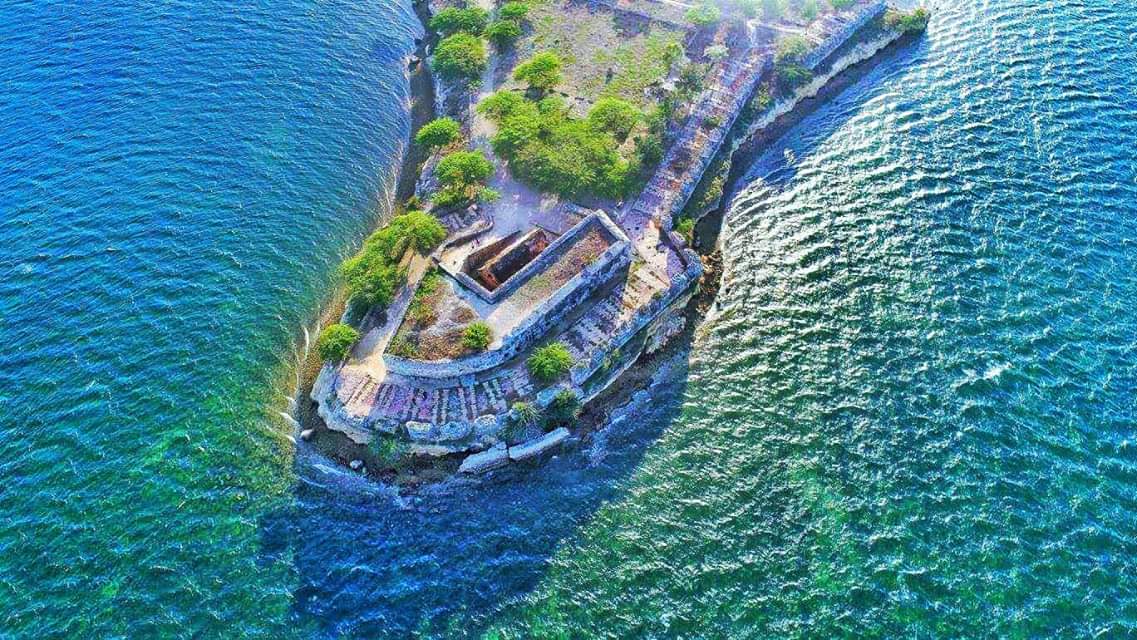
If you look up the word vertière in a French dictionary, you will not find it for fear that the world does not know this place represents the Achilles heels of the most powerful European army. What’s more, this one had just successfully won the eastern campaign. French historians of the time erased this geographical location from the radar of history because they did not want to tell the story as it is in the sense of explaining the first great humiliation of the expeditionary army French by bands of slaves who were totally ignorant in the art of waging war, much less in the handling of weapons. However, these illiterate wars routed the Napoleonic army, the most powerful at that time, using the means at hand. This expeditionary army, after having brought Europe to its knees, would experience its first rout by slaves in this geographical location, located in the Northern department of Haiti. Funny story, this city is not on the list of French words even though given its historical importance, it should be at the heart of universal history, far from putting an end to the invincibility of the undefeated army army. So as not to offend the white masters, no political leader has ever asked why vertière does not appear in any French dictionary? However, they celebrate this battle with great fanfare every November 18. What historic hypocrisy among our leaders! After Vertière many other historical places are strangled by historians in order to hide the extremes of atrocities of the French colonists on the slaves. It is in this context of historical strangulation that “Fort Mazi” is not mentioned in school history textbooks. This is located in Petit-Goave, 2nd municipal section, Arnoux locality. We came across this mega fort, during a mobile clinic entirely financed by the Ernest Junior foundation, a charitable foundation which works in the social sector, particularly in the field of art and music. According to residents , the oldest in this locality, this fort was built on at least 20 squares of earth by the settlers. It was a huge military complex divided into compartments, outposts, turtle rooms, rooms for treating colonists, a large Catholic church, and a cemetery. However, we never talk about this fort so much so that it is ignored by history teachers in the town of Petit-Goave. Certainly, the desired disappearance of this fort under the radar of history buries the atrocities, the barbarities, the most inhumane punishments of the colonists on the slaves. Looking closely at reality, everything seems true that it is the largest fort ever built during the period of colonization. Moreover, it probably seems the most fortified in relation to its importance. Remember that Vertière only exists in Haitian school history textbooks while Fort Mazi does not appear, much less in French dictionaries or history books. This explains why this fort was a secret place in which the settlers practiced crimes and atrocities that went beyond human understanding. Is it not a clear desire of historians to hide what this immense fort built on at least 20 tiles of earth really was? Discover the history of Haiti: A fascinating story to explore! : https://haitiwonderland.com/haiti/histoire/decouvrez-l-histoire-d-haiti--un-recit-fascinant-a-explorer/81
Par Gladimyr Vaval |
Learn more

Recently Posted

Plan your trip to Haïti

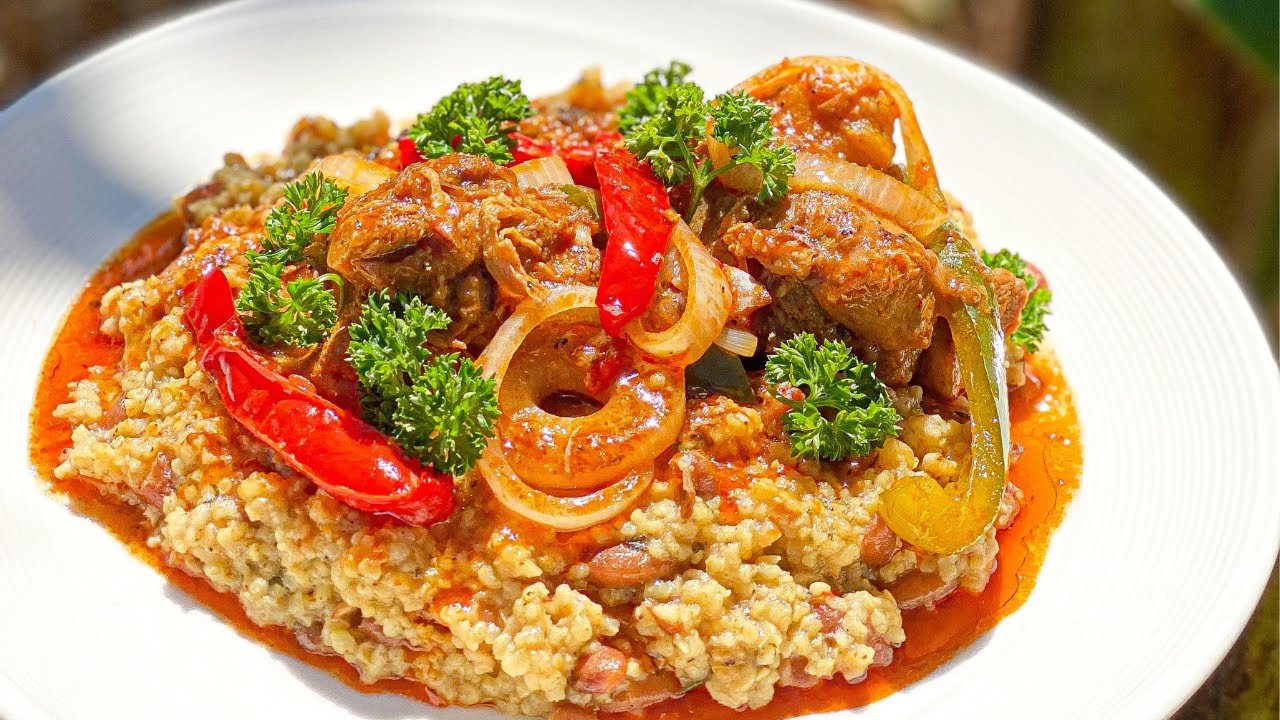
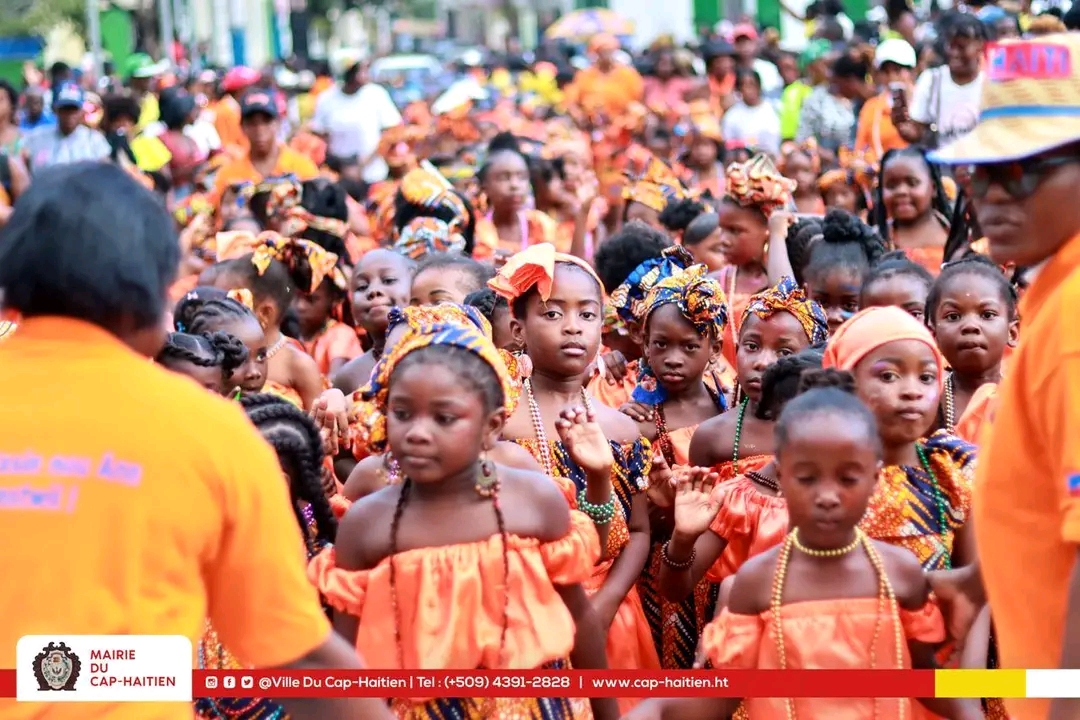
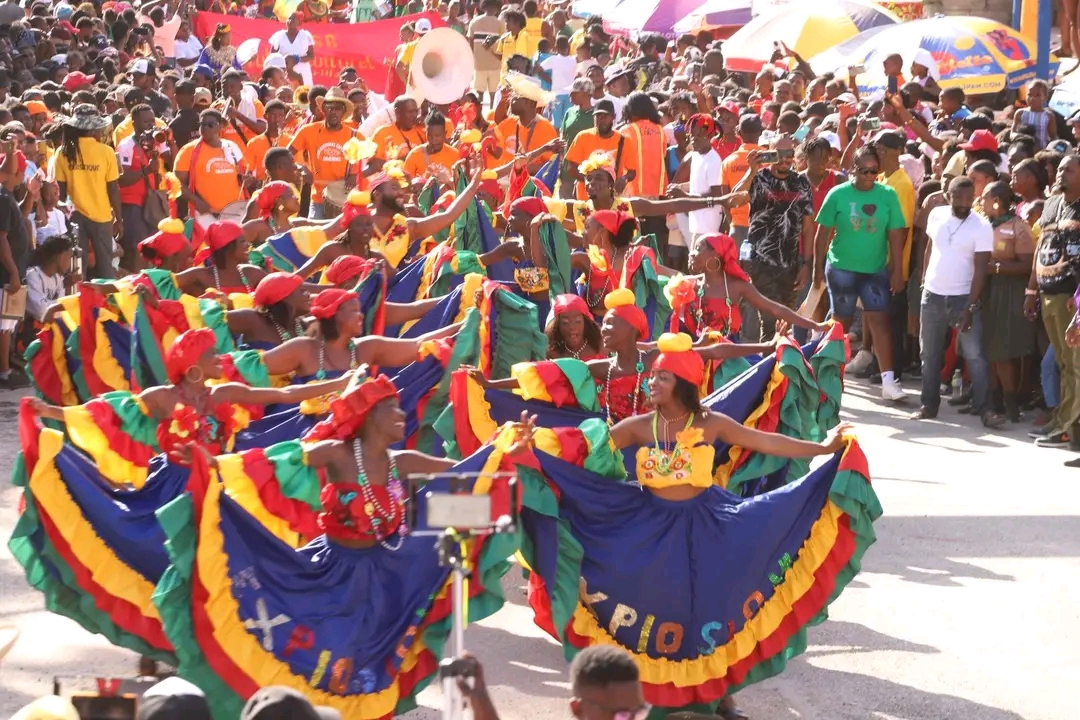
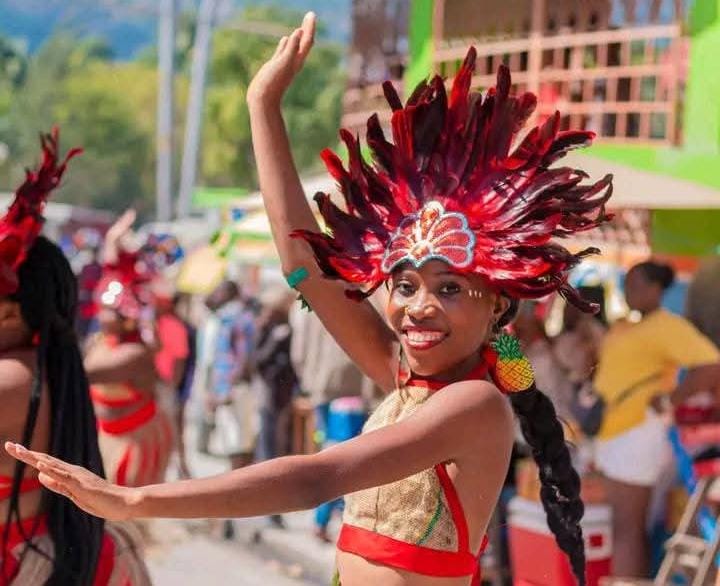
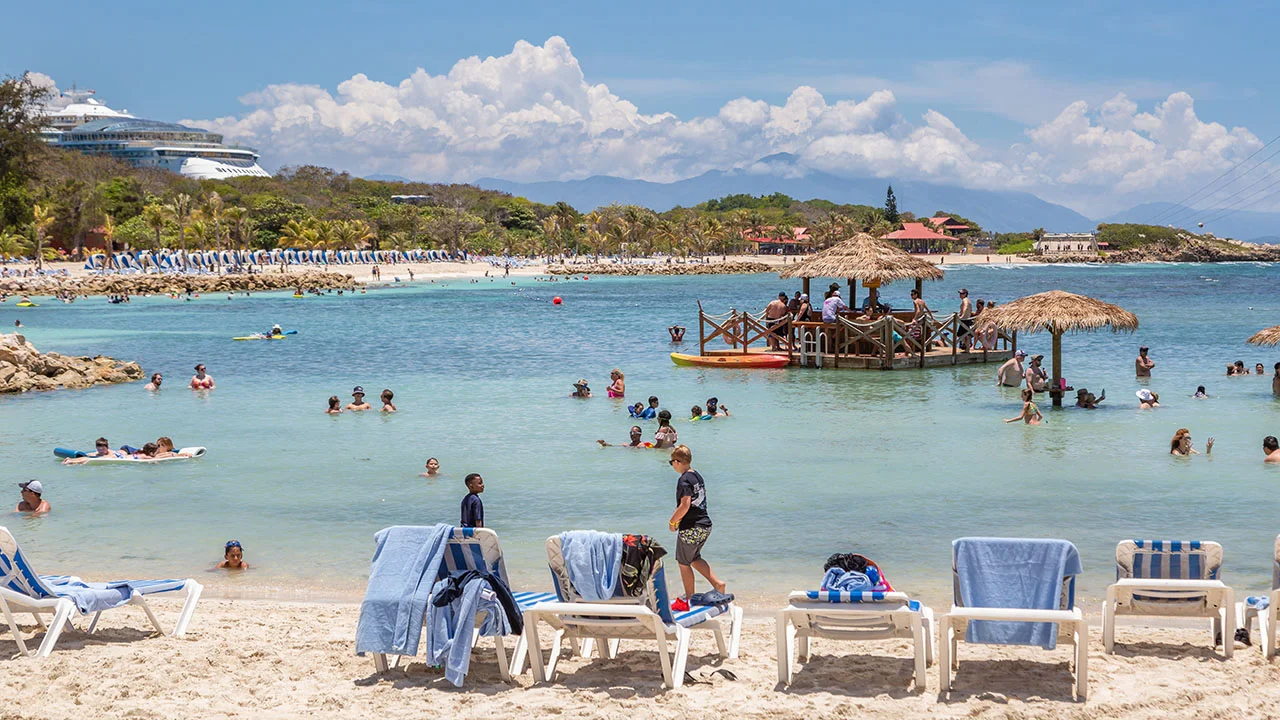
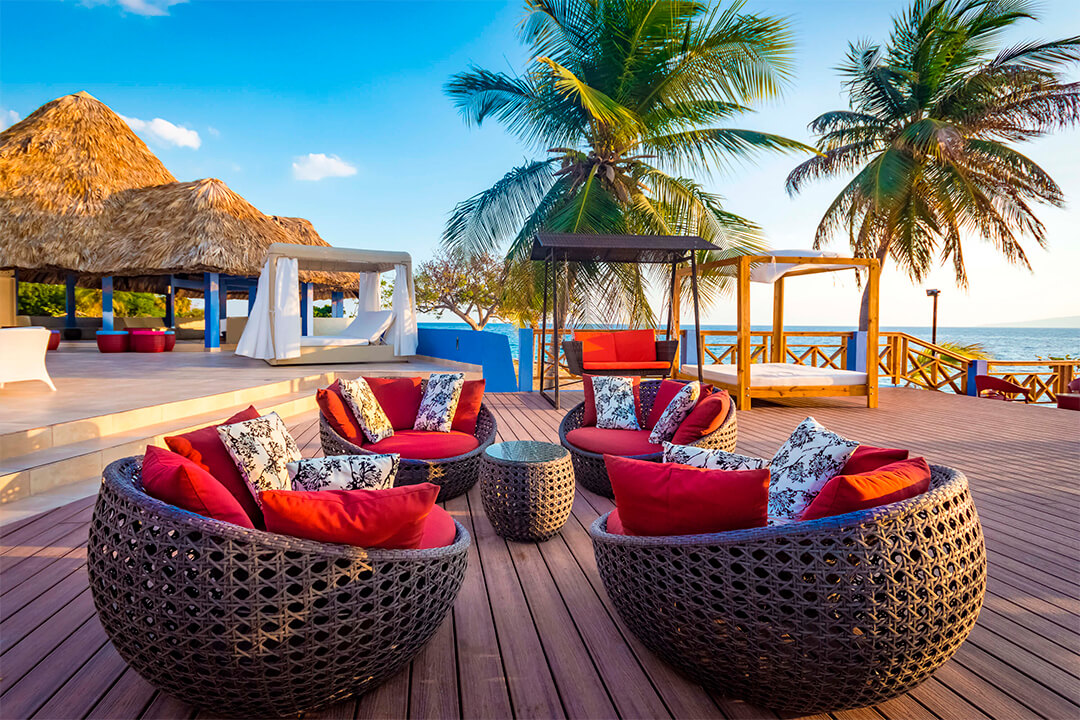
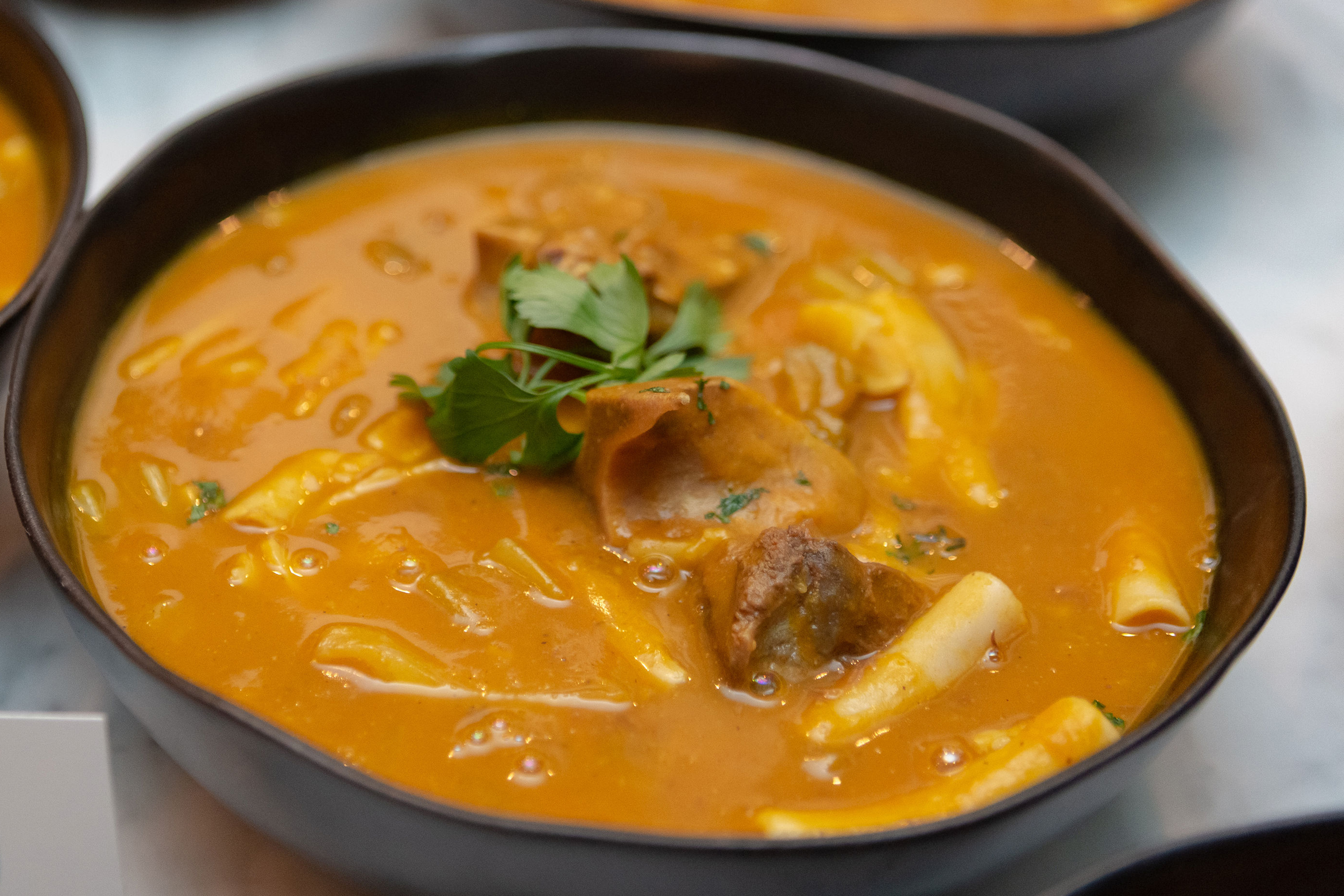
Haïti, the pearl of the Caribbean nestled west of the island of Hispaniola, offers a captivating combination of natural beauty and rich history. For an unforgettable trip, follow these wise tips to plan your stay. b~Prior Research~b Before you begin your trip, immerse yourself in Haïti’s rich culture, fascinating history, delicious cuisine and top attractions. This prior immersion will allow you to make the most of your stay and connect more easily with locals. b~Ideal time to travel~b Haïti’s mild climate throughout the year makes it an attractive tourist destination at any time. Your choice of period will depend on your preferences. If you’re passionate about cultural festivities, don’t miss the Haïtian Carnival in February, a vibrant celebration leading up to Lent. For lovers of paradise beaches like Labadee, La Côte des Arcadins, and others, summer offers a perfect mix of sun and fun times in crystal clear waters. If spirituality appeals to you, August 15 marks the Feast of the Assumption, a religious celebration marking the Virgin Mary’s ascension into heaven. And also November 1st and 2nd are dedicated to the Day of the Dead. Families go to the cemetery to honor and decorate the graves of their deceased loved ones, creating an atmosphere steeped in memory and tradition. History buffs may choose to visit on national holidays such as National Independence Day on January 1, Flag Day on May 18, and other significant events. b~Choice of Accommodation~b Haïti offers a range of accommodation options, from luxury hotels to family-friendly B&Bs. Adapt your choice according to your budget and preferences, favoring local accommodation for a more authentic experience. b~Unmissable Tourist Sites~b Among the gems to explore, discover the majestic Citadelle Laferrière, listed as a UNESCO world heritage site, the Sans Souci Palace, the La Visite National Park, the Milot Cathedral, Fort Jacques, the Heroes of Vertières, the Bassin Bleu , the Saut-Mathurine Waterfall, the Marie-Jeanne Cave, Kenscoff and Furcy, as well as the Saut d’Eau Waterfall. Also explore the artistic wealth of Haïti through its artisan markets. b~Taste Local Cuisine~b Haïtian cuisine is a symphony of exotic flavors. Be sure to sample local dishes such as griot and pea-sticky rice at local markets for an authentic culinary experience. b~Local Culture~b Haïtian culture, influenced by a rich history, is diverse and vibrant. Respect local customs, be open-minded and willing to learn. The warmth and hospitality of the Haïtians add a unique dimension to your experience. b~Means of Transport~b Opt for modern means of land transport such as Capital Coach Line, Transport Chic, Sans-Souci Tours, Le Transporteur, Grand Nord. For aerial explorers, easily book your flight with Sunrise Airways. Car rental is also an option for those looking for a more private experience. b~Language and Communication~b Although Haïtian Creole is the main language, French is also widely used. Learn a few basic phrases in Creole to facilitate exchanges and enrich your experience. By meticulously planning your trip to Haïti, you open yourself up to discovering the natural beauty, cultural richness, and warm hospitality of this Caribbean gem. Get ready to experience a unique and memorable adventure in Haïti.
Guédés: When Haïti celebrates its ancestors with color and fervor

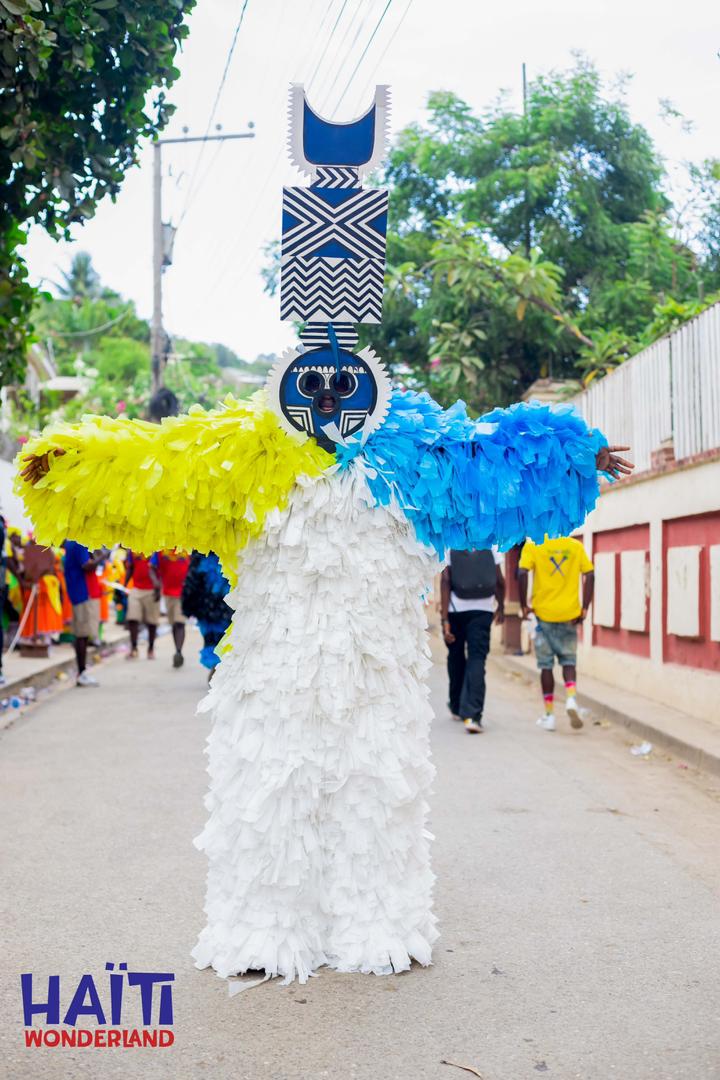
Every November 1st and 2nd, Haïti comes alive with the colors black and purple to celebrate the Guédés, spirits venerated in the voodoo religion, symbols of a powerful bond between the living and the dead. Fascinating, indomitable and provocative, the Guédés form a true family in the pantheon of Haitian voodoo, where they are respected for their role as spiritual guides of the deceased to the afterlife. Led by iconic figures such as the legendary Baron Samedi and his companion Grann Brigitte, the Guédés embody the paradoxes of life and death. Each Baron has a unique personality: Baron Cimetière, Baron Kriminel, and Baron La Croix are the guardians of the souls that wander on the borders of the world of the dead. Together, they form a powerful and somewhat frightening presence, but one that is deeply rooted in Haitian culture. The Guédés are not like other voodoo spirits; they demonstrate their fearlessness in a spectacular way. Accustomed to death, they are fearless and are provocative: they eat glass, raw peppers, and coat their sensitive parts with rum and pepper. These gestures mark their indifference to danger and remind us that they have already known earthly life. They are thus psychopomps – these beings who lead the souls of the dead – and act as bridges between the world of the living and that of the dead. Some Guédés, like Guédé Nibo, wear black, purple, and white clothing, each with unique characteristics. They are many and varied: Guédé Fouillé, Guédé Loraj, Papa Guédé, and many others. These are the spirits who, each year, remind Haitians of the importance of remembering and honoring the deceased. The cult of the Guédés is not only religious; it is also cultural and historical. According to tradition, their spiritual territory, or “Fètomè” – nicknamed the “Country without Hats” – is a place where the souls of ancestors reside. According to stories, the origins of this cult go back to the Abomey plateau, the ancient capital of the kingdom of Dahomey, in Africa, where death and life coexist in a form of symbiosis. This celebration in Haïti even finds echoes in ancient history. The Romans also honored their dead with the “Fête des Lémuria”, which took place in February, to ward off spirits and restore peace between the world of the living and that of the deceased. For Haitians, honoring the Guédés is about accepting death as a part of life and celebrating the invisible bonds that unite us with those who have left us. It is also a way of resisting, because life, despite its challenges, must be celebrated in all its complexity and depth.

Conference / Festival Quatre Chemins / 21st edition

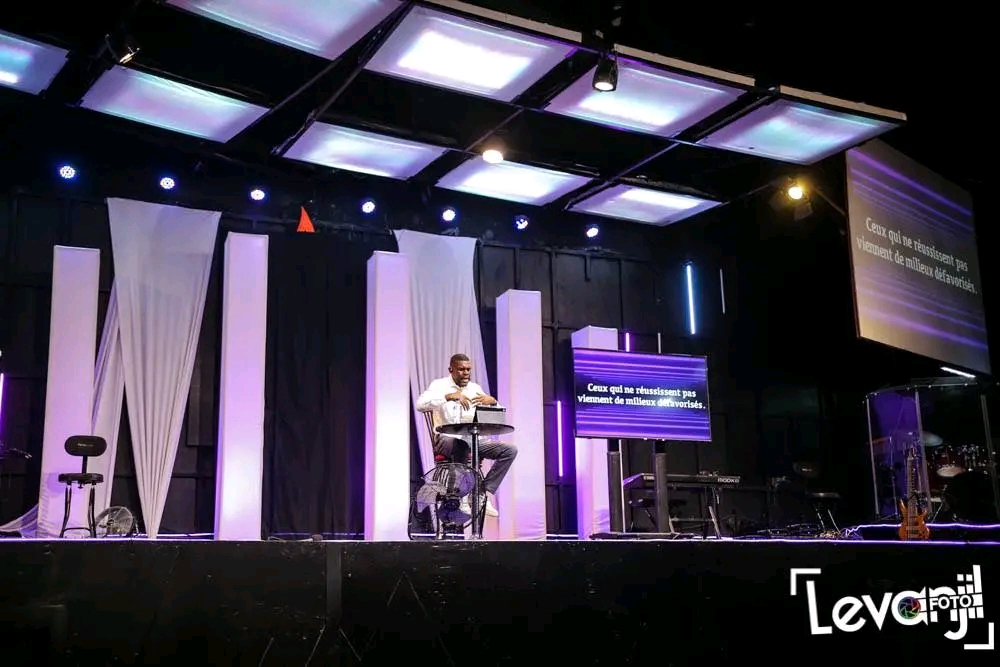
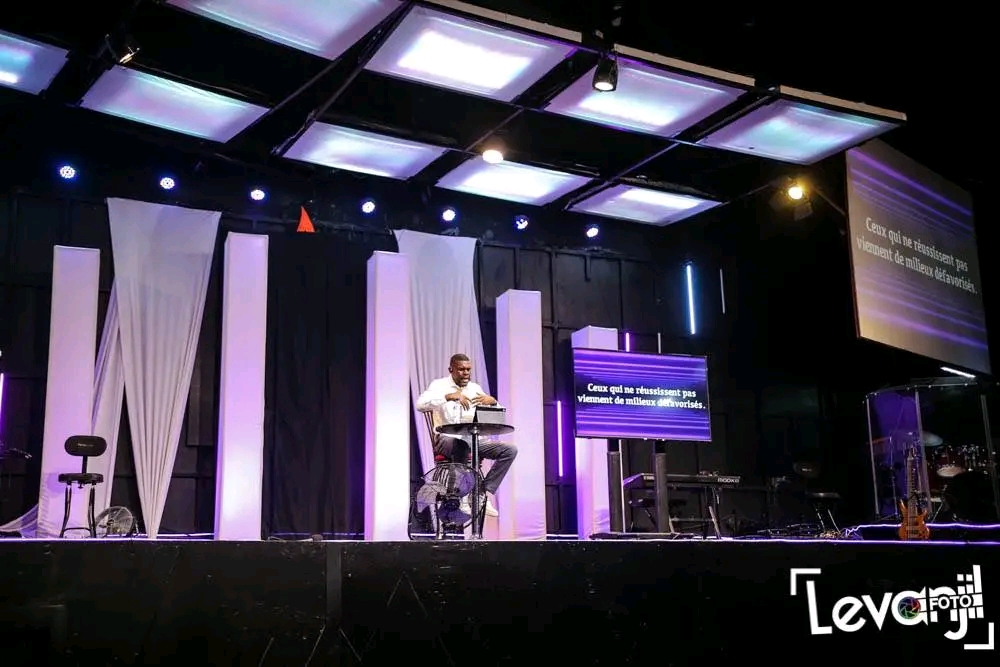
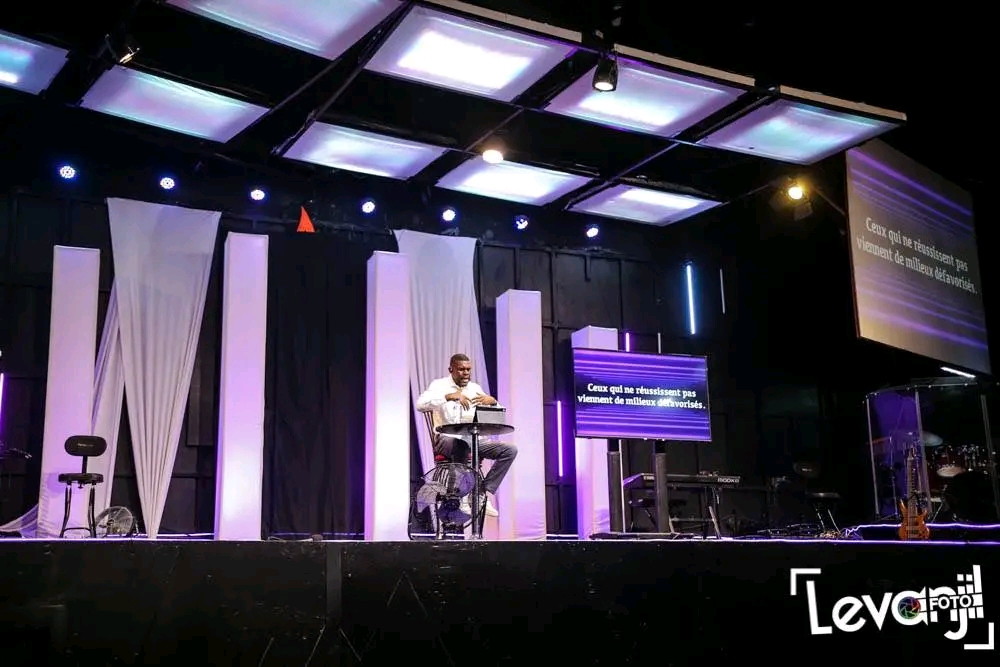
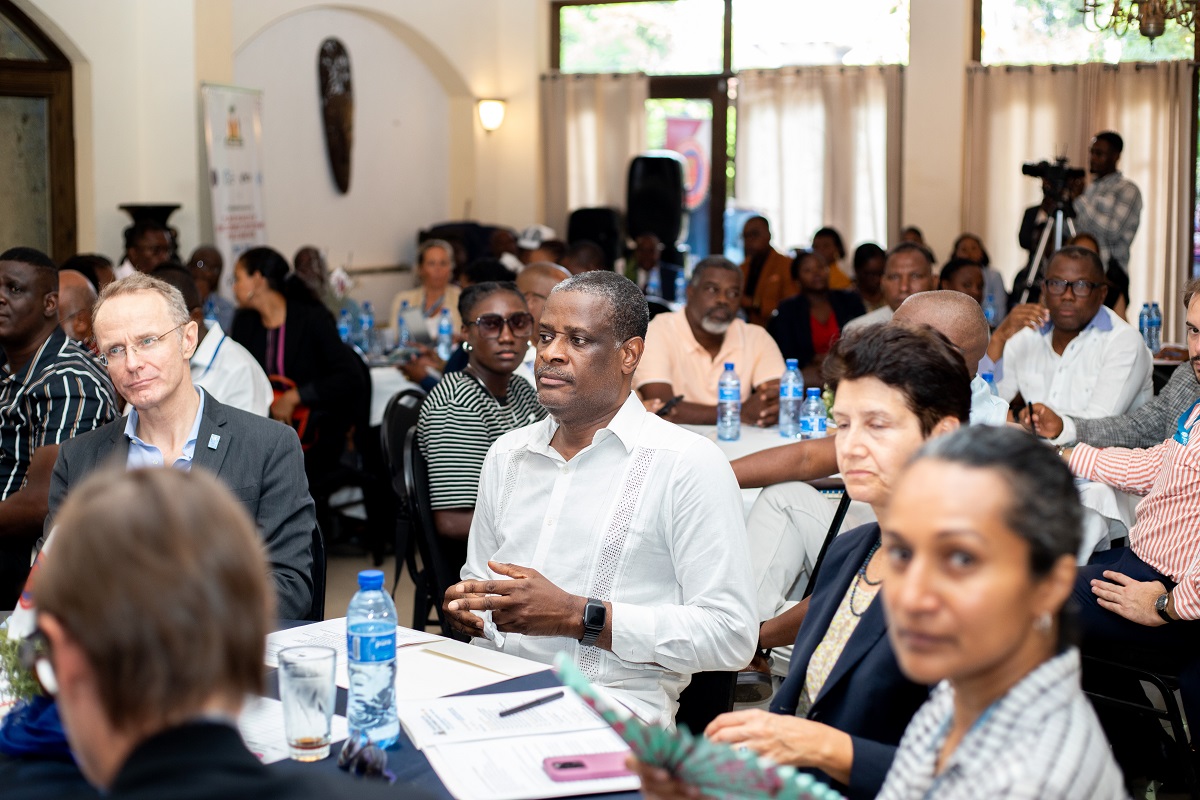
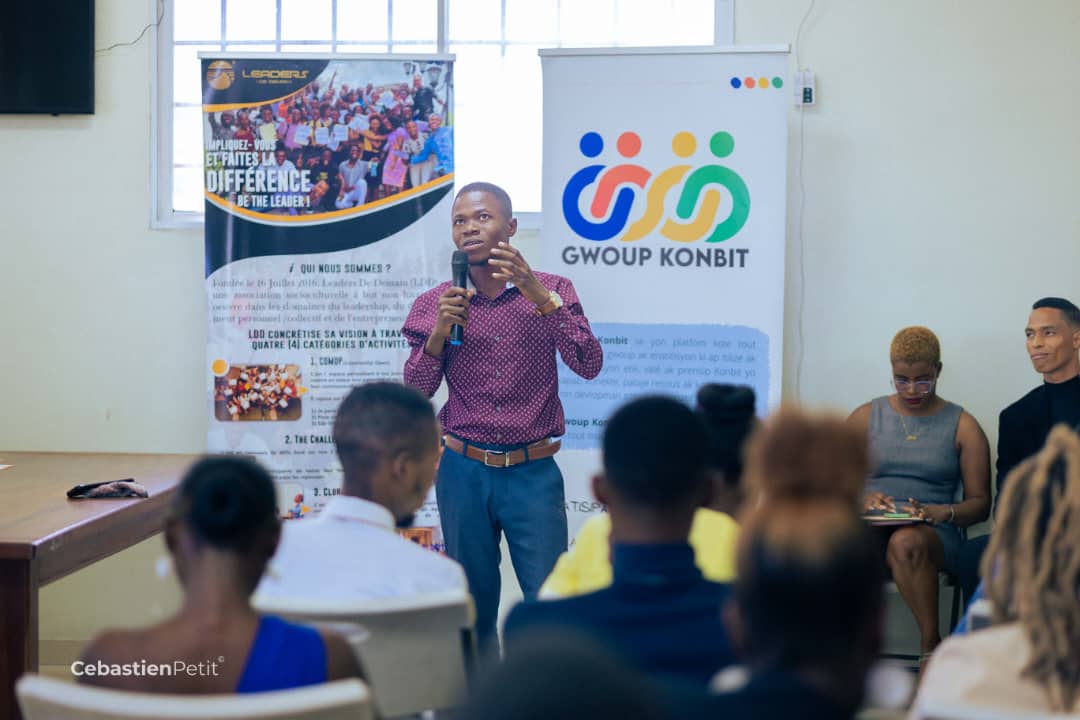
The impact of collective and individual trauma on the personal development of young people in Port-au-Prince While writers, actors, dancers, poets, among others, have gratified us with their performances, the master’s degree student in psychology at the Faculty of Human Sciences (FASCH), Lourdya Blaise, spoke with the audience about trauma. Structured around the theme "Youth and Trauma, analysis of the impact of collective and individual trauma on the personal development of young people living in Port-au-Prince between 2010-2024", this conference gave rise to enriching discussions. During this meeting, moderated by Michaël Formilus, Ms. Blaise showed how the events that have taken place in the country have caused cases of trauma among Haitians. According to the student, citing the American Psychological Association, we speak of trauma as a consequence of trauma. The latter is explained by the fact that we feel threatened, whether it is the person in question or their loved ones. However, she specifies that a collective trauma remains depending on the impact that the event has on the individual. To illustrate her remarks, she mentioned the earthquake of January 12, 2010, considered a collective trauma, insofar as it still occupies our minds. This tragedy reminds us of the disappearance of our loved ones and enormous losses. This is the case of a trauma that becomes a collective trauma. For the student, it should be emphasized that when an event occurs, some people are traumatized and others are not. According to him, the violence of armed gangs is not perceived in the same way, says Ms. Blaise. There are people who have fled their homes but are not traumatized. In fact, some people see traumatic situations as a passing event, she says. The speaker also spoke about collective trauma, which, according to him, preoccupies the mind, even if we no longer experience it. It manifests itself in several forms: lack of sleep, fear psychosis, intrusive thoughts, intense heartbeat, etc. Generally, symptoms related to trauma are hard to die. When it persists, it becomes acute stress. To deal with it, we must talk to other people. If the situation persists, acute stress turns into a phase of post-traumatic stress; in this case, we must confide in a trusted person or go see a mental health specialist, she advises. In her presentation, Lourdya Bazile also drew attention to the psychological state of children in these times. According to the presenter, children are also facing this crisis situation, even if they do not talk about it to their parents. As much as adults, children also plan their future. Faced with flouted school years, they become pensive and worried, she stressed. They withdraw. The child who used to be brilliant can become violent and perform less well at school. Parents are called upon to listen to them and understand them. A good moment of exchange, rich in practical advice. The audience participated fully. In turn, the presenter invites them to breathe better and meditate. "We live in a country where worries mix, we must take time for ourselves, do sports, eat well, make sure that the sleeping space is clean and take time for ourselves. There is more than one way to find calm," recalls the psychologist. Gertrude Jean-Louis

Haiti: Appolon Guy Alain, among the best Haitian developers

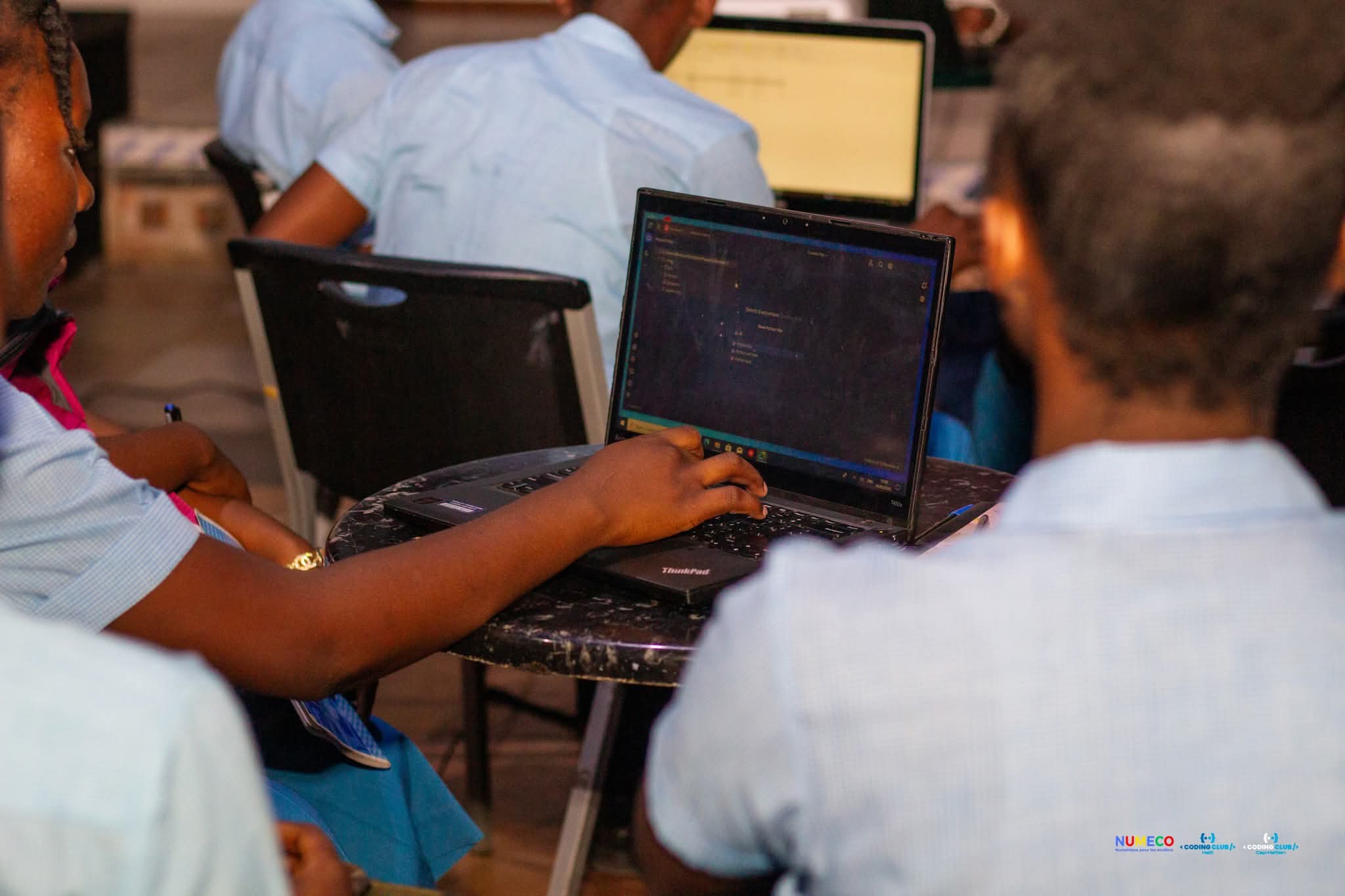
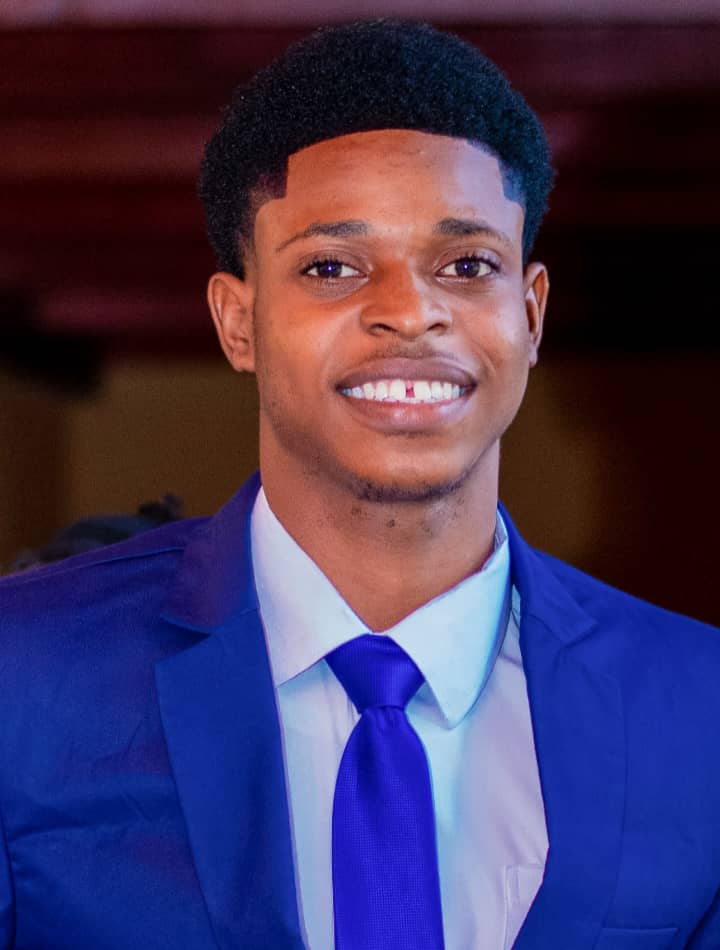
In the vast world of IT development in Haiti, there are figures who stand out for their talent, dedication and vision. Among them, Appolon Guy Alain emerges as one of the best developers in the country, recognized for his ingenuity and creativity. With a strong background in the field of software development, Apolon has managed to rise to the top of its field. Its reputation extends well beyond Haitian borders, attracting the attention and respect of many companies abroad. It is not only his technical expertise that sets him apart, but also his ability to combine art and technology in a unique way. Discover some of Guy Alain Appolon’s achievements by clicking on the following link: https://haitiwonderland.com/haiti/personnalite/le-webmaster-haitien--guy-alain-appolon-une-reference-incontestee/79 What makes Apolon unique is its versatility. As a full-stack developer, he excels in all phases of a project, from design to implementation to user interface development. His ability to merge his talents as a painter, professional musician and computer graphic designer allows him to create attractive interfaces that captivate users at first glance. The Haïti Wonderland website (www.haitiwonderland.com) is a shining example, captivating visitors with its attractive and intuitive design. Read also: https://haitiwonderland.com/haiti/personnalite/expert-en-seo-et-uiux-design--decouvrez-le-developpeur-haitien-appolon-guy-alain/65

Recently Posted

History

History

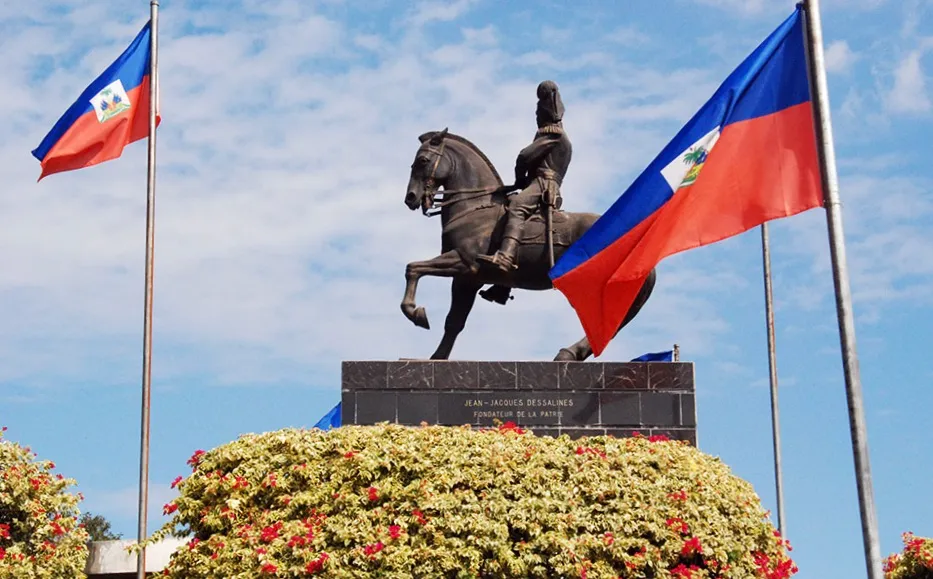
First black nation to free itself from slavery and gain independence from France in 1804 and influenced other liberation movements around the world, inspiring struggles for freedom and equality.

Natural beauty

Natural beauty

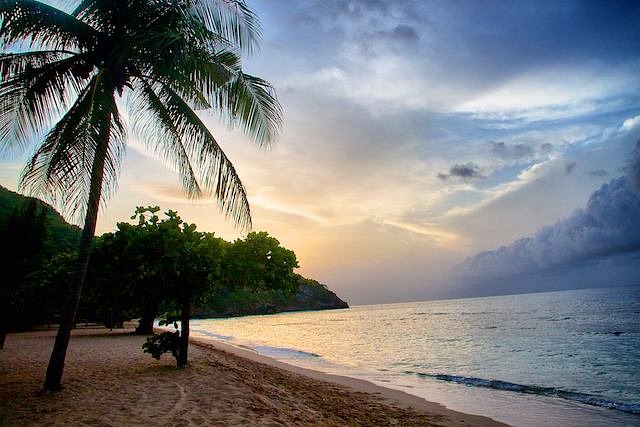
Haïti is blessed with spectacular natural landscapes, including white sand beaches, mountains and rich biodiversity.

Heritage

Heritage

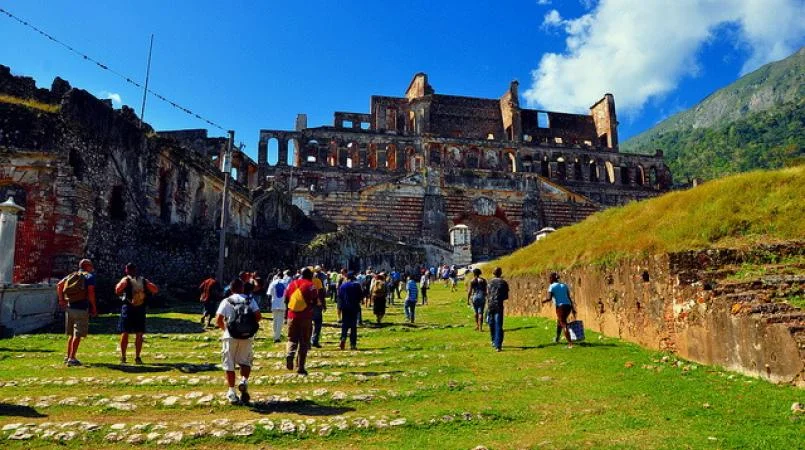
Haïti has a rich historical heritage, including sites like the Citadelle Laferrière and the Sans-Souci Palace, listed as UNESCO World Heritage Sites.

Culture

Culture

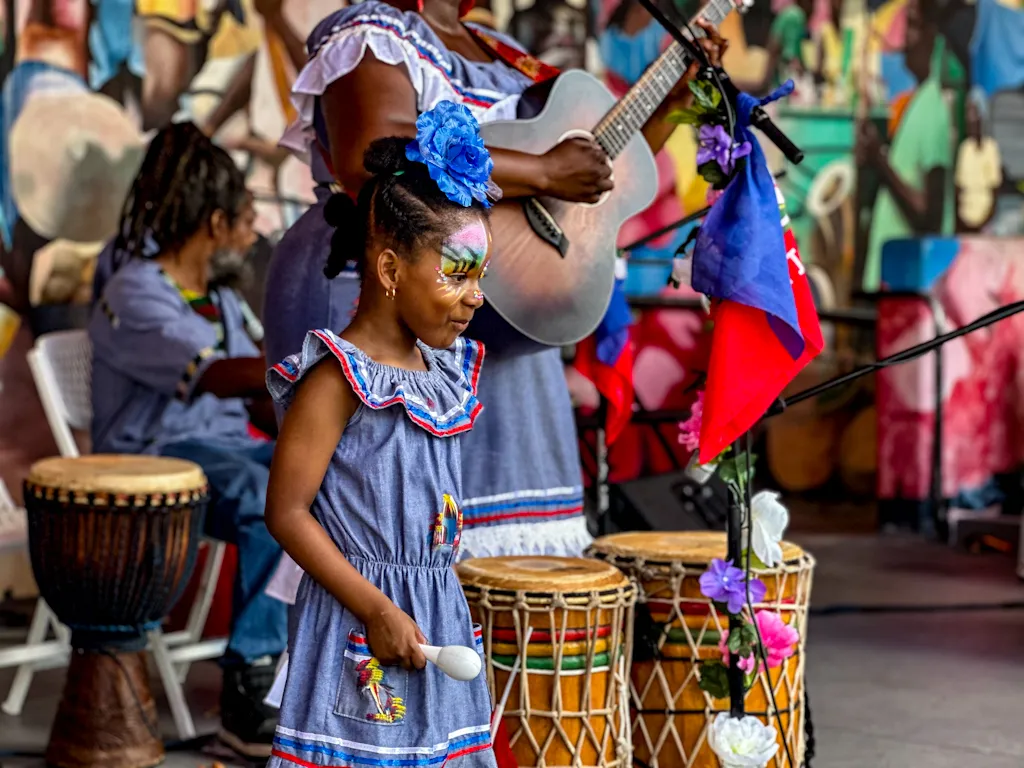
Haïti has a rich and diverse culture, influenced by African, European and indigenous elements. Haitian music, dance, art and cuisine are celebrated around the world.

  • +
    • Post