contact@haitiwonderland.com+509 36184317

Discover

Shopping Cart

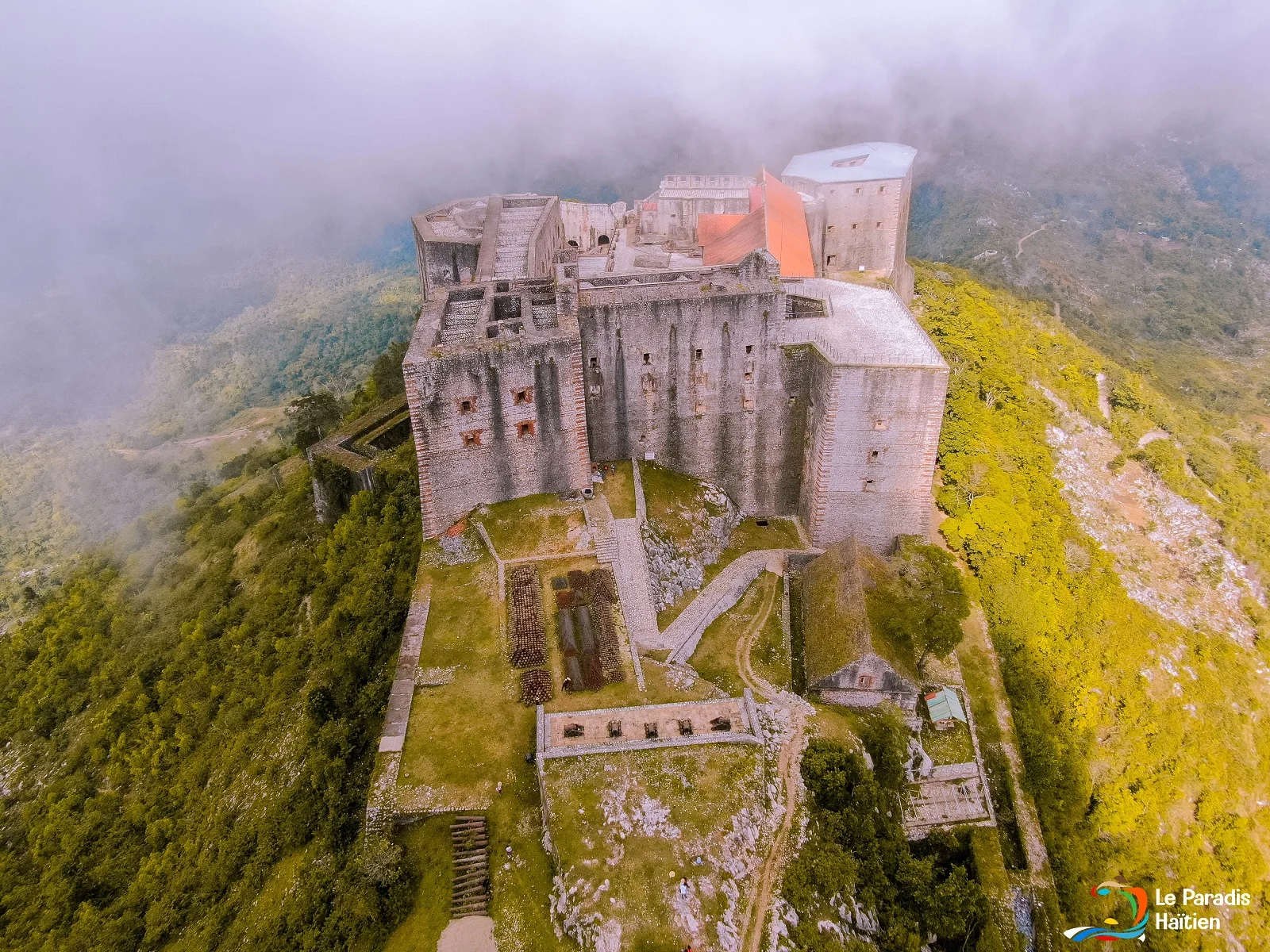
Haïti : Citadelle la FerrièreHaïti : Citadelle la Ferrière

News / Little-known places / View Recent Posts

Nature February 04, 2024

Haiti: Flora and Fauna

Haiti, located on the western part of the Caribbean island of Hispaniola, is often associated with its rich and complex history. However, beyond its cultural and historical aspects, Haïti is home to a remarkable diversity of fauna and flora that deserves to be explored and preserved. This article highlights the ecological wealth of Haiti, emphasizing its unique flora and fauna. Fauna: Haïti is home to a variety of animal species, some of which are endemic to the island. The country’s tropical rainforests are home to a great diversity of birds. The rugged mountains provide suitable habitat for rare species. The waters surrounding Haïti are also rich in biodiversity. Colorful corals, tropical fish and sea turtles find refuge in the coral reefs along the coast. Conservation efforts are crucial to protect these fragile marine ecosystems and preserve marine life. Flora: Haiti’s landscapes are adorned with a wide variety of plants and flowers. The tropical rainforests are home to majestic trees, the Hispaniola pine and the gum tree. These forests play an essential role in climate regulation and the preservation of biodiversity. The coastal plains are dotted with palm trees, including Haiti’s iconic royal palm. Botanical gardens, such as the Jardin Botanique des Cayes, are havens of greenery where you can admire a wide variety of tropical plants, some of which are endemic to the region. Haiti, with its unique flora and fauna, is an ecological gem that deserves to be preserved for future generations. Awareness, conservation and sustainable development are key elements to ensure the survival of this natural wealth. By investing in the protection of its environment, Haïti can not only preserve its ecological heritage, but also promote sustainable tourism and strengthen the resilience of its ecosystems in the face of current global challenges.

Par Haïti Wonderland |
Learn more
Beache March 28, 2024

Haiti: Camp Louise: A Hidden Treasure in the Heart of Acul du Nord Bay

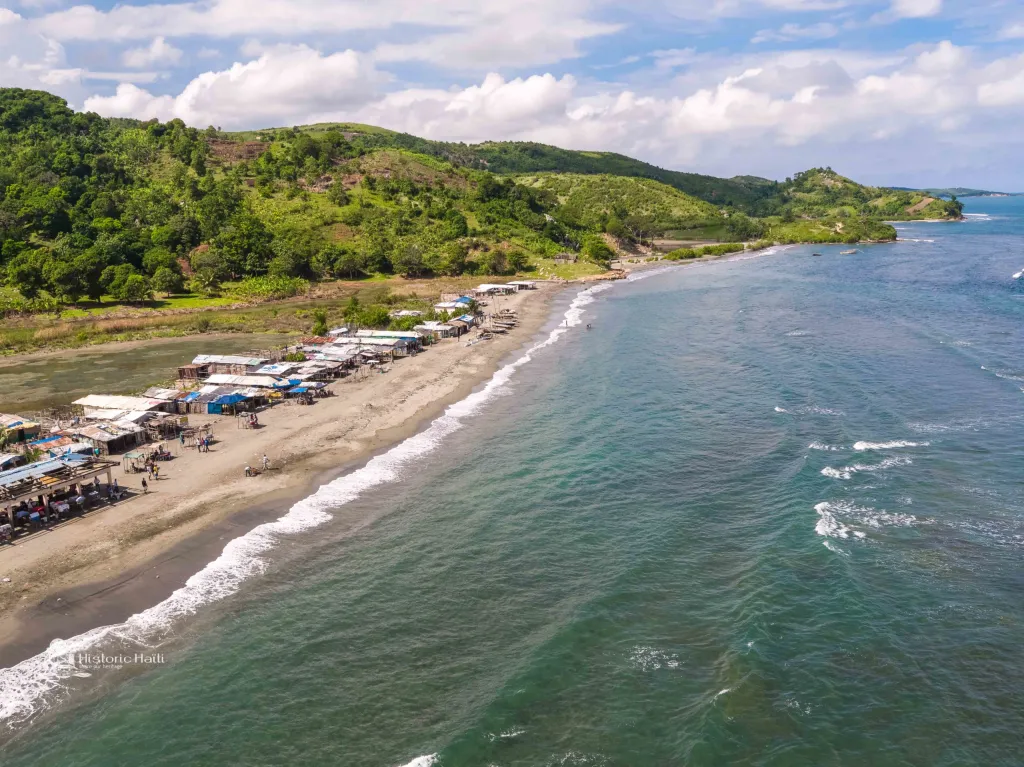
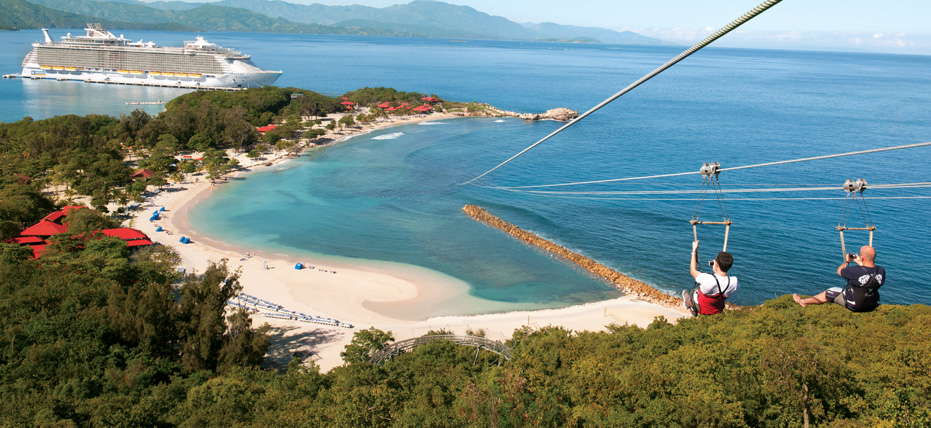
At the entrance to Haiti’s beautiful Baie de l’Acul du Nord lies an oasis of tranquility and natural beauty: Camp Louise, more affectionately known as Saint Michel Beach. With its black sand and rushing swells, this beach offers a spellbinding experience that captures the wild spirit of nature. As soon as you set foot on this enchanting shore, you are enveloped by an atmosphere of mystery and serenity. The "ajoupas" dotted along the beach are home to modest restaurants serving local delicacies, from fresh grilled fish to succulent conch. With every bite, you taste the exquisite fusion of authentic flavors that celebrate Haiti’s culinary richness. On your right, majestically sits the "M&M" restaurant, ready to delight your taste buds with its irresistible specialties, available to serve you at the end of the week, to crown your beach days with an exquisite gastronomic note. Despite its proximity to the bustling town of Cap-Haïtien, located just 26 kilometers away, Camp Louise seems like a world apart. Accessible both by road and by sea, by jet ski from the neighboring beaches of Gaderas and Labadie, this beach offers a welcome escape from the hustle and bustle of everyday life. Whether you are looking for adventure, relaxation or simply connection with nature, Camp Louise will meet all your desires. Its turquoise waters invite you to swim, its sandy beaches invite you to relax, and its warm atmosphere inspires wonder. For travelers seeking authentic experiences and breathtaking scenery, Camp Louise proves to be a hidden treasure worth discovering and celebrating. So, let yourself be carried away by the captivating magic of this rare pearl in the heart of the Bay of Acul du Nord, and let your worries float away with the waves that gently caress its shores.

Par Grégory Henderson LEFRUIT | 1
Learn more
History April 28, 2024

Haiti, dream space.

Between dream and Haitian reality: A call for unity and action Many men have dreamed big for Haiti. Toussaint Louverture and Jean Jacques Dessalines are examples. Although torn apart by invisible hands, the social fabric of the country had always been considered the greatest project to be set in motion by men of letters. Until then, the history of Haïti remains and remains for Haitians the most appropriate space to dream and propose full and complete freedom. Indeed, Toussaint Louverture had the dream of improving the lot of slaves. Dessalines, for his part, sacrificed himself for the independence of our island (Haiti-Saint-Domingue). After our liberation from the French, men of letters had to take other paths to safeguard the dignity of the country. This situation showed another form of revolution like poets of the patriotism school with supporters such as: Louis Joseph Janvier, Anténor Firmin, Demesvar Délorme and the Generation of the Round with Fernand Hibbert, Georges Sylvain also the indigenous school with Jean Price Mars, Jacques Stephen Alexis, Roussan Camille etc... who express their discontent by pouring ink. By describing or painting the situation of the country. Several years which were first conceived and then born the idea of ​​giving the country its sovereignty, its own bicolor, its army, etc. it was not easy and did not continue like this. Haïti needs for the moment men of dreams, men who love their countries, but not the wealth of this country, men who love the happiness of their country, but not its misfortunes, men who have viable projects , but are not specialists in carnage who are only interested in their pockets, rather for the happiness of our two-tone, men who must fight against corruption, against waste, against the invisible hands of foreigners, against this form of public administration which targets only a small group of people in the country to the detriment of the population, this form of insecurity planned by the state, the so-called bourgeoisies, economic powers from abroad such as: France, USA, Canada, Brazil. q~Haïti in 1979 with full power. Maître Fevry is said to have declared: The dream of Haïti cannot support, nor accept improvised solutions ~q. The Haitian’s dream must always be a team effort. A team of men of skill, vision, good will, reflection and meditation. q~ Men who can place their personal and private interests over public interests. Men who want to make a new start to achieve the dream of Jean Jacques Dessalines and that of Henri Christophe who aimed that Haitians will not envy any other country in the world so that all Haitians can be happy in their own country, chanted Professor Lesly Saint Roc Manigat.~q Our dear Haiti, which was once the pearl of the Antilles, is no longer present today. For this we ask all Haitians: children, young people, adults and old people, let us unite our arms, our strength, our voices and all that we could do to liberate our dear homeland Haïti Chérie. Let’s change our reality together! Long live Haiti, long live freedom for the whole world.

Par Richardson VERONE | 1
Learn more
Beache May 27, 2024

Here are five compelling reasons why you should definitely visit Haiti’s beaches

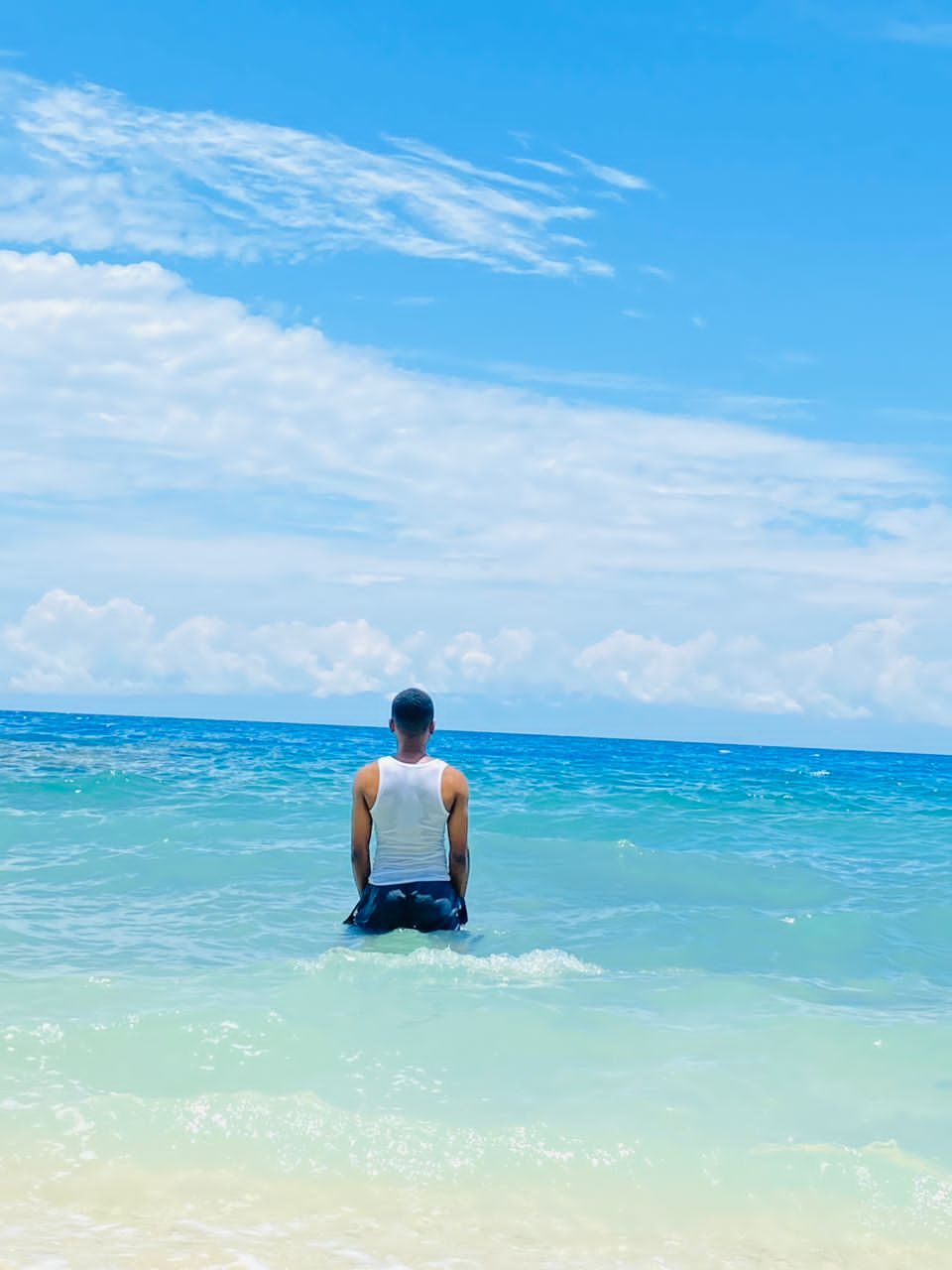
1- Abaka Bay (Île-à-Vache): Start your Haitian adventure with the magnificent Abaka Bay, recently named one of the most beautiful beaches in the world by CNN. Located on the enchanting island of Île à Vache, this bay offers a pristine white sand beach and calm Caribbean waters, framed by lush green hills. Abaka Bay Resort offers a truly exclusive and secluded experience, with bungalows located directly on the beach, offering panoramic views and direct access to the fine sand and crystal clear sea. The dining options are equally impressive, with one restaurant offering breathtaking ocean views and epic sunsets. To get to Île à Vache, simply take a 15-20 minute boat ride from Les Cayes, located off the southern coast of Haiti. 2- Île à Rat (Amiga Island): As soon as you set foot on Île à Rat (also known as Amiga Island), this little slice of paradise will steal your heart. Its smooth white sand beach immediately catches the eye, while gentle waves create a dreamy oasis against the pearly shore. Located in the turquoise waters off the coast of Plaine du Nord in northern Haiti, Île à Rat is a 1.8 hectare piece of white coral covered in a small wild forest. The island is a peaceful retreat, especially for couples looking for a serene getaway. To get to Île à Rat, you can take one of the many water taxis waiting in Labadee, a 30-minute drive from Cap-Haïtien. Keep in mind that the island is uninhabited, so it is important to bring everything you need for a comfortable stay, including drinking water. 3- Côtes des Arcadins: Nestled north of the bay of Port-au-Prince, Côtes des Arcadins stretches over 19 kilometers of white sand beaches lined with palm trees, making it one of the most popular seaside destinations from Haiti. The combination of the deep blue sea, mountains, mangrove forests and the coral reef formed by the Arcadins islets creates a breathtaking spectacle. It is also a great place for divers. To get there, follow the road north of the bay of Port-au-Prince. You will be amazed by the natural beauty of this region. 4- Plage de Gelée: This beach is one of the most popular thanks to its crystal clear waters and soft sand, all with a pastoral landscape in the background. If you are looking for a place to relax and soak up the sun, Gelée Beach is a great choice. 5- Jacmel Beach: Although swimming is not recommended here, Jacmel Beach is famous for its picturesque charm and artistic atmosphere. It is located in the historic town of Jacmel, known for its lively carnival and colorful houses. Explore the beach, admire the architecture and soak up Haitian culture. Don’t forget your swimsuit and sunscreen, and enjoy these hidden treasures of Haiti! 🏖️☀️

Par | 3
Learn more
News October 13, 2024

The Monferrier Dorval Chair of Constitutional Law, a gesture from the State University of Haiti, for the preservation of the memory of Professor Dorval

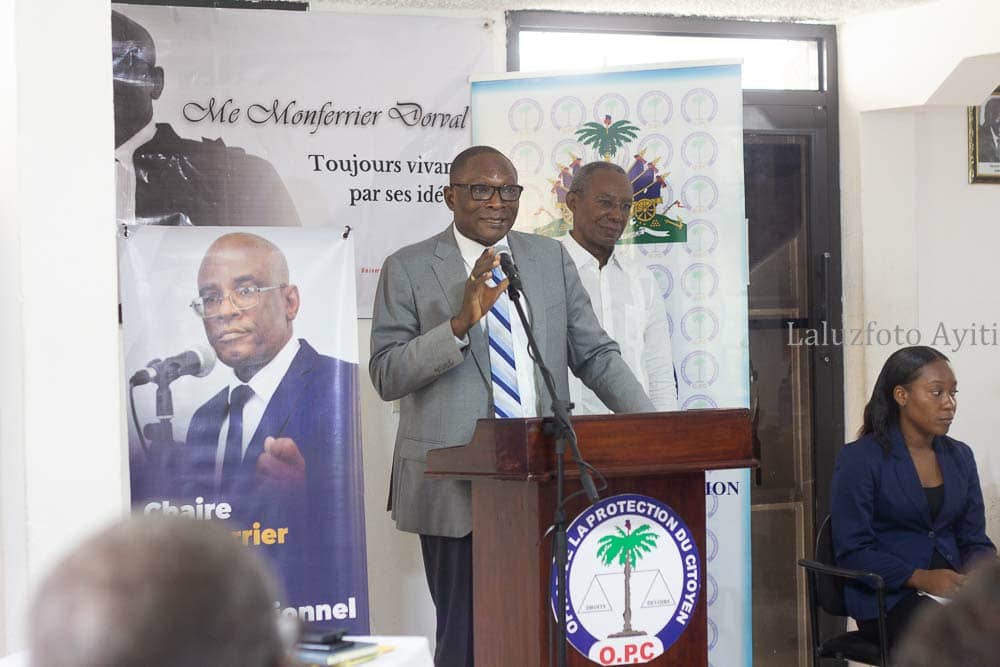
The Monferrier Dorval Chair of Constitutional Law is a high-intellectual-intensity initiative, taken by the State University of Haïti (UEH), through the leadership of its rectorate, in agreement with the leaders of the Faculty of Law and Economics (FDSE). The initiative’s primary goal is to honor and perpetuate the memory of the valiant and brilliant Professor Monferrier Dorval, assassinated in unclear circumstances, about three years ago. And in order to make a scientific contribution to the great debate that has been going on in Haitian society for about ten years about the need to change or not, the constitution of March 29, 1987, amended on May 11, 2011. Shouldn’t we try to apply it preferably? If it needs to be changed, should this change be radical, otherwise what should it have in terms of change within a new mother law for a better institutional organization of Haiti. The chair is scientifically chaired by Professor Henri Marge. Dorléans, (current head of AFPEC), and is vice-chaired by the dean of the faculty of law and economics, Me Eugène Pierre Louis. The Chair is materialized by a set of conferences and debates (15 in total), which take place in the premises of the Office of the Protection of the Citizen OPC, under the name of Wednesday of the Monferrier Dorval Chair. It is in this sense that for the fifth edition of the Wednesday of the chair (which took place this Wednesday, October 9, 2024 at the OPC, in the presence of the protector of the citizen, Me Renan Hédouville), attention was placed on education within the debate surrounding the possible development of a new constitution for Haiti. This 5th meeting took place under the theme of: "Education, Teaching, Research, Science and Technologies". The conference was hosted by three greats of the Haitian intellectual community, including two eminent professors of the UEH, namely, Professor Odonel Pierre Louis, academic director of the École normale supérieure (ENS); the vice rector of the UEH, Professor Jacques Blaise. Their interventions were followed by that of the director of the national institute of vocational training (INFP) Mr. Dikel Delvariste.

Par Moise Francois | 1
Learn more

Recently Posted

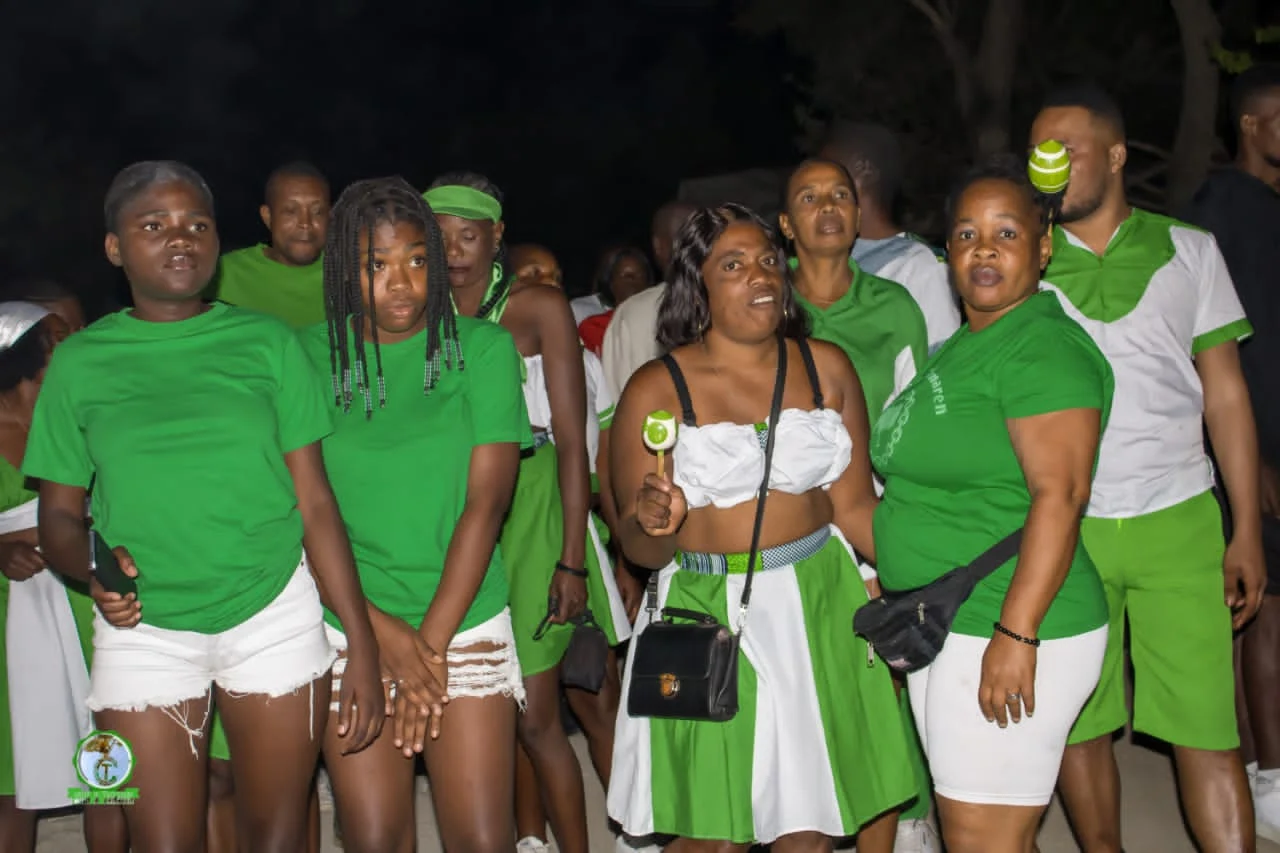
Petit-Goave, Haiti: Decryption of the 3rd rara weekend!

It is more and more obvious that in Petit-Goave the media space is absorbed by the rivalry between Ratyèfè, triple champions and lambi gran lambi dlo, a former champion. The past weekend was once again irrefutable proof of the media tension over these two rival bands. With a carnival-like appearance, the fan club of the first dressed in a white shirt, short orange-yellow skirt, purple tie, black boot; the other dressed in a traditional hat, yellow jersey, red pants, red or yellow tennis shoes. This marriage of colors with the taste of carnival is the expression of cultural diversity as La Fontaine said in his book tales and short stories "diversity is my motto." This formula can adapt well to the rara. If it is true in Léogane this marriage of color has existed for ages. It is no less true that this was the case in Petit-Goave because we had to wait for the strong return of Ratyèfè in 2018 to see the rara fan clubs dress differently each new weekend. Last Saturday more than one expected a new face to face between Lambi gran dlo and Ratyèfè because the latter weighed anchor in the direction of the 2nd plain and the latter, in the direction of the city center. Less than in any other circumstance, this duel at the top was obvious. If for some comments it was a favorable opportunity for Lambi to take his revenge on his rival compared to the previous weekend because he had done the profile although he had the advantage because he was two against one. (Lambi,chenn tamarin vs Ratyèfè). This enormous advantage did not work in their favor because the hours that had passed worked against them, as proof they had gone to sleep while ratyèfè remained to play for at least 30 more rounds. Surprisingly but not surprisingly during the meeting long awaited by less than one, at the Acul not far from the Saint Jean-Baptiste church, lambi had decided not to play anymore. However, according to the customs and costumes of the rara when there are two bands, the one who stops playing first, shows weakness and surrender. Consequently, the other who is opposite out of decency and good morals has no other choice to do the same. It follows that for the umpteenth time the great power formation (lambi grand dlo) was unable to take revenge on its rival. For many cultural journalists who were present to witness this event did not have their tongue in their pocket to give their impression of Ratyèfè’s monster performance. This is the case for Brignol, a cultural commentary which wondered if Ratyèfè had the devil in his body so that the most incredulous were in their feeling of joy. On Sunday evening this monster of animation once again made its mark in the art of its know-how. This is what explains the almost unanimity among the cultural journalists of Petit-Goâve in granting first place to this band for its performance and its musical discipline. So, for this weekend according to the circle of cultural journalists of Petit-Goave and with the approval of many other cultural comments. We have the following classification: 1st Ratyèfè 2nd Grap Kenèp 3rd Orgueil de la jeunesse

Recently Posted

History

History

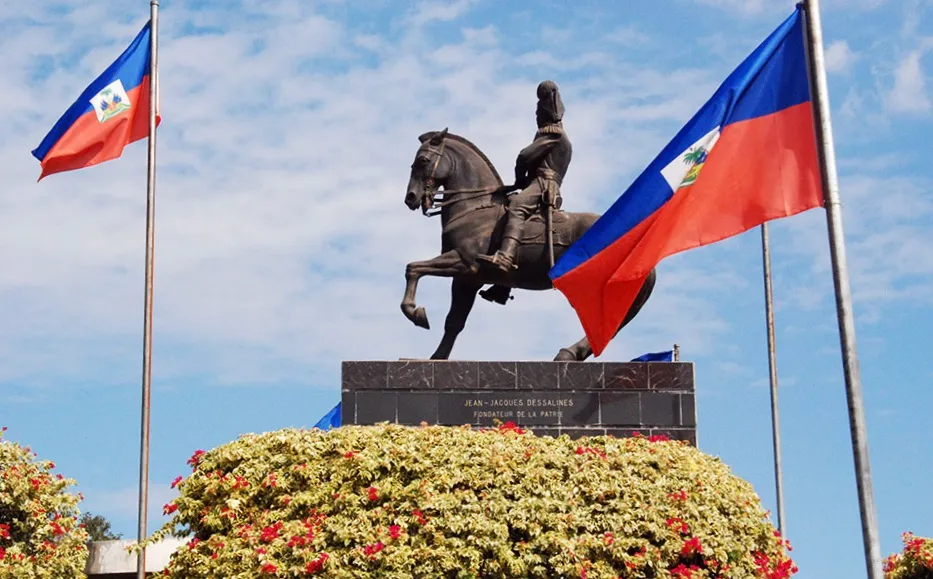
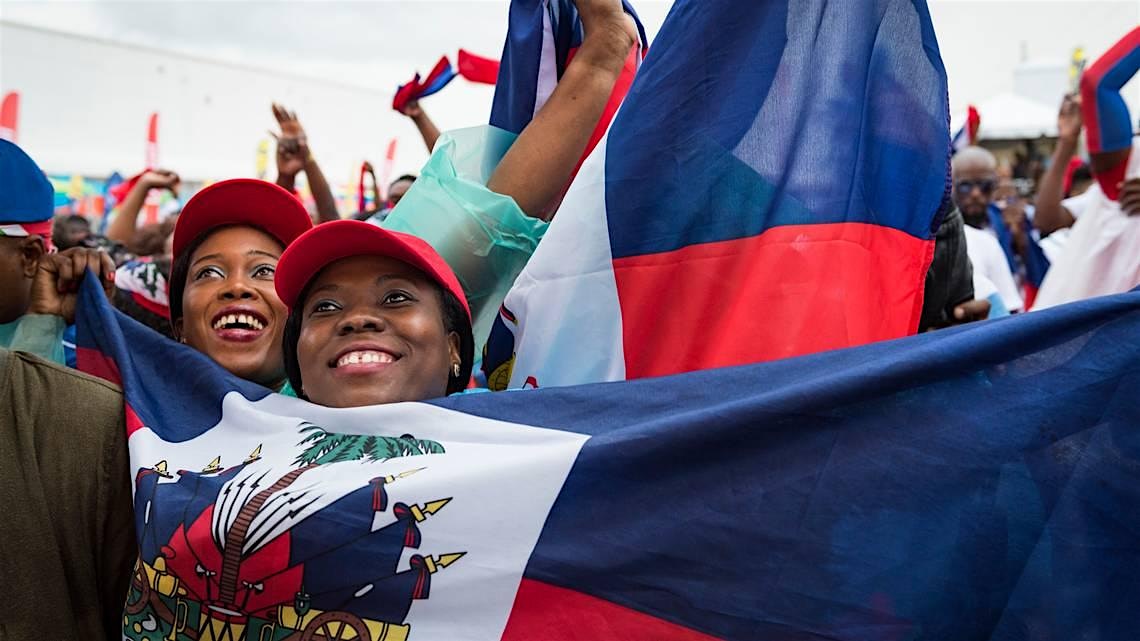
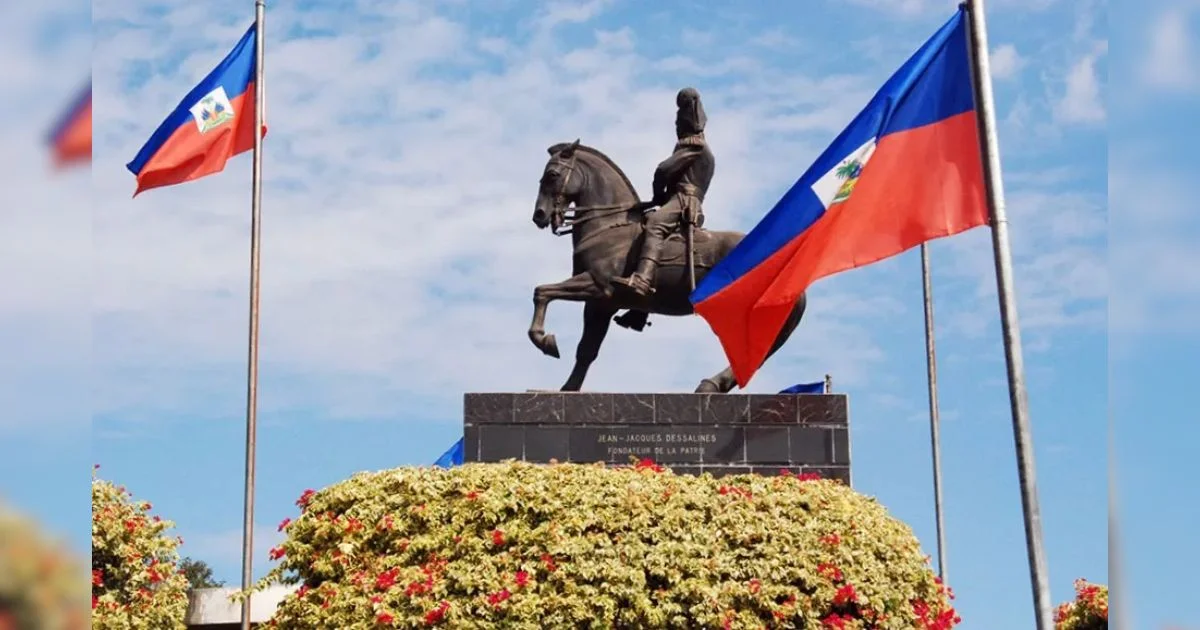
First black nation to free itself from slavery and gain independence from France in 1804 and influenced other liberation movements around the world, inspiring struggles for freedom and equality.

Natural beauty

Natural beauty

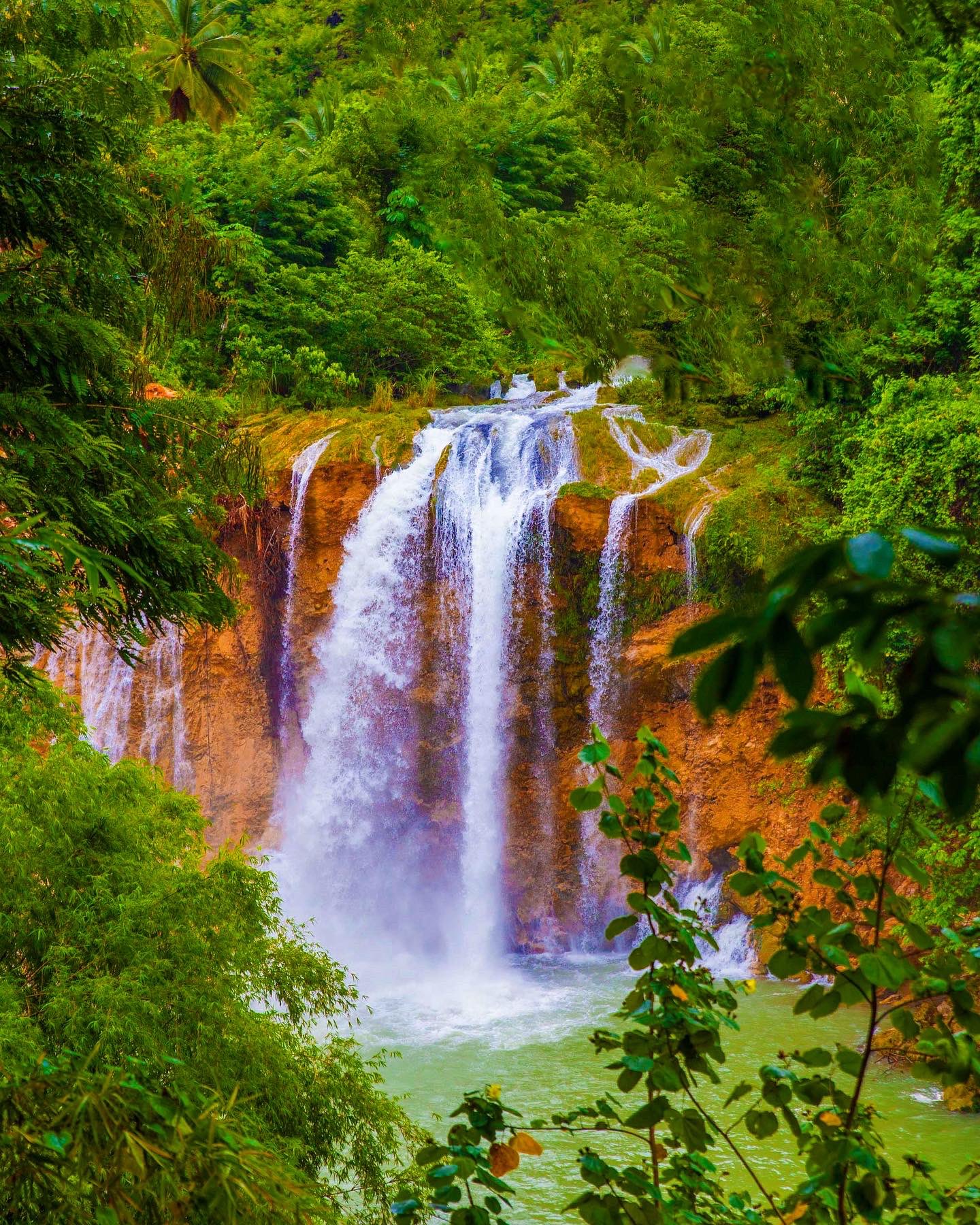
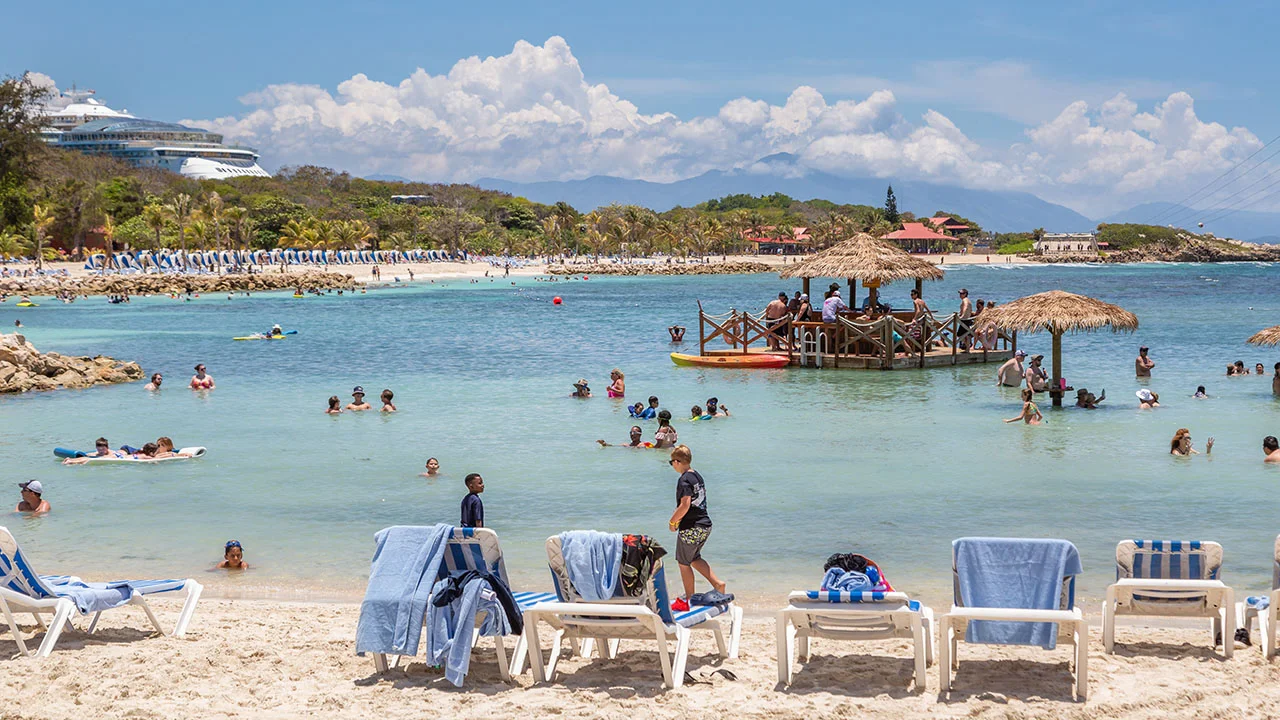
Haïti is blessed with spectacular natural landscapes, including white sand beaches, mountains and rich biodiversity.

Heritage

Heritage

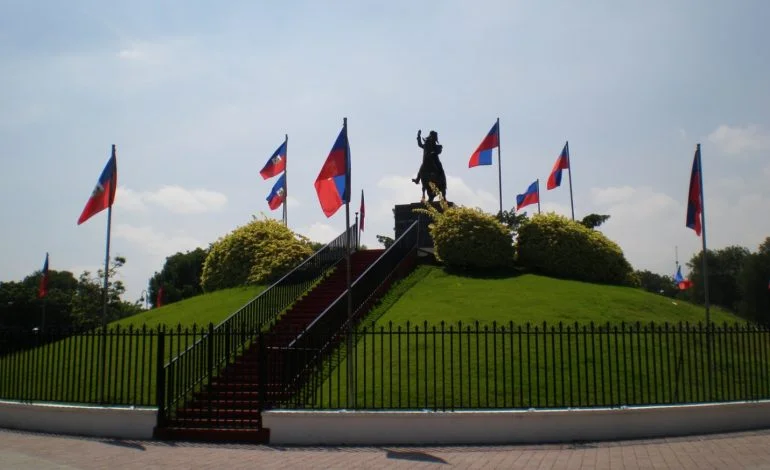
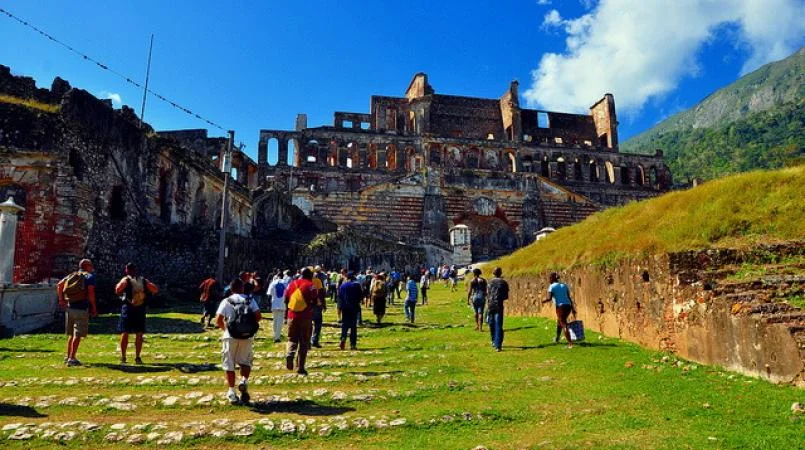
Haïti has a rich historical heritage, including sites like the Citadelle Laferrière and the Sans-Souci Palace, listed as UNESCO World Heritage Sites.

Culture

Culture

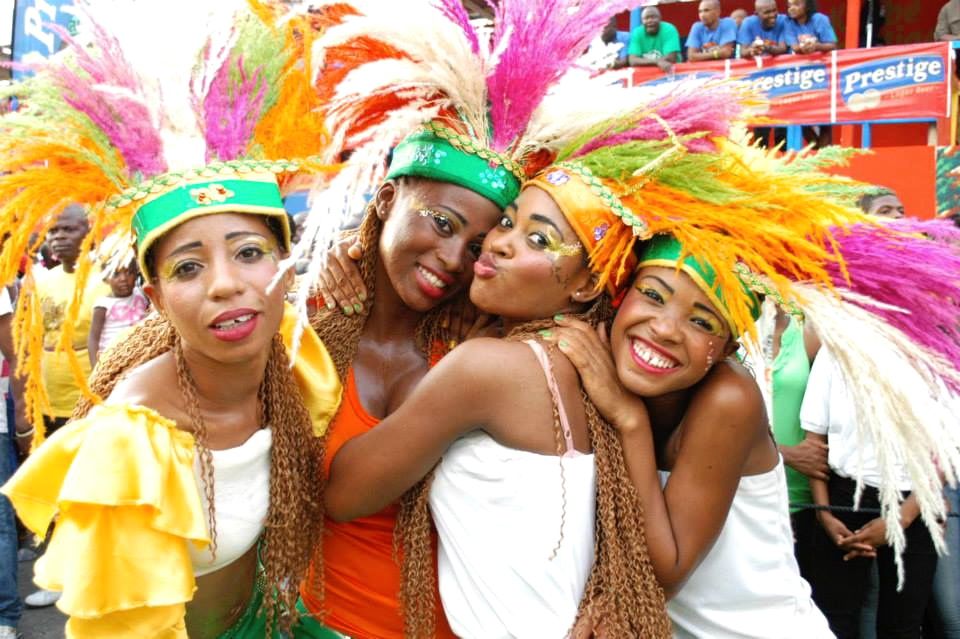
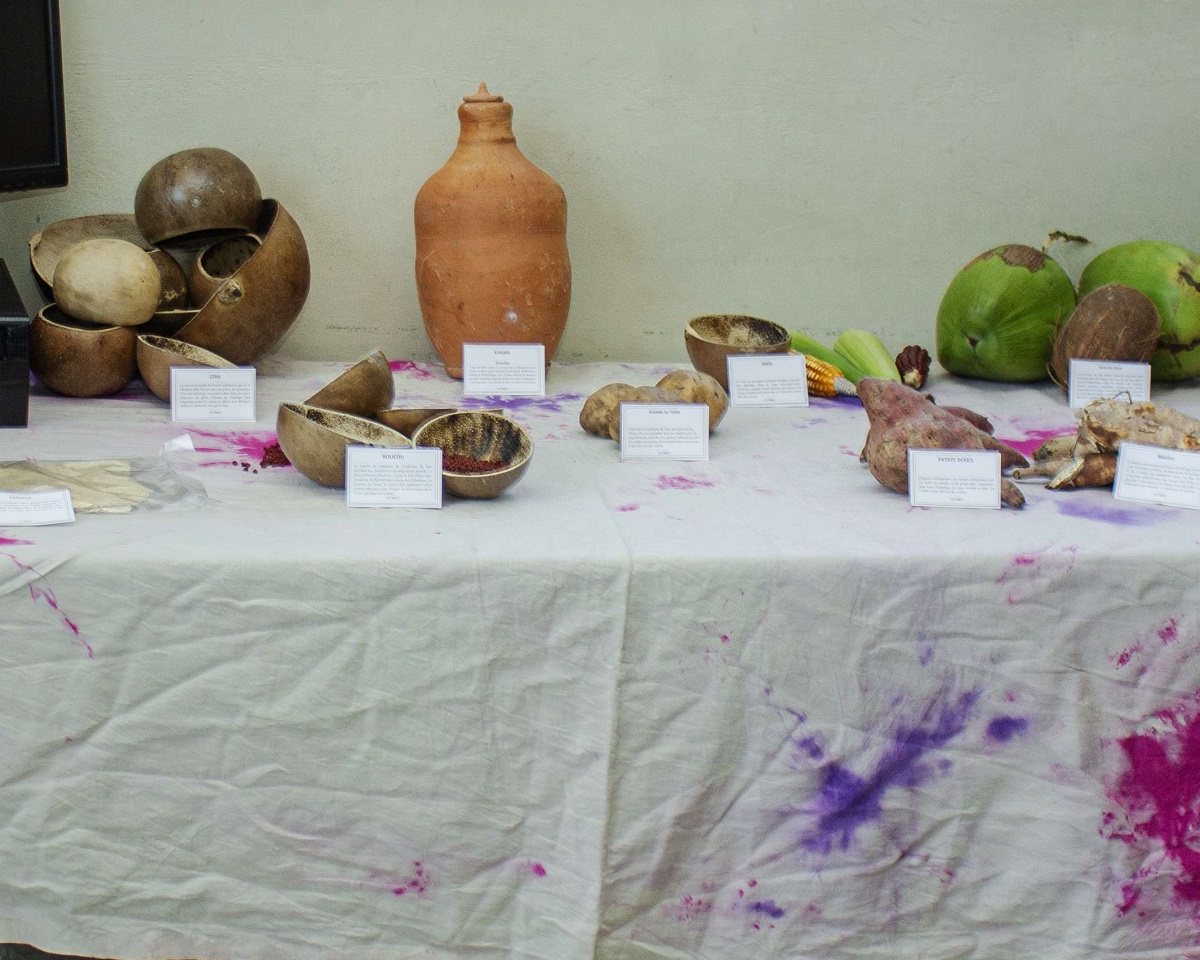
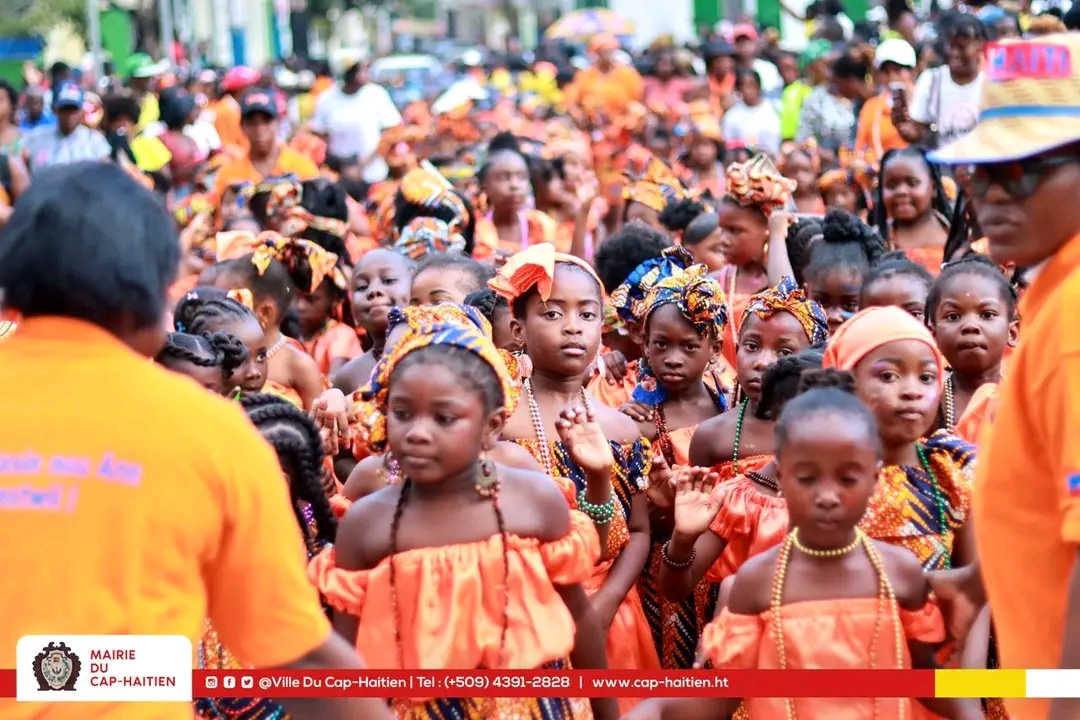
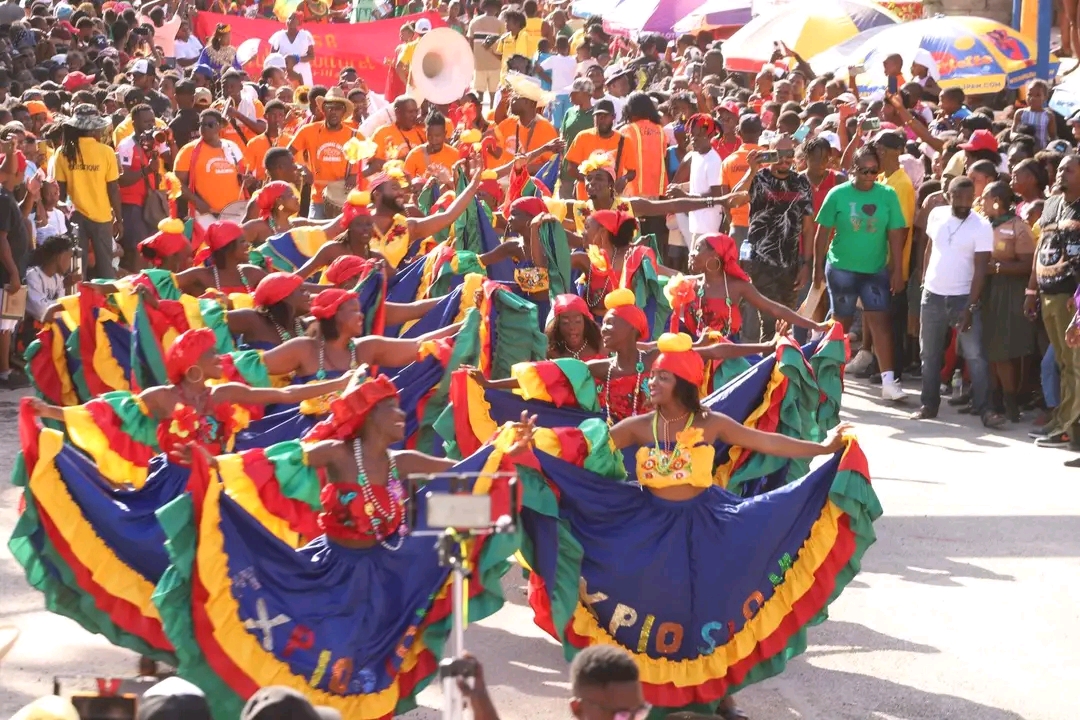
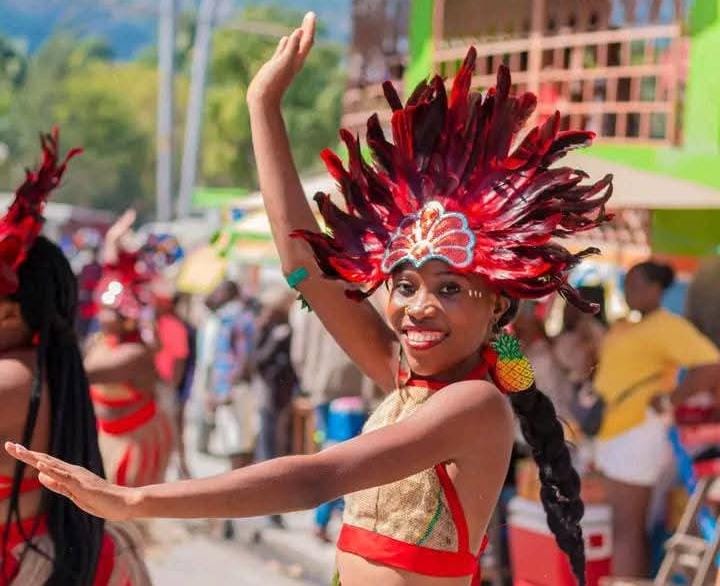
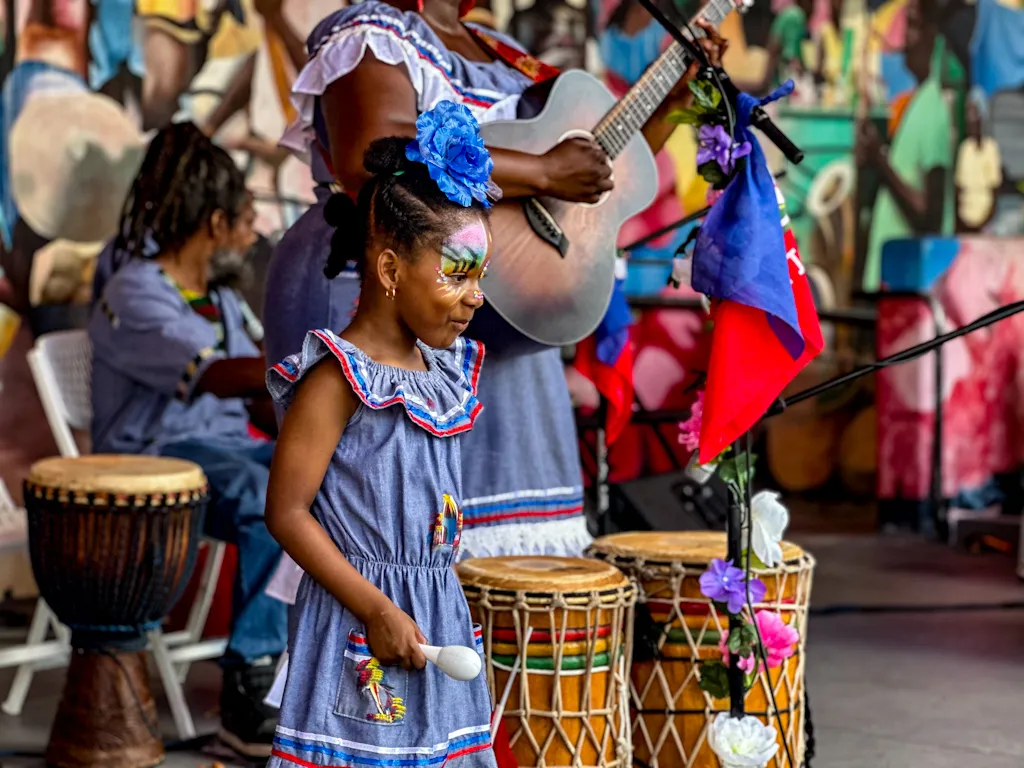
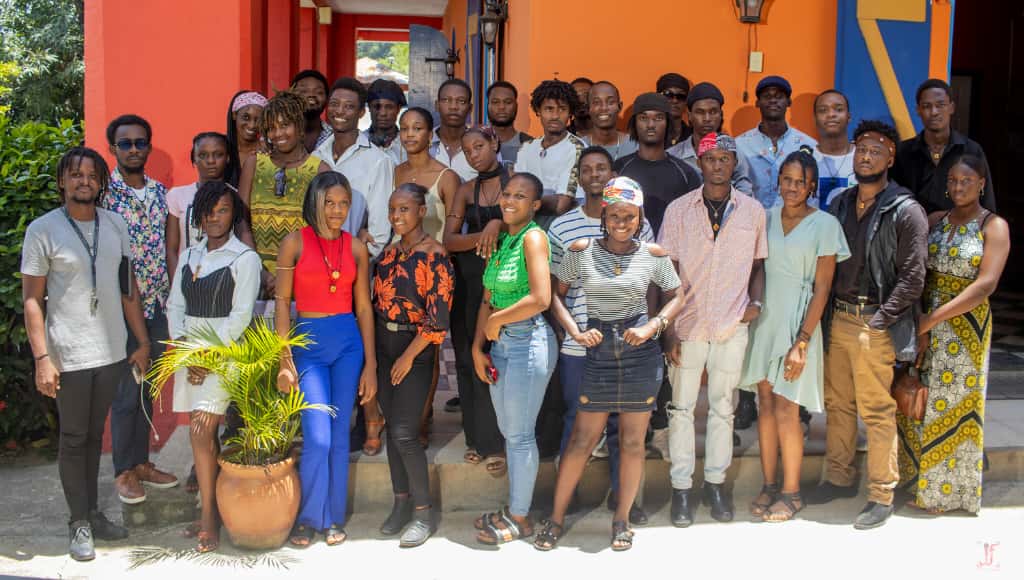
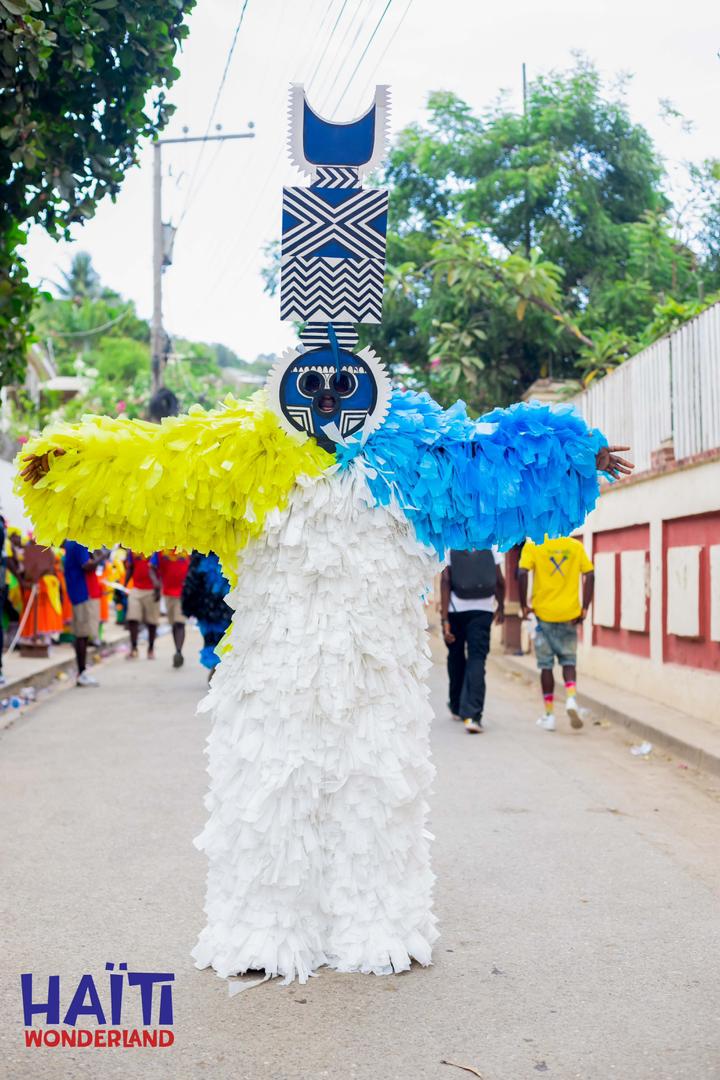
Haïti has a rich and diverse culture, influenced by African, European and indigenous elements. Haitian music, dance, art and cuisine are celebrated around the world.

  • +
    • Post