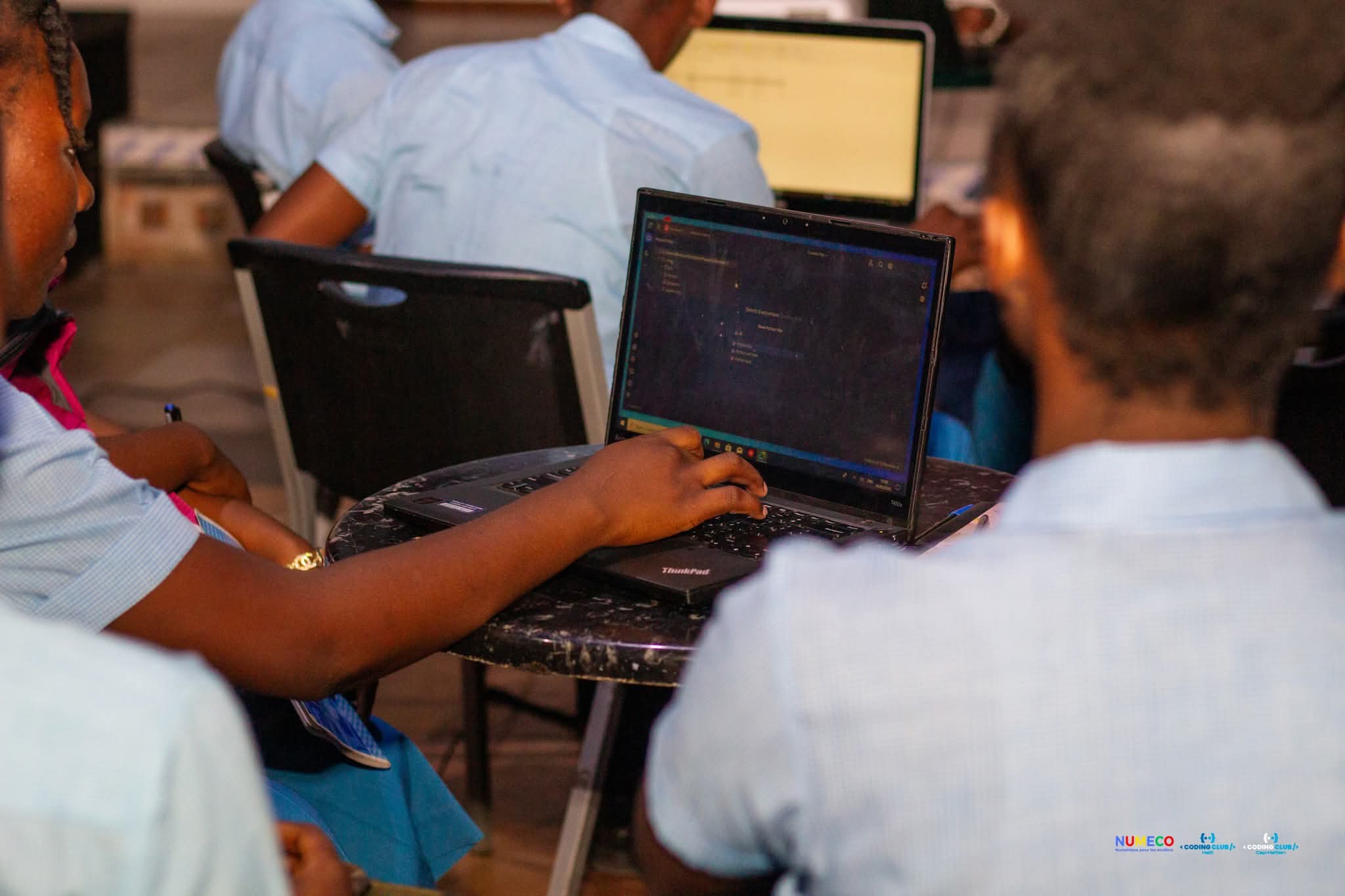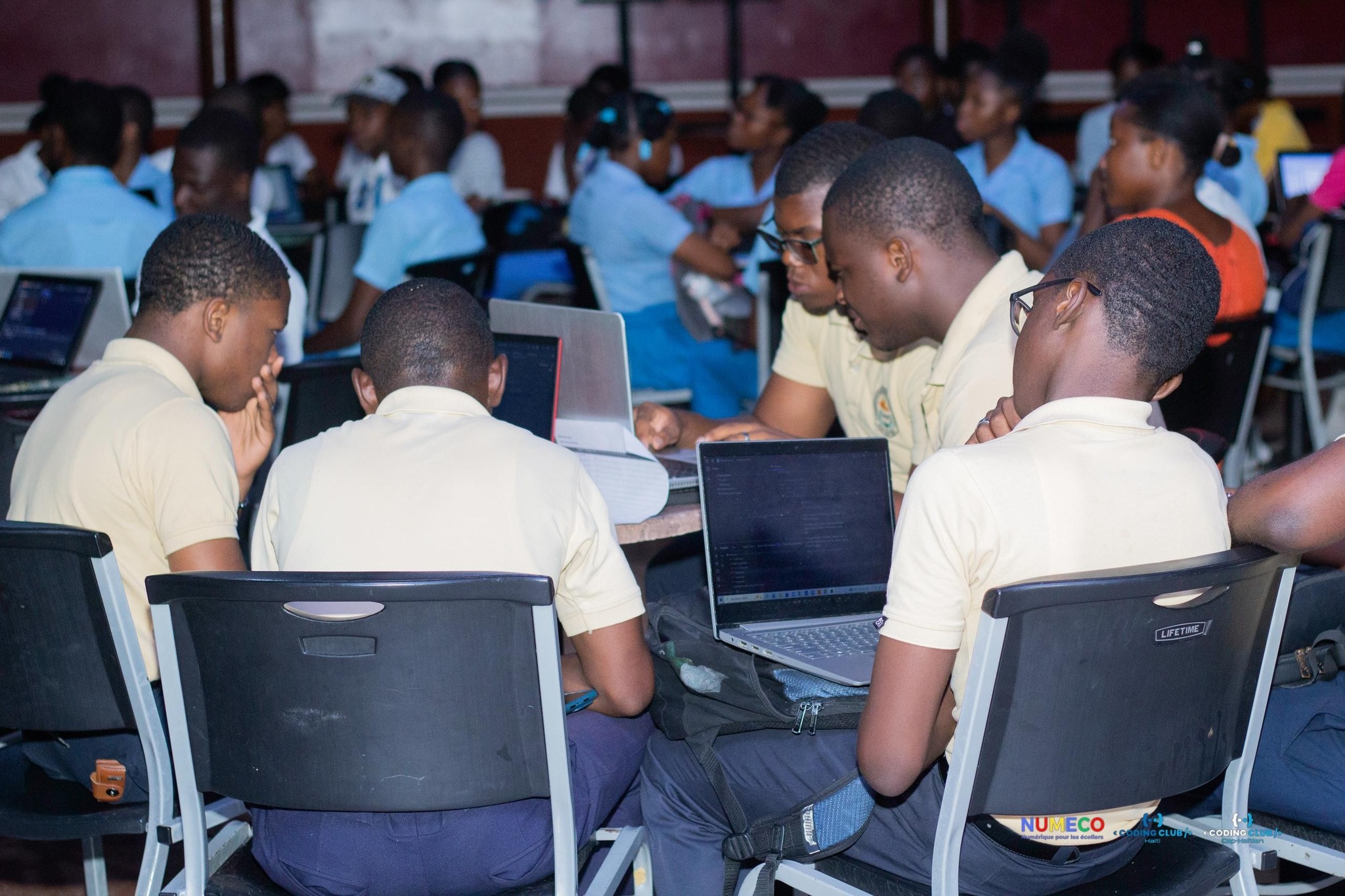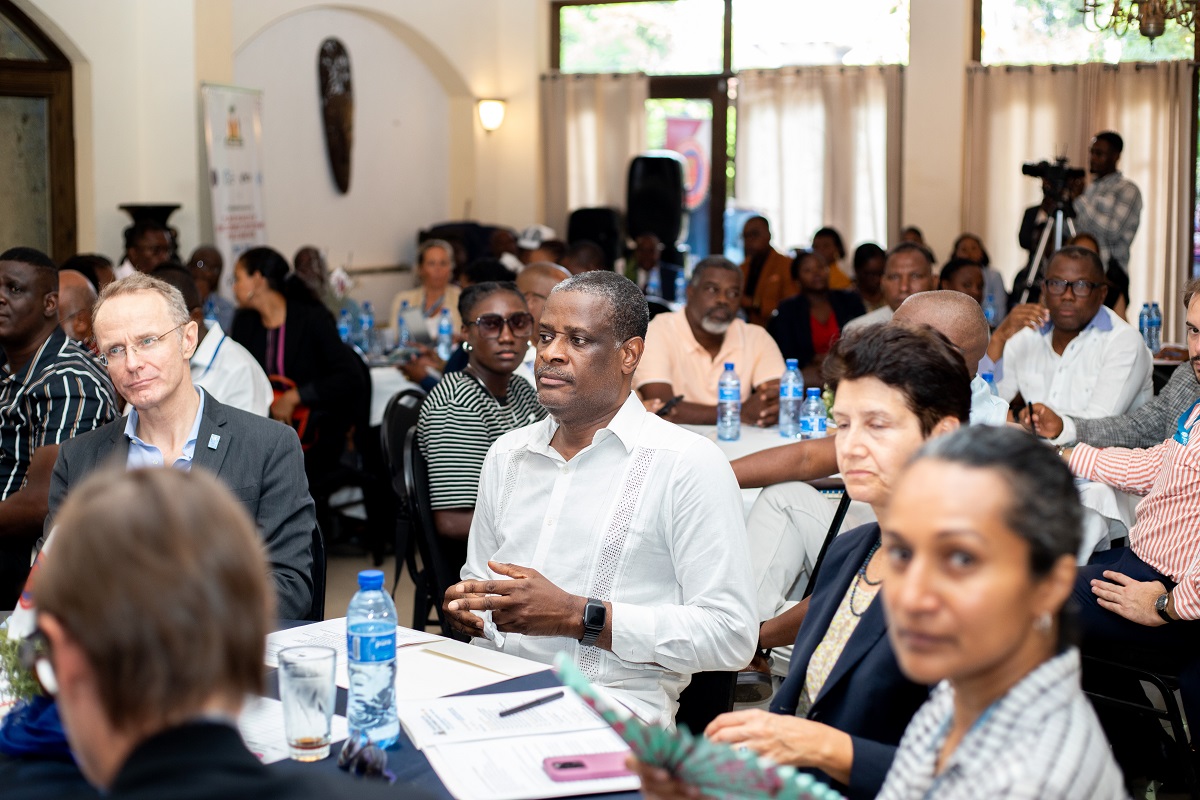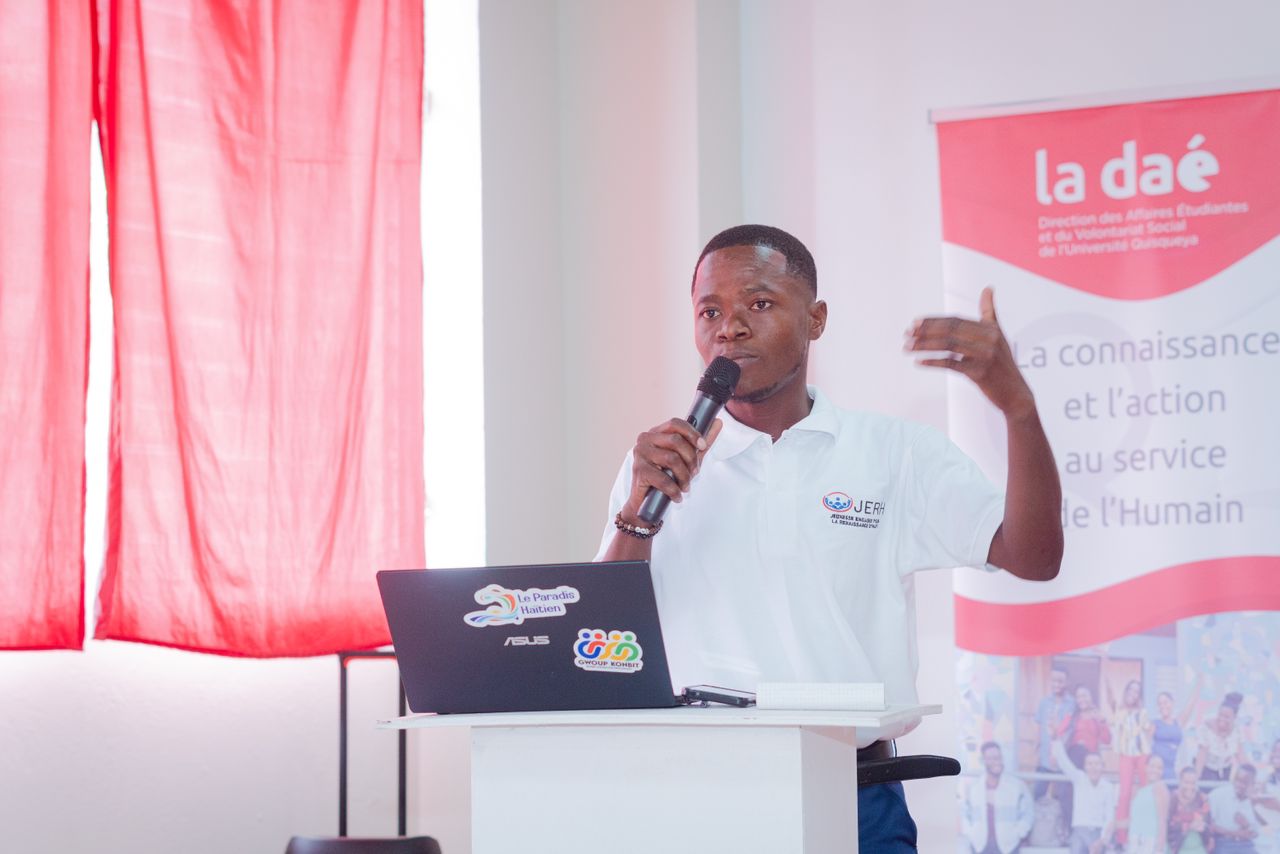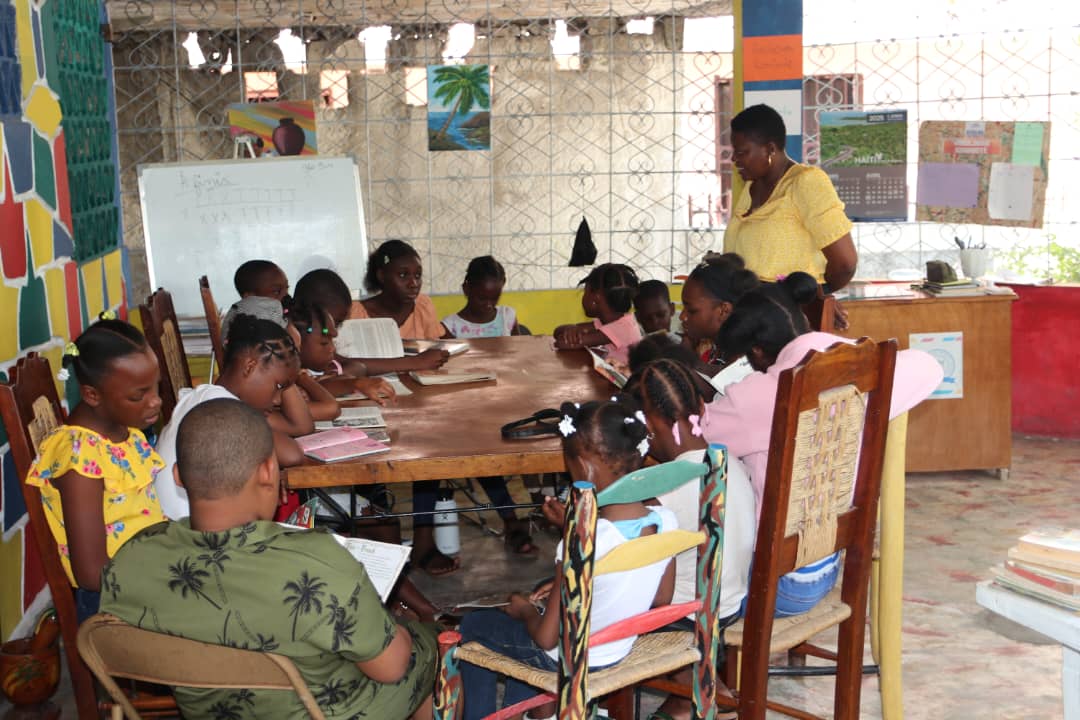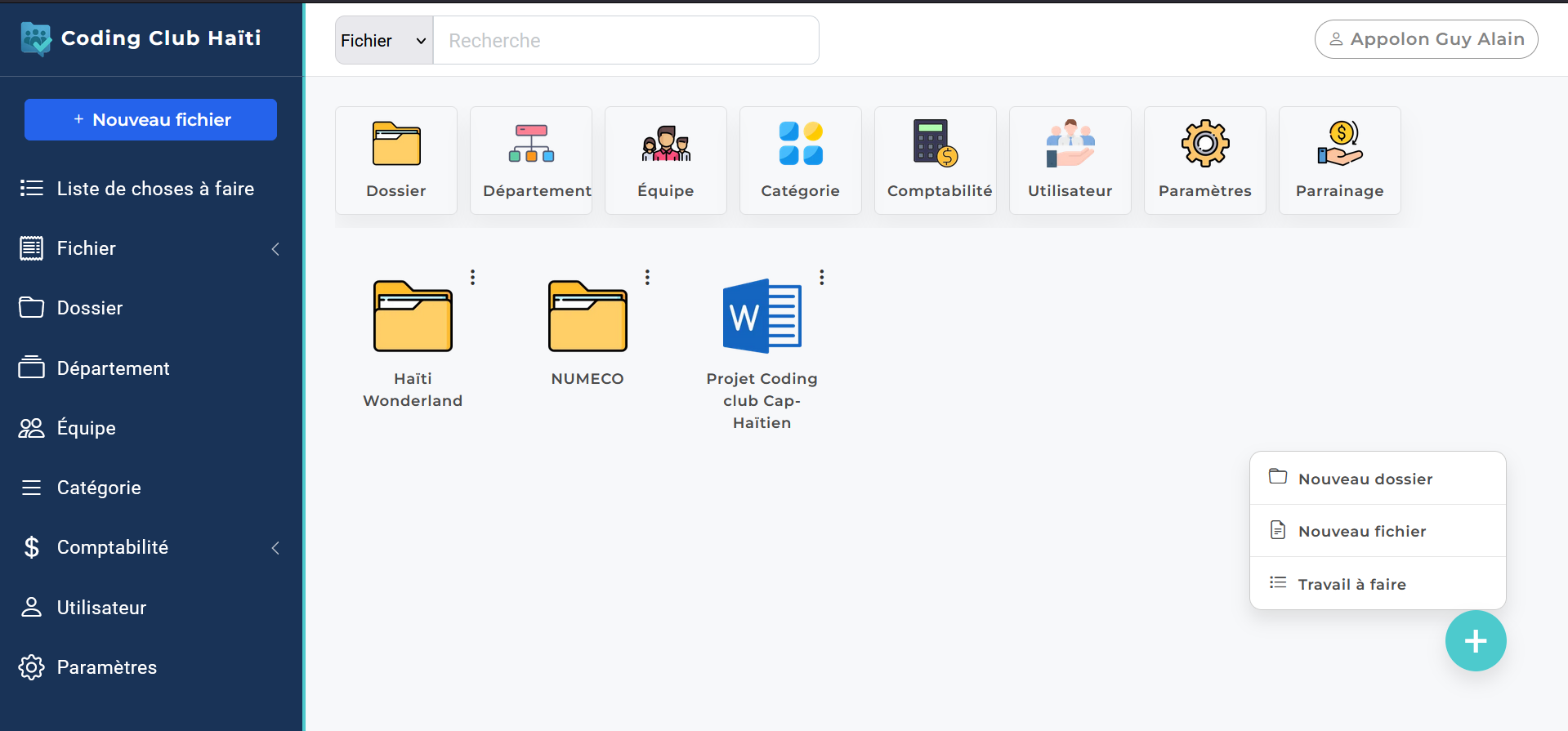


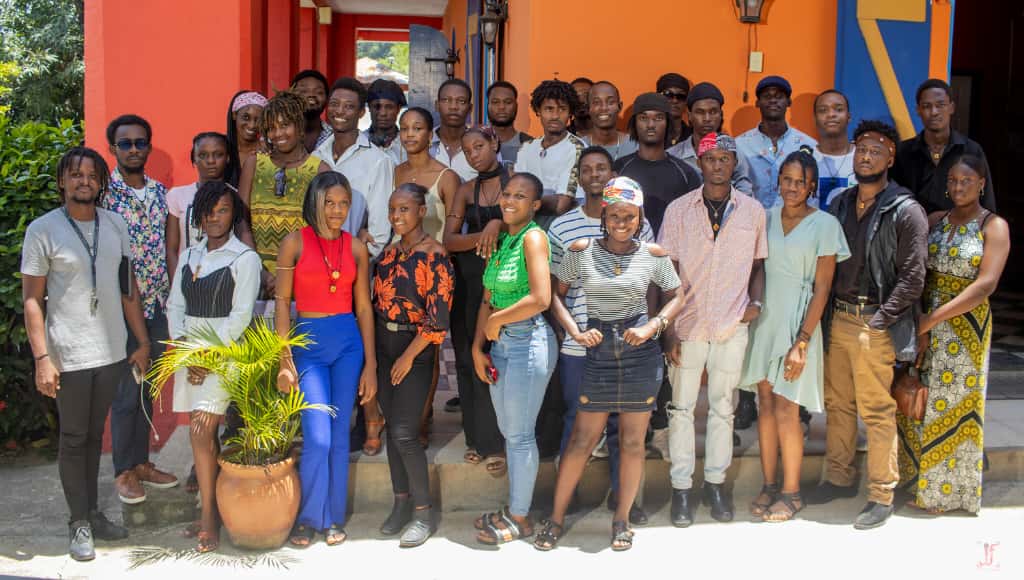
Cap-Haïtien: 70 Schoolchildren Learn Programming Thanks to Coding Club Haiti
From Python to JavaScript: How 70 young people from Cap-Haïtien are becoming Haiti's future developers with the NUMECO program.

The holiday season in Haïti is full of magic, and Christmas songs play an essential role in this warm and festive atmosphere. Between traditions, wild rhythms and nostalgic melodies, Christmas music in Haïti reflects the cultural richness of the country. Here is a selection of 10 unforgettable Haitian Christmas songs, which continue to make hearts vibrate and leave a mark on minds.
Haiti, a Caribbean country with a complex history and varied landscapes, is often perceived through clichés that do not reflect the richness and diversity of its culture and people. Too often, we forget to see Haïti in all its grandeur, as a nation with a unique heritage, impressive resilience and untapped potential. In this article, we will break the stereotypes and present you with another side of Haiti, full of beauty, history and hope.
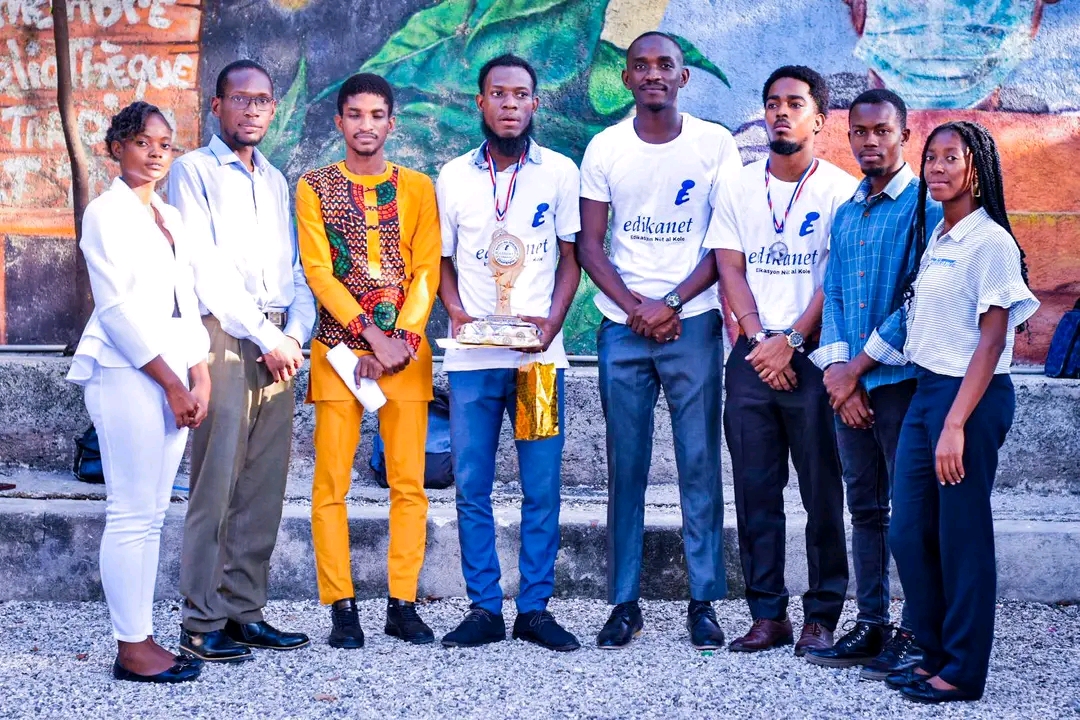
Edikanèt is an association dedicated to education in the Haitian Creole language on the Internet. Founded in 2019 at Lycée Toussaint Louverture, the organization works to promote, recognize, and use Haitian Creole in all educational, social, and institutional spaces in the country. It was created by three young activists committed to this cause: Luc Cadet FIGARO, Alan Joe JEAN, and Marcus JUSMA. From the beginning, Edikanèt set itself key goals: promoting education in Creole across all regions of Haiti; creating educational materials in Creole; fighting against linguistic discrimination toward Creole speakers; and elevating Creole as a language of instruction, culture, and prestige. This initiative was born out of awareness of the persistent marginalization of Haitian Creole in Haitian society. Their most recent major initiative was a quiz competition held in July 2025, focused on general knowledge—such as Haitian history, geography, culture, mathematics, Creole grammar, and other subjects related to learning in Creole. The winner, Roobens D. Victor, came out first among 113 participants.
The "Phone-free day" is an initiative taken by a group of young people led by slam poet Jean Wood Jude. The first two editions took place on September 30 and October 29, 2024 in Kenscoff. The next edition is scheduled for November 30, still in the town of Kenscoff, above Pétion-Ville The practice is intended to be innovative, in that it provides an ideal setting for the public (generally young) that facilitates their interconnection, by guaranteeing them a better connection to books, traditional games, and the lush nature of Kenscoff.
Moïse François is a young Haitian journalist, poet and law student at the State University of Haiti. He was born on November 13, 1999 in Port-au-Prince and is the eldest of a family of three children. He grew up between his hometown and Camp-Perrin, a small town in southern Haiti. Moïse François is a young Haitian with a remarkable academic and professional background, showing a deep passion for literature, journalism, social commitment and justice. He embodies this type of dynamic young person that the thirst of any great human society demands. Moïse claims above all to be a surveyor of the countries of his read books. "Literature, the kind that sets free, is my first home. I frequented Prague under the Soviet occupation of Milan Kundera, thanks to its literature, much better than some corners of Port-au-Prince, my hometown, largely plunged into horror and constant fear," he says. His great literary culture has largely contributed to his open-mindedness, his survival in this country and his impressive creativity.
Kwen Pawòl Lib is preparing to start the new year in style. The nineteenth exit, the first of the year, is scheduled for this Thursday, January 9, 2025 at 4:30 p.m. at Caroline Bar, Mon Repos 38, Carrefour. This socio-cultural initiative, which aims to bring together people of all ages, offers a space for dialogue where participants can exchange and reflect on societal, environmental, etc. topics and issues. For this edition, Kwen Pawòl Lib will have the honor of welcoming a distinguished speaker: Gutenberg Destin. A psychologist by training, Gutenberg Destin is one of the instigators of Ribanbèl Timoun, a space dedicated to the well-being and relaxation of children. Sensitized to environmental issues, he is currently pursuing studies in geography at the University Institute of Sciences and leads numerous training courses for national and international institutions, including UNESCO, on risk and disaster management. Alongside Jean Rony Charles, who will moderate this 19th issue, the discussion will focus on the theme: "Natural disasters do not exist...". This meeting promises to be rich and essential, especially in a context where Haïti is among the most vulnerable countries facing environmental challenges. Come in large numbers! Author: Estriplet Millor Restitution of the content creation workshop: Carrefour, behind the scenes.
Cap-Haïtien, Haiti’s historic jewel, is home to a fascinating architectural relic: Fort Picolet. Built at the end of the 18th century by the French, this imposing bastion majestically dominates the bay of Cap-Haïtien, bearing witness to the tumults of Haitian history and the fierce struggle for independence. The history of Fort Picolet is closely linked to that of Haiti, particularly at the time of the Haitian Revolution. During this tumultuous period, when slaves and freedmen rose up against colonial oppression, the fort was the scene of epic battles and fierce sieges. Sometimes used by French forces, sometimes by Haitian revolutionaries, Fort Picolet was a silent witness to the events that shaped the destiny of the nation. Designed with a strategic vision, the fort embodies the military architecture of its era. Its thick stone walls, strategically positioned cannons and viewpoints overlooking the bay make it an impregnable bastion. Its name, Fort Picolet, pays homage to General Louis Marie, Marquis de Picolet, French governor of Cap-Français at the end of the 18th century. Today, Fort Picolet remains much more than a simple historical monument. It is a living symbol of the resilience and determination of the Haitian people. Visitors who wander through its ruins can feel the imprint of history and contemplate the remains of a tumultuous past. From up there, a panoramic view of the bay of Cap-Haitien is available to them, offering a unique perspective on the strategic importance of this place in the maritime history of Haiti. As a pillar of Haitian tourism, Fort Picolet attracts visitors from around the world. Its historical aura, combined with the natural beauty of its environment, makes it a must-see destination for history and culture lovers. More than just a tourist attraction, Fort Picolet is a poignant testimony to the endless struggle for freedom and the cultural richness of Haiti. Throughout the centuries, Fort Picolet has survived the test of time, reminding everyone that freedom is an inalienable right, hard won and carefully preserved. By exploring its ramparts, contemplating its silent cannons, visitors find themselves immersed in the tormented history of Haiti, a story of courage, resistance and hope. Live an extraordinary experience by virtually visiting the ruins of Fort Picolet: https://haitiwonderland.com/haiti-virtual-reality-ht/monuments-histoire/haiti--fort-picolet--visite-virtuelle/14
Haiti, often nicknamed the "Pearl of the Antilles", is a country rich in history, culture and natural beauty. Located on the island of Hispaniola, Haïti offers a unique and unforgettable experience to its visitors. Discover with us the wonders of this captivating country.
On August 24, 2024, in the heart of the sumptuous Manoir Adriana in Jacmel, Cathiana Désiré, a lawyer and feminist, and Darlin Johancy Michel, a producer and cultural operator, reinvented the Haitian wedding in a dazzling celebration of their roots. While traditional weddings often consist of white dresses and suits, this union was distinguished by its deep respect for Haitian traditions and its emphasis on a captivating spirituality.
On the airwaves of Radio Solidarité 107.3 FM in Port-au-Prince, a familiar voice has been accompanying listeners for years: that of Dominique Beldor, a passionate host and programming director. Through his music show, The Dominik Show, broadcast weekdays and now every Saturday, he has forged a unique connection with the Haitian public, combining music, cultural news, and social analysis. Residing in Florida since May 2024, Dominique continues his remote broadcast with the same energy. Broadcast from Tampa, his show maintains its vocation: to bring Haitian culture to life around the world and offer a space for free, engaged, and respectful discussion. Before leaving the country, the host admitted to having received threats for his opinions and on-air analyses, which forced him to seek shelter to avoid reprisals. Today, from the virtual studios in Florida, Dominique Beldor continues to fly the flag for Radio Solidarité, with a voice freer than ever—and still as close to the hearts of Haitians as ever.
Haitiwonderland is a media that specializes in promoting Haïti across the web. Made up of young patriots passionate about writing, this media advocates the hidden side of Haiti, adding a completely different story coming from the country alongside the one told repeatedly and on purpose by the numerous international media.
August 29, 2025, will mark two exceptional events: the eighth anniversary of Pierre Marc BAPTISTE’s commitment as a young leader and social and political activist, and the official launch of the Engagement Award. This unique initiative aims to honor and encourage young leaders, professionals, and academics for their dedication and active involvement in community life. The Engagement Award’s mission is to recognize youth leadership, promote civic engagement, and highlight inspiring role models capable of positively influencing an entire generation. Through this award, Pierre Marc BAPTISTE hopes to encourage young people to get involved in concrete actions aimed at solving community problems, reducing social inequalities, and strengthening civic participation. The first edition will be particularly symbolic. Eight young leaders from the Cité Soleil plain will be honored for the social and community impact of their initiatives. In a concrete gesture of solidarity and knowledge sharing, 200 books will also be donated to the Duvivier High School library in Cité Soleil, contributing to the education and training of future generations. With this award, Pierre Marc BAPTISTE reaffirms his belief that youth engagement is an essential lever for social and political change in Haiti. This is a unique opportunity to celebrate those who are taking action to transform their community, while inspiring other young people to follow the path of action and leadership. On August 29, 2025, Haitian youth will be honored, and a new tradition of recognition and inspiration will be established to promote civic engagement and responsibility throughout the country.
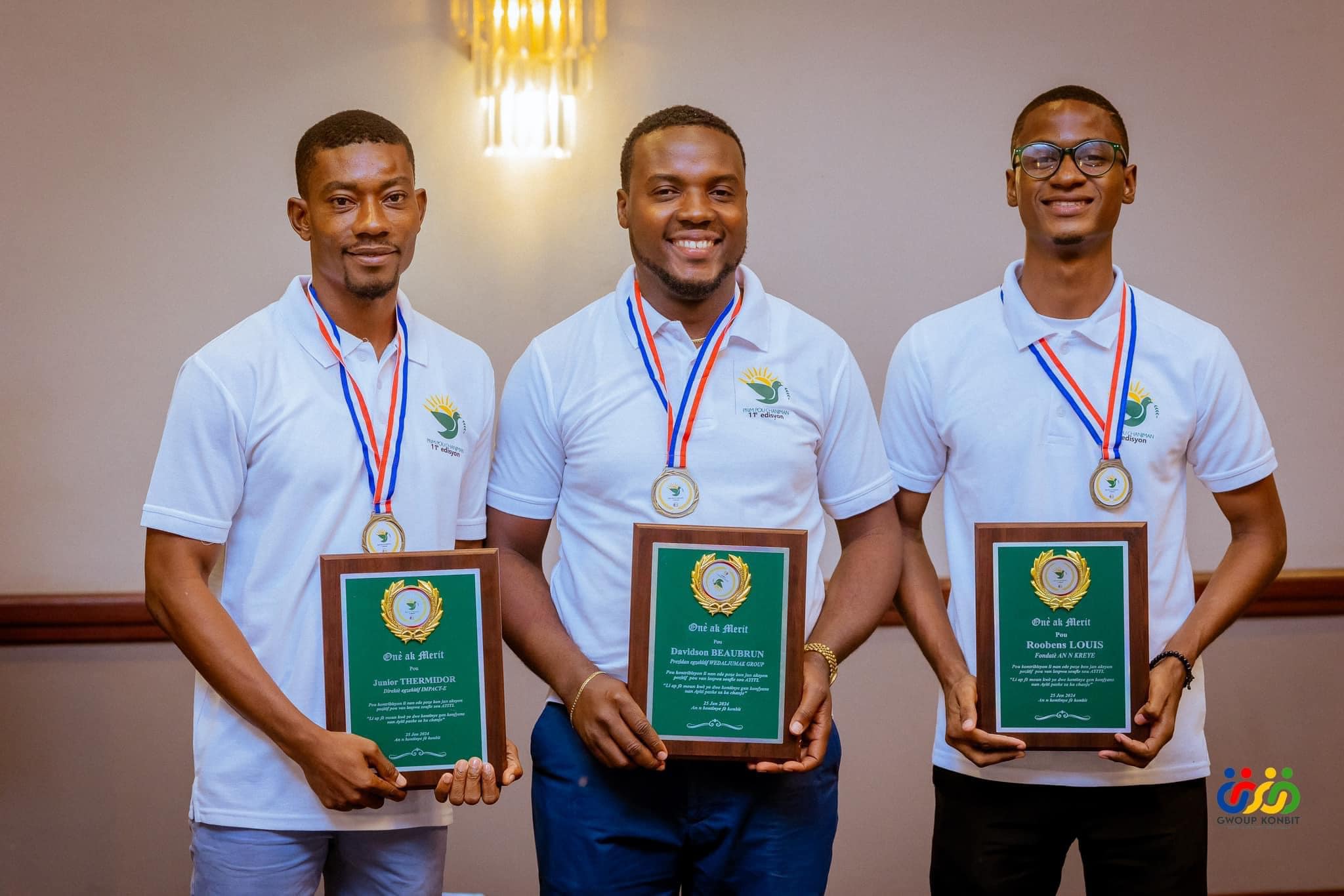
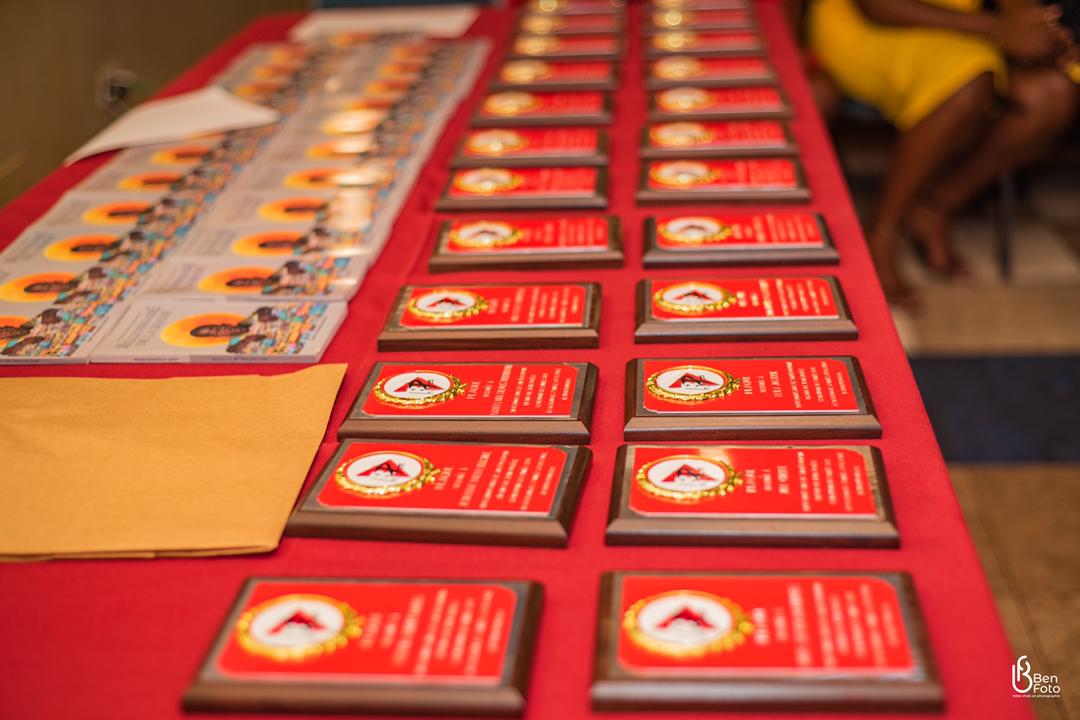
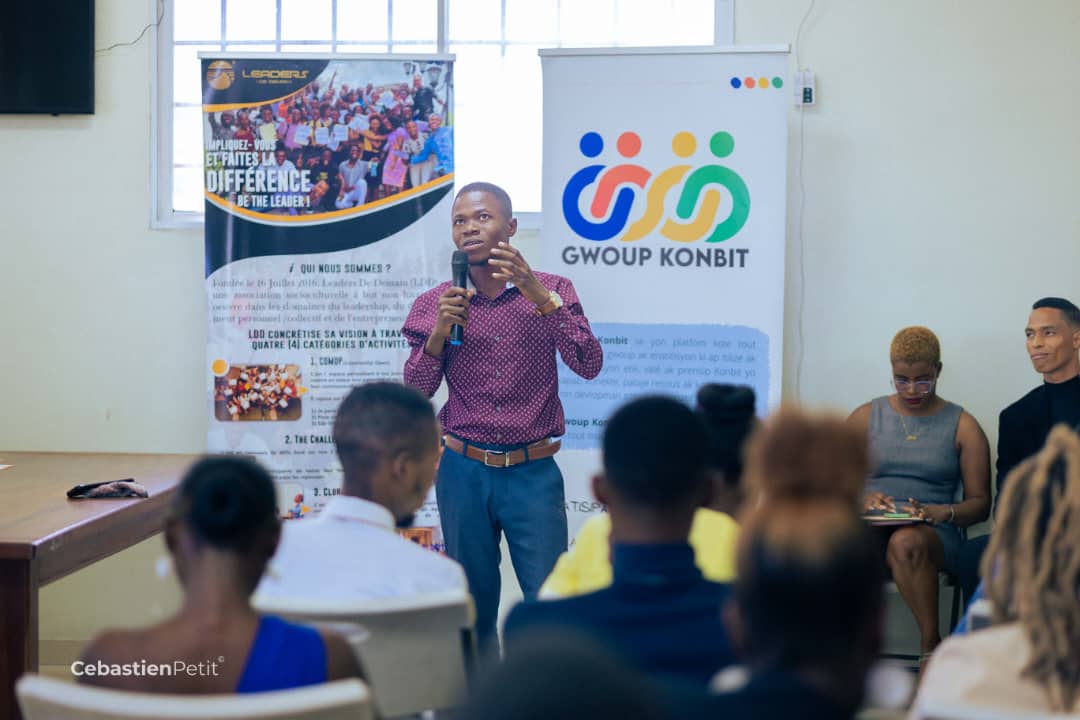
Since 2014, the “PRIM POU CHANJMAN” (PPC) initiative, orchestrated by Gwoup Konbit through Leaders of Tomorrow, honors extraordinary young Haitians who carry out remarkable actions to improve their community. Initially called the “CITE SOLEIL PEACE PRIZE” and limited to young people from Cité Soleil, this program expanded in 2023 to include all young people in the country with a positive social impact. For its 11th edition, three young leaders were rewarded for their dedication and social influence in their respective communities.
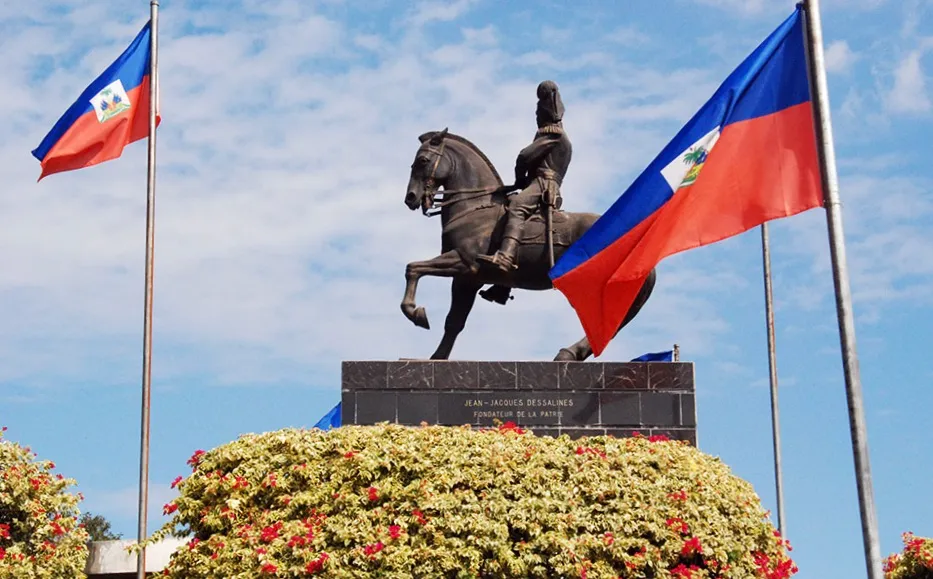
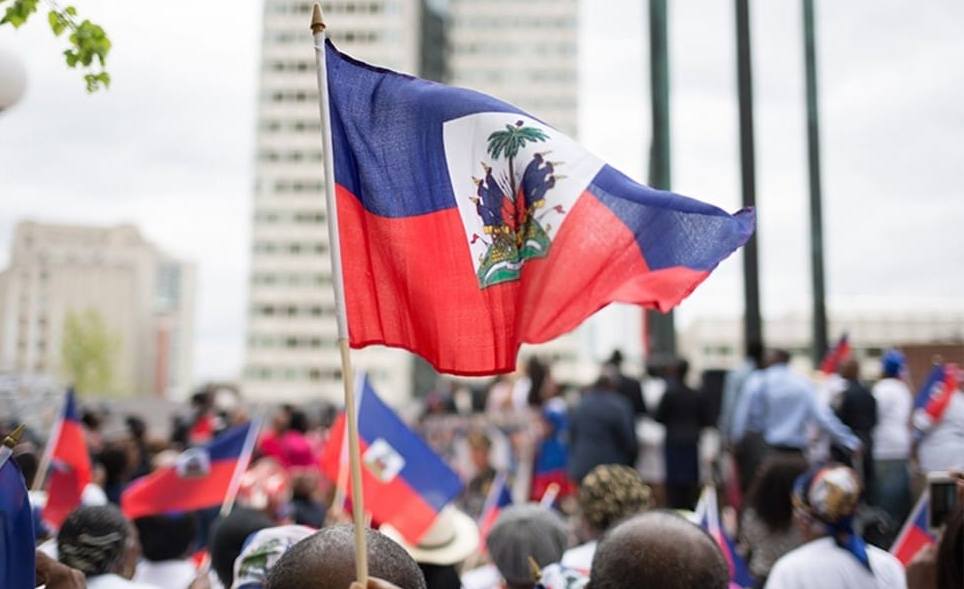
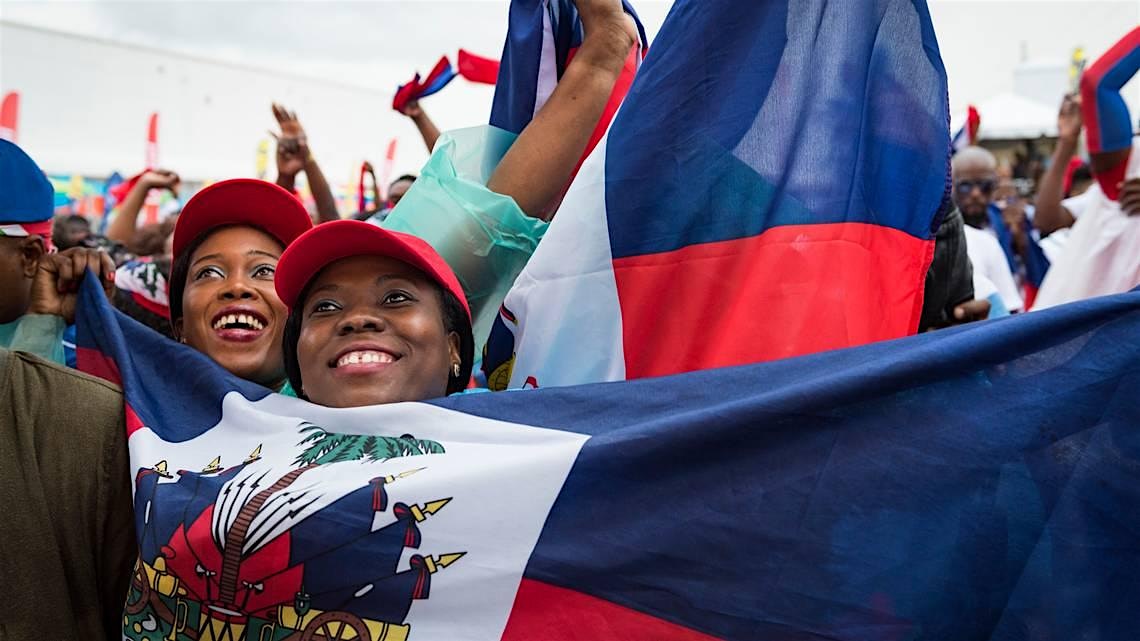
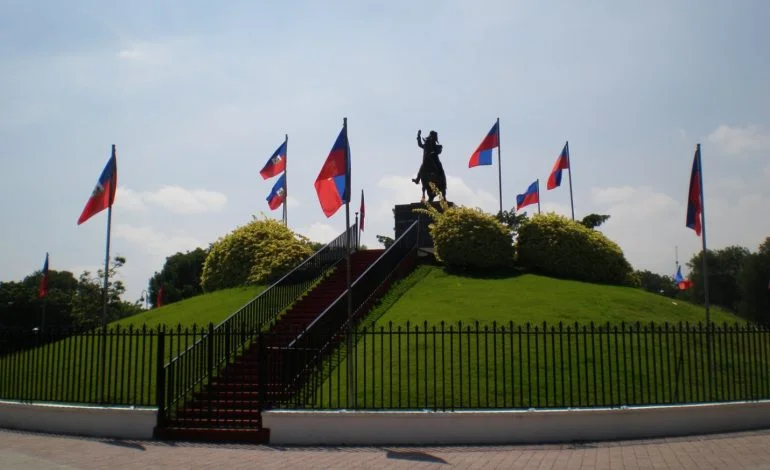
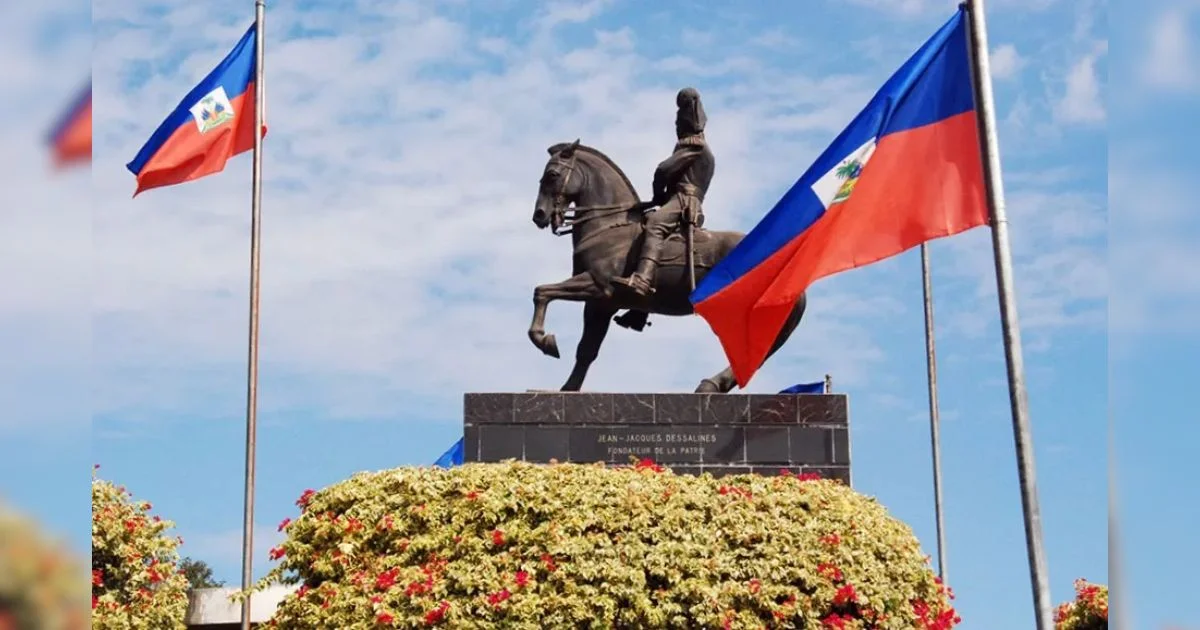
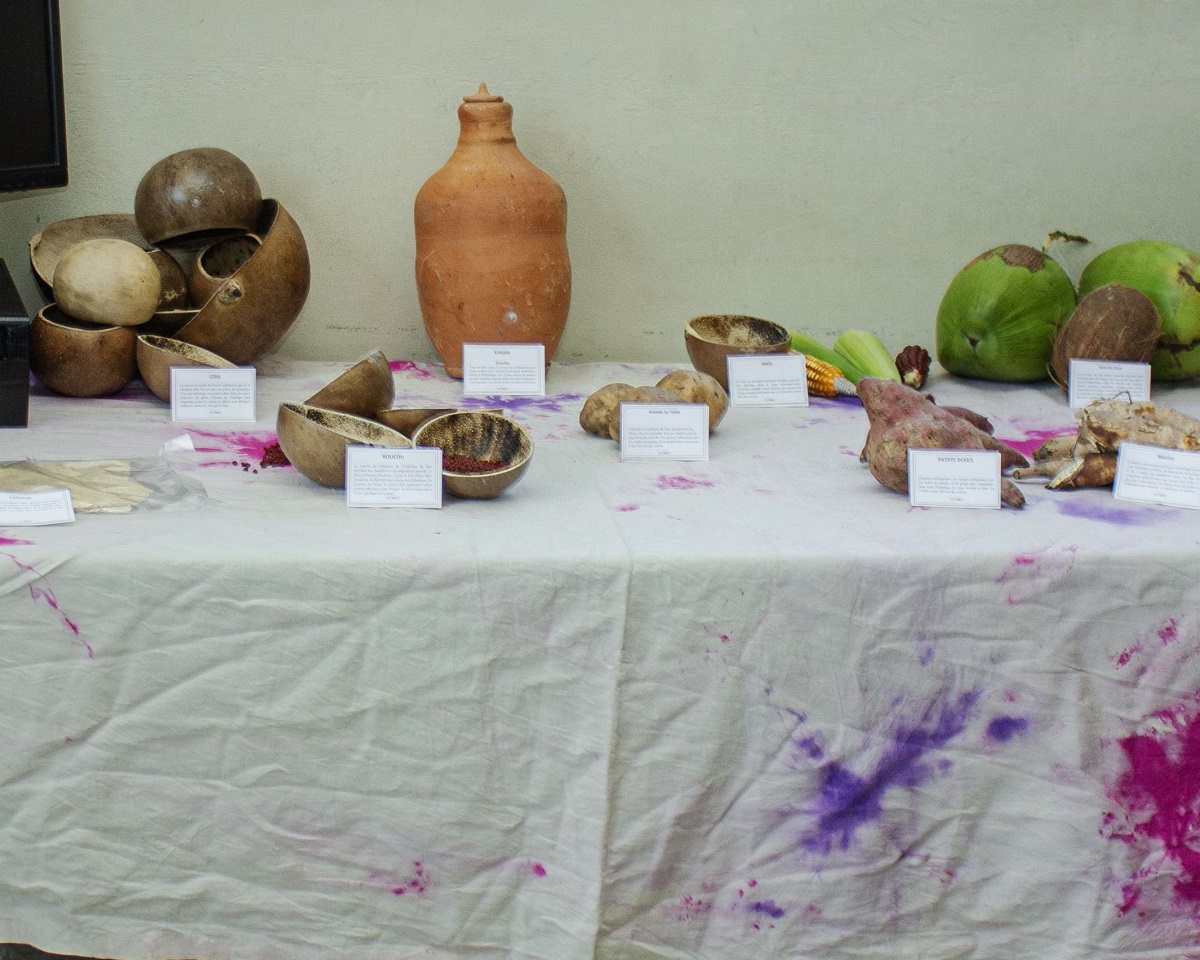
First black nation to free itself from slavery and gain independence from France in 1804 and influenced other liberation movements around the world, inspiring struggles for freedom and equality.

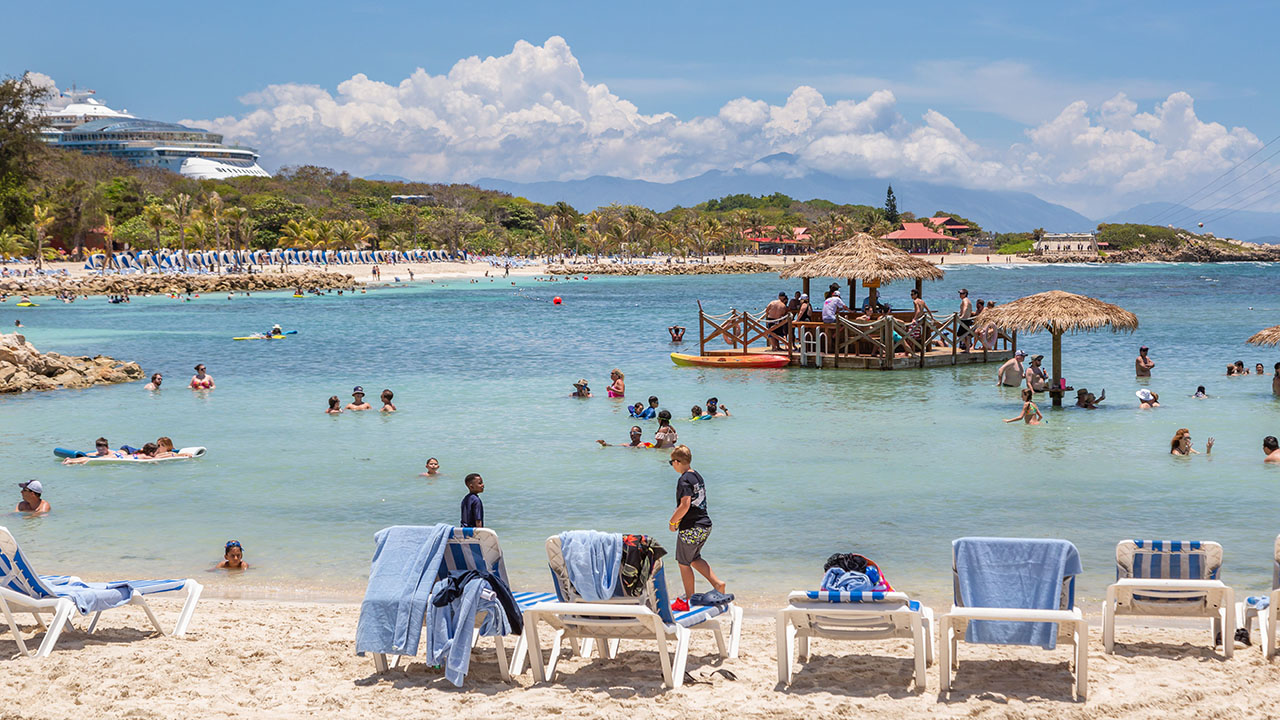
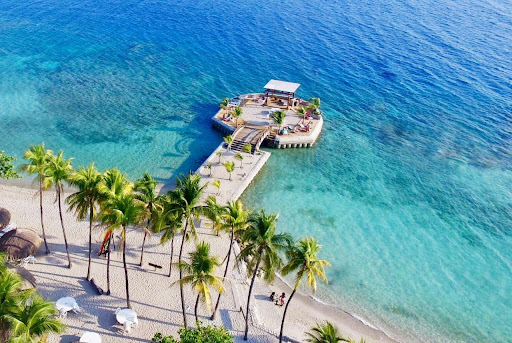
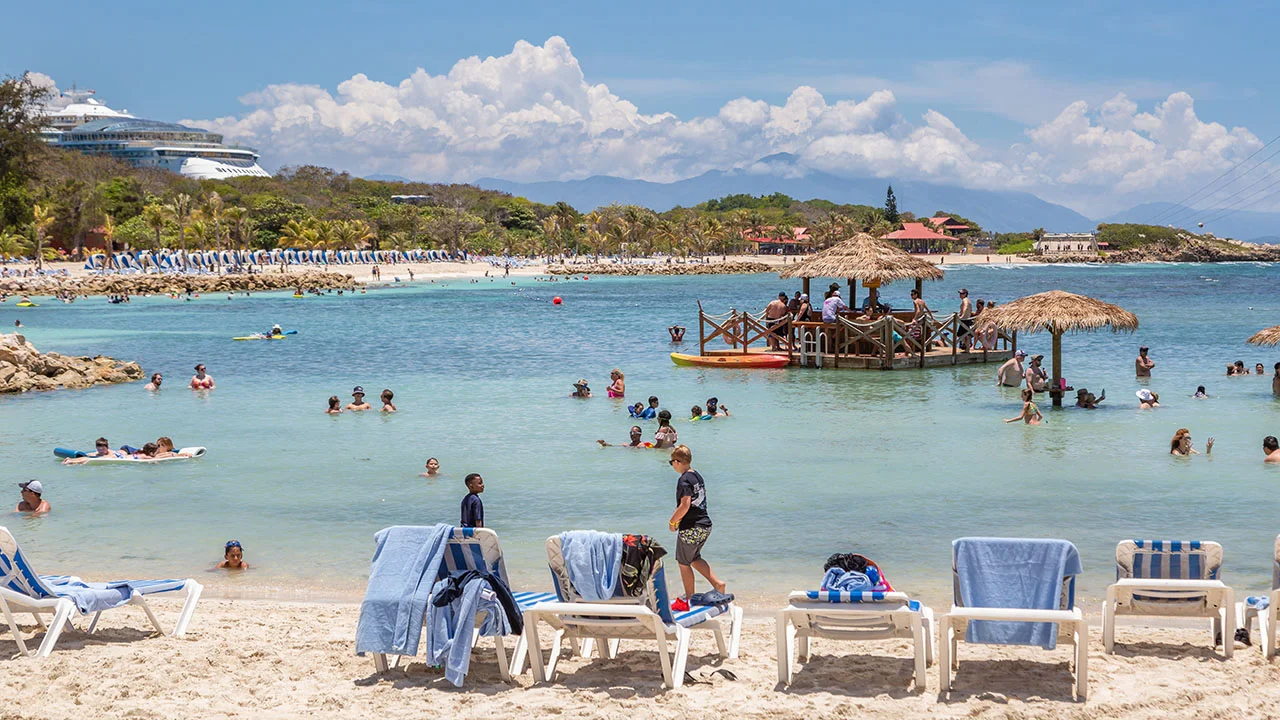
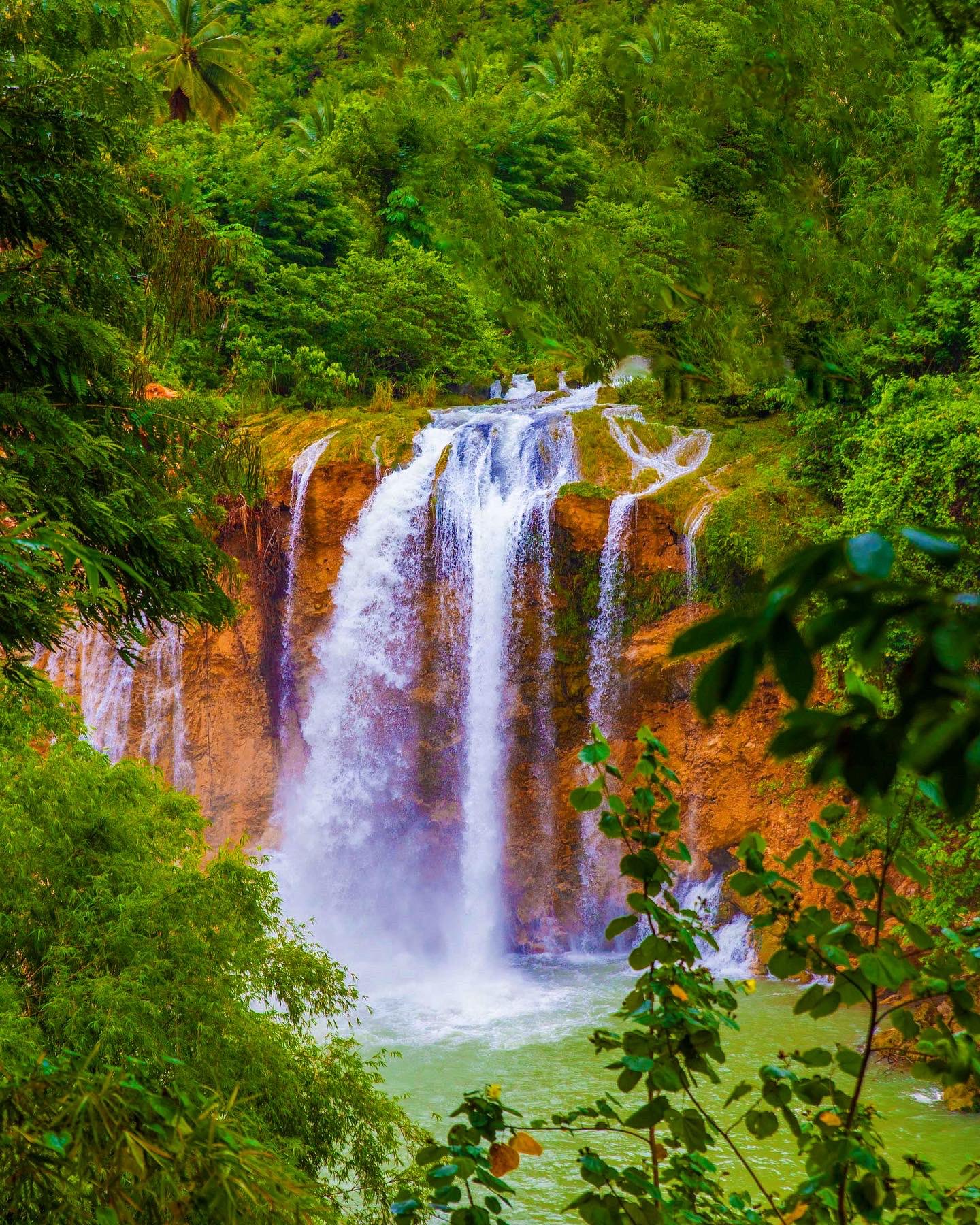
Haïti is blessed with spectacular natural landscapes, including white sand beaches, mountains and rich biodiversity.

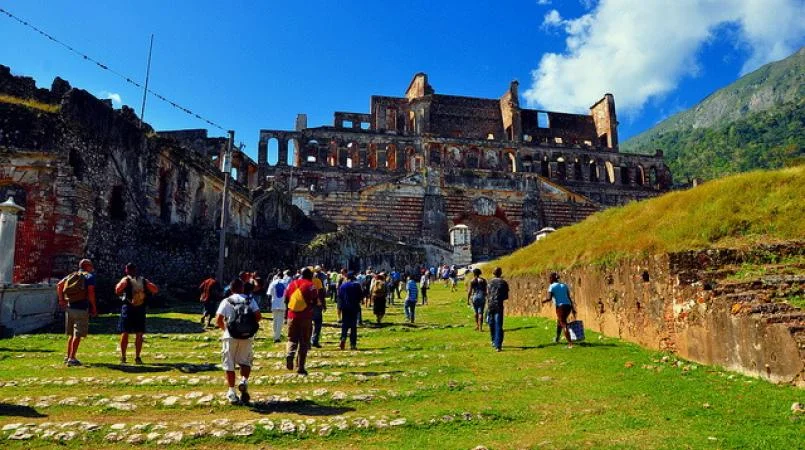
Haïti has a rich historical heritage, including sites like the Citadelle Laferrière and the Sans-Souci Palace, listed as UNESCO World Heritage Sites.

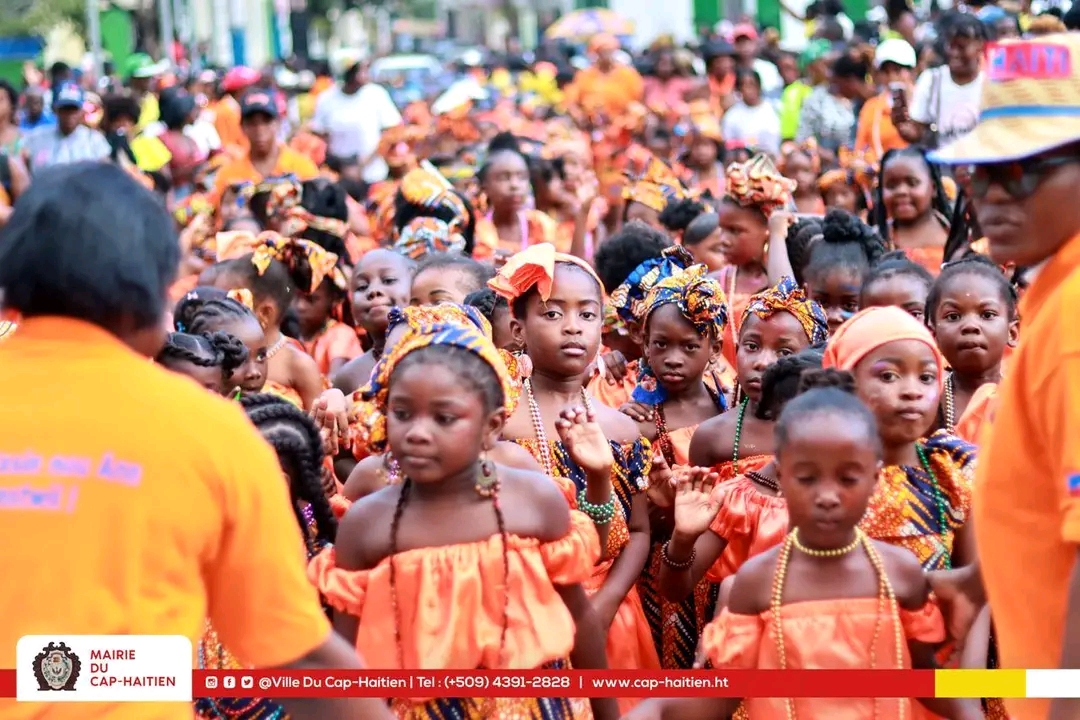
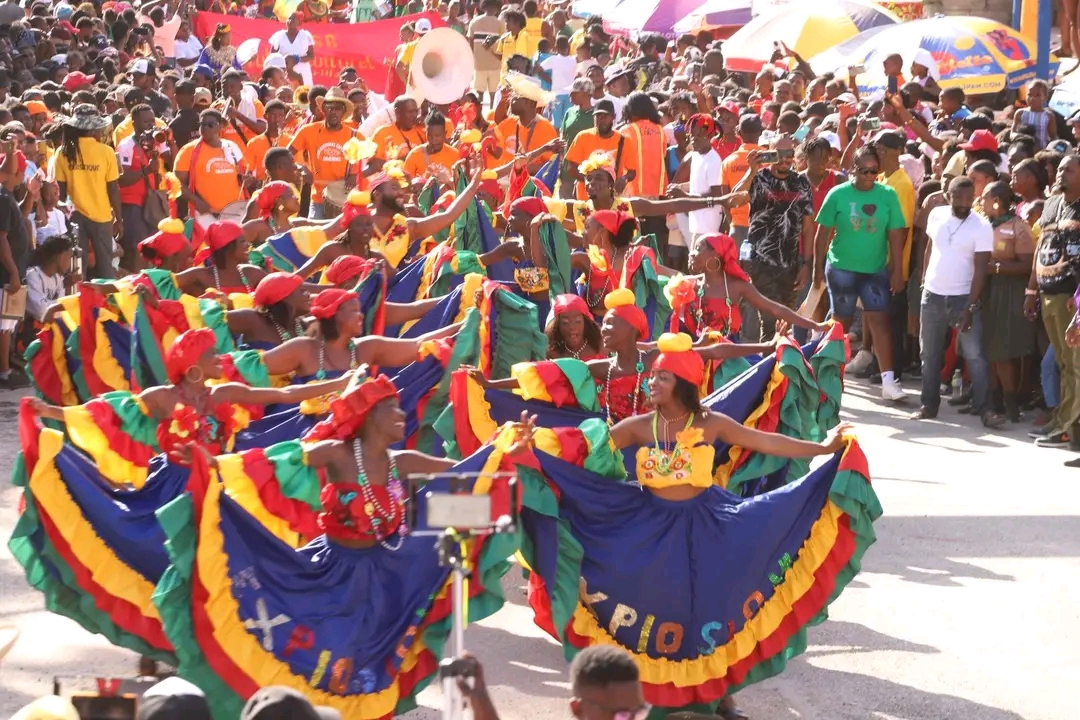
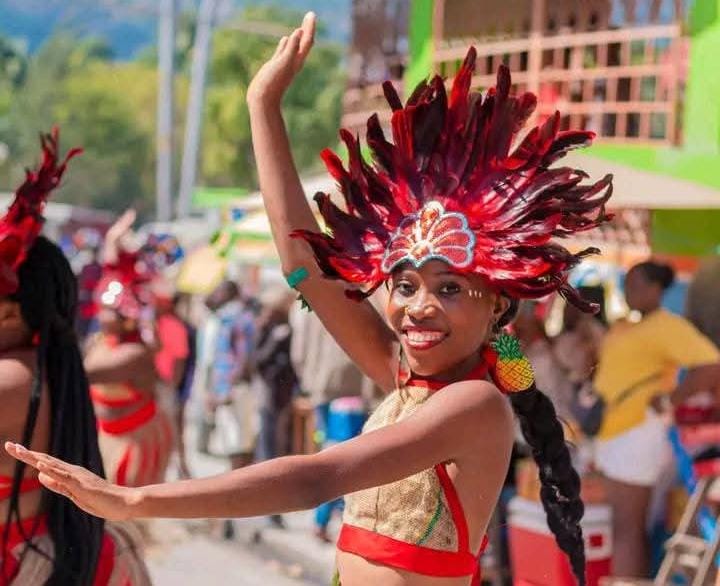
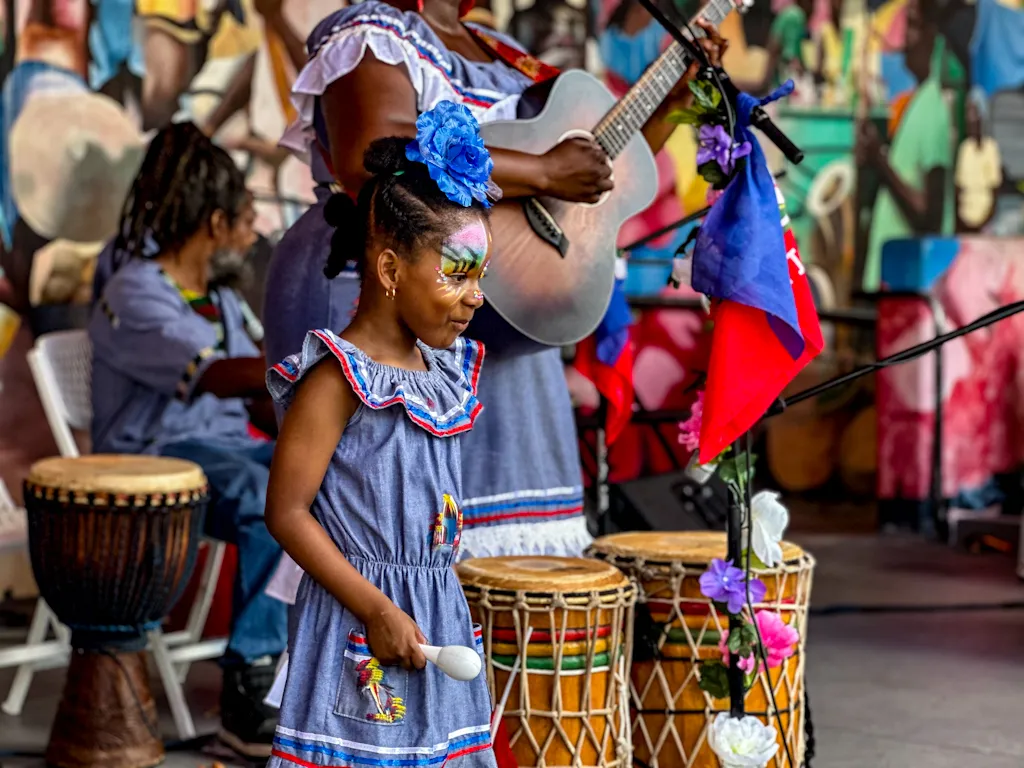
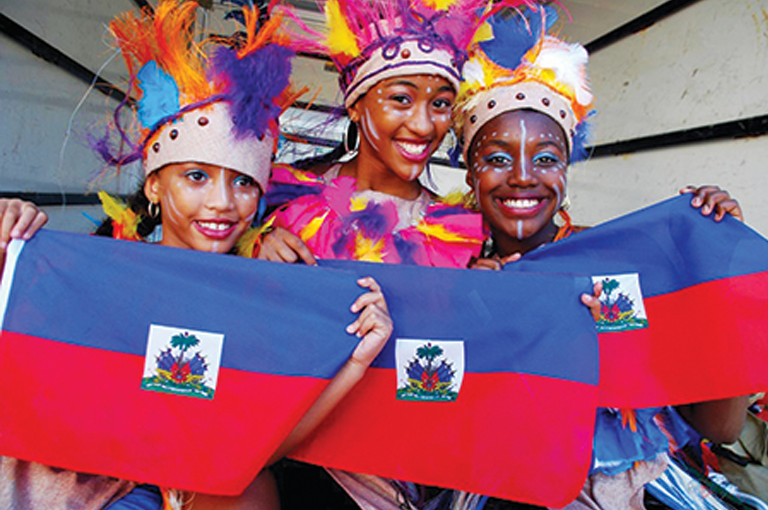
Haïti has a rich and diverse culture, influenced by African, European and indigenous elements. Haitian music, dance, art and cuisine are celebrated around the world.