


contact@haitiwonderland.com+509 36184317

Discover

Shopping Cart

Haïti : Citadelle la FerrièreHaïti : Citadelle la Ferrière

News / Other / View Recent Posts

Tourism November 11, 2024

Where is Haiti? -

Par Appolon Guy Alain |
Learn more
Beache February 13, 2024

Haiti: the Island of Lovers

The ideal place for vacations, honeymoons, excursions, sightseeing tours and much more. This paradise island, located in the south of Haiti, near Île-à-Vache, offers a picturesque setting which makes it a destination of choice. A stone’s throw from Île à Vache, a 128 km² island bathed by the crystal clear waters of the Caribbean Sea, Île des Amoureux is a true gem to explore in Haiti. Just 5.50 nautical miles from the coastal town of Les Cayes, this island is easily accessible. Travelers can reach the town of Les Cayes by car or opt for charter flights arriving at the regional airport. From the port of Les Cayes, a short 20-minute boat trip will take you to this enchanting destination. The fascinating history of Île à Vache adds an extra dimension to your experience. Once a refuge for pirates and buccaneers, this island was nicknamed "Treasure Island". Today, it continues to charm visitors with its authentic ambiance, pristine beaches and crystal clear waters. Whether you’re looking for beach relaxation, underwater adventures, a romantic getaway, an exotic adventure or cultural discoveries, Lovers’ Island has it all. Dive into the clear waters to explore colorful coral reefs, hike through lush vegetation, or soak up the bustling atmosphere of local markets. For couples looking for romance, there’s nothing like a sunset stroll on the beach, followed by a candlelit dinner under the stars. Lovers’ Island is much more than just a vacation destination, it is a true haven of peace where adventure and relaxation meet. Whether you are a lover of relaxation or an adventurer at heart, this island will seduce you with its authentic charm and breathtaking landscapes. Embark on an unforgettable getaway and discover all that Haïti has to offer on this island paradise.

Par Haïti Wonderland |
Learn more
History November 24, 2023

Holidays in Haiti

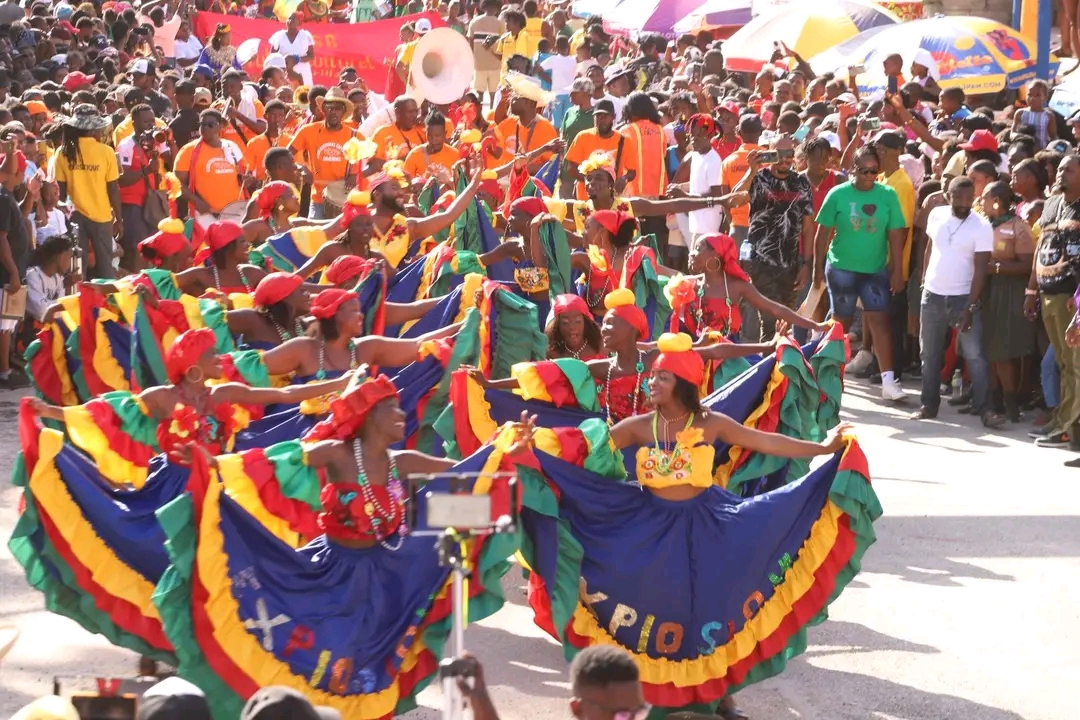
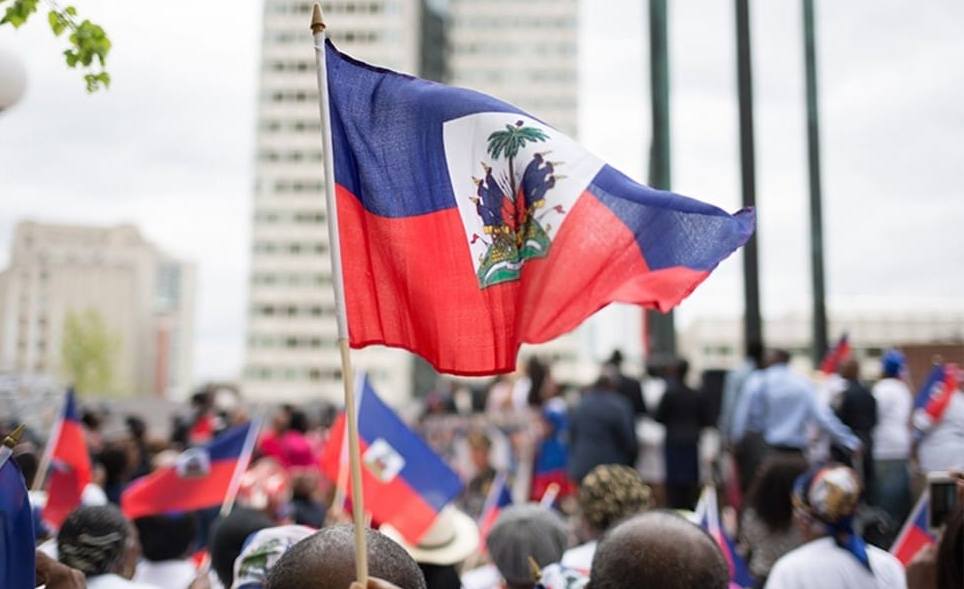
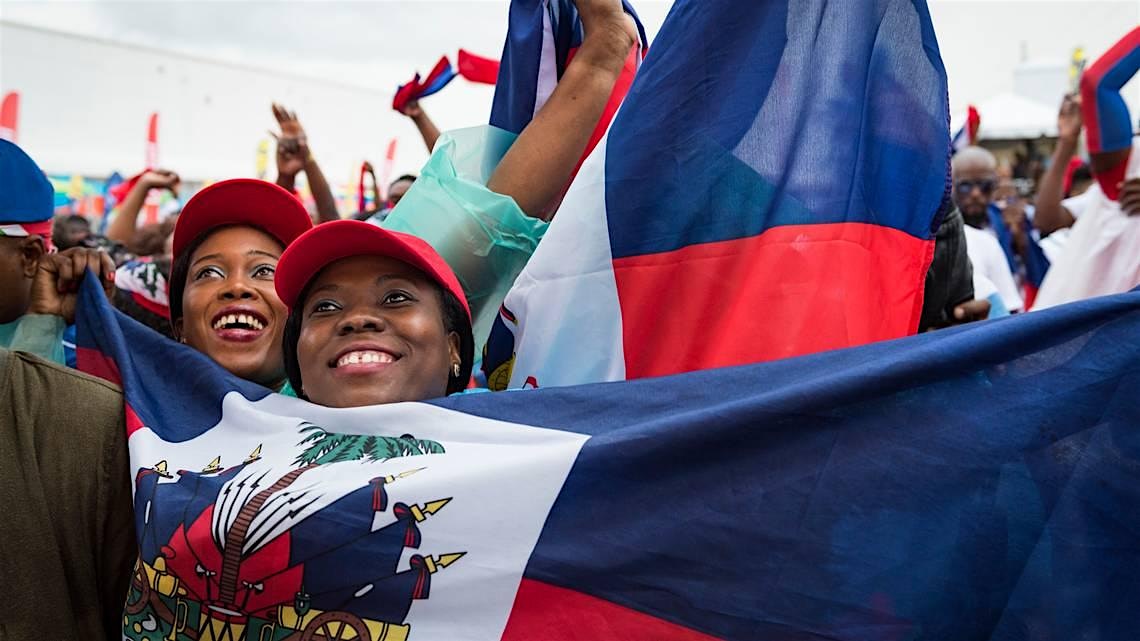
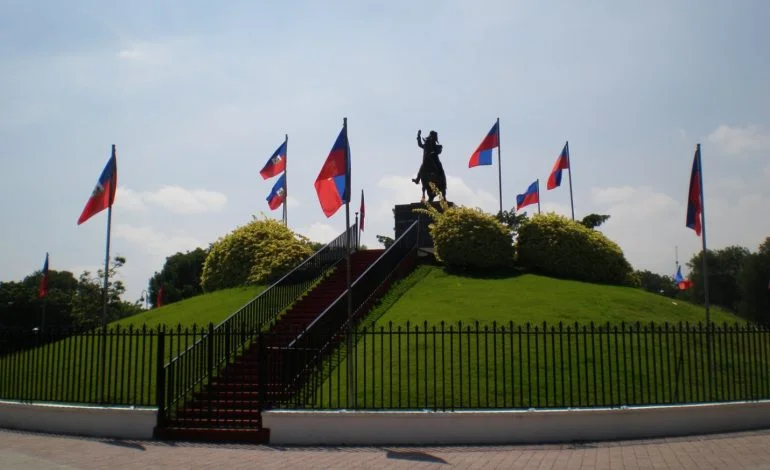
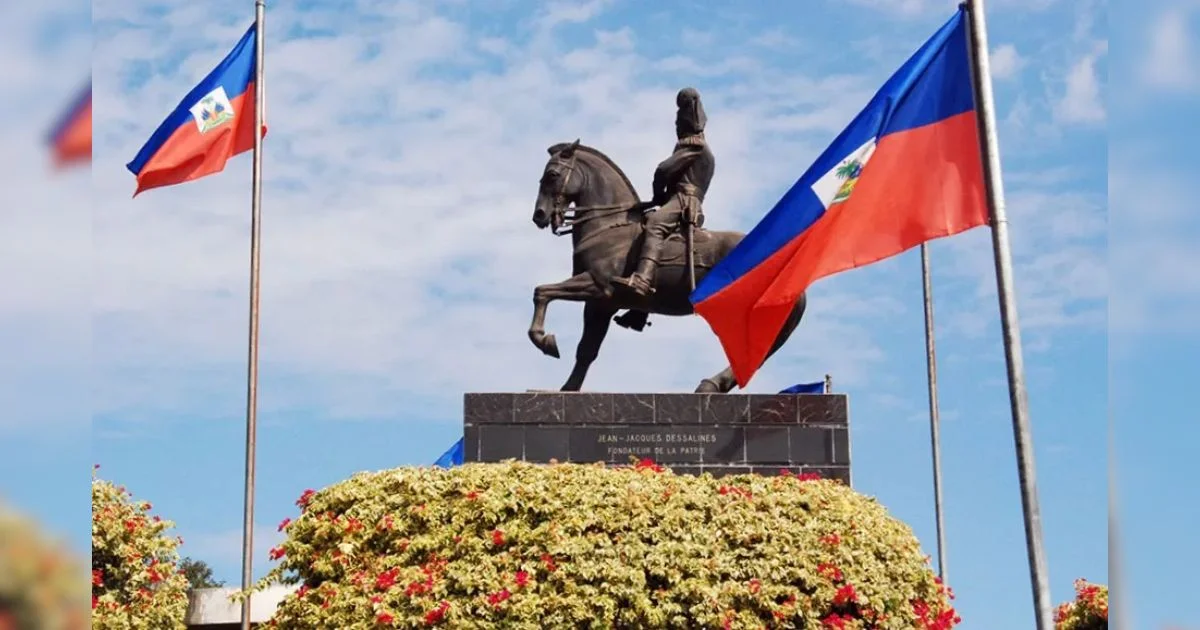
Haiti, the pearl of the Antilles, is a country rich in history and culture. Its public holidays are moments of celebration, commemoration and reflection on its glorious past. Each date has a special meaning, plunging Haitians into a festive and memorable atmosphere. b~January 1: National Independence Day and New Year~b January 1st is a doubly special day in Haiti. On the one hand, it is National Independence Day, commemorating the victory of Haitian slaves over French colonial forces in 1804. On the other hand, it is New Year’s Eve, marking the start of a new year full of promises and hopes. b~January 2: Feast of the Forefathers~b January 2 is dedicated to the memory of ancestors. It is an opportunity for Haitians to remember their roots, to celebrate the cultural heritage passed down from generation to generation. b~February: Carnival, Shrove Monday, Fat Tuesday, Ash Wednesday~b The month of February is marked by Carnival, one of the most colorful and dynamic festivities in Haiti. The streets fill with parades, lively music and wild dancing. Mardi Gras is the culmination of Carnival, followed by Ash Wednesday, marking the start of Lent. b~April: Easter, Maundy Thursday, Good Friday~b Easter celebrations in Haïti include the religious traditions of Maundy Thursday and Good Friday. It is a time of prayer and reflection for many Haitians. b~May 1: Agriculture and Labor Day~b May 1 is dedicated to celebrating the work and importance of agriculture in the life of the country. It is an opportunity to recognize the efforts of workers and to highlight the agricultural sector. b~May 18: Flag Festival~b Flag Day celebrates the Haitian flag, a symbol of independence and national pride. Haitians honor their colors and remember the courage of their ancestors in the fight for freedom. b~May 23: National Sovereignty Day~b This day commemorates the recognition of Haitian sovereignty by France in 1805. It is a moment of national pride and reaffirmation of independence. b~May - August: Ascension~b The Ascension is celebrated between May and August, a religious festival marking the ascension of Jesus Christ into heaven. b~June: Fête-Dieu~b Fête-Dieu, also known as the Feast of the Body and Blood of Christ, is an important religious celebration in June. b~August 15: Assumption of Mary~b The Assumption of Mary is a Christian holiday marking the ascension of the Virgin Mary into heaven. It is celebrated with fervor in Haiti. b~September 20: Birth Anniversary of Jean-Jacques Dessalines~b This date commemorates the birth of Jean-Jacques Dessalines, one of the founding fathers of Haïti and a key leader in the struggle for independence. b~October 17: Death of Dessalines~b October 17 is a day of commemoration of the death of Jean-Jacques Dessalines, recalling his impact on Haitian history. b~November 1: All Saints’ Day~b All Saints’ Day is a religious holiday honoring all saints, celebrated with prayers and visits to cemeteries. b~November 2: Day of the Dead~b All Souls’ Day is an opportunity to pay homage to the deceased by decorating graves and participating in religious ceremonies. b~November 18: Commemoration of the Battle of Vertières~b This day honors the decisive Haitian victory at the Battle of Vertières in 1803, marking the end of the French occupation. b~December 5: Discovery Day~b December 5 celebrates the discovery of the island by Christopher Columbus in 1492. b~December 25: Christmas~b Christmas celebrations in Haïti are marked by family reunions, festive meals and religious traditions. Public holidays in Haïti are much more than breaks from everyday life; these are moments that embody the soul and resilience of a people. Each celebration provides an opportunity to come together, remember the past and look to the future with hope and determination.

Par Appolon Guy Alain |
Learn more
Other March 30, 2024

Caractéristique d’un lapin

Les lapins sont des mammifères appartenant à la famille des Leporidae. Voici quelques-unes de leurs caractéristiques principales : 1. **Physique** : Les lapins ont un corps couvert de fourrure douce, des oreilles longues et droites, de grands yeux sur les côtés de leur tête, et une queue courte et duveteuse. Ils possèdent de puissantes pattes arrière adaptées au saut. 2. **Taille et poids** : La taille et le poids peuvent varier considérablement selon la race, allant d’environ 500 grammes pour les plus petits à plus de 5 kilogrammes pour les plus grands. 3. **Comportement** : Les lapins sont connus pour être sociaux et peuvent vivre en groupes dans la nature. Ils communiquent entre eux par différents moyens, y compris par des sons et des mouvements corporels. Les lapins creusent des terriers pour y vivre et se protéger des prédateurs. 4. **Alimentation** : Ils sont herbivores, se nourrissant principalement de foin, d’herbes, de feuilles, de fleurs, et de certains légumes. Leur système digestif est adapté pour traiter une grande quantité de fibres. 5. **Reproduction** : Les lapins sont réputés pour leur capacité à se reproduire rapidement, avec des gestations courtes d’environ 28 à 31 jours. Une portée peut compter de un à douze lapereaux, selon la race. 6. **Sens** : Ils ont une excellente vision périphérique pour détecter les mouvements tout autour d’eux, mais ont une zone aveugle juste devant leur nez. Leur ouïe est également très développée, leur permettant de capter des sons à de grandes distances. 7. **Espérance de vie** : En captivité, les lapins peuvent vivre de 7 à 10 ans, selon la race et les soins prodigués, tandis que dans la nature, leur espérance de vie est généralement plus courte en raison des prédateurs et des maladies. Ces animaux nécessitent des soins appropriés, notamment un régime alimentaire équilibré, de l’exercice, et une attention particulière à leur bien-être émotionnel et physique pour vivre une vie saine et heureuse en captivité.

Par | 1
Learn more

Recently Posted

The Haïtian Compas: A Musical and Cultural Journey

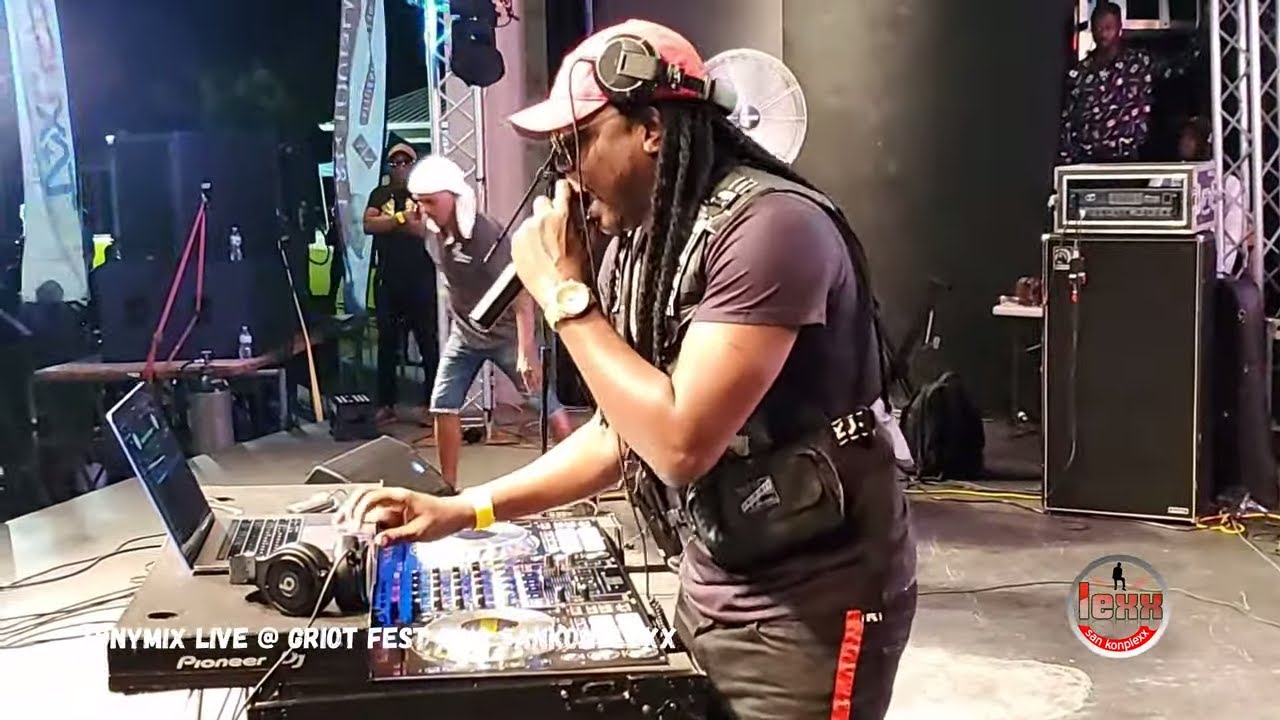
Music has always been an essential part of Haïtian culture, and among the many genres that have emerged from this Caribbean island, Compas holds a special place. It is a musical style that carries with it the history, cultural diversity and vibrant energy of Haïti. b~Origins and Evolution~b The Compas Haïtien, also known as Kompa, has deep roots in Haïtian and African musical traditions. Its development was influenced by genres such as Dominican merengue, Cuban salsa, jazz and even rock. This fusion of styles has resulted in a distinctive sound that embodies the cultural richness and diversity of Haïti. The Haïtian Compass has evolved over the decades, moving from a more traditional style to more modern and sophisticated forms. Iconic artists such as Nemours Jean-Baptiste and Tabou Combo helped shape the genre and propel it onto the international music scene. b~The Characteristics of the Compass~b Le Compas Haïtien is characterized by its intoxicating rhythm and complex arrangements. Traditional instruments such as guitar, saxophone, drums, and of course, bass, play a crucial role in creating this catchy music. The lyrics, often sung in Haïtian Creole, address varied themes, from love and joy to social and political issues. Dance is an inseparable component of the Haïtian Compass. The irresistible rhythms encourage the dancers to sway to the music. Traditional dance moves, such as "Kompa Direk" and "Kompa Love," reflect the joyful expression and sensuality that characterize this musical genre. b~Global Influence~b Over the years, the Haïtian Compas has transcended the borders of Haïti to conquer the international stages. Haïtian artists helped popularize the genre around the world, bringing with them the warmth and vitality of Haïtian culture. Music festivals dedicated to Compas attract fans from around the world, providing an immersive experience of this catchy music. The Haïtian Compass is much more than a musical genre; it is a standard bearer of Haïtian culture, a mirror reflecting the history, diversity and resilience of the Haïtian people. Discovering the Haïtian Compas means diving into a world of captivating rhythms, passionate dances and captivating stories, while celebrating Haïti’s unique musical heritage. Whether you are a world music lover or simply curious about new experiences, the Compas Haïtien is an invitation to an unforgettable sound journey.

Recently Posted

History

History

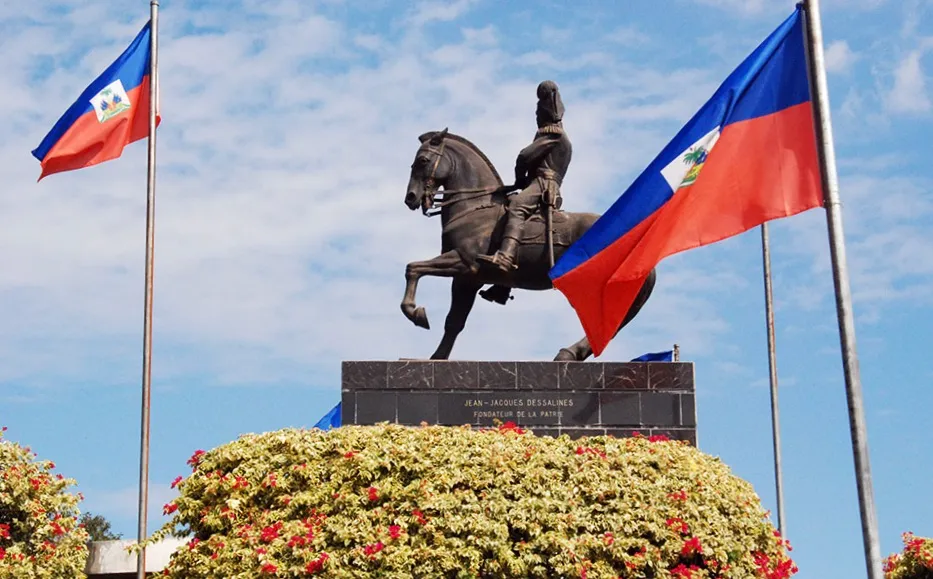
First black nation to free itself from slavery and gain independence from France in 1804 and influenced other liberation movements around the world, inspiring struggles for freedom and equality.

Natural beauty

Natural beauty

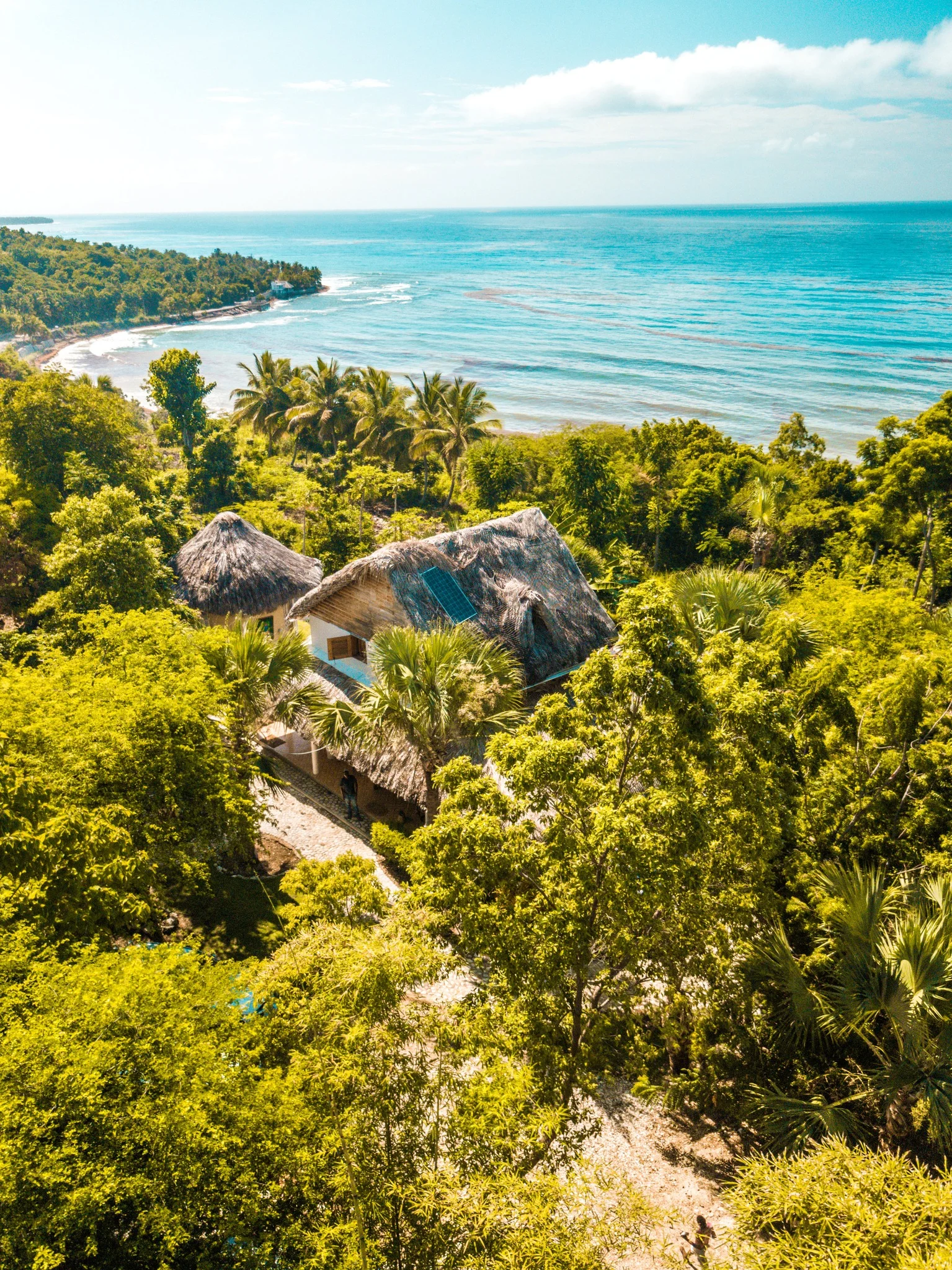
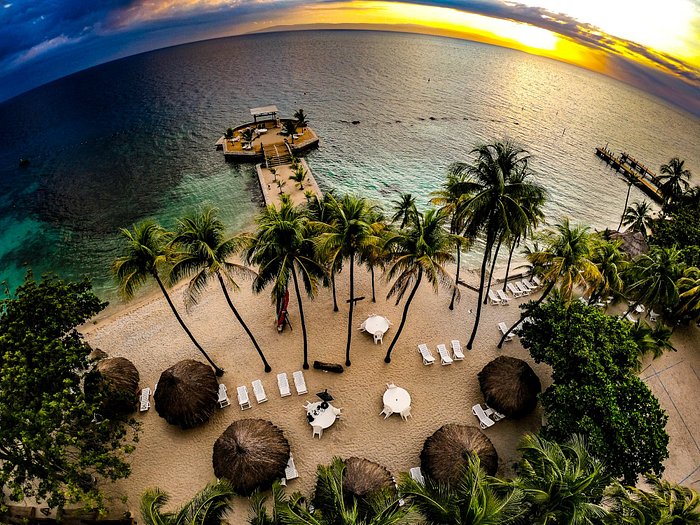
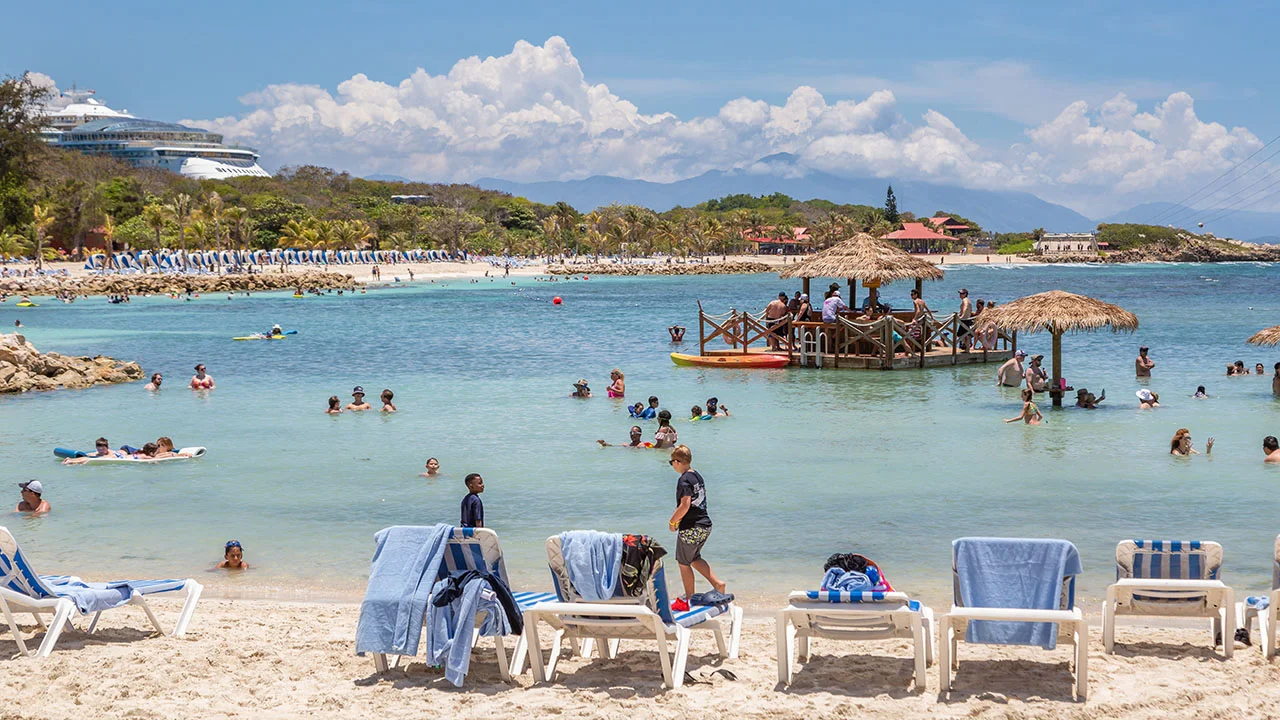
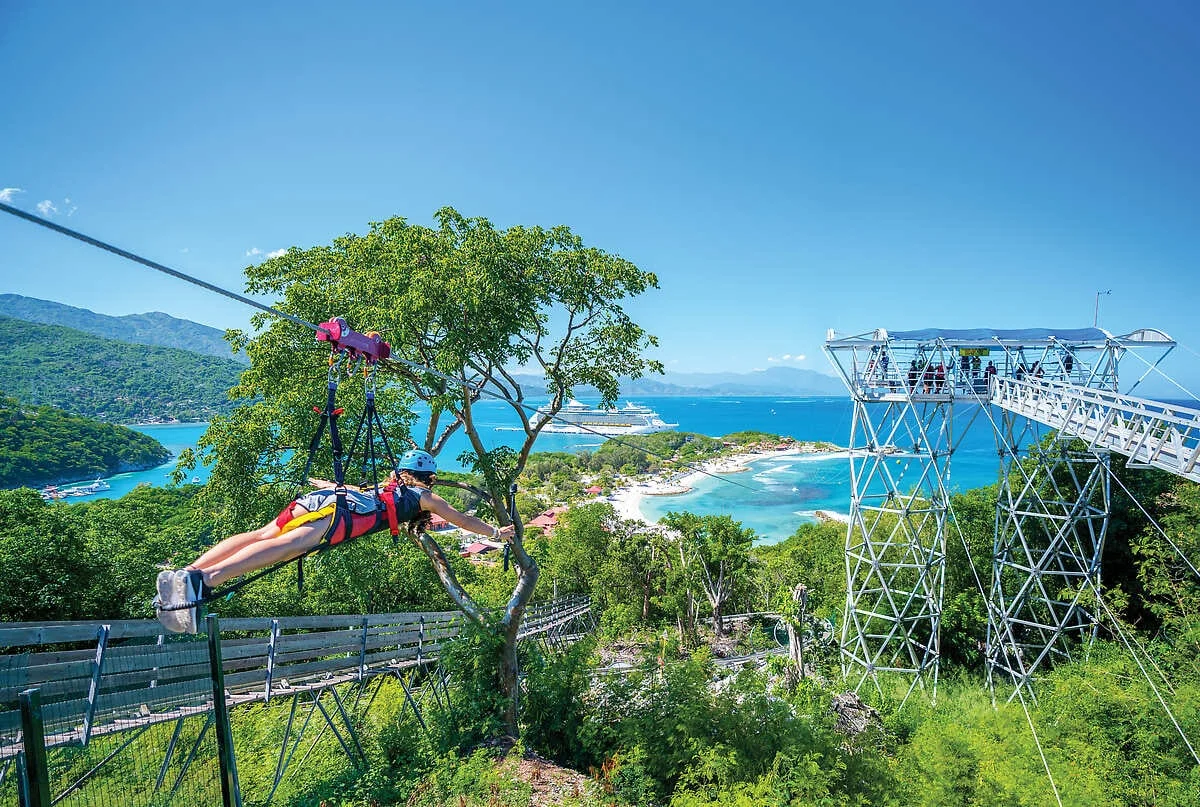
Haïti is blessed with spectacular natural landscapes, including white sand beaches, mountains and rich biodiversity.

Heritage

Heritage

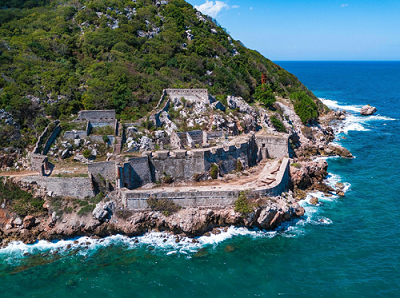
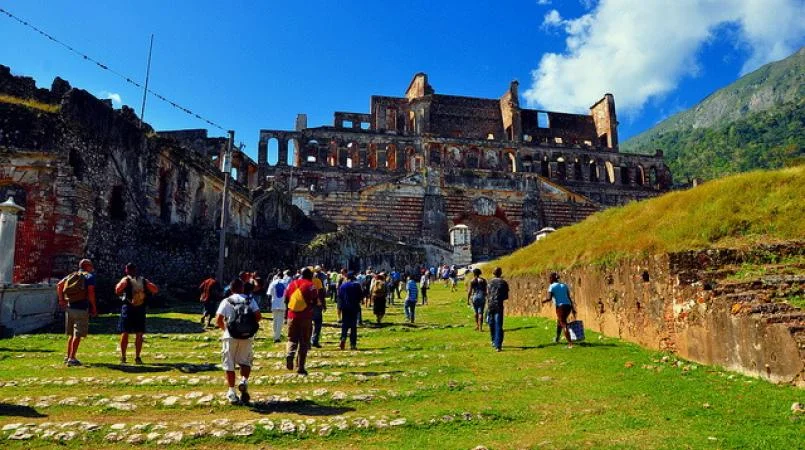
Haïti has a rich historical heritage, including sites like the Citadelle Laferrière and the Sans-Souci Palace, listed as UNESCO World Heritage Sites.

Culture

Culture

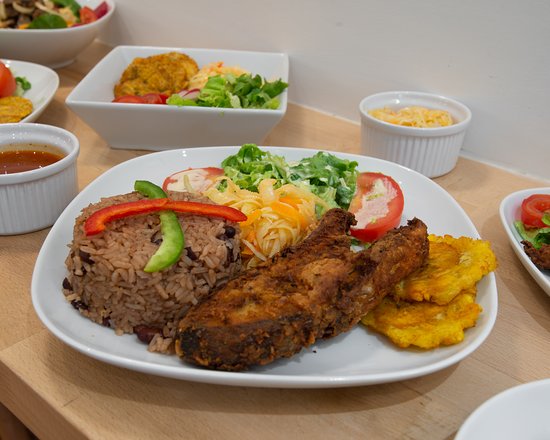
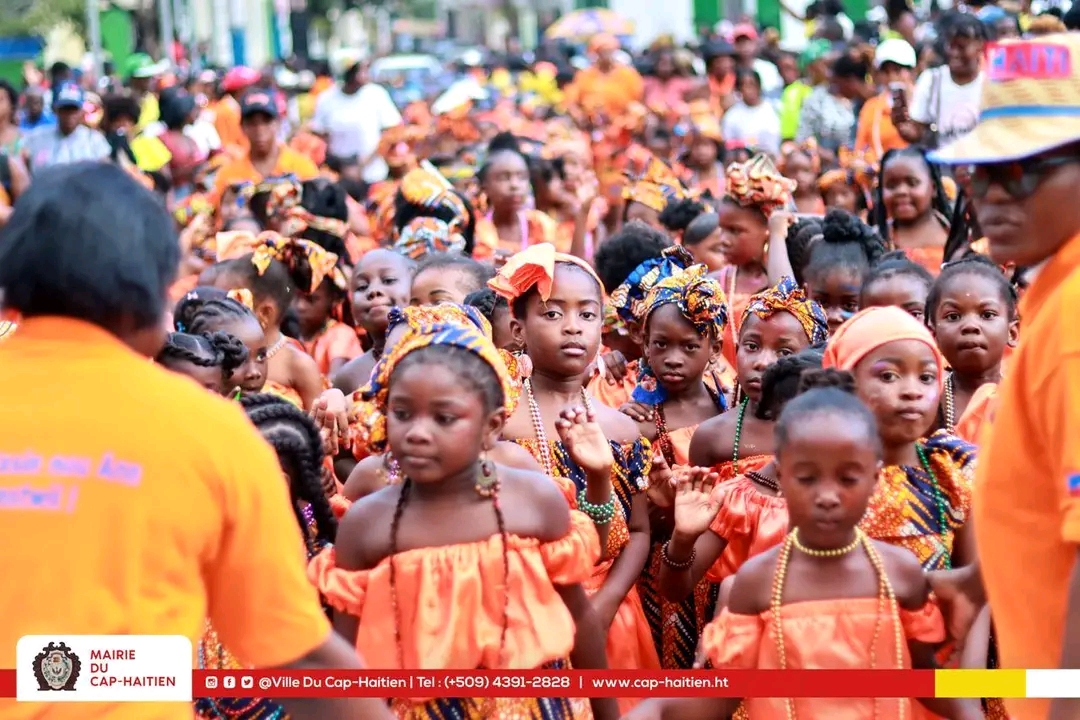
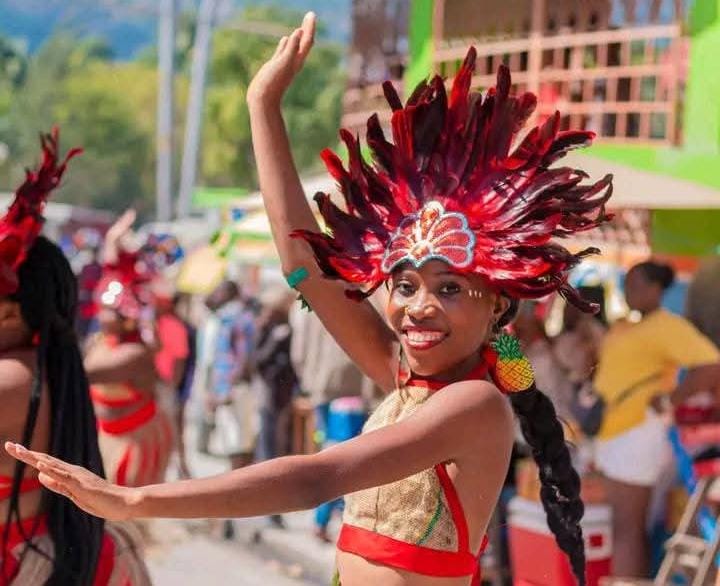
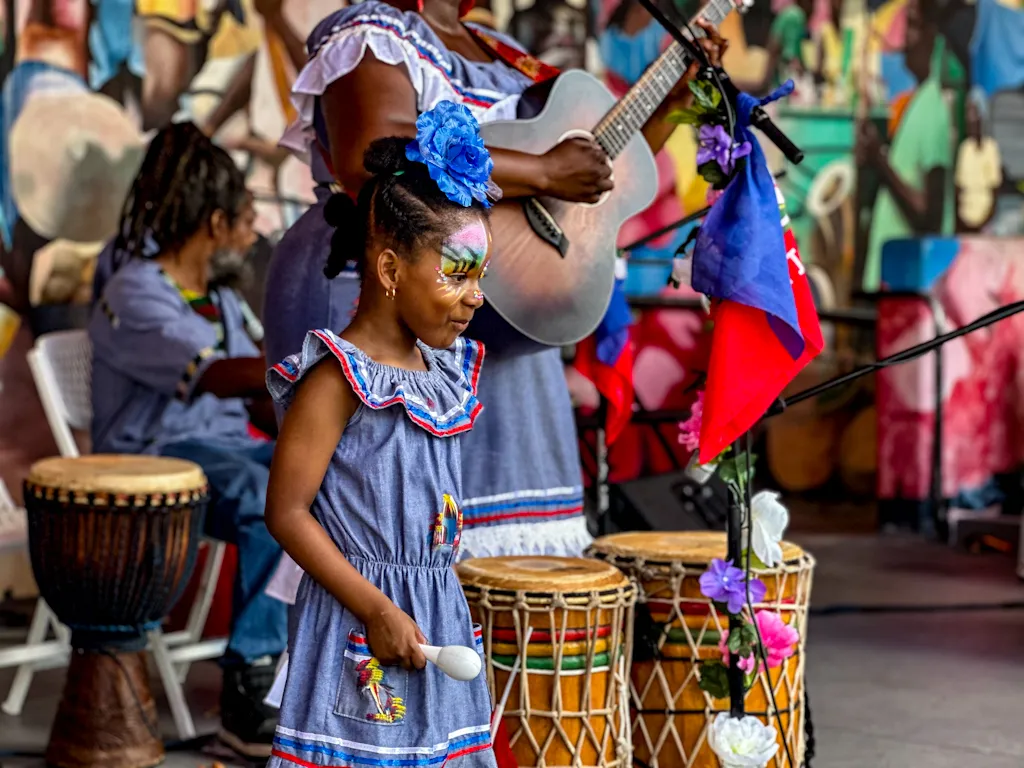
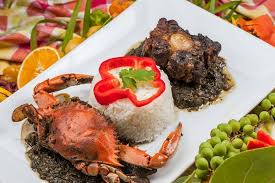
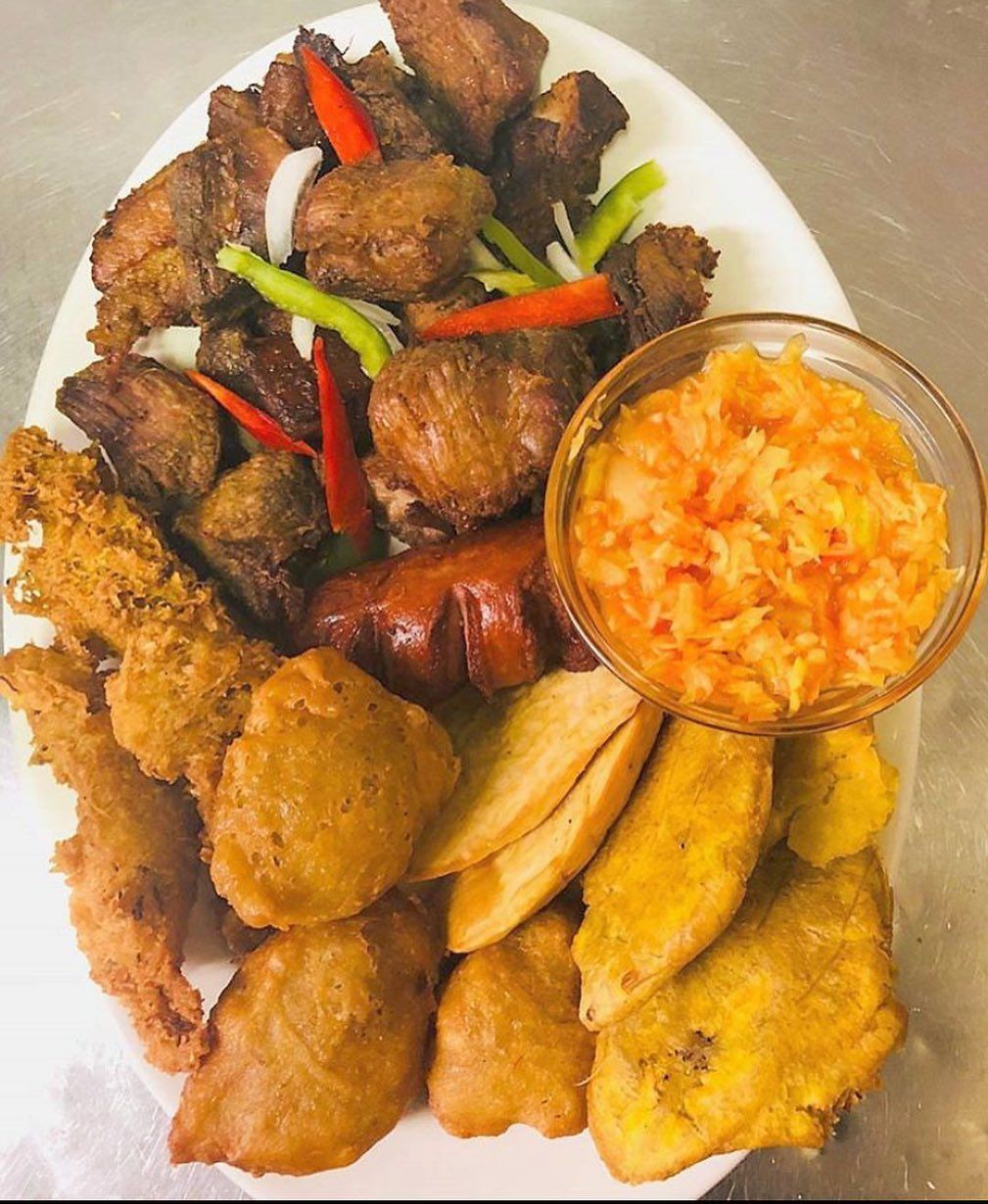
Haïti has a rich and diverse culture, influenced by African, European and indigenous elements. Haitian music, dance, art and cuisine are celebrated around the world.

  • +
    • Post