contact@haitiwonderland.com+509 36184317

Discover

Shopping Cart

Haïti : Citadelle la FerrièreHaïti : Citadelle la Ferrière

News / Other / View Recent Posts

Culture November 01, 2024

Guédés: When Haïti celebrates its ancestors with color and fervor

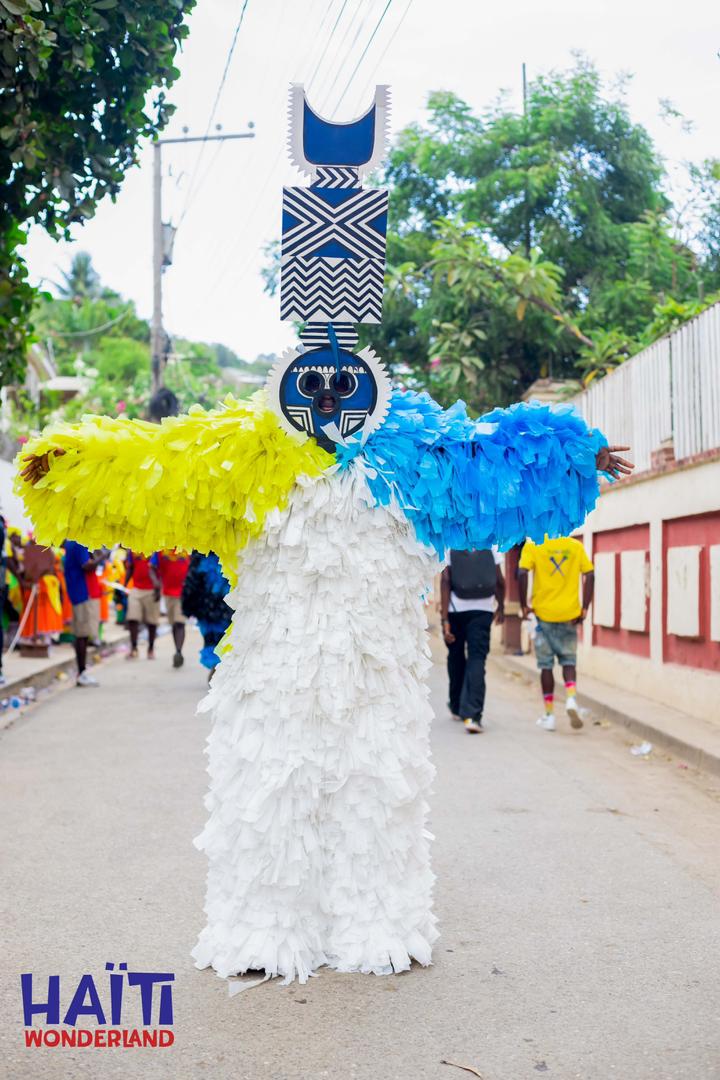
Every November 1st and 2nd, Haïti comes alive with the colors black and purple to celebrate the Guédés, spirits venerated in the voodoo religion, symbols of a powerful bond between the living and the dead. Fascinating, indomitable and provocative, the Guédés form a true family in the pantheon of Haitian voodoo, where they are respected for their role as spiritual guides of the deceased to the afterlife. Led by iconic figures such as the legendary Baron Samedi and his companion Grann Brigitte, the Guédés embody the paradoxes of life and death. Each Baron has a unique personality: Baron Cimetière, Baron Kriminel, and Baron La Croix are the guardians of the souls that wander on the borders of the world of the dead. Together, they form a powerful and somewhat frightening presence, but one that is deeply rooted in Haitian culture. The Guédés are not like other voodoo spirits; they demonstrate their fearlessness in a spectacular way. Accustomed to death, they are fearless and are provocative: they eat glass, raw peppers, and coat their sensitive parts with rum and pepper. These gestures mark their indifference to danger and remind us that they have already known earthly life. They are thus psychopomps – these beings who lead the souls of the dead – and act as bridges between the world of the living and that of the dead. Some Guédés, like Guédé Nibo, wear black, purple, and white clothing, each with unique characteristics. They are many and varied: Guédé Fouillé, Guédé Loraj, Papa Guédé, and many others. These are the spirits who, each year, remind Haitians of the importance of remembering and honoring the deceased. The cult of the Guédés is not only religious; it is also cultural and historical. According to tradition, their spiritual territory, or “Fètomè” – nicknamed the “Country without Hats” – is a place where the souls of ancestors reside. According to stories, the origins of this cult go back to the Abomey plateau, the ancient capital of the kingdom of Dahomey, in Africa, where death and life coexist in a form of symbiosis. This celebration in Haïti even finds echoes in ancient history. The Romans also honored their dead with the “Fête des Lémuria”, which took place in February, to ward off spirits and restore peace between the world of the living and that of the deceased. For Haitians, honoring the Guédés is about accepting death as a part of life and celebrating the invisible bonds that unite us with those who have left us. It is also a way of resisting, because life, despite its challenges, must be celebrated in all its complexity and depth.

Par Faïly Anderson Trazil | 1
Learn more
Literature November 22, 2024

Pity or the work of an old soul crushed under the weight of an absinthe-flavored existence

The word crisis carries an infinite number of meanings. No intention of revealing them all this afternoon. However, a few clarifications are necessary. A kid whose parents do not have enough money at Christmas to buy her a Little Black Mermaid doll has a fit and locks herself in her room without touching her meals for the day. A boy whose dog was suddenly poisoned by a neighbor in revenge or shot after contracting rabies, losing a faithful friend overnight, enters into crisis. Finally, a society in the grip of all sorts of mutations and whose leaders are weak, perhaps prolonged in a deep crisis. In the first case, the young girl sulks to attract the attention of her parents in order to feel appreciated by children her age at school or in the neighborhood. Today, thirty minutes of negotiations can be enough to find a lasting solution. In my day, a few well-aimed belt blows would have overcome this whim. But, humanity evolves, they say. In the second case, this boy can find his smile again after a few weeks. He needs a little attention and, probably, another dog. As Stendhal would say, only passion triumphs over passion. In the last case, this society led by inepts is shaken to its deep foundations. Its institutions can disintegrate one by one. The vital forces dissolve in no time. This situation creates a societal tsunami that destroys all life within this community. It is indeed a crisis. The crisis from this point of view constitutes an alarming, desperate situation in the existence of a community where nothing is going well. Chaos reigns supreme. The very essence of life disappears. The individual can take precedence over the community. Everyone tries to solve their problems without worrying about others. The closest neighbor is relegated light years away from you. How can we turn to creation? How can we continue to conceive of otherness? How can the artist absorb this great collective disarray as a source of motivation? These are the questions I must answer. An artist sees and feels what ordinary mortals cannot even imagine in a thousand-year life. He creates to denounce, when his conscience as a human being is revolted. He exalts heroes or the homeland according to his feelings. He sings the beauty of an irresistible, captivating or ugly resplendent woman. He can also use the ambient desolation to give meaning to life. Creating in literature as in the arts in general does not depend on the situation. The act of creation depends on the creator’s disposition. Events paralyze some and galvanize others. Creating is enjoyable. Everyone therefore enjoys according to their own whim. Writing opens the way to change. The writer takes a different look at the world. By embedding himself in reality, he embellishes it, makes it better or hideous depending on the message he intends to share. All things considered, with him, life is never fixed. Writing is putting the world in a jar to travel the universe. The artist broods over his work in all weathers. Oswald Durand was delighted to see Choucoune’s beautiful body from his secret observatory. Musset, on the other hand, was in pain writing his October night. As for Dany Laferrière, in exile, he described the horrors of the Duvalier dictatorship and the carefree attitude of the young girls in his neighborhood in this violent and dangerous world. Ultimately, the writer lives in a society with values ​​that he shares or not. They condition his existence or have no hold on him. In many ways, the surrounding world serves as his laboratory. He carries out his experiments there. He casts a new, worn, disillusioned, melancholic, violent, bitter look at the world depending on his mood. Pitié is the work of an old soul crushed under the weight of an existence that tastes of absinthe. Young Mike Bernard Michel lives by expedients and lies. The hands of life fall on him with indescribable violence. Misfortune embraces him day and night. Should we give up? Musset liked to say: "Man is an apprentice, pain is his master. And no one knows himself until he has suffered." The artist must produce under all skies. Such is his vocation. Incompetents in power, legal or highway bandits, the high cost of living, unemployment, heartaches are all subjects of concern for him. If it is true that a hungry belly has no ears, the fact remains that it keeps the brain awake. What am I saying, it stimulates it to the point of creating timeless works. Mr. Pitié, you have a bright future ahead of you. Work of Jean Rony Charles, the book is available from Éditions Repérage.
Par Franck S Vanéus |
Learn more
History April 29, 2024

Vertières, Fort Mazi: Beyond historical truth;

If you look up the word vertière in a French dictionary, you will not find it for fear that the world does not know this place represents the Achilles heels of the most powerful European army. What’s more, this one had just successfully won the eastern campaign. French historians of the time erased this geographical location from the radar of history because they did not want to tell the story as it is in the sense of explaining the first great humiliation of the expeditionary army French by bands of slaves who were totally ignorant in the art of waging war, much less in the handling of weapons. However, these illiterate wars routed the Napoleonic army, the most powerful at that time, using the means at hand. This expeditionary army, after having brought Europe to its knees, would experience its first rout by slaves in this geographical location, located in the Northern department of Haiti. Funny story, this city is not on the list of French words even though given its historical importance, it should be at the heart of universal history, far from putting an end to the invincibility of the undefeated army army. So as not to offend the white masters, no political leader has ever asked why vertière does not appear in any French dictionary? However, they celebrate this battle with great fanfare every November 18. What historic hypocrisy among our leaders! After Vertière many other historical places are strangled by historians in order to hide the extremes of atrocities of the French colonists on the slaves. It is in this context of historical strangulation that “Fort Mazi” is not mentioned in school history textbooks. This is located in Petit-Goave, 2nd municipal section, Arnoux locality. We came across this mega fort, during a mobile clinic entirely financed by the Ernest Junior foundation, a charitable foundation which works in the social sector, particularly in the field of art and music. According to residents , the oldest in this locality, this fort was built on at least 20 squares of earth by the settlers. It was a huge military complex divided into compartments, outposts, turtle rooms, rooms for treating colonists, a large Catholic church, and a cemetery. However, we never talk about this fort so much so that it is ignored by history teachers in the town of Petit-Goave. Certainly, the desired disappearance of this fort under the radar of history buries the atrocities, the barbarities, the most inhumane punishments of the colonists on the slaves. Looking closely at reality, everything seems true that it is the largest fort ever built during the period of colonization. Moreover, it probably seems the most fortified in relation to its importance. Remember that Vertière only exists in Haitian school history textbooks while Fort Mazi does not appear, much less in French dictionaries or history books. This explains why this fort was a secret place in which the settlers practiced crimes and atrocities that went beyond human understanding. Is it not a clear desire of historians to hide what this immense fort built on at least 20 tiles of earth really was? Discover the history of Haiti: A fascinating story to explore! : https://haitiwonderland.com/haiti/histoire/decouvrez-l-histoire-d-haiti--un-recit-fascinant-a-explorer/81

Par Gladimyr Vaval |
Learn more
Music October 25, 2023

Haïti Music: Haitian artist Rutshelle Guillaume crowned “Best Caribbean Artist” at the Trace Awards & Festival 2023

The international music scene buzzed with excitement on Saturday, October 20, 2023 when talented Haitian singer Rutshelle Guillaume was crowned “Best Caribbean Artist” at the prestigious Trace Awards & Festival 2023, held in Kigali, Rwanda. This award recognizes a remarkable career and a significant contribution to the evolution of Caribbean music. Rutshelle Guillaume is an artist who has captured the hearts of music lovers thanks to her undeniable talent and her numerous quality productions. The Trace Awards & Festival is an event renowned for its promotion of Afrocentric music and culture. It is a platform that celebrates the musical diversity of the Caribbean while highlighting the creativity of the region. Caribbean artists are honored for their exceptional contribution to the enrichment of world music. Rutshelle Guillaume’s victory at this prestigious event is not only a tribute to her talent, but also a recognition of the richness of Caribbean music and its ability to transcend geographical boundaries. The Haitian singer knew how to embody this musical diversity and touched the hearts of many listeners around the world. Her career, marked by memorable titles and collaborations with other talented artists, has made her an ambassador for Caribbean music on an international scale. His commitment to promoting Haitian and Caribbean culture has helped strengthen ties between artists in the region and the rest of the world. Rutshelle Guillaume continues to inspire many emerging artists and show that passion, talent and dedication can lead to extraordinary achievements. His victory at the Trace Awards & Festival 2023 is a well-deserved tribute to his influence and undeniable contribution to Caribbean music. Ultimately, Rutshelle Guillaume’s recognition as "Best Caribbean Artist" at the Trace Awards & Festival 2023 is a reminder of the power of music to unite cultures and celebrate artistic diversity. It is a historic moment for the Haitian artist and a source of pride for the Caribbean as a whole. Rutshelle Guillaume continues to be an inspiration to many artists and music lovers around the world, and her music will live on as a testament to her incredible talent and dedication to her art.

Par Appolon Guy Alain |
Learn more

Recently Posted

Haiti: Fort Liberté, a Historical and Cultural Jewel

Nestled on the northeast coast of Haiti, between the green mountains and the azure waters of the Atlantic Ocean, lies a small town with undeniable charm: Fort Liberté. This historical and cultural gem is full of fascinating stories, picturesque landscapes and cultural richness that captivate visitors from around the world. A Historical Heritage Fort Liberté owes its name to the old fortress which overlooks the city, a vestige of the French colonial era. Built in the 18th century to protect the region from foreign invasions, this fort offers stunning panoramic views of the surrounding area, testifying to its strategic importance at the time. Today, it serves as a major tourist attraction, offering visitors a captivating insight into Haiti’s turbulent history. Culture and Traditions The cultural richness of Fort Liberté is reflected in its vibrant traditions, captivating music and local crafts. The city’s residents are renowned for their warm hospitality and pride in their heritage. Visitors can immerse themselves in the local culture by experiencing authentic Creole cuisine, watching traditional dance performances, or exploring bustling markets where a variety of handmade crafts can be found, such as wood carvings and vivid paintings. Natural beauty The surroundings of Fort Liberté are full of breathtaking natural treasures. The white sand beaches lined with palm trees offer an idyllic setting to relax and soak up the tropical sun. Outdoor enthusiasts will also find what they are looking for in the surrounding mountains, where they can hike through lush nature and discover hidden waterfalls and breathtaking panoramas. Fort Liberté, with its captivating blend of history, culture and nature, is a must-visit destination for those wishing to experience the true essence of Haiti. Whether you explore the historical remains, immerse yourself in the daily lives of the locals or marvel at the natural beauty of the surrounding area, this small town offers an enriching and memorable experience for all those who have the chance to visit it.

Recently Posted

History

History

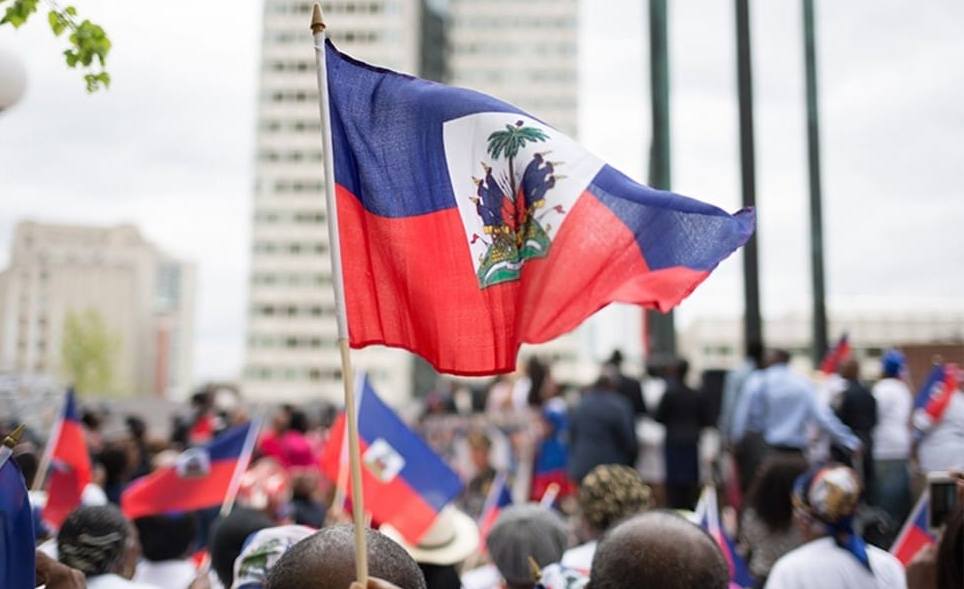
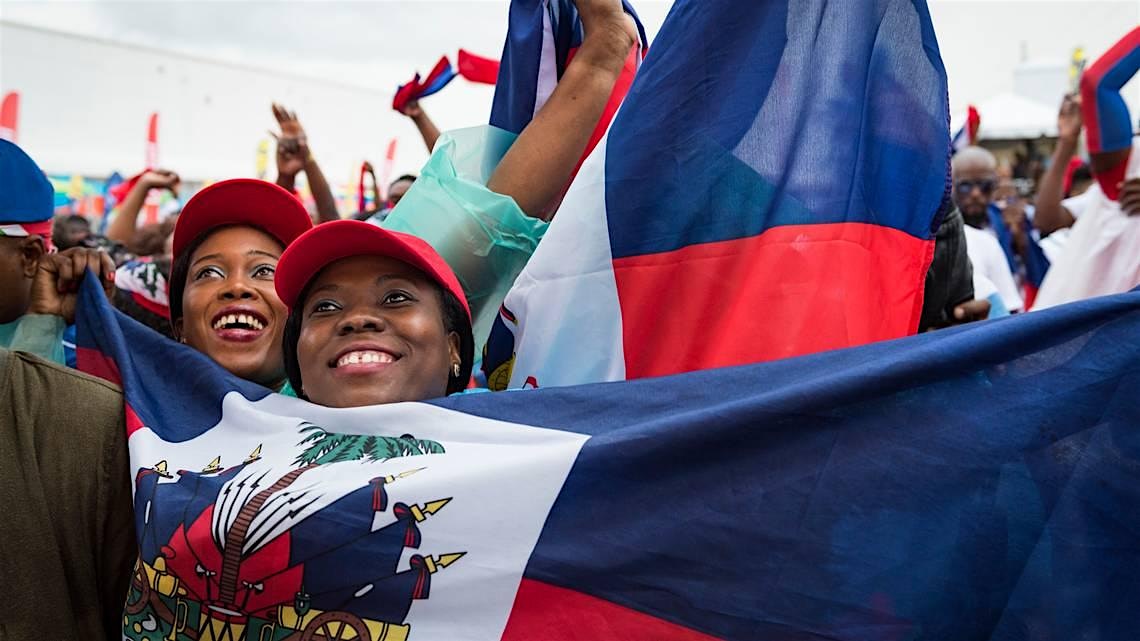
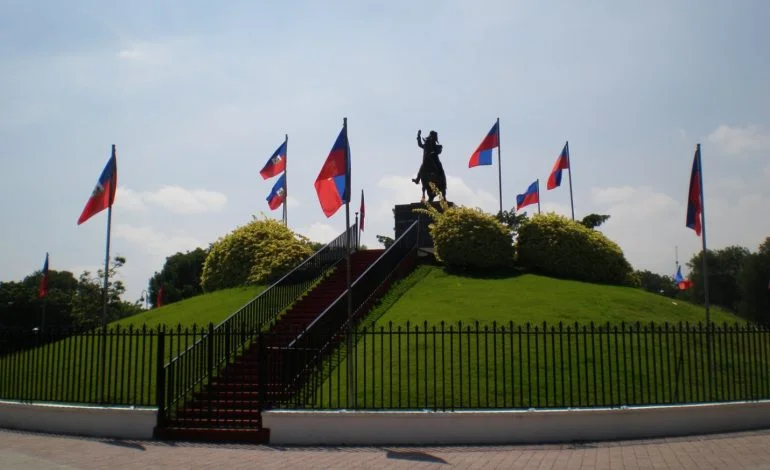
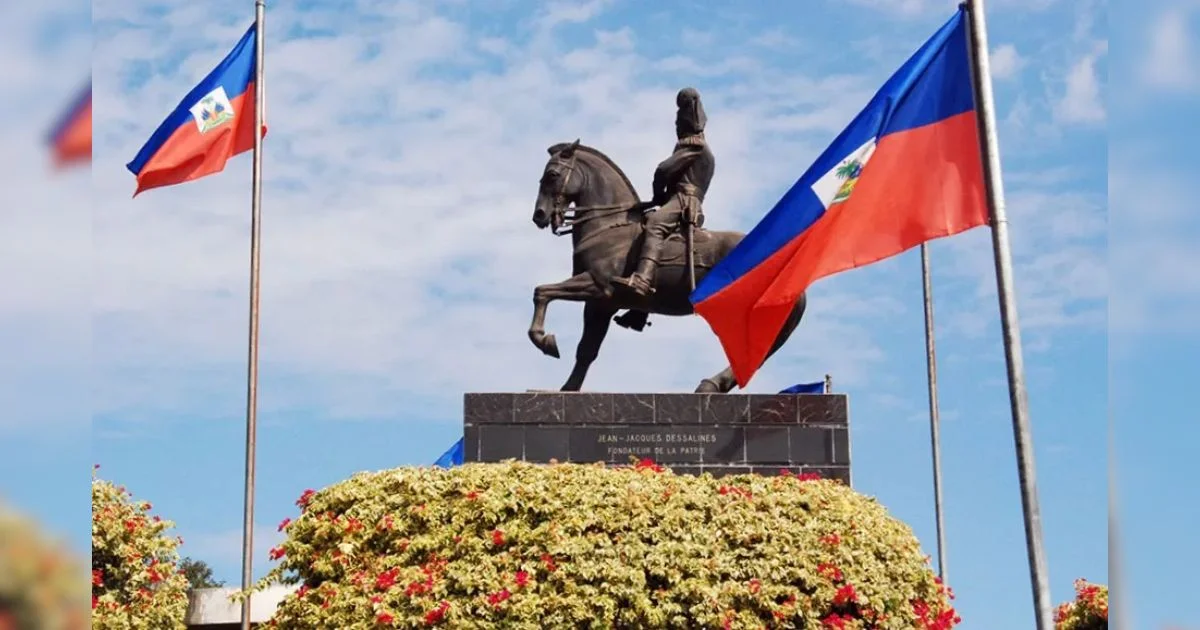
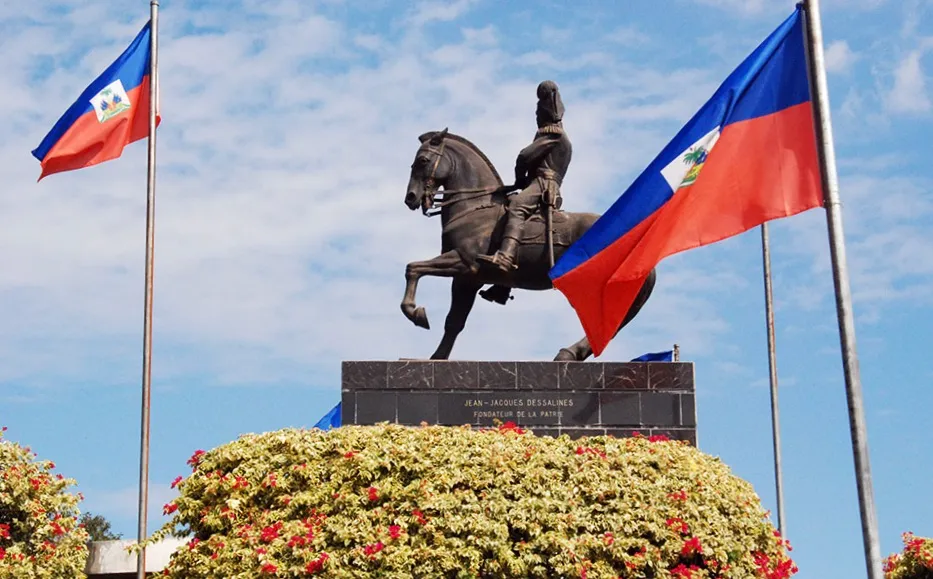
First black nation to free itself from slavery and gain independence from France in 1804 and influenced other liberation movements around the world, inspiring struggles for freedom and equality.

Natural beauty

Natural beauty

Haïti is blessed with spectacular natural landscapes, including white sand beaches, mountains and rich biodiversity.

Heritage

Heritage

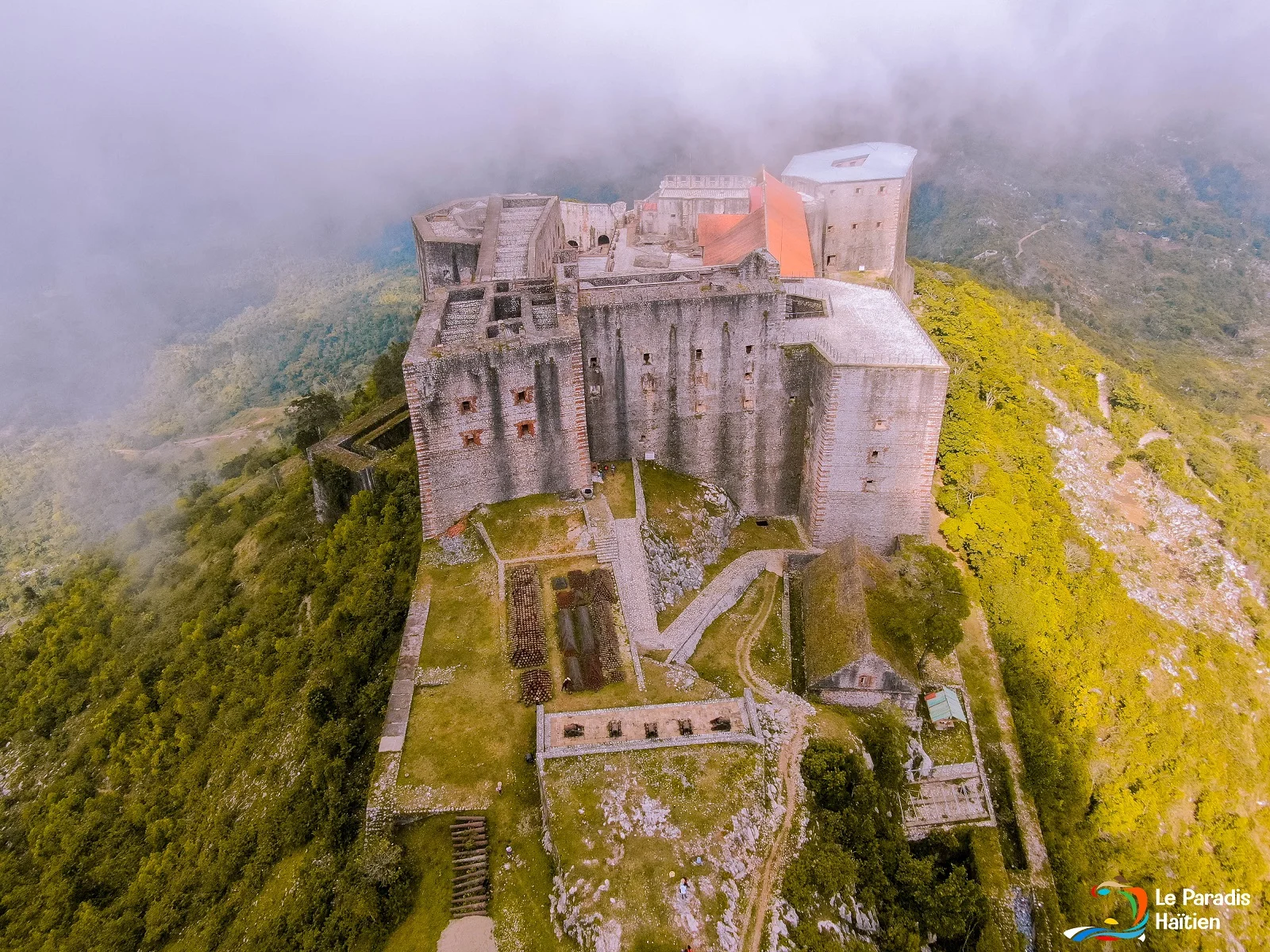
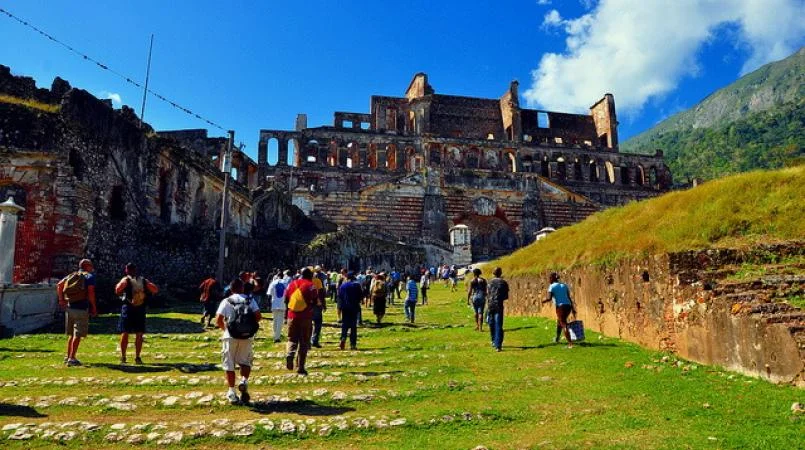
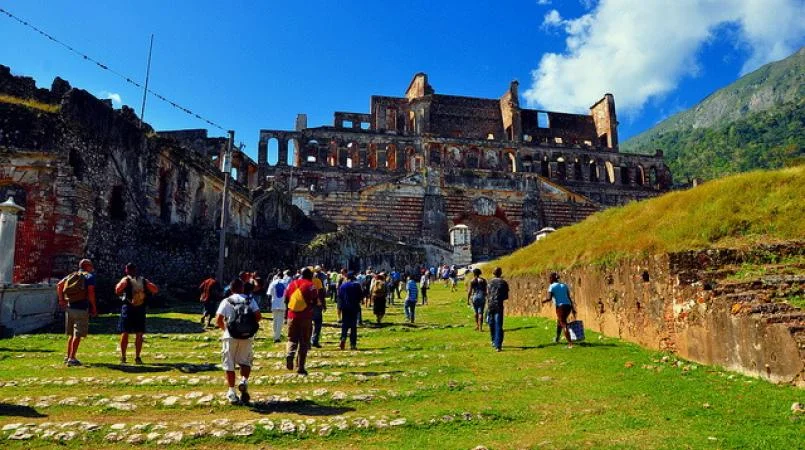
Haïti has a rich historical heritage, including sites like the Citadelle Laferrière and the Sans-Souci Palace, listed as UNESCO World Heritage Sites.

Culture

Culture

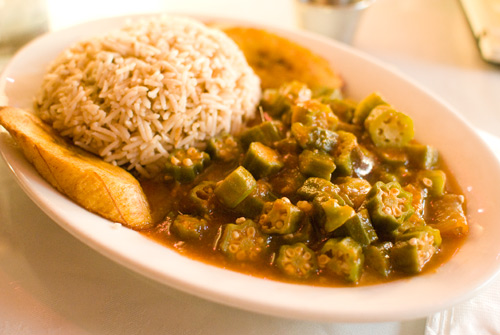
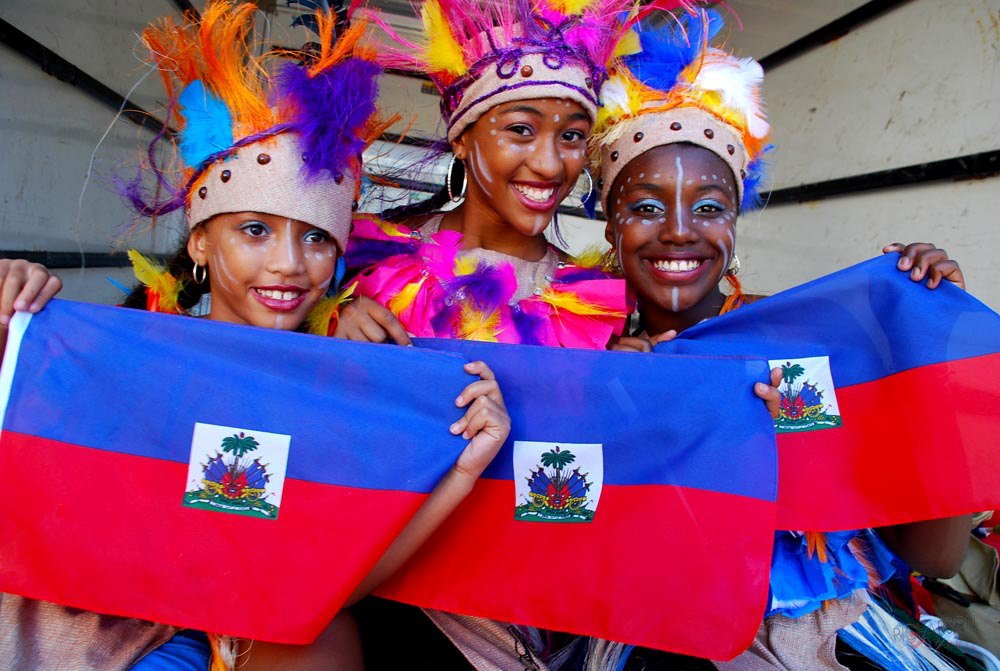
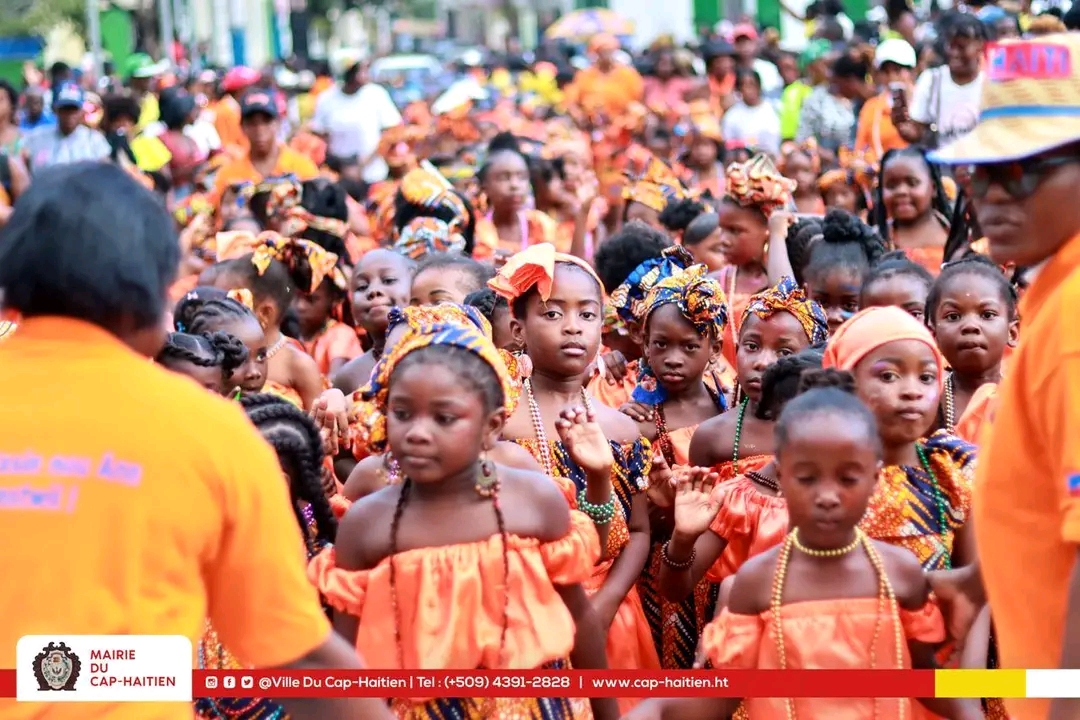
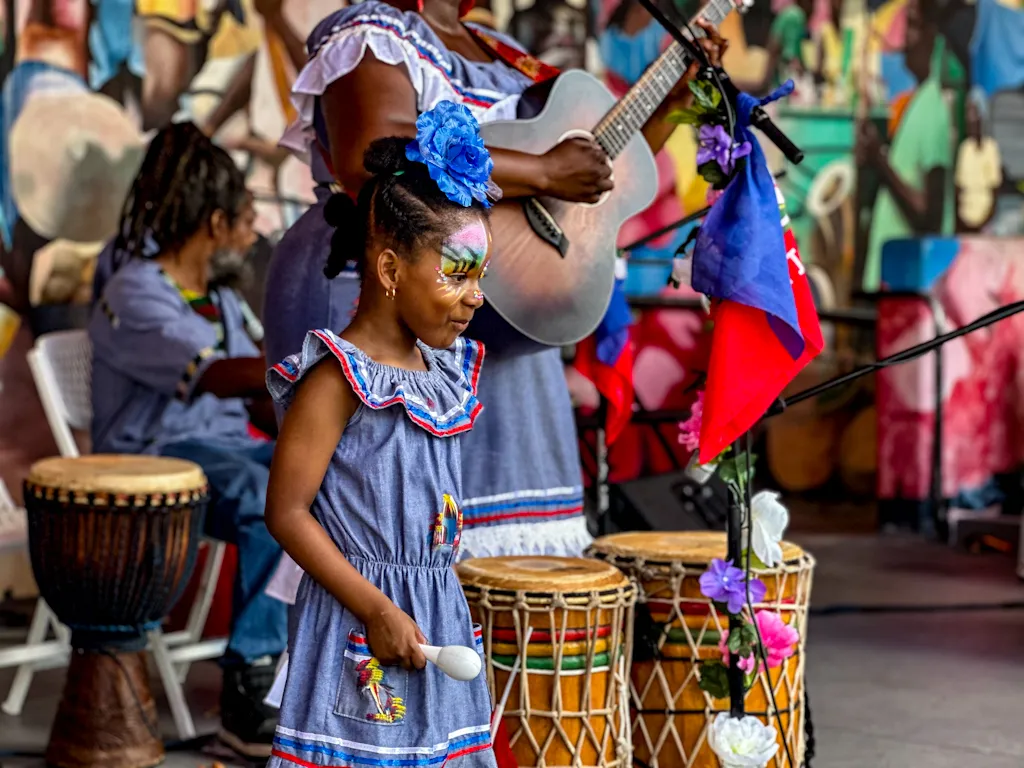
Haïti has a rich and diverse culture, influenced by African, European and indigenous elements. Haitian music, dance, art and cuisine are celebrated around the world.

  • +
    • Post