






contact@haitiwonderland.com+509 36184317

Discover

Shopping Cart

Haïti : Citadelle la FerrièreHaïti : Citadelle la Ferrière

News / Scientific Research / View Recent Posts

News October 13, 2024

The Monferrier Dorval Chair of Constitutional Law, a gesture from the State University of Haiti, for the preservation of the memory of Professor Dorval

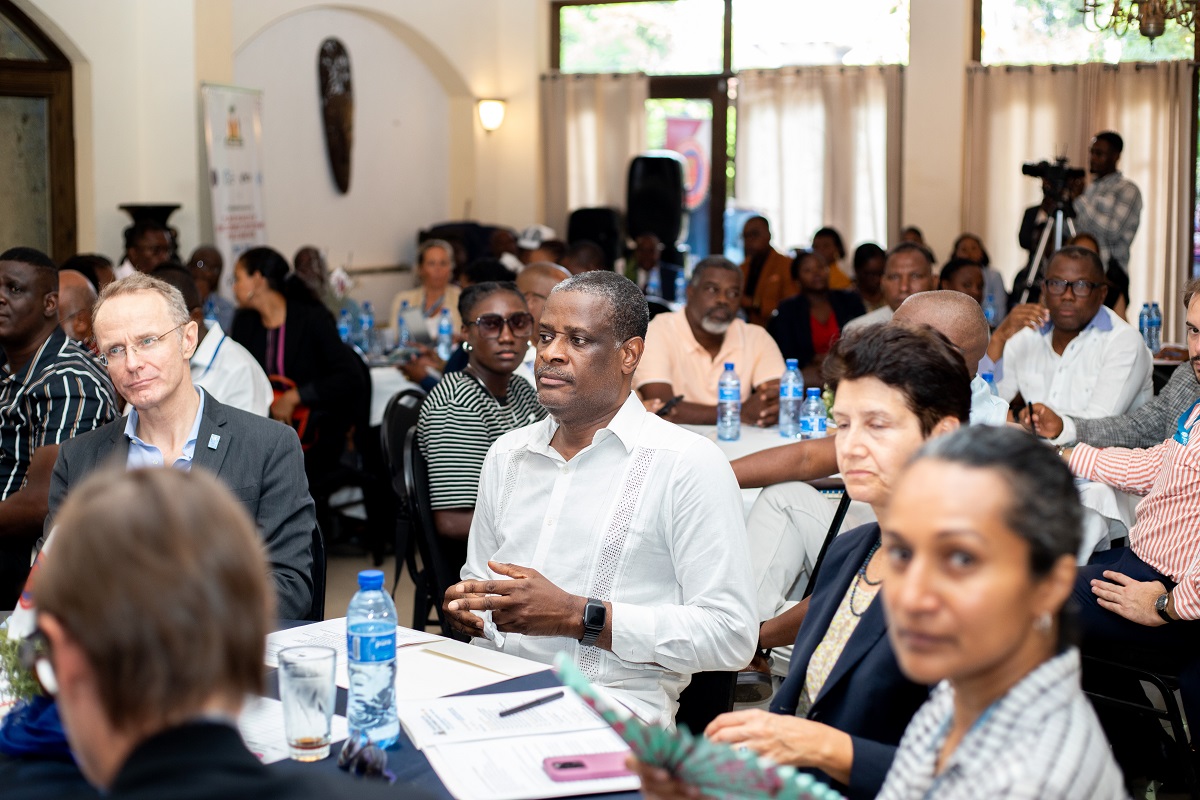
The Monferrier Dorval Chair of Constitutional Law is a high-intellectual-intensity initiative, taken by the State University of Haïti (UEH), through the leadership of its rectorate, in agreement with the leaders of the Faculty of Law and Economics (FDSE). The initiative’s primary goal is to honor and perpetuate the memory of the valiant and brilliant Professor Monferrier Dorval, assassinated in unclear circumstances, about three years ago. And in order to make a scientific contribution to the great debate that has been going on in Haitian society for about ten years about the need to change or not, the constitution of March 29, 1987, amended on May 11, 2011. Shouldn’t we try to apply it preferably? If it needs to be changed, should this change be radical, otherwise what should it have in terms of change within a new mother law for a better institutional organization of Haiti. The chair is scientifically chaired by Professor Henri Marge. Dorléans, (current head of AFPEC), and is vice-chaired by the dean of the faculty of law and economics, Me Eugène Pierre Louis. The Chair is materialized by a set of conferences and debates (15 in total), which take place in the premises of the Office of the Protection of the Citizen OPC, under the name of Wednesday of the Monferrier Dorval Chair. It is in this sense that for the fifth edition of the Wednesday of the chair (which took place this Wednesday, October 9, 2024 at the OPC, in the presence of the protector of the citizen, Me Renan Hédouville), attention was placed on education within the debate surrounding the possible development of a new constitution for Haiti. This 5th meeting took place under the theme of: "Education, Teaching, Research, Science and Technologies". The conference was hosted by three greats of the Haitian intellectual community, including two eminent professors of the UEH, namely, Professor Odonel Pierre Louis, academic director of the École normale supérieure (ENS); the vice rector of the UEH, Professor Jacques Blaise. Their interventions were followed by that of the director of the national institute of vocational training (INFP) Mr. Dikel Delvariste.

Par Moise Francois | 1
Learn more
Tourism November 22, 2023

Why Choose Haïti as a Tourist Destination?

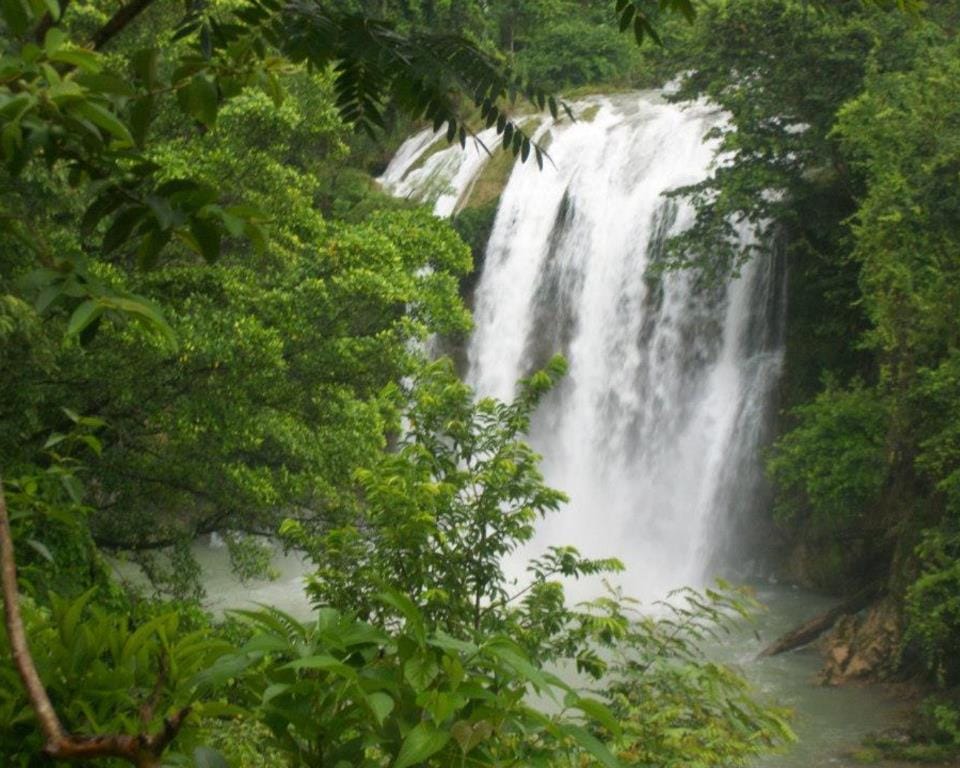
Haiti, the pearl of the Antilles, is attracting more and more attention from travelers looking for unique and authentic experiences. This Caribbean jewel is full of cultural, historical and natural riches that make it an unmissable tourist destination. So why choose Haïti among so many other destinations? b~The Fascinating History~b Haïti has a rich history, marked by the Haitian Revolution of 1804, which led to the country’s independence and made Haïti the first independent black republic. Historical sites such as the Citadelle Laferrière, listed as a UNESCO world heritage site, bear witness to this glorious past. History lovers will be delighted by the colonial remains, museums and monuments that dot the country. b~An Exuberant Nature~b The natural landscapes of Haïti are breathtaking. From white sand beaches to lush mountains and picturesque waterfalls, the country offers a diversity of vistas to explore. La Visite National Park and the Bassin Bleu are must-sees for nature lovers and adventurers in search of discoveries. b~Cultural Wealth~b Haïti is the birthplace of Voodoo, an Afro-Caribbean religion that has deeply influenced Haitian culture. Visitors have the opportunity to experience voodoo ceremonies, traditional dances and captivating music. Colorful markets, lively festivals and local artisans offer total immersion into daily Haitian life. b~A Living Art~b The Haitian art scene is vibrant and unique. Painting, sculpture and traditional crafts reflect the boundless creativity of the Haitian people. Local art galleries and markets are full of colorful and expressive works, offering visitors the opportunity to acquire unique pieces as souvenirs of their trip. b~Haitian Hospitality~b Haitians are renowned for their warmth and exceptional hospitality. Visitors are greeted with a genuine smile and remarkable kindness. Hospitality traditions are deeply rooted in Haitian culture, creating a warm and friendly atmosphere that makes each stay memorable. Haïti stands out for its captivating blend of culture, history, nature and hospitality. Choosing Haïti as a tourist destination means opting for an authentic adventure in the heart of the Caribbean, where each corner of the island reveals a new facet of its beauty and wealth. So, let yourself be seduced by the Haitian magic and set off to discover this unique Caribbean treasure.

Par Appolon Guy Alain |
Learn more

Recently Posted

Haiti: A Little-Known Pillar of World Independence

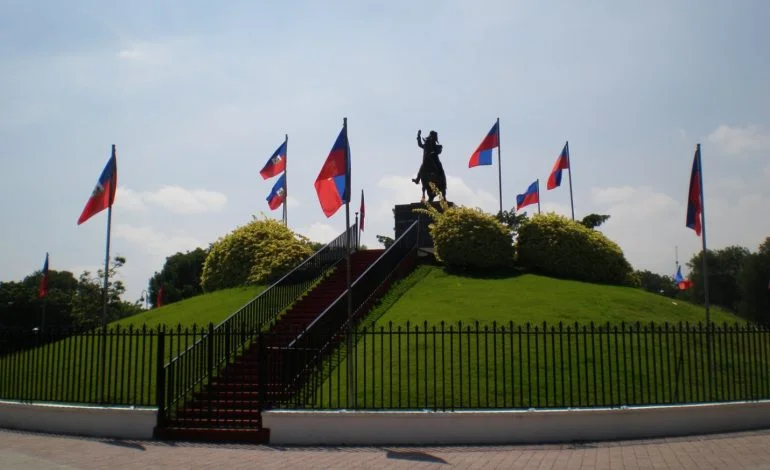
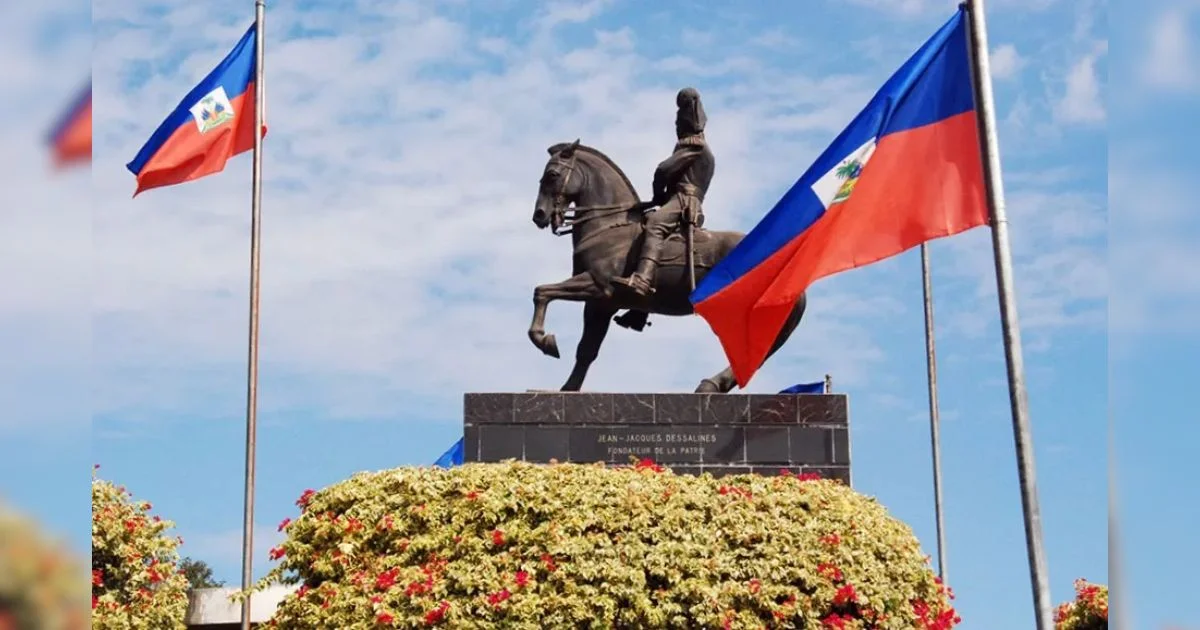
Haiti, the world’s first independent black republic, played an exceptional role in the quest for independence for other nations. Although often overshadowed by other historical events, Haiti’s contribution to the liberation of other countries was significant and deserves to be highlighted. b~The Haitian Revolution~b At the turn of the 19th century, Haïti threw off the chains of slavery and achieved the impossible by freeing itself from French colonial rule. In 1804, the country proclaimed its independence, ushering in a new era for oppressed peoples around the world. b~Inspiration for Latin America~b The Haitian Revolution was a major source of inspiration for independence movements in Latin America. Iconic figures such as Simón Bolívar and Francisco de Miranda recognized the courage and determination of Haitians as a driving force for their own struggles. By materially and ideologically supporting these movements, Haïti contributed to the emergence of several independent nations in South America. b~Influence in Africa~b Beyond the Americas, Haïti also played a crucial role in the quest for independence in Africa. African leaders have left a legacy that has inspired entire generations of freedom fighters on the African continent. The idea that oppressed people could rise up against their oppressors found a powerful echo in the struggles for independence in Africa. b~Support for Liberation Movements~b Throughout its history, Haïti has provided substantial support to liberation movements around the world. Whether through troop dispatches, financial resources or active diplomacy, the country has demonstrated its solidarity with those fighting for their autonomy. Haiti’s contributions have often been discreet but crucial. Haiti, as a pioneer of independence and freedom, has left a lasting impact on the world stage. His legacy resonates across continents, reminding the world that the quest for freedom is universal. By recognizing and celebrating Haiti’s role in the independence of other nations, we not only honor its history, but we also commit to promoting a future where all people have the opportunity to shape their destiny.

Holidays in Haiti

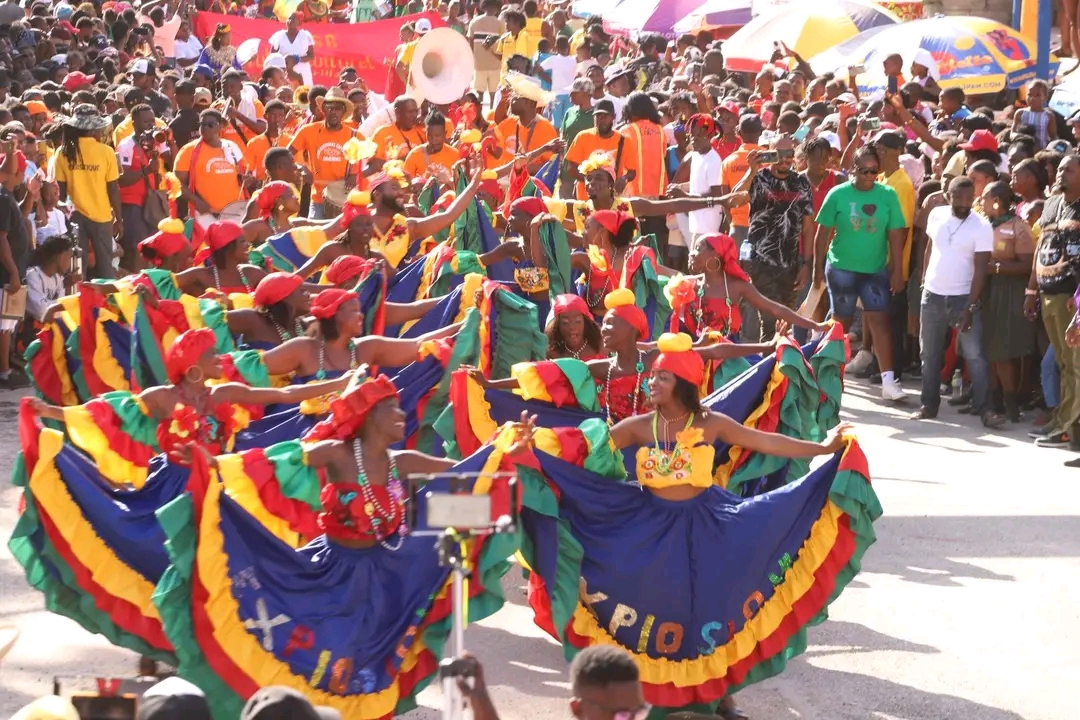
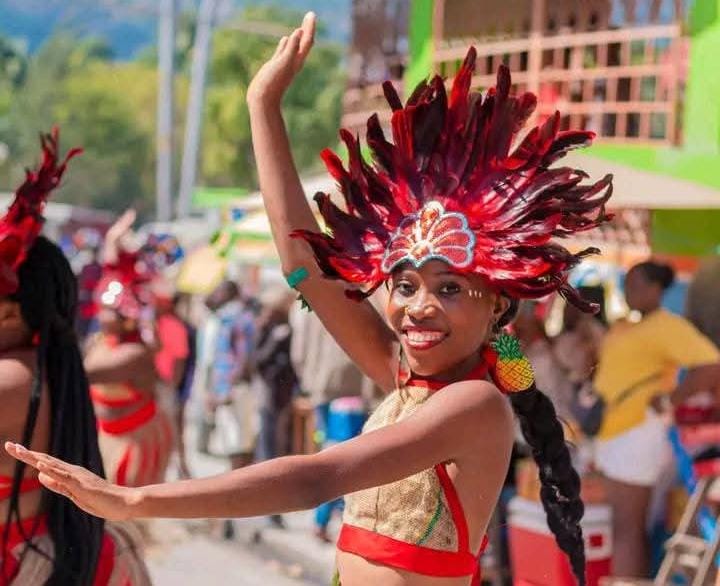
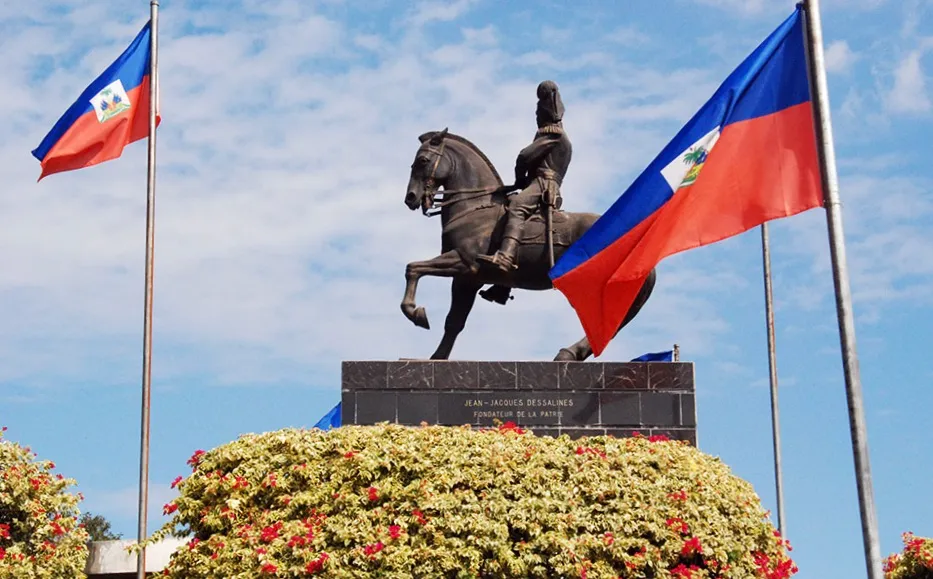
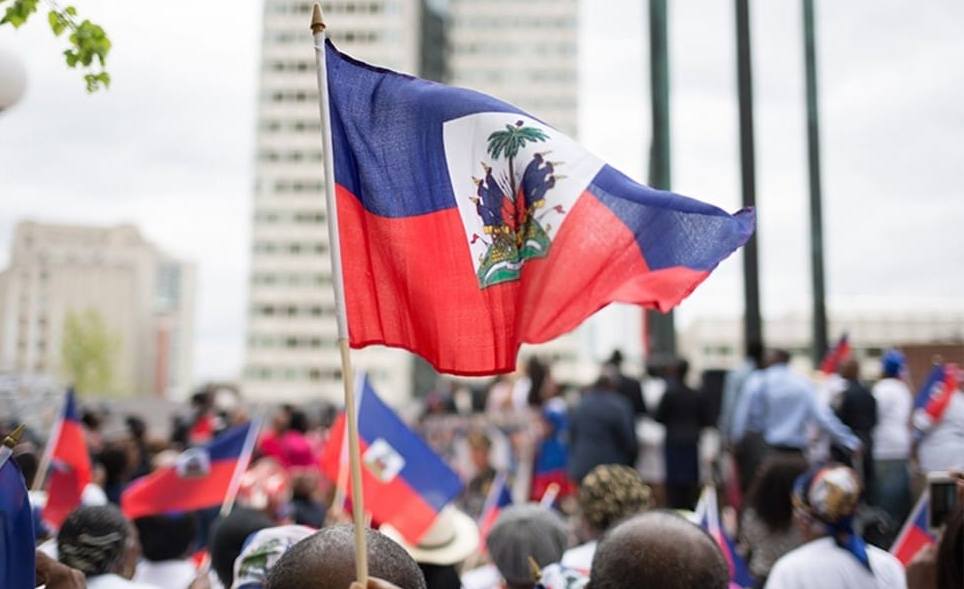
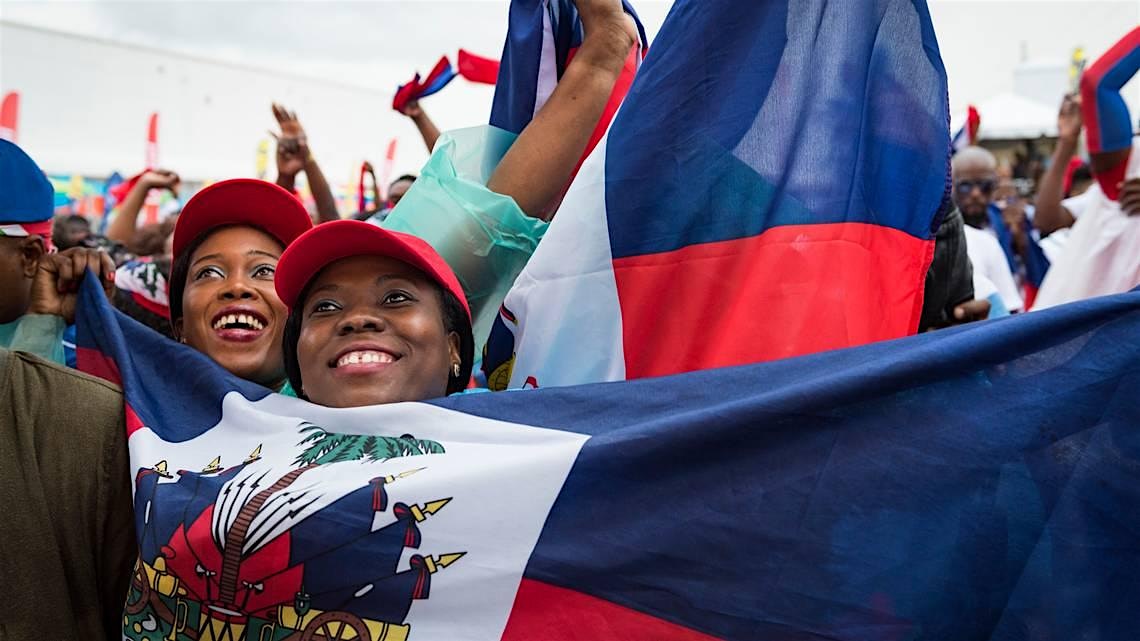
Haiti, the pearl of the Antilles, is a country rich in history and culture. Its public holidays are moments of celebration, commemoration and reflection on its glorious past. Each date has a special meaning, plunging Haitians into a festive and memorable atmosphere. b~January 1: National Independence Day and New Year~b January 1st is a doubly special day in Haiti. On the one hand, it is National Independence Day, commemorating the victory of Haitian slaves over French colonial forces in 1804. On the other hand, it is New Year’s Eve, marking the start of a new year full of promises and hopes. b~January 2: Feast of the Forefathers~b January 2 is dedicated to the memory of ancestors. It is an opportunity for Haitians to remember their roots, to celebrate the cultural heritage passed down from generation to generation. b~February: Carnival, Shrove Monday, Fat Tuesday, Ash Wednesday~b The month of February is marked by Carnival, one of the most colorful and dynamic festivities in Haiti. The streets fill with parades, lively music and wild dancing. Mardi Gras is the culmination of Carnival, followed by Ash Wednesday, marking the start of Lent. b~April: Easter, Maundy Thursday, Good Friday~b Easter celebrations in Haïti include the religious traditions of Maundy Thursday and Good Friday. It is a time of prayer and reflection for many Haitians. b~May 1: Agriculture and Labor Day~b May 1 is dedicated to celebrating the work and importance of agriculture in the life of the country. It is an opportunity to recognize the efforts of workers and to highlight the agricultural sector. b~May 18: Flag Festival~b Flag Day celebrates the Haitian flag, a symbol of independence and national pride. Haitians honor their colors and remember the courage of their ancestors in the fight for freedom. b~May 23: National Sovereignty Day~b This day commemorates the recognition of Haitian sovereignty by France in 1805. It is a moment of national pride and reaffirmation of independence. b~May - August: Ascension~b The Ascension is celebrated between May and August, a religious festival marking the ascension of Jesus Christ into heaven. b~June: Fête-Dieu~b Fête-Dieu, also known as the Feast of the Body and Blood of Christ, is an important religious celebration in June. b~August 15: Assumption of Mary~b The Assumption of Mary is a Christian holiday marking the ascension of the Virgin Mary into heaven. It is celebrated with fervor in Haiti. b~September 20: Birth Anniversary of Jean-Jacques Dessalines~b This date commemorates the birth of Jean-Jacques Dessalines, one of the founding fathers of Haïti and a key leader in the struggle for independence. b~October 17: Death of Dessalines~b October 17 is a day of commemoration of the death of Jean-Jacques Dessalines, recalling his impact on Haitian history. b~November 1: All Saints’ Day~b All Saints’ Day is a religious holiday honoring all saints, celebrated with prayers and visits to cemeteries. b~November 2: Day of the Dead~b All Souls’ Day is an opportunity to pay homage to the deceased by decorating graves and participating in religious ceremonies. b~November 18: Commemoration of the Battle of Vertières~b This day honors the decisive Haitian victory at the Battle of Vertières in 1803, marking the end of the French occupation. b~December 5: Discovery Day~b December 5 celebrates the discovery of the island by Christopher Columbus in 1492. b~December 25: Christmas~b Christmas celebrations in Haïti are marked by family reunions, festive meals and religious traditions. Public holidays in Haïti are much more than breaks from everyday life; these are moments that embody the soul and resilience of a people. Each celebration provides an opportunity to come together, remember the past and look to the future with hope and determination.

Caractéristique d’un lapin

Les lapins sont des mammifères appartenant à la famille des Leporidae. Voici quelques-unes de leurs caractéristiques principales : 1. **Physique** : Les lapins ont un corps couvert de fourrure douce, des oreilles longues et droites, de grands yeux sur les côtés de leur tête, et une queue courte et duveteuse. Ils possèdent de puissantes pattes arrière adaptées au saut. 2. **Taille et poids** : La taille et le poids peuvent varier considérablement selon la race, allant d’environ 500 grammes pour les plus petits à plus de 5 kilogrammes pour les plus grands. 3. **Comportement** : Les lapins sont connus pour être sociaux et peuvent vivre en groupes dans la nature. Ils communiquent entre eux par différents moyens, y compris par des sons et des mouvements corporels. Les lapins creusent des terriers pour y vivre et se protéger des prédateurs. 4. **Alimentation** : Ils sont herbivores, se nourrissant principalement de foin, d’herbes, de feuilles, de fleurs, et de certains légumes. Leur système digestif est adapté pour traiter une grande quantité de fibres. 5. **Reproduction** : Les lapins sont réputés pour leur capacité à se reproduire rapidement, avec des gestations courtes d’environ 28 à 31 jours. Une portée peut compter de un à douze lapereaux, selon la race. 6. **Sens** : Ils ont une excellente vision périphérique pour détecter les mouvements tout autour d’eux, mais ont une zone aveugle juste devant leur nez. Leur ouïe est également très développée, leur permettant de capter des sons à de grandes distances. 7. **Espérance de vie** : En captivité, les lapins peuvent vivre de 7 à 10 ans, selon la race et les soins prodigués, tandis que dans la nature, leur espérance de vie est généralement plus courte en raison des prédateurs et des maladies. Ces animaux nécessitent des soins appropriés, notamment un régime alimentaire équilibré, de l’exercice, et une attention particulière à leur bien-être émotionnel et physique pour vivre une vie saine et heureuse en captivité.

Recently Posted

History

History

First black nation to free itself from slavery and gain independence from France in 1804 and influenced other liberation movements around the world, inspiring struggles for freedom and equality.

Natural beauty

Natural beauty

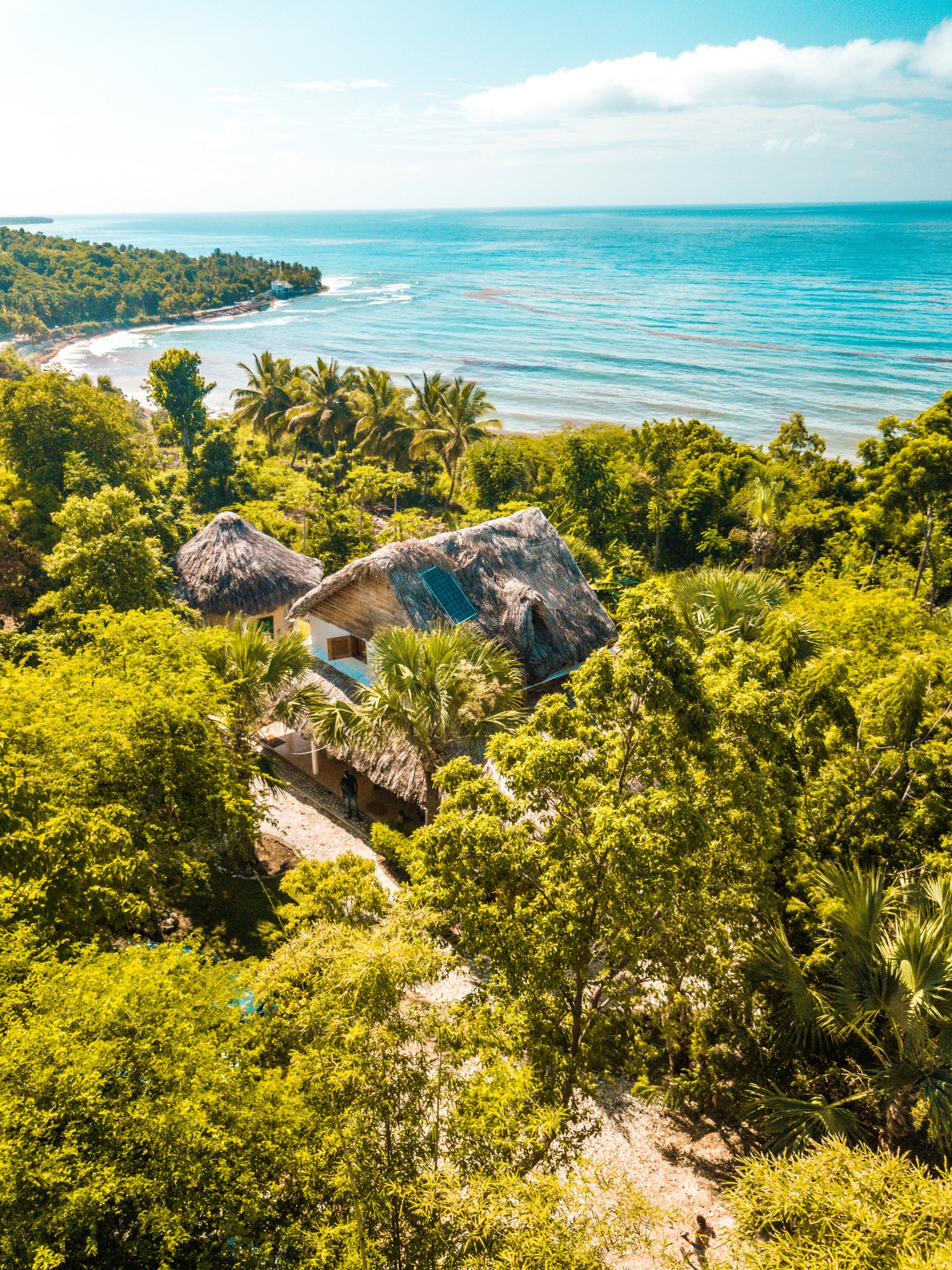
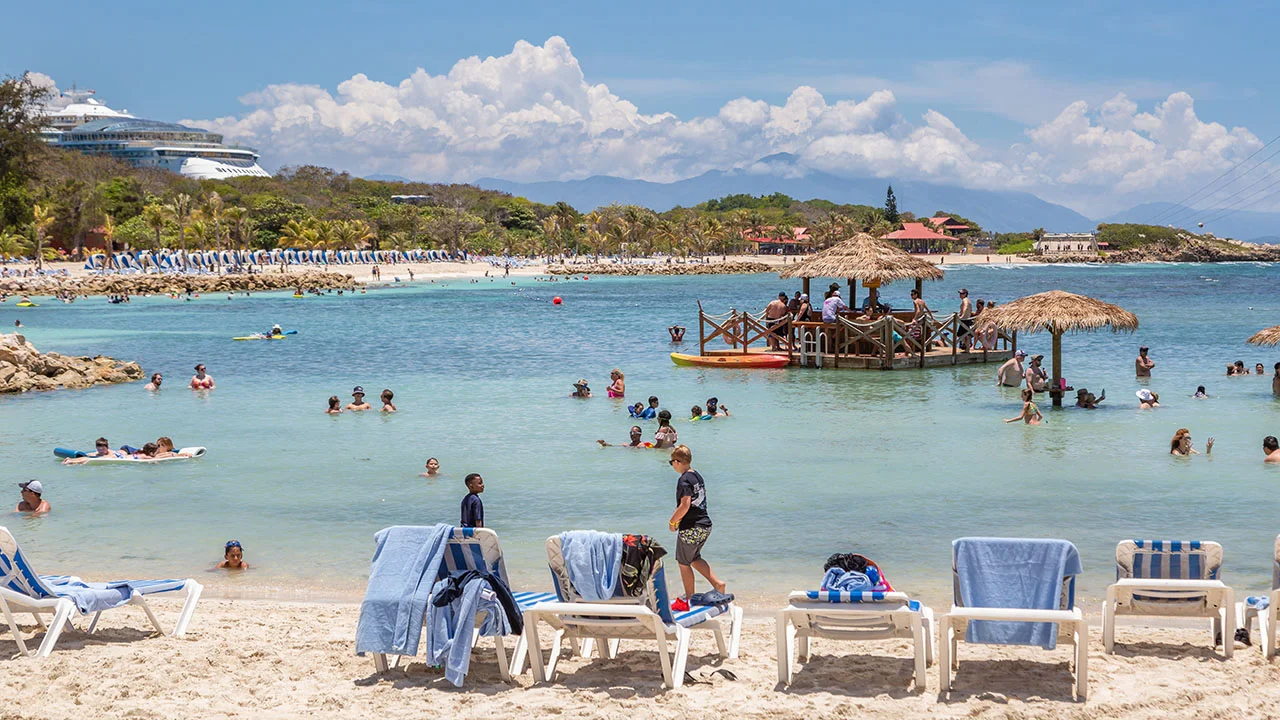
Haïti is blessed with spectacular natural landscapes, including white sand beaches, mountains and rich biodiversity.
Heritage

Heritage

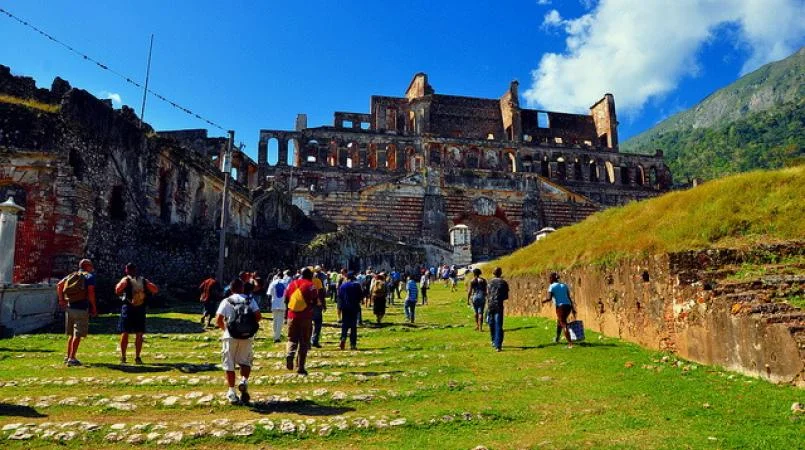
Haïti has a rich historical heritage, including sites like the Citadelle Laferrière and the Sans-Souci Palace, listed as UNESCO World Heritage Sites.

Culture

Culture

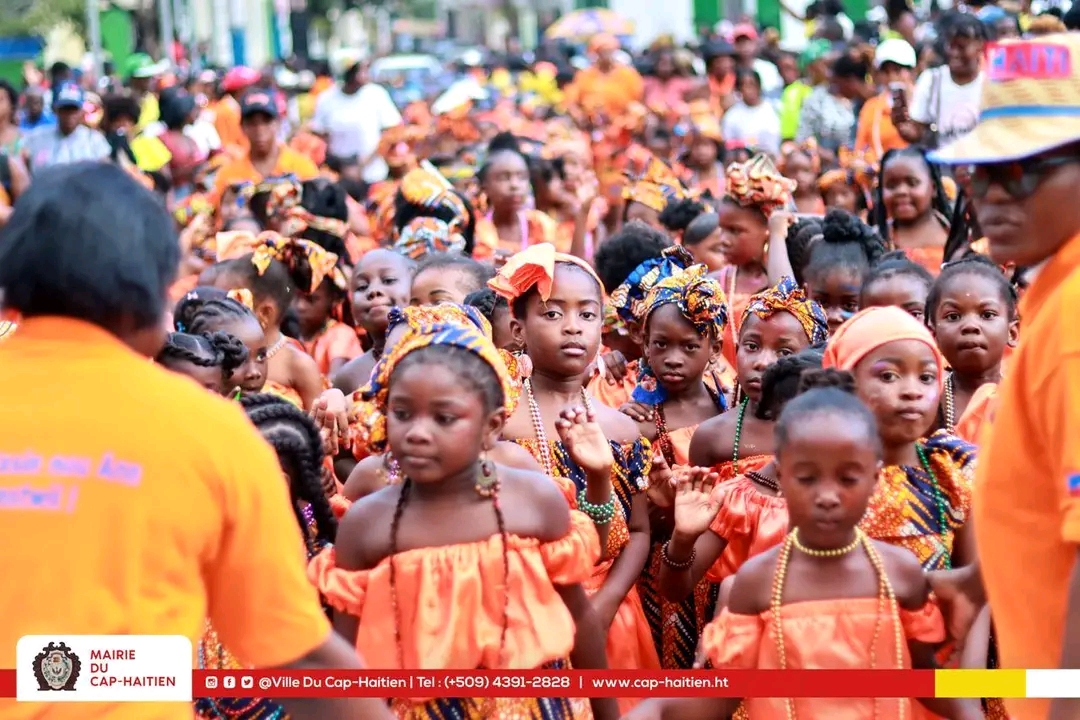
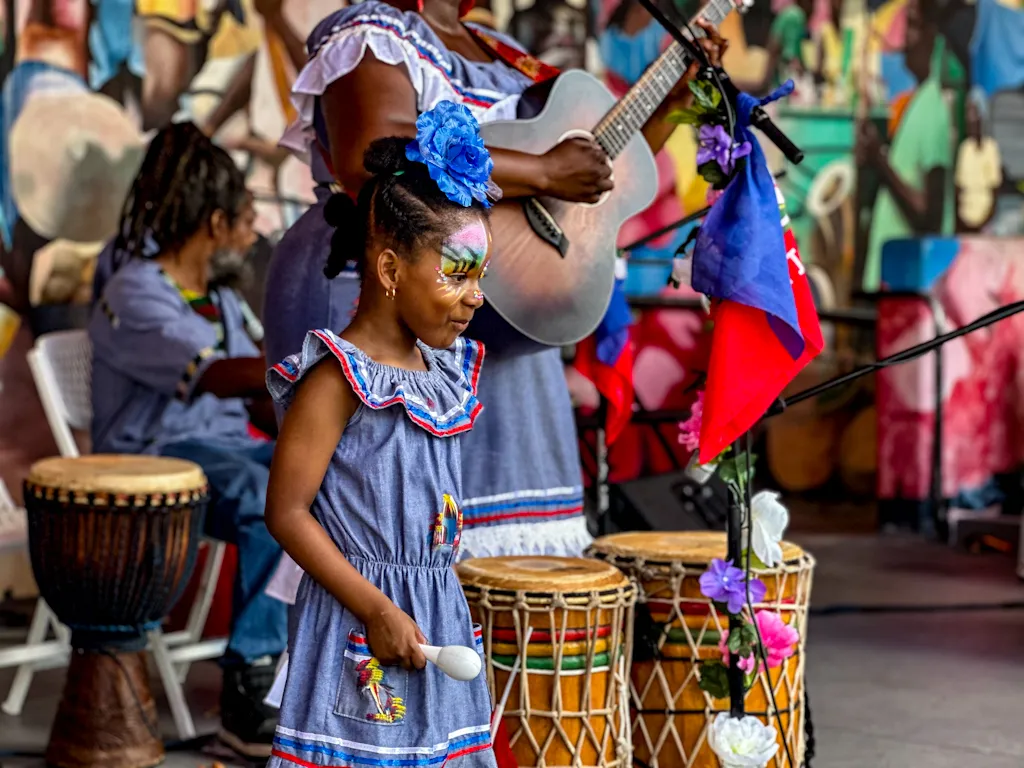
Haïti has a rich and diverse culture, influenced by African, European and indigenous elements. Haitian music, dance, art and cuisine are celebrated around the world.

  • +
    • Post