
contact@haitiwonderland.com+509 36184317

Discover

Shopping Cart

Haïti : Citadelle la FerrièreHaïti : Citadelle la Ferrière

News / Scientific Research / View Recent Posts

Beache February 13, 2024

Haiti: the Island of Lovers

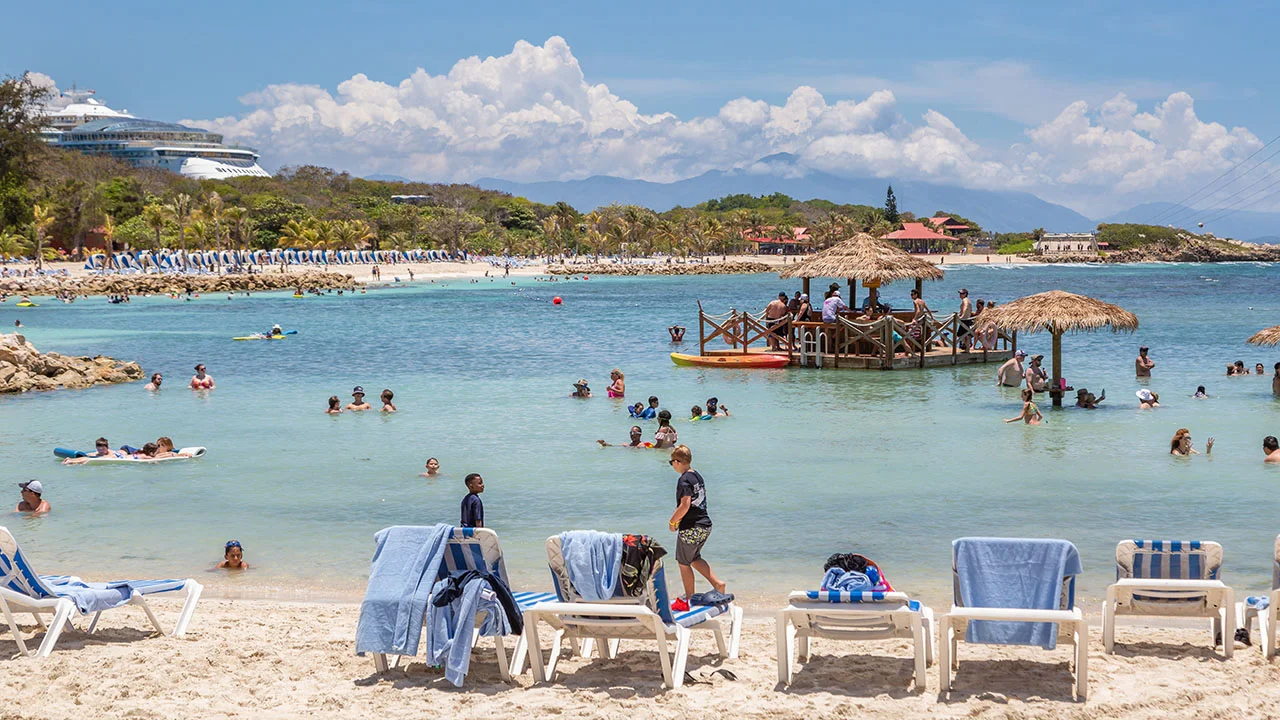
The ideal place for vacations, honeymoons, excursions, sightseeing tours and much more. This paradise island, located in the south of Haiti, near Île-à-Vache, offers a picturesque setting which makes it a destination of choice. A stone’s throw from Île à Vache, a 128 km² island bathed by the crystal clear waters of the Caribbean Sea, Île des Amoureux is a true gem to explore in Haiti. Just 5.50 nautical miles from the coastal town of Les Cayes, this island is easily accessible. Travelers can reach the town of Les Cayes by car or opt for charter flights arriving at the regional airport. From the port of Les Cayes, a short 20-minute boat trip will take you to this enchanting destination. The fascinating history of Île à Vache adds an extra dimension to your experience. Once a refuge for pirates and buccaneers, this island was nicknamed "Treasure Island". Today, it continues to charm visitors with its authentic ambiance, pristine beaches and crystal clear waters. Whether you’re looking for beach relaxation, underwater adventures, a romantic getaway, an exotic adventure or cultural discoveries, Lovers’ Island has it all. Dive into the clear waters to explore colorful coral reefs, hike through lush vegetation, or soak up the bustling atmosphere of local markets. For couples looking for romance, there’s nothing like a sunset stroll on the beach, followed by a candlelit dinner under the stars. Lovers’ Island is much more than just a vacation destination, it is a true haven of peace where adventure and relaxation meet. Whether you are a lover of relaxation or an adventurer at heart, this island will seduce you with its authentic charm and breathtaking landscapes. Embark on an unforgettable getaway and discover all that Haïti has to offer on this island paradise.
Par Haïti Wonderland |
Learn more

Recently Posted

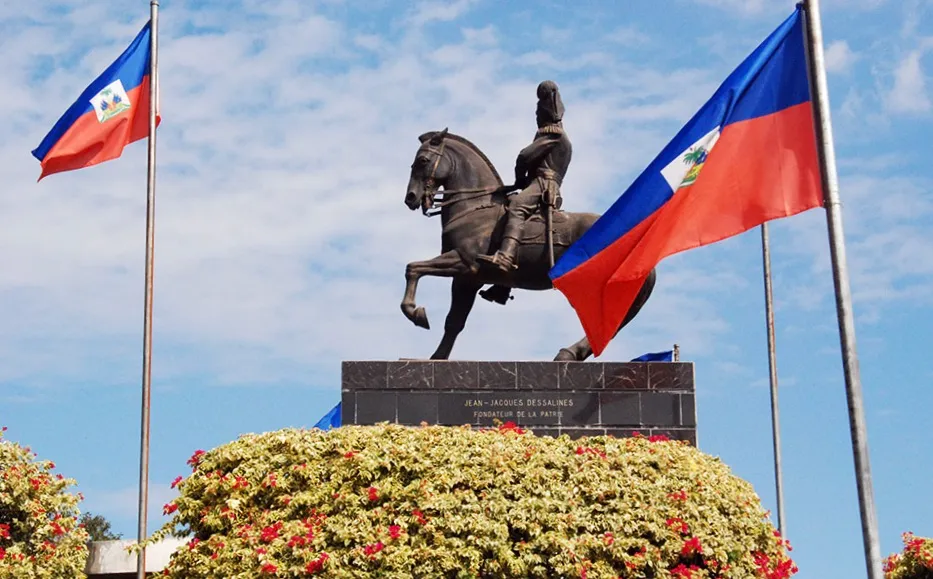
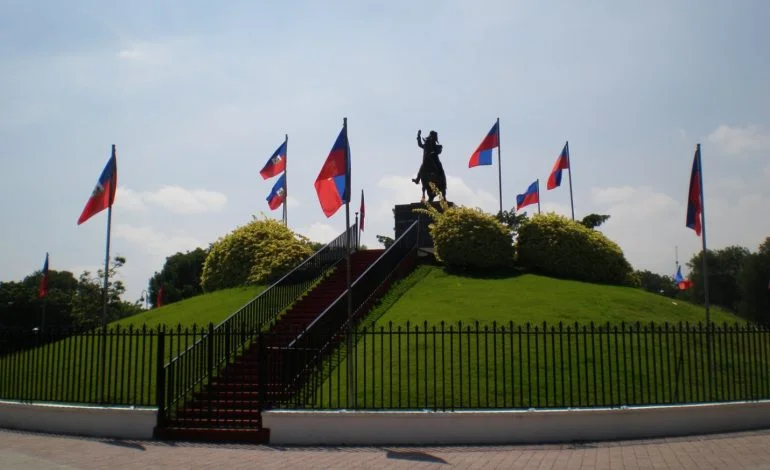
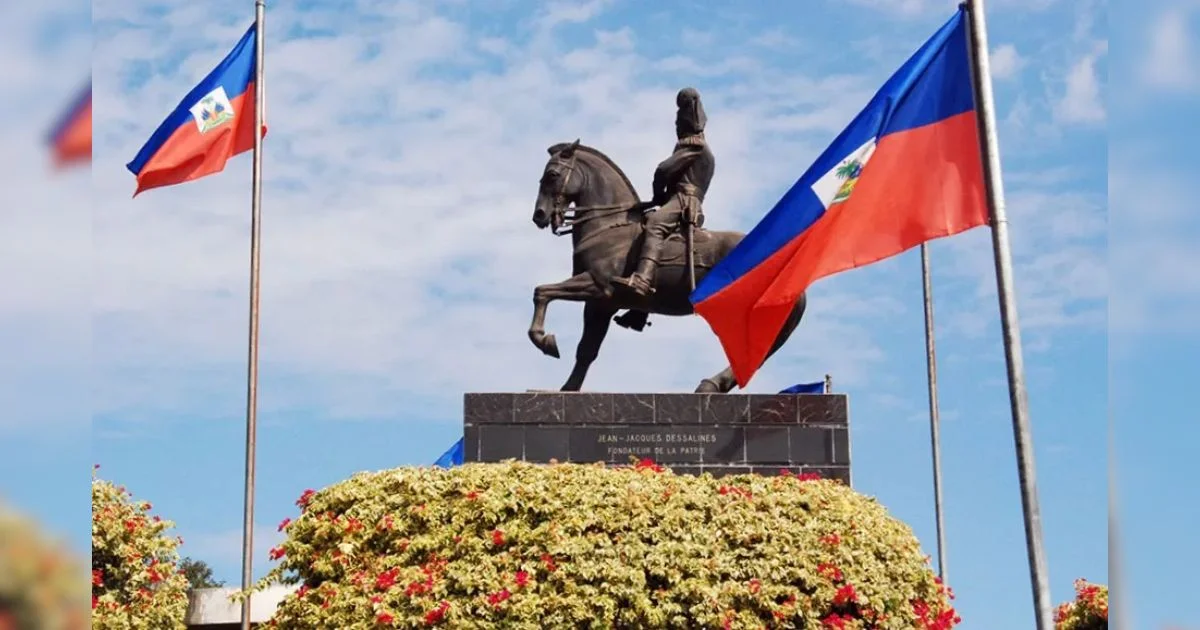
Jean-Jacques Dessalines, leader of the Haitian Revolution

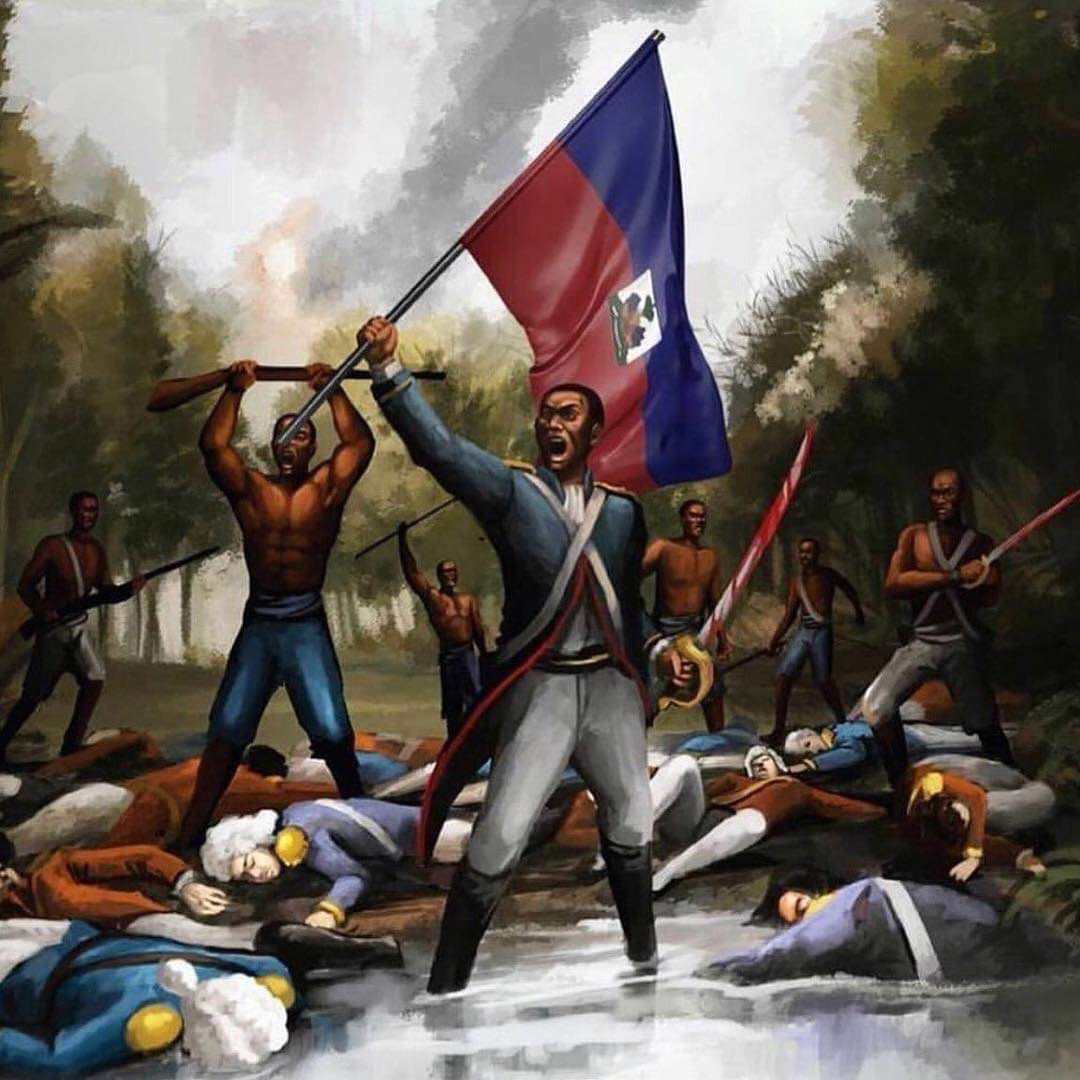
In the annals of the history of Haiti, an island located in the Caribbean at the entrance to the Gulf of Mexico and shared with the Dominican Republic, Jean-Jacques Dessalines emerges like a phoenix from the ashes of oppression. Born a slave on September 20, 1758 in the home of Henri Duclos, in Cormier (Grande-Rivière-du-Nord), in the French colony of Saint-Domingue, Dessalines was a Creole of African (Afro-Caribbean) origin. Freed during the 1794 abolition achieved through slave revolts, actually served as an officer in the French army during the French Revolution. At that time, the ideas of freedom and equality were at the heart of the concerns of the inhabitants of the colonies. Dessalines actively participated in the fighting against the Spanish and British forces, alongside the French, in Santo Domingo. Having risen to the rank of Lieutenant General, Jean-Jacques Dessalines turned against the French during the Leclerc expedition, sent to Saint-Domingue by Bonaparte to reestablish colonial authority and slavery during the Haitian Revolution. After the capture and deportation of Toussaint Louverture to France on June 7, 1802, Dessalines assumed a leading role in continuing the struggle for independence. He led numerous battles, including the battle of Crête-à-Pierrot in March 1802, where he galvanized his soldiers with his famous declaration: “Let those who want to remain slaves of the French leave the fort, let those, on the contrary, who want to die as free men, line up around me.” On January 1, 1804, Jean-Jacques Dessalines achieved the long-awaited goal of independence by proclaiming Haïti as a sovereign nation, becoming the second country in the Americas to gain independence from a colonial power. He became the first leader of the newly formed nation and was named Emperor under the name James I. However, his imperial reign was marked by authoritarian and brutal policies, including the massacre of many white settlers and the redistribution of land to peasants that was in the hands of the generals of the independence army. In addition, he organized the hunt for delinquents in the city while implementing rigorous agrarian policies, considering that they represented a threat to the stability of the nation, these controversial actions caused divisions within Haitian society. Dessalines was assassinated on October 17, 1806 following a plot organized by some of his generals in the Haitian army. His death marked the end of his brief but influential period in power. Despite the controversies surrounding his methods, he is recognized as the main architect of Haiti’s independence and his name was honored in 1903 by being attributed to the Haitian national anthem, La Dessalinienne, composed by Justin Lhérisson.Finally, the great visionary man Jean Jacques Dessalines remains an emblematic figure in the history of Haiti, recognized for his role in the fight for independence and the end of slavery in the region.

Pap Jazz 2025, a Celebration of Haiti’s Great Musical Richness

On Sunday, April 6, 2025, the Karibe Convention Center in Juvenat transformed into a true cultural temple to close the 18th edition of the Port-au-Prince International Jazz Festival (PAPJAZZ). This year, the festival took place under the evocative theme "PAP JAZZ it UP", and it was held in three sites primarily located in the Pétion-Ville commune. The festival took place entirely at these wonderful musical venues: a reference was made to the Latin Quarter, the Haiti-Brazil Cultural Center, and the Karibe Hotel. Due to the deteriorating situation in downtown Port-au-Prince in recent times, the French Institute site had to be abandoned by the festival organizers. Nevertheless, we can absolutely call this 18th edition of Pap Jazz a success. Indeed, this festival, now a major event of the Haitian year, was especially marked this year by the great resilience and determination of the organizers who were able to adapt to the country’s rhythm in order to satisfy their loyal festival-goers. Despite the difficult context, these festival-goers did not miss the opportunity to escape their harsh daily lives through music. It’s also important to note that this 18th edition of Pap Jazz took place after two postponements, at the very beginning of this year, with the last one occurring in March due to insecurity. In this regard, it is appropriate to call the monumental achievement of the Haïti Jazz Foundation and their partners an exceptional feat, as they were not discouraged and showed remarkable tenacity, while adapting to offer Port-au-Prince and its surroundings this moment of growth, beyond the city’s great sorrow, through music.

Discover the Hidden Gem of Caracol: A Peaceful Haven in Haiti

Nestled in the enchanting embrace of Haiti’s North East department lies a true marvel – Caracol. This picturesque area is more than just a destination; it’s a sanctuary where tranquility dances in harmony with the gentle whispers of nature. From the chirping of content birds to the warm smiles of its inhabitants, Caracol is a true wonderland waiting to be explored. One of the most captivating aspects of Caracol is its serene ambiance. Here, peace isn’t just a concept; it’s a way of life. Even the birds seem to sing with an extra ounce of joy, as if they’ve found their own slice of paradise amidst the lush greenery. Stepping into Caracol feels like entering a world where time slows down, allowing you to embrace the simple pleasures of life. But what truly sets Caracol apart is its people – kind-hearted souls who find solace in the simplicity of their daily lives. Engaged in activities like fishing and gardening, they embody a deep connection to the land that sustains them. And amidst it all, the industrious spirit of Caracol shines through, with the industrial parc serving as a beacon of progress and opportunity for the community. Yet, amidst the tranquil rhythm of everyday life, Caracol pulsates with the vibrant energy of Haitian culture. Voodoo, an integral part of local life, weaves its mystical threads into the fabric of daily rituals and traditions. And come July, the entire community comes alive with patronal celebrations that draw Haitian diaspora from every corner of the globe. It’s a time of joyous reunions, where cultural immersion meets spirited competitions, from exhilarating running races to thrilling boat races on the sparkling waters. As the sun sets on another day in Caracol, the excitement doesn’t end – it transforms. Carnival season, known as "mardi gras," casts its spell over the land, igniting the imaginations of children who eagerly don disguises and wield whips to make merry mischief. Laughter fills the air as they chase each other, their gleeful shrieks echoing through the streets, creating memories that will last a lifetime. In Caracol, every moment is a celebration, every day a testament to the resilience and warmth of its people. So, whether you’re seeking a tranquil retreat or a cultural adventure, Caracol invites you to discover its hidden wonders and experience the magic for yourself. After all, in this captivating corner of Haiti, every day is a journey into the heart of paradise.



Recently Posted

History

History

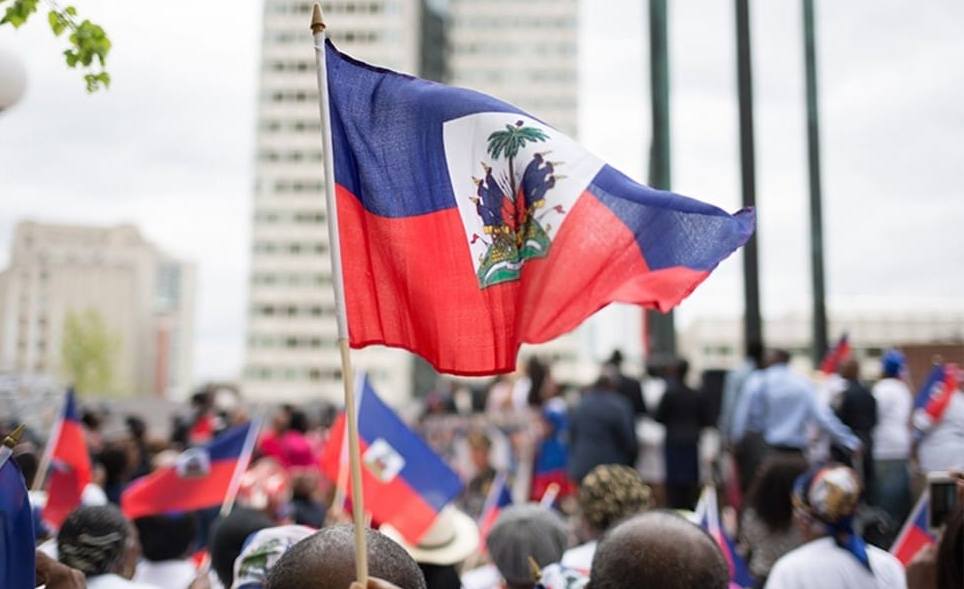
First black nation to free itself from slavery and gain independence from France in 1804 and influenced other liberation movements around the world, inspiring struggles for freedom and equality.

Natural beauty

Natural beauty

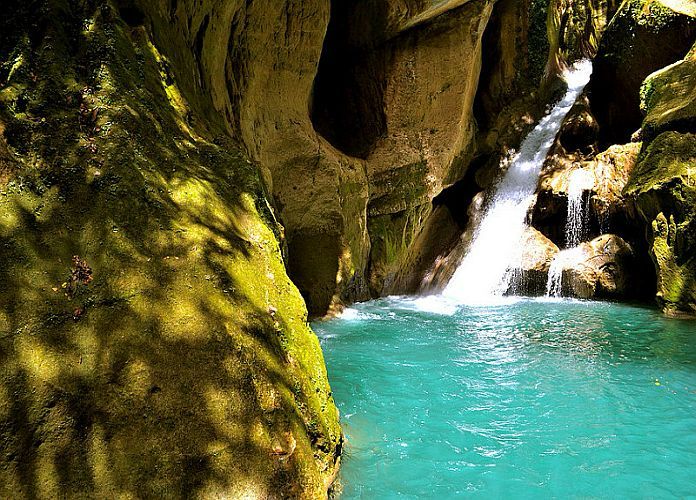
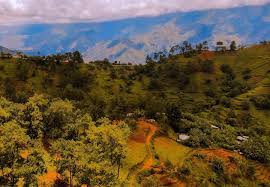
Haïti is blessed with spectacular natural landscapes, including white sand beaches, mountains and rich biodiversity.

Heritage

Heritage

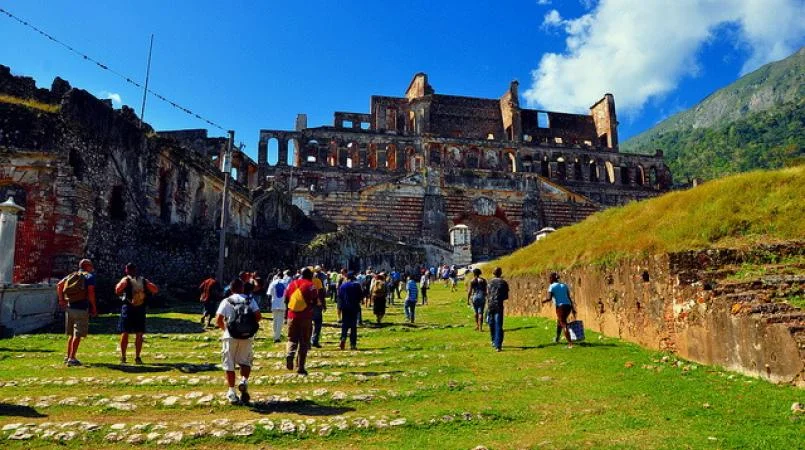
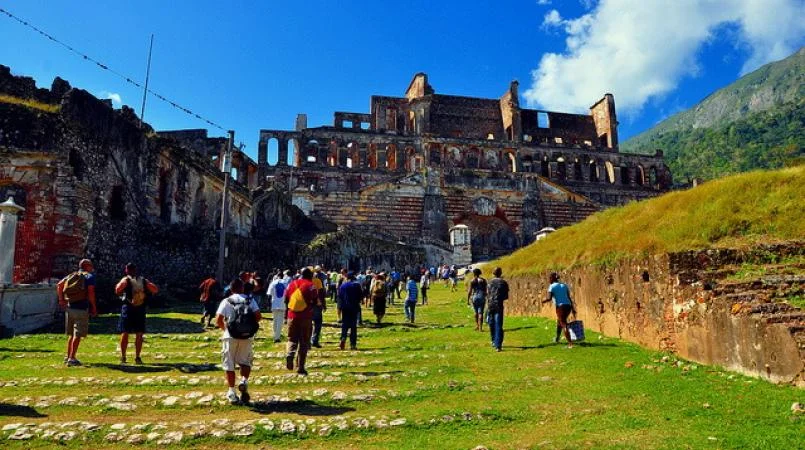
Haïti has a rich historical heritage, including sites like the Citadelle Laferrière and the Sans-Souci Palace, listed as UNESCO World Heritage Sites.

Culture

Culture

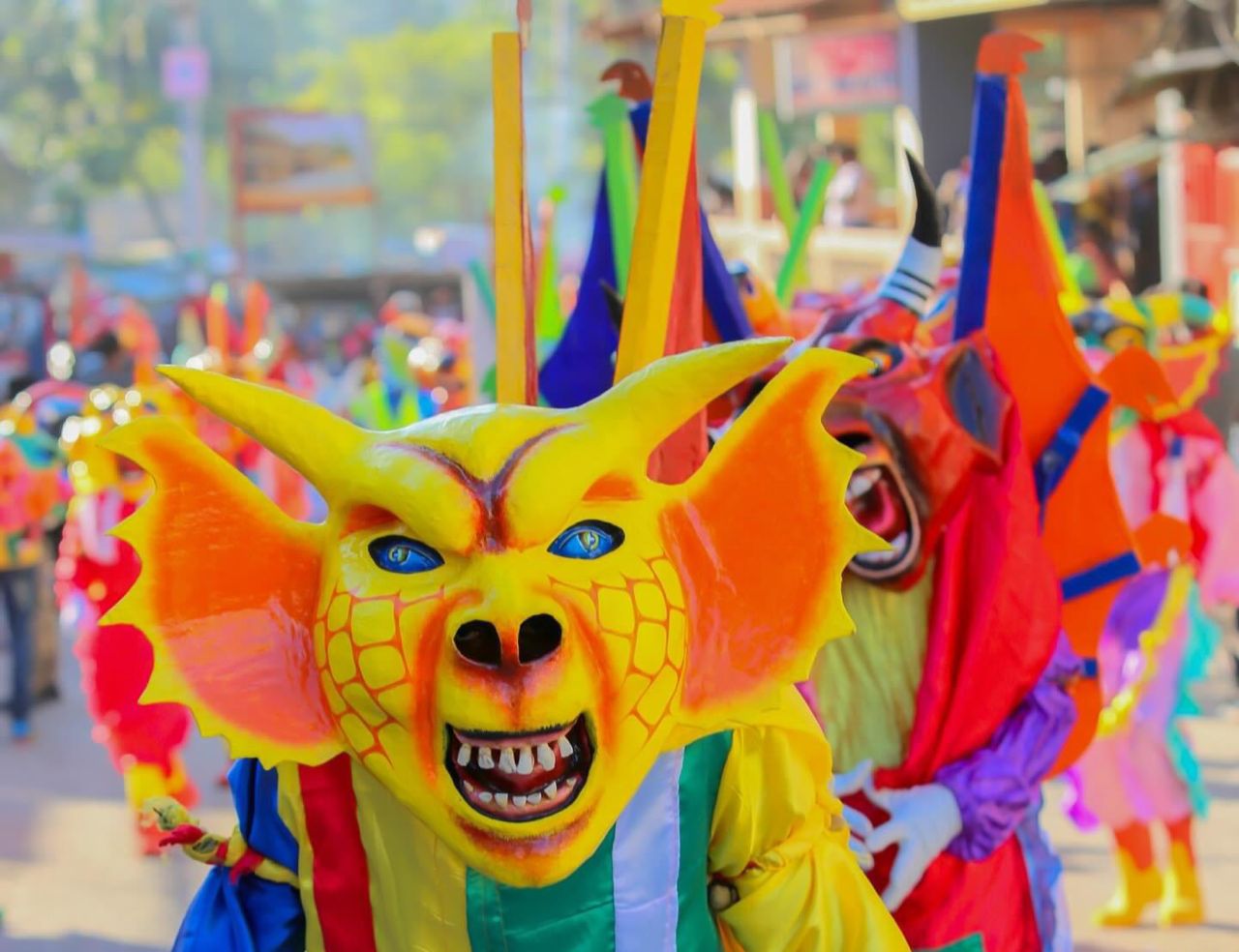
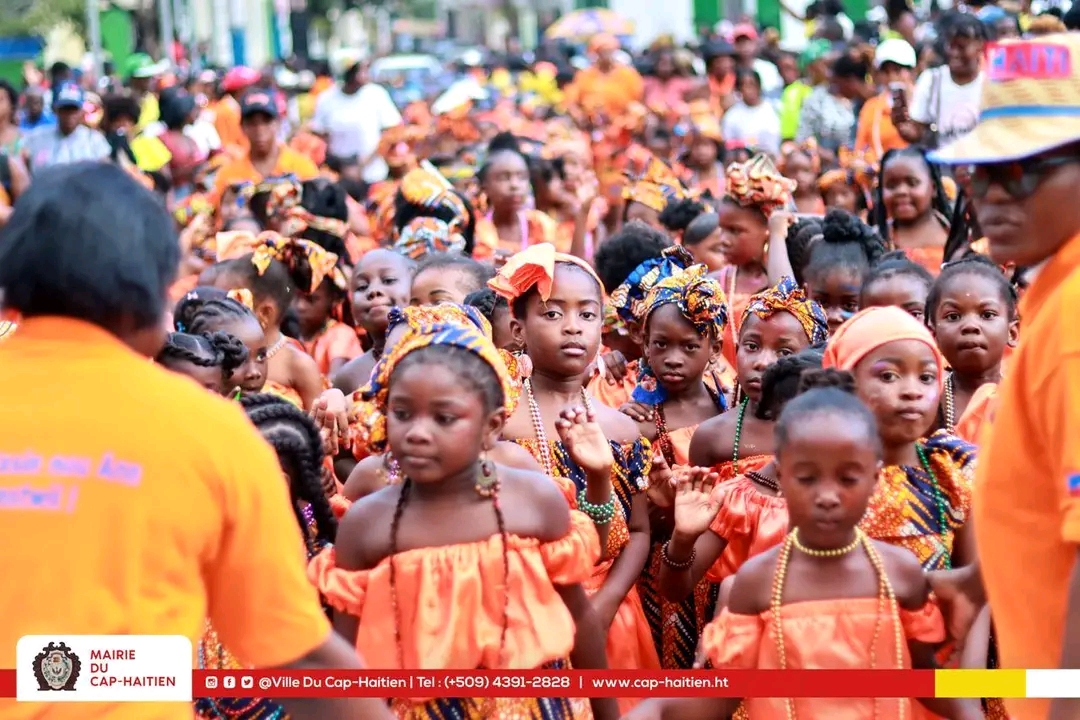
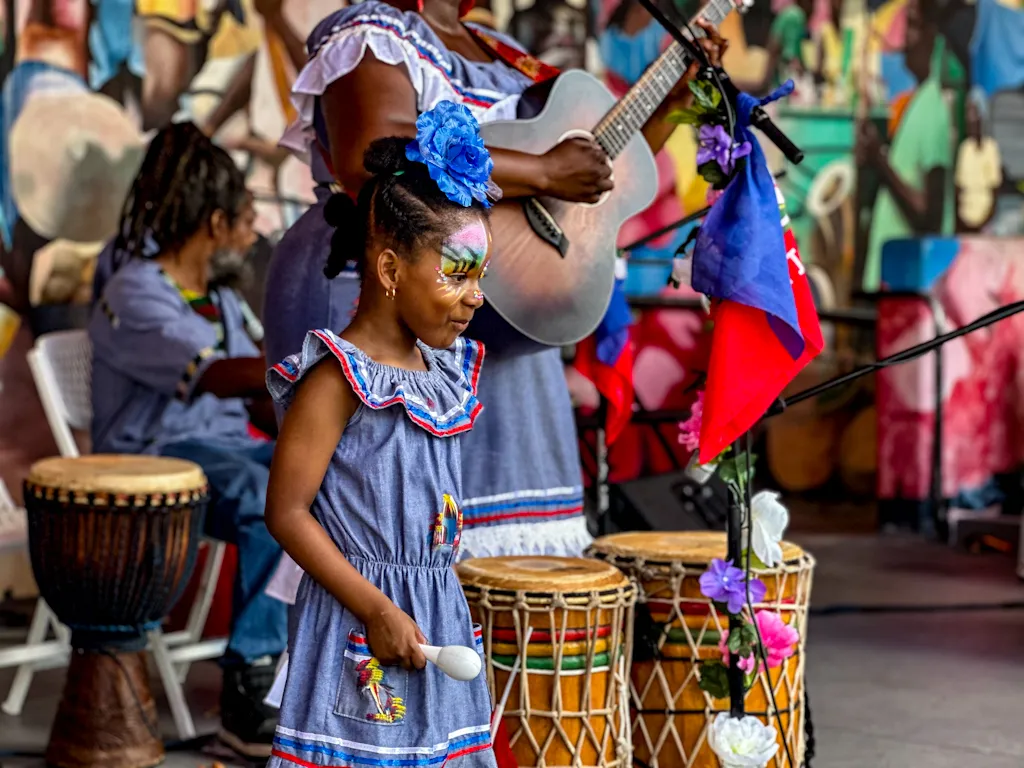
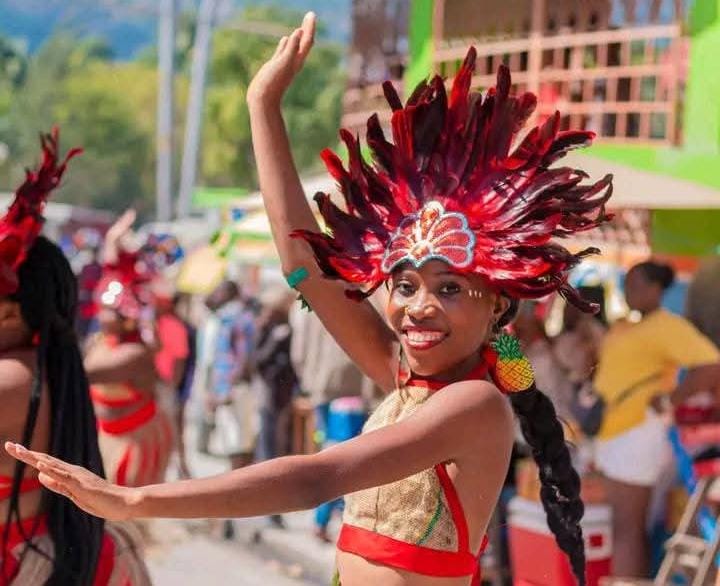
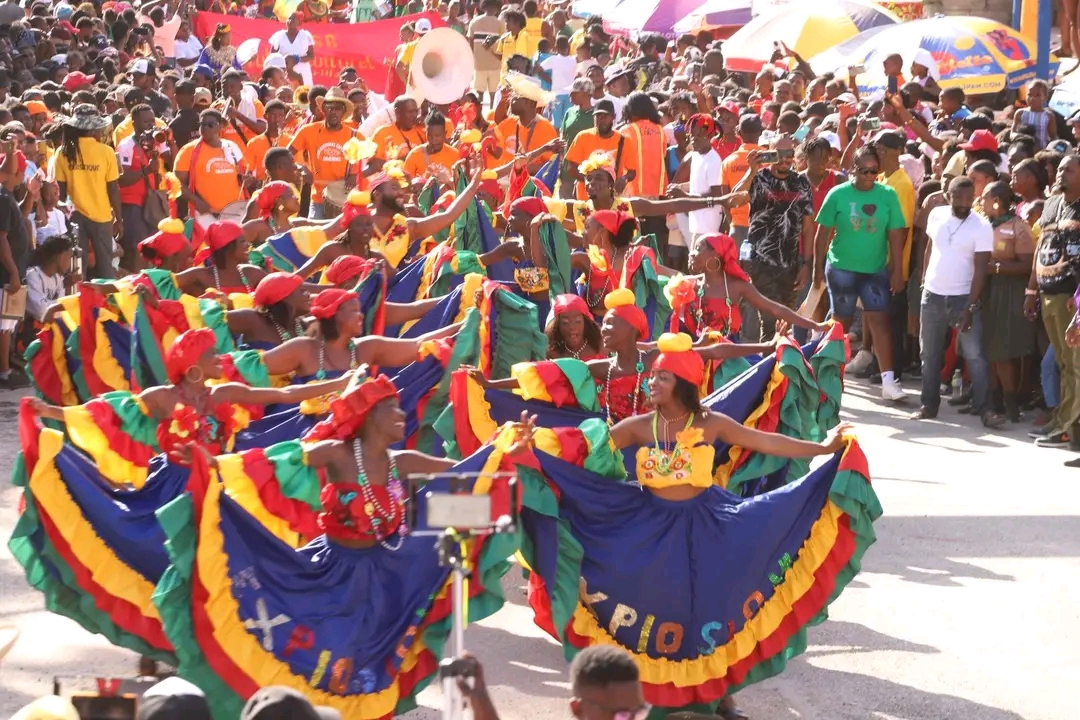
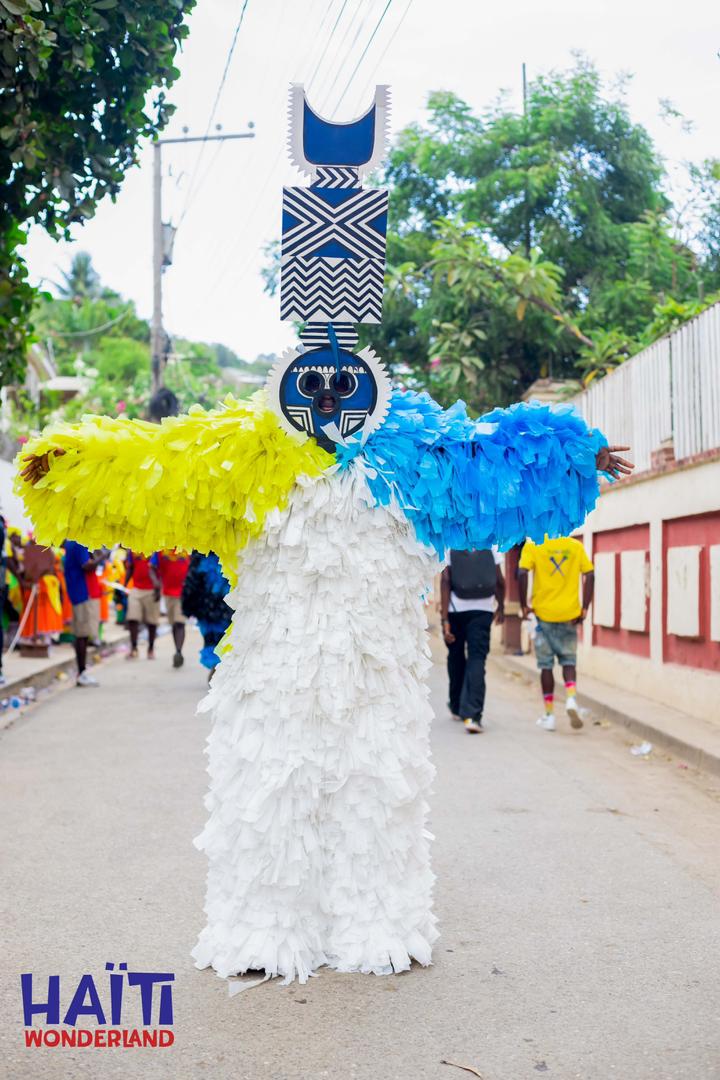
Haïti has a rich and diverse culture, influenced by African, European and indigenous elements. Haitian music, dance, art and cuisine are celebrated around the world.

  • +
    • Post