





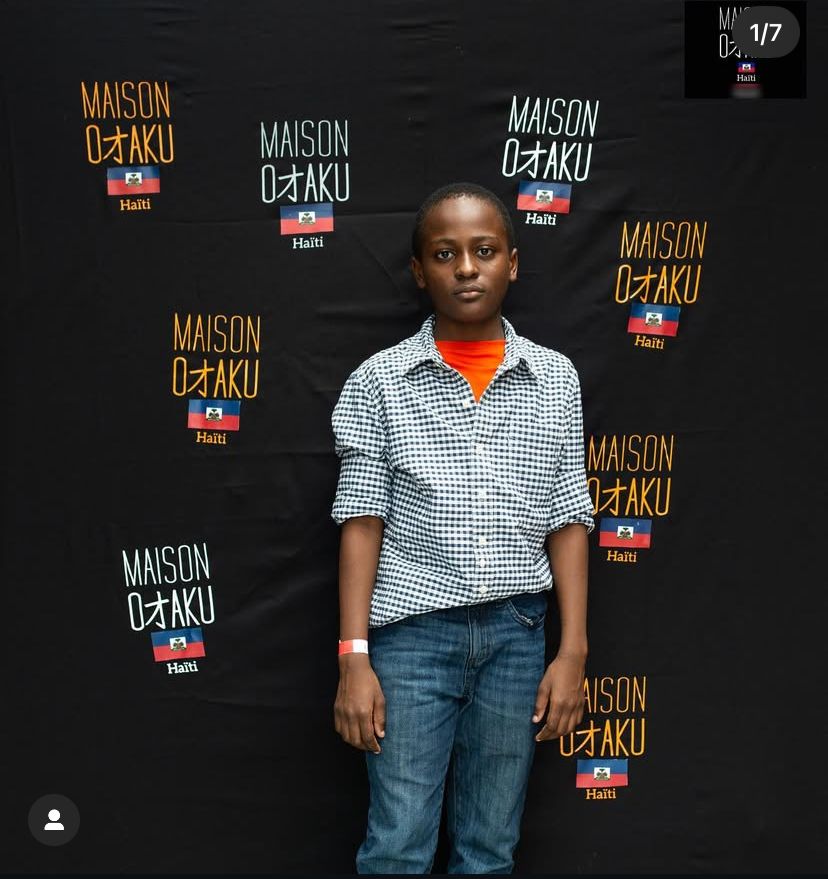
Haitian Otaku Party: A Celebration of Japanese Culture in Port-au-Prince
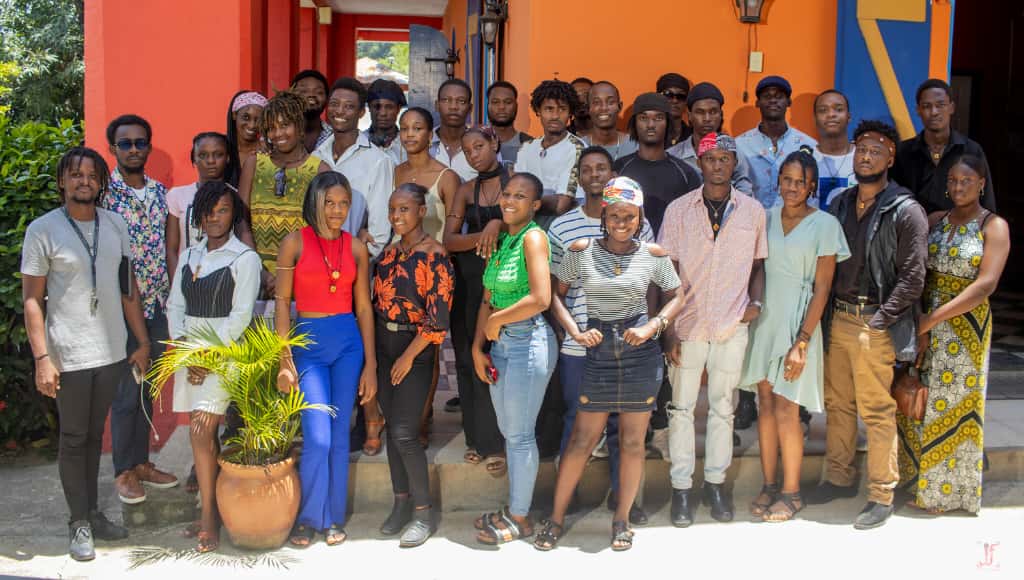
Le Haitian Otaku Party célèbre la culture japonaise à Port-au-Prince, offrant un espace créatif à la jeunesse haïtienne passionnée d’otaku.
Haiti, the pearl of the Antilles, is a country rich in history, culture and varied landscapes. In addition to its many attractions, it is interesting to dwell on a fundamental geographical aspect: its area. This article explores in detail the size of the Haitian territory, its geographical importance and its impact on the daily lives of Haitians.
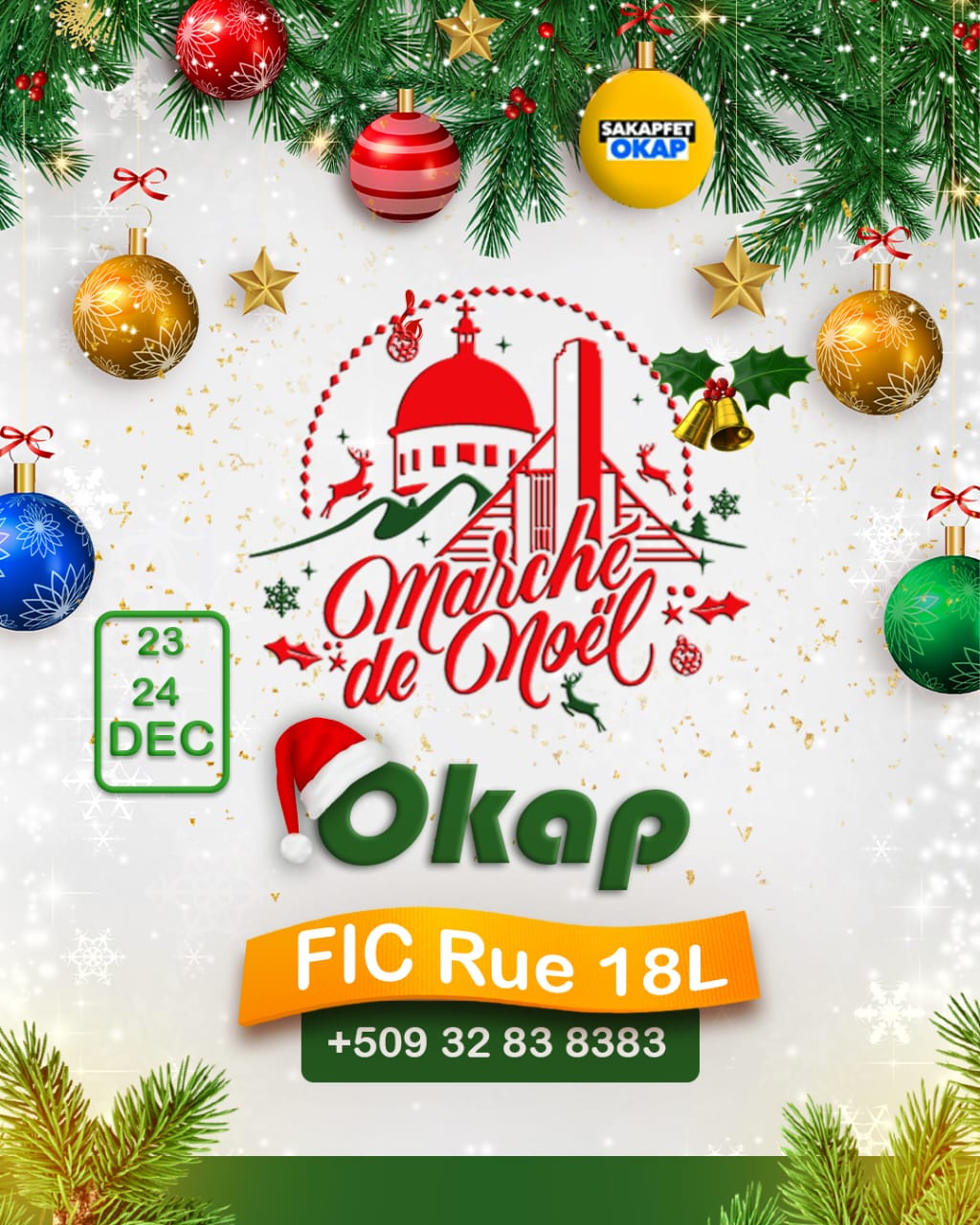
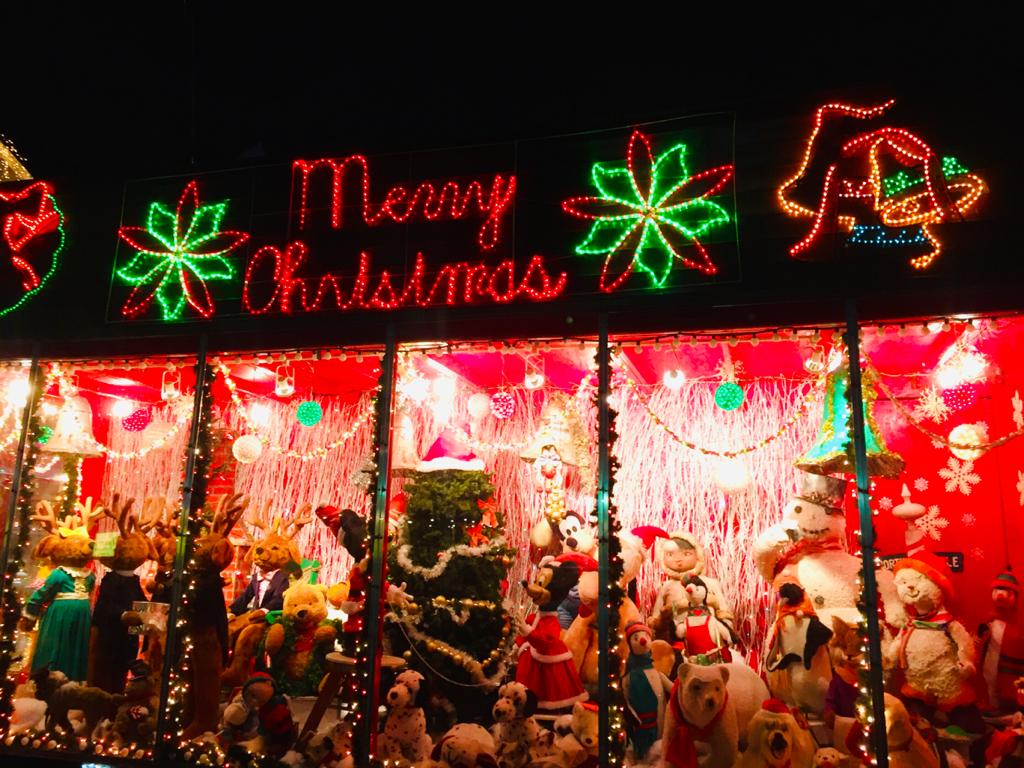
The joyful ringing of bells echoes through the streets of Haïti as the holiday season approaches. Christmas is a magical time when the streets light up, families gather and a warm atmosphere invades the island. Between traditions, cultural discoveries and gourmet feasts, Christmas in Haïti promises a unique experience. b~The Magic of Lights and Decorations~b From the beginning of December, Haïti is adorned with sparkling lights and festive decorations. The markets come alive with shimmering garlands, twinkling stars and ornate fir trees. The streets of Port-au-Prince in Jacmel shine with a special magic, inviting locals and visitors to immerse themselves in the festive spirit. b~Haitian Traditions at Christmas~b Christmas in Haïti is celebrated with a unique combination of religious traditions and local customs. Midnight Mass is a deeply rooted tradition, drawing worshipers to churches to celebrate the birth of Jesus in a vibrant atmosphere of song and prayer. A popular tradition is the "Dawn Mass" which takes place at dawn on December 25. The faithful gather to welcome Christmas Day with special fervor, testifying to the deep spirituality that permeates the festivities. The festivities are not limited to churches. Street parades, folk dances and concerts are commonplace, creating a joyful atmosphere throughout the country. Traditional Haitian music, such as direct compass and voodoo, adds a special dimension to these celebrations. b~Cultural Discoveries: Haitian Crafts~b Christmas is also an ideal opportunity to discover unique Haitian crafts. Christmas markets offer a variety of handicrafts, such as wooden sculptures, vivid paintings, wrought iron items and traditional jewelry. These works of art reflect the artistic talent of the Haitian people and provide unique and meaningful gifts. Local markets, such as the Ferrier market in Cap-Haitien and the Jacmel market, are essential places to discover the authenticity of Haitian crafts. These purchases also help support local artists and the community economy. b~Gourmet Feasts: Christmas Cuisine~b Christmas in Haïti is also a gastronomic celebration. Families gather around festive tables laden with traditional culinary delights. “Joumou soup”, a pumpkin soup, is an essential specialty of the holiday season. Pork, lamb and chicken dishes are also common, accompanied by rice and local vegetables. Traditional desserts, such as “Pen patat” and “Tablèt Pistach,” add a sweet touch to the celebration. Tropical fruits, such as mangoes and bananas, are also often present on Christmas tables, recalling the richness of Haitian biodiversity. Christmas in Haïti is a vibrant celebration that blends the magic of lights, religious traditions, local crafts and delicious cuisine. It is a time when joy and generosity are in the spotlight, and when Haitians open their hearts to share the magic of the season with the world.
Haiti, located in the heart of the Caribbean, is a dream destination that deserves your full attention. With its tropical climate, sunny beaches and breathtaking landscapes, the country offers an idyllic living environment for those seeking warmth, authenticity and tranquility. Here are some reasons why Haïti is a great place to live, and why this hidden gem should definitely be on your travel bucket list.
Haiti, an island located in the Caribbean, is not geographically or politically attached to Africa. However, despite the distance and geographical differences, Haïti and Africa share an extremely strong historical, cultural and spiritual bond, forged by centuries of shared history, including the slave trade, colonization and the struggle for freedom. So, is Haïti part of Africa? Let’s explore this question from different angles, highlighting the African roots that shape Haïti to this day.
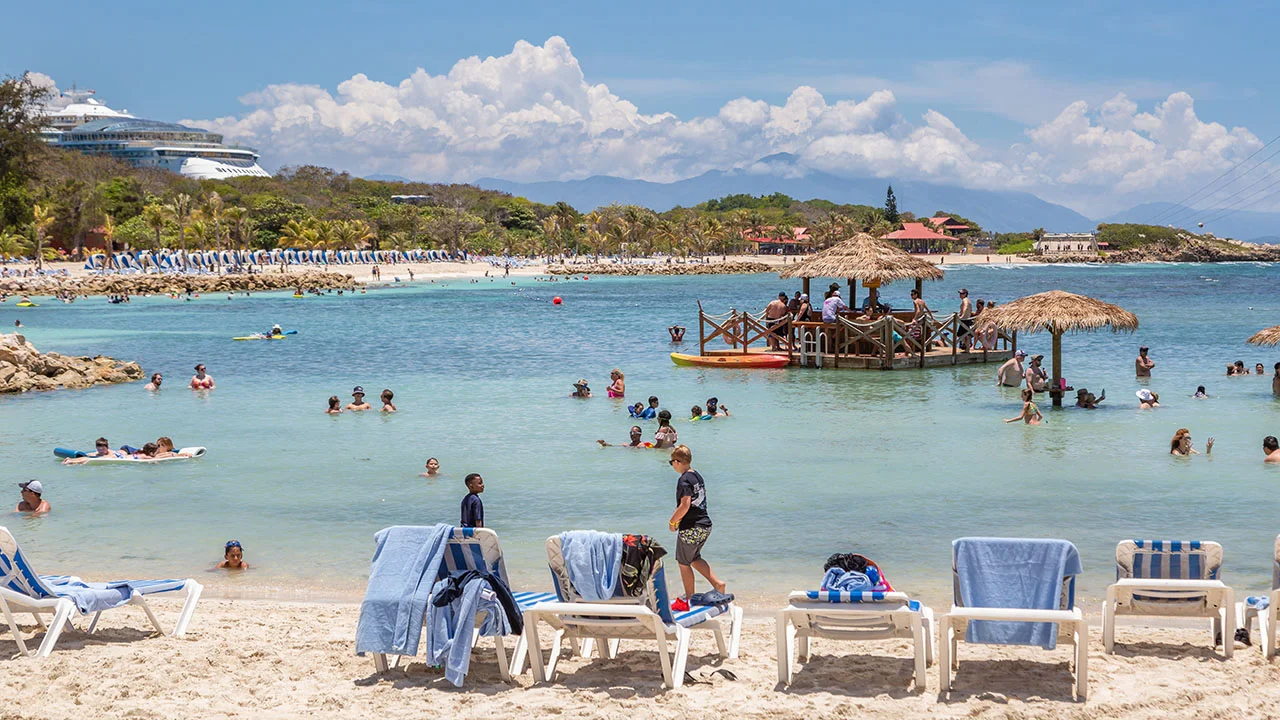
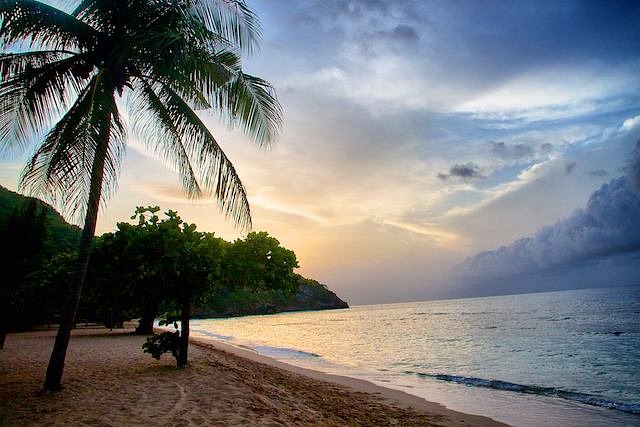
Haiti, with its spectacular coastline and enchanting landscapes, is a destination of choice for lovers of paradise beaches. The country, often overlooked for its natural treasures, is home to some of the most beautiful beaches in the Caribbean. From stretches of fine sand lined with coconut trees to secret and isolated coves, Haïti offers a diversity of beaches that will not fail to amaze you. Discover below a selection of the most beautiful beaches in the country, each offering a unique and unforgettable experience.
In the heart of the azure waters of the Caribbean Sea, stands majestically the Colombier, an imposing rock mass that defies time and the elements. Located off the picturesque coast of Belle-Anse in southeastern Haiti, the Colombier is more than just a geological formation; it is a symbol of the natural beauty and cultural heritage of the region. Dominating the marine horizon with its imposing silhouette, the Colombier is shrouded in mystery and legends passed down from generation to generation. According to local stories, this rock was formed by the sea gods themselves, testifying to their passage through these crystal clear waters. A legend which adds an aura of fascination to this already enchanting place. But beyond its mythical appearance, the Colombier also offers a breathtaking visual experience. Visitors who venture to this natural wonder are rewarded with breathtaking panoramas: steep cliffs plunging into turquoise waters, isolated coves hemmed with golden sand, and abundant marine flora that enlivens the seabed. Le Colombier is also a refuge for remarkable biodiversity. Its waters are home to a multitude of marine species, from colorful fish to spectacular corals and majestic sea turtles. Scuba diving and snorkeling enthusiasts will find a preserved paradise there, where nature reigns supreme and each immersion is a fascinating exploration. As a tourist spot, Le Colombier offers an unforgettable getaway for travelers looking for adventure and authentic discoveries. Boat excursions from Belle-Anse allow visitors to get up close and personal with this natural wonder, contemplate its spectacular shapes and let themselves be captivated by its captivating beauty. In short, the Colombier embodies the quintessence of Haiti’s natural beauty, a hidden treasure in the heart of the Caribbean Sea. Between its breathtaking landscapes, its cultural heritage rich in legends and its exceptional biodiversity, this maritime jewel fully deserves its reputation as an essential tourist destination. Come discover the Colombier and let yourself be carried away by the magic of this exceptional place.
Music has always been an essential part of Haïtian culture, and among the many genres that have emerged from this Caribbean island, Compas holds a special place. It is a musical style that carries with it the history, cultural diversity and vibrant energy of Haïti. b~Origins and Evolution~b The Compas Haïtien, also known as Kompa, has deep roots in Haïtian and African musical traditions. Its development was influenced by genres such as Dominican merengue, Cuban salsa, jazz and even rock. This fusion of styles has resulted in a distinctive sound that embodies the cultural richness and diversity of Haïti. The Haïtian Compass has evolved over the decades, moving from a more traditional style to more modern and sophisticated forms. Iconic artists such as Nemours Jean-Baptiste and Tabou Combo helped shape the genre and propel it onto the international music scene. b~The Characteristics of the Compass~b Le Compas Haïtien is characterized by its intoxicating rhythm and complex arrangements. Traditional instruments such as guitar, saxophone, drums, and of course, bass, play a crucial role in creating this catchy music. The lyrics, often sung in Haïtian Creole, address varied themes, from love and joy to social and political issues. Dance is an inseparable component of the Haïtian Compass. The irresistible rhythms encourage the dancers to sway to the music. Traditional dance moves, such as "Kompa Direk" and "Kompa Love," reflect the joyful expression and sensuality that characterize this musical genre. b~Global Influence~b Over the years, the Haïtian Compas has transcended the borders of Haïti to conquer the international stages. Haïtian artists helped popularize the genre around the world, bringing with them the warmth and vitality of Haïtian culture. Music festivals dedicated to Compas attract fans from around the world, providing an immersive experience of this catchy music. The Haïtian Compass is much more than a musical genre; it is a standard bearer of Haïtian culture, a mirror reflecting the history, diversity and resilience of the Haïtian people. Discovering the Haïtian Compas means diving into a world of captivating rhythms, passionate dances and captivating stories, while celebrating Haïti’s unique musical heritage. Whether you are a world music lover or simply curious about new experiences, the Compas Haïtien is an invitation to an unforgettable sound journey.
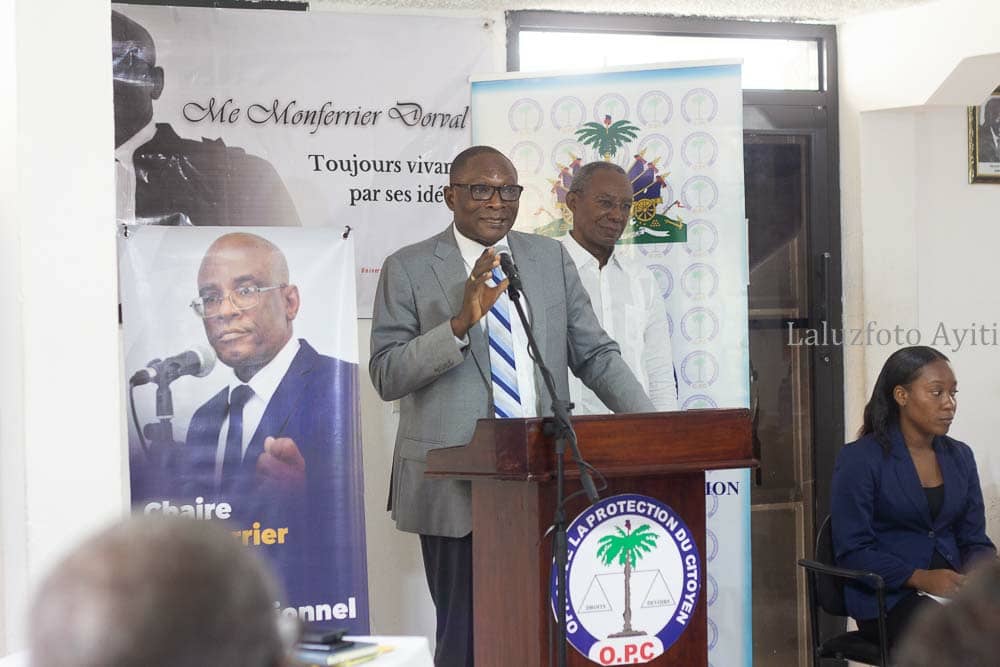
The Monferrier Dorval Chair of Constitutional Law is a high-intellectual-intensity initiative, taken by the State University of Haïti (UEH), through the leadership of its rectorate, in agreement with the leaders of the Faculty of Law and Economics (FDSE). The initiative’s primary goal is to honor and perpetuate the memory of the valiant and brilliant Professor Monferrier Dorval, assassinated in unclear circumstances, about three years ago. And in order to make a scientific contribution to the great debate that has been going on in Haitian society for about ten years about the need to change or not, the constitution of March 29, 1987, amended on May 11, 2011. Shouldn’t we try to apply it preferably? If it needs to be changed, should this change be radical, otherwise what should it have in terms of change within a new mother law for a better institutional organization of Haiti. The chair is scientifically chaired by Professor Henri Marge. Dorléans, (current head of AFPEC), and is vice-chaired by the dean of the faculty of law and economics, Me Eugène Pierre Louis. The Chair is materialized by a set of conferences and debates (15 in total), which take place in the premises of the Office of the Protection of the Citizen OPC, under the name of Wednesday of the Monferrier Dorval Chair. It is in this sense that for the fifth edition of the Wednesday of the chair (which took place this Wednesday, October 9, 2024 at the OPC, in the presence of the protector of the citizen, Me Renan Hédouville), attention was placed on education within the debate surrounding the possible development of a new constitution for Haiti. This 5th meeting took place under the theme of: "Education, Teaching, Research, Science and Technologies". The conference was hosted by three greats of the Haitian intellectual community, including two eminent professors of the UEH, namely, Professor Odonel Pierre Louis, academic director of the École normale supérieure (ENS); the vice rector of the UEH, Professor Jacques Blaise. Their interventions were followed by that of the director of the national institute of vocational training (INFP) Mr. Dikel Delvariste.
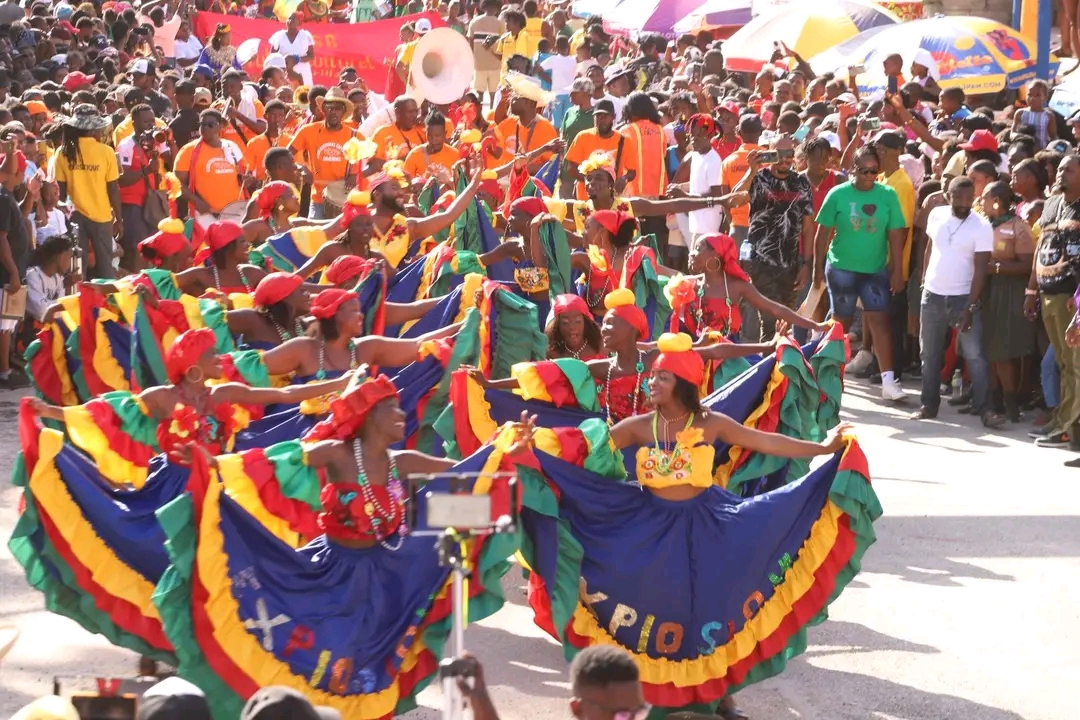
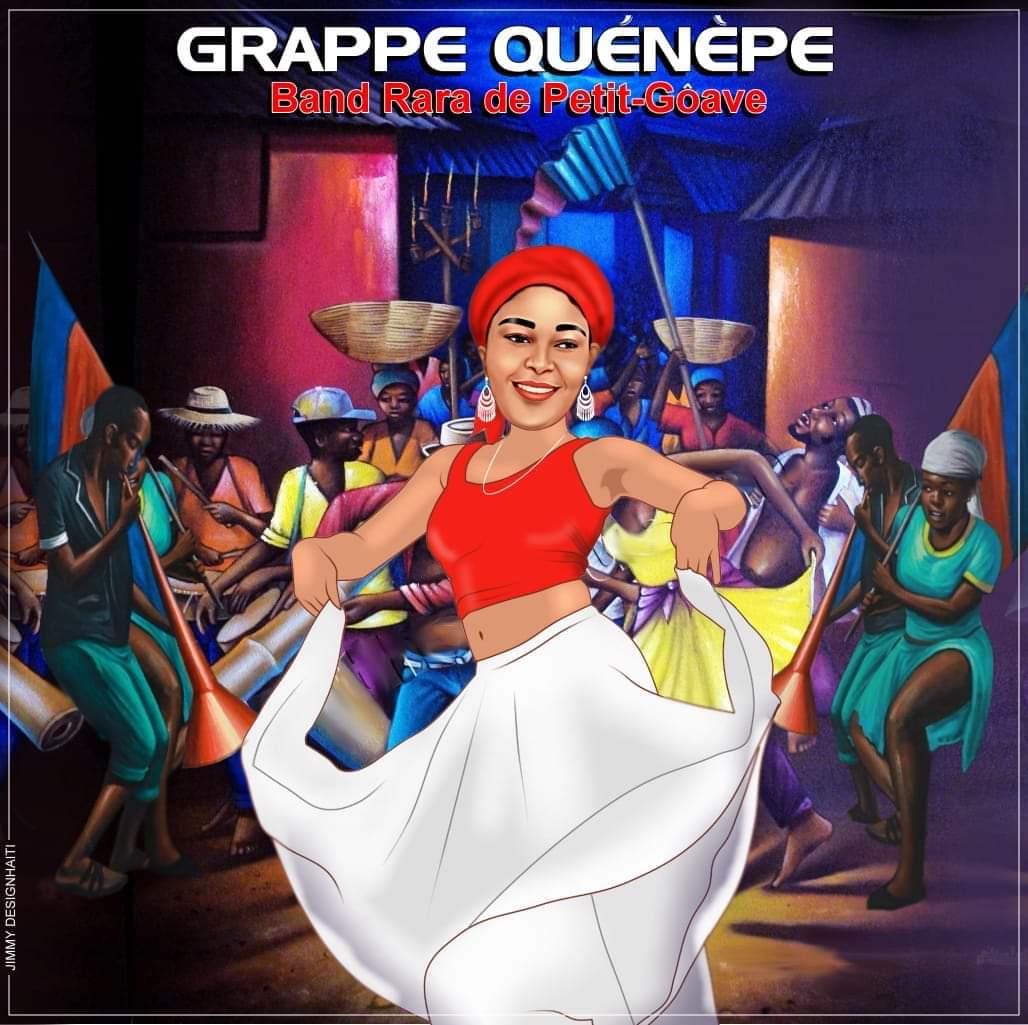
In our tradition, carnival represents an essential cultural activity. Indeed, for the holding of it this year, the State had drawn from the public treasury not only a huge sum but also a strong concentration of law enforcement to ensure the protection and security of carnival-goers in the area. metropolitan. Despite numerous criticisms and concerns expressed by certain media on the one hand, then on the other hand by the democratic opposition. While it is true that in Port au Prince these concerns had had a no less valuable consequence on the progress of this festivity. It is no less true that this was the case in other provincial towns, as proof in the southeast department the authorities did not record anything as an element of accident or incident during the progress of the carnival unlike Port au Prince. Certainly, socio/economic problems are increasingly worrying, nevertheless what makes us what we are today, a free and independent people is none other than our exceptionality. This deeply expresses our intrinsic characteristic in relation to people. In fact, historically we are a people who laugh and cry, smile and irritate, dance and hit the system, sing and fight so well that "grenadya alaso sa ki mouri zafè ya yo" is the most emblematic song of the slaves for the conquest of our freedom. We do not intend to claim that those who expressed their disagreement with the carnival are showing a historical deficit. However, we leave in the shadows a fundamental question: why is carnival taken care of by the State while the rara is like an abandoned child? The rara is not only a simple cultural tradition but, above all, it is the heritage of our valiant warriors who bravely fought the French expeditionary army, the most powerful of the time. While, this mass cultural, she is still marginalized by state authorities. It is emphasized that social cohesion is the dead point of carnival. On the other hand, this is the strong point of rara. As proof, the Thursday of the Dead in our Voudouesque tradition which represents the opening ceremony for the rara bands is the blatant testimony of this social cohesion. And, in fact, there were circles of people who took divergent directions to attend the opening ceremony of their rara bands. For this opening ceremony the atmosphere was a taste of carnival in terms of color. On the side of Croix Hilaire, for the title champion Ratyèfè full force band, the color of his club was very diverse, a long dress of apricot yellow, mauve white, then white scarf. In terms of performance, this band had completely proven its champion skills thanks to its arsenal of musicians who were not in their testing phase. To tell the truth, they performed their note with surgical precision as a doctor-surgeon in his surgical procedure. The synchronization between the musicians, the instruments and then the fans form a whole and harmonize perfectly well. This band not only has the magic of words and verbs, it seems that they also have the magic to thrill even the most reluctant fans. Moreover, his performance for this dead Thursday was a challenge for his rivals this weekend to the extent that their performances were less good. On the symbol side of light, Grap Kenèp was the wonder of the Thursday evening of the dead. His club dressed in the appropriate color for this evening, purple scarf, purple jersey, then white “kolan”. In a symbolic way, this marriage of color represents Baron in Haitian Vodou. Without a doubt, it was the most beautiful symbolic representation of the evening. In terms of performance, returning from the cemetery we felt a very strong warmth of jubilation, elation, and playfulness for a completely balanced performance. As far as Chenn Tamarin is concerned, it was already 2 a.m. when our team met him, it was a less good performance than what we were accustomed to. On the symbolic side it leaves something to be desired. His news was that he had his own media. Petit-Goave/Culture and Society
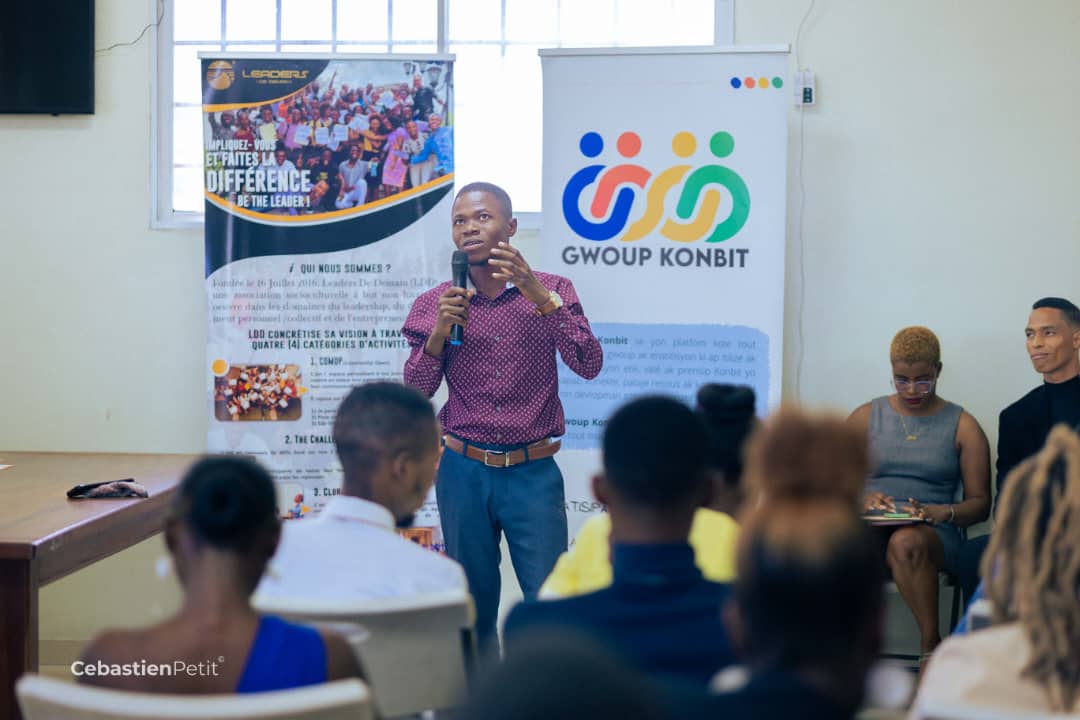
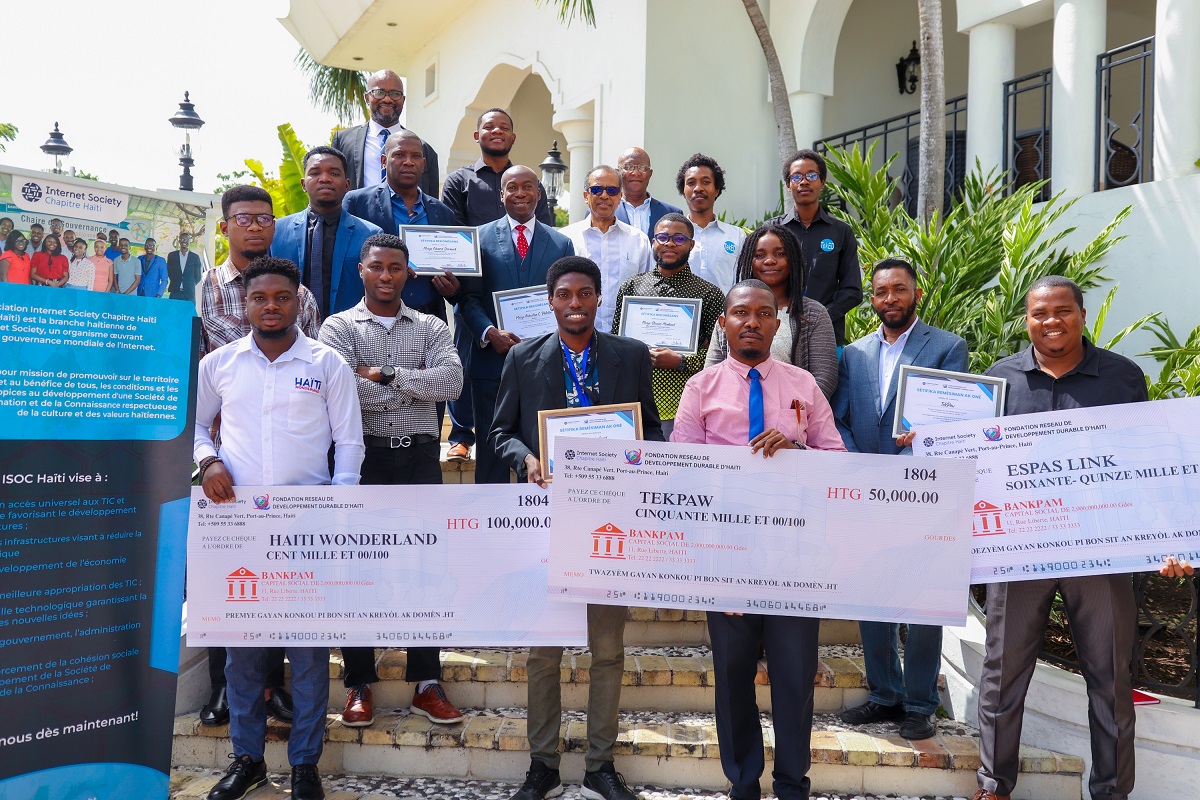
In Haiti, launching an entrepreneurship business is often a real challenge. Lack of financing, scattered information, a lack of visibility for local startups, and difficulties finding mentoring or reliable partners... Many entrepreneurs find themselves facing their challenges alone, which hinders innovation and the country’s economic growth.
On the airwaves of Radio Solidarité 107.3 FM in Port-au-Prince, a familiar voice has been accompanying listeners for years: that of Dominique Beldor, a passionate host and programming director. Through his music show, The Dominik Show, broadcast weekdays and now every Saturday, he has forged a unique connection with the Haitian public, combining music, cultural news, and social analysis. Residing in Florida since May 2024, Dominique continues his remote broadcast with the same energy. Broadcast from Tampa, his show maintains its vocation: to bring Haitian culture to life around the world and offer a space for free, engaged, and respectful discussion. Before leaving the country, the host admitted to having received threats for his opinions and on-air analyses, which forced him to seek shelter to avoid reprisals. Today, from the virtual studios in Florida, Dominique Beldor continues to fly the flag for Radio Solidarité, with a voice freer than ever—and still as close to the hearts of Haitians as ever.
The international music scene buzzed with excitement on Saturday, October 20, 2023 when talented Haitian singer Rutshelle Guillaume was crowned “Best Caribbean Artist” at the prestigious Trace Awards & Festival 2023, held in Kigali, Rwanda. This award recognizes a remarkable career and a significant contribution to the evolution of Caribbean music. Rutshelle Guillaume is an artist who has captured the hearts of music lovers thanks to her undeniable talent and her numerous quality productions. The Trace Awards & Festival is an event renowned for its promotion of Afrocentric music and culture. It is a platform that celebrates the musical diversity of the Caribbean while highlighting the creativity of the region. Caribbean artists are honored for their exceptional contribution to the enrichment of world music. Rutshelle Guillaume’s victory at this prestigious event is not only a tribute to her talent, but also a recognition of the richness of Caribbean music and its ability to transcend geographical boundaries. The Haitian singer knew how to embody this musical diversity and touched the hearts of many listeners around the world. Her career, marked by memorable titles and collaborations with other talented artists, has made her an ambassador for Caribbean music on an international scale. His commitment to promoting Haitian and Caribbean culture has helped strengthen ties between artists in the region and the rest of the world. Rutshelle Guillaume continues to inspire many emerging artists and show that passion, talent and dedication can lead to extraordinary achievements. His victory at the Trace Awards & Festival 2023 is a well-deserved tribute to his influence and undeniable contribution to Caribbean music. Ultimately, Rutshelle Guillaume’s recognition as "Best Caribbean Artist" at the Trace Awards & Festival 2023 is a reminder of the power of music to unite cultures and celebrate artistic diversity. It is a historic moment for the Haitian artist and a source of pride for the Caribbean as a whole. Rutshelle Guillaume continues to be an inspiration to many artists and music lovers around the world, and her music will live on as a testament to her incredible talent and dedication to her art.
Haïti is a small but fascinating Caribbean country with a unique history, vibrant culture and stunning landscapes. Located on the island of Hispaniola, which it shares with the Dominican Republic, Haïti is distinguished by its resilience, historical independence, and natural and cultural wealth. This article offers you a detailed overview of this impressive country, from its history to the geographical and cultural features that make it a must-see destination.
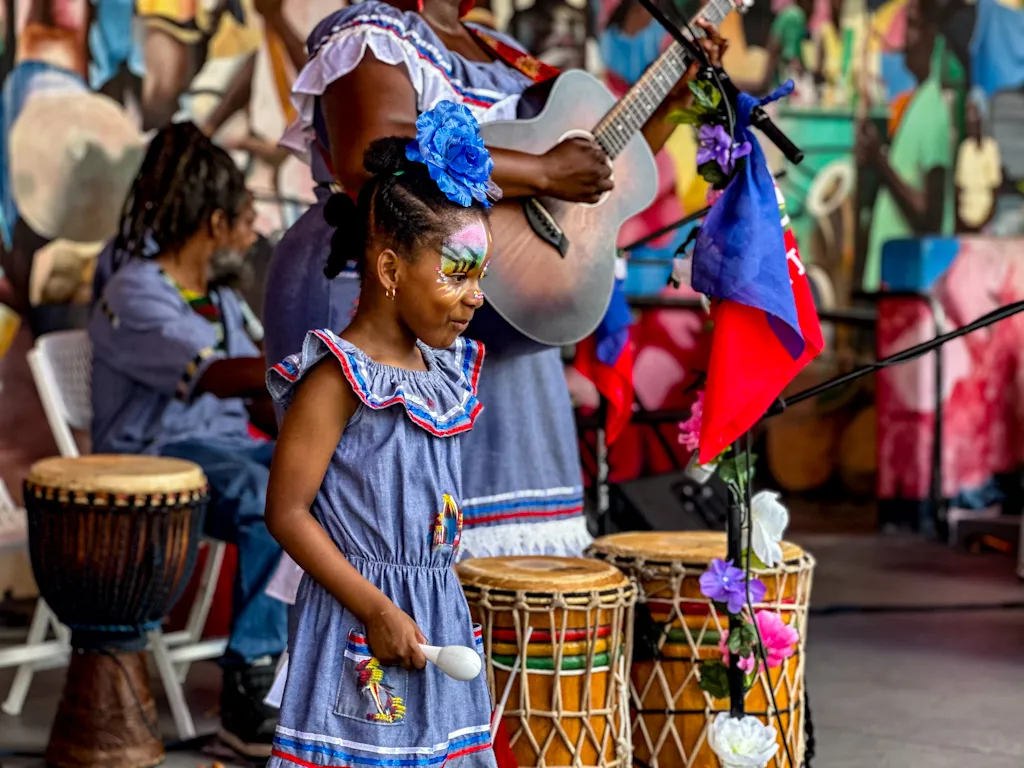
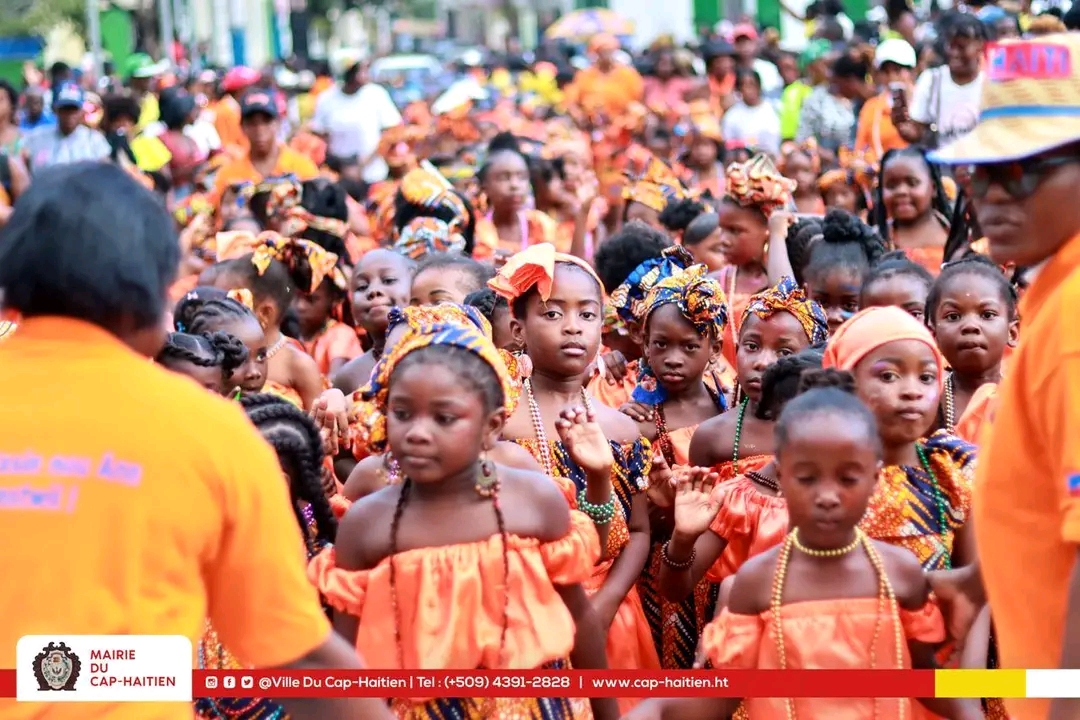
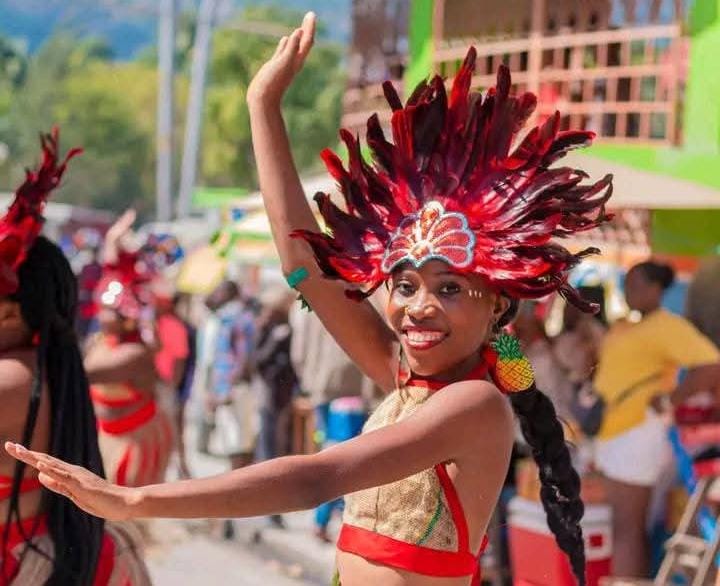
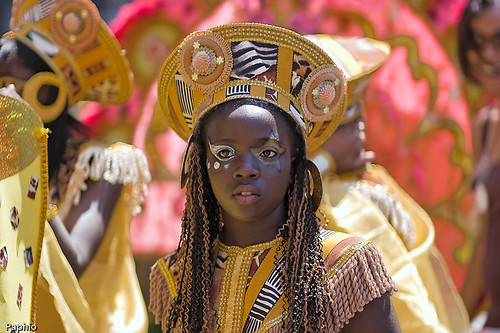
Haiti, an island of culture and history, is much more than a beach destination. It vibrates to the rhythm of its traditions, its music, its dances, and especially its traditional festivals. If you’re looking for an authentic experience, these events are the perfect opportunity to immerse yourself in the soul of a proud, warm, and creative people. Here is a selection of the must-see traditional Haitian festivals that every traveler should experience at least once.

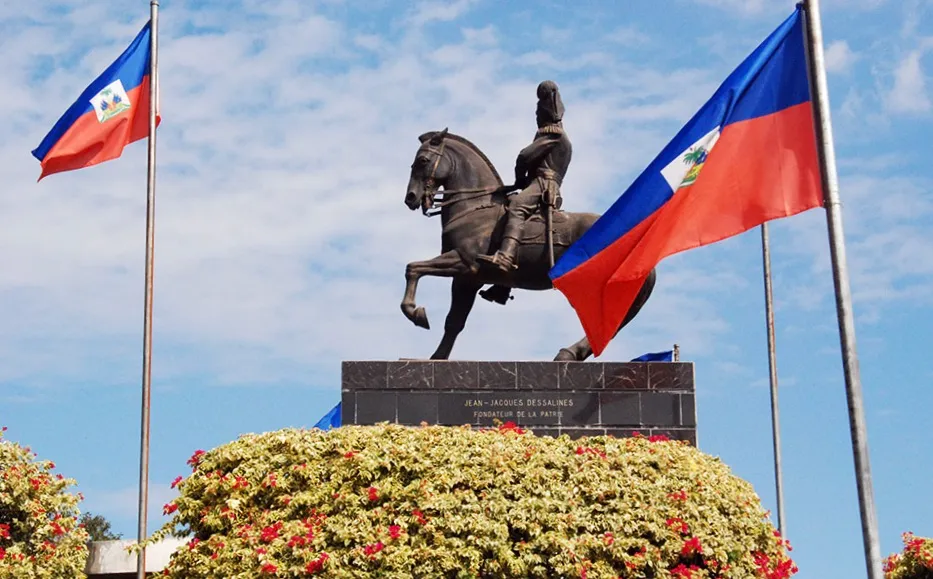
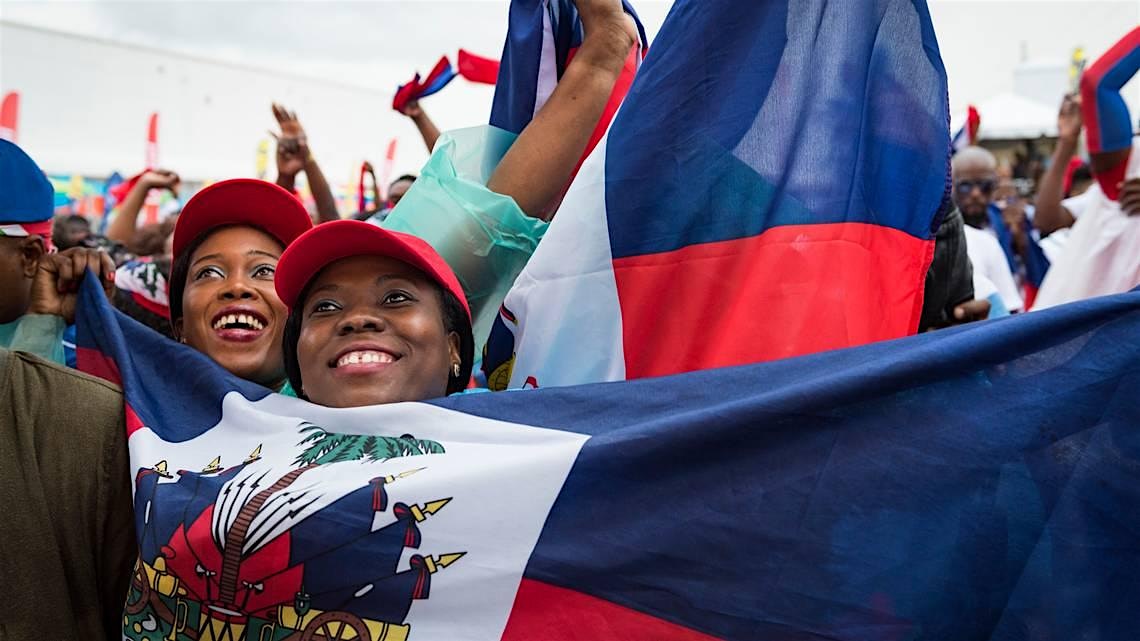
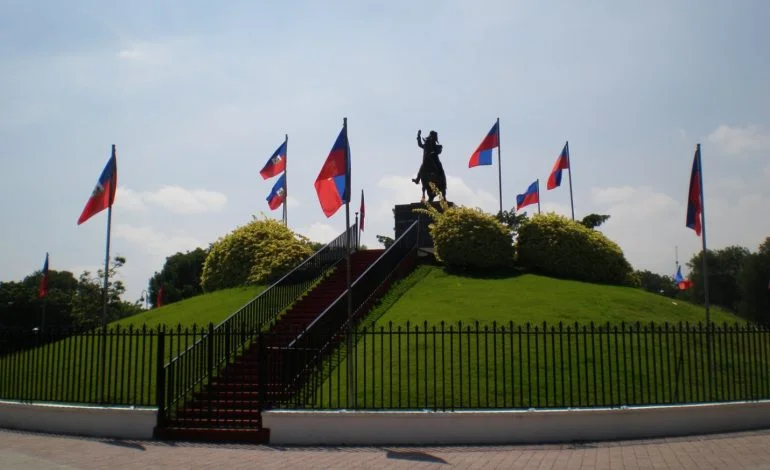
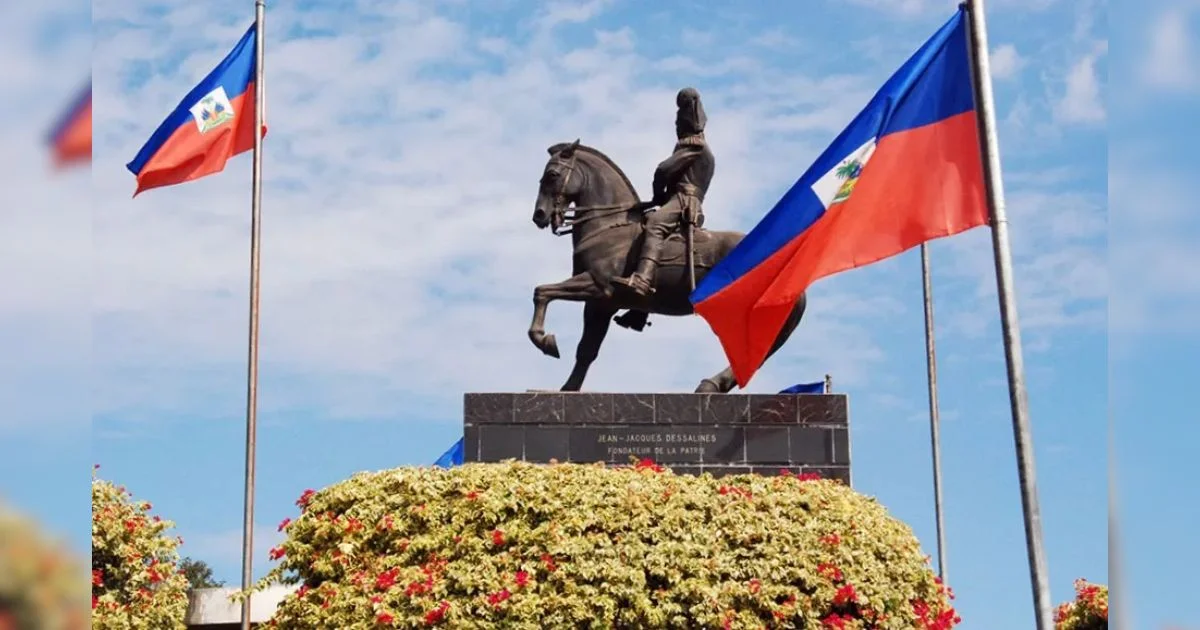
First black nation to free itself from slavery and gain independence from France in 1804 and influenced other liberation movements around the world, inspiring struggles for freedom and equality.

Haïti is blessed with spectacular natural landscapes, including white sand beaches, mountains and rich biodiversity.

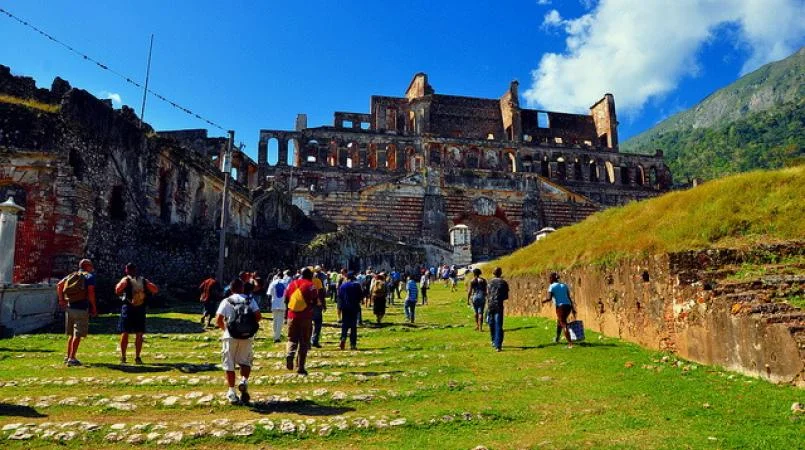
Haïti has a rich historical heritage, including sites like the Citadelle Laferrière and the Sans-Souci Palace, listed as UNESCO World Heritage Sites.

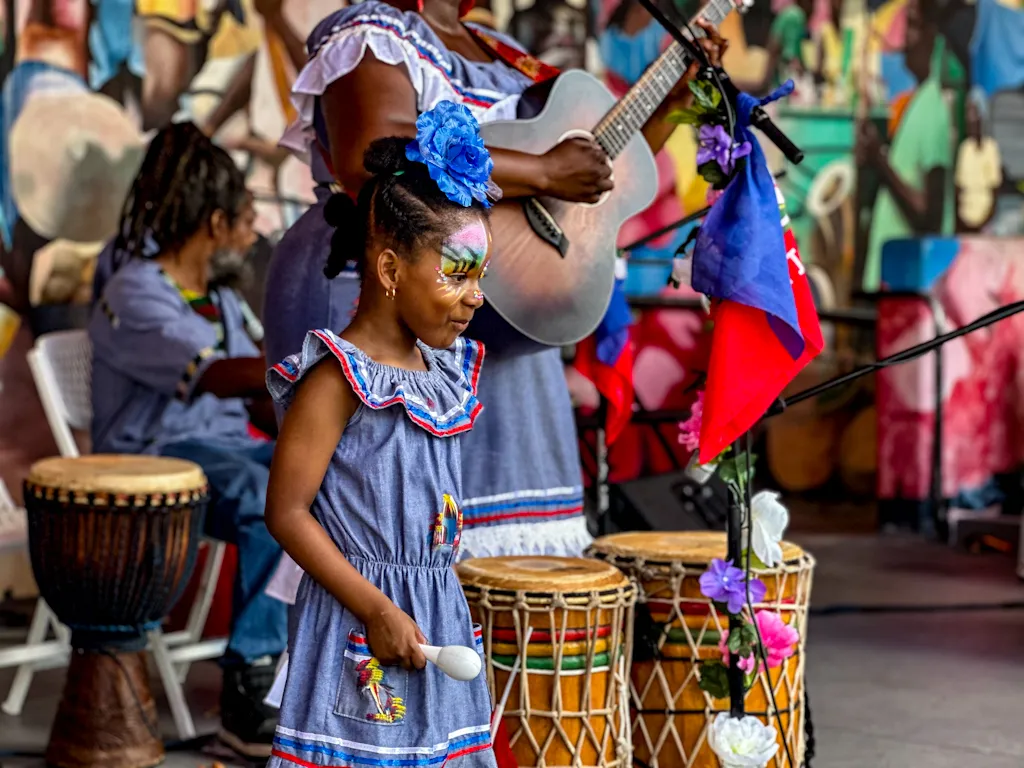
Haïti has a rich and diverse culture, influenced by African, European and indigenous elements. Haitian music, dance, art and cuisine are celebrated around the world.