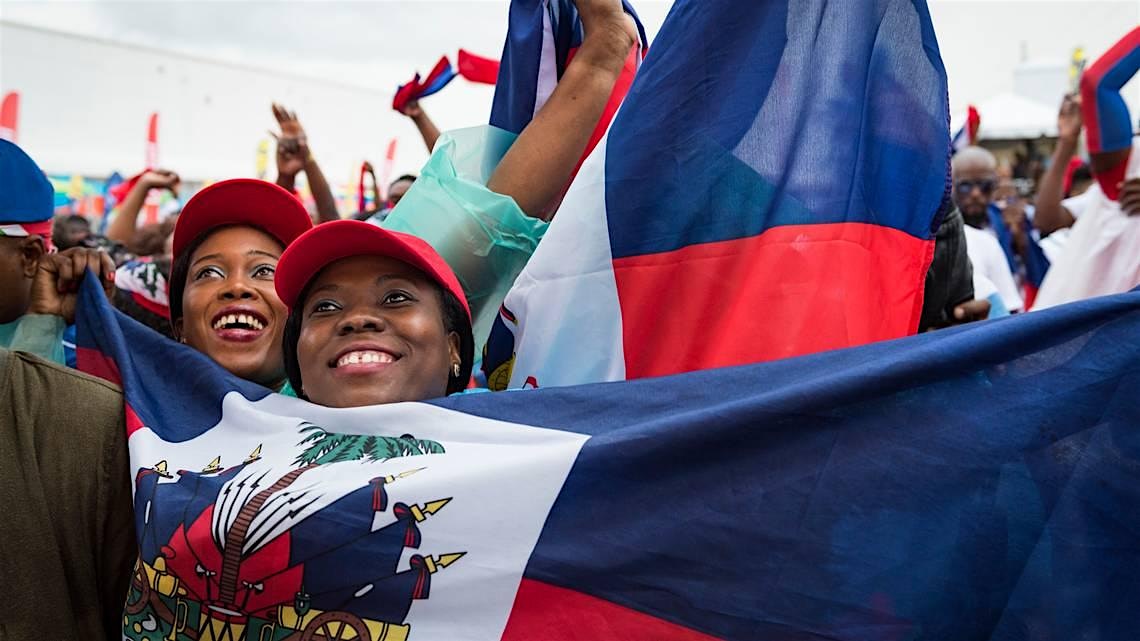
What is Haiti’s motto?
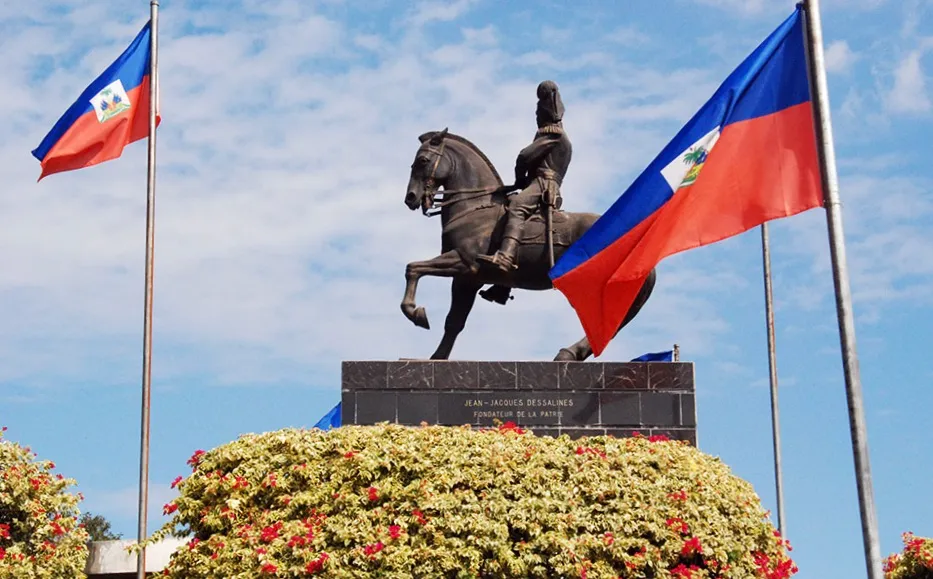
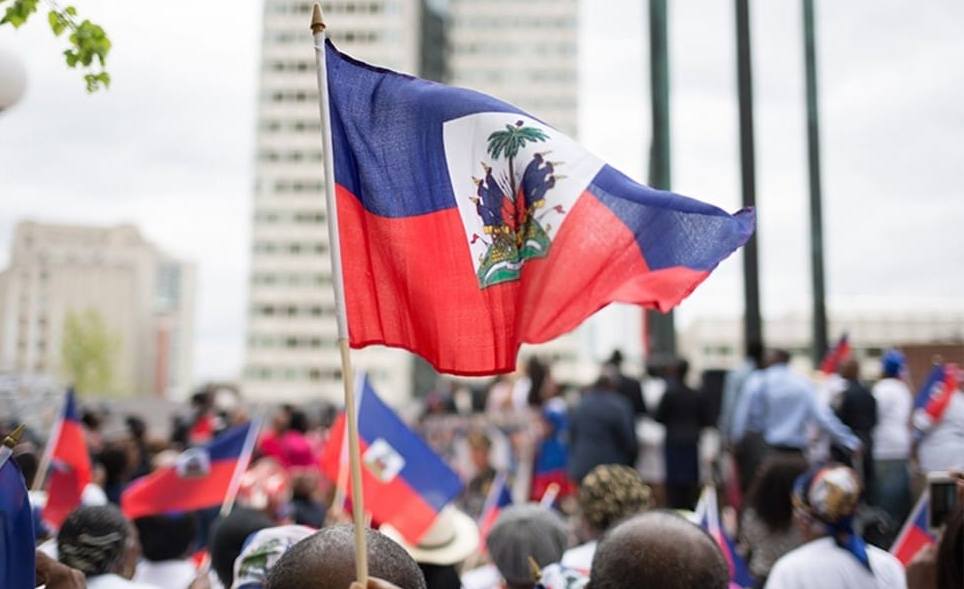
Discover Haiti's national motto: Liberty – Equality – Fraternity. Its origin, meaning, and importance in Haitian history and identity.

The Meaning of the Essence of Love The commune of President Boniface Alexandre and Martial CELESTIN produces a talented artist. Yes, Ganthier stands out as one of its best representatives on the international scene. "I Let You In" is a title that lays bare the complexity of heterogeneous relationships around the world. This opus, both provocative and touching, awakens the mind, body and soul. I am deeply moved by the way in which the artist Igens VIL, a true emblematic figure of Ganthier, evokes intense emotions and provokes reflection on the issues of contemporary romantic relationships. Each verse of this composition, co-written with Dayvin Kaponda, contains profound messages about tolerance towards others, our aspirations and ambitions, the true foundations of authentic love. It is the very essence of life. Despite the tumults of daily life and the inevitable misunderstandings in human relationships, he reminds us that “in my life, there is always a me; I have tried everything. Even if it means taking a step back, I am ready to do it. And if it means, I will get down on my knees”. The singer, who spent a large part of his adolescence in Galette-Chambon, the first communal section of the commune of Ganthier, is now active in the French music industry. He eloquently and skillfully addresses the complex triangle of sentimental relationships: sacrifice, tolerance and communication. This remarkable work deserves to be heard everywhere; it inspires faith, reflection and action. Gensbe, known as Igens VIL, deserves awards for this song. Guitarist, singer, composer and academic in France, he embodies a rare mix of talents for a young Haitian engaged in these demanding fields that require time, sacrifice and a lot of energy. Today, Gensbe is at his peak and never gives up. More songs are in the works for you, dear listeners. Subscribe to Gensbe on YouTube and other platforms. He is without a doubt one of the best Haitian artists among the big international names. I’ll let you in.
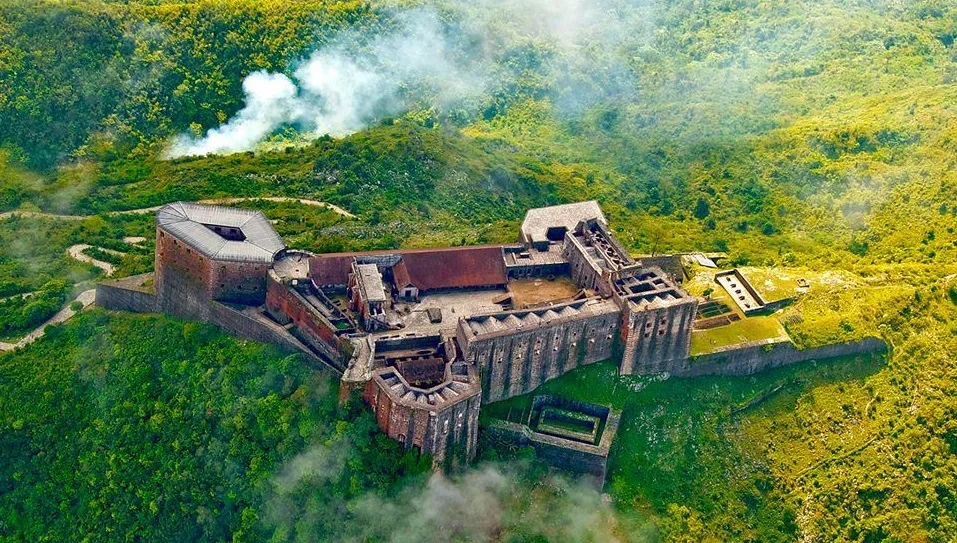
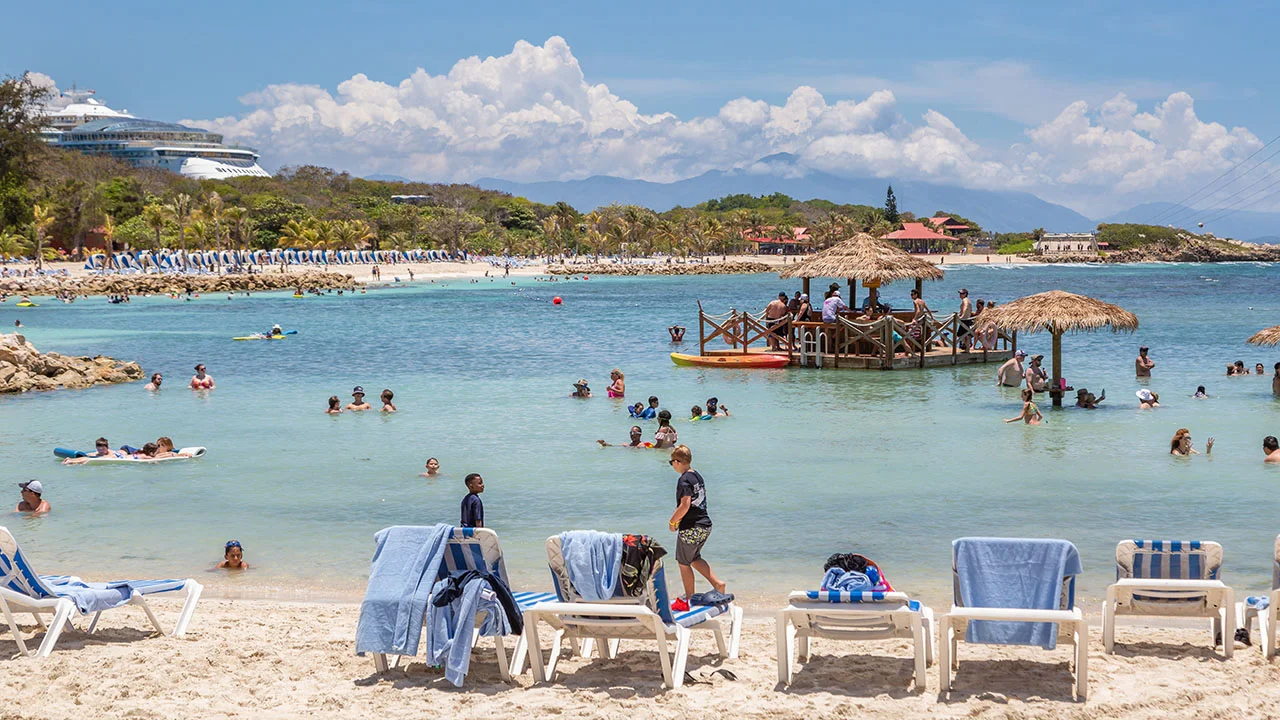
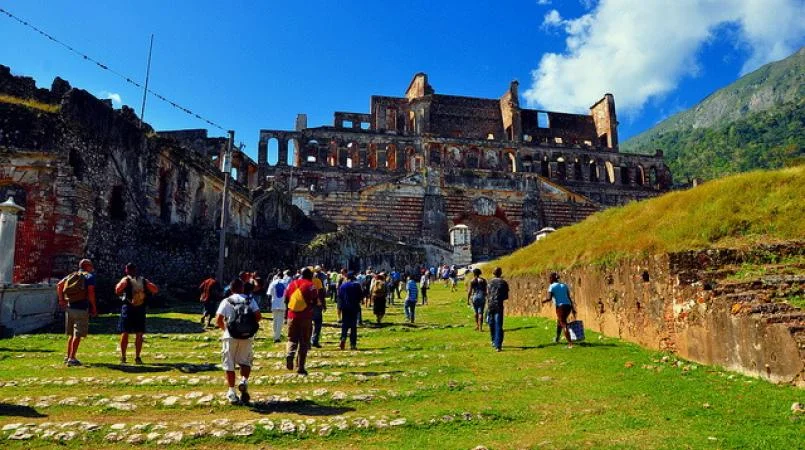
Haiti, often recognized for its rich history, vibrant culture and mountainous landscape, is also blessed with a stunning coastline lined with picturesque beaches. Haitian beach resorts offer a unique experience where white sand meets the crystal clear waters of the Caribbean Sea. These beach destinations are emerging as hidden gems, ready to be discovered by travelers hungry for sun and adventure. A Rich and Cultural History Haiti’s resorts don’t just offer breathtaking scenery; they are also steeped in rich history and culture. Visitors can explore historic sites such as the Citadelle Laferrière, a majestic fortress built in the early 19th century, or the Palais Sans-Souci, a former royal residence dating back to the colonial era. Additionally, Haitian music, dance and cuisine bring a lively and colorful touch to the seaside experience, giving visitors an authentic insight into local culture. Heavenly Beaches Haiti’s beaches are some of the most beautiful in the Caribbean, offering miles of pristine white sand bordered by sparkling turquoise waters. Destinations such as Jacmel, Labadee and Île-à-Vache offer tranquil retreats where visitors can relax in the tropical sun or indulge in a host of water activities, such as snorkeling, sailing and boating. kayak. Whether you’re looking for excitement or tranquility, Haiti’s beaches offer something for everyone. An Emerging Ecotourism Haïti is also becoming a popular destination for ecotourism enthusiasts. With its unique biodiversity and unspoilt landscapes, the country offers unique opportunities for bird watching, jungle hiking and discovering spectacular natural sites such as the Saut-d’Eau waterfalls and caves. Environmentally conscious travelers will find in Haïti a perfect balance between adventure and nature conservation. Haiti’s resorts offer much more than spectacular beaches. They offer immersion in a vibrant culture, fascinating history and preserved nature. By choosing to visit Haiti, travelers have the opportunity to discover a jewel of the Caribbean, while contributing to the economic development and well-being of this extraordinary country.
Haiti, often called "the Pearl of the Antilles" and formerly known as "Hispaniola", is a Caribbean country rich in history and culture. It is home to several major cities that play crucial roles in its economic, political and cultural development. Each of these cities has its own character and particularities. Here is an exploration of the 15 major cities of Haiti:
In Haiti, December 25th, Christmas Day, is much more than just a religious holiday. It is a date filled with traditions, cultural meanings, and moments of sharing. This article explores what this day means to Haitians and how it is celebrated throughout the country.
The name “Haiti” is deeply rooted in the history, culture and identity of the nation. Carrying within it the legacy of the first inhabitants and the weight of the struggles for freedom, this word symbolizes much more than a simple territory. Let’s discover together the history and context surrounding this unique appellation.
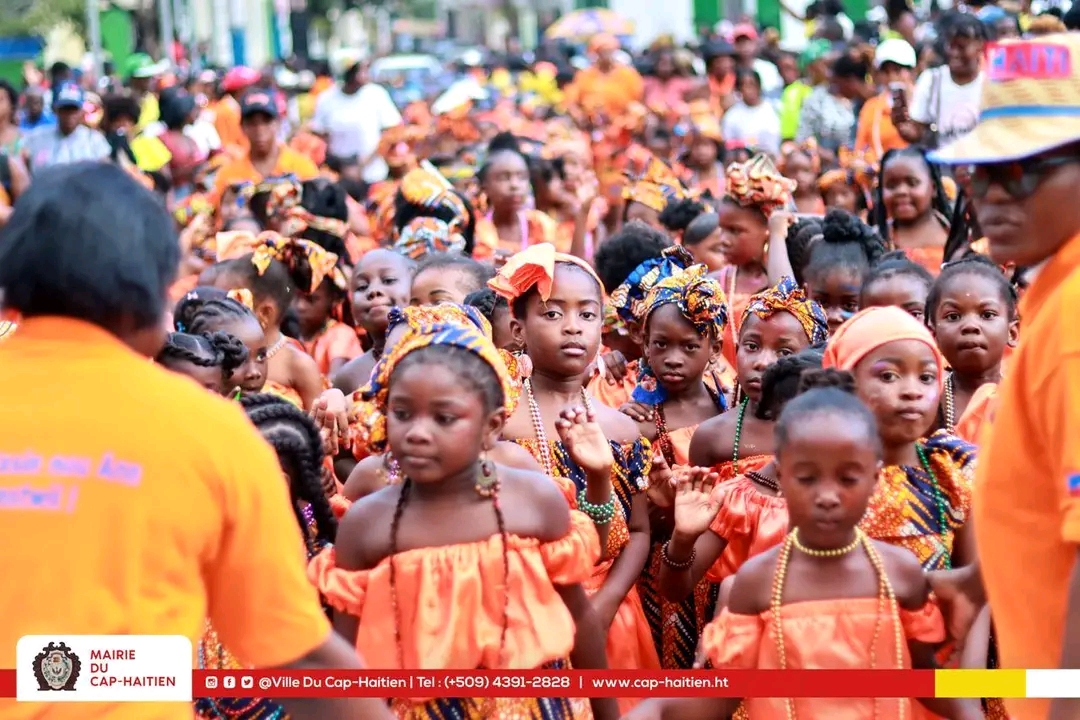
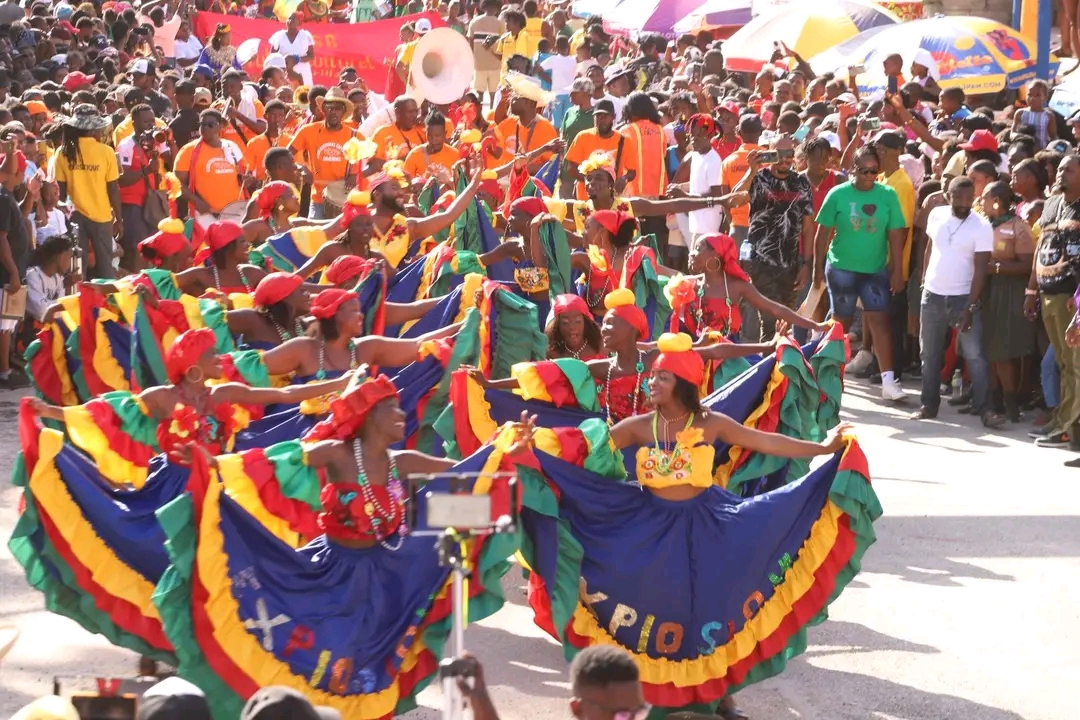
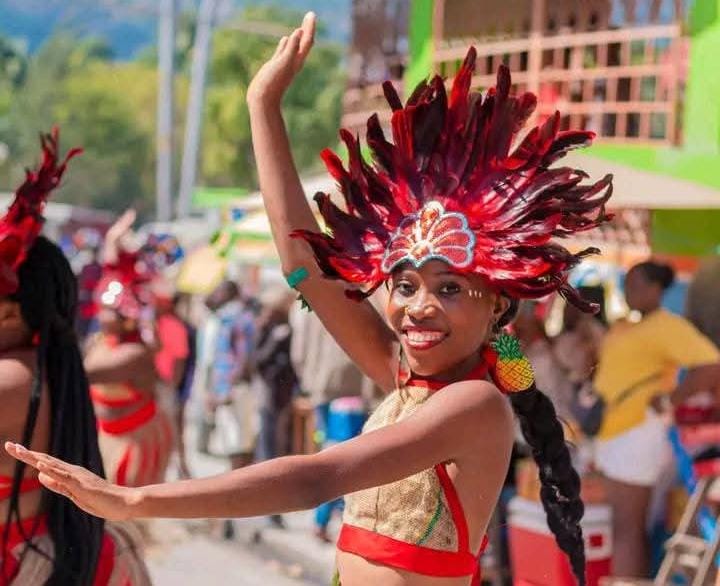
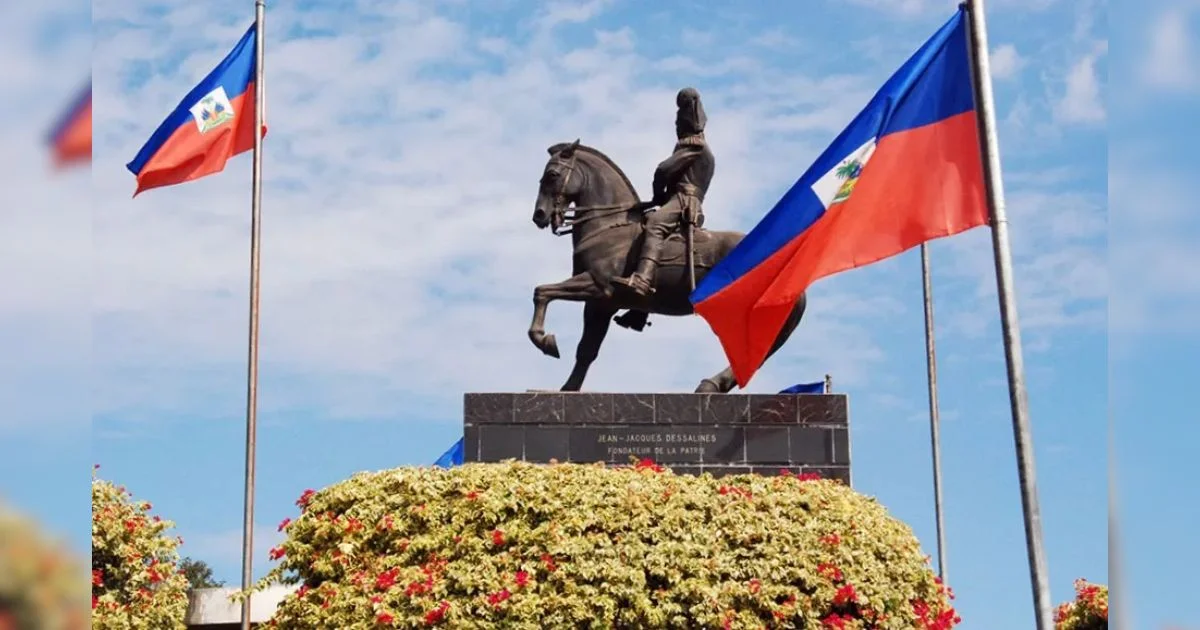
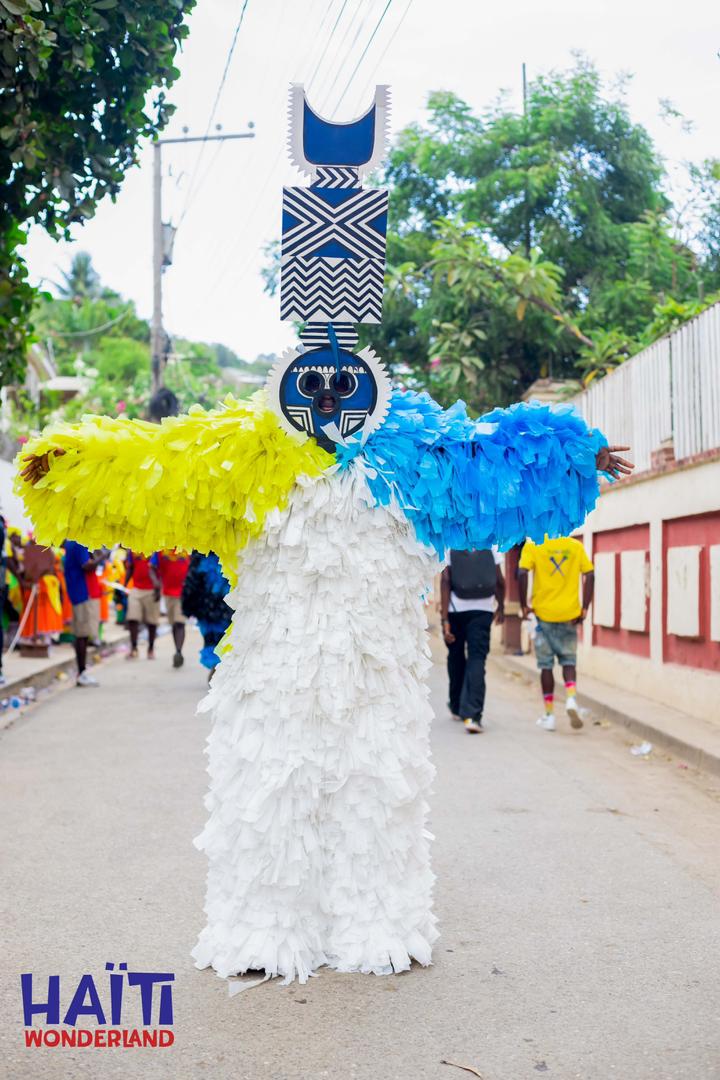
Haiti, the pearl of the Antilles, is a country rich in history and culture. Its public holidays are moments of celebration, commemoration and reflection on its glorious past. Each date has a special meaning, plunging Haitians into a festive and memorable atmosphere. b~January 1: National Independence Day and New Year~b January 1st is a doubly special day in Haiti. On the one hand, it is National Independence Day, commemorating the victory of Haitian slaves over French colonial forces in 1804. On the other hand, it is New Year’s Eve, marking the start of a new year full of promises and hopes. b~January 2: Feast of the Forefathers~b January 2 is dedicated to the memory of ancestors. It is an opportunity for Haitians to remember their roots, to celebrate the cultural heritage passed down from generation to generation. b~February: Carnival, Shrove Monday, Fat Tuesday, Ash Wednesday~b The month of February is marked by Carnival, one of the most colorful and dynamic festivities in Haiti. The streets fill with parades, lively music and wild dancing. Mardi Gras is the culmination of Carnival, followed by Ash Wednesday, marking the start of Lent. b~April: Easter, Maundy Thursday, Good Friday~b Easter celebrations in Haïti include the religious traditions of Maundy Thursday and Good Friday. It is a time of prayer and reflection for many Haitians. b~May 1: Agriculture and Labor Day~b May 1 is dedicated to celebrating the work and importance of agriculture in the life of the country. It is an opportunity to recognize the efforts of workers and to highlight the agricultural sector. b~May 18: Flag Festival~b Flag Day celebrates the Haitian flag, a symbol of independence and national pride. Haitians honor their colors and remember the courage of their ancestors in the fight for freedom. b~May 23: National Sovereignty Day~b This day commemorates the recognition of Haitian sovereignty by France in 1805. It is a moment of national pride and reaffirmation of independence. b~May - August: Ascension~b The Ascension is celebrated between May and August, a religious festival marking the ascension of Jesus Christ into heaven. b~June: Fête-Dieu~b Fête-Dieu, also known as the Feast of the Body and Blood of Christ, is an important religious celebration in June. b~August 15: Assumption of Mary~b The Assumption of Mary is a Christian holiday marking the ascension of the Virgin Mary into heaven. It is celebrated with fervor in Haiti. b~September 20: Birth Anniversary of Jean-Jacques Dessalines~b This date commemorates the birth of Jean-Jacques Dessalines, one of the founding fathers of Haïti and a key leader in the struggle for independence. b~October 17: Death of Dessalines~b October 17 is a day of commemoration of the death of Jean-Jacques Dessalines, recalling his impact on Haitian history. b~November 1: All Saints’ Day~b All Saints’ Day is a religious holiday honoring all saints, celebrated with prayers and visits to cemeteries. b~November 2: Day of the Dead~b All Souls’ Day is an opportunity to pay homage to the deceased by decorating graves and participating in religious ceremonies. b~November 18: Commemoration of the Battle of Vertières~b This day honors the decisive Haitian victory at the Battle of Vertières in 1803, marking the end of the French occupation. b~December 5: Discovery Day~b December 5 celebrates the discovery of the island by Christopher Columbus in 1492. b~December 25: Christmas~b Christmas celebrations in Haïti are marked by family reunions, festive meals and religious traditions. Public holidays in Haïti are much more than breaks from everyday life; these are moments that embody the soul and resilience of a people. Each celebration provides an opportunity to come together, remember the past and look to the future with hope and determination.
Nestled on the southern coast of Haiti, Jacmel is a city that never ceases to seduce with its natural beauty, colonial architecture and incredible artistic wealth. Nicknamed the cultural capital of Haiti, Jacmel is a place where creativity flourishes and where every street corner seems to tell a unique story. Discover what this artistic city has to offer and why it deserves a special place in your next trip to Haiti.
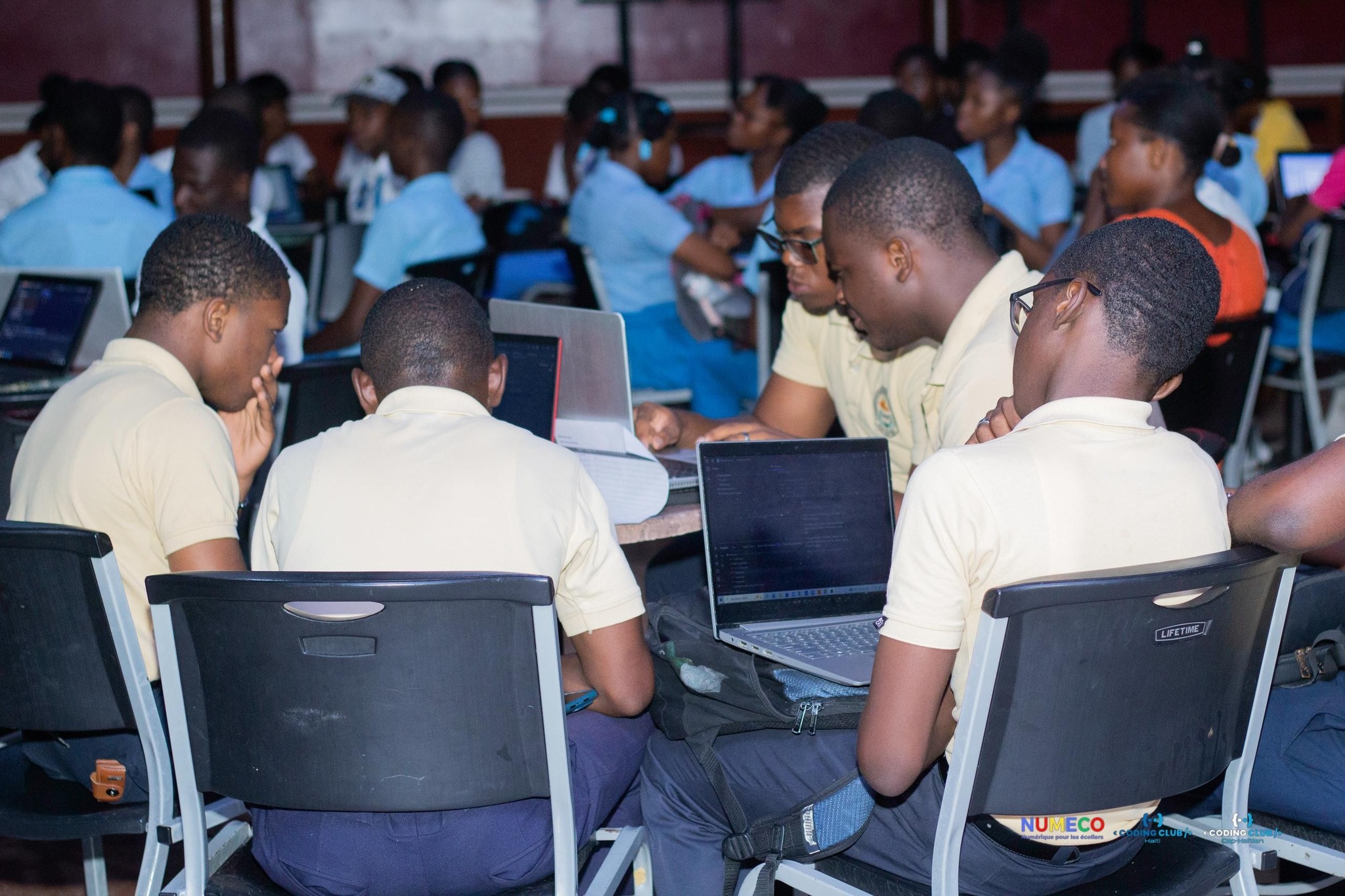
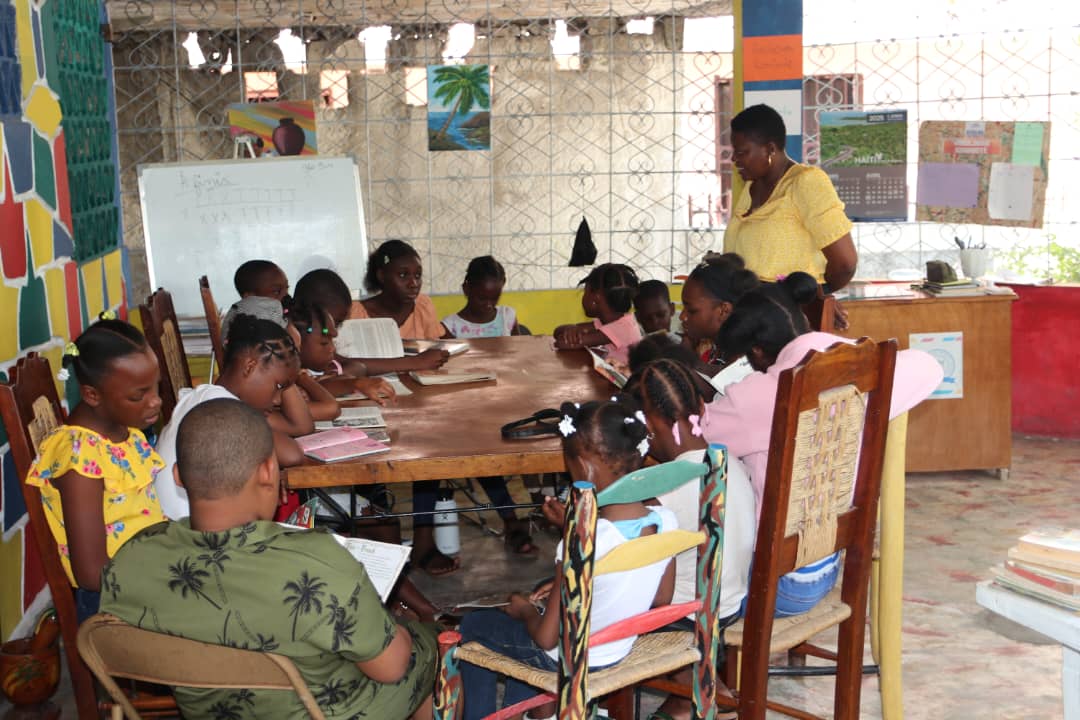
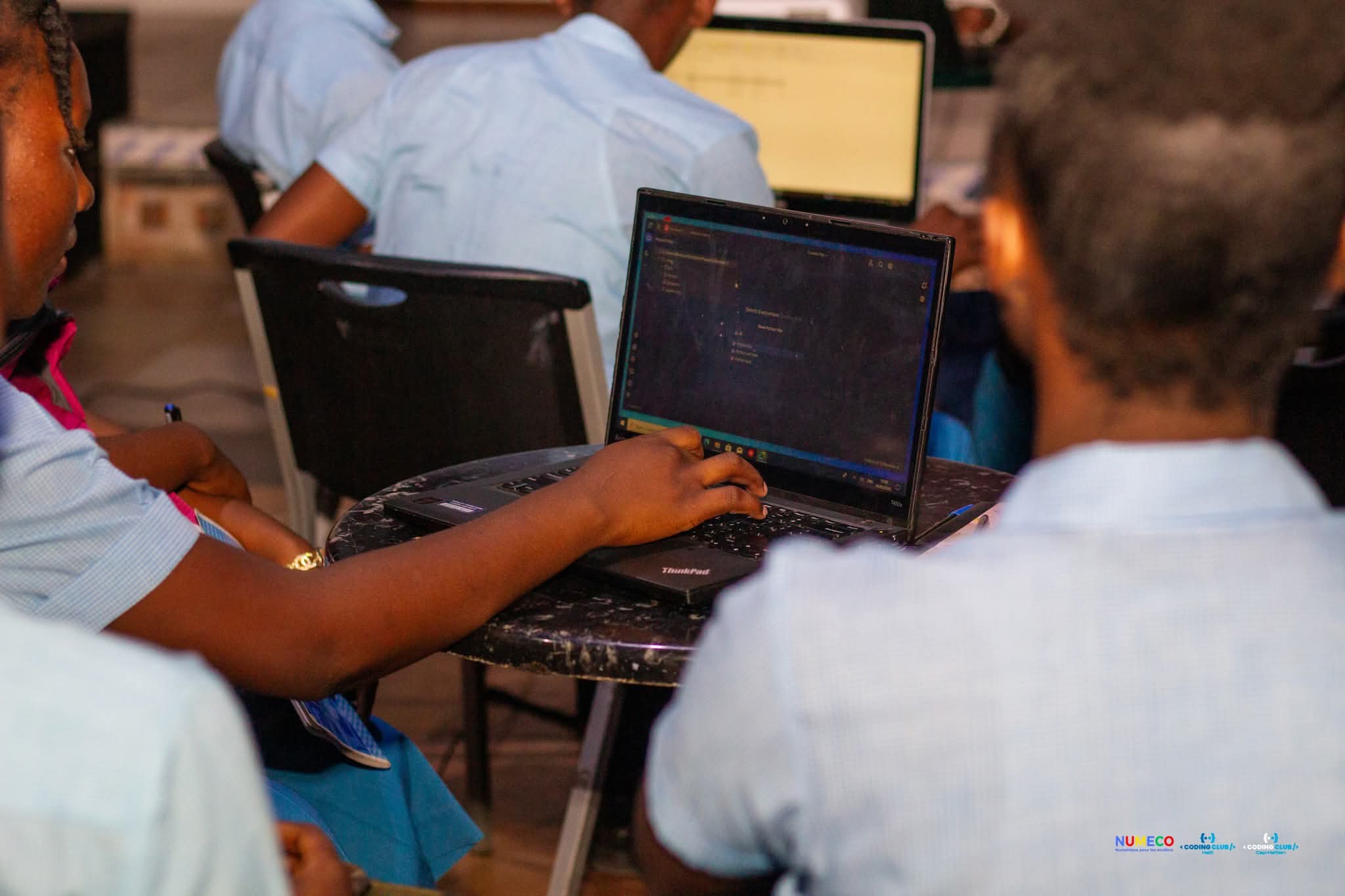
On March 14, 2025, Cap-Haïtien hosted an exceptional event: the official launch of NUMECO (Digital for Schoolchildren), an innovative program by Coding Club Haiti. More than 50 schoolchildren from 10 schools participated in this initiative aimed at introducing them to the basics of computer programming.
Schneider Léon Hilaire is a young Haitian painter endowed with exceptional talent, trained at the prestigious Centre d’Art in Port-au-Prince. From the very beginning, he captured the hearts of art lovers throughout the Haitian capital, quickly making a positive impression on the local art scene. His talent, nourished by the rich and diverse Haitian culture, has not been confined to the borders of Haiti. Indeed, after a successful exhibition in Paris last year, Schneider Léon Hilaire’s work has found a new place to spread its wings, continuing to captivate beyond the oceans.
In 2025, the name Jephte Estiverne echoes ever louder in the Haitian literary world. A poet, linguist, and trained sports journalist, this young author with a meteoric rise, originally from Carrefour-Feuilles, is establishing himself as one of the most promising voices of his generation. Through personal insights and reflections, he shares his journey, his relationship with writing, his vision of the country, literature, and poetic commitment.
Easter in Haïti is both spiritual and convivial. It is a time of contemplation for many, but also a sacred occasion to gather with family around a special meal, respectful of the religious traditions of Lent. During this period, meat disappears from the plates, replaced by fish, especially cod, in an explosion of typically Haitian flavors.
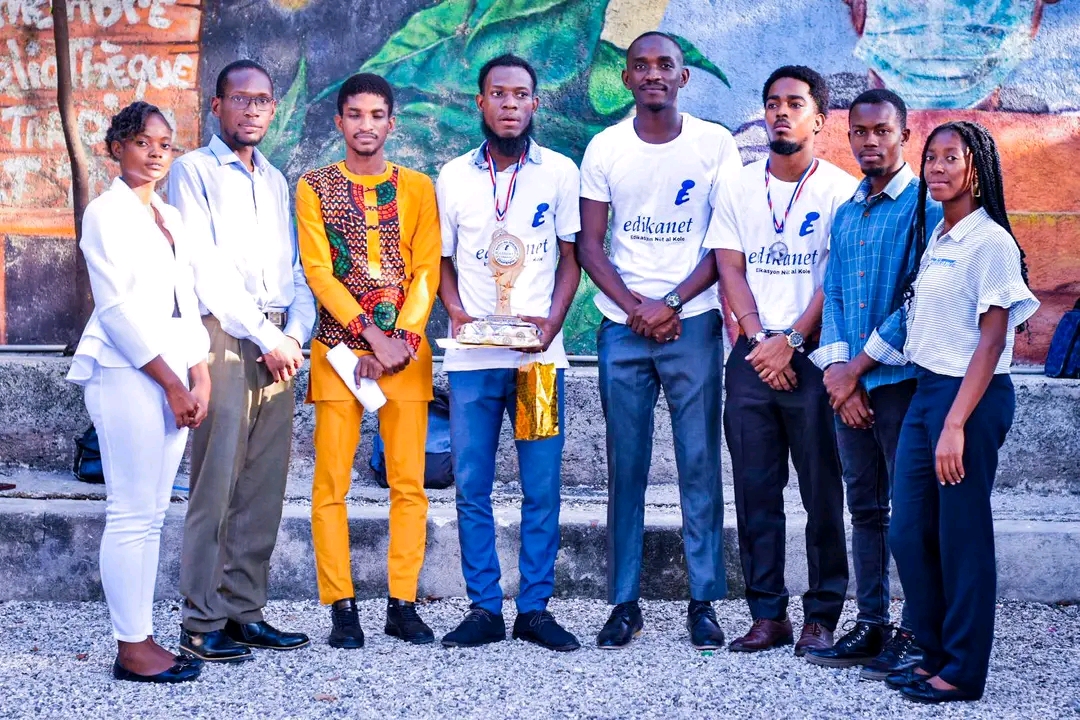
On March 17, 2024, the city of Saint-Marc vibrated to the rhythm of the first edition of the Concours de Génie en Herbe, a unique initiative full of promise for the local educational community. This event, organized by the dynamic Piqûre Intellectuelle team, brought together the best students in the region for a celebration of academic excellence and the spirit of camaraderie.
Perched in the heights, above the commune of Pétion-ville, the commune of Kenscoff is a jewel lit up above the metropolitan area of Port-au-Prince. The commune is located in the department of the West of Haiti, and is about 10 kilometers from the city center of Port-au-Prince, the capital of the country. The city of Kenscoff was founded in 1930, and was elevated to the rank of commune in 1934. The commune has an area of 202.76 square kilometers and is made up of five communal sections: Belle-fontaine, Bongars, Grand-fonds, Sourcailles. And Nouvelle-Touraine. Kenscoff is one of the most mountainous communes in Haiti.

First black nation to free itself from slavery and gain independence from France in 1804 and influenced other liberation movements around the world, inspiring struggles for freedom and equality.

Haïti is blessed with spectacular natural landscapes, including white sand beaches, mountains and rich biodiversity.

Haïti has a rich historical heritage, including sites like the Citadelle Laferrière and the Sans-Souci Palace, listed as UNESCO World Heritage Sites.

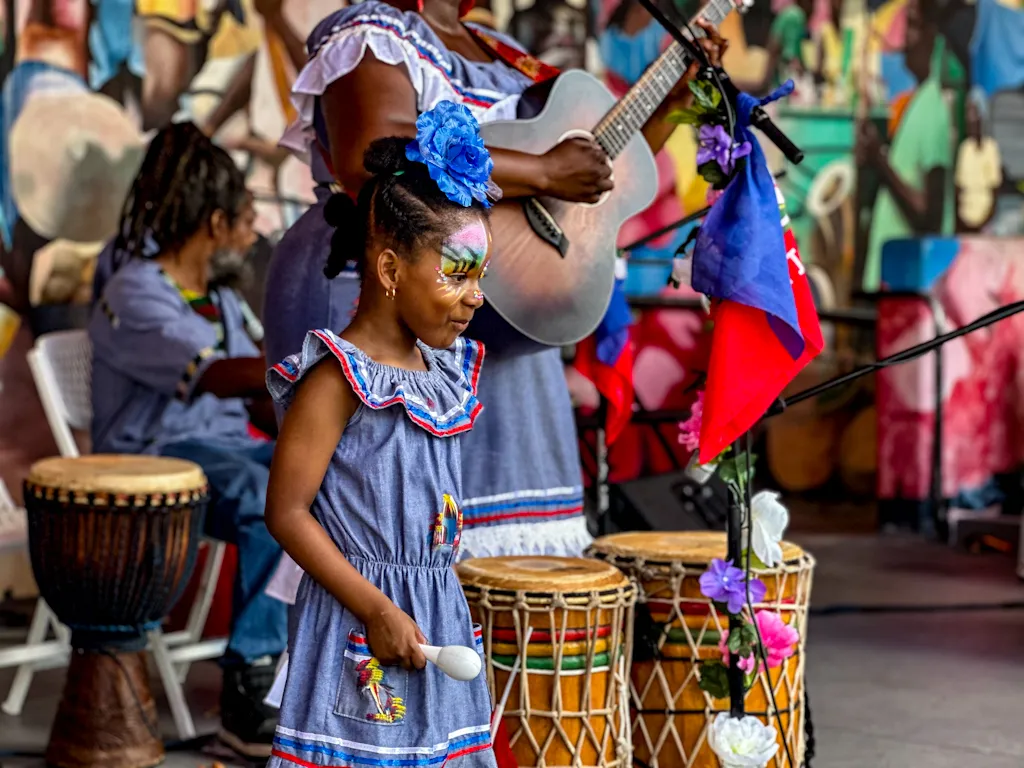
Haïti has a rich and diverse culture, influenced by African, European and indigenous elements. Haitian music, dance, art and cuisine are celebrated around the world.