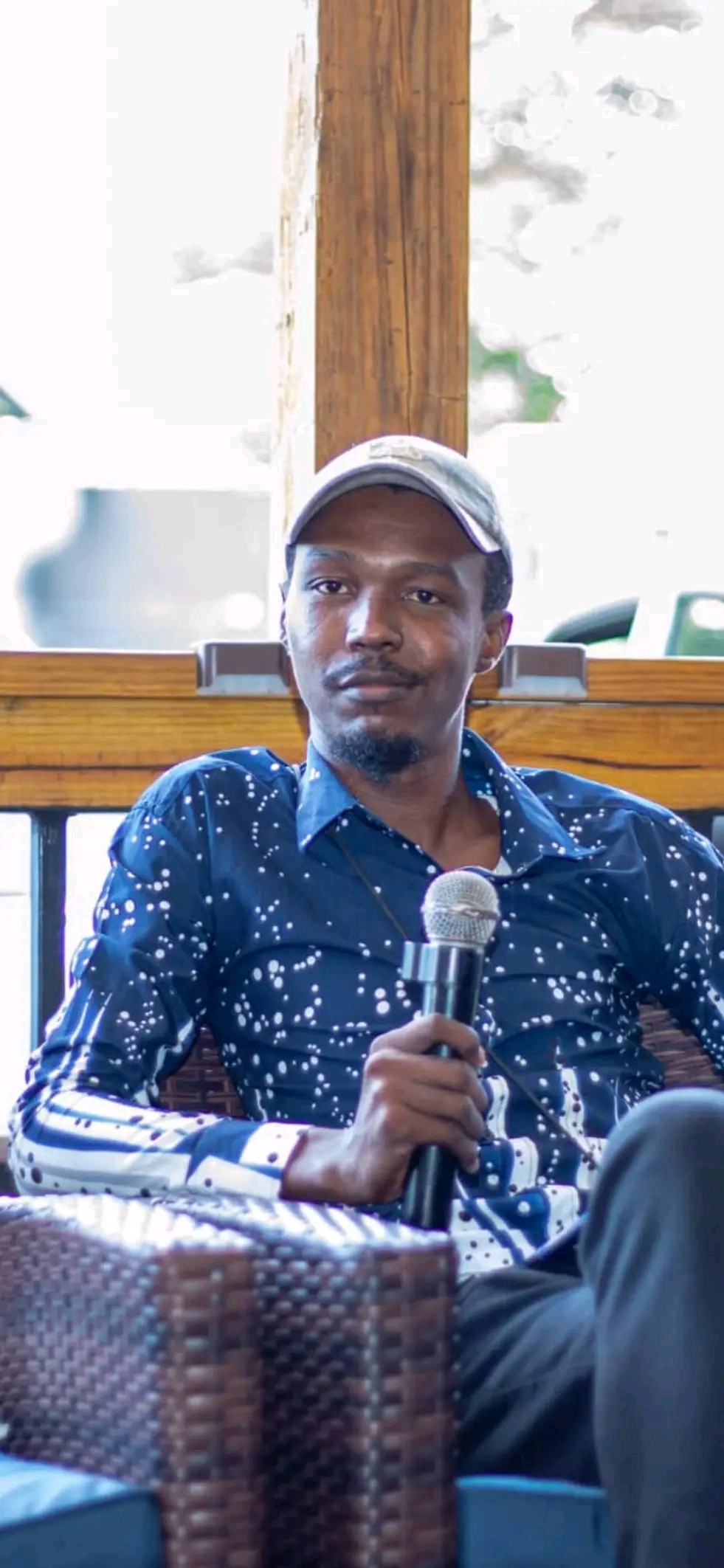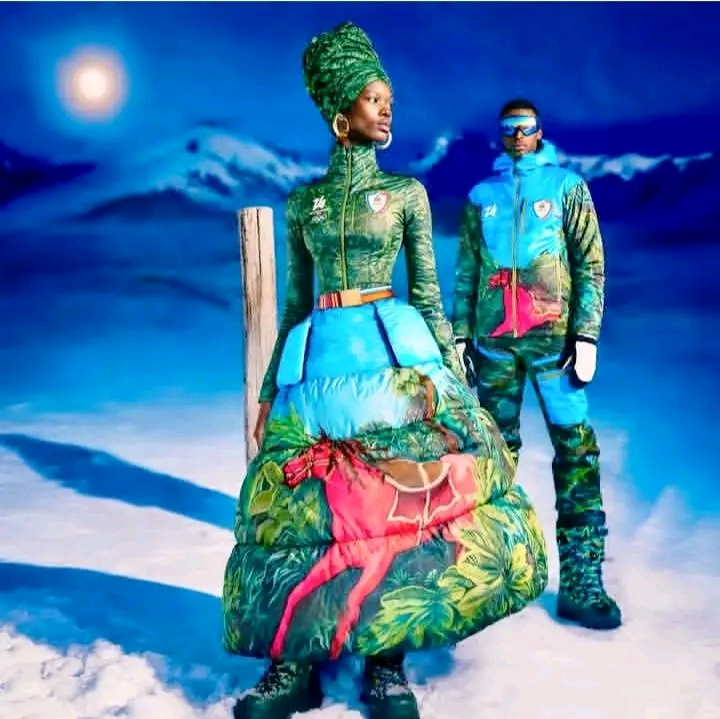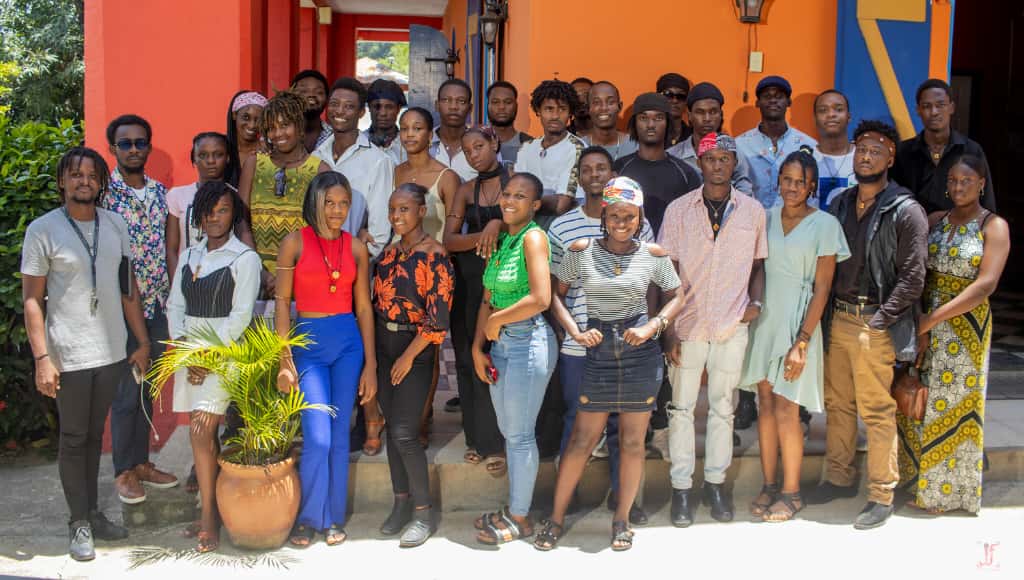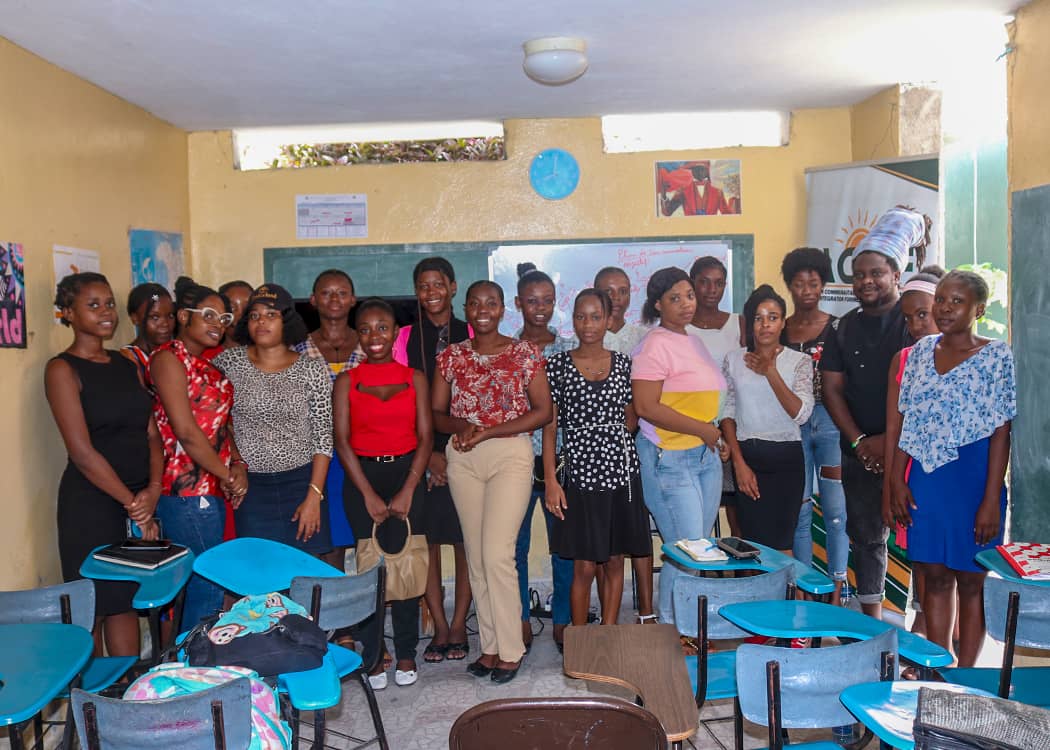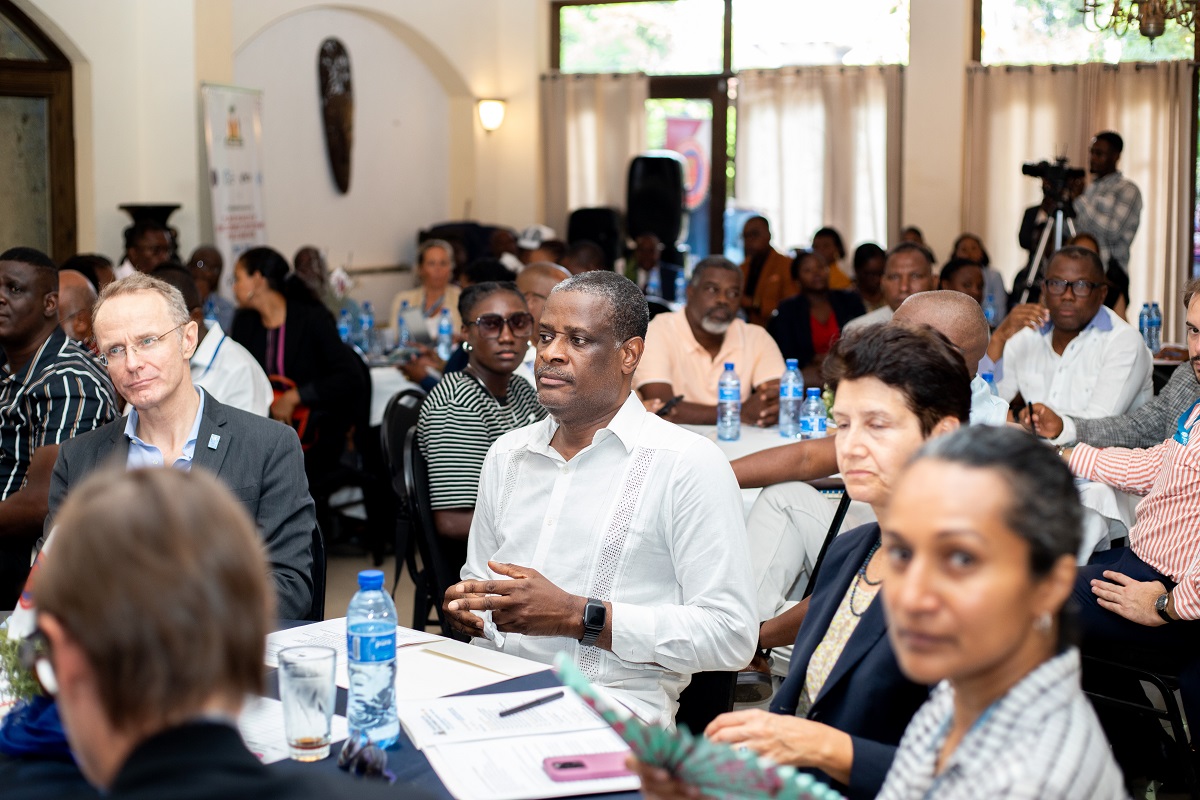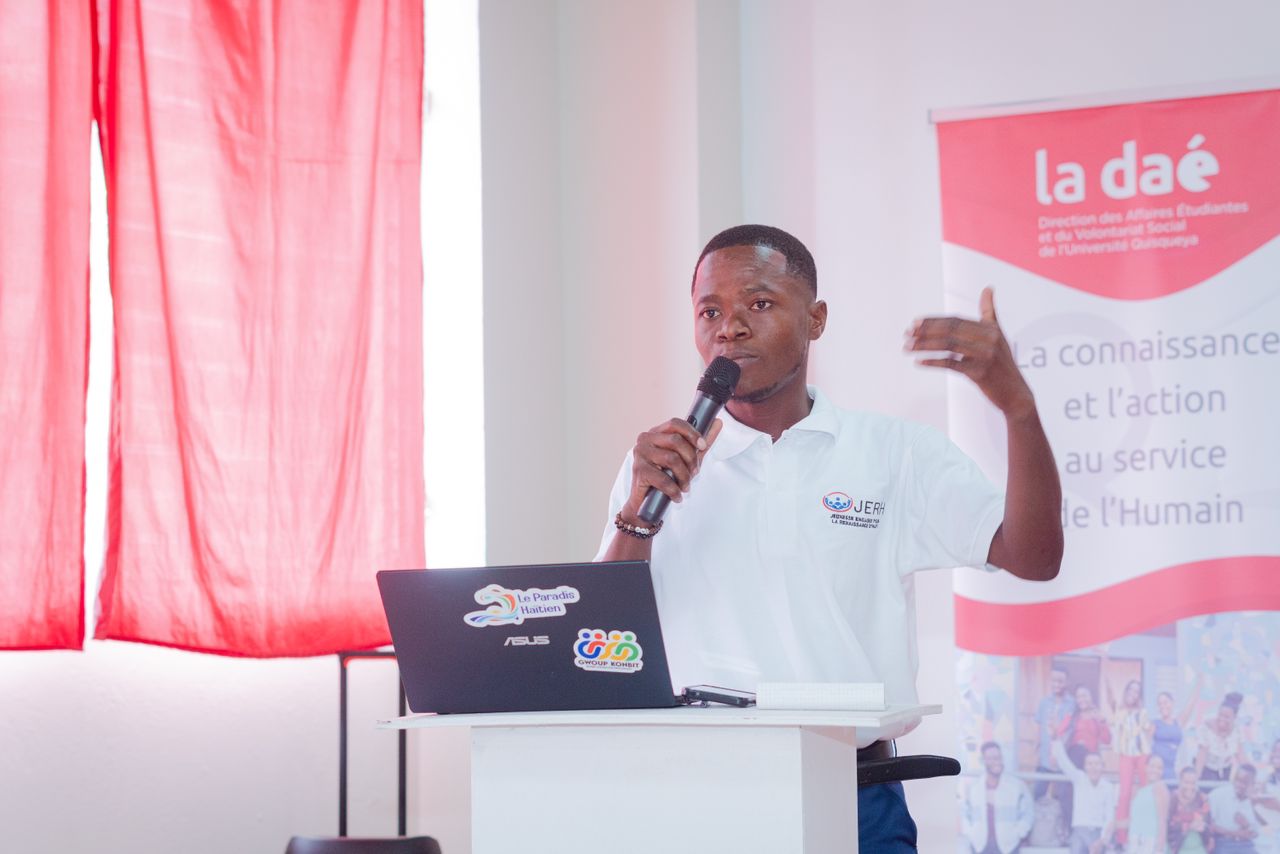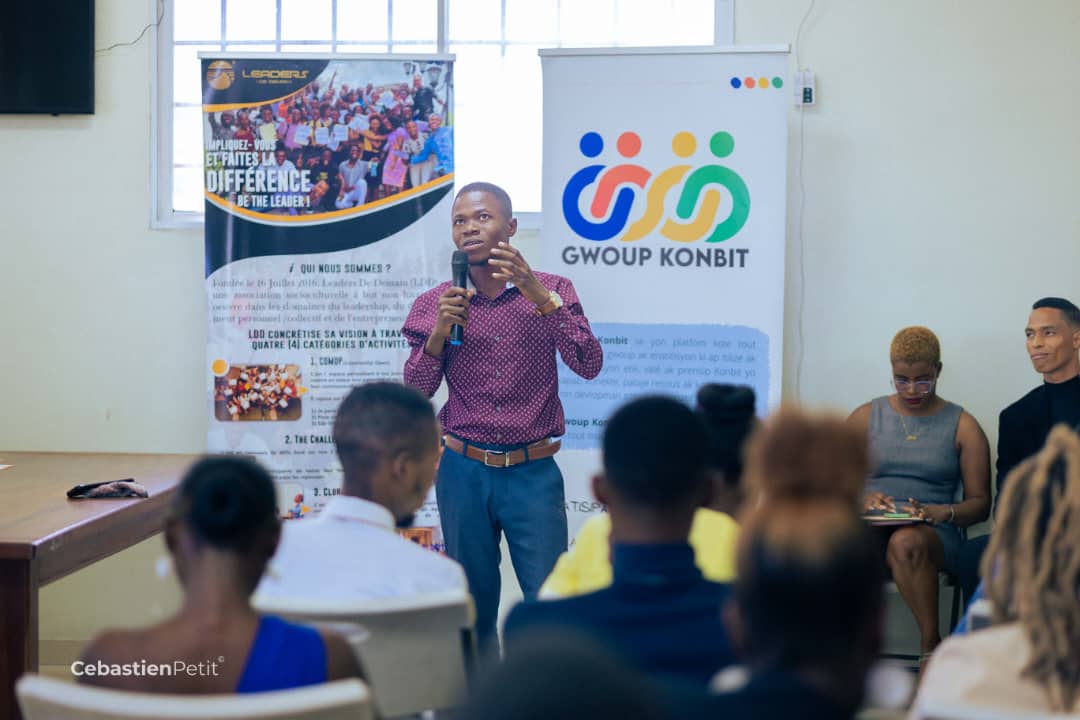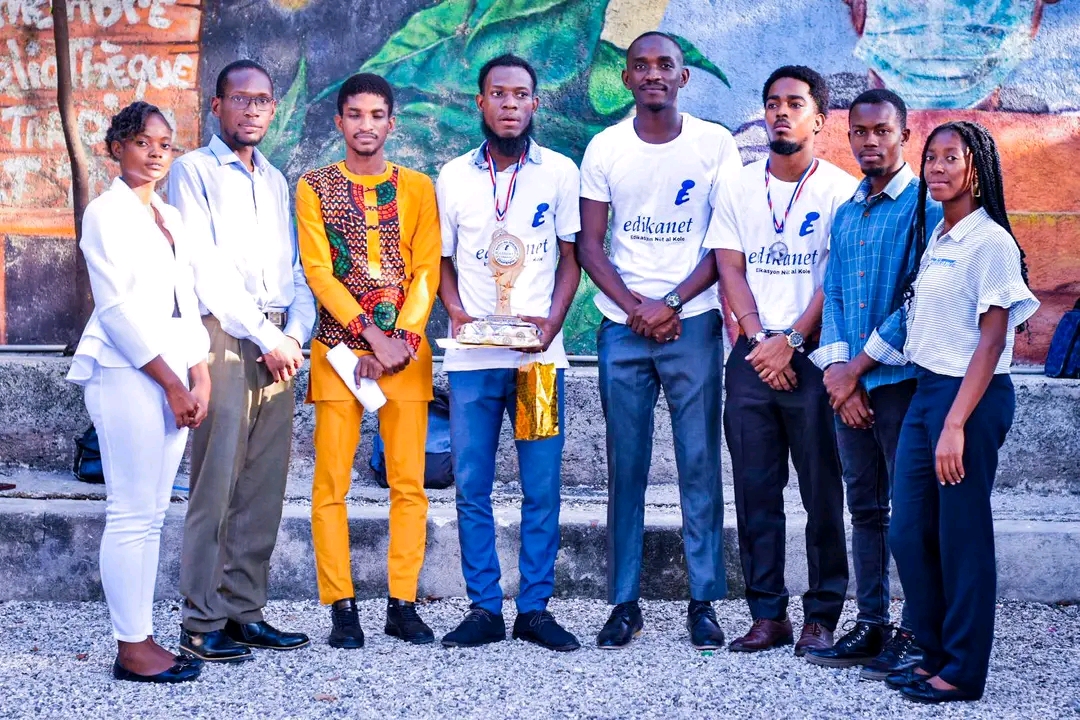






John Wesley Désir Represents Haitian Youth at the 24th University for Youth and Development 2025
Haiti in the spotlight in Spain! John Wesley Désir represents Haitian youth at UYD 2025 to defend democracy and digital security.
The holiday season in Haïti is full of magic, and Christmas songs play an essential role in this warm and festive atmosphere. Between traditions, wild rhythms and nostalgic melodies, Christmas music in Haïti reflects the cultural richness of the country. Here is a selection of 10 unforgettable Haitian Christmas songs, which continue to make hearts vibrate and leave a mark on minds.
Readers and little chefs of Haïti Wonderland, I present to you on a golden platter the recipe for corn à la bonne femme. Take your time and share your creation in the comments!
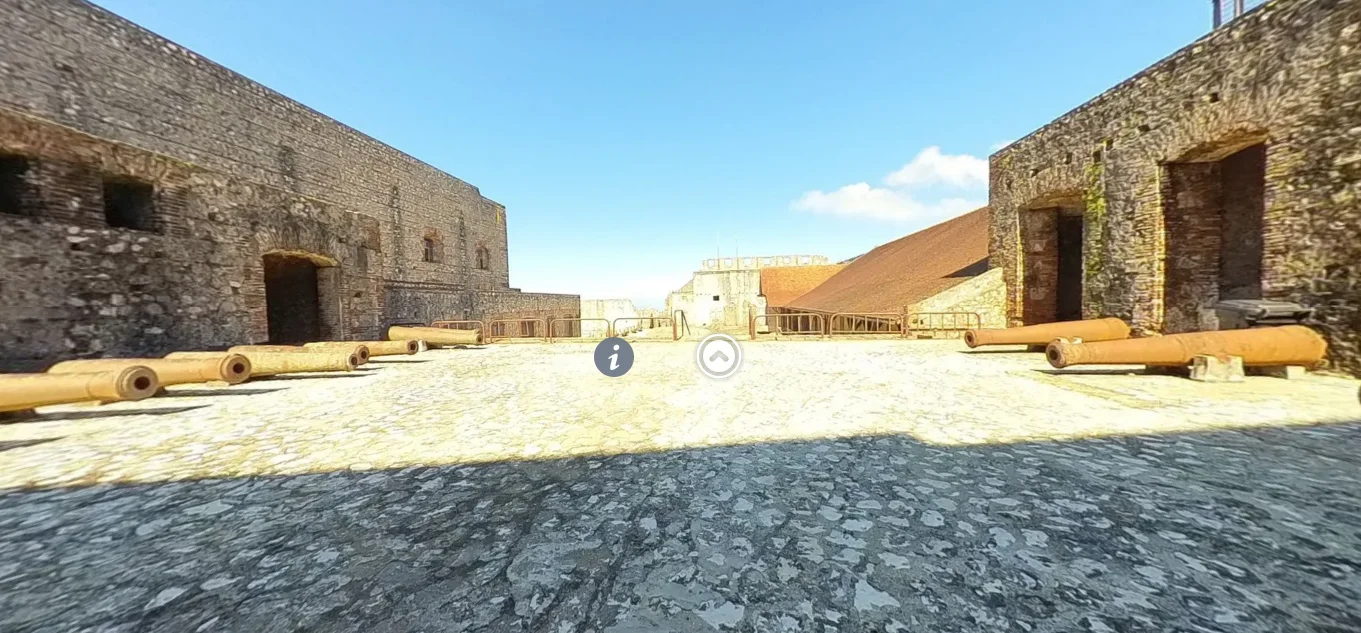
Haiti, the jewel of the Caribbean, is full of historical and tourist treasures just waiting to be explored. From its historic monuments to its idyllic beaches to its vibrant culture, the country offers a unique experience to every visitor. But today, there is no need to pack your bags to discover these wonders. Thanks to virtual reality, Haïti invites itself to your home with Haïti Wonderland, an immersive adventure that transports you to the heart of its most emblematic sites, wherever you are in the world.
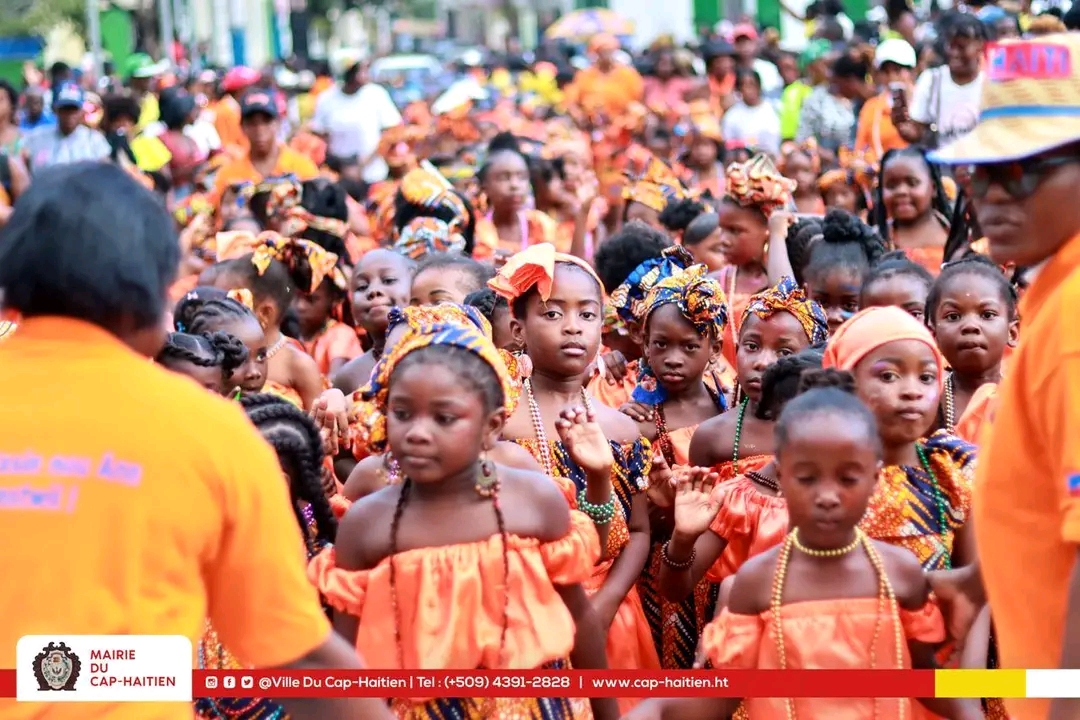
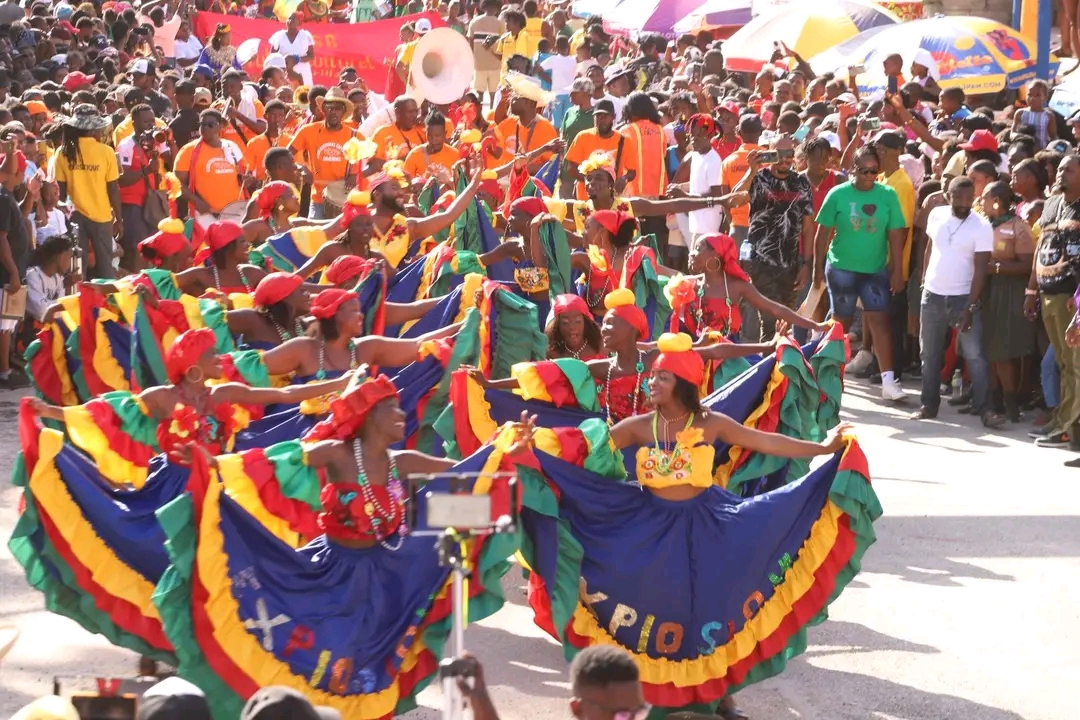
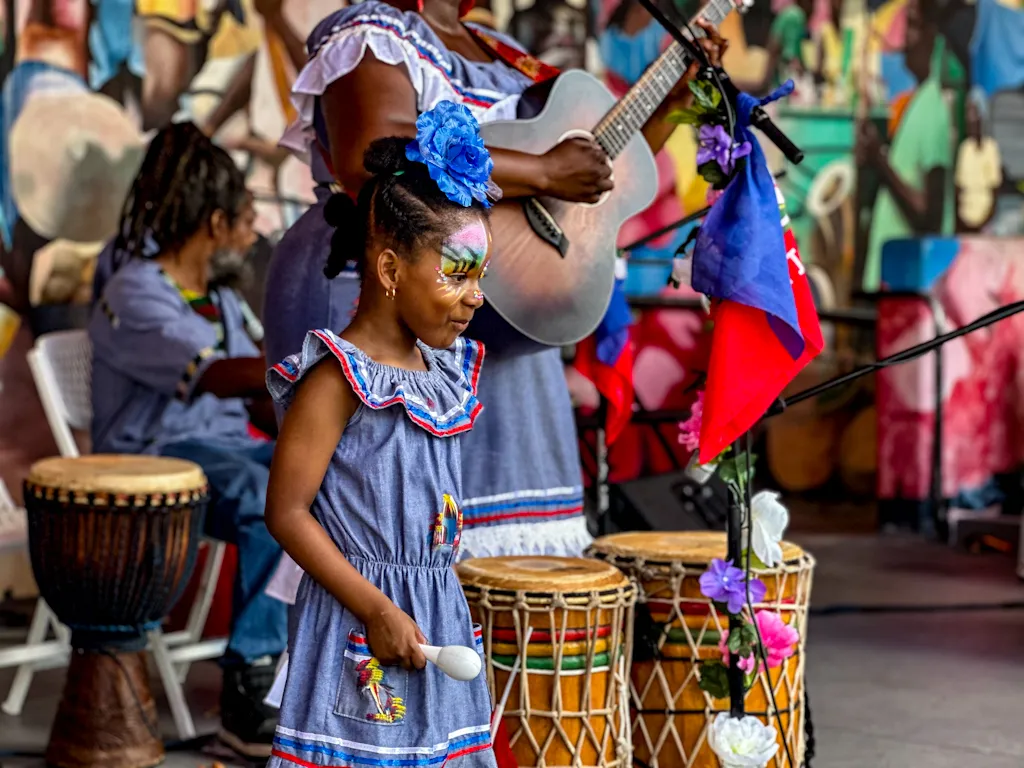
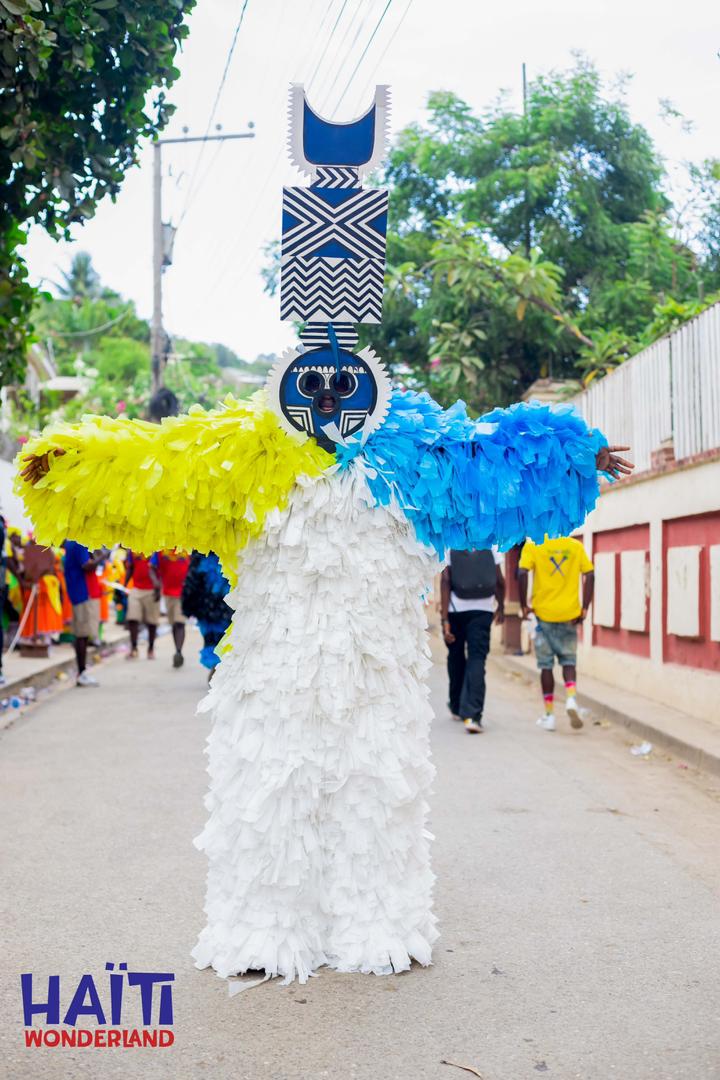
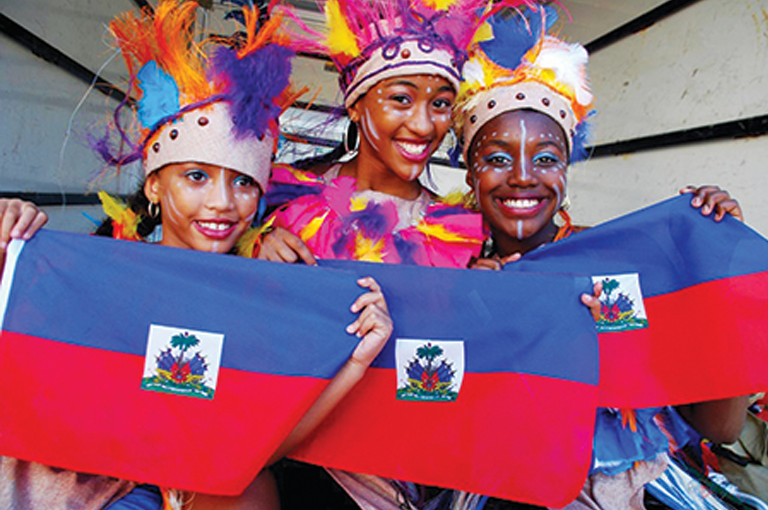
Haiti, often nicknamed "the Pearl of the Antilles", is a Caribbean island nation that shines with its cultural wealth. This richness is the result of a unique blend of African, French, Spanish and indigenous influences, shaped by a tumultuous history and remarkable resilience. Let’s explore together the varied facets of this vibrant and profound culture.
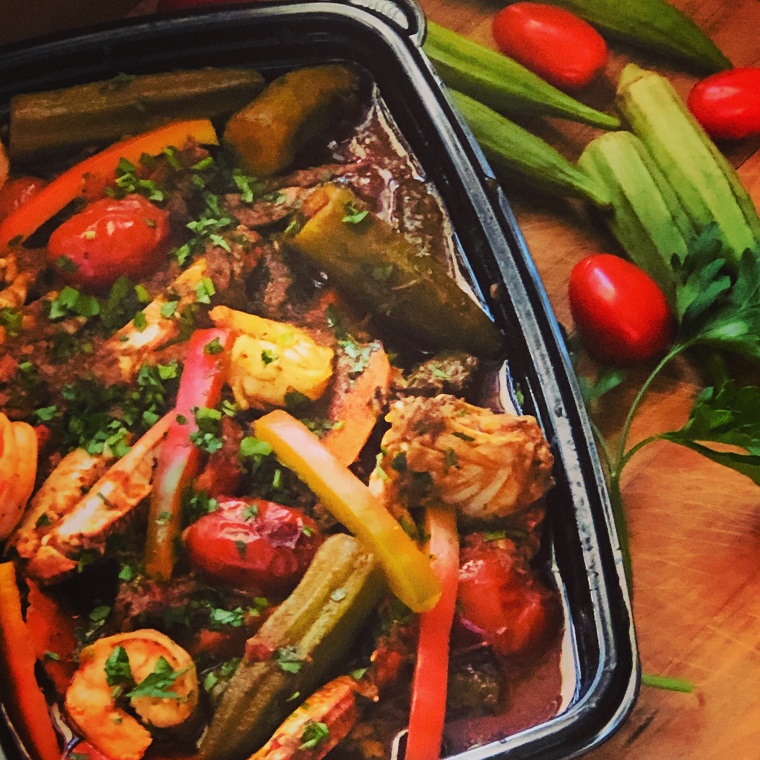
Diri kole ak pwa, a signature dish of Haitian cuisine, was recently recognized by the prestigious culinary magazine Taste Atlas as one of the best bean dishes in the world. This distinction highlights one of Haiti’s most beloved dishes, where rice and beans come together to create a rich and comforting culinary experience.
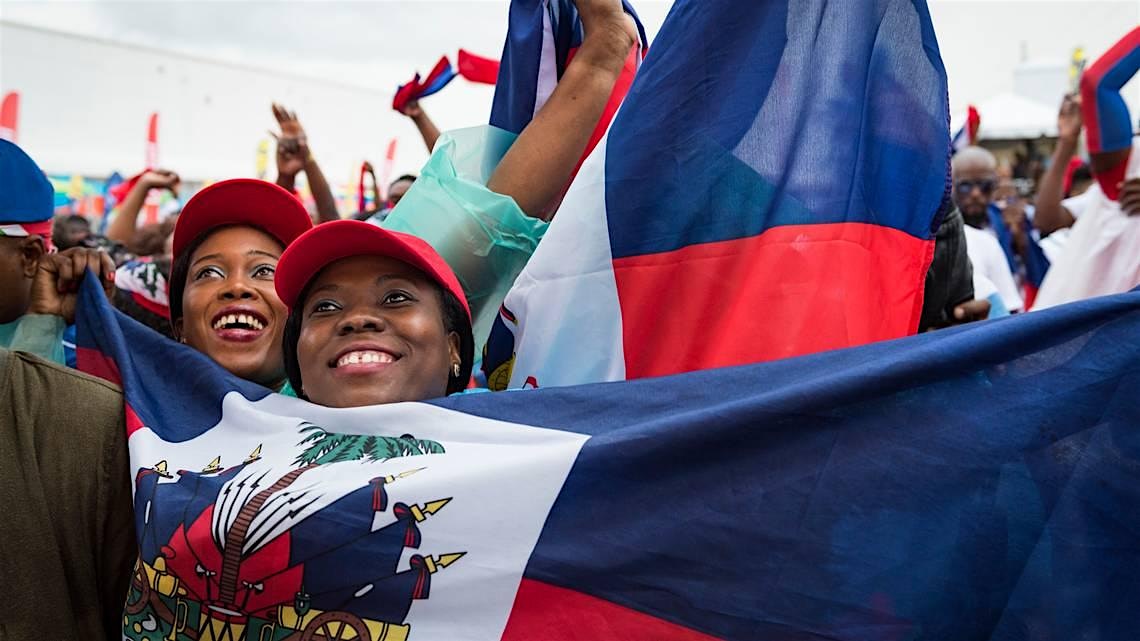
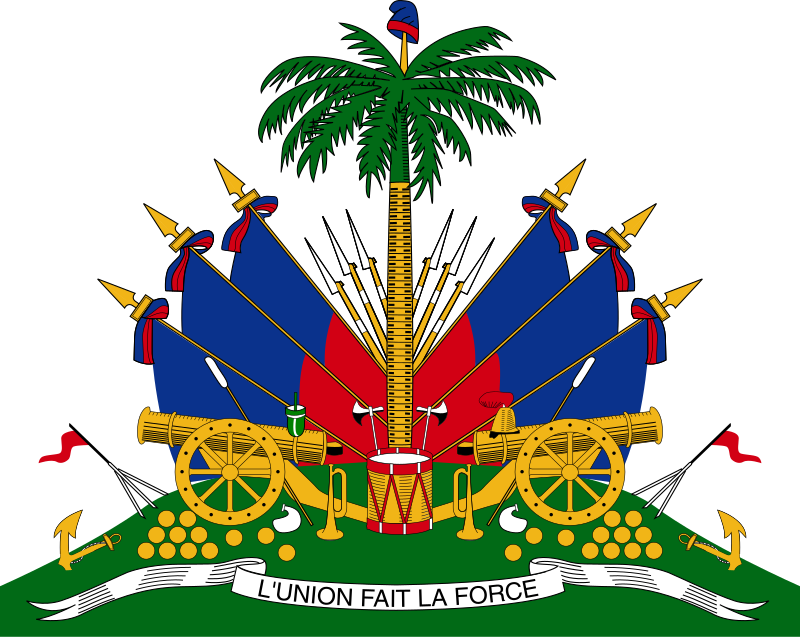
The Coat of Arms of Haïti is a national symbol rich in history and deep meaning. It is a reflection of the country’s identity, its struggle for freedom, and the values that unite the Haitian people. This article takes you into the details of the Coat of Arms of Haiti, exploring its origin, composition, and the symbolism of each element that composes it.
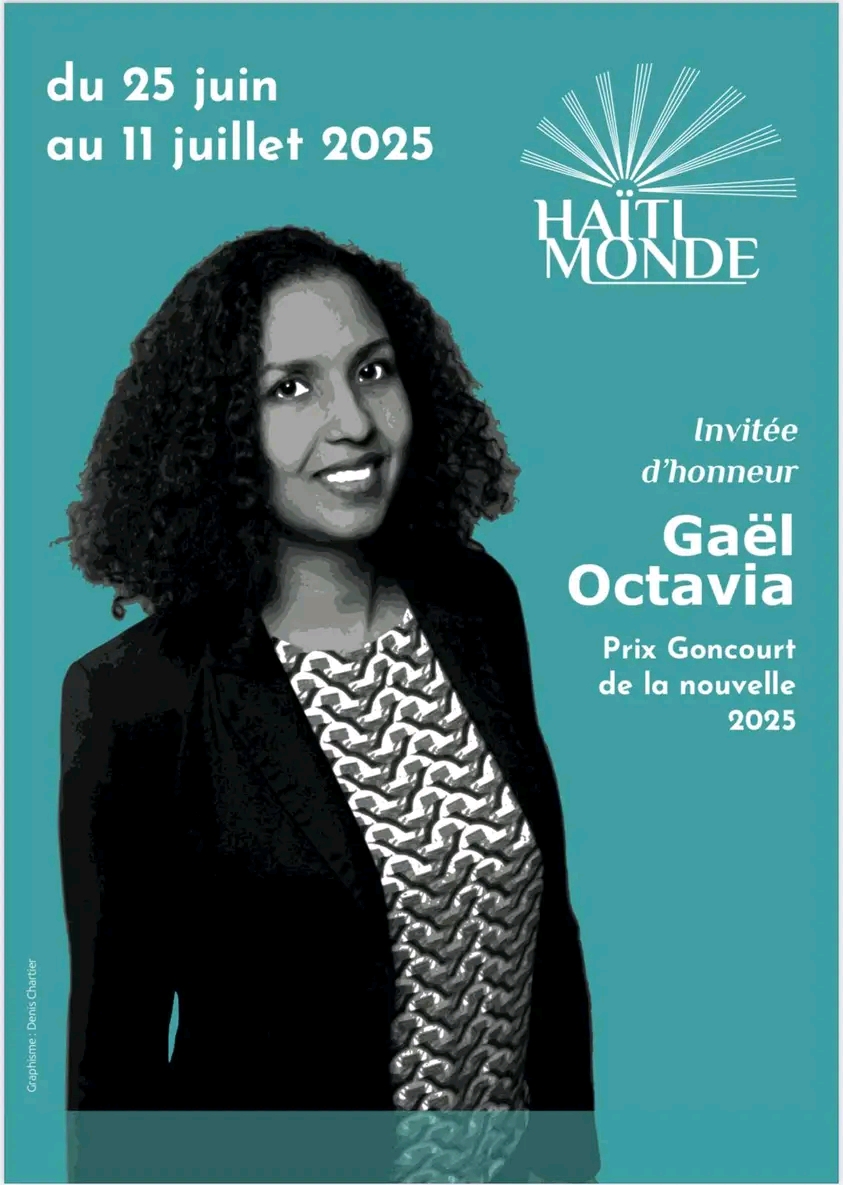
The Port-au-Prince Book Fair is a literary initiative of the cultural organization Port-au-Prince Book Fair (OCSLP), based on the desire to promote Haitian culture in general, with a particular focus on literature. The organizers of the event have just announced the registration of authors, who will number 20, and those of publishing houses, who will number 5 for the second edition, which will take place on Friday, December 13, 2024, in the premises of the French Institute in Haiti. The registration deadline is Thursday, October 10 of this year. Please note that the first to arrive who have met the required criteria will be eligible to take part in this second edition of the event, according to the organizers’ admission. This rigorous and restricted selection of only 20 authors aims to guarantee an enriching experience for authors and the public, thus promoting authentic exchanges around the works presented. Independent authors and publishing houses interested in registering their authors to participate in this second edition of the fair are invited to submit their application via this link: https://form.jotform.com/louirardjohn8/salon-du-livre-de-port-au-prince. For publishing and distribution houses planning to exhibit on the day of the event, you can register by clicking on this link: https://form.jotform.com/242596699603068. You are requested to contact them at the following address: salondulivre2023@gmail.com in case of difficulties. The Port-au-Prince Book Fair remains faithful to its philosophy, which is to offer a platform to young authors and to promote the richness of Haitian literary production, by supporting new authors who contribute to its growth. This event is a continuation of the first edition, aimed at allowing the emergence of an environment conducive to exchanges, where young authors can meet, share their experiences and engage in dialogue with readers and book professionals. According to the organizers of the event, your participation as a young author will be essential to enrich the fair and offer a diverse experience to visitors. The invitation to join this noble initiative is extended to young authors who have not yet published 5 books. You who are concerned, the ball is now in your court. Do not hesitate to go and make this day, December 13, 2024, an unforgettable day for all book lovers.
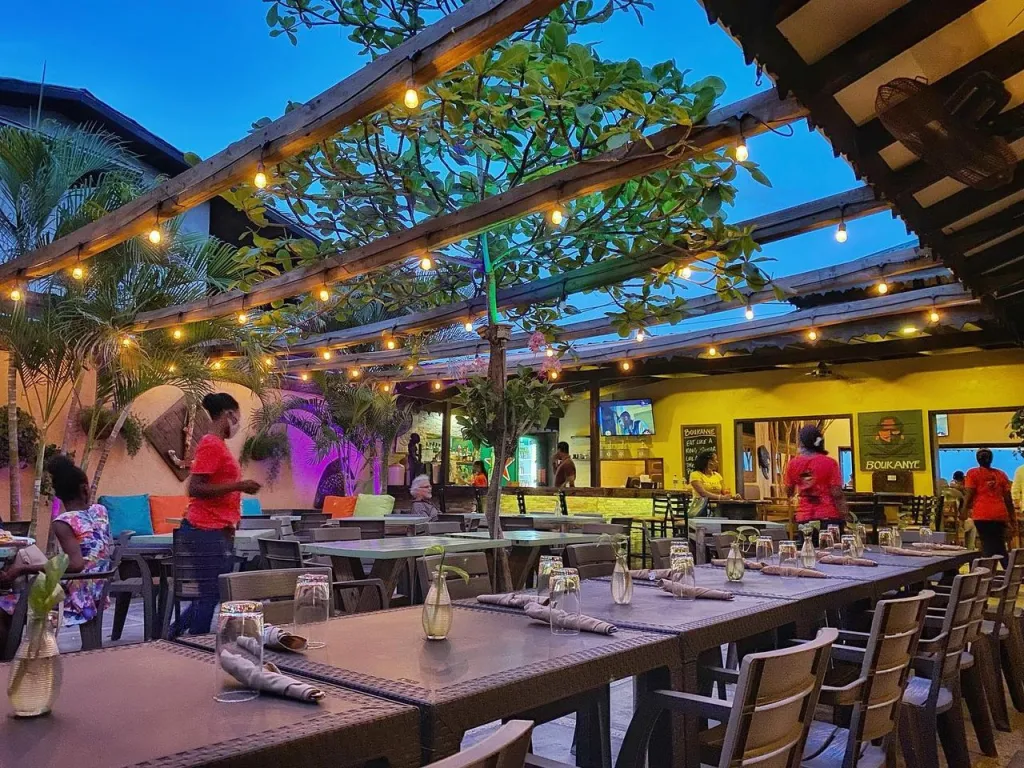
In the picturesque landscape of Cap Haïtien, stands a place that embodies the very essence of Haitian art and cuisine: Boukanye. This pirate house, founded in July 2016, has quickly become a must-see gem among area restaurants, attracting visitors from around the world for its rustic atmosphere and innovative menu. Located on the boulevard, Boukanye is much more than just a restaurant; it’s an experience in its own right. As soon as you walk through its doors, you are greeted by decor that celebrates local craftsmanship and the history of the pirates who once sailed these waters. Walls adorned with vibrant paintings and sculptures demonstrate the venue’s commitment to Haitian art, creating a warm and authentic ambiance. But Boukanye is not content to seduce with its aesthetic; its cuisine is just as captivating. Inspired by local flavors, the restaurant offers an inventive fusion of traditional Haitian dishes and contemporary culinary techniques. Whether for breakfast, lunch or dinner, Boukanye’s menu offers a tantalizing variety of seasonal dishes, accompanied by exquisite cocktails that celebrate local ingredients. What also sets Boukanye apart is his commitment to innovation. By launching a virtual tour accessible via smartphone or virtual reality headset, the restaurant has pushed the boundaries of the culinary experience. Thanks to this immersive technology, visitors from around the world can now explore the charms of Boukanye from home, immersing themselves in its captivating atmosphere and discovering its unique culinary delights. https://haitiwonderland.com/haiti-virtual-reality-ht/bar--restaurant/haiti--boukanye--visite-virtuelle/7 Whether you are a resident of Cap Haïtien or a traveler eager for authentic experiences, Boukanye offers an unforgettable getaway into the very heart of Haitian culture. By combining art, cuisine and innovation, this restaurant perfectly embodies the vibrant and dynamic spirit of Haiti, inviting everyone to embark on an unparalleled sensory journey.
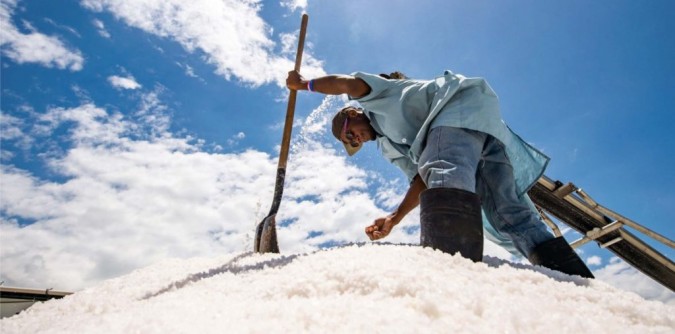
Salt production in Haïti is an ancestral know-how that plays an essential role in the economy of coastal areas. The regions most recognized for salt production are the Salines de Petite-Rivière de l’Artibonite, the coasts of Île de la Gonâve, the Salines de Port-au-Prince, as well as parts of the North and Southeast. This process, which depends on the country’s natural geography and maritime resources, continues to support local communities while providing an indispensable product to the Haitian economy.
Nestled in the heart of the Caribbean Sea, Haïti is known not only for its rich cultural and historical heritage, but also for its pleasant tropical climate which makes it a popular destination for tourists and nature lovers. Located in the Greater Antilles, Haïti shares the island of Hispaniola with the Dominican Republic and benefits from a climate that profoundly influences daily life, the economy and the biodiversity of the country.
The word crisis carries an infinite number of meanings. No intention of revealing them all this afternoon. However, a few clarifications are necessary. A kid whose parents do not have enough money at Christmas to buy her a Little Black Mermaid doll has a fit and locks herself in her room without touching her meals for the day. A boy whose dog was suddenly poisoned by a neighbor in revenge or shot after contracting rabies, losing a faithful friend overnight, enters into crisis. Finally, a society in the grip of all sorts of mutations and whose leaders are weak, perhaps prolonged in a deep crisis. In the first case, the young girl sulks to attract the attention of her parents in order to feel appreciated by children her age at school or in the neighborhood. Today, thirty minutes of negotiations can be enough to find a lasting solution. In my day, a few well-aimed belt blows would have overcome this whim. But, humanity evolves, they say. In the second case, this boy can find his smile again after a few weeks. He needs a little attention and, probably, another dog. As Stendhal would say, only passion triumphs over passion. In the last case, this society led by inepts is shaken to its deep foundations. Its institutions can disintegrate one by one. The vital forces dissolve in no time. This situation creates a societal tsunami that destroys all life within this community. It is indeed a crisis. The crisis from this point of view constitutes an alarming, desperate situation in the existence of a community where nothing is going well. Chaos reigns supreme. The very essence of life disappears. The individual can take precedence over the community. Everyone tries to solve their problems without worrying about others. The closest neighbor is relegated light years away from you. How can we turn to creation? How can we continue to conceive of otherness? How can the artist absorb this great collective disarray as a source of motivation? These are the questions I must answer. An artist sees and feels what ordinary mortals cannot even imagine in a thousand-year life. He creates to denounce, when his conscience as a human being is revolted. He exalts heroes or the homeland according to his feelings. He sings the beauty of an irresistible, captivating or ugly resplendent woman. He can also use the ambient desolation to give meaning to life. Creating in literature as in the arts in general does not depend on the situation. The act of creation depends on the creator’s disposition. Events paralyze some and galvanize others. Creating is enjoyable. Everyone therefore enjoys according to their own whim. Writing opens the way to change. The writer takes a different look at the world. By embedding himself in reality, he embellishes it, makes it better or hideous depending on the message he intends to share. All things considered, with him, life is never fixed. Writing is putting the world in a jar to travel the universe. The artist broods over his work in all weathers. Oswald Durand was delighted to see Choucoune’s beautiful body from his secret observatory. Musset, on the other hand, was in pain writing his October night. As for Dany Laferrière, in exile, he described the horrors of the Duvalier dictatorship and the carefree attitude of the young girls in his neighborhood in this violent and dangerous world. Ultimately, the writer lives in a society with values that he shares or not. They condition his existence or have no hold on him. In many ways, the surrounding world serves as his laboratory. He carries out his experiments there. He casts a new, worn, disillusioned, melancholic, violent, bitter look at the world depending on his mood. Pitié is the work of an old soul crushed under the weight of an existence that tastes of absinthe. Young Mike Bernard Michel lives by expedients and lies. The hands of life fall on him with indescribable violence. Misfortune embraces him day and night. Should we give up? Musset liked to say: "Man is an apprentice, pain is his master. And no one knows himself until he has suffered." The artist must produce under all skies. Such is his vocation. Incompetents in power, legal or highway bandits, the high cost of living, unemployment, heartaches are all subjects of concern for him. If it is true that a hungry belly has no ears, the fact remains that it keeps the brain awake. What am I saying, it stimulates it to the point of creating timeless works. Mr. Pitié, you have a bright future ahead of you. Work of Jean Rony Charles, the book is available from Éditions Repérage.
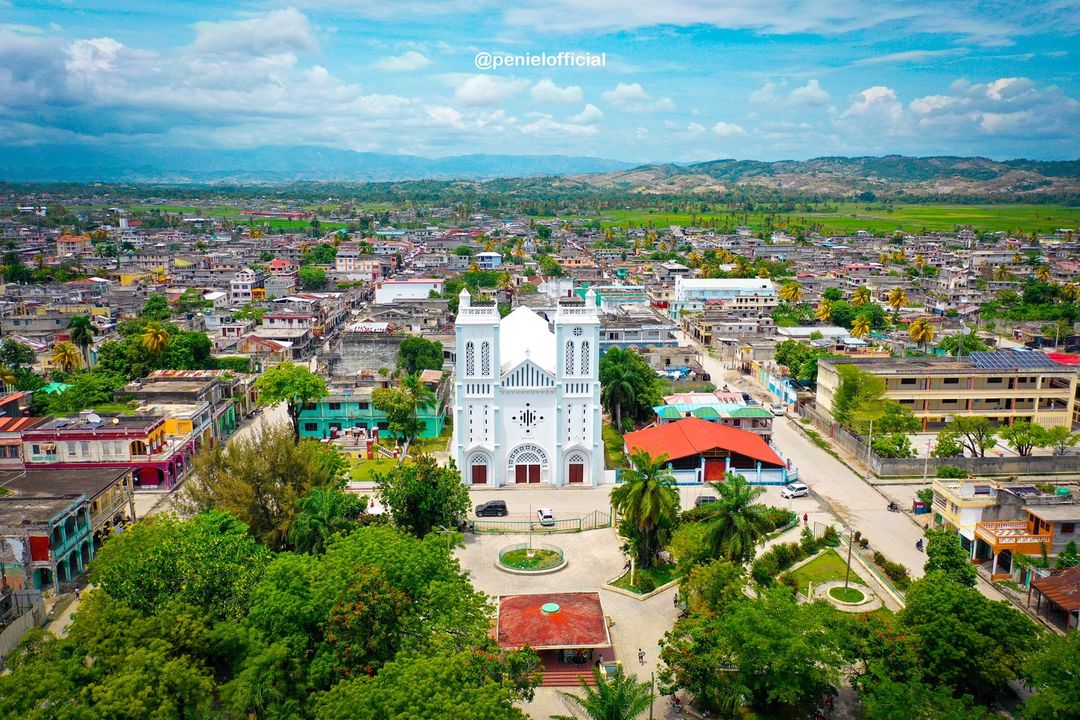
Haiti, a Caribbean republic with a rich historical past, is divided into ten departments comprising 140 communes. Its history dates back to pre-Columbian times with the Tainos, followed by European colonization and a historic rebellion against slavery and colonial rule, culminating in its independence in 1804. Despite its current challenges, Haïti offers remarkable natural beauty with its beaches, its mountains and its cultural diversity. Among its municipalities, some stand out for their charm and history. Here is a selection of five of the most remarkable communes in Haiti, inviting you to discover its hidden treasures.
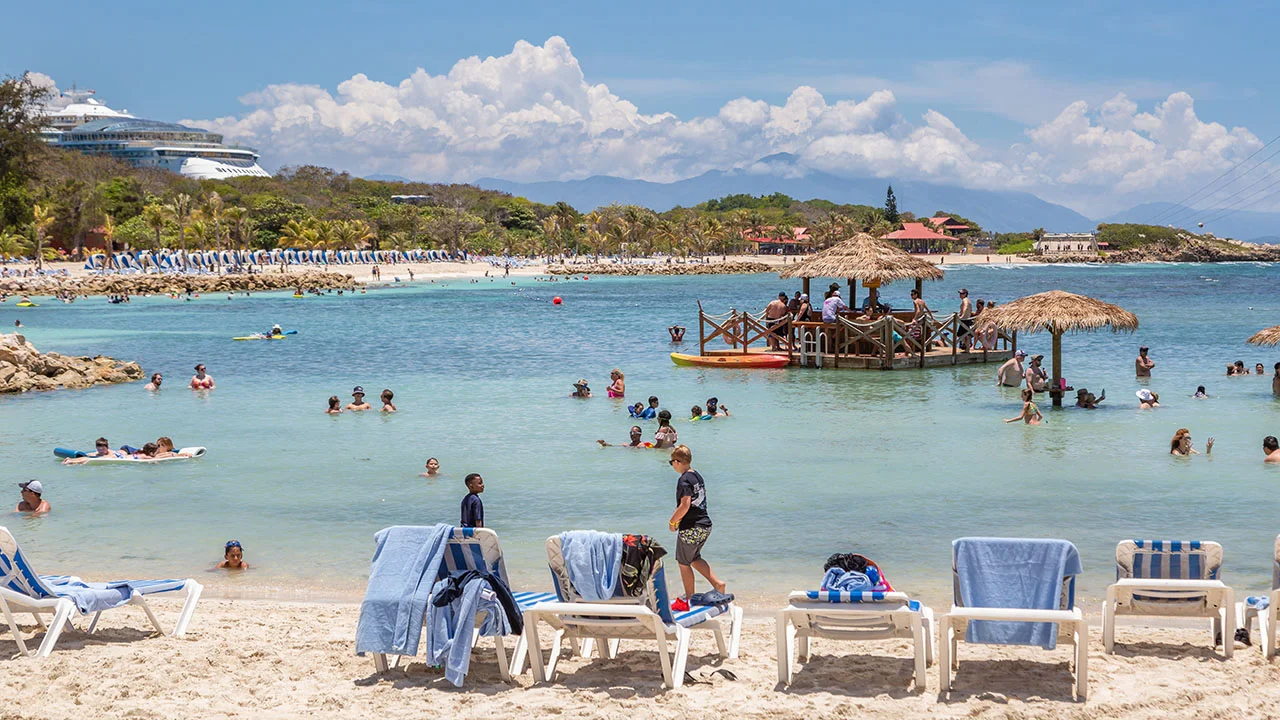
Haiti, located in the heart of the Caribbean, is a dream destination that deserves your full attention. With its tropical climate, sunny beaches and breathtaking landscapes, the country offers an idyllic living environment for those seeking warmth, authenticity and tranquility. Here are some reasons why Haïti is a great place to live, and why this hidden gem should definitely be on your travel bucket list.

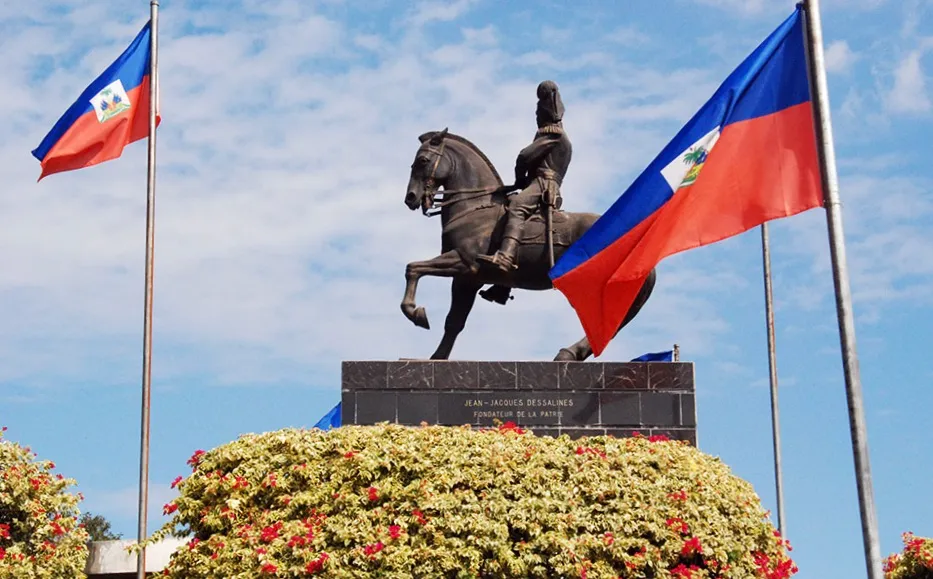
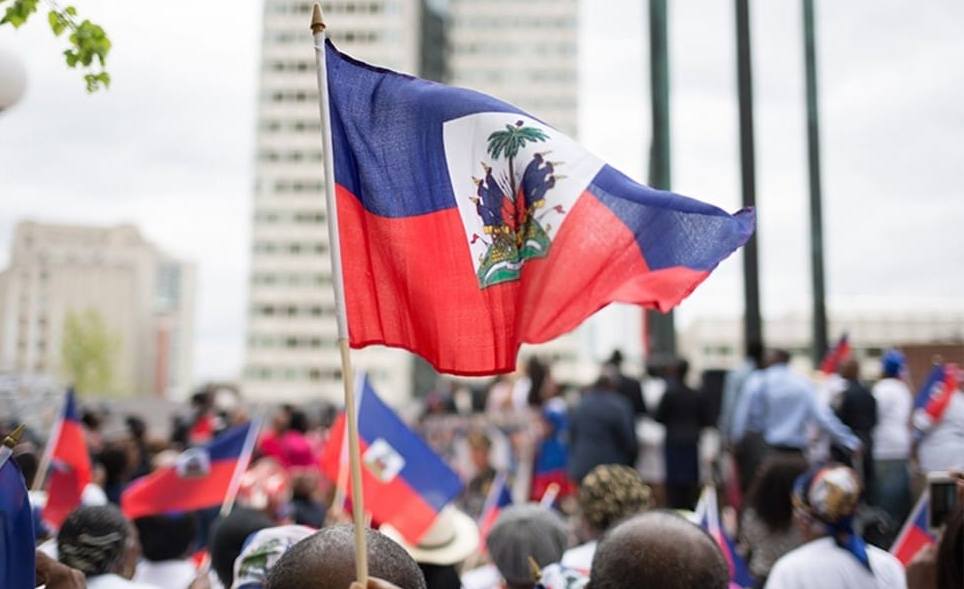
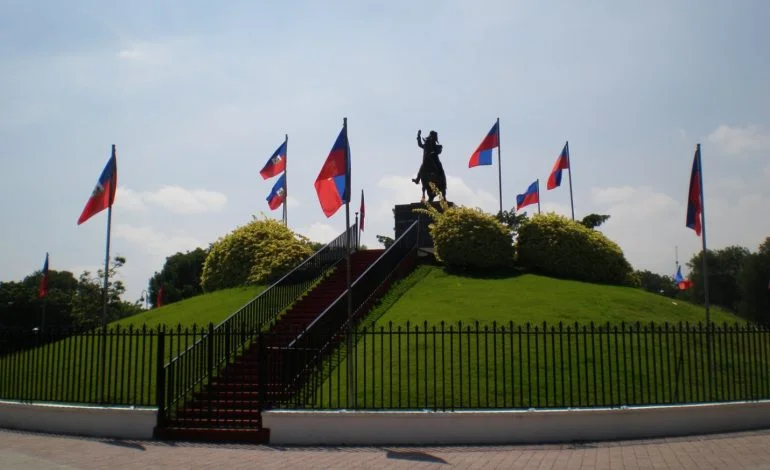
First black nation to free itself from slavery and gain independence from France in 1804 and influenced other liberation movements around the world, inspiring struggles for freedom and equality.

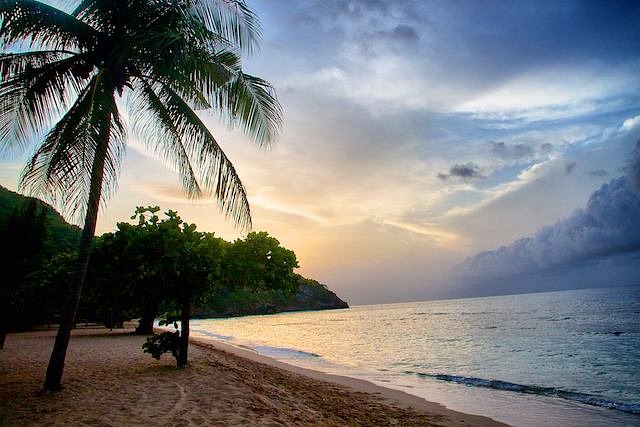
Haïti is blessed with spectacular natural landscapes, including white sand beaches, mountains and rich biodiversity.

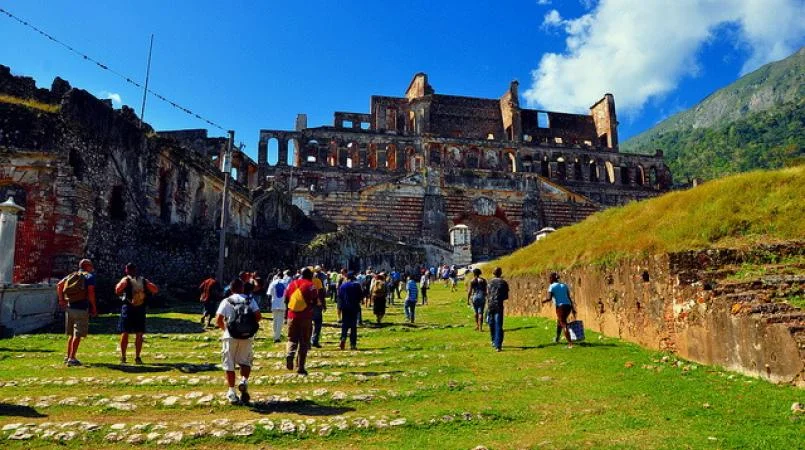
Haïti has a rich historical heritage, including sites like the Citadelle Laferrière and the Sans-Souci Palace, listed as UNESCO World Heritage Sites.

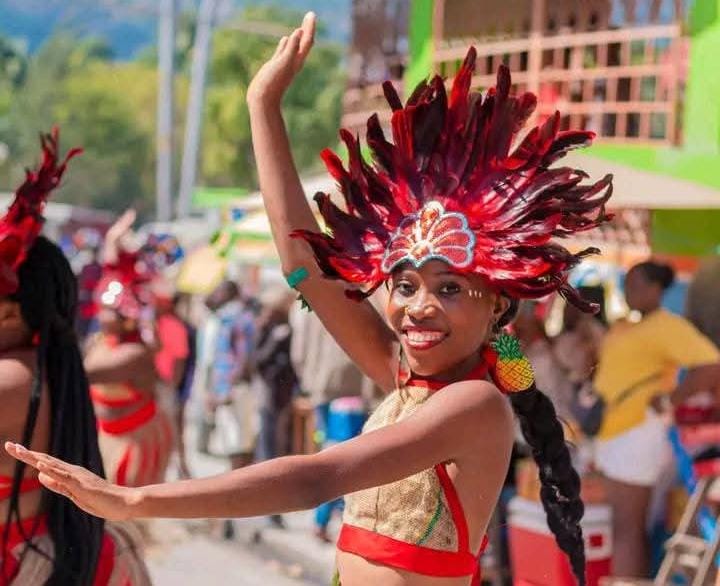
Haïti has a rich and diverse culture, influenced by African, European and indigenous elements. Haitian music, dance, art and cuisine are celebrated around the world.