


Haitian Otaku Party: A Celebration of Japanese Culture in Port-au-Prince
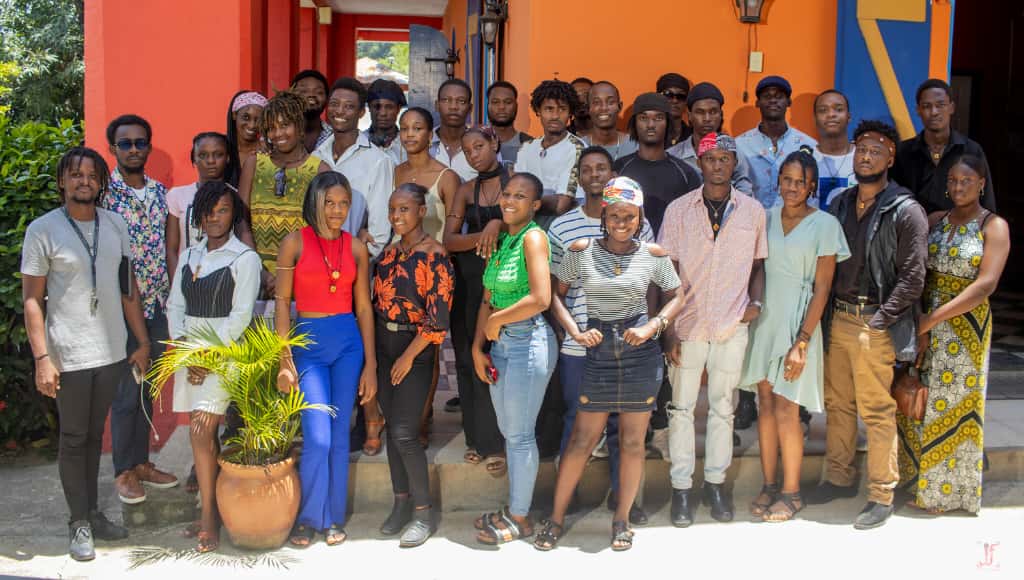
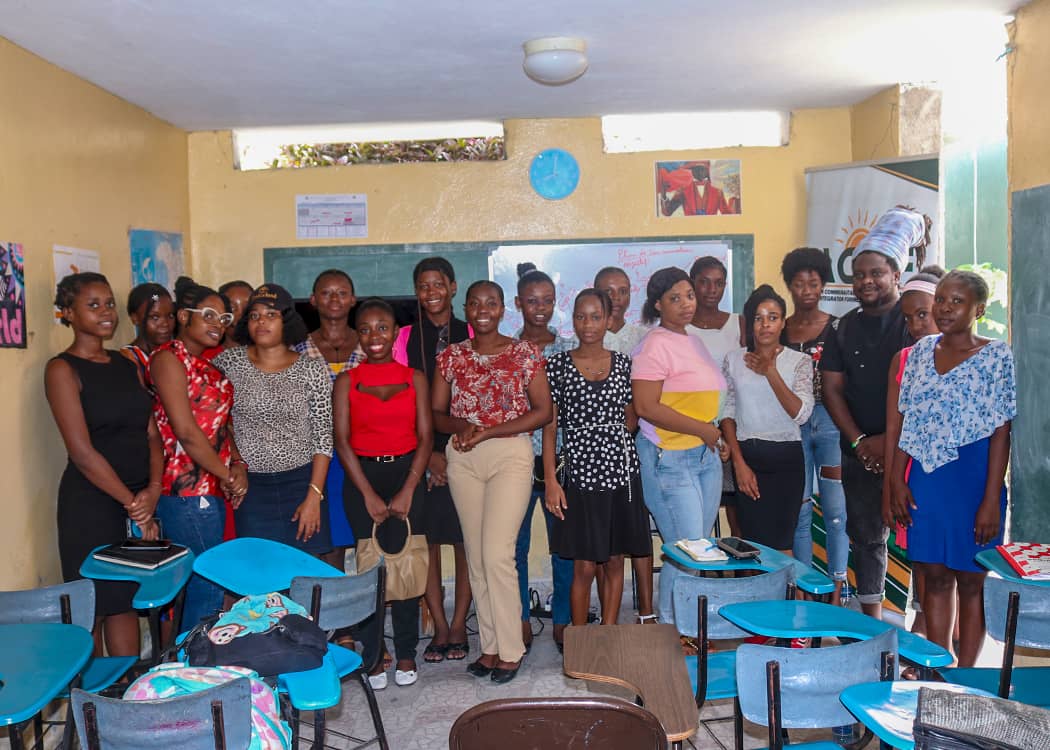
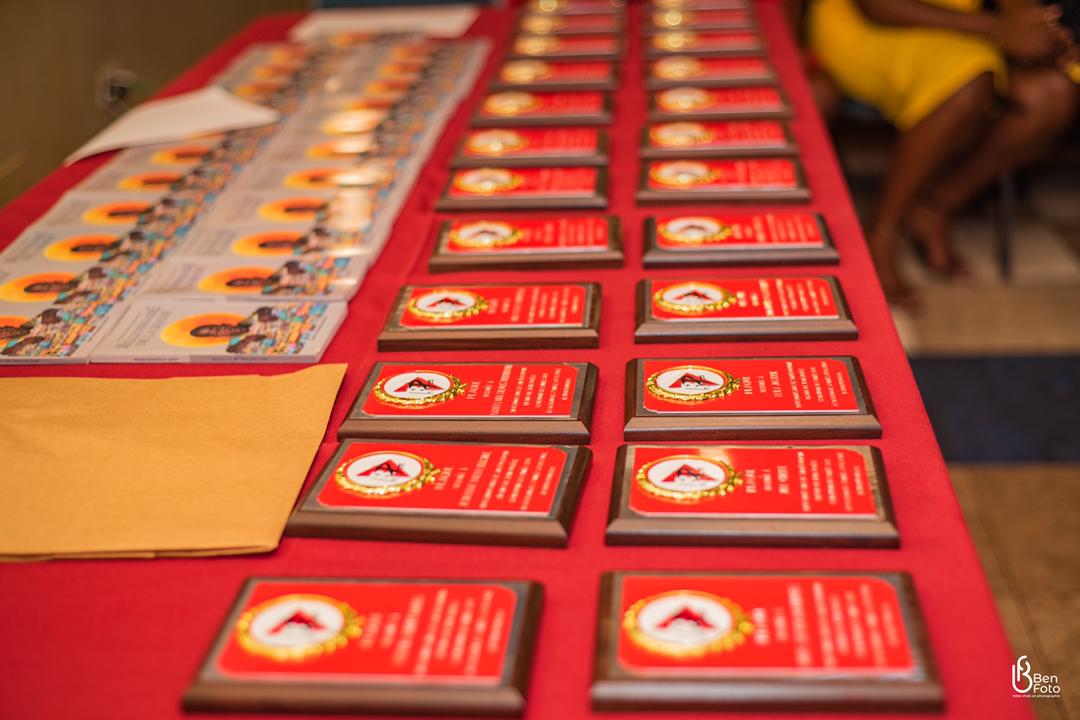
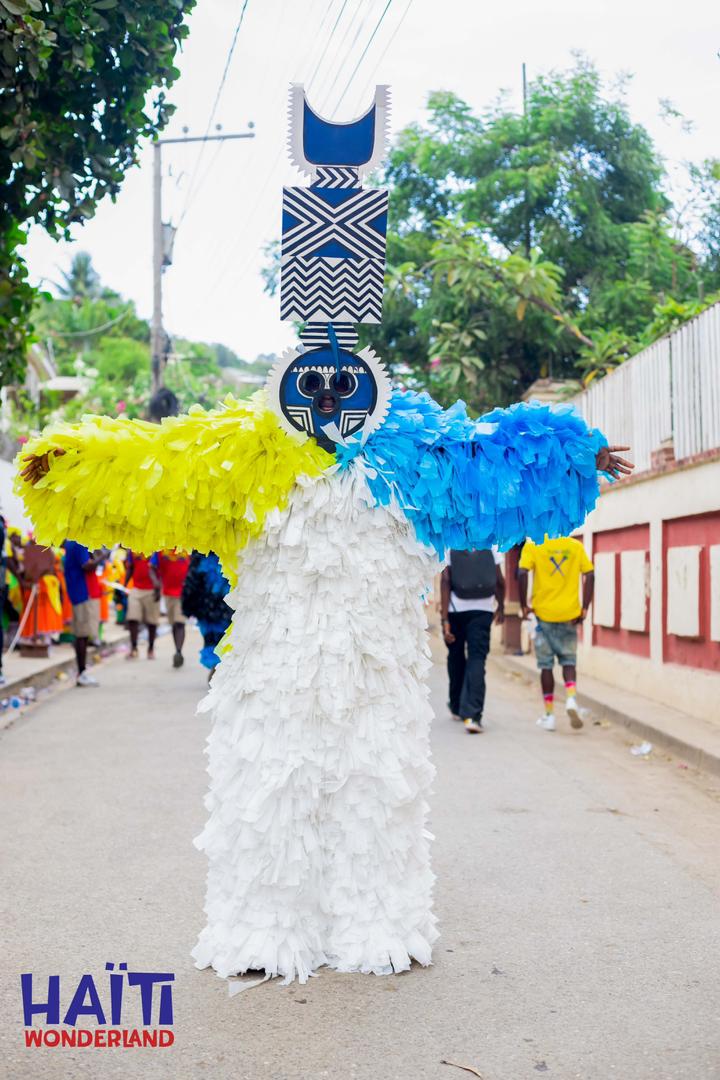
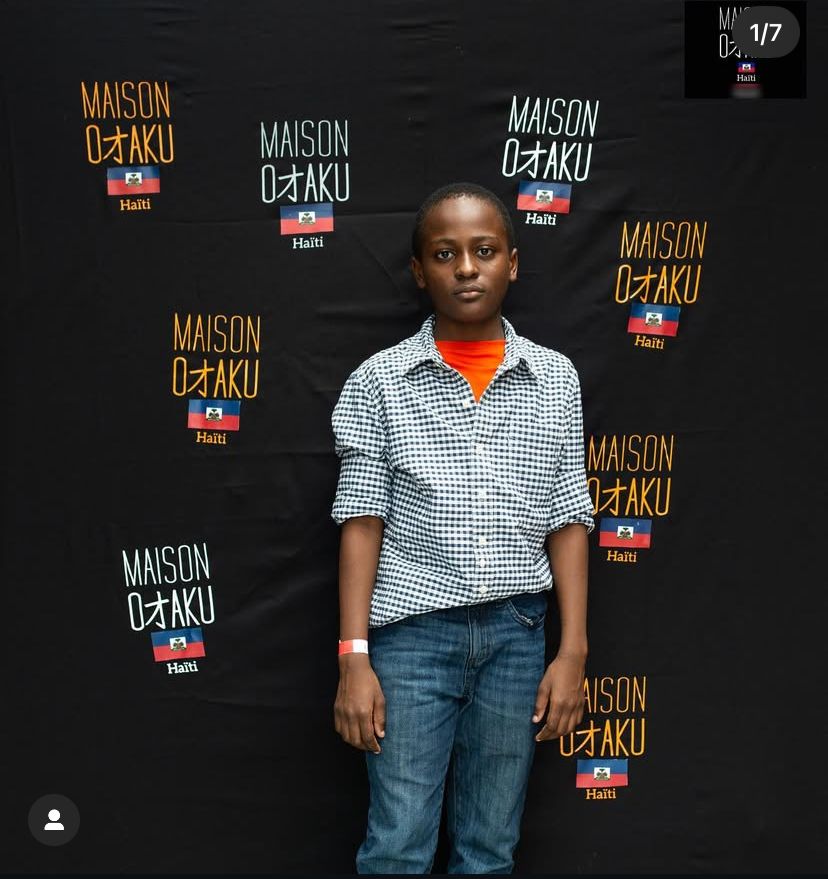
Le Haitian Otaku Party célèbre la culture japonaise à Port-au-Prince, offrant un espace créatif à la jeunesse haïtienne passionnée d’otaku.

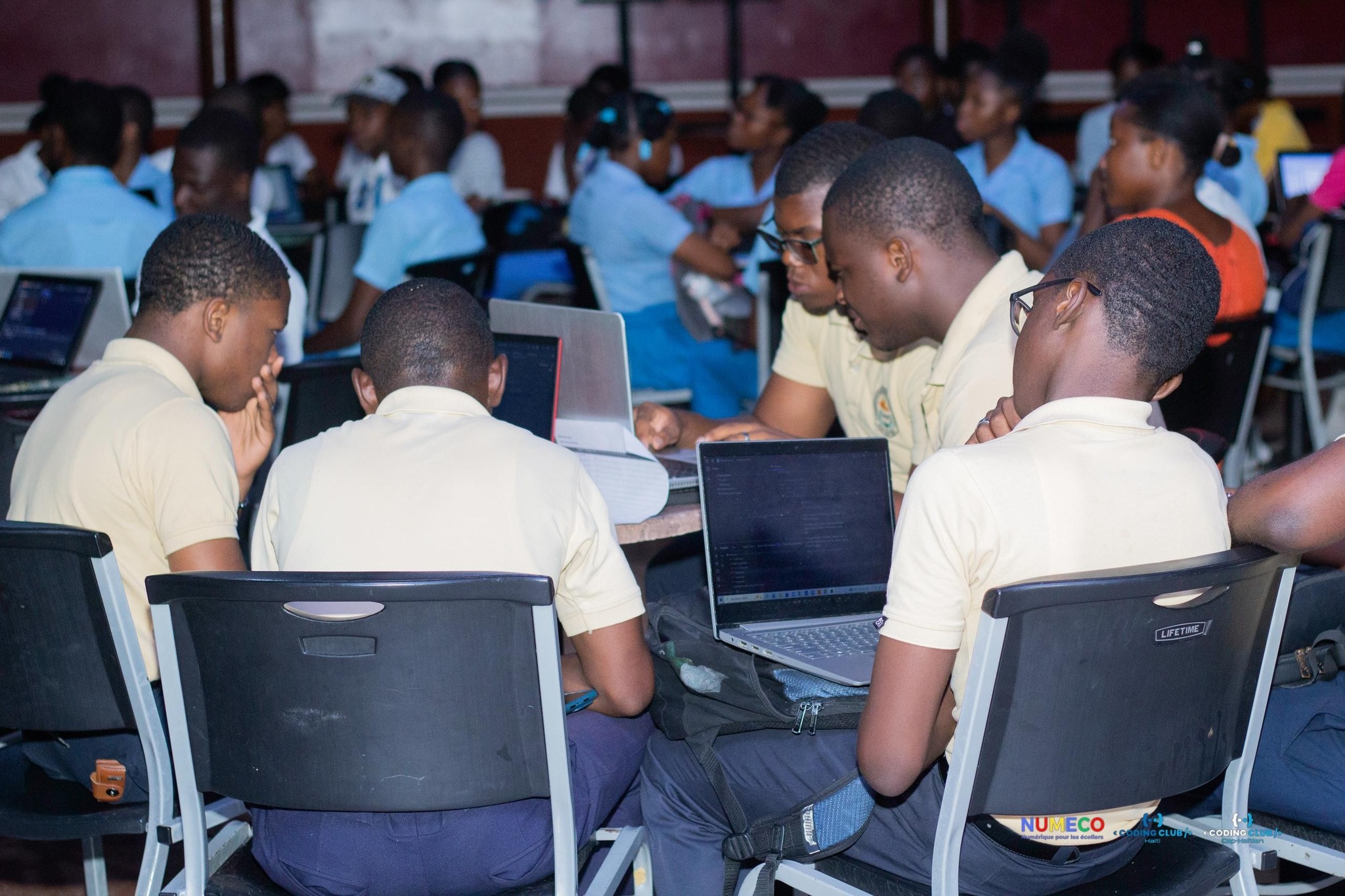
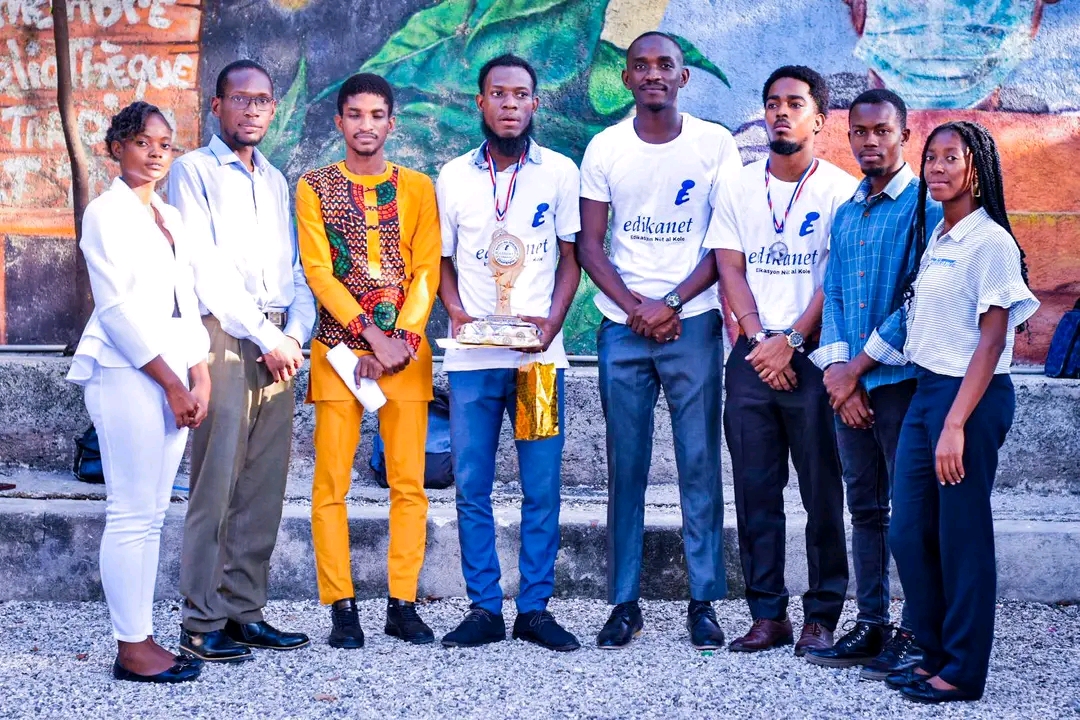
Edikanèt is an association dedicated to education in the Haitian Creole language on the Internet. Founded in 2019 at Lycée Toussaint Louverture, the organization works to promote, recognize, and use Haitian Creole in all educational, social, and institutional spaces in the country. It was created by three young activists committed to this cause: Luc Cadet FIGARO, Alan Joe JEAN, and Marcus JUSMA. From the beginning, Edikanèt set itself key goals: promoting education in Creole across all regions of Haiti; creating educational materials in Creole; fighting against linguistic discrimination toward Creole speakers; and elevating Creole as a language of instruction, culture, and prestige. This initiative was born out of awareness of the persistent marginalization of Haitian Creole in Haitian society. Their most recent major initiative was a quiz competition held in July 2025, focused on general knowledge—such as Haitian history, geography, culture, mathematics, Creole grammar, and other subjects related to learning in Creole. The winner, Roobens D. Victor, came out first among 113 participants.
Jacmel, Haiti’s hidden gem, is celebrating its 326th anniversary this year. Located on the country’s southeastern coast, this picturesque city, known for its enchanting landscapes and rich cultural heritage, is an inexhaustible source of beauty and creativity.
Haiti, with its spectacular landscapes and rich culture, is home to a vibrant and diverse population. Haiti’s demographics are a key aspect in understanding the economic, social, and cultural development of this unique country. Discover the current numbers and trends shaping Haiti’s population.
Haïti made a splash on the world stage at the opening ceremony of the 2024 Olympic Games in Paris, captivating attention with stunning outfits. Hailed by Forbes as the third most remarkable and acclaimed by other magazines, the Haitian athletes’ uniforms surpassed those of many influential nations in fashion and design. This recognition is the result of an exceptional collaboration between visionary designer Stella Jean and internationally renowned artist Philippe Dodard. Today, let’s dive into the world of talented stylist Stella Jean.
Summer in Haiti, a vibrant and sunny time, is much more than just a season. It is a celebration of life, culture and nature in this Caribbean country. Let me take you on a journey through the different facets of the Haitian summer, where the sun shines brightly, music resonates and nature flourishes.
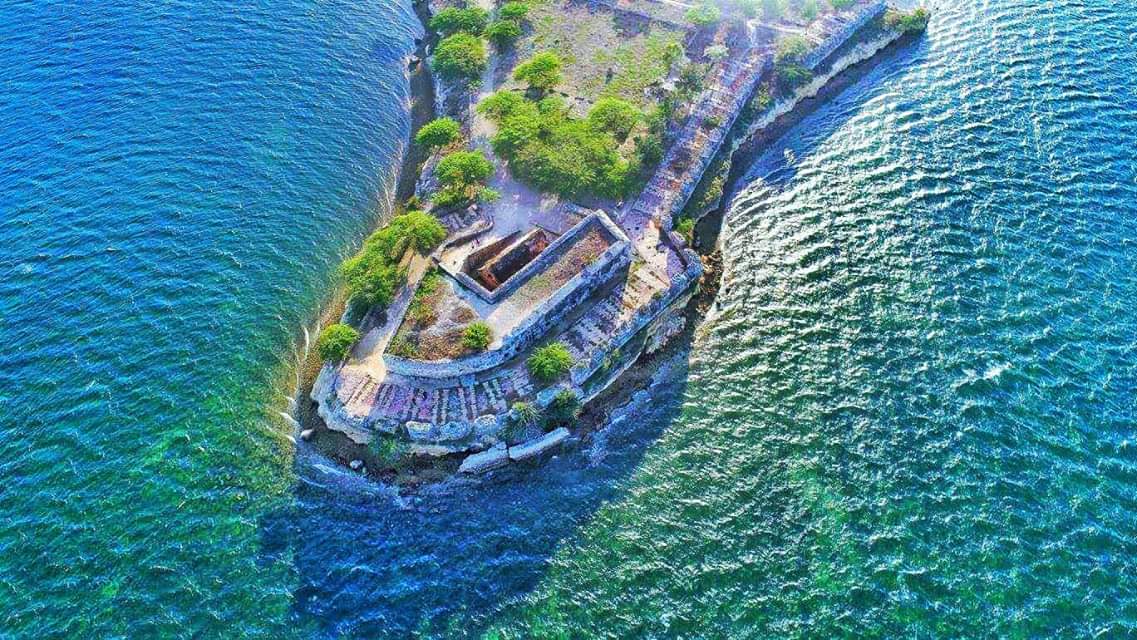
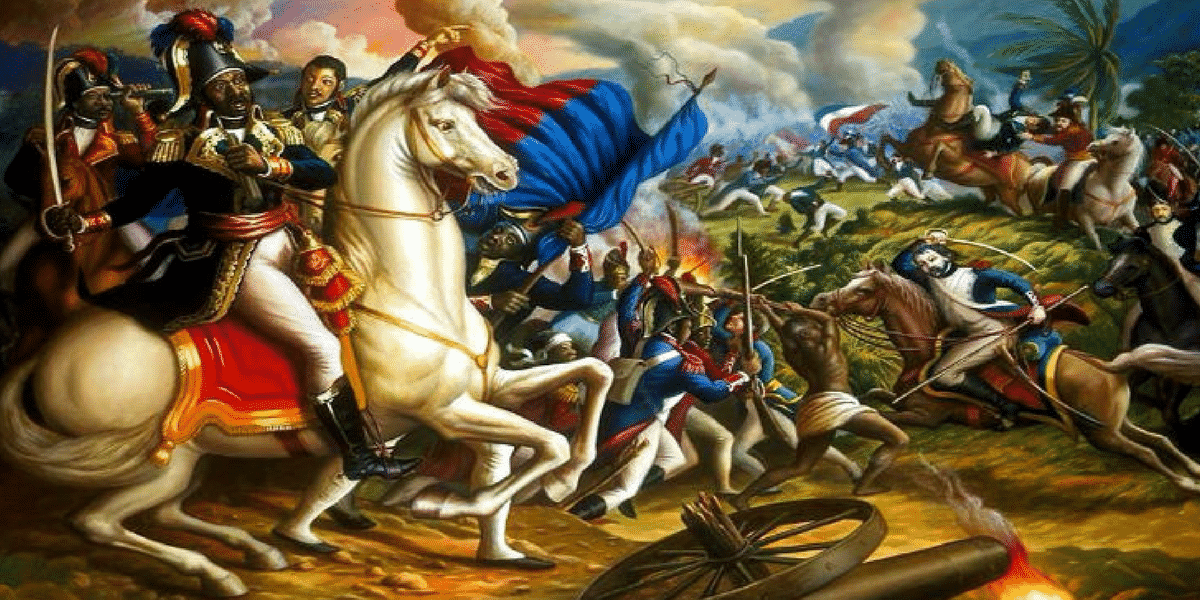
If you look up the word vertière in a French dictionary, you will not find it for fear that the world does not know this place represents the Achilles heels of the most powerful European army. What’s more, this one had just successfully won the eastern campaign. French historians of the time erased this geographical location from the radar of history because they did not want to tell the story as it is in the sense of explaining the first great humiliation of the expeditionary army French by bands of slaves who were totally ignorant in the art of waging war, much less in the handling of weapons. However, these illiterate wars routed the Napoleonic army, the most powerful at that time, using the means at hand. This expeditionary army, after having brought Europe to its knees, would experience its first rout by slaves in this geographical location, located in the Northern department of Haiti. Funny story, this city is not on the list of French words even though given its historical importance, it should be at the heart of universal history, far from putting an end to the invincibility of the undefeated army army. So as not to offend the white masters, no political leader has ever asked why vertière does not appear in any French dictionary? However, they celebrate this battle with great fanfare every November 18. What historic hypocrisy among our leaders! After Vertière many other historical places are strangled by historians in order to hide the extremes of atrocities of the French colonists on the slaves. It is in this context of historical strangulation that “Fort Mazi” is not mentioned in school history textbooks. This is located in Petit-Goave, 2nd municipal section, Arnoux locality. We came across this mega fort, during a mobile clinic entirely financed by the Ernest Junior foundation, a charitable foundation which works in the social sector, particularly in the field of art and music. According to residents , the oldest in this locality, this fort was built on at least 20 squares of earth by the settlers. It was a huge military complex divided into compartments, outposts, turtle rooms, rooms for treating colonists, a large Catholic church, and a cemetery. However, we never talk about this fort so much so that it is ignored by history teachers in the town of Petit-Goave. Certainly, the desired disappearance of this fort under the radar of history buries the atrocities, the barbarities, the most inhumane punishments of the colonists on the slaves. Looking closely at reality, everything seems true that it is the largest fort ever built during the period of colonization. Moreover, it probably seems the most fortified in relation to its importance. Remember that Vertière only exists in Haitian school history textbooks while Fort Mazi does not appear, much less in French dictionaries or history books. This explains why this fort was a secret place in which the settlers practiced crimes and atrocities that went beyond human understanding. Is it not a clear desire of historians to hide what this immense fort built on at least 20 tiles of earth really was? Discover the history of Haiti: A fascinating story to explore! : https://haitiwonderland.com/haiti/histoire/decouvrez-l-histoire-d-haiti--un-recit-fascinant-a-explorer/81
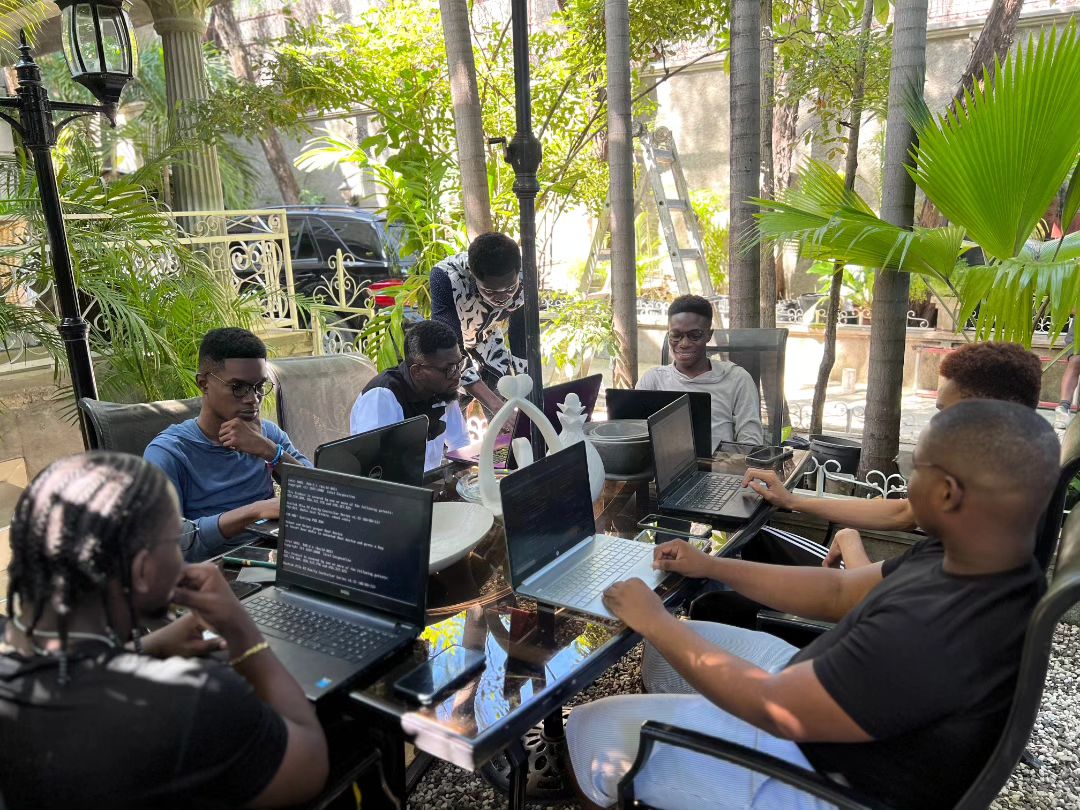
In the vast universe of software development in Haiti, one figure emerges as an undisputed reference: Appolon Guy Alain. Originally from Carrefour, passionate about new technologies, Appolon has carved out a place of choice in the sector thanks to its versatile expertise.
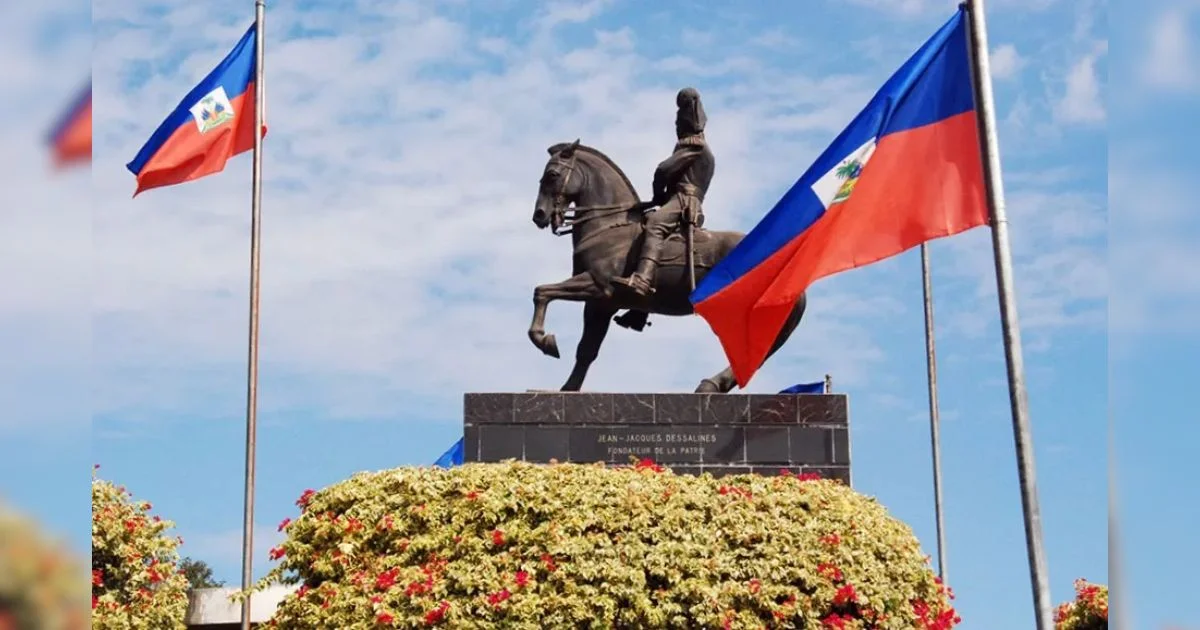
Haiti, the pearl of the Antilles, is a Caribbean island with a rich and complex history. However, its special status as the world’s first free black nation gives it a unique place in the annals of history. This small island was the scene of an extraordinary revolution which resulted in independence, thus marking the beginning of a new era for the black community and the abolition of slavery. Let’s delve into the captivating story of the birth of the first black republic, Haiti. b~The colonial era and slavery~b Haiti’s history dates back to the arrival of Europeans in the 15th century, when Christopher Columbus discovered the island. European settlers, mainly Spanish and French, introduced slavery to exploit the island’s resources, including sugar, coffee and cotton. The indigenous Native American population was decimated, paving the way for the massive importation of African slaves. b~The Haitian Revolution~b On August 14, 1791, Haitian slaves rose up against their oppressors, sparking the Haitian Revolution. Under the leadership of iconic figures such as Toussaint Louverture, Jean-Jacques Dessalines and Henri Christophe, the insurgent slaves inflicted defeats on European armies, demonstrating fierce resistance and a desperate quest for freedom. b~The Declaration of Independence and the creation of the Republic of Haiti~b On January 1, 1804, Haïti proclaimed its independence, becoming the world’s first free black nation. This historic declaration symbolized the end of slavery and the triumph of the will of a people determined to live free. The Republic of Haïti was born in struggle and blood, asserting its autonomy in the face of the colonial powers. b~Post-independence challenges~b However, independence did not mean the end of challenges for Haiti. The country had to face external pressure, reparations imposed by France in exchange for recognition of its independence, as well as internal unrest. Despite these obstacles, Haïti strove to build a free and sovereign nation. The story of Haïti is that of a nation that overcame countless challenges to emerge as a pioneer of freedom for the black population. The Haitian Revolution remains a unique example of resistance, courage and determination, and Haïti continues to carry the torch of independence in the contemporary world. The legacy of this small Caribbean island still resonates today, reminding the world that freedom is a universal right that can be won even in the most difficult circumstances.
Article 1 of the Haitian Constitution of 1987, amended in 2011, establishes the foundations of national identity. In one concise but powerful sentence, it states that Haïti is an indivisible, sovereign, independent, free, democratic and social Republic. These six terms reflect the fundamental values and collective aspirations of the Haitian nation, forged through a rich and tumultuous history. q~ARTICLE 1: Haïti is a Republic, indivisible, sovereign, independent, cooperative, free, democratic and social.~q Let’s discover the meaning and importance of each of these principles in the context of the Republic of Haiti.
Haiti, the pearl of the Antilles, is a country rich in history, culture and varied landscapes. In addition to its many attractions, it is interesting to dwell on a fundamental geographical aspect: its area. This article explores in detail the size of the Haitian territory, its geographical importance and its impact on the daily lives of Haitians.
Haïti is known for its significant history and its crucial role in the fight against slavery and for independence. The country gained independence from France on January 1, 1804, becoming the world’s first independent black republic and the first country in the Americas to abolish slavery. However, this independence came at an enormous cost, the effects of which are still felt today.
In the picturesque landscape of Cap Haïtien, stands a place that embodies the very essence of Haitian art and cuisine: Boukanye. This pirate house, founded in July 2016, has quickly become a must-see gem among area restaurants, attracting visitors from around the world for its rustic atmosphere and innovative menu. Located on the boulevard, Boukanye is much more than just a restaurant; it’s an experience in its own right. As soon as you walk through its doors, you are greeted by decor that celebrates local craftsmanship and the history of the pirates who once sailed these waters. Walls adorned with vibrant paintings and sculptures demonstrate the venue’s commitment to Haitian art, creating a warm and authentic ambiance. But Boukanye is not content to seduce with its aesthetic; its cuisine is just as captivating. Inspired by local flavors, the restaurant offers an inventive fusion of traditional Haitian dishes and contemporary culinary techniques. Whether for breakfast, lunch or dinner, Boukanye’s menu offers a tantalizing variety of seasonal dishes, accompanied by exquisite cocktails that celebrate local ingredients. What also sets Boukanye apart is his commitment to innovation. By launching a virtual tour accessible via smartphone or virtual reality headset, the restaurant has pushed the boundaries of the culinary experience. Thanks to this immersive technology, visitors from around the world can now explore the charms of Boukanye from home, immersing themselves in its captivating atmosphere and discovering its unique culinary delights. https://haitiwonderland.com/haiti-virtual-reality-ht/bar--restaurant/haiti--boukanye--visite-virtuelle/7 Whether you are a resident of Cap Haïtien or a traveler eager for authentic experiences, Boukanye offers an unforgettable getaway into the very heart of Haitian culture. By combining art, cuisine and innovation, this restaurant perfectly embodies the vibrant and dynamic spirit of Haiti, inviting everyone to embark on an unparalleled sensory journey.
Cap-Haïtien, is a coastal city in the northern department of Haiti, formerly known under the names of Cap-Français or Cap-Henri. Dominated by the Morne Jean mountain, this destination offers an immersion in the French colonial past and the Haitian revolution. Nestled by picturesque bays and bordered by the Haut-du-Cap river, Cap-Haitien appeals to travelers looking for authenticity and seaside adventure. The city, rich in history and culture, has seen the birth of renowned artists like Philomé Obin and hosts a vibrant music scene with the groups Septentrional and Tropicana from Haiti. Its hidden treasures, including the Citadelle La Ferrière and the historic site of Vertières, as well as its magnificent natural landscapes, make Cap-Haitien an unmissable destination in the Caribbean. Paradise beaches in Labadie and cobbled streets evoking a rich past invite visitors to fully immerse themselves in Haitian history and culture. Cap-Haïtien, formerly Cap-Français or Cap-Henri, is the second city of Haiti, capital of the Nord department and the district of Cap-Haïtien. Located on the northern coast of the Republic of Haïti , was considered in the 19th century as the safest port. Dominated by the Morne Jean mountain, culminating at 718 meters above sea level, the town is located at the mouth of the Haut-du-Cap river, on the west coast. of the bay of Cap-Haïtien. To the west of the town lies the Acul Bay.
The history of Haïti is closely linked to the different names that this land has had over the centuries. These names reflect the eras and influences that have marked the island, from the time of the indigenous peoples to independence. Let’s explore the old names of Haïti and their historical significance.

First black nation to free itself from slavery and gain independence from France in 1804 and influenced other liberation movements around the world, inspiring struggles for freedom and equality.

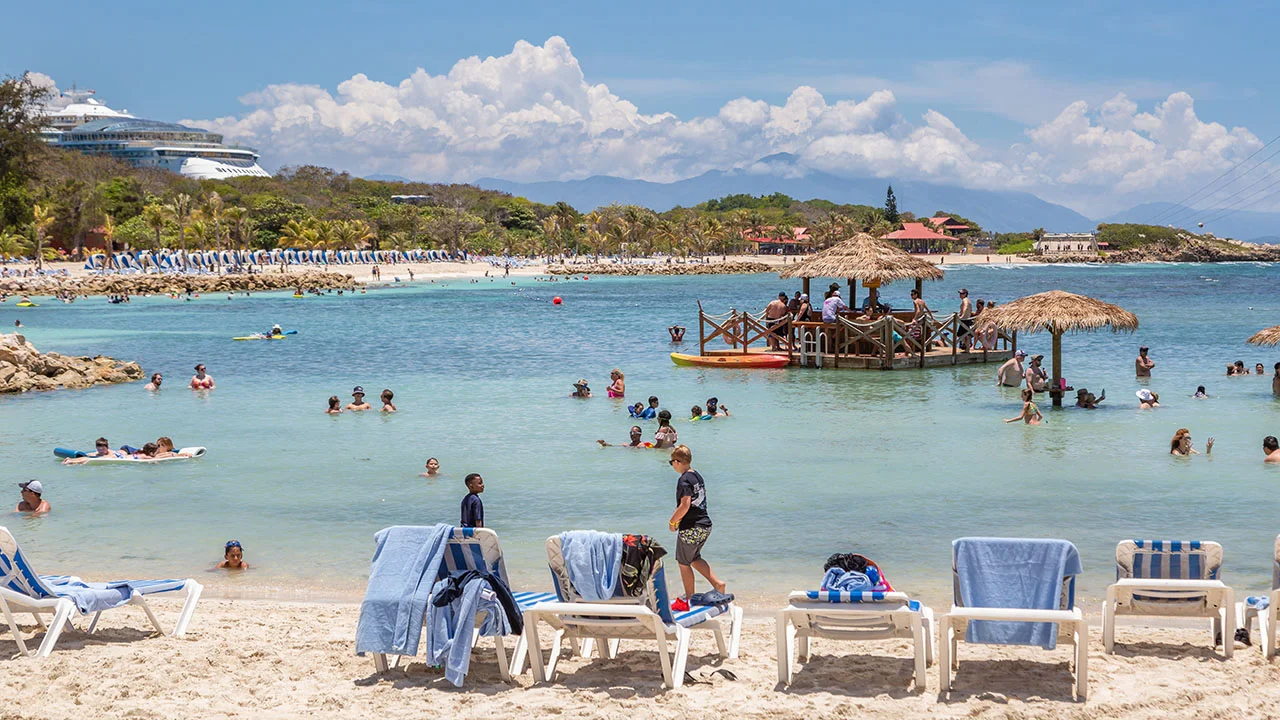
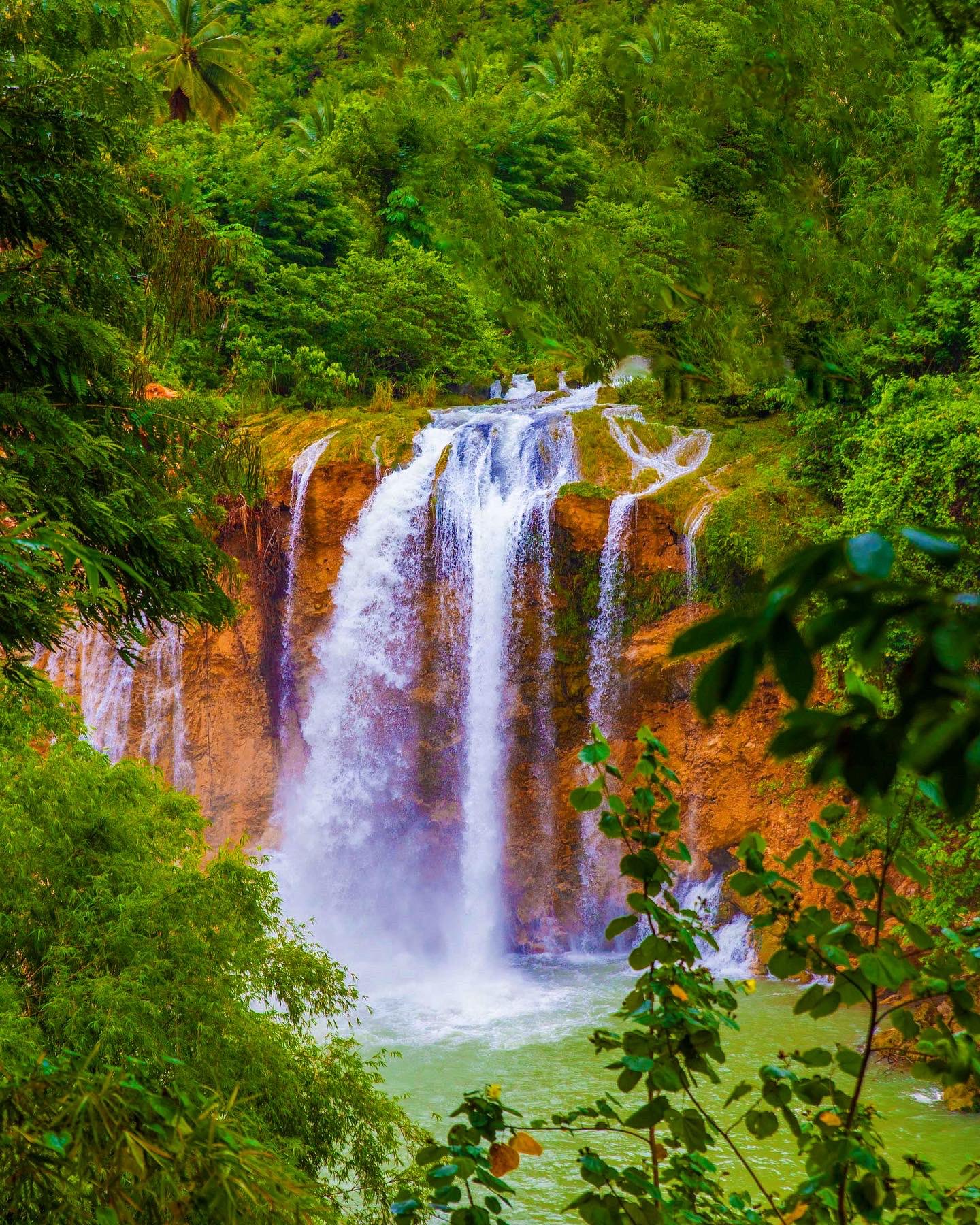
Haïti is blessed with spectacular natural landscapes, including white sand beaches, mountains and rich biodiversity.
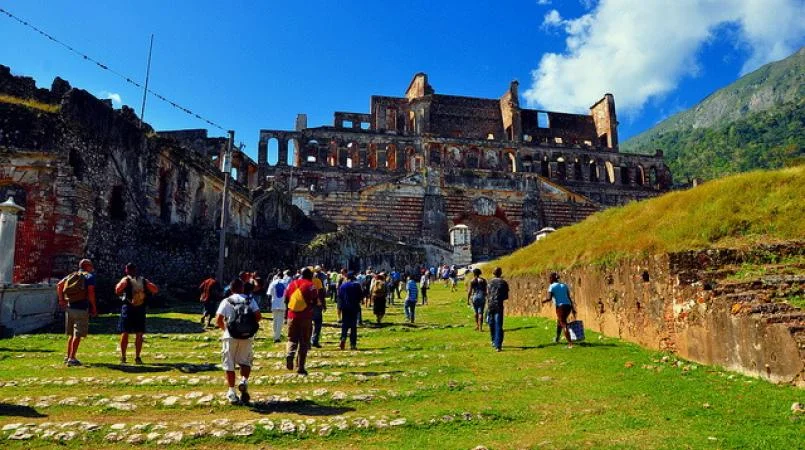
Haïti has a rich historical heritage, including sites like the Citadelle Laferrière and the Sans-Souci Palace, listed as UNESCO World Heritage Sites.

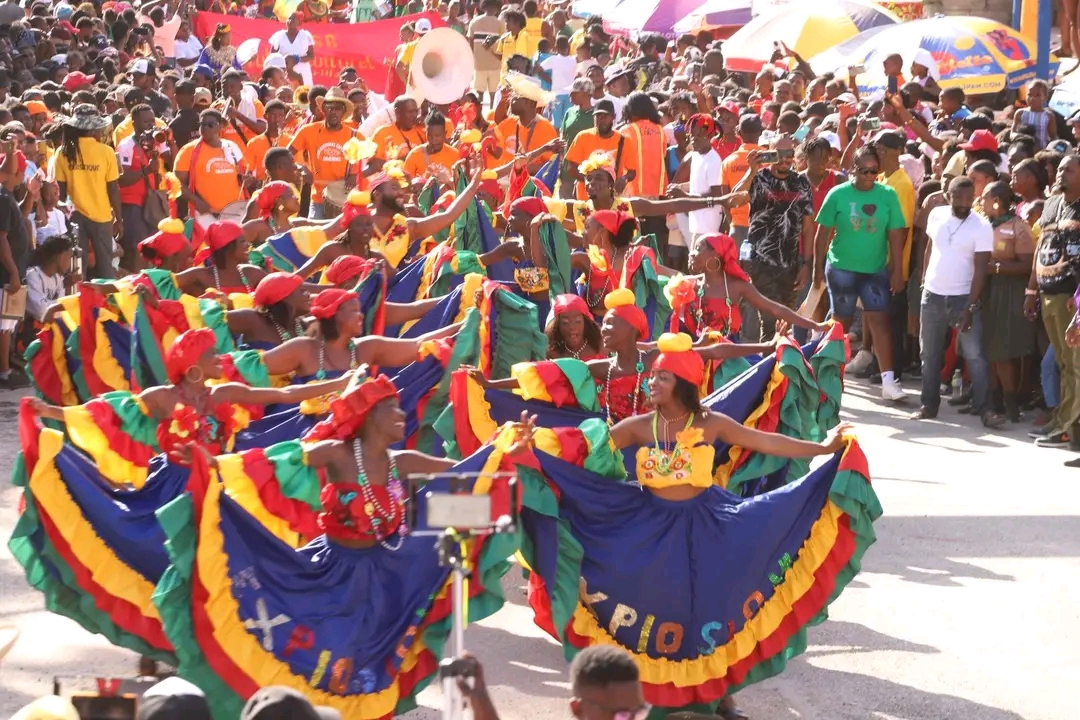
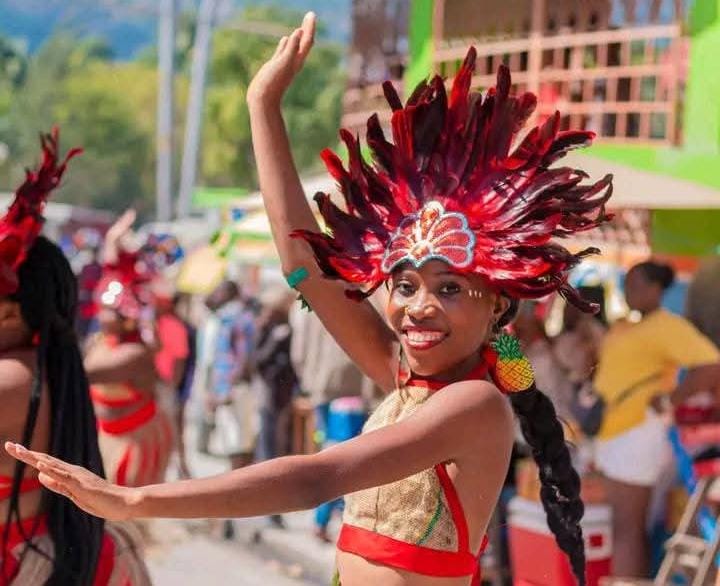
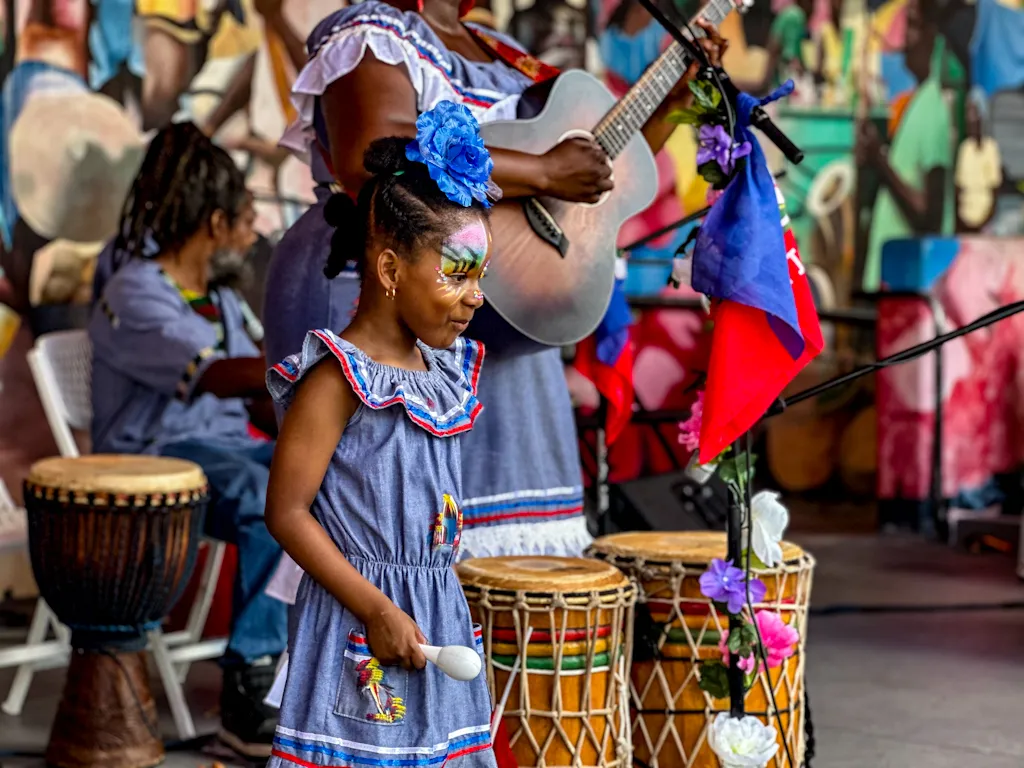
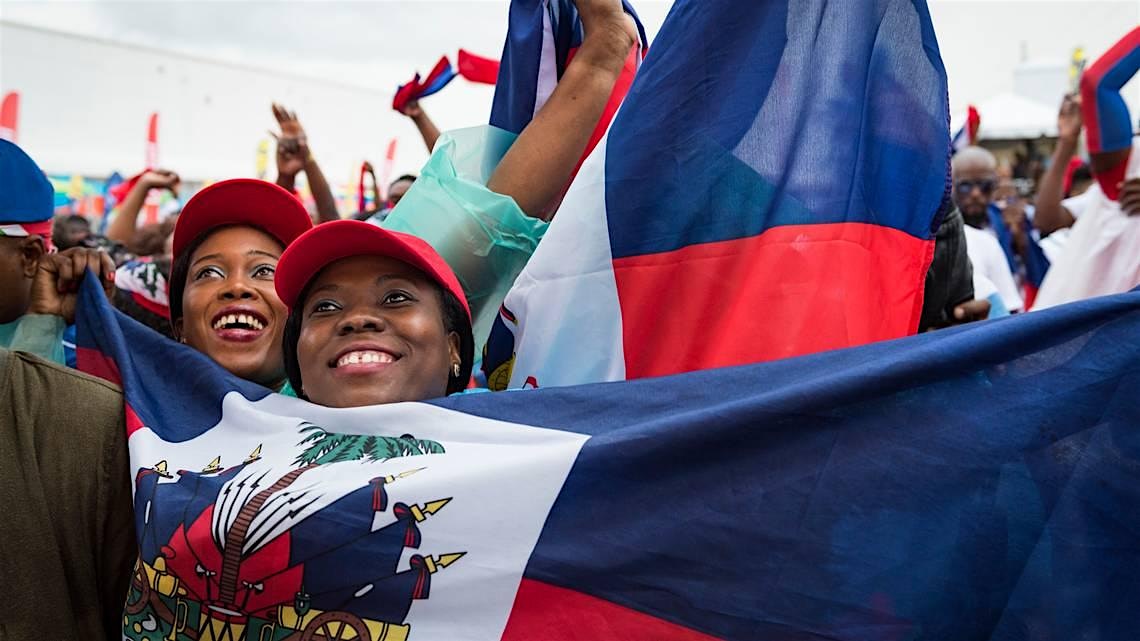
Haïti has a rich and diverse culture, influenced by African, European and indigenous elements. Haitian music, dance, art and cuisine are celebrated around the world.