






Unity is Strength or Liberty - Equality - Fraternity: What is Haiti’s true national motto?
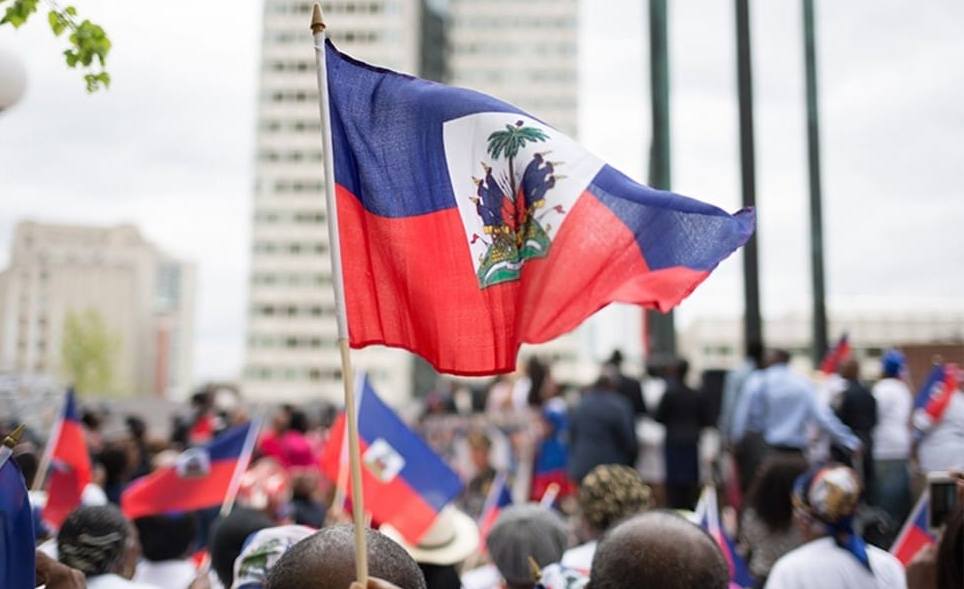
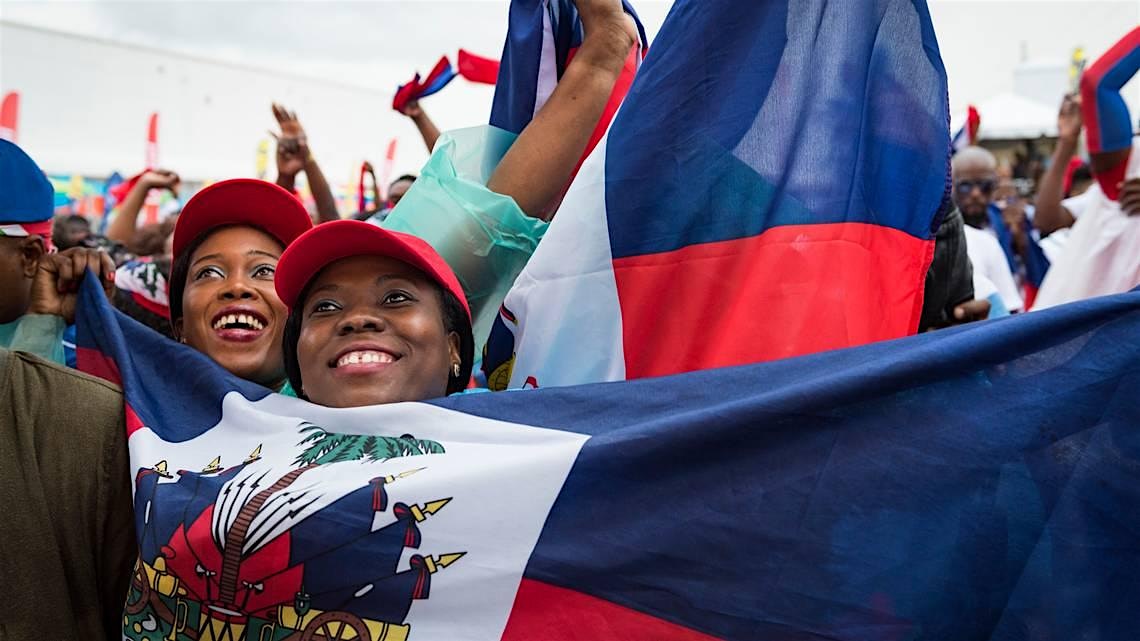
Haiti has two mottos: "Unity is Strength" on its coat of arms and "Liberty-Equality-Fraternity" in its 1987 Constitution. Find out which one is official.
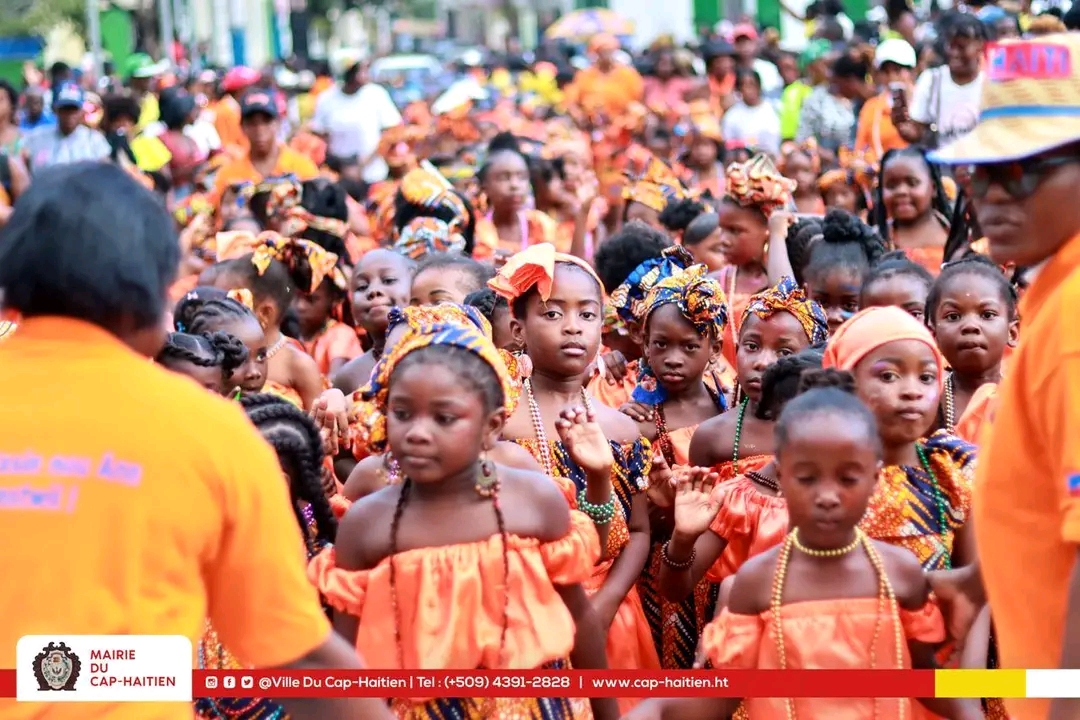
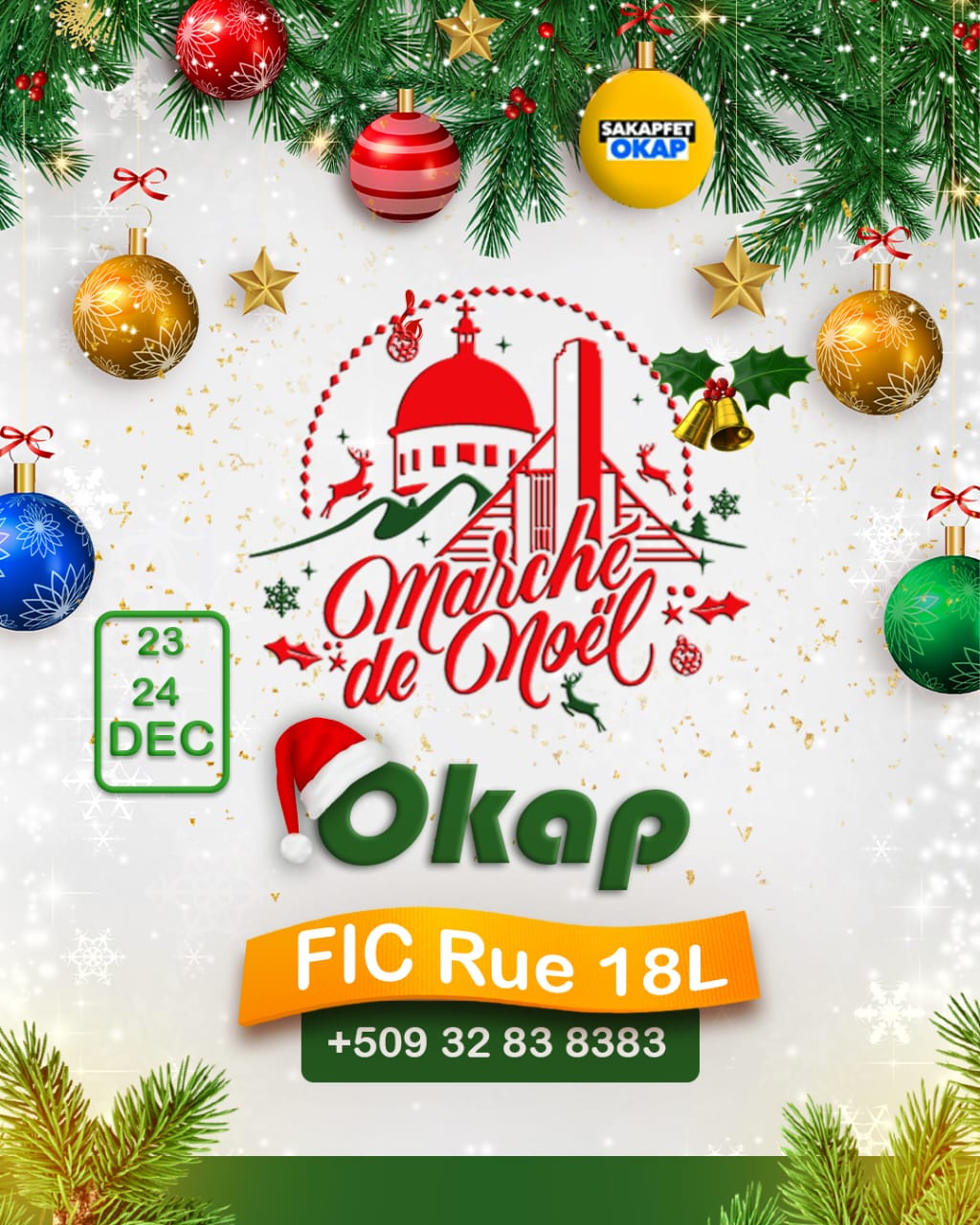
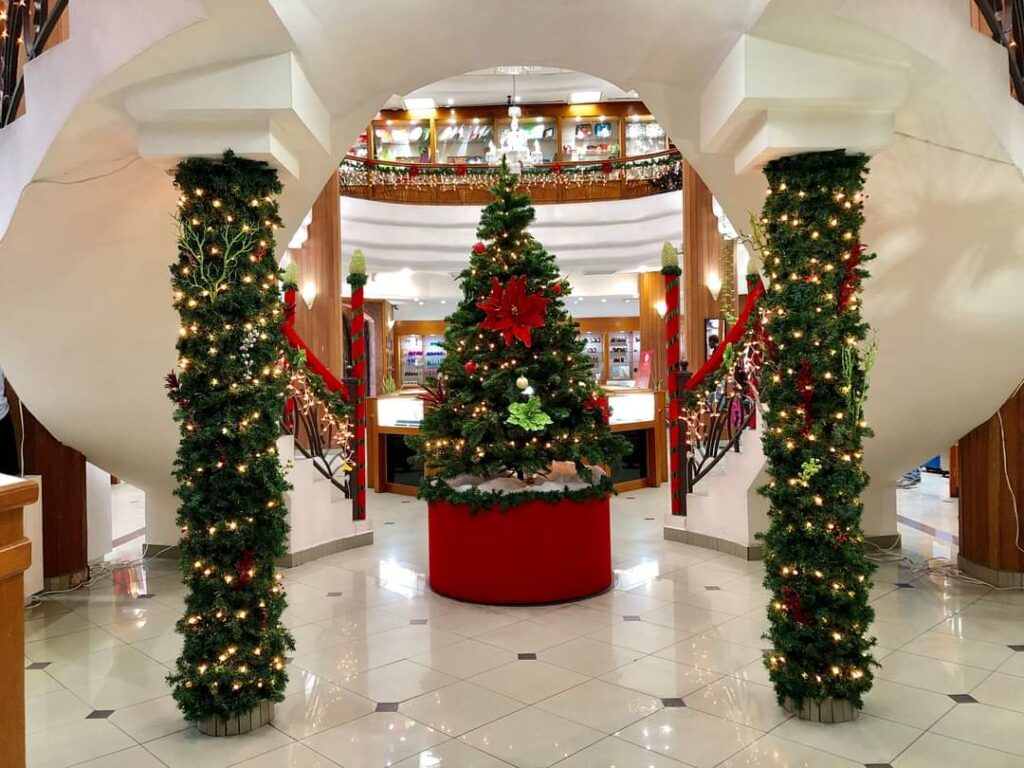
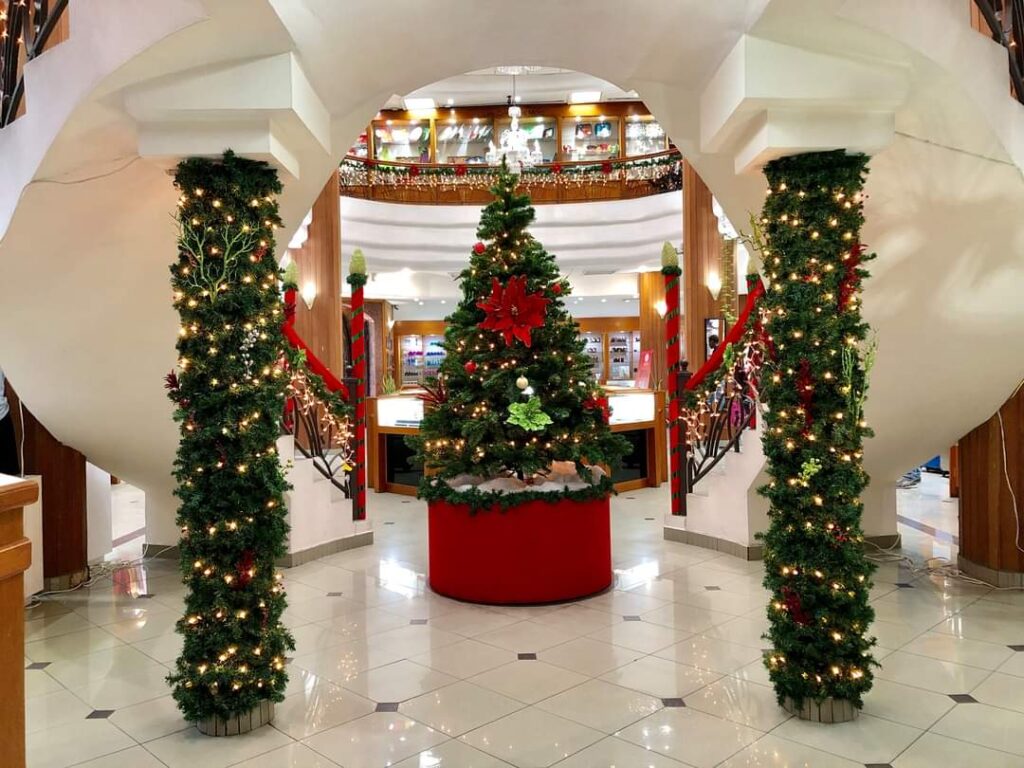
Christmas in Haïti is a time when culture, spirituality, and conviviality come together to create a unique and warm atmosphere. This holiday, deeply rooted in the country’s traditions, is an opportunity to bring families together, share delicious meals, and celebrate together in a spirit of solidarity. This article explores how Christmas is celebrated in Haiti, highlighting the local traditions, feasting, and community spirit that make this time of year an unforgettable experience.
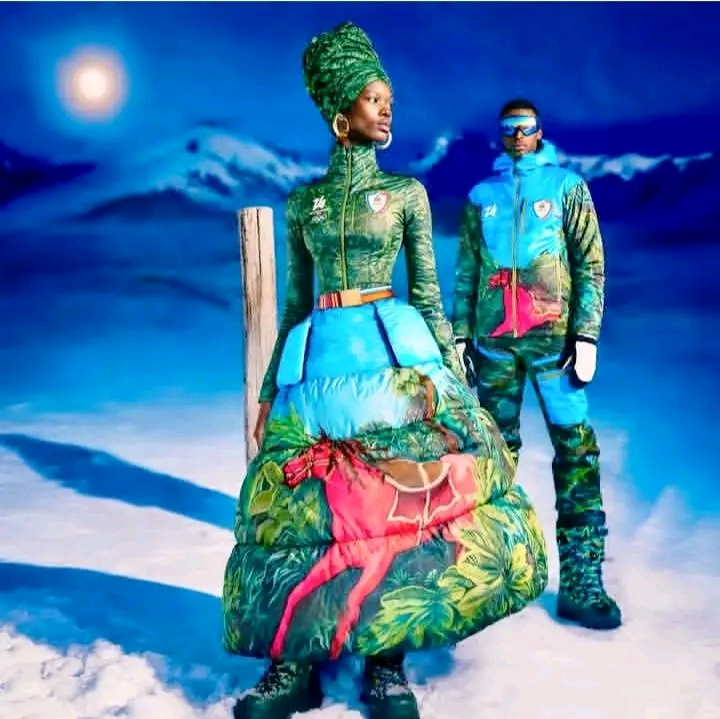
The Olympic Games are in full swing, and this year, Haïti is making a remarkable entrance. For Haitian athletes, these games are not only an opportunity to demonstrate their sporting talent, but also to fly the flag for their culture and history. And this, thanks to an exceptional collaboration between Stella Jean and Philippe Dodard.
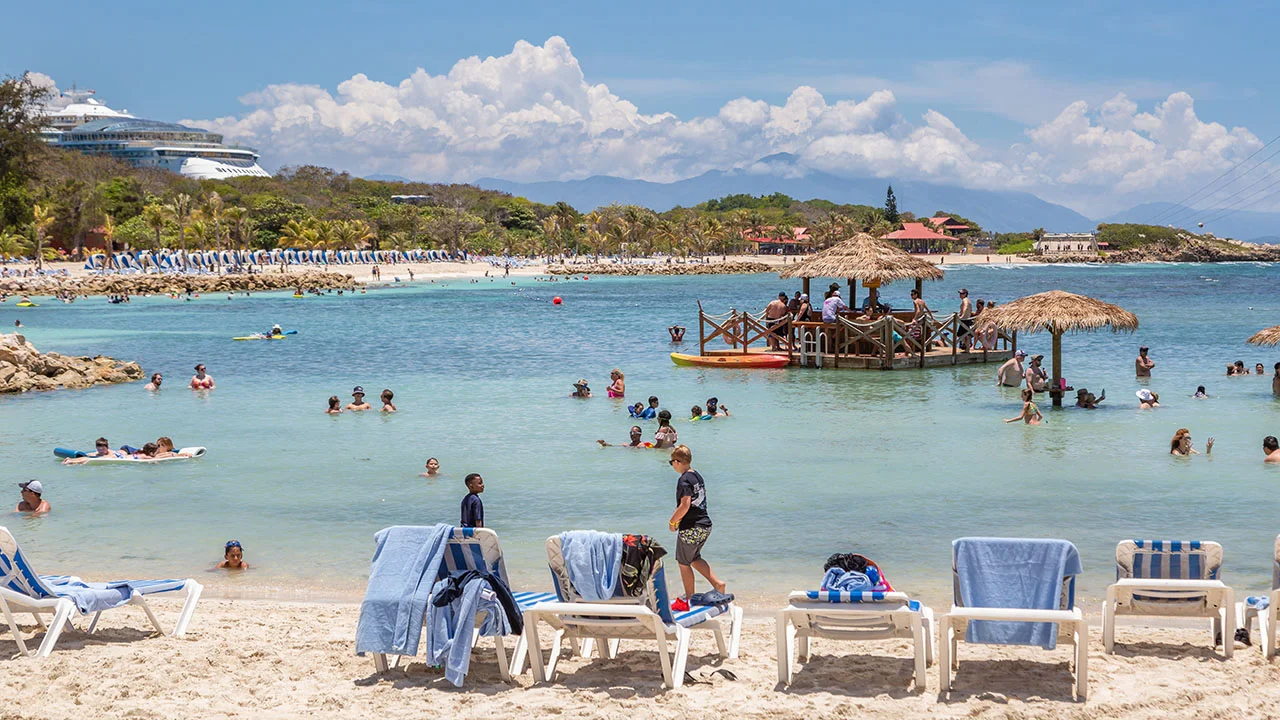
Ah, summer in Haiti! A season where the sun shines high in the azure sky and the crystal clear waters of the Caribbean Sea invite relaxation and adventure. When you think of Haiti, its heavenly beaches may not be the first thing that comes to mind, but this Caribbean gem is actually full of breathtaking coastal treasures. From the north coast to the south coast, each beach offers a unique experience, blending history, culture and nature with stunning natural beauty. Here is a selection of the essential beaches to visit during your summer getaway to Haiti:
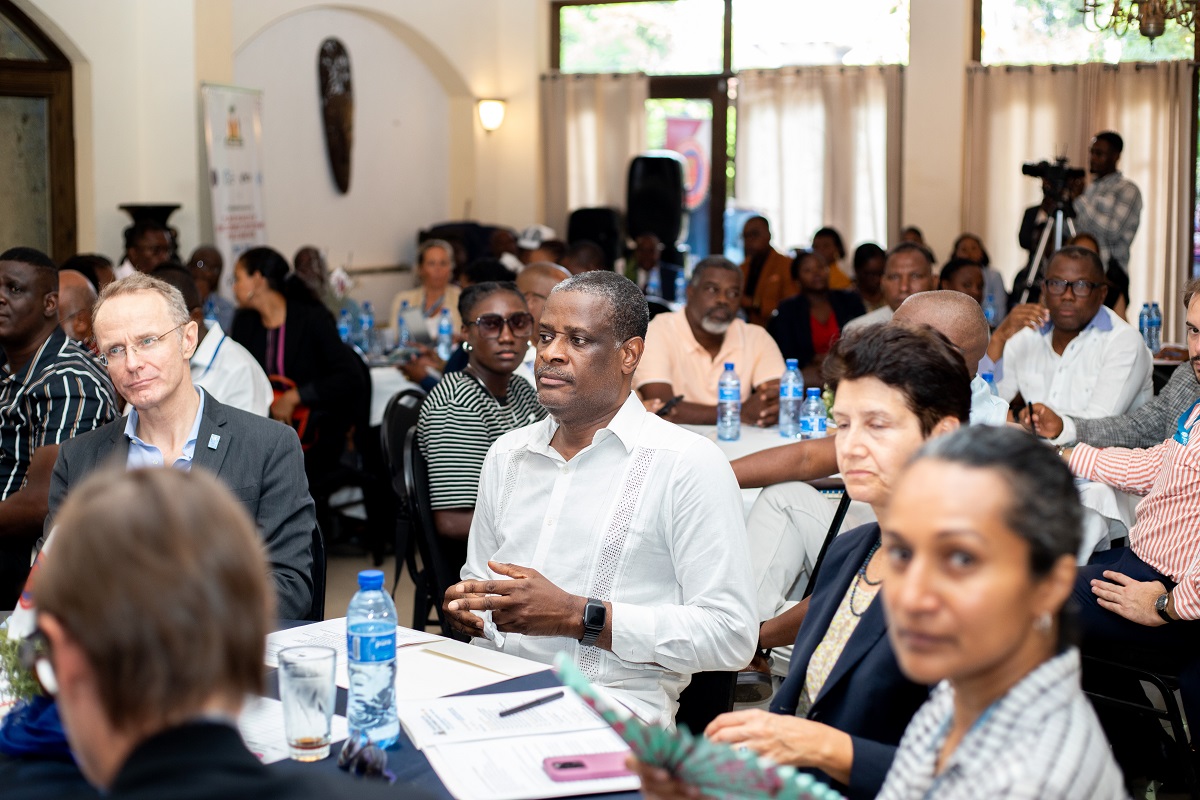
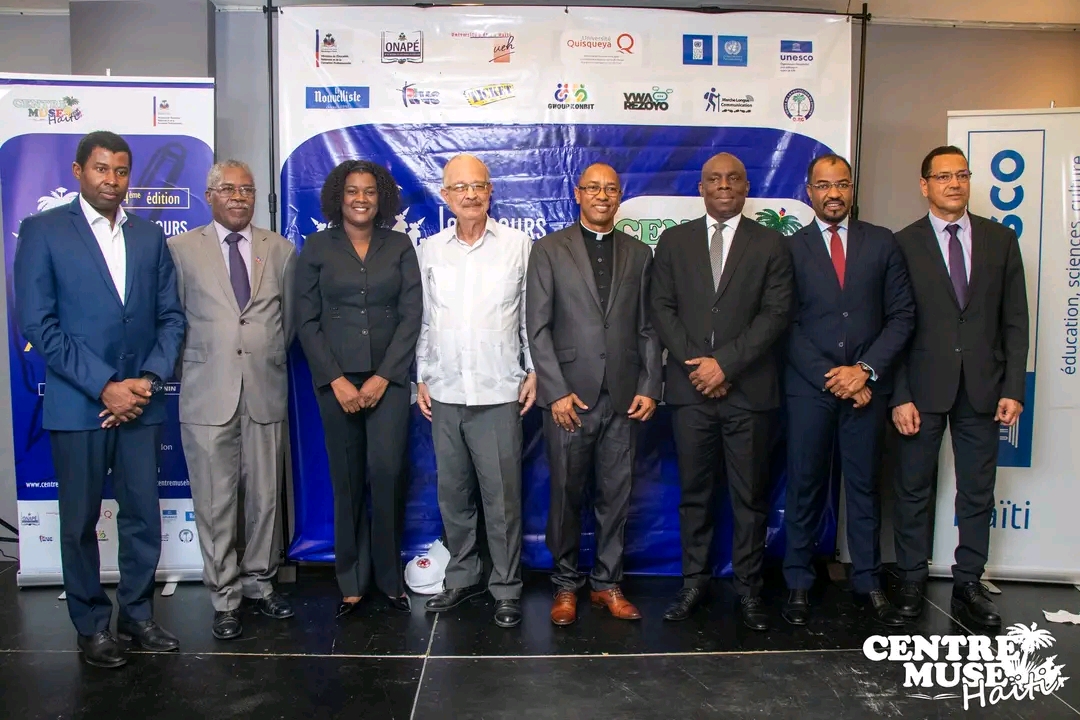
On Thursday, May 15, 2025, the Karibe Hotel hosted the launch conference of the 4th edition of the national essay contest organized by Centre Muse Haïti. The event was attended by members of the Centre, including Father Gilbert Peltrop, contest coordinator, Mr. Arnold Antonin, special guest of this edition, as well as representatives from institutions such as the Ministry of National Education, represented by Emmanuel Bernard speaking on behalf of Minister Antoine Augustin; the OPC; the State University of Haiti, represented by Rector Dieuseul Prédélus; LONAPÉ, represented by Mr. Hervé Boursiquot; the Ombudsman Me Wilner Morin; and representatives of the UNDP, BINUH, and UNESCO, represented respectively by Mr. Xavier Michon, Armor BouBarkri (on behalf of Ms. Maria Isabel Salvador), and Ms. Erica Francillon Célestin (on behalf of Mr. Éric Voli Bi), partners of Centre Muse in this initiative. Members of the press were also present.
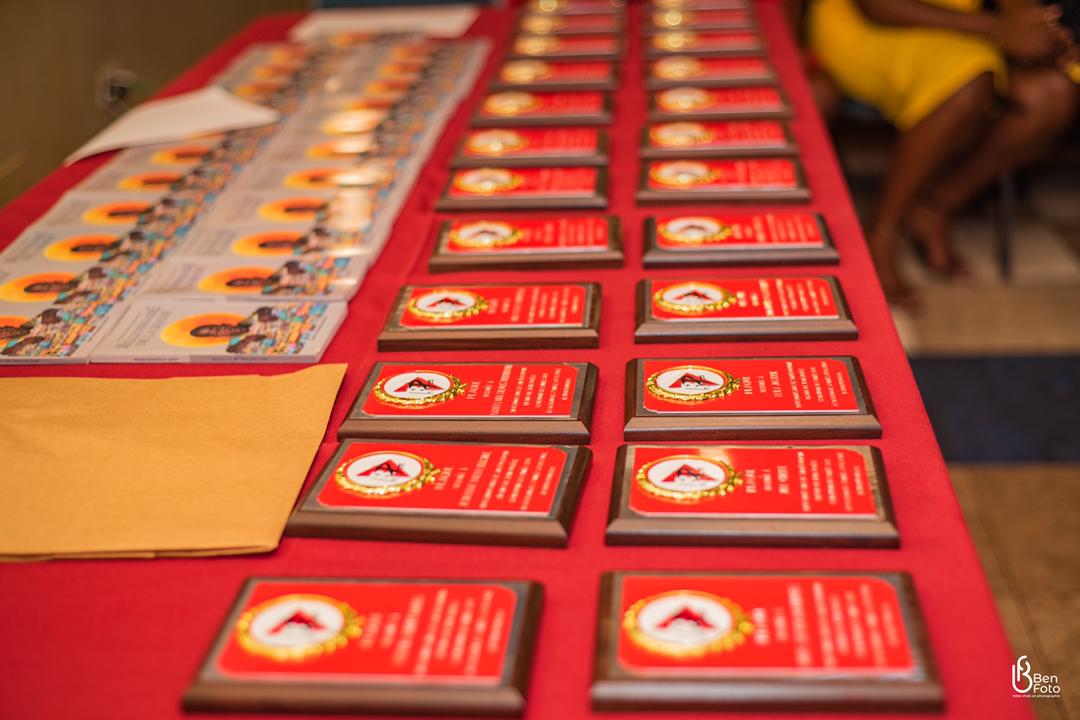
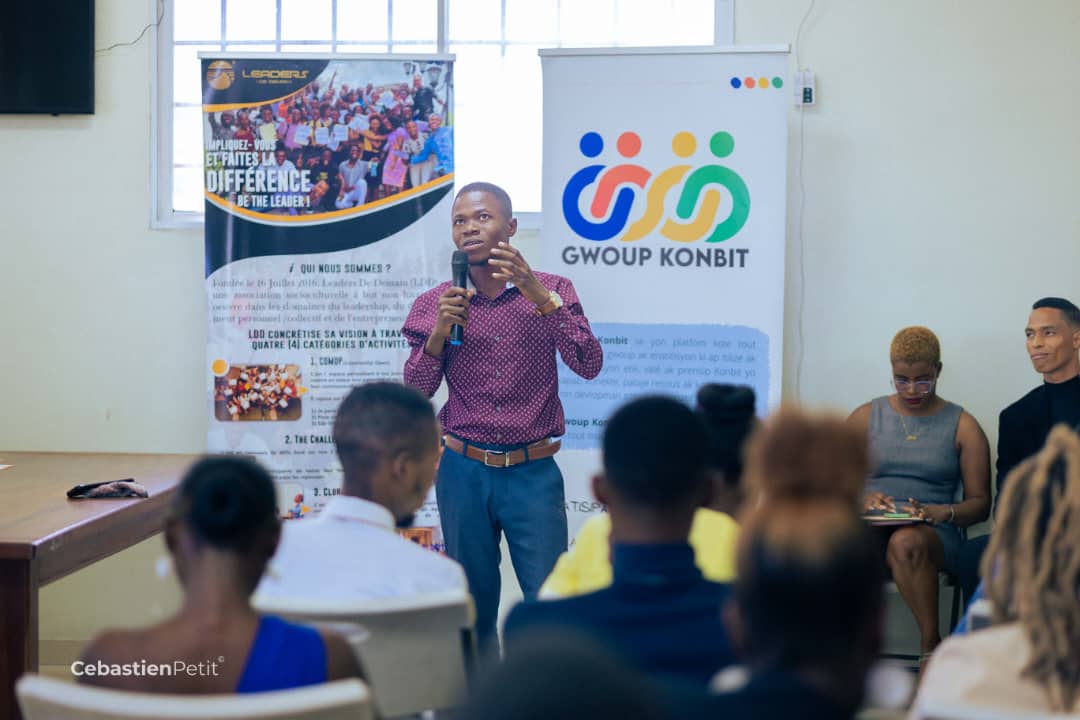
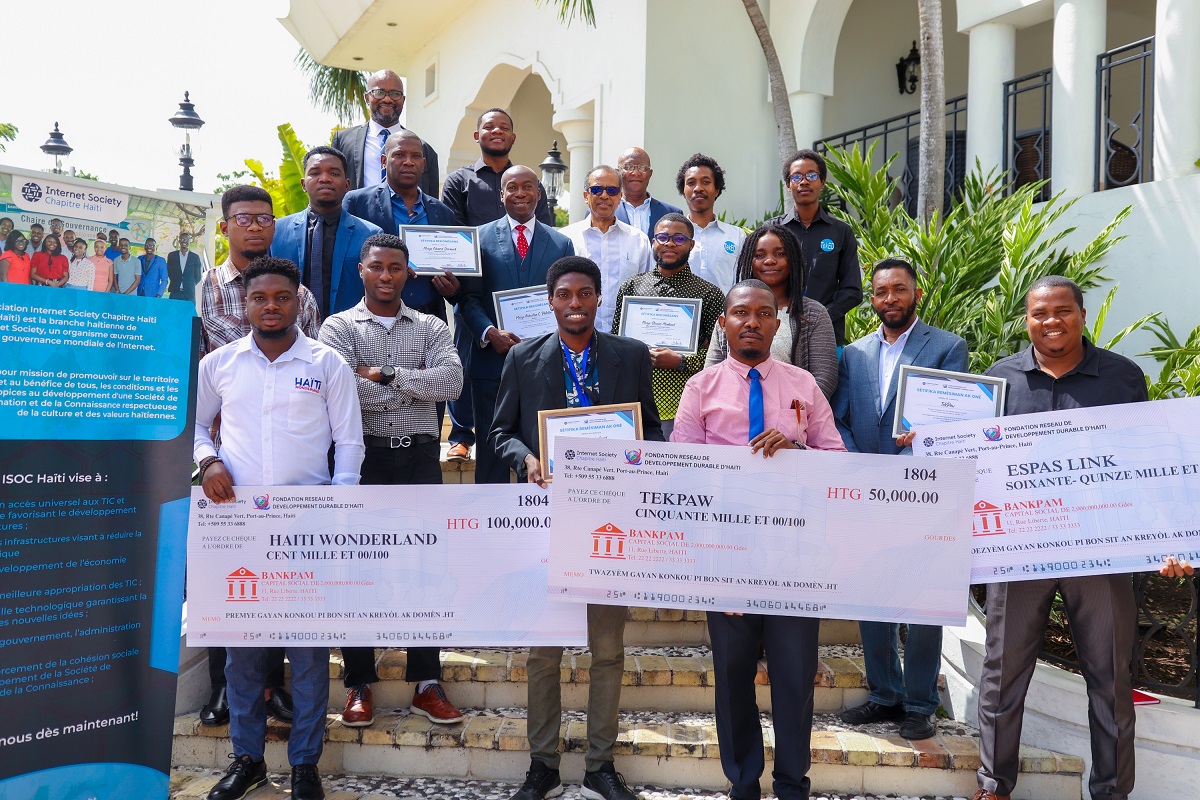
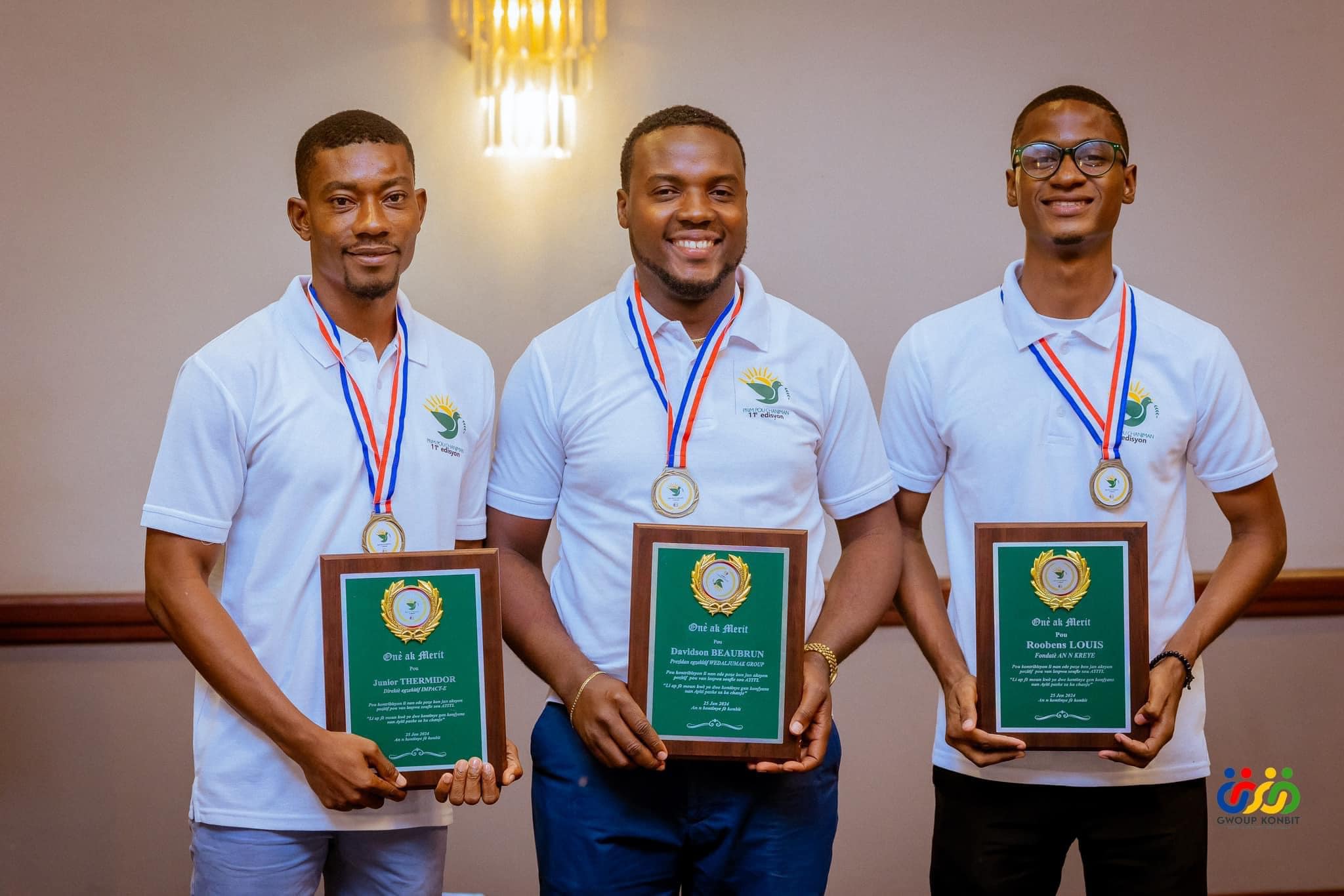
Since 2014, the “PRIM POU CHANJMAN” (PPC) initiative, orchestrated by Gwoup Konbit through Leaders of Tomorrow, honors extraordinary young Haitians who carry out remarkable actions to improve their community. Initially called the “CITE SOLEIL PEACE PRIZE” and limited to young people from Cité Soleil, this program expanded in 2023 to include all young people in the country with a positive social impact. For its 11th edition, three young leaders were rewarded for their dedication and social influence in their respective communities.
In Haiti, December 25th, Christmas Day, is much more than just a religious holiday. It is a date filled with traditions, cultural meanings, and moments of sharing. This article explores what this day means to Haitians and how it is celebrated throughout the country.
Haiti, with its heavenly coastline and turquoise waters, is full of magnificent beaches that appeal to lovers of relaxation, nautical adventures and natural discoveries. Whether you are looking for a lively atmosphere or a peaceful retreat, Haitian beaches offer a variety of unique experiences. Here is a guide to help you choose the beach that best suits your desires:
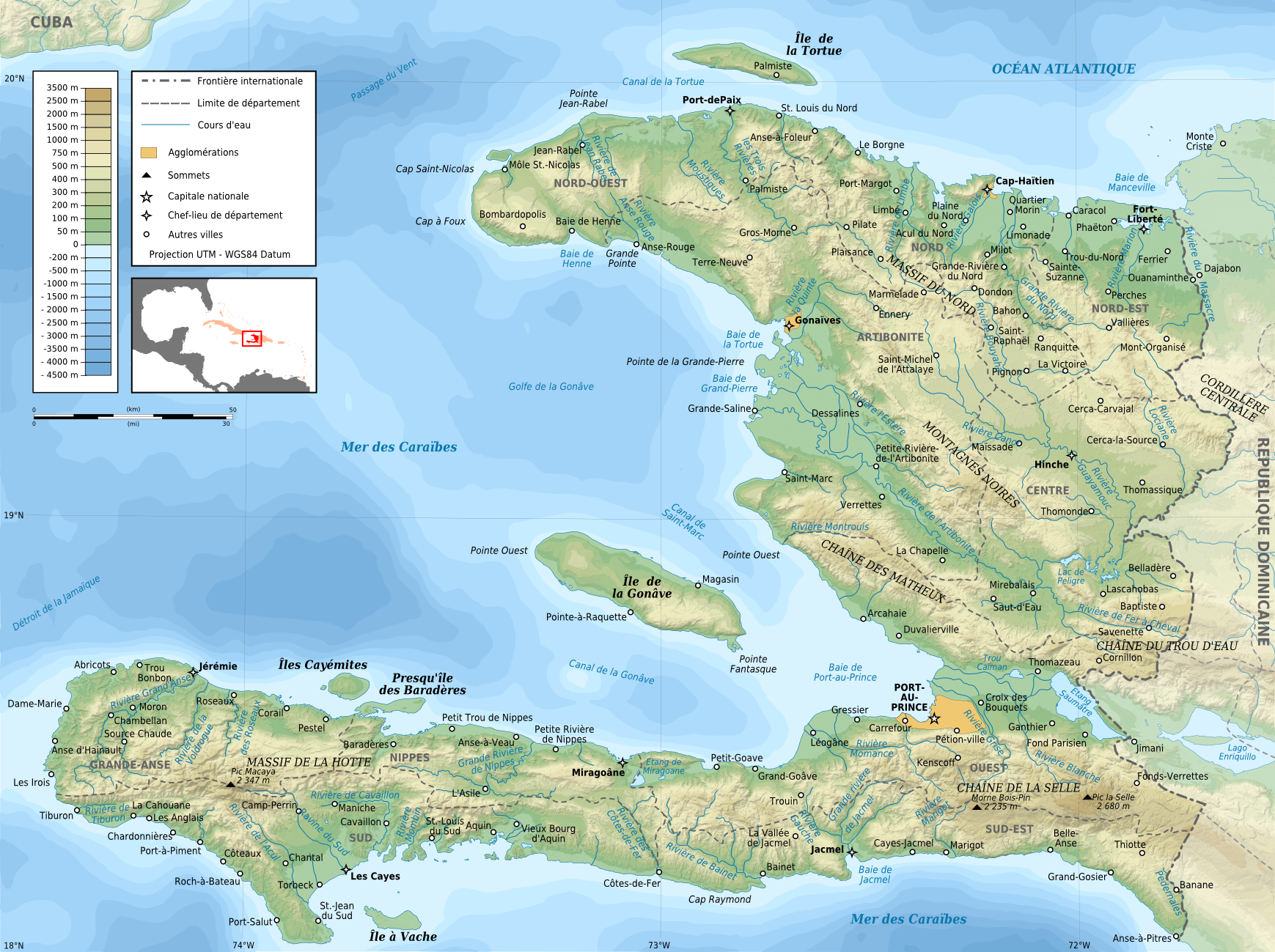
The map of Haïti is an essential tool for understanding the geography of the country, its political organization, and its different regions. Whether for travelers, researchers, or those interested in the history of Haiti, this map provides crucial information on the location of cities, mountains, coastlines, and borders. This article explores the map of Haiti, its key elements, and what it represents for the Haitian people.
Haitian and African cuisine are gastronomic treasures that highlight local ingredients and preparation techniques passed down through generations. Among the most popular dishes of both cuisines, Haitian Tonmtonm and African Foutou (or Fufu) are distinguished by their rich flavors and unique textures. These two dishes, although they share a similar foundation - the use of local products such as cassava or plantain - have interesting differences, especially in their preparation, taste and accompaniment.
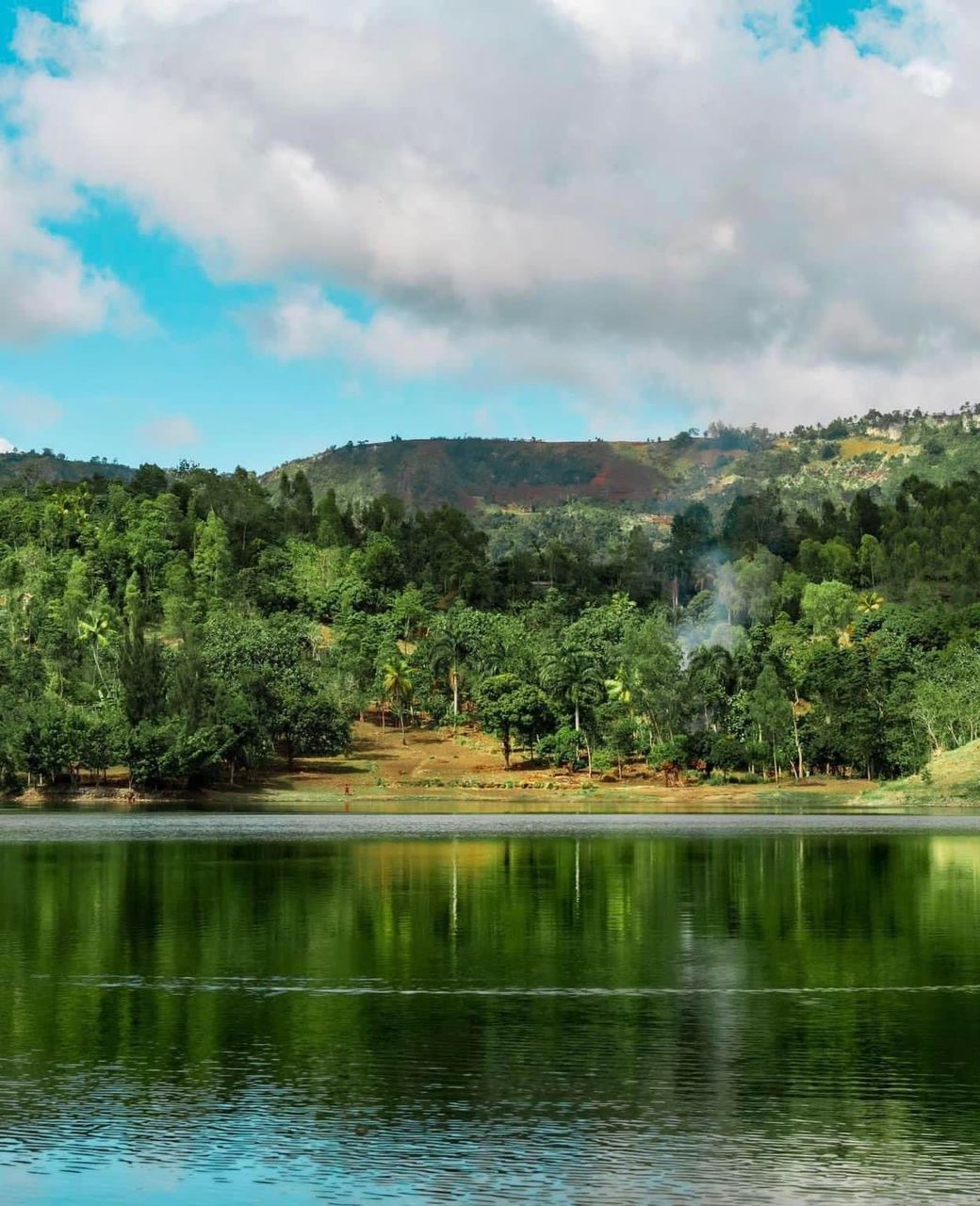
Located about an hour’s drive northeast of the bustling town of Jacmel, Étang Bossier emerges like a verdant gem from the heart of the hills, captivating the senses and offering an idyllic getaway for nature and adventure lovers. This natural sanctuary, anchored in the picturesque community of Bossier, is a premier destination for travelers seeking authentic discoveries and enchanting landscapes. With a generous surface area extending over 4 to 5 hectares, Étang Bossier stands majestically at an altitude of 600 meters in the 2nd section of the commune of Cayes-Jacmel, in Gaillard, surrounded by the magnificent sections of Ravine Normande , Cap Rouge and Michinot. This geographical diversity gives the place an incomparable ecological and landscape richness, inviting visitors to immerse themselves in the heart of lush nature. Beyond its natural charm, Étang Bossier is the cradle of community life rich in agricultural and pastoral traditions. The green fields resonate with local agricultural activities, with varied crops such as pistachio, congo pea, millet, and corn which bear witness to the ancestral know-how of the region’s inhabitants. Every Thursday, the local market comes alive with colors and flavors, offering a tempting range of fresh produce, robust livestock and of course, “pèpè” fish, a delight for fishing enthusiasts. However, behind this bucolic facade there are also challenges and needs. Despite the abundance of natural resources, many residents live in precarious conditions, highlighting the importance of sustainable support and development for the Bossier community and surrounding areas. For travelers looking for authentic and enriching experiences, Étang Bossier is an invitation to escape. By exploring its winding paths, being lulled by the song of birds and discovering the daily life of its welcoming inhabitants, visitors will have the unique opportunity to delve into the heart of Haitian culture and create unforgettable memories. During your next getaway to Cayes-Jacmel, let yourself be seduced by the magic of Étang Bossier. Whether for a day of adventure, a cultural immersion or simply a moment of relaxation in the middle of unspoiled nature, this hidden oasis promises you an extraordinary experience, imbued with authenticity and natural beauty. Come explore Étang Bossier and let yourself be enchanted by the simplicity and splendor of Haitian rural life.
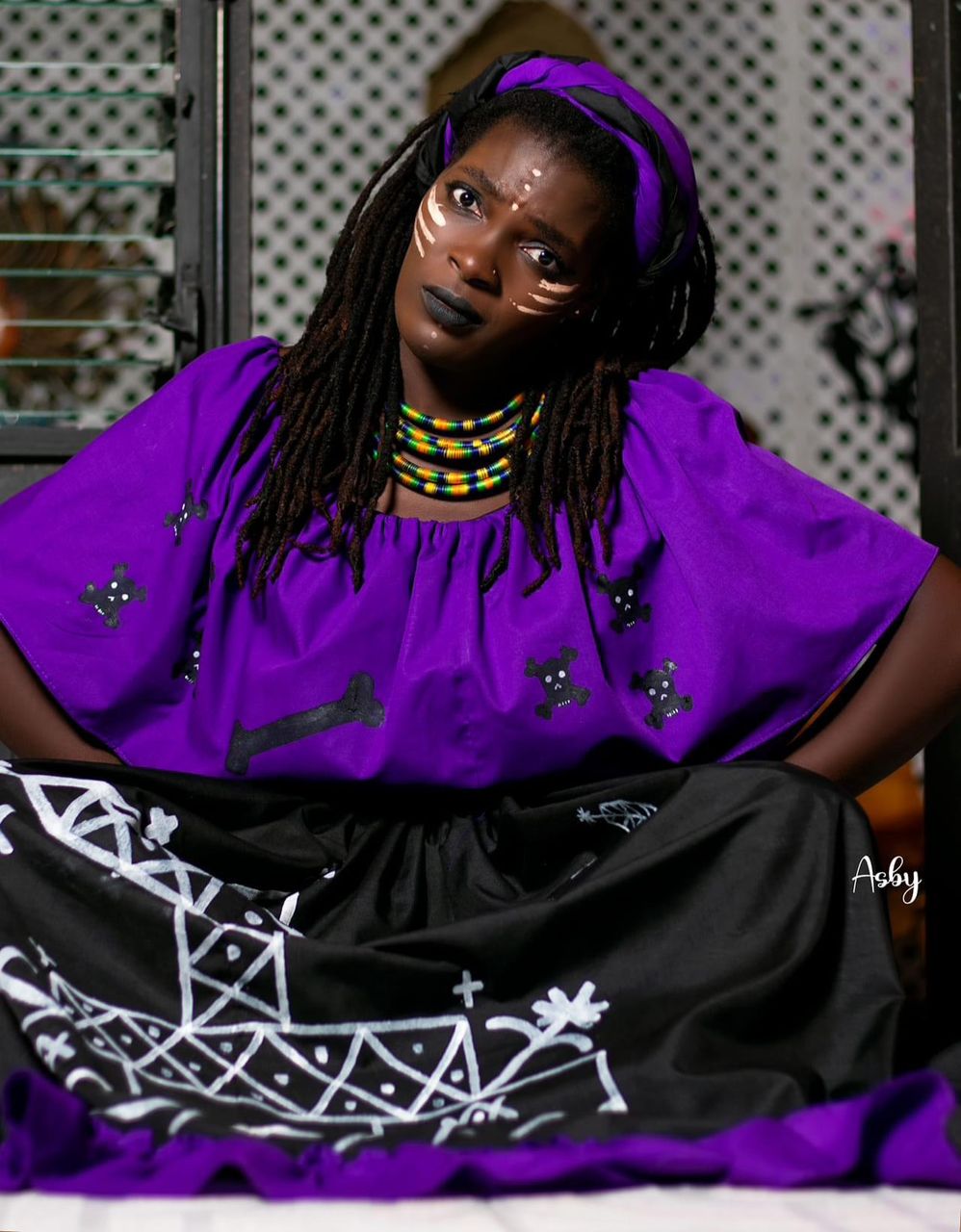
Every November 1st and 2nd, Haïti comes alive with the colors black and purple to celebrate the Guédés, spirits venerated in the voodoo religion, symbols of a powerful bond between the living and the dead. Fascinating, indomitable and provocative, the Guédés form a true family in the pantheon of Haitian voodoo, where they are respected for their role as spiritual guides of the deceased to the afterlife. Led by iconic figures such as the legendary Baron Samedi and his companion Grann Brigitte, the Guédés embody the paradoxes of life and death. Each Baron has a unique personality: Baron Cimetière, Baron Kriminel, and Baron La Croix are the guardians of the souls that wander on the borders of the world of the dead. Together, they form a powerful and somewhat frightening presence, but one that is deeply rooted in Haitian culture. The Guédés are not like other voodoo spirits; they demonstrate their fearlessness in a spectacular way. Accustomed to death, they are fearless and are provocative: they eat glass, raw peppers, and coat their sensitive parts with rum and pepper. These gestures mark their indifference to danger and remind us that they have already known earthly life. They are thus psychopomps – these beings who lead the souls of the dead – and act as bridges between the world of the living and that of the dead. Some Guédés, like Guédé Nibo, wear black, purple, and white clothing, each with unique characteristics. They are many and varied: Guédé Fouillé, Guédé Loraj, Papa Guédé, and many others. These are the spirits who, each year, remind Haitians of the importance of remembering and honoring the deceased. The cult of the Guédés is not only religious; it is also cultural and historical. According to tradition, their spiritual territory, or “Fètomè” – nicknamed the “Country without Hats” – is a place where the souls of ancestors reside. According to stories, the origins of this cult go back to the Abomey plateau, the ancient capital of the kingdom of Dahomey, in Africa, where death and life coexist in a form of symbiosis. This celebration in Haïti even finds echoes in ancient history. The Romans also honored their dead with the “Fête des Lémuria”, which took place in February, to ward off spirits and restore peace between the world of the living and that of the deceased. For Haitians, honoring the Guédés is about accepting death as a part of life and celebrating the invisible bonds that unite us with those who have left us. It is also a way of resisting, because life, despite its challenges, must be celebrated in all its complexity and depth.
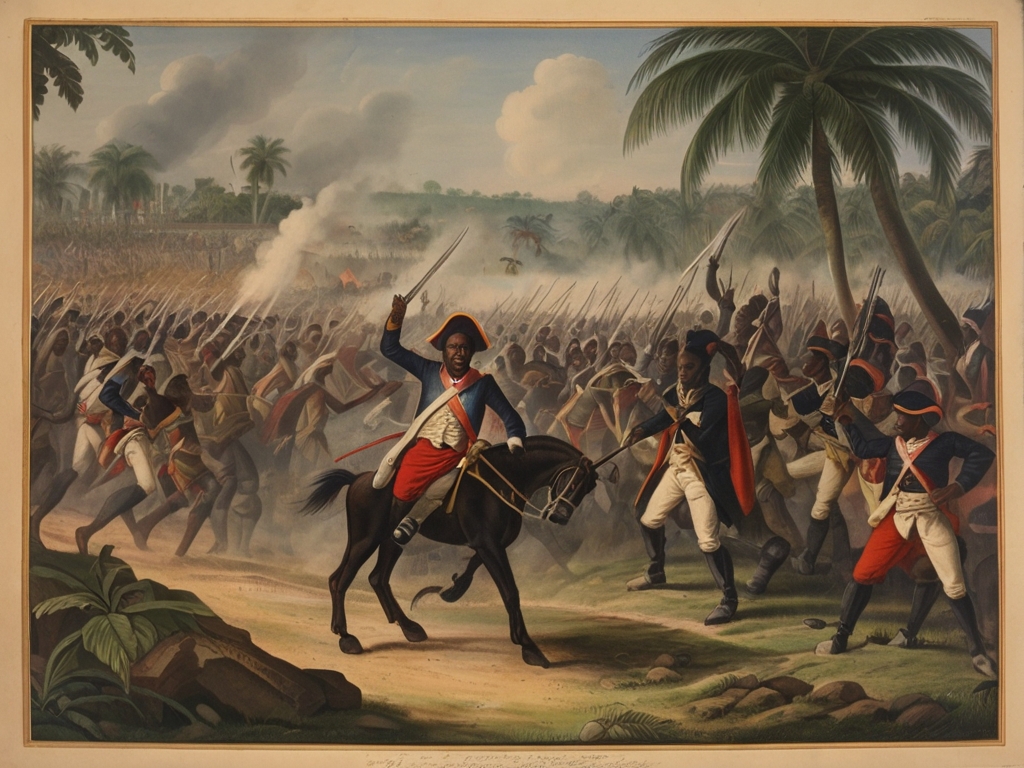
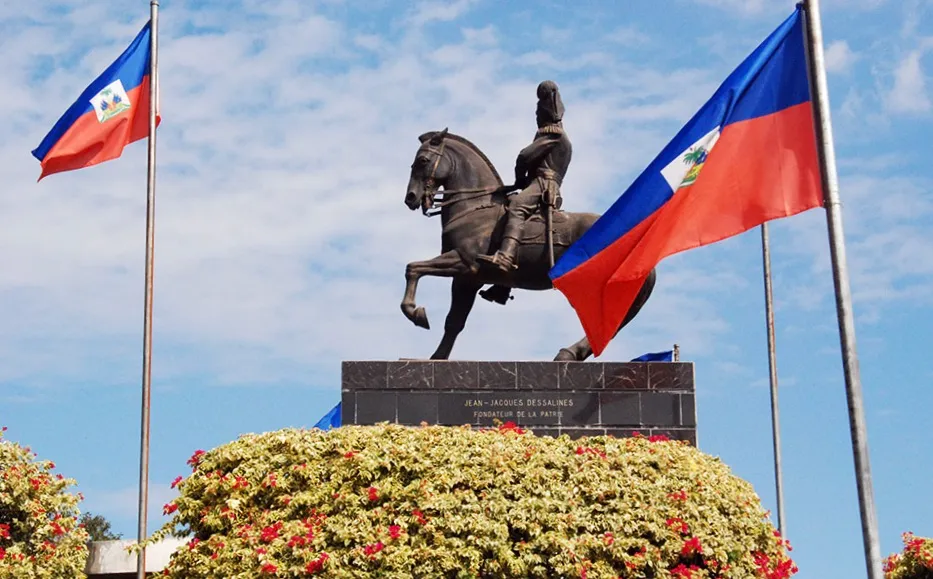
Haiti, a Caribbean island of great historical significance, is known for being the world’s first free black republic. His tumultuous journey, punctuated by revolts, struggles for freedom and independence, left an indelible mark in the annals of world history.
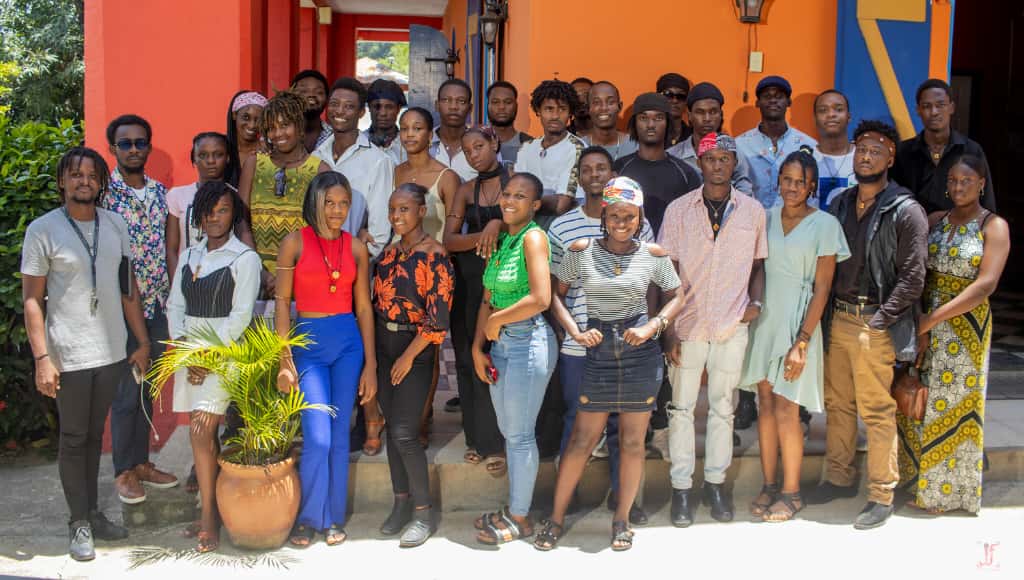
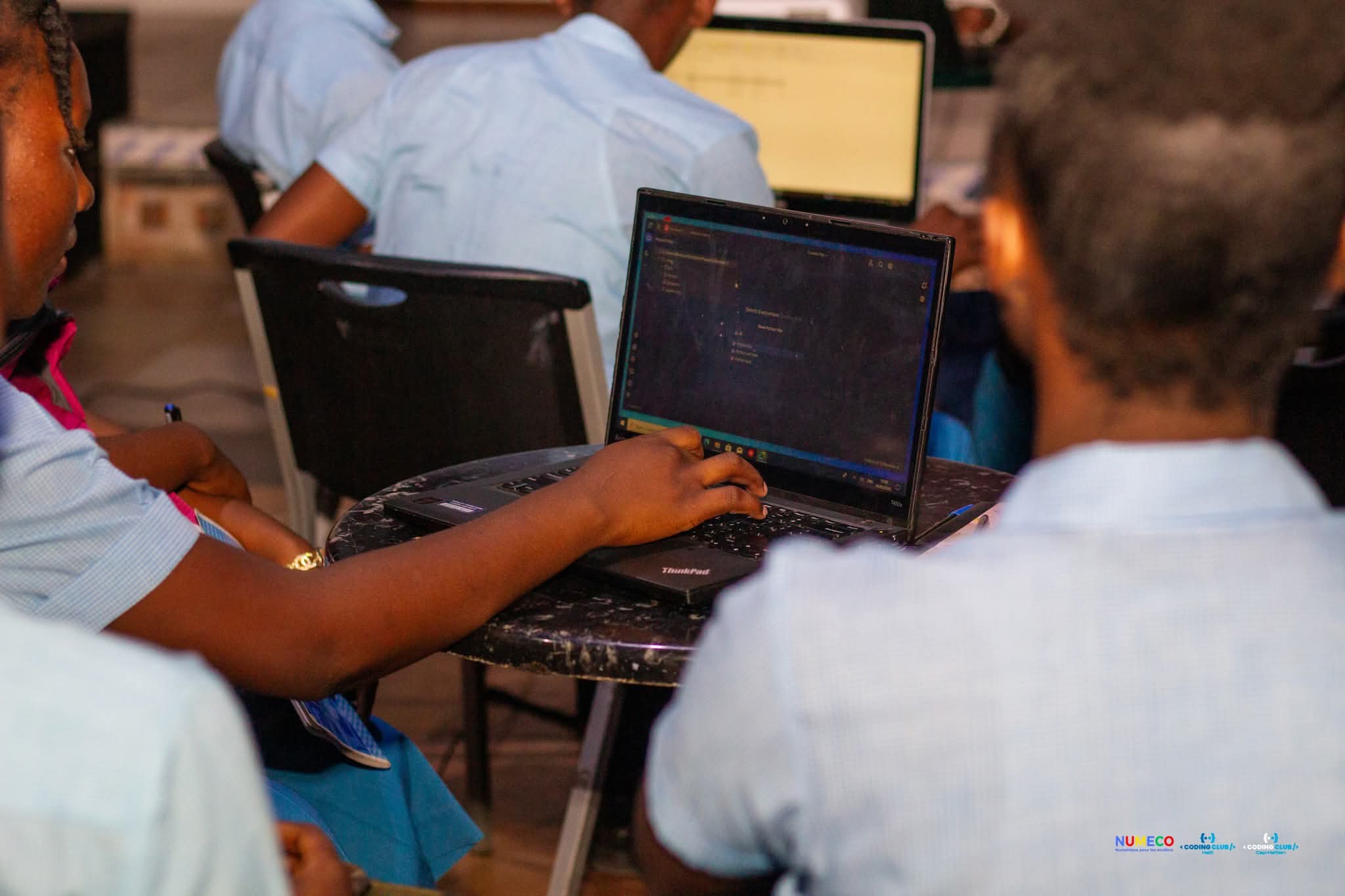
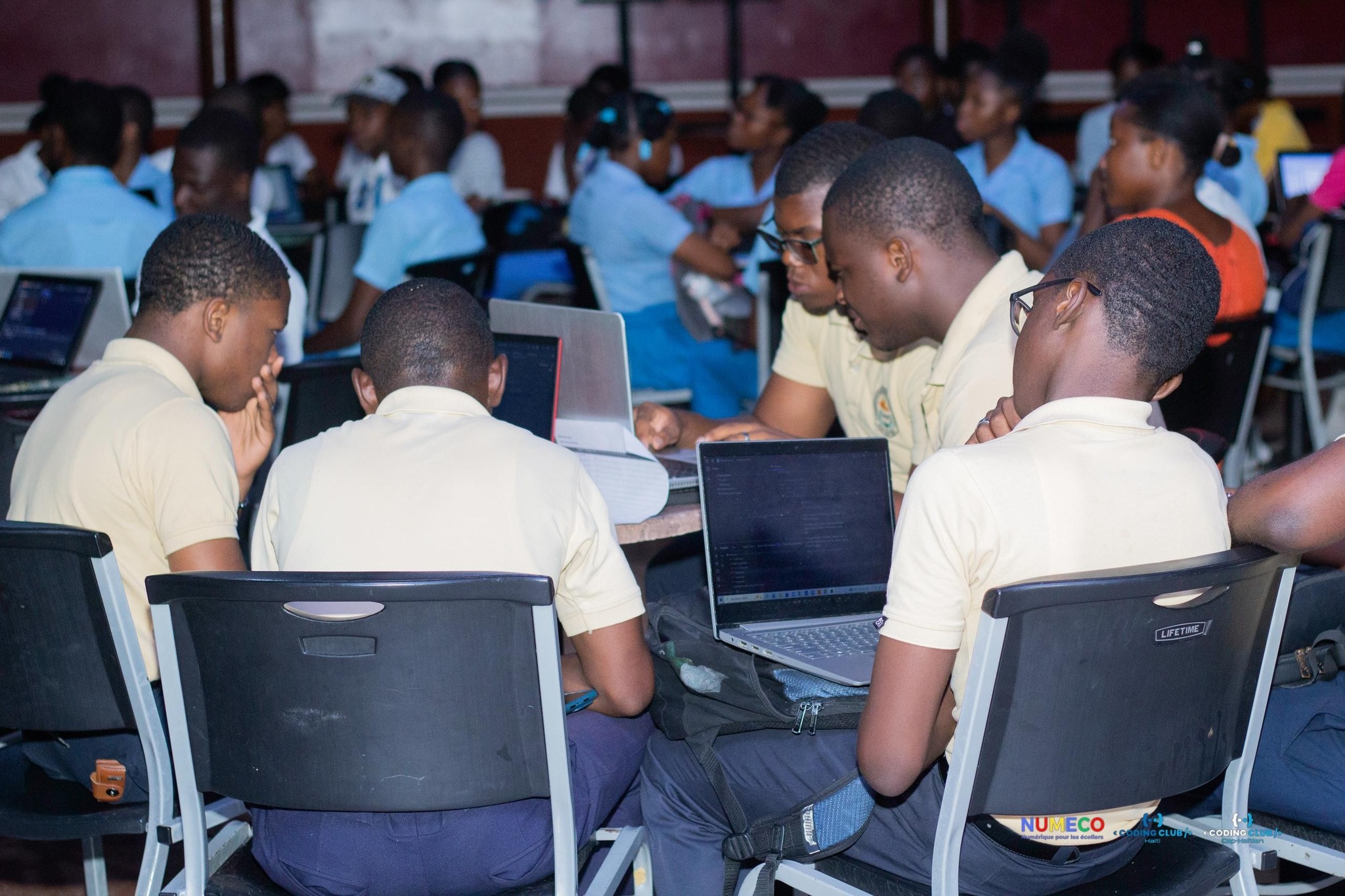
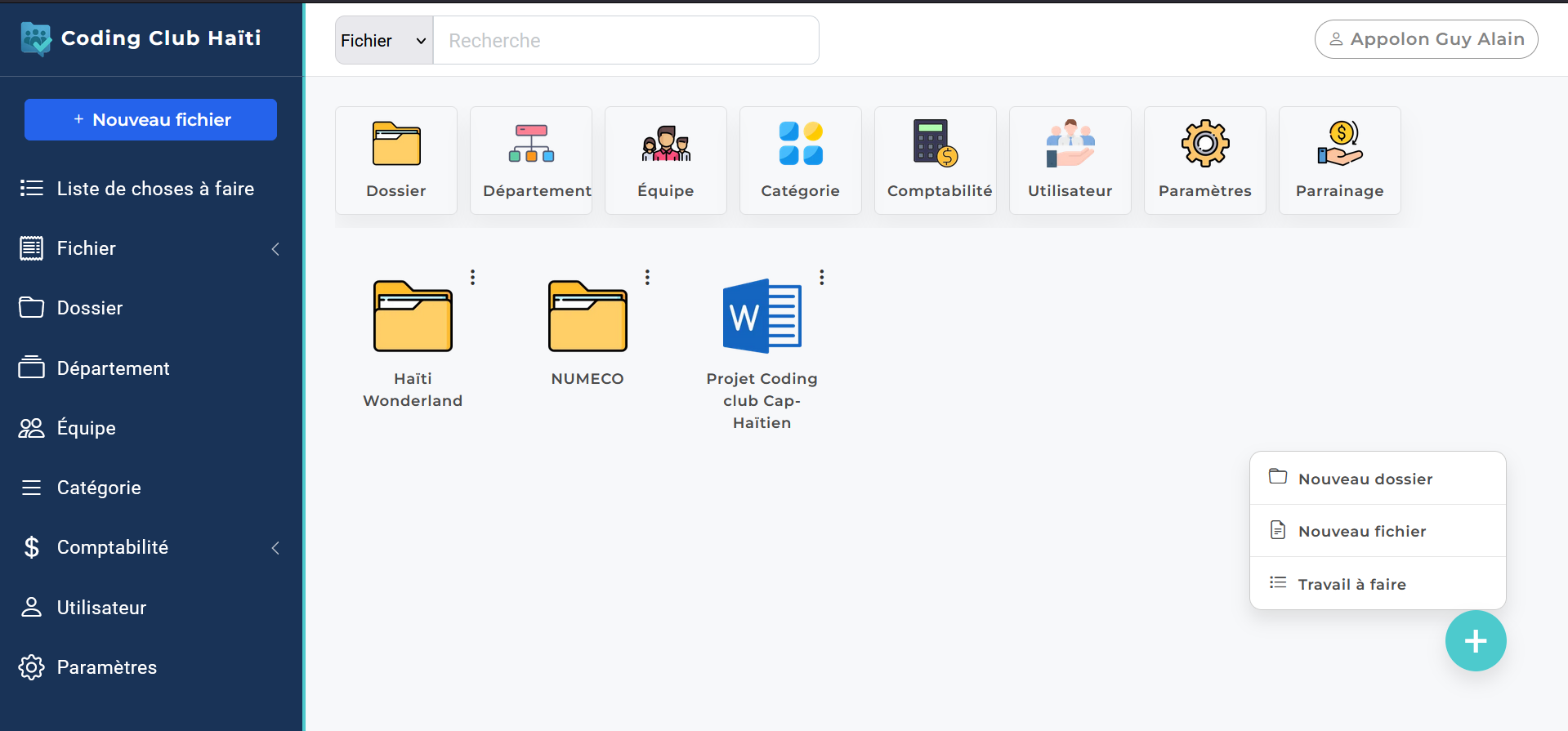
On March 14, 2025, Cap-Haïtien hosted an exceptional event: the official launch of NUMECO (Digital for Schoolchildren), an innovative program by Coding Club Haiti. More than 50 schoolchildren from 10 schools participated in this initiative aimed at introducing them to the basics of computer programming.

First black nation to free itself from slavery and gain independence from France in 1804 and influenced other liberation movements around the world, inspiring struggles for freedom and equality.

Haïti is blessed with spectacular natural landscapes, including white sand beaches, mountains and rich biodiversity.

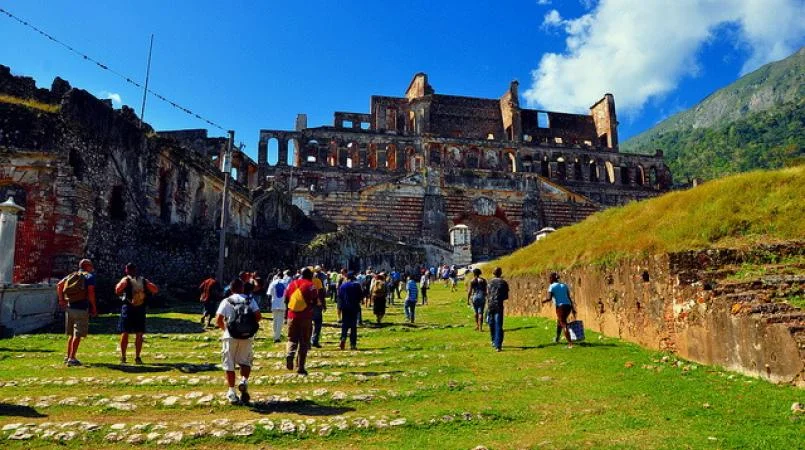
Haïti has a rich historical heritage, including sites like the Citadelle Laferrière and the Sans-Souci Palace, listed as UNESCO World Heritage Sites.

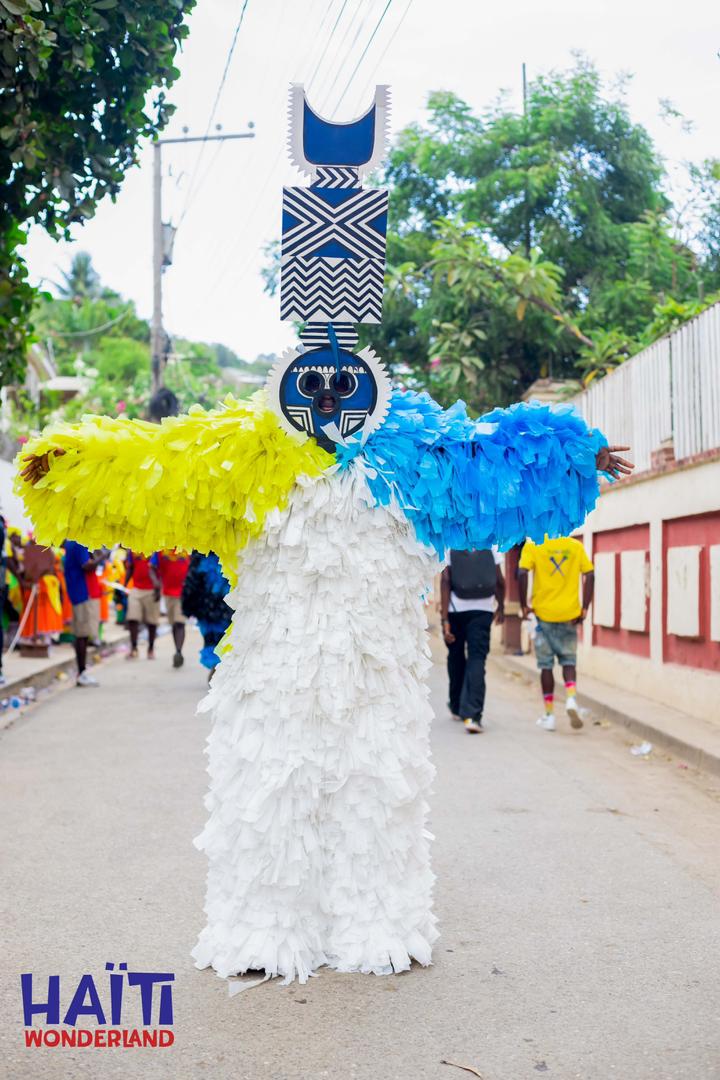
Haïti has a rich and diverse culture, influenced by African, European and indigenous elements. Haitian music, dance, art and cuisine are celebrated around the world.