

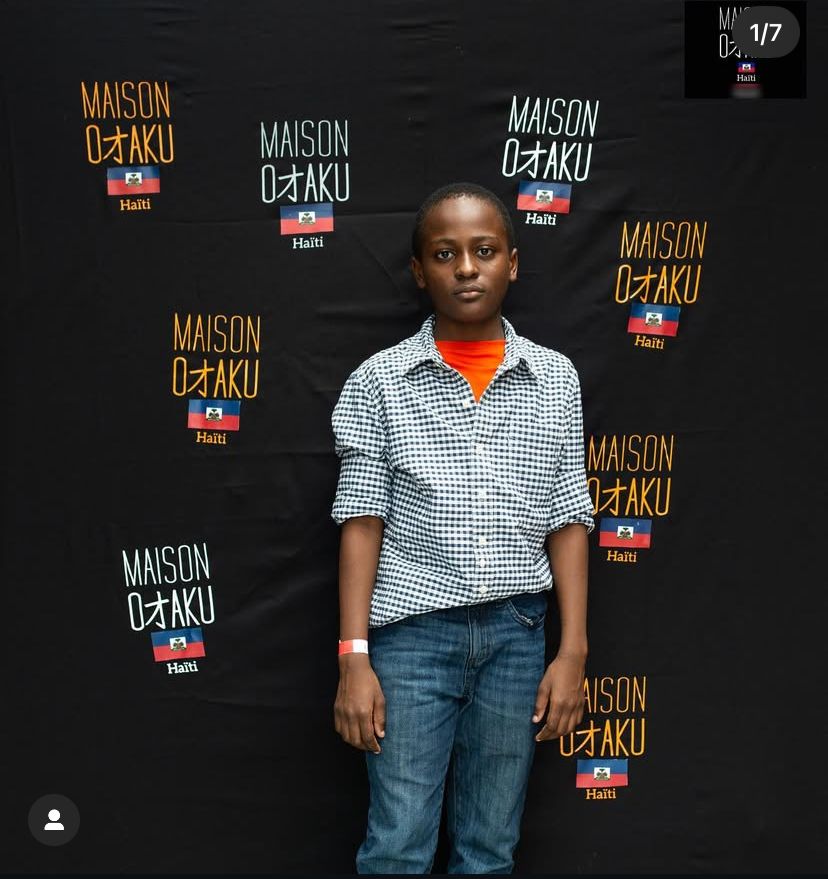
Haitian Otaku Party: A Celebration of Japanese Culture in Port-au-Prince
Le Haitian Otaku Party célèbre la culture japonaise à Port-au-Prince, offrant un espace créatif à la jeunesse haïtienne passionnée d’otaku.

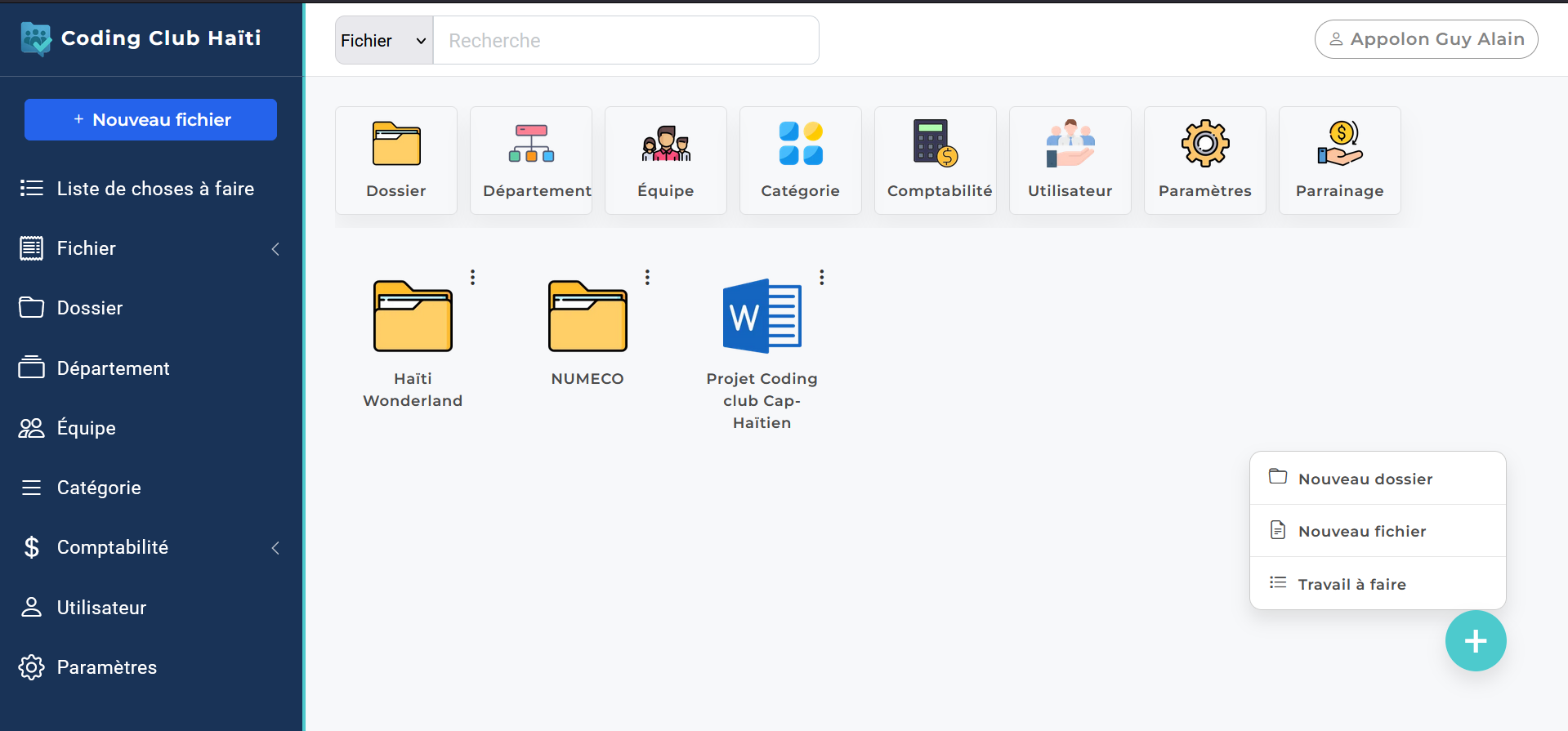
In a world where speed and efficiency have become essential, MyTeamCollab is the essential tool for all teams looking to better organize themselves, centralize their information, and optimize their productivity.
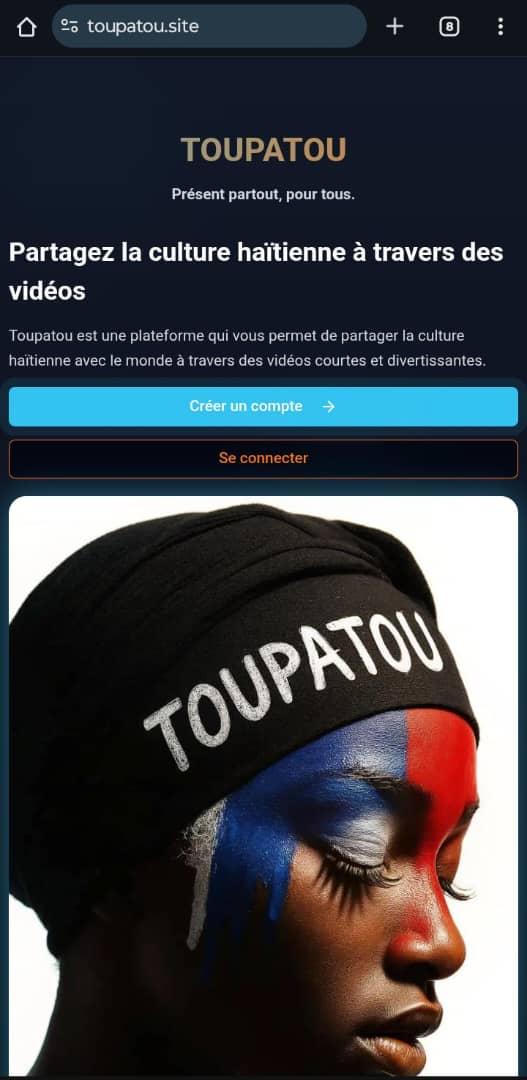
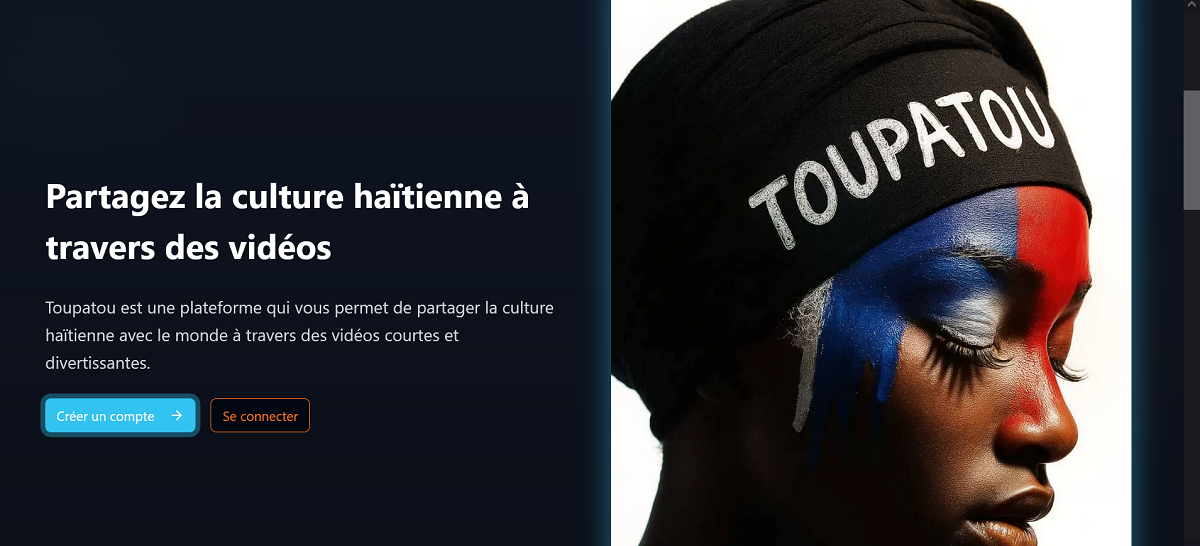
In a world dominated by digital giants (Facebook, TikTok, Instagram, and others), Toupatou stands out as a beacon of hope and local innovation. Developed by the dynamic RTH team, under the leadership of Jean Mary Revolus, current manager of the Manoir Adriana Hotel, Toupatou stands out as one of the first Haitian social networks, designed by and for Haitians.
DevExpo, June 21, 2025 - Haitian software engineer Appolon Guy Alain officially launched MyTeamCollab, a new, innovative document management and sharing platform designed for modern teams. This solution addresses a common problem: the loss of essential documents in the maze of instant messaging and email.
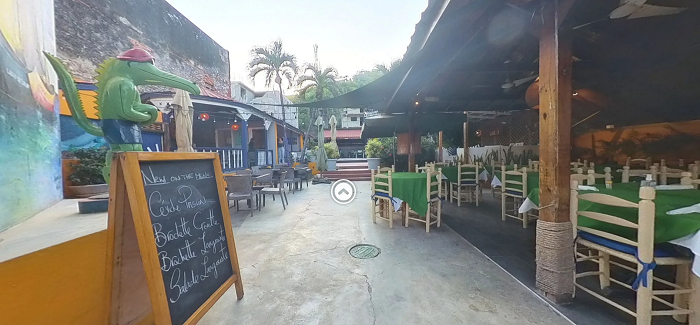
In the competitive world of the travel and hospitality industry, standing out is essential to attract customers and convince them to choose your property among a multitude of options. That’s where virtual tour services come in, providing an immersive experience that gives potential clients a realistic taste of what you have to offer. At the heart of this booming trend is Wonderland 360°, a division of Haïti Wonderland, specializing in creating high-end virtual tours for Airbnb, hotels, restaurants and other real estate businesses in Haiti.
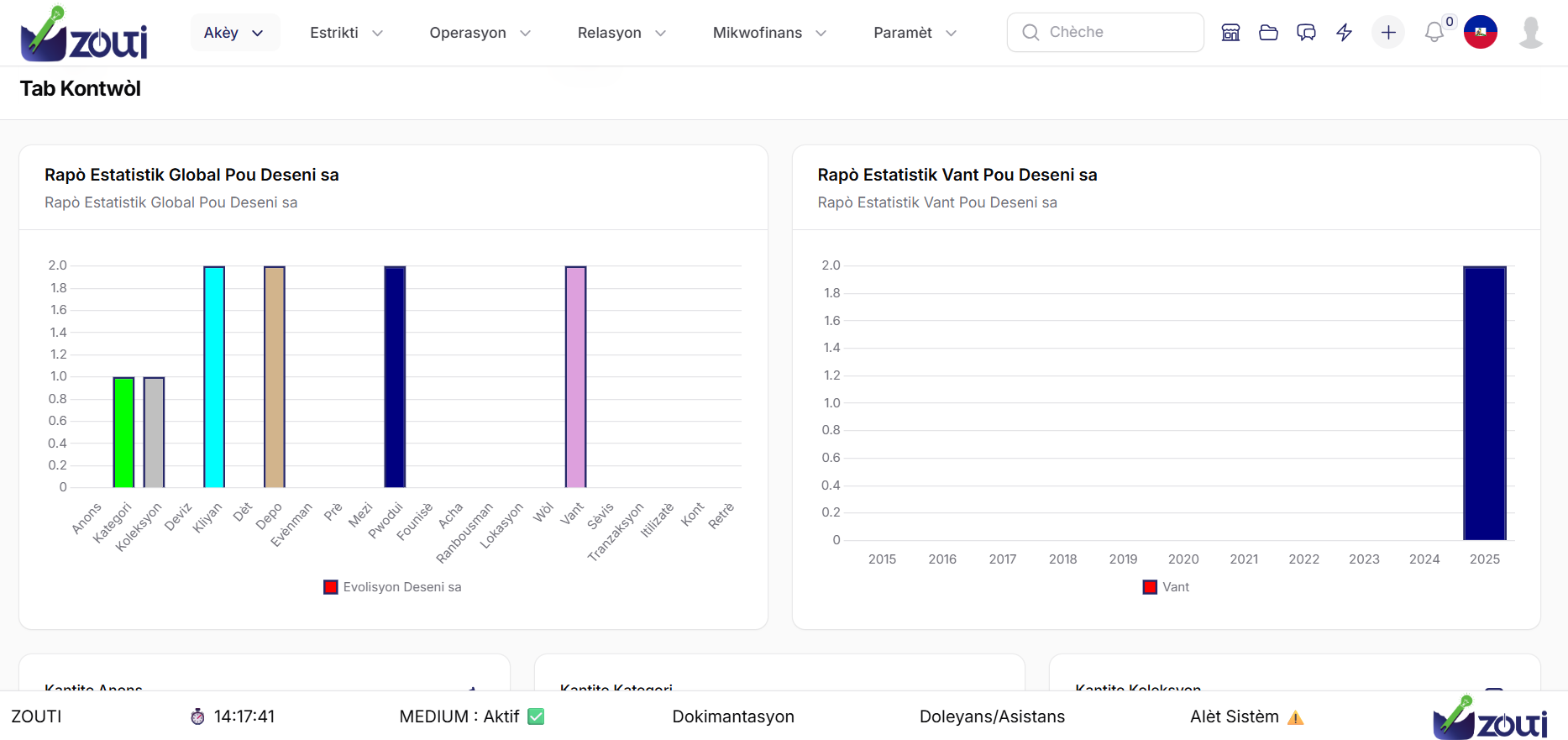
ZOUTI is an integrated management software (ERP) designed to simplify and automate all your business operations. Whether you are a small, medium, or large business in Haiti, this solution allows you to centralize sales, inventory, order, and financial management on a single platform. Official website: https://zoutipgi.com/ Online demo: https://demo.zoutipgi.com/
The year 2024 has been marked by the launch of many Haitian-created websites and mobile applications, projects that not only demonstrate the ingenuity of Haitian digital creators, but also their deep love for Haiti. Here is an overview of the most remarkable projects, symbols of Haitian ingenuity and creativity.
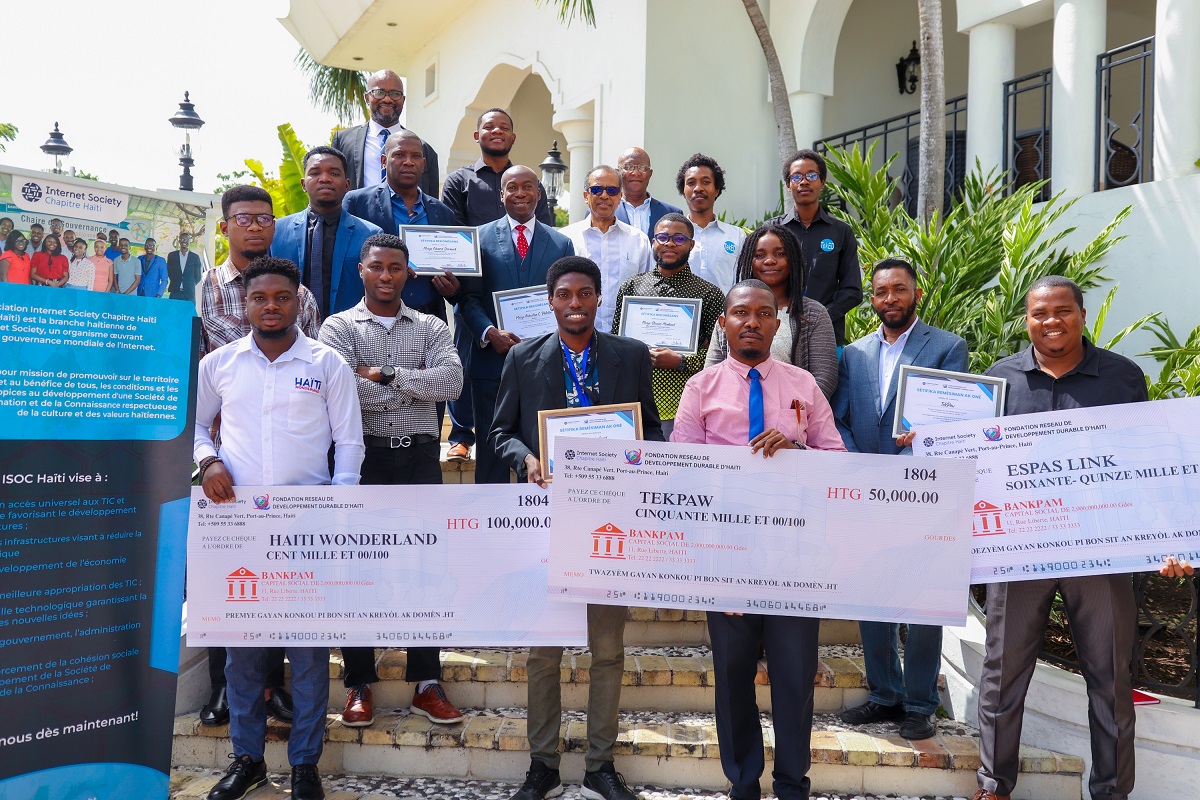
On this 220th anniversary of the legendary independence of Haïti, a new initiative is born on the web: Haïti Wonderland. Launched on January 28, 2024, this innovative site’s mission is to revolutionize the way Haïti is perceived online, by highlighting its natural, cultural, historical and human assets. b~An Ambitious Vision~b Haïti Wonderland aspires to a significant change in the perception of Haïti on the Internet. The goal is clear: when you search for “Haïti” on search engines, you should be greeted by beautiful images and inspiring stories. The team behind Haïti Wonderland wants to transform the web to allow only the beauty and wealth of this country to emerge, thus reflecting Haïtian reality. b~Authentic and Immersive Content~b To achieve these goals, Haïti Wonderland regularly publishes news articles and special blogs highlighting Haïti’s beauty, historic destinations, exquisite cuisine and anything else that can spark Haïtian pride. The emphasis is on promoting a positive and authentic image of the country. The experience offered to visitors to the site is also out of the ordinary. Thanks to virtual reality, you can explore the treasures of Haïti from anywhere in the world, providing total immersion in the splendor of this jewel of the Antilles. b~Smart Support and Rewards~b Haïti Wonderland goes beyond by integrating artificial intelligence on its site. This AI is there to provide visitors with all the information they need about Haïti, thus guiding their journey through the site in an interactive way. And that’s not all ! Haïti Wonderland offers an incentive compensation program for contributors. You can earn money by publishing blog posts on the site, rewarded based on the number of views generated. b~Commitment to Narrative Change~b The founder of Haïti Wonderland, Appolon Guy Alain, sees his initiative as a way to actively participate in changing the Haïtian narrative on the Internet. It is open to any collaboration and support aimed at achieving this common objective of improving the image of Haïti online. Through Haïti Wonderland, Appolon also wishes to raise awareness among online media to stop broadcasting demeaning images of Haïti that contribute to tarnishing its reputation. He calls for collective commitment to present the best version of Haïti. To discover the beauty of Haïti from a new perspective, visit the website: https://haitiwonderland.com or download the application from Play Store: https://play.google.com/store/apps/details?id =com.appographic.haitiwonderland. For all correspondence, contact them by email at contact@haitiwonderland.com. Haïti Wonderland: Rediscover, Share, Marvel.
Located in the southern metropolis of Haiti, within the commune of Camp Perrin, near the city of Les Cayes, Saut Mathurine is one of the largest and impressive waterfalls in Haiti. this natural site is a true treasure for nature lovers, adventurers and tourists in search of authentic beauty. If the southern region of Haïti is known for its many lush beaches under the weight of the Antilles sun, its numerous caves, forts of all kinds and other important historical sites. Among all this great natural wealth, there are cities which stand out for their exceptional side. And which does not leave those who are willing to visit them indifferent. The Mathurine jump is precisely one of them. The Saut Mathurine stands out for its impressive height and powerful flow, creating a breathtaking natural spectacle. The waterfall, which flows forcefully into a pool, is made up of clear, turquoise waters, while providing an idyllic and peaceful setting for those who bathe there. In other words, visitors can take advantage of this enchanting setting to relax, picnic or swim in the fresh and invigorating waters of Mathurine Falls.
Haiti, the hidden gem of the Caribbean, offers a multitude of heavenly beaches that seduce with their natural beauty and tranquility. Far from the crowded tourist routes, these beaches offer an idyllic getaway for those looking for a true haven of peace. Here’s a look at Haiti’s most beautiful beaches, each one unique in its own way.
Every November 1st and 2nd, Haïti comes alive with the colors black and purple to celebrate the Guédés, spirits venerated in the voodoo religion, symbols of a powerful bond between the living and the dead. Fascinating, indomitable and provocative, the Guédés form a true family in the pantheon of Haitian voodoo, where they are respected for their role as spiritual guides of the deceased to the afterlife. Led by iconic figures such as the legendary Baron Samedi and his companion Grann Brigitte, the Guédés embody the paradoxes of life and death. Each Baron has a unique personality: Baron Cimetière, Baron Kriminel, and Baron La Croix are the guardians of the souls that wander on the borders of the world of the dead. Together, they form a powerful and somewhat frightening presence, but one that is deeply rooted in Haitian culture. The Guédés are not like other voodoo spirits; they demonstrate their fearlessness in a spectacular way. Accustomed to death, they are fearless and are provocative: they eat glass, raw peppers, and coat their sensitive parts with rum and pepper. These gestures mark their indifference to danger and remind us that they have already known earthly life. They are thus psychopomps – these beings who lead the souls of the dead – and act as bridges between the world of the living and that of the dead. Some Guédés, like Guédé Nibo, wear black, purple, and white clothing, each with unique characteristics. They are many and varied: Guédé Fouillé, Guédé Loraj, Papa Guédé, and many others. These are the spirits who, each year, remind Haitians of the importance of remembering and honoring the deceased. The cult of the Guédés is not only religious; it is also cultural and historical. According to tradition, their spiritual territory, or “Fètomè” – nicknamed the “Country without Hats” – is a place where the souls of ancestors reside. According to stories, the origins of this cult go back to the Abomey plateau, the ancient capital of the kingdom of Dahomey, in Africa, where death and life coexist in a form of symbiosis. This celebration in Haïti even finds echoes in ancient history. The Romans also honored their dead with the “Fête des Lémuria”, which took place in February, to ward off spirits and restore peace between the world of the living and that of the deceased. For Haitians, honoring the Guédés is about accepting death as a part of life and celebrating the invisible bonds that unite us with those who have left us. It is also a way of resisting, because life, despite its challenges, must be celebrated in all its complexity and depth.

Originally from Bainet and raised in Petit-Goâve, Haiti, Emmanuel Joseph embodies one of the rising figures of the Haitian intelligentsia. A jurist, ethicist, and Ph.D. candidate in philosophy at the University of Sherbrooke (Canada), his journey reflects a rigorous commitment to justice, human rights, and critical thinking. Local Roots, Global Outlook Educated in Haiti’s public and religious schools, Emmanuel Joseph began his intellectual path at the Apostolic School of Petit-Goâve, then excelled at the Lycée Faustin Soulouque. His grades, consistently between 8 and 9 out of 10, demonstrated remarkable discipline and rigor from an early age. His university education began at the Faculty of Ethnology (FE) and the Faculty of Law and Economics (FDSE) of the State University of Haiti, where he earned his bachelor’s degree in November 2013. His academic profile sharpened in Canada, especially at the University of Quebec in Rimouski (UQAR), where he completed a master’s degree in philosophy/ethics in 2020, before pursuing a Ph.D. at the University of Sherbrooke, focusing on a broad yet fundamental theme: humanitarian action as experience.
Haiti, a Caribbean republic with a rich historical past, is divided into ten departments comprising 140 communes. Its history dates back to pre-Columbian times with the Tainos, followed by European colonization and a historic rebellion against slavery and colonial rule, culminating in its independence in 1804. Despite its current challenges, Haïti offers remarkable natural beauty with its beaches, its mountains and its cultural diversity. Among its municipalities, some stand out for their charm and history. Here is a selection of five of the most remarkable communes in Haiti, inviting you to discover its hidden treasures.

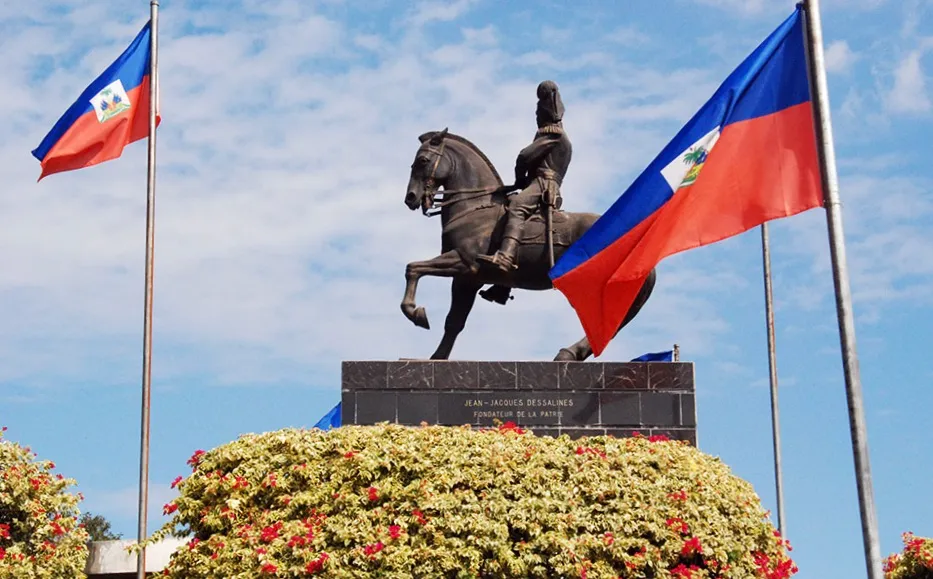
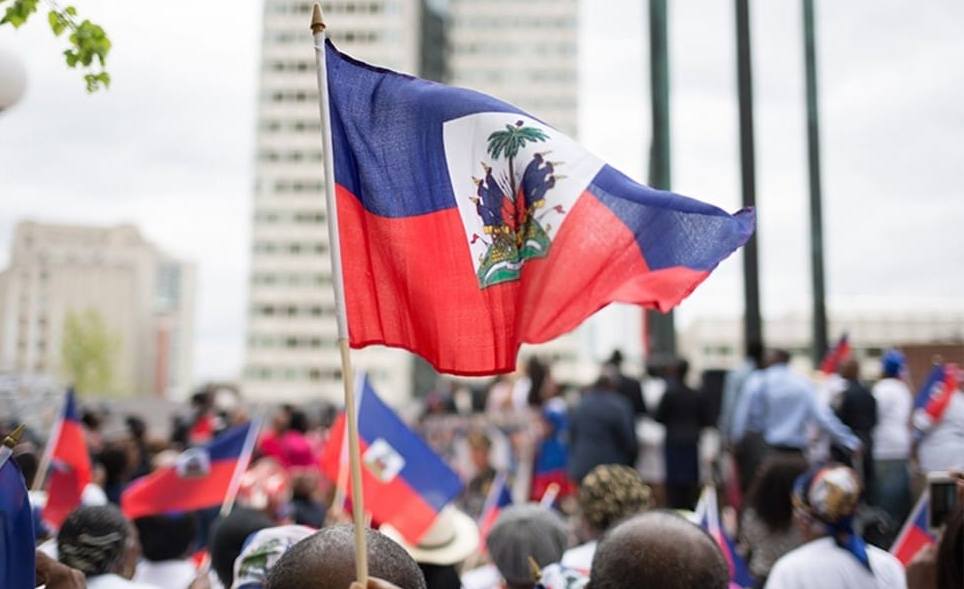
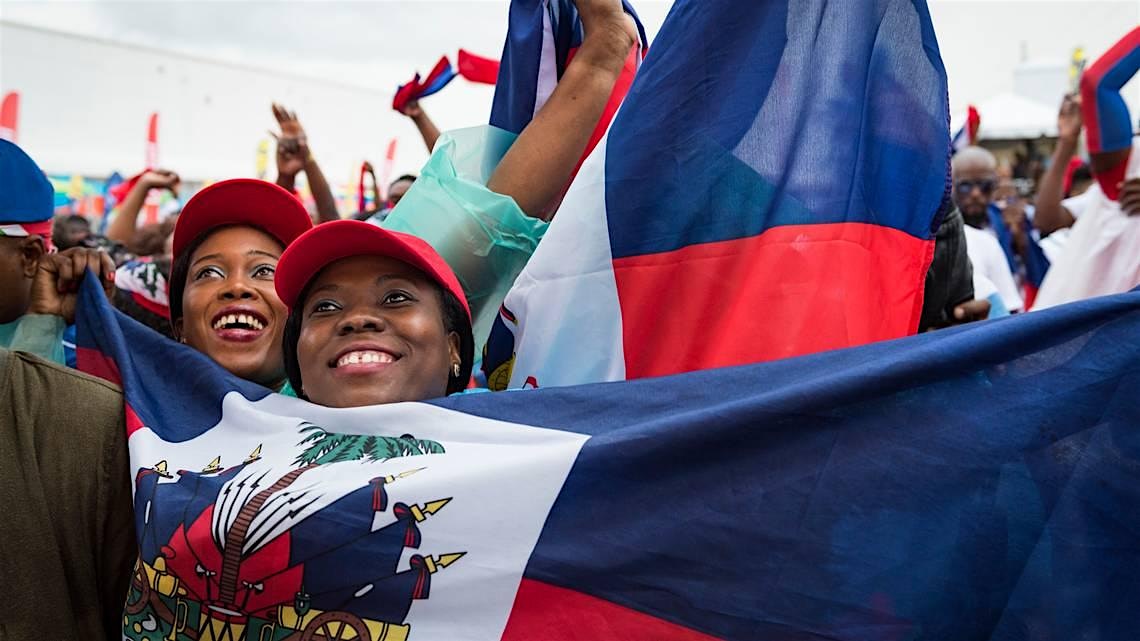
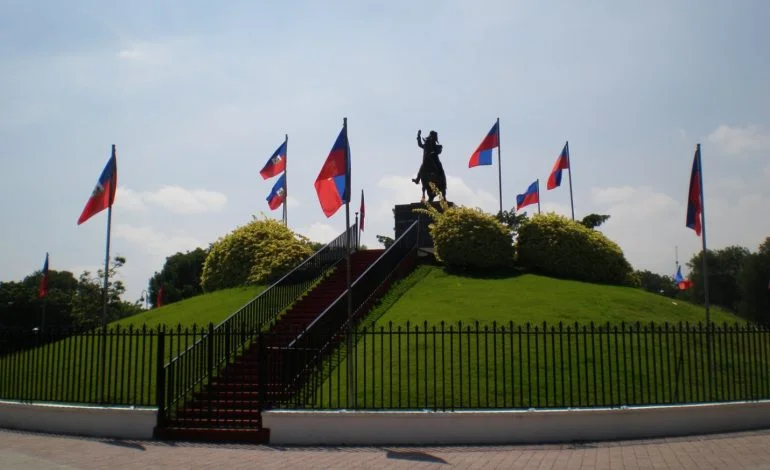
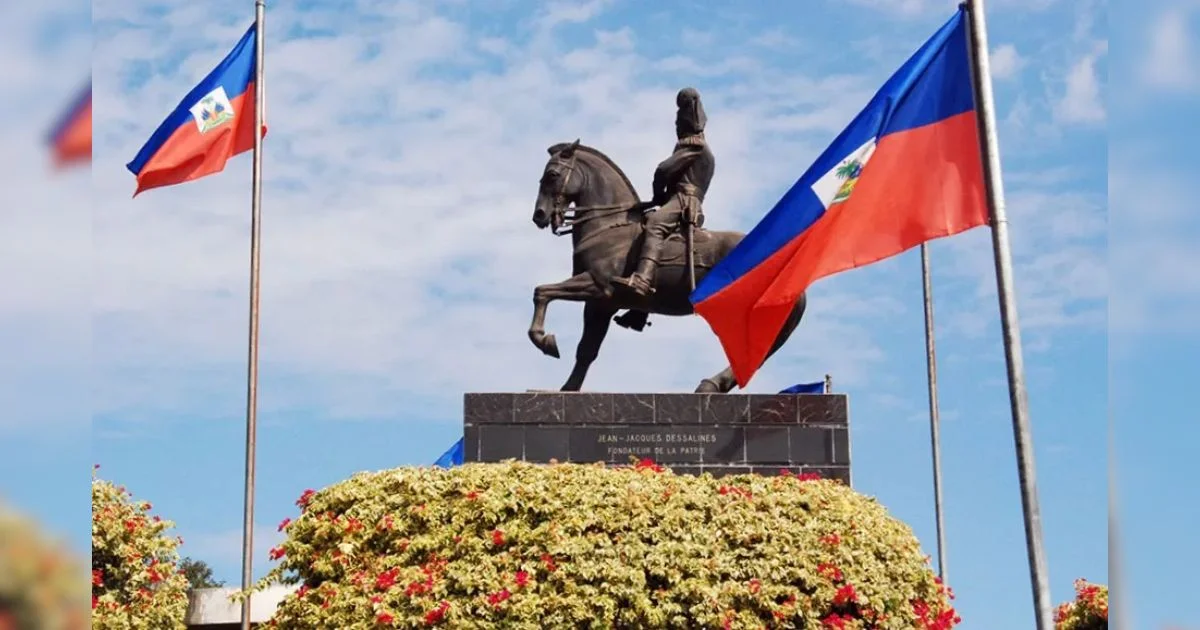
First black nation to free itself from slavery and gain independence from France in 1804 and influenced other liberation movements around the world, inspiring struggles for freedom and equality.

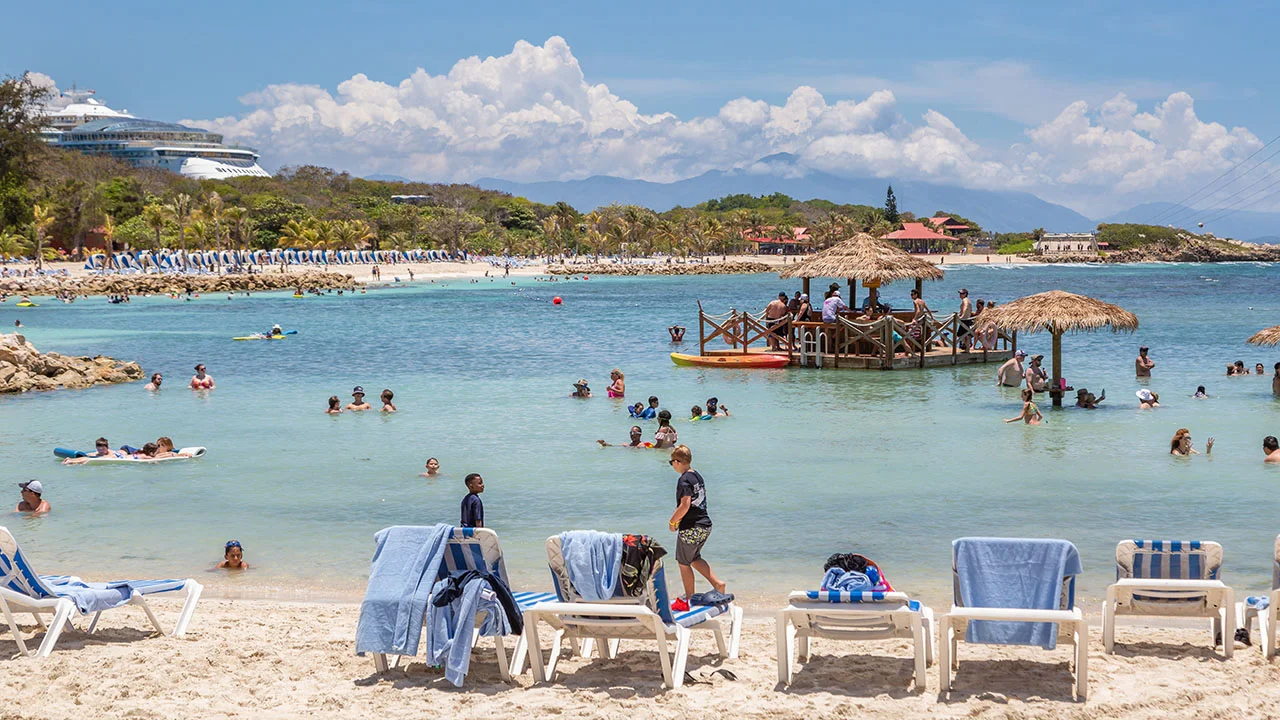
Haïti is blessed with spectacular natural landscapes, including white sand beaches, mountains and rich biodiversity.

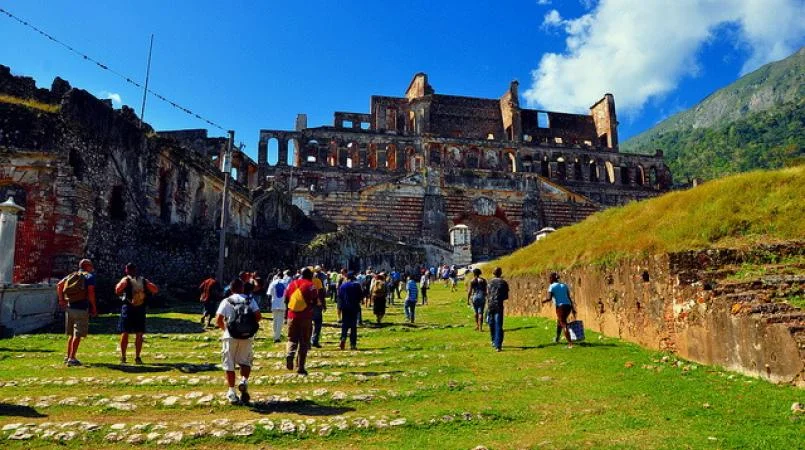
Haïti has a rich historical heritage, including sites like the Citadelle Laferrière and the Sans-Souci Palace, listed as UNESCO World Heritage Sites.

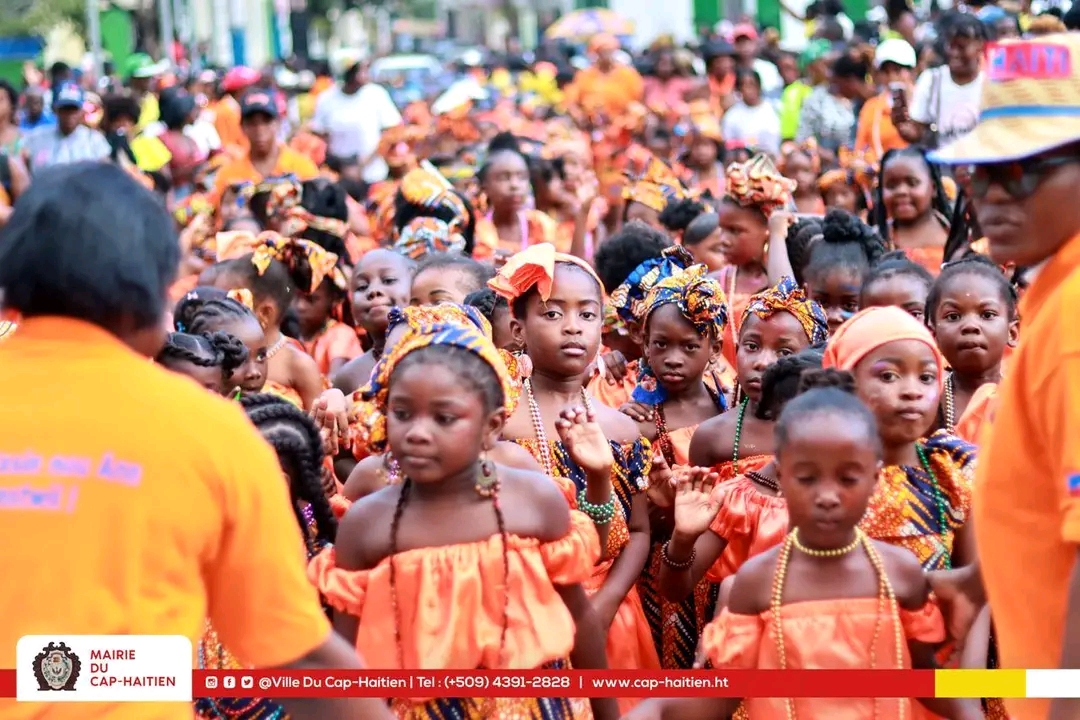
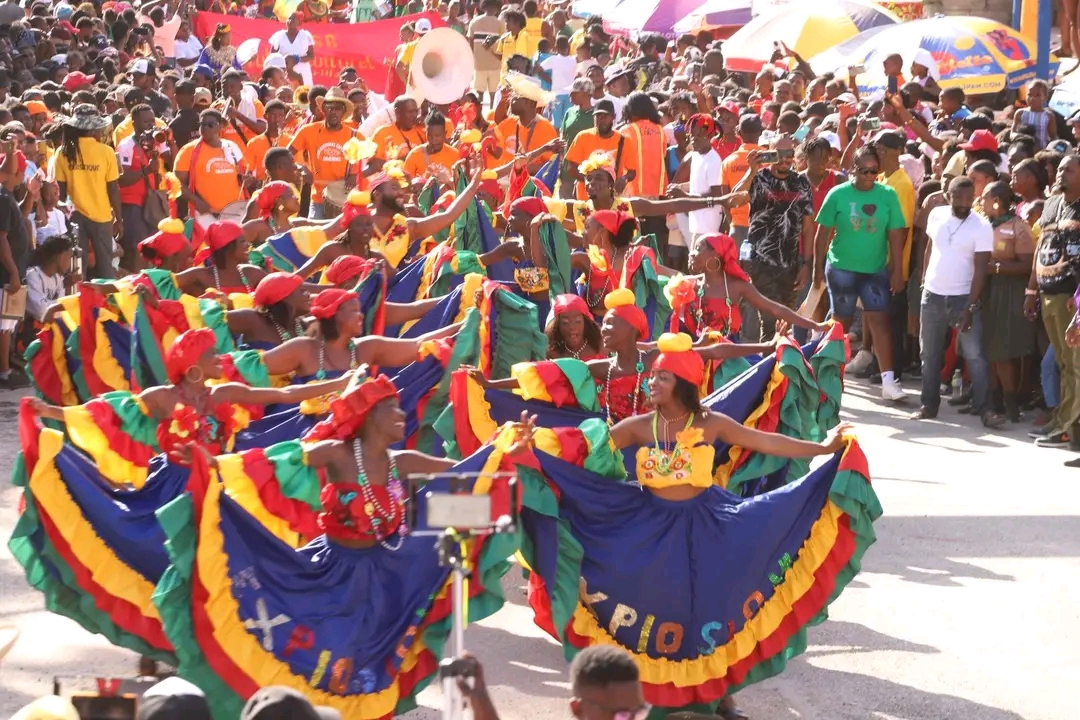
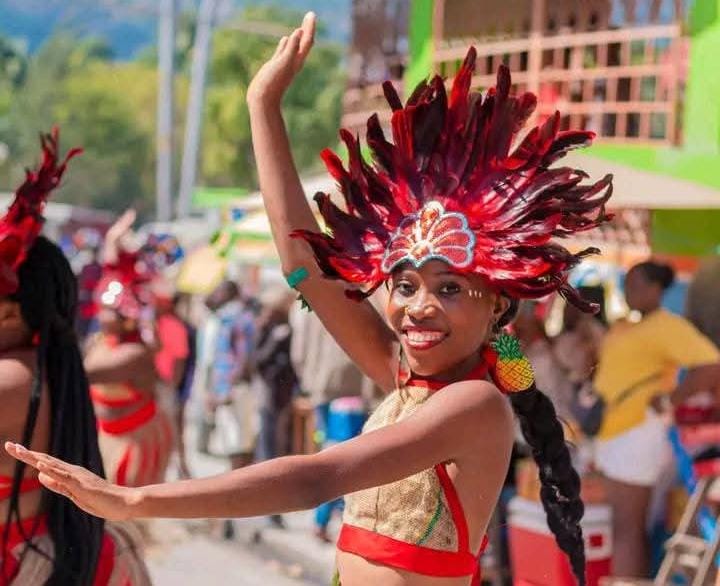
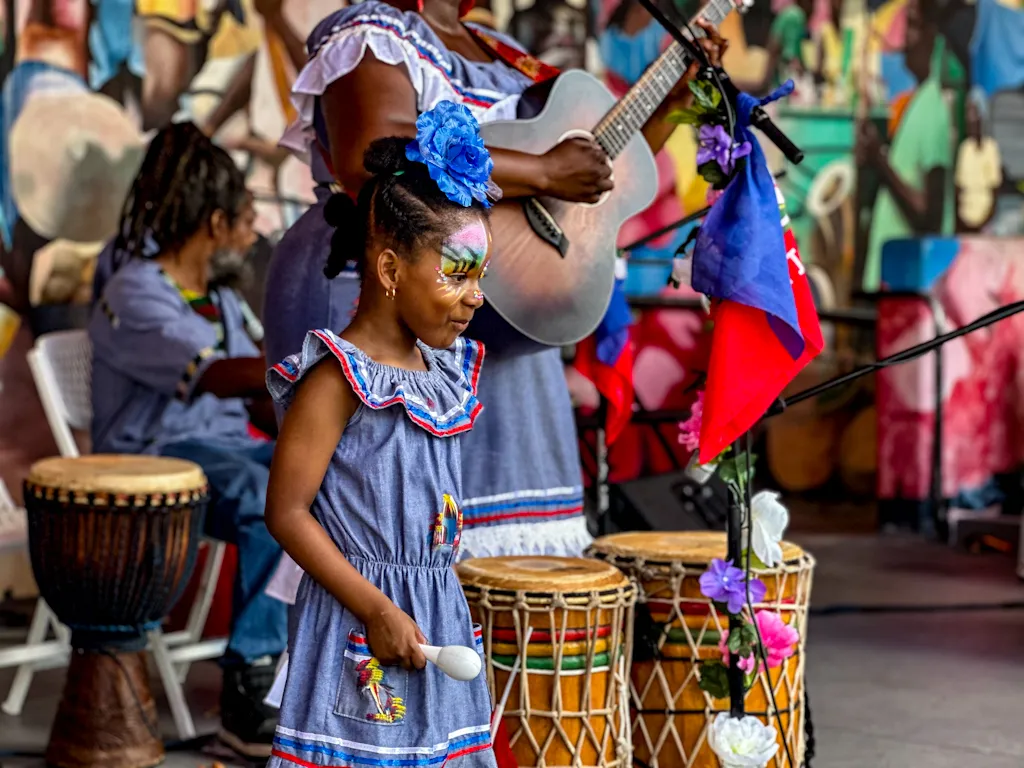
Haïti has a rich and diverse culture, influenced by African, European and indigenous elements. Haitian music, dance, art and cuisine are celebrated around the world.