
Top 10 Tourist Sites to Visit in Haiti
Haiti, with its rich culture and diverse landscapes, is a fascinating tourist destination. Here is a selection of the ten best tourist sites not to be missed during your visit to Haiti.
In the picturesque landscape of Cap Haïtien, stands a place that embodies the very essence of Haitian art and cuisine: Boukanye. This pirate house, founded in July 2016, has quickly become a must-see gem among area restaurants, attracting visitors from around the world for its rustic atmosphere and innovative menu. Located on the boulevard, Boukanye is much more than just a restaurant; it’s an experience in its own right. As soon as you walk through its doors, you are greeted by decor that celebrates local craftsmanship and the history of the pirates who once sailed these waters. Walls adorned with vibrant paintings and sculptures demonstrate the venue’s commitment to Haitian art, creating a warm and authentic ambiance. But Boukanye is not content to seduce with its aesthetic; its cuisine is just as captivating. Inspired by local flavors, the restaurant offers an inventive fusion of traditional Haitian dishes and contemporary culinary techniques. Whether for breakfast, lunch or dinner, Boukanye’s menu offers a tantalizing variety of seasonal dishes, accompanied by exquisite cocktails that celebrate local ingredients. What also sets Boukanye apart is his commitment to innovation. By launching a virtual tour accessible via smartphone or virtual reality headset, the restaurant has pushed the boundaries of the culinary experience. Thanks to this immersive technology, visitors from around the world can now explore the charms of Boukanye from home, immersing themselves in its captivating atmosphere and discovering its unique culinary delights. https://haitiwonderland.com/haiti-virtual-reality-ht/bar--restaurant/haiti--boukanye--visite-virtuelle/7 Whether you are a resident of Cap Haïtien or a traveler eager for authentic experiences, Boukanye offers an unforgettable getaway into the very heart of Haitian culture. By combining art, cuisine and innovation, this restaurant perfectly embodies the vibrant and dynamic spirit of Haiti, inviting everyone to embark on an unparalleled sensory journey.
Since 2015, Pot’iwa Pizza has conquered the hearts and taste buds of the inhabitants of Port-au-Prince, the capital of Haiti. Founded by visionaries Jude Vaillant and Rock André, Pot’iwa Pizza has become a true gastronomic icon by offering a unique specialty: smoked herring pizza. This culinary creation has revived childhood nostalgia among many Haitians, marking the beginning of an exceptional culinary adventure. The very name of the company, "Pot’iwa", is a tribute to the Haitian regions where its founders were born. Jude Vaillant, originally from the "Iwa" region, and his accomplice Rock André, native of "Potino", have united their origins to create a company that harmoniously fuses tradition and innovation. Despite the socio-economic challenges that punctuate Haitian daily life, Pot’iwa Pizza is committed to constantly improving its services. This unwavering determination led to the opening of a second branch of the company, this time in the city of Cap-Haïtien, in the north of the country. The inhabitants of this region now have the privilege of tasting the famous herring pizza, previously reserved for the inhabitants of Port-au-Prince. Aware of the importance of protecting its culinary heritage, the company made a strategic decision by filing a patent in the United States to protect its specialty: herring pizza. Jude Vaillant, CEO of the company, shares his vision behind the choice of herring: "In Haiti, our childhood was rocked by a particular flavor, present in many traditional dishes. We decided to bring this flavor to an emblematic dish like pizza, to create a unique culinary experience." Pot’iwa Pizza embodies the passion, nostalgia and perseverance of Haitians for their traditional cuisine. It is a story of flavors and success that continues to seduce palates around the world. For those who want to taste this delicious herring pizza, go to Pot’iwa Pizza, located at 26 boulevard Cap-Haïtien, or contact them at +509-47-30-9090. And for fans residing in Miami, USA, Pot’iwa Pizza is also available at 12485 NE 6th CT, North Miami, FL 33161. To order, call 305-456-5152. Also explore the immersive experience of Pot’iwa Pizza through your smartphone or virtual reality headset, and dive into their mouth-watering menu by visiting the following link: https://haitiwonderland.com/haiti-virtual-reality-ht/ bar--restaurant/haiti--pot-iwa-pizza--virtual-tour/9.
Haiti, the jewel of the Caribbean, is full of historical and tourist treasures just waiting to be explored. From its historic monuments to its idyllic beaches to its vibrant culture, the country offers a unique experience to every visitor. But today, there is no need to pack your bags to discover these wonders. Thanks to virtual reality, Haïti invites itself to your home with Haïti Wonderland, an immersive adventure that transports you to the heart of its most emblematic sites, wherever you are in the world.
If you look up the word vertière in a French dictionary, you will not find it for fear that the world does not know this place represents the Achilles heels of the most powerful European army. What’s more, this one had just successfully won the eastern campaign. French historians of the time erased this geographical location from the radar of history because they did not want to tell the story as it is in the sense of explaining the first great humiliation of the expeditionary army French by bands of slaves who were totally ignorant in the art of waging war, much less in the handling of weapons. However, these illiterate wars routed the Napoleonic army, the most powerful at that time, using the means at hand. This expeditionary army, after having brought Europe to its knees, would experience its first rout by slaves in this geographical location, located in the Northern department of Haiti. Funny story, this city is not on the list of French words even though given its historical importance, it should be at the heart of universal history, far from putting an end to the invincibility of the undefeated army army. So as not to offend the white masters, no political leader has ever asked why vertière does not appear in any French dictionary? However, they celebrate this battle with great fanfare every November 18. What historic hypocrisy among our leaders! After Vertière many other historical places are strangled by historians in order to hide the extremes of atrocities of the French colonists on the slaves. It is in this context of historical strangulation that “Fort Mazi” is not mentioned in school history textbooks. This is located in Petit-Goave, 2nd municipal section, Arnoux locality. We came across this mega fort, during a mobile clinic entirely financed by the Ernest Junior foundation, a charitable foundation which works in the social sector, particularly in the field of art and music. According to residents , the oldest in this locality, this fort was built on at least 20 squares of earth by the settlers. It was a huge military complex divided into compartments, outposts, turtle rooms, rooms for treating colonists, a large Catholic church, and a cemetery. However, we never talk about this fort so much so that it is ignored by history teachers in the town of Petit-Goave. Certainly, the desired disappearance of this fort under the radar of history buries the atrocities, the barbarities, the most inhumane punishments of the colonists on the slaves. Looking closely at reality, everything seems true that it is the largest fort ever built during the period of colonization. Moreover, it probably seems the most fortified in relation to its importance. Remember that Vertière only exists in Haitian school history textbooks while Fort Mazi does not appear, much less in French dictionaries or history books. This explains why this fort was a secret place in which the settlers practiced crimes and atrocities that went beyond human understanding. Is it not a clear desire of historians to hide what this immense fort built on at least 20 tiles of earth really was? Discover the history of Haiti: A fascinating story to explore! : https://haitiwonderland.com/haiti/histoire/decouvrez-l-histoire-d-haiti--un-recit-fascinant-a-explorer/81
Living in Prose and Poetry is an artistic and cultural event organized by the cultural organization Salon de Livre de Port-au-Prince (OCSLPAP) with the aim of bringing together young artists from the Haitian capital to exhibit them to a large audience . This edition will take place on Saturday July 27, 2024, at the pyépoudré cultural center, located at number 332 on the Route de Bourne. This year the organizers announce their mission is to bring together talents from various categories of arts, always with the aim of helping them to become familiar with each other, and to help create a solid link between them and the Haitian public. . The categories targeted by the organizers for this second edition are young poets, slammers, comedians, rappers, dancers, singers, painters, and writers who have already published at least one work. Living in prose and poetry will also be an opportunity to encourage Haitian youth to think. The first part of the event will be devoted to a discussion around a text by the famous Haitian writer Louis Philippe Dalembert, entitled The Other Face of the Sea. It is a novel which carefully addresses the subject of immigration and detachment that goes with it in the immigrant’s skin. It is a book that speaks openly to the reality of the Haitian people today. It has already been announced that this first part will be moderated by the journalist and literary critic Carl Pierrecq who works for the short story writer, and moderation will be provided by Pierre Marie, a young sociology student at the Faculty of Human Sciences (FASCH). After a largely successful first edition which took place in May 2023 in the premises of the municipal library of Delmas, the organizers of living in prose and poetry say they are determined and have made the promise for this year to deliver to the public port-au -princien, a cultural event of exceptional scale for the second outing. Once again, this will be the perfect opportunity to celebrate the great richness of Haitian culture through the organs of our young talents. Given the difficult context, manifested by the almost daily situation of insecurity which has prevailed for some time, in a good part of Port-au-Prince, the announcement of this event comes as a fresh breath of oxygen, scattered throughout the within the lungs of the city. It is yet another opportunity to remind through this artistic festivity that even in times of deep unrest, art will remain an indispensable light, because even in times of crisis, the latter and the artist (its channel of diffusion) will become refuges, sources of comfort and appeasement for all human souls.
Haïti is a country located in the Caribbean, occupying the western third of the island of Hispaniola which it shares with the Dominican Republic. With a rich and complex history, Haïti stands out for its vibrant culture, unique heritage and resilience in the face of challenges.
Christmas in Haïti is much more than just a Christian holiday: it is an opportunity to celebrate solidarity, generosity, and unity within families and communities. Haitians embrace this time as a time to gather, share, and reflect on the essential values of humanity. This article explores how Christmas in Haïti embodies these values of sharing and generosity through unique traditions, acts of solidarity, and festive meals.
Haiti, the pearl of the Caribbean, blessed with spectacular natural beauty, rich world heritage, legendary history, exceptional biodiversity and diverse culture, is worth exploring for an enriching experience. Here are 10 reasons to discover all that Haïti has to offer.
Haiti, a country rich in history, culture and natural beauty, is one of the most fascinating and underrated destinations in the Caribbean. For years, this country was perceived through a negative prism, but today, Haïti deserves to be rediscovered. If you are wondering why travel to Haïti now, this article will convince you that now is the perfect time to discover this unique island, full of surprises and hidden treasures.
Frankétienne is the stage name of the man who officially bore the name Jean-Pierre Basilic Dantor. He was born in the Artibonite department of Haïti on April 12, 1936. His father, who did not recognize him at birth, was, according to his own account, an American industrialist who had come to do business in Haiti, and his mother was an Artibonite farmer. This makes Frank a similar case to the great Jamaican artist Bob Marley, who had a typical story, in addition to the fact that both men made their country known abroad and left their mark on their land from within through their art. Frank died on Thursday, February 20, 2025, in Delmas, his home town for decades. He was about to celebrate his 89th birthday.
After "No to violence", the theme of the previous edition, "I read, I grow" is the theme around which the 18th edition of Week-end Poétique will take place, scheduled for January 31, 2025 at Carrefour. As a special guest, this edition will welcome Jean-Rony Charles, author of Pitié, a short story that, in its depth, focuses on the human condition, in particular the precarious life situations that many people face on a daily basis. Exhibitions, workshops, performances and book signings are among the various activities on the program for this 18th edition. The Week-end Poétique is not only a relaxing activity, but a real space for engagement, offering activities that have a direct impact on the Carrefour community. Events of a social, cultural, artistic, literary, etc. nature constitute its heart and contribute to enriching local life.
Before the arrival of Christopher Columbus in 1492, Haïti was already inhabited by a people who had a deep relationship with the land and nature: the Tainos. These first inhabitants left a cultural and spiritual legacy that continues to influence Haitian identity. Let’s discover who the Tainos were, their way of life, and what they brought to the history of Haiti.
The Haitian People proclaim this Constitution: To guarantee their inalienable and imprescriptible rights to life, liberty and the pursuit of happiness; in accordance with their Act of Independence of 1804 and the Universal Declaration of Human Rights of 1948. To constitute a Haitian nation that is socially just, economically free and politically independent. To re-establish a stable and strong State, capable of protecting values, traditions, sovereignty, independence and national vision. To implement democracy that implies ideological pluralism and political alternation and affirm the inviolable rights of the Haitian People. To strengthen national unity, by eliminating all discrimination between urban and rural populations, by accepting the community of languages and culture and by recognizing the right to progress, information, education, health, work and leisure for all citizens. To ensure the separation and harmonious distribution of State Powers in the service of the fundamental and priority interests of the Nation. To establish a governmental regime based on fundamental freedoms and respect for human rights, social peace, economic equity, consultation and participation of the entire population in major decisions affecting national life, through effective decentralization.

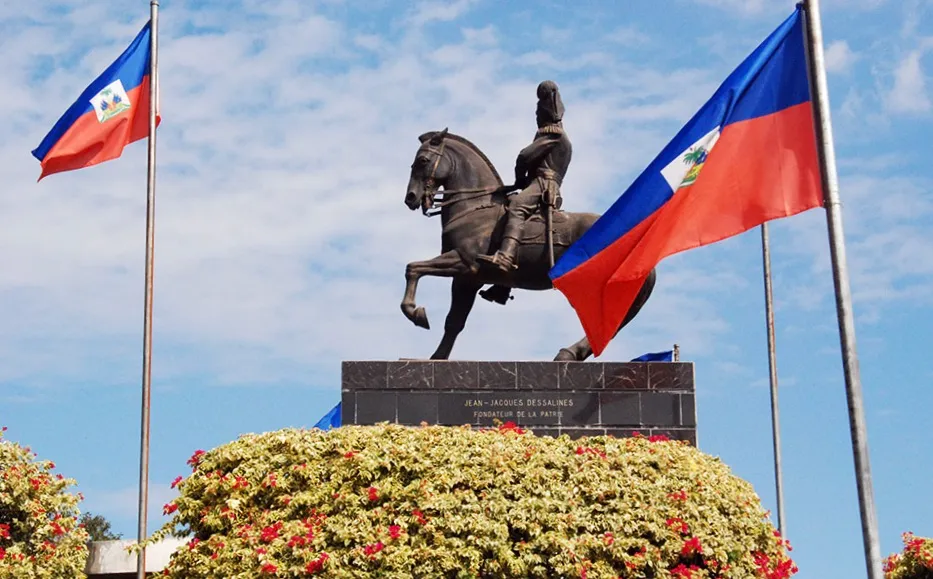
First black nation to free itself from slavery and gain independence from France in 1804 and influenced other liberation movements around the world, inspiring struggles for freedom and equality.

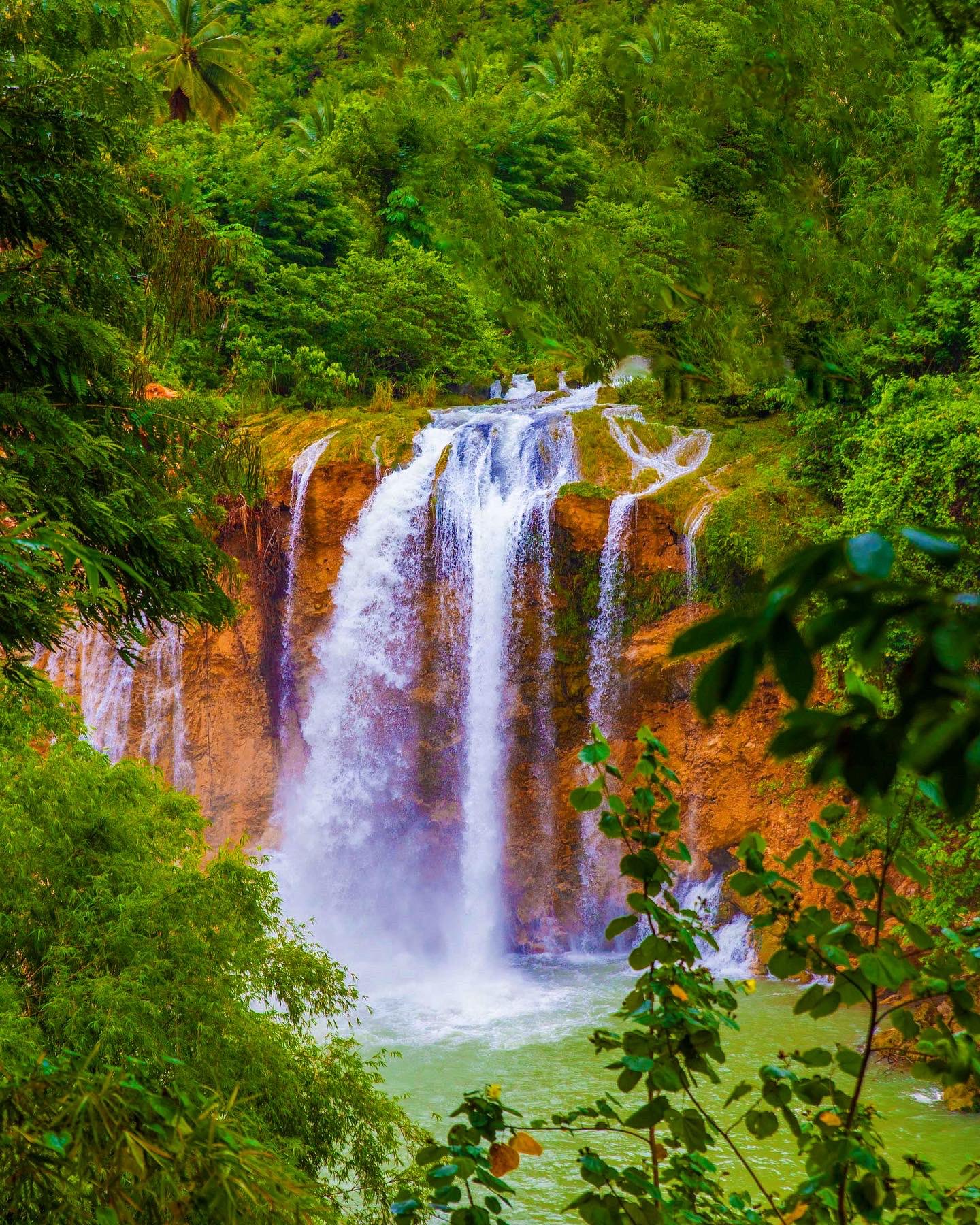
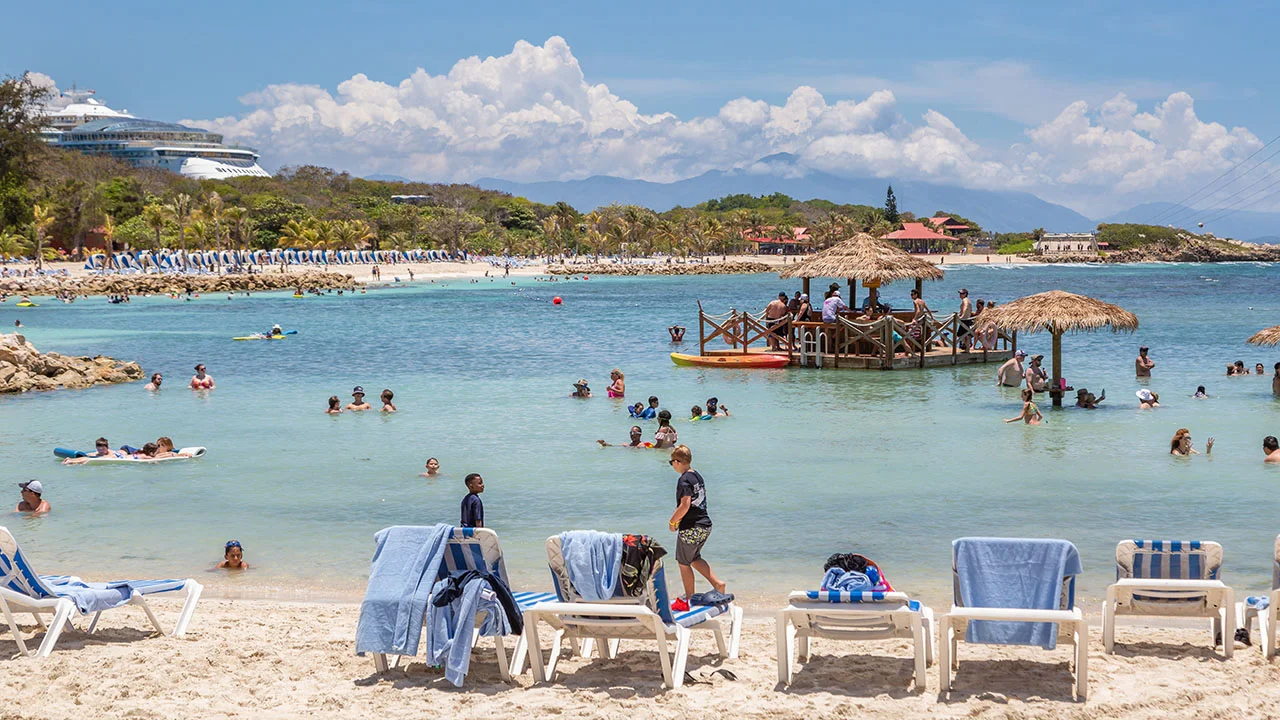
Haïti is blessed with spectacular natural landscapes, including white sand beaches, mountains and rich biodiversity.

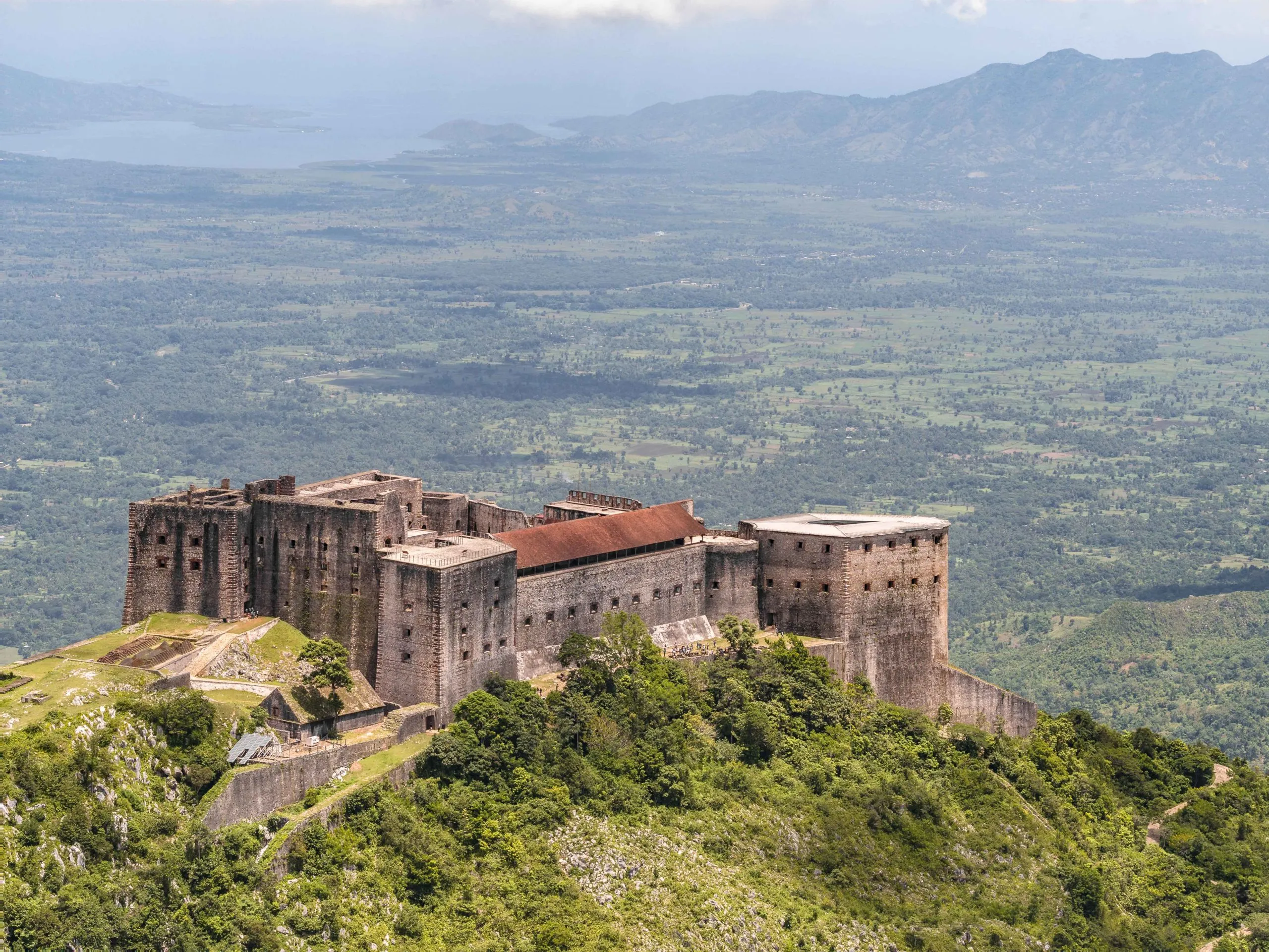
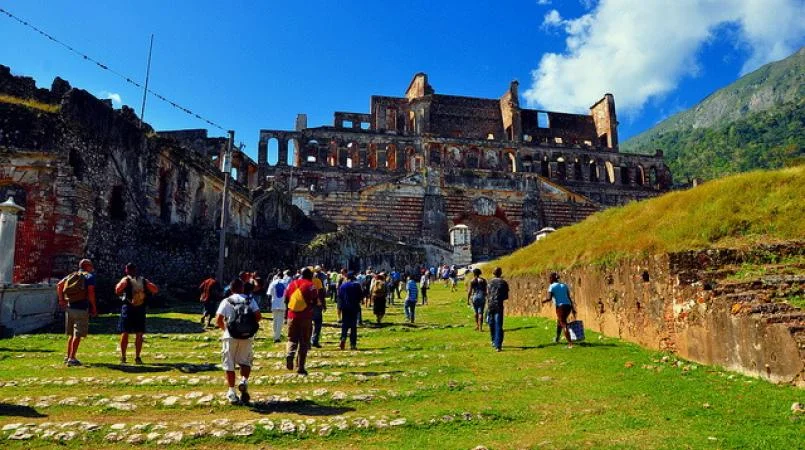
Haïti has a rich historical heritage, including sites like the Citadelle Laferrière and the Sans-Souci Palace, listed as UNESCO World Heritage Sites.

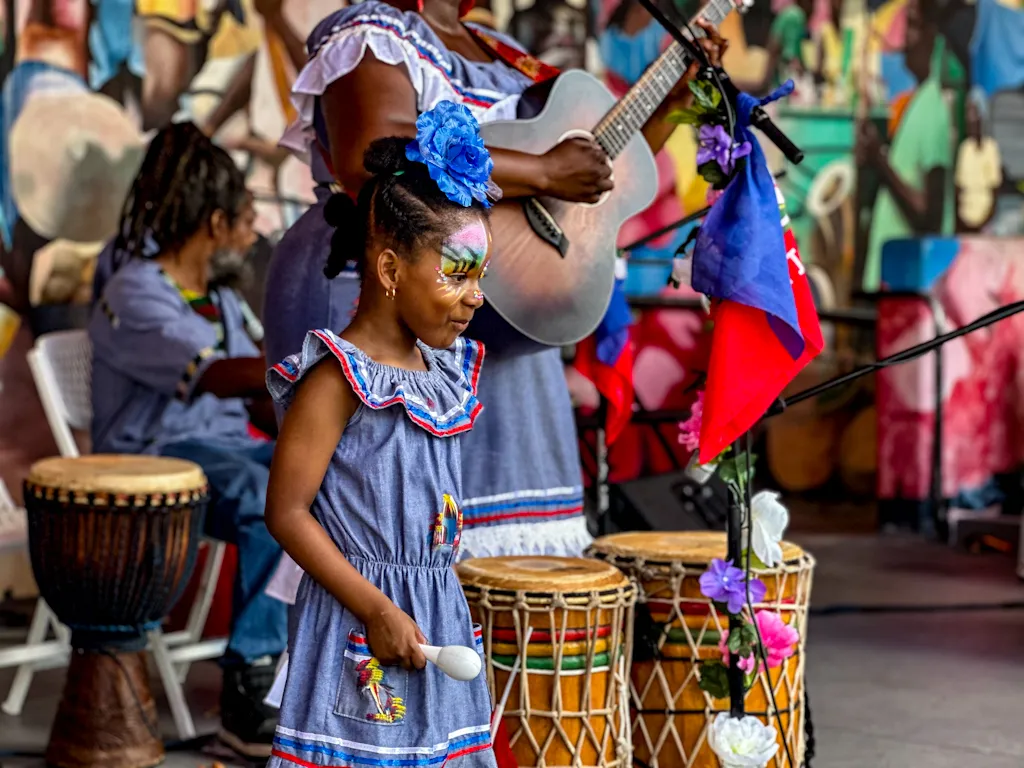
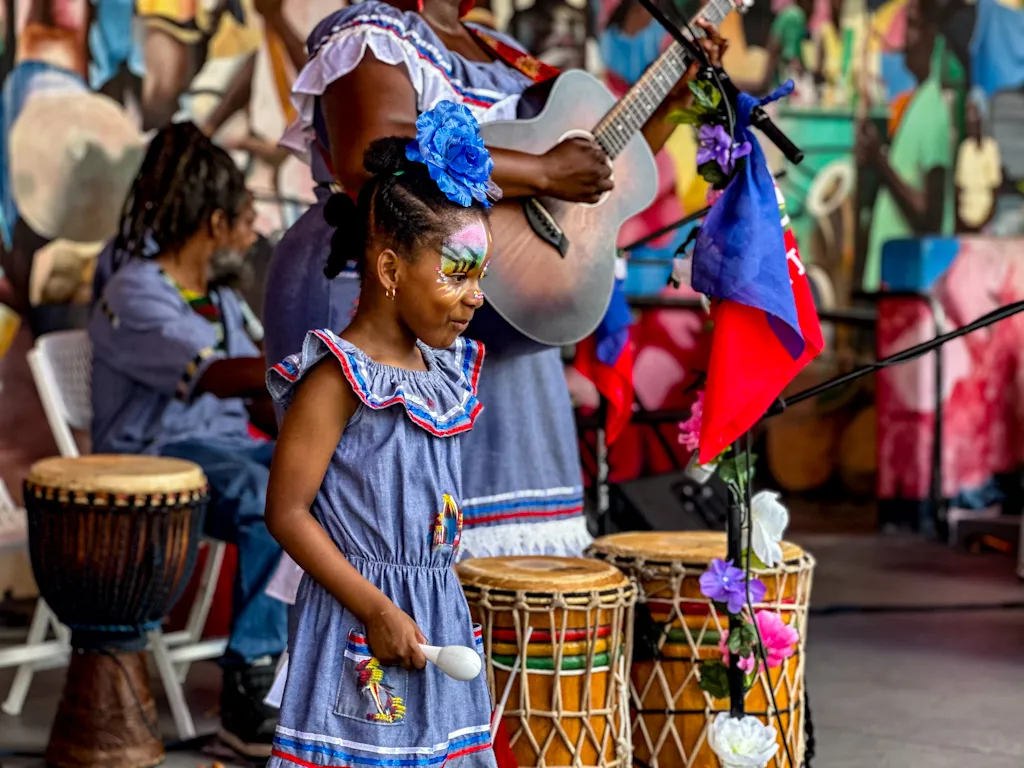
Haïti has a rich and diverse culture, influenced by African, European and indigenous elements. Haitian music, dance, art and cuisine are celebrated around the world.