



contact@haitiwonderland.com+509 36184317

Discover

Shopping Cart

Haïti : Citadelle la FerrièreHaïti : Citadelle la Ferrière

News / Theater / View Recent Posts

Culture November 25, 2023

Haitian traditions

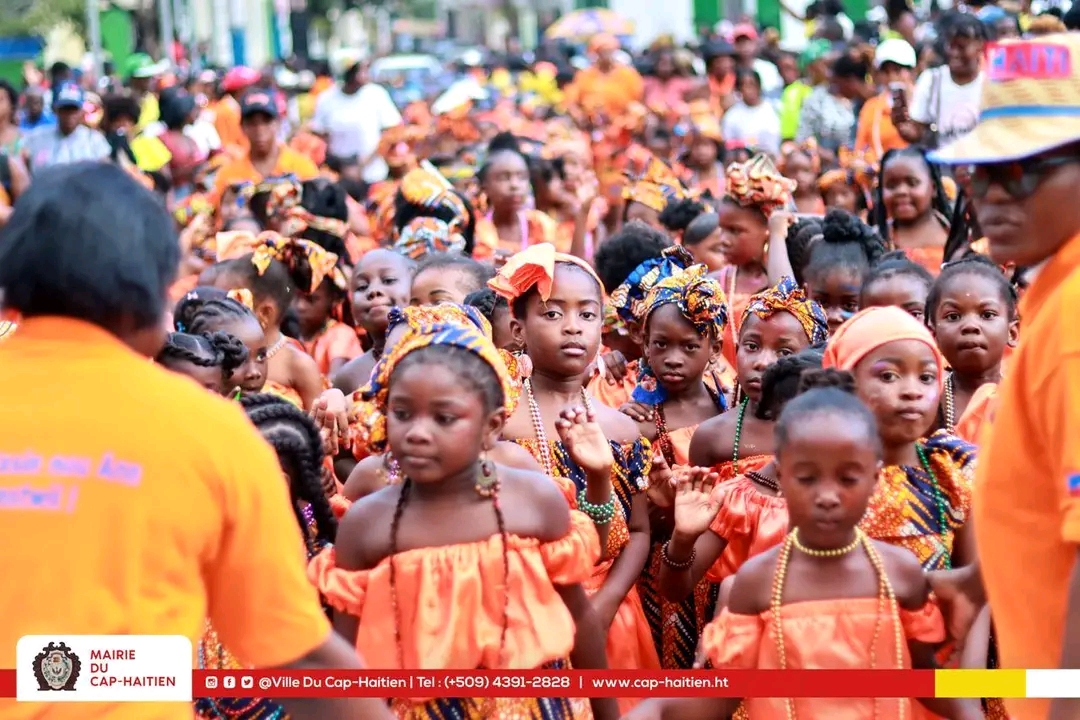
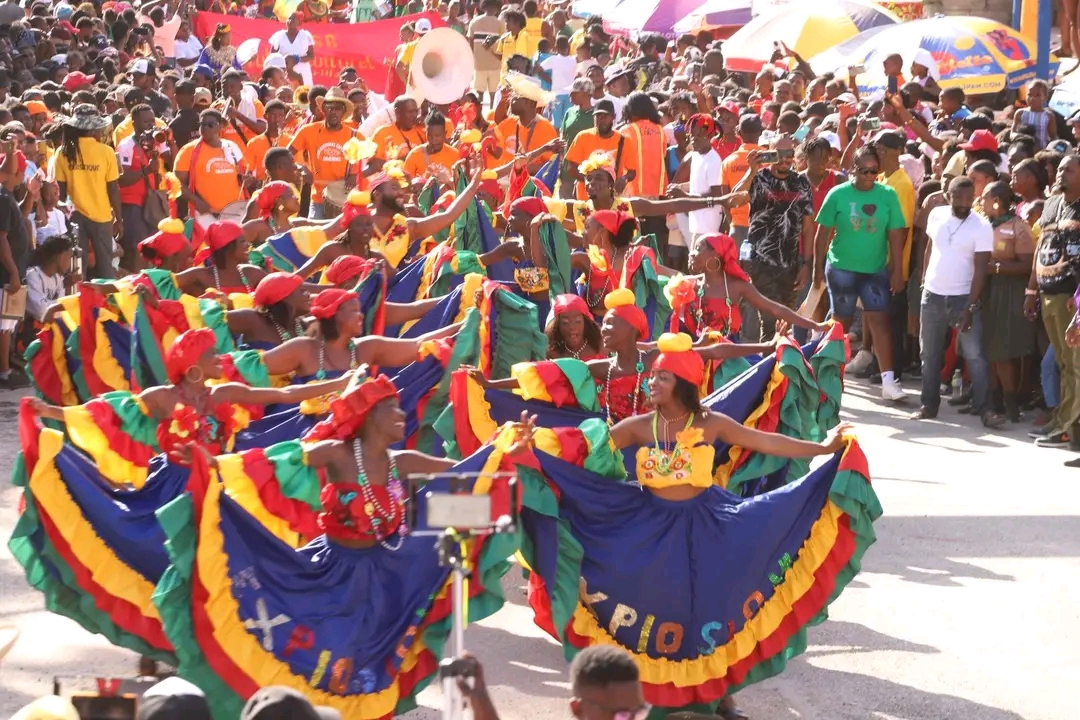
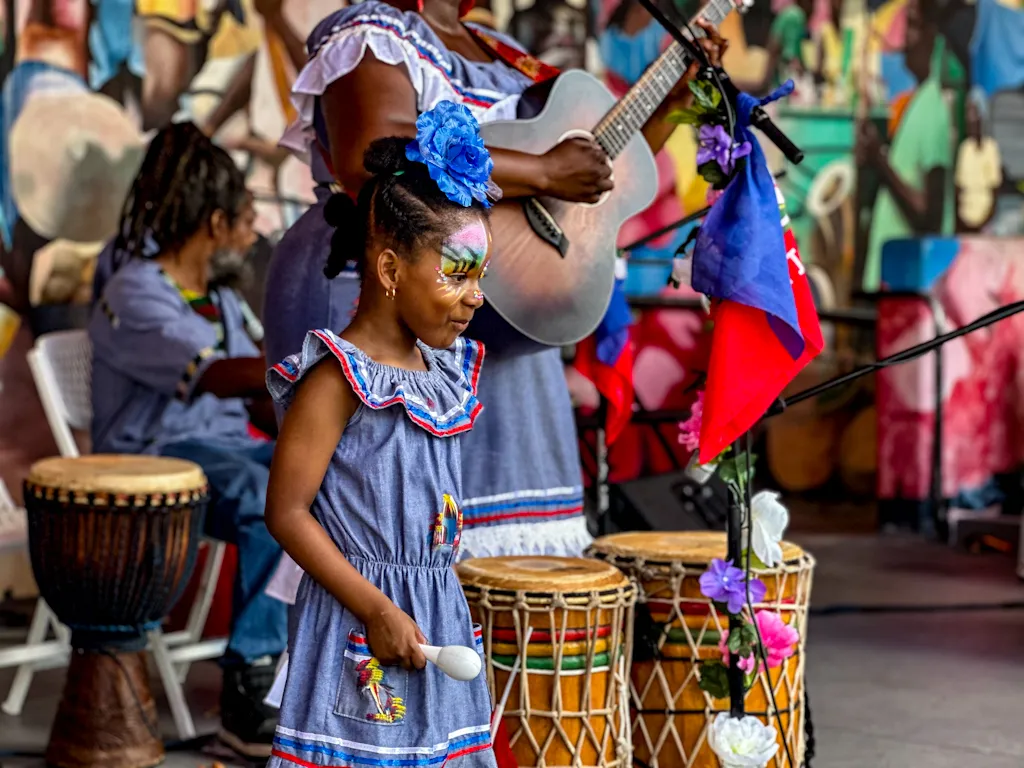
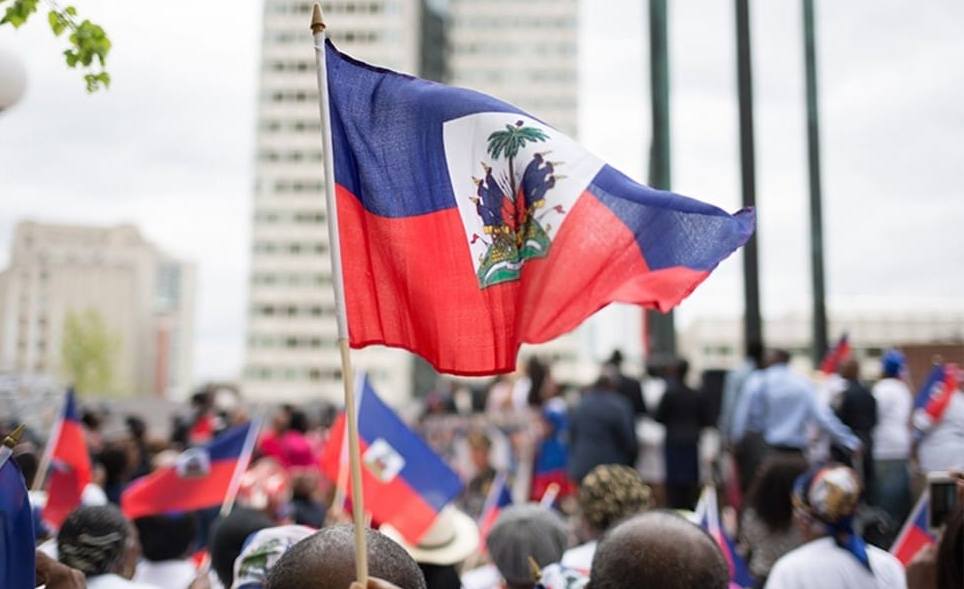
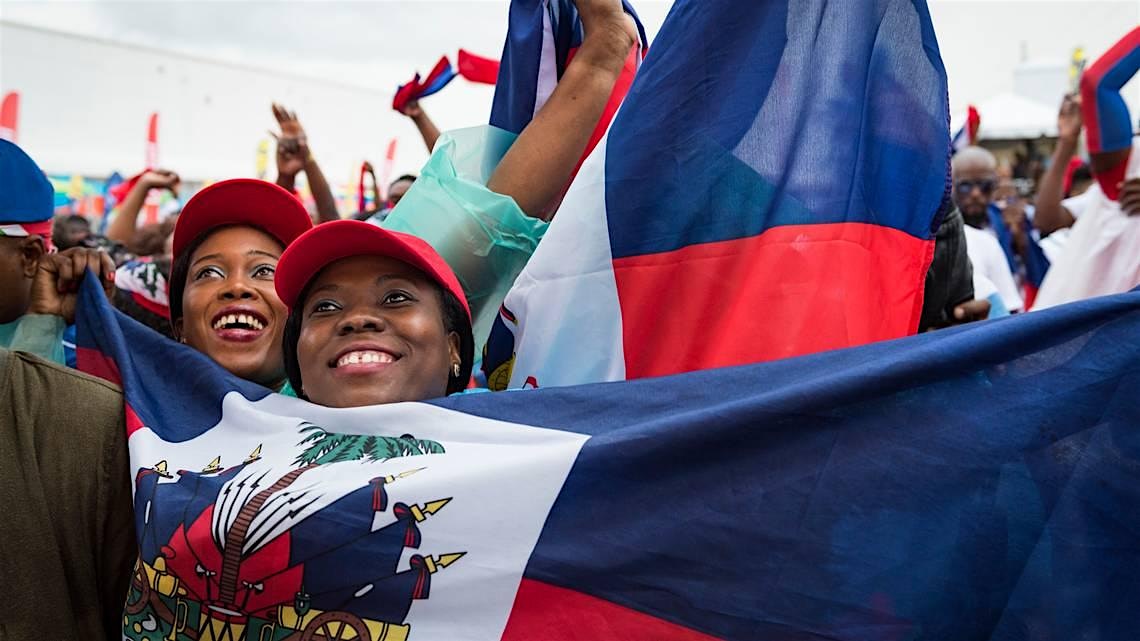
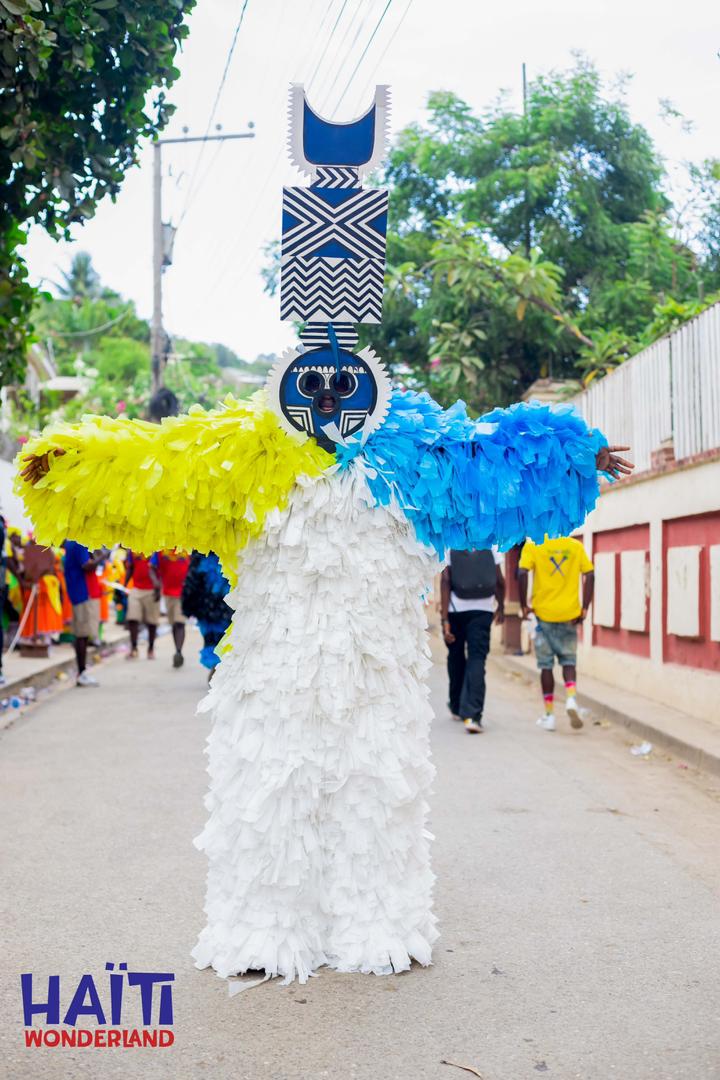
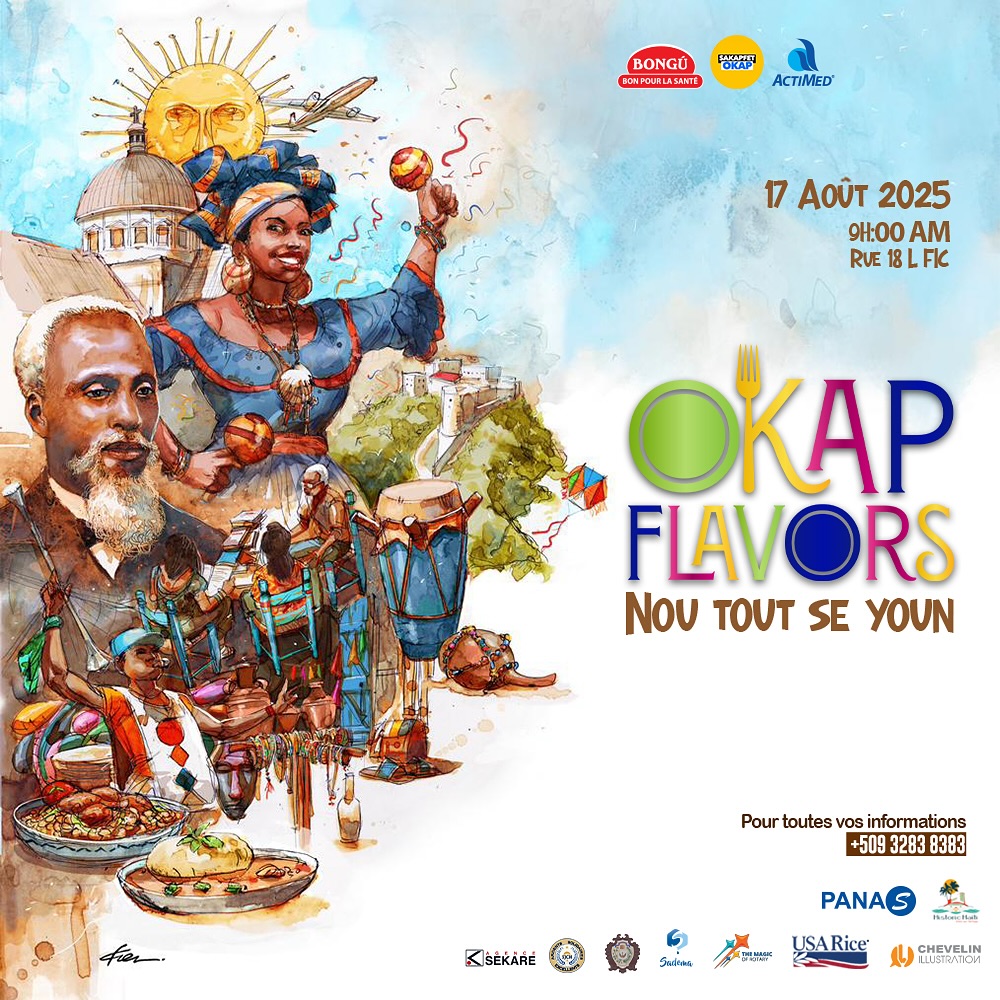
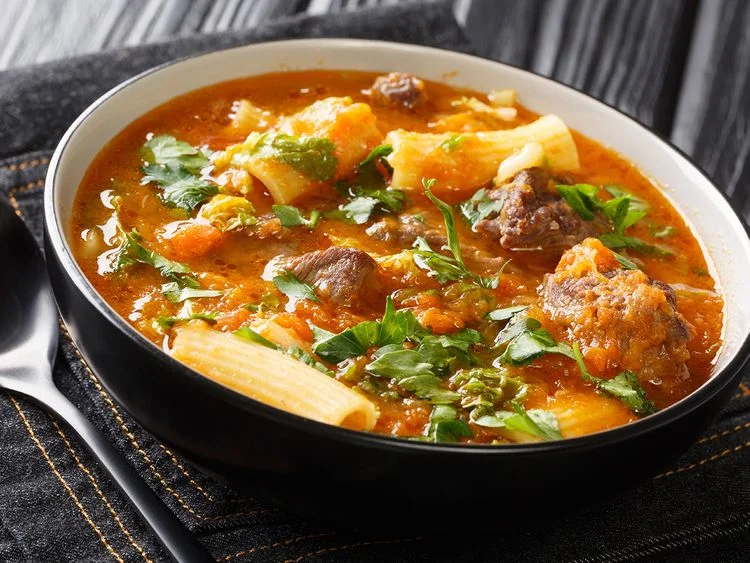
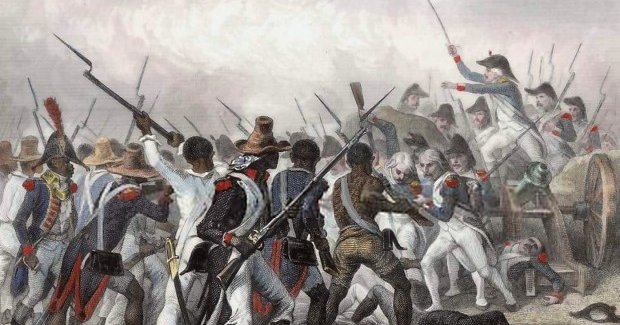
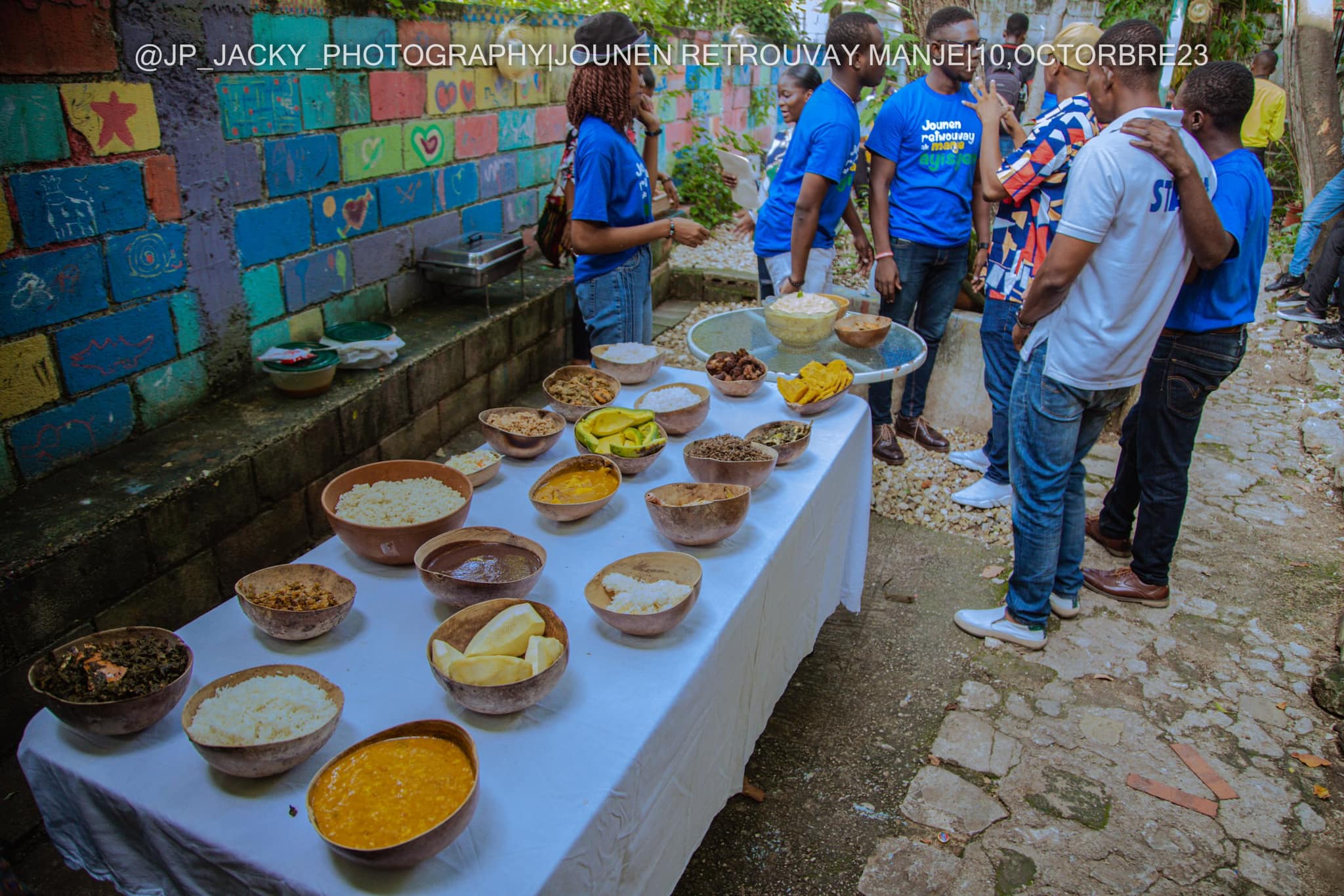
Haiti, the pearl of the Antilles, is a country rich in history and traditions. Its vibrant and diverse culture is reflected through its national holidays, cultural festivities, traditional foods, religious beliefs, folk tales, and traditional games. Let’s immerse ourselves in the social fabric of Haïti to discover the beauty of its traditions. b~National Holidays:~b National holidays in Haïti are moments of pride and national unity as January 1, Independence Day, commemorates the victory of Haitian slaves over French colonial forces in 1804, making Haïti the first independent country in Haiti. Latin America and the Caribbean or the commemoration of the Battle of Vertières on November 18. The Battle of Vertières was one of the last great battles of the revolution. It took place in Vertières, near the town of Cap-Haitien. b~Cultural Festivities:~b Haïti is also famous for its cultural festivities, particularly Carnival, which is an explosion of color, dance, and music. Artistic and craft events, such as the Rara festival, are an opportunity for artists to showcase their talent. The Rara, a musical parade, combines folklore and spirituality, creating a unique experience. b~Traditional Foods:~b Haitian cuisine is a delight for the taste buds. Dishes like griot (fried pork), diri djon djon (rice with black mushrooms), and the legendary joumou (joumou soup) are an integral part of Haitian culinary tradition. Bold flavors, spices and cooking methods inherited from African and French tradition make Haitian cuisine unforgettable. b~Vodou:~b Vodou, often misunderstood, is a synchretic religion that incorporates elements of Catholicism, African animism, and indigenous beliefs. It plays a significant role in the daily lives of Haitians, influencing music, dance, and religious rites. Vodou is a profound expression of Haitian spirituality. The Tales (Krik Krak, Tim Tim, Bwa Sèch): Haitian folk tales, passed down from generation to generation, are rich in morality and wisdom. b~Konbit :~b The concept of Konbit represents community solidarity. Haitians come together to perform community tasks, whether in agricultural fields or for construction projects. It is a living example of the collective spirit that permeates Haitian society. The most recent major project to date concerns the construction of the canal from the Massacre River to Ouanaminthe, which took place between September and December 2023. Thousands of inhabitants of the north of the country mobilized all their forces to erect a canal allowing to collect water intended for irrigation of their plantations, with the aim of obtaining better harvests. Despite their modest means, they were motivated by the slogan "KPK" (Kanal la pap kanpe), a direct response to Dominican President Luis Abinader who warned them and did everything in his power to stop the construction of the canal. This channel represents the deep solidarity of Haitians and reaffirms national pride. Despite economic challenges, the people of northern Haïti have demonstrated exceptional determination to work together for a common goal. The slogan “Kanal la pap kanpe” embodies their resilience in the face of external pressures and demonstrates their unwavering will to continue the construction of the canal. b~Traditional Games:~b Traditional games are an essential part of daily life in Haiti. Games like lido, sote kòd, Yoyo, Ralba, Marèl, TiTaTo, Kay, lago kache, Monte kap, teke mab, woule sèk, twa fwa se manbo, and domino bring people together, promoting camaraderie and fun. Haitian traditions are a harmonious blend of spirituality, community, and cultural diversity. Every aspect, from national holidays to traditional games, helps weave the rich cultural tapestry that makes Haïti proud. These traditions are the beating heart of the nation, a precious heritage that continues to be passed down from generation to generation.
Par Appolon Guy Alain | 1
Learn more
Music November 13, 2024

Emeline Michel, in exceptional concert in Miami

St. Clement Parish celebrates its seventy years of service to God and the Haitian community, this November 23, 2024, at 2975 N. Andrews Ave., Wilton Manors, FL. On the occasion of this celebration, Emeline Michel will be in exceptional concert to mark this cultural event. On the menu of this program, the committee plans to organize evangelization sessions, continuing education, fields of ethics, morality and spirituality. This event will also emphasize faith, reason and culture to rebuild in unity the kingdom of God here below where "Charity unites us to God". With the aim of raising culture to its peak, the Archbishop of Miami is pleased to join us for a great Eucharistic celebration on Saturday, November 23, 2024, starting at 10 a.m. Together, they will mark this mythical date engraved in the memory of his faithful and friends. This evening will be hosted by the icon of Haitian music, Emeline Michel, who has made a name for herself in the Haitian cultural landscape: "We welcome the famous singer Emeline Michel. She will do us the honor of reliving important and unforgettable moments of our charming land of Haiti. With her melodious, very captivating voice and her poetic songs, all the beautiful memories will be there, like our beaches, the light breeze of our mornings and the flight of capricious birds," wrote the press release. The 58-year-old diva continues to establish herself as one of the unique, contagious voices of Haitian music. While remaining in her style, she has been able to create her musical universe during her career, which has allowed her to be honored in the community by her fans. Emeline Michel, with her sincere lyrics and unique style, has managed to reach a wide audience without giving up her authenticity. With her songs and her melodious voice, she has rocked several generations. Throughout her musical career, she has an enriching repertoire, about thirteen albums to her credit, we can cite a few: Douvanjou ka leve (1987); Flanm (1989); Pa gen manti nan sa (1990); Rhum et Flamme (1993); Tout mon temps (1991); Emeline Michel, the very best (1994); Ban m pase (1996); Coedes and Soul (2001); Rasin Kreyòl (2004); Queen of Hearts (2007); Quintessence and lastly Gratitude (2015). She also has many collaborations with other artists. Chanjman and Jan mwen (2020, and 2021) Emeline Michel, 40 years of experience on stage, she carries all Haïti in her voice, her soul and her body. During her flourishing years of success, she has marked several continents where she has already performed (Antilles, America, Europe, Asia). This allowed her to discover several places, such as: Carnegie Hall, at the United Nations; the Teatro Manzoni in Milan; the Kravis Center in Florida; the International Jazz Festival (Haiti). Then, the Luminato Festival in Ontario; the International Jazz of Montreal; the New Orleans Jazz Fest; the Ten Days On The Island. The priest of the parish of St. Clement, Rev. Patrick Charles, took the opportunity to extend a warm invitation to the community to come celebrate this great day marking its seventieth anniversary and to entertain in order to once again highlight Haitian culture.

Par Wincy LINDOR |
Learn more

Recently Posted

Discover the Hidden Gem of Caracol: A Peaceful Haven in Haiti

Nestled in the enchanting embrace of Haiti’s North East department lies a true marvel – Caracol. This picturesque area is more than just a destination; it’s a sanctuary where tranquility dances in harmony with the gentle whispers of nature. From the chirping of content birds to the warm smiles of its inhabitants, Caracol is a true wonderland waiting to be explored. One of the most captivating aspects of Caracol is its serene ambiance. Here, peace isn’t just a concept; it’s a way of life. Even the birds seem to sing with an extra ounce of joy, as if they’ve found their own slice of paradise amidst the lush greenery. Stepping into Caracol feels like entering a world where time slows down, allowing you to embrace the simple pleasures of life. But what truly sets Caracol apart is its people – kind-hearted souls who find solace in the simplicity of their daily lives. Engaged in activities like fishing and gardening, they embody a deep connection to the land that sustains them. And amidst it all, the industrious spirit of Caracol shines through, with the industrial parc serving as a beacon of progress and opportunity for the community. Yet, amidst the tranquil rhythm of everyday life, Caracol pulsates with the vibrant energy of Haitian culture. Voodoo, an integral part of local life, weaves its mystical threads into the fabric of daily rituals and traditions. And come July, the entire community comes alive with patronal celebrations that draw Haitian diaspora from every corner of the globe. It’s a time of joyous reunions, where cultural immersion meets spirited competitions, from exhilarating running races to thrilling boat races on the sparkling waters. As the sun sets on another day in Caracol, the excitement doesn’t end – it transforms. Carnival season, known as "mardi gras," casts its spell over the land, igniting the imaginations of children who eagerly don disguises and wield whips to make merry mischief. Laughter fills the air as they chase each other, their gleeful shrieks echoing through the streets, creating memories that will last a lifetime. In Caracol, every moment is a celebration, every day a testament to the resilience and warmth of its people. So, whether you’re seeking a tranquil retreat or a cultural adventure, Caracol invites you to discover its hidden wonders and experience the magic for yourself. After all, in this captivating corner of Haiti, every day is a journey into the heart of paradise.

Haïti et son Rôle Pionnier dans l’Abolition de l’Esclavage Mondial

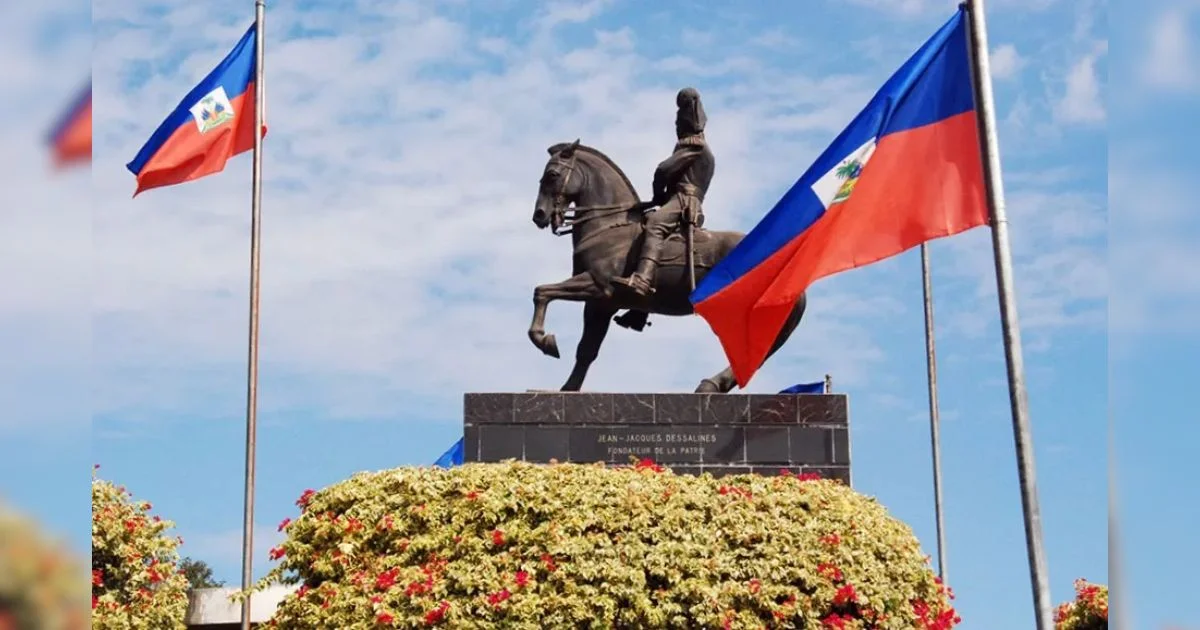
For centuries, the institution of slavery has darkened human history, leaving behind a legacy of pain, oppression and the struggle for freedom. However, in this dark tale, one nation stands out for its courage and determination to break the chains of oppression: Haiti. Located in the Caribbean, Haïti played a pioneering role in the abolition of slavery, laying the foundation for the fight for freedom and equality around the world. The history of slavery in Haïti dates back to the arrival of Europeans on the island, which was then called Santo Domingo, in the 15th century. French colonists quickly established an economy based on sugar and coffee production, cruelly exploiting millions of African slaves deported to work on plantations. However, this brutal system engendered fierce resistance from slaves, whose fight for freedom ultimately led to one of the most significant revolutions in history. In 1791, under the leadership of iconic figures such as Toussaint Louverture, Jean-Jacques Dessalines and Henri Christophe, Haitian slaves rose up against their oppressors in an unprecedented rebellion. This revolt resulted in a war of independence that lasted more than a decade, but ultimately resulted in the proclamation of Haiti’s independence in 1804, making that country the first post-colonial nation ruled by people from slavery. The impact of the Haitian Revolution on the abolition of slavery worldwide cannot be overstated. By breaking the chains of oppression and proclaiming their independence, Haitians have sent a powerful message to all oppressed peoples around the world: freedom is possible, and it is worth the struggle. The example of Haïti inspired other movements for the abolition of slavery in the Americas and beyond, thus helping to shake the very foundations of the institution of slavery. Haiti’s participation in the fight against slavery was not limited to its territory; it also extended to external actions where Haitian men were sent or actively participated in movements for the abolition of slavery in other regions of the world. For example, Haitian President Alexandre Pétion supported Simón Bolívar, the leader of the South American revolution, by providing him with weapons, money and even men, which contributed to the liberation of several countries in America Latin of colonial domination. Haïti also provided support for independence movements in Central America. Haitian fighters, led by General Jean-Pierre Boyer, helped Venezuelan patriots fight against Spanish rule, contributing to the liberation of that region. The Haitian government financially and diplomatically supported movements for the abolition of slavery in countries such as Venezuela, Colombia and Mexico, contributing to the gradual eradication of this institution throughout the region. Although Haïti did not directly participate in the American Civil War, many Haitians and descendants of Haitians played crucial roles in the abolitionist movement in the United States. Figures who were of Haitian origin or of Haitian ancestry, were important voices in the fight against slavery and for equal rights in the United States. The legacy of the Haitian Revolution remains a symbol of resistance and courage for future generations. Today, as the world continues to struggle against injustice and oppression in various forms, Haiti’s history reminds us that the fight for freedom is a universal fight, one that transcends borders and times. Haiti’s participation in the abolition of slavery throughout the world remains a crucial chapter in the history of humanity. Through their courage and determination, Haitians have paved the way for a future where freedom and equality are inalienable rights for all.

Recently Posted

History

History

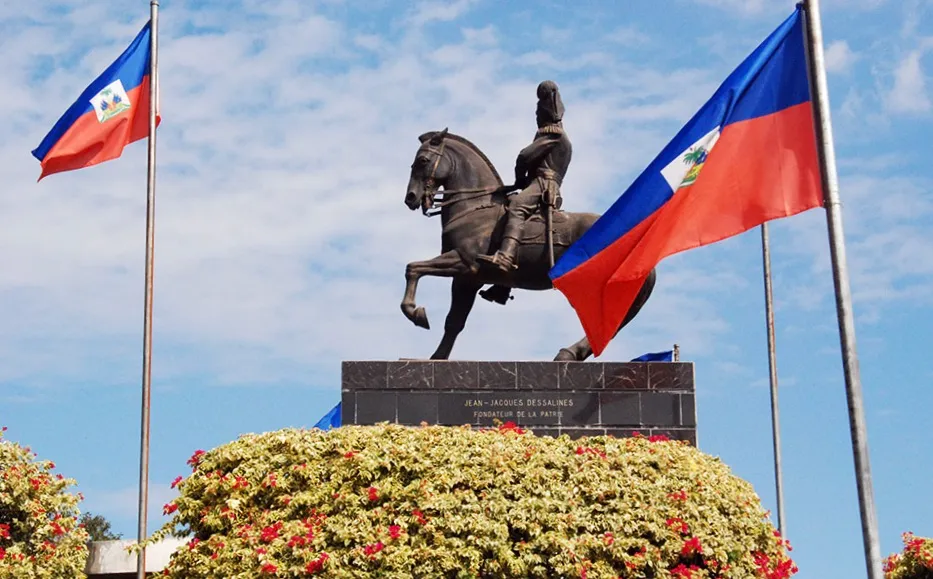
First black nation to free itself from slavery and gain independence from France in 1804 and influenced other liberation movements around the world, inspiring struggles for freedom and equality.

Natural beauty

Natural beauty

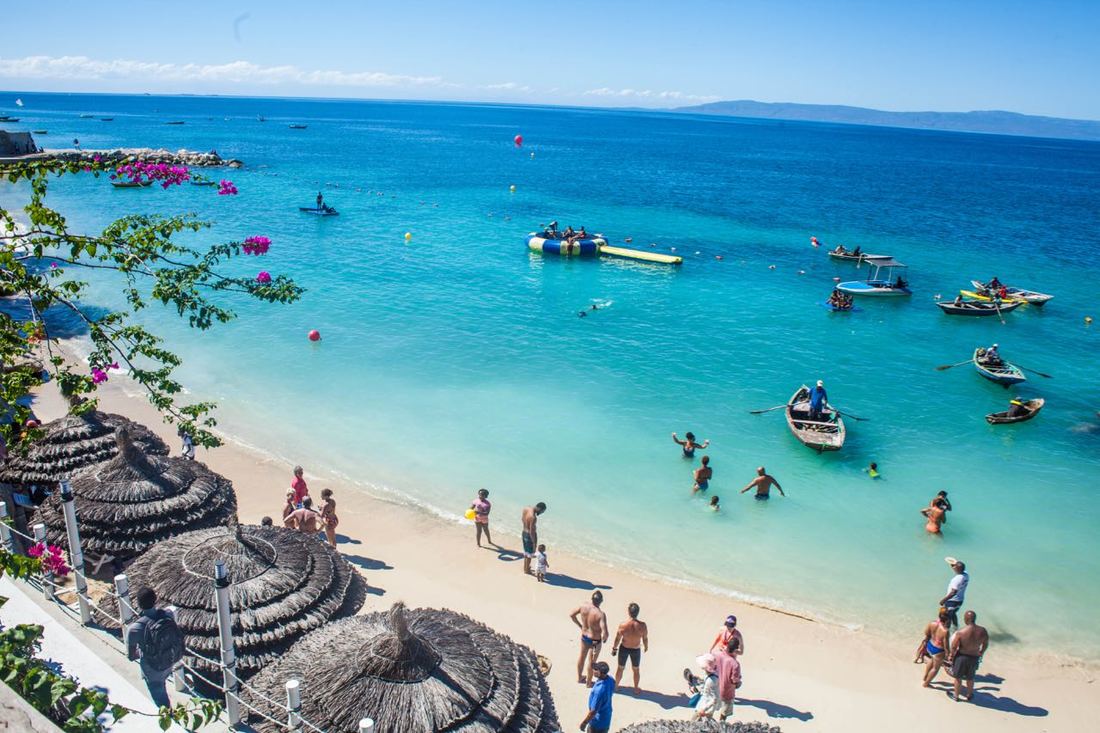
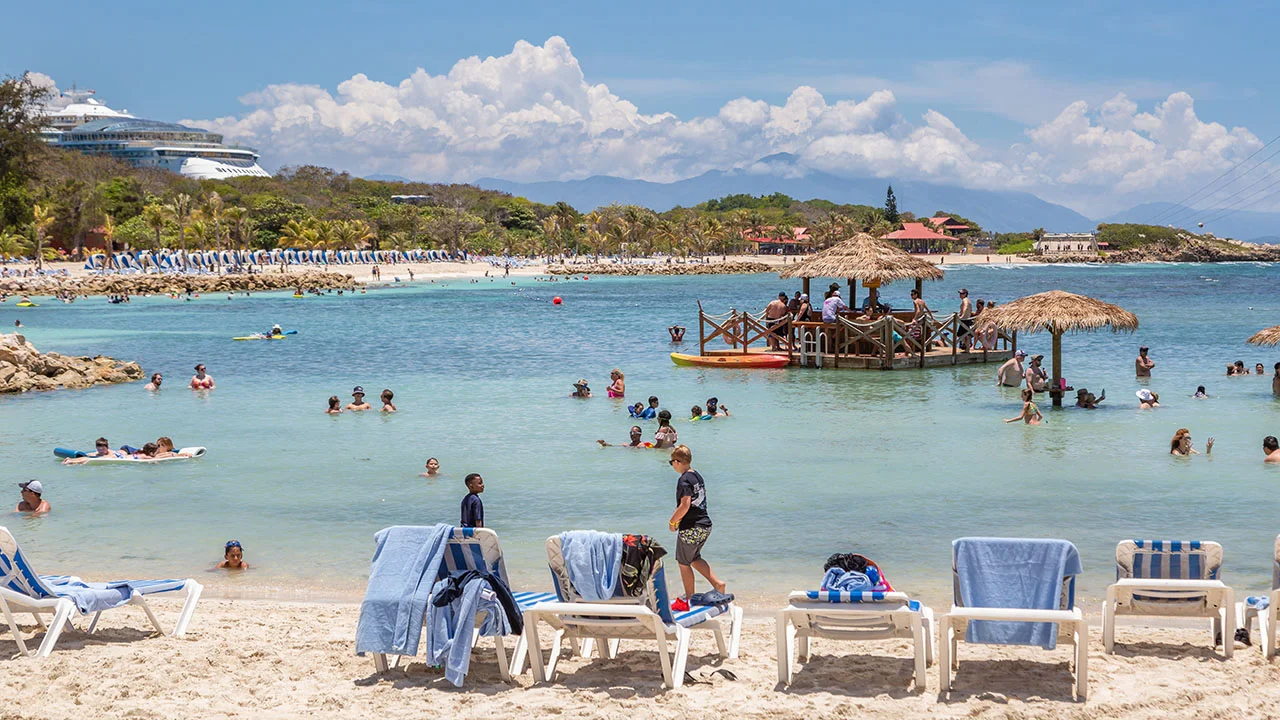
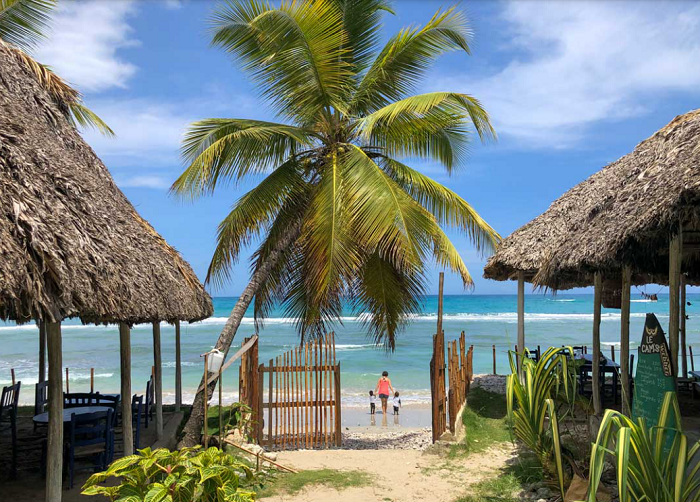
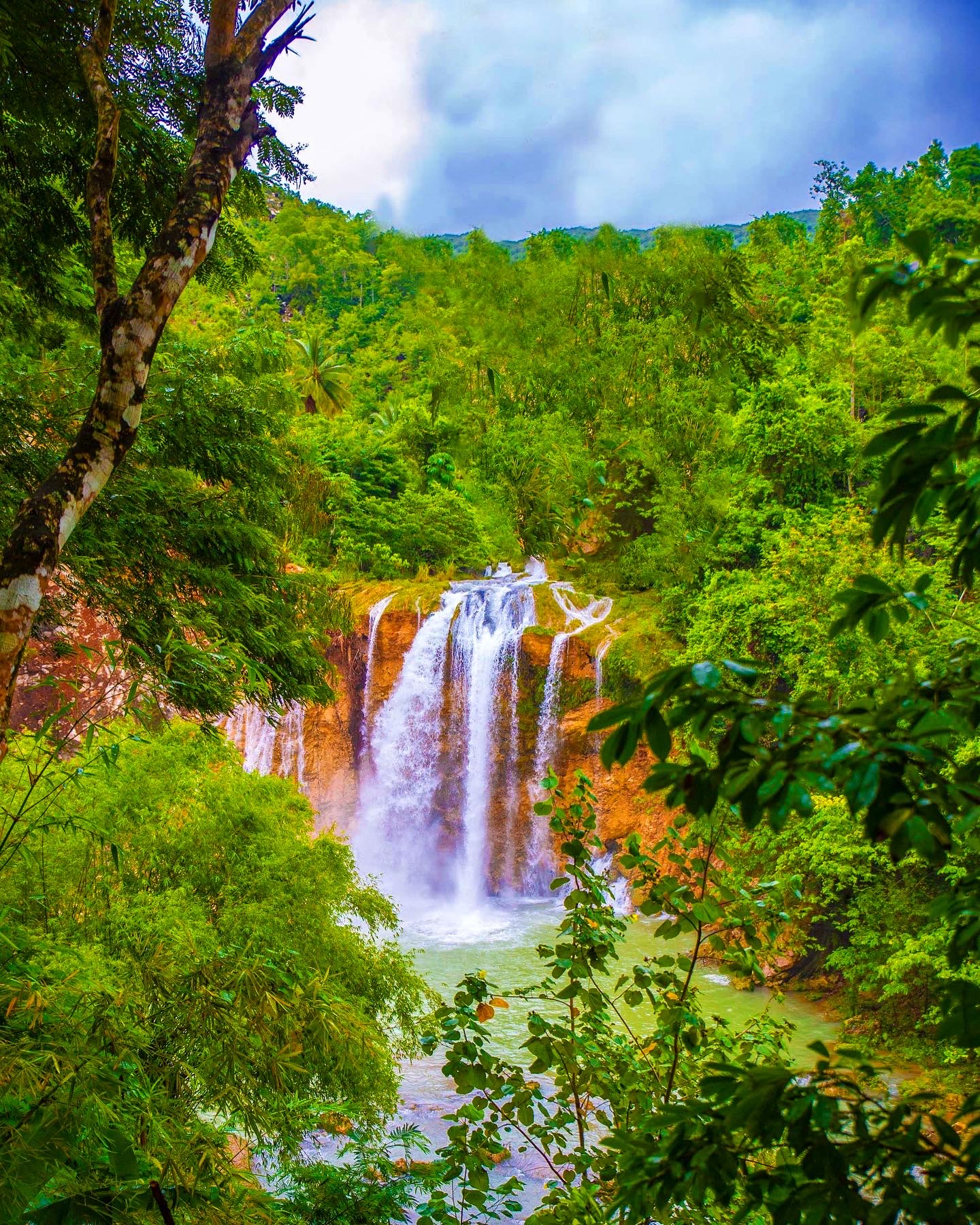
Haïti is blessed with spectacular natural landscapes, including white sand beaches, mountains and rich biodiversity.

Heritage

Heritage

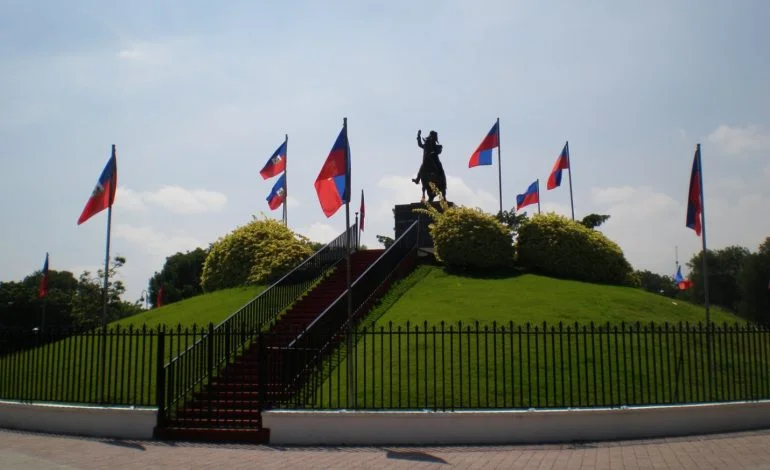
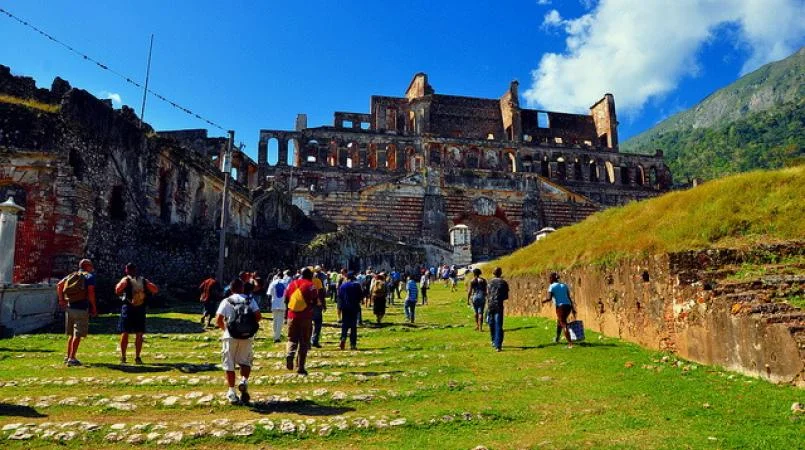
Haïti has a rich historical heritage, including sites like the Citadelle Laferrière and the Sans-Souci Palace, listed as UNESCO World Heritage Sites.

Culture

Culture

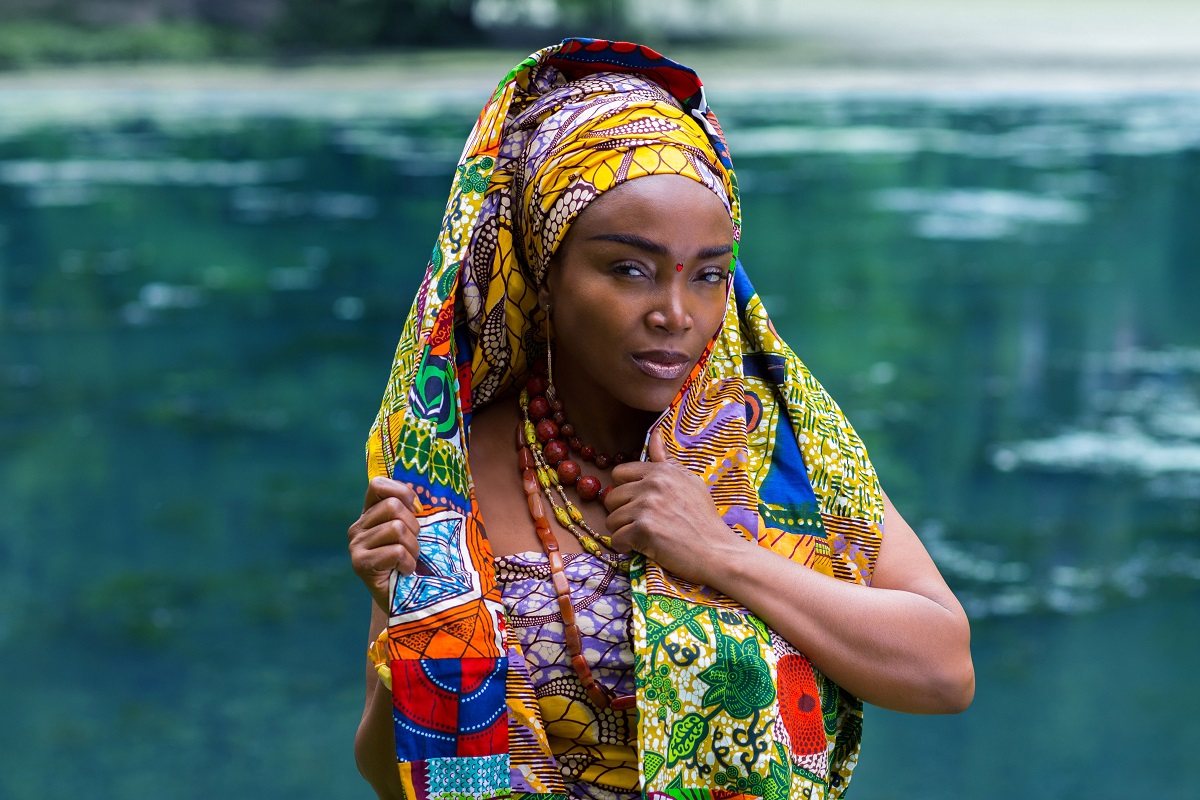
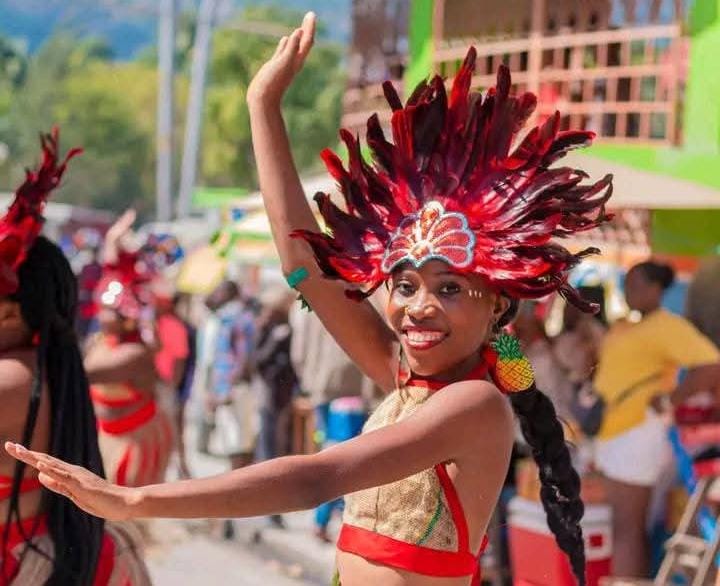
Haïti has a rich and diverse culture, influenced by African, European and indigenous elements. Haitian music, dance, art and cuisine are celebrated around the world.

  • +
    • Post