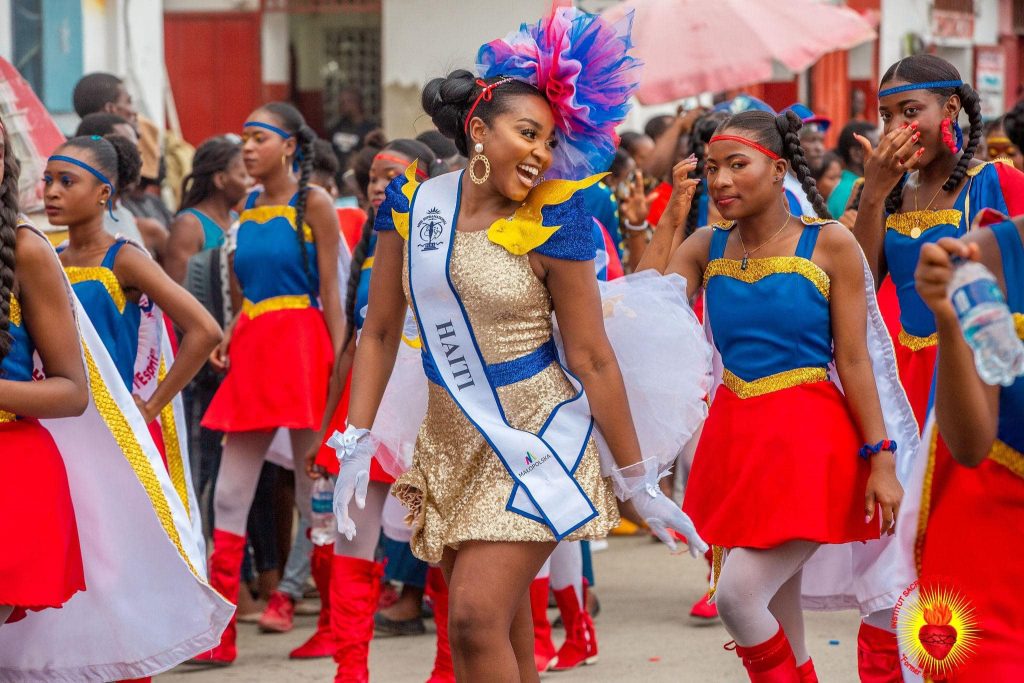
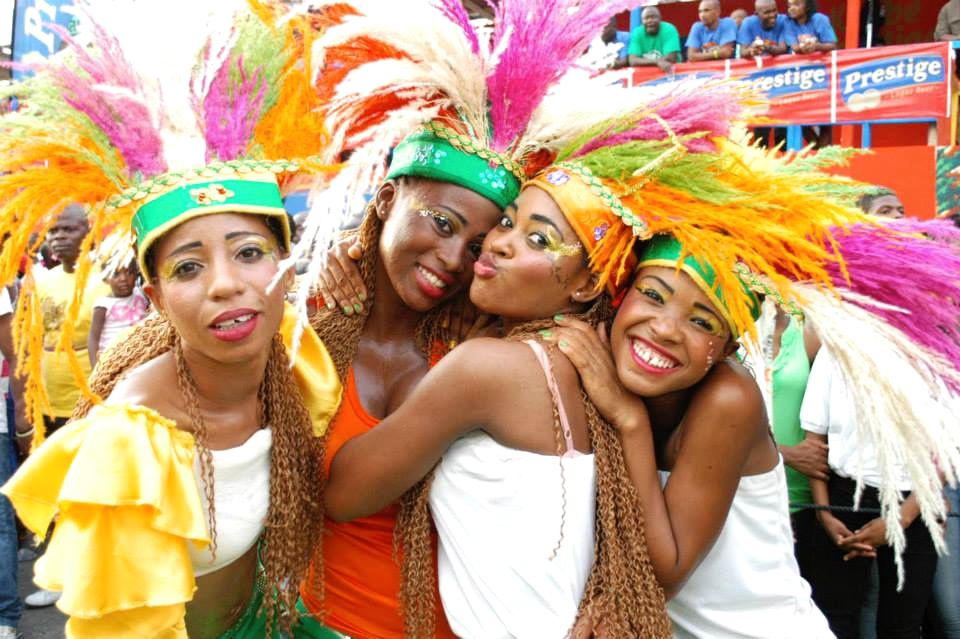
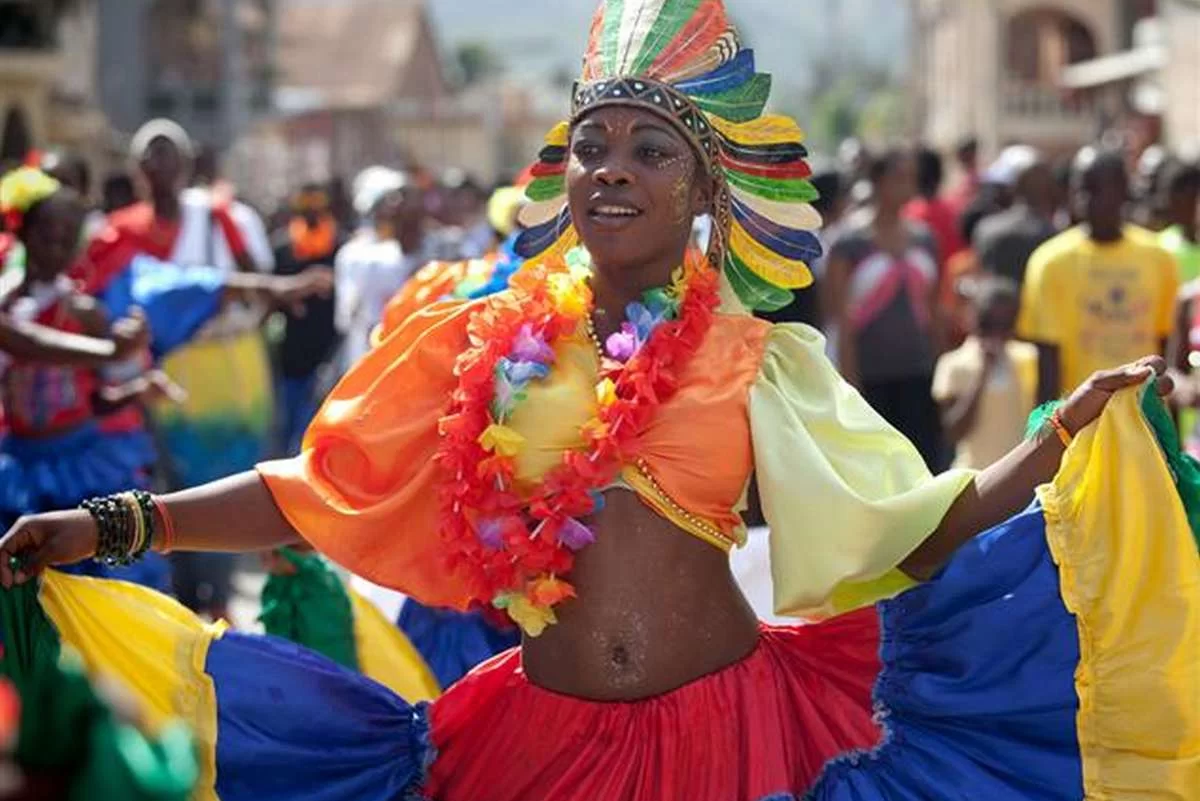
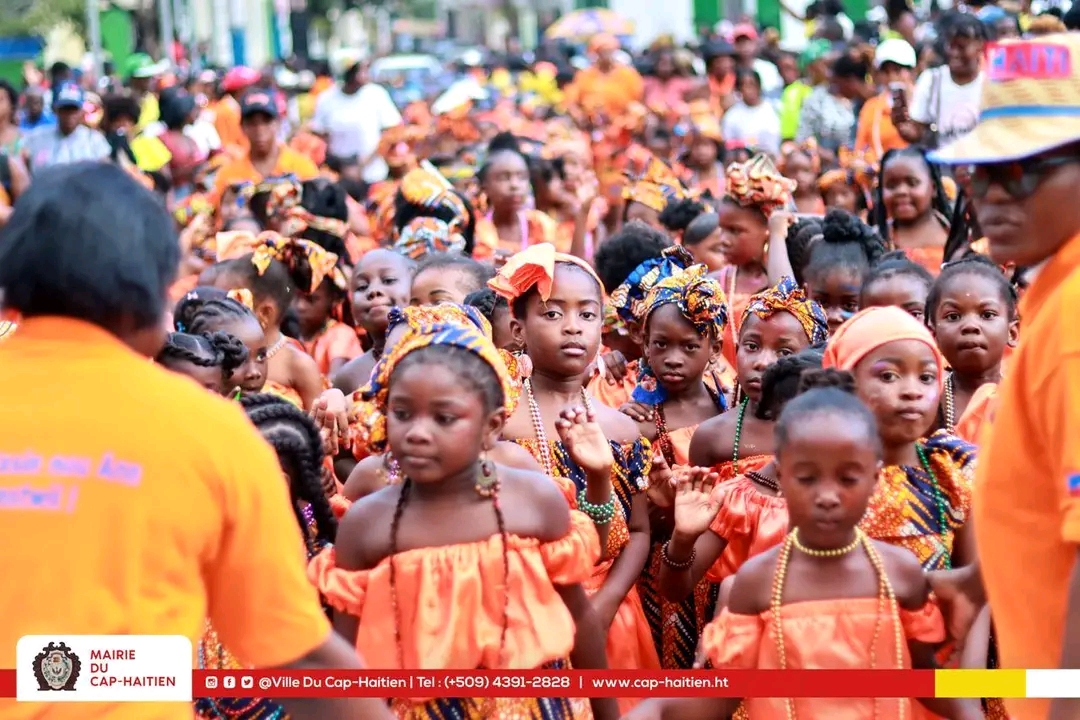
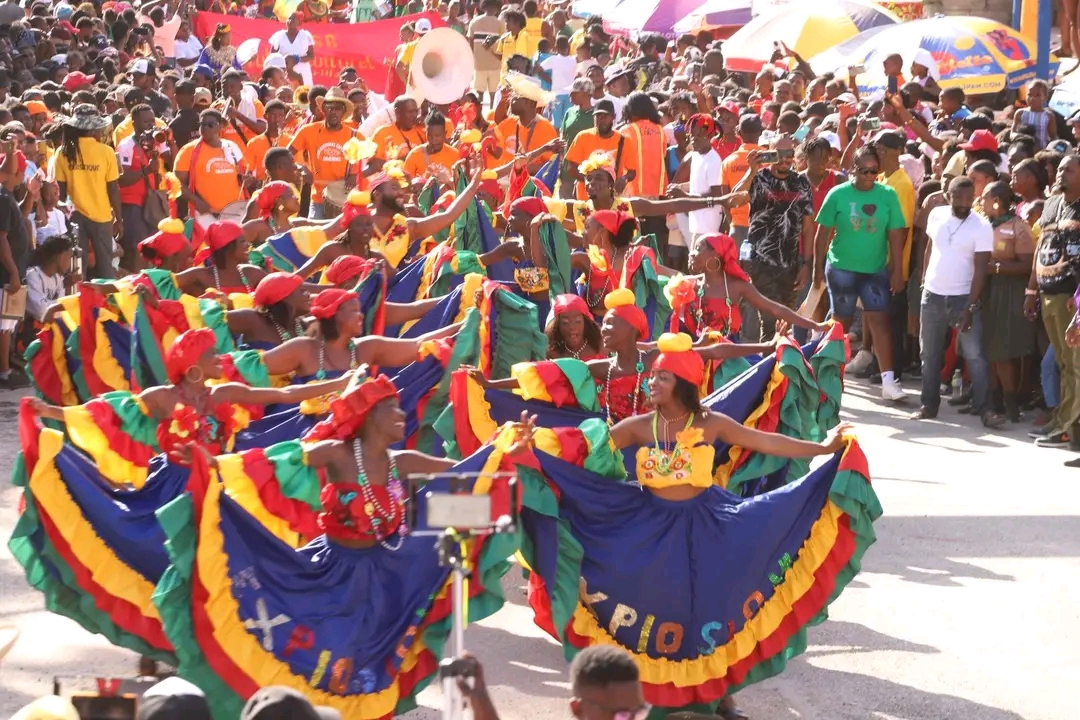
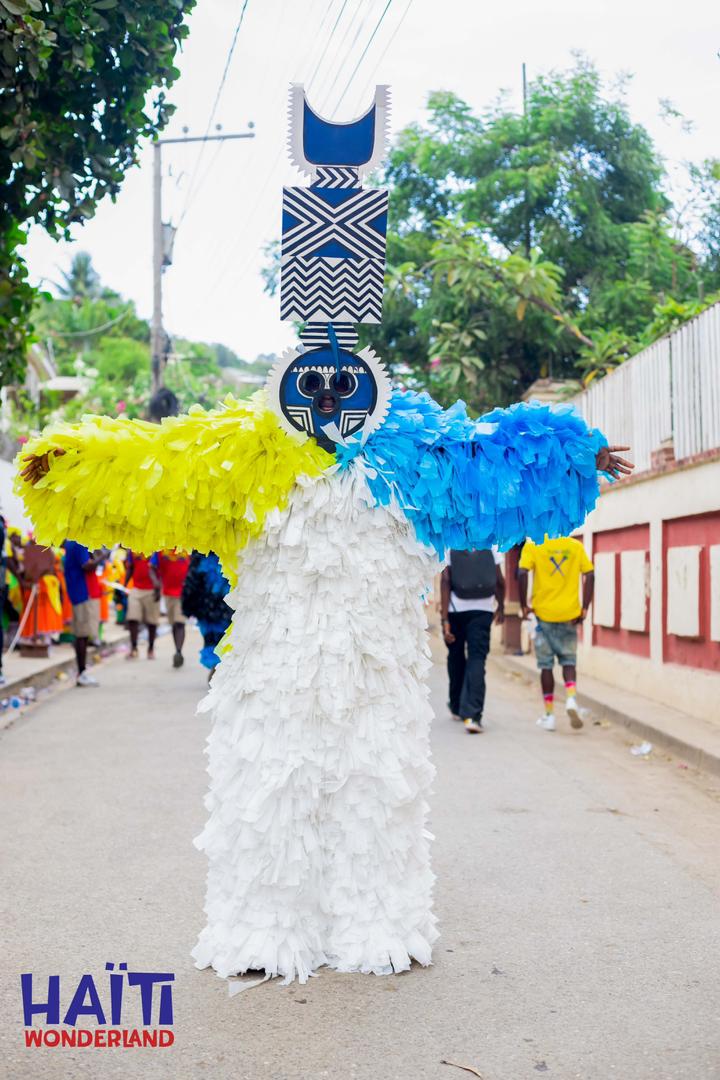
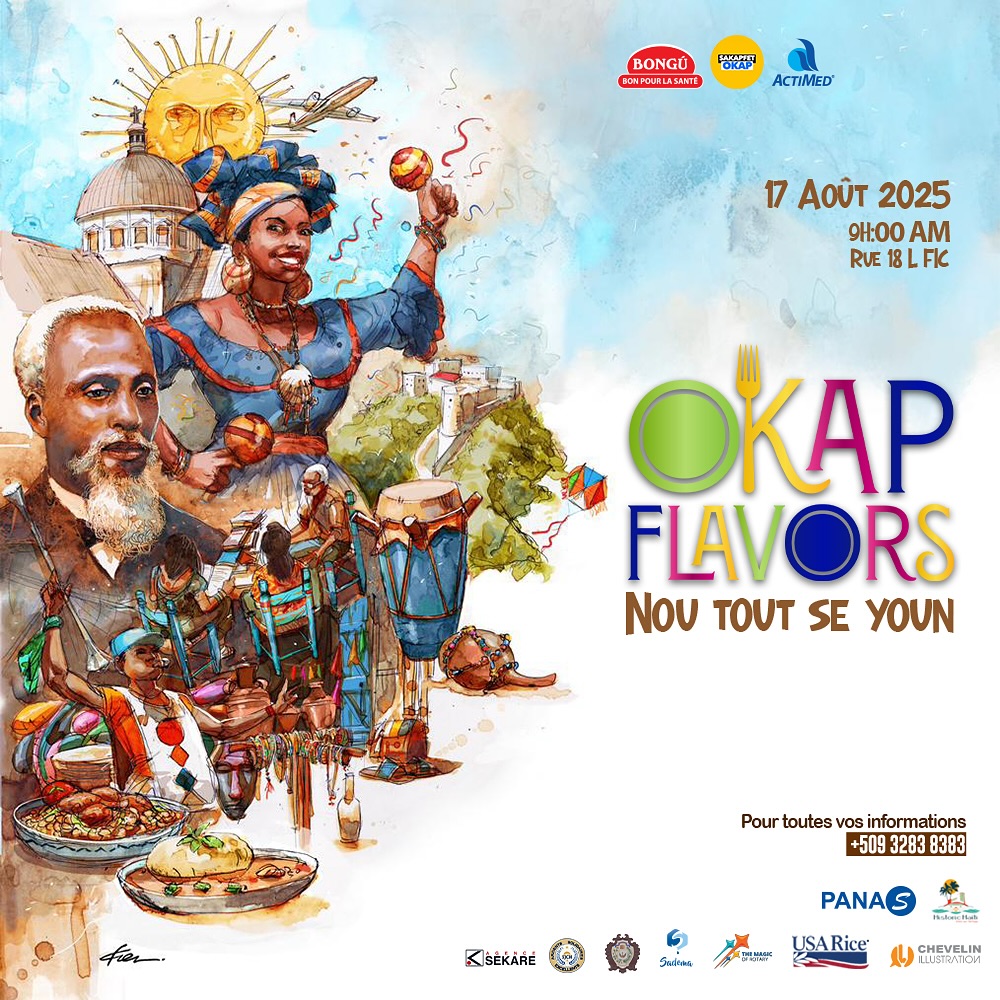
Children’s Carnival in Cap-Haïtien: A festive atmosphere in the heart of the city
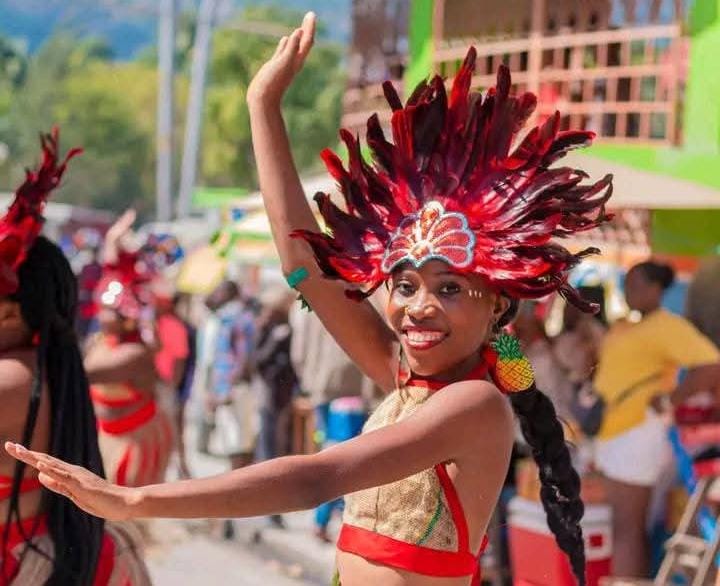
Discover the Children's Carnival in Cap-Haïtien, a joyful celebration full of color and Haitian traditions!

In its quest to revitalize its tourism industry and highlight its natural and cultural riches, Haïti relies on a key player: the Ministry of Tourism. As a government entity dedicated to the promotion and development of tourism, this ministry plays a crucial role in transforming Haïti into a leading tourist destination. One of the main objectives of the Ministry of Tourism is to strengthen the attractiveness of Haïti to international travelers. To do this, it develops innovative marketing campaigns, highlighting the country’s pristine beaches, fascinating historical sites, rich culture and exquisite cuisine. These efforts aim to change the perception of Haïti and generate interest among potential tourists around the world. In collaboration with private sector players, the ministry is committed to supporting and promoting local tourism businesses. By encouraging entrepreneurship and innovation in the tourism sector, the ministry helps create jobs and stimulate the local economy. The Ministry of Tourism also attaches great importance to the preservation of the environment and cultural heritage of Haiti. It implements policies and initiatives aimed at protecting the country’s natural sites, national parks and historic monuments. By encouraging sustainable and responsible tourism, the ministry ensures that future generations will also be able to enjoy the beauty and cultural richness of Haiti. Finally, the Ministry of Tourism works closely with other national and international organizations to promote Haiti’s tourism development. Through strategic partnerships and exchanges of best practices, Haïti benefits from the expertise and support necessary to strengthen its tourism sector and increase its competitiveness in the global market. Haiti’s Ministry of Tourism is a key player in transforming the country into an attractive and sustainable tourist destination. Through its continued efforts to promote tourism, support local businesses, and preserve Haiti’s natural and cultural heritage, the ministry is paving the way for a bright future for the country’s tourism industry.
Nestled in the picturesque coastal town of Jacmel, in southeastern Haiti, Bassin Bleu is a true haven of tranquility in the heart of nature. Its crystal-clear blue waters and imposing rock formations make it a breathtakingly beautiful site, attracting travelers from around the world in search of escape and discovery. The sparkling turquoise waters of Bassin Bleu offer a feast for the eyes, inviting visitors to relax and rejuvenate in this idyllic setting. Whether swimming in its refreshing waters or lounging on its lush green banks, this natural oasis provides a welcome escape from the hustle and bustle of daily life. Surrounded by lush tropical vegetation, Bassin Bleu is home to exceptional biodiversity, with a multitude of unique plants and animals to discover. Hiking enthusiasts can venture along winding trails that meander through the surrounding forest, offering spectacular views of this pristine landscape. As a tourist destination, Bassin Bleu also offers economic development opportunities for local communities. By promoting sustainable tourism, it contributes to job creation, infrastructure development, and the promotion of local culture. Moreover, by raising awareness among visitors about the importance of preserving this fragile natural environment, tourism plays an essential role in its long-term conservation. Bassin Bleu in Jacmel is much more than just a tourist attraction: it is a true natural treasure to be preserved and appreciated. With its stunning natural beauty, remarkable biodiversity, and sustainable development opportunities, this magical place offers an authentic experience for travelers seeking moments of tranquility in the heart of nature.
In collaboration with HPost5, Les Éditions Julien Hilaire are launching a call for contributions for the publication of the first issue of "Temps de poésie", a literary magazine that, according to the initiators, aims to be a space for exchange, creation and celebration of contemporary poetry. In these times marked by a penchant for destruction, chaos and the law of silence, speaking has become an obligation. Speaking to denounce. Speaking to resist. Speaking to build. The first issue of "Temps de poésie" with the theme "Cathedral under construction, poems as labor" is part of this approach. This theme is an invitation to reflect on the act of building, whether material, spiritual or metaphorical, we read in the press kit. Haïti Wonderland met Ansky Hilaire, the man who leads the project. Interview.
Haïti and its incredible Genius is an exceptional initiative launched by the Institute for the Valorization of Haitian Heritage (IVAP-Haiti). This contest’s mission is to highlight the multiple facets of Haïti by presenting an authentic and positive image of the country, while promoting the skills of young Haitians through the culture of reading and research.
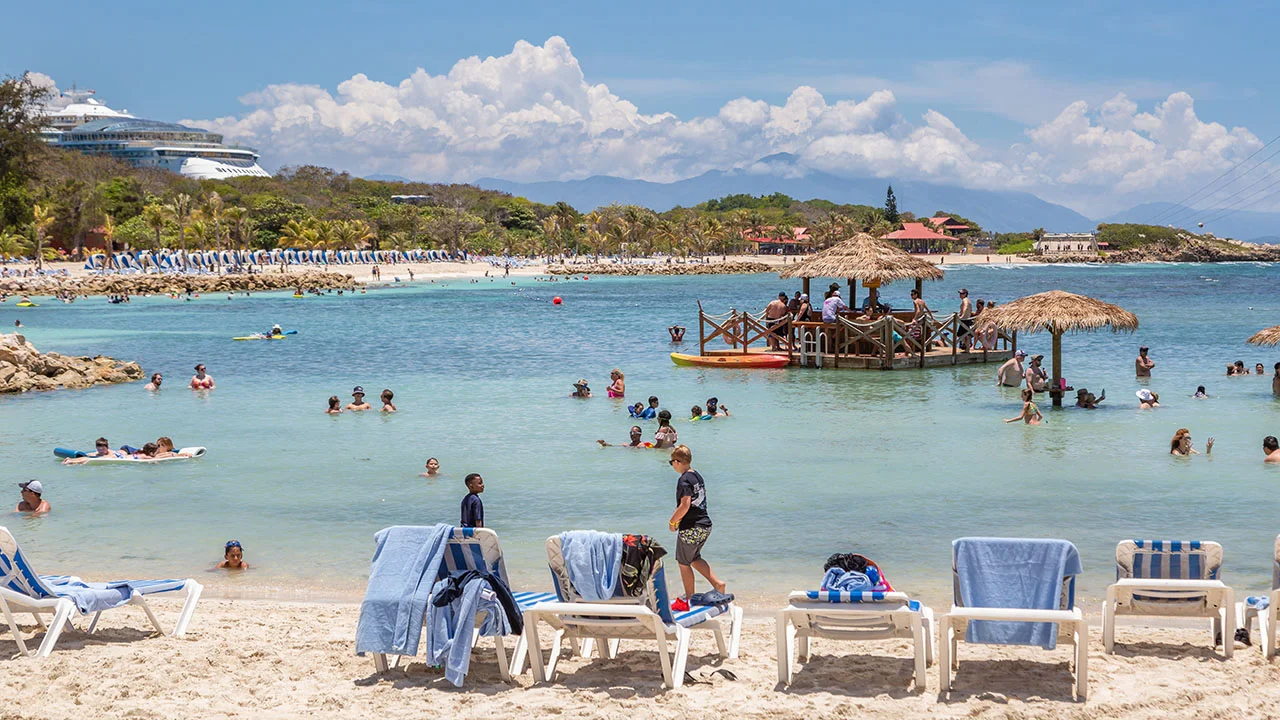
Haiti, nicknamed the pearl of the Caribbean, is full of idyllic beaches with crystal clear waters and breathtaking landscapes. But among these natural treasures, one question often comes up: what is the most beautiful beach in Haiti? Although the choice depends on each person’s tastes, some beaches stand out for their exceptional beauty and unique charm.
On August 24, 2024, in the heart of the sumptuous Manoir Adriana in Jacmel, Cathiana Désiré, a lawyer and feminist, and Darlin Johancy Michel, a producer and cultural operator, reinvented the Haitian wedding in a dazzling celebration of their roots. While traditional weddings often consist of white dresses and suits, this union was distinguished by its deep respect for Haitian traditions and its emphasis on a captivating spirituality.
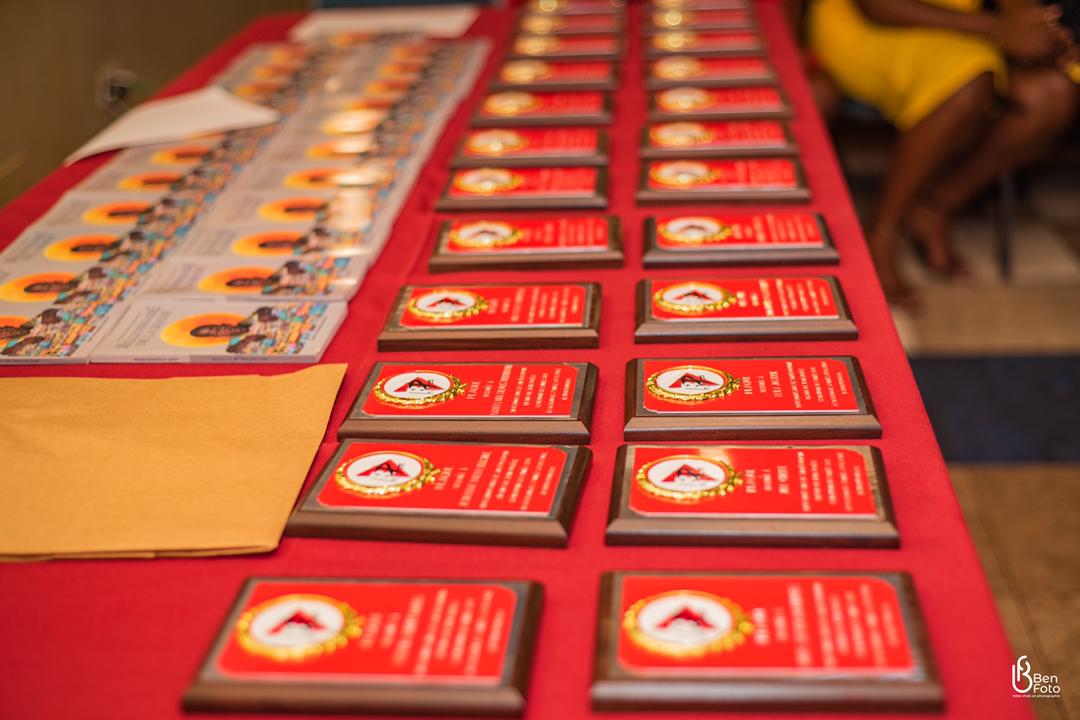
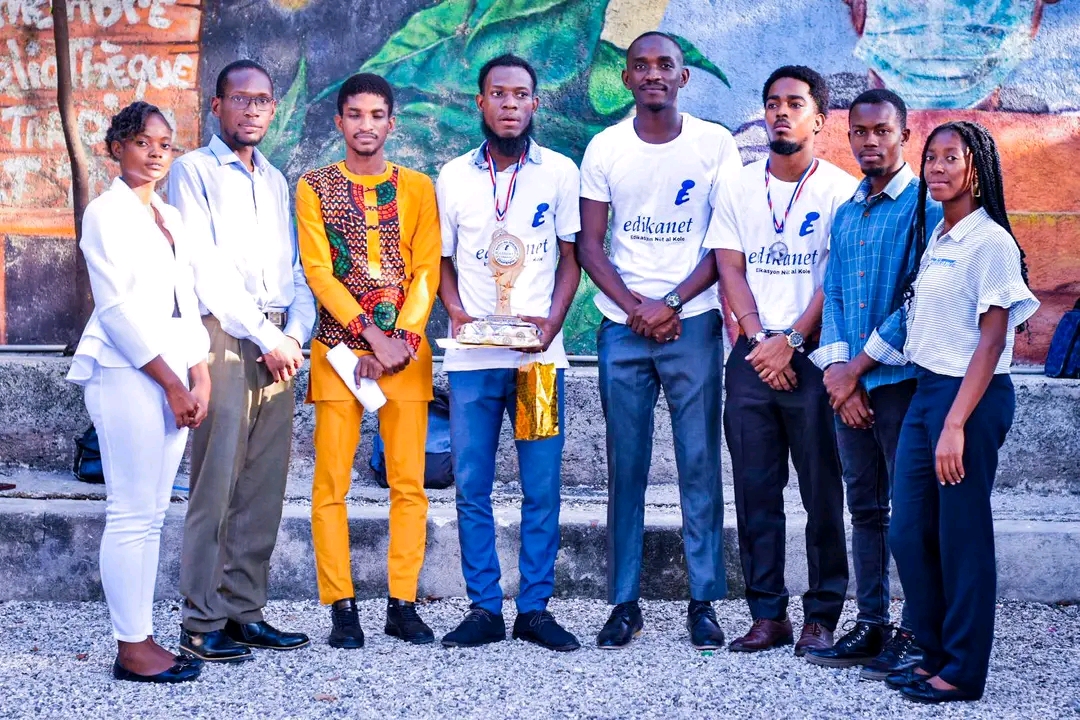
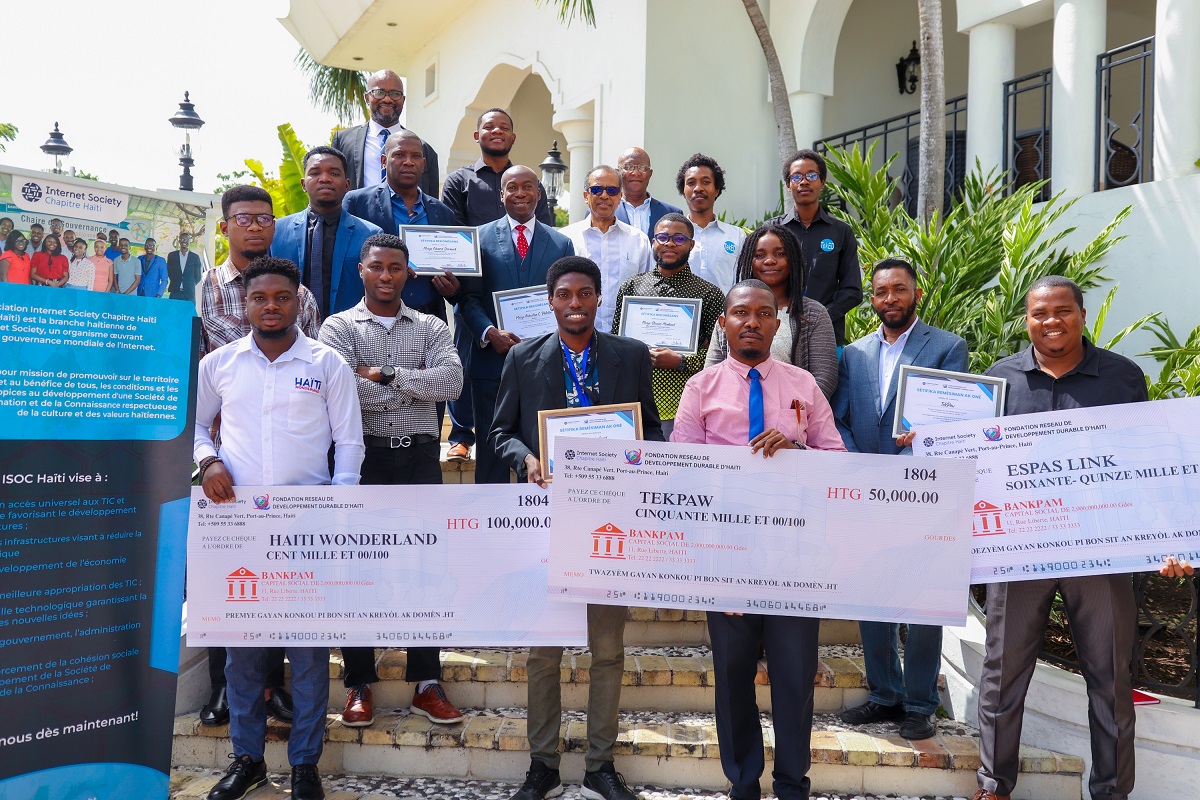
Port-au-Prince, June 26, 2025 - During a ceremony held at the El Rancho Hotel, the Haïti Wonderland website haitiwonderland.ht was named the best Creole website using the .ht national domain for 2025. This prestigious award was presented at the national competition "Pi bon sit an kreyòl ki sèvi ak domèn .ht," organized by ISOC Haïti (Internet Society) and the Fondation Rezo pou Devlopman Dirab Ayiti (FRDDH).
Nestled in the enchanting embrace of Haiti’s North East department lies a true marvel – Caracol. This picturesque area is more than just a destination; it’s a sanctuary where tranquility dances in harmony with the gentle whispers of nature. From the chirping of content birds to the warm smiles of its inhabitants, Caracol is a true wonderland waiting to be explored. One of the most captivating aspects of Caracol is its serene ambiance. Here, peace isn’t just a concept; it’s a way of life. Even the birds seem to sing with an extra ounce of joy, as if they’ve found their own slice of paradise amidst the lush greenery. Stepping into Caracol feels like entering a world where time slows down, allowing you to embrace the simple pleasures of life. But what truly sets Caracol apart is its people – kind-hearted souls who find solace in the simplicity of their daily lives. Engaged in activities like fishing and gardening, they embody a deep connection to the land that sustains them. And amidst it all, the industrious spirit of Caracol shines through, with the industrial parc serving as a beacon of progress and opportunity for the community. Yet, amidst the tranquil rhythm of everyday life, Caracol pulsates with the vibrant energy of Haitian culture. Voodoo, an integral part of local life, weaves its mystical threads into the fabric of daily rituals and traditions. And come July, the entire community comes alive with patronal celebrations that draw Haitian diaspora from every corner of the globe. It’s a time of joyous reunions, where cultural immersion meets spirited competitions, from exhilarating running races to thrilling boat races on the sparkling waters. As the sun sets on another day in Caracol, the excitement doesn’t end – it transforms. Carnival season, known as "mardi gras," casts its spell over the land, igniting the imaginations of children who eagerly don disguises and wield whips to make merry mischief. Laughter fills the air as they chase each other, their gleeful shrieks echoing through the streets, creating memories that will last a lifetime. In Caracol, every moment is a celebration, every day a testament to the resilience and warmth of its people. So, whether you’re seeking a tranquil retreat or a cultural adventure, Caracol invites you to discover its hidden wonders and experience the magic for yourself. After all, in this captivating corner of Haiti, every day is a journey into the heart of paradise.
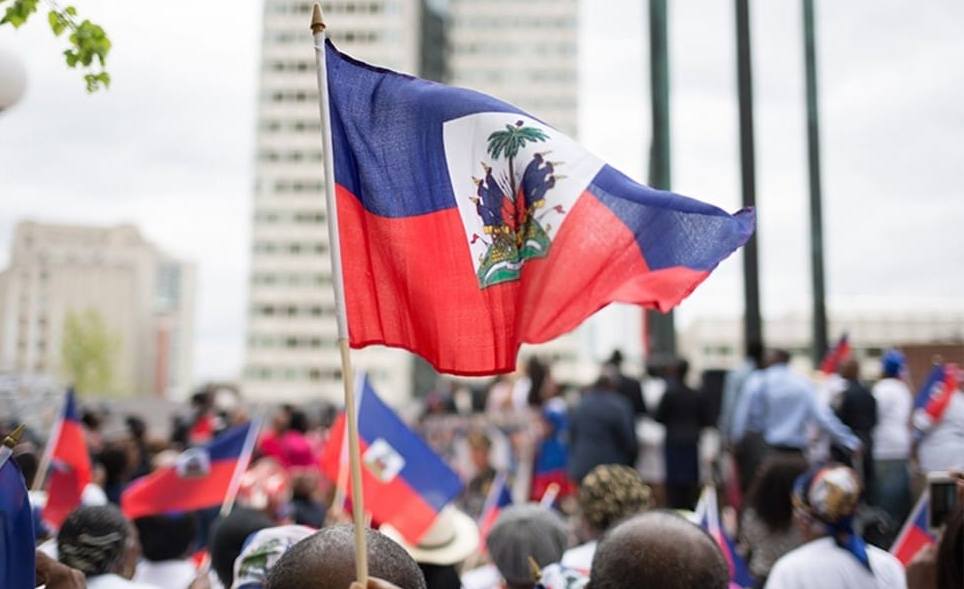
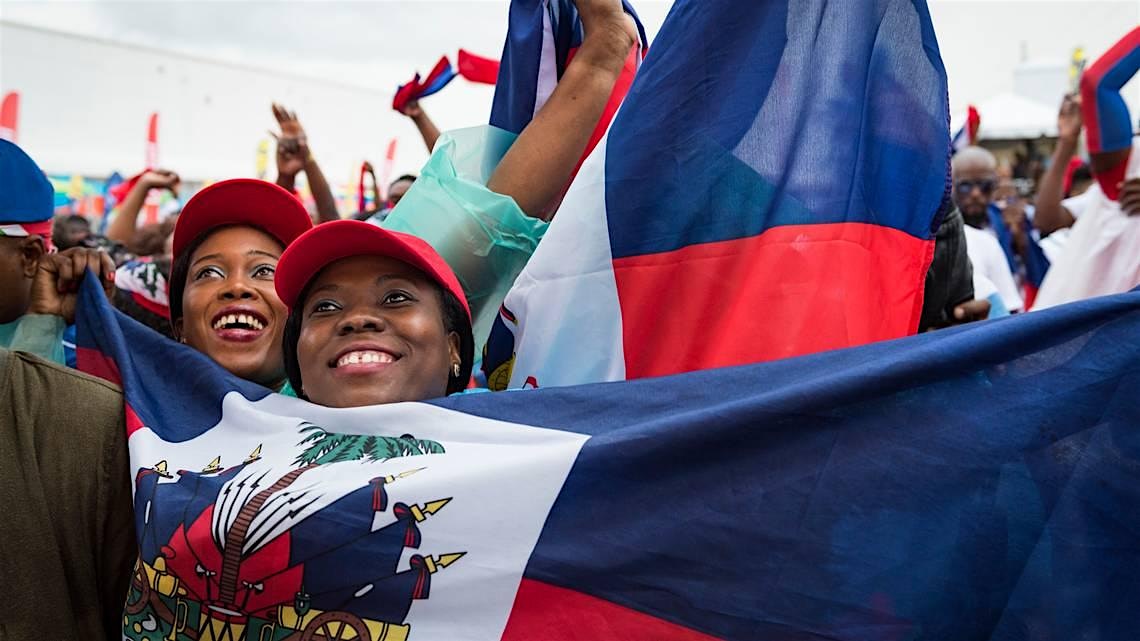
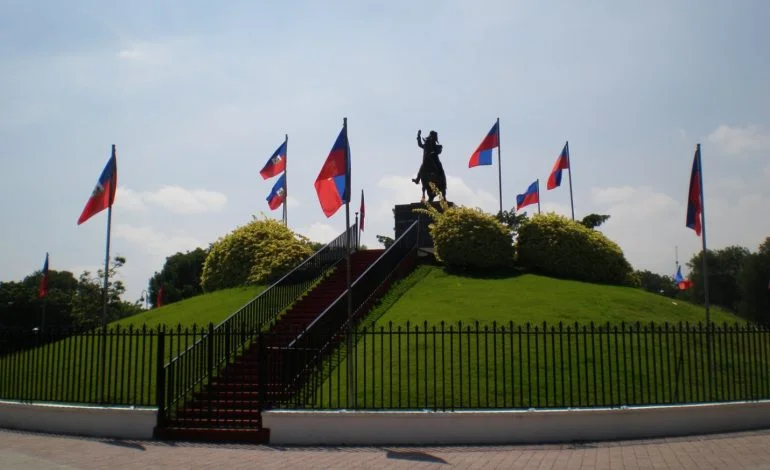
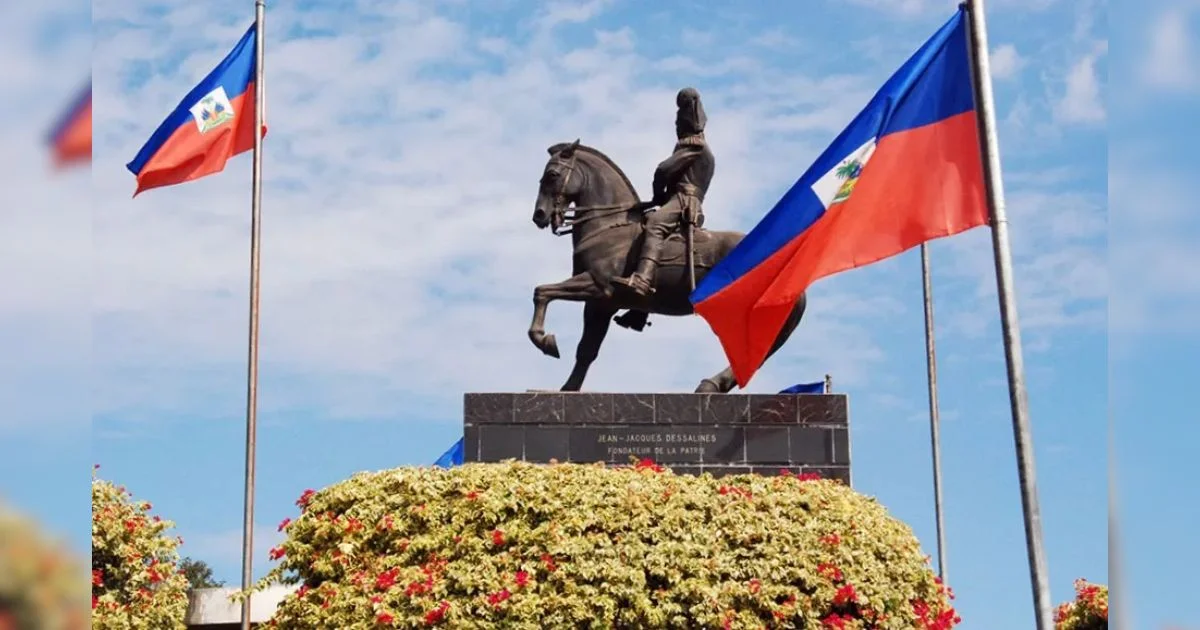
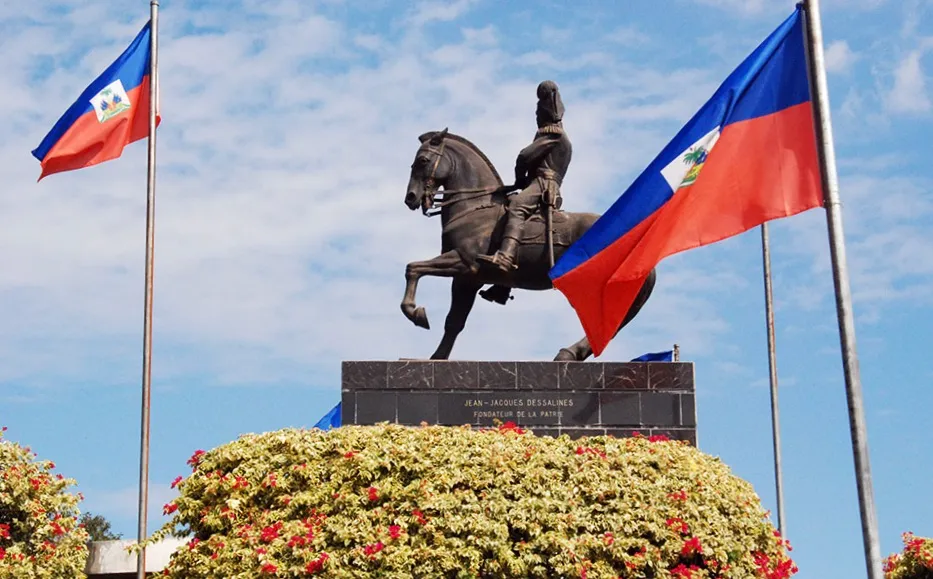
On May 18, Haïti celebrates "Flag Day", a public holiday marking the creation of the Haitian flag in 1803. Displayed for the first time in Arcahaie by Jean-Jacques Dessalines, this national symbol results from the fight for independence against slavery and French domination. Established in 1926 by Timothée Paret, then Minister of Justice under the presidency of Louis Borno, this celebration took on a particular dimension in the midst of American occupation and remains as a tradition. Haitians honor this day with school parades, musical groups in the streets and patriotic songs, recalling the union and solidarity of ancestors. The “Flag Festival” is an opportunity to reflect on the values of freedom and determination which continue to forge the Haitian national identity.
The Haitian Creole, born in the 17th century during the French colonization on the island of Hispaniola, is not only a communication tool; it is an essential part of the Haitian identity. Despite being recognized as an official language in 1987, French is still considered an elite language, creating a social divide. In the educational system, where French is the language of instruction, Creole is often neglected, which affects the ability of students to understand what they are learning, especially for children from rural areas. It has a unique grammatical structure that facilitates learning, and serves as a means of cultural expression in literature, music, and other arts. The advancement of technology will allow Creole to gain more visibility in social media, but the stigmatization of the language still exists. Therefore, it is important for Creole to be valued in education and other sectors, to allow the new generation to grow up with pride for their heritage. The Haitian Creole language, which is the first language for the majority of people in Haiti, is not only a means of communication, but it is also a reflection of the cultural wealth and history of the people. In a country full of diversity, Creole and its origin, its evolution and its place in society, is a testimony of resistance and adaptation.
The word “Haiti” is deeply rooted in the history and culture of the island, representing much more than just a name. It symbolizes an identity, a heritage, and a unique geography. But what is the true meaning of this iconic word? Let’s explore its origins, history, and symbolic significance.
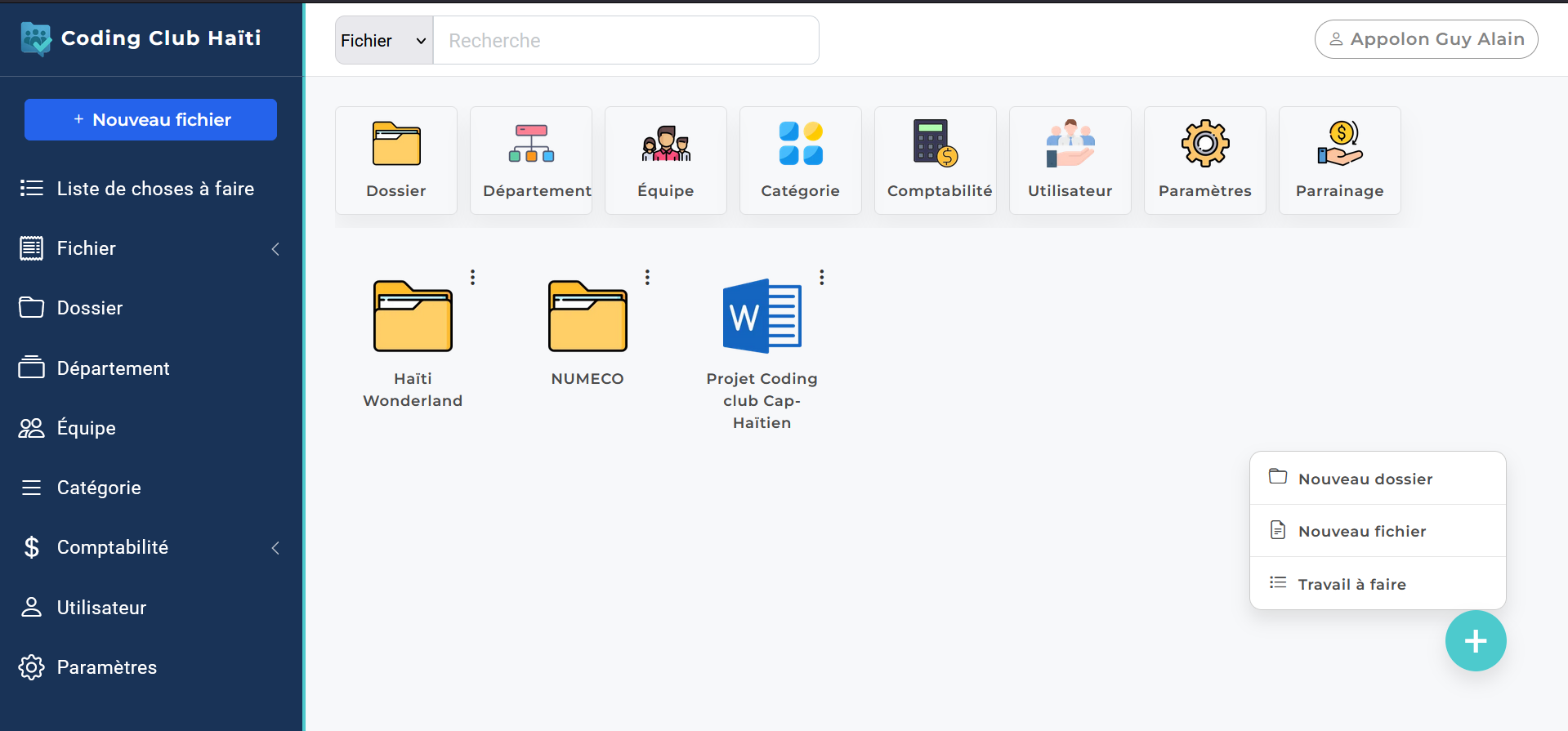
In the vast universe of software development in Haiti, one figure emerges as an undisputed reference: Appolon Guy Alain. Originally from Carrefour, passionate about new technologies, Appolon has carved out a place of choice in the sector thanks to its versatile expertise.
Haiti, located in the Caribbean, occupies the western third of the island of Hispaniola, which it shares with the Dominican Republic to the east. Its capital, Port-au-Prince, is the political, economic and cultural heart of the country. With an area of approximately 27,750 km², Haïti is home to nearly 12 million people, making it one of the most densely populated countries in the Caribbean region. This island nation’s rich and tumultuous history, unique cultural heritage and resilience in the face of challenges make it a fascinating and inspiring country.
Haiti, the jewel of the Caribbean, is a land rich in history, culture and natural beauty. Despite the challenges it has faced, this country remains a model of resilience and heritage for the entire world. Here are 7 major reasons Haïti is proud, with references and key figures that highlight its riches.

First black nation to free itself from slavery and gain independence from France in 1804 and influenced other liberation movements around the world, inspiring struggles for freedom and equality.

Haïti is blessed with spectacular natural landscapes, including white sand beaches, mountains and rich biodiversity.

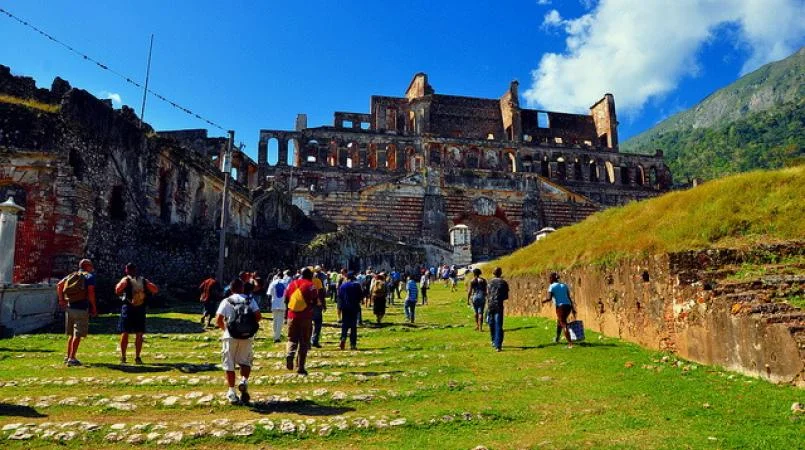
Haïti has a rich historical heritage, including sites like the Citadelle Laferrière and the Sans-Souci Palace, listed as UNESCO World Heritage Sites.

Haïti has a rich and diverse culture, influenced by African, European and indigenous elements. Haitian music, dance, art and cuisine are celebrated around the world.