




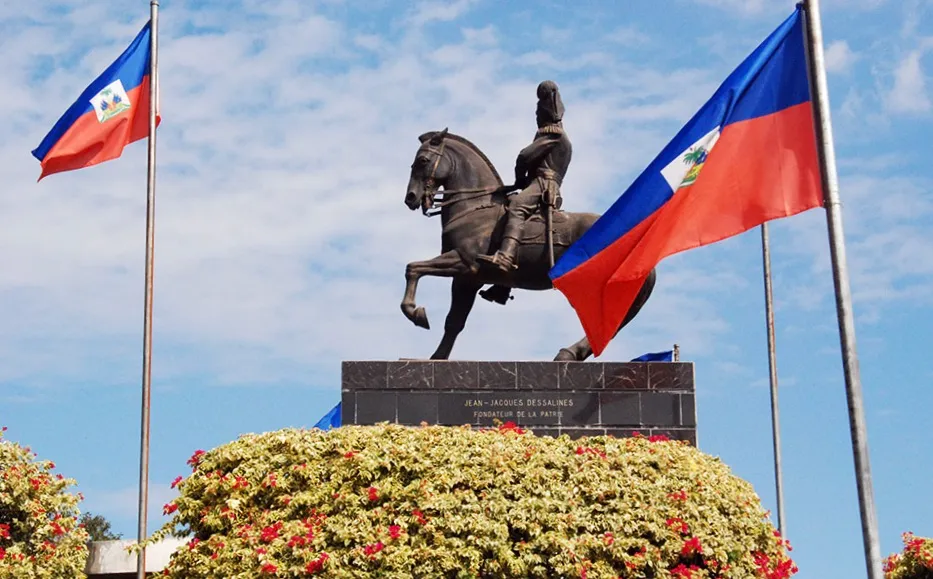
What does October 17th represent for Haiti?
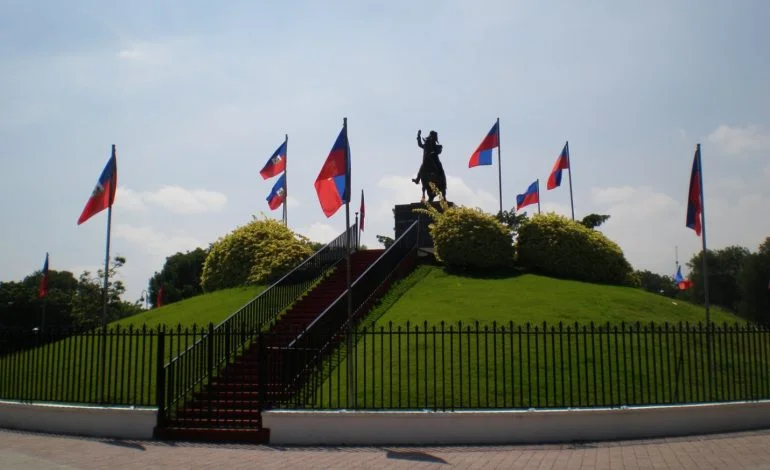
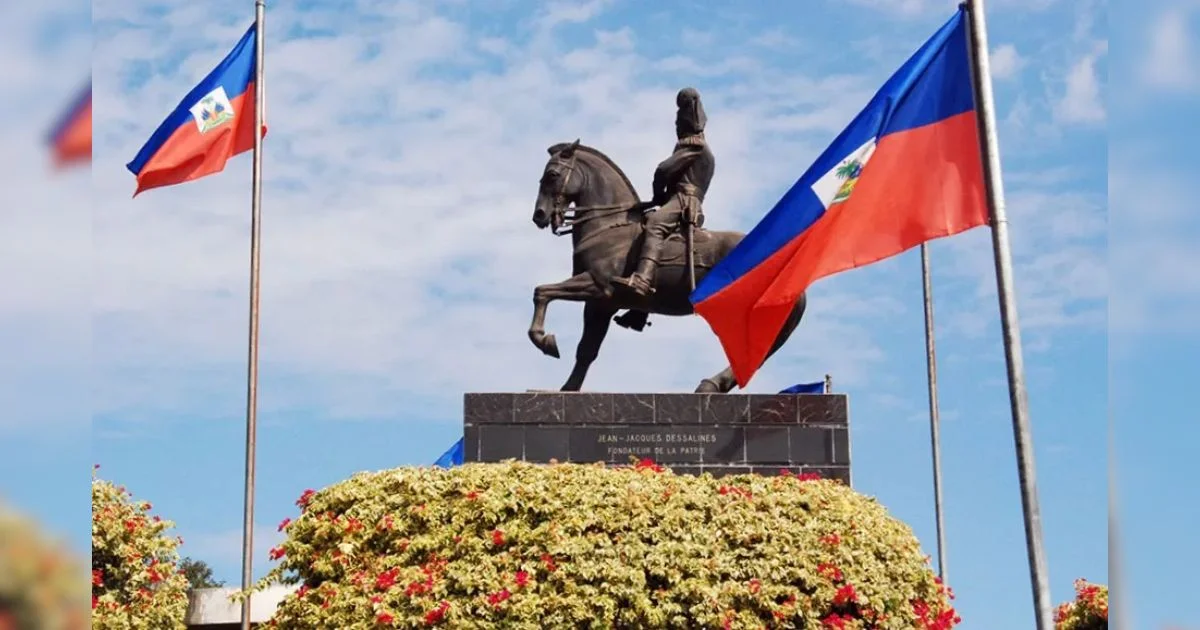
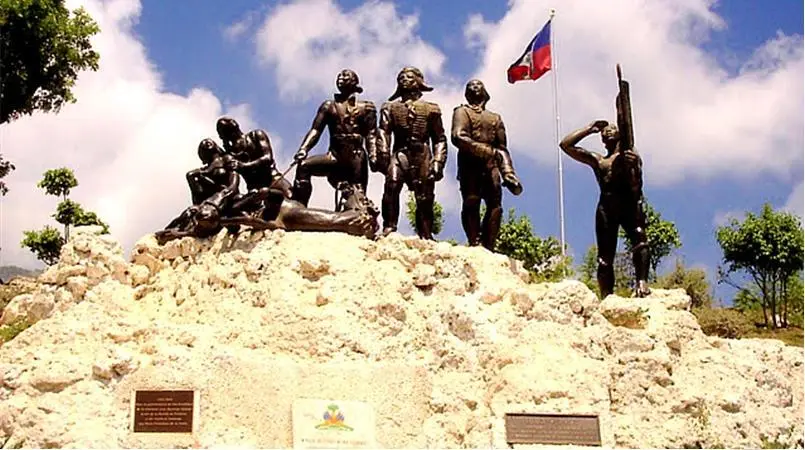
Why is October 17th etched in the hearts of Haitians? The brutal assassination of Jean-Jacques Dessalines reveals the dark secrets of the young republic. The story you need to know.
In 1804, Haïti emerged from the flames of revolution as the world’s first independent black republic, but its freedom would come at a steep price. France, a former colonial power, orchestrated an unprecedented economic revenge, weaving a web of exploitation and injustice that would hamper Haiti’s development for generations. This toxic relationship, marked by extortion and violence, not only shaped the destiny of one nation but also filled the coffers of another, leaving deep scars that persist to this day. Immerse yourself in this story, a gripping tale of colonial greed and resilience, which reminds us of the importance of never forgetting the injustices of the past and their lasting impact on our world today.
Haiti, the world’s first independent black republic, is a universal symbol of freedom and resistance. But who founded Haïti and how was this nation born? This journey through history leads us to explore the role of heroic figures, significant events, and the context that gave birth to this unique nation.
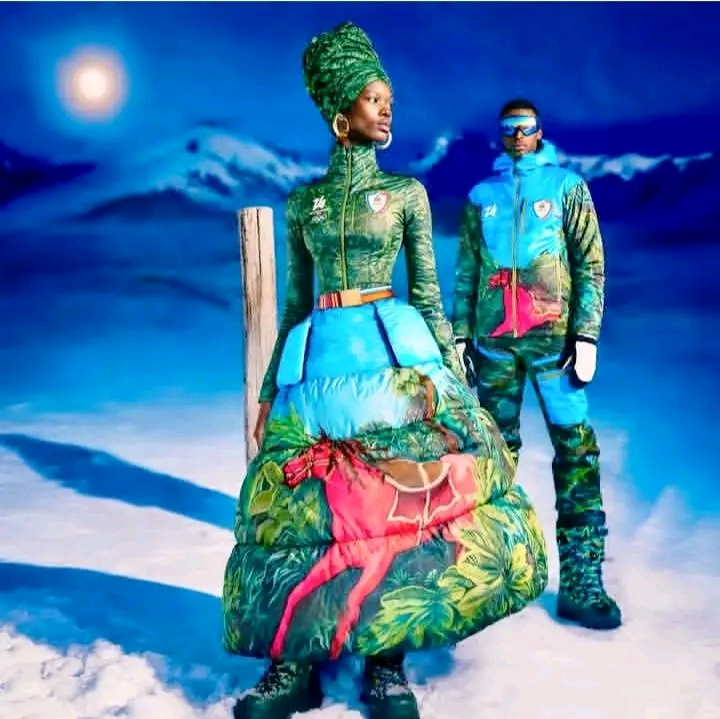
Haïti is making headlines all over the world. And it’s not good news. The exploits of Haitians rarely generate so much interest, but we always tend to point out the excesses, spill ink to stir up thorns in the side, broadcast on loop to relay the chaos that is raging. There is hardly any media to make amends for the resilience of this cornered people. No one to highlight the fierce resistance that serves as fuel for this people hanging in the gorges of death. And what if it was to a certain extent the only way to talk about this country to finally attract attention? It is July 26, 2024. The Olympic Games have just started in France. The 33rd Olympiad of modern times. Without realizing it, according to Forbes Magazine, Haïti ranks among the ten nations with the best costume, proudly pointing to third place. At the same time, miles away from France, on “The Island of Skillfully Orchestrated Chaos,” Haitians do not even realize how much this recognition borders on irony. A paradox whose unpopular evocation is likely to greatly displease. An aerial image shows the city of Paris in all its splendor, illuminated like the gates of paradise, reflecting all the grandeur of France, all the magnificence it has acquired over the centuries, without forgetting the contribution of the blood shed by the horrible machine of colonization. I close my eyes, I go back in time, I see again this boy left to his own devices, lost without even knowing it, doomed to failure without even understanding it. And then there are the others. Boys in the same situation, or worse. Banished from society, they do not know what life has in store for them. They form the elegant class of the marginalized, in their quality of scoundrels, good-for-nothings, and thugs who spoil the splendor of society. This contrast challenges me, and I wonder for a moment if those who live the chaos from the outside grasp the stakes and the reality of the situation. Moreover, it seems to me that even the majority of Haitians living in the territory have no notion of the fundamental and essential aspects of the situation.
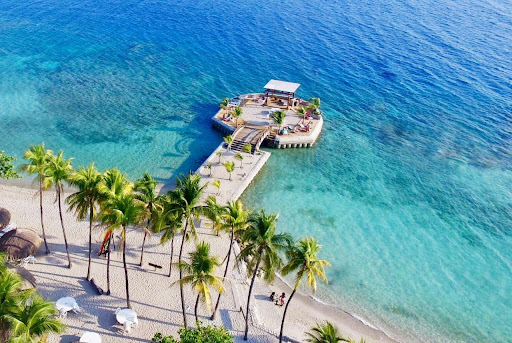
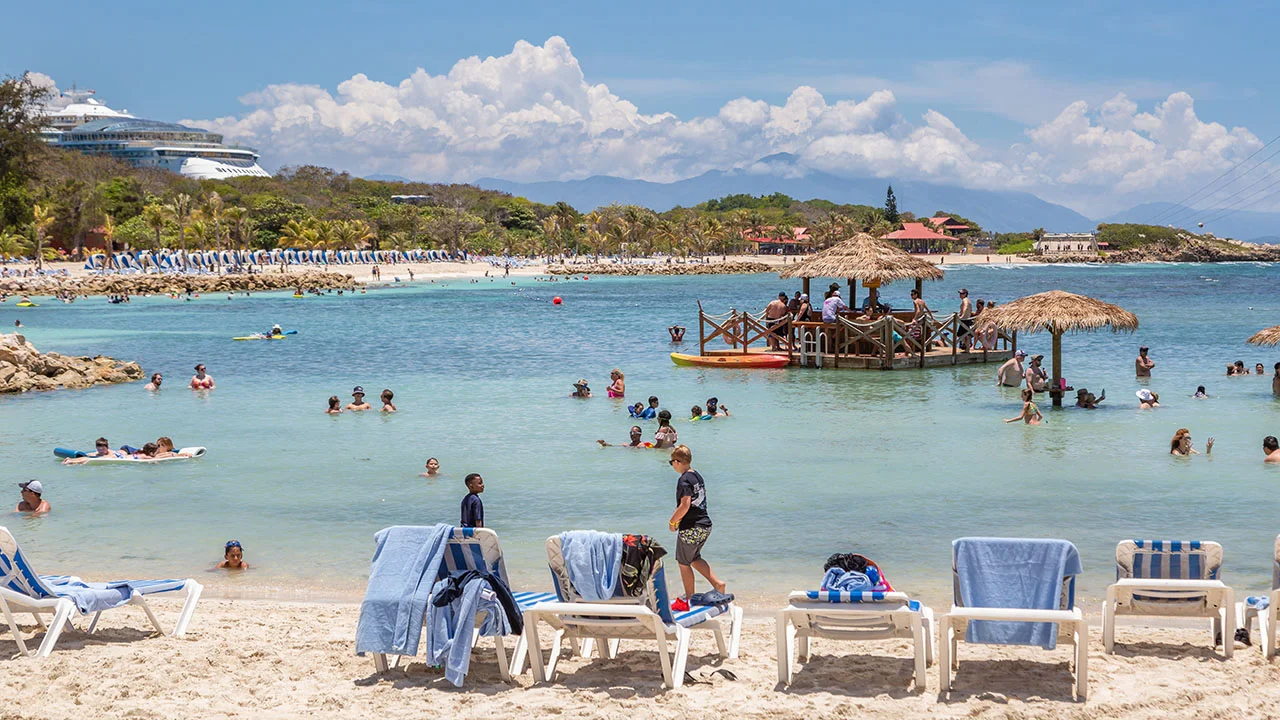
Haiti, with its spectacular coastline and enchanting landscapes, is a destination of choice for lovers of paradise beaches. The country, often overlooked for its natural treasures, is home to some of the most beautiful beaches in the Caribbean. From stretches of fine sand lined with coconut trees to secret and isolated coves, Haïti offers a diversity of beaches that will not fail to amaze you. Discover below a selection of the most beautiful beaches in the country, each offering a unique and unforgettable experience.
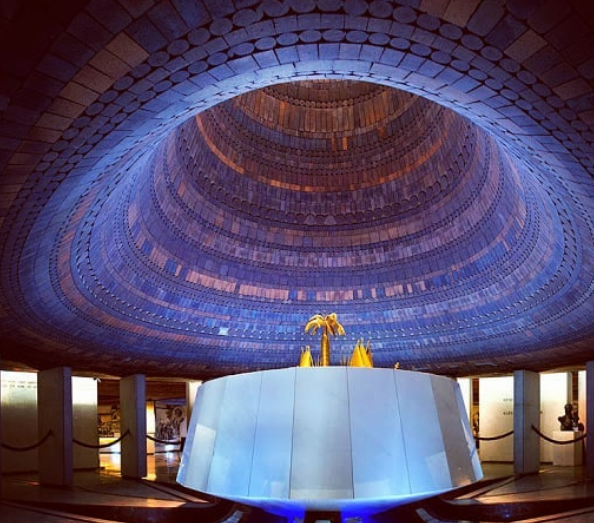
The Mupanah Museum, a true jewel of Haitian culture and architecture, is an essential stop for anyone wishing to explore the rich history of this country. Through its magnificent exhibitions, the Mupanah offers a journey through the centuries, from the times of the indigenous Tainos to the present day, passing through the era of slavery, independence and the different governmental periods of the Republic from Haiti.
After "No to violence", the theme of the previous edition, "I read, I grow" is the theme around which the 18th edition of Week-end Poétique will take place, scheduled for January 31, 2025 at Carrefour. As a special guest, this edition will welcome Jean-Rony Charles, author of Pitié, a short story that, in its depth, focuses on the human condition, in particular the precarious life situations that many people face on a daily basis. Exhibitions, workshops, performances and book signings are among the various activities on the program for this 18th edition. The Week-end Poétique is not only a relaxing activity, but a real space for engagement, offering activities that have a direct impact on the Carrefour community. Events of a social, cultural, artistic, literary, etc. nature constitute its heart and contribute to enriching local life.
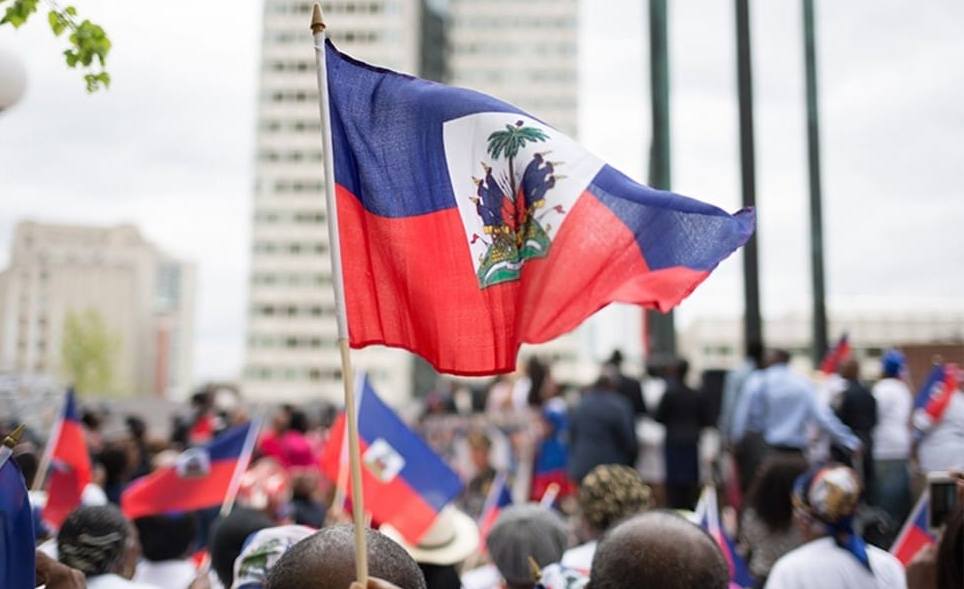
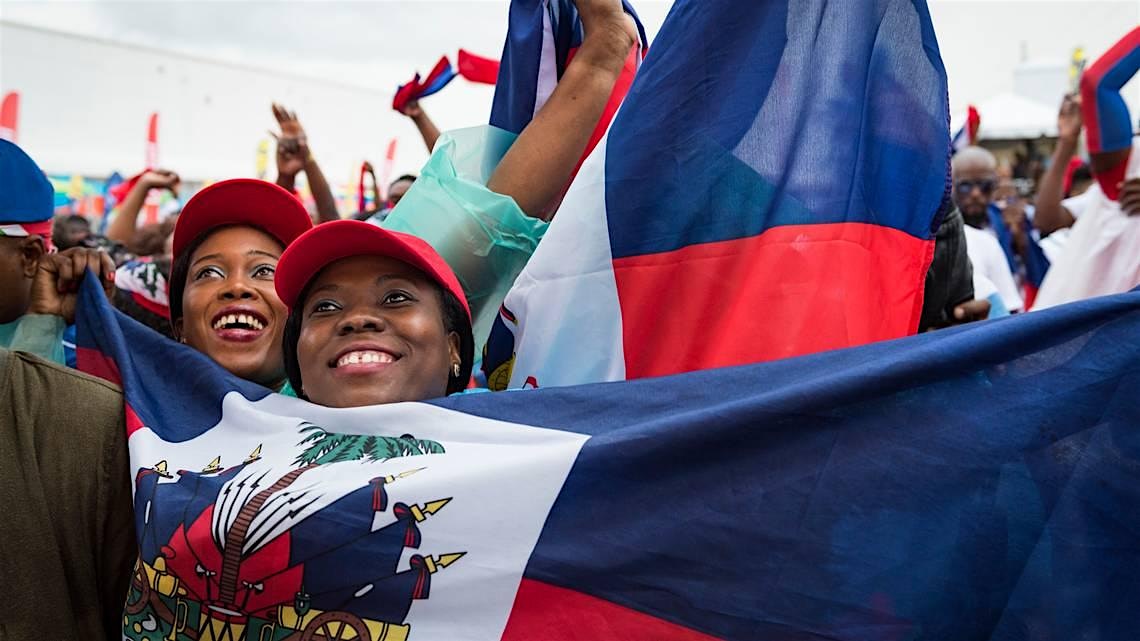
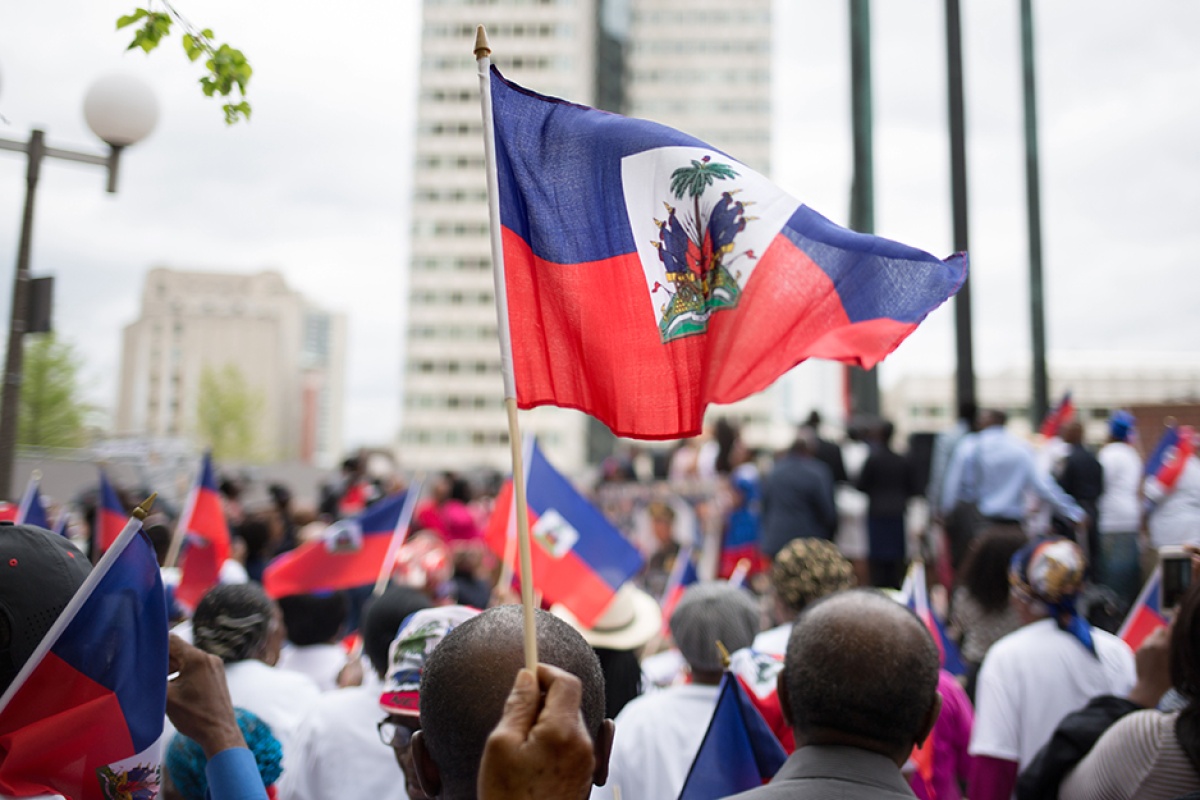
On May 18, Haïti celebrates "Flag Day", a public holiday marking the creation of the Haitian flag in 1803. Displayed for the first time in Arcahaie by Jean-Jacques Dessalines, this national symbol results from the fight for independence against slavery and French domination. Established in 1926 by Timothée Paret, then Minister of Justice under the presidency of Louis Borno, this celebration took on a particular dimension in the midst of American occupation and remains as a tradition. Haitians honor this day with school parades, musical groups in the streets and patriotic songs, recalling the union and solidarity of ancestors. The “Flag Festival” is an opportunity to reflect on the values of freedom and determination which continue to forge the Haitian national identity.
The word “Haiti” is deeply rooted in the history and culture of the island, representing much more than just a name. It symbolizes an identity, a heritage, and a unique geography. But what is the true meaning of this iconic word? Let’s explore its origins, history, and symbolic significance.
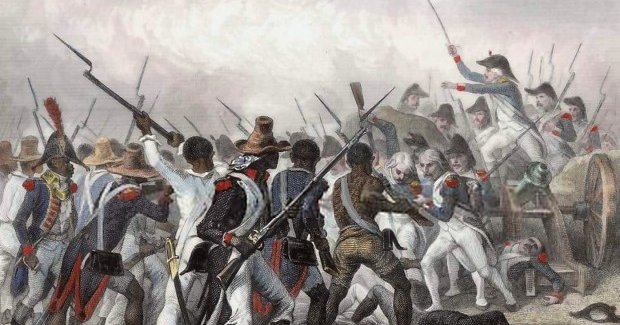
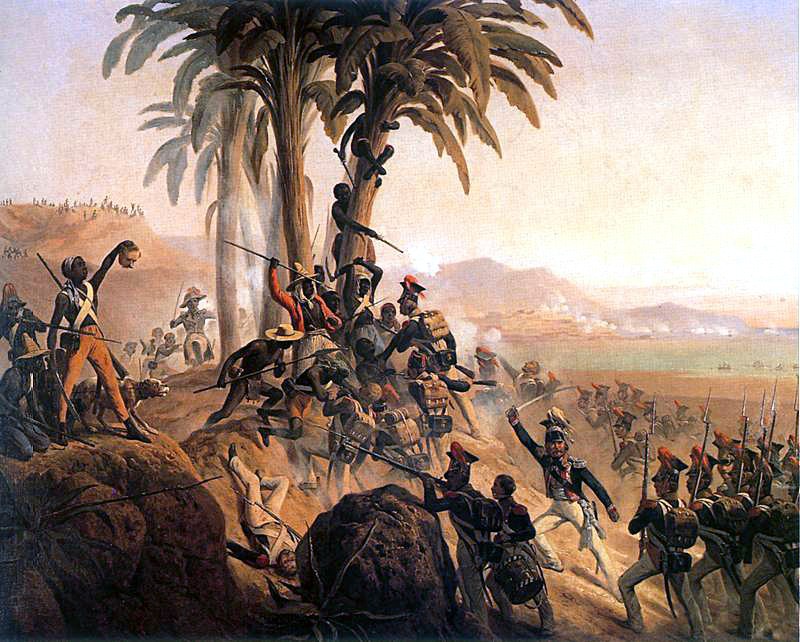
With the arrival of Christopher Columbus in Haïti in 1492, life on this small piece of peaceful territory would radically change into the most sinister chaos. Experiencing a major dive into crime, and the darkest barbarity, known as slavery. The arrival of black people captured in Africa, violently crossing the Atlantic to end up on Haitian soil, is part of this tragic story. The Amerindians (the first inhabitants of Haiti) having suffered a large-scale genocide, under the weight of European slavery, were unable to resist and were replaced by these Africans, who centuries later would arrive to put an end to this shameful system, through an unparalleled revolution.
Haitian and African cuisine are gastronomic treasures that highlight local ingredients and preparation techniques passed down through generations. Among the most popular dishes of both cuisines, Haitian Tonmtonm and African Foutou (or Fufu) are distinguished by their rich flavors and unique textures. These two dishes, although they share a similar foundation - the use of local products such as cassava or plantain - have interesting differences, especially in their preparation, taste and accompaniment.
Haiti, located on the western part of the Caribbean island of Hispaniola, is often associated with its rich and complex history. However, beyond its cultural and historical aspects, Haïti is home to a remarkable diversity of fauna and flora that deserves to be explored and preserved. This article highlights the ecological wealth of Haiti, emphasizing its unique flora and fauna. Fauna: Haïti is home to a variety of animal species, some of which are endemic to the island. The country’s tropical rainforests are home to a great diversity of birds. The rugged mountains provide suitable habitat for rare species. The waters surrounding Haïti are also rich in biodiversity. Colorful corals, tropical fish and sea turtles find refuge in the coral reefs along the coast. Conservation efforts are crucial to protect these fragile marine ecosystems and preserve marine life. Flora: Haiti’s landscapes are adorned with a wide variety of plants and flowers. The tropical rainforests are home to majestic trees, the Hispaniola pine and the gum tree. These forests play an essential role in climate regulation and the preservation of biodiversity. The coastal plains are dotted with palm trees, including Haiti’s iconic royal palm. Botanical gardens, such as the Jardin Botanique des Cayes, are havens of greenery where you can admire a wide variety of tropical plants, some of which are endemic to the region. Haiti, with its unique flora and fauna, is an ecological gem that deserves to be preserved for future generations. Awareness, conservation and sustainable development are key elements to ensure the survival of this natural wealth. By investing in the protection of its environment, Haïti can not only preserve its ecological heritage, but also promote sustainable tourism and strengthen the resilience of its ecosystems in the face of current global challenges.
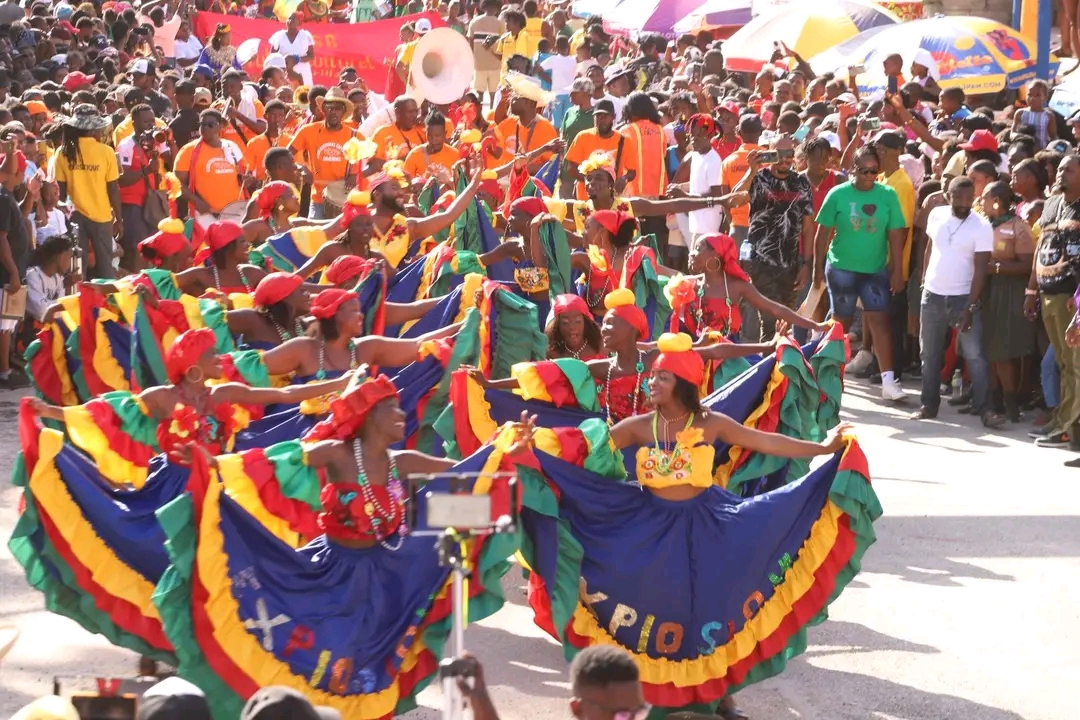
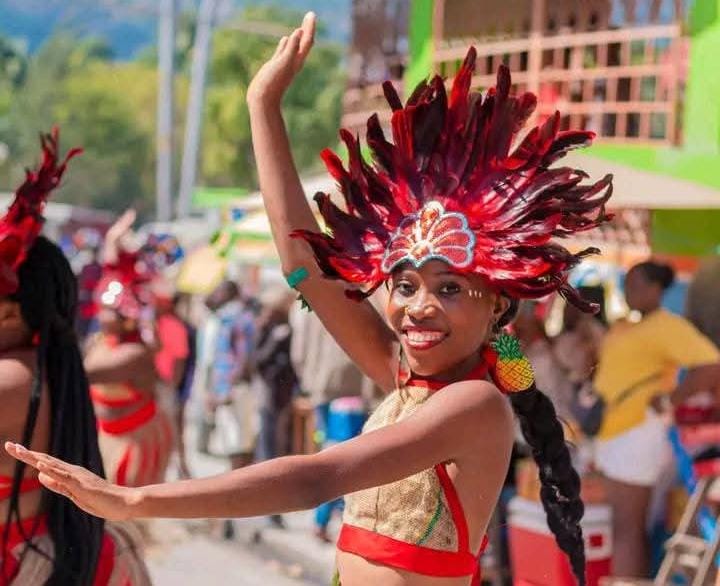
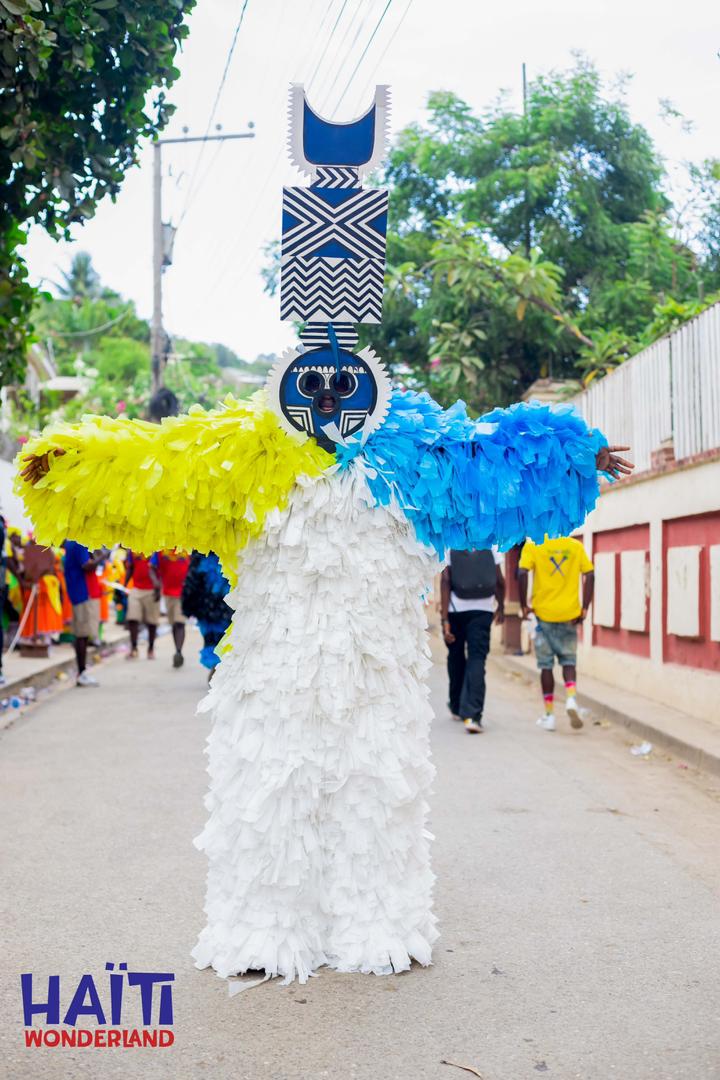
Haiti, often referred to as the "Pearl of the Antilles," is a vibrant and culturally rich destination, particularly during the summer. This period is marked by a series of colorful festivals, heavenly beaches, and a festive atmosphere that attracts visitors from all over the world. Here’s a look at what you can experience while exploring Haïti in summer.
Haiti, with its unique history and vibrant culture, is a country where language plays a central role in national identity. Haiti’s primary language is Haitian Creole, a rich and expressive language that reflects the country’s cultural mix. Although French is also an official language, Creole is spoken by almost the entire population and is a fundamental part of daily life. In this article, we will explore the origins, uses, and importance of Creole in Haiti.

First black nation to free itself from slavery and gain independence from France in 1804 and influenced other liberation movements around the world, inspiring struggles for freedom and equality.

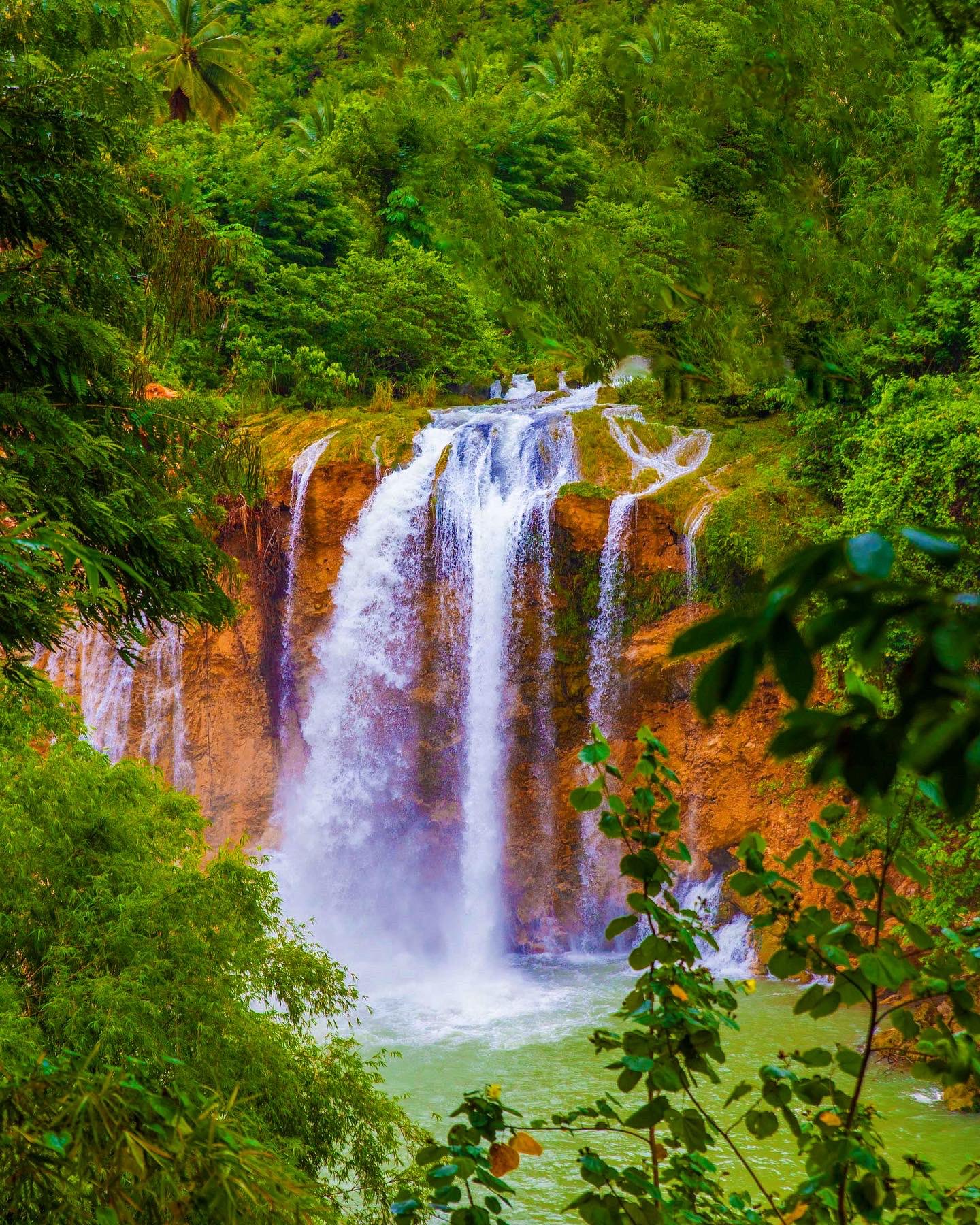
Haïti is blessed with spectacular natural landscapes, including white sand beaches, mountains and rich biodiversity.

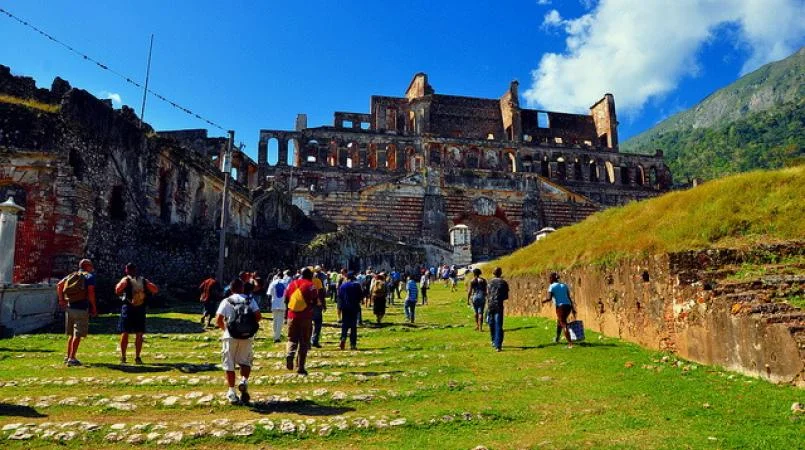
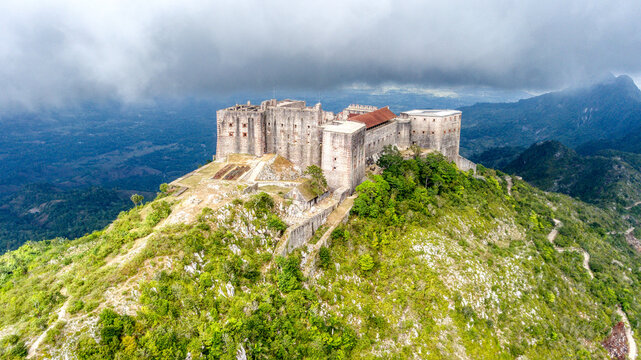
Haïti has a rich historical heritage, including sites like the Citadelle Laferrière and the Sans-Souci Palace, listed as UNESCO World Heritage Sites.

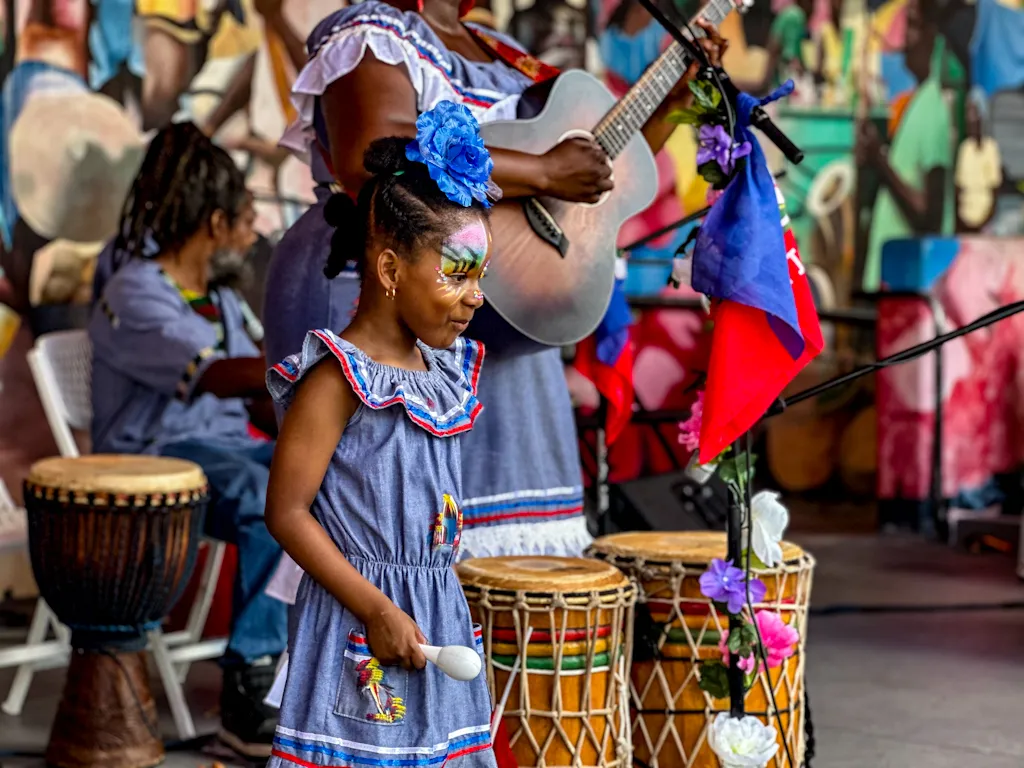
Haïti has a rich and diverse culture, influenced by African, European and indigenous elements. Haitian music, dance, art and cuisine are celebrated around the world.