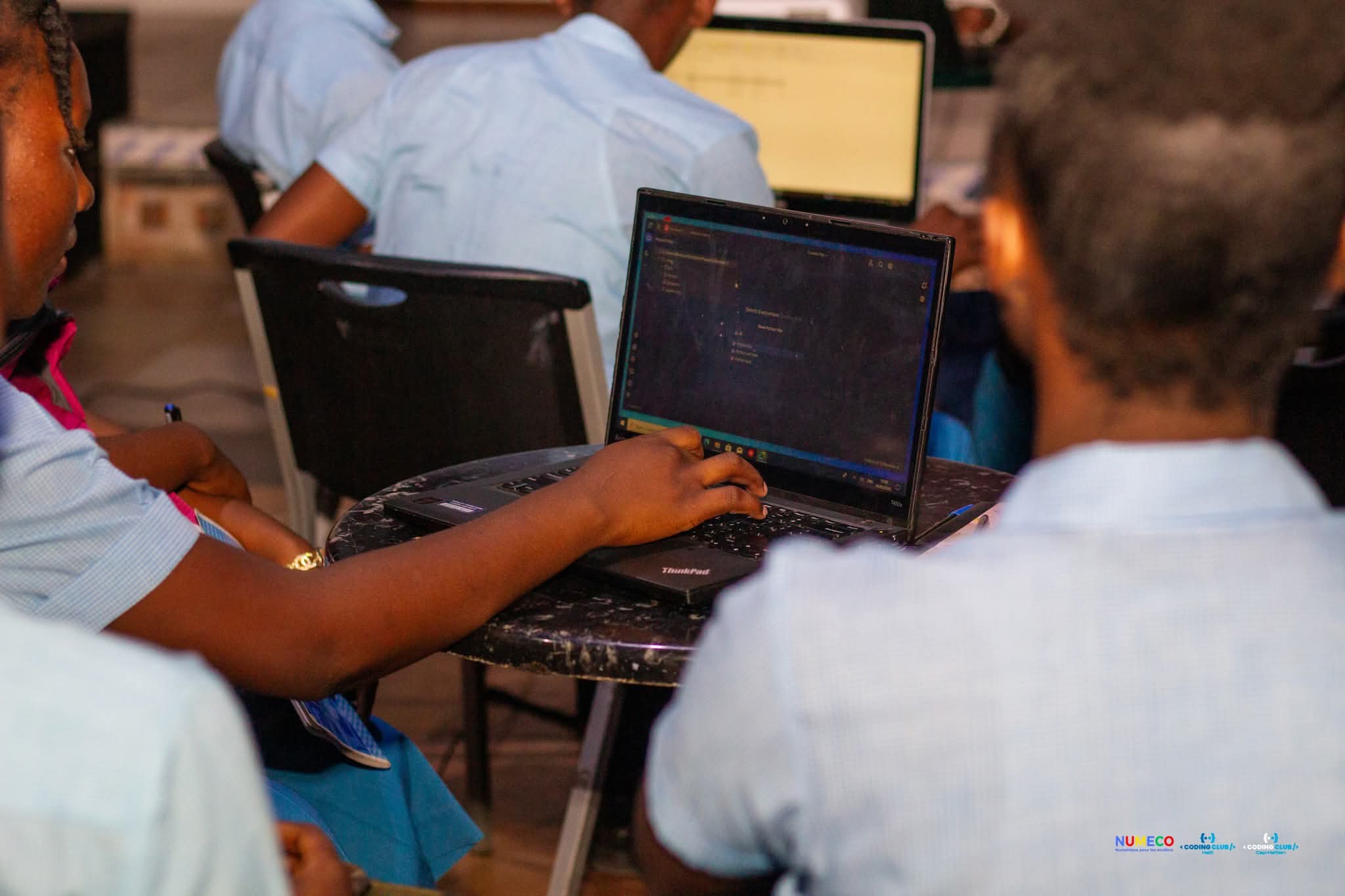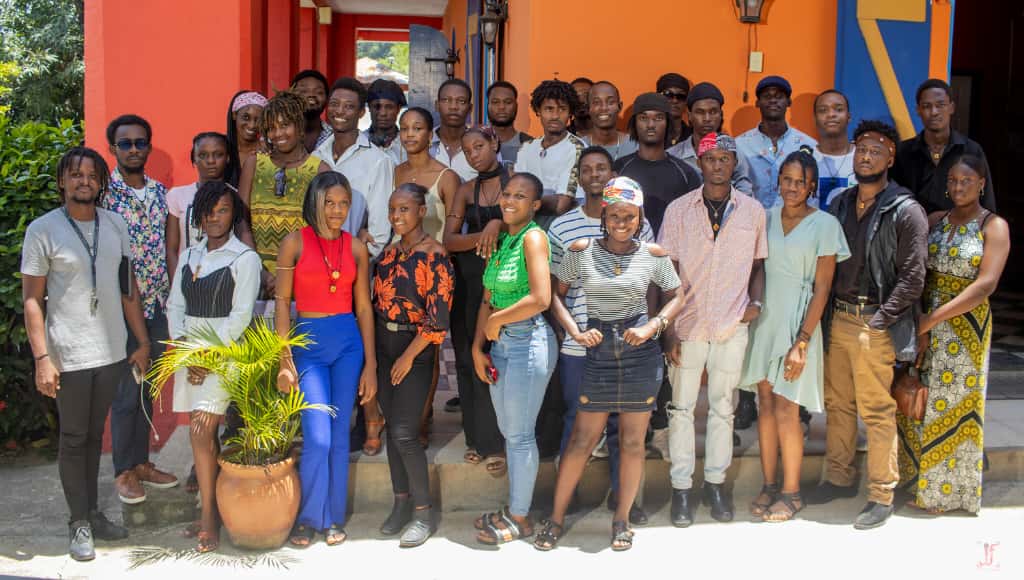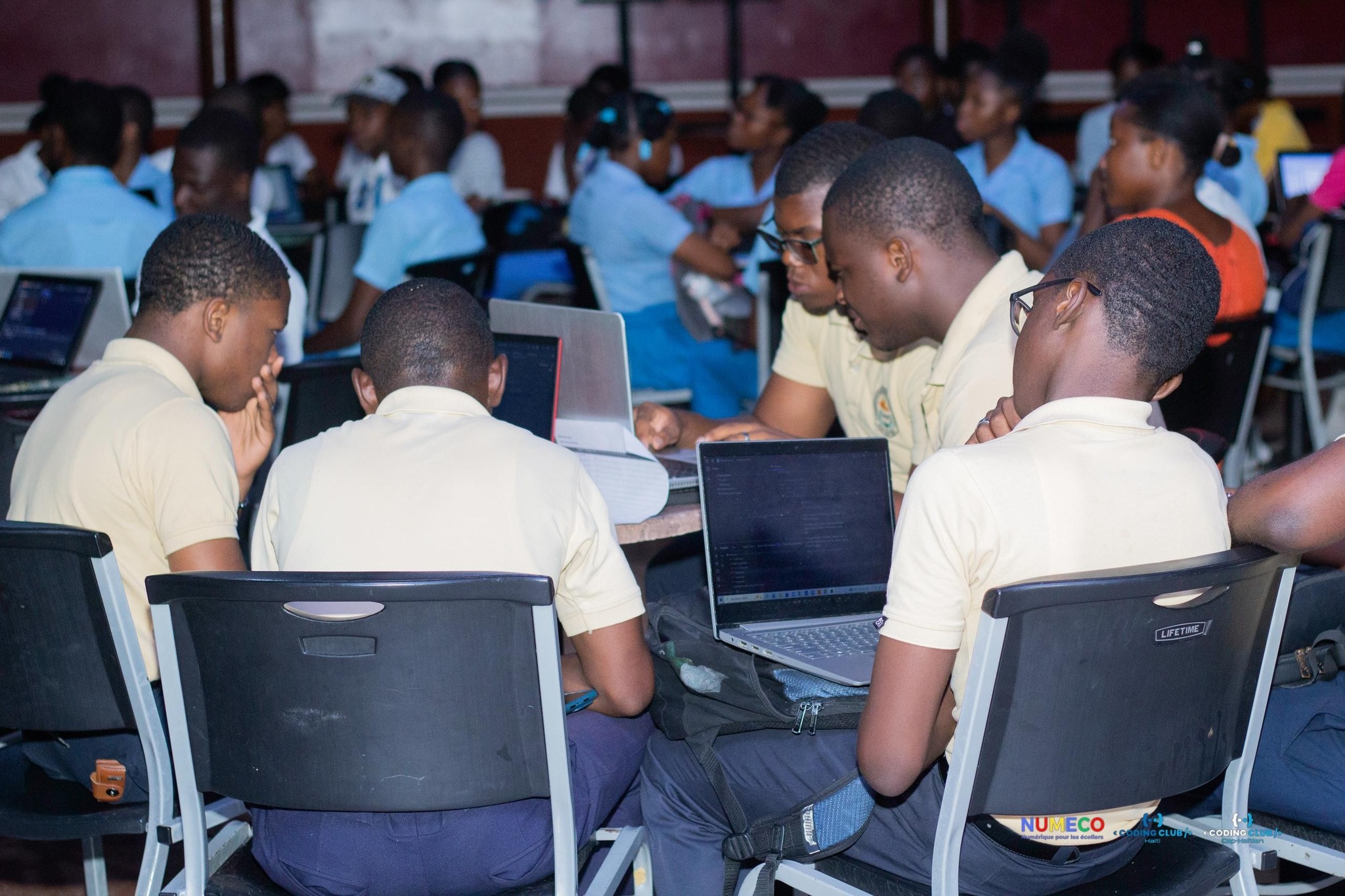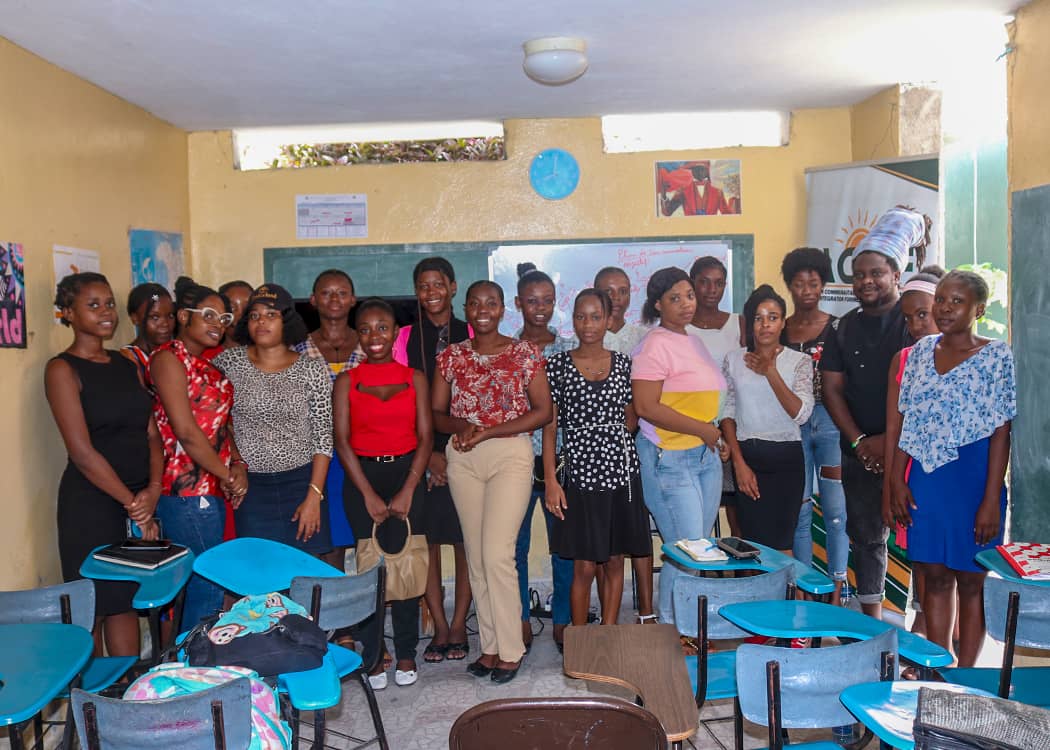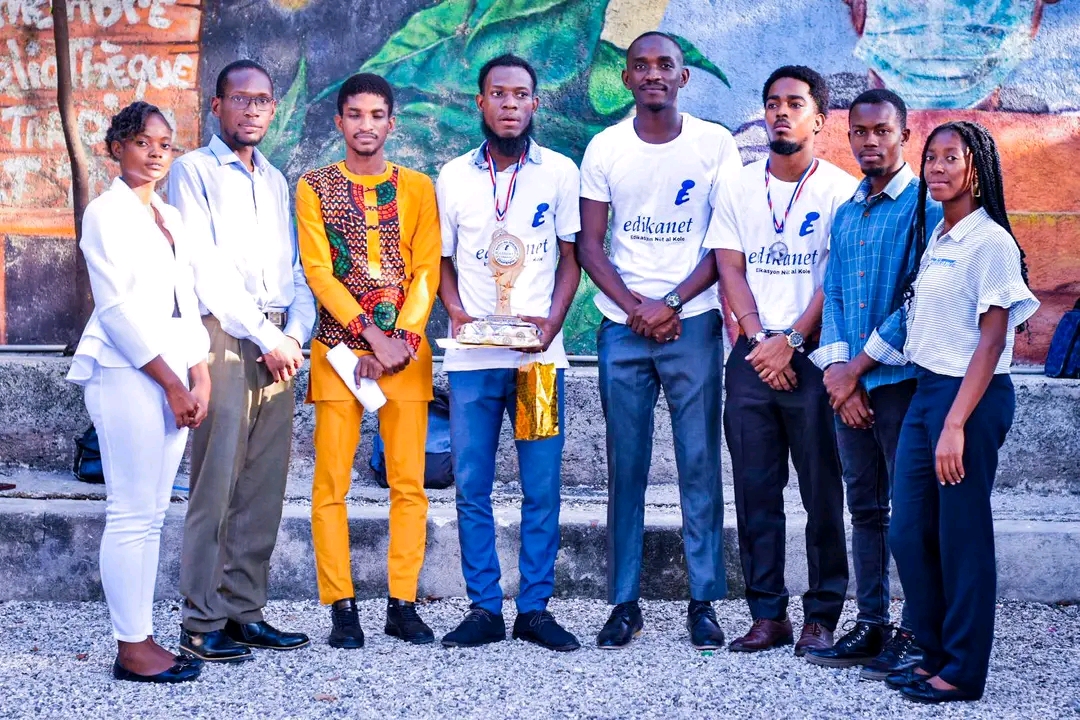

Cap-Haïtien: 70 Schoolchildren Learn Programming Thanks to Coding Club Haiti
From Python to JavaScript: How 70 young people from Cap-Haïtien are becoming Haiti's future developers with the NUMECO program.

With the arrival of Christopher Columbus in Haïti in 1492, life on this small piece of peaceful territory would radically change into the most sinister chaos. Experiencing a major dive into crime, and the darkest barbarity, known as slavery. The arrival of black people captured in Africa, violently crossing the Atlantic to end up on Haitian soil, is part of this tragic story. The Amerindians (the first inhabitants of Haiti) having suffered a large-scale genocide, under the weight of European slavery, were unable to resist and were replaced by these Africans, who centuries later would arrive to put an end to this shameful system, through an unparalleled revolution.
Born in Port-au-Prince on October 10, 2001, Jean Wood Jude is a young 23-year-old Haitian poet/slammer. His talent and determination in the pursuit of his poetic passion have allowed him to serve the cause of poetry and to be one of the best-known figures in the Haitian poetic world thanks to short videos broadcast on social networks. Apart from his artistic and literary activity, Jean Wood Jean is a student in social communication at the Faculty of Human Sciences (FASCH) within the State University of Haiti. Better known under the nickname Silent Poet, he has more than 200,000 followers on his social networks, and regularly publishes poems in French and Creole. The release of his collection entitled “waltz of a silent heart or Pantalèt Kè m” will only confirm the talent of this young artist.
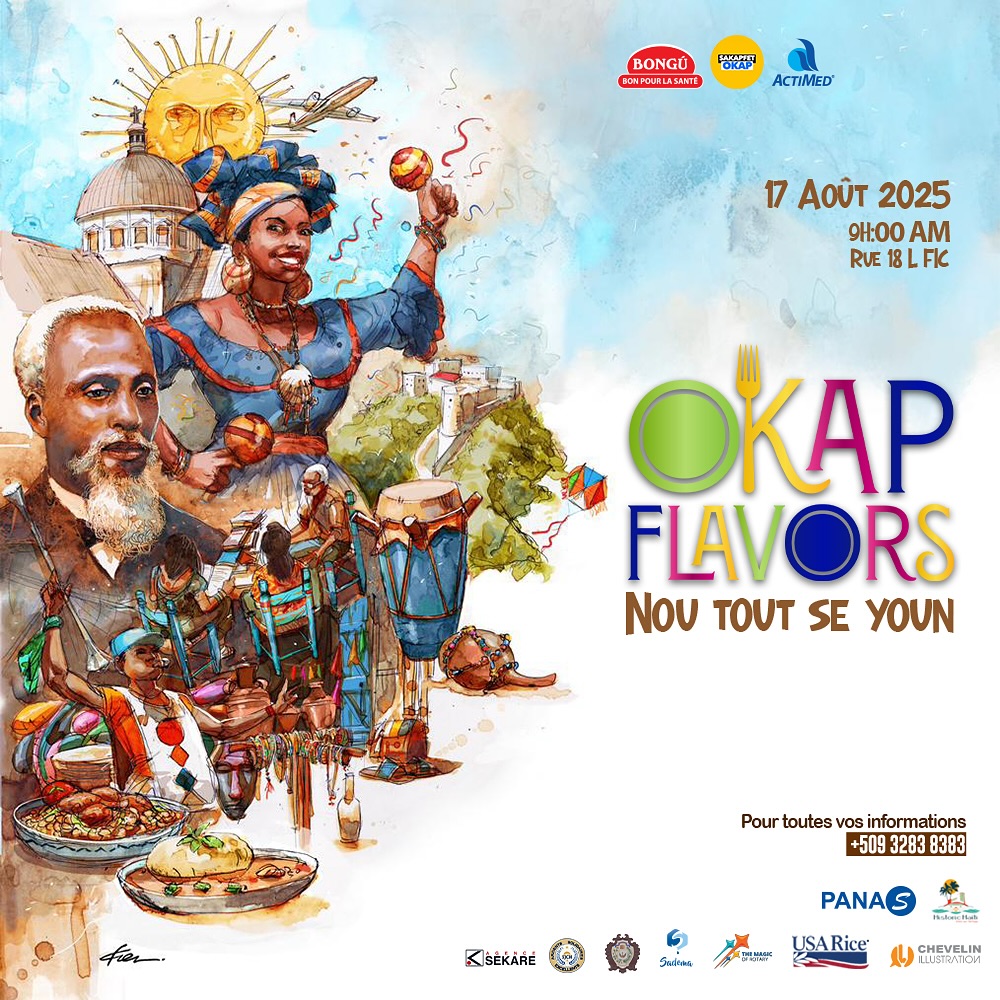
"Pig’s trotter" stew is an iconic dish of Haitian gastronomy, appreciated for its rich flavors and melting texture. This stew is prepared from carefully cleaned pig’s trotters, marinated with local spices such as garlic, chili pepper, thyme and cloves, then slowly braised until tender and a creamy sauce is obtained. Vegetables such as carrots and potatoes are often added, as well as a spicy tomato sauce that enhances the dish. Accompanied by white rice, sticky rice or even weighed bananas, pig’s trotter stew is a real explosion of flavors that brings families together around a generous and friendly meal.
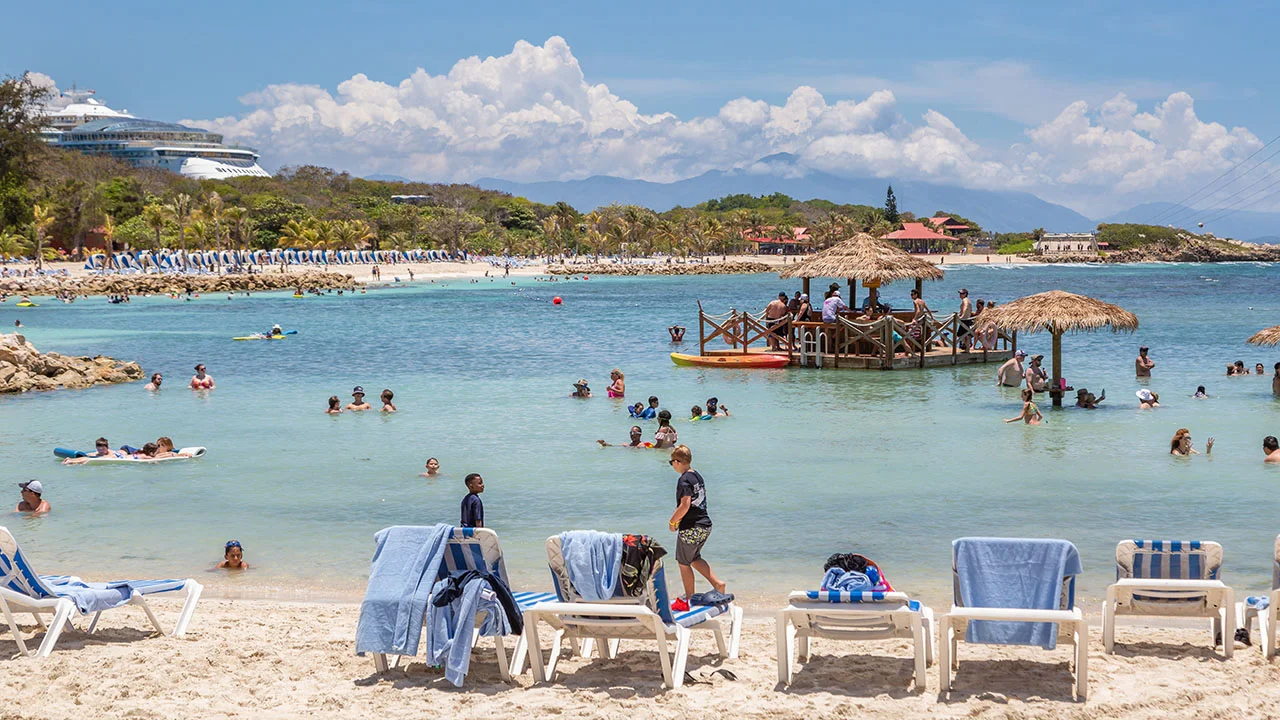
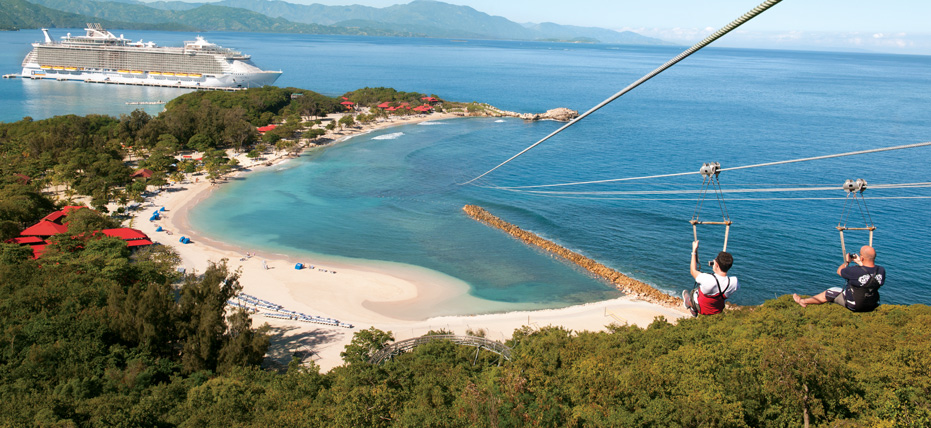
Haiti, a captivating Caribbean island, is a tropical paradise often overlooked by travelers. Between white sand beaches, mountainous landscapes, vibrant culture and fascinating history, this island gem offers a unique and unforgettable experience. If you are looking for an authentic destination, off the beaten track, Haïti is the perfect place for an adventure rich in discoveries. Here is why Haïti deserves its place among the most beautiful places to explore.
Haiti, the pearl of the Caribbean, offers a unique experience for travelers in search of authenticity, natural beauty and cultural discoveries. Contrary to popular belief, this country is full of unsuspected treasures that promise lasting memories. Here’s why a trip to Haïti is much more than a simple getaway: it’s an immersion in an incomparable cultural and natural wealth.
The Southeast region of Haïti is a true treasure trove of landscapes and culture, where the cities of Jacmel and Cayes-Jacmel occupy a central place. Although they are geographically close and share many similarities, these two cities have distinct characteristics that make them unique. Discover in this article the main differences between Jacmel and Cayes-Jacmel, two must-see destinations to explore during your stay in Haiti.
In the late 18th century, Saint-Domingue (now Haiti) was a prosperous French colony, producing much of the world’s sugar and coffee through the forced labor of African slaves. This wealth was based on a brutal plantation system, where slaves endured inhumane living conditions. Social tensions were high, exacerbated by racial inequality and the violent repression of slaves by the colonists. In the face of this oppression, slaves never stopped resisting. Maroons, escaped slaves, led attacks on plantations and maintained pockets of resistance in the mountains. The French Revolution of 1789, with its ideals of liberty, equality and fraternity, also resonated among the slaves of Saint-Domingue, awakening aspirations for emancipation.
In Haiti, December 25th, Christmas Day, is much more than just a religious holiday. It is a date filled with traditions, cultural meanings, and moments of sharing. This article explores what this day means to Haitians and how it is celebrated throughout the country.
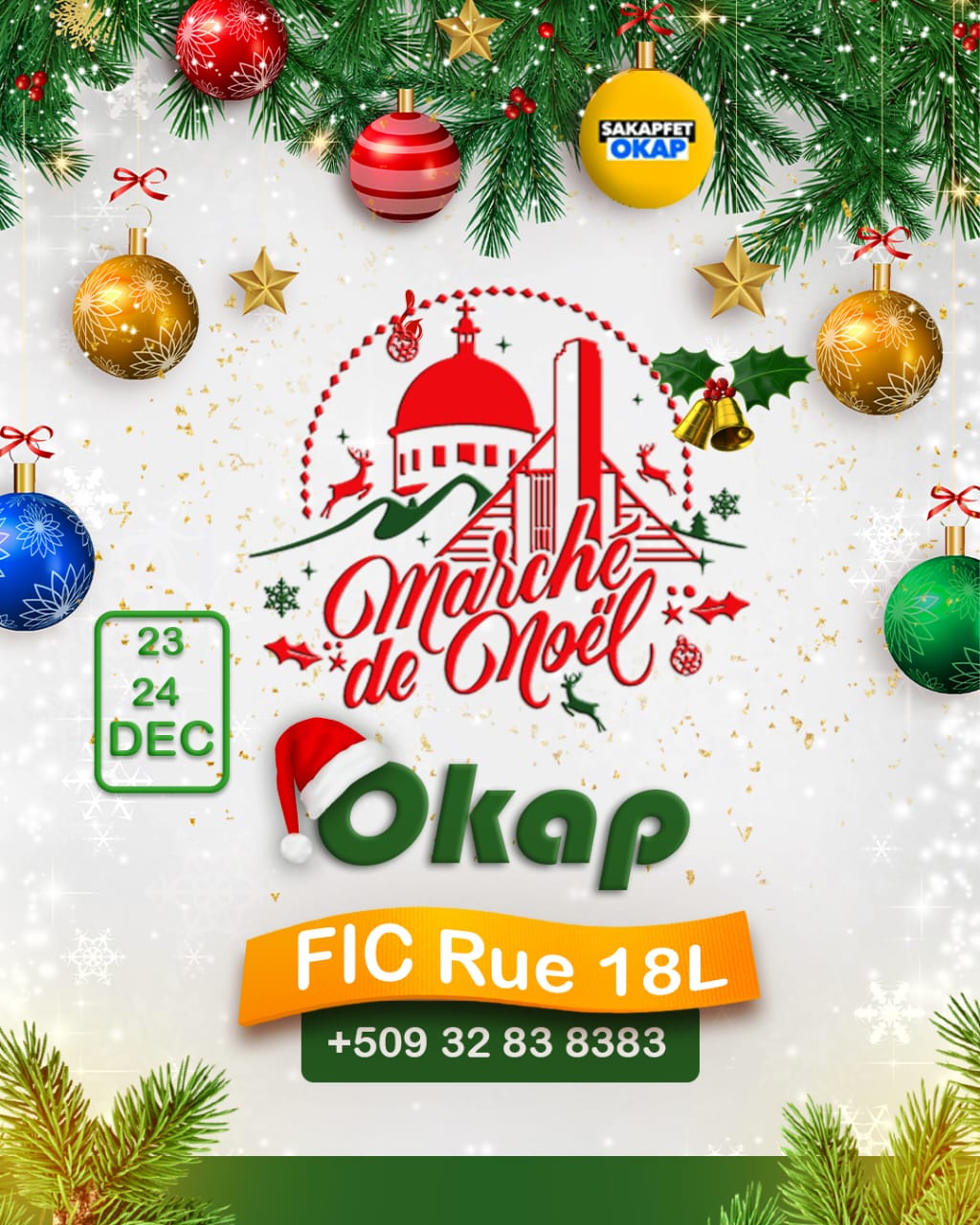
Discover the Cap-Haïtien Christmas Market 2025, a magical event not to be missed on December 23rd and 24th. Festive atmosphere guaranteed! #Christmas
The Haitian Creole, born in the 17th century during the French colonization on the island of Hispaniola, is not only a communication tool; it is an essential part of the Haitian identity. Despite being recognized as an official language in 1987, French is still considered an elite language, creating a social divide. In the educational system, where French is the language of instruction, Creole is often neglected, which affects the ability of students to understand what they are learning, especially for children from rural areas. It has a unique grammatical structure that facilitates learning, and serves as a means of cultural expression in literature, music, and other arts. The advancement of technology will allow Creole to gain more visibility in social media, but the stigmatization of the language still exists. Therefore, it is important for Creole to be valued in education and other sectors, to allow the new generation to grow up with pride for their heritage. The Haitian Creole language, which is the first language for the majority of people in Haiti, is not only a means of communication, but it is also a reflection of the cultural wealth and history of the people. In a country full of diversity, Creole and its origin, its evolution and its place in society, is a testimony of resistance and adaptation.
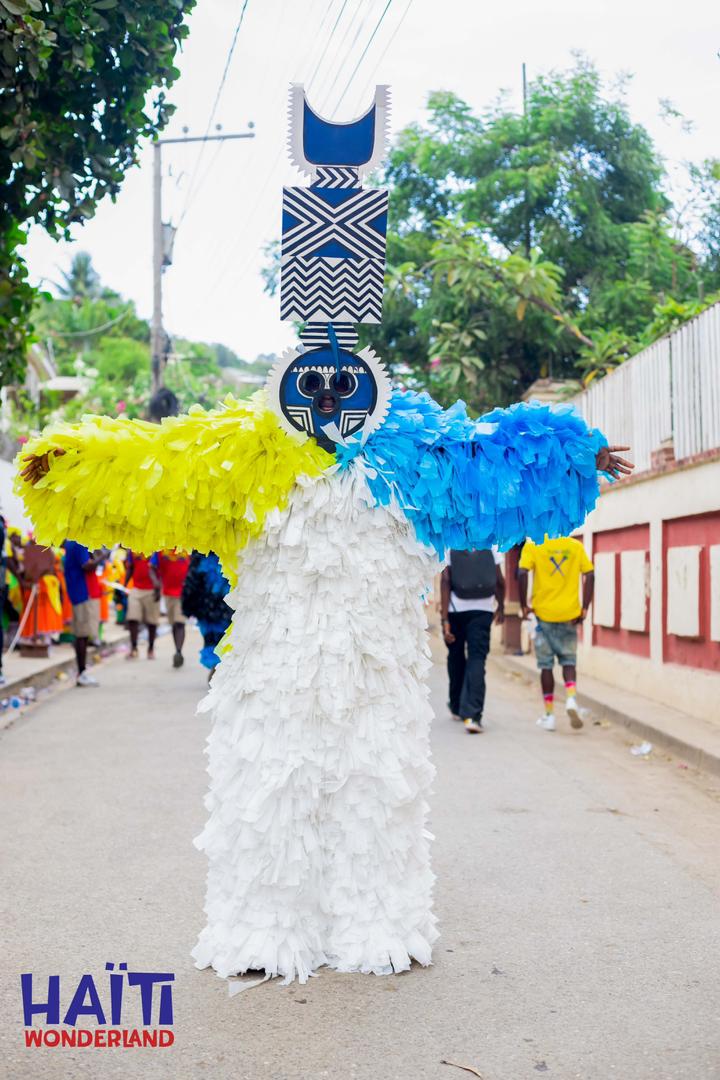
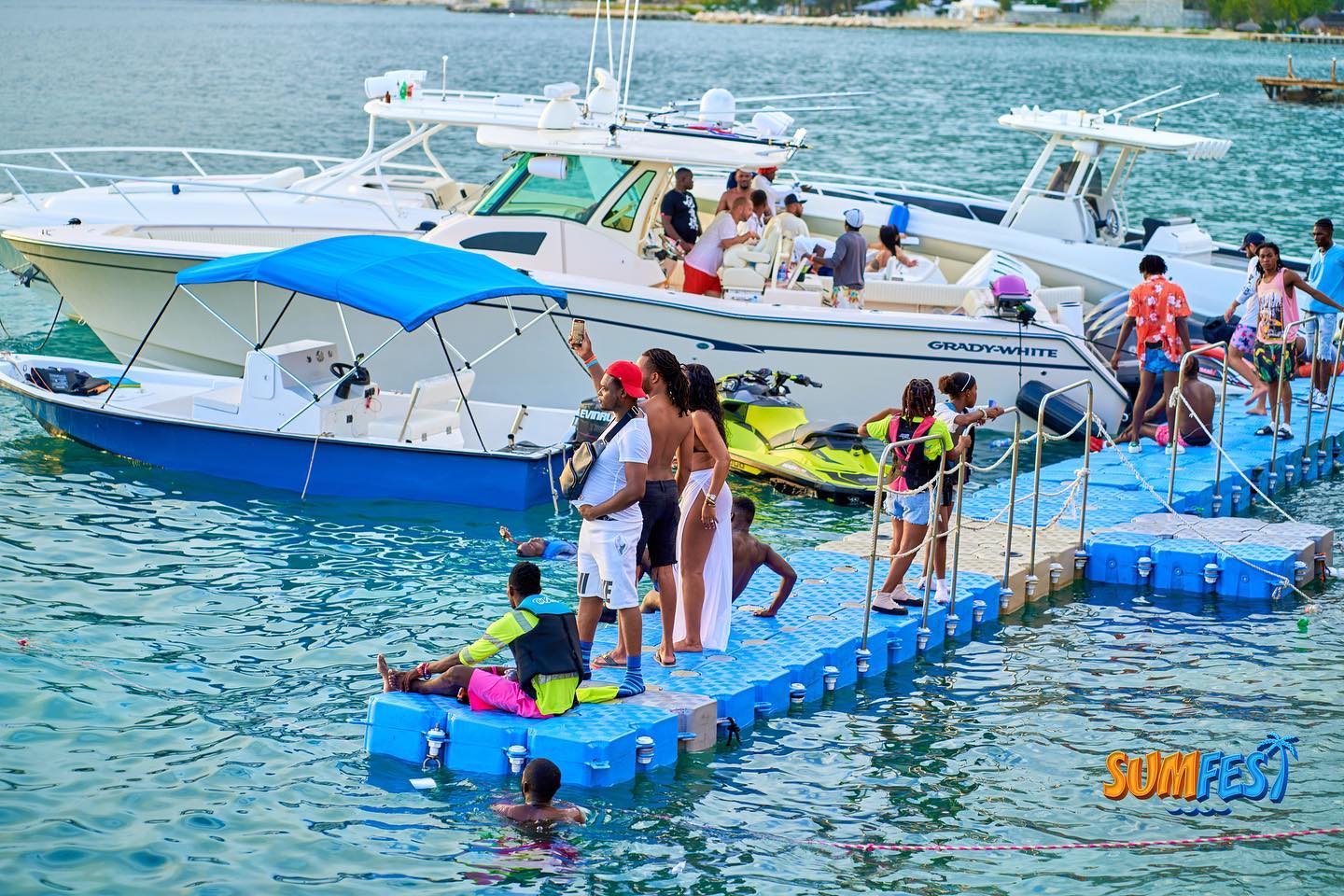
If you’re looking for an unforgettable musical experience this summer, look no further than Sumfest in Haiti. This unmissable festival brings together the biggest names in the Haitian music scene for a crazy weekend, all in an idyllic setting by the sea. This is why Sumfest is the event not to be missed for all music lovers. Haitian music and culture.
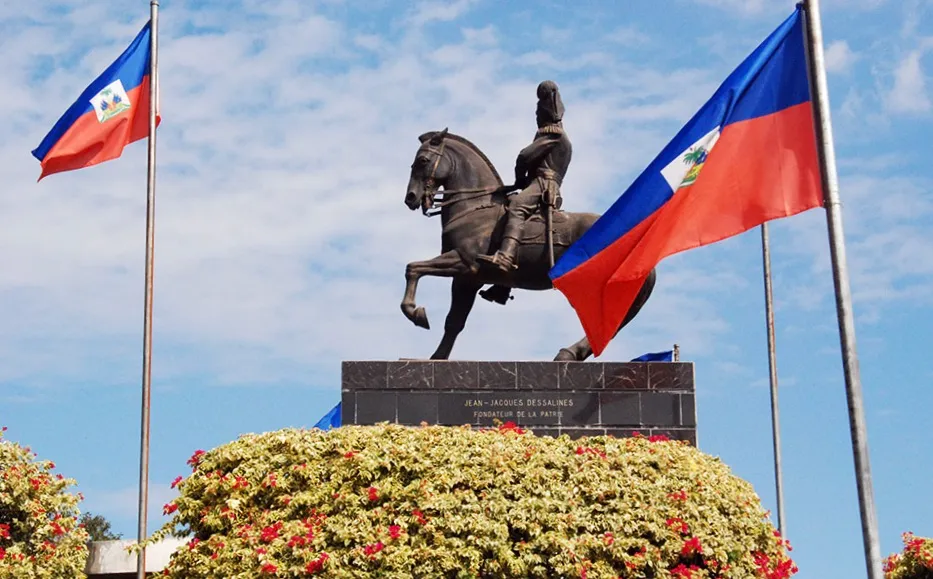
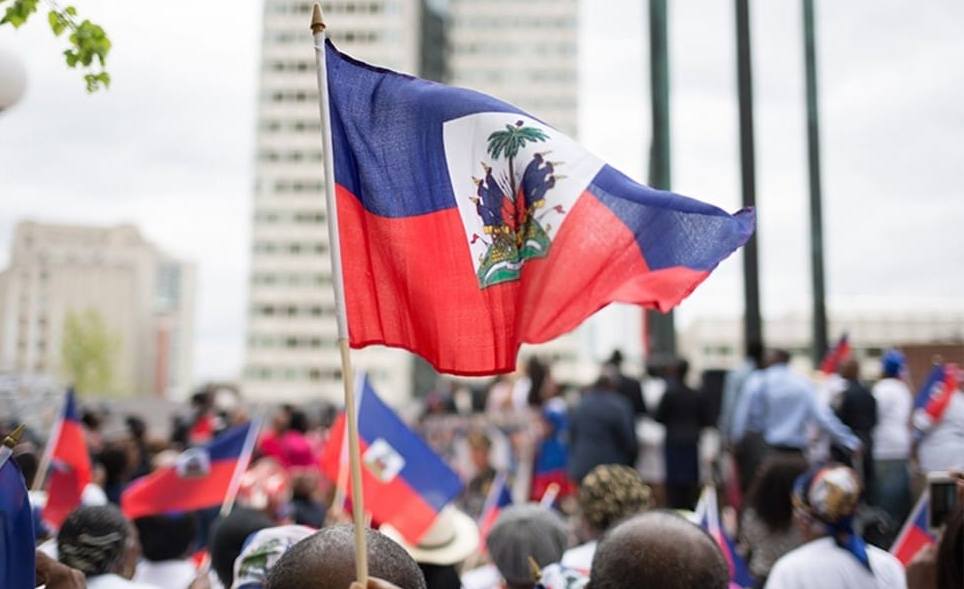
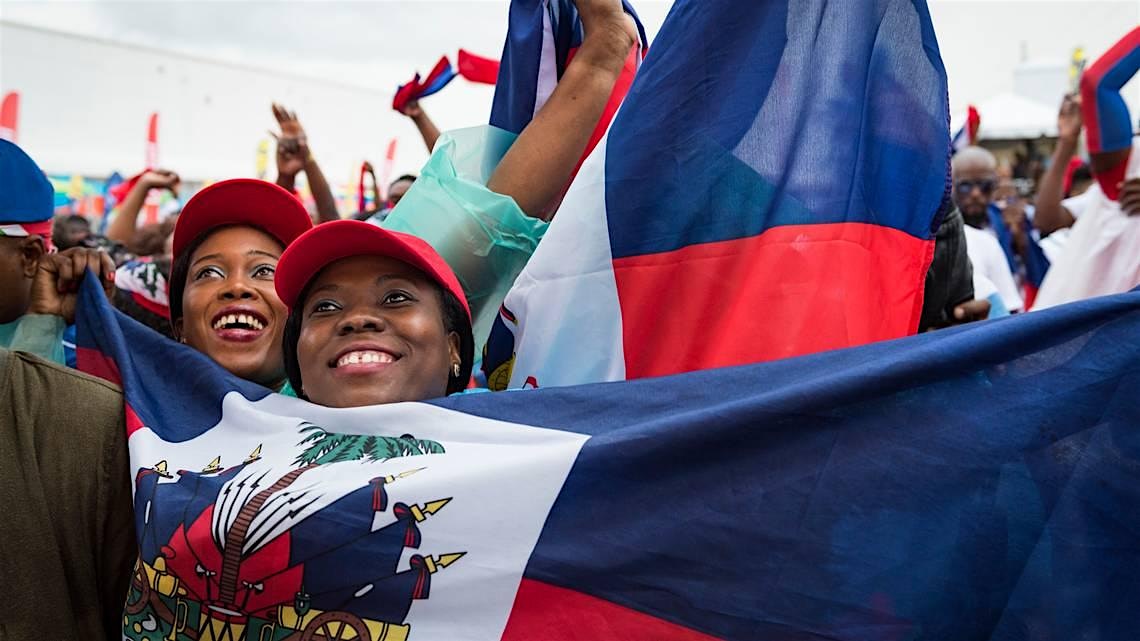
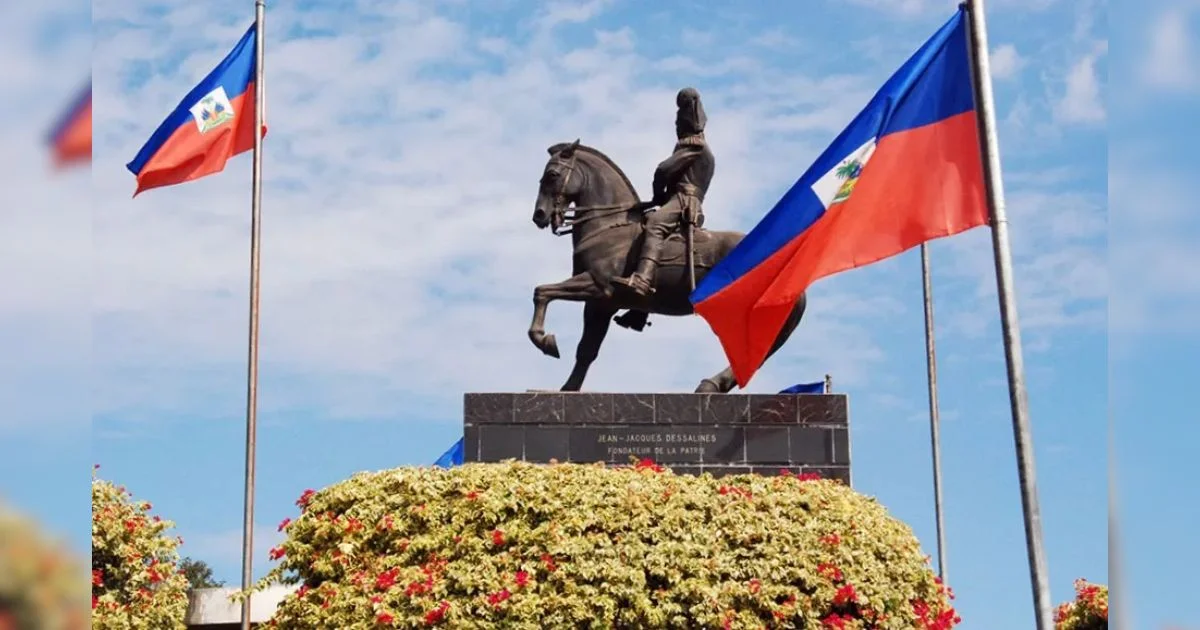
Haiti’s national motto, “Strength in Unity,” is emblazoned on the Haitian flag and is an integral part of the country’s identity. But what does this phrase really mean to Haïti and why is it so important? This article explores the historical, cultural, and symbolic significance of this motto, which embodies the Haitian spirit of solidarity and resilience.
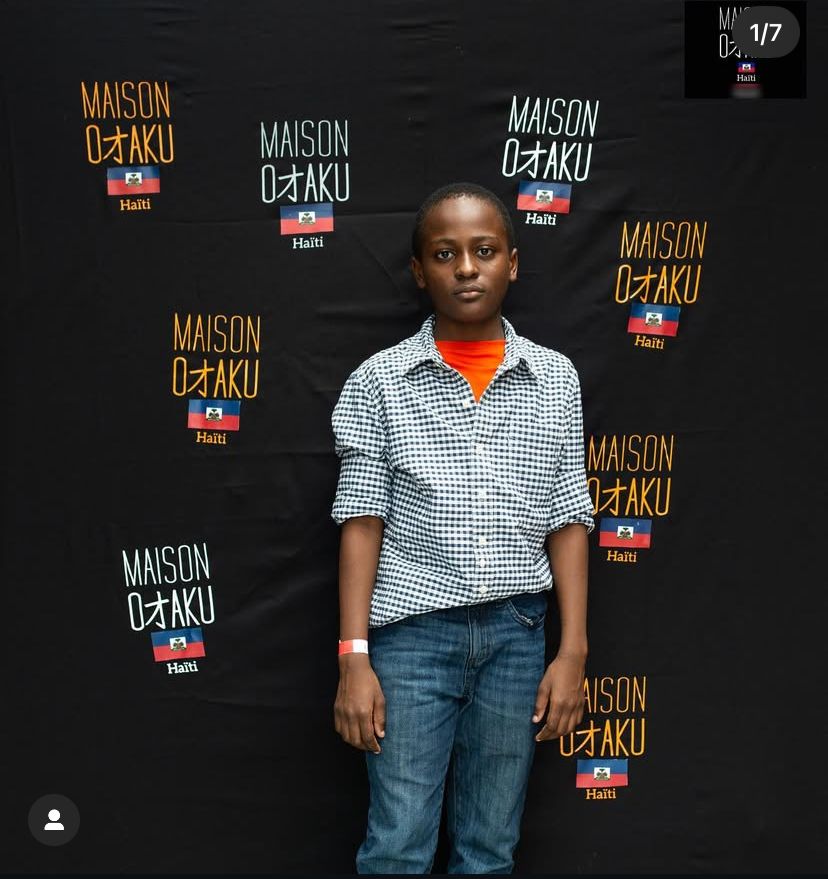
Haiti, a name that resonates in world history and culture, finds its roots in a rich and iconic past. This word is not simply a country name; it embodies an identity, a unique geography, and a struggle for freedom. Let’s dive into the origin and meaning of the word “Haiti” to better understand why this choice is deeply significant.
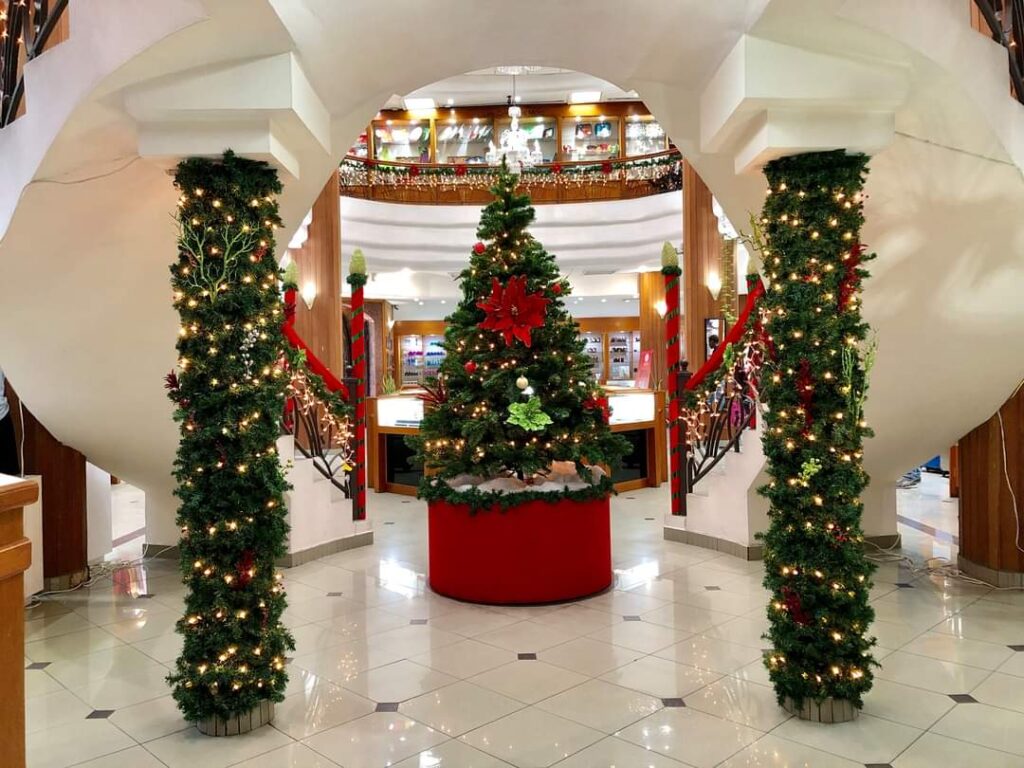
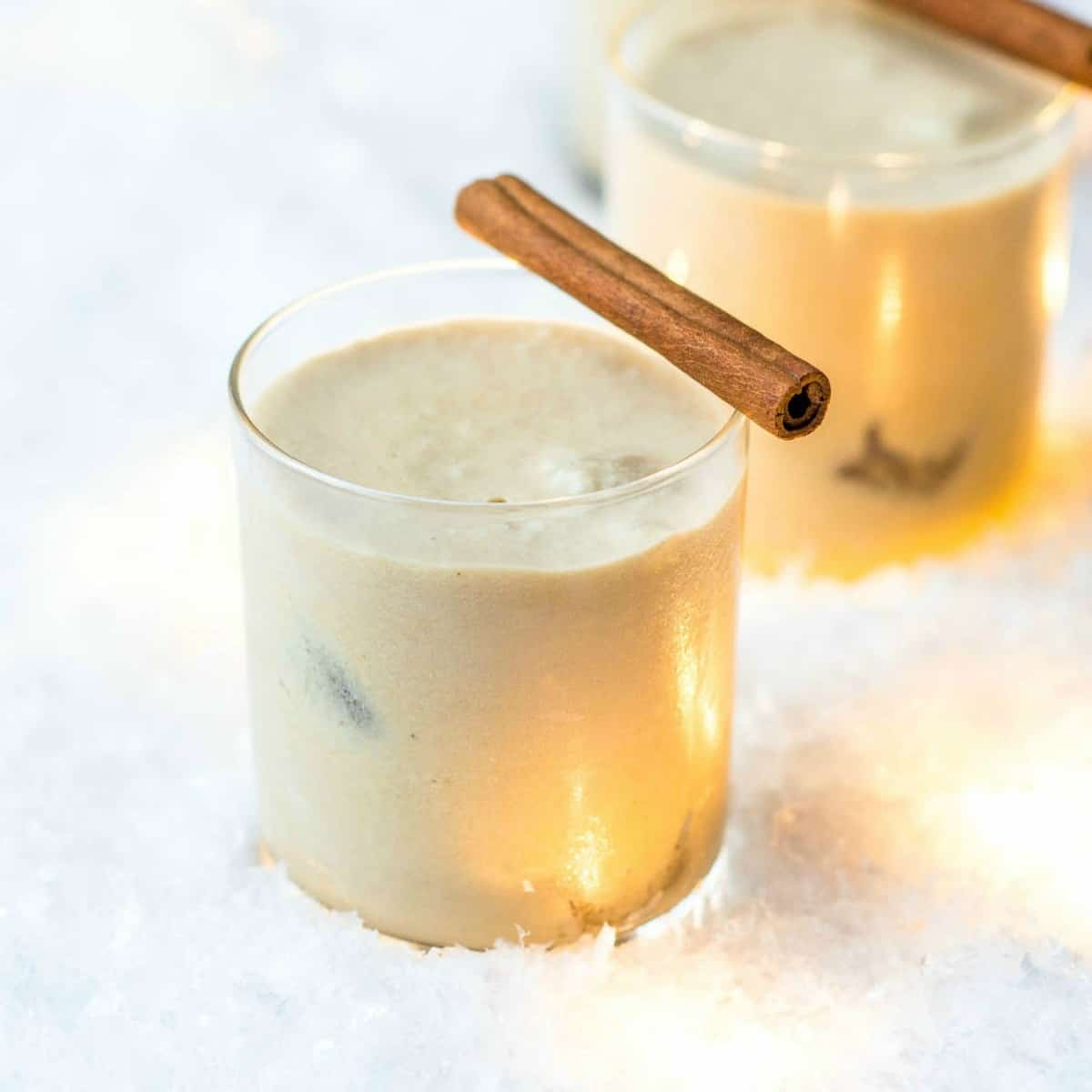
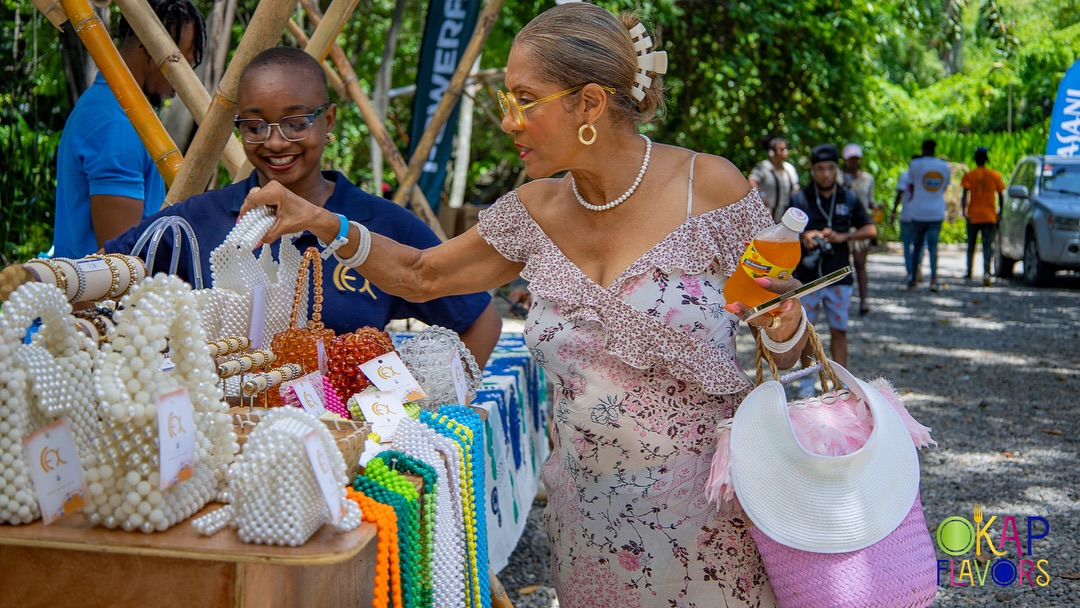
The joyful ringing of bells echoes through the streets of Haïti as the holiday season approaches. Christmas is a magical time when the streets light up, families gather and a warm atmosphere invades the island. Between traditions, cultural discoveries and gourmet feasts, Christmas in Haïti promises a unique experience. b~The Magic of Lights and Decorations~b From the beginning of December, Haïti is adorned with sparkling lights and festive decorations. The markets come alive with shimmering garlands, twinkling stars and ornate fir trees. The streets of Port-au-Prince in Jacmel shine with a special magic, inviting locals and visitors to immerse themselves in the festive spirit. b~Haitian Traditions at Christmas~b Christmas in Haïti is celebrated with a unique combination of religious traditions and local customs. Midnight Mass is a deeply rooted tradition, drawing worshipers to churches to celebrate the birth of Jesus in a vibrant atmosphere of song and prayer. A popular tradition is the "Dawn Mass" which takes place at dawn on December 25. The faithful gather to welcome Christmas Day with special fervor, testifying to the deep spirituality that permeates the festivities. The festivities are not limited to churches. Street parades, folk dances and concerts are commonplace, creating a joyful atmosphere throughout the country. Traditional Haitian music, such as direct compass and voodoo, adds a special dimension to these celebrations. b~Cultural Discoveries: Haitian Crafts~b Christmas is also an ideal opportunity to discover unique Haitian crafts. Christmas markets offer a variety of handicrafts, such as wooden sculptures, vivid paintings, wrought iron items and traditional jewelry. These works of art reflect the artistic talent of the Haitian people and provide unique and meaningful gifts. Local markets, such as the Ferrier market in Cap-Haitien and the Jacmel market, are essential places to discover the authenticity of Haitian crafts. These purchases also help support local artists and the community economy. b~Gourmet Feasts: Christmas Cuisine~b Christmas in Haïti is also a gastronomic celebration. Families gather around festive tables laden with traditional culinary delights. “Joumou soup”, a pumpkin soup, is an essential specialty of the holiday season. Pork, lamb and chicken dishes are also common, accompanied by rice and local vegetables. Traditional desserts, such as “Pen patat” and “Tablèt Pistach,” add a sweet touch to the celebration. Tropical fruits, such as mangoes and bananas, are also often present on Christmas tables, recalling the richness of Haitian biodiversity. Christmas in Haïti is a vibrant celebration that blends the magic of lights, religious traditions, local crafts and delicious cuisine. It is a time when joy and generosity are in the spotlight, and when Haitians open their hearts to share the magic of the season with the world.

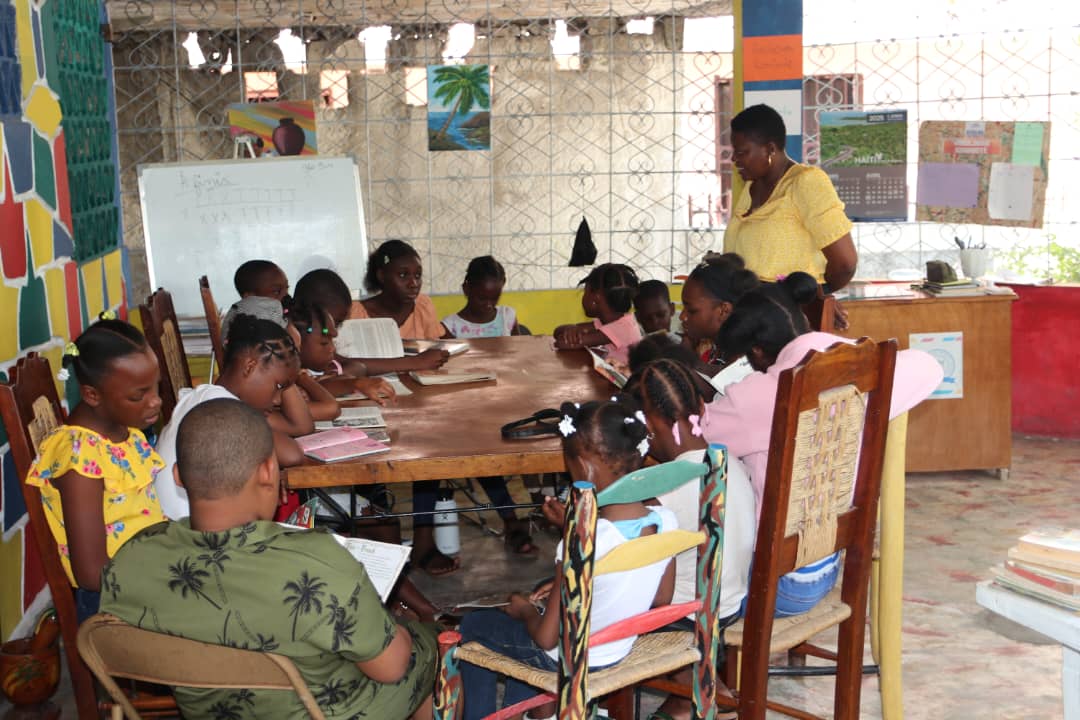
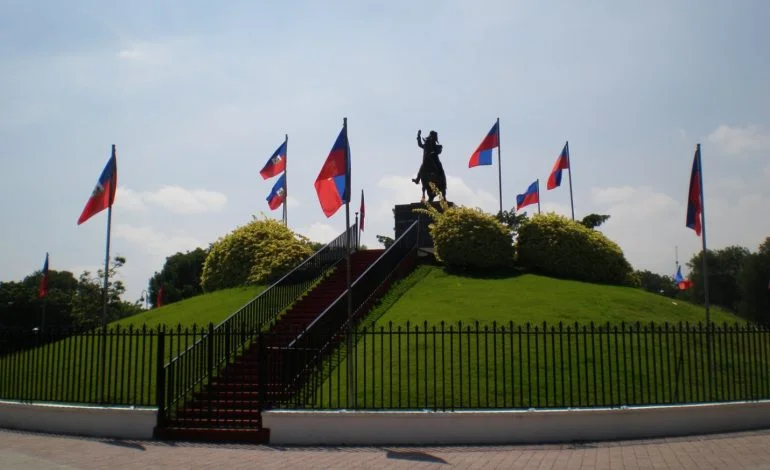
First black nation to free itself from slavery and gain independence from France in 1804 and influenced other liberation movements around the world, inspiring struggles for freedom and equality.

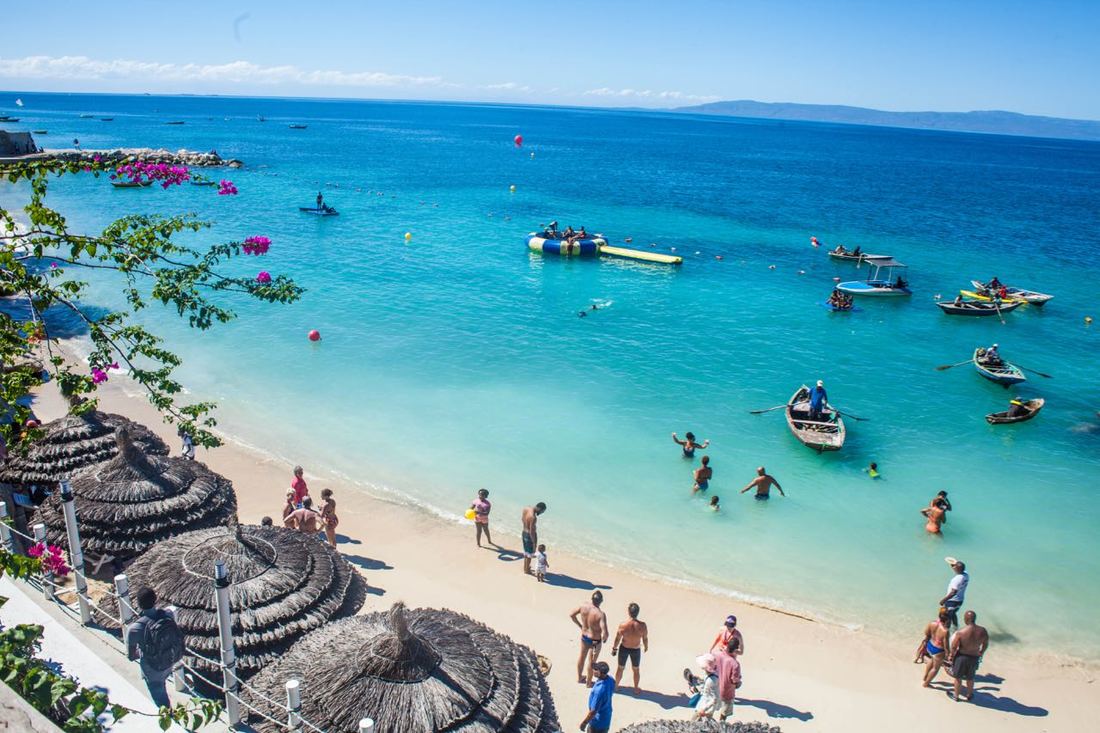
Haïti is blessed with spectacular natural landscapes, including white sand beaches, mountains and rich biodiversity.

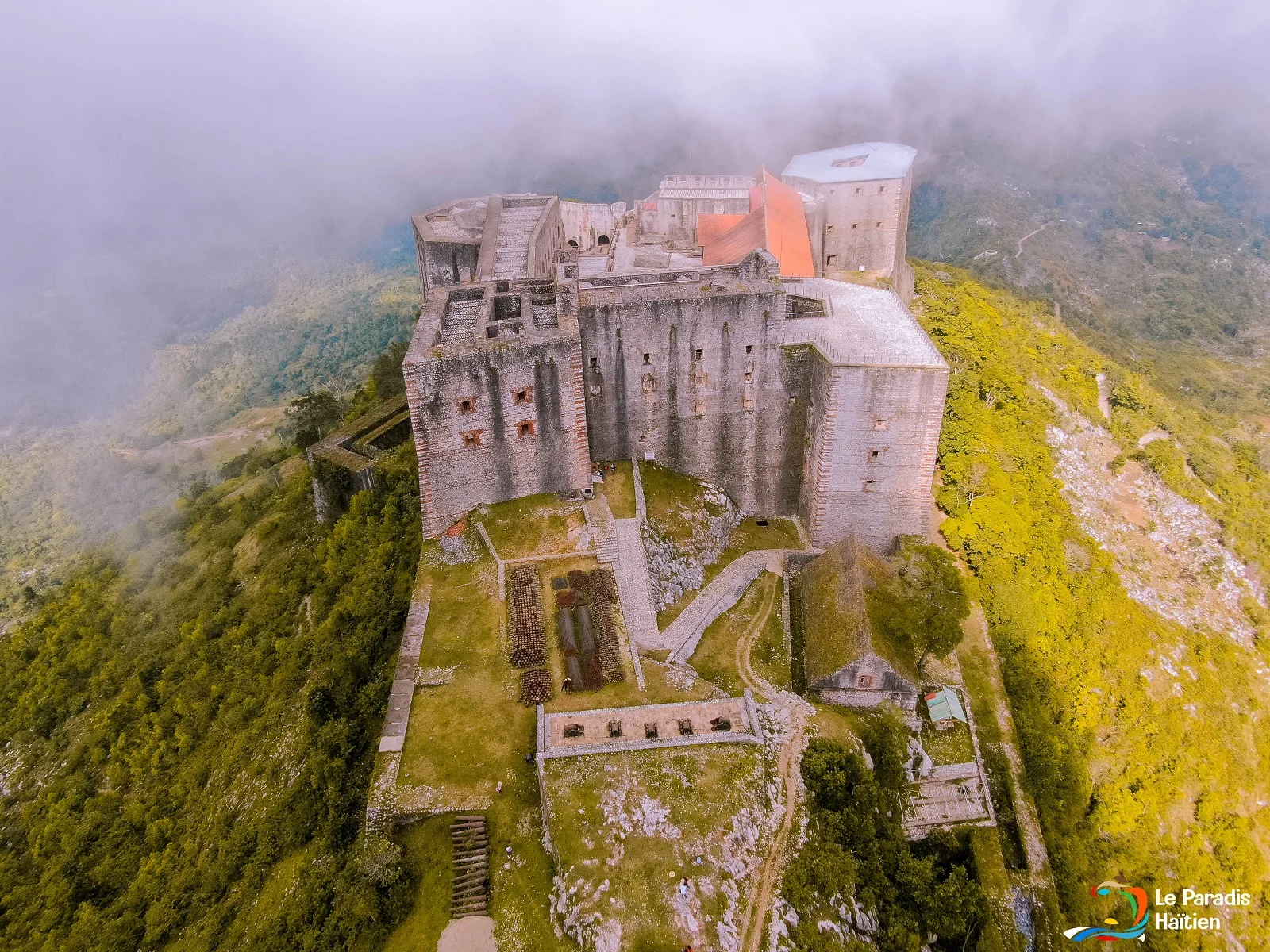
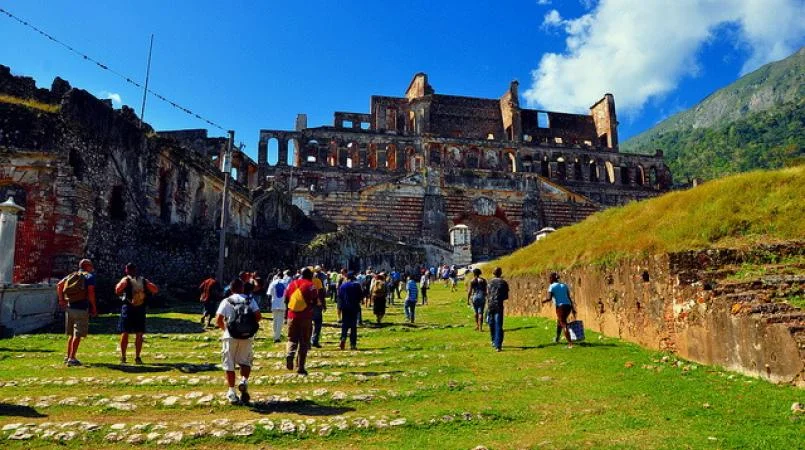
Haïti has a rich historical heritage, including sites like the Citadelle Laferrière and the Sans-Souci Palace, listed as UNESCO World Heritage Sites.

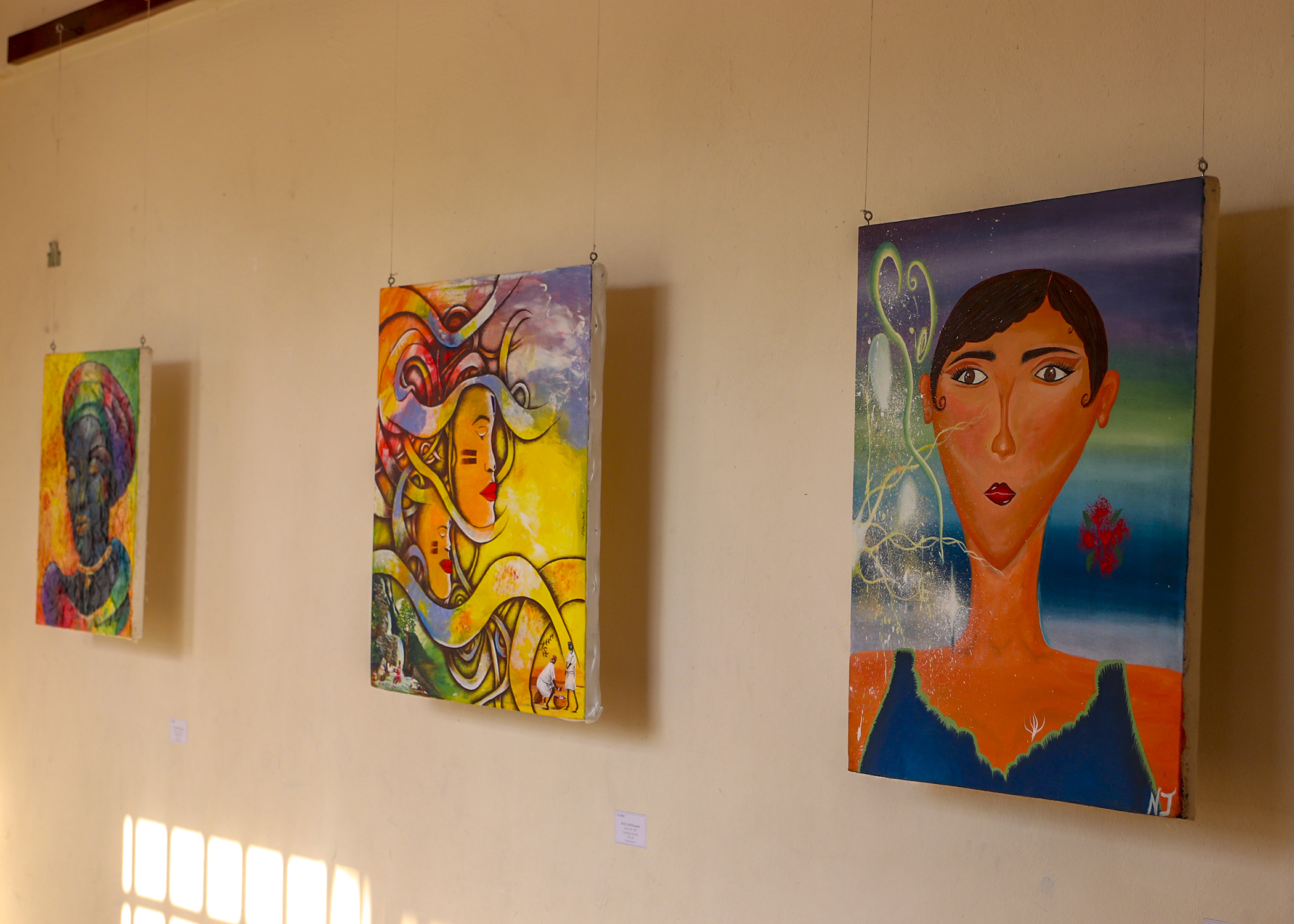
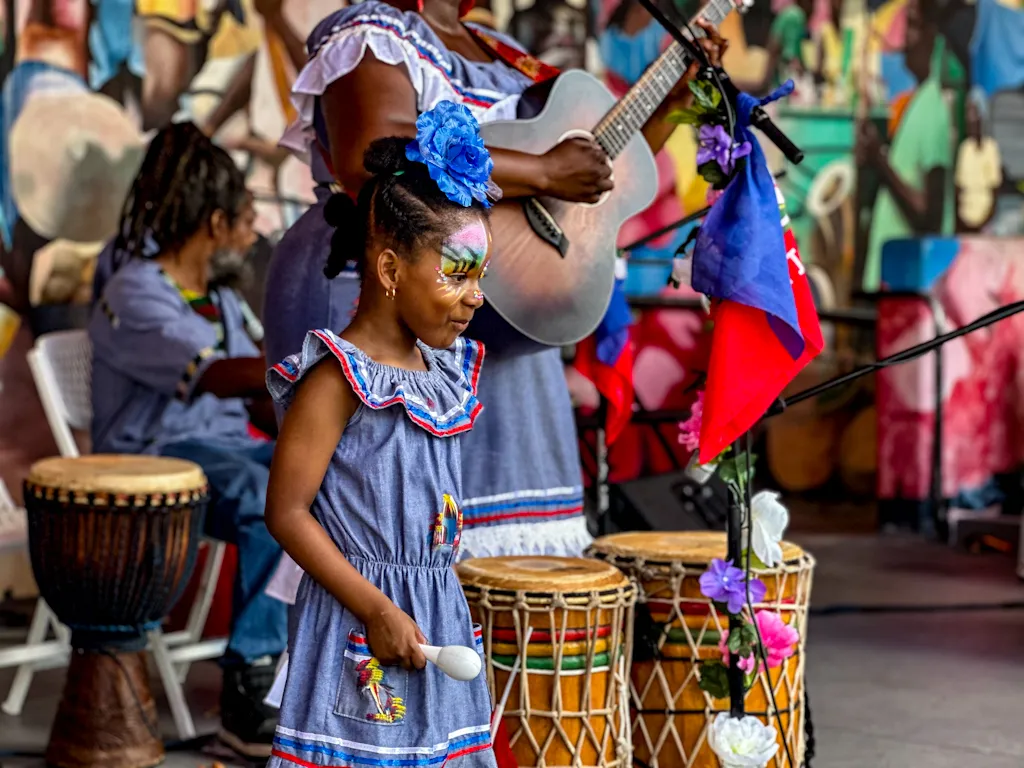
Haïti has a rich and diverse culture, influenced by African, European and indigenous elements. Haitian music, dance, art and cuisine are celebrated around the world.