

World Tourism Day: 7 Reasons Why Haïti is an Exceptional Tourist Destination
Majestic citadel, heavenly beaches, vibrant art: Discover why Haiti is revolutionizing Caribbean tourism and why you absolutely must visit now.

The publishing house Csimon Publishing, led by Dr. Cherlin Simon, is excited to announce the creation of a subsidiary of Csimon Publishing in Haiti. Indeed, a management team, aimed at strengthening its approach to young Haitian authors, has been set up by the parent company, located in Virginia, United States. The goal of this initiative is to better support its authors, particularly the younger ones, offering them reliable assistance to foster their creativity and help them thrive. The committee is also in place to better coordinate the publishing house’s actions in their favor. This aligns perfectly with Csimon Publishing’s vision to actively contribute to the elevation of Haitian literary culture on a global scale, while highlighting Haitian talents and creating a bridge between Haïti and the rest of the world, which constitutes global culture. It is worth noting that among the more than 150 works already published by Csimon, most are works by Haitian authors living in Haiti.
The Haitian Creole language, or Kreyòl Ayisyen, is one of the most remarkable features of Haitian culture. Speaking Creole is not only about communicating, but also about asserting an identity, a heritage, and a history of resilience in the face of adversity. But where does this unique language come from? What is its origin and how did it become a symbol of Haitian culture? Let’s dive into the fascinating history of the Haitian Creole language.
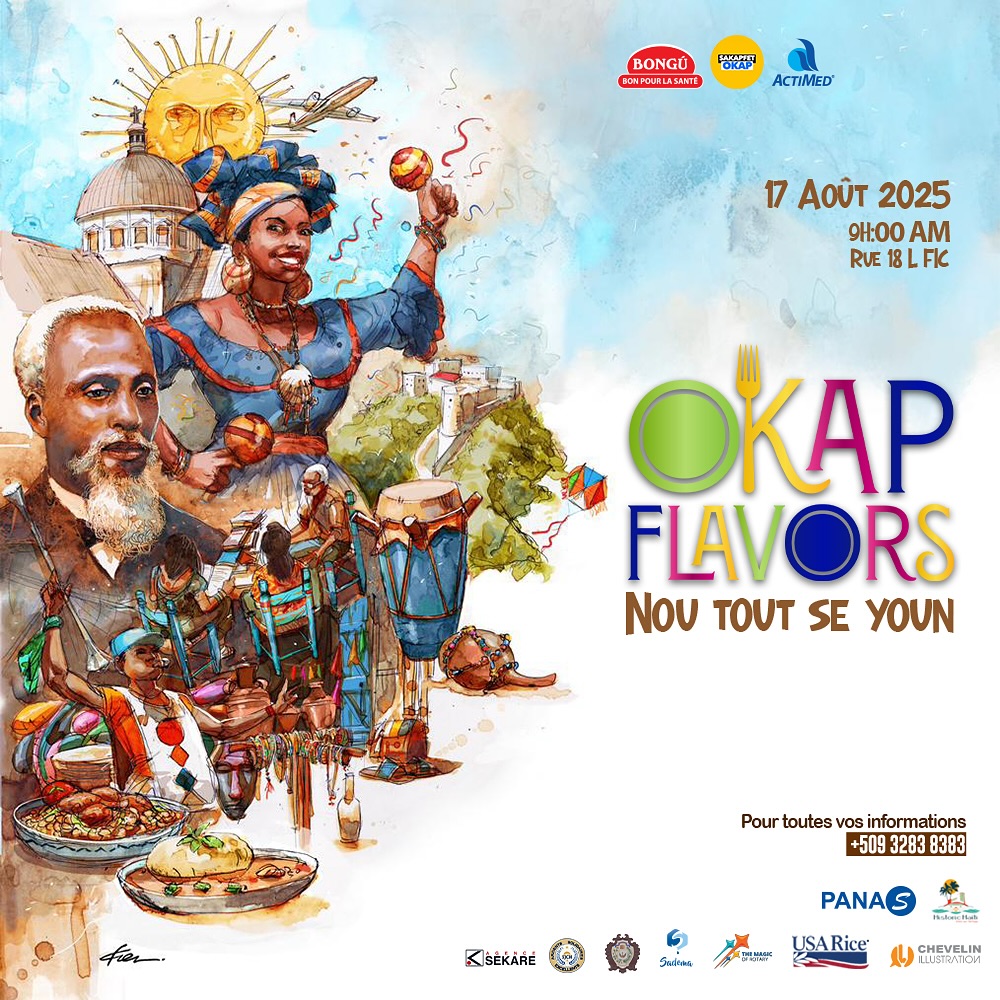
Port-au-Prince, Haiti’s vibrant capital, is much more than just a city. It’s a melting pot of flavors, a place where street food reigns supreme, offering a unique and authentic culinary experience. In the heart of this bustling metropolis, every corner transforms into a gourmet market, an ode to Haitian gastronomy. The tantalizing smells of grilled meats, spicy sauces, and simmering dishes invite you on a sensory exploration. Improvised stalls, often set up on rickety wooden tables, line the streets, offering a variety of culinary delights. From "griots" to "tassot," including "bannann peze" and "pikliz," each dish tells a story, a tradition passed down from generation to generation. For culinary adventurers, Haitian street food is an unforgettable experience. Every bite is a testament to the creativity and passion of the impromptu chefs, who transform simple ingredients into delicious and authentic dishes. Tell us in the comments which dish you ate until you lost your breath on the streets of Port-au-Prince, or share a great experience you’ve had!
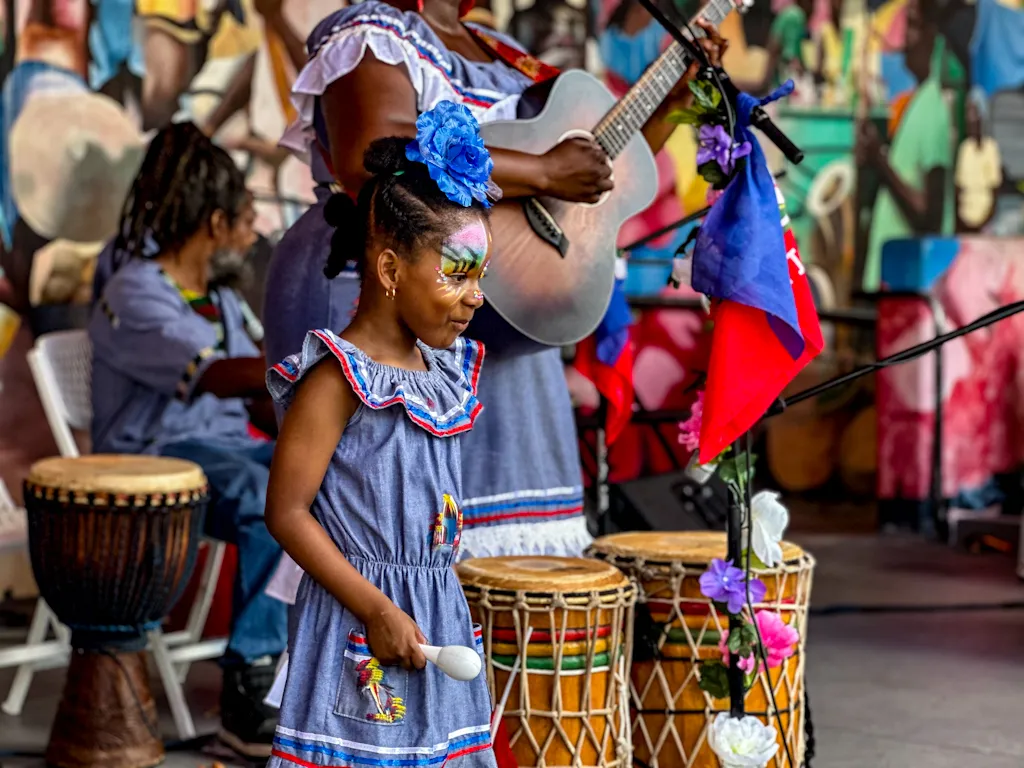
Music has always been an essential part of Haïtian culture, and among the many genres that have emerged from this Caribbean island, Compas holds a special place. It is a musical style that carries with it the history, cultural diversity and vibrant energy of Haïti. b~Origins and Evolution~b The Compas Haïtien, also known as Kompa, has deep roots in Haïtian and African musical traditions. Its development was influenced by genres such as Dominican merengue, Cuban salsa, jazz and even rock. This fusion of styles has resulted in a distinctive sound that embodies the cultural richness and diversity of Haïti. The Haïtian Compass has evolved over the decades, moving from a more traditional style to more modern and sophisticated forms. Iconic artists such as Nemours Jean-Baptiste and Tabou Combo helped shape the genre and propel it onto the international music scene. b~The Characteristics of the Compass~b Le Compas Haïtien is characterized by its intoxicating rhythm and complex arrangements. Traditional instruments such as guitar, saxophone, drums, and of course, bass, play a crucial role in creating this catchy music. The lyrics, often sung in Haïtian Creole, address varied themes, from love and joy to social and political issues. Dance is an inseparable component of the Haïtian Compass. The irresistible rhythms encourage the dancers to sway to the music. Traditional dance moves, such as "Kompa Direk" and "Kompa Love," reflect the joyful expression and sensuality that characterize this musical genre. b~Global Influence~b Over the years, the Haïtian Compas has transcended the borders of Haïti to conquer the international stages. Haïtian artists helped popularize the genre around the world, bringing with them the warmth and vitality of Haïtian culture. Music festivals dedicated to Compas attract fans from around the world, providing an immersive experience of this catchy music. The Haïtian Compass is much more than a musical genre; it is a standard bearer of Haïtian culture, a mirror reflecting the history, diversity and resilience of the Haïtian people. Discovering the Haïtian Compas means diving into a world of captivating rhythms, passionate dances and captivating stories, while celebrating Haïti’s unique musical heritage. Whether you are a world music lover or simply curious about new experiences, the Compas Haïtien is an invitation to an unforgettable sound journey.
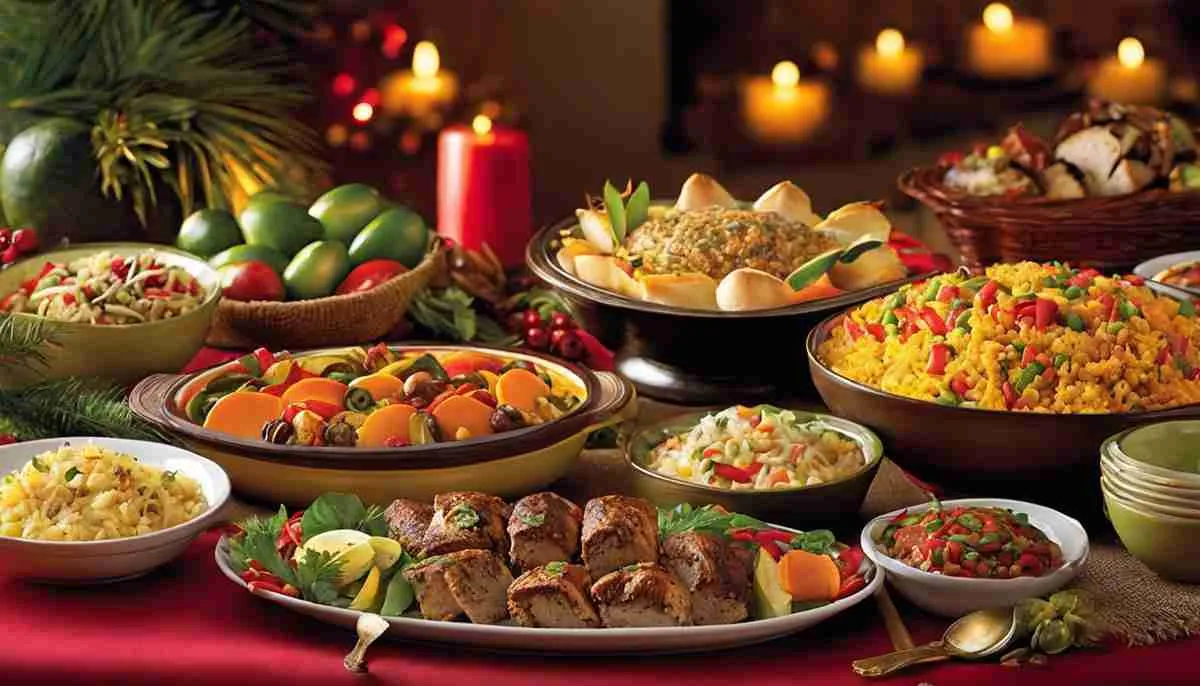
In Haiti, Christmas meals occupy an essential place in the end-of-year celebrations. They are not only an opportunity to enjoy delicious dishes, but also to bring families and friends together around a table, in a warm and festive atmosphere. This article explores the culinary traditions, the importance of sharing and the spirit of conviviality that make Christmas meals in Haïti a memorable event.
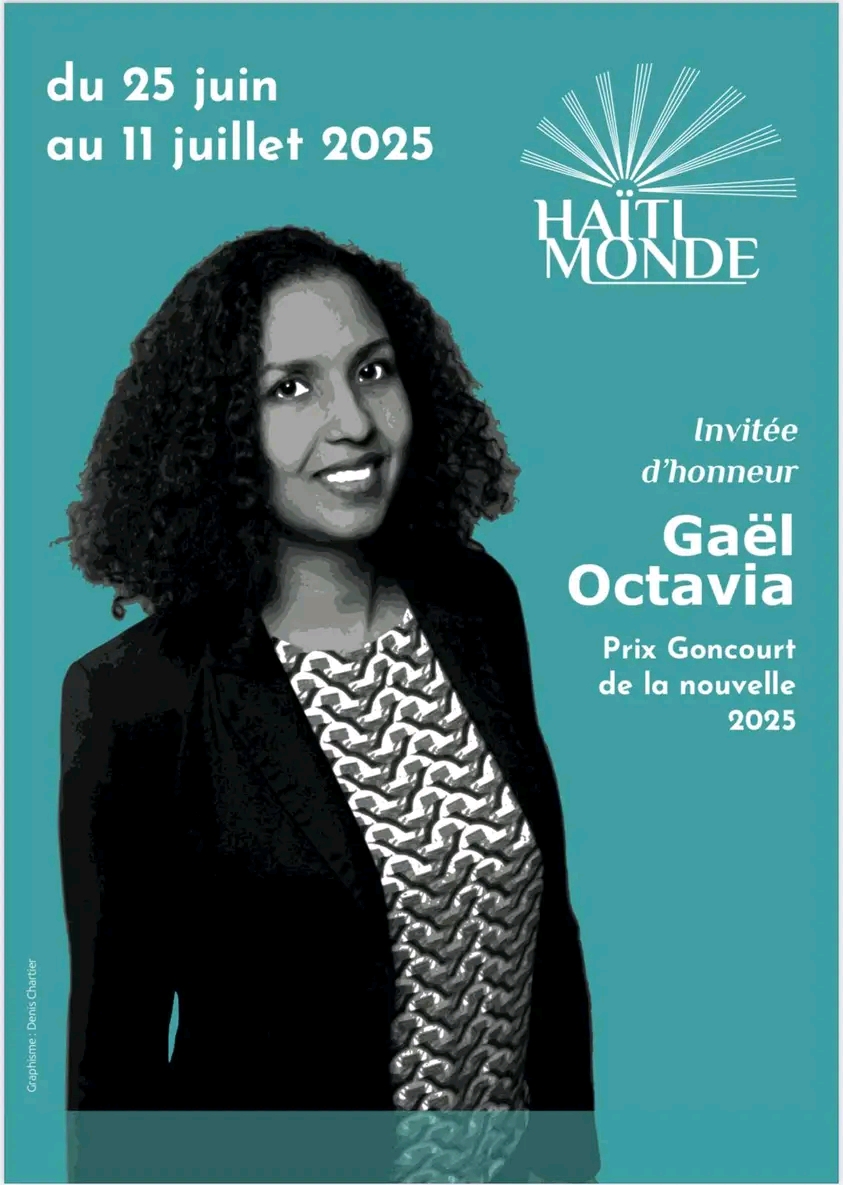
The Haïti Monde Festival is a major cultural event dedicated to promoting Haitian thought, memory, and creativity in the heart of Paris. Led for several years by Haitian intellectual Chadrac Charles and his team, it aims to be a space for expression, transmission, and reflection. In 2025, this fourth edition is organized around a theme that is more relevant than ever: “Repairing the World,” and will take place from June 25 to July 11 in the French capital. Gaël Octavia, winner of the 2025 Goncourt Prize for the short story, will be the guest of honor. Alongside her, other friends of the Haitian cause and powerful voices from the Haitian literary scene will be gathered. Among them: geographer Jean-Marie Théodat, Louis-Philippe Dalembert, Rocé, Mélissa Laveaux, Marie-Yemta Moussanang, Makenzy Orcel, Françoise Vergès, Lyonel Trouillot, Nicolas Idier, Nathania Périclès, Vladimir Delva, Sandra Dessalines, Claude Saturne, Kébert Bastien, Jude Joseph... and many others. A tribute will also be paid to Frankétienne and Anthony Phelps, two giants of Haitian literature who passed away this year.
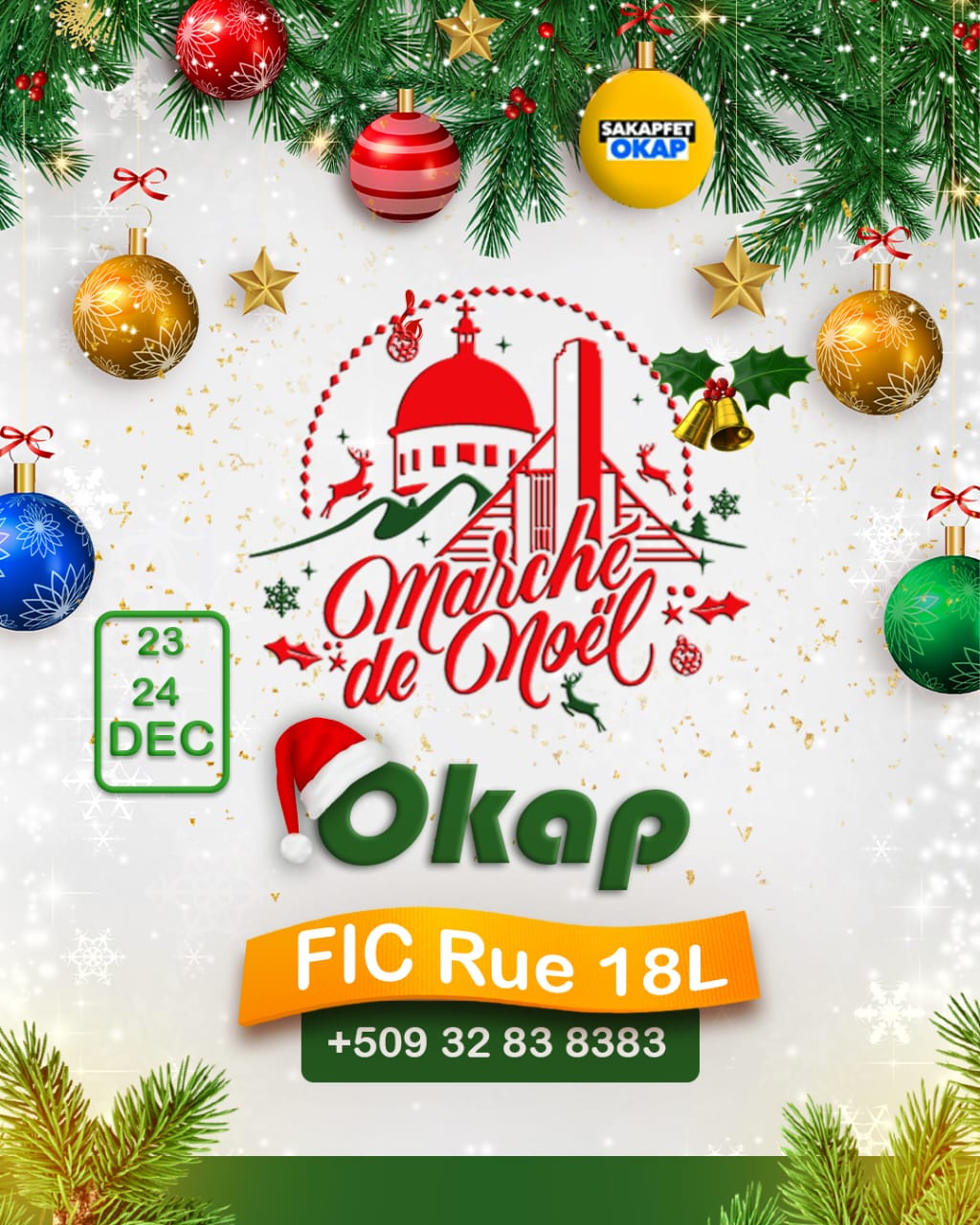
Discover the Cap-Haïtien Christmas Market 2025, a magical event not to be missed on December 23rd and 24th. Festive atmosphere guaranteed! #Christmas
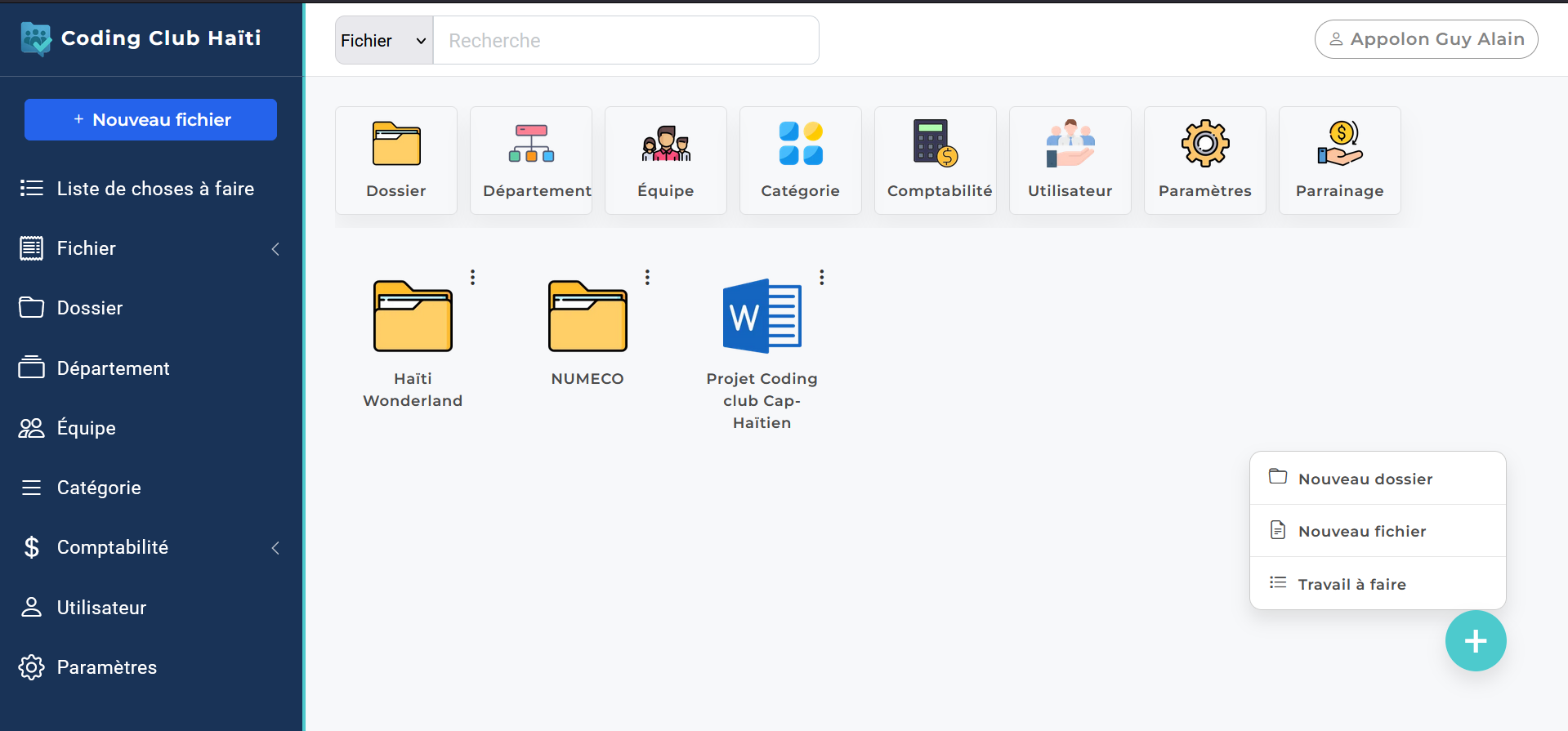
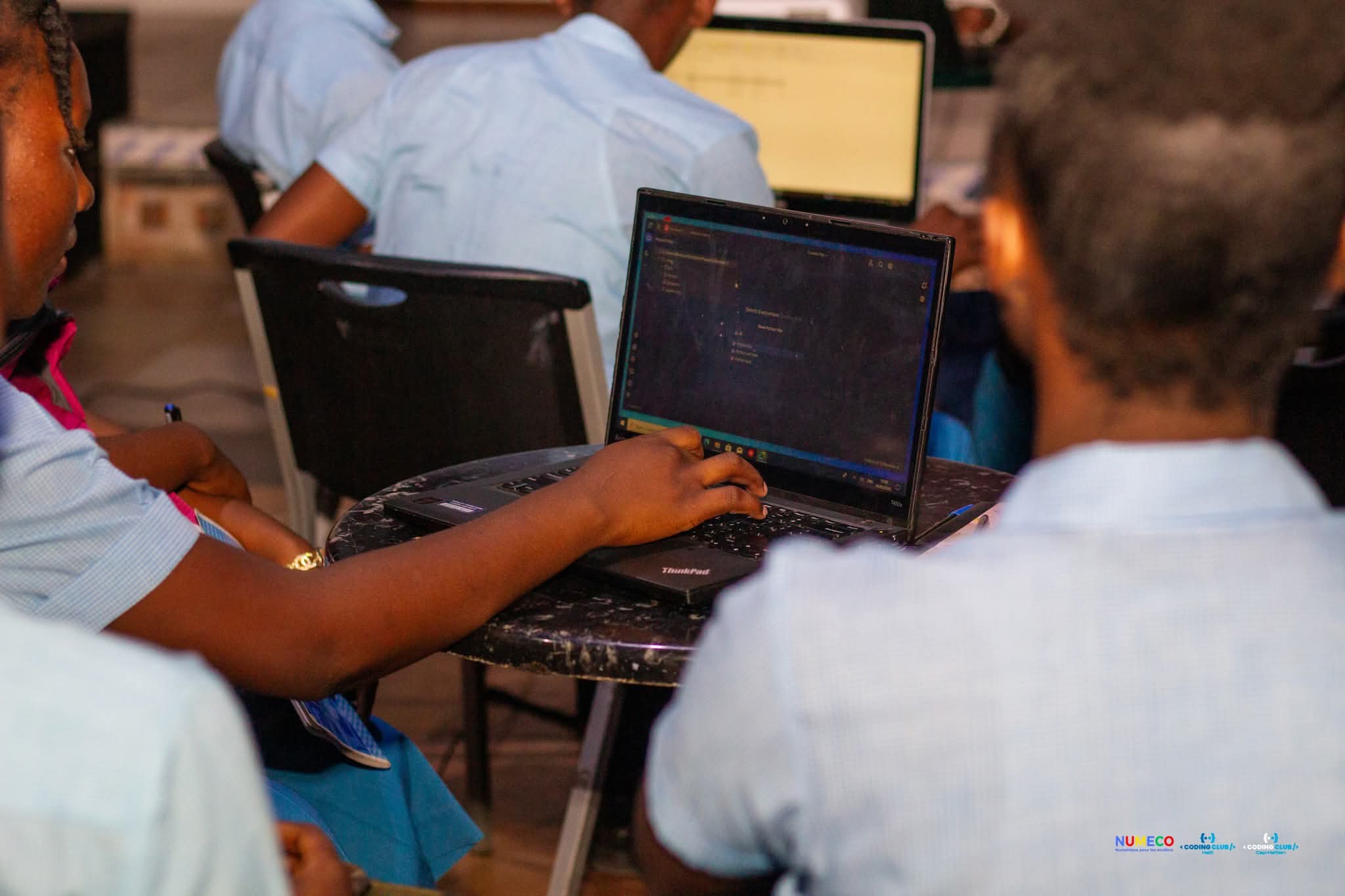
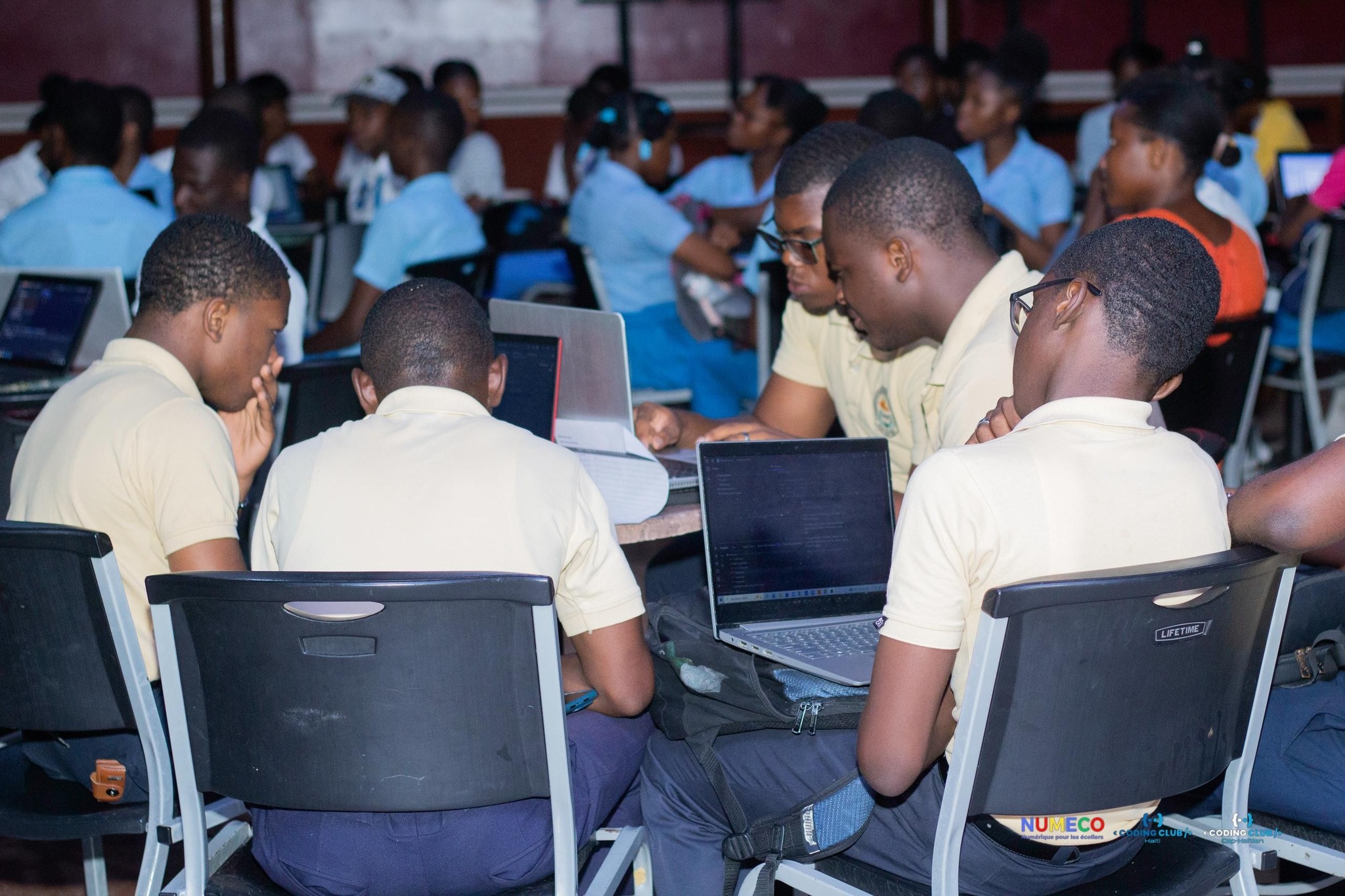
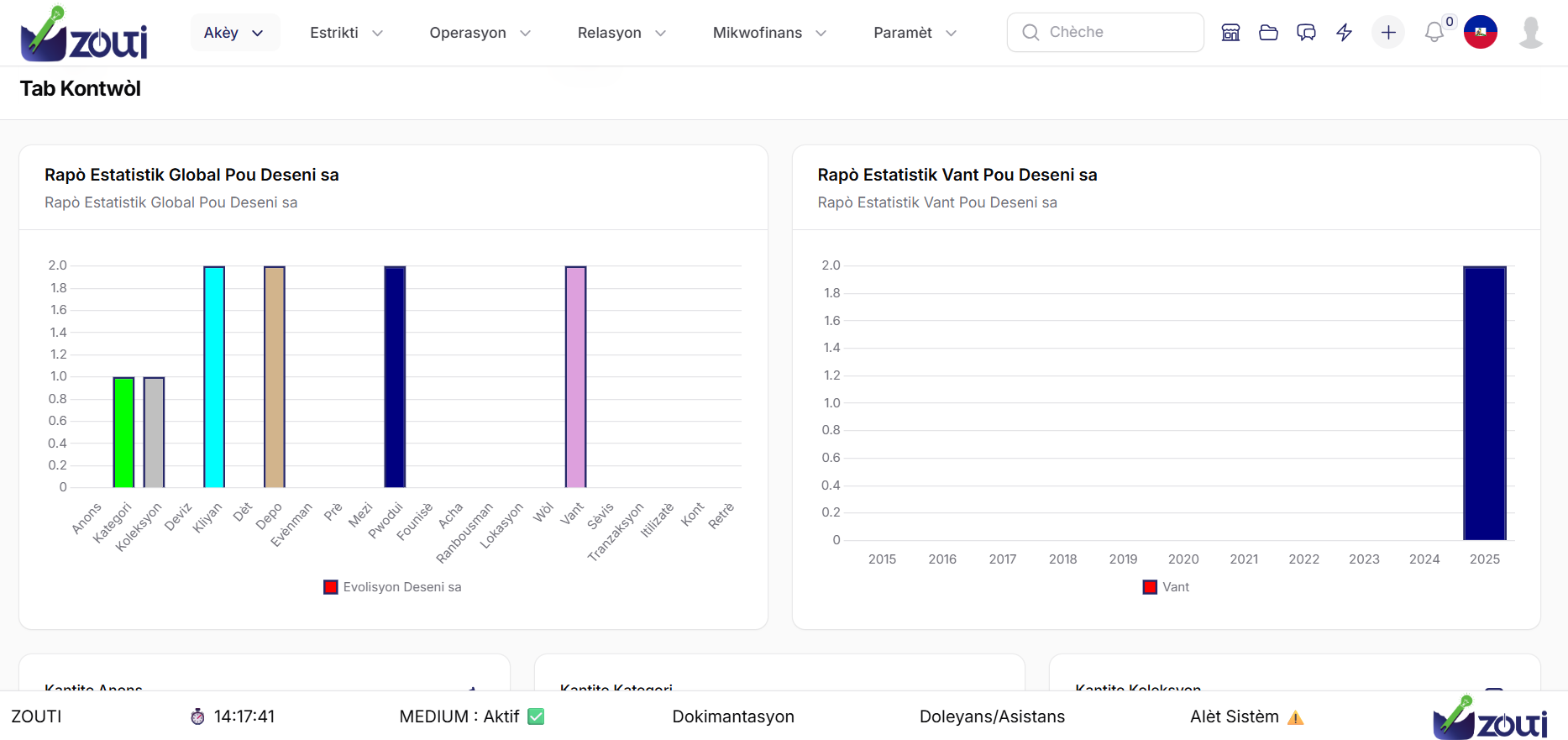
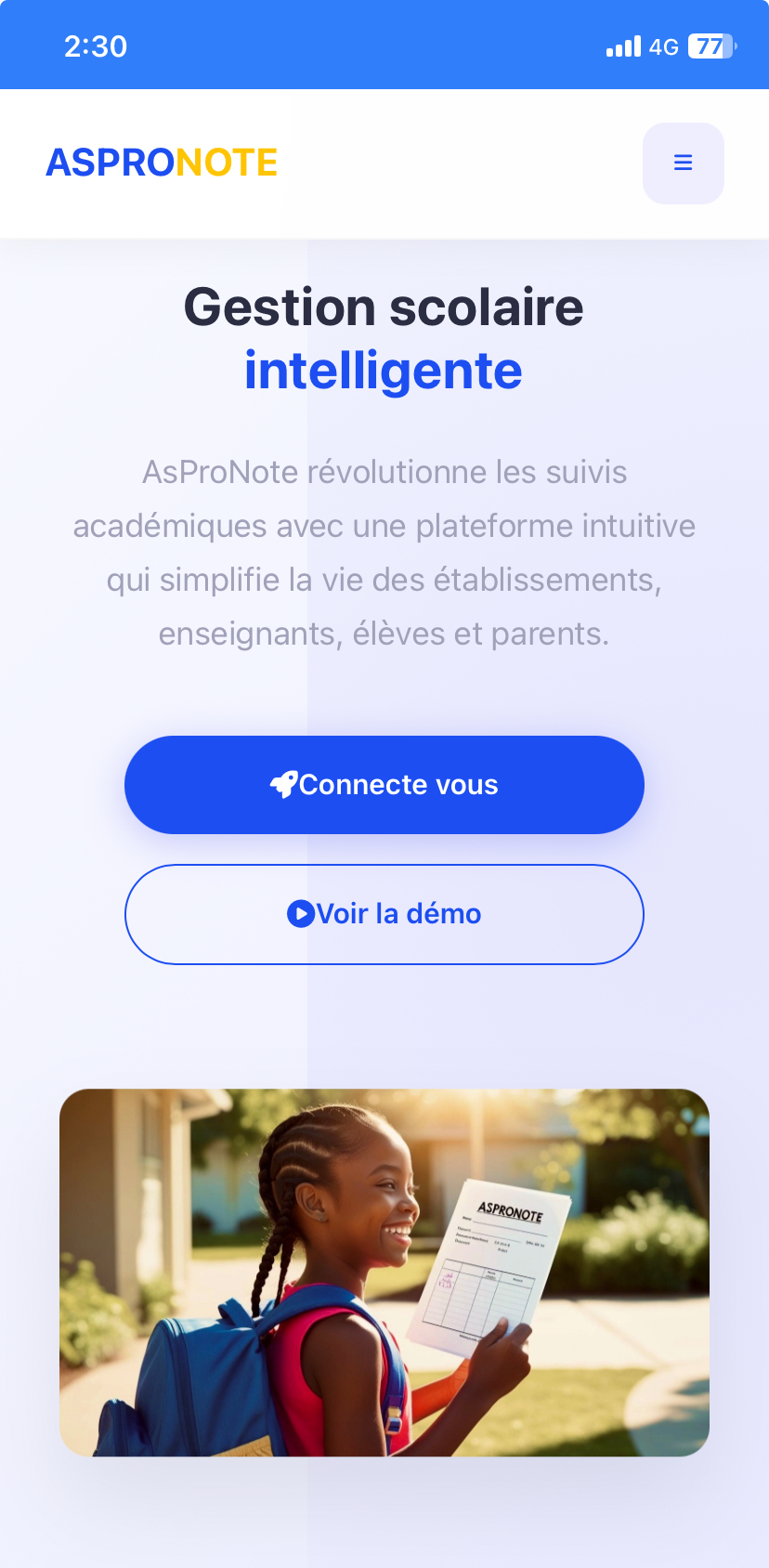
In a country where many schools lack digital resources, a local and adapted solution stands out: AsProNote, an educational platform developed by Fedner Michel, an active member of the Coding Club Carrefour.
From March 8 to 21, 2025, the Emmanuel Charlemagne Municipal Cultural Center welcomes a vibrant and emotional celebration of femininity with MUSES, a unique exhibition as part of Women’s Fortnight. This event delves into the very essence of Haitian women, representing them in all their complexity, strength, and beauty through the works of four exceptional artists. Let yourself be swept away by this unique artistic experience that invites you to rediscover women in a new light!
Summer in Haiti, a vibrant and sunny time, is much more than just a season. It is a celebration of life, culture and nature in this Caribbean country. Let me take you on a journey through the different facets of the Haitian summer, where the sun shines brightly, music resonates and nature flourishes.
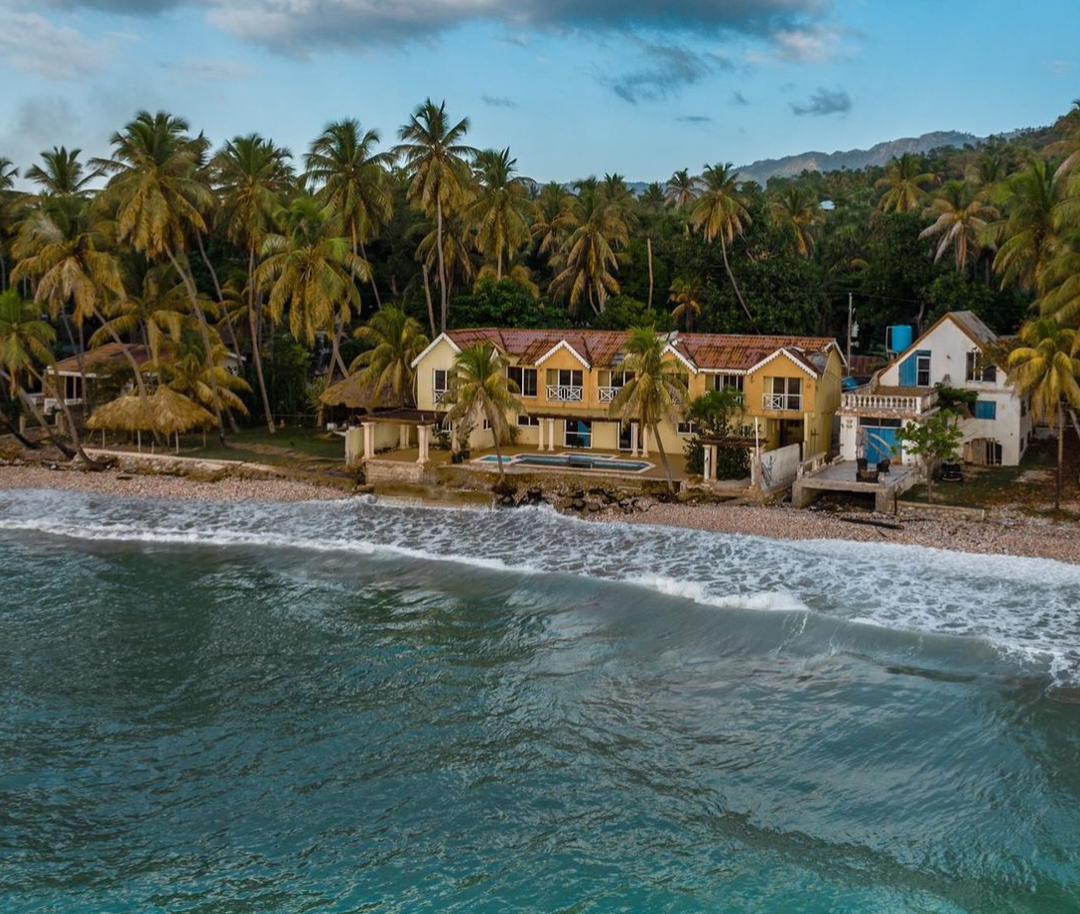
As the summer heat sets in on the island, the town of Cap-Haïtien comes alive and vibrates to the rhythm of the holidays. In the lively streets of this historic city in northern Haiti, a joyful and relaxed atmosphere reigns. Residents take full advantage of the simple pleasures of the summer months. The beaches, like cathedrals of fine sand, welcome devotees in search of sun, relaxation and sparkling waves. The lively terraces become the new places of worship, where we savor culinary delights to the rhythm of hearty laughter. Cap-Haïtien, a historic jewel, stands as a summer paradise, inviting everyone to immerse themselves in the sweetness of life in the tropics.

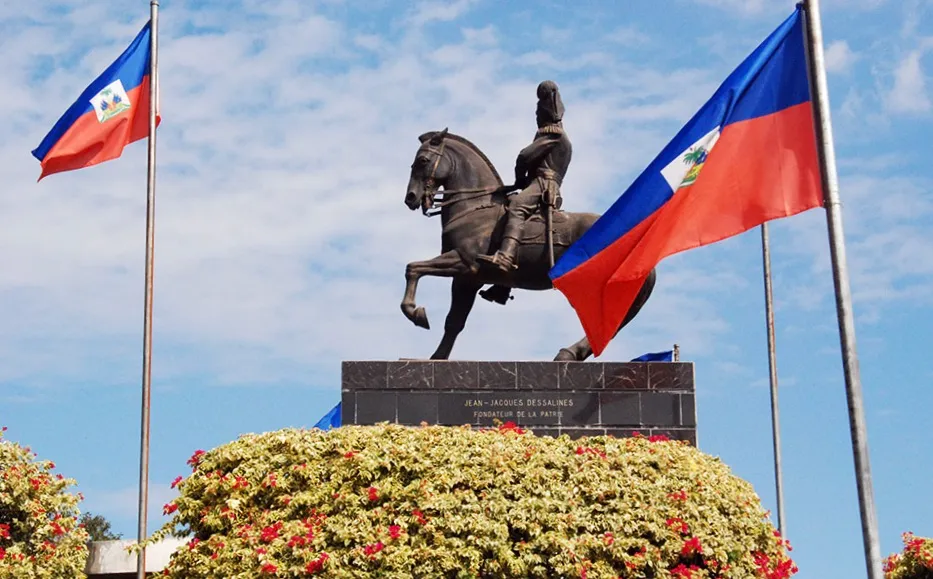
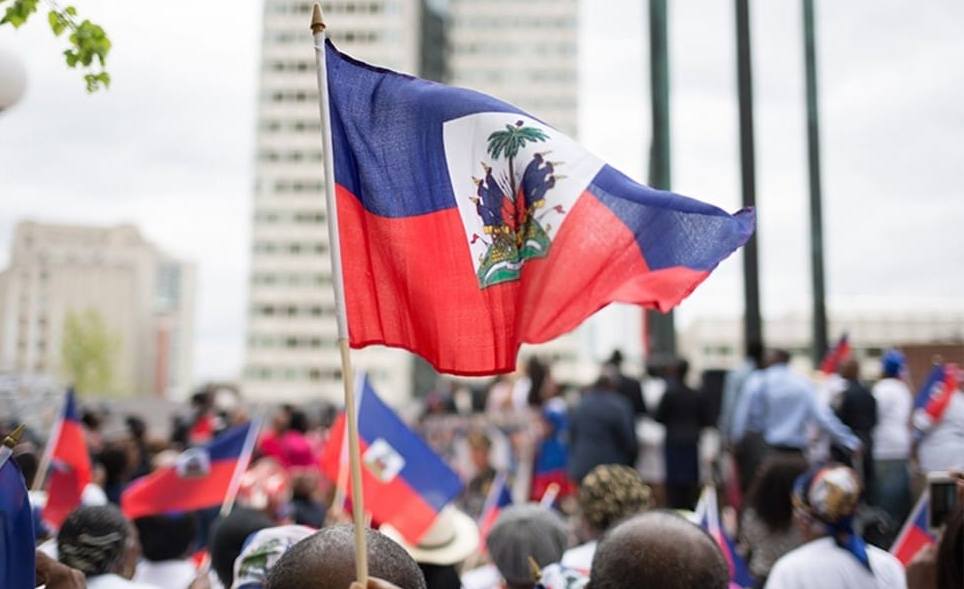
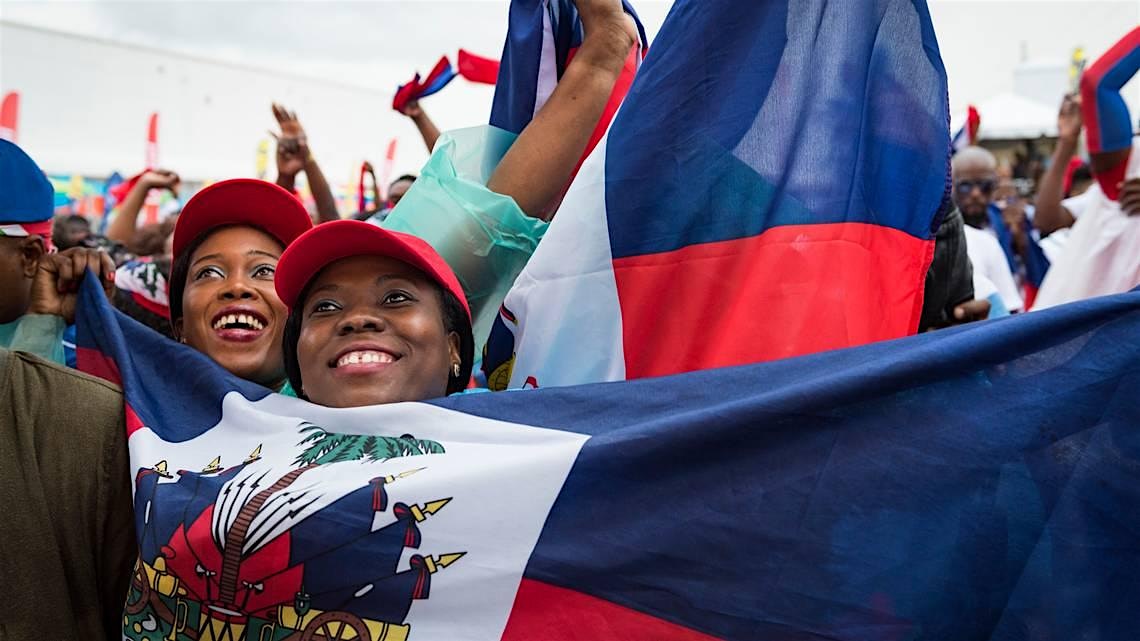
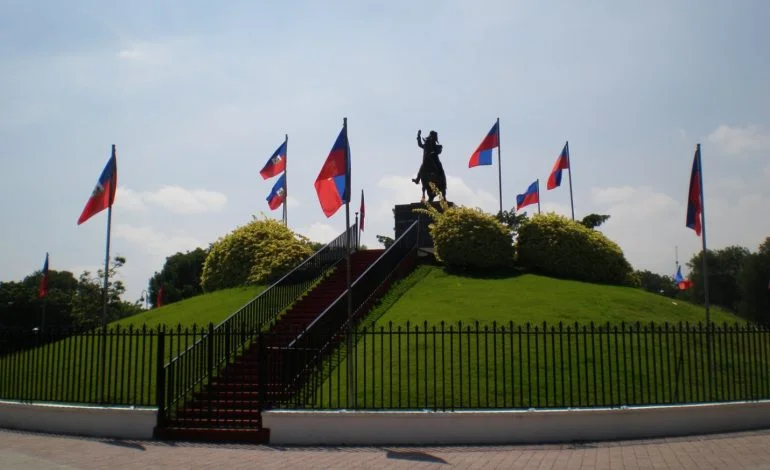
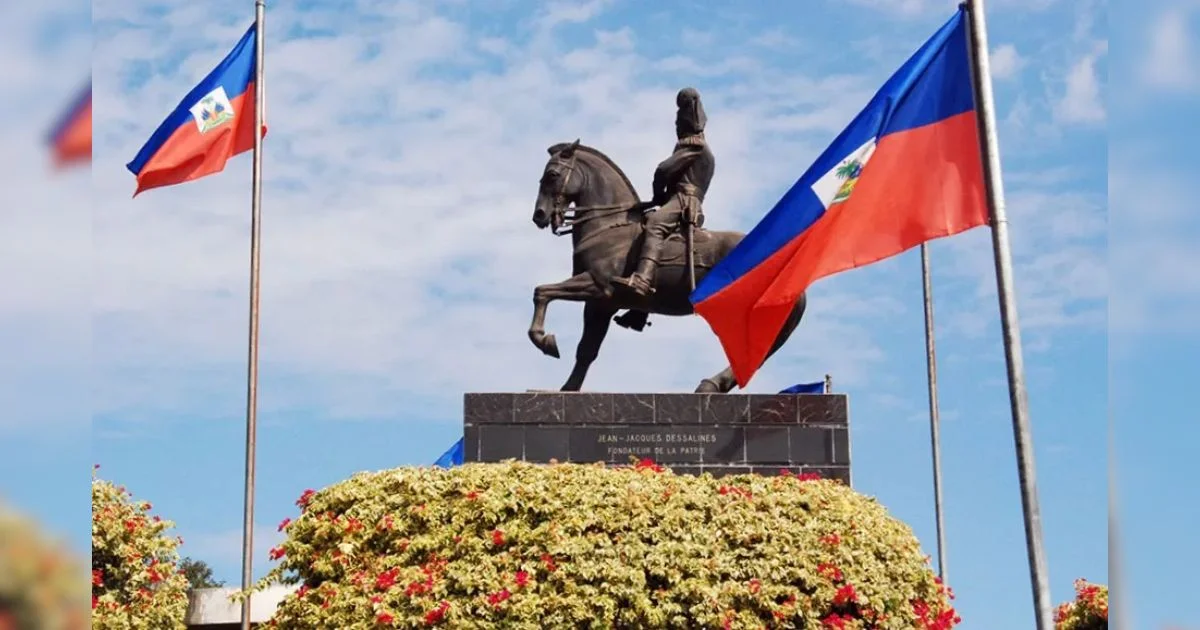
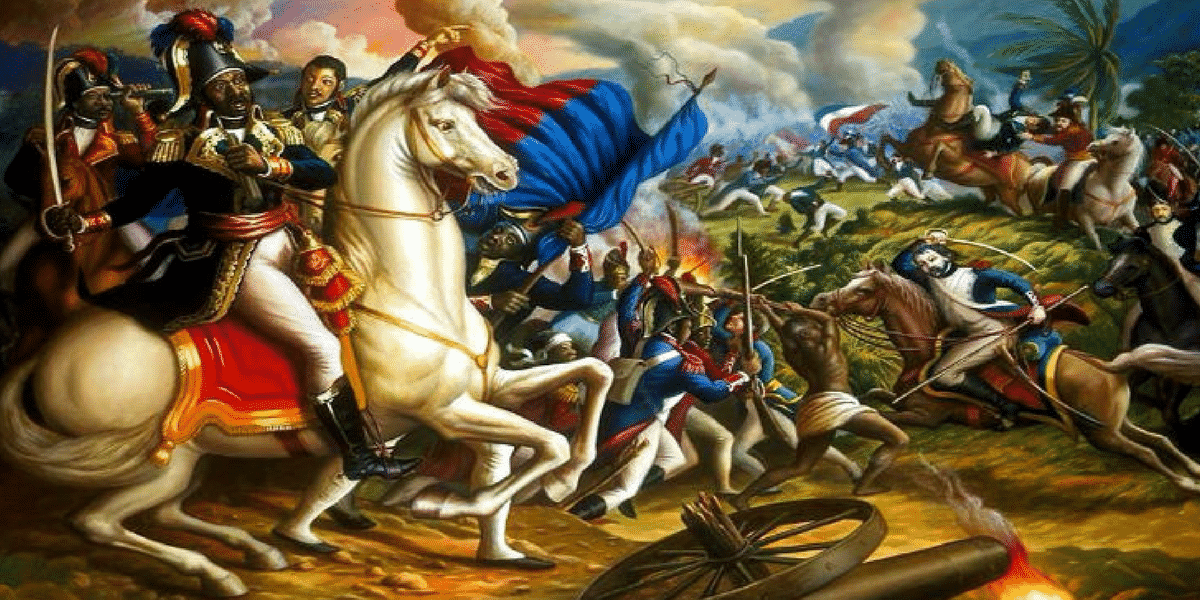
First black nation to free itself from slavery and gain independence from France in 1804 and influenced other liberation movements around the world, inspiring struggles for freedom and equality.

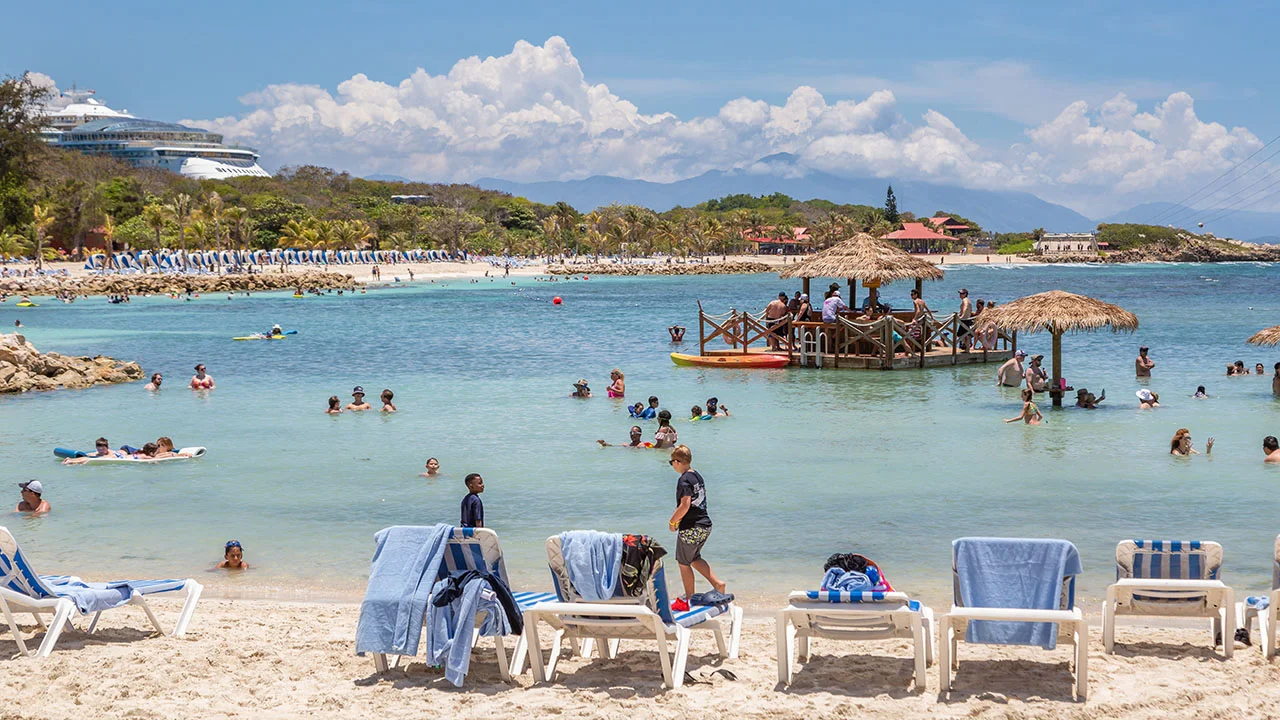
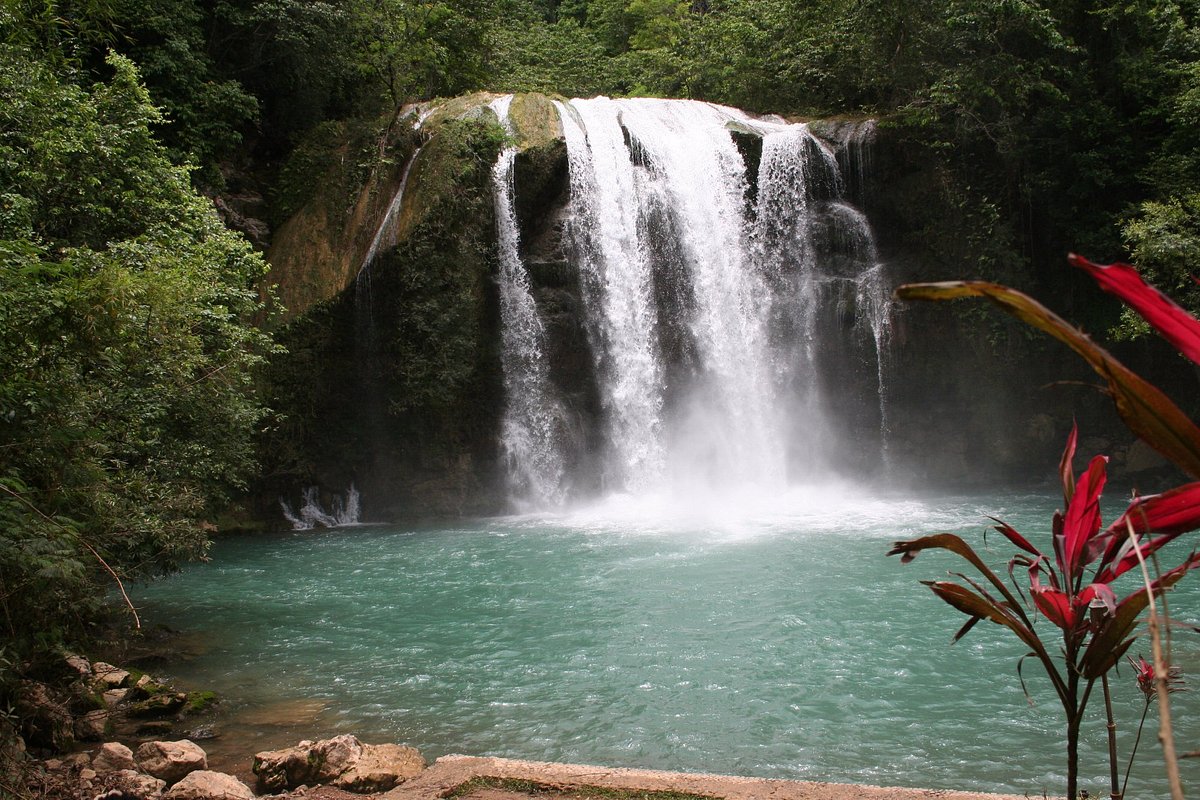
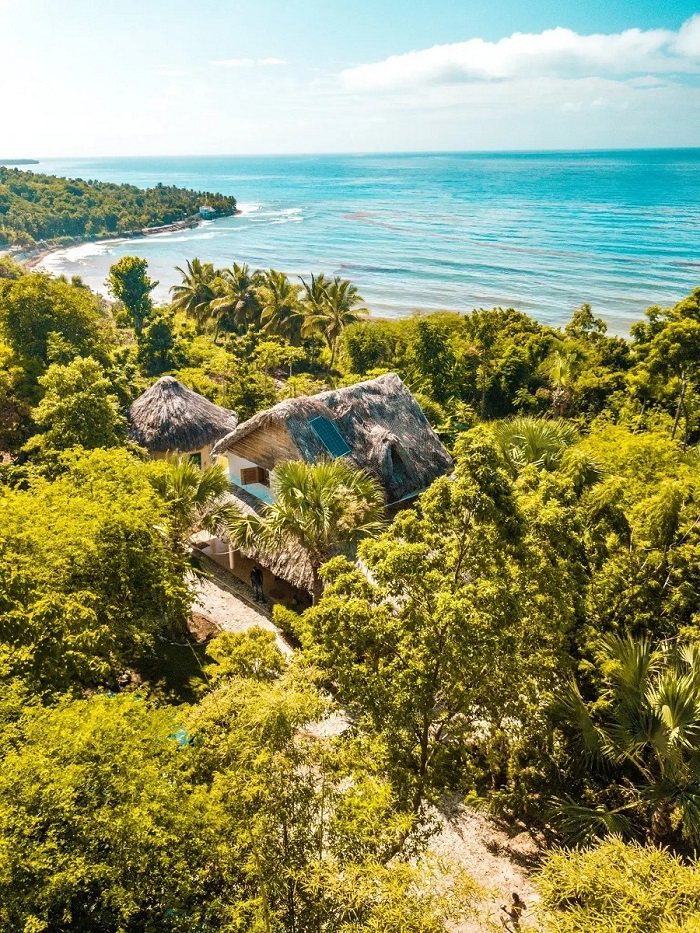
Haïti is blessed with spectacular natural landscapes, including white sand beaches, mountains and rich biodiversity.

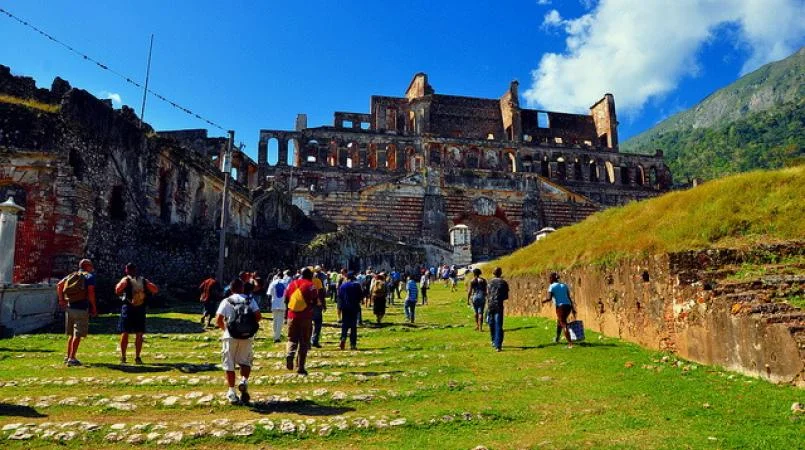
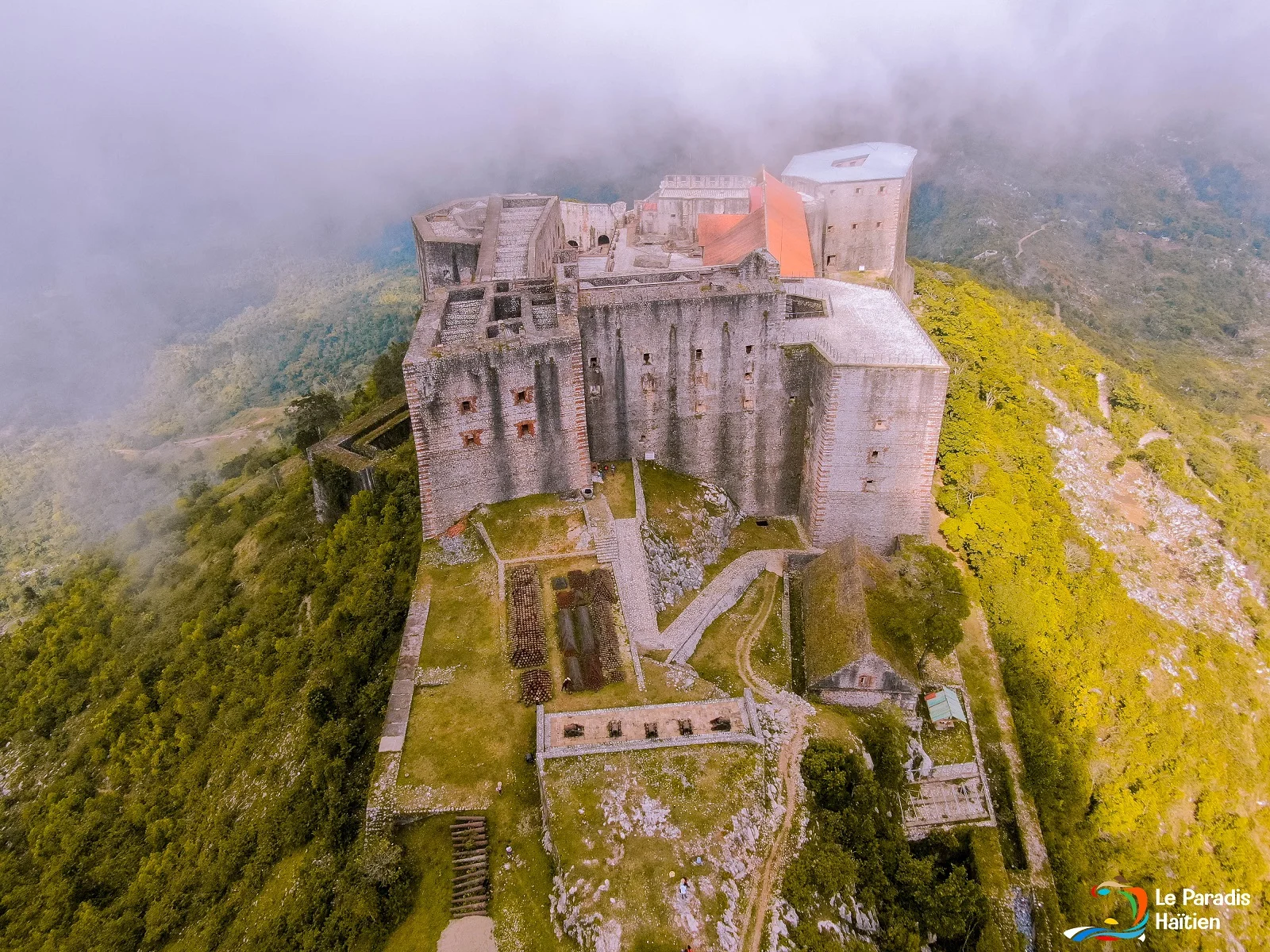
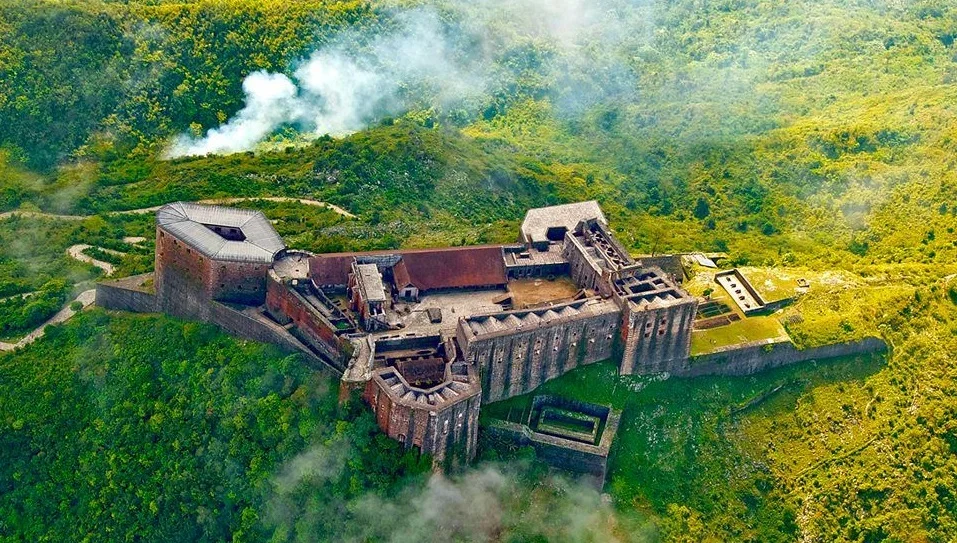
Haïti has a rich historical heritage, including sites like the Citadelle Laferrière and the Sans-Souci Palace, listed as UNESCO World Heritage Sites.

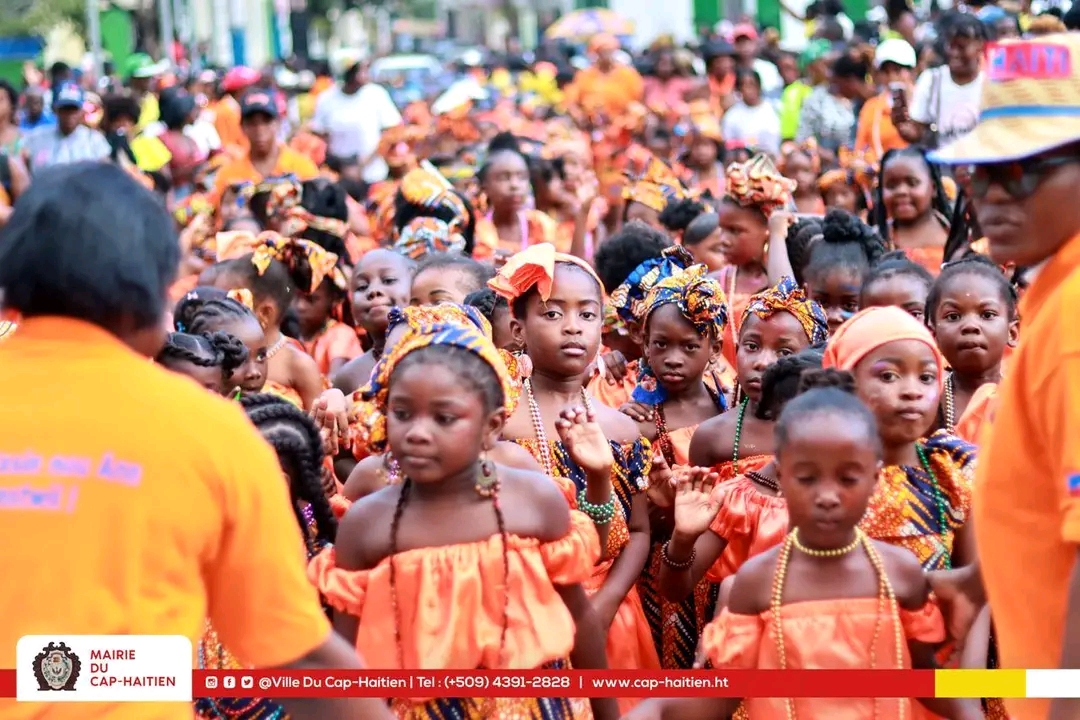
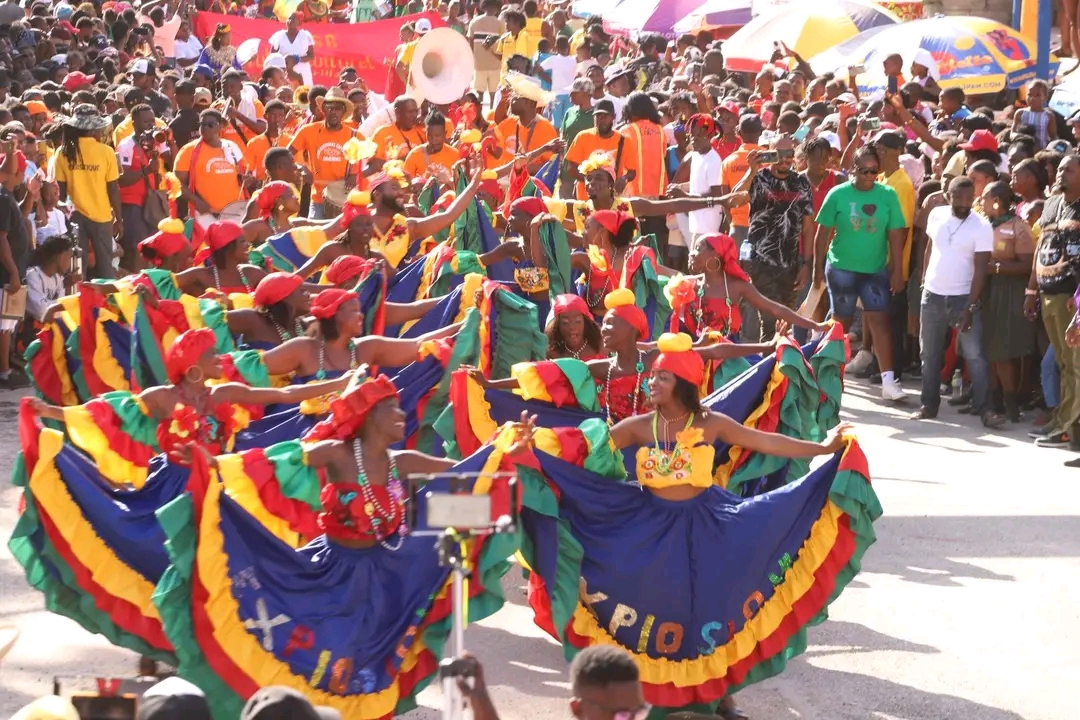
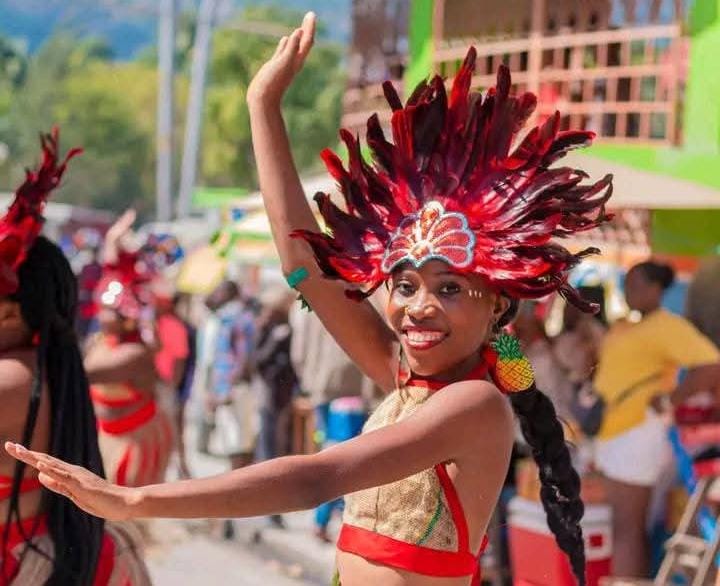
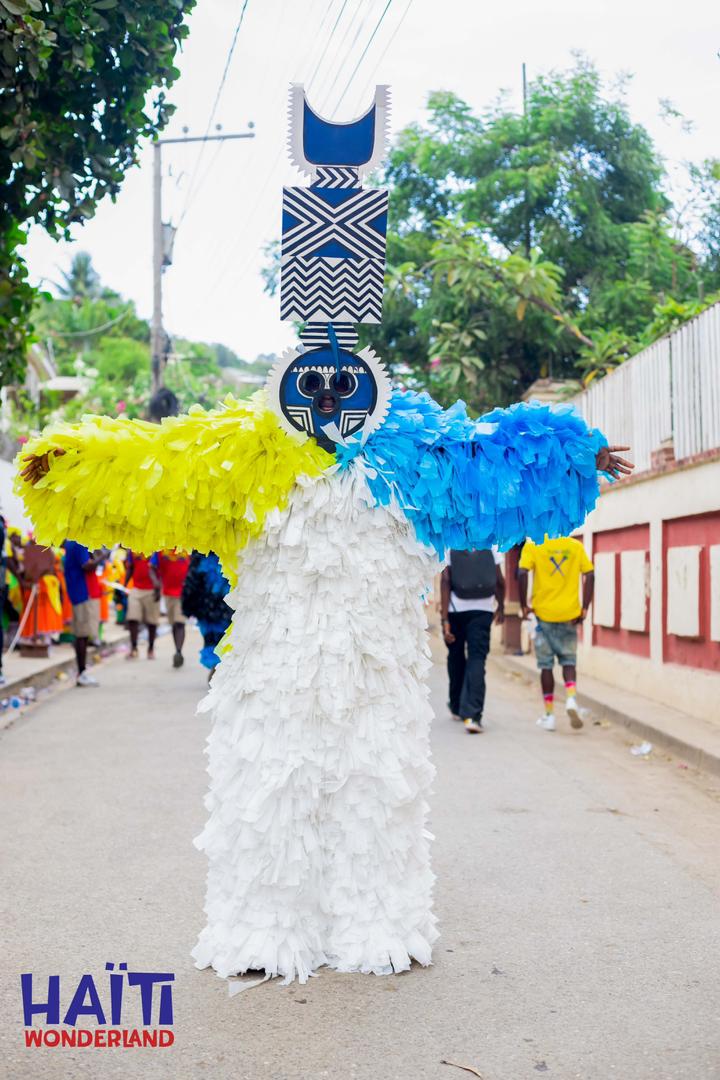
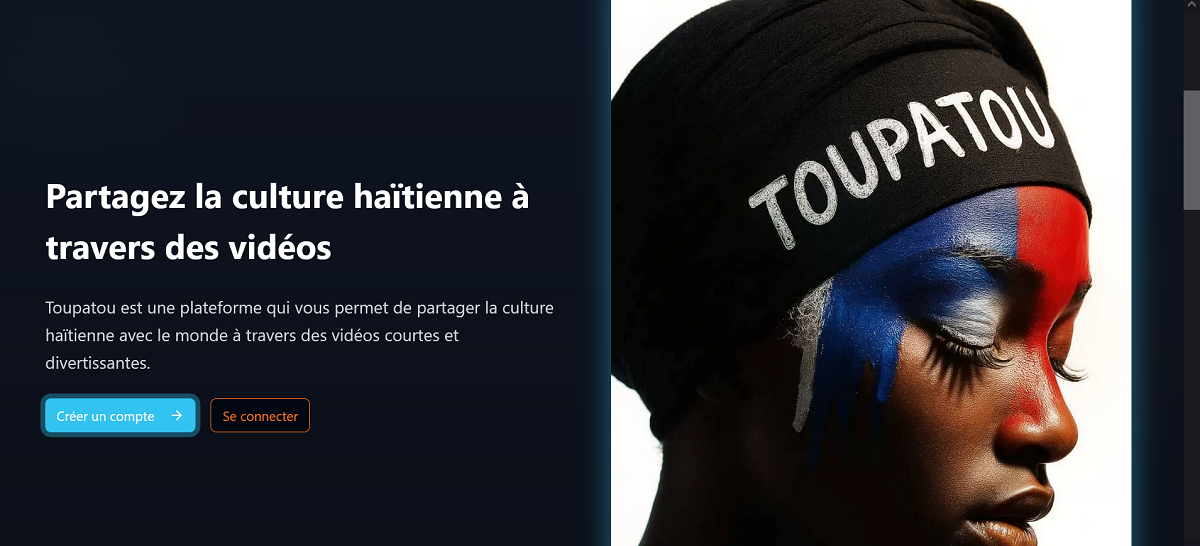
Haïti has a rich and diverse culture, influenced by African, European and indigenous elements. Haitian music, dance, art and cuisine are celebrated around the world.