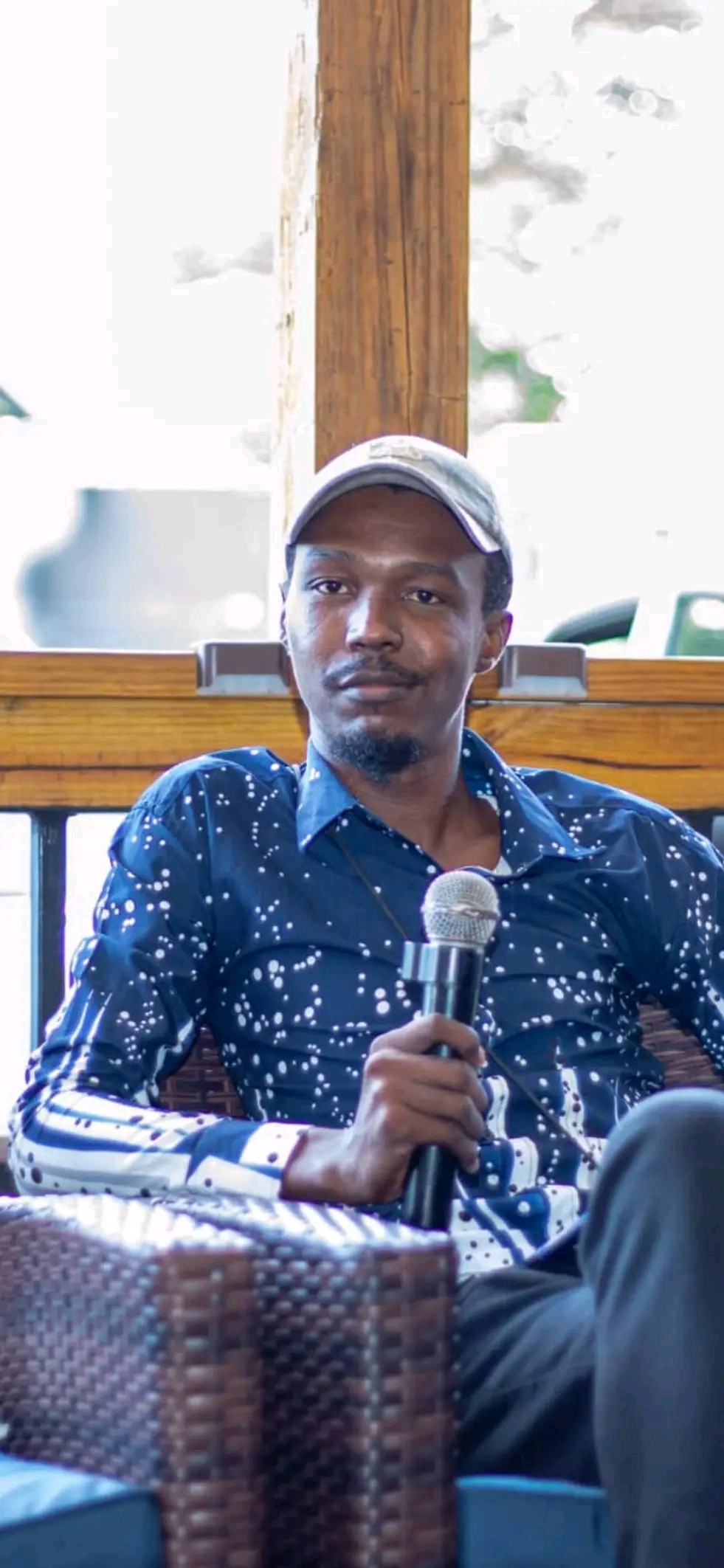
Tony Mix: Haiti’s Star DJ Rocking the Music Scene
Haiti's star DJ, Tony Mix, is rocking the music scene with his explosive mixes and hits. Discover his career and international success.

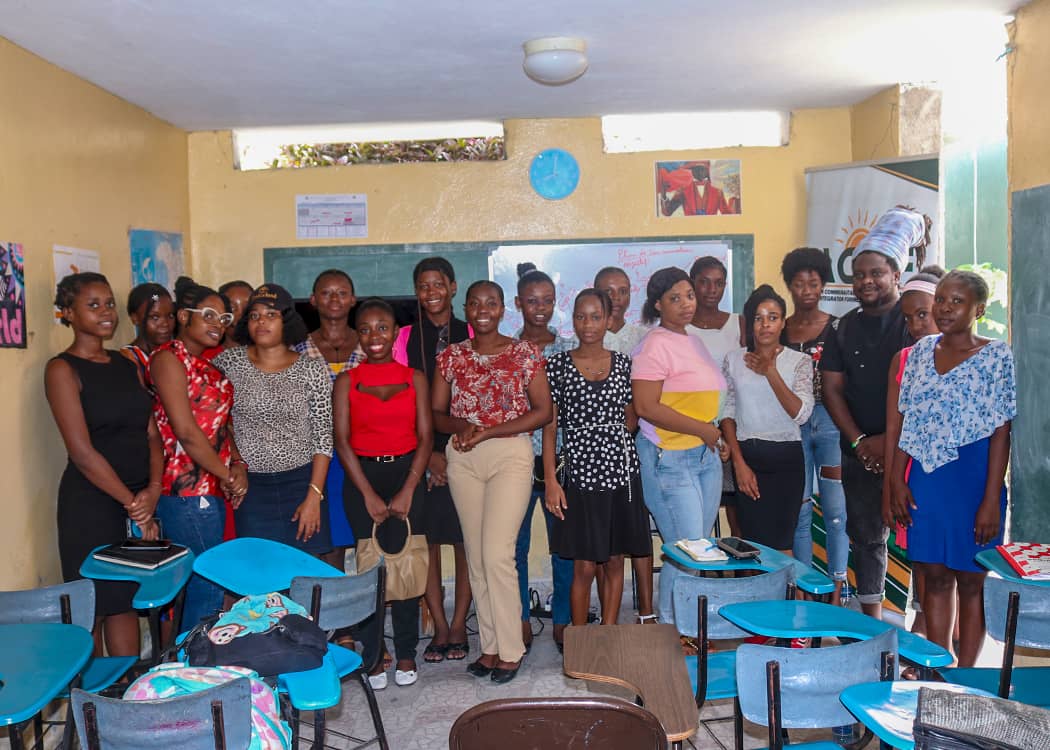
In an atmosphere of madness, at the Auditorium Saint Jean Marie Vianney de Galette-Chambon, where the laughs broke out, the music resounded, and the talents were dismented, started the second edition of the reading competition, around the theme "Ann Li pou n chanje peyi n ». This initiative, organized by the literary and philosophical club of Galette Chambon (CLPGACH) on Friday 06 October 2024, was marked by an overflowing passion within the public. The spectators came for several reasons: to support the applicants and live their presentations. The works, as "thus spoke of the uncle", "the vocation of the elite" of Jean Price Mars, "the ten black men" of Etzer vilary and "the courage to live in Haïti in the 21st century" of Hérold Toussaint, present innovative arguments linked to the societal context. They intertwine with folklore, Haitian culture, sociology and anthropology. These books are given to the applicants for a period of 15 days. Back, they come with their summaries and, after each presentation, in turn, reveal new perspectives on burning questions and delicate themes from works, while taking into account the concepts learned in public speaking. In this arena where the verve and the verb clash as well as logic, conviction, precision and clarity, it is a question of "saying all in a few words". The judgments are based on three criteria: the methodology concerning the substance and the form of the work; The eloquence which concerns verbal and non -verbal discourse (micro management, good pronunciation, etc.); And finally, an essential criterion: understanding. This is to assess whether the applicant has controlled the work. Questions can be asked without ignoring the context in which he lives. In addition, assistants have the opportunity to vote for the applicant who charmed them the most. This vote is precious at a higher level. Note that this vote can be made not only face -to -face but also online on our Facebook page CLPGACH. In addition, the public has always changed well through this trip to the universe of regional authors. The latter weave the frame and make vital the very repertoire of the competition vital, made up of impactful works such as "the price of irresponsibility" of Montuma Murat, "the return to citizen responsibility" written by Jean Jacquesson Thelucier and "Courage to live in Haïti in the 21st century "Professor Hérold Toussaint, to name a few. Although they died, some writers still live at the heart of our situation through their inheritance. Among them, it is necessary to quote: "the vocation of the elite" of Doctor Jean Price Mars, "the ten black men" of Etzer Villaire and "the Governor of the dew" by Jacques Roumain, as well as so many others . For this literary event to be moving and meets expectations for this second edition, many sacrifices are necessary on the part of the staff as well as the public which never leaves us alone. In this sense, we would like to thank them and call all those wishing to support this event. Indeed, if this competition is a solution found to advance together towards a common goal, its success depends on everyone’s commitment. About two years ago, the security climate in the area was not conducive to the completion of the competition. Although it is not yet ideal today, it is time to triumph over obscurantism and fight the dictatorship of ambient ignorance.
When was the last time you enjoyed a good lalo? Were you satisfied? What particularly struck you: the taste, the company of good friends? Tell us all about it in the comments! Lalo is an iconic dish from northern Haiti, particularly popular in the Artibonite region. It is prepared with jute leaves, a green plant with multiple health benefits. Rich in iron, vitamins, and fiber, lalo is known to give strength and energy. At home, we often cook it with beef, crab, or shrimp, served with white rice and a spicy sauce. Its slightly sticky texture may be surprising, but its savory flavor and spices make it a comforting dish that everyone enjoys. Beyond its flavor, lalo holds a special place in Haitian culture: it’s often prepared at large family gatherings or on holidays, bringing together young and old alike around a delicious meal. So, are you ready to savor a delicious lalo to welcome April with a sweet tooth?
Located in the Bay of Cap-Haitien, Fort Saint-Joseph stands like a silent guardian of Haiti’s tumultuous history. Built in two stages, in 1748 and 1774, this defensive work was once a crucial element of the city’s protection system against French colonial assaults. Alongside other forts such as Picolet and Magny, its mission was to control maritime passages and defend Haitian sovereignty. However, its history is not limited to its defensive function. In 1802, then under the control of General Henry Christophe, the fort became the scene of a heroic act of resistance. Faced with the French expeditionary army, Christophe ordered the destruction of the powder magazine and the entrance gate to the fort, thus rendering it temporarily unusable. This courageous gesture, although tactical, left indelible scars on the very structure of the fort, testifying to the fierce clashes between French colonial forces and Haitian resistance fighters. These historic marks, still visible today, offer a window into the country’s tumultuous past. They allow visitors and historians to interpret the fierce struggles that forged Haitian identity. Fort Saint-Joseph, as a witness to the resistance and the struggle for freedom, embodies the indomitable spirit of the Haitian people. Recognizing its historical significance, the Haitian government officially classified Fort Saint-Joseph as national heritage in 1995. This recognition paved the way for restoration efforts aimed at preserving this precious vestige of Haitian military heritage. Thanks to collaboration between the public sector and local private funding, the fort has recently been restored and enhanced. Thus, Fort Saint-Joseph remains much more than a simple stone structure. It is a living symbol of the resilience and determination of the Haitian people, reminding all visitors that Haiti’s history is deeply rooted in the struggle for freedom and human dignity. To virtually discover this jewel of Haitian history, you can visit the following link: https://haitiwonderland.com/haiti-virtual-reality-ht/monuments-histoire/haiti--fort-saint-joseph--visite- virtual/11
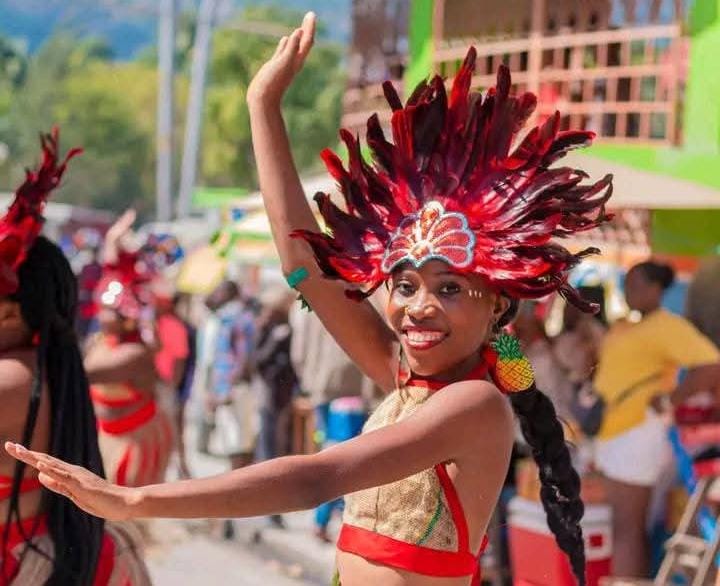
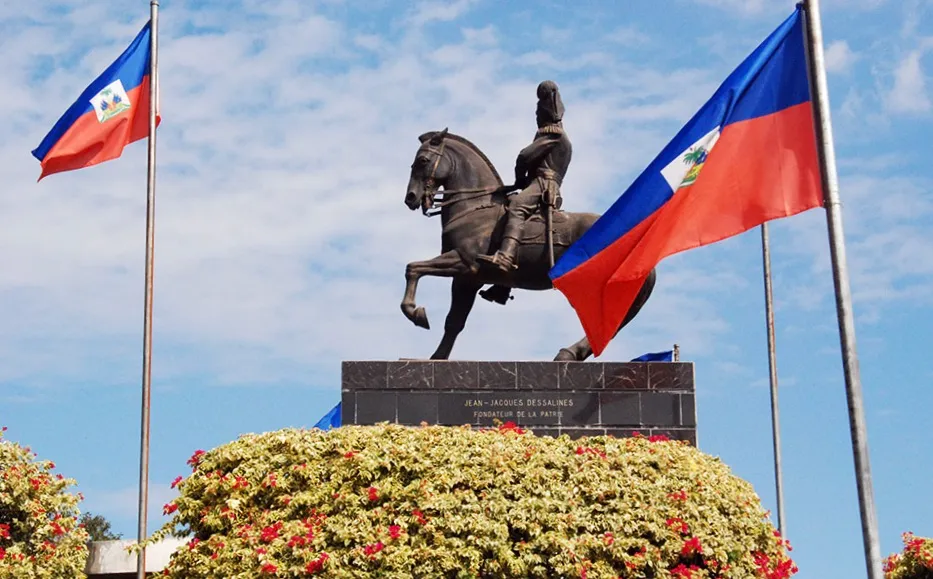
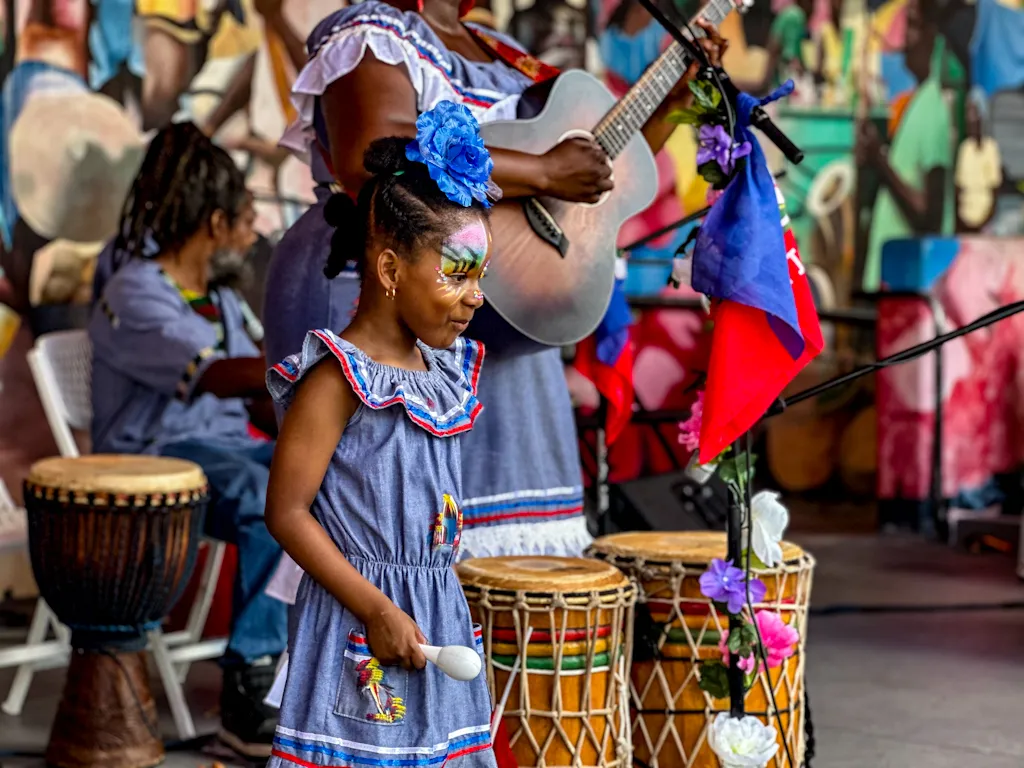
Haiti, officially the Republic of Haïti (Ayiti in Creole), is a country in the Greater Antilles. With an area of approximately 27,750 square kilometers, it is the third largest country in the Caribbean after Cuba and the Dominican Republic. Haïti shares a 360-kilometer land border with the Dominican Republic, strengthening ties and cultural distinctions between the two nations that cohabit on the island of Hispaniola. Haiti’s coastline stretches approximately 1,770 kilometers, bordering the Atlantic Ocean to the north and the Caribbean Sea to the south. This island is full of historical treasures, stunning natural landscapes and a vibrant culture worth exploring. Discover this Caribbean gem with us.
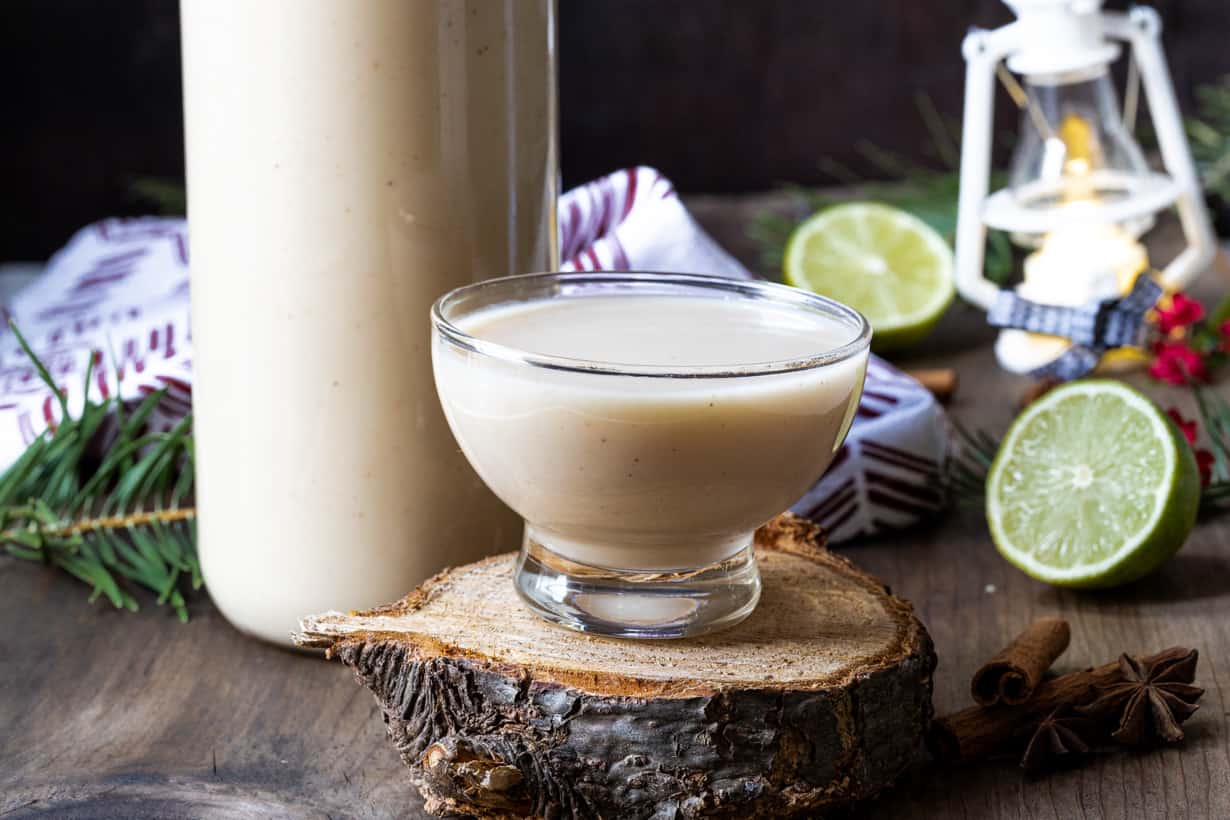
Christmas in Haïti is not limited to festivities and traditional songs. It is also an explosion of flavors, with typical desserts and drinks that delight the taste buds and add a unique touch to the celebrations. Discover 10 must-haves of Haitian gastronomy for an authentic and gourmet Christmas.
At the entrance to Haiti’s beautiful Baie de l’Acul du Nord lies an oasis of tranquility and natural beauty: Camp Louise, more affectionately known as Saint Michel Beach. With its black sand and rushing swells, this beach offers a spellbinding experience that captures the wild spirit of nature. As soon as you set foot on this enchanting shore, you are enveloped by an atmosphere of mystery and serenity. The "ajoupas" dotted along the beach are home to modest restaurants serving local delicacies, from fresh grilled fish to succulent conch. With every bite, you taste the exquisite fusion of authentic flavors that celebrate Haiti’s culinary richness. On your right, majestically sits the "M&M" restaurant, ready to delight your taste buds with its irresistible specialties, available to serve you at the end of the week, to crown your beach days with an exquisite gastronomic note. Despite its proximity to the bustling town of Cap-Haïtien, located just 26 kilometers away, Camp Louise seems like a world apart. Accessible both by road and by sea, by jet ski from the neighboring beaches of Gaderas and Labadie, this beach offers a welcome escape from the hustle and bustle of everyday life. Whether you are looking for adventure, relaxation or simply connection with nature, Camp Louise will meet all your desires. Its turquoise waters invite you to swim, its sandy beaches invite you to relax, and its warm atmosphere inspires wonder. For travelers seeking authentic experiences and breathtaking scenery, Camp Louise proves to be a hidden treasure worth discovering and celebrating. So, let yourself be carried away by the captivating magic of this rare pearl in the heart of the Bay of Acul du Nord, and let your worries float away with the waves that gently caress its shores.
Le soup joumou haïtien est bien plus qu’un simple plat traditionnel. Il incarne une histoire de résistance, de liberté et de culture, et représente un élément clé de l’identité haïtienne. Au-delà de sa signification symbolique, il offre aussi aux voyageurs un moyen unique de découvrir les richesses de la gastronomie haïtienne. Dans cet article, nous explorerons l’importance historique du soup joumou, ses caractéristiques culinaires, ainsi que son rôle en tant que moteur du tourisme gastronomique en Haïti.
On the airwaves of Radio Solidarité 107.3 FM in Port-au-Prince, a familiar voice has been accompanying listeners for years: that of Dominique Beldor, a passionate host and programming director. Through his music show, The Dominik Show, broadcast weekdays and now every Saturday, he has forged a unique connection with the Haitian public, combining music, cultural news, and social analysis. Residing in Florida since May 2024, Dominique continues his remote broadcast with the same energy. Broadcast from Tampa, his show maintains its vocation: to bring Haitian culture to life around the world and offer a space for free, engaged, and respectful discussion. Before leaving the country, the host admitted to having received threats for his opinions and on-air analyses, which forced him to seek shelter to avoid reprisals. Today, from the virtual studios in Florida, Dominique Beldor continues to fly the flag for Radio Solidarité, with a voice freer than ever—and still as close to the hearts of Haitians as ever.
Nestled in the heart of the Caribbean Sea, Haïti is known not only for its rich cultural and historical heritage, but also for its pleasant tropical climate which makes it a popular destination for tourists and nature lovers. Located in the Greater Antilles, Haïti shares the island of Hispaniola with the Dominican Republic and benefits from a climate that profoundly influences daily life, the economy and the biodiversity of the country.
The democratic political system requires the active participation of citizens in the management of the city. Everyone freely expresses their opinion for harmonious management of society. Generally the choices are made from the organization of free and honest elections. However, sometimes candidates use diverted means to achieve their ends. Can we consider this act as a form of corruption or a political strategy? In a democratic society, the organization of elections at regular intervals is an imperative. Managers are generally elected by the majority of voters, which ensures them a certain legitimacy within the framework of government management. Today, more and more, around the world, the elections are controlled by economic power. This sector gives a lot of silver to candidates who often buy the media services in order to have certain visibility through mass communication means (radio, VAT, Internet, etc.) and do without constraints Many very expensive trips, which require enormous capital. By the way, the possibility that a candidate with low financial means of being elected is increasingly reduced in Western societies. Despite everything, it is illegal to buy the votes of the voters. It is an act of corruption that should lead to criminal sanctions. No society can tolerate this practice which could hamper the degeneration of the democratic system and, consequently, of the electorate system. Civil society and human rights organizations must be vigilant in order to avoid these harmful drifts in the democratic system. In fact, the temptation to bribe the voters in order to access elective positions must be denounced as an act of corruption. In doing so, will lead to political dissenting between duty, and law, because citizens are called upon to freely choose the leaders of the city. Ultimately, the organization of the elections must be the fruit of consensus between the various groups of the social system. Managers must be chosen according to their ability to provide adequate answers to the problems of the company. They can still benefit from powerful financial means from other partners. But, giving voters directly money is a condemnable detective act which reduces the autonomy of action and thinking of voters. In this sense, the latter’s vote must reflect the desire to choose or build a fair, fair and favorable company.
On this 220th anniversary of the legendary independence of Haïti, a new initiative is born on the web: Haïti Wonderland. Launched on January 28, 2024, this innovative site’s mission is to revolutionize the way Haïti is perceived online, by highlighting its natural, cultural, historical and human assets. b~An Ambitious Vision~b Haïti Wonderland aspires to a significant change in the perception of Haïti on the Internet. The goal is clear: when you search for “Haïti” on search engines, you should be greeted by beautiful images and inspiring stories. The team behind Haïti Wonderland wants to transform the web to allow only the beauty and wealth of this country to emerge, thus reflecting Haïtian reality. b~Authentic and Immersive Content~b To achieve these goals, Haïti Wonderland regularly publishes news articles and special blogs highlighting Haïti’s beauty, historic destinations, exquisite cuisine and anything else that can spark Haïtian pride. The emphasis is on promoting a positive and authentic image of the country. The experience offered to visitors to the site is also out of the ordinary. Thanks to virtual reality, you can explore the treasures of Haïti from anywhere in the world, providing total immersion in the splendor of this jewel of the Antilles. b~Smart Support and Rewards~b Haïti Wonderland goes beyond by integrating artificial intelligence on its site. This AI is there to provide visitors with all the information they need about Haïti, thus guiding their journey through the site in an interactive way. And that’s not all ! Haïti Wonderland offers an incentive compensation program for contributors. You can earn money by publishing blog posts on the site, rewarded based on the number of views generated. b~Commitment to Narrative Change~b The founder of Haïti Wonderland, Appolon Guy Alain, sees his initiative as a way to actively participate in changing the Haïtian narrative on the Internet. It is open to any collaboration and support aimed at achieving this common objective of improving the image of Haïti online. Through Haïti Wonderland, Appolon also wishes to raise awareness among online media to stop broadcasting demeaning images of Haïti that contribute to tarnishing its reputation. He calls for collective commitment to present the best version of Haïti. To discover the beauty of Haïti from a new perspective, visit the website: https://haitiwonderland.com or download the application from Play Store: https://play.google.com/store/apps/details?id =com.appographic.haitiwonderland. For all correspondence, contact them by email at contact@haitiwonderland.com. Haïti Wonderland: Rediscover, Share, Marvel.
Tourism is a vital sector for the economic and cultural development of a country, and Haïti is no exception. With a rich historical heritage, breathtaking landscapes, and a vibrant culture, Haïti has a unique tourism potential that can play a crucial role in its development. Let’s find out why tourism is so important to Haïti and how it can transform the country.
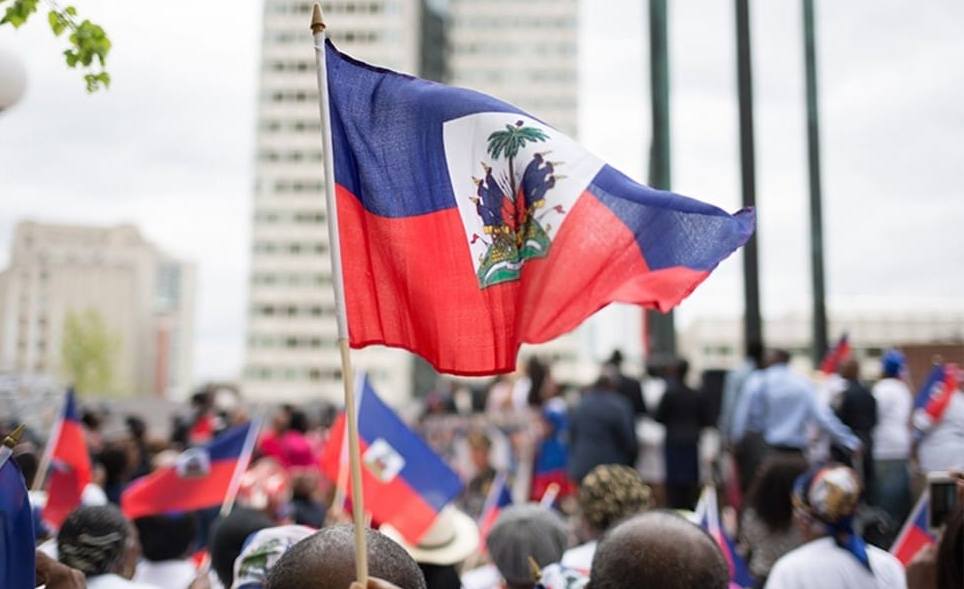
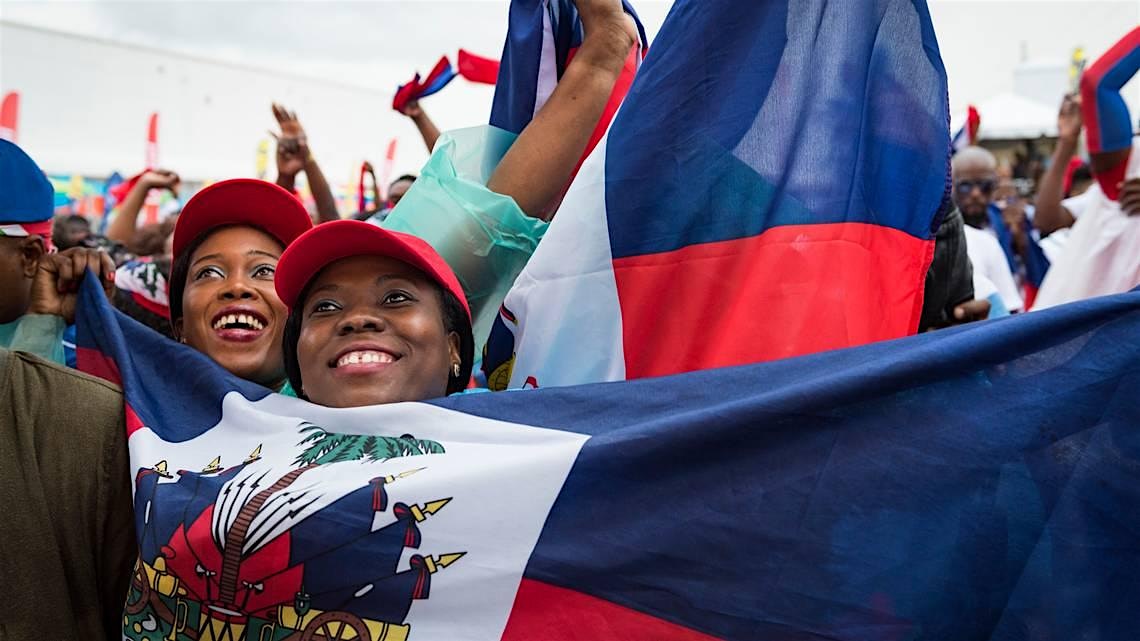
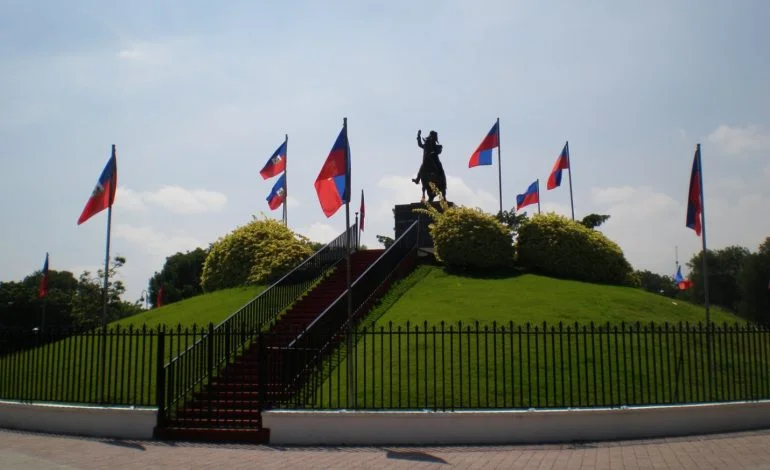
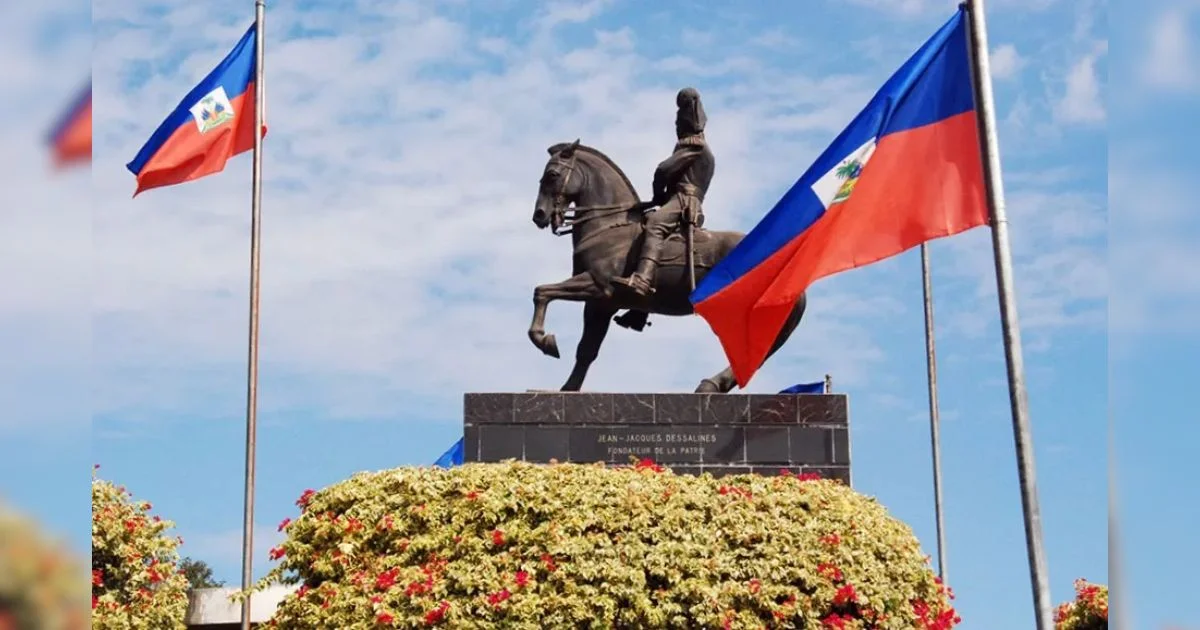
Article 2 of the Haitian Constitution of 1987, amended in 2011, establishes that the national colors are blue and red. These two colors are not simply aesthetic choices; they embody the history, culture, and aspirations of the Haitian people. Let’s dive into the deeper meanings and key facts associated with these emblematic colors. q~ARTICLE 2: The national colors are: blue and red.~q
In the digital panorama of Haiti, Guy Alain Appolon stands out as an essential figure, particularly in the field of web development. Its name resonates as a reference for quality and innovation. What sets Appolon apart is his ability to merge art and code, an ability forged by his multiple talents, notably as a painter, computer graphic designer and musician, giving him extraordinary creativity.

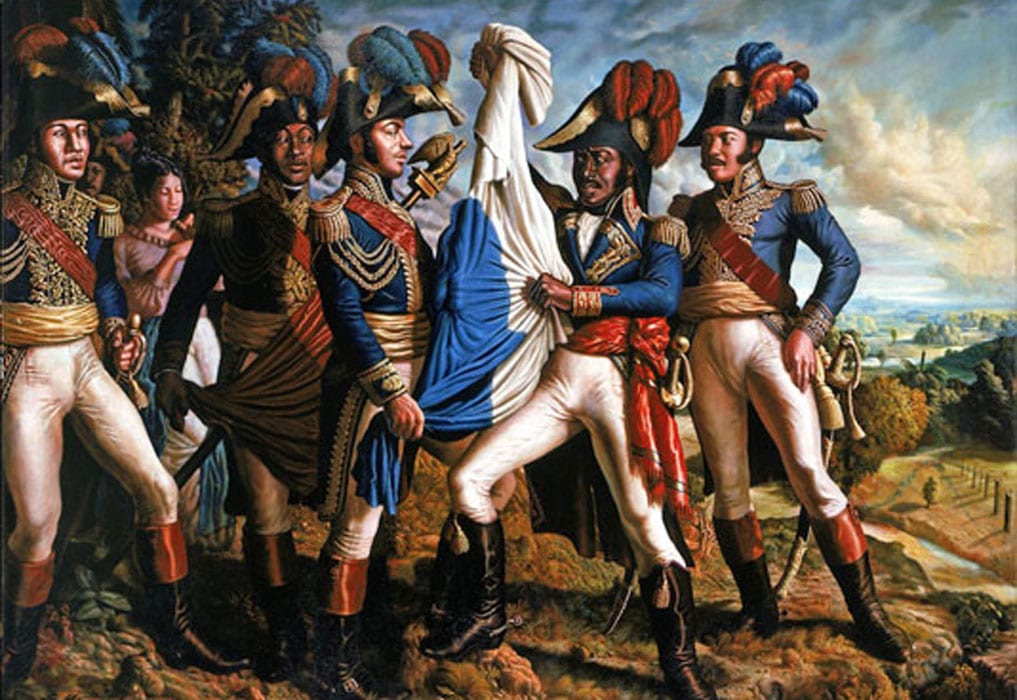
First black nation to free itself from slavery and gain independence from France in 1804 and influenced other liberation movements around the world, inspiring struggles for freedom and equality.

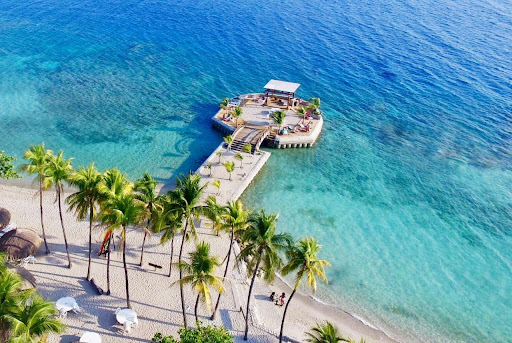
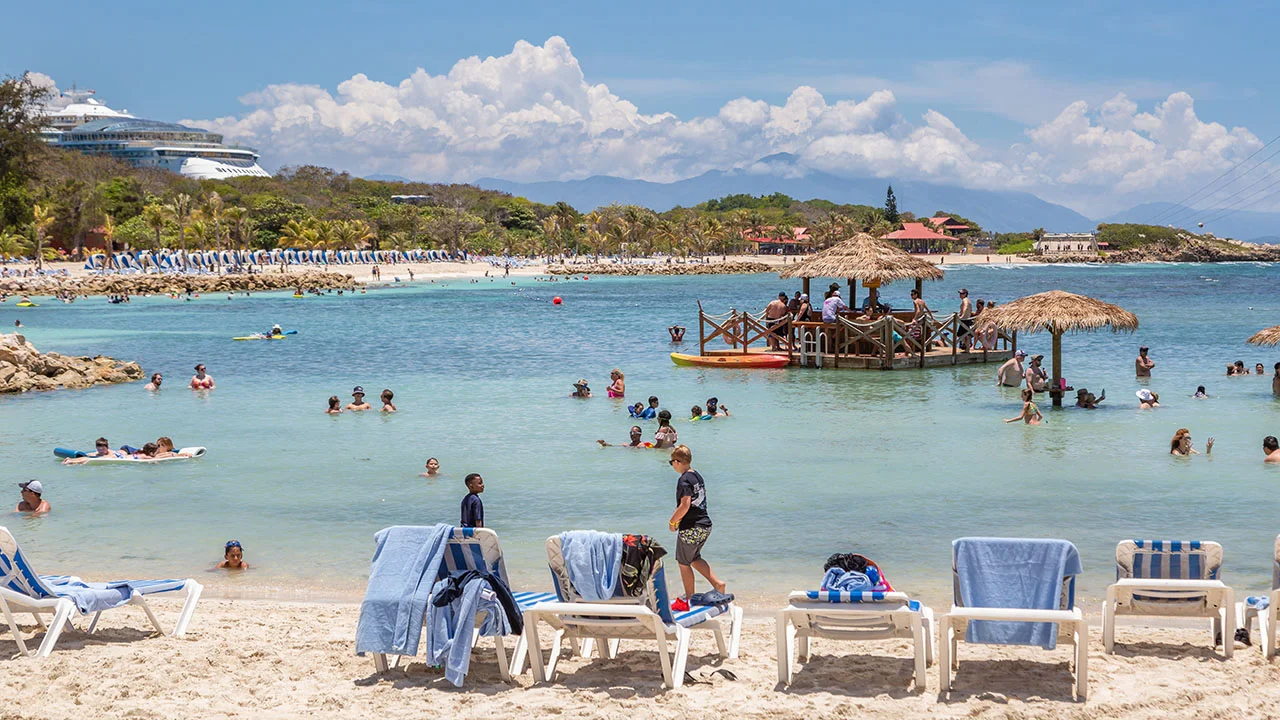
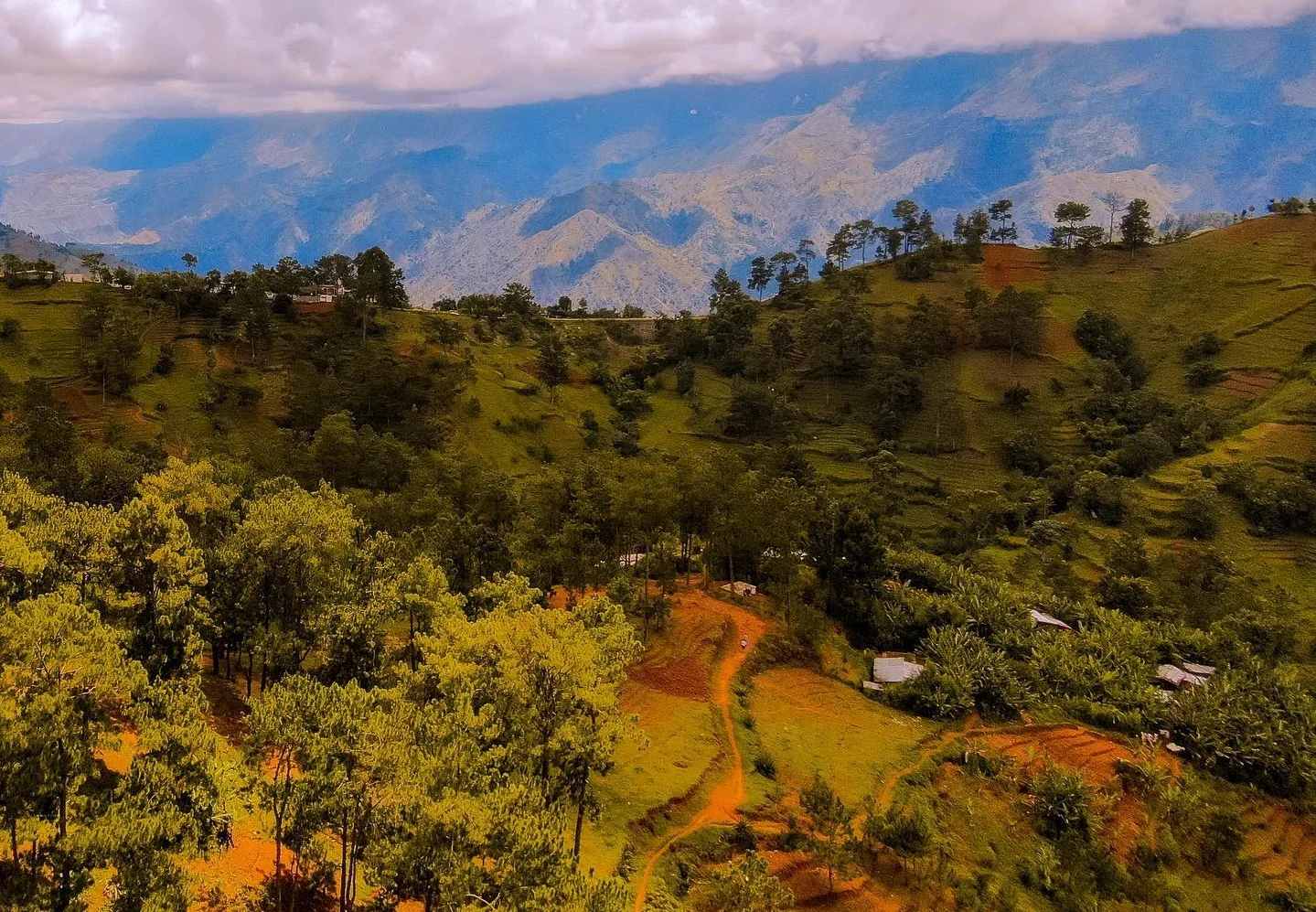
Haïti is blessed with spectacular natural landscapes, including white sand beaches, mountains and rich biodiversity.

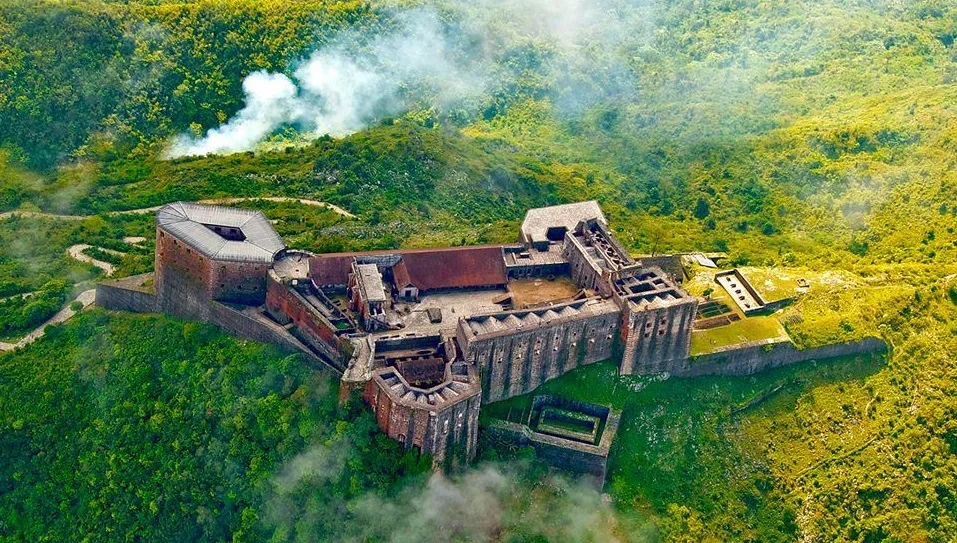
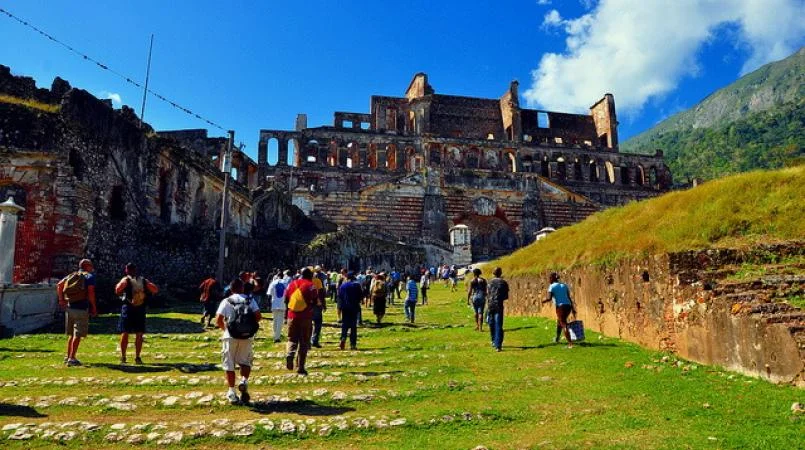
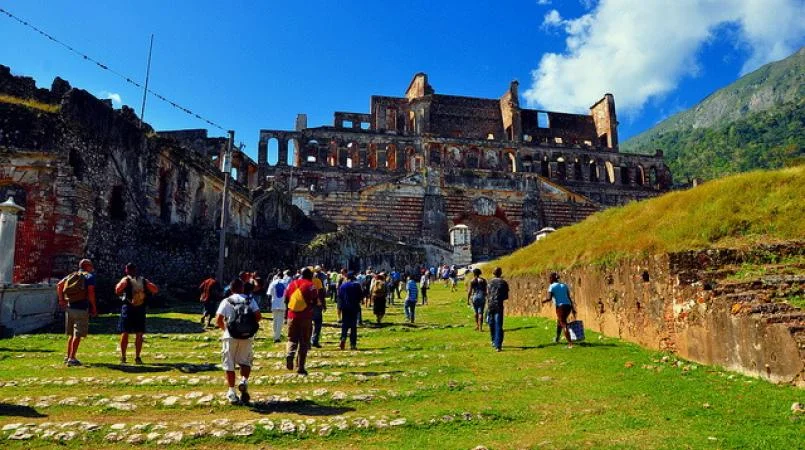
Haïti has a rich historical heritage, including sites like the Citadelle Laferrière and the Sans-Souci Palace, listed as UNESCO World Heritage Sites.

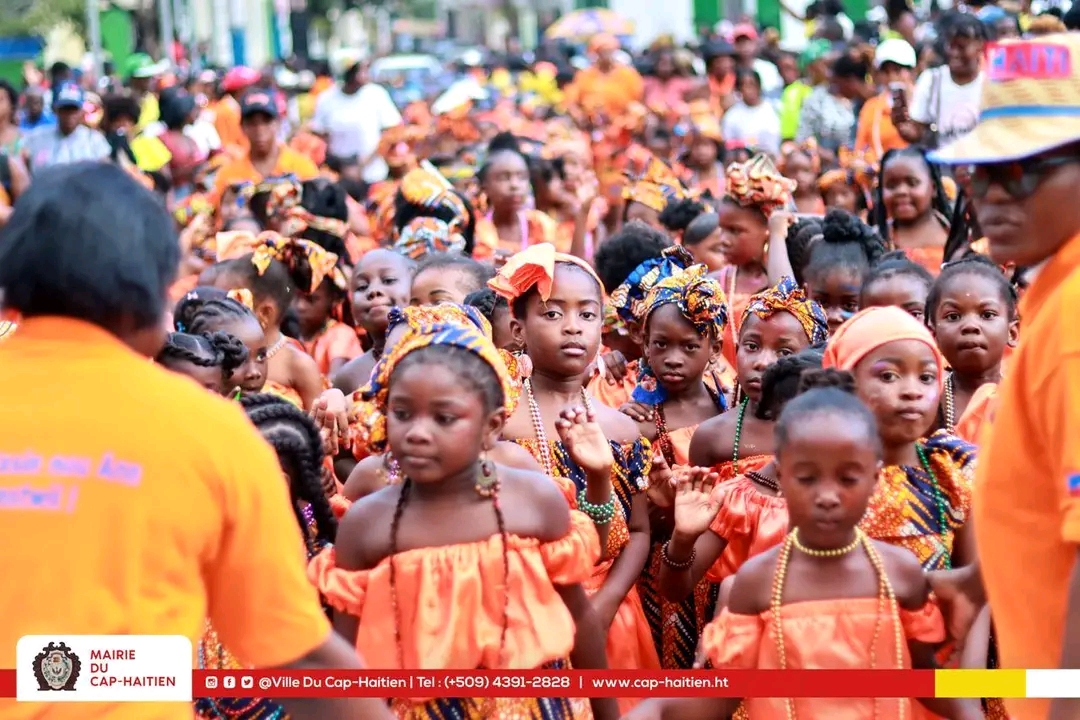
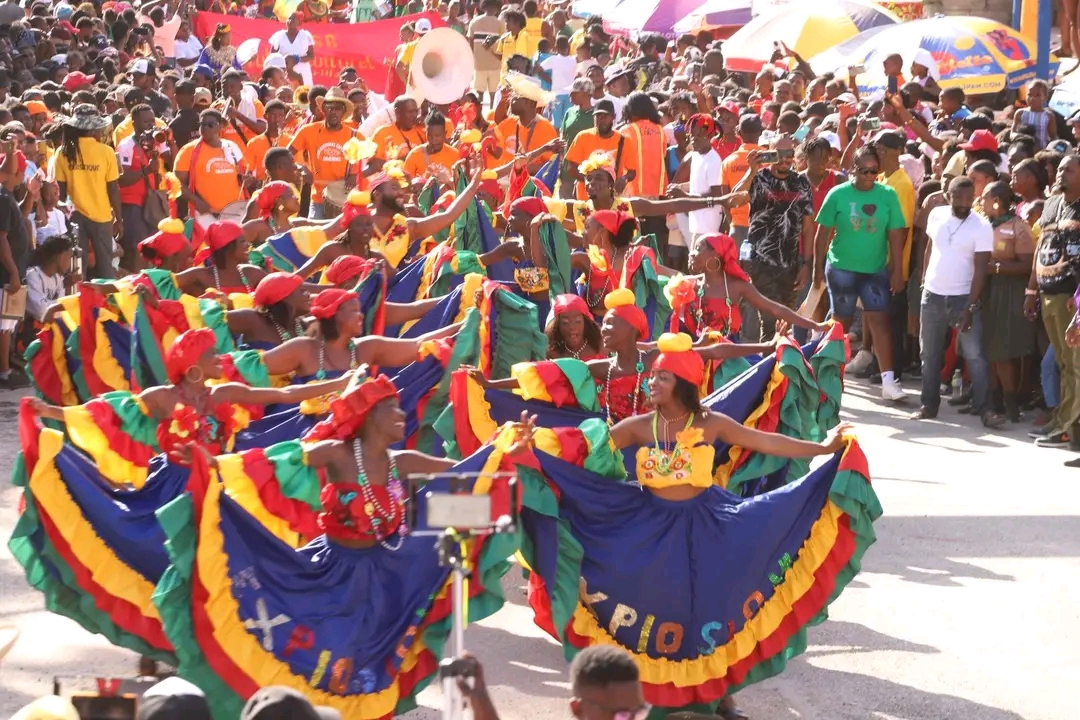
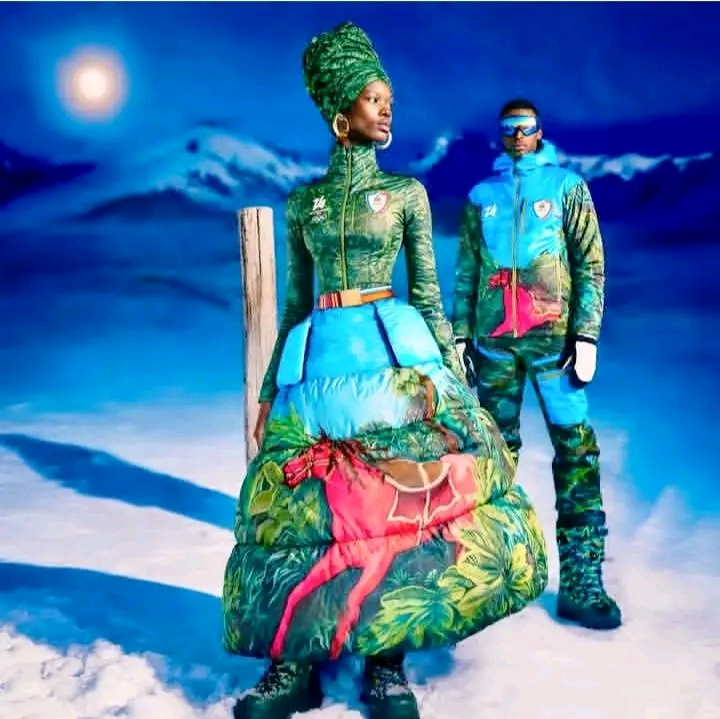
Haïti has a rich and diverse culture, influenced by African, European and indigenous elements. Haitian music, dance, art and cuisine are celebrated around the world.