



contact@haitiwonderland.com+509 36184317

Discover

Shopping Cart

Haïti : Citadelle la FerrièreHaïti : Citadelle la Ferrière

News / Ecology

History February 21, 2024

Haïti et son Rôle Pionnier dans l’Abolition de l’Esclavage Mondial

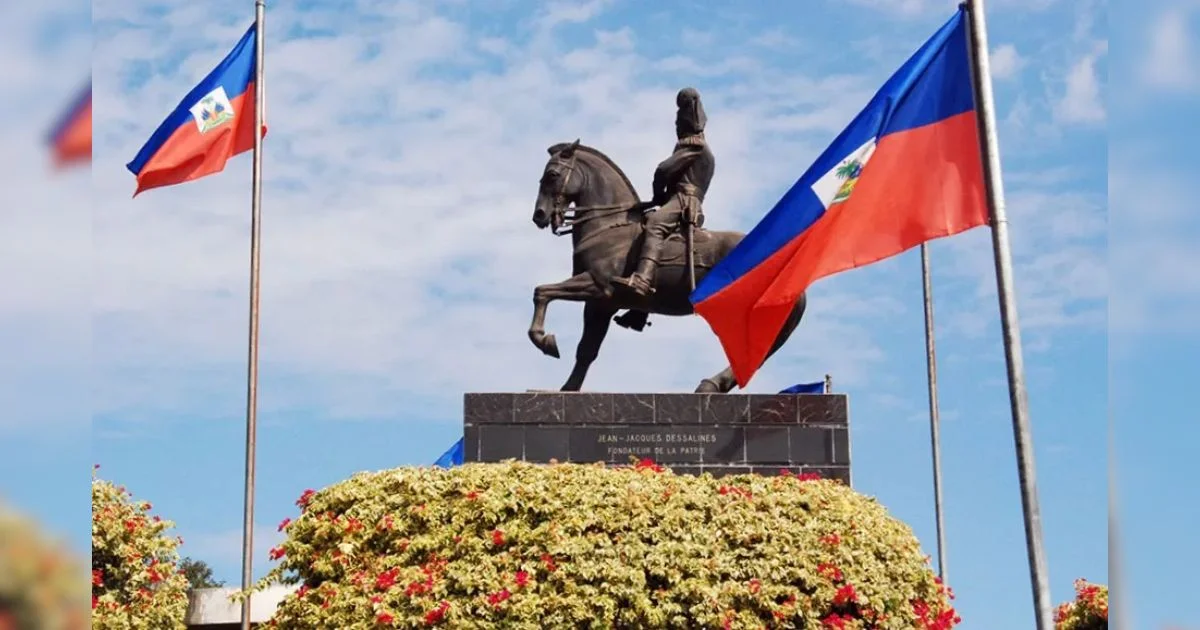
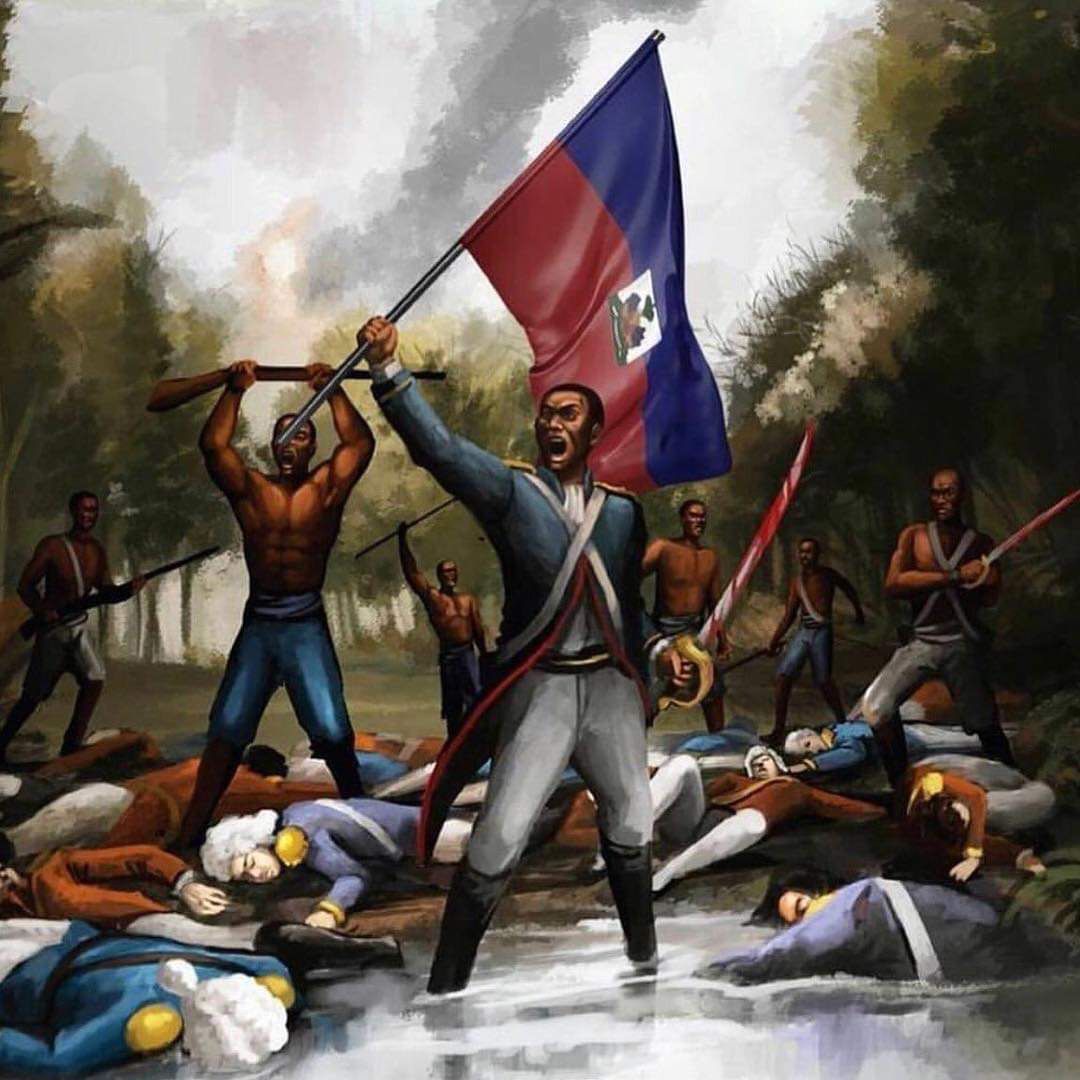
For centuries, the institution of slavery has darkened human history, leaving behind a legacy of pain, oppression and the struggle for freedom. However, in this dark tale, one nation stands out for its courage and determination to break the chains of oppression: Haiti. Located in the Caribbean, Haïti played a pioneering role in the abolition of slavery, laying the foundation for the fight for freedom and equality around the world. The history of slavery in Haïti dates back to the arrival of Europeans on the island, which was then called Santo Domingo, in the 15th century. French colonists quickly established an economy based on sugar and coffee production, cruelly exploiting millions of African slaves deported to work on plantations. However, this brutal system engendered fierce resistance from slaves, whose fight for freedom ultimately led to one of the most significant revolutions in history. In 1791, under the leadership of iconic figures such as Toussaint Louverture, Jean-Jacques Dessalines and Henri Christophe, Haitian slaves rose up against their oppressors in an unprecedented rebellion. This revolt resulted in a war of independence that lasted more than a decade, but ultimately resulted in the proclamation of Haiti’s independence in 1804, making that country the first post-colonial nation ruled by people from slavery. The impact of the Haitian Revolution on the abolition of slavery worldwide cannot be overstated. By breaking the chains of oppression and proclaiming their independence, Haitians have sent a powerful message to all oppressed peoples around the world: freedom is possible, and it is worth the struggle. The example of Haïti inspired other movements for the abolition of slavery in the Americas and beyond, thus helping to shake the very foundations of the institution of slavery. Haiti’s participation in the fight against slavery was not limited to its territory; it also extended to external actions where Haitian men were sent or actively participated in movements for the abolition of slavery in other regions of the world. For example, Haitian President Alexandre Pétion supported Simón Bolívar, the leader of the South American revolution, by providing him with weapons, money and even men, which contributed to the liberation of several countries in America Latin of colonial domination. Haïti also provided support for independence movements in Central America. Haitian fighters, led by General Jean-Pierre Boyer, helped Venezuelan patriots fight against Spanish rule, contributing to the liberation of that region. The Haitian government financially and diplomatically supported movements for the abolition of slavery in countries such as Venezuela, Colombia and Mexico, contributing to the gradual eradication of this institution throughout the region. Although Haïti did not directly participate in the American Civil War, many Haitians and descendants of Haitians played crucial roles in the abolitionist movement in the United States. Figures who were of Haitian origin or of Haitian ancestry, were important voices in the fight against slavery and for equal rights in the United States. The legacy of the Haitian Revolution remains a symbol of resistance and courage for future generations. Today, as the world continues to struggle against injustice and oppression in various forms, Haiti’s history reminds us that the fight for freedom is a universal fight, one that transcends borders and times. Haiti’s participation in the abolition of slavery throughout the world remains a crucial chapter in the history of humanity. Through their courage and determination, Haitians have paved the way for a future where freedom and equality are inalienable rights for all.

Par Appolon Guy Alain |
Read more
Heritage March 18, 2024

Haiti: Discovering Lake Péligre

At the heart of the majestic Haitian topography, lies a natural gem of breathtaking beauty: Lake Péligre. Nestled in the mountains of Haiti’s central region, this artificial lake is a wonder for local residents and amazed visitors alike. From its historical creation to its contemporary ecological importance, let’s explore together the riches of Lake Péligre. Origin and History: Lac de Péligre is the result of an ambitious engineering project undertaken in the 1950s. At that time, the Haitian government, in collaboration with international partners, undertook the construction of the Péligre Dam on the Artibonite River. The main goal was to provide large-scale electricity to Haïti while regulating river flooding to protect agricultural land downstream. Ecology and Biodiversity: Beyond its usefulness as a source of hydraulic energy, Lake Péligre is home to rich ecological diversity. The calm waters of the lake provide vital habitat for a variety of native fish species, supporting local fishing communities. In addition, the surrounding forests and hills that border the lake are home to diverse flora and fauna, contributing to the preservation of the regional ecosystem. Tourism and Leisure: For outdoor enthusiasts and nature enthusiasts, Lake Péligre offers a multitude of leisure opportunities. Visitors can enjoy peaceful boat rides on the tranquil waters of the lake, offering panoramic views of the surrounding mountains. Additionally, hiking trails winding through lush forests allow hikers to explore the area’s natural beauty. Lake Péligre represents much more than a simple artificial body of water. It is a living testament to human ingenuity and the natural beauty of Haiti. As an emerging tourism destination, it offers visitors an immersive experience in nature, while highlighting the crucial importance of environmental conservation. By preserving this natural treasure, we also preserve the sustainable future of our planet.

Par Haïti Wonderland |
Read more
News November 05, 2024

Haïti / Ganthier: I Let You In, an Ode to Modern Relationships by Igens VIL

The Meaning of the Essence of Love The commune of President Boniface Alexandre and Martial CELESTIN produces a talented artist. Yes, Ganthier stands out as one of its best representatives on the international scene. "I Let You In" is a title that lays bare the complexity of heterogeneous relationships around the world. This opus, both provocative and touching, awakens the mind, body and soul. I am deeply moved by the way in which the artist Igens VIL, a true emblematic figure of Ganthier, evokes intense emotions and provokes reflection on the issues of contemporary romantic relationships. Each verse of this composition, co-written with Dayvin Kaponda, contains profound messages about tolerance towards others, our aspirations and ambitions, the true foundations of authentic love. It is the very essence of life. Despite the tumults of daily life and the inevitable misunderstandings in human relationships, he reminds us that “in my life, there is always a me; I have tried everything. Even if it means taking a step back, I am ready to do it. And if it means, I will get down on my knees”. The singer, who spent a large part of his adolescence in Galette-Chambon, the first communal section of the commune of Ganthier, is now active in the French music industry. He eloquently and skillfully addresses the complex triangle of sentimental relationships: sacrifice, tolerance and communication. This remarkable work deserves to be heard everywhere; it inspires faith, reflection and action. Gensbe, known as Igens VIL, deserves awards for this song. Guitarist, singer, composer and academic in France, he embodies a rare mix of talents for a young Haitian engaged in these demanding fields that require time, sacrifice and a lot of energy. Today, Gensbe is at his peak and never gives up. More songs are in the works for you, dear listeners. Subscribe to Gensbe on YouTube and other platforms. He is without a doubt one of the best Haitian artists among the big international names. I’ll let you in.

Par Richardson VERONE |
Read more
News June 19, 2024

Living in Prose and Poetry: an unmissable summer event in Port-au-Prince.

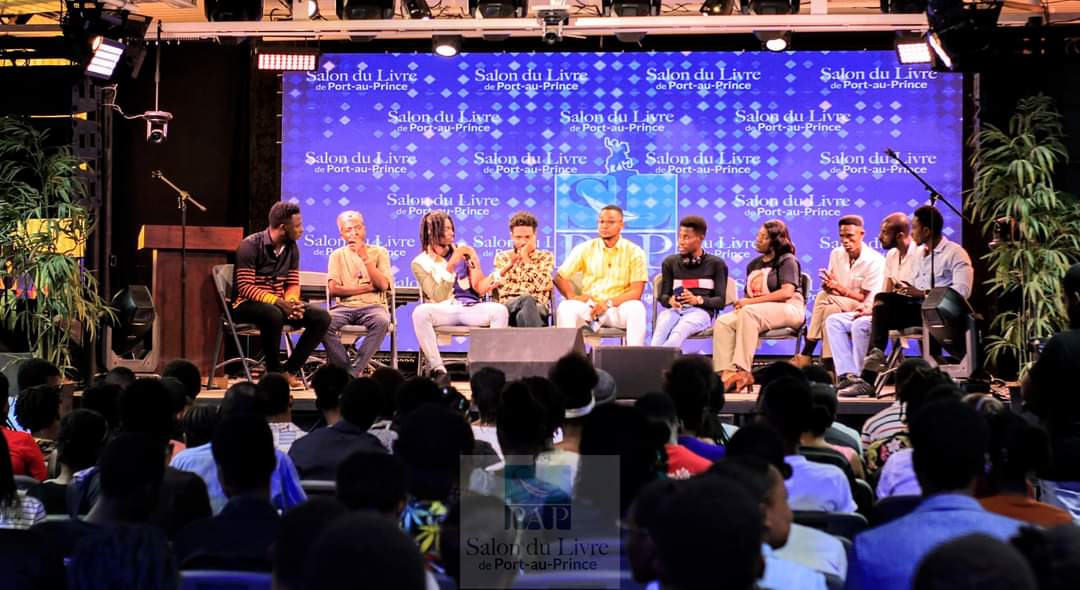
Living in Prose and Poetry is an artistic and cultural event organized by the cultural organization Salon de Livre de Port-au-Prince (OCSLPAP) with the aim of bringing together young artists from the Haitian capital to exhibit them to a large audience . This edition will take place on Saturday July 27, 2024, at the pyépoudré cultural center, located at number 332 on the Route de Bourne. This year the organizers announce their mission is to bring together talents from various categories of arts, always with the aim of helping them to become familiar with each other, and to help create a solid link between them and the Haitian public. . The categories targeted by the organizers for this second edition are young poets, slammers, comedians, rappers, dancers, singers, painters, and writers who have already published at least one work. Living in prose and poetry will also be an opportunity to encourage Haitian youth to think. The first part of the event will be devoted to a discussion around a text by the famous Haitian writer Louis Philippe Dalembert, entitled The Other Face of the Sea. It is a novel which carefully addresses the subject of immigration and detachment that goes with it in the immigrant’s skin. It is a book that speaks openly to the reality of the Haitian people today. It has already been announced that this first part will be moderated by the journalist and literary critic Carl Pierrecq who works for the short story writer, and moderation will be provided by Pierre Marie, a young sociology student at the Faculty of Human Sciences (FASCH). After a largely successful first edition which took place in May 2023 in the premises of the municipal library of Delmas, the organizers of living in prose and poetry say they are determined and have made the promise for this year to deliver to the public port-au -princien, a cultural event of exceptional scale for the second outing. Once again, this will be the perfect opportunity to celebrate the great richness of Haitian culture through the organs of our young talents. Given the difficult context, manifested by the almost daily situation of insecurity which has prevailed for some time, in a good part of Port-au-Prince, the announcement of this event comes as a fresh breath of oxygen, scattered throughout the within the lungs of the city. It is yet another opportunity to remind through this artistic festivity that even in times of deep unrest, art will remain an indispensable light, because even in times of crisis, the latter and the artist (its channel of diffusion) will become refuges, sources of comfort and appeasement for all human souls.

Par Moise Francois |
Read more

Recently Posted

Recently Posted

History

History

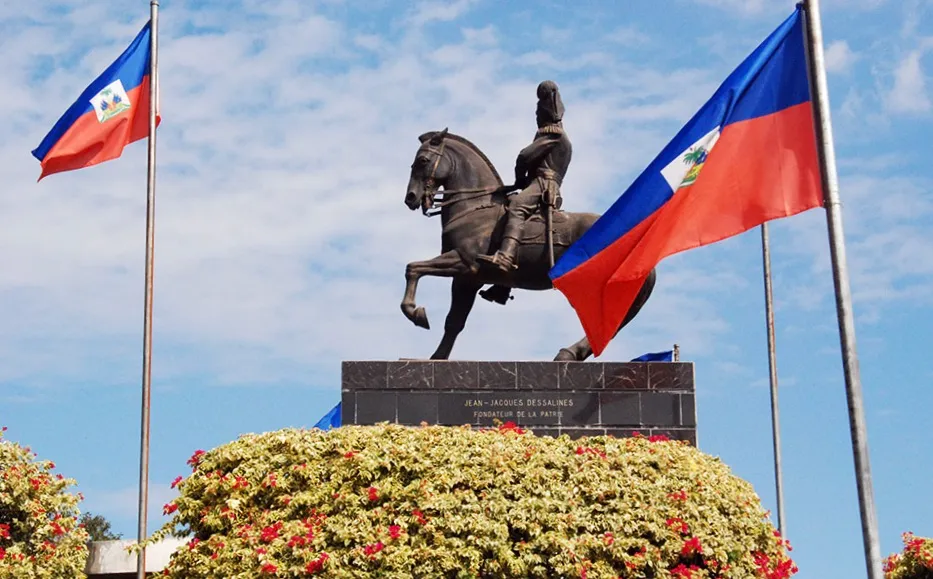
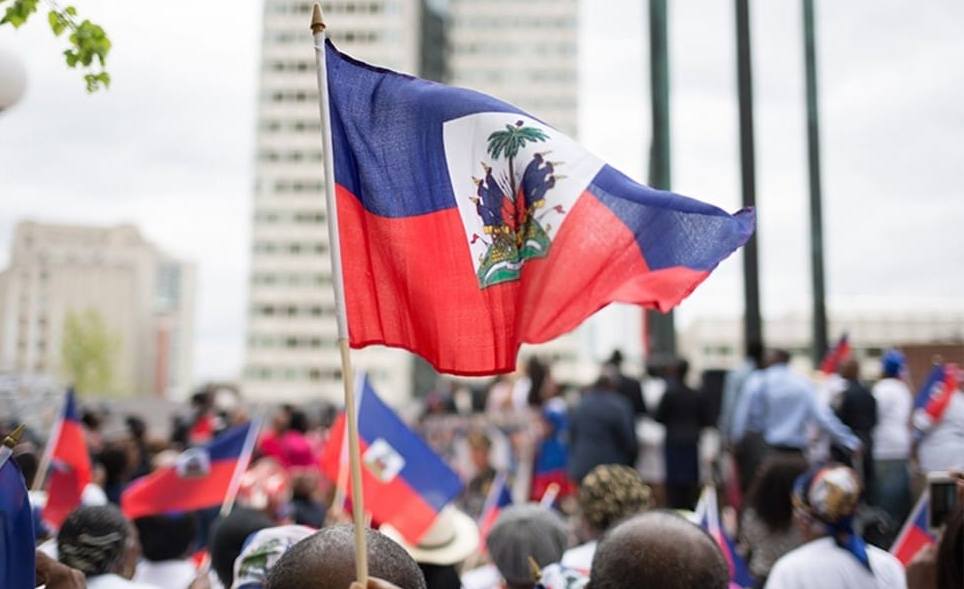
First black nation to free itself from slavery and gain independence from France in 1804 and influenced other liberation movements around the world, inspiring struggles for freedom and equality.

Natural beauty

Natural beauty

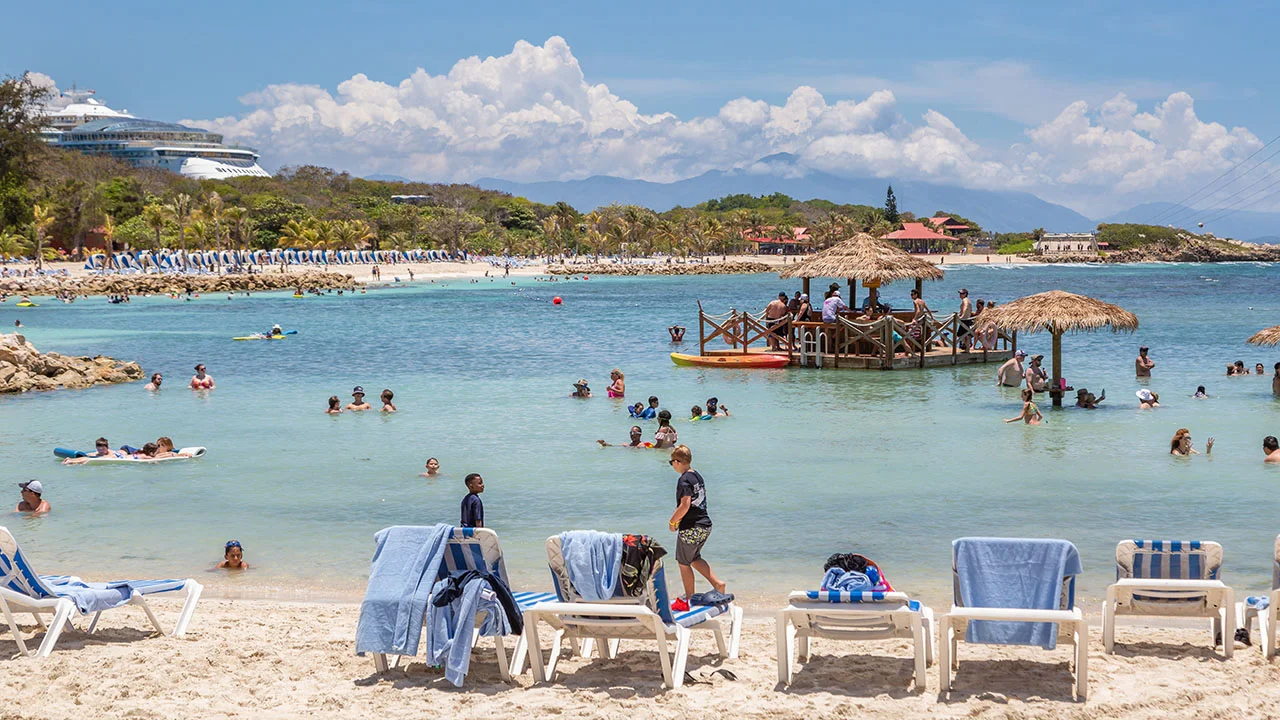
Haïti is blessed with spectacular natural landscapes, including white sand beaches, mountains and rich biodiversity.

Heritage

Heritage

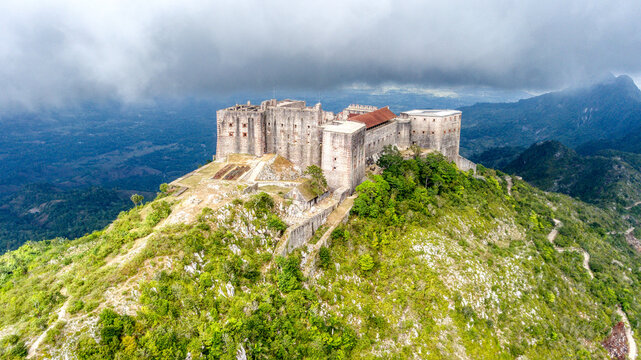
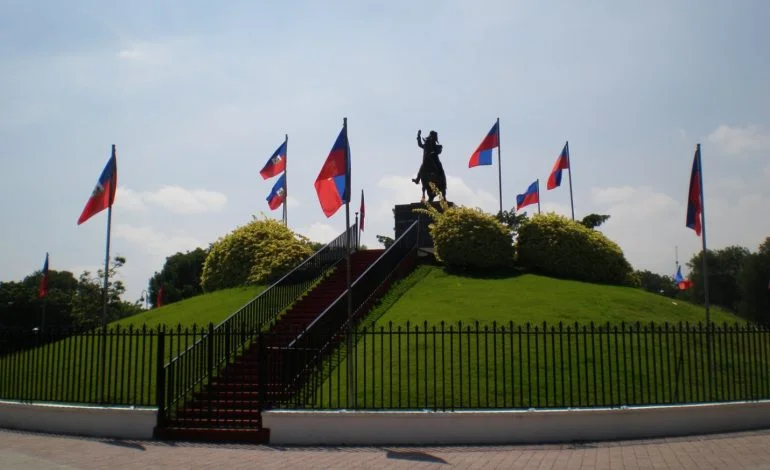
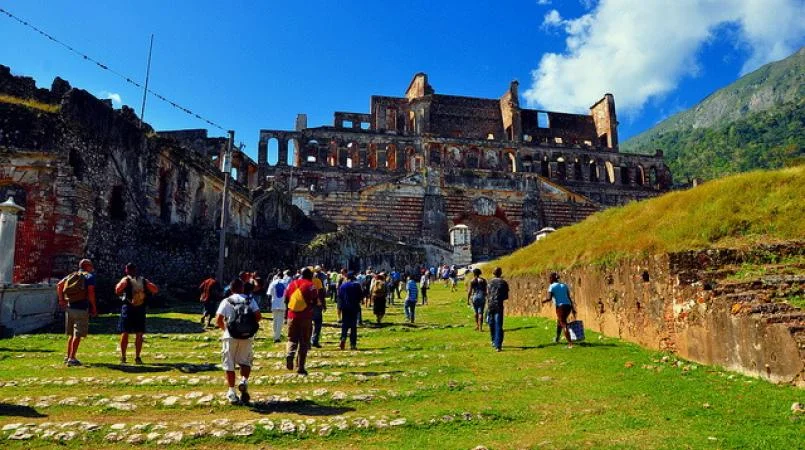
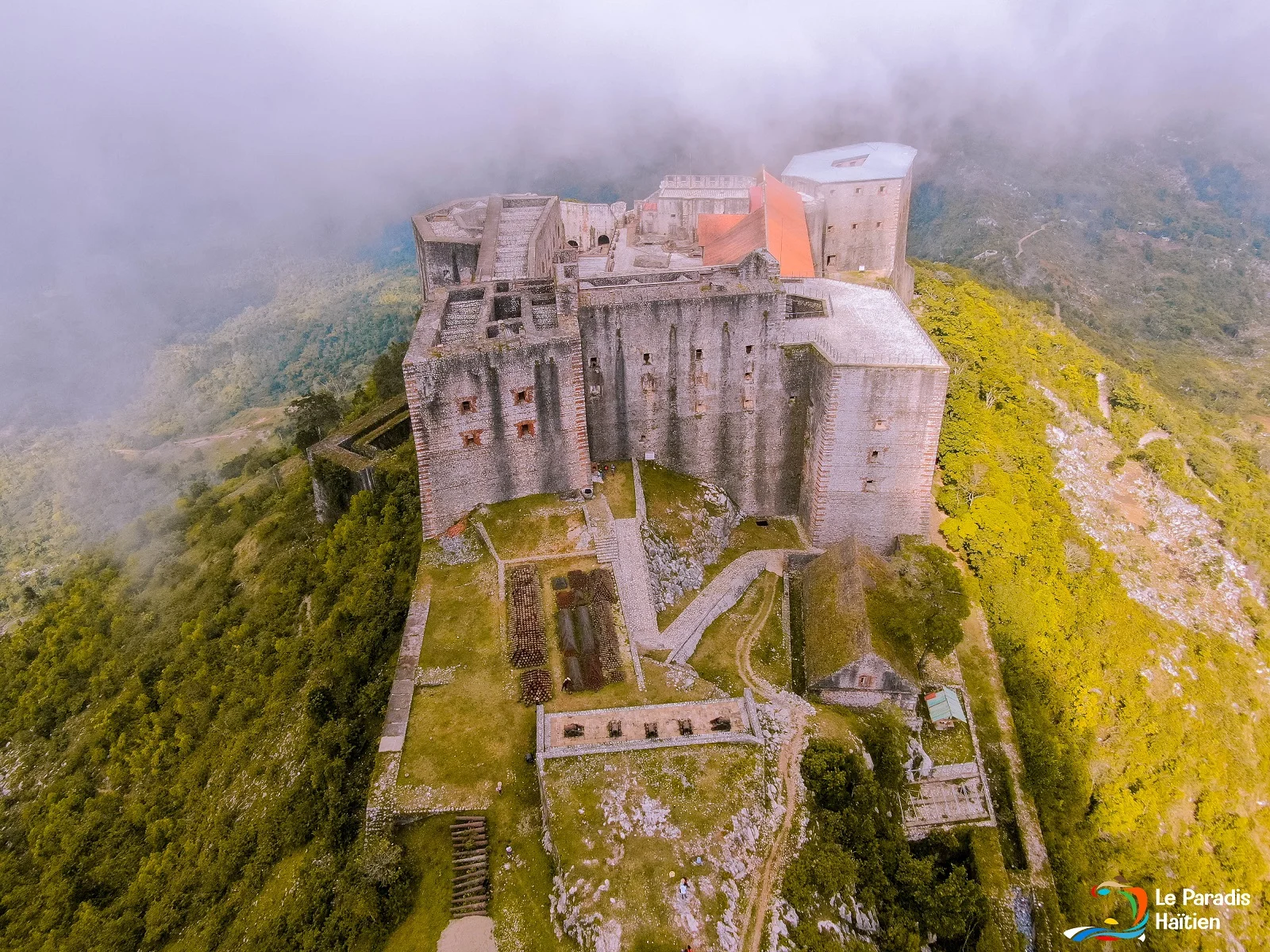
Haïti has a rich historical heritage, including sites like the Citadelle Laferrière and the Sans-Souci Palace, listed as UNESCO World Heritage Sites.

Culture

Culture

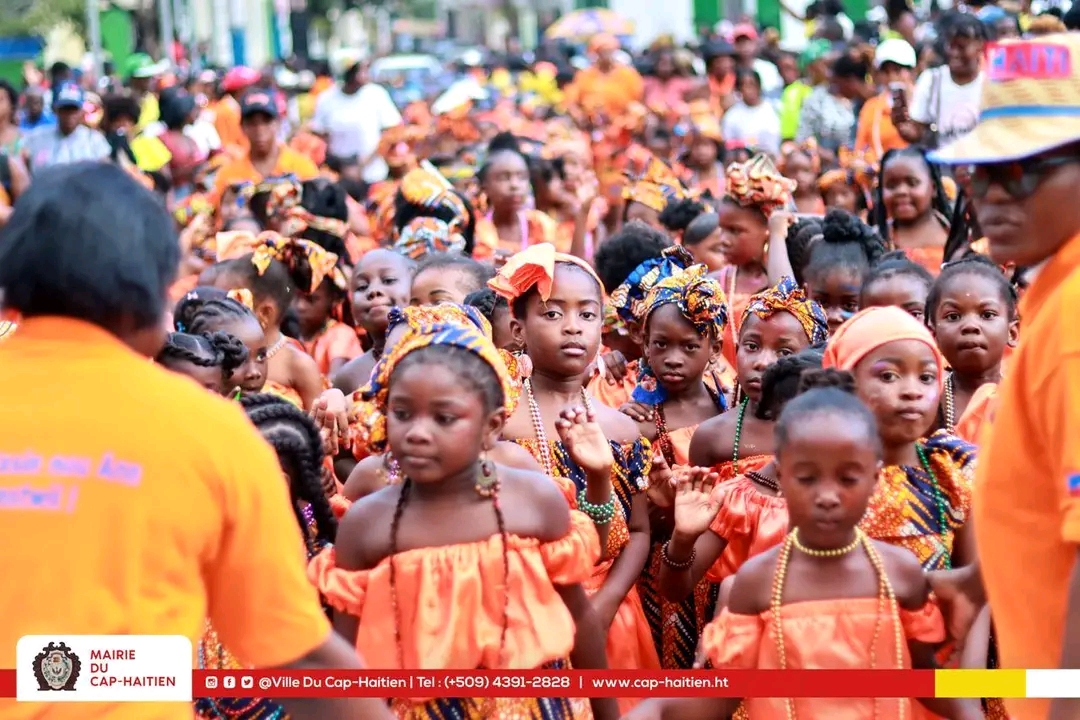
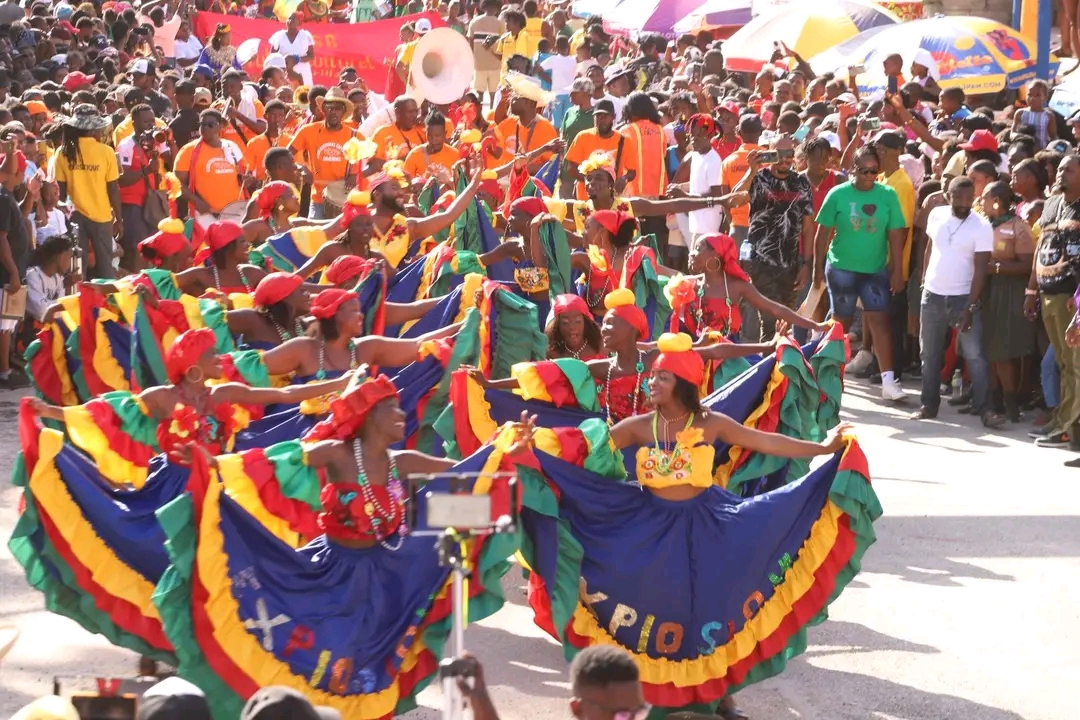
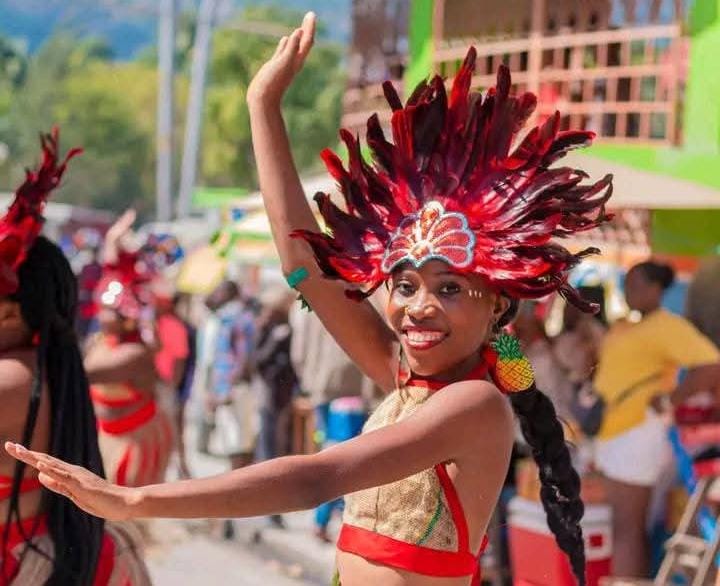
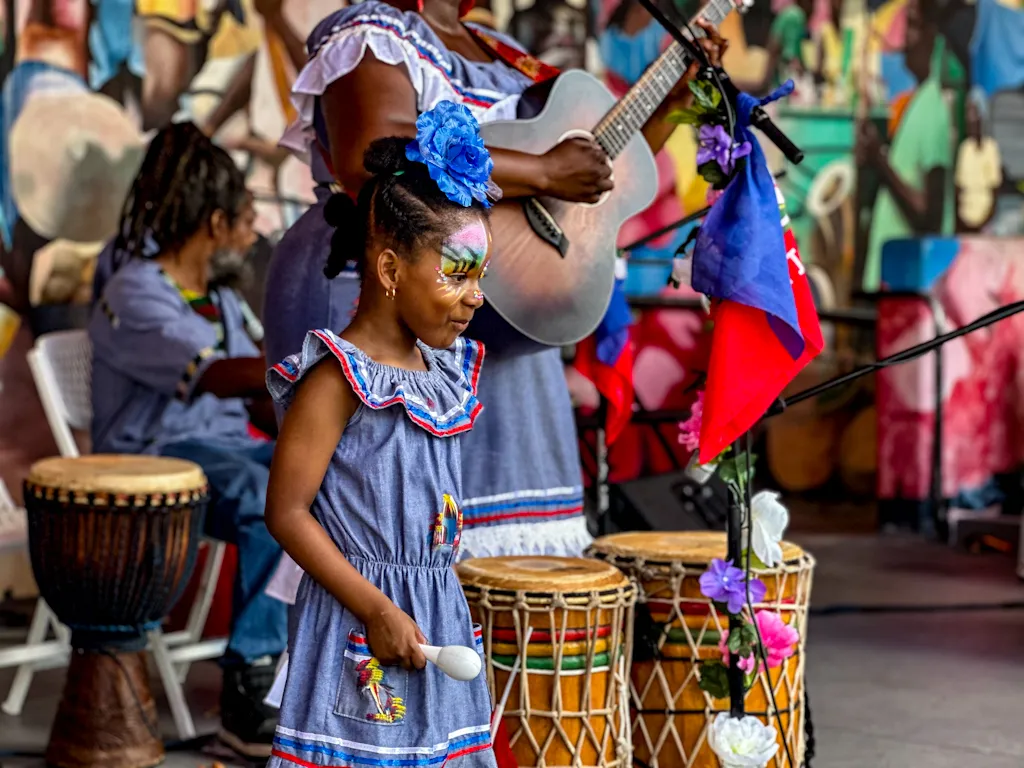
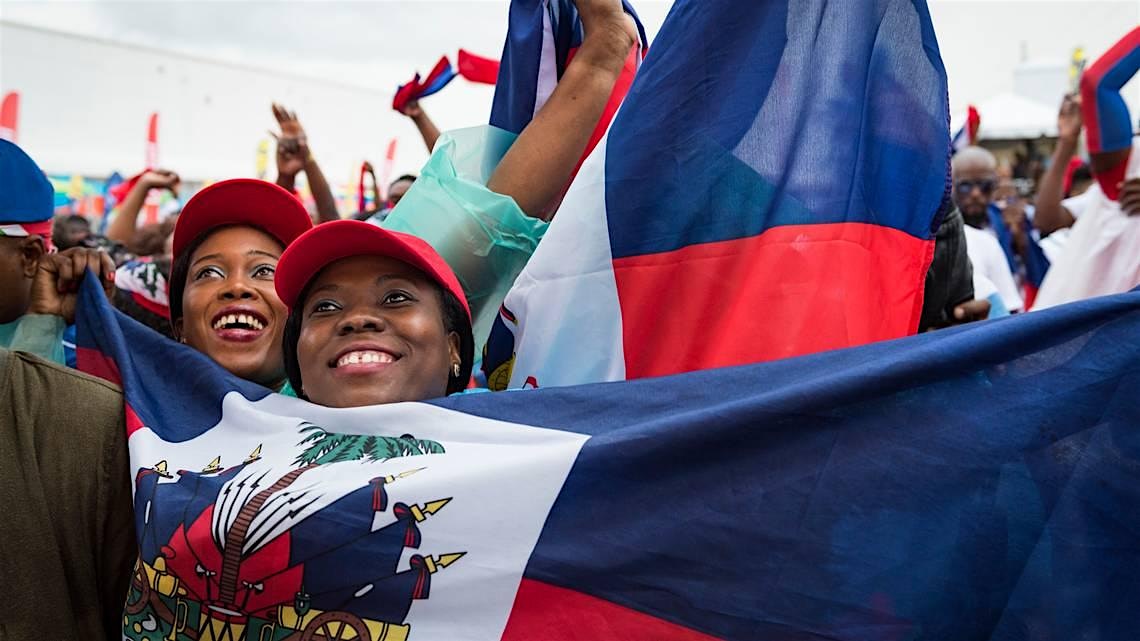
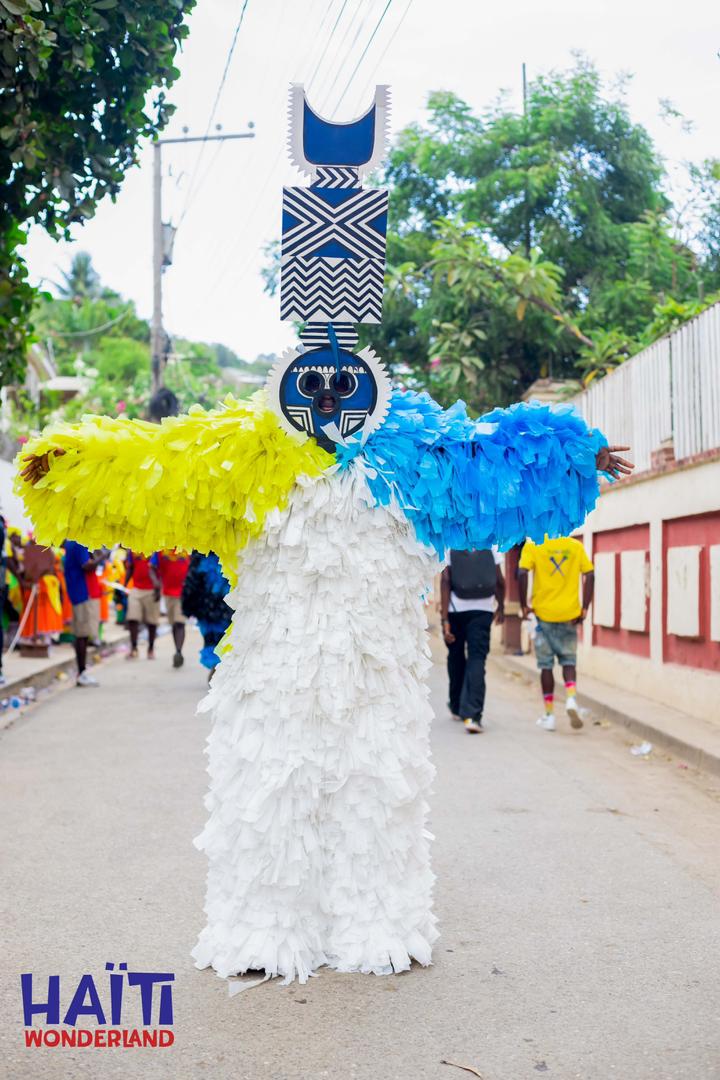
Haïti has a rich and diverse culture, influenced by African, European and indigenous elements. Haitian music, dance, art and cuisine are celebrated around the world.

  • +
    • Post