




Timoun se Moun: A poetry competition to promote children’s rights in Haiti
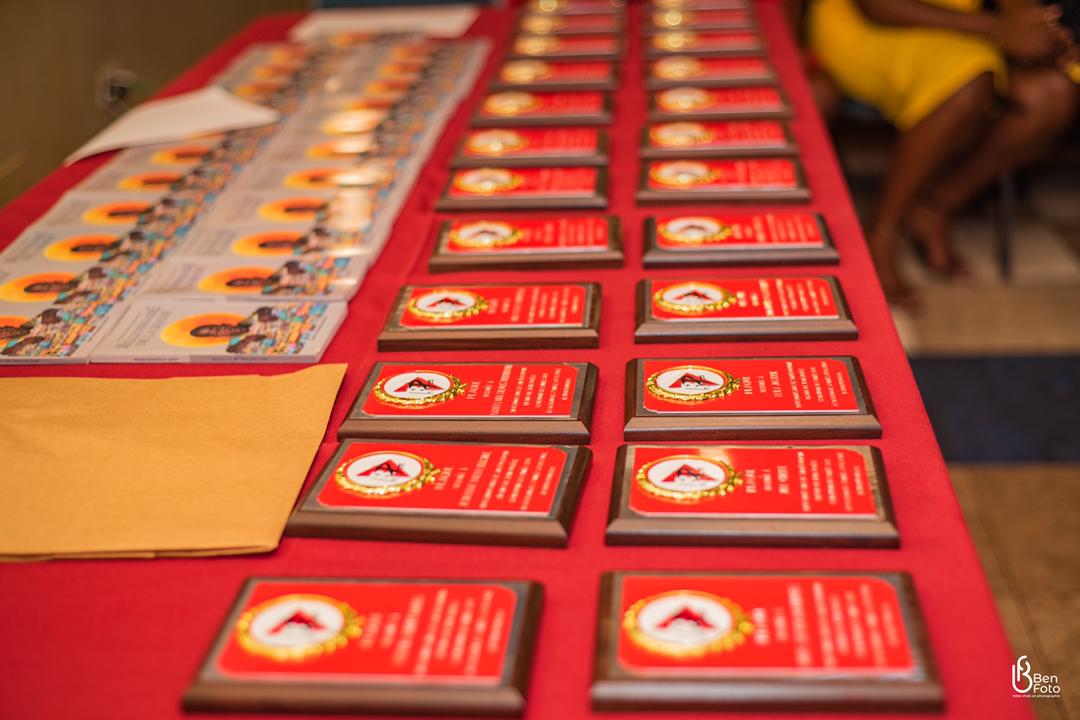
A wounded country. Bent under the weight of a multidimensional crisis. Widespread violence. Hope slammed shut. A sacrificed generation. Children are increasingly threatened. They are increasingly confronted with all forms of vulnerability that hinder their overall development. ACTIF is launching the second edition of the "Timoun se Moun" poetry competition. A citizen initiative in which the organization uses writing as a springboard to build what life deprives Haitian children of. Pain can be turned into gold. For ACTIF (Community Action for Transformation and Formal Integration), poetry is a philosopher’s stone. Not only for this organization, but also for all those who believe that writing can help rekindle the stars. Faced with this urgent need for action, this is "an initiative to raise awareness, denounce, and affirm loud and clear that every child matters, every child deserves protection, hope, and a future," reads the competition’s descriptive document. So what do you intend to do with your human light? Through this competition, participants have the opportunity to engage in an act of resistance, like a cry of conscience to raise the voice of broken childhoods. Open from May 18 to June 18, "Timoun se Moun" is open to all Haitians living in the country and aged 18 and over. Texts must be submitted in Creole. Behind this initiative, ACTIF intends, on the one hand, to affirm our cultural and linguistic identity, and on the other, to enrich our Creole literature, promote it, and encourage creativity in our vernacular. The text must not exceed 500 words. The format chosen is PDF, Times New Roman font, size 12, and 1.5 line spacing. This competition aims to offer a touch of affection to these children who are the first victims of the country’s descent into hell. To evaluate the literary quality and essence of the submitted texts, a jury is composed of Ruthza Paul, Douglas Zamor, and Darly Renois. The former is a physician and winner of the first edition of this competition. The other two work in the fields of sociology, psychology, and literature. In addition to the "Jury Prize: 15,000 HTG + books + certificate" and "Audience Prize: 5,000 HTG + certificate + books" prizes, the best texts will be included in an anthology to be published by Éditions Répérages. It should be noted that there will be one winner for each prize. This initiative reflects ACTIF’s commitment to honoring authors who embrace the cause of underprivileged children while enriching Haiti’s literary heritage. This competition extends a helping hand to all those who believe that through poetry, one can transform one’s life into a masterpiece. At the same time, it offers the opportunity to contribute to ACTIF’s child protection program. Each participant may submit a single text. It must be sent by email to the following address: actifkonkoupwezi@gmail.com. The partial results will be published on June 30, 2025, and the final results on July 18, 2025. For more information, visit ACTIF at the following address: 18 Rue Desdunes, Imp. Thoby, Mahotière 79, Carrefour, Haiti, or contact the organization at the following number: (+509) 38 44 57 57. More than just a contest, ACTIF invites you to say No. No to forgetting. No to passivity. No to violence against children and the violation of their rights.