
What is Haiti’s motto?
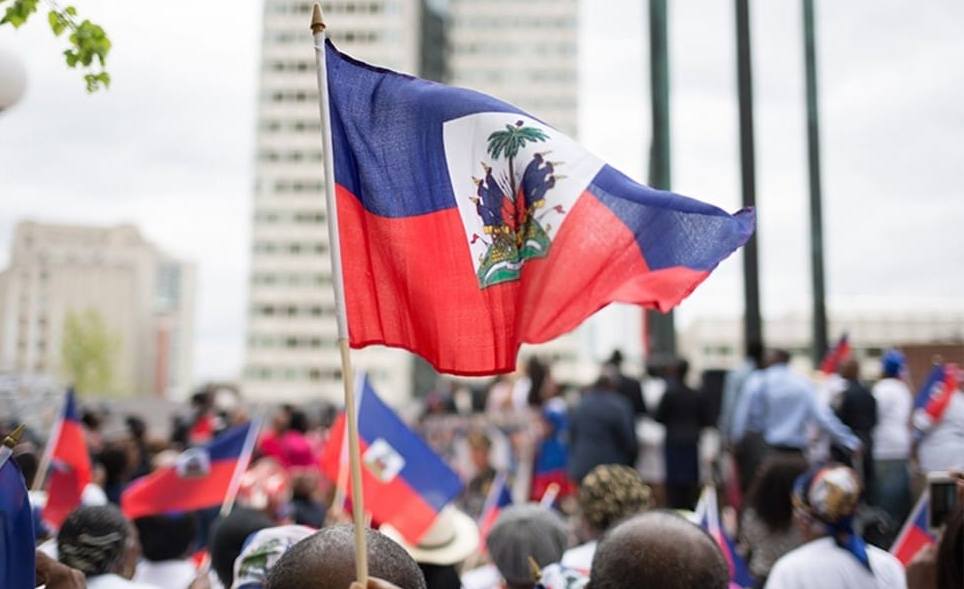
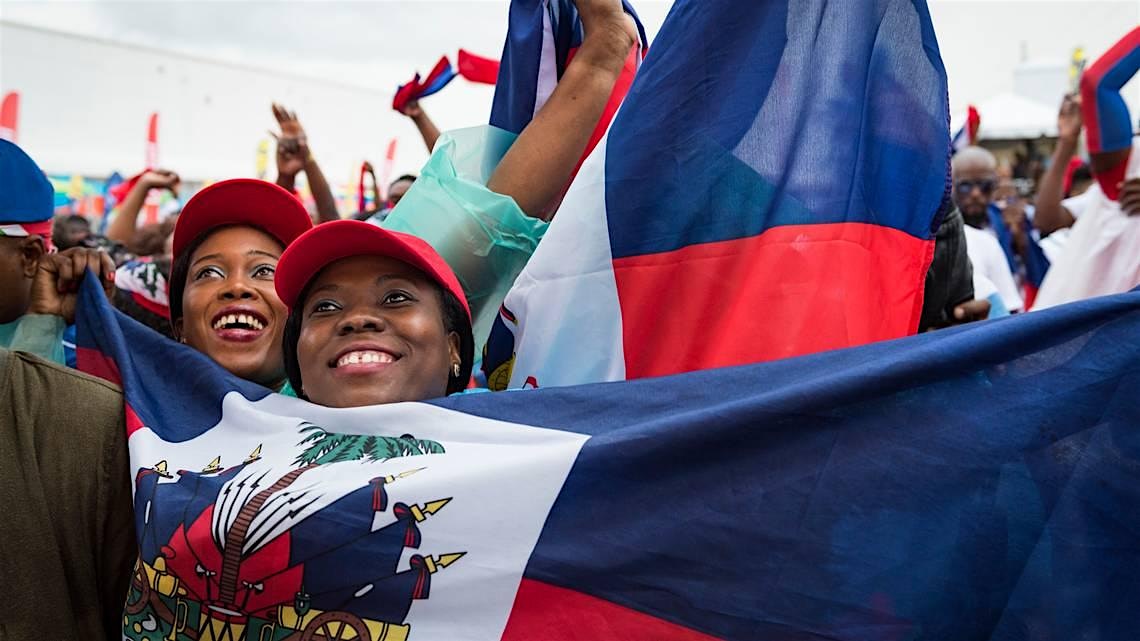
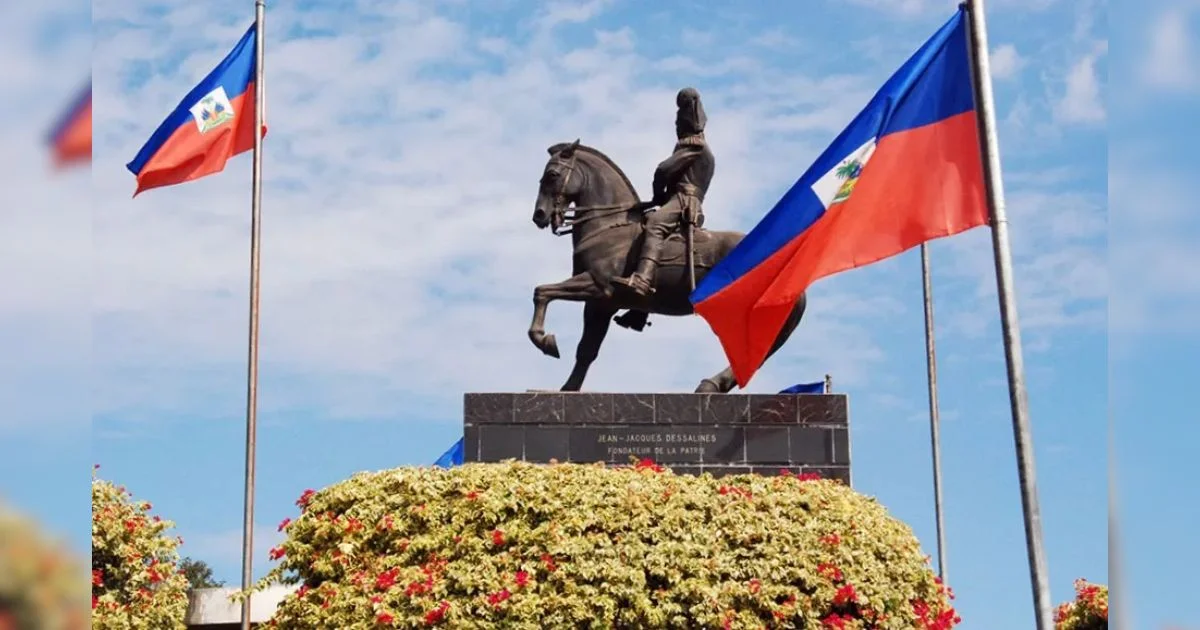
Discover Haiti's national motto: Liberty – Equality – Fraternity. Its origin, meaning, and importance in Haitian history and identity.

Few people know that Haiti, often celebrated for its beaches and rich history, is also home to the largest cave system in the Caribbean. These underground formations, scattered across the country, are natural and cultural treasures that bear witness to millions of years of geological evolution and human interactions. Let’s dive into this fascinating universe together.
"Pig’s trotter" stew is an iconic dish of Haitian gastronomy, appreciated for its rich flavors and melting texture. This stew is prepared from carefully cleaned pig’s trotters, marinated with local spices such as garlic, chili pepper, thyme and cloves, then slowly braised until tender and a creamy sauce is obtained. Vegetables such as carrots and potatoes are often added, as well as a spicy tomato sauce that enhances the dish. Accompanied by white rice, sticky rice or even weighed bananas, pig’s trotter stew is a real explosion of flavors that brings families together around a generous and friendly meal.
Haiti, a jewel nestled in the heart of the Caribbean, stands out for its cultural, natural and historical wealth. This vibrant nation is divided into 10 departments, each offering unique treasures to discover. Originally formed from the three provinces of the colony of Santo Domingo (North, South and West), these departments have evolved over the years, subdividing into a mosaic of dynamic and distinct regions. Today, Haïti is organized into 42 districts, 146 communes and 575 communal sections. These subdivisions reflect a geographic and cultural diversity that is worth exploring. Ready for a captivating journey through the 10 departments of Haiti? We take you on an exciting exploration of their districts, towns and cities that make them up. Hang in there, the adventure starts here!
With its heavenly beaches, vibrant culture and fascinating history, Haïti is a captivating destination that deserves to be discovered. The first black country to gain its independence, Haïti is a country of contrasts, where mountains meet crystal clear waters and where every street corner reveals a unique part of culture. While we often hear about its challenges, Haïti also offers an unsuspected wealth for travelers in search of authenticity, heritage and adventures
Haiti, located in the Caribbean, occupies the western third of the island of Hispaniola, which it shares with the Dominican Republic to the east. Its capital, Port-au-Prince, is the political, economic and cultural heart of the country. With an area of approximately 27,750 km², Haïti is home to nearly 12 million people, making it one of the most densely populated countries in the Caribbean region. This island nation’s rich and tumultuous history, unique cultural heritage and resilience in the face of challenges make it a fascinating and inspiring country.
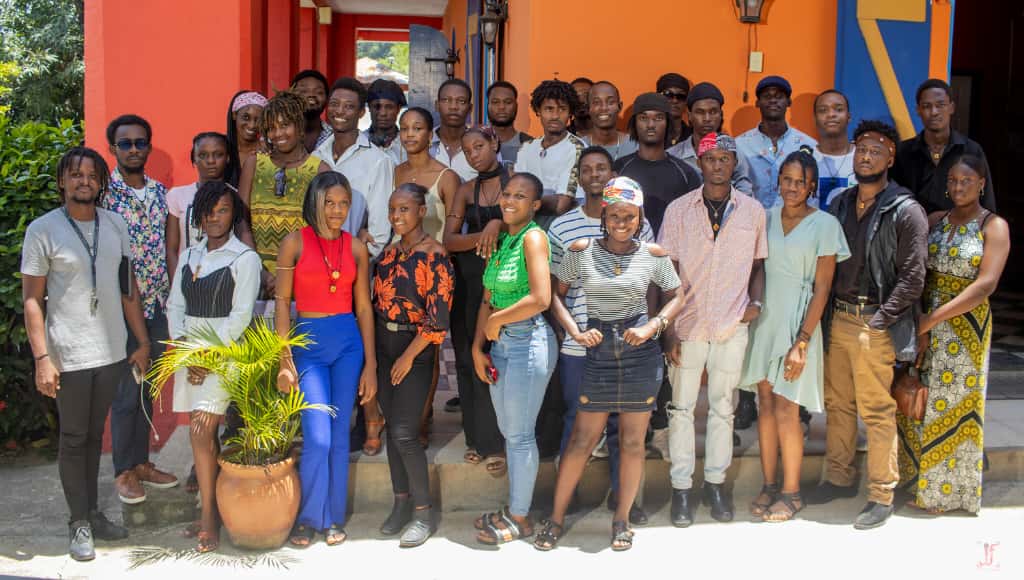
The "Phone-free day" is an initiative taken by a group of young people led by slam poet Jean Wood Jude. The first two editions took place on September 30 and October 29, 2024 in Kenscoff. The next edition is scheduled for November 30, still in the town of Kenscoff, above Pétion-Ville The practice is intended to be innovative, in that it provides an ideal setting for the public (generally young) that facilitates their interconnection, by guaranteeing them a better connection to books, traditional games, and the lush nature of Kenscoff.
Haiti, often overlooked as a tourist destination, has a unique charm that seduces visitors in search of authenticity, history and breathtaking landscapes. With its heavenly beaches, rich historical heritage and vibrant culture, Haïti offers an unforgettable experience. Let’s dive together into the best that tourism in Haïti has to offer.
Haiti, the jewel of the Caribbean, is full of historical and tourist treasures just waiting to be explored. From its historic monuments to its idyllic beaches to its vibrant culture, the country offers a unique experience to every visitor. But today, there is no need to pack your bags to discover these wonders. Thanks to virtual reality, Haïti invites itself to your home with Haïti Wonderland, an immersive adventure that transports you to the heart of its most emblematic sites, wherever you are in the world.
Haiti, a Caribbean country with a complex history and varied landscapes, is often perceived through clichés that do not reflect the richness and diversity of its culture and people. Too often, we forget to see Haïti in all its grandeur, as a nation with a unique heritage, impressive resilience and untapped potential. In this article, we will break the stereotypes and present you with another side of Haiti, full of beauty, history and hope.
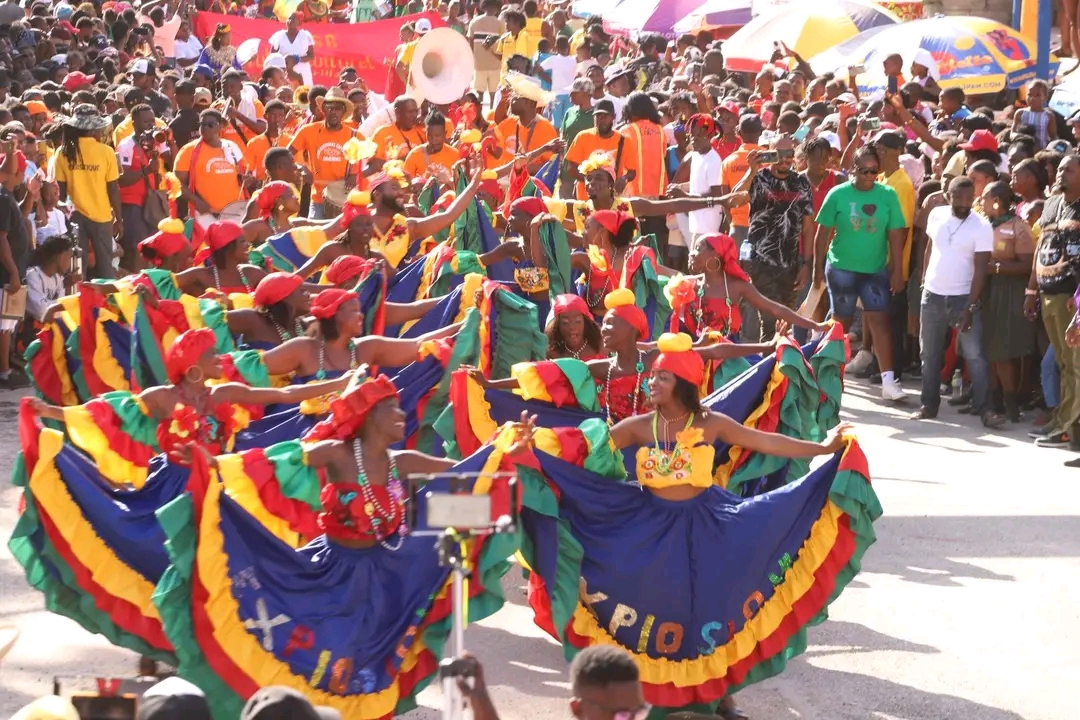
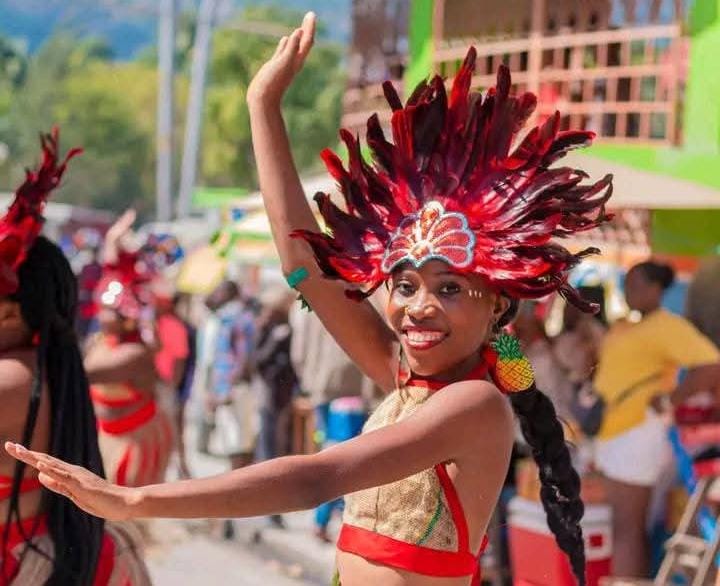
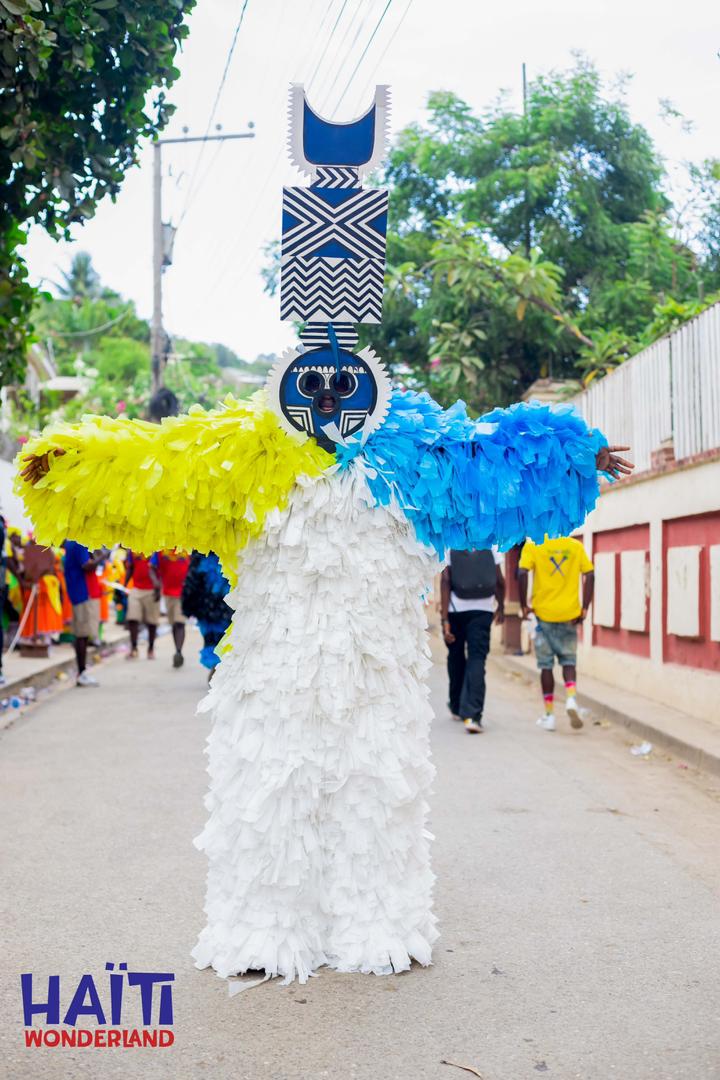
Haitian culture is a true treasure, woven from the creativity of its artists, its rich heritage and the diversity of its cultural expressions. Among these cultural gems, the rara stands as a true national emblem, uniting Haitians through its captivating rhythms and centuries-old traditions. During the first Rara weekend, this very essence of Haitian culture shone brightly, revealing palpable social cohesion. Despite the absence of law enforcement, tranquility reigned in Petit-Goâve, testifying to the ability of citizens to come together in peace and conviviality. However, media attention was mainly focused on the first plain, leaving a certain imbalance in the coverage of the festivities. Ratyèfè, three-time reigning champion, once again captivated minds with his talent and artistic mastery, offering an unparalleled spectacle. But his rival, Lambi gran dlo, was not to be outdone, displaying a determination to compete for first place. The event was also marked by unfortunate incidents, reminding us that despite the beauty of tradition, tensions can arise. Clashes between fans of different groups tarnished the festive atmosphere, highlighting the need for careful management of celebrations to avoid such excesses. At the heart of this musical competition, where each group aspires to recognition and victory, a complex picture of rivalries and alliances emerges. Chenn tamarin, although appearing asleep in the first moments, shows signs of waking up, ready to shake up the established order. On Sunday evening, Lambi gran dlo honored the memory of one of its loyal supporters, while Grap Kenèp was the scene of violence between fans, recalling the fragility of social cohesion when passion runs wild. In this whirlwind of emotion and competition, it is crucial to keep in mind that it is the journalist who must look to the events, and not the other way around. This is how we draw up the first ranking for this first weekend: 1. Ratyèfè 2. Lambi grand dlo 3. Chenn tamarind Beyond the results, it is the preservation of unity and mutual respect that must remain at the heart of these celebrations, making the rara not only a musical festival, but above all a symbol of the wealth and resilience of the people Haitian.
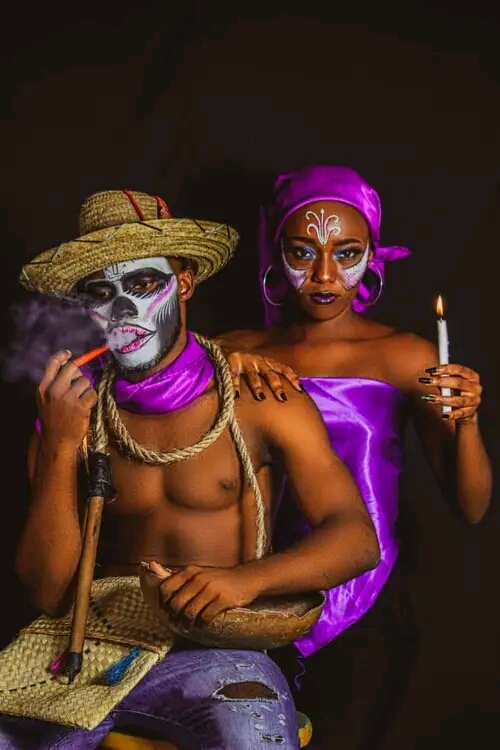
Le Makaya est bien plus qu’une simple fête ; il est un pilier spirituel du vaudou haïtien, une tradition vivante qui lie les croyances ancestrales aux rituels de purification, de guérison et de renouveau. Célébré principalement à la fin du mois de décembre, le Makaya tire ses racines de l’Afrique, en particulier des civilisations bantoues, et se déroule dans un contexte profondément spirituel où les liens avec les ancêtres et les forces naturelles sont essentiels. Le terme "Makaya", qui signifie "feuilles" en Kikongo, est intrinsèquement lié à la nature et aux plantes, éléments essentiels du vaudou. Ce lien direct avec la nature fait du Makaya un moment de purification, où les croyants se connectent à la terre et aux esprits par l’intermédiaire des végétaux. La tradition du Makaya vient des peuples Bantous, principalement du Congo, et de leurs pratiques spirituelles qui ont été transposées, adaptées et enrichies par la diaspora haïtienne pendant la période de l’esclavage. La période du Makaya commence le 21 décembre, lors du solstice d’hiver, une date symbolique marquant la victoire de la lumière sur les ténèbres, le commencement du renouveau solaire. Dans le vaudou, cette époque est perçue comme un moment d’introspection où la nuit la plus longue de l’année se transforme lentement en jour, apportant avec elle des forces purificatrices et régénératrices.
The question of whether Haïti is on the African continent sometimes comes up, but the answer is clear: Haïti is not on the African continent. This island country is located on the island of Hispaniola in the Caribbean and is part of the American continent, specifically Central America and the Antilles. However, the historical and cultural connection between Haïti and Africa is deep and deserves a more detailed exploration.
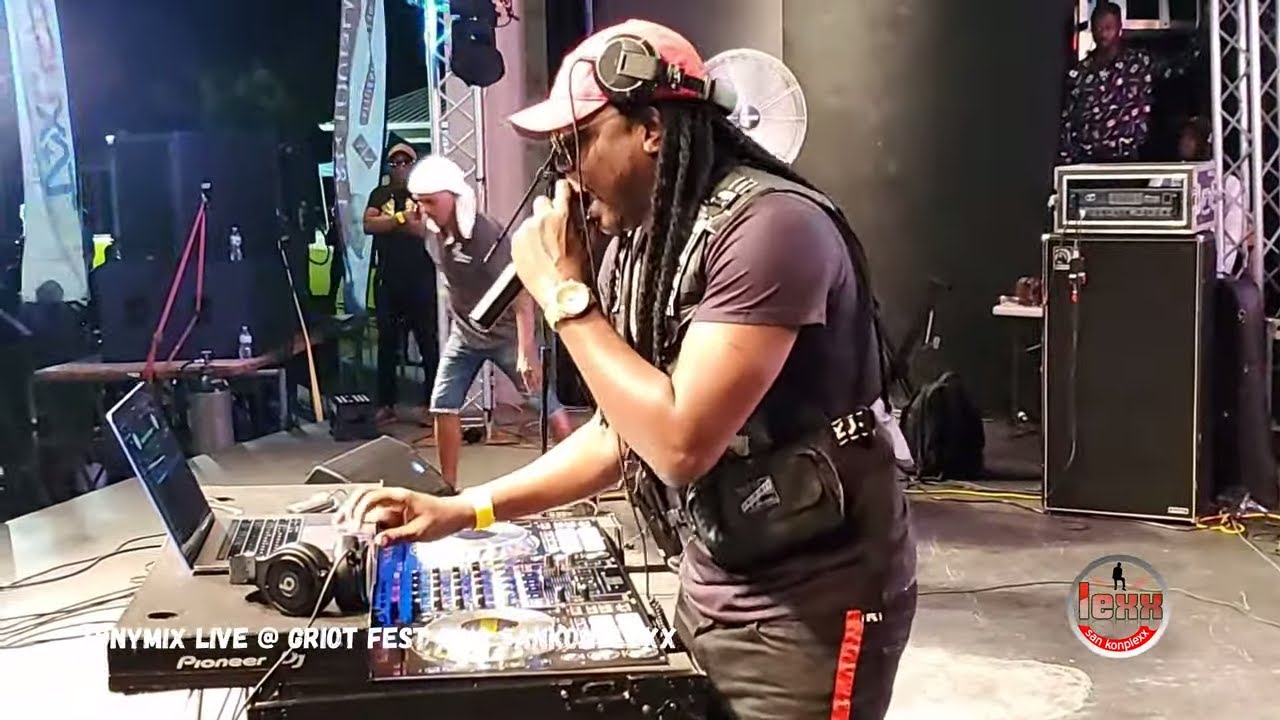
Music has always been an essential part of Haïtian culture, and among the many genres that have emerged from this Caribbean island, Compas holds a special place. It is a musical style that carries with it the history, cultural diversity and vibrant energy of Haïti. b~Origins and Evolution~b The Compas Haïtien, also known as Kompa, has deep roots in Haïtian and African musical traditions. Its development was influenced by genres such as Dominican merengue, Cuban salsa, jazz and even rock. This fusion of styles has resulted in a distinctive sound that embodies the cultural richness and diversity of Haïti. The Haïtian Compass has evolved over the decades, moving from a more traditional style to more modern and sophisticated forms. Iconic artists such as Nemours Jean-Baptiste and Tabou Combo helped shape the genre and propel it onto the international music scene. b~The Characteristics of the Compass~b Le Compas Haïtien is characterized by its intoxicating rhythm and complex arrangements. Traditional instruments such as guitar, saxophone, drums, and of course, bass, play a crucial role in creating this catchy music. The lyrics, often sung in Haïtian Creole, address varied themes, from love and joy to social and political issues. Dance is an inseparable component of the Haïtian Compass. The irresistible rhythms encourage the dancers to sway to the music. Traditional dance moves, such as "Kompa Direk" and "Kompa Love," reflect the joyful expression and sensuality that characterize this musical genre. b~Global Influence~b Over the years, the Haïtian Compas has transcended the borders of Haïti to conquer the international stages. Haïtian artists helped popularize the genre around the world, bringing with them the warmth and vitality of Haïtian culture. Music festivals dedicated to Compas attract fans from around the world, providing an immersive experience of this catchy music. The Haïtian Compass is much more than a musical genre; it is a standard bearer of Haïtian culture, a mirror reflecting the history, diversity and resilience of the Haïtian people. Discovering the Haïtian Compas means diving into a world of captivating rhythms, passionate dances and captivating stories, while celebrating Haïti’s unique musical heritage. Whether you are a world music lover or simply curious about new experiences, the Compas Haïtien is an invitation to an unforgettable sound journey.

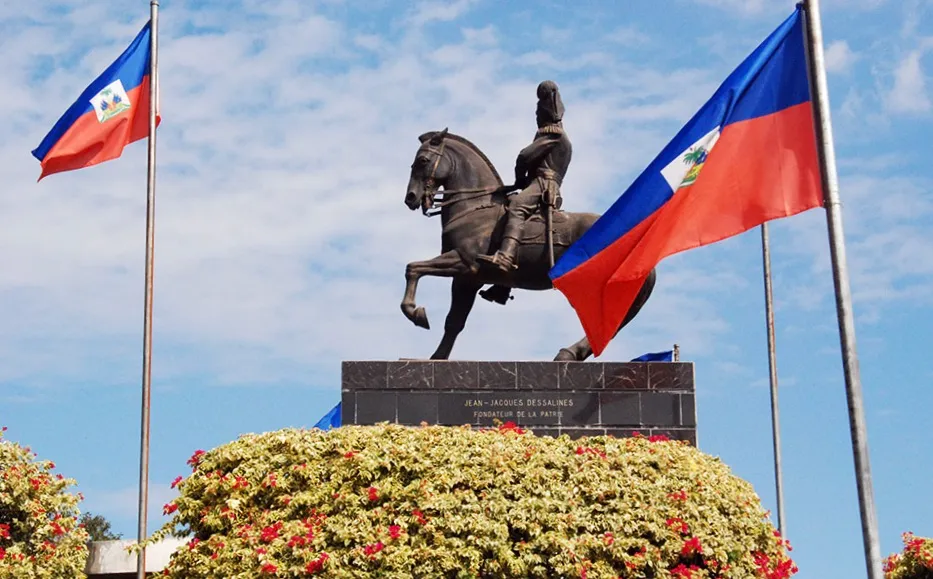
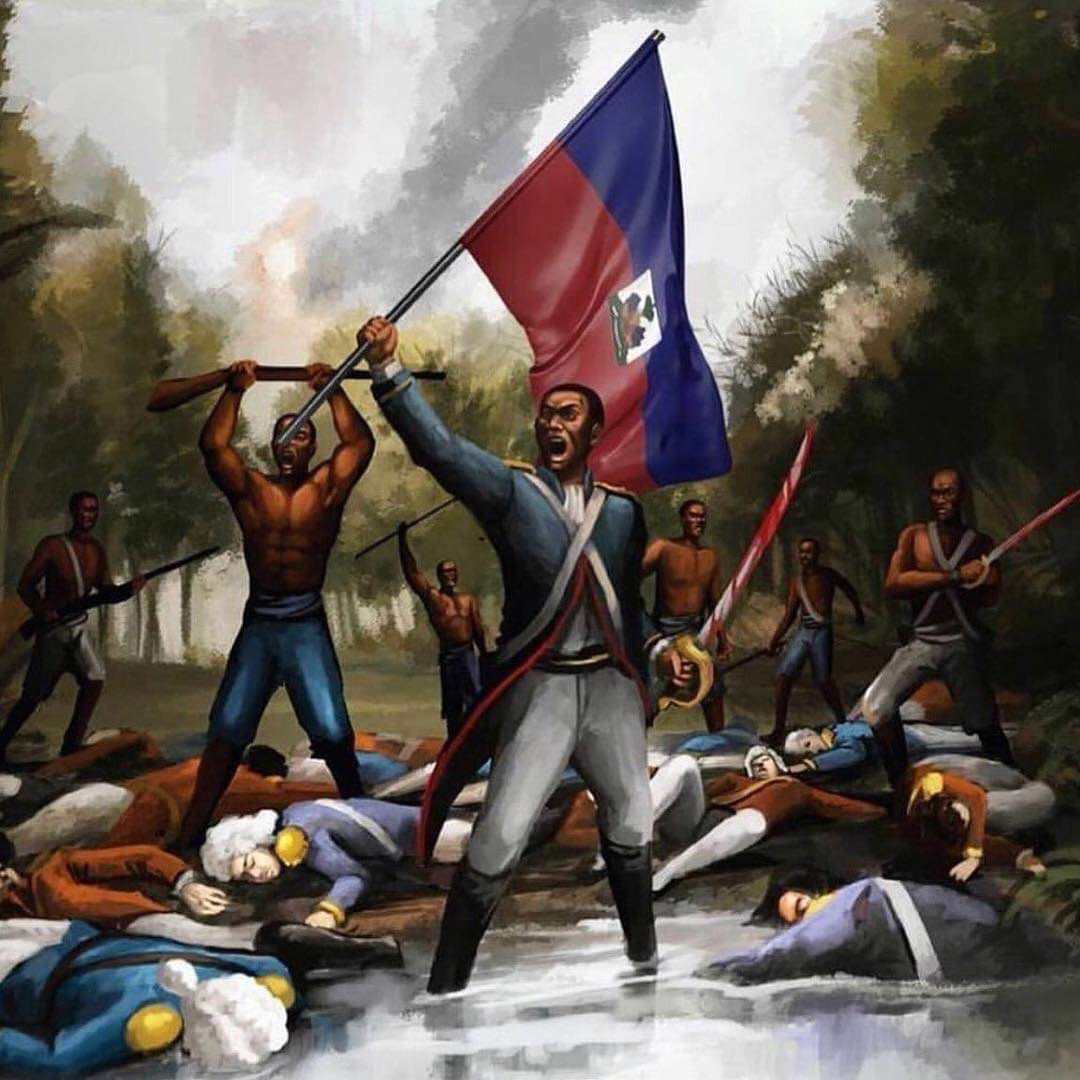
First black nation to free itself from slavery and gain independence from France in 1804 and influenced other liberation movements around the world, inspiring struggles for freedom and equality.

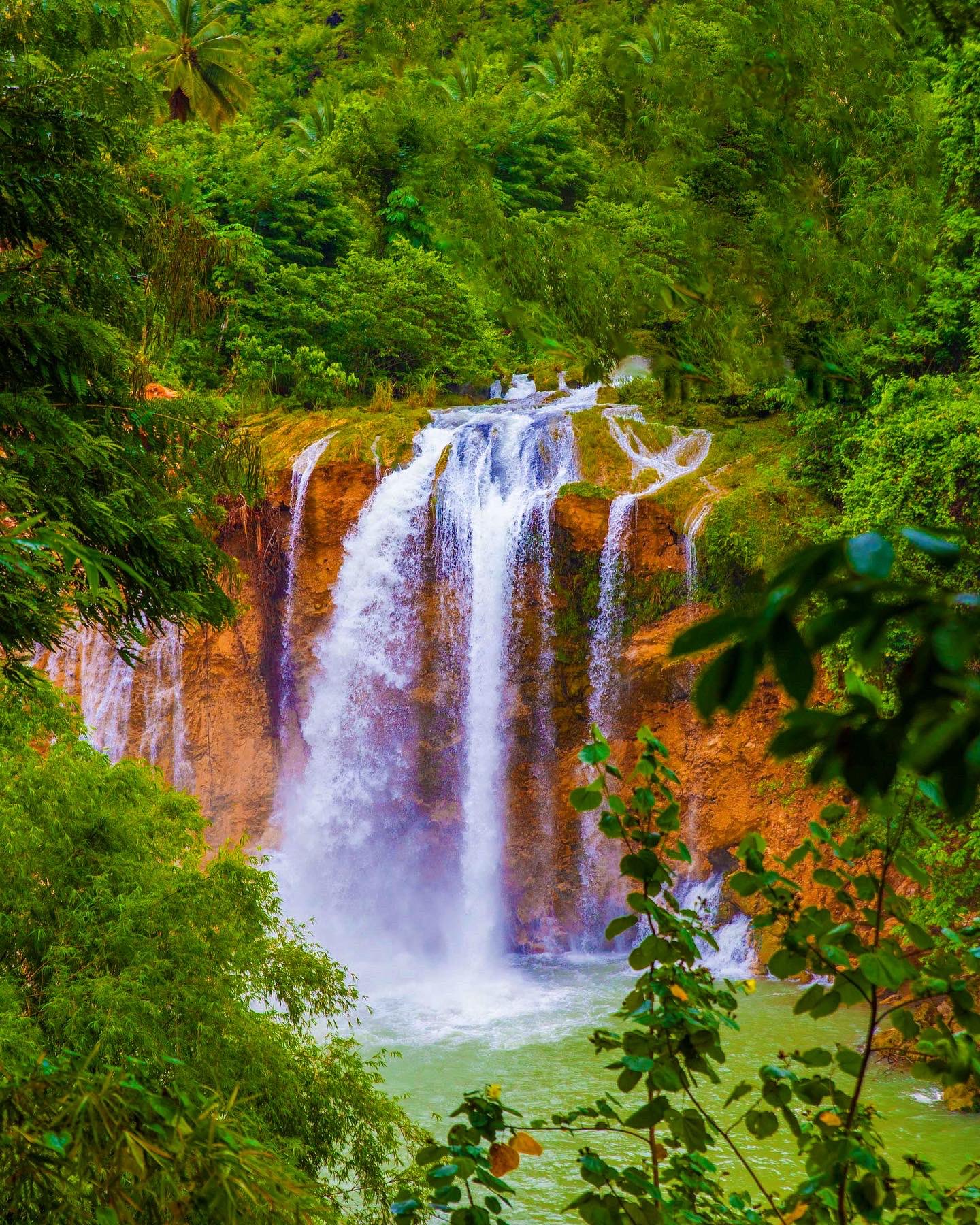
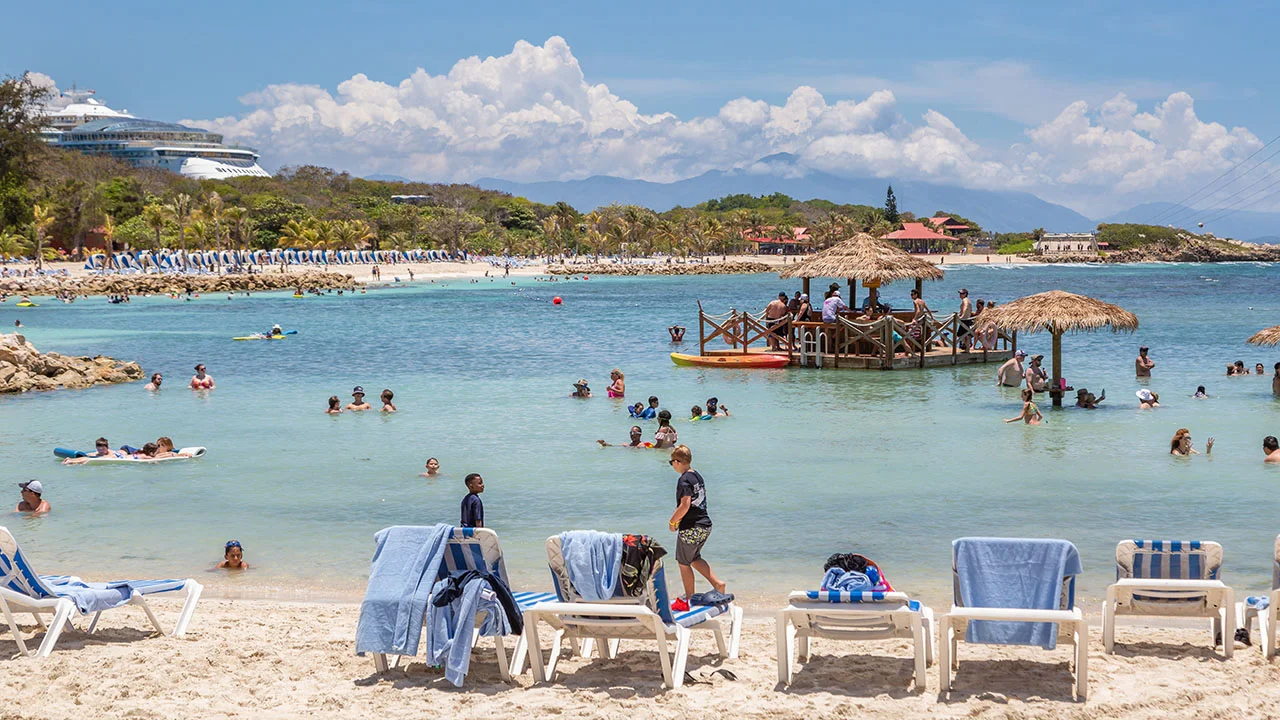
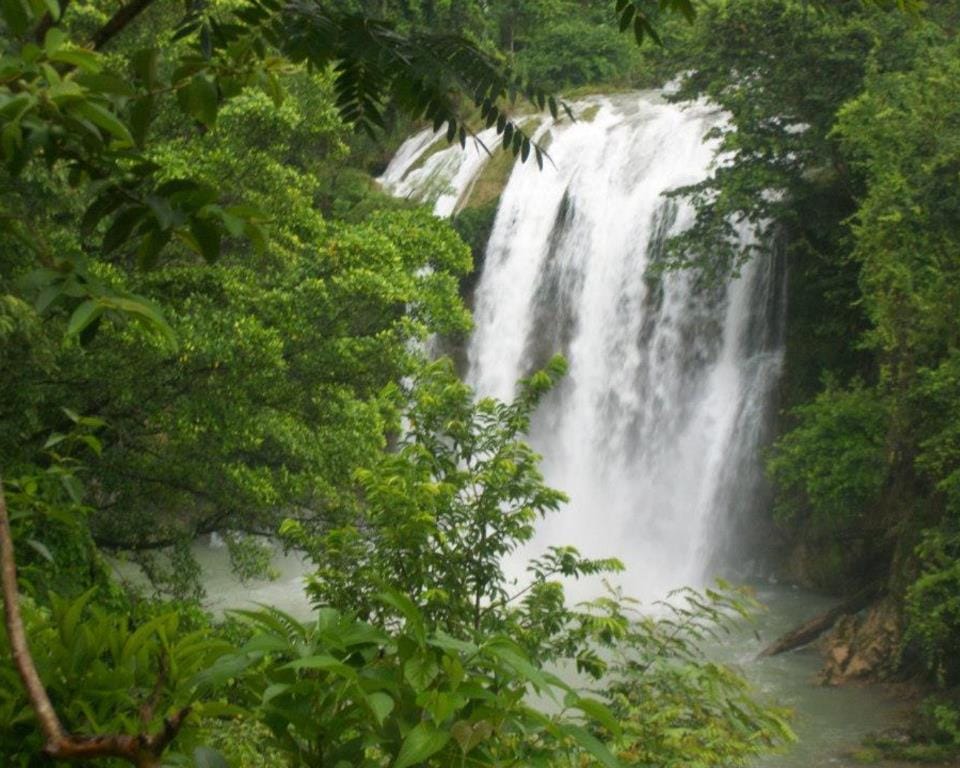
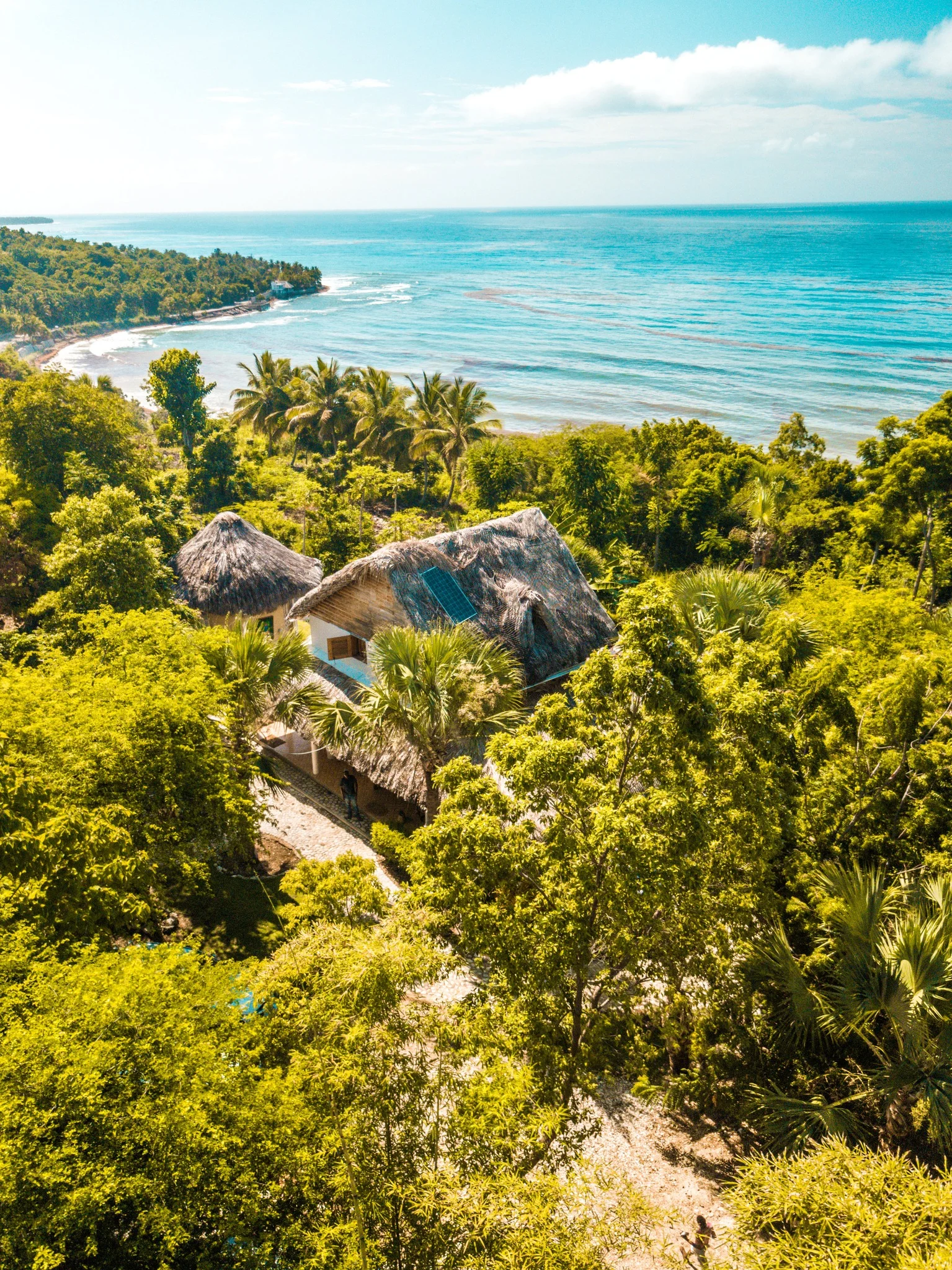
Haïti is blessed with spectacular natural landscapes, including white sand beaches, mountains and rich biodiversity.

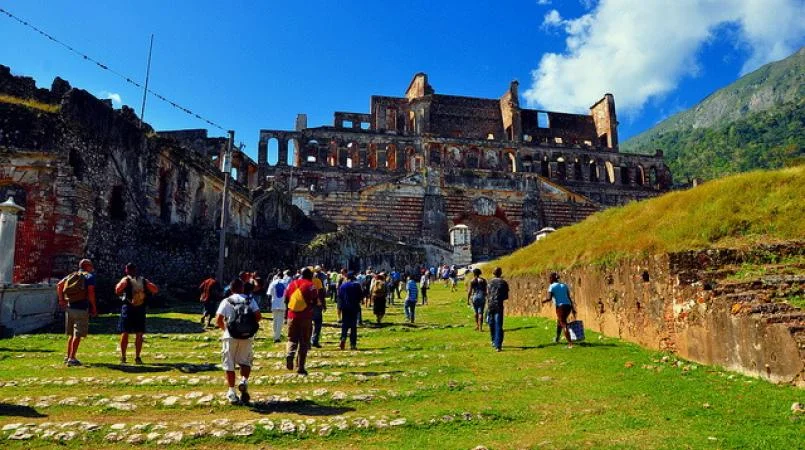
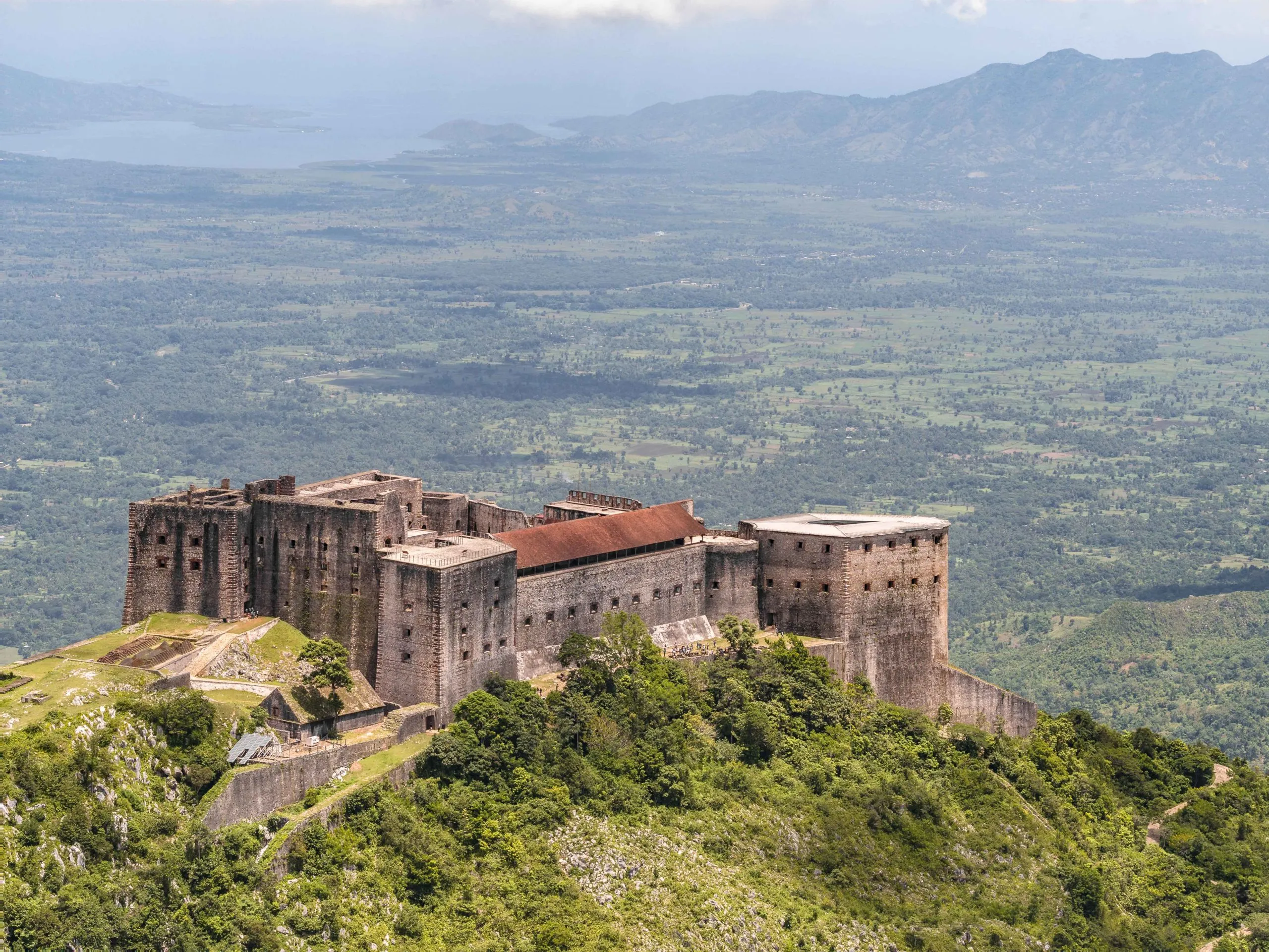
Haïti has a rich historical heritage, including sites like the Citadelle Laferrière and the Sans-Souci Palace, listed as UNESCO World Heritage Sites.

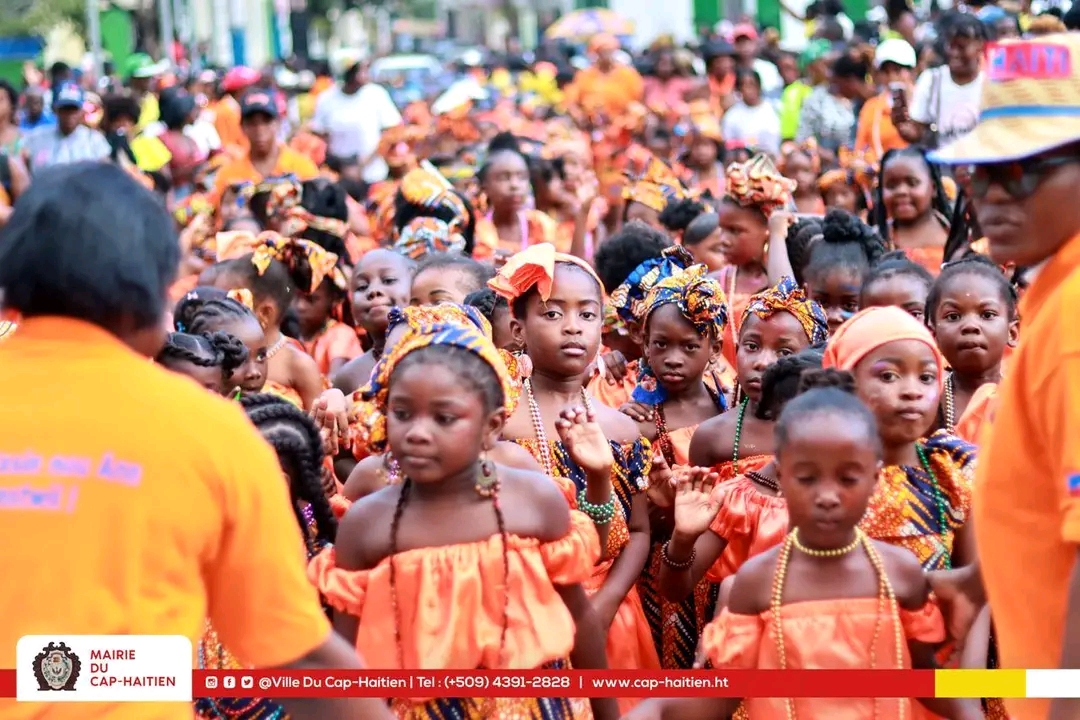
Haïti has a rich and diverse culture, influenced by African, European and indigenous elements. Haitian music, dance, art and cuisine are celebrated around the world.