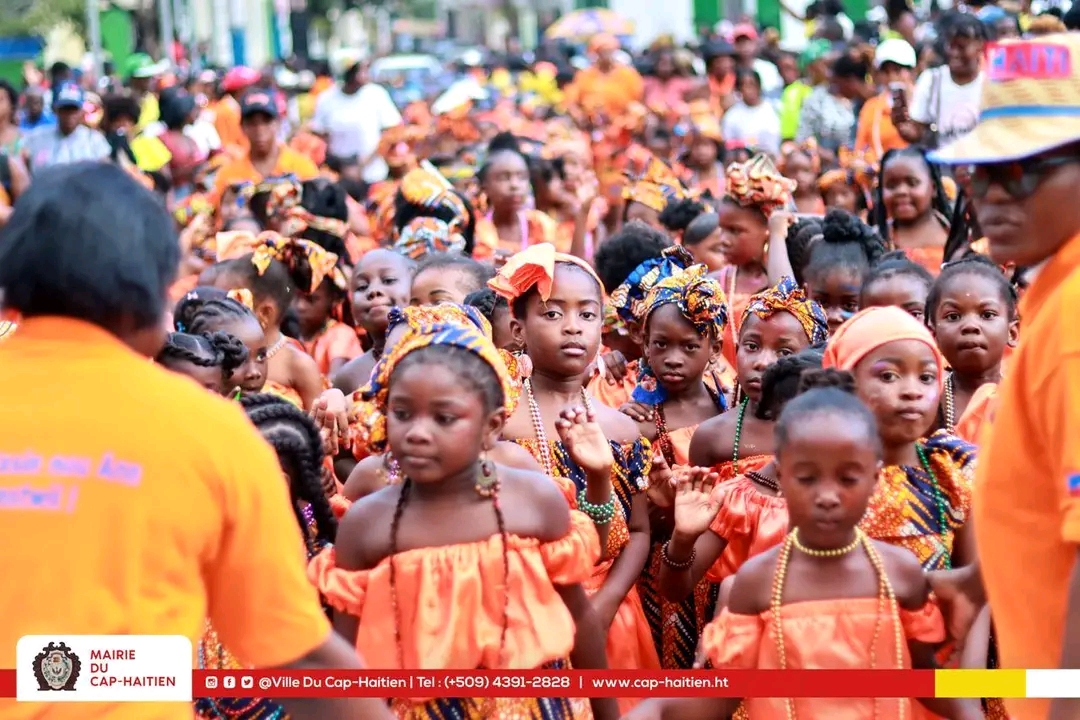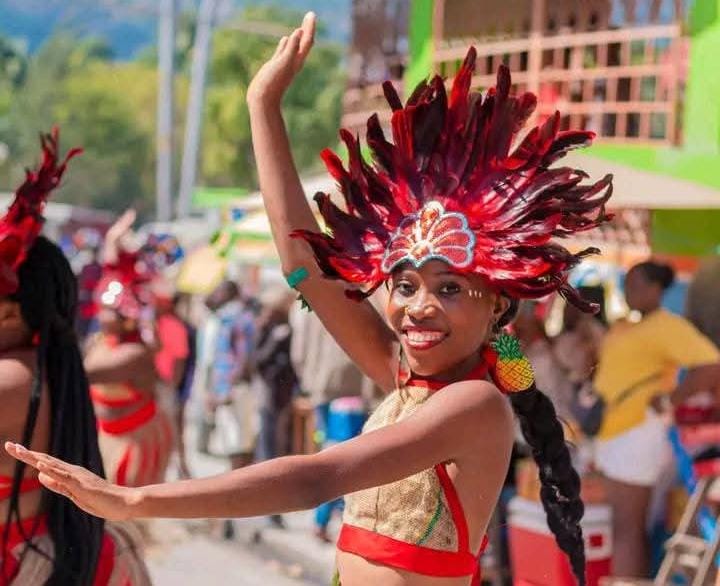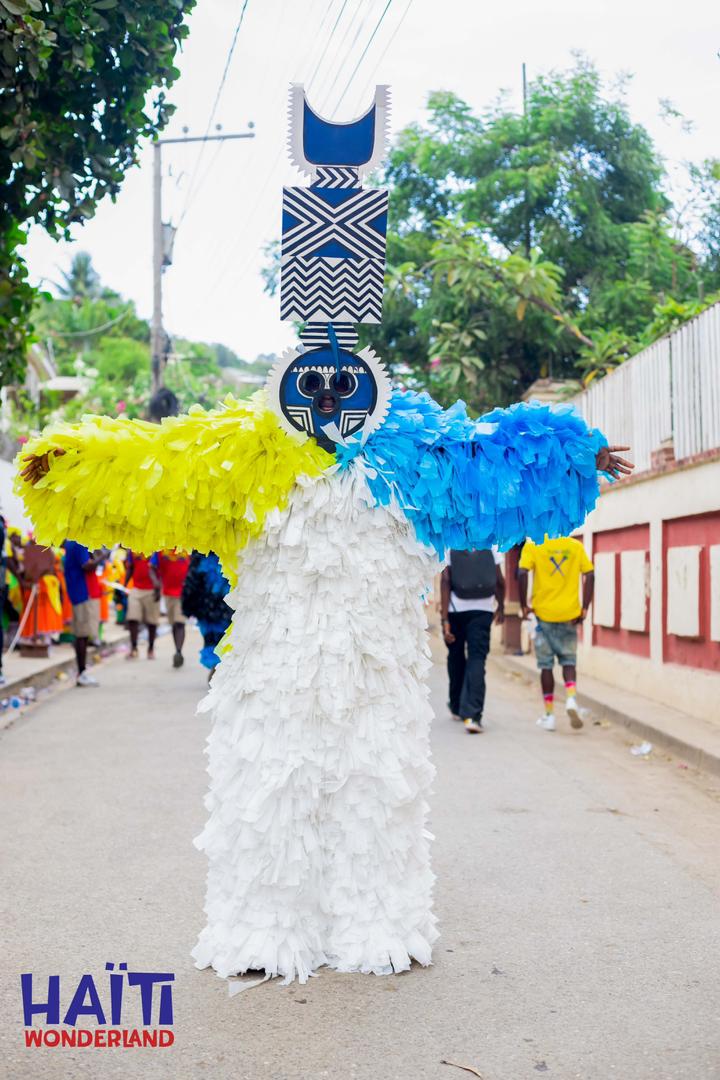

Children’s Carnival in Cap-Haïtien: A festive atmosphere in the heart of the city
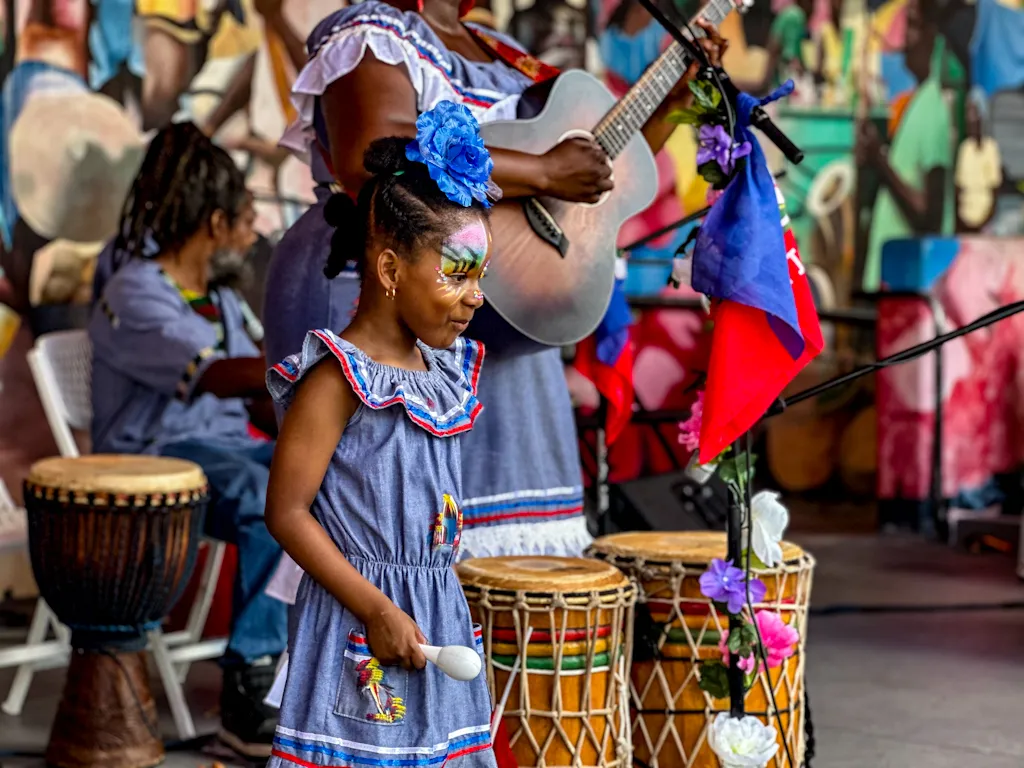
Discover the Children's Carnival in Cap-Haïtien, a joyful celebration full of color and Haitian traditions!

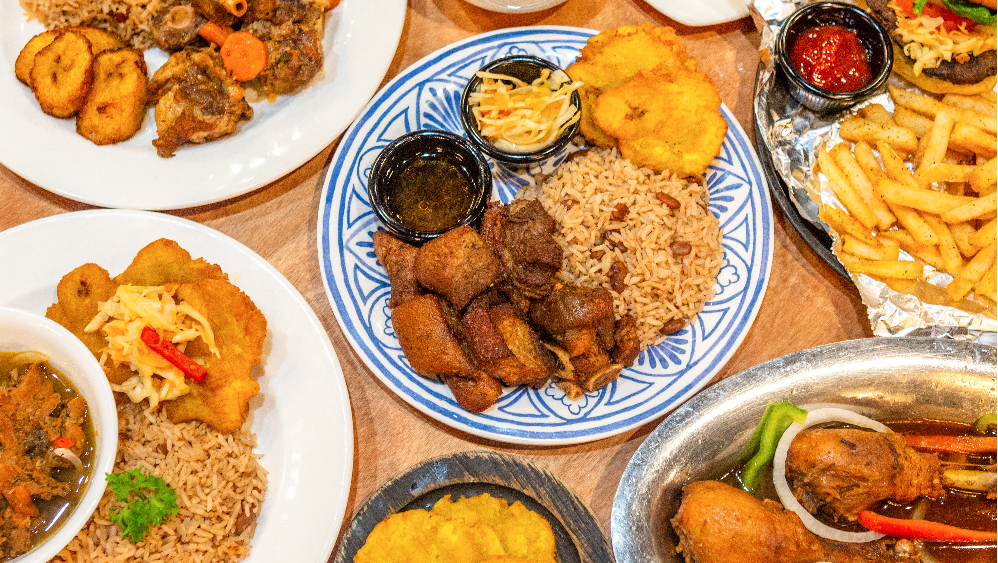
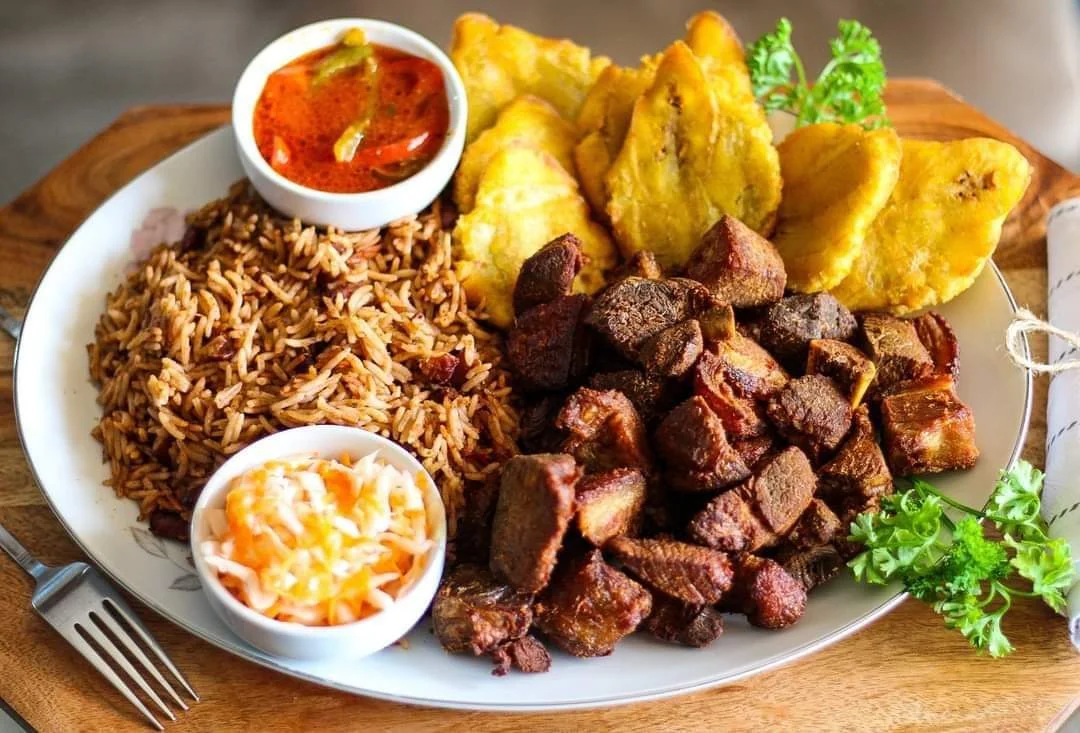
Haitian cuisine is often considered one of the best in the world, thanks to its spicy flavors and tasty dishes. It reflects the rich history and culture of the country, mixing African, European and Caribbean influences. We invite you to explore 20 must-try Haitian delights, whether it’s breakfast, lunch or dinner.
Once a staple in Haitian homes, pea broth was a true culinary tradition, served almost every Saturday. This nourishing and comforting dish brought families together around the table, offering an explosion of flavors and essential nutritional intake. However, with changing eating habits and the growing influence of fast food, it is prepared less and less by the new generation, at the risk of falling into oblivion. Haitian pea broth is a thick soup prepared with red or black peas, simmered for a long time until they obtain a velvety texture. This broth is then seasoned with local spices such as garlic, thyme, parsley and cloves, then garnished with vegetables such as carrots and spinach. Some variations add pieces of meat, often beef or pork, and small dumplings called "dombrés" "bòy", which give it even more consistency. So why not revive this tradition and prepare a good pea broth this Saturday, like our grandparents did?
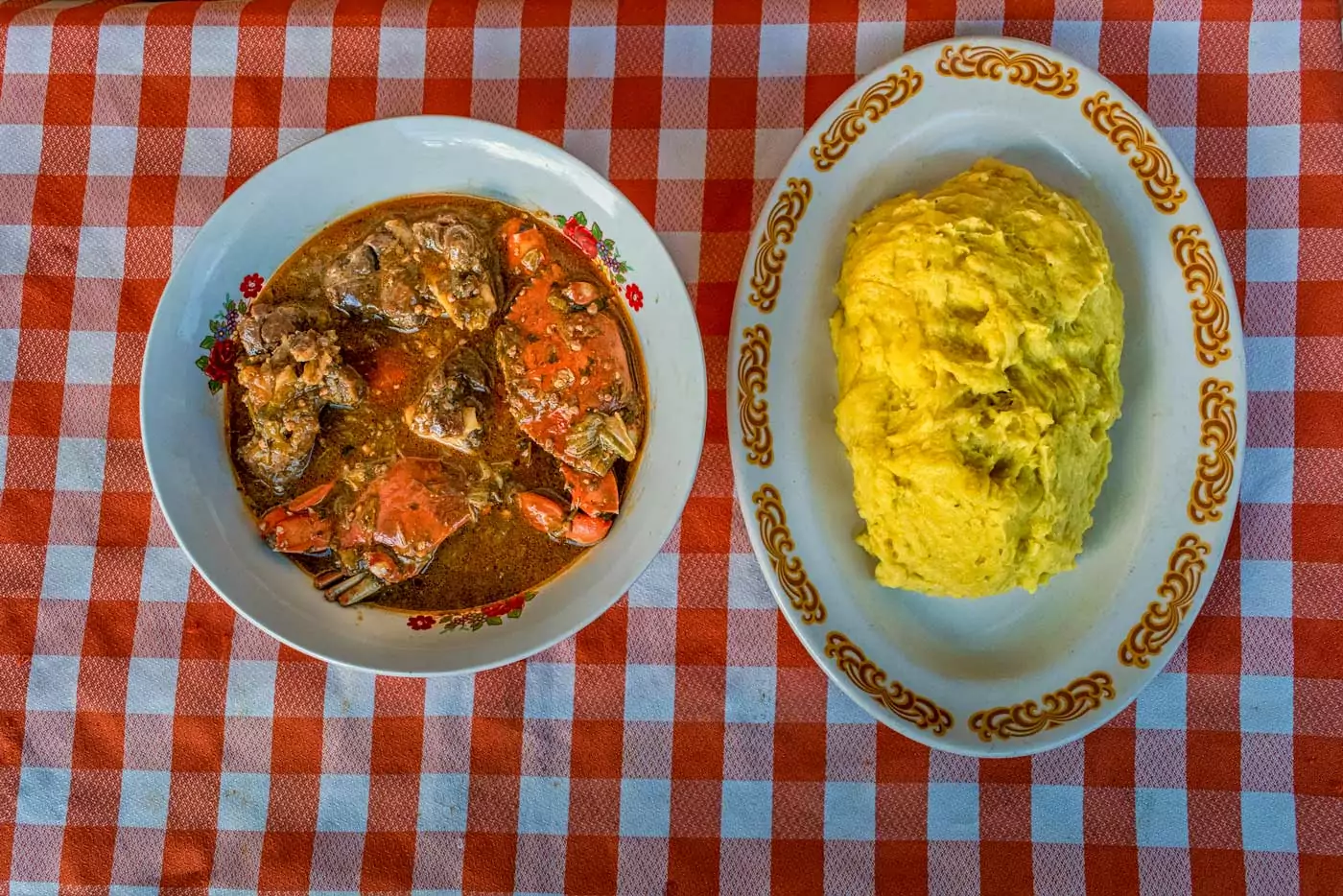
Haitian and African cuisine are gastronomic treasures that highlight local ingredients and preparation techniques passed down through generations. Among the most popular dishes of both cuisines, Haitian Tonmtonm and African Foutou (or Fufu) are distinguished by their rich flavors and unique textures. These two dishes, although they share a similar foundation - the use of local products such as cassava or plantain - have interesting differences, especially in their preparation, taste and accompaniment.
Are you a parent? Are your children already going to school? Don’t say anything, I know! Every morning, it’s the same question: "What’s in their lunch today?" You want it to be tasty, balanced, and, above all, for your child to enjoy what they’re eating. Here are 5 simple and delicious ideas to treat your child at school.
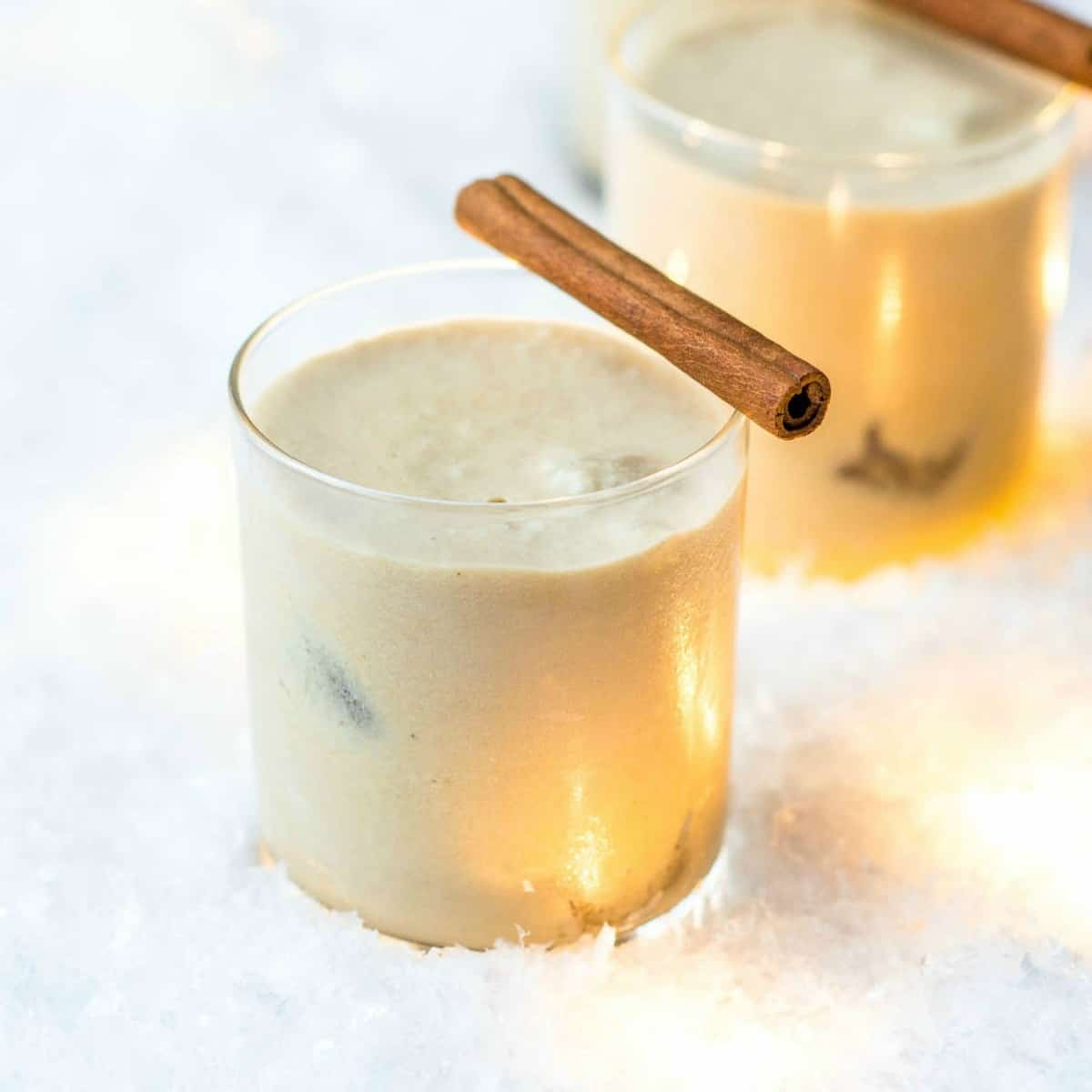
Crémas is one of the most iconic drinks in Haitian culture, especially enjoyed during the Christmas holiday season. This sweet and creamy cocktail has become a staple during family and community celebrations. This article invites you to discover this delicious beverage, its history, its preparation, and the importance it holds for Haitians during Christmas.
Easter in Haïti is both spiritual and convivial. It is a time of contemplation for many, but also a sacred occasion to gather with family around a special meal, respectful of the religious traditions of Lent. During this period, meat disappears from the plates, replaced by fish, especially cod, in an explosion of typically Haitian flavors.
In Haiti, rice is often preferred to wheat, corn, or other grains. However, today, we’re going to make an exception and enjoy a delicious red bean and wheat dish. To begin, boil the red peas. Meanwhile, heat the oil in a large saucepan over medium heat. Add the onion and garlic, sautéing until golden. Then, stir in the tomato paste and cook for a few minutes, stirring constantly. Next, add the drained red peas, chicken or vegetable broth, salt, and pepper. Mix everything well. Pour the water into the saucepan and bring to a boil. Once the water boils, add the wheat and simmer until tender and the water is absorbed. Finally, reduce the heat and stir occasionally to prevent the mixture from sticking to the bottom of the pan. Once cooked, adjust the seasoning to your taste and serve hot.
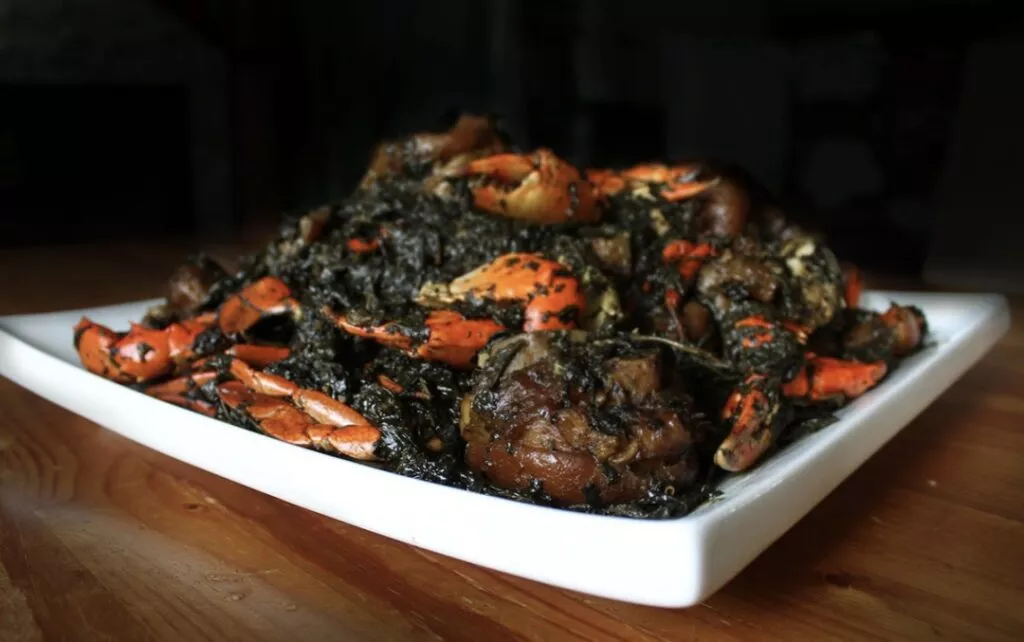
When was the last time you enjoyed a good lalo? Were you satisfied? What particularly struck you: the taste, the company of good friends? Tell us all about it in the comments! Lalo is an iconic dish from northern Haiti, particularly popular in the Artibonite region. It is prepared with jute leaves, a green plant with multiple health benefits. Rich in iron, vitamins, and fiber, lalo is known to give strength and energy. At home, we often cook it with beef, crab, or shrimp, served with white rice and a spicy sauce. Its slightly sticky texture may be surprising, but its savory flavor and spices make it a comforting dish that everyone enjoys. Beyond its flavor, lalo holds a special place in Haitian culture: it’s often prepared at large family gatherings or on holidays, bringing together young and old alike around a delicious meal. So, are you ready to savor a delicious lalo to welcome April with a sweet tooth?
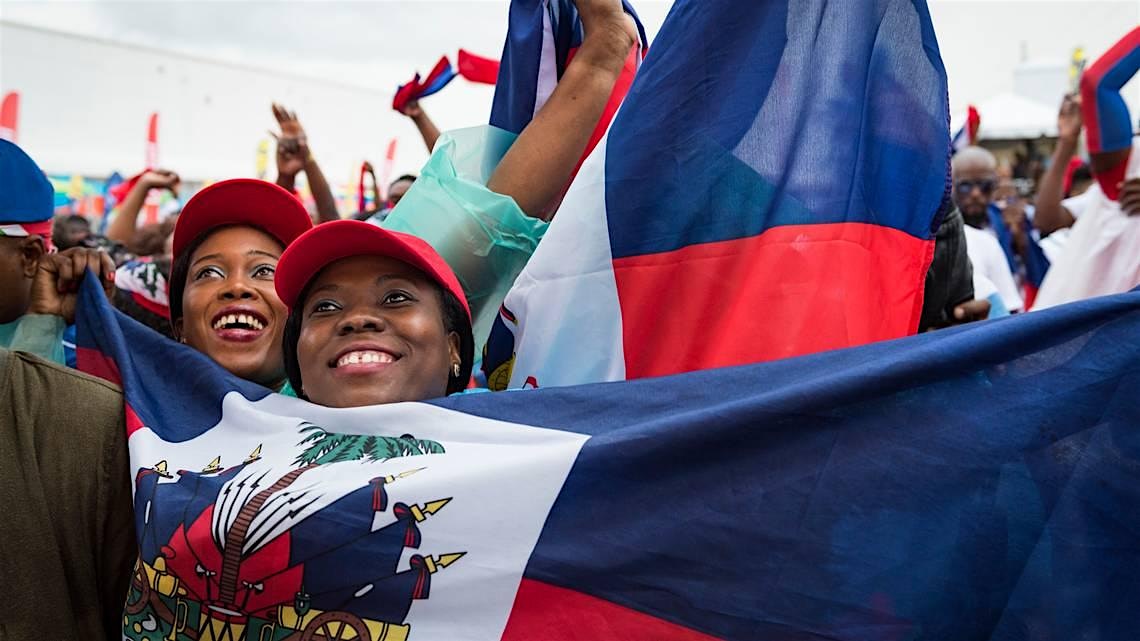
Haiti, a multifaceted island, is renowned for its picturesque landscapes, rich culture and vibrant festivals. Haitian festivals are much more than just celebrations; they represent the very soul of the nation, embodying its history, its traditions and its community spirit. Let’s dive into this journey, through some of Haiti’s most iconic festivals.
Are you Haitian? You are not Haitian but you have met them closely or from afar? Have you ever visited Haïti or do you have Haitian friends? No doubt! You have already eaten broth! Haitian broth is an emblematic dish of Haitian cuisine. This delicious broth is often prepared with a variety of meats, such as beef, pork or chicken, and is enhanced with fresh vegetables such as carrots, potatoes and celery. This mixture creates a harmony of flavors that reflects the richness of Haitian culture. The preparation of broth (bouyon) is a true culinary art. The ingredients are carefully selected and cooked slowly to allow the flavors to fully develop. Spices, such as thyme, garlic and chili pepper, add a touch of heat and depth to the dish. Traditionally, broth (bouyon) is served with rice or plantains, making it a complete and comforting meal. Broth is not just a dish, it is also a symbol of conviviality and sharing. It is often prepared during special occasions or family gatherings, strengthening the bonds between members of the community. If you feel like preparing broth one of these days, do not hesitate to ask for the recipe in the comments.
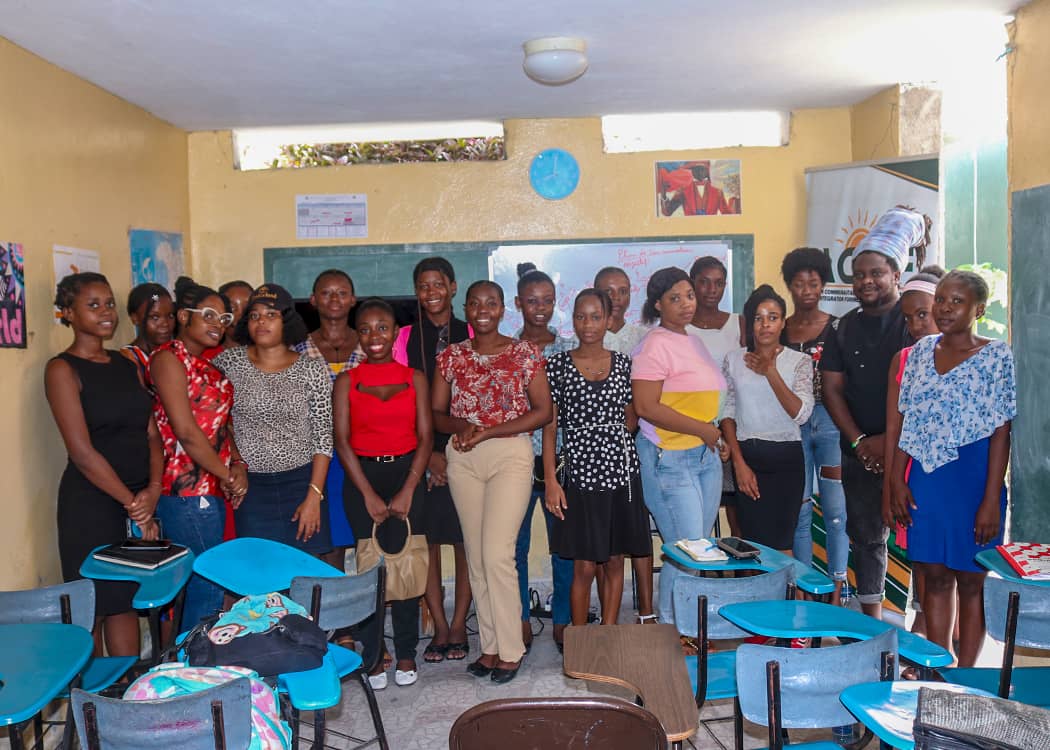
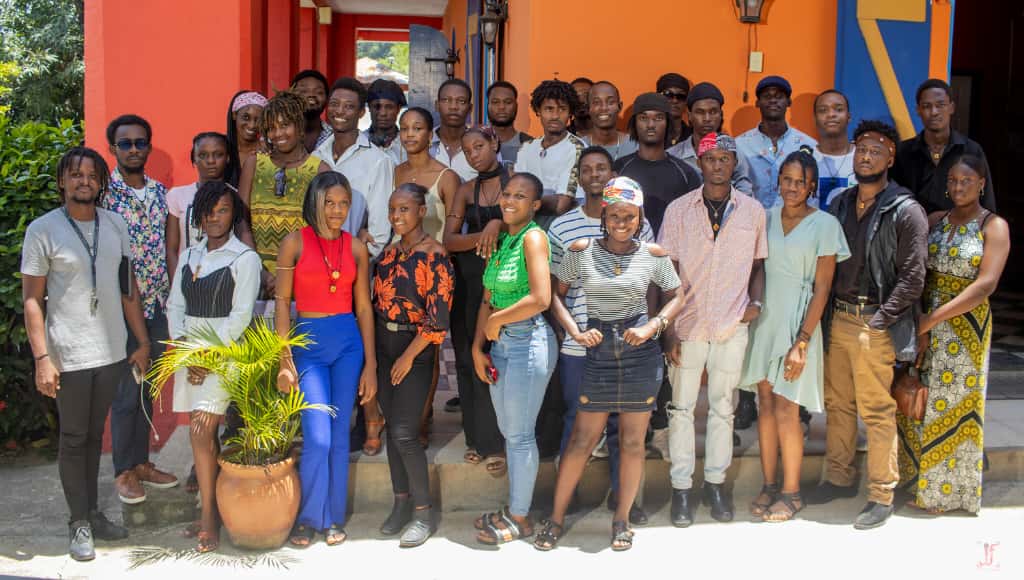
Haitiwonderland is a media that specializes in promoting Haïti across the web. Made up of young patriots passionate about writing, this media advocates the hidden side of Haiti, adding a completely different story coming from the country alongside the one told repeatedly and on purpose by the numerous international media.

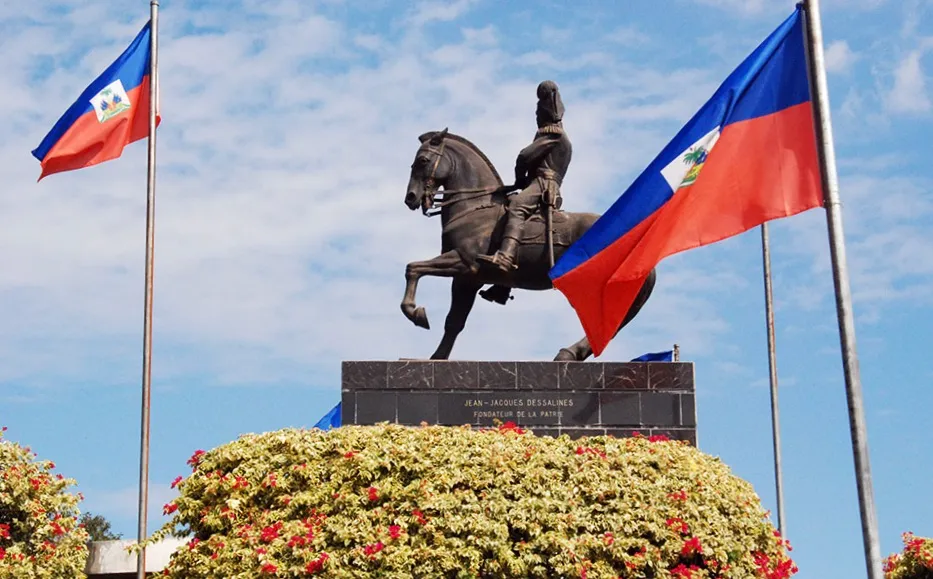
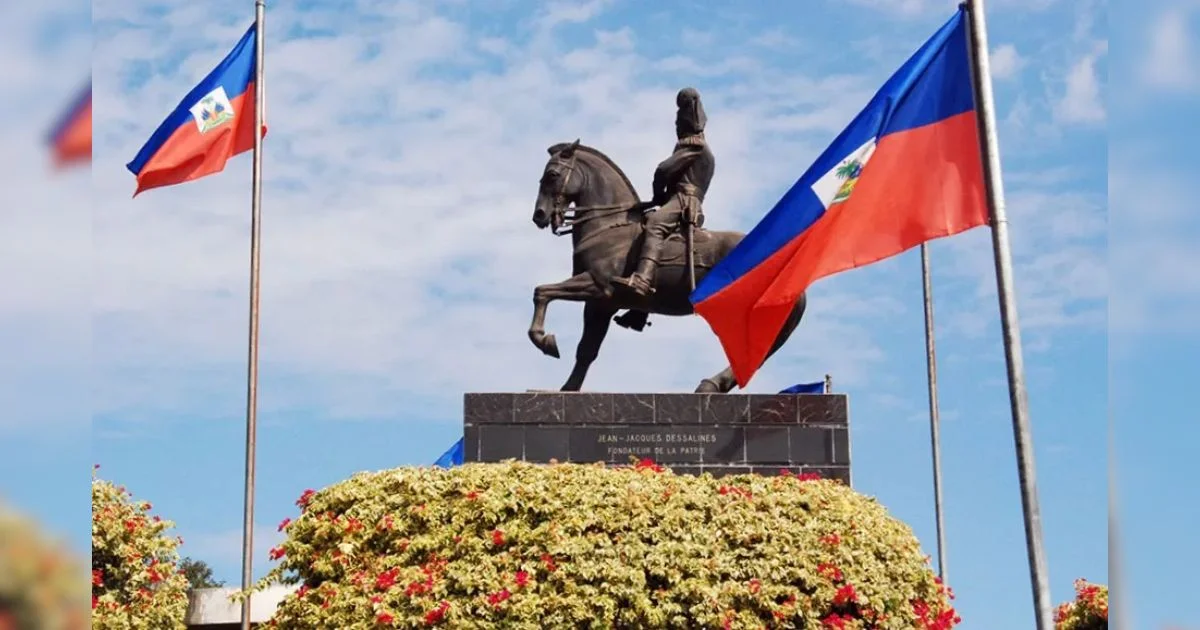
First black nation to free itself from slavery and gain independence from France in 1804 and influenced other liberation movements around the world, inspiring struggles for freedom and equality.

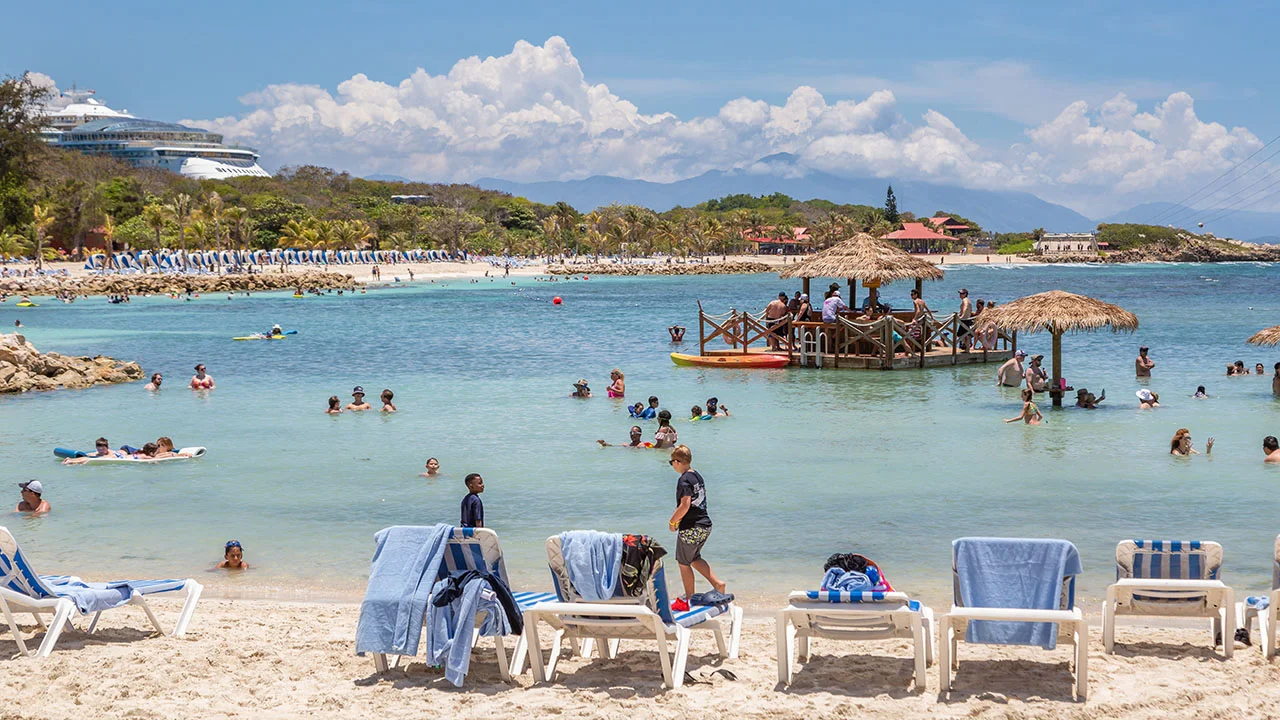
Haïti is blessed with spectacular natural landscapes, including white sand beaches, mountains and rich biodiversity.

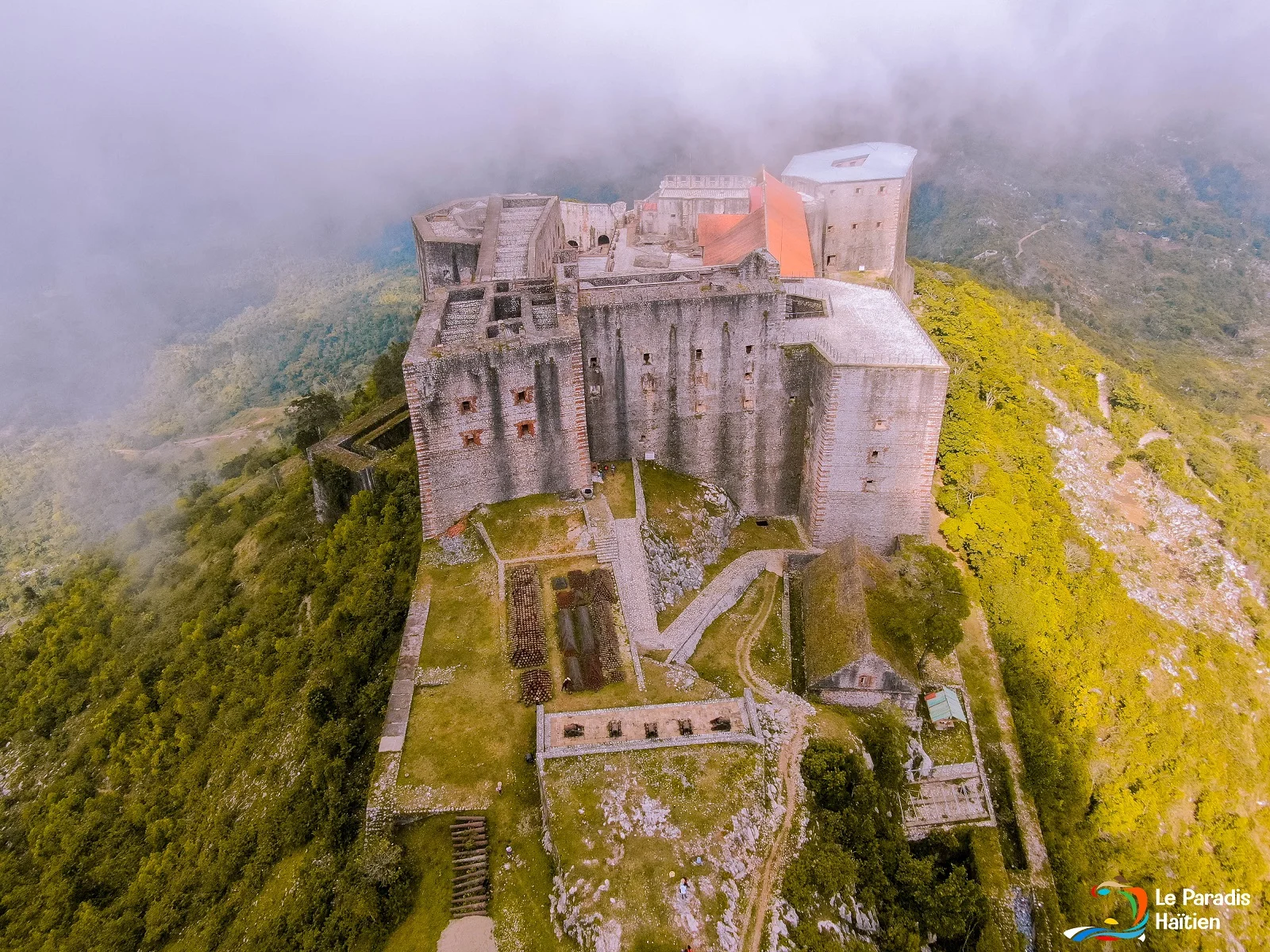
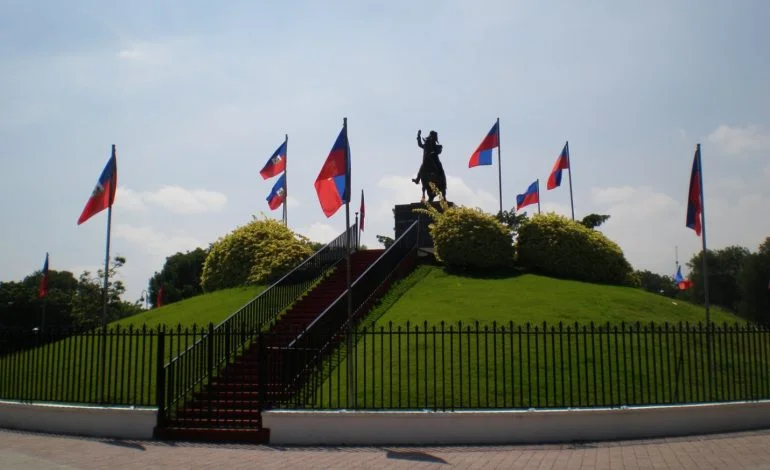
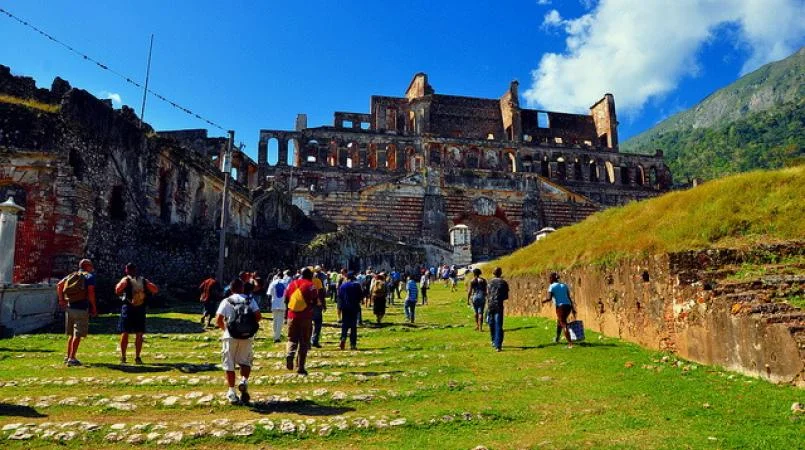
Haïti has a rich historical heritage, including sites like the Citadelle Laferrière and the Sans-Souci Palace, listed as UNESCO World Heritage Sites.

Haïti has a rich and diverse culture, influenced by African, European and indigenous elements. Haitian music, dance, art and cuisine are celebrated around the world.